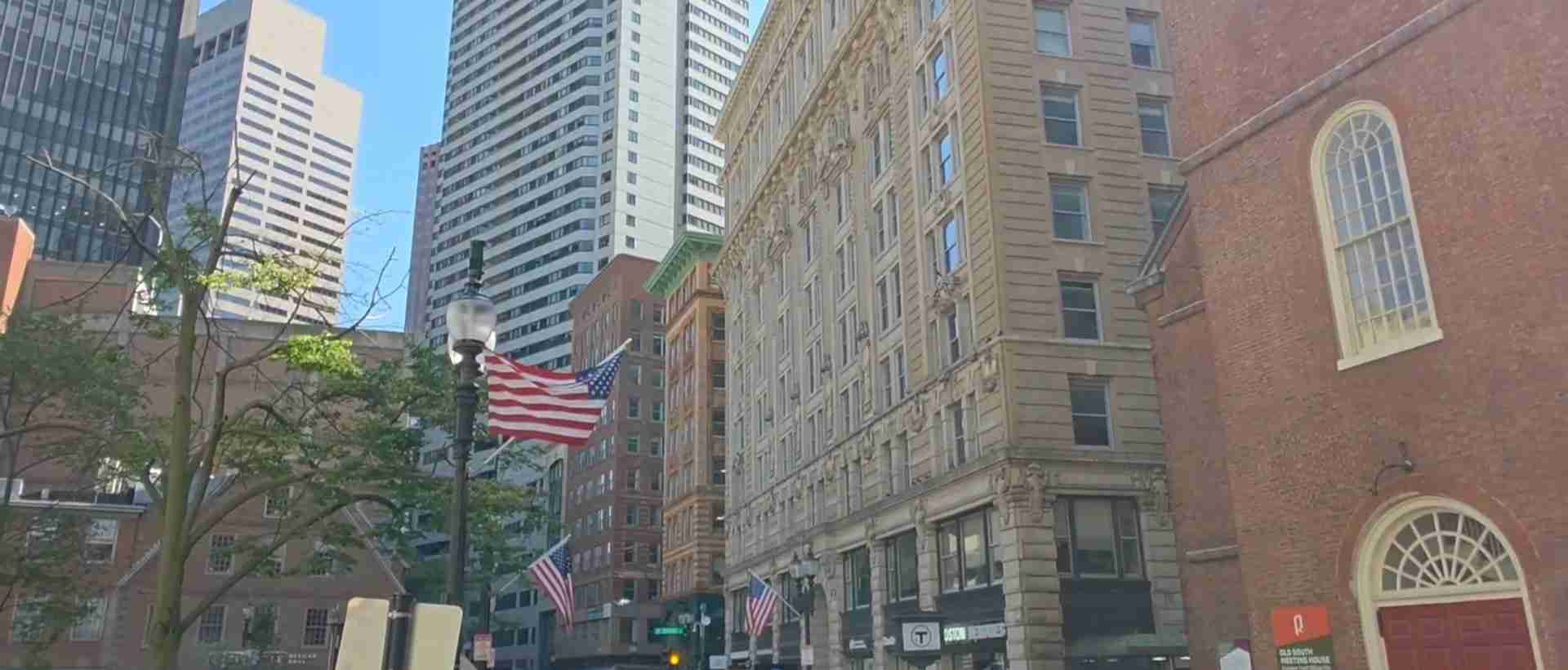
Boston Budget Guide 2026: Complete Cost Breakdown
Boston combines America’s revolutionary heritage with modern metropolitan energy, creating one of the nation’s most historically significant yet surprisingly expensive travel destinations. Understanding daily costs across accommodation, dining, transportation, and attractions enables travelers to experience the Freedom Trail, world-class museums, and vibrant neighborhoods without financial stress.
Key Takeaways
- Budget Travel Reality 2026: Budget-conscious travelers need $75-135 per person daily, prioritizing hostels or budget hotels shared between two, self-catering meals from Chinatown markets, consistent MBTA subway use, and free Freedom Trail exploration alongside occasional paid attractions.
- Mid-Range Comfort Zone: Moderate comfort costs $180-315 per person daily when sharing mid-range hotels between two, balancing casual restaurants with occasional upscale dining, mixing subway rides with convenient rideshares, and visiting major museums without financial constraint.
- Luxury Experience Investment: Premium experiences require $435-855 per person daily for couples sharing upscale hotels in Back Bay or Beacon Hill, dining at Michelin-recognized restaurants, private transportation convenience, and exclusive access to specialty tours and VIP experiences.
- Seasonal Price Variations Matter: Winter months December through February offer hotel rates 30-40% below summer peaks, with average nightly costs dropping from $320 in June to $223 in February, while major attractions maintain consistent pricing year-round.
- Strategic Pass Savings: Boston CityPASS costs $84 for adults covering four major attractions versus $140-180 purchasing separately, delivering 40-45% savings for visitors planning New England Aquarium, Museum of Science, and two additional flagship destinations.
- Weekly Budget Planning: Seven-day Boston experiences cost approximately $525-945 per person for budget travelers, $1,260-2,205 for mid-range comfort, and $3,045-5,985 for luxury stays, assuming shared accommodation and typical activity patterns.
People Also Ask About Boston Budget 2026
How much does a day in Boston cost in 2026?
Daily costs per person in Boston range from $75-135 for budget travelers to $180-315 for mid-range visitors and $435-855 for luxury experiences, all assuming two people sharing hotel accommodation. Budget travelers stay in $72-160 hostels or split $90-140 budget hotels, eat $27-43 daily from inexpensive restaurants and markets, use $2.40 subway rides exclusively, and prioritize free attractions with occasional $10-15 museum visits. Mid-range travelers share $160-280 hotels for $80-140 per person nightly, spend $65-108 daily dining at casual sit-down restaurants, mix $2.40 subway rides with $15-25 rideshares, and visit $25-45 paid attractions without hesitation. Luxury visitors occupy $400-900 upscale hotels for $200-450 per person when shared, dine at $155-245 daily high-end restaurants, utilize $30-60 daily private transportation, and invest $50-100 in premium experiences and exclusive tours.
What are the biggest expenses in Boston 2026?
Accommodation dominates Boston expenses, consuming 40-50% of total daily budgets across all travel styles. Mid-range hotels averaging $160-280 nightly translate to $80-140 per person when couples share rooms, while luxury properties commanding $400-900 require $200-450 per person nightly splits. Dining represents the second-largest expense at 25-35% of budgets, with mid-range travelers spending $65-108 daily on three meals combining casual eateries and occasional upscale restaurants. Transportation costs remain relatively controlled at $8-20 daily for mid-range visitors mixing MBTA subway rides with convenient rideshares. Attraction admissions vary dramatically by interests, ranging from free Freedom Trail walks to $84 CityPASS purchases covering four major museums and experiences.
Is Boston more expensive than New York in 2026?
Boston hotel rates in 2026 average $320 nightly, matching or slightly exceeding New York City’s average $284 in most categories, making Boston America’s most expensive hotel market. Mid-range restaurant meals cost approximately 10-15% less in Boston than Manhattan, with typical sit-down dinners running $35-55 versus New York’s $45-65 range. Boston’s MBTA subway rides cost $2.40 compared to New York’s $2.90, offering modest transportation savings. Major museum admissions remain comparable, with Boston’s Museum of Fine Arts at $28 matching New York’s Metropolitan Museum suggested admission. Overall daily costs for mid-range travelers run $180-315 in Boston versus $200-340 in New York, reflecting Boston’s slightly lower dining and entertainment expenses despite matching accommodation prices.
When is the cheapest time to visit Boston in 2026?
February delivers Boston’s lowest accommodation prices, with average hotel rates dropping 30% to $223 nightly compared to June’s peak $320 average, while December and January offer similar winter discounts. Sunday check-ins provide additional 10-15% savings versus Tuesday peak pricing across all seasons. Spring shoulder season March through April and fall November months balance moderate $240-280 hotel rates with comfortable 45-65°F temperatures suitable for Freedom Trail walking and outdoor exploration. Summer June through August commands premium $300-400 hotel rates but delivers ideal 70-80°F weather for harbor cruises and outdoor attractions. Winter visitors sacrifice some outdoor comfort for substantial accommodation savings, though major museums, restaurants, and indoor attractions operate full schedules year-round.
Extended multi-day tours – 5+ days
Featured Usa East Coast Multi-Day Tour Packages

3 days
Usa East Coast 3-Day Discovery Tour
- ✓ Comprehensive Usa East Coast experience
- ✓ Expert local guides included
- ✓ All accommodation included
- ✓ Transportation provided
5 days
Usa East Coast 5-Day Highlights Experience
- ✓ Comprehensive Usa East Coast experience
- ✓ Expert local guides included
- ✓ All accommodation included
- ✓ Transportation provided
7 days
Usa East Coast 7-Day Cultural Journey
- ✓ Comprehensive Usa East Coast experience
- ✓ Expert local guides included
- ✓ All accommodation included
- ✓ Transportation provided
10 days
Usa East Coast 10-Day Complete Adventure
- ✓ Comprehensive Usa East Coast experience
- ✓ Expert local guides included
- ✓ All accommodation included
- ✓ Transportation provided
Multi-day tour packages powered by TourRadar. Prices and availability subject to change.
Introduction
Boston’s unique position as America’s revolutionary birthplace and modern innovation hub creates a distinctive travel destination where colonial cobblestones meet cutting-edge biotechnology, where Paul Revere’s house stands blocks from gleaming Seaport District towers, and where Harvard’s ancient yards neighbor vibrant immigrant neighborhoods serving authentic global cuisines. This 400-year-old city that launched American independence remains one of the nation’s most historically significant destinations, attracting visitors eager to walk the Freedom Trail, explore world-class museums, experience championship sports culture, and discover neighborhoods from Italian North End to Irish South Boston that maintain fierce local identities.
Understanding Boston’s costs proves essential for trip planning because this compact northeastern city commands premium prices reflecting its status as a major educational, medical, and financial center. Hotel rates averaging $233-320 nightly rank among America’s highest, influenced by limited supply, strong business travel demand, and the city’s role hosting major conferences and sporting events. Dining expenses vary dramatically by neighborhood, from $5 breakfast sandwiches in Dorchester to $80 entrees in Back Bay steakhouses. Transportation costs remain manageable thanks to comprehensive MBTA subway coverage, though the city’s confusing colonial street layout challenges drivers and parking fees reach $40-60 daily downtown.
Boston’s tourism infrastructure supports every budget level through strategic planning and neighborhood knowledge. Budget travelers accessing free attractions, utilizing public transportation, and eating in Chinatown or Allston can experience the city’s essential character for $75-135 daily per person. Mid-range visitors balancing comfort with value find Boston remarkably accessible through smart hotel location choices, diverse dining options, and efficient MBTA connections, spending $180-315 per person daily. Luxury travelers investing in premium hotels, Michelin-recognized dining, and exclusive experiences discover a sophisticated city rewarding those who seek its finest offerings, with daily costs reaching $435-855 per person.
The 2026 travel year brings particular considerations as Boston hosts seven FIFA World Cup matches in June and July, driving summer hotel rates to unprecedented peaks potentially reaching $400-865 nightly during match weeks at Gillette Stadium. This major sporting event compresses available accommodation and inflates prices citywide during peak summer months, making advance booking essential for summer visitors. Fall foliage season September through October delivers New England’s famous autumn colors, attracting premium prices only slightly below summer peaks. Winter months December through February offer the year’s best value, with hotel rates dropping 30-40% below summer highs while major museums, restaurants, and indoor attractions maintain full operations.
This comprehensive budget guide breaks down Boston’s 2026 costs across accommodation by neighborhood and tier, dining from budget ethnic eateries to luxury restaurants, transportation including MBTA passes and rideshare economics, attractions from free historical sites to premium experiences, and practical considerations including taxes, tipping, and hidden fees. Strategic planning, neighborhood knowledge, and smart booking decisions transform Boston from prohibitively expensive to accessible across budget levels, enabling travelers to experience America’s most historic city without financial stress.
Understanding Boston Costs in 2026
Boston’s cost structure reflects its dual identity as America’s revolutionary birthplace and modern innovation economy, where historical tourism infrastructure intersects with high-income professional populations driving premium pricing across hospitality sectors. The city’s compact 48-square-mile area contains distinct neighborhoods exhibiting dramatic price variations, from affordable ethnic enclaves in Dorchester and Allston to premium districts in Back Bay and Beacon Hill where single restaurant meals exceed budget travelers’ entire daily food allocations.
Accommodation costs dominate Boston budgets, consuming 40-50% of total daily expenses across all travel styles. Limited hotel supply relative to demand, particularly during summer peak season and major events, enables properties to maintain premium pricing year-round with only modest winter discounts. The city’s 55,000 hotel rooms serve business travelers, medical visitors, university populations, and tourists simultaneously, creating consistent occupancy pressure. Mid-range properties in convenient locations command $160-280 nightly, while budget options under $120 concentrate in outer neighborhoods requiring 20-40 minute MBTA commutes to central attractions.
Dining expenses vary more dramatically by neighborhood than accommodation, with authentic ethnic restaurants in Chinanatown, Allston, and East Boston offering complete meals for $10-20 while Back Bay and Seaport District establishments charge $50-80 for comparable portions. Boston’s restaurant scene rewards neighborhood knowledge and willingness to travel beyond tourist corridors. The North End’s Italian restaurants deliver exceptional value compared to nearby Faneuil Hall tourist traps, while Chinatown’s dim sum parlors and Vietnamese pho shops provide filling meals at budget-friendly prices steps from downtown hotels.
Transportation costs remain Boston’s most manageable expense category thanks to comprehensive MBTA coverage and the city’s walkable core. Single subway rides cost $2.40 with unlimited transfers within two hours, while seven-day passes at $22.50 deliver exceptional value for visitors making three-plus daily trips. The city’s notoriously confusing colonial street layout and aggressive drivers make rental cars unnecessarily expensive burdens, with daily rates reaching $60-90 plus $40-60 parking fees downtown. Most visitors find MBTA subway, buses, and occasional rideshares provide adequate mobility at 75% lower costs than car rental.
Attraction pricing follows two distinct patterns: free historical sites versus paid museums and experiences. Boston’s revolutionary heritage means many top attractions charge no admission, including the 2.5-mile Freedom Trail connecting 16 historic sites, Boston Common and Public Garden, Faneuil Hall, and Charlestown Navy Yard housing USS Constitution. Paid attractions range from $18-35 individual admissions to major museums, with Boston CityPASS bundling four top destinations for $84 delivering 40-45% savings versus separate purchases.
Accommodation Costs Boston 2026
Boston hotel pricing in 2026 reflects the city’s status as America’s most expensive accommodation market, with average rates reaching $320 nightly compared to national metropolitan averages of $180-220. This premium pricing stems from limited new construction in the historic city, strong business and medical tourism demand, major university presence driving parent and alumni visitors, and championship sports culture filling hotels around Red Sox, Bruins, and Celtics games. Supply constraints become acute during summer peak season, fall foliage weeks, and major events including 2026 FIFA World Cup matches, when available rooms command 50-100% premiums over winter baseline rates.
Budget Accommodation Boston $72-160 Per Night
Budget travelers find Boston’s hostel and budget hotel options concentrated in neighborhoods outside immediate downtown, requiring 15-30 minute MBTA commutes to central attractions but delivering substantial savings over premium districts. Hi Boston Hostel in Chinatown provides dormitory beds from $72-95 nightly with shared bathrooms, communal kitchen access, and social atmosphere attracting international backpackers and young travelers. Private rooms at hostels range $120-160 nightly, offering budget accommodation with hotel-like privacy at modest premiums over dorm beds.
Budget hotels under $140 nightly cluster in Cambridge near MIT, Brookline along the Green Line, and Jamaica Plain neighborhoods, offering basic but clean rooms with private bathrooms, limited amenities, and adequate comfort for travelers prioritizing location savings over luxury. Days Inn Boston near Fenway charges $98-135 depending on season, providing functional rooms, free parking saving $30-40 daily versus downtown garages, and quick Green Line access. La Quinta Inn Boston Somerville offers $105-145 rooms near Assembly Row with complimentary breakfast adding $15-20 daily value, free parking, and Orange Line subway connections reaching downtown in 15 minutes.
Vacation rentals through Airbnb provide budget alternatives in residential neighborhoods, with private rooms in host homes starting around $65-90 nightly and entire apartments in outer areas like Dorchester or East Boston reaching $110-140. These options suit longer stays and travelers comfortable in residential settings, offering kitchen access enabling significant dining savings through self-catering. Location research proves essential, as Boston’s neighborhood character varies dramatically and some budget areas require careful evening navigation.
Budget accommodation strategies maximize value through advance booking, flexible travel dates prioritizing winter months and Sunday arrivals, loyalty program enrollment at chains like IHG and Marriott offering occasional redemption value, and willingness to stay 2-3 subway stops outside downtown. Travelers sharing budget hotel rooms divide $90-140 nightly costs to $45-70 per person, making shared accommodation Boston’s most effective budget strategy.
Mid-Range Accommodation Boston $160-280 Per Night
Mid-range hotels deliver comfort, convenient locations, and reliable service at prices balancing accessibility with quality, typically offering rooms in Theater District, Kenmore Square, Cambridge, and outer Seaport areas within 10-15 minute walks or single subway rides to major attractions. Hampton Inn Boston Seaport charges $185-240 nightly depending on season, providing modern rooms, complimentary hot breakfast saving $15-20 daily per person, indoor pool, and waterfront location steps from cruise terminal and Institute of Contemporary Art.
Courtyard Boston Downtown operates in Theater District at $195-265 nightly, offering spacious rooms with mini-refrigerators, on-site restaurant and Starbucks, 24-hour fitness center, and walking distance to Boston Common, Chinatown dining, and Red Line subway access. The Envoy Hotel Autograph Collection in Seaport commands $210-280 representing mid-range category’s upper tier, delivering boutique style, rooftop bar with harbor views, and prime location in Boston’s newest neighborhood surrounded by restaurants and Innovation District employers.
Cambridge hotels provide mid-range value with Harvard Square and Kendall Square locations offering lower rates than comparable Boston properties plus distinctive college-town atmosphere and excellent restaurant access. Hotel 1868 near MIT charges $175-245 for rooms in renovated 19th-century building, delivering boutique character at mid-range prices with complimentary wine hour, artsy decor, and Red Line subway reaching downtown Boston in 10 minutes. Le Méridien Cambridge-MIT offers $190-260 rooms with river views, indoor pool, full-service restaurant, and business-traveler amenities at prices 10-15% below equivalent Boston properties.
Brookline provides another mid-range value zone, with Green Line hotels like Courtyard Boston Brookline charging $165-225 for comfortable rooms, free breakfast, parking at $25 daily versus downtown’s $50-60, and quick trolley access to Fenway Park and Back Bay. Seasonal variations significantly impact mid-range rates, with winter months December through February delivering $160-200 nightly compared to summer peak $240-280, representing 30-40% savings for cold-weather travelers.
Luxury Accommodation Boston $400-900+ Per Night
Luxury hotels deliver exceptional service, prime Back Bay or waterfront locations, upscale amenities, and distinctive character at premium prices reflecting Boston’s status as an expensive market even by national luxury standards. Four Seasons One Dalton commands $700-900 nightly for standard rooms in Boston’s tallest residential tower, offering floor-to-ceiling windows with city views, 64-foot curved swimming pool, world-class Zuma restaurant, dedicated wellness floor, and ultra-modern design attracting professional athletes and business executives.
The Newbury Boston occupies a renovated historic building at Newbury Street and Public Garden, charging $600-800 for elegantly designed rooms blending classic New England style with contemporary luxury, rooftop Contessa restaurant delivering Italian cuisine and skyline views, and unbeatable location steps from high-end shopping and urban parkland. Boston Harbor Hotel maintains waterfront presence since 1987, offering $650-850 rooms with water views, legendary service attracting repeat luxury clientele, prestigious Rowes Wharf Restaurant, and direct access to harbor cruise departures.
Mandarin Oriental Boston provides the city’s premier wellness-focused luxury at $800-1,100 nightly, featuring 400-square-foot minimum room sizes, 16,000-square-foot holistic spa with crystal steam rooms and vitality pools, direct Prudential Center shopping connection, and recent $15 million renovation cementing its status among America’s finest hotels. The property’s Royal Suite reaches several thousand dollars nightly, representing Boston’s ultimate luxury accommodation.
Luxury boutique properties offer distinctive character at slightly lower price points, with XV Beacon in Beacon Hill charging $500-700 for intimate 60-room hotel featuring personalized service, Mooo restaurant, complimentary town car service within downtown, and gas fireplaces in many rooms. Liberty Hotel in former Charles Street Jail delivers unique historic conversion at $450-650, blending preserved jail architecture with modern luxury, multiple restaurants and bars, and walking access to Beacon Hill and Boston Common.
Luxury accommodation savings strategies prove limited given properties’ consistent high occupancy, but winter shoulder season January through March delivers 15-20% discounts off peak summer rates, advance purchase rates save 10-15% with non-refundable commitments, and hotel loyalty programs at Marriott, IHG, and independent luxury brands occasionally provide upgrade opportunities or point redemption value for frequent travelers.
Neighborhood Accommodation Comparison Boston 2026
Back Bay commands Boston’s highest accommodation prices at $280-450 nightly mid-range average, reflecting central location, high-end shopping on Newbury Street, Victorian brownstone architecture, and walking access to Public Garden, Prudential Center, and Copley Square. The neighborhood justifies premiums through unbeatable convenience and prestigious atmosphere, though budget options remain virtually nonexistent.
Seaport District offers Boston’s newest hotel inventory at $220-380 mid-range rates, delivering modern properties, waterfront location, Innovation District energy, and excellent restaurant access with trade-off of 15-20 minute walks to historical downtown or reliance on Silver Line bus connections. The neighborhood particularly suits business travelers visiting biotech companies and conventiongoers at Boston Convention and Exhibition Center.
Cambridge provides 10-20% accommodation savings versus equivalent Boston locations at $160-280 mid-range range, offering Harvard Square and Kendall Square hotels with excellent subway access, distinctive college-town atmosphere, outstanding restaurant diversity, and slightly lower overall costs. Red Line subway reaches downtown Boston in 10-15 minutes, making Cambridge a strategic base for budget-conscious travelers.
Downtown Crossing and Theater District deliver central location at relatively accessible $190-300 mid-range prices, placing visitors in Boston’s urban core with immediate subway access, Chinatown dining steps away, and walking distance to Freedom Trail attractions. The area exhibits grittier urban character than Back Bay but offers superior value for location-focused travelers.
Brookline along Green Line provides strong value at $165-250 mid-range costs, requiring 15-25 minute trolley rides to downtown but offering residential neighborhood character, excellent international restaurants, and free or reduced-price parking at many properties. The area suits travelers prioritizing accommodation value over immediate central location.
Dining Costs Boston 2026
Boston’s dining scene rewards neighborhood knowledge and budget flexibility, ranging from $5 breakfast sandwiches at neighborhood corner stores to $130 tasting menus at Michelin-recognized establishments. The city’s culinary landscape reflects its immigrant heritage and modern prosperity, with authentic ethnic enclaves in Chinatown, East Boston, and Allston serving exceptional value while premium districts like Back Bay and Seaport command Manhattan-level pricing. Smart diners balance budget and quality by seeking neighborhood gems, utilizing lunch specials, and understanding where tourist premium pricing concentrates versus where locals eat.
Budget Dining Boston $27-43 Daily Per Person
Budget travelers meeting $27-43 daily food costs prioritize self-catering, ethnic restaurants, quick-service chains, and lunch specials over dinner service pricing. Breakfast from Dunkin’ Donuts, widespread across Boston, costs $5-8 for coffee and breakfast sandwich, providing efficient fuel without sit-down restaurant premiums. Alternative breakfast options include bagel shops charging $4-7 for bagel with cream cheese, convenience store coffee and pastry for $3-5, or supermarket purchases enabling hotel room breakfast preparation.
Chinatown delivers Boston’s best budget lunch value, with dim sum parlors, Vietnamese pho shops, and Chinese bakeries offering filling meals for $8-15. China Pearl serves weekend dim sum from $12-18 for substantial portions, while Pho Pasteur provides large bowls of Vietnamese soup with fresh herbs for $13-16. Banh mi sandwiches at multiple Chinatown bakeries cost $5-8, offering French-Vietnamese fusion in portable format. The neighborhood concentrates within three blocks of Downtown Crossing, making it convenient lunch destination for Freedom Trail walkers.
Allston’s student population supports budget restaurants serving international cuisines, with Korean, Japanese, and Brazilian establishments offering $10-18 entrees. Kaju Tofu House serves Korean soon-dubu-jjigae soft tofu stew with rice and banchan for $14-17, providing filling comfort food. El Cafetal delivers Brazilian cuisine including feijoada and moqueca at $15-20 for generous portions. The neighborhood requires Green Line B branch trolley from downtown but rewards adventurous budget diners with authentic flavors and prices reflecting local resident rather than tourist traffic.
Pizza represents reliable budget dinner option, with slices at $3-5 and whole pies feeding two for $18-28. Picco in South End offers creative combinations at moderate $20-28 whole pie prices, while Ernesto’s chain locations provide $2.50-3.50 slices throughout downtown and Back Bay. Quincy Market food court in Faneuil Hall, despite tourist location, maintains competitive pricing on quick-service options, with $12-18 meals from various vendors.
Supermarket self-catering dramatically reduces costs for travelers with hotel kitcens or willingness to pack picnic lunches. Whole Foods locations downtown and Cambridge offer prepared food sections with $8-14 per pound pricing, enabling customized takeout meals. Shaw’s and Star Market conventional supermarkets provide more affordable options, with rotisserie chickens at $8-10, deli sandwiches $6-9, and salad bar selections around $7-11 per pound. Self-catering two meals daily reduces food costs to $15-25, leaving budget for one restaurant meal.
Mid-Range Dining Boston $65-108 Daily Per Person
Mid-range diners allocating $65-108 daily balance casual restaurants, occasional upscale experiences, and neighborhood exploration without constant budget stress. This spending level enables sit-down breakfast at $12-22, lunch at $18-35, and dinner at $35-60 before beverages, accessing Boston’s diverse culinary landscape from North End Italian to South End contemporary American to Cambridge international cuisines.
Breakfast at mid-range restaurants costs $12-22 for eggs, pancakes, or specialty items with coffee at neighborhood spots like The Friendly Toast in Cambridge offering creative menu in casual atmosphere for $14-20 per person. Mike & Patty’s in Bay Village serves excellent breakfast sandwiches and coffee in tiny storefront for $10-15. Trident Booksellers & Café in Back Bay combines bookstore browsing with breakfast plates at $13-18, providing pleasant morning destination.
Lunch opportunities abound in $18-35 range, accessing quality restaurants offering better value than dinner service. Union Oyster House serves lunch seafood specials including clam chowder and lobster roll for $25-32, delivering iconic Boston experience at moderate pricing. Regina Pizzeria North End locations offer lunch combination deals at $18-24. Barcelona Wine Bar in Brookline serves Spanish tapas perfect for lunch sampling at $20-30 per person for multiple small plates.
Dinner represents mid-range budget’s showcase meal, with $35-60 enabling quality sit-down experiences across neighborhoods. Neptune Oyster in North End delivers exceptional seafood including lobster rolls and raw bar in intimate setting for $45-65 per person before drinks. Toro in South End serves creative Spanish tapas designed for sharing, with $50-75 per person covering substantial meal from Chef Ken Oringer’s menu. Oleana in Cambridge provides Mediterranean-influenced cuisine from James Beard Award winner Ana Sortun, with $55-80 per person experiencing one of Boston’s most accomplished restaurants.
North End Italian restaurants offer excellent mid-range dinner value, with traditional red-sauce establishments charging $28-45 for pasta and chicken dishes in neighborhood atmosphere. Giacomo’s Ristorante operates no-reservations policy creating consistent waits but rewards patience with generous portions at $26-38. Antico Forno centers menu around wood-fired oven, serving rustic Southern Italian at $30-45 per person.
Dine Out Boston occurs twice yearly in winter and summer, offering prix fixe menus at $27-55 enabling access to upscale restaurants at fixed-price value. Participating establishments include Michelin-recognized destinations normally commanding $65-100+ per person, making the promotion ideal timing for mid-range travelers seeking premium experiences. Reservations fill quickly, requiring advance planning when visit dates align with program schedules.
Luxury Dining Boston $155-245 Daily Per Person
Luxury diners allocating $155-245 daily access Boston’s Michelin-recognized establishments, innovative tasting menus, premium steakhouses, and waterfront dining with wine pairings and full-service expectations. This budget enables upscale breakfast at $25-45, refined lunch at $50-80, and signature dinner at $80-140 before beverages, accessing the city’s most acclaimed culinary talents.
Breakfast at luxury hotels or premium cafés costs $25-45 for composed plates, specialty coffee programs, and attentive service at properties like Newbury Boston or Four Seasons One Dalton. Tatte Bakery & Café locations offer elevated breakfast experience at $18-28 with Israeli-inspired pastries and shakshuka, representing accessible luxury breakfast option.
Lunch at luxury level reaches $50-80 at upscale restaurants operating midday service, with Legal Sea Foods flagship locations serving fresh catches at $38-65, and steakhouses like Grill 23 offering lunch alternatives to their premium dinner pricing. The Capital Grille provides business lunch setting at $42-70 for steaks and seafood in Financial District location.
Dinner represents luxury dining’s centerpiece, with Menton in Seaport delivering French-Italian tasting menus from Chef Barbara Lynch starting at $175 per person before wine pairings, representing Boston’s most refined dining experience. O Ya in Leather District serves Japanese kaiseki-style progression at $285 for omakase menu, showcasing exceptional technique and imported ingredients. L’Espalier provides French cuisine in elegant Back Bay townhouse at $125-175 for multi-course meals.
Steakhouses command $80-140 per person for dry-aged beef, premium sides, and classic luxury atmosphere. Mooo at XV Beacon in Beacon Hill serves prime cuts at $95-150 per person with sophisticated wine program. The Palm in Back Bay delivers traditional steakhouse experience at $85-130 per person for enormous portions and old-school service.
Waterfront dining at Boston Harbor Hotel’s Rowes Wharf Restaurant costs $90-140 for seasonal New England cuisine with harbor views and impeccable service, while Chart House in Long Wharf delivers seafood and steaks at $75-110 with floor-to-ceiling harbor panoramas. These establishments combine food quality with atmospheric dining experience justifying premium pricing.
Neighborhood Dining Price Comparison Boston 2026
Chinatown offers Boston’s lowest average meal costs at $8-25 per person for authentic Chinese, Vietnamese, and Malaysian cuisines in no-frills settings prioritizing food over atmosphere. The compact neighborhood within walking distance of downtown hotels enables easy budget dining access.
North End delivers exceptional Italian food value at $20-45 per person for traditional restaurants, with romantic atmosphere and neighborhood character creating memorable experiences without luxury pricing. The area concentrates Boston’s Italian dining culture, making it essential destination for mid-range food budgets.
Allston and Brighton student neighborhoods average $12-28 per person for international restaurants including Korean, Japanese, Brazilian, and Indian cuisines in casual settings. Green Line B branch trolley access requires 25-35 minutes from downtown but rewards adventurous eaters with authentic flavors and prices reflecting local rather than tourist traffic.
Back Bay and Newbury Street command premium $35-85 per person average reflecting high-end shopping district location, upscale atmosphere, and captive tourist traffic. The neighborhood delivers reliable quality with convenience premium, making it suitable for special meals rather than daily dining on mid-range budgets.
Seaport District averages $30-70 per person for modern restaurants serving contemporary American, seafood, and international cuisines in newly constructed spaces with waterfront views and Innovation District atmosphere. The neighborhood lacks budget options but provides excellent mid-range to upscale dining density.
Cambridge Harvard Square and Central Square offer diverse dining at $15-50 per person spanning quick-service through upscale establishments, with particularly strong international restaurant representation including Middle Eastern, Ethiopian, Indian, and contemporary American. The area provides excellent value for mid-range diners seeking quality and variety.
Transportation Costs Boston 2026
Boston’s compact geography and comprehensive MBTA public transportation network enable visitors to navigate the city efficiently at minimal cost, with most major attractions accessible via subway, bus, or reasonable walking distances. The metropolitan area’s challenging driving conditions, aggressive local traffic, confusing colonial street layout, and expensive parking make rental cars unnecessary burdens for most visitors. Strategic combination of MBTA passes, occasional rideshares, and walking creates optimal mobility at costs far below personal vehicle expenses.
MBTA Public Transportation Costs 2026
Massachusetts Bay Transportation Authority operates Boston’s subway system known as “The T” with four color-coded lines serving downtown and surrounding neighborhoods, plus Silver Line bus rapid transit, local buses, and commuter rail extending to suburbs. Single subway rides cost $2.40 with payment via CharlieCard reusable card, CharlieTicket paper ticket, contactless credit card tap, or exact cash on buses. The fare includes up to two transfers within two hours, enabling multimodal journeys at single-ride price.
Seven-day LinkPass costs $22.50 and provides unlimited subway and local bus rides for one week from first use, delivering strong value for visitors making three or more daily trips. Weekly passes work exceptionally well for Boston tourism patterns, as Freedom Trail walking, museum visits, neighborhood exploration, and evening entertainment generate 6-10 daily MBTA rides across typical four-day to week-long stays. The pass breaks even at 10 rides across seven days, meaning visitors averaging two daily trips benefit from purchase.
Monthly passes at $90 suit extended stays, students, and business travelers spending 15-30 days in Boston, breaking even at 38 rides monthly. Day passes do not exist in current MBTA fare structure, making seven-day passes the shortest unlimited option. Single riders paying per trip spend $14.40 weekly for six daily rides, making LinkPass purchases financially advantageous for most tourists.
Silver Line serves Logan Airport to South Station and Seaport District free for airport passengers, providing complimentary connection between terminals and downtown rapid transit network. This eliminates airport transportation costs for travelers using public transit, as Silver Line connects to Red Line at South Station enabling free transfers throughout system. Return trips to airport from downtown require standard $2.40 fare.
Commuter Rail operates from North Station and South Station to suburbs including Salem, Concord, Lexington, and Plymouth, with Zone 1A fares at $2.40 matching subway pricing for inner stations. Weekend commuter rail passes cost $10 for unlimited Saturday-Sunday travel, creating exceptional value for day-trip explorations to historic suburbs. Regular weekday fares to Salem reach $7.50 one-way, making weekend passes significant savings for visitors planning suburban excursions.
Rideshare and Taxi Costs Boston 2026
Uber and Lyft operate throughout Boston with pricing varying by time, demand, and distance, typically charging $12-18 for short 1-2 mile rides within downtown neighborhoods, $18-28 for longer 3-5 mile trips from downtown to Cambridge or airport, and surge pricing increasing costs 1.5-2.5x during peak hours and major events. Budget travelers minimize rideshare use to late evening returns from dinner or entertainment when MBTA frequency decreases, while mid-range visitors use occasional rides for convenience when carrying shopping bags, navigating rain, or traveling with tired children.
Logan Airport to downtown hotels costs $25-35 via rideshare in normal traffic, rising to $35-50 during surge pricing, compared to free Silver Line plus subway requiring 30-45 minutes but delivering substantial savings. Back Bay hotel guests choose between $28-38 rideshare direct to hotel or free Silver Line to South Station plus $2.40 Orange Line to Back Bay, weighing $28-38 savings against 20-30 additional minutes and luggage navigation through transit connections.
Traditional taxis charge meter rates starting at $2.60 with $2.80 per mile additions, reaching similar costs to rideshare without surge pricing but lacking upfront fare transparency and requiring street hailing or phone dispatch. Taxis suit situations where rideshare surge pricing becomes excessive or when street availability proves convenient, but generally offer no advantage over Uber and Lyft in normal conditions.
Water taxis operate between Long Wharf downtown and various harbor locations including Charlestown Navy Yard, Logan Airport terminals, and Seaport District at $12-20 per ride, providing scenic alternative to land transportation for specific waterfront-to-waterfront connections. These specialty services suit particular situations rather than general transportation needs.
Rental Car Economics Boston 2026
Rental cars make poor economic sense for Boston-focused visits, with daily rates reaching $60-90 for economy vehicles during summer peak season, dropping to $40-65 in winter but still expensive given added costs. Downtown parking reaches $40-60 daily at hotel garages, with street parking virtually nonexistent in tourist areas and heavily enforced in residential neighborhoods through strict resident permit systems. Traffic congestion, aggressive local driving culture, confusing colonial street layout, and comprehensive MBTA coverage eliminate most rental car advantages.
Visitors planning New England road trips including Cape Cod, Vermont, or Maine mountains benefit from rental cars for regional exploration, but Boston-specific days prove costly when factoring $50 daily parking plus gas and stress navigating city streets. Optimal strategy picks up rental cars when departing Boston for regional touring, avoiding downtown parking fees and urban navigation hassles. South Boston and Cambridge rental locations often offer better rates than Logan Airport, saving $10-20 daily through neighborhood pickup.
Parking costs at attractions vary dramatically, with Museum of Fine Arts charging $28 for garage parking, Museum of Science at $22, and street parking in residential neighborhoods around attractions available free or $1.25-2.50 hourly via ParkBoston app but requiring persistent searching and strict time limit enforcement. Budget travelers avoiding rental cars save $90-150 daily combining car rental, parking, and gas costs.
Walking Boston Neighborhoods
Boston’s compact downtown enables extensive walking between major attractions, with Freedom Trail spanning 2.5 miles connecting Boston Common to Charlestown, Back Bay to North End measuring 1.2 miles, and Public Garden to Faneuil Hall covering 0.8 miles of pleasant urban strolling. The city’s pedestrian-friendly core means tourists visiting downtown attractions, shopping Newbury Street, exploring North End, and dining in Theater District accomplish most movement on foot at zero cost.
Cambridge requires single subway ride from Boston but rewards with walkable Harvard Square to MIT campus route spanning 1.5 miles along Massachusetts Avenue, passing diverse restaurants, independent bookstores, and college atmosphere. Harvard campus itself offers extensive walking through historic yards, museums, and surrounding neighborhoods.
Winter months December through March require warm clothing and attention to sidewalk snow conditions, as Boston receives 40-50 inches average annual snowfall creating occasional navigation challenges but generally maintaining clear pedestrian pathways along major routes. Summer humidity makes afternoon walking less comfortable than morning or evening strolls, though shade from historic buildings and frequent water fountain access help.
Attraction and Activity Costs Boston 2026
Boston’s attraction landscape divides clearly between free historical sites and paid museums, creating opportunities for budget travelers to experience revolutionary heritage without admission fees while offering mid-range visitors excellent value through multi-attraction passes bundling top destinations. The city’s compact geography concentrates attractions within walkable downtown area, enabling efficient full-day itineraries combining multiple sites without transportation time waste.
Free Attractions Boston 2026
Freedom Trail forms Boston’s signature free attraction, connecting 16 revolutionary-era historic sites along 2.5-mile walking route marked by red brick line through downtown sidewalks. The trail includes Boston Common, Massachusetts State House, Park Street Church, Granary Burying Ground containing Samuel Adams and John Hancock graves, King’s Chapel, Benjamin Franklin Statue, Old Corner Bookstore, Old South Meeting House exterior, Old State House exterior, Boston Massacre Site, Faneuil Hall, Paul Revere House exterior, Old North Church exterior, Copp’s Hill Burying Ground, USS Constitution, and Bunker Hill Monument. Self-guided walking following National Park Service map requires no admission, delivering comprehensive revolutionary history education at zero cost.
Boston Common and Public Garden provide 72 combined acres of urban parkland free for exploration, featuring walking paths, historic monuments, Frog Pond seasonal ice skating in winter, swan boats operating spring through fall at $4.50 adults, and exceptional urban forest atmosphere. The adjacent parks form Boston’s green heart, suitable for picnicking, people-watching, and rest between paid attractions.
Faneuil Hall Marketplace combines historic meeting hall with modern shopping and dining complex, offering free access to building’s Great Hall and Quincy Market food vendors. While most visitors spend money on meals or shopping, the complex itself charges no entry and provides atmospheric colonial-era architecture experience.
Harvard University campus in Cambridge welcomes visitors for self-guided walking through Harvard Yard, viewing historic buildings, visiting John Harvard statue, and exploring neighborhood bookstores and cafés surrounding campus. Free Harvard University Tours depart from Smith Campus Center, providing student-led 70-minute walks sharing insider perspective and campus history. MIT campus offers similar free exploration, with particularly impressive modern architecture along Main Street campus corridor.
Institute of Contemporary Art offers free admission Thursday evenings 5-9 PM year-round, enabling budget access to Boston’s leading contemporary art space with harbor views and rotating exhibitions. Boston Public Library Central Library in Copley Square provides free admission to McKim Building’s Renaissance Revival architecture, Bates Hall reading room, Abbey Room murals, and special exhibitions, making it significant cultural destination beyond library function.
Major Museum Admission Prices 2026
Museum of Fine Arts charges $28 adult general admission covering nearly 500,000 artworks spanning ancient Egyptian collections through contemporary installations, ranking among America’s most comprehensive art museums. Free admission occurs Wednesday evenings after 4 PM and all day weekends for visitors 17 and under year-round. Special exhibitions including current “Framing Nature” require additional $6-12 timed-entry fees beyond general admission.
Museum of Science admission costs $32-35 for exhibit halls, with IMAX theater and planetarium shows requiring additional $6 per show. The interactive science museum particularly appeals to families with children, offering 700 hands-on exhibits, live animal presentations, and daily demonstrations. Boston Public Library cardholders access free Museum of Science passes through library reservation system, providing four free admissions per pass reservation.
New England Aquarium charges $38 for adults covering giant ocean tank, penguin colony, IMAX theater, and marine mammal exhibits in premier waterfront location. Peak summer weekends and school vacation weeks require timed entry advance purchase preventing wait lines. Annual memberships at $125 individual or $225 family break even quickly for local visitors and prove excellent value for extended-stay tourists planning multiple visits.
Isabella Stewart Gardner Museum operates in Venetian palazzo housing founder’s personal collection, charging $20 adults with free admission for visitors named Isabella year-round and everyone Wednesday evenings after 5 PM. The intimate museum rewards careful viewing of old master paintings in domestic setting dramatically different from traditional museum presentation. Children 17 and under enter free always.
Boston Tea Party Ships and Museum at $35 adults offers immersive historical reenactment including tour guides in period costume, restored tea ships, and interactive “tea dumping” experience in harbor, appealing particularly to families and visitors seeking engaging revolutionary history presentation beyond traditional museums. The 60-minute experience combines education with entertainment.
Boston CityPASS and Multi-Attraction Pass Value 2026
Boston CityPASS costs $84 adults and $72 children ages 3-11, including admission to New England Aquarium, Museum of Science, and choice of two additional attractions from Boston Harbor City Cruises, Franklin Park Zoo, Harvard Museum of Natural History, or Museum of Fine Arts. The pass delivers 40-45% savings versus separate admission purchases, which would total $140-180 for included attractions. Nine-day validity from first use provides flexibility for visit scheduling.
CityPASS value calculation assuming popular choices: New England Aquarium $38, Museum of Science $35, Museum of Fine Arts $28, Boston Harbor Cruise $38 totals $139 separate purchases versus $84 CityPASS, saving $55 or 40%. The pass suits visitors planning three or four major paid attractions over multi-day stays, breaking even at three admissions and delivering increasing value with fourth attraction selection.
Go City Boston Explorer Pass offers alternative structure, allowing two through five attraction choices from 40+ options at $54-125 depending on number selected. The pass provides 60-day validity from first use, greater flexibility than CityPASS for visitors uncertain about specific attraction interests or preferring longer redemption window. Included attractions span museums, tours, cruises, historic sites, and specialty experiences like Boston Duck Tours amphibious vehicles.
Go City All-Inclusive Pass delivers unlimited attraction access over consecutive 1-7 day periods at $84-249, suiting ambitious itineraries attempting 3-5 attractions daily. The pass includes hop-on-hop-off trolley tours, multiple walking tours, and minor attractions that quickly add value for energetic sightseers. One-day pass at $84 breaks even with New England Aquarium $38 plus Museum of Science $35 plus one additional $15-20 attraction, making it viable for packed single-day itineraries.
Tours and Guided Experience Costs 2026
Freedom Trail guided walking tours operate through Freedom Trail Foundation at $18 adults for 90-minute walks led by costumed historians covering trail highlights with detailed commentary. While Freedom Trail remains free for self-guided exploration, guided tours add historical depth and entertaining storytelling worth considering for visitors seeking comprehensive understanding rather than independent reading of site markers.
Duck Tours aboard amphibious World War II vehicles cost $48 adults and $37 children for 80-minute land and water tours departing from Prudential Center or Museum of Science, providing entertaining overview combining comedy, history, and Charles River cruise. The iconic tours suit first-time visitors seeking comprehensive city introduction and families with children appreciating vehicle novelty. Reservations recommended for summer weekends and school vacation weeks.
Salem witch trial and historic tours from Boston include transportation and guided experiences starting around $65-85 per person for half-day excursions, combining MBTA commuter rail or motor coach transport with walking tours of Salem’s witch trial sites, historic houses, and maritime heritage. These day trips suit visitors with 4-5 free hours seeking destinations beyond Boston proper.
Food tours in North End Italian district, Chinatown, and South End cost $65-95 per person for 2-3 hour walking experiences sampling multiple restaurants while learning neighborhood history. The tours provide excellent value for food-focused visitors, typically including $35-50 worth of tastings plus cultural education and restaurant discovery enabling return visits. Tour companies including North End Boston Food Tours and Foodie Walks specialize in these experiences.
Seasonal Activities and Entertainment Costs
Boston Red Sox games at Fenway Park range from $40 standing room only to $85-150 grandstand seats and $200-400 premium sections, with ticket prices fluctuating by opponent, day of week, and season timing. Weekend games against Yankees or other rivals command significant premiums over Tuesday games against lower-tier teams. Standing room only tickets provide affordable access to America’s oldest ballpark, requiring early arrival for optimal viewing positions but delivering authentic Fenway atmosphere at budget pricing.
Boston Bruins NHL hockey at TD Garden costs $75-120 for upper-level seats and $150-300 for lower bowl, with playoff games reaching $200-500 depending on round. Boston Celtics NBA basketball operates similar pricing structure at same venue. Both teams maintain passionate local followings creating intense game atmosphere worth experiencing for sports enthusiasts willing to invest in premium entertainment.
Boston Symphony Orchestra at Symphony Hall charges $30-150 for regular season performances depending on seating location, with $30 second balcony seats providing excellent value for classical music appreciation in acoustically perfect venue. Rush tickets at $20 become available day-of-performance for students and seniors. Boston Pops summer concerts at Hatch Shell on Esplanade offer free outdoor performances, particularly famous July 4th concert attracting 500,000 attendees.
Harbor cruises depart from Long Wharf and Rowes Wharf at $38-45 for standard 60-90 minute narrated tours, providing water perspectives on city skyline, harbor islands, and historic shipyards. Sunset cruises command premiums reaching $55-70 for enhanced atmosphere. Boston Harbor Islands accessible via $20 ferry tickets offer hiking, swimming beaches, and Civil War fort exploration as day-trip alternatives to mainland attractions.
Daily Budget Breakdowns Boston 2026 By Travel Style
Understanding complete daily costs including accommodation, meals, transportation, and attractions enables realistic trip budgeting across three distinct travel styles. All calculations assume two people sharing hotel rooms, dividing accommodation costs per person to reflect typical couples or friends traveling together rather than solo travelers paying full room rates alone. These breakdowns represent typical spending patterns, with individual preferences and seasonal timing creating variations around baseline estimates.
Budget Traveler Daily Costs Boston 2026
Budget-conscious travelers experience Boston comprehensively at $75-135 per person daily through strategic choices prioritizing free attractions, efficient public transportation, budget accommodation, and cost-effective dining. Accommodation at $72-160 hostels or budget hotels divided between two people yields $36-80 per person nightly. Hostels near $72-95 deliver best per-person value through dormitory beds, while budget hotel rooms at $90-140 split between travelers provide private accommodation at $45-70 per person.
Dining budgets of $27-43 daily require breakfast at $5-8 from Dunkin’ Donuts or supermarket purchases, lunch at $10-15 from Chinatown restaurants or pizza slices, and dinner at $12-20 from ethnic restaurants in Allston or Chinatown. Self-catering one or two meals daily reduces costs to lower range, enabling occasional restaurant splurges. Supermarket rotisserie chicken at $8-10 plus salad at $7 per pound provides complete dinner for $15-17 for two people, illustrating self-catering savings.
Transportation costs remain minimal at $5-8 daily through MBTA seven-day pass at $22.50 totaling $3.21 per day, with additional occasional single rides or short walks to nearby attractions adding modest costs. Budget travelers avoid rideshares except late-night returns, rely exclusively on public transit or walking, and utilize free Silver Line for airport connections. Attraction spending at $0-15 daily focuses on free Freedom Trail, Boston Common, Harvard campus, and free museum hours, with occasional paid admissions to Paul Revere House at $6 or specific museums on interest-driven basis.
Complete daily breakdown for two-person budget hotel room: accommodation $90 room divided by two equals $45 per person, breakfast $7, lunch $13, dinner $16, transportation $6, attractions $10, totaling approximately $97 per person daily. Lower-range hostel dormitory scenario: accommodation $36 per person, breakfast $5, lunch $10, dinner $12, transportation $5, free attractions $0, totaling approximately $68 per person daily, though sacrificing private room comfort.
Mid-Range Traveler Daily Costs Boston 2026
Mid-range comfort prioritizing convenience, quality dining, and attraction access without constant budget stress requires $180-315 per person daily. Accommodation at $160-280 nightly mid-range hotels divided between two travelers yields $80-140 per person, providing comfortable rooms in convenient locations, often including breakfast or parking adding $15-25 daily value. Mid-range hotel example: Hampton Inn Seaport at $220 divided between two people equals $110 per person nightly, including breakfast saving additional food expenses.
Dining at $65-108 daily enables breakfast at hotel or café at $10-18, lunch at casual restaurants at $20-35, and dinner at quality neighborhood establishments at $35-55 before beverages. This budget accesses North End Italian restaurants, South End contemporary dining, and Cambridge international cuisines delivering memorable meals without luxury restaurant premiums. Mid-range diners balance value and experience, seeking neighborhood gems over tourist traps while maintaining flexibility for occasional splurge meals.
Transportation at $8-20 daily combines MBTA seven-day pass base cost with occasional rideshares for convenience, rainy weather, or late evening returns. Budget allocates $3-4 daily for MBTA pass and $5-15 for one or two rideshares weekly, enabling efficient navigation without strict public transit limitations. Mid-range travelers prioritize time and comfort over maximum savings, accepting modest rideshare costs when appropriate.
Attraction spending at $25-45 daily supports major museum admissions, Boston CityPASS utilization spreading $84 cost across visit days, guided tours, and occasional specialty experiences. Mid-range visitors typically purchase CityPASS or similar pass, visit 2-3 paid attractions during multi-day stays, and allocate budgets for Red Sox games or Boston Duck Tours based on interests.
Complete daily breakdown: accommodation $220 hotel divided by two equals $110 per person, breakfast $15, lunch $28, dinner $48, transportation $15, attractions $35, totaling approximately $251 per person daily. Lower mid-range scenario targeting cost efficiency: accommodation $170 hotel divided by two equals $85 per person, breakfast included at hotel, lunch $22, dinner $38, transportation $10, attractions $25, totaling approximately $180 per person daily.
Luxury Traveler Daily Costs Boston 2026
Luxury experiences prioritizing exceptional service, fine dining, premium locations, and exclusive access require $435-855 per person daily. Accommodation at $400-900 nightly luxury hotels divided between two travelers yields $200-450 per person, delivering Four Seasons or Mandarin Oriental quality, spa amenities, upscale restaurants, prime locations, and personalized service distinguishing luxury hospitality from standard properties. Luxury hotel example: Four Seasons One Dalton at $800 divided between two people equals $400 per person nightly.
Dining at $155-245 daily enables upscale breakfast at $25-40, refined lunch at $50-75, and signature dinner at $80-130 before wine pairings at Boston’s Michelin-recognized restaurants. This budget accesses Menton tasting menus, O Ya omakase experiences, prime steakhouse dining at Grill 23, and waterfront restaurants combining cuisine with atmosphere. Luxury diners prioritize culinary excellence and service, seeking James Beard Award winners and innovative contemporary cuisine.
Transportation at $30-60 daily utilizes rideshares as primary mode, occasional private car service, and valet parking at restaurants and hotels. Luxury travelers prioritize convenience and time efficiency over cost savings, accepting premium transportation charges for door-to-door service without public transit navigation.
Attraction spending at $50-100 daily includes private guided tours, VIP museum experiences, premium Red Sox seats behind home plate, exclusive wine tastings, harbor sunset cruises, and specialty activities like private harbor boat charters. Luxury visitors access enhanced versions of standard attractions through private guides, after-hours museum tours, and exclusive programming.
Complete daily breakdown: accommodation $800 hotel divided by two equals $400 per person, breakfast $35, lunch $65, dinner $110, transportation $45, attractions $75, totaling approximately $730 per person daily. Lower luxury range targeting selective splurges: accommodation $450 boutique hotel divided by two equals $225 per person, breakfast $25, lunch $50, dinner $85, transportation $30, attractions $55, totaling approximately $470 per person daily.
Sample Budget Itineraries Boston 2026
Realistic multi-day itineraries demonstrate how daily costs combine into complete Boston experiences across budget levels, showing attraction selections, dining strategies, and transportation patterns that deliver comprehensive city exploration while maintaining spending discipline. These examples assume two travelers sharing accommodation, with all costs listed per person reflecting split room rates.
Three-Day Budget Boston Itinerary $291-405 Total
Day One Freedom Trail and Downtown costs approximately $97-135 per person. Morning begins with supermarket breakfast at $5-7 consumed in hotel room, followed by self-guided Freedom Trail walk from Boston Common through downtown historic sites requiring no admission. Lunch in Chinatown costs $10-14 for Vietnamese pho or dim sum at China Pearl. Afternoon explores Faneuil Hall and Quincy Market, followed by Boston Public Library Central Library free admission. Dinner at Ernesto’s pizza costs $12-18 for slices or shared pie. Accommodation at budget hotel divided between two travelers costs $45-70 per person. Transportation uses MBTA seven-day pass purchased for $22.50 enabling unlimited rides across three days, allocating $3.21 daily pass amortization. Total daily cost includes accommodation $45-70, meals $27-39, transportation $3, free attractions $0.
Day Two Cambridge and Museums costs approximately $97-135 per person. Breakfast repeats supermarket strategy at $5-7, followed by Red Line subway to Harvard Square for campus walking tour free admission. Lunch at Grafton Street Pub costs $15-18 for burgers or sandwiches. Afternoon visits Harvard Museum of Natural History using Boston CityPASS or paying $15 admission, followed by MIT campus walk and Charles River Esplanade stroll. Dinner in Cambridge Porter Square at Korean restaurant costs $14-20 for bibimbap or tofu stew. Evening return to hotel via Red Line. Total daily cost includes accommodation $45-70, meals $34-45, transportation $3, attractions $15.
Day Three North End and Harbor costs approximately $97-135 per person. Breakfast from Italian bakery in North End costs $6-9 for pastries and coffee. Morning explores North End Freedom Trail sites including Paul Revere House paid admission $6, followed by waterfront walk to Charlestown Navy Yard free admission featuring USS Constitution. Lunch at Regina Pizzeria costs $14-18 for classic North End pizza. Afternoon visits Institute of Contemporary Art during free Thursday evening hours or pays $18 admission other days. Farewell dinner at North End restaurant costs $20-28 for pasta and red sauce. Final evening packs for next-morning departure. Total daily cost includes accommodation $45-70, meals $40-55, transportation $3, attractions $6-24.
Three-day total costs approximately $291-405 per person including accommodation split between two travelers, all meals, transportation via MBTA weekly pass, and selective paid attractions prioritizing free sites and occasional admissions. This budget delivers comprehensive Boston experience covering revolutionary history, university culture, Italian heritage, and contemporary art without financial stress through strategic free attraction use, efficient dining choices, and consistent public transportation.
Five-Day Mid-Range Boston Itinerary $1,255-1,575 Total
Day One Arrival and Back Bay costs approximately $251-315 per person. Late morning arrival requires Logan Airport transportation via free Silver Line to South Station plus Orange Line to Back Bay hotel, followed by afternoon check-in and neighborhood orientation. Lunch at Stephanie’s on Newbury costs $22-30 for salads or sandwiches. Afternoon explores Newbury Street shopping and window browsing, followed by Boston Public Garden swan boat ride at $4.50 and Public Garden stroll. Dinner at Atlantic Fish Company costs $45-60 for seafood in Back Bay location. Transportation includes airport connections and evening return via MBTA. Total daily cost includes accommodation $110-140, meals $67-90, transportation $3, attractions $5.
Day Two Freedom Trail and Museums costs approximately $251-315 per person. Breakfast at hotel or Thinking Cup café costs $12-18 for coffee and pastries. Morning walks Freedom Trail from Boston Common through downtown sites, paying $18 for guided tour adding historical depth. Lunch at Union Oyster House costs $28-35 for clam chowder and lobster roll. Afternoon uses Boston CityPASS for New England Aquarium admission worth $38, spending 2-3 hours exploring exhibits. Dinner at Toro in South End costs $50-70 for Spanish tapas shared plates. Evening rideshare return to hotel costs $15-18. Total daily cost includes accommodation $110-140, meals $90-123, transportation $18-21, CityPASS allocation $21.
Day Three Cambridge and Harvard costs approximately $251-315 per person. Breakfast at The Friendly Toast Cambridge costs $14-20 for creative menu. Morning explores Harvard campus including free student-led tour, followed by Harvard Museum of Natural History using CityPASS second attraction. Lunch at Grafton Street Pub costs $20-28. Afternoon visits MIT campus and Ray and Maria Stata Center architectural landmark, followed by Charles River Esplanade walk. Dinner at Oleana costs $55-75 for Mediterranean cuisine from James Beard Award winner. MBTA Red Line handles all Cambridge transportation. Total daily cost includes accommodation $110-140, meals $89-123, transportation $3, CityPASS allocation $21.
Day Four North End and Seaport costs approximately $251-315 per person. Breakfast at North End Italian bakery costs $10-15 for pastries and cappuccino. Morning explores North End Freedom Trail sites and neighborhood atmosphere. Lunch at Neptune Oyster costs $35-45 for exceptional seafood. Afternoon uses Boston CityPASS for Museum of Science or Boston Harbor Cruise, spending 2-3 hours. Evening visits Seaport District for dinner at Legal Sea Foods harborfront location costing $45-65. Late evening rideshare return costs $18-22. Total daily cost includes accommodation $110-140, meals $90-125, transportation $21-25, CityPASS allocation $21.
Day Five Beacon Hill and Departure costs approximately $251-315 per person. Morning breakfast at hotel, followed by Beacon Hill neighborhood walk exploring historic brownstones and Charles Street antique shops. Late morning visits Museum of Fine Arts using CityPASS fourth attraction, exploring collections for 2-3 hours. Lunch at MFA café costs $18-25. Afternoon returns to hotel for checkout and luggage retrieval, followed by rideshare to Logan Airport costing $30-35. Total daily cost includes accommodation $110-140, meals $28-40, transportation $33-38, CityPASS allocation $21.
Five-day total costs approximately $1,255-1,575 per person including accommodation at mid-range hotel split between two travelers, all meals balancing casual and upscale dining, Boston CityPASS covering four major attractions, and transportation mixing MBTA with strategic rideshares. This budget delivers comfortable Boston experience with quality dining, comprehensive attractions, and convenient mobility without financial stress.
Three-Day Luxury Boston Itinerary $2,190-2,565 Total
Day One Arrival and Premium Introduction costs approximately $730-855 per person. Afternoon arrival via private car service from Logan Airport costs $75-90 including gratuity, delivering direct hotel transfer. Check-in at Four Seasons One Dalton or Mandarin Oriental, followed by afternoon spa treatment sampling hotel amenities. Early dinner at Zuma restaurant in Four Seasons costs $90-120 for Japanese cuisine and sake. Evening explores Prudential Center observation deck at $30 admission enjoying sunset city views. Late evening digestif at hotel bar. Total daily cost includes accommodation $400-450, meals $115-145, transportation $75-90, attractions $30.
Day Two Cultural Immersion and Fine Dining costs approximately $730-855 per person. Breakfast at hotel restaurant costs $35-45 for composed plates and specialty coffee. Morning private guided Freedom Trail tour costs $150 per person for intimate 2-3 hour experience with historical expert. Lunch at No. 9 Park costs $50-70 for refined New American cuisine in Beacon Hill. Afternoon visits Museum of Fine Arts for 2-3 hours exploring collections, followed by Isabella Stewart Gardner Museum. Dinner at Menton costs $175-200 per person for Chef Barbara Lynch’s French-Italian tasting menu before wine pairings. Evening rideshare transportation costs $35-45 total. Total daily cost includes accommodation $400-450, meals $260-315, transportation $35-45, attractions $78-93.
Day Three Exclusive Experiences and Departure costs approximately $730-855 per person. Breakfast at hotel costs $35-45. Morning private harbor cruise costs $125 per person for 2-hour intimate tour exploring harbor islands and historical waterfront. Lunch at Legal Sea Foods Harborside costs $55-75 for premium seafood. Early afternoon checkout followed by farewell shopping on Newbury Street. Late afternoon private car service to Logan Airport costs $75-90. Total daily cost includes accommodation $400-450, meals $90-120, transportation $75-90, attractions $125.
Three-day total costs approximately $2,190-2,565 per person including luxury hotel accommodation split between two travelers, fine dining featuring Michelin-recognized restaurants, private transportation and guides, and exclusive experiences delivering premium Boston access without crowds or constraints. This budget enables exceptional service, culinary excellence, and personalized attention throughout stay.
Seasonal Price Variations Boston 2026
Boston hotel rates fluctuate 30-50% seasonally, with winter months December through February delivering lowest accommodation costs at $160-280 average compared to summer peaks June through August at $280-450 average for equivalent mid-range properties. These variations reflect New England’s challenging winter weather deterring leisure tourism despite indoor attractions maintaining full operations, while summer’s ideal 70-80°F temperatures and longer daylight hours attract peak visitor numbers. Understanding seasonal patterns enables strategic trip timing balancing weather preferences with budget priorities.
Winter Season December-February Budget Advantages
Winter delivers Boston’s lowest hotel rates dropping 30-40% below summer peaks, with mid-range properties averaging $160-240 versus summer’s $260-350 for identical rooms. Budget hotels fall to $90-130 from summer’s $120-180, while luxury properties offer rare value at $450-700 versus peak $700-1,000. These savings result from reduced leisure travel during 30-40°F average temperatures, 40-50 inches seasonal snowfall creating occasional navigation challenges, and 4:30 PM sunset times limiting afternoon activity hours.
Winter visitors accept trade-offs of cold weather walking between attractions, need for warm clothing layers, and occasional snow disruptions affecting transportation and outdoor plans. However, major indoor attractions including all museums, restaurants, theaters, and sports venues operate normal schedules without weather-related closures. Quincy Market and Faneuil Hall indoor sections provide climate-controlled shopping and dining, while MBTA subway runs underground unaffected by surface weather conditions.
Winter special events add value including Boston Wine Expo in January, Chinese New Year celebrations in Chinatown during late January or early February, and Dine Out Boston winter edition February-March offering prix fixe dining deals. Bruins NHL hockey and Celtics NBA basketball seasons run October through April, providing entertainment options throughout winter months.
Strategic winter savings: Book December-February for 30-40% hotel discounts, target Sunday arrivals for additional 10-15% savings, utilize indoor attractions extensively, dress appropriately for outdoor Freedom Trail walking in layers, and take advantage of off-peak restaurant reservations becoming easier during winter months when tourist crowds thin dramatically.
Spring Shoulder Season March-May Moderate Costs
Spring delivers moderate accommodation costs as Boston transitions from winter lows to summer peaks, with March averaging $200-280 mid-range hotels, April reaching $220-300, and May climbing to $260-350 as weather improves and demand increases. These shoulder season rates balance comfort and value, offering 15-25% savings versus peak summer while providing 45-65°F temperatures increasingly suitable for outdoor exploration.
March weather remains unpredictable with occasional snow and frequent rain, but April and May bring spring flowers to Public Garden, pleasant walking temperatures, and extended 7 PM sunset times by late May. Boston Marathon in mid-April attracts 30,000 runners plus 500,000 spectators, creating hotel rate spikes and booking challenges around Patriots’ Day holiday, requiring advance reservations or alternative timing.
Spring attractions include Red Sox opening day early April launching baseball season, cherry blossoms in Public Garden peaking late April, and Harvard and MIT graduation ceremonies in May creating accommodation demand and lively atmosphere. Restaurant patios begin opening in April, outdoor harbor cruises resume operations, and Boston Public Market increases vendor offerings with spring produce.
Summer Peak Season June-August Maximum Costs
Summer commands Boston’s highest accommodation rates at $280-450 mid-range hotels reflecting ideal 70-80°F weather, maximum daylight hours with 8:30 PM sunsets, and school vacation travel patterns driving family tourism. Luxury properties reach $700-1,000 during peak July-August weeks, while even budget options climb to $140-180 as demand maximizes limited supply.
June 2026 brings special considerations as Boston hosts seven FIFA World Cup matches at Gillette Stadium, driving extraordinary rate increases potentially reaching $400-865 nightly during match weeks. Advance booking becomes essential for summer 2026, particularly June-July when World Cup attendance compounds normal seasonal demand. Non-match weeks in summer maintain elevated but more predictable $280-350 mid-range rates.
Summer advantages justify premium costs through optimal weather enabling outdoor activities, extended evening hours supporting longer attraction days, harbor islands becoming accessible via ferry, outdoor concerts at Hatch Shell Esplanade, and overall peak Boston experience when city fully activates. Restaurant patios, harbor cruises, walking tours, and outdoor festivals operate maximum schedules.
Fall Foliage Season September-October Premium Costs
Fall delivers New England’s famous autumn foliage attracting premium rates only slightly below summer peaks, with September averaging $260-350 mid-range hotels and October maintaining $240-320 as leaf-peeping tourism combines with pleasant 55-70°F weather. These rates reflect fall’s reputation as Boston’s most pleasant season, avoiding summer humidity while maintaining comfortable outdoor temperatures and spectacular scenery.
Foliage peaks typically mid-October, creating weekend booking challenges as tourists combine Boston city visits with day trips to Vermont, New Hampshire, and Cape Cod experiencing autumn colors. Harvard and other universities begin fall semesters, adding campus energy and increasing accommodation demand. Boston Marathon registration period generates athletic tourism, while Red Sox playoff runs in September-October create unpredictable rate spikes around home games.
Fall advantages include ideal walking weather for Freedom Trail and neighborhood exploration, reduced summer crowds creating easier museum and restaurant access, and harvest produce appearing at Boston Public Market and farmers markets. Halloween celebrations in Salem attract day-trippers, while Thanksgiving week in November offers final shoulder season pricing before winter discounts begin.
Money-Saving Strategies Boston 2026
Strategic planning, neighborhood knowledge, and timing flexibility enable significant Boston cost reductions without sacrificing experience quality. Smart travelers combining multiple saving strategies consistently reduce daily expenses 25-40% below baseline costs while accessing identical attractions and maintaining comfort levels through advance research and tactical booking decisions.
Accommodation Savings Tactics
Book winter months December-February for 30-40% hotel discounts versus summer rates, with identical mid-range properties dropping from $280 to $180-200 nightly solely due to seasonal timing. Sunday arrivals deliver additional 10-15% savings versus peak Tuesday pricing across all seasons, making Sunday check-ins strategic choice. Three-plus night stays qualify for extended-stay discounts at many properties, offering 10-20% reductions on per-night rates when booking 4-7 consecutive nights.
Hotel loyalty programs at Marriott Bonvoy, IHG Rewards, Hilton Honors, and Hyatt provide free night redemptions, room upgrades, and bonus points accelerating future redemptions. Credit cards offering hotel loyalty points as signup bonuses or spending rewards effectively discount accommodation costs 10-25% for cardholders strategically earning points. Hotel direct booking often matches third-party rates while adding benefits including free cancellation, loyalty point earning, and potential upgrades unavailable through aggregators.
Cambridge hotels typically cost 10-20% less than equivalent Boston properties while delivering quick Red Line subway access to downtown, making neighborhood selection strategic savings opportunity. Brookline Green Line hotels offer similar value propositions. Vacation rentals in residential neighborhoods provide apartment-style accommodation with kitchens enabling self-catering savings, though travelers must accept residential location characteristics and occasional host interaction requirements.
Dining Cost Reduction Methods
Prioritize lunch over dinner at upscale restaurants, as many establishments offer lunch specials or abbreviated menus at 30-50% discounts versus identical dinner preparations. Toro’s lunch menu delivers Spanish tapas at $15-25 per person versus dinner’s $50-75 for comparable portions. Theater District restaurants near theaters provide pre-theater dinner specials at $35-45 for three courses served 5-7 PM, targeting early diners before evening performances.
Chinatown, Allston, and East Boston neighborhoods concentrate authentic ethnic restaurants serving $10-20 meals with generous portions and flavors rivaling premium restaurants charging $35-50 for similar cuisines in tourist districts. Dim sum weekend brunches at China Pearl or Empire Garden cost $12-18 per person for substantial meals. Vietnamese pho at multiple Chinatown shops provides filling bowls at $13-16.
Supermarket self-catering dramatically reduces costs for travelers with hotel mini-refrigerators or vacation rental kitchens. Whole Foods prepared food sections offer $8-14 per pound hot bars and salad bars enabling customized takeout meals. Conventional supermarkets like Shaw’s and Star Market provide more affordable options with rotisserie chicken at $8-10, deli sandwiches at $6-9, and prepared salads creating complete dinners for $15-22 for two people.
Dine Out Boston twice-yearly promotional weeks deliver prix fixe menus at $27-55 enabling access to upscale restaurants at fixed prices representing 30-50% savings versus regular menu dining. Planning visits during late February-early March or early August weeks coinciding with Dine Out maximizes dining value. Boston Public Library cardholders access free or discounted museum passes including reduced-rate restaurant certificates occasionally, worth investigating for extended-stay visitors.
Transportation and Attraction Savings
MBTA seven-day pass at $22.50 delivers exceptional value versus per-ride payments for visitors making 10-plus trips weekly, as single rides at $2.40 total $24 for just 10 trips. The pass breaks even quickly and enables unlimited exploration without per-ride cost considerations. Walking between downtown attractions eliminates transportation costs entirely, as Freedom Trail to North End measures 1.5 miles, Back Bay to Chinatown spans 1 mile, and Boston Common to Faneuil Hall covers 0.8 miles of pleasant urban strolling.
Boston CityPASS at $84 saves $55-70 versus separate admissions for included attractions when visiting four major destinations, representing 40-45% discount. The pass particularly benefits visitors planning New England Aquarium and Museum of Science, which alone total $73 separate admission. Go City passes offer similar bundle savings for different attraction combinations.
Free attraction prioritization delivers comprehensive Boston experience at zero admission cost. Freedom Trail self-guided walk connects 16 historic sites, Boston Common and Public Garden provide urban parkland, Harvard campus welcomes visitors, Institute of Contemporary Art offers free Thursday evenings, and Boston Public Library Central Library showcases Renaissance Revival architecture all without charges. Budget travelers visiting exclusively free attractions save $25-45 daily versus paid-admission patterns.
Museum free-admission hours enable quality cultural access without costs. Museum of Fine Arts offers free Wednesday evenings after 4 PM and weekends for ages 17 and under. Institute of Contemporary Art provides free Thursday evenings 5-9 PM. Isabella Stewart Gardner Museum admits visitors named Isabella free year-round plus Wednesday evenings. Boston Public Library cardholders reserve free or discounted passes to 22 museums and attractions through library system, delivering substantial value for visitors obtaining temporary library cards through Massachusetts address connections.
Hidden Costs and Fees Boston 2026
Boston travel budgets require accommodation for taxes, tipping expectations, parking fees, and incidental charges that add 15-25% to baseline expenses across accommodation, dining, and activities. Understanding these additional costs prevents budget surprises and enables accurate trip planning, as advertised hotel rates and restaurant menu prices represent only portions of total spending.
Hotel Taxes and Resort Fees
Massachusetts hotel tax reaches 14.45% combining 5.7% state occupancy tax plus 6.5% sales tax plus 2.75% convention center tax, adding substantial premiums to advertised room rates. A $200 nightly hotel rate costs $228.90 after tax, representing $28.90 additional daily expense across weeklong stays totaling $202 extra versus advertised pricing. Budget planning must multiply base room rates by 1.1445 for accurate total accommodation costs.
Resort fees remain uncommon at Boston hotels compared to resort destinations, though some properties charge facilities fees of $15-35 daily covering WiFi, fitness center access, and other amenities. Four Seasons properties and luxury hotels sometimes assess destination fees adding 5-10% to total costs. Travelers should verify complete pricing including all fees when comparing hotel options, as advertised rates occasionally exclude these charges from initial booking screens.
Restaurant Tipping and Service Charges
Restaurant tipping in Boston follows American 18-22% standards on pre-tax bills, with 20% representing default expectation for satisfactory service. A $50 dinner before tax becomes $57.50 after Massachusetts 6.25% sales tax, then $68.50-72 including 19-25% tip, representing 37-44% increase over menu prices. Budget calculations must factor tipping into meal costs, as $35-55 restaurant dinners realistically cost $42-69 including tax and gratuity.
Some restaurants add automatic service charges of 18-20% for groups of six-plus guests, noted on menus and bills. These mandatory gratuities replace voluntary tipping and should not receive additional tip percentages beyond rounding to convenient totals. Upscale restaurants occasionally include service charges in prices, indicated on menus as “service included” or “hospitality included,” eliminating separate tipping expectations though small additional amounts for exceptional service remain optional.
Parking and Transportation Hidden Costs
Hotel parking fees reach $40-60 nightly at downtown properties, substantially increasing accommodation costs for drivers. Valet parking at restaurants adds $10-20 charges plus $2-5 gratuities, making driving to dinner $15-30 additional expense versus MBTA subway costs of $2.40. Street parking via ParkBoston app charges $1.25-2.50 hourly with strict time limits and aggressive enforcement creating $40-65 tickets for violations.
Logan Airport rideshare pickup fees add $3.25-4 to standard fares, while airport departure taxes reach $10-20 for international flights hidden in ticket prices. Rental cars include numerous fees beyond daily rates, including airport concession charges of $10-15 daily, vehicle licensing fees, and insurance options adding $15-35 daily for coverage many travelers already possess through credit cards or personal auto policies.
Attraction and Entertainment Additional Charges
Museum special exhibitions often require supplemental tickets beyond general admission, adding $6-12 for temporary shows at Museum of Fine Arts or Institute of Contemporary Art. Audio guide rentals cost $5-8 at most museums, providing enhanced educational content at additional expense. Museum cafés and gift shops generate substantial incidental spending, with lunch at MFA café reaching $15-25 and gift shop purchases easily totaling $20-50 for books, prints, and souvenirs.
Sports event parking at Fenway Park or TD Garden reaches $40-60, with concessions inside venues commanding premium pricing at $10-15 beers, $8-12 hot dogs, and $6-10 sodas. A Red Sox game initially costing $75 ticket realistically becomes $125-150 including parking, two beers, and hot dog. Concert venues and theaters similarly charge premium food and beverage prices, making pre-event dining at nearby restaurants more economical than venue concessions.
Telecommunications and Connectivity Costs
International travelers require US mobile data plans or international roaming charges reaching $10-15 daily, as WiFi availability despite being widespread at hotels and many restaurants remains inconsistent for full-day navigation needs. Prepaid SIM cards from T-Mobile, AT&T, or Verizon cost $30-50 for week-long data plans providing reliable connectivity. Hotel WiFi occasionally charges fees of $10-20 daily at business-focused properties, though most tourist hotels include complimentary wireless access.
Boston Budget Planning for Different Traveler Types
Travel style variations based on family composition, age, interests, and mobility requirements necessitate customized budget adjustments beyond baseline calculations. Understanding specific needs enables realistic planning accounting for children’s attractions, accessibility requirements, or dietary restrictions that modify standard spending patterns.
Family Travel with Children Budget Considerations
Families traveling with children face increased daily costs through larger hotel rooms, higher meal quantities, child-focused attractions, and entertainment needs maintaining energy and engagement. Two adults plus two children require either two hotel rooms averaging $280-560 nightly or family suites at $350-500, substantially increasing accommodation costs versus couples splitting standard rooms.
Children’s meal costs vary by age, with toddlers sharing adult meals at minimal additional expense while teenagers consume full portions matching adult quantities. Many restaurants offer kids’ menus at $8-15, reducing dining costs versus adult entrees at $18-35 but requiring verification of portion sizes adequate for hungry children. Fast-casual chains including Chipotle, Panera, and local pizza shops deliver family-friendly dining at $40-65 for four people.
Child attraction admissions provide modest savings, with Museum of Science charging $32 adults versus $27 children ages 3-11, and Boston CityPASS costing $72 children versus $84 adults. Many free attractions including Freedom Trail, Boston Common, and Harvard campus suit family exploration without age restrictions. Boston Children’s Museum at $20 per person over age one provides targeted programming for ages 1-10, delivering value for families with young children but less relevant for teenagers.
Stroller accessibility throughout Boston varies by neighborhood, with downtown sidewalks generally accommodating strollers despite occasional cobblestone challenges on Freedom Trail sections. MBTA elevators at most major stations enable stroller access to subway platforms, though some older stations require carrying strollers up stairs. Family budget planning should allocate $275-465 daily for moderate comfort including family hotel room, three meals totaling $80-120, transportation via MBTA weekly passes or occasional rideshares, and attraction admissions or activities.
Solo Traveler Budget Realities
Solo travelers face inherent budget challenges as single hotel room occupancy pays full rates without cost-splitting opportunities. A $180 mid-range hotel room costs solo travelers $180 versus couples paying $90 per person, representing 100% premium. Solo accommodation strategies include hostels offering dormitory beds at $72-95 or private rooms at $120-160, vacation rentals optimized for single occupants, or accepting higher per-person hotel costs as solo travel trade-off.
Dining proves more economical for solo travelers, as single meal portions align with personal appetite without pressure for multiple courses or expensive entrees. Solo diners find bar seating at restaurants provides comfortable single eating without awkwardness of tables-for-one, with North End Italian spots, Chinatown restaurants, and pub-style establishments offering welcoming environments. Solo food costs of $40-75 daily enable quality dining across three meals without splitting large portions or coordinating group restaurant preferences.
Solo travelers benefit from occasional single supplement advantages including easier last-minute reservations, flexible timing adjusting to personal preferences without companion coordination, and simplified logistics navigating attractions at individual pace. Transportation costs remain identical to couples, as MBTA passes and rideshares charge per person rather than per group. Attraction admissions follow standard per-person pricing without group discounts. Complete daily solo budgets reach $185-315 for mid-range comfort including single hotel room at full rate, meals appropriate for one person, transportation, and attractions.
Senior Traveler Budget Benefits
Senior travelers ages 65-plus access reduced attraction admissions at many Boston destinations, with Museum of Science charging $30 seniors versus $35 adults, Museum of Fine Arts offering $26 seniors versus $28 adults, and various historic sites providing 10-20% senior discounts. Boston Harbor Cruises offers senior rates at $34 versus $38 standard admission. These modest savings accumulate across multiple attraction visits, reducing weekly entertainment costs $15-35 for senior couples.
MBTA offers senior reduced-fare CharlieCards at $1.10 per ride versus standard $2.40, delivering 54% savings for visitors ages 65-plus obtaining reduced-fare cards through MBTA registration process. Seven-day senior passes cost $11.25 versus standard $22.50, halving public transportation expenses. Hotel and restaurant senior discounts remain inconsistent, with some chains including Holiday Inn and Marriott offering 10-15% AARP discounts while independent properties vary widely.
Senior travelers often prefer slower-paced itineraries with afternoon rest breaks, favoring quality over quantity in attraction visits and appreciating comfortable accommodation over budget options. Mid-range hotels providing elevators, accessible rooms, and convenient locations suit senior mobility needs better than budget properties requiring stairs or distant parking. Senior budget planning should allocate $175-295 daily per person for comfortable travel including mid-range hotel split between two, moderate dining emphasizing sit-down restaurants over quick service, reduced-rate MBTA passes, and discounted attraction admissions.
Neighborhood Cost Comparison Guide Boston 2026
Boston’s distinct neighborhoods exhibit dramatic price variations across accommodation, dining, and overall costs, with strategic location selection enabling significant budget optimization without sacrificing convenience or experience quality. Understanding neighborhood characteristics helps travelers choose base locations aligning with budgets and interests.
Back Bay Premium Costs Maximum Convenience
Back Bay commands Boston’s highest accommodation prices at $280-450 nightly mid-range hotels and $600-900 luxury properties, reflecting Victorian brownstone architecture, Newbury Street high-end shopping, proximity to Public Garden, and walking access to major attractions. The neighborhood justifies premiums through unbeatable central location enabling pedestrian access to most downtown destinations. Dining costs similarly run premium at $35-85 per person average, with Newbury Street cafés and Boylston Street restaurants targeting upscale shoppers and business travelers.
Budget travelers find Back Bay inaccessible for accommodation but can visit for dining, shopping, and sightseeing as day-trip destination from more affordable base neighborhoods. Mid-range and luxury travelers appreciate Back Bay’s convenience premium, saving transportation time and optimizing location despite higher costs. The neighborhood particularly suits travelers prioritizing walkability, upscale atmosphere, and immediate access to parks and cultural attractions.
Cambridge Cost Efficiency Academic Atmosphere
Cambridge across Charles River from Boston offers 10-20% accommodation savings at $160-280 mid-range range versus equivalent Boston locations, providing Harvard Square and Kendall Square hotels with excellent Red Line subway access reaching downtown in 10-15 minutes. The neighborhood delivers distinctive college-town atmosphere, outstanding restaurant diversity spanning 50-plus cuisines, independent bookstores, and slightly lower overall costs reflecting university-community character rather than corporate downtown pricing.
Dining costs in Cambridge average $15-50 per person spanning quick-service ethnic restaurants through upscale establishments, with particularly strong Middle Eastern, Ethiopian, Korean, and contemporary American options. Harvard Square concentration of restaurants creates competitive pricing and quality pressure benefiting diners. Cambridge particularly suits travelers seeking intellectual atmosphere, diverse dining, and mid-range value prioritizing subway connectivity over immediate downtown location.
Seaport District Modern Premium Waterfront
Seaport District represents Boston’s newest neighborhood, delivering modern hotels at $220-380 mid-range rates with waterfront location, Innovation District energy, and excellent restaurant access trading convenience for slightly higher costs than Cambridge and 15-20 minute walks or Silver Line bus connections to historical downtown. The neighborhood particularly appeals to business travelers visiting biotech companies and conventiongoers at Boston Convention and Exhibition Center.
Dining costs average $30-70 per person for contemporary restaurants serving American, seafood, and international cuisines in newly constructed spaces. The neighborhood lacks budget dining options but provides strong mid-range restaurant density. Seaport suits travelers prioritizing modern atmosphere, waterfront views, and contemporary dining over historical character, with accommodation and dining costs running 10-15% below Back Bay but above Cambridge alternatives.
North End Budget Italian Character
North End provides Boston’s most affordable quality dining concentrated in three-block Italian district, with traditional red-sauce restaurants charging $20-45 per person for generous pasta, chicken, and seafood portions in neighborhood atmosphere. The area offers excellent value for food-focused travelers, though accommodation options remain limited with only handful of small hotels at $240-320 rates reflecting demand for limited supply in desirable location.
North End works exceptionally well as dining destination for travelers based in more affordable neighborhoods, as neighborhood character, authentic Italian restaurants, Freedom Trail sites including Paul Revere House and Old North Church, and waterfront location create compelling daytime and evening activities. The compact neighborhood enables easy exploration on foot from nearby subway stops at Haymarket or Aquarium on Orange and Blue Lines.
Downtown Crossing Central Budget Access
Downtown Crossing and Theater District provide central urban location at moderate $190-300 mid-range accommodation range, placing visitors in Boston’s commercial core with immediate MBTA subway access to Red, Orange, Green, and Silver Lines, Chinatown dining steps away, and walking distance to Freedom Trail. The area exhibits grittier character than residential neighborhoods but delivers superior location value for budget-conscious travelers prioritizing convenience over atmosphere.
Dining options span full spectrum from $8 Chinatown meals to $45-65 Theater District restaurants, with particularly strong Asian cuisine representation and quick-service lunch options serving downtown office workers. The neighborhood suits travelers comfortable in urban environments, prioritizing location over residential character, and seeking maximum transportation connectivity at moderate costs.
Frequently Asked Questions Boston Budget 2026
How much spending money should I bring to Boston for a week?
Weekly Boston spending money requirements vary dramatically by travel style and accommodation approach. Budget travelers sharing budget hotels or hostels need $525-945 per person for one week including accommodation, meals, transportation, and basic attractions, averaging $75-135 daily. Mid-range travelers prioritizing comfort without luxury require $1,260-2,205 per person weekly at $180-315 daily rates covering mid-range hotels, quality dining, comprehensive attraction access, and convenient transportation. Luxury travelers seeking premium experiences should budget $3,045-5,985 per person weekly at $435-855 daily rates for upscale hotels, fine dining, and exclusive activities. These figures assume two travelers sharing accommodation; solo travelers face 40-60% higher costs as single hotel occupancy eliminates cost-splitting advantages. Actual spending varies based on seasonal timing, with winter months December-February delivering 25-35% accommodation savings versus summer peaks, dining preferences ranging from budget Chinatown meals to luxury restaurants, and attraction selections spanning free Freedom Trail to paid museum admissions and tours.
Is Boston expensive to visit compared to other US cities?
Boston ranks among America’s most expensive tourism destinations, with hotel rates averaging $233-320 nightly exceeding all but a few markets including New York City and San Francisco. Mid-range travelers spending $180-315 per person daily in Boston face costs 20-30% above national metropolitan averages of $140-220 daily, primarily driven by premium accommodation pricing reflecting limited supply and strong demand from business, medical, and university-related travel. Dining costs run 10-15% above typical US cities at $65-108 daily for mid-range meals, though not reaching New York or Los Angeles peaks. Transportation remains relatively affordable through comprehensive MBTA subway coverage at $2.40 per ride, compared favorably to personal vehicle expenses common in car-dependent cities. Major museum admissions at $18-35 align with national averages, while free attractions including Freedom Trail, Boston Common, and Harvard campus enable comprehensive historical tourism without admission charges. Overall Boston costs exceed most US destinations but deliver commensurate value through exceptional historical significance, world-class cultural institutions, and comprehensive tourism infrastructure justifying premium pricing for visitors prioritizing revolutionary heritage and urban culture.
Can you do Boston on a tight budget?
Boston accommodates tight budgets through strategic choices prioritizing free attractions, efficient public transportation, budget accommodation, and cost-effective dining. Budget travelers maintaining $75-135 daily per person spending access comprehensive Boston experiences combining hostel beds or split budget hotels at $36-80 per person nightly, self-catered and ethnic restaurant meals at $27-43 daily from Chinatown and Allston establishments, MBTA seven-day passes at $22.50 providing unlimited transportation, and extensive free attraction utilization including complete Freedom Trail self-guided walk, Boston Common and Public Garden exploration, Harvard campus tours, and Boston Public Library visits requiring zero admission. Budget strategies include winter travel December-February for 30-40% hotel savings, supermarket self-catering reducing dining costs 40-60%, walking between downtown attractions eliminating transportation expenses, and focusing exclusively on free historical sites avoiding paid museum admissions except occasional strategic visits during free evening hours. Realistic tight-budget travelers experience Boston’s essential character and revolutionary heritage thoroughly at $525-945 weekly per person through disciplined spending and neighborhood knowledge, though sacrificing accommodation luxury, upscale dining, and comprehensive paid attraction access available at higher budget levels.
How much is food per day in Boston?
Daily food costs in Boston span dramatic ranges based on dining venue selections and self-catering willingness, from $27-43 for budget-conscious eating through $65-108 for mid-range restaurant balance to $155-245 for luxury fine dining experiences. Budget travelers maintaining $27-43 daily food costs prioritize breakfast at $5-8 from Dunkin’ or supermarket purchases, lunch at $10-15 from Chinatown restaurants or pizza slices, and dinner at $12-20 from ethnic restaurants in Allston or Chinatown, with self-catering one or two meals daily reducing costs to lower range. Mid-range diners allocating $65-108 daily enable sit-down breakfast at $10-18, lunch at $20-35, and dinner at $35-55 accessing North End Italian restaurants, South End contemporary dining, and Cambridge international cuisines delivering quality experiences without luxury restaurant premiums. Luxury diners budgeting $155-245 daily access upscale breakfast at $25-40, refined lunch at $50-75, and signature dinner at $80-130 at Boston’s Michelin-recognized restaurants and premium steakhouses before wine pairings. These figures represent food only excluding beverages, with alcohol additions potentially increasing costs 30-50% depending on consumption patterns. Tax and tipping add 24-28% to menu prices, making $50 restaurant dinner realistically cost $62-64 including Massachusetts 6.25% sales tax and 20% gratuity.
Do I need a car in Boston?
Cars prove unnecessary and counterproductive for Boston-focused visits, as comprehensive MBTA public transportation, walkable downtown geography, aggressive local driving culture, confusing colonial street layout, and expensive parking fees of $40-60 daily make personal vehicles costly burdens rather than conveniences. Most tourists accomplish complete Boston exploration combining MBTA subway at $2.40 per ride or $22.50 weekly unlimited pass, walking between downtown attractions averaging 0.5-1.5 miles between major sites, and occasional rideshares costing $12-25 for evening returns or rainy weather convenience. Downtown hotels charging $40-60 nightly parking fees plus attraction parking at $20-40 and navigation frustrations through one-way streets and aggressive traffic create persistent hassles without corresponding benefits given excellent public transit coverage. Rental cars make sense only for visitors planning regional New England road trips including Cape Cod, Vermont mountains, or Maine coast, with optimal strategy picking up cars when departing Boston for regional touring rather than navigating city streets and paying downtown parking. Visitors focusing exclusively on Boston city attractions, museums, neighborhoods, and restaurants find car-free travel substantially less expensive, less stressful, and equally convenient through MBTA and walking combinations.
What is the best month to visit Boston on a budget?
February delivers Boston’s optimal budget-visit timing, with hotel rates dropping 30% to $223 average nightly versus June peak $320, while major museums, restaurants, and indoor attractions maintain full operations unaffected by winter weather. December and January offer similar accommodation discounts, though February specifically provides best balance of low costs and gradually improving weather as average temperatures climb from January lows. Winter visitors accept trade-offs of 30-40°F temperatures requiring warm clothing for outdoor Freedom Trail walking, 40-50 inches seasonal snowfall occasionally disrupting transportation, and 4:30 PM sunset limiting afternoon activity hours, but these challenges prove manageable given comprehensive indoor attraction options and dramatic cost savings across accommodation, dining, and entertainment where supply exceeds reduced winter demand. Budget maximizers targeting absolute lowest costs should book February Sunday arrivals combining winter month discounts with Sunday-specific 10-15% savings versus weekday rates. March and November represent alternative budget months offering shoulder-season pricing at 15-25% discounts versus summer peaks while providing more temperate 45-60°F weather suitable for extended outdoor exploration, though not matching February’s maximum accommodation discounts.
How much does it cost to visit Harvard?
Harvard University campus visits cost nothing for self-guided walking through Harvard Yard, viewing historic buildings, photographing John Harvard statue, and exploring surrounding Harvard Square neighborhood bookstores and cafés. Free student-led campus tours depart Smith Campus Center providing 70-minute guided walks sharing insider campus perspective and institutional history at no charge. Harvard Museum of Natural History charges $15 adult admission or accepts Boston CityPASS for entry, providing access to glass flowers collection, dinosaur fossils, and mineralogy exhibits in campus museum complex. Peabody Museum of Archaeology and Ethnology shares ticketing with Natural History Museum at combined $15 admission or CityPASS entry. Budget visitors experience Harvard comprehensively spending only MBTA $2.40 Red Line fare from downtown Boston plus optional $15 museum admission totaling $2.40-17.40 per person. Mid-range visitors adding lunch at Grafton Street Pub at $20-28 or La Flamme ice cream at $6-8 spend $28-53 for complete Harvard day trip. Transportation, self-guided campus exploration, and optional museum visits deliver exceptional value accessing America’s oldest and most prestigious university at minimal costs.
Are Boston museums expensive?
Boston museum admission prices range $18-38 for major institutions, aligning with national metropolitan averages rather than representing exceptional expense. Museum of Fine Arts charges $28 for nearly 500,000 artworks, New England Aquarium costs $38 for giant ocean tank and marine exhibits, Museum of Science reaches $32-35 for 700 interactive exhibits, Isabella Stewart Gardner Museum operates at $20 for Venetian palazzo collection, and Institute of Contemporary Art costs $18 for harbor-view contemporary art space. These individual admissions compare favorably to entertainment alternatives including Red Sox games at $75-150 per ticket, Boston Duck Tours at $48, or harbor cruises at $38-45, making museums relatively economical educational entertainment delivering 2-3 hours engagement per admission. Boston CityPASS bundling four major attractions for $84 reduces per-attraction costs to $21 versus $140-180 separate purchases, representing strong value for visitors planning comprehensive museum exploration. Free museum access occurs through strategic timing including Museum of Fine Arts free Wednesday evenings after 4 PM, Institute of Contemporary Art free Thursday evenings 5-9 PM, Isabella Stewart Gardner Museum Wednesday evenings free, and Boston Public Library museum passes providing free or discounted admission to 22 institutions for Massachusetts library cardholders, enabling budget travelers accessing quality cultural institutions without admission expenses through advance planning.
How much money should a couple take to Boston for 5 days?
Five-day Boston visits for couples require $750-1,350 for budget travel, $1,800-3,150 for mid-range comfort, or $4,350-8,550 for luxury experiences, all figures representing total combined costs for two people sharing accommodation. Budget couples maintaining $75-135 per person daily spend $750-1,350 total combining hostel beds or split budget hotels at $90-160 nightly split between both travelers, Chinatown and self-catered meals at $54-86 daily combined, MBTA weekly passes at $45 for two people, and free attractions with occasional paid admissions totaling $0-75 across five days. Mid-range couples prioritizing comfort at $180-315 per person daily spend $1,800-3,150 total including mid-range hotels at $160-280 nightly split between both, quality dining at $130-216 daily combined, transportation mixing MBTA with occasional rideshares at $16-40 daily combined, and comprehensive attraction access including Boston CityPASS purchases totaling $168 for two adults. Luxury couples investing $435-855 per person daily spend $4,350-8,550 total accessing upscale hotels at $400-900 nightly split between both, fine dining at $310-490 daily combined, private transportation and guides at $60-120 daily combined, and exclusive experiences totaling $250-500 across five days. These estimates include all costs except flights to Boston, covering accommodation, food, local transportation, attractions, entertainment, and incidentals but excluding major shopping or specialty activities beyond standard tourism patterns.
What percentage of my budget should go to food in Boston?
Food typically consumes 25-35% of total daily Boston budgets across all travel styles, though exact percentages vary based on dining priorities and accommodation cost structures. Budget travelers spending $75-135 daily allocate $27-43 to food representing 36-32% of budgets, with higher percentage reflecting reduced accommodation costs through hostels and split budget hotels. Mid-range travelers spending $180-315 daily dedicate $65-108 to food representing 36-34% of budgets, maintaining consistent food percentage while increasing absolute dining quality and restaurant selections. Luxury travelers budgeting $435-855 daily invest $155-245 in food representing 36-29% of budgets, with slightly lower percentage reflecting proportionally higher accommodation costs at premium properties. These percentages assume balanced travel patterns including three daily meals, occasional snacks, and typical beverage consumption, with food-focused travelers potentially increasing allocations to 40-45% for enhanced dining experiences while activity-focused tourists might reduce to 25-30% prioritizing attraction admissions and tours. Realistic budget planning should target 30-35% food allocation as baseline, adjusting upward for culinary-focused trips or downward when emphasizing other experience categories like museums, sports, or shopping. Alcohol consumption significantly impacts food percentages, as wine pairings, craft cocktails, and dinner drinks potentially add 30-50% to meal costs pushing food allocations toward 40-45% of daily budgets.