Bologna 3-Day Itinerary 2026: First-Time Visitor Guide
Bologna rewards careful planning with extraordinary experiences—three days provides enough time to explore the medieval towers, Renaissance porticoes, culinary landmarks, and cultural treasures that define Italy’s best-kept secret. This comprehensive itinerary balances iconic attractions with local discoveries, food-focused experiences with architectural exploration, and practical logistics with spontaneous moments that make Bologna unforgettable.
Key Takeaways for Your Bologna Visit 2026
- Bologna Welcome Card saves €50-77: The €25 Easy card includes civic museums, guided walking tour, bike rental, and entrance to major attractions like Archiginnasio and Torre dell’Orologio—essential for maximizing three days efficiently.
- Walking city with strategic bases: Bologna’s compact historic center measures just 2km across, making nearly everything walkable from a central hotel near Piazza Maggiore or the University Quarter.
- Food experiences define the city: Allocate at least one full meal daily to Bologna’s culinary heritage—from morning pastry shops to evening osterie serving tagliatelle al ragù and tortellini in brodo.
- Early mornings unlock hidden Bologna: The porticoes, markets, and churches reveal their most authentic character before 9 AM, when locals shop and morning light illuminates medieval architecture without crowds.
- Budget €200-240 daily for mid-range comfort: Accommodation €80-150, meals €50-80, attractions €20-30, and incidentals €20-30 per person covers comfortable exploration without luxury or excessive restriction.
- Trade fairs spike hotel prices dramatically: Check BolognaFiere calendar before booking—major events can triple accommodation costs from €120 to €400 per night with two months’ advance notice.
People Also Ask About Bologna 2026
Is 3 days enough time to visit Bologna in 2026?
Three days provides sufficient time to explore Bologna’s essential attractions, experience its renowned food culture, and discover neighborhoods beyond the historic center. Day one covers Piazza Maggiore, the Two Towers, and medieval porticoes. Day two explores university heritage, markets, and culinary workshops. Day three extends to San Luca Sanctuary and neighborhood trattorias. This pace balances structured sightseeing with leisurely meals and spontaneous discoveries without overwhelming first-time visitors. Bologna’s compact geography makes three days ideal—larger than Florence’s walkable core but smaller than Rome’s sprawling districts.
What is the best area to stay in Bologna for 3 days in 2026?
The historic center triangle bounded by Piazza Maggiore, Via Zamboni (University Quarter), and Santo Stefano church provides optimal accommodation positioning for three-day itineraries in Bologna during 2026. Hotels near Piazza Maggiore place you within 5-10 minutes’ walk of major attractions, morning markets, and evening dining options. The University Quarter offers slightly lower prices with excellent trattoria access and vibrant evening atmosphere. Budget-conscious travelers find better value 10-15 minutes outside the center while maintaining walkable access. Avoid areas beyond the ring road unless near public transport—Bologna’s character concentrates within the ancient walls.
How much does a 3-day trip to Bologna cost in 2026?
A three-day Bologna visit in 2026 costs €600-720 per person for mid-range comfort (€200-240 daily), including accommodation €80-150 nightly, meals €50-80 daily, attractions €20-30 daily, and local transport €5-10 daily. Budget travelers spending €87-103 daily achieve three days for €260-310 through hostels, self-catered meals, free attractions, and extensive walking. Luxury travelers at €400+ daily invest €1,200-1,500 for boutique hotels, fine dining, private tours, and premium experiences. The Bologna Welcome Card at €25-40 saves €50-77 on included attractions and transport. City tourist tax adds €2.80-7 per night depending on accommodation category.
What foods must I try during 3 days in Bologna in 2026?
Bologna’s three essential dishes are tagliatelle al ragù (fresh egg pasta with slow-cooked meat sauce, the original “Bolognese”), tortellini in brodo (small stuffed pasta parcels in capon broth, traditionally served at Christmas but available year-round), and mortadella (IGP-protected cooked pork sausage invented in Bologna, best from Quadrilatero market vendors). Beyond these foundations, prioritize tigelle (small round breads from Modena served with cheese and cured meats), crescentine fritte (fried dough squares), and cotoletta alla bolognese (breaded veal cutlet topped with prosciutto and Parmigiano-Reggiano). Three days allows one signature dish daily plus market tastings and aperitivo experiences showcasing Emilian wine production.
Extended multi-day tours – 5+ days
Featured Bologna Multi-Day Tour Packages

3 days
Bologna 3-Day Discovery Tour
- ✓ Comprehensive Bologna experience
- ✓ Expert local guides included
- ✓ All accommodation included
- ✓ Transportation provided

5 days
Bologna 5-Day Highlights Experience
- ✓ Comprehensive Bologna experience
- ✓ Expert local guides included
- ✓ All accommodation included
- ✓ Transportation provided

7 days
Bologna 7-Day Cultural Journey
- ✓ Comprehensive Bologna experience
- ✓ Expert local guides included
- ✓ All accommodation included
- ✓ Transportation provided

10 days
Bologna 10-Day Complete Adventure
- ✓ Comprehensive Bologna experience
- ✓ Expert local guides included
- ✓ All accommodation included
- ✓ Transportation provided
Multi-day tour packages powered by TourRadar. Prices and availability subject to change.
Introduction: Planning Your Perfect Bologna Experience 2026
Bologna stands apart from Italy’s tourist-saturated destinations through its authenticity—a living medieval city where university students populate Renaissance porticoes, family-run trattorias serve recipes unchanged since the 1800s, and architectural treasures remain embedded in daily life rather than isolated as museum pieces. The city’s compact historic center, UNESCO-recognized portico network, and unrivaled culinary reputation create ideal conditions for three-day exploration that balances cultural depth with practical accessibility.
First-time visitors often underestimate Bologna’s sophistication. While lacking Florence’s overwhelming art collections or Venice’s romantic canals, Bologna offers something more valuable—the opportunity to experience Italian urban culture as locals live it. The University of Bologna, founded in 1088 as the world’s first university, continues operating across the city center, filling cafes and streets with international students. Morning markets in the Quadrilatero district function as they have for centuries, connecting farmers, butchers, and home cooks in transactions unchanged by modern retail. Evening passeggiata along Via dell’Indipendenza reveals contemporary Italian social rituals within medieval architectural frameworks.
Three days provides the minimum timeframe to appreciate Bologna’s layered identity. Day one introduces the medieval core—towering structures from the 12th century, Romanesque churches, and the vast Piazza Maggiore that anchors civic life. Day two explores intellectual and culinary heritage through the university quarter, historic food markets, and workshops where pasta makers demonstrate techniques passed through generations. Day three expands beyond the center to San Luca Sanctuary, neighborhood churches, and residential areas where visitors encounter Bologna without performance or adaptation for tourism.
Timing your 2026 visit requires awareness of Bologna’s dual character as both tourist destination and working city. Spring (April-May) and autumn (September-October) provide ideal weather without summer heat or winter rain, though university exam periods in June and January reduce student energy that animates the city. Bologna Fiere, the massive trade fair complex northwest of the center, hosts major industry events throughout the year—hotel prices triple during these periods, making advance research of the BolognaFiere calendar essential before booking. The city maintains steady activity year-round unlike seasonal beach or mountain destinations, meaning winter visits (November-March) offer authentic experiences with significantly reduced accommodation costs and minimal crowds at major attractions.
Bologna’s food-centered identity demands different preparation than art-focused Italian cities. Restaurant reservations matter less than strategic timing—arriving at osterie when they open for lunch (12:30 PM) or early dinner (7 PM) avoids queues at popular spots that don’t accept bookings. Market visits require morning schedules, as vendors close by 2 PM after serving lunch-focused shoppers. Culinary vocabulary becomes practical necessity: knowing tagliatelle from tortellini, recognizing mortadella from other salumi, and understanding the difference between osteria, trattoria, and ristorante enhances every meal beyond simple sustenance.
Physical preparation matters in Bologna. The city’s famed porticoes—nearly 40 kilometers of covered walkways—create mostly weather-protected exploration, but uneven medieval paving, continuous stairs, and walking-intensive days demand comfortable footwear and reasonable fitness. The climb to Asinelli Tower’s viewing platform involves 498 steep wooden steps with no elevator alternative, while the pilgrimage to San Luca Sanctuary ascends through the world’s longest portico at 3.8 kilometers of gentle but continuous uphill walking. Three days in Bologna typically covers 15-20 kilometers of walking daily for visitors maintaining moderate sightseeing pace.
This itinerary assumes arrival in Bologna with accommodation booked in the historic center or within 15 minutes’ walk of Piazza Maggiore. Each day balances structured morning sightseeing with flexible afternoon exploration and evening food experiences, allowing adjustment based on personal interests, energy levels, and weather conditions. Time allocations reflect realistic museum visits, walking speeds, and meal durations rather than rushed checklist tourism. The goal is experiencing Bologna as residents navigate it—with appreciation for quality over quantity, conversation over Instagram, and flavors over facts.
Essential Planning Before You Arrive 2026
Successful Bologna visits begin with strategic advance preparation. Unlike tourist-dependent cities with walk-up availability, Bologna requires booking considerations around its business calendar, understanding its unique city passes, and researching culinary experiences that define the destination.
The BolognaFiere trade fair complex hosts approximately 80 major events annually, transforming hotel availability and pricing with minimal public warning. Before booking any Bologna accommodation for 2026, consult the official BolognaFiere calendar at bolognafiere.it to identify major exhibitions during your intended dates. Events like Cosmoprof (international cosmetics), FICO Eataly World festivals, and industry conventions can reduce available rooms by 60-70% while tripling prices from €120 to €400 per night. Planning around these dates—or accepting premium prices if your schedule is fixed—prevents last-minute accommodation disappointment.
Bologna’s compact size and excellent public infrastructure make the Bologna Welcome Card the most cost-effective planning decision for three-day visits. Two versions exist: Bologna Welcome Card Easy (€25) includes entrance to all civic museums, the Archiginnasio Anatomical Theatre, Torre dell’Orologio, Tagliavini Collection, Santa Maria della Vita church, guided “Discover Bologna” walking tour, and city bike rental for 24 hours. Bologna Welcome Card Plus (€35-40) adds the City Red Bus hop-on-hop-off tour, San Luca Express tourist train, and extended museum access. For three-day itineraries visiting civic museums, climbing Torre dell’Orologio, and joining the walking tour, the Easy card saves €50-77 compared to individual ticket purchases. Purchase online before arrival at bolognawelcome.com—digital cards activate with first use and remain valid 15 days or until all included services are consumed.
Restaurant research matters more in Bologna than most Italian cities because quality varies dramatically between tourist-trap “Bolognese” menus near Piazza Maggiore and authentic osterie frequented by locals. Identify 3-4 target restaurants for each day using recent reviews on platforms emphasizing local dining (TheFork Italy, Gambero Rosso) rather than international tourist sites. Note that many respected trattorias don’t accept reservations—Osteria dell’Orsa, Trattoria da Me, and Sfoglia Rina operate walk-in only with predictable queues at peak meal times. Strategic timing (arriving at 12:30 PM for lunch, 7 PM for dinner) typically secures tables without excessive waiting.
Bologna’s ZTL (Zona Traffico Limitato) restricted traffic zone covers the entire historic center with automatic camera enforcement and €95 fines per violation. Visitors arriving by car must pre-arrange parking outside the ZTL at facilities like Tanari or TPER Park & Ride lots, then use public buses or walk into the center. Hotels within the ZTL can register guest vehicles for limited access, but this requires advance coordination and typically costs €15-30 daily for parking privileges. The most practical approach for three-day visits is avoiding cars entirely—Bologna’s train station (Bologna Centrale) connects efficiently to Italy’s high-speed rail network and sits just 20 minutes’ walk from Piazza Maggiore.
Packing for Bologna requires different considerations than beach or mountain Italian destinations. The portico system provides weather protection but creates unique climate conditions—summer heat intensifies under covered walkways without air circulation, while winter cold persists in shaded medieval arcades. Comfortable walking shoes with good arch support are non-negotiable for medieval paving and extensive daily distances. A small daypack accommodates market purchases, water bottles, and layers that temperature-variable days demand. Bologna’s residents dress more formally than beach towns but less ostentatiously than Milan—smart casual works everywhere from museums to mid-range restaurants.
Language preparation helps more than in heavily touristed Italian cities. Bologna maintains strong local identity with less English prevalence than Venice or Florence, particularly in neighborhood trattorias and markets where visitors venture beyond Piazza Maggiore. Basic Italian food vocabulary—particularly pasta types, cooking methods, and wine terms—transforms dining from pointing at menus to engaging with servers who appreciate effort even when execution falters. Learning numbers, basic questions, and polite phrases enhances market interactions where vendors may speak minimal English but enthusiastically explain products to engaged visitors.
Digital preparation streamlines on-the-ground navigation. Download offline Google Maps coverage of Bologna before arrival for GPS navigation without consuming international data. Save key addresses, restaurant locations, and museum details in a notes app accessible without internet. Screenshot Bologna Welcome Card confirmation, hotel addresses, and train reservations. Install the TPER Smartbus app for real-time public transport tracking if planning bus routes beyond the walkable center. These preparations prevent connectivity-dependent frustrations when Italian mobile networks prove unreliable or expensive.
Bologna Welcome Card: Essential Planning Tool 2026
The Bologna Welcome Card transforms three-day itineraries from expensive attraction-hopping into cost-effective cultural immersion. Understanding which version suits your plans and how to maximize its included benefits determines whether you save €50-77 or waste €25-40 on unused services.
Bologna Welcome Card Easy costs €25 and includes entrance to permanent collections at all civic museums (Archaeological Museum, Medieval Museum, MAMbo Contemporary Art Museum, International Museum and Library of Music, Morandi Museum, Museum of the Risorgimento, Municipal Art Collections, Industrial Heritage Museum), entrance to Palazzo Pepoli Museum of Bologna’s History, Tagliavini Collection at San Colombano, Torre dell’Orologio (Clock Tower), Santa Maria della Vita church with the Lamentation sculpture by Niccolò dell’Arca, Archiginnasio Anatomical Theatre, a guided “Discover Bologna” walking tour (2 hours, daily departures in English and Italian, advance booking required), and 24-hour city bike rental. Calculating individual costs—civic museums €5-8 each, Archiginnasio €3, Torre dell’Orologio €5, walking tour €15—reveals that visiting just five included attractions breaks even, with everything beyond representing pure savings.
Bologna Welcome Card Plus costs €35-40 and adds City Red Bus hop-on-hop-off service (24-hour ticket normally €18), San Luca Express tourist train to the hilltop sanctuary (normally €12 roundtrip), and extended museum access to temporary exhibitions at reduced rates. The Plus version makes financial sense if you plan both the hop-on-hop-off bus tour and San Luca Express train—otherwise the Easy card covers most three-day itinerary essentials. Consider that Bologna’s compact center makes the hop-on-hop-off bus somewhat redundant for mobile visitors, while the San Luca Express only runs March-November and can be replaced by the spectacular walk through the world’s longest portico.
Card activation occurs automatically when you first use any included service, either by showing the digital card on your phone or presenting a physical card (€5 surcharge if requested at tourist information offices). From activation, the card remains valid for 15 days or until all one-time services are consumed—whichever comes first. This flexibility allows purchasing the card on day one, using museums and tours throughout a three-day visit, and maintaining validity for return visits if you discover attractions worthy of repeat exploration. Each included service is available once only—you cannot visit the Archaeological Museum twice on the same card.
Strategic card usage begins with booking required services immediately after purchase. The “Discover Bologna” walking tour, Torre dell’Orologio access, and bike rental all require advance reservations through the Bologna Welcome website or app. Tour departures occur daily at 3 PM from Piazza Maggiore (English) with Saturday additions at 11 AM (Spanish, French, German). Torre dell’Orologio visits run every 30 minutes with limited capacity—weekend morning slots book days in advance during spring and autumn. Bike rental reservations confirm pickup times at the Bologna Welcome office, with 24-hour rental periods beginning at collection.
Maximizing card value requires identifying which civic museums align with your interests rather than attempting exhaustive coverage. The Archaeological Museum provides exceptional Etruscan and Egyptian collections rivaling major Italian institutions. MAMbo showcases contemporary Italian art in a converted bakery building with rotating exhibitions. The Medieval Museum occupies Palazzo Ghisilardi-Fava with remarkable ivory carvings, illuminated manuscripts, and bronze sculptures. The Music Museum houses historic instruments including a 1696 Stradivarius violin. Selecting 3-4 museums across three days maintains energy for other experiences while still exceeding the €25-40 card cost through saved entrance fees.
The card’s walking tour deserves strategic timing within your itinerary. Schedule it for day one to gain orientation, historical context, and local recommendations from guides who live in Bologna and enthusiastically share hidden osterie, morning market tips, and neighborhood insights that transform subsequent days. The two-hour tour covers Piazza Maggiore, Due Torri, Archiginnasio, Santo Stefano complex, and Quadrilatero market with anecdotes about Bologna’s medieval tower-building families, university traditions, and culinary heritage that contextualize independent exploration throughout your visit.
Discount benefits extend beyond free entries. Card holders receive reduced admission to temporary exhibitions at Palazzo Fava and other Genus Bononiae museums (typically 50% reduction), discounts at partner restaurants and shops (10-20% at participating establishments identified in the Bologna Welcome guide received with card purchase), and priority access at some attractions during peak periods. While these supplementary benefits won’t determine card purchase decisions, they add incremental value when opportunities arise during three-day exploration.
The card does NOT include the Asinelli Tower (€5 entrance, currently under restoration with access limited), San Luca Sanctuary (free entrance, though the Express train is included in Plus card), Basilica di San Petronio (free entrance), Ducati Museum (€18, not affiliated with civic museums), or food tour experiences (€50-90, independent operators). Budget separately for these experiences when calculating total attraction spending across three days.
Purchase the Bologna Welcome Card online at bolognawelcome.com using credit card payment that generates immediate digital card delivery via email. The QR code works directly from your phone screen at all included venues without printing requirements. Physical cards (€5 additional) provide backup for battery failures but serve no practical advantage beyond souvenir value. Student, senior, and family variations don’t exist—the €25-40 pricing already represents discounted bundled access compared to individual ticket purchasing.
Day 1: Medieval Bologna and Iconic Landmarks 2026
Day one establishes Bologna’s medieval foundation and architectural magnificence through Piazza Maggiore, the Due Torri towers, Renaissance churches, and the remarkable Archiginnasio palace—a carefully paced introduction balancing structured sightseeing with spontaneous discoveries that reveal why Bologna earned UNESCO recognition.
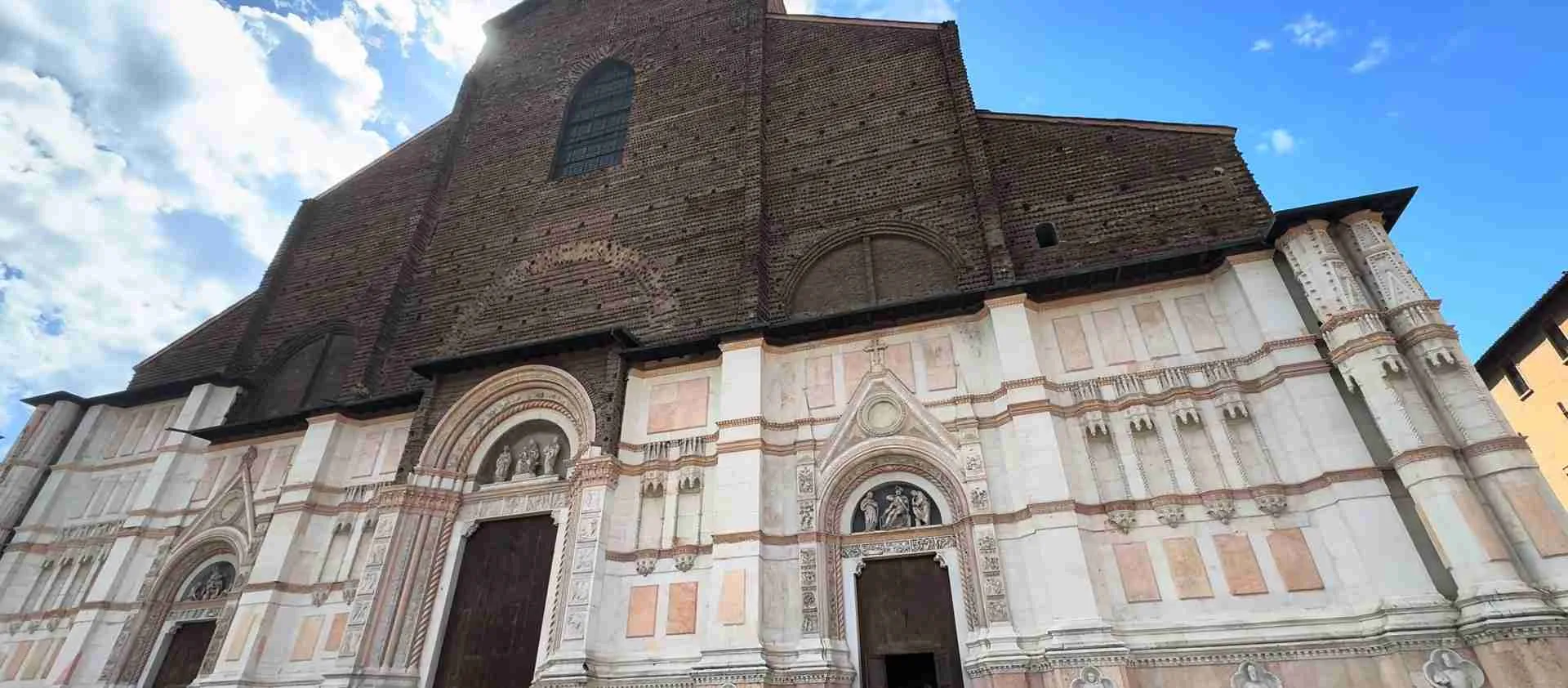
Begin at 8 AM in Piazza Maggiore before tour groups arrive and morning light illuminates the vast medieval square from ideal angles for photography. The piazza’s asymmetric layout—deliberately irregular rather than classically ordered—reflects Bologna’s complex medieval politics, with the massive Basilica di San Petronio dominating the south side while Palazzo d’Accursio (city hall) anchors the north. The unfinished marble facade of San Petronio tells Bologna’s story through what’s missing: the ambitious design called for a church larger than St. Peter’s in Rome, but Vatican intervention and funding shortages left the brick facade partially bare for 700 years, creating Bologna’s most recognizable architectural feature.
Enter Basilica di San Petronio (free entrance, open 8:45 AM daily) to appreciate the soaring Gothic interior with Europe’s fifth-largest nave. The astronomical meridian line installed in 1655 stretches 67 meters across the floor, functioning as an enormous solar observatory where sunlight marks the zodiac throughout the year. Side chapels contain remarkable frescoes, including the disturbing 15th-century depiction of Dante’s Inferno where Muhammad appears being tortured—controversial imagery that prompted security concerns in recent decades. The empty main facade positions waiting for marble cladding provide dramatic contrast with the completed side portal’s intricate terracotta decorations, demonstrating the gap between Renaissance ambitions and medieval realities.
Exit San Petronio and walk northeast along Via Rizzoli toward Bologna’s most iconic landmark—the Due Torri (Two Towers) where Torre degli Asinelli and Torre Garisenda lean dramatically in the heart of the medieval city. The towers stand approximately 500 meters from Piazza Maggiore, a five-minute walk that traverses the transition from civic space to commercial streets lined with historic porticoes. Asinelli Tower rises 97 meters with a 2.2-meter lean, while Garisenda reaches only 48 meters with a more severe 4-meter lean that prompted medieval engineers to reduce its height for safety. In Bologna’s 12th-century golden age, nearly 100 such towers pierced the skyline—aristocratic families competed through vertical construction that demonstrated wealth and provided defensive fortifications during constant factional warfare.
Note that Asinelli Tower climbing access has been suspended for restoration throughout 2025-2026, with reopening dates uncertain as of early 2026—check current status at the Bologna Welcome website before planning tower ascent as a highlight. When operational, the 498-step climb costs €5 (not included in Bologna Welcome Card) and requires moderate fitness for narrow spiral staircases ascending to panoramic views across Bologna’s terracotta rooftops, distant Apennine mountains, and the remarkable medieval urban grid barely changed in 800 years. Even without tower access, the Due Torri intersection provides Bologna’s signature photo opportunity and orientation point—all subsequent navigation references “toward the towers” or “away from the towers” in local directions.
From Due Torri, follow Via Santo Stefano southeast for 400 meters (5 minutes) to Piazza Santo Stefano, often called Bologna’s most beautiful square for its irregular medieval layout and ensemble of ancient churches known collectively as Sette Chiese (Seven Churches). The Santo Stefano complex actually comprises four interconnected churches plus three absorbed chapels, creating a remarkable architectural palimpsest from the 5th through 13th centuries. Entrance is free and opens at 9 AM daily.
Begin at the Church of the Crucifix with its stark Romanesque interior and medieval crucifix suspended above the altar. Pass through to the central octagonal Church of the Holy Sepulchre, modeled on Jerusalem’s Church of the Holy Sepulchre and containing the shrine of Bologna’s patron saint San Petronio (the city’s first bishop, not to be confused with the later basilica bearing his name). The Pilate’s Courtyard beyond features a 4th-century Lombard basin where pilgrims traditionally washed before prayer. The Church of Vitale and Agricola preserves Bologna’s oldest Christian foundations from 393 CE with columns salvaged from Roman temples. Allow 45 minutes to explore the interconnected spaces, read historical placards, and appreciate the layered construction that documents 800 years of medieval devotion.
Exit Santo Stefano at 10:30 AM and return northwest along Via Santo Stefano toward the towers, turning right on Via Farini to reach the Archiginnasio Palace—Bologna’s most spectacular Renaissance interior and former main building of the University of Bologna from 1563-1838. The Archiginnasio occupies the eastern edge of Piazza Maggiore, identifiable by its long porticoed facade facing the square. Entrance costs €3 normally but is included free with the Bologna Welcome Card, making this the perfect location to activate your card if purchased in advance.
The Archiginnasio’s Anatomical Theatre represents Renaissance medicine’s most theatrical expression—a wooden amphitheater built in 1637 for public dissections where medical students observed professors cutting cadavers while seated in rising tiers beneath anatomical statues called “spellati” (skinless figures revealing muscle structure beneath removed skin). The extraordinary trompe-l’oeil painted ceiling, carved anatomy benches, and professor’s canopy demonstrate how 17th-century medical education combined scientific inquiry with artistic grandeur. Allied bombing in 1944 destroyed the original theater; the current space represents meticulous reconstruction using surviving fragments and historical documentation.
Beyond the Anatomical Theatre, the Archiginnasio’s Great Hall extends 139 meters with walls covered in 6,000 heraldic coats of arms representing student organizations, regional groups, and university officials from four centuries of academic history. Walking the hall’s length reveals the geographic span of Bologna’s university—crests from Spain, Poland, England, and Sweden document how medieval students traveled across Europe to study at the world’s first university. The adjacent reading rooms and courtyard cloisters maintain contemplative atmosphere despite tourist crowds, providing glimpses of scholarly Bologna that continues in modern buildings across the city. Budget 60 minutes for complete Archiginnasio exploration including the museum exhibits on upper floors documenting university history and the evolution of anatomical study.
By noon, exit the Archiginnasio and walk 200 meters northeast into the Quadrilatero district—Bologna’s ancient market quarter bounded by medieval streets preserving the Roman grid layout. The neighborhood’s name translates as “little quadrilateral,” referring to the compact area between Via Clavature, Via Orefici, Via Pescherie Vecchie, and Via Drapperie where specialized merchants have operated for 1,000 years. Fishmongers, cheesemongers, pasta makers, produce vendors, and butchers maintain family businesses in medieval shops, creating Bologna’s most authentic and photogenic commercial zone.
Navigate the market slowly, observing rather than rushing. Pescherie Vecchie street showcases fishmongers arranging seafood on marble slabs in displays that prioritize aesthetics as much as sales—gleaming octopus coiled artistically, razor clams fanned in geometric patterns, and whole fish positioned to catch light through medieval windows. Atti bread shop at Via Caprarie 7 produces traditional Bolognese breads using recipes from 1868, with focaccia emerging from wood-fired ovens throughout the morning. Simoni cheese shop stocks 200 Parmigiano-Reggiano wheels at varying ages (12-60 months), offering tiny samples to help customers identify their preferred flavor intensity.
For lunch, the Quadrilatero provides unmatched options balancing quality, authenticity, and value. Arrive by 12:30 PM before queues develop at walk-in trattorias that don’t accept reservations. Sfoglia Rina (Via Castiglione 5/B) operates a lunch counter where €12-15 buys handmade pasta with daily ragù, served alongside seasonal vegetables, bread, and unlimited water—the city’s best quality-to-price ratio with lines confirming local approval. Al Sangiovese (Via Volte 11) fills a medieval cellar with communal tables where €15-20 pasta plates include generous Parmigiano-Reggiano shavings and local Sangiovese wine by the glass. Trattoria del Rosso (Via Augusto Righi 30) serves classic tortellini in brodo (€12) and tagliatelle al ragù (€10) in portions sized for manual laborers rather than diet-conscious tourists.
After lunch, around 2 PM, walk northwest from the Quadrilatero along Via dell’Indipendenza—Bologna’s main commercial street connecting Piazza Maggiore to the train station through 1.5 kilometers of porticoed shops, cafes, and 19th-century architecture. Stop at Cattedrale di San Pietro (Bologna’s official cathedral, distinct from the larger San Petronio basilica) for its Baroque interior renovated in the 1700s with notable artworks including Ludovico Carracci’s “Annunciation.” Continue to Palazzo Fava and the Fontana del Nettuno (Neptune Fountain) at the northwest corner of Piazza Maggiore.
The Neptune Fountain (1566) by Giambologna represents Bologna’s Renaissance renewal after plague and famine nearly destroyed the city in the 1300s. The muscular bronze Neptune figure towers above water-spouting dolphins, cherubs, and female figures representing the world’s four great rivers. Walk around the fountain’s perimeter to discover the famous optical illusion: from a specific angle at the left-front corner, Neptune’s upraised arm appears to extend from his groin in suggestive manner—a deliberate joke by Giambologna that survived Counter-Reformation censorship. The fountain served practical function until the 1800s, providing drinking water to residents who lacked private wells.
Spend mid-afternoon (3-4 PM) in the Museum Quarter northeast of Piazza Maggiore, where your Bologna Welcome Card provides free access to multiple civic museums. The Archaeological Museum (Via dell’Archiginnasio 2) houses exceptional Etruscan artifacts including bronze statues, funerary objects, and one of Italy’s finest Egyptian collections with sarcophagi, mummies, and burial goods spanning 3,000 years. The collection documents Bologna’s pre-Roman origins as the Etruscan city of Felsina, with urns, jewelry, and household items revealing sophisticated urban culture existing 2,500 years ago.
Alternatively, MAMbo (Museum of Modern Art of Bologna, Via Don Minzoni 14) presents contemporary Italian and international art in a converted industrial bakery with rotating exhibitions alongside permanent collections featuring Giorgio Morandi’s still-life paintings. Morandi, Bologna’s most celebrated modern artist, spent his entire life in the city painting bottles, jars, and boxes in infinite subtle variations that made him one of the 20th century’s most influential still-life painters. The dedicated Morandi Museum (Via Don Minzoni 14, same complex as MAMbo) displays his evolution through 200 works spanning six decades.
Conclude day one at 6 PM in the University Quarter around Via Zamboni, where aperitivo culture transforms student cafes into social hubs. Bologna pioneered the aperitivo buffet concept—pay €8-12 for a Spritz or glass of wine and access all-you-can-eat appetizer spreads featuring focaccia, olives, cheese, salumi, pasta salads, and sometimes hot dishes. Bar Calice (Via Clavature 13) offers aperitivo with views across Piazza Maggiore from its terrace seating. Rosa Rose (Via Clavature 18) focuses on wine selection with rotating labels from Emilia-Romagna, Piedmont, and Tuscany served alongside generous buffet spreads.
Dinner reservations for 8 PM (or walk-in arrival at 7:30 PM before crowds) conclude day one with substantial Bolognese cuisine. Osteria dell’Orsa (Via Mentana 1F) maintains cult status among students and locals for enormous pasta portions (€10-12) in a chaotic, loud environment that captures Bologna’s democratic food culture—professors, construction workers, and tourists share communal tables under anti-fascist posters and vintage wine bottles. Trattoria da Gianni (Via Clavature 18) serves traditional tortelloni (larger than tortellini, filled with ricotta and spinach) and cotoletta alla bolognese (€18-22) in a family-run space unchanged since the 1970s.
Return to accommodation by 10 PM after approximately 12 kilometers of walking, 6-7 hours of active sightseeing, and immersion in Bologna’s medieval, Renaissance, and contemporary layers that most visitors miss by rushing between isolated highlights without appreciating the integrated urban fabric that makes the city exceptional.
Day 2: University Heritage and Culinary Exploration 2026
Day two shifts focus from medieval architecture to intellectual and gastronomic heritage, exploring the university district where teaching began in 1088, participating in pasta-making traditions, and discovering the portico-covered neighborhoods where everyday Bologna emerges most authentically.
Begin at 8:30 AM in the University Quarter along Via Zamboni, where Bologna’s oldest continuously operating university maintains departments across restored palaces, medieval towers, and modern facilities. The University of Bologna predates all others globally—instruction began in 1088 when scholars formed Italy’s first self-governing educational corporation. Today, over 85,000 students from 150 countries attend faculties ranging from law (the original medieval discipline) to engineering, medicine, and agriculture. The area pulses with student energy, international restaurants, political graffiti, and cafes that discuss Dante alongside climate activism.
Visit Palazzo Poggi (Via Zamboni 33) at 9 AM when the museum opens, using your Bologna Welcome Card for free entrance to the university’s spectacular collections of scientific instruments, anatomical models, and historic laboratories. The Obstetrics Museum displays 18th-century wax models documenting pregnancy and childbirth with startling detail—originally created for training midwives, they now represent the intersection of art, science, and medical education that characterized Enlightenment Bologna. The Geography Room preserves navigational instruments, globes, and maps documenting how 18th-century scholars understood global exploration. The Physics Museum showcases electrical generators, telescopes, and experimental apparatus used by Laura Bassi—the first woman university professor in Europe (appointed 1732) who made pioneering electricity research while navigating academic sexism through strategic use of Enlightenment Reason discourse.
The Anatomy Museum upstairs contains the extraordinary wax anatomical models created by Ercole Lelli and Clemente Susini between 1742-1814. Full-scale human figures stripped of skin reveal muscle systems, organ arrangements, and skeletal structures with artistry that transcends medical illustration—the models recline in classical poses referencing Renaissance sculpture while displaying flayed bodies in vivid color. These wax écorchés trained generations of surgeons when cadaver dissection faced religious restrictions, providing permanent study specimens that didn’t decay like preserved corpses. Budget 90 minutes for complete Palazzo Poggi exploration, noting that photography is prohibited in some galleries containing fragile historic materials.
Exit Palazzo Poggi at 10:30 AM and walk northwest along Via Zamboni to Piazza Verdi—the beating heart of student Bologna with bars, cafes, and gathering spaces surrounding the Teatro Comunale opera house. The piazza functions as Bologna’s informal living room where students debate politics, musicians busk beneath porticoes, and international food vendors serve kebabs, pizza al taglio, and Chinese noodles to budget-conscious crowds. Grab an espresso at Café Scuderia (Piazza Verdi 2) while observing student culture that gives Bologna its distinctive character compared to museum-focused Italian cities.
At 11 AM, join a pasta-making class at one of Bologna’s renowned cooking schools—advance booking essential through email or booking platforms that confirm availability weeks ahead during peak seasons. FICO Eataly World (Via Paolo Canali 8, 20 minutes by bus from center) offers 2-hour pasta workshops (€60-80) teaching tagliatelle and tortellini from scratch under guidance of local sfogline (pasta makers). Alternatively, Cucina Lorenzo de’ Medici (Via de’ Gombruti 11/A) runs intimate home kitchen classes (€70-90) where maximum 10 participants learn three pasta types in an apartment setting that captures domestic cooking traditions.
The pasta-making experience typically includes preparing egg dough using the traditional fountain method (mounding flour, creating a well, adding eggs, hand-kneading until smooth elasticity develops), rolling dough paper-thin using long rolling pins rather than machines, cutting tagliatelle ribbons in precise 6-7mm widths, and folding tortellini in the shape that supposedly mimics Venus’s navel according to Bolognese legend. Instructors emphasize the “feel” of proper dough consistency—impossible to learn from recipes alone, requiring tactile experience that connects contemporary home cooks with generations of Italian women who learned pasta-making from mothers and grandmothers rather than cookbooks or YouTube. Classes conclude with eating your creations dressed simply with butter and Parmigiano-Reggiano or traditional ragù, demonstrating that fresh pasta needs minimal embellishment when properly executed.
If pasta classes don’t appeal or booking proves impossible, substitute the Medieval Museum (Via Manzoni 4, free with Bologna Welcome Card) from 11 AM-12:30 PM for remarkable collections of ivory carvings, bronze sculptures, illuminated manuscripts, and decorative arts spanning medieval and Renaissance periods. The museum occupies Palazzo Ghisilardi-Fava with frescoed halls providing appropriate architectural context for its exhibits. Notable pieces include Jacopo della Quercia’s bronze “Madonna della Melograna,” Byzantine ivories documenting early Christian iconography, and a collection of medieval armor that equipped Bologna’s militia during constant warfare with rival Italian cities.
For lunch at 1:30 PM, the university area offers outstanding value at student-focused trattorias where locals eat daily. Trattoria da Me (Via San Felice 50) serves €8-12 pasta dishes including authentic gramigna salsiccia (curly pasta with sausage ragù, a Bolognese specialty beyond the famous tagliatelle). Da Bertino (Via delle Lame 55) has operated since 1950 with an unchanged menu of tortelloni in cream sauce (€10), bollito misto (mixed boiled meats with green sauce, €14), and house wine at €8 per liter that tastes better than bottles costing triple at tourist restaurants.
After lunch, take the afternoon (2:30-5 PM) for Bologna’s most spectacular but demanding experience—the pilgrimage to Santuario della Madonna di San Luca ascending through 3.8 kilometers of continuous portico climbing 280 meters from Bologna’s lowland center to the hillside sanctuary. The portico route begins at Porta Saragozza, the ancient southern city gate 15 minutes’ walk from Piazza Maggiore, identifiable by its fortress-like stone arch bridging Via Saragozza.
The San Luca portico consists of 666 arches (intentionally designed to represent the Number of the Beast as a medieval warning against sin) protecting pilgrims from weather during the steep ascent. Construction occurred between 1674-1815 funded by donations from Bolognese families who sponsored individual arches decorated with their coats of arms. The walk takes 45-60 minutes at moderate pace, though fit walkers complete it in 30-35 minutes and elderly pilgrims may require 90 minutes with rest stops. The continuous uphill gradient never becomes truly steep but accumulates relentlessly—casual conversation grows difficult as breath management becomes necessary.
The architectural experience rivals the spiritual pilgrimage: walking beneath hundreds of identical but subtly varied brick arches creates hypnotic rhythm, while framed views through arcade openings reveal changing perspectives on Bologna’s plain stretching toward distant horizons. Numbered plaques mark progress at 50-meter intervals, providing psychological encouragement as the count approaches 666. Sunday mornings attract local pilgrims walking the portico as exercise and meditation, while weekday afternoons find mainly tourists ascending at varied paces.
The Santuario della Madonna di San Luca crowns the hilltop with a Baroque sanctuary built 1723-1757 around a much older pilgrimage site. The church interior gleams with gilt decoration, frescoed ceilings, and the revered Byzantine icon of the Madonna and Child traditionally attributed to St. Luke (hence the church’s name) though likely dating from the 12th century. Entry is free; the real reward arrives from the sanctuary terrace overlooking Bologna’s entire plain with views extending to the Apennine mountains defining Italy’s geographic spine.
Alternative access to San Luca includes the San Luca Express tourist train (included with Bologna Welcome Card Plus, €12 normally, operating March-November) that departs from Piazza Maggiore and climbs via road to the sanctuary in 20 minutes. This option suits visitors with mobility limitations, time constraints, or weather concerns—the train provides equivalent views without the portico architecture experience. City bus 20 also climbs partway up the hill (€1.60, 25 minutes from Via Irnerio) though you must still walk the final kilometer through portico arches to reach the sanctuary.
Descend by 5 PM to allow evening exploration of San Stefano neighborhood south of the central historic district. This residential area reveals everyday Bologna through neighborhood bakeries, family-run osterie, and quiet piazzas where children play soccer beneath medieval towers. Via Santo Stefano between the church complex and Porta Santo Stefano preserves exceptional architecture including Palazzo Isolani with its Gothic courtyard, Casa Berti with medieval loggia, and numerous 15th-century facades restored to original colors that transform historical documents from brown stone uniformity to the vibrant reds, yellows, and oranges that defined Renaissance Bologna.
For aperitivo at 6:30 PM, Cantina Bentivoglio (Via Mascarella 4/B) combines wine bar and live jazz club in atmospheric brick cellars where Emilian wines pair with mortadella, cheese, and tigelle flatbreads (€10-15). The space attracts musicians, university professors, and food-conscious locals who appreciate quality over trendy settings. Alternatively, Le Stanze (Via Borgo San Pietro 1) offers aperitivo in a former chapel decorated with Renaissance frescoes—the surreal juxtaposition of religious art and cocktails creates uniquely Bolognese atmosphere (€12-15).
Dinner reservations for 8 PM (or arrive 7:30 PM for walk-in service) at Ristorante Diana (Via dell’Indipendenza 24) provide upscale Bolognese cuisine in art nouveau surroundings established 1920. The menu balances tradition with refinement—tortellini in cream with prosciutto (€16), tagliatelle al ragù prepared using the official recipe deposited at Bologna’s Chamber of Commerce (€14), and bollito misto (€22) served from trolleys. All’Osteria Bottega (Via Santa Caterina 51) takes contemporary approach to Bolognese ingredients with creative presentations and seasonal menus (€25-35 per person) that respect tradition while avoiding museum-cuisine staleness.
Return to accommodation by 10 PM after approximately 8 kilometers of walking (excluding San Luca ascent which adds 7.6 kilometers total), 4-5 hours of active exploration, and deep engagement with Bologna’s intellectual heritage, culinary traditions, and pilgrimage culture that connects medieval piety with contemporary urban life.
Day 3: San Luca, Hidden Churches, and Neighborhood Life 2026
Day three explores Bologna beyond tourist concentration zones, discovering neighborhood churches with extraordinary artworks, residential areas where portico culture reveals authentic rhythms, and final culinary experiences that cement understanding of why Bologna matters to global food heritage.
Begin at 9 AM with breakfast in a neighborhood pastry shop rather than hotel buffets—experiencing morning rituals provides cultural insight absent from tourist-focused establishments. Pasticceria Atti 1868 (Via Caprarie 7) serves perfect cornetti (Italian croissants, €1.50) with cappuccino at the counter (€1.60-1.90, avoid €2+ table service charge) alongside locals reading newspapers and discussing weather. Queue alongside regulars rather than asking for menus—the unspoken protocol involves approaching the counter, stating your order clearly (“un cornetto e un cappuccino, per favore”), paying at the cashier, receiving a receipt, returning to the bar with the receipt, and consuming your breakfast standing at the counter rather than occupying limited table seating.
Walk southeast from the center to the basilica complex of Santo Stefano for a more contemplative morning visit than day one’s rushed tour. Arriving at 9:30 AM allows experiencing the churches during morning mass in the Church of the Crucifix—non-participants can observe respectfully from side areas. The Pilate’s Courtyard takes on different character in morning light filtering through portico arcades, while the Church of Vitale and Agricola reveals details invisible during crowded afternoon visits. The adjacent Benedictine cloister (access through the church complex) provides perfect contemplative space with double columns framing a quiet garden where Bologna’s urban noise disappears entirely.
At 10:30 AM, visit Santa Maria dei Servi (Strada Maggiore 43), one of Bologna’s most beautiful but least-visited Gothic churches. The 14th-century basilica preserves remarkable artwork including Cimabue’s “Madonna Enthroned,” one of the master’s few surviving paintings and a crucial work documenting the transition from Byzantine icon tradition to Renaissance naturalism. The church’s unrestored interior maintains medieval atmosphere lost in over-renovated basilicas—bare brick, fading frescoes, and minimal lighting create authentic medieval experience. Entry is free; donations appreciated.
Continue to Santa Maria della Vita (Via Clavature 8, included with Bologna Welcome Card) to witness Niccolò dell’Arca’s “Lamentation over the Dead Christ”—arguably Bologna’s greatest sculpture and one of Italian art’s most emotionally powerful works. The terracotta group (1463-1490) depicts the moment after Christ’s removal from the cross with seven life-size figures surrounding his body. Rather than Renaissance idealization, dell’Arca portrays raw grief through distorted features, screaming mouths, and windswept drapery suggesting movement frozen in trauma. Mary Magdalene’s face in particular captures psychological breakdown with disturbing accuracy that influenced later Baroque art. The sculpture occupies a dedicated chapel within the church where dramatic lighting (coin-operated, €0.50 for 3 minutes) reveals dell’Arca’s extraordinary modeling of fabric folds, anatomical detail, and emotional intensity.
For mid-morning break at 11:30 AM, walk to Mercato delle Erbe (Via Ugo Bassi 25)—Bologna’s covered market operating since 1910 in an Art Nouveau iron-and-glass structure. Unlike the tourist-focused Quadrilatero, Mercato delle Erbe serves neighborhood residents shopping for daily groceries. Vendors sell seasonal produce, artisanal bread, fresh pasta, local cheeses, and prepared foods at counters where knowledgeable sellers offer cooking advice and recipes. The market’s food court area features casual lunch spots (€8-12) serving sandwiches, pasta salads, and hot dishes perfect for observing authentic Bolognese food culture away from Instagram crowds.
Spend early afternoon (12:30-2 PM) exploring the Ghetto district northwest of Due Torri, where Bologna’s Jewish community maintained presence from the 15th century until World War II deportations. Via dell’Inferno, Via Oberdan, and surrounding streets preserve medieval character with overhanging buildings, narrow passages, and a few remaining Hebrew inscriptions identifying kosher shops and synagogue locations. The current synagogue (Via de’ Gombruti 9) operates in a 19th-century building after the original medieval structure was demolished during Napoleonic urban renewal—visits by appointment only through Bologna’s Jewish Community office.
The Ghetto district contains some of Bologna’s best contemporary restaurants serving non-Bolognese cuisines: Oltre (Via Guglielmo Oberdan 10) offers Mediterranean vegetables and Adriatic seafood in minimalist surroundings (€25-35), while Osteria del Sole (Vicolo Ranocchi 1/D) maintains Bologna’s oldest osteria (founded 1465) where customers bring their own food and the establishment provides wine, conversation, and wooden tables that supported five centuries of drinking and debate.
For lunch at 1:30 PM, choose between final traditional Bolognese meal or exploring regional Italian cuisines that Bologna’s university population supports. All’Osteria Bottega (Via Santa Caterina 51) serves refined Bolognese dishes (€18-24) in a contemporary setting that respects tradition without tourist-menu simplification. Alternatively, Trattoria Tony (Via Aurora 13) offers Neapolitan pizza (€8-12) and seafood pasta (€12-16) that demonstrates how southern Italian migration transformed Bologna’s food landscape in the 1960s-70s.
Spend mid-afternoon (3-5 PM) on your final museum visit or alternative experience based on personal interests and remaining Bologna Welcome Card value. The Civic Medieval Museum (Via Manzoni 4) provides comprehensive overview of Bologna’s artistic heritage if not previously visited. The Music Museum (Strada Maggiore 34) showcases historic instruments, musical manuscripts, and exhibits on Bologna’s contributions to Western classical music including the invention of musical notation symbols still used globally. The Industrial Heritage Museum (Via della Beverara 123, 20 minutes by bus) documents Bologna’s transformation from agricultural center to industrial powerhouse through textile production, agricultural machinery manufacturing, and automotive innovation that birthed Ducati motorcycles and Lamborghini supercars.
Alternatively, book an afternoon food tour (€60-90, 3-4 hours) that combines market visits, traditional food shops, and tastings at multiple locations. These experiences work well on day three after you’ve developed context to appreciate the traditions behind mortadella production, Parmigiano-Reggiano aging, and traditional balsamic vinegar fermentation. Secret Food Tours Bologna (departing 2:30 PM daily from Piazza Maggiore) includes 10+ tastings with historical and cultural explanations that transform eating from consumption to cultural education.
Conclude your Bologna visit at 6 PM with aperitivo in Piazza Santo Stefano—the city’s most beautiful square provides perfect setting for reflecting on three days of exploration. Caffè Commercianti (Piazza Santo Stefano 5) offers terrace seating overlooking the medieval church complex where Spritz, local wine, and small bites (€10-12) accompany sunset light transforming terracotta facades from warm orange to deep crimson. The square attracts evening strollers, students, and families creating the passeggiata scene that defines Italian urbanism—social performance where seeing and being seen matters as much as actual destination.
Final dinner at 8 PM deserves your best restaurant choice—either returning to a day-one discovery worthy of repeat or trying one last traditional spot. Ristorante Cesarina (Via Santo Stefano 19) serves impeccable Bolognese classics (€22-28) in elegant surroundings with servers who explain regional food traditions with pride and knowledge. Trattoria Battibecco (Via Battibecco 4) operates in a 14th-century palazzo with remarkable tortellini in brodo (€16), tagliatelle (€14), and the signature battibecco dessert (€8) combining zabaglione cream with fruit compote.
Bologna’s evening culture extends beyond dinner—university districts maintain energy until midnight with bars, live music, and student gatherings that welcome visitors who appreciate conversation over clubbing. Le Stanze (Via del Borgo di San Pietro 1) transforms from aperitivo bar to late-night venue with DJs spinning in Renaissance-frescoed rooms creating surreal juxtaposition of sacred art and contemporary nightlife. Chet Baker Jazz Club (Via Polese 7/a) hosts live performances (€10-15 cover, shows begin 10 PM) in intimate basement surroundings where international musicians maintain Bologna’s jazz tradition dating from 1950s American military presence.
Return to accommodation by 11 PM after three days totaling approximately 35-40 kilometers of walking, 15-18 hours of structured sightseeing, countless meals that transformed Italian food from cliché to cultural revelation, and experiences ranging from medieval pilgrimage to contemporary aperitivo culture that capture Bologna’s unique character as authentic Italian city rather than theme-park destination.
Transportation in Bologna 2026
Bologna’s compact historic center makes walking the primary transportation mode for three-day visits, though understanding public buses, bike rental options, and taxi services enhances flexibility when weather deteriorates, legs tire, or attractions beyond the center demand visits.
Bologna Centrale train station anchors the city’s northern edge, positioned 1.5 kilometers (20 minutes’ walk) from Piazza Maggiore along Via dell’Indipendenza—the main commercial street connecting rail hub to historic center. This walkable connection eliminates need for airport transfers if arriving by train from Florence (35 minutes, €8-25), Milan (1 hour, €20-45), Rome (2 hours, €25-60), or Venice (90 minutes, €15-35) via Italy’s excellent high-speed rail network. Station facilities include luggage storage (€6 first 5 hours, €1 per additional hour), tourist information office, and numerous cafes plus food vendors.
Bologna Guglielmo Marconi Airport (BLQ) sits 6 kilometers northwest of the city center with excellent public transport connections. The Aerobus shuttle (Line BLQ) operates every 11 minutes (6 AM-midnight) connecting airport and train station in 20 minutes at €6 one-way, €10 return valid 10 days. Purchase tickets from automatic machines inside the airport terminal, tabacchi shops, or onboard with €1 surcharge. The Aerobus represents Bologna’s most efficient airport access—faster and cheaper than taxis (€18-25, 15-20 minutes) while avoiding parking complications if renting cars.
Bologna’s urban bus network (TPER) operates throughout the city with single tickets costing €1.60 (valid 75 minutes from validation) purchased from tabacchi shops, automatic machines at major stops, or the TPER Smartbus app (no onboard sales). Day passes cost €6 (24 hours unlimited rides) providing value if planning three or more journeys beyond the historic center. Tourist visitors rarely need buses within the walking-accessible center, but useful routes include Line 20 to San Luca hillside (partial ascent before portico walk), Lines 14/19 to Fiera district during trade shows, and Line 30 for Ducati Museum visits.
Bologna’s ZTL (Zona Traffico Limitato) restricted zone covers the entire historic center with automatic camera enforcement generating €95 fines per violation mailed to vehicle owners weeks after offense. The ZTL operates Monday-Friday 7 AM-8 PM, weekends vary seasonally—consult official maps at comune.bologna.it before driving. Hotels within the ZTL can register guest vehicles for limited access (typically €15-30 daily parking fee plus pre-registration requirements), but parking remains challenging with limited street spaces and expensive garages (€25-35 per day). The most practical approach for three-day visits is avoiding cars entirely or parking outside the ZTL at Park & Ride facilities (€5 daily) serving buses into the center.
Bicycle rental through the Bologna Welcome Card (24-hour rental included) or commercial operators (€12-15 daily) provides pleasant transportation along porticoed streets, though medieval paving, pedestrian crowds, and lack of dedicated bike lanes create challenges compared to cycling-optimized cities like Amsterdam or Copenhagen. Bologna’s flat terrain makes cycling physically easy, but navigational complexity and aggressive Italian driving culture require confidence. The city maintains bike-sharing systems (RideMovi) requiring smartphone registration and credit cards—bikes unlock via app for €1 plus €0.10 per minute, suitable for quick trips across the center.
Taxis serve limited function in walking-accessible Bologna. Official white taxis wait at designated stands (Piazza Maggiore, train station, Due Torri) rather than cruising streets, and phone/app booking (Cotabo, Free Taxi Bologna) often proves faster than seeking taxi stands. Fares start at €4.80 with €1.40 per kilometer plus supplements for luggage (€1), night service (€2 surcharge 10 PM-6 AM), and holidays (€2.50 surcharge). Airport transfers cost fixed €18-25 depending on destination within Bologna. Uber operates in Bologna but with limited driver availability—traditional radio taxis remain more reliable.
Walking navigation benefits from understanding Bologna’s portico system and medieval street layout. The city’s 38 kilometers of arcaded walkways provide nearly complete weather protection, creating unique urban experience where rain barely interrupts daily activities. However, portico darkness at night and architectural uniformity can disorient visitors—landmarks like Due Torri, Piazza Maggiore, and major basilicas serve as navigational anchors. Google Maps works reliably for GPS guidance, though medieval street names sometimes differ from map labels requiring patience when seeking specific addresses.
Regional train services from Bologna Centrale enable easy day trips to Modena (30 minutes, €5-8), Ferrara (30 minutes, €5-8), Ravenna (75 minutes, €8-12), and Parma (60 minutes, €8-12)—all accessible on regional trains that don’t require advance booking or seat reservations. These destinations expand three-day Bologna itineraries for visitors interested in Emilia-Romagna’s broader cultural landscape beyond a single city.
Where to Stay in Bologna 2026
Accommodation location determines Bologna experience quality more than star ratings or amenities. The compact historic center provides walking access to all major attractions, while areas beyond ancient walls sacrifice convenience for marginally lower prices that rarely justify daily commuting inefficiency.
The historic center triangle bounded by Piazza Maggiore, Via Zamboni (University Quarter), and Porta Santo Stefano contains Bologna’s most strategic accommodation options across all budget levels. Hotels in this zone place you within 5-10 minutes’ walk of major attractions, markets, restaurants, and evening entertainment—the efficiency of this positioning saves hours daily compared to peripheral locations requiring buses or taxis.
Budget hostels (€40-60 per night for dormitory beds, €80-100 for private rooms) concentrate near the train station and University Quarter. Combo Bologna (Via Sebastiano Serlio 25/2) operates in a renovated industrial space with modern facilities, social atmosphere, and location 10 minutes from Piazza Maggiore—ideal for solo travelers seeking community rather than isolation. Dopa Hostel (Via Carbonara 5) provides central positioning in a former convent with both dormitory and private rooms, functioning more as budget hotel than backpacker party hostel. We_Bologna (Via Valdonica 8/2) caters to digital nomads and young professionals with coworking spaces, café, and accommodation in a repurposed palazzo near Due Torri.
Mid-range hotels (€80-150 per night) offer the best value-to-quality ratio in Bologna’s competitive accommodation market. Hotel Panorama Bologna Centro (Via Libia 59) provides spacious rooms 15 minutes’ walk from Piazza Maggiore with excellent breakfast buffets including fresh pastries, prosciutto, and Parmigiano-Reggiano (€90-120). Art Hotel Orologio (Via IV Novembre 10) occupies a building directly facing Piazza Maggiore—the premium location, individually decorated rooms, and attentive service justify €130-150 rates during non-trade-fair periods. Hotel Metropolitan (Via dell’Orso 6) combines central positioning near Piazza Maggiore with contemporary design and rooftop terrace offering sunset views across terracotta rooftops (€100-140).
Boutique properties (€150-250 per night) elevate Bologna stays through design excellence, personalized service, and unique atmospheres. Art Hotel Commercianti (Via de’ Pignattari 11) inhabits a 12th-century palace with original frescoes, exposed wooden beams, and windows overlooking San Petronio basilica—the historic character combines with modern comfort creating unforgettable ambiance (€180-220). Palazzo Bolognetti (Via Santo Stefano 35) offers apartment-style suites in a Renaissance palace facing Santo Stefano complex, providing kitchen facilities and multi-room layouts ideal for families or extended stays (€200-280).
Luxury hotels (€250+ per night) serve business travelers and special-occasion visitors with full-service amenities, fine dining restaurants, and spa facilities. Grand Hotel Majestic “già Baglioni” (Via dell’Indipendenza 8) represents Bologna’s most prestigious address—occupying a frescoed Renaissance palace with Carracci Restaurant, rooftop terrace, and historic meeting rooms where European nobility gathered in the 1700s (€300-450). Starhotels Excelsior (Viale Pietramellara 51) provides modern five-star accommodation near the train station with executive lounge, fitness center, and efficient service targeting business clientele (€200-350).
BolognaFiere trade show calendar dramatically impacts accommodation pricing and availability. Major events like Cosmoprof (cosmetics industry, March), Cersaie (ceramics, September), and Motor Show (November) can triple hotel rates from €120 to €400 per night while reducing availability by 70%. Always consult the BolognaFiere calendar at bolognafiere.it before booking Bologna accommodation—if your dates coincide with major exhibitions, book 4-6 weeks advance or accept premium pricing. Conversely, visiting during non-trade-fair periods (August, late January, early February) unlocks significant discounts as business hotels compete for leisure travelers.
City tourist tax (Imposta di Soggiorno) adds €2.80-7 per person per night depending on accommodation category: 1-star hotels €2.80, 2-star €3.50, 3-star €4.20, 4-star €5.60, 5-star €7. The tax applies first five consecutive nights only—longer stays don’t pay beyond night five. Tax payment occurs at hotel checkout as separate charge from room rates, requiring cash or card. Budget this expense when calculating total accommodation costs across three-night stays (€8.40-21 per person depending on hotel category).
Apartment rentals through Airbnb and similar platforms (€60-150 per night) provide kitchen facilities reducing dining costs for budget-conscious travelers or families. Properties within the historic center offer genuine local living experiences with morning market shopping, neighborhood bakery pastries, and residential rhythms absent from hotel stays. However, Bologna’s vacation rental market faces regulatory uncertainty with periodic crackdowns on unlicensed properties—verify host registration numbers and read recent reviews carefully before booking. Traditional hotels provide more reliability and service despite higher per-night costs.
Booking timing significantly influences Bologna accommodation costs. Reserve 6-8 weeks advance for spring and autumn visits (April-May, September-October) when demand peaks from favorable weather and cultural events. Winter months (November-February excluding Christmas/New Year) and August (when Italians vacation elsewhere) offer last-minute discounts with bookings 1-2 weeks ahead securing better rates than early booking. Summer (June-July) balances moderate pricing with student departures reducing local energy but improving accommodation availability.
Where to Eat in Bologna 2026
Bologna’s food reputation rests on ingredient quality, technical precision, and centuries-old recipes preserved through family transmission rather than cookbooks—eating well requires understanding the difference between authentic trattorias serving locals and tourist traps exploiting the city’s culinary fame with mediocre “Bolognese” stereotypes.
Traditional Bolognese cuisine centers on three signature dishes that every visitor should experience prepared correctly. Tagliatelle al ragù uses fresh egg pasta rolled paper-thin and cut 6-7mm wide, dressed with a meat sauce slowly cooked for 3-4 hours combining ground beef, pork, pancetta, soffritto (carrot, celery, onion), tomato paste, wine, and milk. The official recipe deposited at Bologna’s Chamber of Commerce specifies exact proportions and cooking methods that restaurants claiming authenticity should follow. Proper ragù coats pasta in thick sauce rather than swimming in liquid—the consistency should cling to each ribbon without pooling at plate bottom. Expect €10-14 at trattorias, €16-20 at upscale restaurants.
Tortellini in brodo serves small stuffed pasta parcels swimming in clear capon broth—a Christmas tradition year-round in Bologna’s restaurants. The tortellini folding technique supposedly mimics Venus’s navel according to Bolognese legend, requiring hand-shaping that machines cannot replicate authentically. The filling combines pork loin, prosciutto, mortadella, Parmigiano-Reggiano, egg, and nutmeg in proportions debated among Bologna’s pasta makers. Restaurants serving tortellini in cream sauce or tomato ragù cater to tourists rather than tradition—proper preparation means only brodo. Pricing runs €12-16 depending on restaurant category.
Mortadella represents Bologna’s most famous contribution to global charcuterie—a cooked pork sausage containing finely ground meat studded with pork fat cubes, flavored with black pepper and pistachios (in premium versions), then slowly steamed in large cylinders. IGP (Protected Geographical Indication) status limits authentic mortadella production to Emilia-Romagna with strict ingredient and process requirements. The best mortadella slices paper-thin at market counters rather than pre-sliced in plastic packages, served in sandwiches (€5-8) or as aperitivo accompaniment.
Budget dining (€10-15 per meal) concentrates in the University Quarter where student-focused trattorias serve generous portions at honest prices. Osteria dell’Orsa (Via Mentana 1F) maintains cult status for enormous pasta plates (€10-12) served in chaotic, loud atmosphere that captures democratic Bologna where construction workers, professors, and tourists share communal tables. No reservations accepted—arrive when doors open (12:30 PM lunch, 7 PM dinner) or queue 15-30 minutes during peak periods. Trattoria da Me (Via San Felice 50) operates since 1969 with unchanged menu of traditional dishes (€8-12) in a family-run space where English menus don’t exist and servers expect basic Italian comprehension.
Mid-range restaurants (€20-35 per person) provide elevated traditional cooking in comfortable surroundings with wine lists emphasizing regional Emilia-Romagna production. Trattoria Battibecco (Via Battibecco 4) occupies a 14th-century palazzo with remarkable tortellini in brodo (€16), tagliatelle (€14), and signature battibecco dessert combining zabaglione cream with fruit compote. All’Osteria Bottega (Via Santa Caterina 51) takes contemporary approach while respecting tradition—seasonal menus, creative presentations, and careful wine pairings (€25-35) attract food-conscious locals rather than tourist crowds. Reservations recommended for dinner service.
Fine dining (€40-80 per person) exists but plays smaller role in Bologna’s democratic food culture compared to Milan or Rome. Ristorante Diana (Via dell’Indipendenza 24) serves upscale Bolognese cuisine in art nouveau surroundings established 1920—the menu balances tradition with refinement without abandoning the ragù, tortellini, and bollito misto that define regional identity (€35-50). I Carracci Restaurant at Grand Hotel Majestic (Via dell’Indipendenza 8) provides Michelin-recommended fine dining in a frescoed Renaissance hall where historical atmosphere competes with contemporary interpretations of Emilian classics (€60-100).
The coperto (cover charge) appears universally in Bologna restaurants as €1-2 per person charge covering bread and table service. This practice confuses visitors expecting American-style free bread baskets, but represents standard Italian restaurant economics where cover charges offset lower wine markups and menu pricing. Budget the coperto into meal costs rather than viewing it as hidden fee—a €12 pasta dish plus €1.50 coperto equals €13.50 total before beverages.
Wine pricing in Bologna restaurants runs significantly lower than Northern European or American standards. House wine (vino della casa) costs €8-12 per liter carafe—perfectly drinkable Sangiovese or Lambrusco that suits casual dining without pretension. Mid-range Emilia-Romagna bottles (Sangiovese di Romagna, Lambrusco Grasparossa, Pignoletto) cost €18-30 in restaurants despite €8-15 retail pricing—the markup remains reasonable compared to 300% markups common in London or New York. Premium bottles from Tuscany, Piedmont, or international regions climb to €40-80 but rarely exceed €100 except at luxury establishments.
Morning breakfast culture deserves attention equal to lunch and dinner. Italians consume breakfast standing at café counters rather than lingering over table service—this practice reduces cappuccino costs from €3-4 (seated) to €1.60-1.90 (al banco, at the counter). Cornetti (Italian croissants, €1.50) come plain or filled with cream, jam, chocolate, or pistachio. The unwritten etiquette involves approaching the counter, stating your order clearly, paying at the cashier, receiving a receipt, returning to the bar with receipt, and consuming your breakfast standing rather than occupying limited tables. Table service exists but costs double for identical items.
Aperitivo culture (6-8 PM) provides exceptional value for budget-conscious travelers. Pay €8-12 for a Spritz, Aperol, or wine and access all-you-can-eat buffets featuring focaccia, olives, cheese, salumi, pasta salads, and sometimes hot dishes. Strategic aperitivo consumption can substitute dinner while experiencing quintessential Italian social ritual. The University Quarter concentrates aperitivo bars where international students create energetic atmosphere—Bar Calice (Via Clavature 13), Rosa Rose (Via Clavature 18), and Senza Nome (Via Augusto Righi) offer generous buffets with outdoor seating during warm months.
Market shopping at Quadrilatero and Mercato delle Erbe enables self-catered meals for budget travelers or picnic enthusiasts. Parmigiano-Reggiano costs €20-30 per kilogram (versus €40-50 in UK/US supermarkets), fresh pasta sells for €4-6 per kilogram, and seasonal produce reaches bargain levels that make restaurant vegetables seem overpriced. Apartment rental guests can cook authentic Bolognese meals using market ingredients for €8-12 per person—far below restaurant equivalents while learning Italian grocery customs through interactions with vendors who enthusiastically share cooking advice.
Gelato deserves dedicated budget allocation—Bologna maintains excellent artisanal gelaterias producing daily-fresh flavors using traditional methods. Cremeria Funivia (Via Calcavinazzi 14/A) serves intensely flavored gelato emphasizing single-origin ingredients and seasonal offerings (€3-5 for 2-3 scoops). Stefino (Via Galliera 49) produces creative combinations alongside classic flavors, with generous portions and friendly service (€3-4). Visit gelaterias in late afternoon or evening after meals rather than as dessert substitutes—Italians treat gelato as separate food category requiring dedicated consumption.
Budget Planning for 3 Days 2026
Three days in Bologna costs €600-720 per person for mid-range comfort, €260-310 for budget travelers, or €1,200-1,500 for luxury experiences—understanding how these totals break down enables realistic planning and strategic splurging on experiences that matter while economizing elsewhere.
Mid-range daily budget (€200-240 per person) provides comfortable exploration without luxury excess or budget limitations that restrict spontaneity. Accommodation in 3-star hotels near Piazza Maggiore costs €80-120 per night including breakfast, though dividing double rooms between two travelers reduces per-person costs to €40-60. Meals total €50-80 daily—breakfast at hotel or café (€3-5), lunch at trattorias (€15-20 including wine), aperitivo (€10-12), and dinner at mid-range restaurants (€25-35). Attraction fees average €20-30 daily with Bologna Welcome Card (€25 one-time purchase covers most civic museums and walking tour). Transportation, gelato, and incidentals add €20-30 daily for buses, taxis when tired, spontaneous market purchases, and café breaks.
Calculating three-day mid-range total: Accommodation €240-360 (three nights at €80-120), meals €150-240 (three days at €50-80), Bologna Welcome Card €25 (one purchase), attractions beyond card €15-30 (supplementary entries), transportation €15-30, and buffer €30-50 for unexpected expenses. Total: €475-735 per person for three days, averaging €158-245 daily. These figures assume sharing accommodation—solo travelers paying full room rates increase costs by €120-180 across three nights.
Budget daily spending (€87-103 per person) requires strategic choices and willingness to sacrifice some comfort for financial efficiency. Hostel dormitories cost €40-60 per night with private hostel rooms at €80-100, though sharing private rooms between two travelers reduces per-person costs to €40-50. Self-catered breakfast using supermarket supplies (€3-5) saves hotel buffet expenses. Lunch at student trattorias or market counters (€8-12) provides satisfying meals without mid-range restaurant pricing. Skip sit-down dinner in favor of generous aperitivo buffets (€8-12) that function as evening meals. Free attractions including major churches, portico walks, and Piazza Maggiore exploration cost nothing while delivering Bologna’s essential character.
Budget three-day total: Accommodation €120-180 (three nights at €40-60 dormitory or shared private room), meals €60-90 (three days emphasizing markets, street food, and aperitivo dinners), free attractions €0, Bologna Welcome Card €25 (walking tour and select museums provide best card value for budget travelers), buses and incidentals €20-30. Total: €225-325 per person for three days, averaging €75-108 daily. This budget demands hostel acceptance, self-catering breakfast, market lunches, and aperitivo dinners—sustainable for three days but potentially restrictive for travelers wanting traditional restaurant experiences.
Luxury daily budget (€400+ per person) prioritizes comfort, convenience, and premium experiences without concern for cost optimization. Four or five-star hotels in historic palaces cost €250-450 per night with breakfast included. All meals at upscale restaurants (€40-80 per person) with premium wine selections add €100-150 daily. Private guided tours (€200-300 for half-day expert-led experiences) replace self-guided exploration. Taxis substitute walking when convenient (€20-40 daily). High-end food tours, Ducati Museum with factory access, and special culinary workshops add €100-200 daily to standard sightseeing.
Luxury three-day total: Accommodation €750-1,350 (three nights at €250-450), fine dining €300-450 (three days at €100-150), private tours and premium experiences €300-600, taxis and transportation €60-120. Total: €1,410-2,520 per person for three days, averaging €470-840 daily. These figures reflect genuine luxury rather than inflated tourist-trap pricing—Bologna’s reasonable cost structure means even premium experiences cost less than equivalent London or Paris options.
Hidden costs require budget allocation beyond obvious accommodation and meal expenses. City tourist tax adds €8.40-21 per person for three nights depending on hotel category (1-star €2.80 nightly, 5-star €7 nightly, maximum five consecutive nights). Restaurant coperto charges €1-2 per person per meal, totaling €6-12 across six restaurant meals. Museum photography fees (€2-5 where allowed) and church donations (€1-2 suggested) accumulate across multiple daily visits. Luggage storage at train station (€6 first five hours, €1 per additional hour) proves useful for arrival/departure days when hotel checkout occurs before train departures.
The single largest budget variable is trade show timing. Hotels costing €120 during normal periods triple to €360-400 during major BolognaFiere events—this €240 per night difference (€720 across three nights for two people) transforms affordable Bologna into expensive destination. Always consult bolognafiere.it before booking to avoid unknowingly visiting during Cosmoprof (March), Cersaie (September), or Motor Show (November) when accommodation costs explode.
Money-saving strategies preserve quality while reducing costs. Purchase Bologna Welcome Card (€25) immediately on arrival—the included civic museums, walking tour, and Archiginnasio entry save €50-77 compared to individual tickets. Eat breakfast al banco (at café counters) rather than table service—cappuccino costs €1.60-1.90 standing versus €3-4 seated, saving €1.40-2.50 per morning breakfast (€4.20-7.50 across three days). Schedule one aperitivo dinner (€8-12) rather than formal restaurant meal (€25-35)—the all-you-can-eat buffets provide substantial food and authentic social experience while saving €15-25. Walk everywhere possible rather than defaulting to buses or taxis—Bologna’s compact 2km center makes nearly everything accessible on foot, eliminating €1.60 per trip transit costs.
Free experiences deliver Bologna’s essence without financial investment. The portico walks (particularly the 3.8km San Luca ascent) cost nothing while providing unforgettable architectural experiences. Major churches including San Petronio, Santo Stefano complex, and San Pietro cathedral charge no entrance fees. Piazza Maggiore, Neptune Fountain, and Due Torri towers offer iconic photo opportunities without tickets. The Quadrilatero market provides cultural immersion and window shopping without purchase obligations. Sunday market at Piazza VIII Agosto sells vintage clothing, antiques, and collectibles attracting locals rather than tourists—browsing costs nothing while revealing authentic Bologna commerce.
Seasonal pricing variations affect accommodation more than restaurants or attractions. Summer (June-August) sees moderate hotel rates with student departures reducing demand. Autumn (September-November) brings peak pricing as pleasant weather and cultural events increase visitors—book 6-8 weeks advance for best rates. Winter (December-February) offers lowest prices outside Christmas/New Year week, with January sales providing 30-40% discounts on normal rates. Spring (March-May) balances moderate prices and ideal weather, though April-May weekends require advance booking as Italian domestic travelers fill popular destinations.
Essential Tips for Bologna Visitors 2026
Maximizing three days in Bologna requires insider knowledge about timing, etiquette, and practical strategies that guidebooks omit but dramatically improve visitor experiences across dining, navigation, and cultural engagement.
Arrive at restaurants when they open rather than prime dining hours to avoid queues at popular walk-in trattorias. Lunch service begins 12:30 PM—arriving by 12:45 PM typically secures tables without waiting, while 1:30 PM arrivals face 20-30 minute queues at Osteria dell’Orsa, Sfoglia Rina, and other student favorites. Dinner service starts 7 PM—early arrival captures tables before 8 PM rush when entire dining rooms fill simultaneously. This strategic timing matters more than reservations at Bologna’s best trattorias that don’t accept bookings and maintain strict walk-in policies.
Learn basic Italian food vocabulary beyond menu translation apps. Knowing the difference between tagliatelle (6-7mm ribbon pasta), tagliolini (1-2mm hair-thin pasta), pappardelle (20-30mm wide ribbons), tortellini (small stuffed parcels), tortelloni (large stuffed parcels), and gramigna (curly short tubes) enables meaningful menu discussions with servers who appreciate engagement beyond pointing. Understanding cooking terminology—in brodo (in broth), al ragù (with meat sauce), alla panna (with cream), burro e salvia (butter and sage)—prevents ordering dishes you don’t want while demonstrating respect for food culture that defines Bologna identity.
Portico etiquette matters for harmonious coexistence with locals using arcaded walkways as functional infrastructure rather than tourist attractions. Walk on the right side of porticoes to allow faster pedestrians passing on the left—this unwritten rule applies universally in Italy despite lacking formal enforcement. Don’t block portico width by walking three-abreast or stopping suddenly for photos—step aside into doorways or piazza openings when pausing. During rain, respect that Bologna residents rely on porticoes for weather protection during daily commutes—tourists photographing architectural details shouldn’t obstruct locals rushing to appointments.
The ZTL restricted traffic zone operates with zero tolerance and automatic camera enforcement. Don’t attempt driving into the historic center even “just for a minute” to drop luggage at hotels—cameras capture every violation with €95 fines mailed weeks later to vehicle owners. Hotels within the ZTL can register guest vehicles for temporary access, but this requires advance coordination, specific time windows, and typically €15-30 daily parking fees. The most practical approach is parking outside the ZTL at designated lots then walking or using buses—10 minutes extra effort prevents expensive penalties that arrive long after departure.
Market shopping requires different etiquette than supermarkets. Don’t touch produce directly—vendors select items based on your quantity requests, maintaining quality control that self-service eliminates. State quantities using kilograms or pieces (un chilo, mezzo chilo, due etti, tre pezzi) rather than vague “some” or “a few.” Pay attention when vendors weigh and price items, as calculating costs mentally prevents transaction confusion. Bring small bills and coins since market vendors may lack change for €50 notes at morning opening. Shopping bags aren’t automatically provided—bring a reusable bag or purchase thin plastic bags for €0.10-0.20.
Photography inside churches and museums follows strict rules that enforcement varies by location. Generally, flash photography is prohibited everywhere to prevent artwork damage from concentrated light exposure. Some churches ban all photography (signs posted at entrances), while others allow photos without flash. Museums typically permit photography in permanent collections but prohibit it during temporary exhibitions—staff actively monitor compliance with verbal warnings or expulsion for violations. Asking permission before photographing (“Posso fare foto?” / Can I take photos?) demonstrates respect and clarifies policies that signage may not communicate clearly.
Tipping practices differ dramatically from American expectations. Restaurant bills include service charges (coperto covers table service), making additional tips unnecessary for adequate service. Exceptional service merits rounding up the bill—€47 becomes €50, €83 becomes €85-90—but 15-20% American-style tips are neither expected nor standard practice. Café counter service receives no tips (you’ve already paid full price for standing consumption). Taxi drivers appreciate rounding fares up to nearest euro (€12.80 becomes €13) but don’t expect percentage-based gratuities. Hotel porters carrying luggage merit €1-2 per bag.
Evening safety in Bologna centers on common sense rather than special precautions. The historic center maintains active street life until midnight with students, families, and restaurant-goers creating natural surveillance that deters crime. Pickpocketing concentrates in crowded tourist areas (Piazza Maggiore during events, train station arrivals hall) rather than residential neighborhoods—secure bags and pockets in crowds while relaxing in quieter zones. Women traveling solo report comfortable evening walking in well-lit areas though standard awareness applies to isolated streets after midnight. The University Quarter maintains vibrant late-night culture with bars and clubs creating safety through activity rather than emptiness.
Electrical adapters for European sockets (Type C and Type L) are essential for charging phones, cameras, and laptops. Hotels typically provide limited outlets (1-2 per room) making multi-port USB chargers valuable for simultaneous device charging. Voltage converts automatically in modern electronics (check device specifications), but physical socket adapters must be purchased before departure or at electronics shops near Bologna train station.
Weather preparation matters more than guidebook Italy-is-sunny stereotypes suggest. Bologna’s Po Valley location creates humid summers where 32°C temperatures feel hotter than Mediterranean coastal heat, making morning and evening sightseeing more comfortable than midday exposure. Spring and autumn bring frequent rain—the porticoes provide excellent weather protection but don’t eliminate need for umbrellas or rain jackets when crossing piazzas or visiting churches. Winter temperatures reach 0-5°C with occasional snow, though porticoes trap cold air making shaded medieval streets feel colder than open piazzas.
Pharmacy (farmacia) locations marked with green cross signs appear throughout the historic center, operating Monday-Saturday with rotating Sunday/evening coverage schedules posted on all pharmacy doors. Italian pharmacies sell over-the-counter medications, first aid supplies, and provide basic health consultations—pharmacists speak enough English to help travelers with common issues. Emergency medical care operates through Italy’s public health system at hospitals like Policlinico Sant’Orsola (Via Massarenti 9, 24-hour emergency room) covering tourists under EU reciprocal healthcare or travel insurance.
Tourist information offices provide maps, event calendars, and booking assistance for tours and experiences. The main Bologna Welcome office (Piazza Maggiore 1) operates daily 9 AM-6 PM with English-speaking staff, free city maps, and Bologna Welcome Card sales. The train station location (Piazza Medaglie d’Oro) serves arrivals seeking immediate orientation and accommodation advice. Online resources at bolognawelcome.com duplicate most information, but in-person visits enable specific questions about current events, restaurant recommendations, and logistics that websites can’t address.
Seasonal Considerations and Events 2026
Bologna’s year-round urban rhythm and business-conference schedule create seasonal patterns distinct from tourist-dependent Italian destinations—understanding when to visit shapes experiences ranging from crowded trade shows to empty August streets when locals vacation elsewhere.
Spring (March-May) provides ideal visiting conditions with mild temperatures (12-20°C), blooming trees along porticoed streets, and cultural calendar activation after winter dormancy. March brings Cosmoprof international cosmetics exhibition (major trade show tripling hotel prices for one week—check exact dates at bolognafiere.it). April-May offer perfect weather for San Luca portico walks and outdoor café culture without summer heat or winter rain. Easter week (dates vary: April 13-20, 2026) attracts Italian domestic tourists filling hotels and restaurants—book accommodation 8-10 weeks advance or avoid Easter entirely.
Summer (June-August) divides between pre-holiday crowds (June-mid-July) and post-holiday emptiness (mid-July-August). June maintains active university presence before student departures, with pleasant weather (22-28°C) and cultural events including Bologna Festival (classical music performances, June-July). Late July and August see dramatic local population exodus as Bolognese escape to coastal and mountain resorts—many family-run restaurants close for 2-3 weeks, though tourist-focused establishments remain open. The upside: accommodation prices drop 30-40% and major attractions become nearly crowd-free. The downside: reduced energy and closed neighborhood trattorias that define authentic Bologna dining. August temperatures reach 32-35°C with high humidity making midday sightseeing uncomfortable—focus activities on early morning (7-11 AM) and evening (6-10 PM) during heat waves.
Autumn (September-November) ranks with spring as optimal visiting season, offering cooler temperatures (15-22°C), harvest-season food culture, and cultural programming. September brings Cersaie international ceramics exhibition (major trade show—check bolognafiere.it for exact dates) and university semester beginning that re-energizes student quarters after August emptiness. October showcases autumn food traditions including porcini mushroom dishes, white truffle arrivals from nearby Piedmont, and first pressings of new olive oil. Bologna Jazz Festival (October-November) attracts international performers to intimate venues across the city. November Motor Show draws automotive enthusiasts causing hotel price spikes similar to Cosmoprof—consult trade fair calendar before booking.
Winter (December-February) offers Bologna’s lowest prices and smallest crowds outside Christmas-New Year week. December brings Christmas markets at Piazza Maggiore and neighborhood squares, with temporary wooden stalls selling handicrafts, food specialties, and mulled wine (€3-5) creating festive atmosphere despite cold weather (2-8°C). Christmas week (December 20-January 6) sees some restaurant closures as families celebrate at home—verify operating hours before relying on specific establishments. January-February provide remarkable value with 3-star hotels at €60-80 per night (versus €120-150 spring rates) and empty museums where you’ll have entire galleries to yourself. Cold weather (0-6°C) and occasional rain/snow require warm layers, but porticoes provide shelter making winter visiting more comfortable than exposed outdoor cities.
The BolognaFiere trade show complex hosts approximately 80 major exhibitions annually, creating unpredictable hotel price spikes throughout the year. Major events transforming accommodation market include Cosmoprof (cosmetics, March), Cersaie (ceramics, September), SANA (organic products, September), Motor Show (automotive, November), Arte Fiera (contemporary art, February), and Lineapelle (leather, September). Each event fills 20,000-30,000 hotel rooms across Bologna metropolitan area, reducing availability while tripling prices from €120 to €360-400 per night. Always consult bolognafiere.it/en/calendar before booking Bologna accommodation to avoid unknowingly visiting during major exhibitions when prices explode and availability vanishes.
Cultural events enhance Bologna experiences when aligned with personal interests. Bologna Festival (June-July) presents classical music in historic venues including Teatro Comunale and church spaces. Bologna Jazz Festival (October-November) books international performers to intimate clubs. Cinema Ritrovato (late June-early July) screens restored classic films attracting cinephiles globally—the festival fills boutique hotels requiring 8-10 week advance booking. Il Cinema in Piazza (June-September) offers free outdoor film screenings across neighborhood piazzas. Dumbo Festival (June) celebrates independent cinema and performance art.
Day Trips from Bologna 2026
Bologna’s central Emilia-Romagna location enables exceptional day trips to UNESCO sites, culinary capitals, and Renaissance cities all accessible within 90 minutes by regional train—expanding three-day itineraries for visitors interested in the region’s broader cultural landscape.
Modena (30 minutes by train, €5-8 regional ticket) combines automotive heritage with UNESCO-recognized historic center and world-class dining. The Romanesque cathedral and Ghirlandina tower earned UNESCO World Heritage status for exceptional architectural unity preserved since the 12th century. Ferrari Museum (€17 entrance) and Enzo Ferrari Museum (€17) showcase automotive history through vintage models, racing trophies, and interactive exhibits documenting how small-town mechanics built global luxury brands. The city’s food markets sell traditional balsamic vinegar aged 12-25 years (€30-200 per 100ml bottle), Parmigiano-Reggiano wheels from local dairies, and Lambrusco sparkling wines that pair perfectly with rich Modenese cuisine. Osteria Francescana (3 Michelin stars, €€€€) requires months-advance reservations, but mid-range restaurants like Hostaria Giusti (€€) serve remarkable traditional dishes without impossible booking timelines.
Ferrara (30 minutes by train, €5-8) presents Renaissance urban planning on flat terrain ideal for cycling exploration. The Este family transformed medieval Ferrara into Renaissance showcase during 14th-16th century rule, commissioning Palazzo dei Diamanti (€12 entrance) with diamond-faceted stone facade and Castello Estense (€10) surrounded by moat and drawbridges. The city maintains bicycle culture with more bikes than cars—rent bikes at the train station (€12 daily) for effortless navigation across perfectly preserved Renaissance streets. Ferrara’s Jewish ghetto preserves medieval synagogues, Hebrew inscriptions, and museums documenting centuries of Jewish cultural contribution before World War II deportations. The city’s culinary specialty is cappellacci di zucca (large pasta filled with butternut squash, Parmigiano, and amaretti cookies, €12-16)—uniquely sweet-savory combination found nowhere else in Italy.
Ravenna (75 minutes by train, €8-12) houses Italy’s finest Byzantine mosaics across eight UNESCO World Heritage monuments spanning 5th-8th centuries. The Basilica di San Vitale (€12 combined ticket covers all monuments) contains dazzling gold-ground mosaics depicting Emperor Justinian, Empress Theodora, and biblical scenes in jewel-like tesserae that influenced Western art for centuries. Mausoleum of Galla Placidia showcases intimate late-Roman mosaic work with midnight-blue star-covered ceiling. Dante Alighieri’s tomb occupies a small temple where the exiled Florentine poet died in 1321—pilgrims leave flowers and notes honoring Italy’s greatest literary figure. Ravenna requires full day (not half-day) to appreciate eight monuments properly, making it better suited to overnight trip than rushed day visit. The city sits 10km from Adriatic beaches offering summer swimming breaks between mosaic churches.
Parma (60 minutes by train, €8-12) produces Prosciutto di Parma and Parmigiano-Reggiano cheese with factory tours providing deep dives into traditional food production. Prosciutto factories in Langhirano (20 minutes by bus from Parma station) offer guided visits (€15-25) explaining the 14-month curing process converting fresh pork into transcendent ham. Parmigiano-Reggiano dairies demonstrate traditional cheesemaking where morning milk becomes 40kg wheels aged 12-36 months before sale. The city center contains exceptional Romanesque cathedral (free entry) with Correggio frescoes in cathedral dome and baptistery (€7) decorated with 13th-century sculptures and mosaics. Parma prosciutto and cheese shops along Via Farini enable purchasing factory-direct products at significant discounts compared to Bologna or export markets.
San Gimignano (2.5 hours via Florence connection) extends beyond comfortable day-trip range but remains possible for determined visitors wanting Tuscany’s most iconic medieval hill town. The UNESCO-recognized skyline preserves 14 of 72 original towers built during 12th-13th century when rival families competed through vertical construction. The town’s compact historic center (car-free) covers 400m x 600m—explore completely in 3-4 hours including cathedral (€5), tower climbs (€8), and gelato at Gelateria Dondoli (World Gelato Champion 2006-2008). Day trips require early departure (7:30 AM Bologna→Florence train, 9 AM Florence→San Gimignano bus) and late return (6 PM bus from San Gimignano, 8:30 PM arrival Bologna), consuming 12+ hours for 3-4 hours actual sightseeing—better suited to overnight stays enabling relaxed exploration.
Venice (90 minutes by train, €15-35) makes feasible day trip for visitors extending Bologna stays beyond three days and wanting iconic Italian destination without Venetian accommodation costs. Morning departure (8 AM Bologna→Venice Santa Lucia 9:30 AM) and evening return (7 PM Venice→Bologna 8:30 PM) provides 9 hours exploring Saint Mark’s Square, Rialto Bridge, gondola-crossed canals, and Dorsoduro galleries. However, Venice deserves at minimum overnight stay to experience evening light, morning markets, and atmospheric backstreets absent during daytime tourist crush—day trips deliver surface-level encounters rather than meaningful engagement with Venetian culture.
Frequently Asked Questions About Bologna 2026
Is Bologna worth visiting in 2026?
Bologna ranks among Italy’s most rewarding but undervisited cities in 2026, offering authentic cultural experiences without the overwhelming tourist crowds that diminish Venice, Florence, and Rome. The UNESCO-recognized portico system, exceptional food culture, functioning medieval university, and intact historic architecture create unique urban character absent from Italy’s heavily touristed destinations. Three days provides sufficient time to appreciate Bologna’s layered identity from Etruscan origins through Renaissance intellectual flowering to contemporary university town. Visitors seeking genuine Italian urban culture rather than museum-focused tourism consistently rate Bologna among their most memorable Italian experiences.
What is the best month to visit Bologna in 2026?
April, May, September, and October provide optimal Bologna visiting conditions in 2026, combining pleasant weather (15-22°C), active cultural programming, and university energy with manageable tourist crowds. Spring months (April-May) offer blooming trees, outdoor café culture, and Easter-related events, though accommodation requires advance booking around Easter week (April 13-20, 2026). Autumn months (September-October) showcase harvest-season food traditions, Bologna Jazz Festival, and fall colors along hilltop porticoes. Summer (June-August) brings heat and August emptiness when locals vacation elsewhere. Winter (December-February) offers lowest prices and smallest crowds outside Christmas week, suitable for budget-conscious travelers unbothered by cold weather.
How much money do I need for 3 days in Bologna in 2026?
Budget €600-720 per person for three days of mid-range comfort in Bologna during 2026, including accommodation €240-360 (three nights at €80-120), meals €150-240 (€50-80 daily), Bologna Welcome Card €25, attractions beyond card €15-30, and transportation plus incidentals €45-80. Budget travelers manage three days at €260-310 through hostel dormitories, market meals, aperitivo dinners, and free attractions. Luxury travelers spending €400+ daily invest €1,200-1,500 for boutique hotels, fine dining, private tours, and premium experiences. The most significant budget variable is trade show timing—BolognaFiere events can triple hotel rates from €120 to €360-400 per night, adding €720 for two people across three nights during major exhibitions.
Can you get by with English in Bologna in 2026?
English comprehension in Bologna varies significantly by context and generation in 2026. Hotels, tourist information offices, and major museums maintain English-speaking staff serving international visitors. Younger Bolognese (under 35) typically speak functional English from university education and international student interaction. Mid-range and upscale restaurants employ staff with English menu knowledge, though neighborhood trattorias frequented by locals may operate primarily in Italian. Market vendors and older residents speak minimal English, making basic Italian phrases valuable for authentic interactions. Learning essential food vocabulary, numbers, and polite expressions enhances experiences dramatically while demonstrating respect for local culture. Translation apps work adequately for reading menus and signs, though conversational Italian ability improves dining experiences and local relationships.
Is Bologna safe for solo travelers in 2026?
Bologna maintains excellent safety for solo travelers in 2026, ranking among Italy’s safest major cities with low violent crime rates and active street life deterring opportunistic crime. The historic center sees constant pedestrian traffic until midnight from students, families, and restaurant-goers creating natural surveillance. Women traveling solo report comfortable evening walking in well-lit areas though standard awareness applies to isolated streets after midnight. Pickpocketing concentrates in crowded tourist areas (Piazza Maggiore during events, train station) rather than residential neighborhoods—secure bags and avoid displaying expensive electronics in crowds. The University Quarter maintains particularly welcoming atmosphere for solo travelers, with numerous bars, cafes, and communal dining spots facilitating social interaction and meeting fellow travelers or friendly locals.
What should I not miss in Bologna in 2026?
Don’t miss these essential Bologna experiences in 2026: climbing through the 3.8km San Luca portico to hilltop sanctuary for architectural immersion and panoramic views; eating authentic tagliatelle al ragù at traditional trattoria where locals queue for tables; exploring the Quadrilatero food market during morning hours when vendors arrange displays with artistic care; visiting Archiginnasio Anatomical Theatre to witness Renaissance medical education’s theatrical grandeur; walking Piazza Maggiore at 8 AM before crowds arrive to appreciate the medieval square’s asymmetric layout; experiencing Bologna’s aperitivo culture with all-you-can-eat buffets and Spritz cocktails in the University Quarter; and wandering residential neighborhoods beyond tourist zones where portico-covered streets reveal everyday Bologna unchanged by tourism. These experiences capture Bologna’s unique character better than isolated monument visits.
Is Bologna cheaper than Florence or Rome in 2026?
Bologna maintains 15-25% lower costs than Florence or Rome across accommodation, dining, and attractions in 2026, though trade show periods eliminate this advantage temporarily. Mid-range Bologna hotels cost €80-120 per night (versus €120-180 Florence, €140-200 Rome) during normal periods. Restaurant meals run €20-35 per person for traditional multi-course dining (versus €30-45 Florence, €35-50 Rome). Museum entrance fees average lower in Bologna (€5-8 civic museums versus €15-20 major Florentine galleries), though Bologna Welcome Card at €25-40 provides exceptional value compared to Florence Card at €85. The primary exception is BolognaFiere trade show periods when hotel rates triple to €360-400, temporarily making Bologna Italy’s most expensive city—always check bolognafiere.it before booking to avoid unknowingly visiting during exhibitions.
Can I do Bologna and Florence in 3 days in 2026?
Combining Bologna and Florence in three days creates rushed experience that diminishes both cities rather than maximizing either. The cities sit 35 minutes apart by high-speed train (€8-25), making day trips theoretically feasible but practically exhausting when accounting for morning departure preparation, station navigation, sightseeing intensity, and evening return logistics. Better approaches include spending two full days in Bologna with one Florence day trip (departing 8 AM, returning 8 PM), or splitting the three days between cities with one overnight in each location plus one full day exploring whichever appeals more. Bologna rewards slower exploration through food culture, portico walks, and neighborhood discoveries that rushed itineraries miss entirely—treating it as Florence’s lunch break destination wastes its unique character.
What is Bologna famous for food-wise in 2026?
Bologna earned “La Grassa” (The Fat One) nickname from culinary excellence centered on tagliatelle al ragù (fresh egg pasta with slow-cooked meat sauce that Americans incorrectly call “Spaghetti Bolognese”), tortellini in brodo (small stuffed pasta parcels in clear capon broth), and mortadella (cooked pork sausage invented in Bologna with IGP protected status). Beyond these signature dishes, Bologna produces Parmigiano-Reggiano cheese (though Parma claims primary association), traditional balsamic vinegar from nearby Modena, Lambrusco sparkling red wine, and tigelle flatbreads served with cheese and cured meats. The city pioneered pasta-making techniques that spread globally, maintains exceptional food markets where quality-obsessed vendors serve discerning local customers, and houses cooking schools teaching traditional recipes passed through family generations rather than cookbooks—making food culture central to Bologna identity in ways exceeding even other gastronomically celebrated Italian cities.
Should I buy the Bologna Welcome Card in 2026?
Purchase the Bologna Welcome Card Easy (€25) or Plus (€35-40) if your three-day itinerary includes visiting 3+ civic museums, the Archiginnasio Anatomical Theatre, Torre dell’Orologio, and joining the “Discover Bologna” walking tour—the card saves €50-77 compared to individual ticket purchases while providing convenient single-pass access to major attractions. Skip the card if focusing primarily on free churches, portico walks, food experiences, and neighborhood exploration without intensive museum visits—the €25-40 cost exceeds value for visitors prioritizing dining and architecture over museum collections. The Plus version (€35-40) adds City Red Bus hop-on-hop-off tour and San Luca Express train, valuable only if planning both experiences rather than walking the San Luca portico and navigating Bologna’s compact center on foot. Calculate your planned attractions against card cost before purchasing to determine genuine value based on personal interests.