Blue Mountains Day Trip from Sydney 2026: Complete UNESCO Guide
This comprehensive guide provides detailed planning information for your 2026 Blue Mountains adventure, covering transportation logistics, cost breakdowns, seasonal considerations, and strategic itinerary planning. Understanding the practical aspects of timing, weather patterns, and booking requirements ensures you maximize your limited day trip timeframe while experiencing the highlights that make this UNESCO World Heritage Area one of Australia’s most treasured natural landscapes.
Key Takeaways
- Train from Sydney to Katoomba costs AUD $9.27 each way with Opal card in 2026, making public transport the most budget-friendly option at under AUD $20 round-trip
- Guided tours range AUD $120-180 per person in 2026, including transportation, lunch, and multiple stops across the Blue Mountains UNESCO World Heritage Area
- Visit during autumn (March-May 2026) or spring (September-November 2026) for optimal weather conditions and spectacular foliage displays throughout the Greater Blue Mountains
- Budget AUD $60-90 per person for a full day trip in 2026 when using public transport, covering train fare, attractions, meals, and local bus connections
- The Three Sisters at Echo Point provides the iconic Blue Mountains view and serves as the perfect starting point for exploring Katoomba’s main attractions in 2026
- Book Scenic World tickets and guided tours 2-4 weeks ahead during peak season (December-February 2026) to secure preferred time slots and avoid disappointment
Introduction to Blue Mountains Day Trips 2026
The Blue Mountains, a UNESCO World Heritage Area located just 90 minutes west of Sydney, stands as one of Australia’s most accessible and spectacular natural wonders. This dramatic sandstone plateau, named for the distinctive blue haze created by eucalyptus oil mist, encompasses over one million hectares of wilderness featuring towering cliffs, deep valleys, and pristine temperate rainforest. Planning your Blue Mountains day trip from Sydney in 2026 offers an extraordinary opportunity to experience ancient landscapes, encounter unique Australian wildlife, and explore geological formations that have evolved over 200 million years.
The Greater Blue Mountains Area achieved UNESCO World Heritage listing in 2000, recognized for containing exceptional eucalypt diversity with 91 species representing 13% of the global eucalypt species. The region protects critical habitat for endangered species including the Blue Mountains Water Skink and the Regent Honeyeater, while preserving cultural sites significant to the Gundungurra and Darug peoples who have inhabited these lands for over 40,000 years. The dramatic escarpments and valleys create a landscape of extraordinary beauty, with landmarks like the Three Sisters, Wentworth Falls, and Govetts Leap drawing visitors from around the world.
Your 2026 day trip from Sydney can be tailored to diverse interests and budgets. Independent travelers using public transport enjoy flexibility and affordability, with trains departing Central Station every 30-60 minutes throughout the day. Guided tour operators provide comprehensive experiences with expert commentary, eliminating navigation concerns while covering multiple sites efficiently. Whether you’re seeking challenging bushwalks through ancient forests, family-friendly attractions at Scenic World, or photography opportunities at iconic viewpoints, the Blue Mountains delivers memorable experiences within easy reach of Sydney’s urban center.
People Also Ask About Blue Mountains Day Trips 2026
How much does a Blue Mountains day trip from Sydney cost in 2026?
A budget-conscious Blue Mountains day trip from Sydney costs AUD $60-90 per person in 2026 using public transport. The train fare from Sydney Central to Katoomba costs AUD $9.27 each way with an Opal card (check transportnsw.info for current official rates), totaling approximately AUD $18.50 for round-trip transportation. Add AUD $20-30 for lunch at local cafes in Katoomba, AUD $10-15 for snacks and drinks throughout the day, and AUD $10-20 for optional attraction entries or local bus connections. Many spectacular viewpoints including Echo Point (Three Sisters), Govetts Leap, and various lookouts remain free to access, making the Blue Mountains one of Australia’s most affordable day trip destinations from Sydney.
Mid-range travelers opting for Scenic World admission should budget AUD $55 for the unlimited Discovery Pass in 2026 (check scenicworld.com.au for current official rates), which includes access to the Scenic Railway, Cableway, Skyway, and elevated Walkway. Combined with train transport and meals, expect total costs of AUD $110-140 per person. Guided tour packages range AUD $120-180 per person in 2026, including round-trip coach transportation from Sydney hotels, professional guide commentary, lunch provisions, and visits to multiple Blue Mountains highlights. Premium small group tours with wildlife encounters or adventure activities reach AUD $200-280 per person, offering enhanced experiences with longer durations and specialized inclusions.
What is the best time to visit the Blue Mountains in 2026?
Autumn (March-May 2026) and spring (September-November 2026) provide optimal conditions for Blue Mountains day trips from Sydney. Autumn delivers spectacular foliage displays as deciduous trees at Blackheath and Leura create vibrant red, orange, and gold canopies against the eucalypt forest backdrop. Temperatures range 12-22°C during autumn 2026, perfect for bushwalking without summer’s heat or winter’s chill. September and October 2026 bring wildflower blooms throughout the Blue Mountains, with native species including waratahs, boronia, and flannel flowers coloring the landscape. Spring temperatures of 10-20°C create comfortable hiking conditions, while clearer skies enhance photography opportunities at major viewpoints.
Summer (December-February 2026) offers the longest daylight hours for extended exploration, with sunrise around 5:30 AM and sunset after 8:00 PM. However, temperatures reaching 25-35°C can make midday hiking uncomfortable, and afternoon thunderstorms frequently develop, particularly in January and February 2026. If visiting in summer, start early to complete bushwalks before midday heat, and carry additional water for hydration. Winter (June-August 2026) brings crisp, clear days perfect for distant views, but morning temperatures drop to 2-8°C, and some higher elevation areas like Blackheath experience occasional frost or light snow. Waterfalls flow most dramatically after winter rainfall, creating spectacular cascades at Wentworth Falls and Bridal Veil Falls. Weekdays throughout 2026 offer smaller crowds compared to weekends, particularly at popular sites like Echo Point and Scenic World.
Do you need a car for a Blue Mountains day trip in 2026?
A car is not necessary for a successful Blue Mountains day trip from Sydney in 2026, as excellent public transport options connect Sydney to major Blue Mountains towns. Trains depart Sydney Central Station every 30-60 minutes throughout the day, with the journey to Katoomba taking approximately 2 hours. The Blue Mountains Explorer Bus operates a hop-on-hop-off service connecting 29 attractions around Katoomba and Leura in 2026, with tickets costing AUD $50 for adults (unlimited rides throughout the day). This combination of train and explorer bus provides access to all major viewpoints, walking tracks, and attractions without driving concerns or parking challenges.
However, having a car offers significant advantages for time-conscious visitors and those wanting to explore beyond the main tourist corridor. Driving from Sydney to Katoomba takes 90-110 minutes via the M4 and Great Western Highway, allowing flexible departure times and the ability to stop at additional viewpoints along the route. A car enables visits to less accessible areas like Blackheath (Govetts Leap, Evans Lookout), Mount Victoria, and the Megalong Valley, which have limited or no public transport access. Parking at major attractions costs AUD $8-12 per day in 2026, with free parking available at many lookouts outside Katoomba’s commercial center. Consider your group size when deciding: families or groups of four find car rental (AUD $60-90 per day) more economical than multiple train tickets, while solo travelers and couples save money using public transport.
Can you visit the Blue Mountains in one day from Sydney in 2026?
The Blue Mountains is perfectly suited for a comprehensive day trip from Sydney in 2026, with strategic planning allowing you to experience the region’s highlights within a single day. Departing Sydney Central Station on the 7:38 AM train provides arrival in Katoomba by 9:45 AM, giving you approximately 8-9 hours before needing to catch return trains around 6:00-7:00 PM. This timeframe accommodates visits to 3-4 major attractions: Echo Point and the Three Sisters (1 hour), Scenic World (2-3 hours with all attractions), a bushwalk such as the Prince Henry Cliff Walk or Wentworth Falls track (1.5-2 hours), plus lunch and travel time between locations.
Guided day tours optimize time management by handling logistics and transportation between multiple sites efficiently. Tours departing Sydney at 7:30-8:00 AM typically include 6-8 hours in the Blue Mountains, covering Echo Point, Scenic World, Leura village, and additional viewpoints before returning to Sydney by 6:30-7:30 PM. The structured itinerary ensures you experience diverse aspects of the Blue Mountains without navigation stress or timing concerns. Independent travelers using the Explorer Bus can customize their pace and priorities, spending more time at favorite locations while skipping less interesting sites. While overnight stays allow deeper exploration of hiking trails and hidden valleys, a well-planned day trip in 2026 provides a substantial introduction to the Blue Mountains’ most iconic landscapes and attractions.
Extended multi-day tours – 5+ days
Featured New South Wales Multi-Day Tour Packages
8 days
Sydney to Brisbane Adventure
- ✓ Comprehensive New South Wales tour
- ✓ Expert local guides included
- ✓ All accommodation arranged
- ✓ Transportation provided

5 days
Sydney 5 Days: Iconic Opera House & Scenic Blue Mountains
- ✓ Comprehensive New South Wales tour
- ✓ Expert local guides included
- ✓ All accommodation arranged
- ✓ Transportation provided
7 days
Sydney to Brisbane Experience: Bushwalks & Surfing
- ✓ Comprehensive New South Wales tour
- ✓ Expert local guides included
- ✓ All accommodation arranged
- ✓ Transportation provided
6 days
Best of Sydney & Blue Mountains
- ✓ Booking needs min. 2 travelers
Multi-day tour packages powered by TourRadar. Prices and availability subject to change.
Essential Planning Information for 2026
Understanding Blue Mountains Geography and Distances in 2026
The Blue Mountains extends 96 kilometers along the Great Dividing Range west of Sydney, with the main tourist corridor running through Glenbrook, Wentworth Falls, Leura, Katoomba, Blackheath, and Mount Victoria. Katoomba, located 102 kilometers from Sydney CBD, serves as the region’s hub with the highest concentration of attractions, accommodations, and services. The town sits at 1017 meters elevation, significantly cooler than coastal Sydney throughout 2026. Echo Point, home to the Three Sisters, lies just 2 kilometers south of Katoomba’s commercial center, easily accessible by foot, local bus, or short drive.
Leura, 5 kilometers east of Katoomba, offers village charm with boutique shops, cafes, and gardens. The 6-kilometer stretch between Leura and Katoomba contains numerous lookouts and walking track access points. Blackheath, 10 kilometers northwest of Katoomba, provides access to some of the Blue Mountains’ most spectacular but less crowded viewpoints including Govetts Leap and Evans Lookout. Understanding these distances helps plan realistic itineraries: visiting both Katoomba and Blackheath in a single day requires efficient time management, while staying within the Katoomba-Leura corridor allows relaxed exploration of multiple attractions.
The Jamison Valley, the dramatic gorge visible from Echo Point and many viewpoints, plunges 300 meters below the cliff-top viewing platforms. Bushwalking tracks descend into this valley system, requiring significant elevation gain on the return climb. The valley floor contains ancient rainforest protected within the UNESCO World Heritage Area, accessible via tracks from Wentworth Falls, Leura Cascades, and Scenic World. Plan bushwalks carefully in 2026, as descending and ascending 300 meters of elevation takes 2-3 hours minimum, plus time for valley floor exploration.
Current Costs and Pricing Breakdown for 2026
Transportation costs represent the primary expense for Blue Mountains day trips in 2026. Train travel from Sydney Central to Katoomba costs AUD $9.27 each way with an Opal card, with slightly higher fares for cash or single-trip tickets (check transportnsw.info for current official rates as pricing may vary). An Opal card provides the best value, capping daily transport costs across all Sydney trains, buses, and ferries at AUD $16.80 on weekdays or AUD $8.40 on weekends and public holidays. This cap means unlimited travel across Sydney’s network, beneficial if connecting from other Sydney locations to Central Station. Driving from Sydney incurs fuel costs of approximately AUD $20-30 round-trip depending on vehicle efficiency, plus parking fees of AUD $8-12 at major Katoomba attractions.
Scenic World in Katoomba charges AUD $55 for the Discovery Pass in 2026, providing unlimited same-day rides on the Scenic Railway, Scenic Cableway, Scenic Skyway, and access to the elevated Scenic Walkway (check scenicworld.com.au for current official rates). Children ages 4-13 pay AUD $30, while family passes (2 adults + 2 children) cost AUD $145. The Blue Mountains Explorer Bus costs AUD $50 for adults and AUD $25 for children in 2026, offering hop-on-hop-off access to 29 locations around Katoomba and Leura throughout the day. Consider this investment if planning to visit multiple scattered attractions without a car.
Food costs in the Blue Mountains align with typical Australian regional town pricing. Cafes in Katoomba charge AUD $18-28 for lunch (sandwich, burger, or salad), while sit-down restaurants range AUD $25-40 for main courses. Coffee costs AUD $4.50-5.50, and bakery items run AUD $5-8. Budget travelers can save significantly by bringing packed lunches and snacks from Sydney. Supermarkets in Katoomba (Coles, Woolworths) offer affordable options if you want to assemble a picnic before exploring. Several lookouts and picnic areas throughout the Blue Mountains provide tables and seating for outdoor dining with spectacular valley views.
Transportation Guide to Blue Mountains 2026
Train Travel from Sydney in 2026
NSW TrainLink operates frequent Blue Mountains Line services from Sydney Central Station to Katoomba throughout 2026, with trains departing every 30-60 minutes during daytime hours. Morning trains on weekdays depart Central at 6:38 AM, 7:08 AM, 7:38 AM, 8:08 AM, and 8:38 AM, providing multiple options for early starts. The 7:38 AM departure proves ideal for day trippers, arriving Katoomba at 9:45 AM with ample time for full-day exploration. Return trains from Katoomba to Sydney depart hourly, with evening services at 5:13 PM, 6:13 PM, 7:13 PM, and 8:13 PM allowing flexible return timing based on your itinerary completion.
The journey takes 2 hours 5-10 minutes, traveling through Sydney’s western suburbs before climbing through the Lower Blue Mountains towns of Glenbrook, Blaxland, and Springwood. The final section between Lawson and Katoomba showcases increasingly dramatic mountain scenery as the train climbs to over 1000 meters elevation. Trains feature comfortable seating, restrooms, and often quiet carriages for peaceful travel. Weekday peak hour services can be crowded with commuters between Sydney and Penrith, but congestion eases beyond Penrith. Weekend and off-peak trains offer more relaxed boarding and seating availability throughout 2026.
Purchase an Opal card from newsagents, convenience stores, or train station vending machines before traveling. Tap your Opal card at station entry gates and again at exit gates to calculate fares automatically. Adult Opal card fares for Sydney to Katoomba cost AUD $9.27 each way in 2026, significantly cheaper than single paper tickets at AUD $12.90. Children ages 4-15 travel at half price with a child Opal card. Seniors and pensioners with Gold Opal cards pay just AUD $2.50 for Sydney to Katoomba travel, making the Blue Mountains exceptionally affordable for older travelers. Regional day return paper tickets cost AUD $25.80 for adults but offer no advantages over Opal card convenience and daily capping benefits.
Driving and Parking Options in 2026
Driving from Sydney to the Blue Mountains takes 90-110 minutes depending on traffic conditions and your Sydney starting point. Exit Sydney via Parramatta Road or the M4 Motorway (tolled at AUD $4-8 depending on distance traveled), continuing west through Penrith where the M4 transitions to the Great Western Highway. The highway climbs steadily through the Lower Blue Mountains, passing through Glenbrook, Blaxland, Warrimoo, Valley Heights, Springwood, Faulconbridge, Linden, Woodford, Hazelbrook, Lawson, and Bullaburra before reaching Wentworth Falls, Leura, and Katoomba.
Morning peak traffic (7:00-9:00 AM) affects the M4 between Sydney and Penrith on weekdays, potentially adding 15-30 minutes to travel time. Departing Sydney after 9:00 AM or on weekends avoids heavy traffic. The Great Western Highway between Penrith and Katoomba features winding sections through the mountains with occasional slow-moving trucks and caravans. Drive cautiously, as the road includes tight curves, steep grades, and limited overtaking opportunities. Fog frequently affects visibility in the Blue Mountains during early morning hours, particularly in winter months (June-August 2026), requiring reduced speeds and careful attention.
Parking at Echo Point (Three Sisters) costs AUD $10 for 4 hours or AUD $15 for all-day parking in 2026. The large parking area accommodates cars, coaches, and motorhomes, but fills completely on weekends and public holidays during peak season. Arrive before 10:00 AM on busy days to secure parking. Scenic World charges AUD $12 for all-day parking. Free street parking exists along streets in Katoomba and Leura, though finding spaces near attractions proves challenging on weekends. Numerous lookouts along Cliff Drive and the Great Western Highway offer free parking at small roadside areas, perfect for quick photo stops without parking fees.
Guided Tours from Sydney in 2026
Dozens of tour operators offer Blue Mountains day trips from Sydney in 2026, with options ranging from large coach tours to intimate small group experiences. Standard full-day tours cost AUD $120-150 per person, departing Sydney hotels between 7:00-8:00 AM and returning by 6:30-7:30 PM. Tours include round-trip coach transport, professional guide commentary, stops at major viewpoints (Echo Point, Scenic World, Leura), and sometimes lunch or morning tea provisions. Many operators add scenic detours via mountain villages or river cruises on the Parramatta River, extending the experience beyond pure Blue Mountains exploration.
Premium small group tours (maximum 15-20 passengers) charge AUD $180-240 per person in 2026, offering enhanced experiences with more flexible itineraries and personalized attention. These tours often include wildlife encounters at Featherdale Wildlife Park or Australian Reptile Park, bush tucker tastings, Aboriginal cultural presentations, and access to less-visited locations away from tourist crowds. Luxury options with gourmet lunch provisions and hotel-grade coaches reach AUD $250-350 per person, positioning Blue Mountains tours as elegant day experiences from Sydney.
Adventure-focused tours incorporate activities like abseiling, rock climbing, canyoning, or bushwalking expeditions, priced at AUD $180-280 per person depending on activity intensity and duration. These specialized tours target active travelers seeking adrenaline experiences rather than passive sightseeing. Photography tours led by professional photographers charge AUD $200-300 per person, providing instruction on landscape photography techniques while visiting optimal locations during golden hour lighting. Booking tours 1-2 weeks ahead during 2026 ensures availability, particularly for small group and specialty options with limited capacity. Peak season (December-February) and major holiday periods require booking 3-4 weeks in advance to secure preferred dates and tour operators.
Sample Blue Mountains Day Trip Itineraries 2026
Budget Public Transport Itinerary for 2026
This itinerary maximizes the Blue Mountains experience while minimizing costs using public transport and free attractions. Depart Sydney Central Station on the 7:38 AM train, arriving Katoomba at 9:45 AM. Walk 15 minutes from Katoomba Station to Echo Point (or catch local bus 686 for AUD $3.70), arriving at the Three Sisters lookout by 10:00 AM. Spend 60-75 minutes exploring the viewing platforms, photography opportunities, and the Information Center showcasing Blue Mountains history and geology. The Giant Stairway descends from Echo Point into the Jamison Valley, with over 900 steps leading to the valley floor. If time permits and fitness allows, descend partway for valley perspectives before returning to the cliff top.
Walk along the Prince Henry Cliff Walk from Echo Point toward Leura Cascades (3.5 kilometers, 60-75 minutes), arguably the Blue Mountains’ most spectacular walking track. This cliff-edge path provides continuous views across the Jamison Valley, passing through rainforest sections and cliff-top viewpoints. The track emerges at Leura Cascades picnic area, where you can break for lunch using provisions brought from Sydney. The cascades themselves create a peaceful setting with small waterfalls and fern-lined pools. From Leura Cascades, walk 20 minutes uphill to Leura village, exploring the charming main street with galleries, boutiques, and cafes. Return to Katoomba Station via local bus 695 (AUD $3.70) or continue walking along the Great Western Highway (40 minutes).
Spend the afternoon exploring Katoomba’s commercial center, visiting local shops, cafes, and the Carrington Hotel’s art deco architecture. Alternative afternoon option: Take local bus 685 to Scenic World (AUD $3.70), walk the grounds and viewing platforms (free), then return to Katoomba Station for your return train. Evening return trains depart Katoomba at 6:13 PM or 7:13 PM, arriving Sydney Central by 8:20 PM or 9:20 PM respectively. This itinerary delivers iconic Blue Mountains experiences with spectacular scenery, excellent bushwalking, and cultural exploration for minimal cost.
Daily Budget Breakdown: Train fare AUD $18.50, local bus connections AUD $11, lunch provisions AUD $15-20 (brought from Sydney), coffee/snacks AUD $10-15. Total day cost: AUD $54.50-64.50 per person (excluding any Scenic World entry if desired).
Comprehensive Scenic World Experience Itinerary 2026
This itinerary centers on Scenic World while incorporating additional Blue Mountains highlights for travelers willing to invest in premium attractions. Depart Sydney Central Station at 7:38 AM, arriving Katoomba at 9:45 AM. Take taxi or rideshare to Scenic World (AUD $12-15, 5 minutes) or walk 25 minutes from the station. Arrive at Scenic World by 10:15 AM when crowds remain manageable. Purchase the Discovery Pass (AUD $55) for unlimited access to all attractions throughout your visit.
Begin with the Scenic Railway, the world’s steepest passenger railway at 52-degree incline, descending 415 meters into the ancient rainforest of the Jamison Valley. The railway journey takes 2 minutes, delivering an exhilarating experience with adjustable seating allowing comfortable or thrill modes. At the valley floor, explore the 2.4-kilometer elevated Scenic Walkway through pristine temperate rainforest featuring ancient tree ferns, crystal-clear creeks, and 250-million-year-old cliff faces. The boardwalk circuit takes 45-60 minutes at a relaxed pace, with interpretive signage explaining rainforest ecology and geological features.
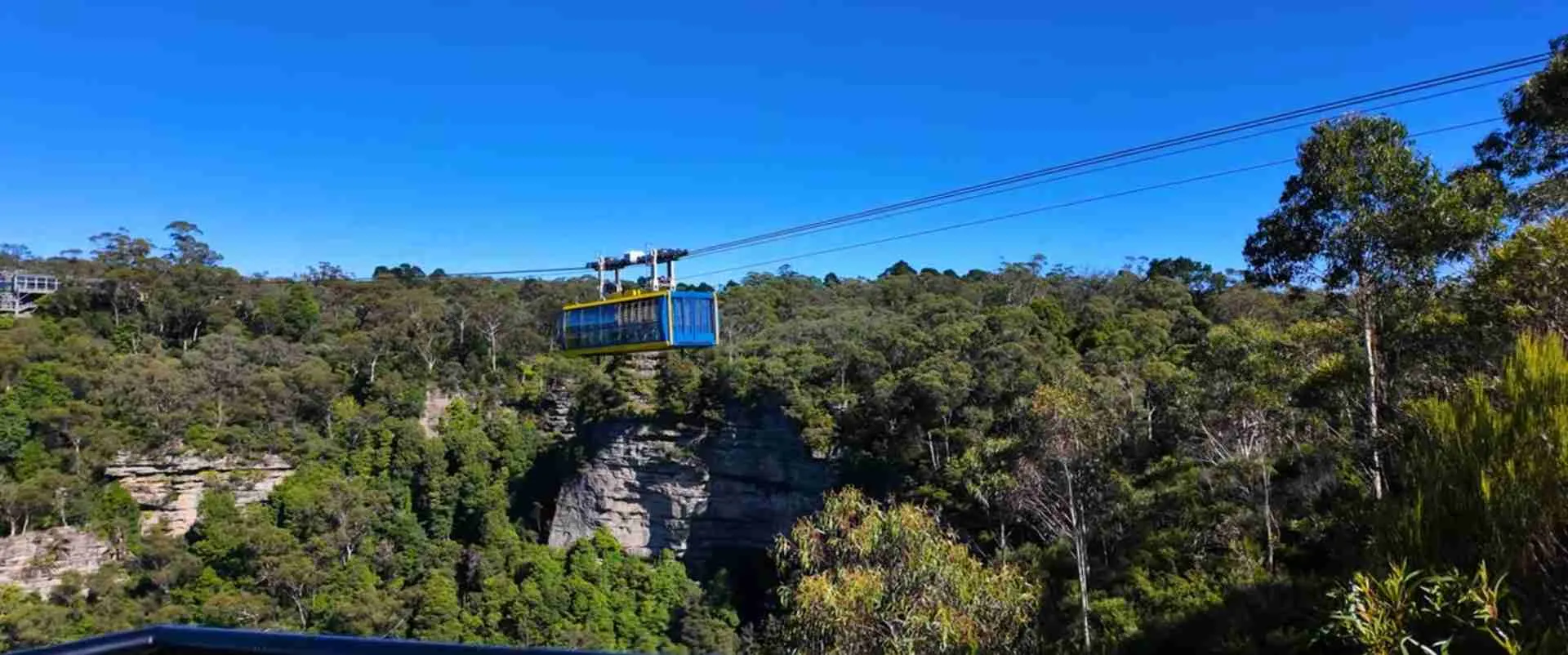
Return to the cliff top via the Scenic Cableway, the steepest cable car in the Southern Hemisphere, ascending 545 meters with glass-floor sections providing dramatic valley views during the 10-minute journey. After reaching the top, ride the Scenic Skyway, a suspended gondola crossing 270 meters above the valley floor with 360-degree views of Katoomba Falls, the Three Sisters, and endless eucalypt forest. The 720-meter journey takes 10 minutes, with glass-floor panels creating vertigo-inducing perspectives of the chasm below. Allow 3-3.5 hours total at Scenic World, including time for lunch at the on-site cafe or restaurant (AUD $18-32 for meals).
After Scenic World, walk or take a short taxi ride to Echo Point (2 kilometers) for Three Sisters photography in afternoon light. Spend 45-60 minutes at Echo Point, exploring various viewing platforms and the visitor center. If energy permits, descend the Giant Stairway partway for different perspectives of the Three Sisters. Walk back to Katoomba Station (15 minutes), stopping at Katoomba Street shops and cafes for afternoon refreshments before catching your return train. The 6:13 PM or 7:13 PM trains provide suitable departure times after a full day of exploration.
Daily Budget Breakdown: Train fare AUD $18.50, Scenic World Discovery Pass AUD $55, lunch at Scenic World AUD $25-30, taxi/rideshare AUD $24-30 (round-trip), coffee/snacks AUD $10-15. Total day cost: AUD $132.50-148.50 per person (excluding dinner on return to Sydney).
Photography-Focused Extended Itinerary 2026
Serious photographers benefit from driving to the Blue Mountains to access multiple locations during optimal lighting conditions. Depart Sydney at 5:30 AM to reach Leura (90 minutes) before sunrise around 6:30-7:00 AM depending on season. Start at Gordon Falls Reserve in Leura for sunrise shots of the Jamison Valley with morning mist and golden light illuminating cliff faces and eucalypt forest. This relatively quiet location offers composition opportunities without the crowds that gather at Echo Point.
After sunrise photography (45-60 minutes), drive to Echo Point for Three Sisters images in morning light. The eastern-facing escarpment receives beautiful illumination during early morning hours, with fewer tourists present before 9:00 AM. Spend 60-75 minutes working various angles from different viewing platforms, experimenting with long lenses for Three Sisters close-ups and wide-angle compositions incorporating valley context. The Giant Stairway provides opportunities to descend for lower perspectives showing the Three Sisters towering overhead.
Mid-morning, drive to Wentworth Falls (10 minutes from Katoomba) for waterfall photography at Wentworth Falls lookout and the dramatic Valley of the Waters track. The falls flow most spectacularly after recent rainfall, creating impressive cascades down the cliff face. Allow 2-3 hours for hiking to multiple viewpoints and shooting various compositions. Break for lunch at Wentworth Falls village (several cafes available) before driving to Blackheath (20 minutes from Wentworth Falls).
Blackheath’s Govetts Leap provides one of the Blue Mountains’ most spectacular vistas, with the Grose Valley stretching to distant horizons and Bridal Veil Falls tumbling down the cliff face. Arrive by 2:00-3:00 PM for afternoon light angles highlighting cliff textures and valley depth. Evans Lookout, 5 minutes drive from Govetts Leap, offers additional perspectives over the Grose Valley with different compositions. Spend 90-120 minutes photographing both locations. Return to Katoomba via Blackheath for sunset at Echo Point, where western light creates warm tones on the Three Sisters and across the Jamison Valley. Depart Katoomba by 7:00 PM for the 90-minute drive back to Sydney, arriving around 8:30 PM.
Daily Budget Breakdown: Fuel AUD $25-30, parking fees AUD $20-24 (multiple locations), lunch Wentworth Falls AUD $25-35, coffee/snacks AUD $12-18. Total day cost: AUD $82-107 per person (excluding dinner after returning to Sydney).
Best Blue Mountains Attractions for 2026 Day Trips
Echo Point and the Three Sisters
Echo Point stands as the Blue Mountains’ most visited site, attracting over 2 million visitors annually to view the Three Sisters rock formation rising majestically from the Jamison Valley. The viewing platform provides unobstructed vistas of these three sandstone peaks—Meehni (922m), Wimlah (918m), and Gunnedoo (906m)—formed through millions of years of erosion that shaped the surrounding escarpment. Aboriginal legend tells of three sisters turned to stone by their father to protect them from danger, with the father subsequently turned to stone himself before he could reverse the spell, leaving the sisters frozen forever overlooking the valley they once called home.
The viewing platform extends over the cliff edge, creating dramatic perspectives 300 meters above the valley floor. Morning light from the east illuminates the Three Sisters beautifully, while late afternoon sun creates warm glows across the entire escarpment. The visitor information center at Echo Point provides Blue Mountains region information, maps, and exhibitions about local geology, flora, and fauna. Park rangers offer free talks throughout the day during peak season, explaining the formation’s geological significance and the Indigenous cultural connections to this landscape. Multiple viewing platforms accommodate crowds and provide wheelchair-accessible vantage points for visitors of all mobility levels.
The Giant Stairway descends from Echo Point down to the base of the Three Sisters, with 900+ steel and stone steps carved into the cliff face. This challenging descent takes 20-30 minutes depending on fitness and photography stops, while the return climb requires 40-60 minutes of sustained effort. The stairway provides close-up perspectives of the Three Sisters rising overhead and access to the Federal Pass walking track that traverses the valley floor beneath the escarpment. Only attempt the Giant Stairway if you have good fitness levels, appropriate footwear, and sufficient water supplies for the strenuous return climb.
Scenic World Katoomba
Scenic World operates as the Blue Mountains’ premier commercial attraction, offering four spectacular experiences accessing the ancient Jamison Valley rainforest and providing breathtaking views of the surrounding wilderness. The complex has evolved from its 1945 coal mining origins into a world-class tourist destination, with modern facilities serving over 900,000 visitors annually. The Scenic Railway descends through a tunnel hand-carved by miners in the 1880s, now converted into the steepest passenger railway globally with a heart-stopping 52-degree gradient. Adjustable seating allows riders to select comfort mode (64 degrees) or maximum thrill (128 degrees) for their 415-meter descent into the valley below.
At the valley floor, the elevated Scenic Walkway showcases pristine ancient rainforest featuring tree ferns up to 20 meters tall, some specimens over 350 years old. The 2.4-kilometer boardwalk winds through diverse vegetation zones, passing sandstone overhangs that sheltered Aboriginal people for thousands of years before European arrival. Information panels explain the unique Blue Mountains ecology, where rainforest thrives in sheltered valleys while hardy eucalypts dominate the exposed cliff tops and ridges. The boardwalk circuit proves particularly magical during early morning hours before crowds arrive, when mist drifts through the fern canopy and bird calls echo through the forest.
The Scenic Cableway returns visitors to the cliff top via the Southern Hemisphere’s steepest cable car, with glass-floor sections revealing the 545-meter vertical ascent. The 84-passenger gondola takes 10 minutes for the climb, providing spectacular views of Katoomba Falls, Orphan Rock, and the Three Sisters during ascent. The Scenic Skyway completes the experience, crossing 270 meters above the Jamison Valley floor on a 720-meter journey offering 360-degree views. This suspended gondola features glass floors allowing downward perspectives into the chasm, not recommended for vertigo sufferers but thrilling for adventure seekers. Multiple daily crossings mean no advance booking required, though queues can extend to 30-45 minutes during peak periods (11:00 AM – 3:00 PM) on busy days.
Wentworth Falls
Wentworth Falls, both the town and the waterfall, sits 5 kilometers east of Katoomba along the Great Western Highway. The falls cascade 297 meters down the escarpment in multiple stages, creating one of the Blue Mountains’ most photographed natural features. The main viewing platform at Conservation Hut provides elevated perspectives of the upper falls, particularly impressive after recent rainfall when water volume increases dramatically. This lookout requires just a 5-minute walk from the parking area, making it easily accessible for visitors with limited mobility or tight timeframes.
The Valley of the Waters track descends from Conservation Hut into the valley below, passing multiple waterfalls and cascades along a 4-kilometer return walk requiring 2-3 hours. This spectacular bushwalk ranks among the Blue Mountains’ finest, with the track descending beneath the main Wentworth Falls, past the National Pass track junction, and through sections carved into cliff faces offering intimate views of waterfalls tumbling down moss-covered rocks. The return climb involves significant elevation gain, demanding good fitness levels. Wear sturdy footwear with grip for potentially slippery rocks and bring adequate water supplies.
For less strenuous exploration, the Darwin Walk follows the cliff top east from Conservation Hut to Wentworth Falls lookout (1.5 kilometers, 30 minutes), providing spectacular valley views with minimal elevation change. This track suits families with children and older visitors wanting Blue Mountains bushwalking without challenging climbs. Queens Cascades, a shorter walk from Conservation Hut (1 kilometer return, 30 minutes), showcases beautiful small waterfalls in a rainforest setting without difficult terrain. Wentworth Falls village contains several cafes and restaurants for lunch stops, with the Great Western Highway location making it an easy addition to Katoomba-focused itineraries.
Weather and Seasonal Considerations for 2026
Summer (December 2025 – February 2026)
Summer brings the Blue Mountains’ busiest visitor periods, with school holidays (mid-December through January 2026) generating significant crowds at major attractions. Temperatures range 18-28°C during the day, considerably cooler than coastal Sydney’s 25-35°C heat, making the mountains an attractive escape during hot weather. Mornings start comfortably at 12-18°C, perfect for early hiking before midday heat. The cooler mountain climate compared to Sydney means visitors often arrive unprepared—bring layered clothing as temperatures drop significantly in shaded valleys and during afternoon storms.
Afternoon thunderstorms develop frequently throughout the Blue Mountains in summer 2026, typically forming between 2:00-5:00 PM. These storms bring intense rainfall, lightning, and occasionally small hail. Check weather forecasts before departing Sydney and plan core outdoor activities for morning hours. If thunderstorms threaten, avoid exposed cliff-top lookouts and bushwalking tracks, seeking shelter in cafes, the Scenic World complex, or your vehicle. Storms pass relatively quickly (30-60 minutes), after which conditions often clear for evening exploration. The long summer daylight (sunrise around 5:30 AM, sunset after 8:00 PM) allows early starts to complete major activities before afternoon weather deterioration.
Summer holidays generate parking challenges at Echo Point, Scenic World, and Wentworth Falls. Arrive before 9:30 AM on weekends and public holidays to secure parking at major attractions. Alternative: use Katoomba’s municipal parking areas (behind the town center) and walk to attractions rather than competing for limited roadside parking. The Blue Mountains Explorer Bus proves particularly valuable during summer, eliminating parking stress while providing flexible attraction access. Book accommodations 2-3 months ahead if planning an overnight stay during December-January 2026 peak season. Summer bushfire risk affects the Blue Mountains periodically—check fire danger ratings and observe any park closures or restrictions before traveling.
Autumn (March – May 2026)
Autumn delivers the Blue Mountains’ finest weather conditions, with March-May 2026 offering optimal combinations of comfortable temperatures, stable weather patterns, and spectacular seasonal displays. Daytime temperatures range 12-22°C, perfect for bushwalking without summer’s heat or winter’s cold. Mornings can be crisp at 5-12°C, particularly in May, requiring warm layers for early photography or hiking. Rainfall decreases compared to summer, with clearer skies improving distant views and photography opportunities. The reduced storm frequency makes afternoon exploration more reliable, though always carry rain protection as weather can change rapidly in mountain environments.
Deciduous trees planted in gardens at Leura, Katoomba, and Blackheath create spectacular autumn foliage displays during April-May 2026. The Leura Gardens Festival in October (spring) attracts garden enthusiasts, but autumn’s natural color show rivals any cultivated display. Evergreen Mall in Leura features European tree species producing vibrant reds, oranges, and golds against the native eucalypt forest backdrop. Norman Lindsay Gallery gardens in Faulconbridge showcase autumn colors in a more intimate setting, combined with exhibitions of this famous Australian artist’s work.
Easter holidays (late March/early April 2026) create brief crowd surges at major attractions, though nothing approaching summer school holiday intensity. The ANZAC Day long weekend (April 25-27, 2026) generates increased visitation from Sydney, with accommodation booking advisable 4-6 weeks ahead. Otherwise, autumn weekdays and weekends prove relatively quiet, allowing peaceful Blue Mountains experiences without summer’s crowds. This season particularly suits photographers, with autumn light quality creating warm tones and clear atmospheric conditions improving distant vista visibility.
Winter (June – August 2026)
Winter transforms the Blue Mountains into a crisp, clear wonderland, with cold temperatures bringing exceptional viewing conditions and unique seasonal experiences. Daytime highs reach 8-15°C at cliff-top locations, while valley floors remain several degrees cooler. Morning temperatures drop to 0-5°C, with frost coating vegetation at higher elevations like Blackheath and Mount Victoria. Occasionally, light snow falls on the highest peaks, creating rare but spectacular winter scenes with snow-dusted eucalypts and frosted sandstone cliffs. Check weather forecasts for cold fronts bringing these special conditions, arriving early morning after overnight cold snaps for the best snow and frost photography.
Winter’s clear, dry air delivers the year’s best long-distance visibility from major lookouts. Views extend 50-100 kilometers on perfect winter days, revealing the full extent of the Blue Mountains wilderness with crystalline clarity. Govetts Leap and Evans Lookout particularly benefit from winter conditions, offering views deep into the Grose Valley and across to Mount Banks and the Wolgan Valley beyond. Sunrise and sunset photography reaches peak quality during winter, with low sun angles creating dramatic shadows across cliff faces and the absence of summer haze producing rich colors and sharp details.
Winter remains the Blue Mountains’ quietest season outside school holiday periods. Weekdays see minimal tourist activity at major attractions, allowing almost private experiences at typically crowded sites like Echo Point. The July school holidays (late June/early July 2026) increase visitation temporarily, though crowds remain modest compared to summer peaks. Accommodation prices drop significantly during non-holiday winter periods, creating opportunities for budget overnight stays. Pack substantial warm clothing for winter visits—thermal layers, windproof jacket, beanie, and gloves prove essential, particularly for early morning activities or extended bushwalking. Cafes and restaurants provide welcoming warmth and excellent hot meals, making the post-walk hot chocolate or coffee especially satisfying.
Spring (September – November 2026)
Spring delivers arguably the Blue Mountains’ most beautiful natural displays, with September-October 2026 bringing spectacular wildflower blooms throughout the region. Native species including waratahs (NSW’s floral emblem), flannel flowers, boronia, tea-tree, and numerous orchid species color the landscape in vibrant displays. The Mount Tomah Botanic Garden, 20 kilometers north of Blackheath, showcases both cultivated gardens and native bushland with dedicated wildflower sections. Bushwalking tracks around Katoomba, Wentworth Falls, and Blackheath pass through wildflower zones, making spring an exceptional time for nature photography and botanical observation.
Temperatures climb gradually through spring, starting cool in September (10-18°C days) and reaching comfortable conditions by November (15-25°C days). Early spring maintains winter’s clear viewing conditions before summer haze develops, creating excellent photography opportunities. Rainfall increases through spring compared to winter, with October-November bringing more frequent showers. However, spring rain tends toward gentle, passing showers rather than summer’s intense thunderstorms, rarely disrupting outdoor activities significantly. The increasing daylight hours allow extended exploration time, with November sunset occurring around 7:45 PM compared to September’s 6:00 PM twilight.
Spring school holidays (late September/early October 2026) create moderate crowd increases at major attractions, though visitation remains well below summer peak levels. The Leura Gardens Festival (traditionally early October, though confirm 2026 dates) attracts garden enthusiasts for a weekend of garden tours, with Leura’s famous private gardens open for public viewing. This festival weekend generates significant visitor numbers in the Leura-Katoomba area, requiring advance accommodation booking and early arrival at attractions to avoid parking difficulties. Outside the festival weekend and school holidays, spring weekends prove pleasantly moderate for Blue Mountains day trips, combining good weather, reasonable crowds, and spectacular natural conditions.
Money-Saving Strategies for 2026 Blue Mountains Day Trips
Transportation Savings in 2026
The Opal card daily travel cap delivers substantial savings for Blue Mountains day trips in 2026. Weekend and public holiday travel caps at AUD $8.40 per day across all Sydney trains, buses, light rail, and ferries, meaning your round-trip train journey to Katoomba (normally AUD $18.50) caps at just AUD $8.40 if traveling Saturday, Sunday, or public holidays. This single strategy saves AUD $10+ per person. When planning Blue Mountains trips in 2026, prioritize weekends and public holidays for maximum transport value.
Groups of 3-4 travelers should calculate car rental costs against train fares. Car rental in Sydney ranges AUD $60-90 per day for economy vehicles in 2026, with fuel costs adding AUD $20-30 for the Sydney-Blue Mountains round-trip. Total car costs of AUD $80-120 split among four passengers equals AUD $20-30 per person, comparable to train fares but providing superior flexibility and access to multiple Blue Mountains locations. For groups of 2, public transport remains cheaper, while solo travelers always save money using trains rather than driving.
Book guided tours through accommodation packages or travel booking platforms offering bundled discounts. Tour operators occasionally discount last-minute availability, though this strategy risks missing out entirely during peak periods. Shoulder season touring (March-May, September-November 2026) sometimes features promotional pricing 10-15% below peak summer rates. Join tour operator email lists to receive advance notification of special offers and early bird booking discounts.
Attraction and Activity Savings in 2026
Many spectacular Blue Mountains experiences cost nothing. Echo Point and the Three Sisters viewing platforms provide free access to iconic views. The Prince Henry Cliff Walk, Wentworth Falls lookout, Govetts Leap, and dozens of other lookouts and bushwalking tracks require no entry fees, allowing comprehensive Blue Mountains exploration without attraction costs. A day spent hiking the National Pass, Federal Pass, or Valley of the Waters tracks delivers world-class wilderness experiences for zero cost beyond transportation.
If visiting Scenic World, focus time and budget on this single attraction rather than spreading funds across multiple paid sites. The AUD $55 Discovery Pass in 2026 provides unlimited all-day rides, meaning you can experience the Railway, Cableway, and Skyway multiple times if desired, maximizing value. Arrive at opening time (9:00 AM) and stay until mid-afternoon to extract full value from the ticket investment. Scenic World’s elevated boardwalk through ancient rainforest alone justifies the admission cost, providing access to environments otherwise requiring significant bushwalking effort to experience.
Family groups should investigate family pass options at paid attractions. Scenic World’s family pass (2 adults + 2 children) costs AUD $145 in 2026 compared to AUD $170 if purchasing individual tickets, saving AUD $25 for qualifying families. Similarly, check for student, senior, and concession pricing at all attractions—many sites offer 10-25% discounts for eligible visitors, though identification may be required. Combination tickets linking multiple attractions occasionally provide savings, though verify the mathematical benefit before purchasing packages.
Food and Beverage Savings in 2026
Bringing packed lunches from Sydney creates the most significant food cost savings, with supermarket provisions costing AUD $8-12 per person compared to AUD $20-30 for cafe lunches in the Blue Mountains. Numerous picnic areas throughout the region provide tables, shelters, and spectacular views for outdoor dining. Echo Point, Wentworth Falls, Govetts Leap, and many lookouts offer designated picnic facilities. Pack reusable water bottles and refill at public facilities rather than purchasing bottled water at tourist prices.
If purchasing meals in the Blue Mountains, bakeries and takeaway outlets charge significantly less than sit-down cafes and restaurants. Expect AUD $10-15 for bakery pies, sandwiches, or sausage rolls compared to AUD $20-30 for cafe meals. Coles and Woolworths supermarkets in Katoomba provide affordable lunch assembly options, with fresh sandwiches, salads, and snacks priced competitively. These supermarkets also sell drinks, snacks, and supplies at Sydney prices rather than inflated tourist location markups.
Purchase coffee and snacks in Katoomba’s commercial center rather than at major tourist sites. Cafes along Katoomba Street charge AUD $4.50-5.00 for coffee, while Scenic World and other attractions charge premium prices approaching AUD $6.00-7.00. Walking 10 minutes from attractions to town-center cafes saves a few dollars per purchase, adding up significantly for groups or families. The slightly lower prices in town reflect local customer bases rather than pure tourist trade, benefiting budget-conscious travelers willing to walk short distances.
Practical Tips for 2026 Blue Mountains Day Trips
What to Bring and Wear
Sturdy, closed-toe walking shoes prove essential for Blue Mountains exploration, with bushwalking tracks featuring uneven terrain, rocky sections, and potentially slippery surfaces after rain. Hiking boots provide optimal ankle support and grip for longer walks, though quality sneakers or trail runners suffice for shorter tracks and lookout walks. Avoid sandals, flip-flops, or fashion footwear that offer inadequate protection and grip. The steep staircases at many attractions (Giant Stairway, Wentworth Falls tracks) demand good footwear for safety and comfort.
Layer clothing to accommodate the Blue Mountains’ variable temperatures and weather conditions. Start with a breathable base layer, add a warm mid-layer (fleece or light jacket), and bring a waterproof outer shell for rain protection. Temperatures fluctuate significantly from morning to afternoon and between exposed cliff tops and sheltered valleys, making layers essential for comfort. Even on warm Sydney days, the Blue Mountains sits 8-15°C cooler due to 1000-meter elevation, catching unprepared visitors in t-shirts and shorts. Pack a warm jacket even in summer, particularly for early morning activities or late afternoon exploration.
Carry ample water for bushwalking—plan for 1-2 liters per person depending on walk duration and temperature. The Blue Mountains offers limited water fountain availability along tracks, and dehydration occurs easily during uphill climbs or exposed ridge walks. Apply sunscreen liberally before outdoor activities and reapply every 2 hours, as the mountain elevation creates stronger UV exposure than coastal locations. Bring a hat for sun protection during lookout visits and open ridge walking. Insect repellent proves useful during warmer months, though the Blue Mountains generally experiences fewer mosquitoes than coastal Sydney areas.
Safety Considerations for 2026
Stay behind safety barriers and railings at all lookouts—the Blue Mountains’ sheer cliffs drop 200-400 meters vertically, with fatal accidents occurring when visitors venture beyond protective fencing for photographs or views. The sandstone cliff edges crumble easily, and seemingly stable areas can collapse without warning. No photograph justifies life-threatening risks. Numerous viewing platforms provide spectacular safe vantage points that eliminate any need to approach unprotected cliff edges.
Mobile phone reception varies significantly throughout the Blue Mountains, with reliable coverage in main towns (Katoomba, Leura, Wentworth Falls) but limited or no service along many bushwalking tracks and in valley floors. Download offline maps before departing Sydney or carry paper maps for bushwalking expeditions. Inform someone of your planned route and expected return time before undertaking longer walks. Carry a whistle for emergency signaling if injured or lost, as voice calls don’t travel far in forested environments.
Blue Mountains weather changes rapidly, with sunny conditions deteriorating to rain, wind, and reduced visibility within 30-60 minutes. Check Bureau of Meteorology forecasts before departing Sydney and monitor weather throughout your visit via smartphone apps (when reception permits). Lightning strikes occur regularly during summer thunderstorms—seek shelter immediately when thunderstorms approach rather than continuing bushwalks or remaining at exposed lookouts. Completed bushwalks or rescheduled activities beat dangerous weather exposure every time.
Accessibility Information for 2026
Many Blue Mountains attractions provide excellent wheelchair and mobility-impaired access. Echo Point features fully accessible viewing platforms with smooth surfaces and ramps connecting multiple vantage points. The visitor center provides accessible restrooms, and designated disabled parking spaces sit closest to viewing areas. Similarly, Scenic World offers wheelchair-accessible boarding for the Railway, Cableway, and Skyway, with the valley floor boardwalk designed for wheelchair navigation along accessible routes (though some boardwalk sections include steps, limiting full circuit access).
Wentworth Falls lookout provides accessible parking and a short paved path to viewing platforms overlooking the falls. Govetts Leap features accessible facilities with smooth paths from parking to the main lookout. However, many Blue Mountains bushwalking tracks involve steps, steep grades, and uneven surfaces unsuitable for wheelchairs or walkers. The Giant Stairway, National Pass, and numerous other spectacular walks remain inaccessible due to their challenging terrain and heritage infrastructure that predates modern accessibility standards.
Visitors requiring accessible experiences should focus on viewing platforms, Scenic World (main attractions), and paved pathways while accepting that backcountry bushwalking experiences have inherent accessibility limitations. Tour operators occasionally offer specialized accessible tours, though confirm specific requirements before booking. The Blue Mountains provides sufficient accessible attractions for satisfying day trips without requiring strenuous hiking or difficult terrain navigation.
Booking and Reservations for 2026
What Requires Advance Booking
Scenic World operates on a walk-up basis with no advance booking required for general admission in 2026. However, queues develop during peak periods (school holidays, weekends, public holidays), particularly 11:00 AM – 3:00 PM. Consider arriving at opening time (9:00 AM) or after 3:00 PM to minimize wait times. Private group tours and special experiences at Scenic World may require advance booking, though standard Discovery Pass holders simply purchase tickets at the entrance and join attraction queues. The facility’s high capacity means even busy days rarely result in excessive delays exceeding 30-45 minutes at popular attractions.
Train travel from Sydney requires no advance booking, with services operating on a frequent schedule throughout the day. Simply tap your Opal card at entry gates and board the next available service. Trains to Katoomba rarely fill completely even during busy periods, as additional carriages get added for peak demand. Weekend services can be crowded with recreational travelers, particularly on Sunday afternoons when day-trippers return to Sydney simultaneously. Consider traveling mid-week or on less popular times (early morning, evening) for guaranteed seating.
Guided tours require advance booking, particularly small group tours with limited capacity. Book popular tours 2-4 weeks ahead during peak season (December-February 2026) to secure preferred dates and operators. Shoulder season touring (March-May, September-November) allows booking 7-14 days ahead for most operators, though popular small group and specialty tours still benefit from earlier reservation. Budget coach tours with large capacity generally have last-minute availability, though specific date guarantees require advance booking.
Official Booking Resources for 2026
Transport NSW operates Sydney’s train network, with journey planning and Opal card information available at transportnsw.info. The website provides real-time departure information, service disruptions, and detailed fare calculations. Download the Transport NSW mobile app for on-the-go schedule checking and trip planning. Purchase Opal cards from newsagents, convenience stores, or station vending machines—registration online provides additional protections for lost cards.
Scenic World maintains booking information and current pricing at scenicworld.com.au, though walk-up admission remains standard for individual visitors. The website provides live wait time information during busy periods, helping plan arrival timing. Blue Mountains Explorer Bus operates booking through bluemountainsexplorerbus.com.au, offering online ticket purchases with QR code mobile tickets eliminating physical ticket requirements. The hop-on-hop-off service requires no specific departure reservations—simply board at any designated stop.
Guided tour operators maintain individual booking websites, with aggregation platforms like Viator, GetYourGuide, and Tripadvisor Experiences providing comparison shopping across multiple operators. Read recent reviews when selecting tours, as operator quality varies significantly. Look for tours with professional guides, small group sizes, and flexible cancellation policies. Blue Mountains Tourism maintains comprehensive operator directories at visitbluemountains.com.au, useful for researching accommodation, activities, and current events during your 2026 visit.
Frequently Asked Questions About Blue Mountains Day Trips 2026
Is one day enough for the Blue Mountains?
One day provides sufficient time to experience the Blue Mountains’ main highlights including Echo Point and the Three Sisters, Scenic World attractions, and a moderate bushwalk like the Prince Henry Cliff Walk or Valley of the Waters track. Strategic planning allows visits to 3-4 major attractions with lunch and photography time included. However, serious hikers wanting to explore multiple longer trails, photographers seeking optimal lighting conditions at numerous locations, or visitors wanting to experience both the Katoomba-Leura area and Blackheath’s spectacular viewpoints benefit from overnight stays allowing 1.5-2 days of exploration. Day trips excel for first-time visitors and those seeking introduction to Blue Mountains highlights, while multi-day visits suit enthusiasts wanting comprehensive regional exploration.
What is the best day of the week to visit the Blue Mountains in 2026?
Weekdays (Tuesday-Thursday) provide the quietest Blue Mountains experiences in 2026, with substantially smaller crowds at major attractions compared to weekends and Mondays. Echo Point parking fills mid-morning on weekends but remains manageable on weekdays even during lunch hours. Scenic World operates with shorter queues on weekday visits, particularly Tuesday-Wednesday outside school holidays. However, some visitors prefer weekend energy and atmosphere, while the Opal card weekend travel cap (AUD $8.40) creates significant savings for Saturday-Sunday trips. Public holidays generate crowd levels similar to or exceeding weekends, making them less ideal for peaceful exploration. Balance crowd preferences against transport savings when selecting your optimal day.
Can you swim in Blue Mountains waterfalls in 2026?
Swimming is not permitted at most major Blue Mountains waterfalls including Wentworth Falls, Katoomba Falls, and Govetts Leap due to dangerous currents, slippery rocks, and restricted access areas. However, several swimming holes exist throughout the Blue Mountains region for those seeking water activities. Jellybean Pool near Glenbrook provides a popular swimming spot, though expect crowds during summer weekends. The Megalong Valley contains various creek swimming locations accessible via bushwalks. These natural pools offer refreshing breaks during summer heat but require good bush navigation skills to locate. Always assess water conditions before entering any waterway, as flash flooding occurs rapidly after rainfall throughout the Blue Mountains region. Cold water temperatures year-round demand caution even during summer months.
Are there toilets along Blue Mountains bushwalking tracks in 2026?
Toilet facilities exist at most trailheads and major lookouts including Echo Point, Scenic World, Wentworth Falls Conservation Hut, Govetts Leap, and Evans Lookout. However, bushwalking tracks themselves generally lack facilities once you depart from developed areas. Plan toilet stops before beginning walks and upon returning to developed locations. Long bushwalks (2+ hours) require preparation for wilderness toileting if necessary, following Leave No Trace principles of carrying out all waste or burying waste 15+ centimeters deep at least 100 meters from water sources and walking tracks. The Giant Stairway and National Pass lack toilets along their routes, making pre-walk preparation essential. Consider this factor when planning walks with children or anyone requiring regular facility access.
Is the Blue Mountains suitable for young children in 2026?
The Blue Mountains offers excellent family-friendly experiences for children of various ages. Echo Point provides easy access, fascinating views, and space for children to move safely within fenced areas. Scenic World particularly appeals to kids, with the thrilling Scenic Railway and glass-floor Skyway creating memorable excitement. The valley floor boardwalk allows even young children to experience rainforest environment without difficult hiking. However, the Giant Stairway descent proves too demanding for most children under 8-10 years, with the return climb requiring significant fitness and determination. Select bushwalks carefully based on children’s abilities—short walks like Darwin Walk or Queens Cascades suit families, while longer valley descents challenge adults and may overwhelm children. Consider child carriers for toddlers on suitable tracks, though steep staircase sections limit carrier practicality.
What wildlife can you see in the Blue Mountains in 2026?
The Blue Mountains hosts diverse Australian wildlife, though animal sightings require patience and appropriate timing. Eastern Grey Kangaroos frequently appear in grassland areas around Katoomba golf course and open meadows, particularly during early morning and late afternoon hours. Lyrebirds, famous for their incredible mimicry abilities, inhabit rainforest gullies, with the Valley of the Waters track and Scenic World valley boardwalk offering good sighting opportunities during spring breeding season (August-October 2026). Listen for their complex songs echoing through the forest rather than expecting guaranteed visual encounters. Kookaburras call throughout the Blue Mountains, particularly around lookouts and picnic areas, while crimson rosellas and king parrots provide colorful bird sightings at many locations. Possums emerge after dark around accommodations and town centers. Echidnas occasionally appear along bushwalking tracks, though these shy animals typically flee before extended observation. Wildlife sightings enhance Blue Mountains visits but shouldn’t constitute primary visit expectations, as natural animal behavior means encounters remain opportunistic rather than guaranteed.
Does it snow in the Blue Mountains in 2026?
Light snow falls occasionally in the Blue Mountains during winter months (June-August 2026), though accumulation rarely exceeds 5-10 centimeters and melts quickly. Snow events occur several times each winter at higher elevation areas like Blackheath, Mount Victoria, and Katoomba’s elevated sections, typically following cold fronts bringing sub-zero overnight temperatures. Check weather forecasts for cold fronts during June-July 2026 if hoping to experience snow, planning visits for the morning immediately after overnight snowfall before afternoon sun melts accumulation. Snow creates spectacular landscapes but also hazardous driving conditions on mountain roads, with inexperienced drivers creating significant traffic problems. Carry snow chains if driving during snow forecasts, as police close roads to vehicles without chains during heavy snow events. Most years experience 3-5 snow days between June and August, though frequency and intensity vary significantly. Don’t expect alpine ski resort conditions—Blue Mountains snow provides photographic opportunities and novelty experiences rather than snow sports activities.
Can you drink tap water in the Blue Mountains in 2026?
Tap water throughout the Blue Mountains meets Australian drinking water standards and proves completely safe for consumption in 2026. Restaurants, cafes, hotels, and public facilities all provide potable water from the same supply system serving Sydney. Fill reusable water bottles at accommodation before day trips or refill at public facilities throughout the region. The Blue Mountains’ municipal water tastes clean and fresh, with many visitors commenting on its quality compared to other regions. Creek and waterfall water should never be consumed without treatment, as natural waterways carry potential contamination from wildlife and vegetation. Bring sufficient water bottles for bushwalking, as limited drinking fountains exist along remote tracks, and dehydration creates serious health risks during extended hiking.
What should I do if I get lost in the Blue Mountains in 2026?
If lost or disoriented on Blue Mountains bushwalking tracks, stop immediately rather than continuing in uncertain directions. Many lost hikers worsen situations by pressing forward in wrong directions when stopping and reassessing proves far more effective. Use your smartphone’s GPS if reception permits—many modern phones maintain GPS functionality even without mobile network signal, allowing position identification on downloaded offline maps. If carrying a paper map and compass, take time to carefully identify your position using landmarks and track junctions. Call 000 (Australian emergency services) if you have mobile reception and require rescue assistance, providing as much detail as possible about your location, route, and any visible landmarks. Stay in one location once you’ve called for help rather than continuing movement that complicates rescue efforts. If unable to contact emergency services, follow track markers carefully rather than bushbashing through unmapped areas, as most Blue Mountains tracks eventually lead to developed areas or road access points. Carry a whistle for emergency signaling—three sharp blasts repeated regularly constitutes the international distress signal. Avoid night hiking if lost, as darkness dramatically increases injury risks and disorientation in unfamiliar terrain.
Are drones allowed in the Blue Mountains in 2026?
Drone flying faces significant restrictions throughout the Blue Mountains National Park and surrounding areas in 2026. National Parks and Wildlife Service regulations prohibit recreational drone use within the Blue Mountains National Park without specific permits, covering most areas tourists visit including Echo Point, Wentworth Falls, and the Jamison Valley. These restrictions protect wildlife from disturbance, preserve visitor experience, and prevent accidents near cliff edges and in narrow valleys where drone control proves challenging. Scenic World specifically prohibits drones over their facility due to safety concerns with cable cars and aerial attractions. Violations risk substantial fines (AUD $2,200+ for individuals, higher for commercial operators) and drone confiscation. Commercial drone operators require Civil Aviation Safety Authority (CASA) licenses plus National Parks permits for any work within protected areas. If planning aerial photography, research specific location regulations thoroughly and obtain required permits well before your visit. Alternatively, enjoy the many professional aerial photography collections showcasing Blue Mountains landscapes without legal complications.