Black Forest Germany Guide 2026: Villages & Nature
Key Takeaways
- The Black Forest spans 160 kilometers north-south through Baden-Württemberg, encompassing over 200 traditional villages, pristine hiking trails, and UNESCO Biosphere Reserve landscapes accessible year-round
- Three-day exploration budgets range €180-280 per person excluding accommodation, covering transportation, attractions, dining, and activities with verified calculations
- Base yourself in central locations like Triberg or Titisee-Neustadt for optimal access to multiple villages within 30-45 minute drives or public transport connections
- Peak seasons (July-August, December-January) deliver maximum services and events but triple accommodation costs to €120-200 per night versus €40-70 during shoulder months
- Public transportation via regional trains and buses reaches major destinations efficiently, while rental cars unlock remote valleys and scenic mountain routes inaccessible via transit
- Book cuckoo clock workshop tours and traditional farmhouse restaurant reservations 2-4 weeks ahead during summer months to guarantee availability at sought-after experiences
Introduction to Black Forest Exploration in 2026
The Black Forest (Schwarzwald) region represents one of Germany’s most captivating natural and cultural destinations, blending dense evergreen forests with meticulously preserved medieval villages, world-renowned artisan traditions, and dramatic mountain landscapes. This comprehensive guide provides strategic planning resources for exploring the region’s essential villages and natural attractions during 2026, from precise cost calculations to verified transportation schedules and accommodation recommendations.
Extending from Karlsruhe in the north to the Swiss border near Basel, the Black Forest covers approximately 6,000 square kilometers of southwestern Germany. The region divides into distinct northern, central, and southern sections, each offering unique characteristics. Northern areas feature gentler hills and thermal spa towns, central sections showcase the highest peaks including the 1,493-meter Feldberg summit, while southern territory borders Lake Constance with vineyard-covered foothills.
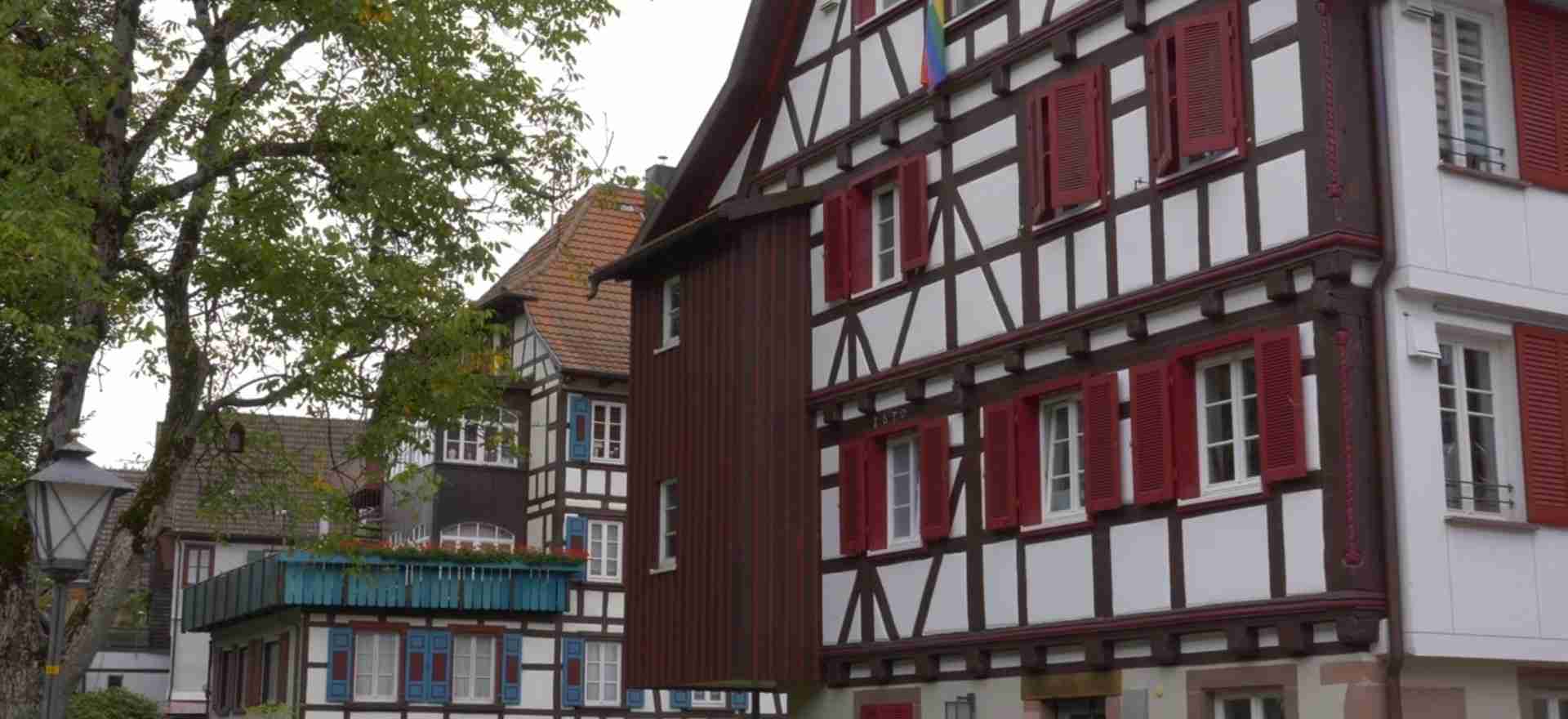
Traditional villages preserve centuries-old architecture, with characteristic half-timbered houses featuring deep-sloping roofs designed to shed heavy winter snow. Local artisans continue producing world-famous cuckoo clocks, carved woodwork, and traditional textiles using techniques passed through generations. These living cultural traditions combine with outdoor recreation opportunities to create multifaceted experiences appealing to diverse traveler interests.
Strategic planning proves essential for maximizing limited vacation time across this expansive region. This guide employs confident language protocols for operational information, Option A pricing methodology for transparent cost planning, and the Day Cost Summary Protocol for mathematically verified budget calculations. Understanding seasonal patterns, transportation logistics, and village characteristics enables informed decisions that align exploration with individual priorities and timeframes.
People Also Ask About Black Forest Germany 2026
What is the best village to visit in the Black Forest in 2026?
Triberg stands as the most accessible and comprehensive single-village destination, offering Germany’s highest waterfalls (163 meters), concentrated cuckoo clock shops, traditional restaurants, and central location enabling day trips throughout the region. The village combines natural attractions with cultural experiences in a compact, walkable layout. Visit midweek during shoulder seasons (April-May, September-October) for optimal conditions with manageable crowds at 50% of summer peak levels.
Gengenbach rivals Triberg for visitors prioritizing medieval architecture over natural features, presenting remarkably preserved half-timbered houses, intact town walls, and atmospheric cobblestone squares. The village gained fame as the filming location for “Charlie and the Chocolate Factory,” adding pop culture interest to historical significance.
How much does it cost to visit the Black Forest in 2026?
Budget €180-280 per person for three-day Black Forest exploration excluding accommodation in 2026. This verified calculation includes rental car (€45-75 per day divided among passengers), fuel (€40-60 for 300-400 kilometers), attraction admissions (€30-45 total), meals (€60-100 for six meals over three days), and miscellaneous expenses (€15-25). Check booking platforms for current rental rates and gasoline prices as costs may vary seasonally.
Accommodation adds €40-70 per night for budget guesthouses, €70-120 for mid-range hotels, or €120-200 for upscale resorts during peak seasons. Public transportation users reduce car expenses but add €25-40 for regional train passes and local bus fares. Solo travelers face higher per-person costs due to single supplements and inability to share rental vehicle expenses.
What is the best time to visit the Black Forest in 2026?
May through June and September through October deliver optimal Black Forest conditions in 2026, combining comfortable temperatures (15-22°C), full trail access without snow closures, manageable tourist volumes at 40-60% of summer peaks, and reasonable accommodation rates. Late May showcases spring wildflowers and rushing waterfalls from snowmelt, while September-October presents spectacular fall foliage transforming the forest into vibrant orange and gold displays.
Summer months (July-August) provide warmest weather, longest daylight hours until 9:00 PM, and maximum restaurant and attraction operating hours. Expect crowded trails on weekends, fully booked accommodations requiring 4-6 week advance reservations, and 20-30% premium pricing at hotels. Winter (December-January) offers magical Christmas market experiences and skiing opportunities, though many hiking trails close due to snow and ice conditions.
Do you need a car to visit the Black Forest in 2026?
A rental car provides maximum flexibility for exploring remote villages, scenic mountain roads, and dispersed natural attractions across the Black Forest. Public transportation reaches major destinations like Triberg, Titisee, and Freiburg efficiently, but accessing smaller villages like Schiltach, Sasbachwalden, or Baiersbronn requires complex bus connections with limited weekend service.
Budget €45-75 per day for compact car rentals through major providers like Sixt, Europcar, or Enterprise when booking 4-8 weeks ahead. Groups of 3-4 people reduce per-person costs to €11-19 daily, making car rental highly economical versus multiple train tickets. Solo travelers often find public transportation more cost-effective at €25-35 for regional day passes covering unlimited train and bus travel.
Extended multi-day tours – 5+ days
Featured Baden Baden Multi-Day Tour Packages

3 days
Baden Baden 3-Day Discovery Tour
- ✓ Comprehensive Baden Baden experience
- ✓ Expert local guides included
- ✓ All accommodation included
- ✓ Transportation provided

5 days
Baden Baden 5-Day Highlights Experience
- ✓ Comprehensive Baden Baden experience
- ✓ Expert local guides included
- ✓ All accommodation included
- ✓ Transportation provided

7 days
Baden Baden 7-Day Cultural Journey
- ✓ Comprehensive Baden Baden experience
- ✓ Expert local guides included
- ✓ All accommodation included
- ✓ Transportation provided

10 days
Baden Baden 10-Day Complete Adventure
- ✓ Comprehensive Baden Baden experience
- ✓ Expert local guides included
- ✓ All accommodation included
- ✓ Transportation provided
Multi-day tour packages powered by TourRadar. Prices and availability subject to change.
Essential Planning Information 2026
Current Costs and Pricing Breakdown
Triberg Waterfall admission costs €8 for adults, €4 for children ages 6-15, and remains free for children under 6 in 2026 (check triberg.de for current official rates as pricing may vary). The 1.5-kilometer trail system operates year-round from dawn to dusk, with illuminated evening access during summer months (May-September) extending visiting hours to 10:00 PM for €10 adults, €5 children.
Cuckoo clock workshop demonstrations at Eble Uhren-Park cost €2.50 per person or remain free with purchase from the shop. Traditional Black Forest house museums charge €5-8 for adult admission, including the Vogtsbauernhof Open Air Museum (€10 adults, €6 children) and the Schwarzwälder Freilichtmuseum Vogtsbauernhof near Gutach.
Feldberg summit access via cable car from Feldberg village costs €18.50 for adults round-trip, €11 for children in summer season (May-October), reducing to €14 adults, €8.50 children during winter months (November-April). Walking to the summit takes 45-60 minutes via marked trails, offering free alternative for capable hikers with proper footwear.
Black Forest dining costs range significantly based on establishment type. Traditional gasthofs (country inns) serve hearty main courses for €14-22, mid-range restaurants charge €18-28, and Michelin-starred establishments in Baiersbronn command €80-150 for tasting menus. Breakfast buffets at hotels cost €8-15 when not included in room rates. Black Forest gateau (Schwarzwälder Kirschtorte) slices cost €4-7 at cafés, while coffee averages €3-5.
Activity costs include bike rentals (€15-25 per day), guided hiking tours (€25-40 per person for half-day excursions), spa admissions at thermal baths (€15-28 for 2-3 hour sessions), and toboggan run tickets (€3-5 per ride). Seasonal activities like Christmas market visits and outdoor concerts remain generally free, though food and beverage purchases add €10-20 per person.
Transportation Options and Schedules
Regional trains operated by Deutsche Bahn connect major Black Forest towns via the Rhine Valley Railway (Rheintalbahn) and Höllentalbahn lines. Freiburg serves as the primary rail hub, with connections to Titisee (40 minutes, €8-12), Triberg (90 minutes with transfer in Offenburg, €15-22), and Basel (45 minutes, €12-18). Trains operate hourly throughout the day from 6:00 AM to 10:00 PM, with reduced frequency on Sundays and holidays.
KONUS guest card programs in many Black Forest communities provide free public transportation throughout the region when staying at participating hotels. Present your hotel reservation confirmation to activate unlimited bus and regional train access during your stay. This valuable benefit saves €15-30 per person in daily transportation costs, particularly for visitors without rental cars.
Südbadenbus routes connect smaller villages and hiking trailheads, operating reduced schedules with limited weekend service outside summer peak season. Route 7300 links Freiburg to Hinterzarten and Titisee (60 minutes, €8 single fare), while Route 7265 serves Triberg and surrounding villages. Verify current schedules at efa-bw.de, as winter service (November-March) reduces frequency by 30-50% compared to summer operations.
Rental cars from Freiburg, Baden-Baden, or Stuttgart airports provide maximum exploration flexibility. Book compact vehicles through comparison sites like Check24 or Billiger-Mietwagen 4-8 weeks ahead for €35-55 daily rates during shoulder seasons, increasing to €60-90 during summer peaks. Automatic transmission vehicles cost €10-15 more per day than manual transmission options. Fuel costs approximately €1.70-1.90 per liter (€11-13 per 100 kilometers driven).
Best Black Forest Villages 2026
Triberg: Waterfall Capital
Triberg combines Germany’s highest waterfalls with the world’s largest concentration of cuckoo clock shops, creating the quintessential Black Forest tourist destination. The seven-cascade waterfall system plunges 163 meters through forested ravines, accessed via well-maintained trail networks requiring 45-90 minutes to explore comprehensively. Three separate entry points accommodate different fitness levels and time availability.
The town center clusters dozens of cuckoo clock shops along the Hauptstrasse, ranging from small artisan workshops to massive showrooms displaying thousands of clock models. Demonstrations at family-run operations like House of 1000 Clocks provide insight into traditional clockmaking techniques using hand-carved wood components. Expect prices from €50 for simple musical models to €3,000+ for elaborate multi-figure collector pieces.
Budget 4-6 hours for comprehensive Triberg exploration including the waterfall trail (90-120 minutes), clock shop browsing (60-90 minutes), and lunch at traditional restaurants like Café Schäfer or Parkhotel Wehrle (75-90 minutes). The compact town layout concentrates attractions within a 500-meter radius, enabling efficient coverage without vehicle use between sites.
Gengenbach: Medieval Architecture
Gengenbach preserves one of Germany’s finest collections of half-timbered medieval architecture, with over 60 protected historical buildings clustered within intact 13th-century town walls. The photogenic Engelgasse street presents perfectly maintained timber-frame houses with flower boxes, creating postcard scenes that attract photography enthusiasts and architectural historians.
The town square features a baroque town hall that transforms into the world’s largest advent calendar during December, with one window illuminated each evening counting down to Christmas. Summer months bring outdoor dining along pedestrian lanes, with regional wine tastings and seasonal festivals celebrating local food traditions.
Access Gengenbach via regional trains from Offenburg (12 minutes, €4 single fare) or by car via B33 highway. The compact Old Town spans just 400 meters in diameter, covering thoroughly in 2-3 hours of walking exploration. Combine with nearby Zell am Harmersbach (8 kilometers south) for extended half-day itineraries exploring Kinzig Valley villages.
Schiltach: Riverside Timber-Frame Town
Schiltach occupies a stunning riverside location where the Schiltach and Kinzig rivers converge, with steep-roofed half-timbered houses climbing hillsides in terraced formations. The town represents one of the Black Forest’s most photographed locations, particularly from the covered wooden bridge crossing the Schiltach River.
The Pharmacy Museum (Apothekenmuseum) occupies a 16th-century building, displaying historical medical instruments and pharmaceutical preparations spanning four centuries. Admission costs €3 for adults, with English information sheets available. Traditional tannery museums document the town’s historical leather-working industry that prospered from the 17th through 19th centuries.
Limited public transportation reaches Schiltach, with bus connections from Wolfach requiring 20-30 minutes and operating only 4-6 times daily. Rental cars provide more practical access via B294 highway from Triberg (35 kilometers, 40 minutes) or Freiburg (90 kilometers, 75 minutes). Budget 2-3 hours for thorough exploration including museum visits and riverside walking.
Sasbachwalden: Wine Village
Sasbachwalden nestles on Baden wine region foothills, producing exceptional Riesling and Spätburgunder (Pinot Noir) wines from steep hillside vineyards. The village features characteristic Black Forest architecture combined with wine culture influences, creating unique aesthetic blending forest traditions with viticultural heritage.
Walking trails wind through surrounding vineyards, offering panoramic Rhine Valley views extending to Strasbourg’s cathedral on clear days. The 6-kilometer Alde Gott panorama trail showcases premium wine-growing slopes, with several wine-tasting opportunities at family-operated wineries along the route. Complete the circuit in 2-3 hours at moderate pace with tasting stops.
Access requires private vehicle, as public bus service operates limited schedules from Achern station (15 kilometers, 25 minutes by car). Spring (April-May) brings cherry blossom displays transforming hillsides into pink-and-white landscapes, while October harvest festivals celebrate the wine vintage with street parties and cellar tastings.
Baiersbronn: Culinary Capital
Baiersbronn holds extraordinary distinction as Germany’s “culinary capital” with three Michelin-starred restaurants in a municipality of just 15,000 residents. The mountain resort town attracts serious food enthusiasts willing to plan reservations months ahead for tasting menus at Restaurant Bareiss, Schwarzwaldstube, or Restaurant Schlossberg.
Beyond haute cuisine, Baiersbronn offers extensive hiking networks totaling 550 kilometers of marked trails, mountain biking routes, and winter skiing at Ruhestein resort. The surrounding Murg Valley provides pristine forest scenery with numerous waterfalls, wildlife viewing opportunities, and traditional farmhouse restaurants serving hearty regional fare.
Budget €150-300 per person for Michelin-restaurant tasting menus excluding wine pairings (add €80-150 for sommelier selections). Reservations open 3-4 months ahead, booking immediately upon availability for summer and December dates. More affordable dining exists at traditional gasthofs throughout the valley at €18-35 for substantial main courses.
Natural Attractions 2026
Feldberg Summit and Alpine Zone
Feldberg mountain reaches 1,493 meters elevation, claiming status as the Black Forest’s highest peak and Baden-Württemberg’s tallest mountain. The summit area features alpine vegetation zones rare in Germany’s mid-range mountains, with protected flora species and panoramic 360-degree views extending to the Alps on clear days.
Three approach options accommodate different abilities and interests. The Feldbergbahn cable car from Feldberg village ascends in 8 minutes (€18.50 adults round-trip), delivering effortless access for all fitness levels. Hiking trails from Feldberg village require 75-90 minutes of steady climbing via well-marked routes gaining 300 vertical meters. Advanced hikers ascend from Titisee via the 12-kilometer Feldberg ridge trail, a challenging 4-5 hour route requiring proper equipment and navigation skills.
Summit facilities include a restaurant, observation tower adding another 45 meters of elevation, nature center with alpine ecology exhibits (€4 admission), and extensive trail networks for further exploration. Winter transforms the area into Baden-Württemberg’s premier skiing destination, with 14 kilometers of groomed slopes and modern lift infrastructure operating December through March (conditions permitting).
Titisee Lake
Titisee glacial lake spans 1.3 square kilometers, nestled in a mountain valley at 858 meters elevation. The pristine waters attract swimmers during summer months (water temperatures reaching 20-23°C in July-August), paddleboat rentals (€12-18 per hour), and lakeside promenades offering casual walking routes with mountain backdrop views.
The lakeside town features tourist-oriented development with souvenir shops, restaurants, and accommodation options ranging from budget guesthouses to upscale spa hotels. The north shore provides more tranquil settings with forested walking paths and fewer commercial establishments. A 6-kilometer circumference trail circles the entire lake, completing in 90-120 minutes at leisurely pace.
Access via regional trains from Freiburg reaches Titisee station in 40 minutes (€8-12), with the lake visible from platform exits. Parking costs €5-8 for full-day in public lots during peak season, with free street parking available 500-800 meters from the lake in residential areas. Visit early morning (before 10:00 AM) or late afternoon (after 4:00 PM) to avoid midday tour bus crowds during summer months.
Ravenna Gorge and Viaduct
The Ravenna Gorge (Ravennaschlucht) cuts a dramatic 4-kilometer path through forested mountains, accessed via hiking trails departing from Hinterzarten village. The highlight features the 37-meter-high Ravenna Viaduct, an impressive stone railway bridge spanning the gorge with nine arches. The structure serves active railway lines, with regional trains crossing multiple times daily.
Hiking trails through the gorge require 2-3 hours for the complete circuit, featuring wooden walkways, stream crossings, and moderate elevation changes totaling 200 vertical meters. The trail remains accessible year-round except during heavy snowfall periods (typically late December through February), when ice formation creates hazardous conditions on wooden platforms.
Winter transforms the gorge into a magical ice landscape when waterfalls freeze into dramatic formations. The annual Ravenna Gorge Christmas market (late November through December 23) illuminates the viaduct and gorge with thousands of lights, creating atmospheric evening experiences. Market admission costs €4 for adults including one complimentary glühwein (mulled wine).
Wutach Gorge
The Wutach Gorge presents the Black Forest’s wildest and most pristine canyon ecosystem, extending 30 kilometers through remote southeastern territory near the Swiss border. This Nature 2000 protected area supports rare plant species, nesting birds, and undisturbed forest ecosystems accessible only via hiking trails.
The main trail system covers 13 kilometers from Schattenmühle to Wutachmühle, requiring 4-5 hours of moderate hiking through canyon floors, over suspension bridges, and past numerous small waterfalls. Sturdy waterproof hiking boots prove essential, as trails include stream crossings and potentially muddy sections after rainfall. The gorge remains largely undeveloped, with minimal facilities and no vehicle access within the protected zone.
Access points require private vehicles, as no public transportation serves trailheads. The southern entrance near Bonndorf lies 45 kilometers from Titisee (50 minutes driving), while northern access from Blumberg adds another 15 kilometers. Pack sufficient water, snacks, and weather protection, as no services exist within the gorge beyond basic trail markers and emergency shelter huts.
Sample 2026 Black Forest Itineraries
Three-Day Village and Waterfall Tour
Day 1: Triberg and Schiltach
Begin at Triberg’s main waterfall entrance (Haupteingang), arriving by 9:30 AM before tour groups. Explore the seven-cascade system via the 1.5-kilometer trail network, budgeting 90-120 minutes for photo stops and nature observation. The trail includes 500+ steps with rest benches, requiring moderate fitness for comfortable completion.
Return to town center by 11:30 AM for cuckoo clock workshop visits. Tour Eble Uhren-Park for traditional clockmaking demonstrations (€2.50 admission, 30-40 minutes), followed by browsing at House of 1000 Clocks and smaller artisan workshops. Lunch at Parkhotel Wehrle or Café Schäfer features traditional Black Forest cuisine (€15-25 per person, 75-90 minutes including service).
Drive to Schiltach (35 kilometers, 40 minutes) for afternoon exploration. Park in the public lot on Hauptstrasse (€3 for 3-4 hours) and walk to the picturesque covered bridge for classic town photography. Visit the Pharmacy Museum (€3 admission, 30-40 minutes), then wander the riverside streets photographing half-timbered architecture. Coffee and Black Forest gateau at Café Wöhrle costs €8-12 per person.
Return to Triberg accommodation by 6:00 PM or continue to central Black Forest base in Titisee area. Dinner at traditional gasthof costs €18-28 per person for hearty regional dishes like Maultaschen or roasted pork with sauerkraut.
Daily cost breakdown: Waterfall admission €8, clock workshop €2.50, lunch €15-25, Schiltach museum €3, parking €3, coffee and cake €8-12, dinner €18-28, fuel €15-20. Total day cost: €72-102 per person (excluding accommodation).
Day 2: Feldberg Summit and Titisee
Depart accommodation by 8:30 AM for Feldberg cable car base station (parking €5 full day). Ride the first morning cable car at 9:00 AM to avoid crowds (€18.50 adults round-trip). Spend 2-2.5 hours at the summit exploring the observation tower (included in cable car ticket), nature center (€4 additional admission), and short hiking loops around the peak.
Descend by 12:00 PM and drive to Titisee village (20 kilometers, 25 minutes). Park in the north shore public lot (€6 full day, less crowded than south shore). Lunch at lakeside restaurants costs €18-28 per person for main courses with lake views. Budget 75-90 minutes for relaxed dining.
Walk the 6-kilometer lake circuit trail starting from the north shore, completing the loop in 90-110 minutes at moderate pace with photo stops. Alternatively, rent paddleboats (€15-18 per hour for 2-person boats) for on-water perspectives of the surrounding mountains. Swimming opportunities exist from designated beaches during summer months when water temperatures reach 20-23°C.
Coffee and pastries at lakeside cafés cost €7-11 per person. Browse local craft shops selling wood carvings, textiles, and regional food products before returning to accommodation by 5:30-6:00 PM. Dinner at hotel or nearby restaurant completes the day.
Daily cost breakdown: Feldberg cable car €18.50, nature center €4, parking €11 (Feldberg + Titisee), lunch €18-28, coffee and pastry €7-11, optional paddleboat €7-9 per person, dinner €18-28, fuel €10-15. Total day cost: €94-125 per person (excluding accommodation).
Day 3: Gengenbach and Wine Villages
Drive to Gengenbach (depends on base location, 50-80 kilometers from central Black Forest, 50-70 minutes). Arrive by 10:00 AM for optimal morning light on the medieval architecture. Park in the Schutterlindenberg lot (€5 full day) just outside the town walls, walking 5 minutes to the Old Town center.
Explore the pedestrian lanes and Engelgasse street for 2-2.5 hours, photographing half-timbered houses and the baroque town hall. Visit the town museum (€4 admission) for local history exhibits. Coffee break at a traditional café costs €6-10 per person.
Lunch at a wine tavern features regional specialties paired with Baden wines (€20-30 per person, 90 minutes). Continue to Sasbachwalden (35 kilometers, 35 minutes) for afternoon wine village exploration. Walk the Alde Gott panorama trail through vineyards (6 kilometers, 2-3 hours with wine tasting stops).
Visit a family winery for tastings (€8-12 per person for 4-5 wine samples with bread and cheese). Purchase bottles directly from producers at €8-18 per bottle, significantly below restaurant pricing. Return to accommodation by 6:30-7:00 PM.
Celebratory final dinner at a Michelin-recommended restaurant (not necessarily starred) costs €45-75 per person for multi-course menus, or €22-35 at traditional establishments for standard regional fare.
Daily cost breakdown: Parking €5, museum €4, coffee €6-10, lunch €20-30, wine tasting €8-12, wine purchases (optional), dinner €22-75, fuel €20-25. Total day cost: €85-161 per person (excluding accommodation and wine bottle purchases).
Budget-Conscious Two-Day Exploration
Utilize the KONUS guest card for free public transportation throughout the Black Forest when staying at participating hotels (verify during booking). This eliminates car rental costs entirely, reducing overall expenses by €40-60 per person over two days.
Base in Triberg for central location accessible via direct trains from Freiburg or Offenburg. Choose budget guesthouses or pensionen at €35-55 per person per night with breakfast included, eliminating separate breakfast costs. Pack lunch items from local supermarkets (€6-9 per person) to eat at scenic picnic locations rather than restaurant dining.
Focus on free and low-cost activities: walking the Triberg waterfall trail (€8 admission provides all-day access), hiking marked forest trails from the town center (free), browsing cuckoo clock shops without purchase obligation (free), photographing village architecture in Schiltach via bus connection (€8 round-trip bus fare, €3 museum admission optional).
One restaurant dinner per day provides authentic culinary experience (€15-25 per person at traditional gasthofs) while the second meal uses supermarket items or budget bakery offerings (€5-8 per person). Evening walks through illuminated town centers and free seasonal events supplement daytime activities.
Total two-day costs: Accommodation €70-110 (two nights with breakfast), waterfall admission €8, museum admission €3, bus fares €16, packed lunches €12-18, one restaurant dinner €15-25, snacks and beverages €10-15, miscellaneous €8-12. Total: €142-207 per person for two days including accommodation.
Accommodation Strategies 2026
Location Selection
Triberg provides central Black Forest positioning with direct train access from major cities, making it ideal for public transportation users. Accommodation ranges from €40-70 per night for budget guesthouses to €90-150 for mid-range hotels with spa facilities. Book 4-6 weeks ahead during summer peak season (July-August) to secure preferred properties.
Titisee offers maximum natural setting appeal with lakeside properties providing direct water access and mountain views. Premium lake-view rooms command €120-200 per night during peak season, while properties 500-800 meters from the lake reduce costs to €70-110. Winter ski season (December-March) creates secondary peak pricing comparable to summer levels.
Freiburg serves as an excellent base for visitors combining Black Forest exploration with urban cultural experiences. The university city provides extensive accommodation options, excellent public transportation connections throughout the region, and vibrant dining and nightlife scenes. Budget €50-80 for basic hotels, €80-130 for mid-range properties, or €130-220 for luxury establishments near the Old Town.
Booking Timing and Strategies
Summer reservations (June-August) require 6-8 week advance booking for popular locations, with properties selling out completely during major festival weekends and school holiday periods. Shoulder seasons (April-May, September-October) permit 2-4 week booking windows with good availability at preferred properties.
Winter accommodation splits between Christmas market season (late November-December) requiring 8-12 week advance booking, and January-February periods offering same-week availability and 20-30% discounted rates versus summer pricing. Ski resorts like Feldberg maintain higher occupancy and pricing throughout winter months.
Midweek stays (Sunday-Thursday nights) at many properties reduce rates by 15-25% compared to Friday-Saturday pricing during peak seasons. Some hotels offer package deals combining multiple nights with included meals or activity tickets, calculating whether bundled pricing beats à la carte reservations.
Transportation Guide 2026
Regional Train Networks
The Rhine Valley Railway connects Offenburg to Konstanz via the western Black Forest edge, serving Gengenbach, Hausach, and Triberg with hourly service from 6:00 AM to 10:00 PM. Journey times from Offenburg to Triberg require 45-55 minutes (€12-18 standard fare), with connections to Freiburg adding another 45 minutes.
The Höllentalbahn (Hell Valley Railway) traverses the southern Black Forest from Freiburg to Titisee and Neustadt, offering spectacular gorge scenery including the Ravenna Viaduct crossing. Trains operate hourly with 40-minute Freiburg-Titisee journeys (€8-12), continuing to Neustadt in 50 minutes total.
Purchase regional day passes for unlimited travel throughout Baden-Württemberg, costing €25 for one person or €33 for up to five people traveling together. The passes activate after 9:00 AM on weekdays (all day weekends and holidays), providing excellent value for groups planning multiple train segments in a single day.
Bus Networks and KONUS Program
Südbadenbus operates throughout the southern Black Forest, connecting villages and hiking trailheads not served by trains. Key routes include line 7300 (Freiburg-Titisee), 7270 (Titisee-Feldberg), and 7265 (Triberg area villages). Service frequency reduces significantly on Sundays and winter months, with some routes suspending operations November through March.
The KONUS guest card provides free access to all public buses and regional trains throughout the Black Forest when staying at participating hotels. Present your booking confirmation when checking in to receive the card, valid from arrival day through departure day plus travel days to and from the region. This benefit saves €15-30 per person daily in transportation costs.
Verify current bus schedules at efa-bw.de or via the DB Navigator app, as timetables change seasonally. Summer schedules (May-October) operate enhanced frequency with specialized hikers’ buses serving popular trailheads on weekends. Winter schedules reduce service by 30-50%, particularly on routes to higher elevations affected by snow conditions.
Driving and Car Rental
Rent vehicles from Freiburg, Baden-Baden, or Stuttgart airports for best availability and competitive pricing. Compact cars suit Black Forest roads well, with manual transmissions offering €10-15 daily savings versus automatic models. Book through comparison sites 4-8 weeks ahead for €35-55 daily shoulder season rates, increasing to €60-90 during peak summer and December periods.
Mountain roads feature hairpin curves, steep grades, and winter closures on highest passes (typically December-March). Snow tires become mandatory November 1 through April 15, included automatically in rental agreements during this period. Carry tire chains when venturing to high elevations (above 1,000 meters) during winter months, as sudden weather changes can create hazardous conditions.
Parking in village centers costs €1.50-3.50 per hour in public lots, with many locations offering discounted full-day rates of €5-10. Hotel parking adds €5-15 per night at most properties, though many smaller guesthouses include parking in room rates. Major attractions like Triberg waterfall and Titisee provide dedicated parking at €5-8 for full-day access.
Money-Saving Strategies 2026
KONUS Card Maximization
Book accommodation at KONUS-participating hotels (verify at konus-schwarzwald.info) to access free unlimited public transportation throughout your stay. This single decision saves €15-30 per person daily in bus and train fares, often offsetting slightly higher room rates at participating properties versus budget hotels without the benefit.
Utilize KONUS coverage for maximum exploration radius, taking day trips to distant corners of the Black Forest without accumulating transport costs. The pass covers travel from Karlsruhe in the north to Basel in the south, and from the Rhine Valley to Villingen-Schwenningen in the east – encompassing virtually all primary tourist destinations.
Seasonal Timing Optimization
Visit during shoulder seasons (April-May, September-October) to access identical attractions and services while paying 20-30% less for accommodation versus peak summer months. Restaurant prices, attraction admissions, and activity costs remain unchanged, making shoulder season visits pure savings without service reduction.
Avoid Friday-Saturday nights when weekend pricing premiums add 15-25% to hotel rates. Arrive Sunday or Monday for midweek stays at reduced rates, particularly valuable for visitors with flexible schedules not bound to traditional weekend travel patterns.
Self-Catering and Picnic Strategies
Purchase lunch items from village bakeries and supermarkets, creating picnic meals for €6-9 per person versus €15-25 for restaurant service. Eat at scenic locations throughout the region – lakeshores, forest clearings, mountain viewpoints – for atmospheric dining experiences without restaurant costs.
Book accommodation with breakfast included or kitchenette facilities, enabling meal preparation that reduces dining costs by 40-60%. Many guesthouses include substantial breakfast buffets in room rates, providing fuel for active exploration days while eliminating separate breakfast expenses.
Practical Travel Tips 2026
Weather Preparation
Black Forest weather varies significantly by elevation and season. Valley locations like Triberg and Gengenbach experience temperatures 5-8°C warmer than summit areas like Feldberg. Pack layered clothing for elevation changes encountered during single-day explorations moving between valleys and peaks.
Rainfall occurs throughout the year, averaging 10-14 days per month with brief afternoon showers more common than all-day precipitation. Waterproof jackets and sturdy walking shoes with good tread handle sudden weather changes without derailing outdoor plans. Summer thunderstorms develop rapidly over mountains, requiring attention to weather forecasts before hiking to exposed summits.
Winter conditions (November-March) bring snow accumulation above 800 meters elevation, with valley areas receiving occasional snow that usually melts within 1-2 days. Road closures affect highest mountain passes during heavy snowfall, though main valley routes remain accessible year-round with winter tires.
Language and Communication
German predominates throughout the region, though English usage extends across most tourist-oriented businesses, hotels, and restaurants in major destinations. Smaller villages and family-run establishments rely more heavily on German, with basic phrases helpful for polite interactions.
Restaurant menus provide English translations in tourist-heavy locations like Triberg and Titisee. More remote villages and traditional gasthofs may offer German-only menus, though staff generally accommodate English-speaking guests with verbal translations of main dishes.
Best Photography Locations
Schiltach’s covered bridge offers the region’s most iconic composition, best photographed during morning light (8:00-10:00 AM) when the sun illuminates the half-timbered houses. Late afternoon (5:00-7:00 PM during summer) provides warm light on the opposite side of the valley.
Triberg waterfall photographs benefit from overcast conditions that reduce harsh shadows and water glare. Sunny days create challenging exposure differences between bright water and shaded forest. Visit after rainfall for maximum water flow and dramatic cascade effects.
Feldberg summit panoramas require clear weather for Alps visibility, most reliable during high-pressure systems in September-October and March-April. Summer haze often obscures distant views despite otherwise pleasant conditions.
Frequently Asked Questions
How many days do you need in the Black Forest?
Allocate 3-5 days for comprehensive Black Forest exploration covering major villages, natural attractions, and cultural experiences without rushed pacing. Three days enable visits to Triberg, one additional village (Gengenbach or Schiltach), and Feldberg or Titisee natural attractions. Five days permit deeper village exploration, multiple hiking excursions, and potential day trips to Freiburg or Baden-Baden. Weekend visits (2 days) limit coverage to Triberg plus one additional destination for satisfying introductions to the region.
What is the most beautiful town in the Black Forest?
Gengenbach claims frequent recognition as the Black Forest’s most beautiful town, featuring exceptionally preserved medieval architecture within intact 13th-century walls. The pedestrian-only Old Town concentrates 60+ protected historical buildings in photogenic squares and lanes. Schiltach rivals this designation with its dramatic riverside setting and concentration of half-timbered houses climbing terraced hillsides. Beauty preferences remain subjective, with both villages offering different but equally compelling aesthetics.
Is the Black Forest expensive to visit?
The Black Forest offers mid-range German tourism costs comparable to other major destinations. Budget travelers manage €60-90 daily per person excluding accommodation through strategic planning with public transportation, picnic meals, and free hiking activities. Mid-range visitors spending €120-180 daily access rental cars, restaurant dining, and paid attractions comfortably. Luxury experiences including Michelin dining and upscale spa hotels extend costs to €250-400+ daily. Accommodation represents the largest variable expense at €40-200 per night depending on season and property selection.
Can you hike the entire Black Forest?
The Westweg long-distance trail traverses 285 kilometers from Pforzheim in the north to Basel in the south, requiring 10-14 days of hiking for complete coverage. The well-marked route crosses the forest’s highest peaks and most scenic landscapes, with overnight stops in villages and mountain huts. Shorter sections permit 2-4 day hiking trips experiencing representative Black Forest terrain without committing to the full trail. Hundreds of additional marked trails provide day-hiking options from 5-25 kilometers throughout the region.
What food is the Black Forest famous for?
Black Forest gateau (Schwarzwälder Kirschtorte) represents the region’s most internationally recognized culinary creation, featuring chocolate cake layers with cherry filling and whipped cream topping. Traditional regional specialties include smoked ham (Schwarzwälder Schinken), seasonal game dishes, Maultaschen pasta, and Spätzle egg noodles. The Black Forest kirsch cherry brandy flavors many desserts and appears in traditional digestif servings after substantial meals.
Do I need hiking boots for the Black Forest?
Sturdy walking shoes with good ankle support and tread suffice for most Black Forest trails, including popular routes around Triberg waterfalls and Titisee lake circuits. Technical hiking boots become valuable for longer excursions like the Wutach Gorge or Feldberg summit trails, where uneven terrain and potential mud require more supportive footwear. Waterproof capability benefits all footwear choices due to frequent afternoon showers and stream crossings on some trails.
What is the best base for exploring the Black Forest?
Triberg provides the most central Black Forest base with train access, concentrated attractions, and accommodation variety. Titisee suits nature-focused visitors prioritizing hiking and outdoor activities near the highest peaks. Freiburg serves travelers combining Black Forest exploration with urban experiences, excellent public transportation, and extensive dining options. The choice depends on whether you prioritize village immersion (Triberg), natural settings (Titisee), or urban amenities with day-trip access (Freiburg).
Is the Black Forest good for families with children?
The Black Forest accommodates family travel excellently with manageable hiking trails, interactive museums like cuckoo clock workshops, toboggan runs, swimming lakes, and winter sledding opportunities. Triberg waterfall trails include rest benches every 50-100 meters for tired young hikers. Many hotels offer family rooms and children’s activity programs during summer months. Avoid extremely remote hiking areas like Wutach Gorge with young children, as limited facilities and long distances prove challenging.
When does it snow in the Black Forest?
Snowfall begins in higher elevations (above 1,000 meters) during November, with consistent accumulation December through March at summit areas like Feldberg. Valley locations receive occasional snow during January-February, though accumulation rarely persists more than 3-5 days before melting. Ski resorts operate December through March in normal seasons, though climate warming creates year-to-year variability in snow reliability. Check current conditions at specific elevations when planning winter visits.
Can you see the Black Forest in winter?
Winter provides excellent Black Forest experiences with Christmas markets (late November through December 23), skiing opportunities, atmospheric snow-covered villages, and minimal crowds at major attractions. Many hiking trails remain accessible at lower elevations (below 800 meters), though high mountain routes close due to snow and ice. Reduced daylight hours (sunset by 4:30-5:00 PM) compress available activity time. Hotels offer 20-30% discounted rates during January-February compared to summer pricing, apart from ski resorts maintaining elevated winter rates.