
Beyond Uffizi: Best Art Tours in Florence 2026
This comprehensive guide reveals Florence’s best art experiences beyond the Uffizi, examining hidden museum collections, specialist tours focusing on sculpture, frescoes, and specific artists, artisan workshop experiences connecting historical and contemporary art, and strategic approaches to experiencing Florence’s vast artistic heritage without exhaustion or superficial engagement. Whether seeking advanced art education or simply wanting to avoid tourist crowds while seeing exceptional art, these alternatives provide rewarding experiences matching or exceeding standard museum visits.
Key Takeaways
- Florence contains over 60 museums and countless churches with extraordinary art collections yet 90% of tourists visit only Uffizi, Accademia, and Duomo, missing spectacular lesser-known treasures
- Specialized art tours cost €55-95 per person for 3-hour experiences providing expert guidance through hidden museums, artisan workshops, and neighborhood churches filled with Caravaggio, Botticelli, and lesser-known Renaissance masters (check tour operators for current official rates as pricing may vary)
- The Brancacci Chapel houses revolutionary frescoes by Masaccio that influenced Michelangelo and transformed Renaissance painting, yet receives fraction of Uffizi crowds despite equal artistic significance
- Artisan workshop tours reveal living Renaissance traditions where craftsmen practice centuries-old techniques in gold leaf, mosaic, fresco, and sculpture creating intimate connections between Florence’s artistic past and present
- Private art tours cost €180-280 for couples enabling customized experiences, flexible pacing, and direct dialogue with expert guides impossible in group settings
- Off-peak museum timing (8:15-9:00 AM or 12:30-2:00 PM) combined with lesser-known collections creates peaceful contemplative art experiences contrasting with Uffizi’s crowded galleries
Introduction: Florence’s Hidden Artistic Treasures
Florence’s artistic heritage extends far beyond the Uffizi Gallery and Accademia’s David, encompassing dozens of extraordinary museums, frescoed chapels, sculpture-filled churches, and working artisan workshops that most tourists never discover. While crowds queue for hours at major attractions, magnificent Caravaggios hang in nearly empty churches, Botticelli masterpieces grace hospital museums with minimal visitors, and revolutionary Renaissance frescoes await contemplation in peaceful chapels. These lesser-known artistic treasures offer not only exceptional art but also the intimate viewing experiences impossible at overwhelmed blockbuster museums.
The phenomenon of tourist concentration at famous attractions while extraordinary alternatives remain overlooked affects Florence particularly acutely. Uffizi Gallery welcomes 2 million annual visitors creating perpetual crowds, while Museo di San Marco’s Fra Angelico frescoes – equally masterful – attract 200,000 visitors providing spacious, contemplative viewing. Palazzo Pitti’s Palatine Gallery contains Raphael and Titian collections rivaling any European museum, yet tourists spend mere fractions of the time they allocate to Uffizi despite Pitti’s proximity and combined ticketing.
Specialized art tours beyond standard Uffizi visits serve multiple traveler needs: serious art enthusiasts seeking comprehensive Renaissance education beyond the standard highlights, visitors who’ve already seen major museums during previous Florence trips, travelers preferring intimate artistic experiences over crowded blockbuster attractions, and those wanting deeper understanding of specific artistic periods, techniques, or individual artists. These tours emphasize quality over quantity, spending substantial time with fewer masterpieces rather than rushing through hundreds of works in overwhelming chronological surveys.
People Also Ask About Florence Art Beyond Uffizi
What Are the Best Museums in Florence Besides Uffizi?
Palazzo Pitti’s Palatine Gallery rivals the Uffizi through extraordinary collections of Raphael, Titian, Rubens, and Caravaggio displayed in ornate Renaissance state rooms. The gallery occupies the Medici family’s former residential palace, with works hung salon-style in gilded frames amid frescoed ceilings and period furnishings creating immersive historical atmosphere. Combined tickets at €16 include Pitti’s multiple museums plus Boboli Gardens, offering exceptional value and full afternoon experiences. The Palatine Gallery receives fraction of Uffizi crowds despite comparable artistic quality.
Museo di San Marco houses Fra Angelico’s most important fresco cycle decorating a 15th-century Dominican monastery, with individual frescoes in monastic cells creating intimate spiritual art experiences. The museum costs €8 admission, includes Michelozzo’s serene cloisters, and provides peaceful contemplative atmosphere contrasting with major museum chaos. Bargello Museum focuses on Renaissance sculpture including Donatello’s David (predating Michelangelo’s), Cellini’s bronze masterpieces, and comprehensive collections showing sculpture’s evolution. The Bargello costs €10 admission and attracts serious art enthusiasts creating educated, appreciative visitor atmosphere.
Are Art Tours Worth the Cost in Florence?
Specialized art tours provide exceptional value through expert interpretation transforming passive viewing into active learning, access to locations difficult for independent travelers to find or understand, skip-the-line privileges at popular sites, and optimal time allocation covering multiple locations efficiently. A €75-95 three-hour specialized tour visiting 3-4 lesser-known museums and churches with expert commentary delivers significantly more educational value than equivalent independent visiting time, particularly for travelers lacking art history backgrounds who miss contextual information museums provide minimally.
The value equation shifts based on existing art knowledge and travel style – serious art history students with comprehensive Renaissance knowledge may prefer independent exploration allowing unlimited time with personally interesting works, while general tourists benefit enormously from guides explaining iconography, artistic techniques, historical context, and relationships between works. Tours also solve logistical challenges: identifying which of Florence’s 60+ museums merit limited vacation time, navigating complicated opening hours, and accessing churches with restricted or unclear entry procedures.
Can You See Great Art in Florence for Free?
Florence’s churches contain extraordinary art accessible free or for nominal donations (€2-5), with many churches housing works by Botticelli, Ghirlandaio, Lippi, and other Renaissance masters. Santa Maria Novella church (separate from the museum complex) offers free entry outside mass times displaying Masaccio’s Trinity fresco and Ghirlandaio’s chapel frescoes. Santa Croce (€8 admission) provides access to Giotto frescoes, monumental tombs of Michelangelo and Galileo, and extensive artistic treasures in what amounts to Florence’s pantheon of great figures.
Orsanmichele, a converted grain market turned church near the Duomo, displays replica exterior sculptures (originals in Bargello Museum) and magnificent interior with Orcagna’s tabernacle free to visitors. Santo Spirito church in Oltrarno features Brunelleschi architecture and multiple significant artworks for free entry. These free and low-cost options enable budget-conscious art lovers to experience exceptional Renaissance works while allocating spending toward fewer premium museums or specialized tours.
How Much Time Should You Spend on Art in Florence?
Art-focused Florence visits require minimum 3-4 full days for comprehensive coverage: one day for Uffizi (3-4 hours), one day for Accademia and Duomo complex (4-5 hours total), one day for Palazzo Pitti and related collections (4-5 hours), and one day for smaller museums, churches, and artisan workshops (flexible schedule). This allocation allows proper engagement without exhausting rushed viewing destroying appreciation. Art enthusiasts spending week-long Florence visits can comfortably add Bargello, San Marco, specialized tours, and extensive church visits without repetitive fatigue.
The risk of art overload affects Florence visitors particularly as the city’s concentration of masterpieces creates temptation to see everything, resulting in exhausted superficial viewing where works blur together undifferentiated. Strategic visitors alternate art-intensive days with non-museum activities – walking tours, cooking classes, day trips, gardens – maintaining engagement and preventing the aesthetic numbness that destroys appreciation after hours of continuous museum visiting. Quality viewing time matters more than quantity visited, with 2-3 hours of focused attention exceeding 6 hours of exhausted rushing.
Extended multi-day tours – 5+ days
Featured Florence Multi-Day Tour Packages
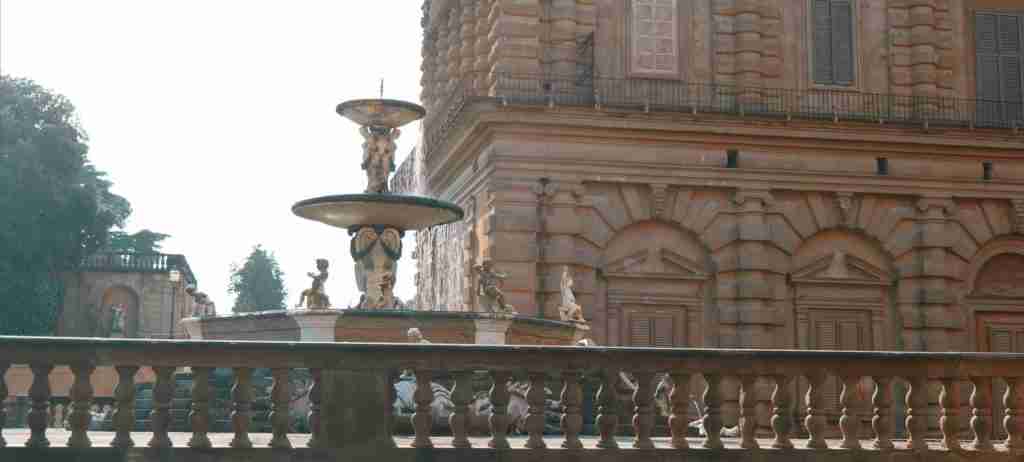
3 days
Florence 3-Day Discovery Tour
- ✓ Comprehensive Florence experience
- ✓ Expert local guides included
- ✓ All accommodation included
- ✓ Transportation provided

5 days
Florence 5-Day Highlights Experience
- ✓ Comprehensive Florence experience
- ✓ Expert local guides included
- ✓ All accommodation included
- ✓ Transportation provided
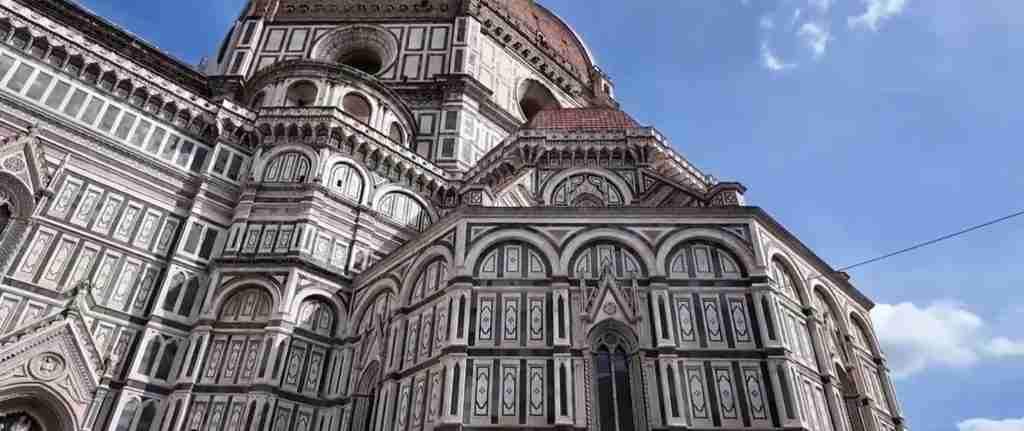
7 days
Florence 7-Day Cultural Journey
- ✓ Comprehensive Florence experience
- ✓ Expert local guides included
- ✓ All accommodation included
- ✓ Transportation provided
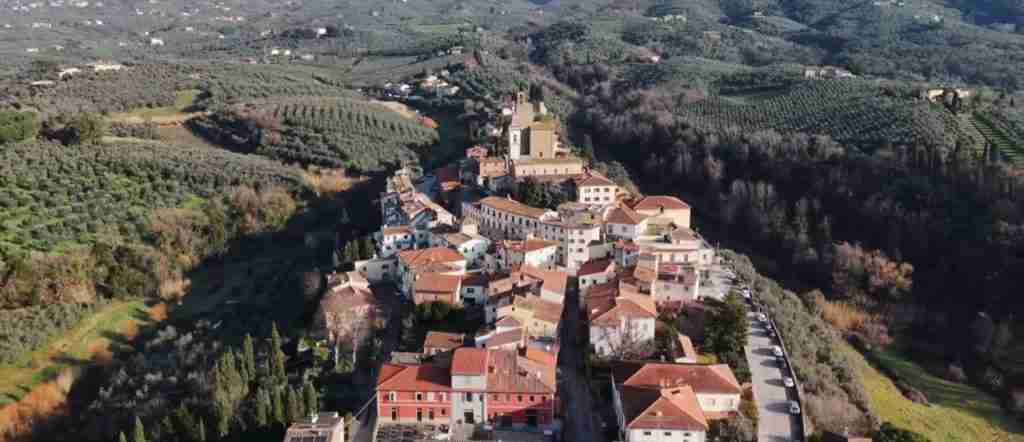
10 days
Florence 10-Day Complete Adventure
- ✓ Comprehensive Florence experience
- ✓ Expert local guides included
- ✓ All accommodation included
- ✓ Transportation provided
Multi-day tour packages powered by TourRadar. Prices and availability subject to change.
Hidden Museum Collections
Palazzo Pitti and Palatine Gallery
Palazzo Pitti’s Palatine Gallery contains one of Europe’s finest painting collections displayed in the Medici family’s former state apartments. The gallery emphasizes High Renaissance and Baroque masters – particularly Raphael with 11 paintings including La Velata and Madonna della Seggiola, Titian with multiple portraits and religious works, Rubens, Van Dyck, and Caravaggio. Unlike the Uffizi’s chronological museum presentation, Palatine Gallery hangs works salon-style in ornate gilded frames amid period furnishings and frescoed ceilings, creating immersive historical atmosphere showing how wealthy families displayed art.
The Raphael rooms merit particular attention – Room of Saturn contains the extraordinary Madonna of the Chair showing the Holy Family in intimate circular composition, while Room of Jupiter displays La Velata (The Veiled Woman), possibly portraying Raphael’s lover and demonstrating his mastery of fabric textures and psychological presence. These works equal anything in the Vatican Museums yet receive fraction of the crowds and tourist photography chaos.
Combined Pitti tickets at €16 include Palatine Gallery, Modern Art Gallery (featuring 19th-century Italian painting), Costume Gallery, Porcelain Museum, and Boboli Gardens creating comprehensive afternoon or full-day experiences. Visitors should allocate 2-3 hours for Palatine Gallery alone, with additional time for other museums and gardens based on interests. The palace operates 8:15 AM – 6:30 PM (closed Mondays), with minimal crowds before 10:00 AM providing optimal viewing conditions.
Bargello Museum
Bargello Museum occupies a 13th-century fortress palace housing Italy’s most important sculpture collection spanning medieval through Renaissance periods. The ground floor displays Michelangelo’s early works including Bacchus (1497) showing his technical mastery at age 22, Brutus bust, and David-Apollo, plus Cellini’s bronze Perseus and Giambologna’s Mercury. The first floor focuses on Donatello including his revolutionary bronze David (1440s) – the first free-standing nude sculpture since antiquity – plus marble David, St. George, and Marzocco lion.
The museum enables direct comparison between Donatello and Verrocchio competing works – both artists created bronze David sculptures displayed adjacently, showing stylistic evolution from Donatello’s sensuous youth to Verrocchio’s confident warrior (with young Leonardo da Vinci possibly modeling). This comparative viewing demonstrates artistic development and competitive dynamics driving Renaissance innovation better than any single museum.
Bargello admission costs €10 with no advance reservation requirements, operating 8:15 AM – 1:50 PM (closing earlier than most museums). Visitors should arrive at opening to experience the sculpture halls in peaceful morning light before afternoon closures. The museum attracts primarily serious art enthusiasts creating educated, respectful viewing atmosphere contrasting with mass tourism at Accademia and Uffizi. Allocate 2-3 hours for comprehensive viewing including decorative arts collections on upper floors.
Museo di San Marco
Museo di San Marco preserves a 15th-century Dominican monastery decorated throughout by Fra Angelico, creating intimate spiritual art experiences impossible in secular museums. The ground floor houses Angelico’s panel paintings including Deposition, Last Judgment, and Annunciation displayed in monastic context. The upper floor contains the monastery’s dormitory cells, each decorated with individual Angelico frescoes intended for monks’ meditation – these intimate works represent Renaissance art’s spiritual dimension often lost in museum presentation.
The most famous fresco decorates Cell 3 – Annunciation showing Mary receiving Gabriel’s message in serene composition using soft colors and ethereal light characteristic of Angelico’s style. The stairway Annunciation at the dormitory entrance prepares visitors for the sacred space beyond. Each cell’s fresco relates to specific meditation topics, with the artistic program creating comprehensive spiritual education through visual means.
The museum also contains Savonarola memorabilia – the reforming friar lived at San Marco before his 1498 execution. The cloister’s peaceful atmosphere, Fra Angelico’s gentle spiritual art, and relative absence of crowds create contemplative experiences contrasting sharply with major museum chaos. Admission costs €8, with advance reservations unnecessary. Visit early (8:15-9:30 AM) or during lunch hours (12:30-2:00 PM) for maximum solitude enhancing the spiritual atmosphere.
Museo dell’Opera del Duomo
The Cathedral Museum houses original artworks removed from the Duomo, Baptistery, and Campanile for preservation, displaying them in modern climate-controlled galleries enabling close examination impossible at original locations. Major holdings include Ghiberti’s original Baptistery bronze door panels (the Gates of Paradise replicated on the Baptistery exterior), Michelangelo’s unfinished Pietà intended for his tomb, Donatello’s wooden Magdalene, and comprehensive collections of Renaissance reliefs, statues, and architectural fragments.
The museum’s crowning achievement displays full-scale reconstruction of the Duomo’s original facade demolished in 1587, positioning dozens of recovered sculptures and reliefs in their original architectural context. This massive installation occupies an entire floor, enabling visitors to comprehend the facade’s artistic program as designed rather than studying individual works divorced from context. The ground floor houses Ghiberti’s bronze door panels at eye level with dramatic lighting showing the extraordinary detail Ghiberti achieved – viewing distance and light impossible at the Baptistery exterior.
The museum integrates into Duomo complex tickets costing €30 for combined access to Baptistery, Duomo dome climb, Campanile tower, and museum (check current official rates as pricing may vary). The museum operates 9:00 AM – 7:00 PM with later closing than most Florence museums. Allocate 2 hours minimum for the extensive collections, with the museum providing essential context for Duomo complex visits by explaining artistic development and showing preserved masterpieces.
Specialized Art Tours and Experiences
Fresco Art Tours
Fresco tours focus on wall painting techniques and major fresco cycles throughout Florence, providing technical and artistic education impossible through general museum visits. These specialized 3-4 hour tours cost €75-95 per person, visiting multiple churches and chapels explaining fresco processes, restoration challenges, and artistic innovations that revolutionized Renaissance painting. Key stops include the Brancacci Chapel (Masaccio’s revolutionary frescoes), Santa Maria Novella cloisters (Paolo Uccello and other masters), and often lesser-known churches with significant fresco cycles.
The Brancacci Chapel in Santa Maria del Carmine church houses the Renaissance’s most influential fresco cycle – Masaccio’s Tribute Money and Expulsion from the Garden of Eden (1425-27) introduced unprecedented naturalism, emotional depth, and spatial coherence that transformed painting. Michelangelo studied these frescoes extensively, with the Expulsion’s psychological anguish directly influencing his Sistine Chapel figures. Chapel admission costs €10 with timed entry limiting crowds, though fresco tours include skip-the-line access and expert interpretation explaining why these frescoes revolutionized art.
Guides explain fresco techniques – working on wet plaster requiring precise timing and no error correction, calculating daily work areas (giornate), transferring designs through cartoon drawings, and achieving the luminous colors and smooth surfaces distinguishing masterful frescoes. This technical education transforms viewing from passive observation into active understanding of artistic challenges and solutions, deepening appreciation for Renaissance achievements.
Sculpture Walking Tours
Sculpture tours explore Florence’s outdoor and indoor sculptural heritage from medieval through Renaissance periods, emphasizing three-dimensional form, material properties, and sculptural techniques. Tours cost €65-85 per person for 3-hour experiences visiting Bargello Museum, Orsanmichele’s exterior niches, Loggia dei Lanzi’s outdoor gallery, and various churches housing important sculptural works. Guides focus on comparative analysis – contrasting Gothic and Renaissance styles, examining marble versus bronze casting techniques, and exploring how different artists approached similar subjects.
Orsanmichele provides exceptional outdoor sculpture gallery – the former grain market features exterior niches commissioned from Florence’s greatest sculptors including Donatello, Ghiberti, and Verrocchio. Each guild commissioned sculptures of patron saints, creating competitive artistic showdown where masters displayed innovative techniques and styles. The originals now reside in Bargello and Orsanmichele museum (€5 admission), with high-quality replicas occupying exterior niches enabling comparison without weather damage risks.
Sculpture tours also examine Piazza della Signoria’s outdoor gallery – Loggia dei Lanzi displays Cellini’s bronze Perseus holding Medusa’s head, Giambologna’s Rape of the Sabine Women showing three intertwined figures in marble tour de force, and Roman sculptures. Guides explain casting techniques for bronze works, marble sourcing and carving processes, and the political meanings sculptures conveyed in republican Florence. This contextual information transforms casual viewing into comprehensive sculptural education.
Caravaggio and Baroque Art Tours
Caravaggio tours reveal the master’s shocking innovations through dramatic lighting (chiaroscuro), psychological intensity, and use of common people as religious models. Florence houses several important Caravaggios often overlooked by tourists focused on earlier Renaissance art. Tours cost €70-90 per person visiting Uffizi’s Caravaggio rooms, Palazzo Pitti’s Baroque collections, and churches with period works, providing concentrated education on Baroque artistic revolution.
Uffizi houses Caravaggio’s Sacrifice of Isaac showing Abraham’s interrupted sacrifice with angel grabbing his arm, Bacchus displaying the artist’s famous still-life detail and androgynous beauty, and Medusa painted on circular shield. Palazzo Pitti contains additional Caravaggio works plus extensive Baroque collections by Rubens, Van Dyck, and Italian Baroque masters showing Caravaggio’s influence throughout 17th-century art.
Guides explain Caravaggio’s revolutionary techniques – using live models including prostitutes and street people for religious paintings, dramatic artificial lighting creating intense shadows and highlights, and psychological realism showing religious figures as common people experiencing genuine emotions. This approach scandalized contemporaries but revolutionized painting, with Caravaggio’s influence extending through Baroque period and affecting even modern cinema lighting techniques.
Women Artists of Renaissance Florence
Specialized tours examining women artists challenge conventional Renaissance narratives emphasizing male masters while overlooking significant female contributions. These tours cost €75-95 per person visiting museums and churches housing works by Artemisia Gentileschi, Plautilla Nelli, Sofonisba Anguissola, and other female artists who overcame period restrictions to achieve artistic recognition. The tours provide feminist art historical perspectives alongside technical and stylistic analysis.
Uffizi houses Artemisia Gentileschi’s Judith Beheading Holofernes – violent Biblical scene showing female protagonist decapitating male oppressor, often interpreted autobiographically following Artemisia’s rape by her painting teacher. The work’s technical mastery and psychological intensity equal any male contemporary, challenging assumptions about women’s artistic capabilities. Additional works throughout Florence collections demonstrate women’s participation in Renaissance artistic production despite severe restrictions on training, guild membership, and professional opportunities.
Tours also examine broader questions about women’s representation in Renaissance art – how male artists portrayed female subjects, the gap between idealized beauty standards and real women’s lives, and the male gaze dominating artistic production. This critical perspective enriches standard Renaissance appreciation while acknowledging the period’s patriarchal structures limiting women’s full participation in artistic culture.
Living Art: Artisan Workshop Tours
Traditional Crafts Workshop Experiences
Artisan workshop tours connect Florence’s Renaissance artistic heritage with contemporary craftspeople practicing centuries-old techniques in gold leaf, mosaic, fresco, sculpture, and decorative arts. These tours cost €65-95 per person for 3-4 hour experiences visiting multiple workshops where artisans demonstrate techniques, explain material properties, and discuss their craft’s historical continuity. The intimate workshop settings create personal connections with living traditions, showing art as ongoing practice rather than museum-frozen history.
Gold leaf workshops demonstrate the extraordinary technique of hammering gold into sheets 0.0001 millimeters thick used for gilding frames, illuminated manuscripts, and decorative arts. Artisans explain gold’s unique properties enabling such extreme thinness, demonstrate beating techniques, and show application methods requiring steady hands and perfect conditions. Many workshops offer hands-on experiences where visitors attempt simple gilding under master guidance, understanding firsthand the skill Renaissance craftspeople achieved.
Mosaic workshops continue Byzantine and Roman traditions, with contemporary artisans creating decorative panels, jewelry, and restoration work using traditional smalti (colored glass pieces). Demonstrations show cutting techniques, color selection, and grouting methods identical to processes used centuries ago. The workshops often display elaborate historical examples alongside contemporary work, illustrating technique continuity across centuries while showing how modern artisans adapt traditional methods to contemporary aesthetics.
Fresco and Restoration Workshops
Fresco workshop tours visit working restoration studios where experts preserve Florence’s deteriorating wall paintings, providing rare behind-scenes access to restoration techniques and conservation challenges. Tours cost €85-110 per person including workshops visits and often small churches undergoing active restoration where conservators work. These experiences appeal particularly to serious art enthusiasts and professionals interested in art preservation beyond casual viewing.
Restoration workshops reveal the painstaking work required to preserve Renaissance frescoes – centuries of candle smoke, humidity damage, and structural cracks threaten artworks, with modern conservation using sophisticated techniques to clean, stabilize, and protect paintings. Conservators demonstrate cleaning tests on small areas, explain chemical analysis identifying original pigments, and show how digital documentation tracks every conservation decision. The workshops demystify restoration while building appreciation for challenges facing heritage preservation.
Some workshops offer introductory fresco courses (€120-180 per person for 4-hour experiences) where participants create small frescoes using traditional techniques – mixing plaster, applying it to surfaces, sketching designs, grinding pigments, and painting on wet plaster within time constraints. These hands-on experiences provide embodied understanding of fresco challenges impossible through observation alone, creating lasting appreciation for Renaissance masters’ achievements.
Sculpture and Stone Carving Studios
Sculpture studio tours visit working marble carvers and bronze casters continuing Florence’s sculptural traditions in contemporary practice. Tours cost €75-95 per person visiting 2-3 studios where sculptors demonstrate carving techniques, explain marble properties and tool usage, and show casting processes for bronze works. Many studios occupy former Renaissance workshops in Oltrarno neighborhoods, creating direct spatial connections with historical artistic production.
Marble carving demonstrations show the physical labor and technical precision required – selecting stone quality and grain direction, using various chisels for rough removal versus fine detail, achieving smooth polished surfaces, and solving problems when stone reveals unexpected flaws or weaknesses. Sculptors explain Carrara marble properties – the fine-grained white stone Michelangelo preferred – versus other marble types with different characteristics affecting carving approaches and final appearance.
Bronze casting studios occasionally demonstrate lost-wax casting techniques used for Renaissance bronze sculptures – creating wax models, building ceramic shell molds, burning out wax leaving hollow molds, pouring molten bronze, breaking molds to reveal castings, and finishing through grinding and patination. The complex multi-step process explains bronze works’ historical value and why bronze sculptures often cost more than equivalent-sized marble works. These technical insights transform sculpture viewing from aesthetic appreciation into understanding of material challenges and artistic solutions.
Florence’s Church Art Collections
Santa Maria Novella
Santa Maria Novella church contains multiple significant artistic treasures spanning medieval through Renaissance periods, with admission costing €7.50 including church, cloisters, and Spanish Chapel. The church interior features Masaccio’s Trinity fresco (1427) – revolutionary use of linear perspective creating convincing spatial depth, influencing architectural representation in subsequent Renaissance painting. Ghirlandaio’s Tornabuoni Chapel frescoes show elaborate narrative cycles depicting Mary and John the Baptist with contemporary Florentine settings and portraits.
The Spanish Chapel in the adjacent cloister complex displays comprehensive 14th-century fresco program by Andrea di Bonaiuto covering all walls and vaults with religious and allegorical subjects. The scale and ambition rival Giotto’s Arena Chapel in Padua, showing medieval painting at its most sophisticated before Renaissance transformations. The church’s facade by Leon Battista Alberti demonstrates Renaissance architectural theory applied to medieval structure, creating harmonious proportions and classical details.
Visitors should allocate 90 minutes minimum for comprehensive church exploration including cloisters and chapels. The church opens 9:00 AM – 5:30 PM (Friday-Sunday from 11:00 AM) with crowds minimal before 11:00 AM. Audio guides available for €3 provide detailed explanations of artworks and architectural features, enhancing independent visits without tour requirements.
Santa Croce
Santa Croce functions as Florence’s pantheon containing tombs of Michelangelo, Galileo, Machiavelli, and numerous other significant Italians alongside important artistic treasures. Church admission costs €8 including chapels, cloisters, and museum. Giotto’s frescoes in Bardi and Peruzzi chapels show the artist’s revolutionary naturalism and spatial depth initiating Renaissance painting traditions. Donatello’s Annunciation tabernacle demonstrates Renaissance sculpture’s technical mastery and emotional sensitivity.
The church’s scale and Gothic architecture create dramatically different atmosphere from Renaissance spaces – soaring vaults, extensive frescoes, and funeral monuments combine creating impressive ensemble. The Pazzi Chapel designed by Brunelleschi in the cloister represents Renaissance architectural perfection through harmonious proportions and classical detailing contrasting with the church’s Gothic style. The leather school in the monastery complex maintains traditional Florentine leather working techniques with craftsmen demonstrations and sales.
Santa Croce attracts significant crowds due to famous tombs and central location, with morning visits (9:00-10:30 AM) providing better viewing conditions. The church operates 9:30 AM – 5:00 PM daily, with advance ticket purchases online reducing entry delays during peak periods. Allocate 90-120 minutes for comprehensive exploration including chapels, cloisters, and museum collections.
Santo Spirito and Oltrarno Churches
Santo Spirito church in Oltrarno preserves Brunelleschi architectural design and houses Filippino Lippi altarpiece plus numerous other artworks in relatively peaceful neighborhood setting. Church admission remains free with requested €2 donation for maintenance. The simple Renaissance interior emphasizes Brunelleschi’s harmonious proportions and serene atmosphere contrasting with more elaborate churches. The sacristy contains wooden crucifix attributed to Michelangelo’s youth, showing early exploration of human anatomy.
Santa Maria del Carmine houses the Brancacci Chapel (separate €10 admission) with Masaccio’s revolutionary frescoes previously discussed. The church itself contains Baroque interior remodeling though the Brancacci Chapel preserves Renaissance frescoes untouched. San Frediano in Cestello along the Arno features Baroque interior and neighborhood atmosphere with minimal tourists. These Oltrarno churches enable church art exploration away from historic center crowds while maintaining high artistic quality.
Oltrarno church tours (organized or self-guided) create peaceful half-day experiences combining art viewing with neighborhood exploration. The concentration of churches, artisan workshops, and local trattorias enables comprehensive cultural immersion showing Florence beyond tourist zones. Most Oltrarno churches maintain flexible free entry with requested donations, making them budget-friendly alternatives to major museums while still providing significant artistic encounters.
Private Art Tours and Custom Experiences
Benefits of Private Touring
Private art tours cost €180-280 for couples (3-hour experiences) or €250-400 for small families and groups, providing customized itineraries, flexible pacing, and direct guide engagement impossible in group tours. Private guides adjust content to participants’ existing knowledge – providing introductory context for novices or advanced analysis for knowledgeable enthusiasts. The intimate format enables questions, extended discussion of particular interests, and spontaneous itinerary adjustments based on participants’ reactions and energy levels.
Private tours eliminate group dynamics friction – no waiting for slow participants, no rushing past personally interesting works to maintain group schedules, no competing for guide attention with 12 other tourists, and no accommodating others’ bathroom breaks and rest needs. The personalized experience transforms tours from group lectures into conversations, with guides tailoring explanations to participants’ interests, answering detailed questions, and providing recommendations for subsequent independent visits based on revealed preferences.
For special occasions – anniversaries, proposals, milestone birthdays – private tours enable romantic or celebratory experiences impossible in group settings. Guides can arrange special access, champagne breaks at scenic viewpoints, or coordination with restaurants for post-tour celebrations. The premium pricing reflects not just private guide time but also the customization effort, flexibility, and memorable personalized experiences creating trip highlights.
Art Historian-Led Academic Tours
Academic art tours led by professional art historians or university professors provide university-level education during Florence visits, appealing to serious art enthusiasts, academics on research trips, and curious learners wanting comprehensive Renaissance education. These tours cost €120-160 per person for 3-4 hour experiences, reflecting guides’ advanced credentials and specialized knowledge. Topics might focus on specific periods (Early Renaissance, High Renaissance, Mannerism), individual artists (complete Michelangelo survey, Botticelli deep dive), or thematic approaches (religious imagery evolution, women in Renaissance art).
Academic guides provide scholarly interpretations referencing current art historical research, discuss ongoing debates about attributions and dating, and explain how historical understanding has evolved through recent scholarship. The intellectual rigor suits travelers wanting depth beyond tourist-level introductions, with guides assuming participants’ serious interest and intellectual engagement rather than dumbing down explanations for mass appeal.
Many academic tours incorporate archival visits or research library access showing original documents, sketches, and historical records rarely accessible to general tourists. These behind-scenes elements add unique value for serious researchers and art history students using Florence visits as educational opportunities rather than purely recreational experiences. Tour operators specializing in academic tourism include Context Travel and LivTours with art history expert guides.
Photography-Focused Art Tours
Photography tours combine art viewing with practical photography education, teaching participants to capture Florence’s artistic treasures while understanding technical challenges of museum and church photography. Tours cost €95-130 per person for 3-4 hour experiences visiting locations permitting photography (many museums prohibit photos) and teaching composition, lighting techniques, and camera settings for optimal art photography. Guides with photography expertise explain how to work within museums’ difficult lighting conditions and spatial constraints.
Tours might focus on architectural photography capturing church interiors and Renaissance building details, street sculpture documentation, or detail photography of artistic elements. The combination of art historical context plus technical photography instruction appeals to serious amateur photographers wanting both artistic education and skill development. Small group sizes (4-6 participants maximum) enable individualized photography coaching while maintaining tour pacing.
Photography tours necessarily visit locations allowing cameras – outdoor sculptures, select churches permitting photography, palazzo courtyards, and museums without photo restrictions. This limitation excludes Uffizi and many major museums but enables unique focus on Florence’s abundant outdoor artistic heritage and lesser-known venues welcoming photographers. The resulting images provide both trip memories and portfolio pieces showing participants’ improved technical abilities.
Frequently Asked Questions
Is it better to visit museums independently or take guided tours?
Independent museum visits suit experienced art enthusiasts with strong Renaissance knowledge, travelers preferring unlimited time with personally interesting works, and budget-conscious visitors comfortable using audio guides and museum labels for information. Guided tours excel for first-time Florence visitors lacking art historical backgrounds, travelers wanting efficient use of limited vacation time, and those who learn better through live interactive education than reading. Many successful strategies combine both approaches – taking guided tours of complex collections like Uffizi while exploring smaller museums independently, or beginning trips with orientation tours then pursuing independent interests after gaining baseline knowledge.
How do you avoid museum crowds in Florence?
Strategic timing dramatically reduces crowd impact – visiting immediately at opening (8:15-9:00 AM for most museums), during lunch hours (12:30-2:00 PM when tour groups eat), or late afternoon (4:00-5:30 PM when day-trippers depart) provides significantly better viewing conditions. Shoulder season travel (April-May, September-October) brings 30-40% fewer tourists than summer peaks while maintaining excellent weather. Prioritizing lesser-known museums over blockbusters – choosing Bargello over Accademia, Museo di San Marco over Uffizi – provides equally exceptional art with fraction of crowds. Advance ticket reservations with timed entry reduce queue frustration at popular museums.
What should I know about photography in Florence museums?
Photography policies vary significantly – Uffizi prohibits all photography, Accademia allows photos without flash near David, Palazzo Pitti permits photography in some galleries but not others, and most churches allow photography without flash. Visitors should verify current policies at each venue rather than assuming general rules. Even where photography is permitted, consider whether taking photos enhances or diminishes your experience – many visitors spend entire museum visits photographing rather than actually looking at art. The images rarely match professional museum photography available online, raising questions about whether documentation impulse prevents genuine aesthetic engagement. Balance photography with extended looking time focusing attention on actual artworks rather than screens.
Are audio guides worth getting at museums?
Audio guides provide excellent value (€5-8 typically) for independent museum visits, offering professional narration about major works, historical context, and artistic techniques without group tour costs. Quality varies – Uffizi and Accademia provide comprehensive audio guides with 90+ stops, while smaller museums might offer basic information on major works only. Audio guide advantages include: learning at personal pace, unlimited replay of interesting explanations, and avoiding awkward group tour hovering near guides straining to hear. Disadvantages include: following predetermined paths rather than pursuing personal interests, potential disconnection from immediate surroundings through headphone isolation, and device management awkwardness while also handling bags, coats, and cameras.
Should I tip art tour guides in Florence?
Tipping culture in Italy differs from American practices – service charges typically include compensation, with additional tips considered generous extras rather than expected obligations. For excellent art tours, €5-10 per person represents appreciated gratuity recognizing exceptional service, deep knowledge, or particular helpfulness. Private tours might warrant higher tips (€20-30 total) reflecting the personalized service and flexibility. Poor service doesn’t require tipping despite American guilt around this practice. The general rule: tip moderately for exceptional experiences while recognizing that Italian service industry compensation doesn’t depend on tips the way American systems do.
Can children enjoy art tours in Florence?
Age appropriateness varies dramatically by child and tour type – teenagers with genuine art interest thrive on tours providing intellectual challenge, while forcing disinterested 10-year-olds through museums creates misery for everyone. Family-specific tours (€75-95 per family) use scavenger hunts, interactive activities, and games maintaining children’s engagement with age-appropriate art education. Standard adult tours bore most children under 14 regardless of parental hopes about cultural exposure. Realistic parents assess children’s actual interests and attention spans, plan mixed itineraries balancing brief museum visits with parks and gelato, and accept that comprehensive art touring might wait until future child-free trips rather than forcing unenjoyable experiences on unwilling young participants.
What’s the best order for visiting Florence museums?
Chronological progression from medieval through High Renaissance provides logical art historical education – beginning with Bargello’s early sculpture and Museo di San Marco’s medieval/early Renaissance frescoes, progressing to Uffizi’s comprehensive painting survey, then concluding with Accademia’s David as Renaissance culmination. However, practical considerations might dictate different sequences based on reservation availability, crowd avoidance strategies, and energy management. An alternative approach visits “greatest hits” (Uffizi, Accademia, Duomo complex) early ensuring they’re accomplished regardless of subsequent energy levels, with remaining time exploring lesser-known treasures based on developed interests. No single optimal order exists – successful strategies balance art historical logic with practical touring realities.
Are specialized art tours pretentious or worthwhile?
Specialized tours serve genuine educational purposes for travelers with specific interests beyond general Renaissance introductions. Fresco technique tours teach technical knowledge enabling deeper appreciation of artistic challenges. Women artists tours correct historical male bias while highlighting neglected talents. Baroque tours provide focused education on period often overshadowed by Renaissance emphasis. The tours’ value depends on individual learning styles and interests – curious intellectuals benefit enormously while casual tourists might find narrow focus tedious. “Pretentious” criticism often reflects anti-intellectual attitudes dismissing serious art engagement as snobbery, though certainly some tours and participants veer into affected expertise. Choose tours matching genuine interests rather than attempting to appear cultured.
How much does art tour quality vary between operators?
Guide quality varies significantly impacting tour value more than specific itineraries. Excellent guides combine: deep art historical knowledge with ability to explain clearly to non-specialists, engaging presentation skills maintaining attention, appropriate pacing balancing information delivery with viewing time, and passion for subjects creating infectious enthusiasm. Poor guides recite memorized facts without adapting to audiences, talk excessively limiting actual art viewing, or display condescending attitudes toward non-expert tourists. Research operators through recent reviews (within 6 months) focusing on guide quality comments rather than itinerary descriptions. Small specialized companies often employ better guides than large-volume operators prioritizing quantity over quality. When possible, request specific highly-rated guides rather than accepting random assignment.
Is Florence too crowded for meaningful art experiences?
Florence’s popularity creates genuine challenges but doesn’t preclude meaningful experiences for strategic visitors. Success requires: accepting you can’t see everything and prioritizing quality over quantity, using lesser-known alternatives providing equivalent artistic value without crowds, timing visits for optimal conditions, and occasionally accepting imperfect viewing conditions at truly unmissable works. The alternative perspective recognizes that Florence’s continuing appeal stems from genuine artistic merit rather than marketing hype – the crowds validate rather than diminish the experience. Yes, viewing David surrounded by tourists differs from private contemplation, but the sculpture’s power transcends viewing conditions. Travelers maintaining reasonable expectations and flexible strategies experience Florence’s art meaningfully despite crowds rather than letting tourism impact prevent engagement.
Discovering Florence’s Hidden Artistic Treasures
Florence’s artistic heritage extends infinitely beyond the Uffizi Gallery, with dozens of magnificent museums, frescoed churches, sculpture collections, and living artisan traditions awaiting discovery by curious travelers willing to venture past standard tourist circuits. These lesser-known artistic treasures often provide more rewarding experiences than overcrowded blockbusters through intimate viewing conditions, specialized focus enabling deep engagement with particular artistic periods or techniques, and authentic atmosphere where art remains embedded in religious, domestic, or workshop contexts rather than sterile museum presentations.
Successful art touring in Florence requires strategic selection prioritizing personal interests over completist checklists, realistic time allocation preventing exhausting superficial rushing, and balance between guided education and independent exploration. Specialized tours focusing on sculpture, frescoes, specific artists, or artisan traditions provide concentrated learning impossible through general museum wandering, while private options enable completely customized experiences matching individual knowledge levels and interests.
Whether seeking advanced art historical education, quiet contemplative viewing experiences, understanding of traditional artistic techniques, or simply avoiding tourist crowds while seeing exceptional Renaissance masterpieces, Florence’s hidden museums, churches, workshops, and specialized tours deliver rewarding alternatives to standard Uffizi-Accademia circuits. The city’s extraordinary artistic density ensures that even extensively explored collections barely scratch the surface, with endless discoveries awaiting patient, curious travelers willing to look beyond obvious attractions.