Best Verona Tours 2026: Expert-Led Experiences & Bookings
Key Takeaways
- Small-group walking tours cost €35-50 per person for 2-3 hours covering Arena di Verona, Casa di Giulietta, and Piazza delle Erbe with expert historians
- Food and wine tours range €75-120 per person including 4-6 tastings at traditional bacari, local cheese shops, and family-run wine bars
- Valpolicella wine region excursions cost €85-140 per person with transportation, 2-3 winery visits, and traditional lunch in hillside villages
- Arena opera packages combine premium seating (€90-180) with pre-performance dinner and interval prosecco service for €150-280 total
- Private customized tours start at €200-280 for half-day experiences with licensed guides providing flexible itineraries for 2-6 people
- Book 6-8 weeks ahead for summer tours (June-September) when demand peaks during opera season, 3-4 weeks for spring and autumn visits
Introduction: Strategic Tour Selection for Verona 2026
Verona’s tour landscape divides into specialized experiences targeting different traveler interests, from historical walking tours emphasizing Roman and medieval heritage to culinary experiences exploring Veronese food traditions and Valpolicella wine culture. Expert-led tours transform UNESCO sites from impressive ruins into comprehensible historical narratives, with licensed guides providing context about Arena di Verona’s 2,000-year evolution, Casa di Giulietta’s literary connections, and Castelvecchio’s military architecture that independent exploration cannot replicate.
Small-group tours with 8-15 participants deliver optimal balance between personal attention and cost efficiency in 2026. These mid-sized groups enable interactive discussions with guides while maintaining reasonable per-person pricing through shared costs. Private tours offer maximum flexibility and customization but command premium rates justified only for travelers with specific interests, mobility constraints, or preferences for exclusive experiences. Large group tours (20-30 participants) provide budget options but sacrifice personal interaction and flexible pacing.
Understanding tour pricing structures proves essential for budget optimization. Walking tours covering historic center UNESCO sites range €35-50 per person for 2-3 hours, while specialized food and wine experiences cost €75-140 reflecting tasting inclusions and smaller group sizes. Full-day excursions to surrounding destinations including Valpolicella wine country, Lake Garda, or Soave command €85-180 depending on transportation method, meal inclusions, and group size. Strategic tour selection balances educational value, time efficiency, and cost considerations based on individual priorities and visit duration.
People Also Ask About Verona Tours 2026
What are the best tours in Verona in 2026?
The best Verona tours combine expert historical interpretation with strategic site selection, maximizing UNESCO heritage understanding within limited timeframes. Small-group walking tours covering Arena di Verona, Piazza delle Erbe, and Casa di Giulietta provide comprehensive historic center overviews in 2-3 hours for €35-50 per person. Food and wine tours exploring traditional bacari (wine bars) and family-run alimentari shops deliver authentic culinary experiences for €75-95. Valpolicella wine region half-day excursions visiting 2-3 wineries with tastings and traditional lunch cost €85-120, offering excellent value for wine enthusiasts.
Arena opera tours enhance summer evening performances through backstage access, architectural explanations, and historical context about the 2,000-year-old Roman amphitheater. These specialized tours cost €40-60 per person when booked independently of opera tickets, or integrate into comprehensive opera packages (€150-280) combining reserved seating, pre-performance dinner, and interval prosecco service. The educational component transforms entertainment events into cultural experiences with deeper appreciation of Roman engineering and contemporary performance traditions.
How much do Verona tours cost in 2026?
Verona tour prices range €35-180 per person depending on duration, specialization, and inclusions in 2026. Standard 2-3 hour walking tours cost €35-50 including licensed guide services and wireless audio headsets. Food and wine experiences range €75-120 with 4-6 tastings at traditional establishments. Half-day Valpolicella excursions cost €85-140 including transportation, winery visits, and lunch. Full-day Lake Garda or multi-destination tours reach €140-180 with extended transportation and multiple site visits. Check tour operator websites for current official rates as seasonal pricing varies.
Private customized tours start at €200-280 for half-day experiences serving 2-6 participants, with per-person costs decreasing as group size increases. A private 3-hour walking tour for two people costs €250-300 total (€125-150 per person), while the same tour for six participants runs €350-420 total (€58-70 per person). The private format justifies premium costs for travelers with specific interests, language requirements, or mobility constraints requiring flexible pacing impossible in standard group tours.
Are Verona tours worth the cost in 2026?
Expert-led tours deliver substantial value through historical context, site access, and time efficiency that independent exploration cannot replicate. Licensed guides transform Arena di Verona from impressive ruin into comprehensible architectural achievement by explaining Roman construction techniques, gladiatorial combat practices, and 20th-century opera tradition adaptations. This interpretive framework enhances UNESCO site appreciation far beyond what guidebook reading or audio guide listening achieves, particularly for travelers with limited ancient history background.
Food and wine tours provide access to establishments tourists rarely discover independently, including family-run bacari operating for generations and small-production wineries not listed in standard guidebooks. The €75-120 tour costs include 4-6 substantial tastings, guide expertise explaining regional food traditions, and often surpass independent meal costs while delivering superior culinary education. The investment proves worthwhile for food-focused travelers prioritizing authentic experiences over tourist-oriented restaurants.
Should I book Verona tours in advance for 2026 visits?
Book tours 6-8 weeks ahead for summer visits (June-September) when opera season drives peak tourism demand and popular tours reach capacity. Small-group walking tours with 10-15 participant limits fill quickly during July and August, particularly morning departure times avoiding afternoon heat. Food and wine tours maintain smaller capacities (8-12 people) requiring even earlier booking during peak season. Spring (April-May) and autumn (October-November) visits need 3-4 weeks advance booking for preferred dates and times.
Last-minute tour availability exists during winter low season and sometimes on weekdays during shoulder periods, but preferred morning departure times and English-language tours fill first. Booking ahead guarantees specific dates and times while often providing 5-10% early booking discounts through tour operator websites. However, advance bookings require confidence in travel dates as most operators charge 50-100% cancellation fees within 48-72 hours of tour departure.
Extended multi-day tours – 5+ days
Featured Verona Multi-Day Tour Packages

3 days
Verona 3-Day Discovery Tour
- ✓ Comprehensive Verona experience
- ✓ Expert local guides included
- ✓ All accommodation included
- ✓ Transportation provided

5 days
Verona 5-Day Highlights Experience
- ✓ Comprehensive Verona experience
- ✓ Expert local guides included
- ✓ All accommodation included
- ✓ Transportation provided

7 days
Verona 7-Day Cultural Journey
- ✓ Comprehensive Verona experience
- ✓ Expert local guides included
- ✓ All accommodation included
- ✓ Transportation provided

10 days
Verona 10-Day Complete Adventure
- ✓ Comprehensive Verona experience
- ✓ Expert local guides included
- ✓ All accommodation included
- ✓ Transportation provided
Multi-day tour packages powered by TourRadar. Prices and availability subject to change.
Essential Planning Information 2026
Understanding Tour Categories and Formats
Verona tours divide into five primary categories serving different interests and budgets in 2026. Historical walking tours emphasize UNESCO sites and Roman heritage with licensed guides providing architectural and cultural context. Food and wine experiences focus on culinary traditions through market visits, cooking classes, or progressive tastings at traditional establishments. Wine region excursions explore Valpolicella production with winery visits, barrel room tours, and vertical tastings. Day trips extend beyond Verona to destinations including Lake Garda, Mantua, Venice, or Soave wine villages. Specialized experiences cover specific interests including photography workshops, opera backstage access, or cycling tours through Veneto countryside.
Group size significantly impacts tour experience and pricing. Small groups of 8-12 participants enable personal interaction with guides and flexible pacing accommodating questions and photography stops. Mid-sized groups of 15-20 people reduce per-person costs while maintaining reasonable guide access. Large groups exceeding 20 participants offer budget pricing but sacrifice personal attention and require rigid schedules maintaining group cohesion. Private tours provide maximum flexibility and customization for 2-6 participants willing to pay premium rates for exclusive guide attention.
Current Tour Costs and Pricing Breakdown 2026
Historical walking tours of Verona’s historic center cost €35-50 per person for 2-3 hour experiences with licensed guides in 2026. These tours cover major UNESCO sites including Arena di Verona exterior, Piazza delle Erbe market square, Casa di Giulietta courtyard, and Ponte Pietra Roman bridge. The pricing includes wireless audio headsets for groups exceeding 10 participants, ensuring guide audibility without shouting over ambient street noise. Check tour operator websites for current official rates as seasonal pricing varies.
Food and wine tours range €75-120 per person for 3-4 hour experiences including 4-6 tastings at traditional establishments. Basic food tours at €75-85 visit 3-4 locations sampling cicchetti (small plates), local cheeses, cured meats, and house wines. Premium experiences at €95-120 include additional stops at specialty shops, seated tastings with wine education, and sometimes cooking demonstrations. The substantial tasting quantities often substitute for lunch, providing better value than pricing alone suggests.
Valpolicella wine region half-day tours cost €85-140 per person including round-trip transportation, visits to 2-3 wineries with tastings, and traditional lunch at rural restaurants or agriturismo estates. Budget options at €85-100 use minibus transportation with larger groups (16-20 people) visiting commercial wineries. Premium experiences at €120-140 employ smaller vehicles (8-12 participants) accessing boutique producers with barrel room tours, vertical tastings, and longer educational sessions with winemakers.
Booking Strategies for 2026 Tours
Book directly through tour operator websites rather than third-party booking platforms when possible to access best available rates and avoid commission markups. Direct bookings often include 5-10% early booking discounts for reservations made 8+ weeks ahead, plus flexible rescheduling policies not available through aggregator sites. However, platforms like GetYourGuide and Viator provide consolidated reviews from multiple sources and sometimes offer last-minute inventory at discounted rates when operators attempt filling remaining spots.
Compare tour itineraries carefully beyond pricing alone, as identical-sounding experiences sometimes differ substantially in actual content and quality. Verify specific site inclusions, interior access permissions, tasting quantities for food tours, and guide qualification levels. Licensed guides (requiring formal education and government certification) provide superior historical accuracy and storytelling ability compared to freelance guides or company staff without formal credentials. Ask about guide qualifications when booking, as this distinction significantly impacts experience quality.
Weather contingency policies prove important for outdoor walking tours and wine country excursions where rain significantly impacts experience quality. Reputable operators offer free rescheduling for severe weather conditions including heavy rain or extreme heat warnings. Read cancellation and weather policies before booking, as some operators charge full fees regardless of conditions while others provide flexible alternatives. Summer heat contingency becomes increasingly relevant as climate change intensifies, with afternoon tours sometimes unbearable during July-August temperature extremes.
Best Historical Walking Tours 2026
Classic Historic Center Walking Tour
The classic 2.5-3 hour walking tour covers Verona’s essential UNESCO sites including Arena di Verona exterior analysis, Piazza delle Erbe market square, Torre dei Lamberti tower (exterior), Casa di Giulietta courtyard, Piazza dei Signori government plaza, and Ponte Pietra Roman bridge. Licensed guides provide chronological historical narrative from Roman foundation through medieval prosperity and Renaissance artistic flowering, contextualizing visible architecture within broader Italian history. Tours depart morning (9:30-10 AM) and afternoon (2:30-3 PM) with morning slots preferred during summer heat.
Arena di Verona stops emphasize Roman construction techniques, gladiatorial combat practices, and 20th-century opera season origins. Guides explain the amphitheater’s exceptional preservation (surviving medieval stone robbery that destroyed many Roman structures) and ongoing conservation challenges from modern pollution and tourism pressure. The exterior circuit allows photographic opportunities from multiple angles while guides describe interior features including underground tunnels, stage mechanisms, and seating hierarchy reflecting ancient social structures.
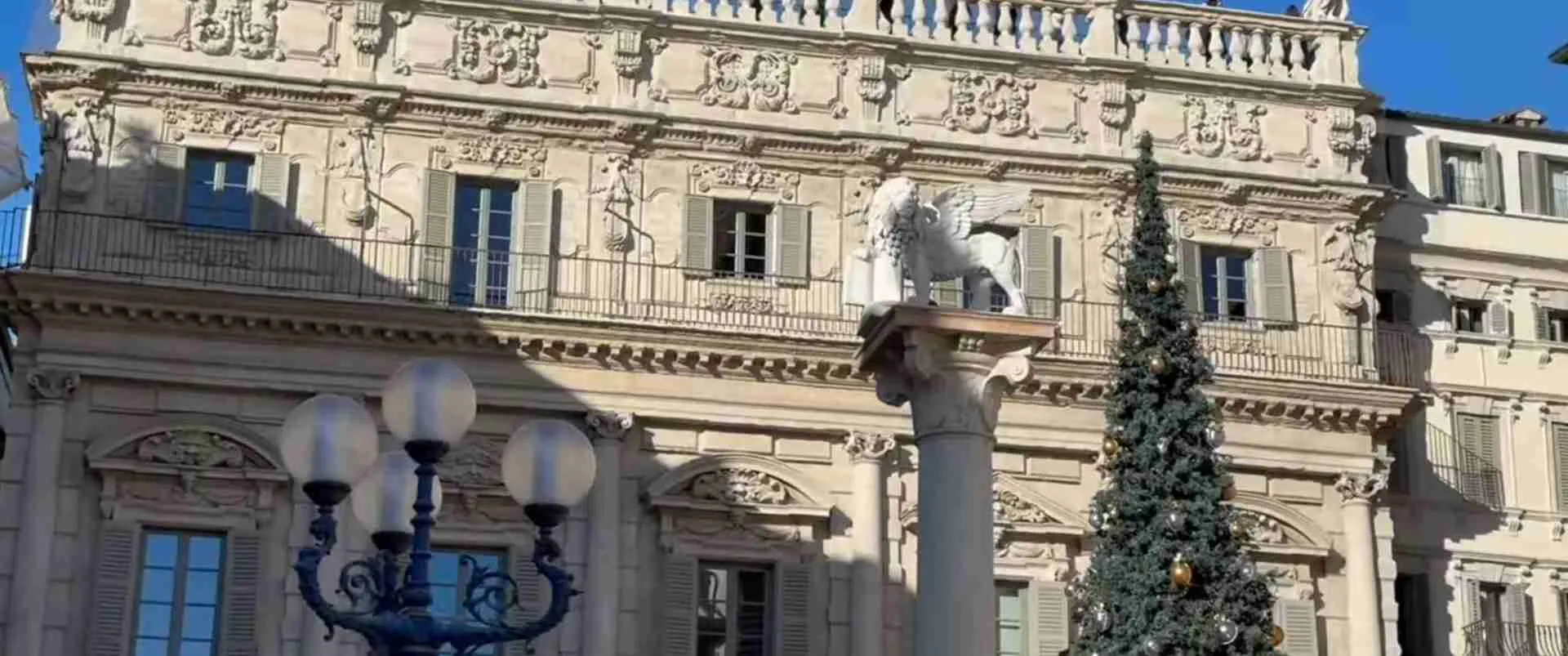
Piazza delle Erbe sections discuss medieval market traditions continuing in today’s produce and souvenir vendors, Madonna Verona fountain iconography, and surrounding palazzos including Mazzanti Houses with faded Renaissance frescoes. The square’s transformation from Roman forum to medieval marketplace to contemporary tourist destination illustrates Verona’s continuous urban evolution across two millennia. Morning tours capture the piazza during active market hours when local vendors sell produce and flowers, creating more authentic atmosphere than afternoon tourist-dominated periods.
Casa di Giulietta visits acknowledge the site’s manufactured Shakespeare tourism origins while explaining actual medieval palazzo architecture and Verona’s historic Montecchi and Cappelletti families inspiring Romeo and Juliet characters. Honest guides admit the balcony’s 20th-century addition and statue’s recent installation rather than perpetuating romantic myths. The courtyard stop serves as case study in tourism’s power to create cultural sites from literary fiction, with millions of annual visitors transforming invented location into genuine cultural phenomenon.
Tour pricing ranges €35-50 per person depending on operator and group size, with small groups (10-12 people) commanding premium rates for better guide access and flexible pacing. The cost includes wireless audio headsets for clear guide audibility in crowded tourist areas. Arena interior admission (€10) and Torre dei Lamberti ascent (€8) remain separate charges, as tours focus on exterior analysis and historical context rather than independent interior exploration requiring additional time. Book morning departures during summer for cooler temperatures and better light for photography.
Roman Verona Archaeological Focus Tour
Specialized 3-hour archaeological tours emphasize Verona’s Roman heritage through Arena di Verona interior access, Teatro Romano hillside complex, Ponte Pietra bridge engineering, and Roman gate remnants. Expert guides with classical archaeology backgrounds explain urban planning, construction techniques, and daily life in Roman Verona when the city served as major trade hub connecting Italy with Alpine provinces. The archaeological focus appeals to history enthusiasts seeking deeper understanding beyond standard tourist narratives.
Arena interior access enables detailed architectural analysis impossible from exterior viewing, with guides explaining cavea seating organization, vomitoria (exit tunnels) engineering, and underground hypogeum spaces housing gladiators and animals before combat. The interior circuit reveals construction details including opus reticulatum masonry patterns and later medieval repairs using recycled Roman materials. Summer afternoon tours sometimes include Arena Museum visits when heat makes outdoor walking uncomfortable, displaying Roman artifacts and historical models reconstructing ancient appearance.
Teatro Romano visits climb Castel San Pietro hillside accessing the ancient theater complex with stage building remnants and extensive cavea seating carved into natural slope. The elevated location provides spectacular views over Verona’s historic center while guides explain Roman theater performance traditions, architectural acoustics, and site’s medieval transformation into residential neighborhood before 20th-century archaeological excavation. The climb involves 100+ steps requiring reasonable fitness levels and sturdy footwear.
Archaeological tour pricing ranges €55-75 per person including Arena and Teatro Romano admission tickets (€17 combined). The premium over standard walking tours reflects interior access, specialized guide expertise, and extended duration covering sites requiring transportation between locations. Tours operate maximum 12 participants enabling detailed discussions and questions about archaeological interpretations. Book 4-6 weeks ahead as these specialized tours run less frequently than standard walking tours and attract serious history enthusiasts filling limited capacity.
Medieval and Renaissance Architecture Tour
Architecture-focused 3-hour tours examine Verona’s medieval and Renaissance building traditions through detailed analysis of Castelvecchio fortress, Scaligeri family tombs, San Zeno Maggiore basilica, and Renaissance palazzos lining Corso Cavour. Expert guides with art history or architecture backgrounds provide technical explanations of Gothic, Romanesque, and Renaissance styles, helping participants recognize architectural vocabulary and historical influences. The specialized content appeals to architecture students, design professionals, and culturally-curious travelers seeking deeper aesthetic understanding.
Castelvecchio stops analyze the 14th-century fortress’s military architecture including defensive towers, fortified bridge, and interior courtyard design. The fortress museum houses Verona’s premier art collection, but architecture tours focus on building structure rather than artwork. Guides explain Castelvecchio’s role in Scaligeri family power consolidation and later Venetian Republic modifications transforming military installation into administrative center. The fortified Ponte Scaligero demonstrates medieval military engineering protecting strategic Adige River crossing.
Scaligeri tomb complex visits examine Gothic funerary monuments celebrating Verona’s ruling family with extraordinary sculptural detail and architectural ambition. The suspended equestrian statues and elaborate Gothic canopies demonstrate late medieval artistic achievement and family propaganda communicating political power through architectural patronage. Guides connect Scaligeri tombs to broader European Gothic traditions while explaining Verona-specific innovations including outdoor monument placement and equestrian iconography.
Architecture tour pricing ranges €50-70 per person including Castelvecchio museum admission (€6) and San Zeno basilica entry contribution (€3 suggested donation). Tours maintain 10-12 participant maximums enabling architectural detail discussion and answering technical questions. Morning departures provide better natural light for architectural photography and cooler temperatures for comfortable walking between sites. Book 3-4 weeks ahead as architecture tours run 2-3 times weekly compared to daily standard walking tours.
Best Food and Wine Tours 2026
Traditional Cicchetti and Wine Bar Experience
Traditional 3-hour food tours explore Verona’s cicchetti culture through progressive tastings at 4-5 historic bacari (wine bars) serving small plates paired with local wines. These experiences immerse participants in authentic Veronese social traditions where locals gather for pre-dinner aperitivo, combining Valpolicella wines with traditional preparations including baccalà mantecato (whipped salt cod), soppressa salami, Monte Veronese cheese, and seasonal vegetable preparations. Tours depart late afternoon (5-6 PM) capturing authentic aperitivo atmosphere when neighborhood residents fill establishments.
The progressive format visits multiple venues sampling 6-10 different cicchetti paired with 4-6 wine tastings representing Veneto’s diverse production. Guides explain regional wine traditions including Valpolicella Classico, Amarone production techniques, Soave white wines, and lesser-known varieties including Corvina-based rosés. The educational component covers proper wine tasting techniques, food pairing principles, and regional agricultural geography influencing flavor profiles. The substantial tasting quantities create filling experiences often substituting for dinner.
Bacari selections emphasize family-run establishments operating generations in residential neighborhoods rather than tourist-oriented venues. These authentic locations serve predominantly local clientele, creating immersive cultural experiences where participants observe Veronese social interactions and neighborhood dynamics. Guides facilitate conversations with proprietors and regular patrons when possible, providing insights into local perspectives and traditions impossible to access as independent tourists navigating language barriers.
Tour pricing ranges €75-95 per person including all food and wine tastings, guide services, and sometimes printed materials with venue addresses and wine recommendations for independent return visits. Maximum group sizes of 8-12 people enable comfortable accommodation at small bacari and personal interaction with guides and venue staff. Book 4-6 weeks ahead for summer and autumn visits when demand peaks, 2-3 weeks for winter and spring periods. The excellent value compared to independent restaurant dining plus educational component justifies the investment for food-focused travelers.
Verona Food Market and Cooking Class
Morning food market tours combine shopping at Piazza delle Erbe and neighborhood markets with hands-on cooking classes preparing traditional Veronese dishes. These 4-5 hour experiences begin with guided market visits at 9-10 AM when vendors display fresh seasonal produce, learning to select ingredients and understanding regional specialties. Participants then proceed to cooking school facilities preparing 3-4 course meals under chef instruction, concluding with communal dining enjoying prepared dishes paired with local wines.
Market segments educate participants about seasonal ingredients, regional products including Monte Veronese cheese and Lessinia pork, and Italian purchasing traditions emphasizing quality relationships with vendors rather than anonymous supermarket shopping. Guides demonstrate ingredient selection techniques, negotiate purchases in Italian, and explain preparation methods for items including fresh pasta, risotto rice, and specialty vegetables. The market interaction provides cultural education beyond mere ingredient acquisition, revealing Italian food culture values and social practices.
Cooking instruction covers traditional dishes including bigoli pasta with duck ragù, risotto all’Amarone, pastissada de caval (horse meat stew for adventurous eaters), and tiramisu or panna cotta desserts. Chefs explain technique fundamentals including proper pasta rolling, risotto stirring methods, and braising principles while participants work hands-on preparing dishes. The instruction level accommodates beginners while providing advanced tips for experienced home cooks, creating educational experiences valuable regardless of existing culinary skill.
Tour pricing ranges €95-140 per person including market purchases, cooking instruction, lunch with wine pairings, printed recipes, and sometimes aprons as souvenirs. Small group sizes of 8-12 participants enable personal chef attention and adequate cooking station space. The experience provides substantial value compared to restaurant meals plus enduring benefits of technique learning applicable to home cooking. Book 6-8 weeks ahead as cooking class capacity limits create early sellouts during popular travel periods. Morning schedules accommodate afternoon sightseeing or relaxation after substantial lunch consumption.
Valpolicella Wine Region Excursion
Half-day Valpolicella excursions explore Italy’s famous wine region through visits to 2-3 family-owned wineries, traditional lunch at rural restaurants or agriturismo estates, and scenic drives through hillside vineyards. These 5-6 hour experiences depart Verona 9-10 AM, returning mid-late afternoon after comprehensive wine education and substantial food consumption. The format combines wine tasting with cultural immersion in Veneto countryside, visiting small villages, Romanesque churches, and viewpoints overlooking vineyard landscapes extending toward Lake Garda.
Winery visits include barrel room tours, vertical tastings of 4-6 wines per estate, and often conversations with winemakers or family owners explaining production philosophies. The educational content covers Valpolicella Classico production, Amarone grape drying (appassimento) techniques, Ripasso method using Amarone pomace, and appellation distinctions between Valpolicella, Valpolicella Classico, and Valpolicella Superiore. Guides provide wine tasting instruction including proper glass handling, aroma identification, and flavor description vocabulary.
Winery selections emphasize boutique producers practicing traditional methods rather than industrial-scale operations, accessing estates not open for public visits without tour arrangements. These family wineries produce 20,000-50,000 bottles annually, maintaining hands-on production and direct family involvement contrasting with corporate wineries producing millions of bottles. The intimate scale enables meaningful conversations with winemakers discussing vintage variations, vineyard management challenges, and family winemaking traditions spanning generations.
Lunch experiences feature traditional Veronese cuisine including risotto all’Amarone, grilled meats, local cheeses, and seasonal vegetables paired with estate wines. Many tours visit agriturismo restaurants where farms serve own-production ingredients in rustic settings with vineyard views. The meals prove substantial, with multiple courses creating filling experiences requiring afternoon rest periods rather than immediate strenuous activity. Factor lunch timing into daily schedules, as tours typically return to Verona 3-4 PM after extended lunches.
Tour pricing ranges €85-140 per person including round-trip transportation, winery visits and tastings, traditional lunch with wine, and guide services. Budget options at €85-100 use larger groups (16-20 people) visiting more commercial wineries with standardized tours. Premium experiences at €120-140 maintain groups of 8-12 participants accessing exclusive boutique producers and featuring longer educational sessions. Book 6-8 weeks ahead for summer and autumn harvest season visits, 3-4 weeks for other periods. The comprehensive wine education and cultural immersion justify costs for wine enthusiasts seeking authentic regional experiences.
Best Opera and Cultural Performance Tours 2026
Arena Opera Backstage and Performance Package
Arena opera packages combine evening performance attendance with backstage tours, pre-show dinners, and interval services creating comprehensive cultural experiences. These summer season offerings (late June through early September) include reserved seating in various sections, educational backstage access explaining stage mechanics and historical theater operations, and often pre-performance dinners at nearby restaurants. Complete packages range €150-280 per person depending on seating location and dinner venue quality.
Backstage tours operate late afternoon before evening performances, accessing areas including underground stage tunnels, costume departments, set construction workshops, and rehearsal spaces. Expert guides explain Arena’s transformation from Roman gladiatorial venue to contemporary opera theater, technical challenges of outdoor performances without amplification, and production logistics managing sets, costumes, and performers for 15,000-seat capacity. The 60-90 minute tours conclude before general audience entry, providing exclusive access and education enhancing evening performance appreciation.
Seating categories include unnumbered stone steps (gradinata) at €30-50 providing authentic Roman arena experience but requiring cushion rentals and early arrival for position selection. Numbered stalls (poltronissime) offer theater-style seating with backs at €100-200 depending on proximity to stage. Premium boxes and special sections cost €200-400 including comfortable seating and interval refreshment service. Package rates bundle tickets with additional services at slight premiums over separate bookings but include guaranteed seating without separate ticket acquisition efforts.
Pre-performance dinner experiences at partner restaurants feature traditional Veronese cuisine with efficient service accommodating performance schedules. Three-course prix fixe menus range €40-70 per person with wine pairings, featuring seasonal specialties and classic preparations. Restaurants coordinate timing for 6:30-7 PM arrivals, ensuring completion before 9 PM performance starts. The dinner inclusion eliminates last-minute restaurant searching and provides guaranteed seating during peak opera nights when Verona restaurants operate at full capacity with long waits for walk-in diners.
Interval services in premium packages include prosecco and small plate service during 30-minute intermissions, delivered to reserved seating areas eliminating bar crowding. This convenience proves valuable during peak opera nights when 15,000 attendees overwhelm Arena bar facilities. Complete packages provide turnkey opera experiences for first-time attendees unfamiliar with logistics, though independent ticket purchase and restaurant booking offers flexibility for experienced opera-goers comfortable navigating arrangements.
Shakespeare in Verona Literary Tour
Specialized literary tours examine Verona’s Romeo and Juliet connections through visits to sites including Casa di Giulietta, Tomba di Giulietta, and locations inspiring Shakespeare’s play despite his never visiting the city. Expert guides with literature backgrounds discuss the play’s historical basis in Veneto family feuds, earlier Italian sources including Luigi da Porto’s 1530 novella, and Shakespeare’s 1597 adaptation combining romance and tragedy. The 2-3 hour experiences appeal to literature enthusiasts seeking connections between fictional narrative and actual Verona history.
Casa di Giulietta sections acknowledge the manufactured tourism site’s 20th-century origins while discussing why visitors continue flocking to invented locations. Guides explain the palazzo’s actual history as medieval merchant residence, the fabricated balcony’s 1936 addition, and bronze statue’s 1972 installation. The honest approach examines tourism’s power creating authentic cultural sites from fictional narratives, with Casa di Giulietta becoming genuine Verona landmark despite complete absence of Shakespeare or Capulet family connections.
Tomba di Giulietta visits at San Francesco al Corso convent examine the empty sarcophagus marketed as Juliet’s tomb since 18th century when Verona began cultivating Shakespeare tourism. The atmospheric crypt provides evocative settings for literary discussion, though guides emphasize the site’s invention rather than perpetuating romantic myths. The visit explores how 18th and 19th-century travelers sought physical connections to literary works, creating demand for tangible sites regardless of historical accuracy.
Tour pricing ranges €40-55 per person including Casa di Giulietta admission (€6) and Tomba di Giulietta entry (€4.50). Small groups of 8-12 participants enable literary discussions and questions about Shakespeare’s works, Italian Renaissance literature, and Verona’s role in romantic tourism development. The specialized content suits literature students, book club travelers, and culturally-curious visitors seeking intellectual engagement beyond standard tourist narratives. Book 2-3 weeks ahead as these tours operate less frequently than standard walking tours, running 2-3 times weekly during main season.
Best Day Trip Tours from Verona 2026
Lake Garda Highlights Full-Day Tour
Full-day Lake Garda excursions visit 3-4 lakeside towns including Sirmione with Roman ruins and thermal springs, Lazise with medieval walls and market traditions, and Malcesine with Scaligeri castle and cable car access to Monte Baldo. These 8-9 hour experiences depart Verona 8:30-9 AM, providing scenic drives along Italy’s largest lake with swimming opportunities, boat rides, and free time exploring charming villages. Tours return to Verona 5:30-6 PM after comprehensive lake introduction.
Sirmione visits emphasize Grotte di Catullo Roman villa ruins occupying spectacular promontory position, Scaligeri castle guarding narrow peninsula entrance, and thermal spa traditions continuing since Roman times. Free time enables gelato consumption, swimming from rocky beaches, or exploring medieval streets lined with shops and restaurants. The peninsula’s dramatic setting between lake waters creates exceptional photographic opportunities with Alpine mountain backgrounds across northern shores.
Lazise stops explore medieval town walls, weekly market operations (when tour dates align), and lakeside promenades with mountain views. The less-touristy atmosphere compared to Sirmione reveals authentic lake culture where Italian families vacation rather than international tourist crowds. Free time allows cafe breaks, market browsing, or peaceful lakeside sitting observing local life. The smaller town scale creates manageable exploration within limited tour time allocations.
Tour pricing ranges €75-110 per person including round-trip transportation, guide services, and sometimes boat rides between towns. Entrance fees to Grotte di Catullo (€8) and other sites remain separate charges, as are meals enabling budget flexibility. Lunch breaks provide 60-90 minutes free time with restaurant recommendations from guides. Tours operate maximum 18-20 participants using minibuses, balancing personal attention and cost efficiency. Book 4-6 weeks ahead for summer visits when lake tourism peaks, particularly for weekends. The comprehensive lake introduction proves valuable for first-time Lake Garda visitors, though independent public transportation enables budget-conscious alternatives for experienced travelers.
Venice Day Trip with Transportation and Guide
Full-day Venice excursions provide escorted transportation, water bus passes, walking tour services, and structured free time exploring the lagoon city. These 11-12 hour experiences depart Verona 7:30-8 AM via train or coach, arriving Venice 9:30-10 AM for full-day exploration before evening returns. Expert guides lead walking tours through major districts including San Marco, Rialto, and sometimes Dorsoduro or Castello, explaining Venice’s thousand-year maritime republic history and unique adaptation to lagoon environment.
The structured format combines guided interpretation with independent exploration time, typically including 2-3 hours walking tour followed by 3-4 hours free time for museum visits, additional walking, or leisurely canal-side dining. Guides provide orientation, suggest restaurants avoiding tourist traps, and explain water bus systems enabling independent navigation. The balance suits travelers wanting expert context without constraining full-day schedules to rigid group movement.
Transportation options include train departures providing flexibility and speed (80 minutes Verona-Venice) versus coach buses offering direct hotel pickup but longer travel (2+ hours). Train-based tours meet at Verona Porta Nuova station, with guides managing tickets and group coordination. Coach tours provide door-to-door service but reduce Venice exploration time through extended travel. Consider personal preferences regarding travel flexibility versus convenience when selecting tour type.
Tour pricing ranges €95-140 per person including round-trip transportation, Venice water bus pass, walking tour services, and wireless audio headsets. Museum admissions remain separate charges, with Venice sites including Doge’s Palace (€30), St. Mark’s Basilica with terrace access (€15), and Accademia Gallery (€15). The full-day commitment requires early departure and late return (7:30 PM-8 PM arrival in Verona), limiting same-day evening activities. Book 6-8 weeks ahead for summer and autumn visits, 3-4 weeks for other periods. Independent train travel costs less but eliminates orientation and expert guidance valuable for first-time Venice visitors.
Mantua Renaissance Art and Architecture Tour
Half-day Mantua excursions explore the Renaissance court city’s exceptional artistic heritage including Palazzo Ducale with Mantegna’s Camera degli Sposi frescoes, Palazzo Te with Giulio Romano’s Mannerist decorations, and historic center piazzas. These 6-7 hour experiences depart Verona 9-10 AM, providing concentrated Renaissance art education before mid-afternoon returns. Expert art historians lead tours emphasizing Mantua’s Gonzaga court patronage creating one of Italy’s finest Renaissance art collections outside Florence and Rome.
Palazzo Ducale visits access the vast ducal palace complex including Camera degli Sposi (Bridal Chamber) featuring Mantegna’s revolutionary 15th-century frescoes employing illusionistic perspective and trompe l’oeil techniques. The intimate chamber demonstrates Renaissance court culture celebrating Gonzaga family power through sophisticated artistic programs. Guides explain Mantegna’s technical innovations, iconographic meanings, and the frescoes’ influence on subsequent Italian art development. The palace’s scale and artistic density requires expert guidance selecting highlight rooms within time constraints.
Palazzo Te explores Giulio Romano’s 16th-century suburban villa featuring extraordinary Mannerist decorations including Sala dei Giganti with apocalyptic frescoes creating immersive illusionistic environments. The palace demonstrates later Renaissance artistic development beyond High Renaissance classical harmony, embracing dramatic effects and sophisticated visual games. The building itself showcases Romano’s architectural innovations blending classical elements with playful rule-breaking characteristic of Mannerism.
Tour pricing ranges €90-120 per person including round-trip transportation, site admissions (€15 combined), expert art historian guides, and wireless audio systems. Small groups of 10-14 participants enable detailed art discussions and questions about Renaissance patronage, artistic techniques, and historical contexts. The specialized content appeals to art history enthusiasts, museum professionals, and culturally sophisticated travelers seeking serious educational experiences. Book 4-6 weeks ahead as these specialized tours run 2-3 times weekly maximum. The concentrated Renaissance art exposure provides exceptional value for visitors unable to visit multiple Italian art cities during limited timeframes.
Private and Customized Tours 2026
Private Walking Tours with Licensed Guides
Private walking tours offer maximum flexibility for customized itineraries, flexible pacing, and exclusive guide attention for 2-6 participants. Licensed guides create personalized routes emphasizing specific interests including architecture, photography, Roman history, Renaissance art, or off-beaten-path neighborhoods beyond standard tourist circuits. Half-day experiences (3-4 hours) cost €250-350 total regardless of participant number, with per-person costs decreasing as group size increases. Full-day private tours (6-8 hours) range €450-650 total providing comprehensive explorations.
The customization enables addressing specific interests impossible in standard group tours, whether focusing entirely on Roman archaeological sites, examining Renaissance palazzo architecture details, or exploring working-class neighborhoods revealing contemporary Verona life. Guides adapt pacing to group capabilities, allowing extended photography stops, frequent rest breaks, or rapid movement for energetic travelers wanting maximum site coverage. The flexible schedule accommodates spontaneous itinerary adjustments based on weather, energy levels, or discovered interests during tours.
Private format proves especially valuable for families with young children requiring flexible pacing and frequent breaks, travelers with mobility constraints needing adapted routes avoiding stairs or long walks, and serious enthusiasts with specific expertise wanting advanced technical discussions. Photographers benefit from guides understanding optimal timing and viewpoints for various light conditions and compositions. The exclusive attention enables detailed question answering and conversations impossible in larger groups competing for guide time.
Book private tours 4-6 weeks ahead for summer high season, 2-3 weeks for other periods, communicating specific interests and requirements enabling guide preparation. Provide details about group composition (ages, fitness levels, mobility constraints), particular interests, and any sites requiring special access arrangements. The advance communication ensures optimal guide matching and itinerary development. Private tour premium costs prove justified for travelers prioritizing personalized experiences over budget optimization, particularly for groups of 4-6 people where per-person costs approach standard small-group tour rates.
Photography Workshop Tours
Specialized photography workshops combine technical instruction with Verona location scouting, teaching composition, lighting, and post-processing techniques while capturing historic center UNESCO sites. These 4-5 hour experiences accommodate 4-8 participants with professional photographer guides providing hands-on instruction and individual critique. Morning golden hour sessions (6:30-11 AM) and evening blue hour experiences (5-9 PM) optimize natural light conditions for architectural photography. Pricing ranges €85-140 per person depending on session length and group size.
Technical instruction covers exposure triangle fundamentals (aperture, shutter speed, ISO), composition principles including rule of thirds and leading lines, and architectural photography challenges including perspective correction and dynamic range management. Guides demonstrate techniques on location, then participants practice while receiving individual feedback and suggestions. The hands-on learning proves more effective than classroom instruction, with immediate application reinforcing theoretical concepts.
Location selection emphasizes iconic Verona sites including Arena di Verona, Ponte Pietra, Torre dei Lamberti, and Piazza delle Erbe from various viewpoints optimizing light and composition. Guides share lesser-known perspectives including rooftop terraces, riverside paths, and elevated viewpoints providing unique angles beyond standard tourist photographs. The location knowledge accumulated through years of professional work proves invaluable for visitors limited to short stays without time for independent scouting.
Post-processing instruction covers raw file development, color correction, perspective adjustments, and sometimes advanced techniques including HDR imaging and panorama stitching. Some workshops include follow-up online sessions reviewing participant images and providing additional feedback. The technical education proves valuable regardless of existing skill level, with beginners learning fundamental techniques and experienced photographers refining approaches through professional guidance. Book 6-8 weeks ahead as workshop capacity limits to 6-8 participants for adequate individual attention.
Cycling Tours Through Veneto Countryside
Half-day and full-day cycling tours explore Veneto countryside surrounding Verona, visiting small villages, vineyards, riverside paths, and rural Romanesque churches. These experiences accommodate various fitness levels through route selection and support vehicle availability, ranging from leisurely 20-25 kilometer half-day rides to challenging 50-60 kilometer full-day excursions. High-quality hybrid or road bicycles, helmets, water bottles, and guide services cost €65-95 for half-day tours, €110-150 for full-day experiences including lunch.
Valpolicella cycling tours combine vineyard landscapes with winery visits and wine tastings, pedaling through hillside villages including San Pietro in Cariano, Fumane, and Marano. The moderate terrain includes gradual climbs rewarded by downhill coasting and spectacular views across vineyard valleys toward Lake Garda. Mid-ride winery stops provide rest opportunities, tastings, and often light snacks. The combination of physical activity, scenic beauty, and wine education creates balanced experiences appealing to active travelers wanting countryside immersion.
River cycling routes follow Adige and Mincio rivers on dedicated bike paths with minimal elevation change, suitable for families and casual cyclists. These flatter routes emphasize riverside nature, medieval castles, and small towns rather than challenging physical exertion. The paths connect to regional cycling networks enabling extended routes for ambitious riders, though half-day tours provide adequate introduction to Veneto cycling infrastructure and scenic potential.
Tour inclusions provide high-quality equipment eliminating bicycle transport logistics for visitors without own bikes. Support vehicles follow routes carrying spare parts, extra water, and providing transport for any participants unable to complete routes. The safety backup proves valuable for travelers uncertain about fitness levels, reducing anxiety about overcommitting to challenging experiences. Book 3-4 weeks ahead for summer visits, verifying route difficulty matches group capabilities. Cycling tours suit active travelers seeking outdoor experiences beyond walking-based sightseeing, though summer heat requires early morning departures avoiding midday temperature extremes.
Booking Strategies and Practical Tips 2026
Advance Booking Windows by Season and Tour Type
Summer opera season tours (late June through early September) require 6-8 weeks advance booking for optimal selection and preferred departure times. Small-group walking tours with 10-15 participant limits fill quickly during July and August, particularly morning slots avoiding afternoon heat. Food tours with 8-12 capacity sell out even earlier during peak season as smaller group sizes create limited availability. Wine country excursions need similar advance planning, with weekend departures booking fastest among travelers coordinating multi-day Verona stays.
Spring (April-May) and autumn (October-November) shoulder seasons require 3-4 weeks advance booking for preferred dates and times. These periods offer excellent weather for outdoor activities, moderate tourist crowds, and full tour operator schedules without requiring months-ahead planning. Morning departure walking tours fill first, while afternoon slots remain available closer to dates. Food tours and wine excursions maintain consistent demand across shoulder seasons, requiring earlier booking than standard walking tours.
Winter months (December-March excluding holiday periods) allow booking 1-2 weeks ahead without significant capacity constraints. Tour operators reduce schedules during low season, with some specialized experiences operating only weekends or ceasing completely. However, available tours rarely reach capacity, creating buyer’s market conditions. Last-minute winter bookings sometimes access promotional rates as operators attempt filling tours approaching minimum participant thresholds. The reduced competition for guide attention during small winter groups creates enhanced experiences for travelers tolerating cooler, occasionally rainy conditions.
Comparing Tour Operators and Reading Reviews
Research tour operators through multiple review platforms including TripAdvisor, Google Reviews, GetYourGuide, and Viator before booking. Look for consistent patterns across reviews rather than individual experiences, as occasional negative reviews appear even for excellent operators due to unrealistic expectations or personality conflicts. Verify recent reviews (within 12 months) rather than relying on older feedback, as guide quality and operational standards change when companies expand or experience staff turnover.
Licensed guide qualifications prove crucial for historical and art tours, as formal education and government certification ensure historical accuracy and presentation skills. Ask operators about guide credentials when booking, particularly for specialized archaeological or art history tours where expertise significantly impacts experience quality. Unlicensed freelance guides sometimes provide enthusiastic presentations but lack formal training in historical interpretation and may perpetuate myths or inaccuracies.
Group size maximums dramatically affect experience quality, with operators maintaining 8-12 participant limits enabling personal interaction versus companies accepting 20-30 people per guide. Verify actual group size policies rather than relying on promotional materials sometimes advertising “small groups” while defining that term flexibly. Ask specific questions about maximum participants when booking, as this factor influences whether guides can answer individual questions, accommodate photography stops, or adjust pacing to group interests.
Weather Contingencies and Seasonal Considerations
Summer heat creates significant challenges for walking tours during July-August when Verona temperatures regularly reach 32-35°C (90-95°F) with high humidity. Book morning departures (9-10 AM starts) for walking tours, completing outdoor activities before midday heat peaks. Afternoon tours prove uncomfortable during summer heat waves, though operators sometimes adjust schedules or provide additional water breaks. Food tours prove more tolerable during summer afternoons as indoor venues and frequent stops provide heat relief.
Rain contingencies vary by operator, with reputable companies offering free rescheduling for severe weather while others proceed regardless of conditions. Verify weather policies when booking, particularly for outdoor walking tours and wine country excursions where rain significantly degrades experiences. Light rain proves manageable with proper clothing, but heavy storms or extreme heat warnings should trigger rescheduling options. Some operators charge partial fees for cancellations within 24-48 hours even for weather-related issues.
Winter tours operate reduced schedules with some specialized experiences available only weekends or ceasing completely. However, winter weather rarely prevents tour operations, as Verona temperatures remain moderate (5-12°C / 40-55°F) with occasional rain but rarely extreme conditions. Indoor-focused tours including food experiences and museum visits prove ideal for winter, when outdoor walking tours require proper rain gear and patience with occasionally uncooperative weather. The smaller winter tour groups create intimate experiences with enhanced guide interaction compensating for less ideal weather conditions.
Money-Saving Tour Strategies 2026
Combining Independent Exploration with Strategic Tour Use
Optimize tour budgets by combining single comprehensive walking tour providing historical context and orientation with subsequent independent UNESCO site exploration. A €40-50 walking tour establishing historical framework and highlighting must-see locations enables confident independent visits to Arena interior, Castelvecchio museum, Torre dei Lamberti, and other sites without paying additional guide fees. The initial guided introduction provides context making subsequent independent visits more meaningful while controlling total tour spending.
Self-guided audio tours at major sites including Arena di Verona (€5 rental) and Castelvecchio museum (included with admission) provide historical information at fraction of private guide costs. These audio resources prove adequate for mainstream historical content, though they lack live guides’ ability to answer questions, adapt presentations to interests, or provide current contextual information. Combine audio tours with initial walking tour context for balanced approach maximizing value while controlling costs.
Free walking tours operating on tip-based models provide budget alternatives to paid experiences, with guides working for gratuities rather than fixed fees. These tours cover essential historic center sites in 2-2.5 hours, with participants typically tipping €10-15 per person for satisfactory experiences. However, free tour guide quality varies more than licensed paid tour guides, and some operators pressure participants for tips or promote paid experiences. Evaluate free tours as orientation tools rather than comprehensive educational experiences, using them to supplement rather than replace quality paid tours when serious learning interests exist.
Group Booking Discounts and Package Deals
Groups of 6+ people sometimes qualify for discounted rates when booking directly with tour operators, with savings typically ranging 10-15% compared to individual per-person pricing. Contact operators directly rather than booking through platforms to inquire about group rates, providing exact participant numbers and desired dates. The savings prove most significant for expensive experiences including wine country excursions and full-day trips where per-person costs are highest.
Multi-tour packages combining walking tours with food experiences or wine excursions sometimes offer bundled discounts of 10-20% compared to separate bookings. However, verify actual savings by calculating individual tour costs before assuming packages deliver genuine value, as some “packages” simply bundle items at regular prices. Look for explicit percentage discounts or euro savings rather than marketing emphasizing convenience without quantifying financial benefits.
Early booking discounts of 5-10% appear on some operator websites for reservations made 8+ weeks ahead, though not all companies offer advance purchase benefits. Compare early booking rates against closer-to-date pricing to verify genuine savings rather than marketing gimmicks. The advance booking commitment requires confidence in travel dates, as cancellation fees typically apply even to discounted early purchase rates. Balance potential savings against itinerary flexibility requirements based on how firm travel plans are.
Planning Your 2026 Verona Tour Strategy
Essential Tours vs. Optional Enhancements
First-time Verona visitors should prioritize single comprehensive walking tour providing historical context and UNESCO site orientation. This essential investment of €40-50 establishes framework making all subsequent independent exploration more meaningful and efficient. The initial guided experience proves especially valuable for travelers with limited art history or Italian history background, transforming impressive ruins and Renaissance palazzos into comprehensible narratives connecting visible architecture to broader historical currents.
Food and wine tours prove worthwhile enhancements for travelers with culinary interests or multi-day visits seeking diverse experiences beyond monument touring. The €75-120 investment delivers authentic cultural immersion through food traditions and social practices revealing Italian lifestyle values impossible to discover through independent restaurant dining. However, budget-conscious travelers or those with limited food interests can skip these experiences without missing essential Verona understanding.
Wine country excursions suit wine enthusiasts wanting comprehensive Valpolicella education and countryside immersion, but prove skippable for travelers primarily focused on Verona’s historic center. The €85-140 half-day investment requires substantial time commitment and proves redundant for visitors already planning independent Valpolicella visits or lacking particular wine interest. Prioritize this experience for limited-mobility travelers unable to navigate hillside vineyard visits independently or groups wanting organized transportation eliminating driving coordination.
Balancing Guided Tours with Independent Exploration
Optimal Verona visit balances guided experiences providing educational context with independent exploration enabling personal discovery and flexible scheduling. Over-scheduling with multiple daily tours creates exhausting itineraries lacking downtime for personal interests, spontaneous discoveries, or simple relaxation. Under-utilizing expert guides leaves travelers struggling to comprehend complex UNESCO sites without adequate historical and cultural context. The ideal balance typically involves 1-2 guided experiences during 3-5 day visits, with remaining time split between independent site visits and unscheduled wandering.
Morning guided tours prove most effective for maximizing subsequent independent afternoon exploration informed by morning educational context. A 9:30 AM walking tour concluding at noon provides historical framework and site identification, enabling confident afternoon visits to Arena interior, museums, or neighborhood exploration guided by morning insights. The morning schedule also captures cooler temperatures during summer visits and better natural light for photography.
Reserve one completely unscheduled day during multi-day visits for spontaneous exploration, returning to discovered neighborhoods, or pursuing personal interests identified during guided experiences. The flexible day enables revisiting sites requiring more time than initial visits allowed, exploring recommended restaurants and shops discovered through guide suggestions, or simply wandering without schedule constraints. This balance between structured learning and independent discovery creates more satisfying overall experiences than rigidly scheduled itineraries filling every available hour.
FAQ: Verona Tours Planning 2026
Are Verona tours conducted in English?
English-language tours operate daily throughout main season (April-October) with multiple departure times accommodating various schedules. Winter season (November-March) reduces English tour frequency to 3-4 times weekly as overall tourism declines. Verify language offerings when booking, as some specialized tours operate only Italian or require minimum participant thresholds for English departures. Major operators including Veronality, Walks of Italy, and Context Travel maintain consistent English schedules year-round.
Can children participate in Verona tours?
Most walking tours welcome children though content targets adult educational interests rather than child engagement. Tours involving extensive walking (2-3 hours) and historical content prove challenging for children under 10 who lack attention spans for sustained lectures. Food tours and hands-on cooking classes suit families better, with tangible tasting experiences maintaining children’s interest. Some operators offer family-specific tours with adapted content and activity breaks, though these specialized experiences operate less frequently and require advance booking.
Are Verona tours wheelchair accessible?
Verona’s historic center cobblestone streets and many buildings lacking elevator access create accessibility challenges for wheelchair users. Some tour operators offer adapted routes avoiding stairs and steep inclines, though accessing interior spaces at Arena di Verona, Torre dei Lamberti, and Teatro Romano proves difficult or impossible with wheelchairs. Contact operators directly discussing specific accessibility requirements rather than relying on generic accessibility claims. Private tours provide maximum flexibility for creating wheelchair-friendly itineraries.
What should I wear for Verona walking tours?
Comfortable walking shoes with good support prove essential for 2-3 hours covering cobblestone streets and uneven surfaces. Avoid new shoes causing blisters and sandals providing inadequate support. Summer tours require sun protection including hats, sunglasses, and sunscreen, plus light breathable clothing and water bottles. Some church visits including San Zeno Maggiore require covered shoulders and knees, so bring light scarves or shawls for these stops. Winter tours need waterproof jackets and layered clothing accommodating changing temperatures.
Do Verona tour prices include entrance fees?
Walking tour prices typically exclude entrance fees to Arena interior, museums, and Torre dei Lamberti, as tours focus on exterior analysis and historical context rather than independent interior exploration. Food tour prices include all tastings and beverages. Wine country excursion costs include winery visits, tastings, and often lunch. Always verify specific inclusions when booking, as policies vary by operator and tour type. Budget €15-25 additional for entrance fees beyond walking tour costs if planning interior site visits after tours conclude.
Can I book same-day tours in Verona?
Same-day availability exists during winter low season and sometimes on weekdays during shoulder periods, but summer and weekend tours often reach capacity requiring advance booking. Check operator websites or visit information offices in Piazza Bra for last-minute availability, though preferred morning departure times fill first. Last-minute booking risks limited selection and possibly higher rates, while advance planning guarantees specific dates, times, and often early booking discounts.
Are Verona food tours suitable for vegetarians?
Verona food tours typically include vegetarian options including cheese tastings, seasonal vegetables, and sometimes vegetarian cicchetti alternatives. However, traditional Veronese cuisine emphasizes meat and fish preparations, limiting vegetarian menu depth at some venues. Notify operators about dietary restrictions when booking, enabling them to select appropriate venues and communicate requirements to restaurants. Vegan requirements prove more challenging as Italian culinary traditions rely heavily on dairy products, particularly in Veneto cheese culture.
How many tours should I book for a 3-day Verona visit?
One comprehensive walking tour plus one specialized experience (food tour or wine excursion) provides adequate guided content for typical 3-day visits, with remaining time split between independent exploration and unscheduled activities. Over-booking creates exhausting schedules lacking flexibility, while skipping all tours misses valuable educational context. The two-tour approach balances learning and discovery, with walking tour establishing historical framework and specialized experience providing deeper dive into specific interests.
Do tour operators provide rain protection?
Tour operators rarely provide umbrellas or rain gear, expecting participants to bring appropriate weather protection. Check forecasts before tours and carry compact umbrellas or rain jackets as needed. Light rain doesn’t typically cancel tours, with operators proceeding unless severe weather creates dangerous conditions. Food tours prove more comfortable during rain as indoor venues provide shelter, while outdoor walking tours become less pleasant though still operative. Verify operator weather policies when booking if rain appears likely.
Can I leave tours early if needed?
Participants can leave tours early if necessary, though operators provide no refunds for partial attendance. Inform guides when departing to avoid concerns about lost participants. Schedule tours with adequate time buffers before subsequent commitments, as tours sometimes run slightly longer than advertised when groups request additional information or photography time. The flexible exit option proves valuable for travelers with uncertain schedules or those discovering tours don’t match interests or expectations.