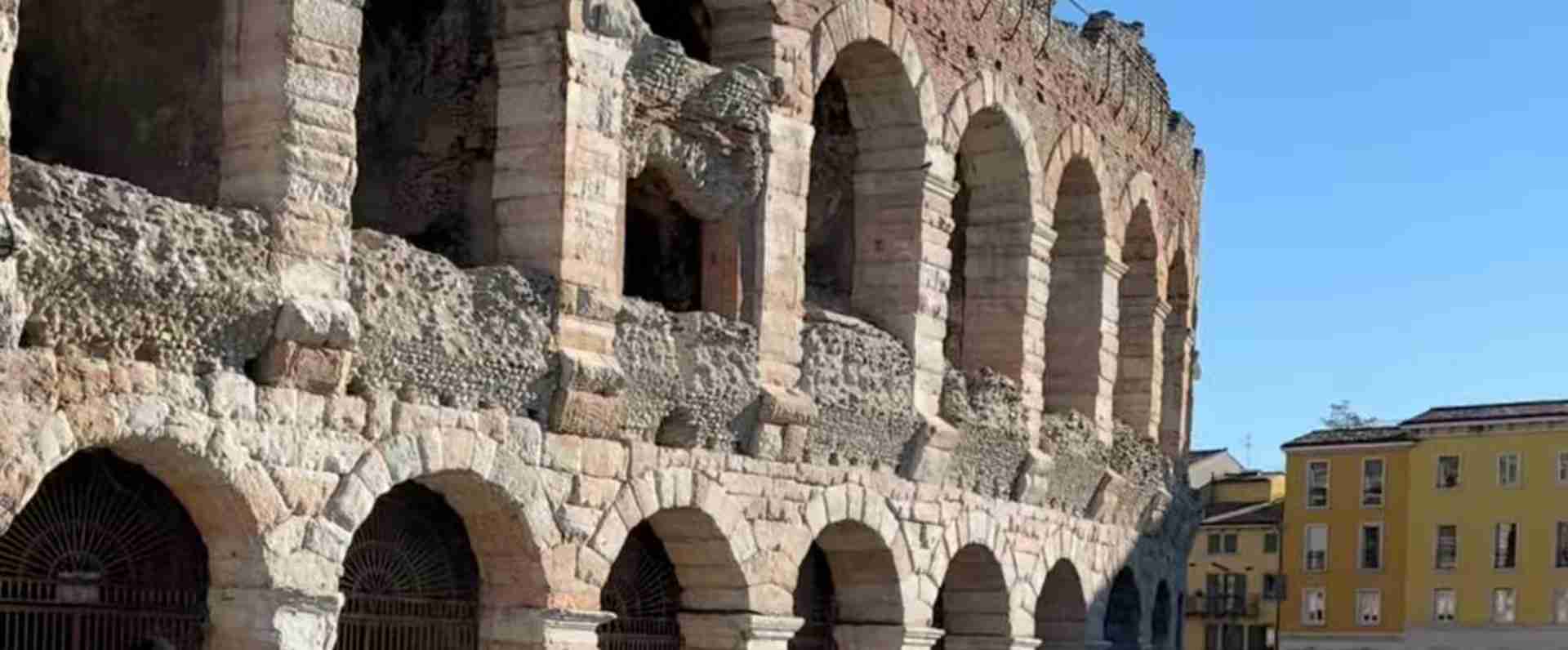
Best Time Visit Verona 2026: Seasonal Planning Guide
The seasonal cost variations create substantial budget impact ranging from €80-120 daily accommodation in winter low season to €150-220 for equivalent properties during July-August peaks. These 40-50% pricing swings across categories (hotels, restaurants, tours) mean seasonal timing decisions affect total trip costs as significantly as accommodation category choices between budget hostels and luxury hotels. Smart timing selection aligned with priorities—opera performances, weather preferences, crowd tolerance, photography conditions, budget constraints—transforms Verona experiences from potentially frustrating (wrong season) to exceptional (optimal timing).
Key Takeaways
- Optimal timing: Late April-May and September-October deliver the best balance of pleasant weather (18-25°C), moderate crowds, and 20-30% lower costs than summer peaks
- Arena opera season runs late June through early September 2026, creating peak tourism period with highest accommodation costs and maximum advance booking requirements (2-4 months)
- Spring shoulder season (April-May) offers blooming gardens, Easter celebrations, and ideal photography light with fewer visitors than summer months
- Fall season (September-October) provides harvest festivals, Valpolicella wine country activities, and exceptional weather stability with lower tourist volumes
- Winter visits (November-March) deliver 40-50% accommodation savings for architecture enthusiasts prioritizing monuments over weather, with January-February offering deepest discounts
- July-August peaks see temperatures 30-35°C, maximum crowds requiring advance reservations for accommodation/dining, but extended hours and guaranteed sunshine
Understanding Verona’s Seasonal Patterns for 2026
Verona’s positioning in northern Italy’s Po Valley creates distinct seasonal climate patterns that dramatically affect visitor experience quality across the year. The region experiences true four-season Mediterranean-continental climate with hot humid summers, cold foggy winters, and transitional spring/fall periods offering ideal conditions for architectural tourism and outdoor exploration. Understanding these seasonal rhythms permits strategic visit timing optimizing weather, crowds, costs, and special events alignment with individual travel priorities and preferences.
The Arena opera festival dominates Verona’s tourism calendar from late June through early September, fundamentally transforming the city during this period with international visitors flooding accommodations, restaurants requiring reservations, and accommodation costs reaching annual peaks 25-35% above shoulder season rates. Opera season timing dictates tourism patterns more powerfully than weather considerations, creating busy summer despite heat that many Italians consider uncomfortable for sightseeing. Visitors prioritizing opera performances must accept summer peak conditions, while architecture-focused travelers benefit tremendously from shoulder and off-seasons when empty monuments permit unhurried exploration and photography without crowd management concerns.
People Also Ask About Best Time Verona 2026
What is the best month to visit Verona in 2026?
May and September represent the optimal months balancing pleasant weather (19-24°C comfortable temperatures, 70-80% sunny days, minimal rain), moderate crowds (30-40% fewer visitors than July-August peaks), reasonable pricing (20-25% below summer accommodation costs), and full attraction operations. May offers spring blooming gardens, longer daylight hours approaching summer lengths (sunset around 8:30 PM), and pre-summer weather freshness. September delivers post-summer weather stability with temperatures moderated from July-August heat, early harvest activities in Valpolicella wine region, and continued Arena opera season through early September while crowds diminish after August ferragosto exodus.
Early October extends favorable conditions with autumn colors emerging in surrounding hills, harvest festivals celebrating wine and food traditions, and shoulder season pricing maintaining 20-30% savings from summer peaks. Late April provides secondary choice with Easter period cultural events, spring weather establishing (though slightly less stable than May), and blooming vegetation creating exceptional photography conditions. The month selection depends on specific priorities: May favors weather reliability and spring atmosphere, September combines ideal conditions with wine harvest activities, October maximizes cost savings while accepting greater weather variability.
Is Verona too hot in summer 2026?
July-August temperatures in Verona reach 30-35°C (86-95°F) with occasional heat waves exceeding 38°C (100°F) lasting 3-5 days, combined with Po Valley humidity creating uncomfortable conditions for extensive walking and outdoor architectural exploration. The historic center’s stone surfaces and dense building arrangements amplify heat during midday hours (11 AM-4 PM), making indoor museum visits and shaded arcades preferable during peak temperatures. Evening temperatures moderate to pleasant 22-26°C (72-79°F) after 7 PM, explaining Italian lifestyle patterns emphasizing evening passeggiata (strolls) and late dining rather than midday activity.
Summer heat becomes manageable through adapted schedules: early morning Arena and major monument visits (8-10 AM), midday museum and church interiors with air conditioning, afternoon rest periods at accommodations, and evening outdoor activities when temperatures moderate and amber lighting enhances pink marble architecture. Northern European and North American visitors from cooler climates find summer heat more challenging than those from warmer regions, though Verona’s summer rarely reaches the extreme temperatures characteristic of southern Italian destinations like Sicily or Puglia. Late June and early September provide summer-like conditions (26-30°C) with slightly moderated heat compared to July-August peaks while maintaining Arena opera season availability.
When is opera season at Verona Arena in 2026?
Arena di Verona opera festival operates from late June through early September 2026, with the official season schedule released December 2025 through arena.it announcing specific performance dates, productions, and ticket sales opening. The typical season structure includes opening weekend in late June (usually third or fourth weekend), concentrated performances throughout July-August with 4-6 shows weekly, and closing performances early September (typically first or second weekend). Popular productions including Aida, Carmen, La Traviata, and Tosca receive multiple performance dates, while special productions may have limited runs requiring strategic scheduling.
Ticket sales open 3-4 months before season start with optimal seat selection available immediately upon release, particularly for weekend performances and acclaimed productions that sell out 6-8 weeks before show dates. Opera-focused visits require coordination between accommodation booking (2-3 months ahead for summer season) and ticket purchase timing, ideally securing accommodation first then purchasing opera tickets when seat selection remains broad. The Arena festival represents Europe’s largest outdoor opera venue, creating unique cultural experience justifying summer peak season challenges for opera enthusiasts, though architecture-focused travelers may prefer visiting outside opera season when the Arena remains accessible for interior daytime visits without performance-related restrictions.
Does it rain a lot in Verona during spring 2026?
Spring rainfall in Verona peaks during April-May with monthly averages 70-90mm distributed across 8-11 rainy days per month, creating brief afternoon thunderstorms rather than prolonged rainy periods. The rainfall pattern follows Mediterranean spring climate with morning sunshine transitioning to afternoon cloud build-up and possible evening storms lasting 1-3 hours before clearing overnight. The rain distribution means visitors experience 70-80% days with predominant sunshine despite occasional showers, requiring flexible scheduling around weather windows rather than accepting completely rainy days eliminating outdoor activities.
Spring rain creates advantages including lush vegetation, blooming gardens at historic sites, dramatic skies enhancing photography compositions, and washed streets revealing pink marble’s fresh coloration. The precipitation clears air pollution common during winter stagnation periods, creating exceptional visibility for Torre dei Lamberti and Castel San Pietro viewpoint panoramas extending to distant Alps. Packing light rain jackets and flexible itinerary planning accommodates spring weather variability without significantly compromising visit quality, while the moderate temperatures (15-22°C) during rain remain comfortable compared to winter cold rain or summer heat that makes precipitation more unpleasant.
Season-by-Season Analysis for 2026
Spring Excellence: April-May 2026
Spring represents Verona’s emergence from winter dormancy through progressively warmer temperatures, blooming gardens, and increasing daylight hours creating ideal architectural photography conditions. April temperatures range 13-20°C (55-68°F) with occasional cooler periods requiring light jackets, while May warms to 17-24°C (63-75°F) approaching summer comfort levels. The spring climate variability demands flexible planning with alternative indoor activities (museums, churches) ready for rainy or cool days, though the overall pleasant conditions and moderate crowds make minor weather adjustments worthwhile.
Easter celebrations (April 20, 2026) bring special church services, processions, and cultural events enriching the visitor experience while slightly increasing tourist volumes and accommodation costs during the specific holiday weekend. Post-Easter periods (late April through May) see fewer visitors than June-July build-up while maintaining spring weather benefits. The blooming gardens at sites including Giusti Garden and hillside Castel San Pietro create photographic opportunities unavailable during other seasons, while fresh green vegetation contrasts beautifully with pink marble architecture throughout the historic center.
Accommodation pricing remains favorable at €100-150 for central 3-star hotels, representing 30-35% savings from summer peaks while delivering quality lodging in prime locations. Restaurants operate without reservation pressure outside Easter weekend, permitting spontaneous dining decisions and access to outdoor courtyard seating becoming increasingly appealing as May temperatures warm. Major attractions maintain full operating hours with extended closures only in early April, while tour operators begin full seasonal offerings after mid-April. Spring visits combine favorable pricing, manageable crowds, ideal photography light, and comfortable temperatures making this shoulder season the top recommendation for first-time visitors balancing multiple priorities.
Summer Peak: June-August 2026
Summer peak season brings maximum visitors, highest costs, guaranteed warm weather, and Arena opera festival creating Verona’s most vibrant but most challenging tourism period. June temperatures reach 23-29°C (73-84°F) providing warm conditions without July-August extremes, making it the best summer month for visitors sensitive to heat. July-August temperatures peak at 26-32°C (79-90°F) regularly with occasional heat waves exceeding 35°C (95°F) creating oppressive conditions for midday outdoor activities and walking-intensive sightseeing.
The Arena opera season dominating this period brings international visitors creating accommodation booking pressure requiring 2-3 month advance reservations for desirable properties at reasonable rates. Walk-up accommodation availability during July-August becomes limited to expensive remaining inventory or peripheral locations requiring bus commutes. Central 3-star hotels cost €150-220 nightly versus €100-150 in shoulder seasons, while budget hostels maintain more stable pricing (€30-45 dorm beds) but book fully weeks ahead during peak weeks. Restaurants require reservations for dinner, particularly outdoor seating at preferred establishments, with tourist-focused menus replacing lunch specials characteristic of other seasons.
Summer advantages include extended hours at attractions (Arena open until 7:30 PM, museums until 7 PM versus 5 PM winter closures), guaranteed warm weather enabling reliable outdoor activity planning, extended daylight (sunset 9 PM) permitting evening architectural photography and passeggiata traditions, and full seasonal services including special events, outdoor concerts, and comprehensive tour offerings. The opera festival represents Europe’s premier outdoor opera experience justifying summer peak conditions for cultural enthusiasts. However, architecture-focused travelers and heat-sensitive visitors benefit substantially from shoulder season timing avoiding summer challenges while accessing identical monuments and urban environments under more comfortable conditions.
Autumn Ideal: September-October 2026
Autumn represents the second optimal Verona visiting window combining summer-like weather through early-mid September with diminishing crowds and more favorable pricing as peak season concludes. September temperatures remain pleasant at 20-26°C (68-79°F), with early September delivering summer-like warmth while late September begins autumn transition toward cooler evenings. October temperatures moderate to 14-20°C (57-68°F), requiring light jackets for morning/evening while maintaining comfortable midday conditions for walking and outdoor activities.
The Arena opera season extends into early September, permitting opera attendance without full July-August peak tourism pressures. Post-opera festival periods (mid-September through October) see dramatic crowd reductions with empty attractions, available restaurant tables without reservations, and responsive service from tourism industry freed from peak season pressures. Accommodation costs decline 20-30% from summer peaks during September, with October seeing additional 10-15% reductions as winter low season approaches. The improved value proposition combined with excellent weather stability (September averages 75% sunny days, October 70%) makes autumn the preference for value-conscious travelers seeking quality experiences without summer compromises.
October brings harvest season to Valpolicella wine region with grape harvest activities, special winery events, and fresh pressed wine tastings unavailable during other seasons. The autumn colors emerging in surrounding hills create scenic backdrops for countryside exploration and wine tours, while cooler temperatures make hiking and cycling more comfortable than summer heat. Food festivals celebrating seasonal products including mushrooms, chestnuts, and truffles enrich culinary experiences, with restaurants emphasizing local autumn specialties. Photography conditions excel with autumn light angle creating dramatic shadows on architecture and golden-hour periods extending longer than summer’s high sun angles.
Winter Value: November-March 2026
Winter off-season delivers Verona at lowest costs and smallest crowds, appealing to budget-conscious travelers and architecture enthusiasts prioritizing monument access over weather comfort. November-February temperatures range 2-10°C (36-50°F) with occasional freezing nights and possible snow (1-3 events annually), while March warms to 8-15°C (46-59°F) transitioning toward spring. The Po Valley winter fog (nebbia) creates atmospheric conditions reducing visibility periodically while lending mysterious quality to architectural photography, though extended fog periods (3-7 days) occur mainly December-January.
Accommodation costs plummet to annual lows with central 3-star hotels averaging €80-120 versus €150-220 summer peaks, representing 40-50% savings making extended stays economically feasible. Budget accommodation drops to €15-25 hostel dorm beds and €45-70 budget hotels, creating exceptional value for cost-conscious travelers accepting winter weather. Restaurants offer appealing lunch menus (€10-15 two courses) and reduced weekday dinner pricing when tourism diminishes significantly, while winter seasonal cuisine including hearty soups, polenta dishes, and braised meats provides authentic regional food experiences.
Winter challenges include reduced attraction hours (museums closing 5-6 PM, Arena tours ending 4:30 PM limiting photography opportunities), limited daylight (sunset 5 PM December-January restricting daily activity time), weather unpredictability requiring indoor backup plans, and reduced tourist services with some restaurants and tours operating limited schedules. Christmas period (December 20-January 10) creates exception to winter patterns with markets, decorations, and holiday activities attracting visitors and raising prices to shoulder-season levels. However, January-February and mid-November through mid-December provide extraordinary value for travelers prioritizing architecture and museums over outdoor activities, with empty Arena and Castelvecchio permitting contemplative experiences impossible during crowded summer months.
Weather Analysis by Month 2026
January 2026 Conditions
January represents Verona’s coldest month with average temperatures 3-8°C (37-46°F) and occasional freezing periods dropping below 0°C overnight. Expect 5-7 rainy days monthly with possible snow 1-2 days, though significant accumulation remains rare. Fog episodes lasting 2-4 days reduce visibility while creating atmospheric architectural photography conditions emphasizing building silhouettes against grey skies. Daylight hours stretch 8-9 hours daily with sunrise around 7:45 AM and sunset 5 PM, limiting sightseeing windows compared to summer’s 15-hour daylight.
January delivers year’s lowest accommodation costs with €60-100 central 3-star hotels, exceptional value for extended stays. Major attractions operate reduced winter hours with museums closing 5-6 PM rather than summer 7-8 PM closures. The post-New Year period sees minimal tourism creating private monument experiences, though some restaurants and shops close 1-2 weeks for annual holidays. Pack substantial layering including warm jacket, as indoor spaces vary dramatically in heating quality from modern climate-controlled hotels to historic churches maintaining minimal heat preservation regulations for artistic treasures.
February 2026 Conditions
February maintains winter cold at 4-10°C (39-50°F) while daylight extends progressively toward spring with 10 hours daily by month end. Carnival period (late February/early March) brings costumes, celebrations, and increased visitors creating brief tourism spike, though Verona’s Carnival remains modest compared to Venice’s massive international event. Rainfall decreases slightly from January with 4-6 rainy days monthly and reduced fog frequency, creating more reliable outdoor activity conditions while maintaining winter pricing advantages.
Late February begins spring transition with occasional warm days reaching 14-16°C presaging March warming trends. The improved weather combined with continued winter pricing (€70-110 central 3-star hotels) makes late February appealing for value-conscious visitors willing to accept remaining winter conditions. Restaurants begin seasonal menu transitions introducing spring vegetables and lighter preparations replacing winter hearty fare, while extended daylight permits evening passeggiata traditions returning after winter’s early darkness constraining outdoor social activities.
March 2026 Conditions
March transitions toward spring with temperatures rising to 9-16°C (48-61°F) and increasing sunshine although weather variability remains significant with possible cold snaps and late winter storms. Expect 6-8 rainy days monthly as spring precipitation patterns establish, though increasing sunshine hours (11-12 daily) improve outdoor activity windows. Late March sees consistent warming above 15°C with early spring blooms appearing in gardens and parks, creating improved photography conditions as vegetation greens following winter dormancy.
Accommodation pricing begins gradual increases from winter lows as spring travel season approaches, with central 3-star hotels rising to €90-130 from February’s €70-110 lows. Easter 2026 falls in April, leaving March as shoulder period without holiday pressures. Attraction hours extend progressively through month with summer schedules establishing by late March, while restaurants expand outdoor seating as weather permits. March represents excellent value maintaining winter pricing levels through mid-month while delivering improving weather conditions approaching spring comfort levels, making it strategic choice for visitors prioritizing value while accepting transitional season weather variability.
April 2026 Conditions
April delivers full spring weather with temperatures 13-20°C (55-68°F) and extended daylight reaching 13-14 hours daily by month end. The blooming vegetation peaks mid-to-late April creating lush gardens and flower-filled window boxes throughout the historic center, while spring light angles enhance architectural photography. Rainfall averages 70-80mm monthly across 8-10 rainy days, following pattern of morning sunshine with possible afternoon thunderstorms rather than extended rainy periods. Pack layering options as morning cool (10-13°C) transitions to comfortable afternoon warmth (18-22°C) creating significant daily temperature variations.
Easter weekend (April 20, 2026) brings special church services, processions, and cultural events while increasing tourist volumes and accommodation costs 15-25% above non-holiday April rates. Book Easter weekend accommodation 6-8 weeks ahead securing preferred properties before limited availability forces peripheral options or premium remaining inventory. Post-Easter periods offer exceptional conditions with spring weather established, blooming peak continuing, and reduced visitors compared to pre-holiday weeks. Accommodation averages €100-140 central 3-star hotels representing substantial savings from summer while delivering comfortable lodging in prime locations.
May 2026 Conditions
May ranks among Verona’s optimal months combining warm comfortable temperatures 17-24°C (63-75°F), extended daylight hours (14-15 hours daily) approaching summer lengths, and pre-peak-season crowds permitting quality attraction experiences. Weather stability improves from April variability though some rainfall persists (65-75mm monthly, 8-10 rainy days) following spring pattern of brief afternoon storms. Late May temperatures reach 26-28°C on warm days, providing summer previews while maintaining spring freshness absent July-August humidity.
The vegetation reaches lush peak during May before summer heat stresses plants, creating ideal conditions for garden photography at sites including Giusti Garden and hillside parks. Outdoor dining becomes reliably pleasant with restaurants expanding terrace and courtyard seating, while gelato season begins in earnest with locals and visitors enjoying late afternoon and evening treats. Accommodation costs rise toward summer levels at €110-160 central 3-star hotels, though remaining 25-30% below July-August peaks while offering superior weather-to-crowd ratios. May represents the top single-month recommendation balancing all factors: weather reliability, comfortable temperatures, manageable crowds, reasonable costs, and comprehensive attraction operations.
June 2026 Conditions
June initiates summer season with temperatures 21-28°C (70-82°F) providing warm conditions without July-August extremes, making it the most comfortable summer month. Early June maintains some spring freshness while late June transitions fully to summer patterns with increased heat and humidity. The Arena opera festival launches in late June, transforming tourism patterns with international opera enthusiasts flooding accommodations and creating peak season pressures. Daylight peaks at year’s maximum (15-16 hours) with sunset around 9 PM permitting extended evening activities and photography opportunities in optimal late-day lighting.
Rainfall decreases significantly from spring levels (50-60mm monthly, 6-8 rainy days) with brief afternoon thunderstorms rather than extended precipitation. The summer weather reliability enables confident outdoor activity planning, while temperatures remain comfortable for walking-intensive sightseeing throughout the day. Accommodation costs rise sharply with arena opera season launch, reaching €140-200 central 3-star hotels requiring 2-3 month advance booking for quality options at reasonable rates. June represents optimal summer month for visitors seeking warm weather and extended hours while avoiding July-August heat extremes and maximum crowd congestion.
July-August 2026 Conditions
July-August constitute peak summer with maximum temperatures 26-32°C (79-90°F) regularly and heat waves exceeding 35°C (95°F) creating challenging conditions for extensive walking and outdoor architectural exploration. Po Valley humidity amplifies temperature effects making conditions feel hotter than dry-heat destinations at equivalent temperatures. Rainfall reaches annual minimum (40-50mm monthly, 4-6 rainy days) with brief violent thunderstorms providing temporary relief from heat but little sustained cooling.
Peak arena opera season through August creates maximum tourism pressure with central 3-star hotels costing €150-220 requiring advance booking 2-3 months ahead. Restaurants require reservations particularly for dinner and outdoor seating, while attraction queues extend during midday peaks (11 AM-3 PM) despite venues operating maximum hours. The ferragosto Italian holiday (August 15) brings domestic tourism surges creating brief spike in already high summer demand, though some local businesses close for traditional August holidays creating reduced restaurant options in certain neighborhoods.
Summer advantages justifying peak-season challenges include guaranteed warm weather enabling reliable planning, extended attraction hours maximizing daily sightseeing opportunities, complete seasonal services, and Arena opera festival representing Europe’s premier outdoor opera experience. The hot midday conditions require adapted schedules emphasizing early morning (7-10 AM) and evening (after 6 PM) outdoor activities, with midday periods devoted to air-conditioned museums, churches, and afternoon rest. Visitors from hot climates tolerate summer heat better than northern Europeans or North Americans from cooler regions, though adapted schedules permit successful summer visits for heat-sensitive travelers accepting necessary modifications to typical sightseeing patterns.
September 2026 Conditions
September provides second optimal visiting window combining summer-like conditions early month with autumn transitions creating ideal temperatures 20-26°C (68-79°F). Early September extends Arena opera season while beginning crowd reductions as August vacations conclude and students return to school. Mid-late September sees substantial visitor decreases with accommodation availability improving and restaurant reservations becoming unnecessary outside weekends. The temperatures moderate from summer peaks while maintaining comfortable warmth, with late September evenings cooling to 15-18°C requiring light jackets.
Rainfall increases slightly from summer minimum (60-70mm monthly, 6-8 rainy days) though remaining well below spring levels and following brief afternoon storm pattern rather than extended rainy periods. Weather stability remains excellent with 75-80% days featuring predominant sunshine suitable for comprehensive outdoor exploration. Accommodation costs decline 20-25% from August peaks with central 3-star hotels averaging €120-170, representing improved value while maintaining summer-like weather conditions. September ranks equally with May as optimal timing month, chosen based on preference for spring blooming (May) versus autumn harvest activities and slightly lower costs (September).
October 2026 Conditions
October extends favorable conditions into autumn with temperatures 14-21°C (57-70°F) providing comfortable walking conditions requiring light jackets mornings/evenings. Early October maintains September pleasant weather while late October begins transition toward winter with increasing rainfall and cooling temperatures. Expect 70-80mm monthly rainfall across 7-9 rainy days with autumn storms bringing more sustained precipitation than summer brief thunderstorms. The autumn light angle creates exceptional photography conditions with dramatic shadows on architecture and extended golden-hour periods.
Harvest season peaks in Valpolicella wine region with grape harvest completing mid-month and new wine (vino novello) releasing late October. Food festivals celebrating seasonal products including mushrooms, chestnuts, and truffles enliven weekends with local celebrations. Accommodation costs continue declining to €100-140 central 3-star hotels as winter off-season approaches, while restaurants offer autumn seasonal menus emphasizing regional specialties. October represents final shoulder-season opportunity before winter weather limitations, balancing continued favorable conditions with progressively deeper discounts approaching winter value pricing.
November-December 2026 Conditions
November initiates winter season with temperatures dropping to 7-13°C (45-55°F) and increasing rainfall (80-90mm monthly, 8-10 rainy days). Fog (nebbia) episodes become common particularly mid-month through December, reducing visibility while creating atmospheric conditions lending mysterious quality to architectural photography. Daylight decreases to 9-10 hours daily by December with late sunrise (7:30 AM) and early sunset (4:30-5 PM) constraining sightseeing windows significantly compared to summer’s extended hours.
December maintains cold conditions 3-9°C (37-48°F) with possible snow days though accumulation remains rare in urban center. Christmas markets and holiday decorations appearing late November create festive atmosphere attracting visitors and raising accommodation costs to €100-140 during holiday weeks (December 20-January 10) compared to mid-winter lows (€70-100). Attraction winter hours establish with museums closing 5 PM and some sites operating reduced days weekly.
The winter period appeals to budget-focused travelers and architecture enthusiasts comfortable with cold weather, reduced hours, and weather unpredictability in exchange for minimum crowds, deeply discounted accommodation, and contemplative monument experiences impossible during busy seasons. Christmas period offers special atmosphere with markets, decorations, and holiday events justifying slightly elevated costs versus mid-winter bottoms, creating appealing winter visit option for travelers seeking festive cultural experiences alongside architectural tourism.
Crowd Analysis and Peak Periods 2026
Peak Crowd Seasons
July-August represents maximum tourist crowding with international visitors, Italian vacationers, and opera enthusiasts converging during Arena festival season. Expect substantial queues at Arena midday (30-45 minute waits common 11 AM-2 PM), crowded Torre dei Lamberti limiting photography opportunities, and packed Juliet’s House balcony requiring time-slot bookings avoiding 60+ minute waits. Piazza delle Erbe and Piazza Bra maintain constant tourist presence throughout day, while popular restaurants require dinner reservations 1-2 days ahead for optimal seating.
Easter weekend (April 20, 2026) creates brief spring peak with Italian families and European tourists creating elevated crowding approaching summer levels despite shoulder-season timing. June and September see moderate-high crowds as shoulder seasons adjacent to peak summer attract visitors seeking improved weather-cost-crowd balance. Weekend crowds throughout April-October exceed weekday levels as European tourists from nearby countries conduct weekend breaks, particularly Germans, Austrians, and Swiss representing significant visitor segments.
Shoulder Season Moderation
Late April-May and late September-October deliver ideal crowd levels with sufficient tourism maintaining services and atmosphere without overwhelming monuments. Major attractions remain busy during peak midday hours (11 AM-3 PM) but manageable, with Arena waits typically 10-20 minutes and Torre dei Lamberti permitting quality photography opportunities. Restaurants accommodate walk-in diners except Saturday evenings, while hotel availability remains good with 2-4 week advance booking securing preferred properties.
The moderate crowding creates appealing balance: sufficient visitors maintaining vibrant tourism atmosphere and ensuring services operate fully, yet avoiding frustrating queues, reservation requirements, and constant jostling characteristic of peak summer. Photography opportunities improve dramatically with fewer people obstructing architectural views, while museum visits permit contemplative appreciation rather than rushed viewing navigating crowds. Shoulder seasons provide superior actual experience quality despite slightly elevated costs versus winter lows, delivering authentic engagement with monuments and urban environment without peak season compromises.
Off-Season Tranquility
November-March off-season creates virtually empty monuments with immediate Arena entry, private Torre dei Lamberti viewing platform experiences, and Castelvecchio museum rooms often occupied by single visitors permitting extended contemplation. The tranquility transforms visits into meditative architectural encounters impossible during busy seasons when crowd management and queues constrain experience pacing. Restaurant and hotel staff provide attentive personalized service freed from peak season pressures serving hundreds of daily tourists.
The emptiness creates tradeoffs: reduced services with some tours operating limited schedules, occasional restaurant closures for staff vacations, and diminished urban energy compared to vibrant summer atmosphere. However, architecture enthusiasts and contemplative travelers often prefer off-season conditions enabling focused architectural study without distractions. The combination of minimum crowds, lowest costs, and authentic local atmosphere makes winter appealing despite weather challenges and reduced hours, particularly for repeat visitors who experienced summer crowds on previous trips and now seek different engagement with the city’s UNESCO heritage character.
Special Events and Festivals 2026
Arena Opera Festival (Late June-Early September)
The Arena di Verona opera festival represents Europe’s premier outdoor opera venue presenting grand-scale productions in authentic Roman amphitheater. The 2026 season schedule releases December 2025 through arena.it announcing specific dates and productions, typically including beloved classics (Aida, Carmen, La Traviata, Tosca) alongside special productions. Ticket sales open 3-4 months before season start, with online purchases through official channels avoiding markups from third-party resellers. Plan visits coordinating accommodation (book 2-3 months ahead) with opera dates, as festival drives summer peak tourism creating booking pressures and premium pricing.
Opera performances begin around 9 PM after sunset, lasting 2-3 hours depending on production with intermissions. Arrive 60-90 minutes early for unreserved gradinata seating securing better positions, or 30-45 minutes ahead for numbered seats ensuring relaxed entry without rush. Bring cushions for stone seating comfort, light jackets for evening cooling (temperatures drop to 20-24°C after sunset), and binoculars enhancing stage visibility from upper tiers. The outdoor setting creates magical atmosphere with stars visible above ancient arena, though rare rain cancellations occur (usually rescheduled) and acoustics vary significantly by seating location.
Vinitaly Wine Fair (April)
Vinitaly represents one of world’s largest wine trade fairs occurring annually in Verona’s modern exhibition center, attracting wine professionals, journalists, and some public visitors during late April weekend. The 2026 dates typically fall third or fourth April week, creating brief hotel booking pressure primarily affecting business hotels near exhibition center rather than historic center properties. Wine enthusiasts may encounter industry professionals at local wine bars and restaurants during fair week, creating networking opportunities and exposure to latest regional wine developments.
Public access days (usually Saturday-Sunday) permit enthusiasts attending with advance ticket purchases, offering comprehensive Italian wine exposure across thousands of exhibitors from all regions. However, the professional trade focus and exhibition center location (requiring taxi/bus from historic center) makes Vinitaly peripheral to typical tourist visits unless specifically wine-industry focused. Alternative wine experiences including Valpolicella winery tours, local enoteca tastings, and wine-focused restaurants provide more accessible and tourism-appropriate wine exploration throughout the year.
Christmas Markets (Late November-Early January)
Verona’s Christmas markets occupy Piazza dei Signori and surrounding streets from late November through early January, featuring artisan crafts, seasonal foods, and mulled wine (vin brulé) creating festive atmosphere. The markets attract Italian visitors primarily rather than international Christmas market tourism characterizing German and Austrian destinations, maintaining local authentic character with regional products and traditions. Holiday decorations illuminate the historic center creating appealing evening ambiance, while special church services and concerts celebrate the Christmas season.
The Christmas period (December 20-January 10) raises accommodation costs 20-30% above mid-winter lows toward shoulder-season levels as holiday visitors increase demand. Book accommodation 6-8 weeks ahead for Christmas week ensuring availability at reasonable rates. New Year’s Eve brings celebrations in major piazzas with concerts and fireworks, creating festive though crowded conditions. The holiday season appeals to travelers seeking cultural winter experiences combining architectural tourism with seasonal traditions, accepting slightly elevated costs and reduced architectural tourism focus compared to off-season tranquility characteristic of November and January-February periods.
Booking Strategy Recommendations for 2026
Advance Booking Timelines
Arena opera tickets require 2-4 months advance booking for summer festival season, with tickets releasing typically February-March for June-September performances. Popular productions and weekend shows sell out 6-8 weeks before performance dates, requiring early booking securing quality seats at standard pricing rather than accepting remaining inventory or premium resale markups. Purchase tickets through official arena.it website avoiding third-party resellers charging 20-40% premiums without value addition beyond ticket access itself.
Accommodation booking timelines vary seasonally: summer (June-August) requires 2-3 months ahead booking central desirable properties at reasonable rates; shoulder seasons (April-May, September-October) permit 3-6 weeks advance booking though earlier reservations secure better property selection and rates; winter (November-March) allows 1-3 week advance booking except Christmas/New Year weeks requiring 6-8 weeks ahead. Earlier booking always provides advantages through better availability, property selection, rate security, and peace-of-mind planning, though last-minute travelers find reasonable options outside peak summer weeks if accepting limited selection.
Seasonal Optimization Strategy
First-time visitors prioritizing weather reliability and comprehensive services should target May or September optimal shoulder seasons balancing all factors favorably. Opera enthusiasts must accept summer peak conditions (July-August primarily) though late June and early September provide slightly moderated crowds while maintaining festival access. Budget-conscious travelers benefit tremendously from January-February or November winter visits delivering 40-50% accommodation savings, accepting weather and hours limitations in exchange for extraordinary value.
Photography-focused visits favor spring (April-May) for blooming gardens and fresh vegetation or autumn (October) for fall colors and dramatic light angles, with both seasons offering excellent conditions. Architecture enthusiasts seeking contemplative monument experiences prefer off-season tranquility (November-March) enabling unhurried study without crowd pressures, though May-September deliver better weather for extensive walking between sites. Wine tourism aligns naturally with September-October harvest season and associated festivals, though year-round winery tours remain available with advance reservations.
Frequently Asked Questions About Best Time Verona 2026
What is the rainiest month in Verona during 2026?
April-May represent Verona’s rainiest months with 70-90mm monthly rainfall distributed across 8-11 rainy days. However, the rain pattern follows Mediterranean spring climate with brief afternoon thunderstorms rather than extended all-day precipitation, meaning visitors experience 70-80% days with predominant sunshine despite rainfall statistics. October-November see secondary rainfall peaks (70-85mm monthly) with autumn storms bringing more sustained precipitation than spring brief showers. Summer months (June-August) receive minimum rainfall (40-60mm monthly) with best weather reliability, while winter precipitation includes occasional snow rather than exclusively rain.
Can you swim in Verona in summer 2026?
Verona lacks beaches or public swimming facilities within the historic center, though nearby Lake Garda (30-minute drive, 45-minute bus) provides extensive swimming opportunities during summer months with beaches, lakeside resorts, and water sports. Day trips to Lake Garda combine Verona architectural sightseeing with afternoon swimming and lakeside relaxation, creating appealing summer heat relief. Some luxury hotels feature rooftop pools or small pools, though swimming remains peripheral to typical Verona architectural tourism focus. The Adige River flowing through Verona lacks swimming facilities due to current and boat traffic, though riverside paths provide pleasant walking avoiding intense summer heat.
Is Verona crowded during Easter 2026?
Easter weekend (April 20, 2026) brings elevated crowds approaching summer levels as Italian families and European tourists visit during holiday period. Expect increased visitor numbers at major attractions (Arena, Juliet’s House, Torre dei Lamberti) with longer queues and crowded historic center piazzas. Accommodation costs rise 15-25% above non-holiday April rates for Easter weekend specifically, while restaurants require reservations for optimal seating. Special church services and processions enrich cultural experience, creating appealing atmosphere justifying slightly elevated crowding and costs. Post-Easter periods (late April) see immediate crowd reduction as holiday visitors depart, returning to favorable shoulder-season conditions while maintaining spring weather benefits.
What should I pack for Verona in spring 2026?
Spring visits require layering options addressing significant daily temperature variations from cool mornings (10-15°C) to warm afternoons (20-25°C). Pack light jacket or sweater for mornings and evenings, comfortable walking shoes tolerating rain (waterproof or quick-dry), light rain jacket or compact umbrella for afternoon thunderstorms, and sun protection (sunglasses, hat, sunscreen) for increasing sunshine. Casual restaurant dress code permits smart-casual attire (no shorts/sleeveless for upscale dining), while comfortable walking attire suits daytime architectural exploration. Camera gear should include lens cloths for rain spots and plastic bags protecting equipment during unexpected showers.
How many days do you need in Verona in 2026?
A comprehensive Verona visit requires 3 full days covering major attractions (Arena, Castelvecchio, Torre dei Lamberti, churches, historic center walking), with fourth day beneficial for day trips to Valpolicella wine region or Lake Garda. Opera attendance adds evening to itinerary without requiring additional days, as performance begins after daily sightseeing concludes. Two-day visits permit covering essential highlights though feeling rushed, while single-day visits from Venice or Milan provide introduction only. Architecture enthusiasts and repeat visitors benefit from week-long stays permitting thorough exploration, multiple photo sessions capturing optimal lighting conditions, and relaxed pacing appreciating UNESCO heritage depth without constant rushing.
Does Verona close in winter like some Italian cities?
Verona maintains year-round tourism operations with major attractions (Arena, museums, churches) remaining open throughout winter on reduced schedules, unlike coastal destinations or smaller towns closing November-March. Restaurants and hotels continue operating, though some establishments close 1-2 weeks in January-February for staff vacations and annual maintenance. The winter off-season creates reduced services compared to summer comprehensive operations, but core attraction access persists enabling architectural tourism year-round. Christmas/New Year period sees full operations with special markets and events, creating more vibrant atmosphere than mid-winter quiet January-February period.
When do Verona hotels have lowest prices in 2026?
January-February deliver year’s lowest accommodation costs with central 3-star hotels averaging €70-100 versus €150-220 July-August peaks, representing 40-50% savings. November and early March provide secondary low pricing (€80-120) as shoulder-off transitions. The dramatic cost variations create substantial budget impact: week-long accommodation costing €1,050-1,540 in summer drops to €490-700 in winter for equivalent property quality and location. Winter pricing advantages justify seasonal weather limitations for budget-conscious travelers and architecture enthusiasts prioritizing monument access over comfortable outdoor conditions and extended hours.
Are there any Verona festivals besides opera in 2026?
Beyond Arena opera festival, Verona hosts Vinitaly wine fair (late April), Christmas markets (late November-early January), Carnival celebrations (February), and various summer music festivals and cultural events announced in local tourism calendars. Food and wine festivals occur throughout autumn (September-October) in Valpolicella region celebrating harvest and seasonal products. These secondary events enrich visits without requiring specific timing coordination unlike Arena opera season that dictates summer tourism patterns. Local tourism websites and hotel concierges provide current event calendars permitting spontaneous attendance of festivals and celebrations occurring during visits.
What is the best season for photographing Verona’s architecture in 2026?
Spring (April-May) and autumn (September-October) provide optimal photography conditions through ideal light angles creating dramatic shadows, comfortable temperatures enabling extended outdoor shooting sessions, and seasonal elements (spring flowers, autumn colors) enhancing compositions. The moderate crowds permit unobstructed architectural views, while varied weather creates diverse shooting conditions from brilliant sunshine to atmospheric storms. Summer’s high sun angles reduce shadow interest though extended golden hours (7-9 PM) compensate, while winter’s low angle delivers dramatic shadows constrained by reduced hours (sunset 4:30-5 PM) and challenging cold weather. Serious architectural photographers visit multiple seasons capturing different light qualities and atmospheric conditions across the year.
How far in advance should I book for shoulder season 2026?
Shoulder season visits (April-May, September-October) benefit from 3-6 week advance accommodation booking securing quality central properties at favorable rates while maintaining booking flexibility compared to summer’s 2-3 month requirements. Earlier booking always advantages planning through better property selection and rate security, though last-minute travelers find reasonable availability unlike summer peaks when procrastination forces peripheral locations or premium remaining inventory. Restaurant reservations become unnecessary outside Saturday evenings and specific holiday periods (Easter weekend), permitting spontaneous dining discoveries during visits. Tours and special experiences (wine tours, cooking classes) book 2-4 weeks ahead during shoulder seasons versus 4-8 weeks summer advance requirements.