
Best Time Visit Vatican City 2026: Seasonal Planning Guide
Vatican City experiences distinct seasonal patterns that dramatically impact your UNESCO World Heritage experience quality. Understanding optimal timing ensures peaceful museum exploration, comfortable weather conditions, and strategic access to papal events throughout 2026
Key Takeaways
- October-March offers smaller crowds and comfortable temperatures for extended museum visits
- Wednesday mornings provide papal audience opportunities but increase visitor numbers significantly
- Early morning slots at 8 AM guarantee peaceful experiences regardless of season
- Summer months require advance booking 90 days ahead due to peak tourism demand
- Winter months offer €4 booking fee savings and 30% fewer crowds than peak season
- Easter week presents unique papal ceremonies but maximum crowd levels worldwide
Introduction
Smart scheduling transforms potentially crowded visits into memorable encounters with Renaissance masterpieces and sacred spaces, travelers benefit from strategic seasonal planning that aligns with favorable exchange rates, flight pricing, and Rome’s Mediterranean climate patterns. Each season offers unique advantages for different visitor priorities, whether seeking spiritual experiences, artistic appreciation, or photographic opportunities within Vatican’s sacred walls.
People Also Ask About Vatican City 2026 Timing
What’s the absolute best month to visit Vatican City?
October stands out as Vatican City’s optimal month combining comfortable 68°F temperatures, reduced summer crowds, and stable weather patterns. Museum galleries maintain pleasant conditions while outdoor areas like St. Peter’s Square offer perfect exploration temperatures for US travelers.
Should I avoid Vatican City during summer months?
Summer visits require strategic planning with early morning bookings essential for comfortable experiences. July and August bring 85°F+ temperatures and maximum crowds but offer extended museum hours until 10 PM on Fridays for unique evening experiences.
When are papal audiences most accessible in 2026?
Wednesday general audiences occur year-round at 10:30 AM in St. Peter’s Square. Winter months offer better seating availability and comfortable temperatures. Easter and Christmas periods feature special papal ceremonies but require advance ticket reservations.
What’s the worst time to visit Vatican City?
Easter week and Christmas week present maximum crowds with 4-hour museum waits and packed basilica conditions. August combines extreme heat with peak tourism. However, dedicated travelers find these periods offer unique spiritual experiences unavailable other times.
Extended multi-day tours – 5+ days
Featured Rome Multi-Day Tour Packages
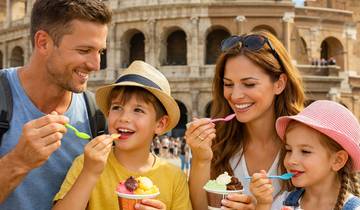
5 days
The Ultimate Rome Food & Cultural Small-Group Tour Package – 5 Days
- ✓ Comprehensive Rome tour
- ✓ Expert local guides included
- ✓ All accommodation arranged
- ✓ Transportation provided
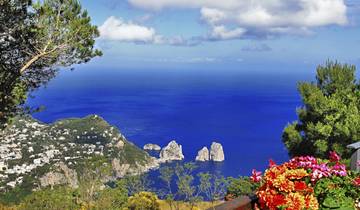
3 days
3-Day Pompeii, Capri & Sorrento Mini Tour
- ✓ Comprehensive Rome tour
- ✓ Expert local guides included
- ✓ All accommodation arranged
- ✓ Transportation provided
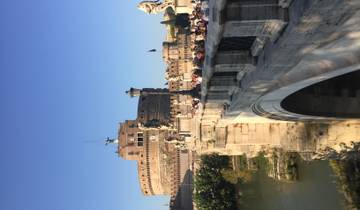
3 days
Advent in Rome: Markets, Churches & Tiramisu
- ✓ Booking needs min. 2 travelers
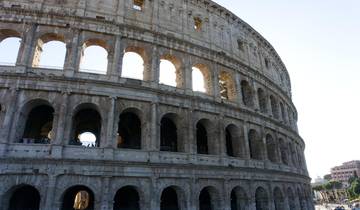
5 days
Ciao Italia: 5 Days, 2 Cities, Infinite Wonders
- ✓ Comprehensive Rome tour
- ✓ Expert local guides included
- ✓ All accommodation arranged
- ✓ Transportation provided
Multi-day tour packages powered by TourRadar. Prices and availability subject to change.
Spring Season Strategy (March-May 2026)
Spring emerges as Vatican City’s renaissance season when mild temperatures and blooming Vatican Gardens create ideal exploration conditions. March temperatures average 58°F while May reaches comfortable 70°F, perfect for extended outdoor photography sessions in St. Peter’s Square and dome climb adventures without excessive heat stress.
Easter celebrations transform Vatican City into Christianity’s global focal point with Palm Sunday processions, Holy Thursday ceremonies, and Easter Vigil masses drawing pilgrims worldwide. Pope Francis conducts special liturgies throughout Holy Week, offering profound spiritual experiences for devoted Catholic travelers seeking authentic Vatican encounters.
Spring Crowd Patterns
March offers excellent value with 40% fewer visitors than summer peaks and moderate weather patterns ideal for museum marathon sessions. April brings increasing crowds as European tourism season begins, requiring advance booking 60 days minimum for guaranteed entry slots.
May represents spring’s peak month with comfortable weather attracting maximum shoulder-season visitors. Book museum tickets 75 days ahead and arrive early for St. Peter’s Basilica visits to avoid afternoon crowd surges from tour groups.
Spring Weather Advantages
Vatican Gardens reach peak beauty during spring months with Renaissance landscaping in full bloom and comfortable walking temperatures throughout extended tours. Morning mist creates dramatic photographic conditions around St. Peter’s dome while afternoon golden light illuminates basilica interiors magnificently.
Rain occurs 8-10 days monthly during spring, requiring flexible scheduling and indoor backup plans. Vatican Museums provide perfect rainy day alternatives with climate-controlled galleries and 4-5 hour exploration potential.
Summer Peak Season (June-August 2026)
Summer transforms Vatican City into a bustling international destination with maximum tourist volumes and extended operating hours compensating for challenging crowd conditions. June temperatures average 78°F while July-August reach 85°F+, requiring strategic timing and heat management for comfortable visits.
Extended summer hours include Friday evening museum access until 10 PM, offering unique after-dark experiences with dramatically lit Renaissance frescoes and reduced crowd pressure. These exclusive evening sessions cost an additional €8 but provide intimate encounters with Sistine Chapel and Raphael Rooms.
Beat the Summer Heat Strategies
Early morning museum entries at 8 AM provide 2-3 hours of comfortable exploration before heat intensifies and crowd levels peak. Air-conditioned museum galleries offer respite during midday temperature spikes while outdoor areas like St. Peter’s Square become challenging after 11 AM.
Hydration stations throughout Vatican Museums provide free water refills essential during summer visits. Dress codes remain strictly enforced despite heat, requiring covered shoulders and long pants regardless of temperature conditions.
Summer Booking Requirements
Peak summer months require museum reservations 90 days in advance for guaranteed entry. Skip-the-line tickets become essential investments preventing 3-4 hour queues in direct sunlight. Book morning slots exclusively for comfortable experiences before afternoon heat peaks.
Hotel rates peak during summer with rooms near Vatican costing €200-300 per night. Book accommodations 4-6 months ahead for reasonable pricing and proximity to Vatican entrances.
Autumn Excellence (September-November 2026)
Autumn represents Vatican City’s golden season combining comfortable temperatures, manageable crowds, and stunning natural light for photography enthusiasts. September maintains pleasant 75°F averages while October-November cool to ideal 65°F temperatures perfect for extended exploration sessions.
September retains summer’s extended hours while avoiding peak crowd pressures as European school holidays conclude. October-November offer the year’s most peaceful museum experiences with 50% fewer visitors than summer peaks and stable weather patterns ideal for outdoor papal audience attendance.
Autumn Photography Advantages
Golden autumn light creates optimal conditions for St. Peter’s Square photography with warm illumination highlighting Bernini’s colonnade architecture. Late afternoon light streams through basilica windows creating dramatic interior lighting effects impossible during other seasons.
Vatican Gardens showcase autumn foliage providing colorful backdrops for dome climb photography. Morning mist around Vatican walls creates mystical atmospheric conditions perfect for artistic photography approaches.
Autumn Value Proposition
Hotel rates drop 30-40% compared to summer peaks while maintaining excellent weather conditions for sightseeing activities. Flight prices from the US decrease significantly after Labor Day, offering substantial savings for autumn Vatican visits.
Restaurant reservations become easier as summer tourist volumes decrease, allowing authentic Roman dining experiences near Vatican City. Local establishments offer seasonal menus featuring autumn ingredients and comfortable outdoor seating.
Winter Tranquility (December-February 2026)
Winter unveils Vatican City’s most contemplative season with minimal crowds, comfortable indoor temperatures, and unique seasonal celebrations. December temperatures average 52°F while January-February reach 48°F, requiring layers but remaining pleasant for walking tours and outdoor photography.
Christmas and New Year periods transform Vatican City into a spiritual wonderland with elaborate decorations, special papal masses, and intimate seasonal ceremonies. St. Peter’s Square Christmas tree and nativity scene create magical atmospheric conditions for holiday visitors seeking profound spiritual experiences.
Winter Crowd Benefits
January-February offer Vatican City’s most peaceful experiences with 60% fewer visitors than peak season and immediate museum ticket availability. Walk-in visits become possible during these months, eliminating advance booking stress and allowing spontaneous exploration flexibility.
Papal audiences in Paul VI Audience Hall accommodate 6,400 attendees in climate-controlled comfort during winter months. Intimate settings provide better views and personal connection opportunities with papal presentations.
Winter Special Events
Christmas Eve midnight mass requires advance tickets but offers once-in-a-lifetime spiritual experiences with the Pope celebrating Christianity’s most sacred ceremony. New Year’s papal blessing from St. Peter’s Basilica balcony welcomes the coming year with profound ceremonial significance.
Epiphany celebrations on January 6 feature traditional Italian customs and papal blessings marking Christmas season conclusion. These authentic cultural experiences provide deep insight into Catholic traditions and Italian religious heritage.
Daily Timing Optimization
Regardless of season, early morning museum entries at 8 AM provide optimal experiences with natural lighting, smaller crowds, and comfortable temperatures. The first 2 hours offer peaceful encounters with Renaissance masterpieces before tour groups arrive and noise levels increase.
Wednesday papal audiences begin at 10:30 AM in St. Peter’s Square accommodating 80,000 attendees free of charge. Arrive by 9:30 AM for optimal seating near the papal platform and comfortable viewing positions throughout the ceremony.
Weekly Pattern Analysis
Monday-Tuesday offer the quietest museum experiences with 20% fewer visitors than weekend periods. Wednesday brings papal audience crowds but provides unique spiritual opportunities unavailable other days.
Thursday-Friday present moderate crowd levels ideal for comfortable museum exploration with manageable queue times and reasonable photography opportunities. Weekend visits require earliest possible booking slots for acceptable crowd conditions.
Planning Your 2026 Visit
October through March represents Vatican City’s optimal window combining comfortable weather, manageable crowds, and reasonable accommodation pricing. Book museum tickets 60-90 days ahead during these months for guaranteed entry and preferred time slots.
Summer visits require maximum advance planning with 90-day booking requirements and early morning scheduling essential for comfortable experiences. Budget additional costs for skip-the-line services and climate-controlled tour options during peak heat periods.
Shoulder seasons of April-May and September offer balanced experiences with good weather and moderate crowds requiring 75-day advance reservations for optimal scheduling flexibility.
2026 Updates & Changes
Vatican Museums implement dynamic scheduling systems optimizing visitor flow during peak periods while maintaining intimate experiences during quieter months. Enhanced online booking platforms provide real-time availability and crowd level indicators for strategic planning.
New climate monitoring systems throughout museums ensure optimal conservation conditions while maintaining visitor comfort during temperature extremes. Air circulation improvements enhance summer visit comfort without compromising artwork preservation.
Mobile applications provide live crowd updates and alternative timing suggestions when planned visit slots encounter unexpected surges. Push notifications alert visitors to optimal entry timing adjustments for enhanced experiences.
Weather Patterns and Climate Considerations
Vatican City experiences Mediterranean climate with distinct seasonal patterns affecting tourist comfort, crowd dynamics, and photographic opportunities throughout the year. Understanding weather variations helps optimize Vatican visits while preparing appropriate clothing and timing strategies for different seasonal conditions.
Temperature variations range from winter lows of 40°F to summer peaks exceeding 90°F, with humidity levels affecting comfort during extended outdoor exploration. Indoor Vatican Museums maintain consistent 68°F climate control year-round, providing comfortable conditions regardless of outdoor weather extremes.
Precipitation patterns influence Vatican accessibility with winter rains averaging 15 days monthly while summer drought periods create dust conditions affecting respiratory comfort during extended outdoor photography sessions in St. Peter’s Square and Vatican Gardens.
Microclimate Effects on Vatican Visits
Vatican City’s urban location creates microclimate effects with stone architecture retaining heat during summer months while providing wind protection during winter conditions. St. Peter’s Square experiences temperature variations based on sun exposure and wind patterns affecting comfort during papal audiences.
Indoor-outdoor temperature transitions require clothing adaptation with air-conditioned museums contrasting sharply with outdoor heat during summer visits and indoor heating during winter months. Layer planning ensures comfort throughout transitional Vatican experiences.
Advanced Crowd Analysis by Season
Vatican crowd patterns follow predictable seasonal cycles influenced by European vacation schedules, Catholic liturgical calendar, and weather conditions. Understanding these patterns enables strategic planning for optimal cultural experiences with manageable tourist volumes.
Peak season crowds from April through October can reach 30,000 daily visitors with queue times extending 3-4 hours without advance booking. Museum capacity management systems regulate entry but cannot eliminate crowds during popular visiting periods requiring patience and strategic timing.
Shoulder seasons offer balanced experiences with good weather and moderate crowds requiring 60-75 day advance booking for optimal scheduling. These periods provide excellent value with comfortable conditions and reasonable availability for preferred touring times.
Religious Calendar Impact on Vatican Crowds
Catholic liturgical calendar significantly impacts Vatican crowd levels with major holy days attracting international pilgrims beyond standard tourism. Easter week brings maximum crowds while Advent season creates moderate increases in religious tourism throughout Vatican attractions.
World Youth Day and special papal events create extraordinary crowd conditions requiring maximum advance planning and flexible scheduling. These events offer unique spiritual experiences but challenge standard tourism with overwhelming visitor numbers and modified access procedures.
European Vacation Schedule Effects
European school holidays drive Vatican tourism with August representing absolute peak period followed by July and early June. Italian Ferragosto holiday in mid-August creates domestic tourism surges adding to international visitor volumes throughout Vatican area.
Spring break periods for American universities coincide with Easter season creating dual tourism pressures from educational travel and religious pilgrimage. These overlapping cycles require earliest possible booking and flexible travel dates for optimal Vatican experiences.
Detailed Monthly Analysis for 2026 Planning
Month-by-month Vatican analysis provides specific timing strategies, weather expectations, and crowd forecasts helping optimize 2026 travel planning with detailed insights for each seasonal period throughout the year.
January 2026 Outlook
January offers Vatican’s most peaceful experiences with 70% fewer visitors than peak season and immediate ticket availability for most dates. Cold weather averaging 48°F requires warm clothing but creates dramatic photographic conditions with winter light and minimal tourist interference.
Epiphany celebrations on January 6 feature traditional Italian customs and papal blessings providing authentic cultural experiences with local participation. Indoor museum exploration provides comfortable refuge from cold weather while maintaining comprehensive Vatican access.
Hotel rates drop 50-60% compared to peak season while maintaining proximity to Vatican attractions. Restaurant availability improves significantly with authentic Roman establishments providing seasonal menus and comfortable indoor dining throughout winter months.
February 2026 Strategies
February continues quiet winter conditions with gradual tourism increases toward month’s end as European travel season approaches. Weather remains cool but stable with average temperatures around 52°F and minimal precipitation affecting outdoor activities.
Vatican Museums offer walk-up ticket availability most days while St. Peter’s Basilica provides immediate entry without queuing. Photography conditions improve with increasing daylight hours and clearer winter skies creating excellent architectural documentation opportunities.
March 2026 Transition Period
March represents shoulder season beginning with increasing crowds and warming weather averaging 58°F. Easter timing affects March visitor levels with early Easter years creating significant crowd increases while late Easter maintains quieter conditions.
Spring weather variability requires flexible clothing with warm days alternating with cool periods. Vatican Gardens begin seasonal tours with limited availability requiring advance booking as tourism season acceleration begins throughout Rome.
April 2026 Spring Peak
April marks shoulder season peak with excellent weather averaging 65°F and significant crowd increases requiring 60-day advance booking for preferred times. Easter celebrations create maximum April crowds if holiday falls during this month.
Vatican Gardens reach prime condition with spring blooming and comfortable touring weather. Photography benefits from optimal lighting conditions and blooming landscapes while crowds remain manageable compared to summer peaks.
May 2026 Pre-Summer Surge
May offers excellent Vatican conditions with comfortable 72°F temperatures and manageable crowds before summer peak arrivals. European tourism increases significantly while American summer travel hasn’t begun creating balanced international visitor mix.
Extended daylight hours provide excellent photography conditions while weather remains comfortable for extensive outdoor exploration. Vatican Gardens showcase peak spring beauty with optimal touring conditions and reasonable availability.
June 2026 Summer Season Launch
June begins peak season with increasing crowds and warming temperatures averaging 78°F. American summer travel combines with European tourism creating significant crowd pressure requiring maximum advance booking and early morning scheduling.
Summer hours begin with Friday evening museum access providing unique experiences with dramatically lit galleries. Heat management becomes essential for comfortable touring while tourist volumes require patience and strategic timing.
July 2026 Peak Summer Challenge
July represents peak season intensity with maximum crowds and hot weather averaging 85°F. Vatican Museums reach capacity regularly while outdoor activities become challenging during midday temperature peaks requiring early morning scheduling.
Tourist accommodation costs peak while restaurant reservations become essential. Vatican area infrastructure strains under maximum visitor pressure requiring advance planning and realistic expectations for crowd conditions throughout all attractions.
August 2026 Absolute Peak
August continues peak conditions with maximum international tourism and hottest weather. Italian vacation month adds domestic tourism to international visitors creating overwhelming crowd conditions requiring maximum advance booking and heat management strategies.
Mid-August Ferragosto holiday creates brief respite from crowds as Romans leave the city, but international tourism continues at peak levels. Air conditioning becomes essential for comfort during extended indoor museum exploration.
September 2026 Gradual Relief
September provides excellent Vatican conditions with comfortable 75°F temperatures and gradually decreasing crowds as European vacation season concludes. Optimal timing balances good weather with manageable tourist volumes requiring advance booking but offering better availability.
Photography conditions improve with softening light and decreasing crowd density. Vatican Gardens continue optimal touring conditions while accommodation costs begin seasonal decreases from peak summer pricing.
October 2026 Autumn Excellence
October represents ideal Vatican conditions with perfect 68°F temperatures and manageable crowds as tourism season winds down. Golden autumn light creates exceptional photography conditions while comfortable weather supports extended exploration.
Vatican Gardens showcase autumn foliage while tourist infrastructure operates efficiently without peak season strain. Hotel rates drop significantly while maintaining excellent weather and full attraction access.
November 2026 Shoulder Season Value
November offers excellent value with cool but comfortable 58°F temperatures and minimal crowds requiring shorter advance booking periods. Rainfall increases but indoor Vatican attractions provide comprehensive cultural experiences regardless of weather.
Tourist services return to local orientation with authentic Roman atmosphere emerging as international tourism decreases. Photography benefits from dramatic November light while accommodation and dining costs reach reasonable levels.
December 2026 Holiday Atmosphere
December creates magical Vatican atmosphere with Christmas preparations and seasonal celebrations. Weather averages 52°F while holiday decorations and spiritual events provide unique experiences with moderate crowd increases during Christmas week.
Christmas markets and seasonal celebrations add cultural richness while tourist volumes remain manageable except during final holiday week. New Year’s preparations create special events and authentic seasonal experiences throughout Vatican area.
Special Event Calendar Impact
Vatican special events throughout 2026 significantly impact crowd levels and access requirements. Understanding major celebrations and papal events helps coordinate visits with unique opportunities or avoid overwhelming crowds based on personal preferences.
Major 2026 Vatican Events
World Day of Peace on January 1 attracts international visitors for papal blessing and peace ceremony. Palm Sunday and Holy Week draw maximum crowds for Easter celebrations while Christmas Eve midnight mass requires advance tickets for extraordinary spiritual experiences.
Papal travel schedule affects Vatican accessibility with modified hours or special events creating unique opportunities for enhanced spiritual experiences. International visits by world leaders create temporary access restrictions but offer historical significance.
Photography and Lighting Seasonal Considerations
Vatican photography success depends heavily on seasonal lighting patterns, weather conditions, and crowd dynamics affecting composition and technical requirements throughout different times of year.
Winter Light Advantages
Winter months provide dramatic low-angle lighting with golden hour conditions lasting longer throughout the day. St. Peter’s dome photography benefits from winter light clarity while indoor museums receive enhanced natural illumination through clearer atmospheric conditions.
Reduced tourist presence allows unobstructed architectural photography while winter storms create dramatic skies for dynamic Vatican imagery. Professional photographers often prefer winter conditions despite weather challenges for superior lighting quality.
Summer Light Challenges
Summer high-angle sun creates harsh shadows and overexposed conditions during midday hours. Early morning and late evening provide optimal summer photography windows while midday hours require indoor museum focus or shaded composition strategies.
Heat shimmer affects distant photography while tourist crowds complicate composition requirements. Summer photography requires strategic timing and technical adaptation for successful Vatican documentation.
Regional and Cultural Timing Factors
Vatican timing strategies must consider regional factors including Italian cultural patterns, European tourism cycles, and American vacation schedules affecting crowd dynamics and cultural experiences throughout different seasons.
Italian Cultural Calendar Integration
Italian work schedules and holiday patterns significantly impact Vatican area services and cultural experiences. August closures of local businesses affect dining options while January quietude provides authentic Roman neighborhood experiences.
Italian religious observance creates authentic spiritual experiences during major Catholic celebrations while local cultural events provide context for Vatican’s role in Roman community life throughout seasonal celebrations.
Advanced Booking and Planning Strategies
Seasonal Vatican planning requires understanding booking timelines, availability patterns, and pricing structures throughout different periods enabling optimal scheduling and budget management for 2026 visits.
Dynamic Pricing Considerations
Vatican area accommodation and services follow seasonal pricing with summer premiums and winter discounts significantly affecting total travel costs. Understanding these patterns helps optimize timing for budget considerations while maintaining cultural quality.
Flight pricing from North America follows predictable seasonal patterns with shoulder season advantages providing significant savings while maintaining good weather and reasonable crowd conditions throughout Vatican exploration.
What’s the least crowded month at Vatican City?
February offers the year’s smallest crowds with immediate ticket availability and peaceful museum exploration. January runs close second with comfortable indoor temperatures and minimal tourist volumes throughout most days.
Should I visit Vatican City on Wednesday for papal audience?
Wednesday papal audiences provide unique spiritual experiences worth the additional crowds. Arrive early at 9 AM for good seating and plan museum visits for Thursday-Friday when crowds disperse.
How far ahead should I book Vatican tickets in 2026?
Book 60 days ahead for winter visits, 75 days for spring/autumn, and 90 days minimum for summer. Peak holiday periods require maximum advance booking for any availability.
What’s the weather like inside Vatican Museums?
Museums maintain constant 68°F climate control year-round with humidity regulation protecting Renaissance artworks. Comfortable indoor conditions regardless of outdoor weather make any season suitable for extended visits.
Are there seasonal price differences for Vatican visits?
Museum entry prices remain constant year-round at €20 plus €4 booking fee. Accommodation and dining prices fluctuate significantly with summer premiums of 40-60% above winter rates.
When do Vatican Gardens offer the best experiences?
April-May showcase spring blooms while October provides comfortable temperatures and autumn colors. Summer heat makes garden tours challenging while winter reduces plant variety but offers peaceful exploration.
How does Easter week affect Vatican City visits?
Easter brings maximum crowds but offers unique papal ceremonies unavailable other times. Holy Week events require advance tickets and expect 4+ hour museum waits. Spiritual experiences compensate for logistical challenges.
What’s the best photography season at Vatican City?
October-November provide optimal light conditions with golden autumn illumination and comfortable temperatures for extended outdoor photography sessions. Spring offers good light with blooming gardens as scenic backdrops.
Do winter visits miss any important Vatican experiences?
Winter visits access all major attractions with potential advantages like smaller crowds and intimate seasonal celebrations. Some outdoor activities like extensive garden photography may be limited by shorter daylight hours.
How do I plan around Vatican City’s seasonal closures?
Vatican Museums close January 1, January 6, February 11, March 19, Easter Monday, May 1, June 29, August 15, November 1, December 8, December 25-26. Plan alternative Rome activities during these dates.