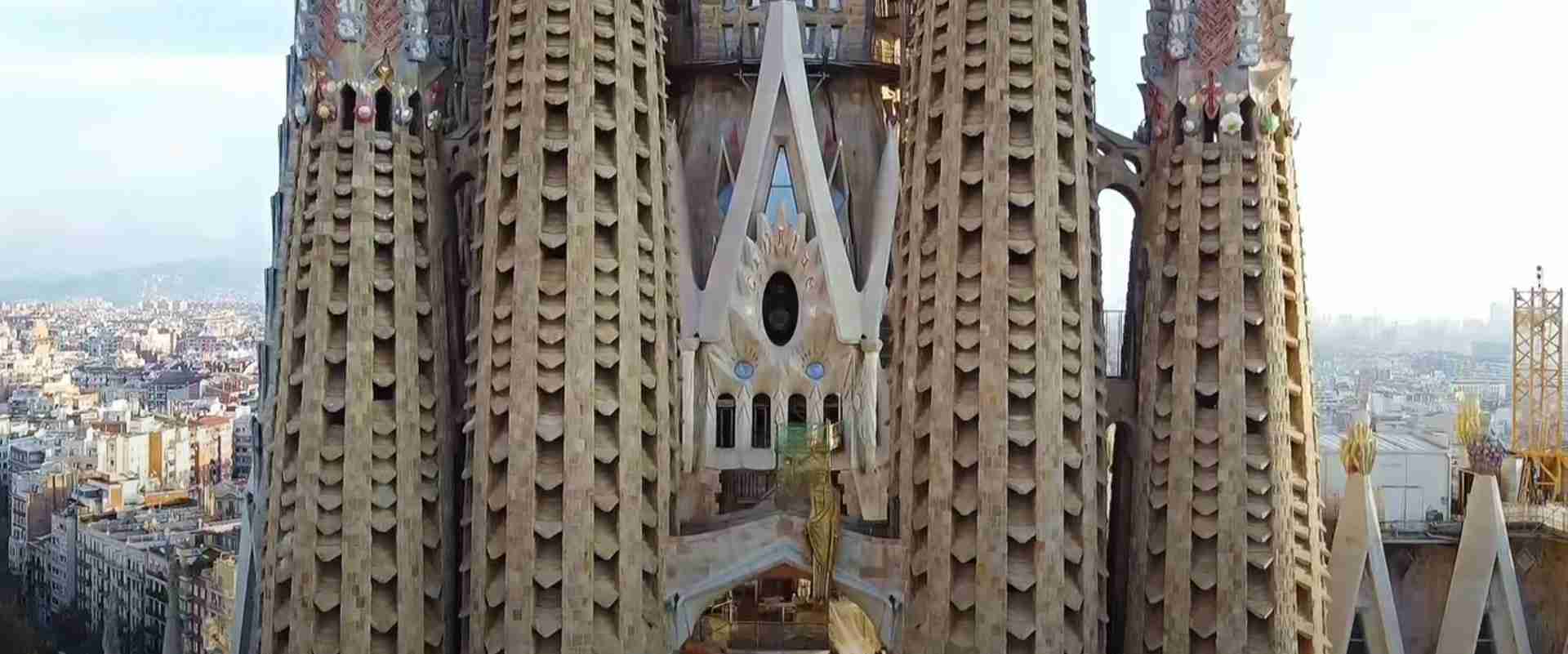
Best Time Visit Sagrada Familia 2026: Seasonal Planning Guide
Timing transforms Sagrada Familia experiences dramatically. The basilica’s revolutionary stained glass windows create completely different atmospheres depending on season, time of day, and weather conditions. Natural light streaming through Gaudí’s carefully designed color schemes produces effects that vary significantly throughout the year and across each day.
Key Takeaways
- Optimal months: April-May and September-October offer ideal weather (15-22°C), manageable crowds, and comfortable exploration conditions
- Best daily timing: Early morning (9 AM) or late afternoon (5-6 PM) provide spectacular lighting effects and 50% fewer visitors than midday
- Peak season reality: June-August brings maximum crowds and 30°C heat but offers extended hours until 8 PM with stunning evening light
- Winter advantages: November-March delivers lowest hotel rates (30% savings), minimal crowds, and immediate ticket availability
- Light magic timing: Morning visits showcase blue-green eastern windows, afternoon visits illuminate orange-red western windows
- Strategic booking: Reserve 2-4 weeks ahead for shoulder seasons, 4-6 weeks for summer, 1-2 weeks for winter visits
Introduction
For US travelers planning 2026 Barcelona trips, understanding seasonal patterns and daily timing strategies ensures optimal Sagrada Familia visits. Crowd levels fluctuate by 300-400% between peak and off-peak periods. Weather ranges from mild Mediterranean winters to hot summers. Ticket availability and pricing vary substantially across seasons.
This comprehensive seasonal guide provides data-driven insights for choosing the best time to visit Sagrada Familia in 2026, covering weather patterns, crowd analysis, pricing strategies, and specific timing recommendations for maximizing this UNESCO World Heritage experience.
People Also Ask About Sagrada Familia Timing 2026
What is the absolute best month to visit Sagrada Familia?
May ranks as the absolute best month for Sagrada Familia visits, combining optimal weather (18-24°C), Spring light quality, manageable crowds, and Barcelona’s festival atmosphere. September runs a close second with similar conditions plus harvest season ambiance. Both months offer comfortable exploration without peak summer intensity or winter limitations.
What time of day should I visit Sagrada Familia?
Visit at 9 AM opening for the quietest experience and spectacular morning light through eastern windows creating blue-green effects. Alternatively, arrive at 5 PM for warm afternoon light illuminating western windows in orange-red tones. Both times offer 40-50% fewer visitors than midday slots while providing the best photography and contemplation conditions.
Should I avoid summer at Sagrada Familia?
Summer visits work well despite crowds and heat if you book early morning slots (9-10 AM) or late evening times (6-8 PM). The basilica’s air-conditioned interior provides relief from 30°C+ outdoor temperatures. Extended summer hours until 8 PM create opportunities for sunset visits. Book 4-6 weeks ahead for summer dates.
Is Sagrada Familia less crowded in winter?
Winter months (November-March) bring 60-70% fewer visitors than summer peaks. December and January see the lowest crowds, with immediate ticket availability and minimal waits. Barcelona’s mild winter temperatures (10-15°C) remain comfortable for sightseeing. Trade smaller crowds for shorter daylight hours and reduced natural light effects.
Extended multi-day tours – 5+ days
Featured Barcelona Multi-Day Tour Packages

5 days
Best of Catalonia, Self-drive
- ✓ Comprehensive Barcelona tour
- ✓ Expert local guides included
- ✓ All accommodation arranged
- ✓ Transportation provided
2 days
Montserrat, Girona and Costa Brava in 2 days from Barcelona
- ✓ Comprehensive Barcelona tour
- ✓ Expert local guides included
- ✓ All accommodation arranged
- ✓ Transportation provided

7 days
Lisbon, Madrid and Barcelona (11 destinations)
- ✓ Comprehensive Barcelona tour
- ✓ Expert local guides included
- ✓ All accommodation arranged
- ✓ Transportation provided
5 days
Trip to Barcelona in 5 Days
- ✓ Comprehensive Barcelona tour
- ✓ Expert local guides included
- ✓ All accommodation arranged
- ✓ Transportation provided
Multi-day tour packages powered by TourRadar. Prices and availability subject to change.
Seasonal Overview: Month-by-Month Analysis
Each season delivers distinct Sagrada Familia experiences shaped by weather, crowds, light quality, and Barcelona’s cultural calendar. Understanding seasonal patterns helps US travelers align visits with preferences and priorities.
Spring Season (March-May)
March marks the transition from winter to spring with temperatures ranging 12-18°C (54-64°F). Crowds remain moderate as European school holidays have not begun. Hotel rates stay 20-30% below peak season pricing. Light quality improves as days lengthen, enhancing stained glass window effects. Book 2-3 weeks ahead for March visits.
April delivers excellent conditions with comfortable 15-21°C (59-70°F) temperatures and blooming city gardens. Easter holidays bring temporary crowd increases during specific weeks. Weather stabilizes with minimal rain (average 5 days). Natural light through windows reaches optimal intensity. Barcelona’s spring energy creates vibrant city atmosphere. Reserve tickets 3-4 weeks ahead.
May represents peak spring conditions: perfect 18-24°C (64-75°F) temperatures, long daylight hours, and maximum flower displays. Crowds increase but remain manageable compared to summer. Hotels cost 15-25% less than July-August rates. Morning light quality excels for photography. Book 3-4 weeks ahead as May popularity grows annually.
Summer Season (June-August)
June launches summer season with 22-27°C (72-81°F) temperatures and minimal rainfall. Crowds surge as European schools close and cruise ships increase Mediterranean presence. Extended hours (open until 8 PM) distribute visitors across longer days. Early morning slots (9-10 AM) provide the best summer experiences before heat peaks. Book 4-5 weeks ahead.
July brings peak season intensity: maximum crowds, hottest temperatures (25-31°C/77-88°F), and highest hotel rates. The basilica’s interior offers welcome air-conditioned respite. Late afternoon visits (6-7 PM) catch spectacular light as sun lowers toward horizon. Evening slots reduce heat exposure while maintaining excellent lighting conditions. Reserve 5-6 weeks ahead for July.
August continues peak season patterns with sustained heat and crowds. Many Barcelona locals vacation elsewhere, creating interesting demographic shifts among visitors. Afternoon thunderstorms occur occasionally, providing dramatic sky conditions for exterior photography. Prices remain at yearly highs. Book 5-6 weeks ahead, especially for mid-August dates.
Fall Season (September-November)
September rivals May as the year’s best visiting month. Temperatures moderate to comfortable 21-26°C (70-79°F). Crowds thin as European schools resume. Light quality remains excellent with autumn sun angles creating warm tones through windows. Hotel rates drop 20-30% from August peaks. Cultural season launches with concerts and exhibitions. Book 3-4 weeks ahead.
October offers ideal conditions: pleasant 17-23°C (63-73°F) temperatures, manageable visitors, and gorgeous fall light. Rain increases slightly but rarely disrupts plans. Autumn colors in Barcelona’s parks complement Sagrada Familia visits. Prices continue moderating from summer highs. Photography benefits from crisp fall atmosphere. Reserve 2-3 weeks ahead.
November transitions toward winter with 12-18°C (54-64°F) temperatures and increased rainfall (average 6-7 days). Crowds drop significantly as tourism season winds down. Hotel bargains emerge with rates 30-40% below summer prices. Shorter days mean earlier sunsets affecting late afternoon light through windows. Book 2 weeks ahead for November.
Winter Season (December-February)
December brings lowest annual crowds despite holiday tourism in Barcelona generally. Sagrada Familia sees reduced visitors as most tourists focus on Christmas markets and Las Ramblas. Temperatures stay mild (10-16°C/50-61°F) by US standards. Winter light creates moody atmospheric effects through stained glass. Book 1-2 weeks ahead even during holidays.
January delivers rock-bottom prices and minimal crowds. Post-holiday lull creates excellent conditions for contemplative visits. Temperatures range 8-14°C (46-57°F) requiring layers. Shorter days limit natural light hours but create concentrated lighting effects during midday. Hotels offer deepest discounts (40-50% below summer). Book 1 week ahead.
February maintains winter advantages while showing early spring signs. Temperatures begin climbing toward 10-16°C (50-61°F). Days lengthen noticeably. Crowds remain low before spring season launches. Pre-Easter period offers last opportunities for immediate ticket availability and winter pricing. Reserve 1-2 weeks ahead for February visits.
Daily Timing Strategies
Time of day affects Sagrada Familia experiences as significantly as season. Light angles, crowd patterns, and energy levels all shift throughout operating hours.
Early Morning (9-10:30 AM)
Opening hour (9 AM) provides the quietest Sagrada Familia experiences of any day. First visitors enter an nearly empty basilica where contemplation and photography proceed without crowds. Morning sunlight streams through the Nativity facade’s eastern windows, creating brilliant blue and green light shows across white columns and vaulted ceilings.
Temperatures inside stay cool and fresh before crowds generate body heat. Tour groups have not yet arrived in force. Audio guide experiences flow uninterrupted by competing voices. Photography captures clean compositions without people filling frames.
Security lines move quickly with minimal wait times. Morning visitors complete basilica exploration, museum visits, and tower access before midday crowds arrive. This timing pairs perfectly with afternoon explorations of other Barcelona attractions.
Late Morning (10:30 AM-12 PM)
Visitor numbers increase steadily as tour groups and independent travelers arrive. Light through eastern windows remains strong but begins transitioning as sun rises higher. Crowds reach 60-70% of daily peak capacity. Wait times for tower access extend to 15-20 minutes.
Photography becomes more challenging with people throughout the basilica. Audio guide experiences work well if maintaining moderate volume. Museum area fills but remains navigable. This timing works for visitors prioritizing flexibility over optimal conditions.
Midday (12-3 PM)
Peak capacity hits during midday hours with maximum crowds from tour groups, cruise ship excursions, and independent visitors. Tower wait times extend to 20-30 minutes. Photography requires patience waiting for clear shots. Audio guides compete with ambient noise from hundreds of simultaneous visitors.
Light transitions overhead creating dramatic top-lighting effects but losing directional window lighting intensity. Temperature inside rises from body heat despite air conditioning. Museum area reaches capacity with congested circulation. Avoid midday slots unless schedule constraints require them.
Afternoon (3-5 PM)
Crowds begin thinning as morning visitors depart. Light starts activating western Passion facade windows with increasingly intense orange and red tones. Photography conditions improve as visitor density drops. Tower access wait times decrease to 10-15 minutes.
Interior temperature moderates as crowd size reduces. Audio guide experiences become more pleasant with less ambient noise. Museum visits flow smoothly. This timing offers good compromise between light quality and crowd levels.
Late Afternoon/Evening (5-8 PM)
Western light reaches peak intensity creating spectacular orange, red, and amber effects through Passion facade windows. This represents the day’s most dramatic lighting conditions for photography and visual experience. Crowds drop to 40-50% of midday levels as tour groups depart Barcelona.
Evening visitors enjoy renewed quiet similar to early morning. Temperatures cool inside and outside the basilica. Summer months (April-September) offer 7-8 PM slots when golden hour light creates magical conditions. Tower access requires minimal waits. This timing ranks equally with early morning for optimal experiences.
Weather Patterns and Considerations
Barcelona’s Mediterranean climate shapes Sagrada Familia visiting conditions throughout the year. Understanding weather patterns helps US travelers pack appropriately and set realistic expectations.
Temperature Ranges
Spring temperatures (March-May) climb from 12°C to 24°C (54°F to 75°F), requiring layered clothing for morning-evening temperature swings. Comfortable conditions support extended walking and outdoor exploration around the basilica.
Summer heat (June-August) peaks at 28-32°C (82-90°F) during afternoon hours. The basilica’s air-conditioned interior provides relief. Early morning and evening visits avoid peak heat while maintaining excellent lighting. Bring sun protection for exterior photography sessions.
Fall temperatures (September-November) moderate from 26°C down to 12°C (79°F to 54°F), creating ideal conditions for all-day Barcelona exploration. Light jackets suffice for morning and evening hours.
Winter mildness (December-February) keeps temperatures between 8-16°C (46-61°F), much warmer than most US winter destinations. Light coats and layers handle Barcelona’s gentle winter climate comfortably.
Precipitation Patterns
Barcelona receives minimal rainfall compared to northern Europe. Spring months average 4-5 rainy days per month, typically brief afternoon showers. Summer stays dry with occasional thunderstorms (2-3 days per month). Fall brings increased rain (6-7 days per month) particularly in October-November. Winter precipitation remains moderate (5-6 days per month).
Rain affects exterior photography but interior experiences continue uninterrupted. Sagrada Familia’s covered areas protect visitors. Bring compact umbrellas or light rain jackets during October-November and winter months.
Daylight Hours
Summer solstice (late June) provides maximum daylight with sunrise around 6:15 AM and sunset near 9:30 PM. Extended hours allow flexible scheduling and evening golden hour visits.
Winter solstice (late December) brings shortest days with sunrise around 8:15 AM and sunset near 5:30 PM. Concentrated midday visits capture optimal natural light through stained glass windows. Plan Sagrada Familia visits between 10 AM and 4 PM during winter months.
Spring and fall equinoxes offer balanced 12-hour days with sunrise around 7:30 AM and sunset near 7:30 PM, providing flexible scheduling options and extended afternoon lighting.
Crowd Analysis and Patterns
Understanding crowd dynamics helps US travelers avoid peak congestion and maximize enjoyment of Gaudí’s masterpiece.
Seasonal Crowd Levels
Summer months (June-August) bring maximum annual visitors with daily capacity hitting 100% regularly. Tour groups dominate morning and midday hours. Cruise ship passengers increase Mediterranean coast tourism during summer season. Chinese New Year periods (January-February) create temporary Asian tourist surges during otherwise quiet winter months.
Shoulder seasons (April-May, September-October) maintain steady visitor flows at 60-75% of summer peak levels. Crowds feel manageable while maintaining vibrant energy. European school holidays create brief increases during Easter week and fall breaks.
Winter months (November-March) see visitor numbers drop to 40-50% of summer levels. December holidays bring temporary increases around Christmas-New Year period, but January-February deliver the year’s quietest conditions.
Weekly Patterns
Weekends attract more visitors throughout the year, particularly Saturday. Sunday mornings start slower as tourists sleep in after Saturday night activities. Tuesday-Thursday represent the quietest weekdays with 15-20% fewer visitors than weekends.
Monday crowds depend on weekend tourists extending Barcelona stays. Friday visitor numbers increase as weekend travelers arrive early. For optimal experiences, target Tuesday-Thursday visits during any season.
Holiday Impacts
European school holidays (Easter week, Christmas-New Year, summer vacation) increase family visitors significantly. Spanish public holidays bring domestic tourists from across Spain. US holiday weekends (Memorial Day, Labor Day, Thanksgiving) show no particular impact on Barcelona tourism patterns.
Check European school holiday calendars when planning visits. German, French, and UK school breaks create noticeable visitor increases during those specific weeks.
Pricing and Value Timing
Strategic timing affects both Sagrada Familia tickets and Barcelona accommodation costs, creating opportunities for budget-conscious US travelers.
Sagrada Familia Ticket Pricing
Sagrada Familia maintains consistent year-round ticket pricing: basic admission €26, tower access €36, guided tours €50-75. No seasonal price variations occur for basilica entrance. Early booking provides no discount advantages beyond securing preferred time slots.
Barcelona Hotel Pricing Patterns
Summer season (July-August) commands highest hotel rates with properties near Sagrada Familia charging €150-220 per night for mid-range options. Prices peak during major Barcelona events like Mobile World Congress (February) and Primavera Sound Festival (June).
Shoulder seasons (April-May, September-October) offer 20-30% savings on summer rates. Quality hotels near Sagrada Familia cost €120-170 per night during these periods. Value improves substantially while weather and conditions remain excellent.
Winter months (November-March excluding holidays) deliver maximum savings with 40-50% discounts from summer peaks. Hotels near Sagrada Familia drop to €80-120 per night. January-February provide the deepest bargains for budget-focused travelers.
Flight Pricing Considerations
Flights from major US cities to Barcelona cost $600-900 round-trip during shoulder seasons, rising to $900-1400 during summer peaks. Winter flights (excluding Christmas-New Year) offer the lowest fares at $500-750 round-trip.
Book international flights 2-3 months ahead for optimal pricing. Tuesday-Wednesday departures typically cost 10-15% less than weekend flights. Consider Barcelona as a European gateway, combining Sagrada Familia visits with broader Mediterranean or European exploration.
Special Considerations by Travel Style
Different traveler types benefit from customized timing strategies matching their preferences and priorities.
Photography Enthusiasts
Plan visits during shoulder seasons (April-May, September-October) when light quality peaks and crowds allow composition flexibility. Schedule two separate visits: one at 9 AM for morning light through eastern windows, another at 5-6 PM for afternoon light through western windows.
Overcast days create diffused lighting that reduces harsh contrasts while maintaining stained glass color intensity. Light rain immediately after storms produces dramatic skies for exterior shots. Avoid summer midday heat haze that degrades exterior photography.
Families with Children
Target April-May or September-October when weather supports comfortable walking and outdoor activities beyond Sagrada Familia. Avoid peak summer heat that exhausts children quickly. Book 9 AM slots when children feel fresh and basilica crowds stay minimal.
Winter visits work well for older children interested in architecture and history. Lower crowds allow children to explore without feeling rushed. Skip winter visits with very young children as Barcelona’s winter drizzle complicates stroller navigation.
Solo Travelers and Couples
Consider January-February for intimate, contemplative experiences with minimal crowds. Winter timing suits travelers seeking quiet reflection in Gaudí’s spiritual masterpiece. Budget savings on accommodation allow splurging on guided tours or extended Barcelona stays.
Sunset timing (6-7 PM during summer, 4-5 PM during winter) creates romantic lighting conditions. Combine late afternoon Sagrada Familia visits with evening dining in nearby Eixample neighborhood restaurants.
Architecture Students and Professionals
Visit during shoulder seasons when comfortable weather supports extensive photography and sketching sessions. Book early morning slots followed by museum time studying Gaudí’s models and construction techniques. Tuesday-Thursday timing ensures quietest conditions for detailed examination and note-taking.
Consider multiple visits across several days to study different lighting conditions and construction details. Winter offers lowest costs for extended Barcelona stays focused on architectural study.
2026-Specific Planning Advantages
Planning Sagrada Familia visits in advance for 2026 creates multiple strategic advantages for US travelers.
Early Booking Benefits
Booking tickets 2-4 months ahead ensures first choice of dates and time slots. Early reservations lock in current pricing and prevent sold-out disappointments during peak season. Spring and fall shoulder season dates fill quickly as informed travelers target optimal conditions.
Plan Barcelona trips around Sagrada Familia availability rather than booking basilica visits around trip dates. This approach guarantees optimal timing rather than settling for remaining availability.
Seasonal Optimization
2026 planning allows aligning Sagrada Familia visits with personal preferences for weather, crowds, and activities. Photography enthusiasts can target optimal light conditions. Budget travelers can capitalize on winter savings. Crowd-averse visitors can secure quiet January-February dates.
Coordinate Sagrada Familia timing with other Barcelona priorities: beach time in summer, cultural events in spring-fall, or architectural deep-dives during quiet winter months.
Strategic Flexibility
Advanced planning permits building flexible itineraries around weather forecasts and personal energy levels. Book two potential visit dates if schedule allows, cancelling one as weather predictions clarify. This strategy works particularly well during shoulder seasons when weather variability increases.
Planning Your 2026 Visit
Synthesizing seasonal information into actionable timing decisions creates optimal Sagrada Familia experiences for US travelers.
Decision Framework
Start by identifying priorities: weather comfort, minimal crowds, budget optimization, or photography conditions. Match priorities to seasonal strengths. April-May and September-October serve most priorities well. Summer maximizes daylight hours despite crowds and heat. Winter optimizes budgets and provides solitude.
Consider Barcelona beyond Sagrada Familia. Summer supports beach activities. Spring showcases parks and gardens. Fall delivers cultural calendar highlights. Winter suits museum-focused and architectural study trips.
Booking Timeline
Book international flights 2-3 months ahead once dates firm up. Reserve hotels 1-2 months before travel during shoulder seasons, 2-3 months for summer visits. Purchase Sagrada Familia tickets 2-4 weeks ahead for spring-fall, 4-6 weeks for summer, 1-2 weeks for winter.
Flexible travelers can wait for flight deals and book hotels during shoulder season within 3-4 weeks of travel. Winter visits allow last-minute booking across all categories.
FAQ: Best Time Sagrada Familia 2026
What is the single best day of the year to visit Sagrada Familia?
A Tuesday in May at 9 AM represents the year’s optimal visit conditions, combining perfect weather, manageable crowds, excellent light quality, and comfortable temperatures. This timing delivers the complete Sagrada Familia experience without summer intensity or winter limitations. Book 3-4 weeks ahead to secure this premium slot.
How much do I save visiting Sagrada Familia in winter?
Sagrada Familia tickets maintain consistent €26-36 pricing year-round. Winter savings come from Barcelona hotels (40-50% less than summer) and flights (20-30% lower). Total trip costs drop by $400-800 per couple when choosing January-February over July-August dates. Trade savings for shorter daylight and reduced natural light effects.
Should I visit on a weekend or weekday?
Tuesday-Thursday visits encounter 15-20% fewer crowds than weekends throughout the year. Weekday timing particularly matters during summer peak season when weekend capacity reaches maximum daily limits. Flexible travelers should always choose weekdays for superior experiences regardless of season.
What happens if it rains during my visit?
Rain does not affect Sagrada Familia interior experiences significantly. The basilica remains fully accessible and dry. Exterior photography suffers from gray skies and wet conditions. Rain actually enhances stained glass window effects by creating diffused lighting. Skip tower access during heavy rain due to exposed elements on descent staircases.
How far ahead should I book for Christmas week?
Book Christmas week (December 20-28) visits 3-4 weeks ahead despite lower overall winter crowds. Holiday tourism in Barcelona creates temporary demand increases. New Year’s week (December 29-January 5) maintains elevated visitor numbers. January 6+ dates return to quiet winter patterns requiring only 1-2 weeks advance booking.
Does morning or afternoon light look better?
Both lighting conditions excel for different reasons. Morning light (9-11 AM) through eastern Nativity facade windows creates brilliant blue and green effects representing birth and life. Afternoon light (4-6 PM) through western Passion facade windows generates intense orange and red tones symbolizing sacrifice. Visit twice if possible to experience both lighting conditions.
What time do cruise ship visitors arrive?
Cruise ship tour groups typically arrive 10 AM-2 PM during Mediterranean cruise season (May-October). These groups create midday crowd surges. Book 9 AM slots or 4 PM+ times to avoid cruise passenger peaks. Winter months (November-April) see minimal cruise tourism with negligible impact on Sagrada Familia crowds.
Can I see spring flowers and Sagrada Familia together?
April-May timing delivers peak Barcelona flower displays in city parks and gardens. Visit Park Güell in the morning (another Gaudí UNESCO site with spring gardens), then visit Sagrada Familia in late afternoon. This combination showcases Barcelona’s natural beauty alongside architectural masterpieces during the year’s most pleasant weather conditions.
Is early morning or late afternoon less crowded?
Early morning (9 AM) typically sees 10-15% fewer visitors than late afternoon (5-6 PM), though both times deliver substantially reduced crowds compared to midday. Morning timing provides freshest energy for exploration. Late afternoon offers the most dramatic window lighting. Choose based on personal energy patterns and photography priorities.
What if I can only visit during summer?
Summer visits work excellently with proper timing strategy. Book 9 AM slots to beat heat and catch morning light. Alternatively, reserve 6-7 PM evening entries when temperatures cool and golden hour light creates magical conditions. Book 5-6 weeks ahead for summer dates. Embrace the basilica’s air-conditioned comfort as relief from Barcelona’s summer heat.