Best Time Visit Rome 2026: Seasonal Planning Guide
This comprehensive guide analyzes each season’s advantages and challenges, providing month-by-month breakdowns with weather data, crowd levels, pricing patterns, and specific event calendars. Whether seeking absolute best value, optimal weather, minimal crowds, or specific cultural experiences, strategic timing transforms good Roman holidays into exceptional ones through simple calendar selection.
Key Takeaways
- Optimal Months 2026: April-May and September-October offer the perfect balance of pleasant weather (18-25°C), manageable crowds, and moderate pricing for Rome exploration
- Peak Season Reality: June-August brings 32-38°C heat, maximum crowds at attractions, and 30-40% premium pricing on accommodation compared to shoulder seasons
- Winter Value: November-March delivers 30-40% lower accommodation costs, minimal crowds, and mild temperatures (8-15°C), ideal for budget-conscious museum-focused visits
- Crowd Patterns 2026: Easter week (April 1-7) and August create intense visitor concentrations, while January-February offer near-empty ancient sites and museums
- Weather Predictability: Rome enjoys 280+ sunny days annually, making any month viable for sightseeing, though July-August afternoon heat requires strategic morning planning
- Booking Windows 2026: Reserve spring/fall accommodation 60-90 days ahead, summer requires 90-120 days for optimal selection and pricing, winter allows 30-45 day booking flexibility
Introduction: Strategic Timing for Rome in 2026
Rome’s eternal character means the city rewards visitors year-round, yet strategic timing dramatically enhances experience quality while optimizing costs. The convergence of Mediterranean climate, UNESCO heritage site concentration, and international tourist patterns creates distinct seasonal rhythms that savvy travelers exploit for superior visits.
Understanding Rome’s seasonal dynamics enables informed decisions balancing weather preferences, crowd tolerance, budget constraints, and specific interests. A museum enthusiast planning winter visits encounters empty galleries and reduced rates, while outdoor architecture lovers prioritizing warm weather accept summer crowds for optimal photographic light and extended evening exploration hours.
The 2026 calendar presents specific considerations for Rome planning. Easter falls early (April 5th), creating spring shoulder season opportunities in late April and May. The Summer Olympics in Paris may divert some European summer travelers, potentially reducing July-August crowds slightly compared to typical years. Understanding these annual variations alongside Rome’s consistent seasonal patterns enables precise timing optimization.
People Also Ask About Best Time Rome 2026
What is the best month to visit Rome in 2026?
May 2026 stands as Rome’s optimal month, combining excellent weather (average 22°C with minimal rain), manageable crowds following Easter departures, spring flowers throughout villa gardens, and moderate pricing before summer premiums commence. The month offers 14+ hours of daylight, enabling comprehensive sightseeing schedules, while temperatures remain comfortable for extensive walking without summer heat exhaustion risks.
September rivals May for optimal conditions, with warm temperatures (average 24°C), reduced crowds as families return to school schedules, and lingering summer daylight hours. The month marks harvest season, creating excellent dining experiences with fresh seasonal ingredients, while cultural programming intensifies as theaters and concert halls reopen after summer pauses.
October provides cooler alternatives (average 19°C) with further crowd reductions and beautiful autumn light for photography. The month combines pleasant daytime temperatures with crisp evenings, creating comfortable conditions for both outdoor exploration and cozy restaurant dining. Hotel rates remain moderate while weather stays reliably dry through mid-month.
April offers spring alternatives despite Easter complications, with temperatures climbing to comfortable 17-18°C averages, ancient sites surrounded by wildflowers and blooming wisteria, and extended daylight compared to winter months. Book well ahead for Easter week (April 1-7) or plan visits for late April to avoid peak Easter crowds while capturing spring’s advantages.
What is the worst time to visit Rome?
August represents Rome’s most challenging month for tourists, combining brutal heat (often exceeding 35°C/95°F), maximum international crowds, locals departing for vacation (closing many authentic restaurants), and inflated pricing across accommodation and services. The heat makes midday outdoor exploration uncomfortable, while popular sites like Colosseum and Vatican Museums become intensely crowded despite uncomfortable temperatures.
The week before and during Easter (March 29-April 5, 2026) creates extreme crowds at religious sites, with St. Peter’s Square and Basilica becoming nearly inaccessible during papal ceremonies. Hotel rates surge 40-50% above normal spring pricing, restaurants require advance reservations even for lunch, and major attractions experience 2-3 hour wait times despite reserved entry systems.
Late December (December 20-January 2) combines elevated pricing with many restaurant and shop closures for Italian holidays. While Christmas atmosphere provides compensation, travelers seeking extensive dining options or comprehensive shopping access find limited selections during this period. New Year’s Eve requires significant advance planning, with quality restaurants booked months ahead and premium pricing universal.
January-February suit specific traveler profiles (budget-focused, museum enthusiasts, crowd-averse visitors) but present challenges for those seeking vibrant street life or outdoor activities. Short daylight hours (9-10 hours), occasional rain, and reduced restaurant outdoor seating limit some Rome experiences, though excellent museum conditions and dramatically lower costs compensate for weather-focused travelers.
How crowded is Rome in different seasons of 2026?
Summer 2026 (June-August) brings maximum crowds with 60,000-80,000 daily visitors to central Rome, creating 60-90 minute waits at Colosseum despite reserved entry, packed Vatican Museums requiring strategic early-morning visits, and crowded restaurant dining rooms throughout tourist zones. The Paris Olympics (July 26-August 11) may provide modest relief by diverting some European tourists, but expect traditional summer crowd levels throughout the season.
Spring shoulder season (April-May) sees moderate crowds of 40,000-50,000 daily visitors, with Easter week (April 1-7) spiking to summer levels. Late May offers the sweet spot of pleasant weather with post-Easter crowd reductions, making it optimal for travelers balancing experience quality and crowd management. Museums maintain comfortable viewing conditions, restaurants accommodate walk-in diners, and ancient sites allow contemplative exploration.
Fall shoulder season (September-October) starts with lingering summer crowds in early September (45,000-55,000 daily) that thin considerably by mid-September as families return to school schedules. October reduces to 35,000-40,000 daily visitors, creating excellent conditions at attractions while maintaining warm weather and extended hours. This period provides near-ideal balancing of all visit factors.
Winter (November-March) drops to 20,000-30,000 daily visitors, with January-February seeing as few as 15,000 daily in central tourist zones. Museums become nearly private experiences, ancient sites allow contemplative solitude, and restaurants welcome walk-in diners without waits. The dramatic crowd reduction transforms Rome’s character, revealing the intimate city beneath summer’s tourist intensity.
What are the weather patterns for Rome throughout 2026?
Rome’s Mediterranean climate delivers 280+ sunny days annually, with predictable seasonal patterns enabling confident planning. Summer (June-August) averages 28-32°C with July-August regularly exceeding 35°C during afternoon hours. Rainfall remains minimal (20-30mm monthly), though occasional thunderstorms provide dramatic relief from heat. The season requires sun protection, strategic morning sightseeing, and afternoon indoor museum visits during peak heat.
Spring (March-May) progresses from cool 14°C March averages through pleasant 17-18°C April to warm 22°C May temperatures. Rainfall decreases throughout spring, with April averaging 60mm and May dropping to 40mm—comparable to summer levels. The season provides optimal outdoor conditions, with comfortable temperatures for extensive walking and photography-friendly light throughout longer days.
Fall (September-November) reverses spring’s progression, starting with warm 24°C September averages that cool to 19°C October and 14°C November. Rainfall increases through autumn, with November reaching 100mm monthly average. September-October remain excellent for outdoor activities, while November requires rain preparation and warmer clothing for evening exploration.
Winter (December-February) maintains surprisingly mild temperatures averaging 8-12°C, rarely dropping below freezing. January averages 8°C with occasional 15°C sunny days providing pleasant outdoor conditions. Rainfall peaks in December (80-90mm) but remains modest by northern European standards. Winter requires layers and rain preparation but delivers perfectly acceptable sightseeing conditions for cold-tolerant travelers, with many days reaching comfortable 12-15°C afternoon temperatures.
Extended multi-day tours – 5+ days
Featured Rome Multi-Day Tour Packages
5 days
The Ultimate Rome Food & Cultural Small-Group Tour Package – 5 Days
- ✓ Comprehensive Rome tour
- ✓ Expert local guides included
- ✓ All accommodation arranged
- ✓ Transportation provided
3 days
3-Day Pompeii, Capri & Sorrento Mini Tour
- ✓ Comprehensive Rome tour
- ✓ Expert local guides included
- ✓ All accommodation arranged
- ✓ Transportation provided
3 days
Advent in Rome: Markets, Churches & Tiramisu
- ✓ Booking needs min. 2 travelers
5 days
Ciao Italia: 5 Days, 2 Cities, Infinite Wonders
- ✓ Comprehensive Rome tour
- ✓ Expert local guides included
- ✓ All accommodation arranged
- ✓ Transportation provided
Multi-day tour packages powered by TourRadar. Prices and availability subject to change.
Month-by-Month Analysis for 2026
January 2026: Winter Value Season
January delivers Rome’s lowest prices with hotel rates 35-40% below summer peaks, minimal crowds creating nearly private museum experiences, and mild winter temperatures averaging 8°C with frequent sunny 12-15°C days. The month suits budget travelers, museum enthusiasts, and visitors prioritizing authentic local atmosphere over warm weather or vibrant street scenes.
Weather remains acceptable for sightseeing, with average high temperatures at 12°C and lows at 4°C. Rain falls on 7-8 days monthly, averaging 70mm total precipitation. The Tiber River sometimes runs high, creating photogenic scenes, while occasional morning frost adds atmospheric beauty to ancient ruins. Dress in layers with waterproof jacket for comfortable exploration throughout unpredictable winter days.
Crowds drop to absolute minimum levels, with major museums feeling nearly empty and ancient sites offering contemplative solitude impossible during summer months. Walk directly into Borghese Gallery without weeks-advance reservations, explore Colosseum in peaceful quiet, and photograph Trevi Fountain without hundreds of fellow tourists in frame. The crowd reduction alone justifies January visits for travelers prioritizing intimate heritage experiences.
Restaurant selections narrow as some establishments close for staff vacations, particularly neighborhood trattorias catering to local clientele. Tourist-area restaurants remain open, while this seasonal closure pattern encourages exploration of operating establishments, often revealing hidden gems. Make evening reservations as Romans fill indoor dining rooms during cool winter months, creating authentic local dining atmosphere.
Cultural programming intensifies with opera season at full strength, classical music concerts throughout baroque churches, and art exhibitions opening after holiday closures. The month’s cultural richness compensates for reduced street life and outdoor dining, positioning January as optimal for arts-focused travelers comfortable with cooler weather and shorter daylight hours (9.5 hours mid-month).
February 2026: Transitional Winter Month
February maintains January’s pricing advantages (30-35% below summer) while temperatures begin climbing toward spring levels, averaging 9°C with increasing frequency of mild 14-16°C days. The month represents the transition point where winter value meets improving weather, appealing to travelers seeking optimal cost-weather balance without summer heat or crowds.
Weather improves noticeably compared to January, with sunshine becoming more consistent and rainfall reducing slightly to 65mm monthly average spread across 6-7 rainy days. Daily high temperatures average 13°C, with lows at 5°C. Late February often delivers preview of spring conditions, with temperatures climbing to 15-17°C and extended afternoon outdoor comfort. Pack layers allowing adjustment to variable conditions.
Crowds remain minimal throughout February, slightly increasing toward month’s end as early spring travelers arrive. Museums maintain empty quiet, restaurants accommodate walk-in diners easily, and ancient sites provide excellent photographic opportunities without tourist interference. The month offers the final opportunity for true off-season Rome experiences before spring shoulder season commences.
Carnival celebrations occur in late February (February 14-17, 2026), bringing colorful parades, costume events, and special dining offerings to various neighborhoods. While less elaborate than Venice’s Carnival, Rome’s celebrations add festive atmosphere to winter visits, particularly in Piazza Navona and Trastevere districts. The events attract modest local crowds without international tourist surges affecting Easter or summer periods.
Restaurant availability expands as establishments reopen after January closures, increasing dining options and making reservations easier than December-January period. Markets resume full operations, providing fresh seasonal ingredients including artichokes (carciofi), Rome’s winter specialty appearing on menus throughout the city. February marks optimal time for traditional Roman carciofi alla giudia (Jewish-style fried artichokes) at peak seasonal quality.
March 2026: Early Spring Awakening
March brings spring’s arrival with temperatures climbing to 14°C average, increasing daylight hours (11.5 hours mid-month), and blooming flowers throughout villa gardens and ancient sites. Pricing remains moderate at 20-25% below summer peaks for early March, though rates begin climbing toward month’s end as Easter approaches (April 5, 2026). The month suits travelers seeking spring conditions without Easter crowds and pricing.
Weather becomes genuinely pleasant by mid-March, with daily highs averaging 15-16°C and frequent 18-20°C days enabling comfortable outdoor exploration. Rainfall decreases to 55mm monthly spread across 7-8 days, with sunshine increasing noticeably. Wisteria begins blooming on building facades, wildflowers appear among ancient ruins, and villa gardens display early spring colors creating photogenic conditions throughout the city.
Crowds remain manageable through mid-March before intensifying as Easter week approaches. Early March (March 1-20) offers excellent conditions balancing pleasant weather with moderate visitor numbers around 35,000-40,000 daily. Late March sees crowds building toward Easter peak, with accommodation rates climbing and popular restaurants requiring advance reservations. Book early March or late April to avoid Easter complications while capturing spring advantages.
Daylight hours extend significantly compared to winter, with sunset moving from 5:45 PM early March to 7:00 PM by month’s end. The extended daylight enables longer sightseeing days and evening exploration of neighborhoods and outdoor dining areas. Cafes and restaurants expand outdoor seating throughout March, restoring al fresco dining atmosphere absent during winter months.
Cultural programming transitions from winter indoor focus toward outdoor events and festivals. Rome Marathon occurs on March 30, 2026, bringing 20,000+ runners and spectators to streets surrounding ancient monuments. While creating crowd complications in specific areas, the marathon provides spectacular opportunities for witnessing mass sports event threading through UNESCO heritage sites in unique setting.
April 2026: Spring Peak and Easter Complications
April 2026 presents dual character—exceptional spring weather combined with Easter week (April 1-7) crowd and pricing challenges. Early April experiences maximum tourist intensity, with accommodation rates surging 40-50% above baseline and attractions overwhelmed by Easter pilgrims and spring travelers. Late April (April 15-30) delivers ideal conditions as Easter crowds depart while weather, daylight, and spring blooms remain optimal.
Weather reaches optimal levels with average temperatures at 17°C, frequent 20-22°C sunny days, and dramatically reduced rainfall to 60mm monthly average. Wisteria reaches peak bloom covering building facades in purple cascades, roses bloom throughout villa gardens, and ancient sites become surrounded by wildflowers and greenery. The month provides photography’s ideal conditions with soft spring light, lush vegetation, and 13 hours of daylight by month’s end.
Easter week (April 1-7) brings extraordinary crowds of 70,000-80,000 daily visitors to central Rome, with St. Peter’s Square and Basilica becoming nearly inaccessible during papal ceremonies. Colosseum, Vatican Museums, and major attractions experience 2-3 hour waits despite reserved entry systems. Restaurants require advance reservations even for lunch, while hotels charge premium rates. Avoid this week unless specifically seeking Easter religious experiences or undeterred by extreme crowds.
Late April (April 15-30) represents Rome’s secret optimal window, combining all spring weather advantages with post-Easter crowd reductions and moderating prices. Daily visitors drop to 40,000-45,000 range, museums return to manageable conditions, and restaurants accommodate spontaneous dining again. Weather remains excellent, spring blooms continue, and daylight hours extend past 7:30 PM enabling long exploration days. This period rivals September-October for best overall visit conditions.
Natale di Roma (Rome’s Birthday, April 21) celebrates the city’s legendary founding with historical reenactments, parades, and special museum openings. The celebration adds festive atmosphere without Easter’s overwhelming crowds, providing cultural programming enhancement to already excellent late April conditions. Many museums offer special exhibitions or extended hours throughout the birthday weekend.
May 2026: Optimal Spring Conditions
May 2026 stands as Rome’s premier month, delivering perfect 22°C average temperatures, minimal 40mm monthly rainfall, maximum 14+ daylight hours, post-Easter manageable crowds, and moderate pricing before summer premiums. The month satisfies virtually all visitor priorities simultaneously—excellent weather, reasonable costs, comfortable crowd levels, and full cultural programming—making it the gold standard for Rome visits.
Weather reaches ideal levels with daily highs at 23-25°C and lows at 13-15°C, creating perfect conditions for extensive walking, outdoor dining, and all-day exploration. Rainfall drops to summer-comparable 40mm monthly levels, with long stretches of consecutive sunny days common. The temperature enables comfortable morning ancient site visits, midday museum explorations without heat exhaustion, and pleasant evening neighborhood strolls extending past 8 PM sunset.
Crowds stabilize at sustainable 45,000-50,000 daily visitor levels, maintaining vibrant atmosphere without overwhelming sites or services. Museums offer good viewing conditions, restaurants accommodate both advance reservations and spontaneous walk-ins, and ancient sites remain accessible for contemplative experiences despite healthy visitor numbers. The crowd level strikes optimal balance between ghost-town emptiness and sardine-can congestion.
Spring blooms peak throughout May, with roses in Villa Borghese gardens reaching maximum display, jasmine perfuming Trastevere streets, and Mediterranean flowers surrounding ancient monuments. The botanical abundance enhances photography, provides fragrant atmosphere, and creates postcard-perfect scenes throughout the historic center. Garden enthusiasts find this month particularly rewarding for villa visits with comprehensive plantings at peak condition.
Accommodation rates remain moderate at 10-15% below summer peaks, making May attractive for budget-conscious travelers seeking quality conditions without premium pricing. Book 60-75 days ahead for optimal selection and rates, as May’s reputation as premier month creates healthy demand without summer’s extremes. The moderate pricing combined with optimal conditions delivers Rome’s best overall value proposition across the calendar year.
June 2026: Early Summer Transition
June bridges spring and summer with rising temperatures averaging 26°C, increasing crowds as school vacations commence, and climbing accommodation rates reaching 20-25% above shoulder season pricing. The month delivers warm weather and long daylight hours (15 hours mid-month) while avoiding July-August heat extremes, appealing to travelers seeking summer conditions with slight crowd relief compared to peak months.
Weather becomes genuinely warm with daily highs at 28-30°C and frequent days exceeding 30°C, particularly in late June. Humidity increases compared to spring, though remains moderate by tropical standards. Rainfall drops to minimal 30mm monthly with occasional thunderstorms providing dramatic displays and brief cooling relief. The heat requires sun protection, increased water consumption, and strategic afternoon indoor scheduling during hottest hours.
Crowds intensify throughout June as European school years end, building from moderate 50,000 early month to summer levels of 60,000-70,000 daily by late June. Museums become busy but manageable with early-morning visits, ancient sites grow crowded by midday, and popular restaurants require advance reservations for dinner service. The increasing crowds preview July-August intensity while maintaining slightly better conditions for strategic visitors.
Daylight extends past 8:45 PM, enabling extended evening exploration and outdoor dining in comfortable temperatures after afternoon heat dissipates. Romans embrace outdoor living with al fresco dining, evening passeggiate (strolls), and outdoor cultural events proliferating throughout the city. The long daylight hours compensate for midday heat by allowing morning and evening outdoor activities with afternoon museum visits during peak temperatures.
Cultural programming transitions toward summer schedule with outdoor concerts, cinema screenings, and theater performances in piazzas and gardens throughout the city. The Estate Romana (Roman Summer) festival begins, programming hundreds of events through September including music, dance, theater, and cinema. The expanding cultural calendar adds value for arts-focused travelers willing to accept increasing heat and crowds for enhanced programming.
July 2026: Peak Summer Intensity
July 2026 brings maximum heat (averaging 29°C with frequent 35°C+ days), intense crowds of 70,000-80,000 daily visitors, premium accommodation pricing 30-40% above shoulder seasons, and long 15-hour daylight enabling extensive but heat-challenged sightseeing schedules. The month demands strategic planning with early-morning major site visits, midday museum retreats, and evening outdoor activities after temperatures moderate.
Weather reaches annual temperature peak with daily highs at 31-33°C and occasional heat waves pushing temperatures above 38°C for multi-day periods. Afternoon heat makes extensive outdoor walking uncomfortable or dangerous for unprepared visitors. Minimal 20mm monthly rainfall provides reliability for outdoor planning but eliminates cooling rain relief. Strategic visitors structure days with 7-11 AM outdoor activities, noon-5 PM air-conditioned museum visits, and post-6 PM evening exploration as temperatures drop to tolerable 26-28°C.
Crowds reach absolute maximum with school vacations coinciding across Europe, North America, and other international markets. Vatican Museums become intensely packed despite morning reservations, Colosseum requires 8 AM arrivals for reasonable conditions, and popular restaurants book days or weeks ahead for dinner service. The Paris Olympics (July 26-August 11) may provide modest relief by diverting some European tourists, though expect minimal impact on Roman crowd levels overall.
Accommodation rates peak at summer maximum, with €120 shoulder season hotels charging €180-200 for July dates. Book 90-120 days ahead for optimal availability and any rate advantages, as last-minute July bookings face both premium pricing and limited selection. Budget options (hostels, peripheral hotels) offer best relative value during this expensive month, though all categories experience maximum seasonal pricing.
Cultural programming emphasizes outdoor events with Estate Romana festival in full operation, offering nightly concerts, films, and performances throughout parks, piazzas, and ancient sites. Caracalla Opera performances provide spectacular opportunities for opera under stars amid ancient Roman baths. The rich cultural calendar partially compensates for challenging heat and crowds, particularly for visitors structuring days around evening cultural events after temperature moderation.
August 2026: Maximum Heat and Tourist Exodus
August presents Rome’s most polarizing conditions—brutal 30°C average temperatures often exceeding 35°C, maximum international tourist crowds, local Roman exodus closing many authentic restaurants and shops, and peak accommodation pricing. The month rewards heat-tolerant visitors with rich cultural programming and vibrant international atmosphere while punishing those unprepared for Mediterranean summer intensity.
Weather reaches most challenging levels with sustained heat averaging 30-31°C daily, frequent 36-38°C days during mid-month, and occasional extreme heat episodes exceeding 40°C. The heat makes midday outdoor activities dangerous for unprepared visitors, requiring extensive sun protection, constant hydration, and strategic scheduling concentrating outdoor activities before 11 AM and after 7 PM. Minimal 25mm monthly rainfall provides planning reliability without cooling relief.
Ferragosto (August 15) marks peak Italian vacation period when Romans traditionally abandon the city, creating paradoxical dynamics—maximum international tourist crowds combined with local closures of neighborhood restaurants, artisan shops, and local services. Tourist-area establishments remain fully operational while authentic neighborhood spots close for 1-2 weeks surrounding the holiday. The exodus creates quieter residential neighborhoods despite overall high visitor numbers in tourist zones.
International crowds maintain July levels throughout early and mid-August before gradually declining in late August as European schools reopen. Vatican Museums and Colosseum continue experiencing intense crowding requiring early arrivals and strategic timing. Late August (post-August 20) offers improving conditions as crowds thin while weather remains warm, creating the month’s optimal window for visitors requiring summer timing.
Accommodation pricing remains at seasonal peak matching July rates through mid-August, with modest relief appearing late month. Book far in advance (90-120+ days) for any selection in desired locations and price ranges. Consider the question of whether August timing serves specific needs (school vacation constraints, summer weather preference) or whether shoulder season alternatives provide superior overall experiences at dramatically better value.
September 2026: Fall Shoulder Excellence
September 2026 rivals May as Rome’s optimal month, delivering warm 24°C temperatures, decreasing crowds as schools resume, moderating accommodation rates declining 15-20% from summer peaks, harvest season dining excellence, and extended summer daylight hours through mid-month. The month combines summer weather advantages with emerging shoulder season crowd relief and value, making it universally appealing across traveler profiles.
Weather remains summer-quality through mid-September with daily highs at 26-28°C before moderating to pleasant 22-24°C late month. Rainfall stays minimal at 65mm monthly, with occasional late-summer thunderstorms providing dramatic afternoon displays. The temperatures enable comfortable all-day outdoor exploration without July-August’s extreme heat challenges, while maintaining warm conditions for evening outdoor dining and neighborhood strolls past 7:30 PM sunset.
Crowds decrease dramatically as European families return to school schedules, with early September maintaining moderate 50,000-55,000 daily visitors that drop to comfortable 40,000-45,000 by mid-September. Museums return to excellent viewing conditions, ancient sites allow contemplative exploration, and restaurants accommodate both advance bookings and spontaneous walk-in diners. The crowd reduction transforms Rome’s character while maintaining vibrant atmosphere and full service availability.
Harvest season brings exceptional dining experiences with fresh seasonal ingredients—porcini mushrooms, chestnuts, game meats, new wine—appearing on restaurant menus throughout the city. Roman cuisine showcases autumn flavors while maintaining summer vegetables’ availability, creating menu diversity unavailable in other seasons. Wine enthusiasts find September optimal for exploring Roman trattorias’ seasonal wine offerings celebrating recent harvests.
Cultural programming intensifies as theaters, concert halls, and opera houses reopen after summer pause, expanding evening entertainment options beyond outdoor summer festival format. Classical music season begins, art galleries mount autumn exhibitions, and fashion week events (late September) bring creative energy to the city. The expanding cultural calendar enhances visit richness without requiring compromise on weather or crowd conditions.
October 2026: Optimal Autumn Balance
October 2026 delivers outstanding conditions with pleasant 19°C average temperatures, beautiful autumn light ideal for photography, dramatically reduced 35,000-40,000 daily visitor counts, moderate accommodation pricing 20-25% below summer, and comprehensive cultural programming across all venues. The month appeals particularly to travelers prioritizing crowd-free heritage experiences, photographic opportunities, and authentic local atmosphere over maximum warmth.
Weather cools to comfortable levels with daily highs at 21-23°C early month, dropping to 17-19°C late October. The temperatures remain ideal for extensive walking and outdoor exploration without heat stress, though evenings require light jackets as temperatures fall to 10-12°C after sunset. Rainfall increases to 95mm monthly average but remains manageable, with sunny stretches between rainy periods maintaining good sightseeing conditions throughout the month.
Crowds thin substantially throughout October as international tourism season winds down, creating near-ideal conditions at museums, ancient sites, and restaurants. Walk into Borghese Gallery with just days-ahead reservations rather than weeks-ahead planning, photograph Trevi Fountain in morning hours with modest crowds, and secure dinner reservations at quality restaurants with 24-48 hours notice. The reduced intensity allows deeper engagement with sites and relaxed exploration impossible during peak seasons.
Autumn light creates exceptional photographic conditions with lower sun angles producing warm golden-hour light lasting longer than summer’s overhead illumination. The softer light enhances architectural photography, creates dramatic shadows on ancient ruins, and produces rich colors in landscape and street photography. Professional and serious amateur photographers consider October optimal for Roman architectural and heritage photography.
Restaurant availability expands as establishments maintain full operations through comfortable autumn weather, with outdoor seating remaining pleasant through mid-October. The seasonal transition brings continued harvest ingredients on menus while maintaining Rome’s eternal trattoria staples (carbonara, cacio e pepe, amatriciana). Wine bars increase appeal as temperatures cool, creating cozy evening atmosphere for wine-focused experiences.
November 2026: Winter Transition Value
November marks Rome’s transition into winter season with cooling 14°C temperatures, increasing 100mm monthly rainfall, dramatically reduced 25,000-30,000 daily visitor counts, and accommodation pricing dropping 30-35% below summer peaks. The month suits budget travelers, museum enthusiasts, and visitors prioritizing authentic local atmosphere and empty heritage sites over warm weather and outdoor dining comfort.
Weather becomes variable with daily highs at 16-17°C early month, falling to 12-14°C late November. Rainfall increases noticeably with 9-10 rainy days monthly, requiring waterproof jackets and flexible planning accommodating weather variations. Sunny days remain frequent between rain systems, providing pleasant sightseeing conditions when timed well. Sunset moves to 5 PM by month’s end, reducing afternoon exploration time and shifting emphasis toward morning and early afternoon activities.
Crowds drop to comfortable levels creating intimate museum experiences and contemplative ancient site visits impossible during peak seasons. Major attractions maintain normal operations without summer waits or crowds, restaurants welcome walk-in diners throughout the week, and hotels offer substantial discounts for flexible travelers. The dramatically reduced visitor numbers reveal Rome’s authentic character beneath summer tourist intensity.
Cultural programming shifts toward indoor venues with opera season at peak strength, classical music concerts throughout baroque churches, and art exhibitions mounting for winter season. The rich indoor cultural calendar compensates for reduced outdoor activity appeal, positioning November as optimal for arts-focused travelers comfortable with cooler weather and occasional rain. Evening performances and exhibitions provide excellent post-dinner activities after early sunset limits outdoor exploration.
Accommodation availability and pricing create exceptional value with €180 summer hotels discounting to €120-130 for November dates. Book 30-45 days ahead for excellent selection and optimal rates, as November’s reduced demand allows shorter booking windows than peak seasons. The dramatic cost savings enable luxury upgrades—book four-star properties at three-star prices or extend stays beyond originally planned durations through November savings.
December 2026: Festive Winter Month
December 2026 combines moderate winter weather averaging 11°C, festive Christmas atmosphere with decorations and markets throughout the city, elevated pricing during holiday weeks (20-25% above November), and reduced crowds except Christmas week concentration. The month divides into two distinct periods—excellent value early December (1-19) versus holiday premium Christmas week (20-31) requiring advance planning and premium pricing acceptance.
Weather remains mild by northern European standards with daily highs at 13-14°C and lows at 5-6°C, rarely approaching freezing temperatures. Rainfall averages 85mm across 8-9 days, creating atmospheric rainy-day Rome experiences between clear periods. The winter weather creates cozy indoor dining atmosphere and makes museum days particularly appealing, while occasional sunny 15-16°C days provide pleasant outdoor exploration opportunities.
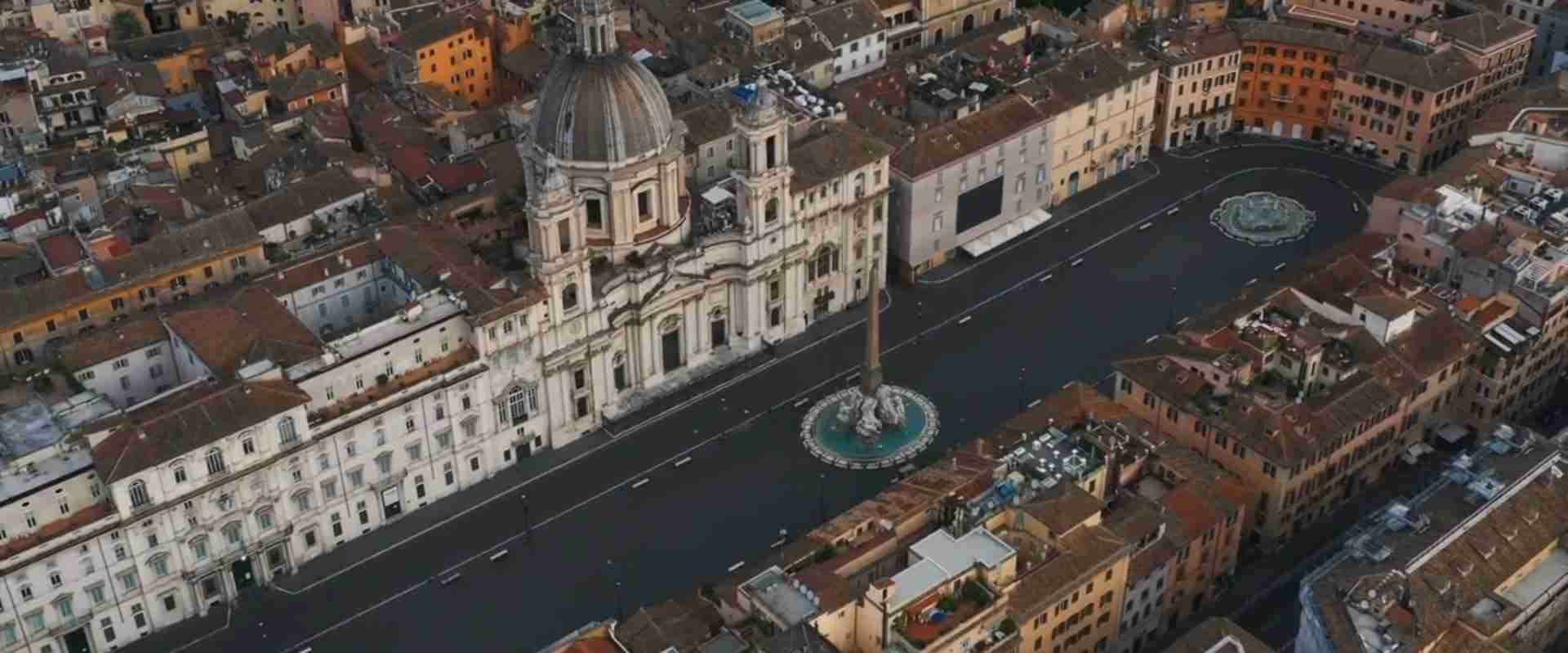
Christmas markets appear throughout Rome in early December, with Piazza Navona hosting the city’s largest Christmas market featuring crafts, decorations, sweets, and holiday atmosphere. Smaller markets operate in various neighborhoods, adding festive character to winter visits. Churches mount elaborate nativity scenes (presepi) throughout December, with some churches creating spectacular artistic interpretations worthy of dedicated viewing.
Restaurant availability varies dramatically between early and late December. Normal operations continue through December 19, with Christmas week (December 20-26) seeing significant closures as establishments accommodate staff holidays. Tourist-area restaurants remain open Christmas Eve and Christmas Day, though selections narrow and reservations become essential. Book Christmas dinner reservations in October or November for preferred establishments and times.
New Year’s Eve (December 31) requires substantial advance planning with restaurants booking months ahead and premium pricing universal. The traditional celebration centers on Colosseum and Circo Massimo areas with public gatherings and fireworks, creating vibrant if crowded atmosphere. Hotels command premium rates for December 30-January 1, with minimum stay requirements common. Plan New Year’s visits carefully or consider alternate timing avoiding premium pricing and planning complications.
Seasonal Event Calendar 2026
Major Religious and Cultural Events
Easter week (April 1-7, 2026) represents Rome’s premier religious event with Holy Week ceremonies at Vatican culminating in Easter Sunday papal mass in St. Peter’s Square. The week attracts 300,000+ pilgrims and tourists, creating extraordinary atmosphere and equally extraordinary crowds. Via Crucis (Way of the Cross) procession occurs Good Friday (April 3) from Colosseum to Palatine Hill, led by Pope and attended by tens of thousands. Experience these events only if specifically seeking religious pilgrimage or accepting crowd intensity as worthwhile tradeoff.
Saints Peter and Paul feast day (June 29) celebrates Rome’s patron saints with special masses at St. Peter’s Basilica and San Paolo fuori le Mura, fireworks near Castel Sant’Angelo, and festive atmosphere throughout the city. The local Roman holiday maintains manageable tourist crowds while providing authentic cultural celebration, ideal for travelers seeking traditional Roman festivities without Easter’s overwhelming scale.
Assumption of Mary (August 15, Ferragosto) marks peak Italian vacation period with Romans departing for beaches and mountains, creating ghost-town atmosphere in residential neighborhoods contrasting with continued tourist crowds in central zones. Traditional Ferragosto celebrations include Santa Maria Maggiore basilica ceremonies and evening fireworks, though many Romans celebrate at seaside rather than city locations.
All Saints’ Day and All Souls’ Day (November 1-2) bring Romans to cemeteries honoring deceased relatives, with Verano Cemetery receiving family visits throughout the weekend. The quiet observance creates reflective atmosphere appropriate to autumn season, with churches holding special services and flower vendors lining streets near cemeteries. The period maintains normal tourist operations while allowing observation of authentic Roman tradition.
Arts and Cultural Festivals for 2026
Rome Marathon (March 30, 2026) brings 20,000+ runners through historic center along course passing Colosseum, St. Peter’s, Trevi Fountain, and Spanish Steps. The event creates crowd complications along race route but provides spectacular opportunities for witnessing mass sports event threading through UNESCO sites. Spectators line streets throughout course, creating festive atmosphere and challenging traffic through late morning.
Natale di Roma (April 21) celebrates Rome’s legendary founding with historical reenactments, gladiator performances at Circo Massimo, parades in ancient Roman costume, and special museum openings. The birthday celebration adds festive programming to excellent late April conditions, providing cultural enhancement without Easter’s overwhelming crowds. Many state museums offer free admission during birthday weekend.
Estate Romana festival (June-September) programs 600+ summer events including concerts, theater, cinema, and dance performances throughout parks, piazzas, and archaeological sites citywide. The comprehensive festival transforms summer evenings with accessible cultural programming, partially compensating for daytime heat challenges. Notable venues include Caracalla Baths (opera performances), Villa Ada (world music), and Tiber Island (cinema screenings).
RomaEuropa Festival (September-November) presents contemporary performing arts with international artists in theater, dance, music, and multimedia installations. The prestigious festival occupies multiple venues including historic theaters and unconventional spaces, showcasing cutting-edge performances for arts-focused travelers. The autumn timing coincides with optimal weather and crowd conditions, making September-October festival period particularly attractive for culture-oriented visits.
Booking Strategies for 2026
Optimal Reservation Windows by Season
Spring travel (April-May 2026) requires 60-90 day advance booking for accommodation, with Easter week (April 1-7) necessitating 90-120 day booking to secure preferred properties at reasonable rates. Late April and May allow more flexible 45-60 day windows while maintaining good selection and pricing. Book major attraction tickets 30-60 days ahead, with Borghese Gallery and special Vatican tours requiring longest advance reservations.
Summer season (June-August) demands 90-120 day accommodation booking for optimal selection and any pricing advantages, with popular neighborhoods like Trastevere or near Pantheon booking earliest. Last-minute summer reservations face both premium pricing and limited availability in desirable properties. Purchase attraction tickets 30-45 days ahead to secure preferred time slots, particularly for morning Vatican Museums or Colosseum underground tours.
Fall shoulder season (September-October) allows comfortable 45-60 day booking windows with excellent selection and pricing, making it ideal for travelers preferring flexibility over extreme advance planning. Early September requires slightly longer windows (60 days) while October becomes increasingly flexible approaching winter season. Book restaurants at upscale establishments 1-2 weeks ahead for preferred times, significantly shorter windows than summer requirements.
Winter season (November-March) offers maximum booking flexibility with 30-45 day accommodation windows providing excellent selection and pricing. Last-minute deals become available as properties discount remaining inventory, though advance booking still secures better rates than walk-up pricing. Museums and attractions accommodate walk-up visits or next-day reservations throughout winter except Christmas-New Year’s week requiring typical advance planning.
Package Deals and Money-Saving Timing
Shoulder season package deals (April-May, September-October) combine flights and accommodation at bundled pricing 15-25% below booking components separately. Major travel providers offer Rome packages during these periods, competing for travelers in optimal weather windows. Compare package pricing against independent booking to identify genuine savings versus marketing illusions, as optimal value varies by origin city and specific dates.
Last-minute winter deals (November-March) create opportunities for flexible travelers willing to book 1-2 weeks ahead, with hotels discounting unsold inventory 20-30% below advance booking rates. Monitor hotel booking platforms and flexible-date flight searches for opportunistic winter trips capturing dramatic savings. This strategy rewards spontaneity and weather-risk tolerance with exceptional value for budget-conscious travelers.
Midweek travel (Tuesday-Thursday departures) reduces flight costs 15-25% compared to weekend travel across all seasons, with Tuesday departures offering absolute best pricing. Structure trips around midweek flights for substantial savings, particularly from North American origins where weekend versus midweek spreads exceed European equivalent variations. The savings often cover entire accommodation cost for budget travelers or enable luxury upgrades for mid-range budgets.
Extended stays (14+ nights) unlock weekly accommodation discounts and reduce per-day flight cost amortization, making long visits surprisingly economical. Many vacation rentals offer 10-20% weekly discounts, while hotels occasionally provide 7+ night rate reductions. The extended duration enables slower-paced exploration, day trip flexibility, and deeper neighborhood immersion impossible during rushed shorter visits, enhancing experience quality alongside cost optimization.
Weather Preparation and Packing Strategies
Summer Season Essentials (June-August)
Sun protection becomes critical with 50+ SPF sunscreen, wide-brimmed hat, UV-protective sunglasses, and lightweight long-sleeve cover-ups for shoulders and arms during extended outdoor exposure. Rome’s intense summer sun combined with reflection off light-colored ancient stone amplifies UV exposure, making comprehensive protection essential for comfortable multi-day exploration without painful sunburn limiting activities.
Hydration strategies require refillable water bottles (1 liter minimum capacity) combined with awareness of Rome’s 2,500+ free nasoni fountains throughout historic center. Drink 3-4 liters daily during summer heat, refilling bottles continuously at fountains rather than purchasing expensive bottled water at tourist sites. Dehydration presents the primary avoidable summer health risk, with prevention requiring conscious effort during hot weather exploration.
Clothing selection emphasizes lightweight, breathable natural fabrics in light colors reflecting heat rather than absorbing it. Loose-fitting garments allow air circulation critical for comfort during humid summer days. Remember that many churches require covered shoulders and knees for entry—carry lightweight shawl or scarf enabling quick coverage compliance without thermal burden. Comfortable walking shoes with breathable materials become essential for extensive daily walking on hot cobblestones.
Heat management requires strategic daily structuring with outdoor ancient site visits concentrated 7-11 AM before peak heat, midday museum retreats in air-conditioned galleries 12-5 PM, and evening outdoor neighborhood exploration after temperatures moderate post-6 PM. Carry small cooling towel for neck and face refreshment, identify air-conditioned cafes along routes for cooling breaks, and recognize heat exhaustion symptoms (dizziness, nausea, excessive fatigue) requiring immediate shade, hydration, and rest.
Winter Season Preparation (November-March)
Layering systems enable adaptation to variable winter temperatures ranging from 8-16°C, with morning chill requiring warm layers that become excessive by sunny afternoon. Pack base layer merino wool or synthetic thermals, mid-layer fleece or sweater, and outer waterproof jacket with wind resistance. The layering approach allows removing mid-layer during warmer periods while maintaining rain protection and morning warmth.
Rain gear becomes essential with waterproof jacket featuring hood (more practical than umbrellas on windy days), waterproof footwear or water-resistant treatment for leather shoes, and small packable umbrella for gentle rain periods. Rome’s winter rain typically arrives in short bursts rather than all-day downpours, making weather-resistant approach superior to heavy rain gear that proves unnecessarily burdensome during dry periods between systems.
Footwear requires waterproof walking shoes or boots with good traction for wet cobblestones that become slippery during rain. Rome’s historic center cobblestone streets combined with marble church and museum floors create genuinely hazardous conditions during wet weather. Prioritize function over fashion, as injury from slipping on wet stone ruins trips far worse than any aesthetic compromise from practical footwear.
Indoor comfort items enhance winter experiences including warm scarf for unheated churches and galleries, gloves for morning exploration when temperatures drop to 4-6°C, and layers allowing comfortable museum viewing in variably heated spaces. Churches and historic buildings often maintain cooler interior temperatures than modern accommodations, making adaptable layering critical for comfort during extended cultural site visits.
Shoulder Season Versatility (April-May, September-October)
Variable weather during shoulder seasons requires packing for both warm days (20-25°C) and cool evenings (10-13°C), creating challenging luggage optimization. Bring mix of short and long-sleeve shirts, light sweater or jacket for evenings, and single warm layer for unexpectedly cool days. The shoulder season weather variability rewards versatile packing over specialized hot or cold weather focus.
Light rain gear proves valuable despite generally pleasant shoulder season weather, as occasional spring or autumn rain systems bring multi-day unsettled periods. Pack compact waterproof jacket and small collapsible umbrella occupying minimal luggage space while providing protection during unpredictable rain events. The occasional rain shouldn’t disrupt sightseeing plans given generally excellent shoulder season conditions.
Footwear versatility enables both warm-weather open shoes and closed walking shoes for cooler days or rain events, though comfortable walking shoes prove most important regardless of temperature. Rome’s extensive daily walking (typically 15,000-20,000 steps during active sightseeing) makes foot comfort paramount, with poor footwear creating cumulative damage across multi-day visits that ruins otherwise excellent trips.
Sunglasses and sun protection remain necessary during shoulder seasons despite moderate temperatures, as Rome’s sunshine intensity and reflection off light stone continues throughout spring and autumn. Bring 30-50 SPF sunscreen for spring/autumn visits, applying during midday outdoor activities despite comfortable temperatures that deceive visitors into underestimating UV exposure risks.
Frequently Asked Questions About Timing Rome 2026
Is Rome safe to visit in summer despite extreme heat?
Rome remains safe during summer heat for prepared visitors practicing proper precautions—staying hydrated, avoiding midday outdoor exposure during peak heat, recognizing heat exhaustion symptoms, and structuring days with morning outdoor activities and afternoon indoor museum visits. The heat poses discomfort rather than danger for healthy adults taking basic precautions, though elderly visitors, young children, and those with cardiovascular conditions should consult physicians before planning summer Rome visits during extreme heat periods.
Can I visit Rome in winter without missing essential experiences?
All major Rome attractions operate year-round with normal hours and full access during winter months. Museums maintain regular schedules, ancient sites remain open with identical access, and basilicas welcome visitors throughout winter. The reduced crowds actually enhance many experiences by enabling intimate viewing of masterpieces and contemplative ancient site exploration impossible during summer crowds. Winter sacrifices only warm weather and vibrant street life, not access to heritage sites or cultural programming.
How far ahead should I book for Easter week 2026?
Easter week (April 1-7, 2026) requires 90-120 day advance booking for accommodation near Vatican or central locations, with many properties selling out 4-6 months ahead for this peak demand period. Book by December 2025-January 2026 for reasonable selection and any pricing advantages, as last-minute Easter bookings face extremely limited availability at premium pricing. Restaurant reservations at quality establishments should occur 30-60 days ahead for Easter week dinner slots.
Does Paris Olympics affect Rome summer tourism in 2026?
The Paris Olympics (July 26-August 11, 2026) may modestly reduce Rome’s July-August European tourist numbers by diverting some French and broader European travelers to Paris. However, expect minimal overall impact as Rome’s global appeal ensures strong North American, Asian, and non-Olympic-focused European visitors maintain traditional summer crowd levels. Plan for normal summer Rome conditions rather than counting on Olympics-driven crowd reduction that may prove negligible or nonexistent.
What’s the best time for Rome photography in 2026?
October delivers optimal photographic conditions with soft autumn light creating warm tones and long shadows ideal for architectural photography, reduced crowds enabling unobstructed composition, comfortable temperatures allowing extended outdoor shooting sessions, and frequent clear skies between autumn rain systems. May presents spring alternative with excellent light, spring blooms adding color, and longer daylight hours enabling both sunrise and sunset golden hours in single day. Winter provides dramatic moody photography opportunities with occasional morning mist and strong contrast lighting.
Are there really good deals in January-February or is quality compromised?
January-February deliver genuine value without quality compromise—identical hotels, museums, restaurants, and ancient sites operate normally at dramatically reduced pricing. The only genuine limitations involve occasional restaurant closures (easily worked around by selecting from hundreds of open alternatives) and reduced outdoor dining appeal (compensated by cozy interior atmosphere). Winter’s dramatically lower costs reflect demand reduction rather than service degradation, creating authentic value opportunities for cold-tolerant travelers prioritizing heritage experiences over beach weather.
Can families with school-age children visit Rome outside summer?
School vacation constraints limit most families to June-August or holiday weeks, though spring break (typically late March-early April) and fall breaks (October) provide excellent family alternatives with better weather, reduced crowds, and moderate pricing compared to peak summer. Consider the educational value of uncrowded museum visits and comfortable walking weather versus summer’s heat challenges when deciding whether to pursue alternative timing within school calendar constraints.
How does Rome’s timing compare to Florence or Venice for 2026?
Rome’s milder winter climate makes November-March more comfortable than Florence or Venice equivalents, where cold fog and occasional snow create less pleasant conditions. Rome’s summer heat matches or exceeds Florence while proving slightly more intense than coastal-influenced Venice. Shoulder seasons (April-May, September-October) deliver comparable excellent conditions across all three cities, making these periods optimal for multi-city Ital itineraries balancing Rome’s ancient sites, Florence’s Renaissance treasures, and Venice’s unique canal setting.
Should I avoid August entirely or are there windows of opportunity?
Late August (post-August 20) offers improving conditions as crowds thin while weather remains warm, creating better conditions than July-early August period. Early August (pre-August 10) maintains full restaurant operations before Ferragosto closures. Mid-August (August 10-20) presents most challenging period combining maximum crowds, peak heat, and maximum local closures. Avoid mid-August if possible while considering late August as viable option for travelers requiring summer timing but accepting crowd-thinned neighborhood exploration.
What are realistic expectations for crowd levels during my chosen month?
Crowds vary dramatically across seasons: Winter (November-March) averages 20,000-30,000 daily visitors creating nearly empty major sites and intimate museum experiences. Shoulder seasons (April-May, September-October) see 40,000-50,000 daily with manageable crowds and good viewing conditions. Summer (June-August) brings 60,000-80,000 daily creating intense crowding at major attractions requiring strategic early arrivals and advance reservations. Easter week spikes to summer-plus levels regardless of seasonal calendar position. Calibrate expectations and planning strategies according to chosen timing’s crowd realities.