
Best Time Visit Niagara Falls 2026: Seasonal Planning Guide
Choosing the right time to visit Niagara Falls in 2026 significantly impacts your experience, affecting everything from water flow volume and weather conditions to crowd levels and accommodation costs. The falls present distinctly different faces across seasons: thundering torrents during spring runoff, brilliant summer sunshine creating rainbow effects, vibrant autumn colors framing the gorge, and frozen winter landscapes transforming the cataract into an otherworldly ice palace. Understanding these seasonal variations enables strategic planning that maximizes enjoyment while minimizing common frustrations like excessive crowds, unfavorable weather, or limited access to attractions.
Key Takeaways
- Late spring (mid-May through June) and early fall (September through mid-October) offer optimal combinations of pleasant weather, manageable crowds, and full attractions operation
- Summer (July-August) features peak water flow and longest operating hours but brings maximum crowds with 15+ million visitors and highest accommodation rates reaching $400-600 per night
- Winter (December-February) provides dramatic frozen landscapes and 50-80% lower hotel rates at $120-200 per night, though some attractions operate on reduced schedules
- Spring runoff (April-May) creates maximum water volume over the falls with flows reaching 225,000 cubic feet per second, delivering the most powerful viewing experience
- Weekday visits in shoulder seasons reduce wait times by 50-70% compared to summer weekends, with attraction access times dropping from 90 minutes to 20-30 minutes
- Festival periods including Winter Festival of Lights (November-January) and Falls Fireworks Series (summer weekends) add special experiences but increase accommodation demand requiring 2-3 months advance booking
Introduction: Timing Your Niagara Falls Experience
The seasonal dynamics at Niagara Falls involve multiple interconnected factors. Water flow varies dramatically throughout the year, with spring runoff typically delivering 200,000+ cubic feet per second compared to winter flows reduced to treaty-minimum 50,000 cubic feet per second at night. Weather patterns shift from cold winters averaging 25-30°F (-4 to -1°C) through mild springs and warm summers reaching 75-82°F (24-28°C) to pleasant autumns cooling back toward winter conditions. Tourism volumes fluctuate correspondingly, with summer months attracting over 15 million visitors while winter sees 3-5 million, creating vastly different crowd conditions and pricing structures. Attractions adjust operations seasonally, with some closing entirely during winter while others maintain year-round service on modified schedules.
This comprehensive seasonal planning guide examines each season’s characteristics in detail, analyzing weather conditions, water flow patterns, crowd levels, accommodation pricing, attractions availability, and special events. It provides specific recommendations for different visitor priorities—whether seeking maximum water flow, minimal crowds, budget-friendly rates, or particular experiences like fall foliage or winter illuminations. The guide addresses practical considerations including what to pack, how to dress for conditions, and strategies for optimizing your visit during each season. By the end, you’ll possess the information necessary to select the ideal time for your 2026 Niagara Falls adventure based on your personal preferences, constraints, and priorities.
People Also Ask About Best Time Visit Niagara Falls 2026
What is the best month to visit Niagara Falls in 2026?
September ranks as the single best month for visiting Niagara Falls in 2026, offering optimal combinations across multiple factors. Weather remains warm and pleasant with daytime temperatures averaging 68-72°F (20-22°C) and minimal rainfall averaging 3.2 inches. Crowd levels drop significantly after Labor Day (September 2, 2026), reducing wait times by 50-60% compared to peak summer. Water flow maintains healthy volumes at 100,000 cubic feet per second during daylight hours under the Niagara Treaty. Accommodation rates decrease 25-35% from August peaks, with mid-range hotels averaging $200-280 per night. All attractions operate full schedules before transitioning to fall hours in late September, and early autumn colors begin appearing in the gorge vegetation, adding visual interest without the peak foliage crowds of October.
June ranks as a strong alternative, particularly early June before schools close for summer. The month features comfortable temperatures averaging 65-75°F (18-24°C), robust water flow from late spring runoff, blooming gardens and fresh vegetation, and manageable crowds with all attractions fully operational. Late May also offers excellent conditions with spring flowers at peak bloom and generally lower crowd levels than summer months. The key advantage of these spring/early summer periods lies in experiencing the falls’ natural beauty without battling peak season crowds while enjoying reliable weather and full services availability.
When is Niagara Falls most crowded?
Peak crowding occurs during July and August, with the absolute busiest periods falling on summer weekends, particularly holiday weekends including Independence Day (July 4), Canada Day (July 1), and weekends surrounding Labor Day (late August/early September). During these peak periods, major attractions like Journey Behind the Falls, Maid of the Mist, and Cave of the Winds experience wait times reaching 90-120 minutes even with timed entry systems. The Table Rock Welcome Centre and other prime viewing areas become congested by mid-morning, with optimal viewing spots claimed early and held throughout the day. Parking fills to capacity by 9-10 AM at popular locations, forcing visitors to peripheral lots with shuttle service adding 30-45 minutes to arrival times.
Holiday weekends intensify crowding beyond typical summer levels. Thanksgiving weekend in both countries (U.S. in late November, Canadian in October), spring break weeks (March-April depending on school districts), and the Winter Festival of Lights period (particularly weekends in December) create surges combining tourists with local visitors. These periods require advance planning including pre-purchasing attraction tickets, arriving early (before 9 AM), and accepting that prime viewing locations will be shared with hundreds of other visitors. Weekday visits during these peak periods offer modest relief but remain substantially busier than shoulder season conditions.
Does Niagara Falls freeze in winter?
Niagara Falls does not freeze solid despite persistent myths, as the massive water volume and flow velocity prevent complete freezing even during the coldest winters. The falls maintain continuous flow throughout winter, though ice formations create dramatic transformations to the landscape. Ice buildup occurs progressively as temperatures remain below freezing for extended periods, with mist from the falls freezing on contact with any surface—trees, rocks, railings, the gorge walls—creating massive ice accumulations reaching 30-50 feet in thickness along the river’s edge. These ice formations partially obscure the falls’ base and create an “ice bridge” across the lower river (now off-limits to visitors for safety reasons after several historical tragedies).
The falls’ appearance changes dramatically during deep winter cold snaps. Reduced nighttime flow (50,000 cubic feet per second per treaty) combined with temperatures dropping to 0-10°F (-18 to -12°C) causes substantial ice formation, with ice sheets building outward from the edges toward the center of the flowing water. During extreme cold events like the polar vortex periods, surface ice and frazil ice (ice crystals suspended in turbulent water) can create the appearance of frozen falls from certain angles, though water continues flowing beneath the ice. Historical records document only one complete freeze: March 29, 1848, when an ice jam in the upper river temporarily stopped flow for approximately 30 hours, but modern water management and treaty flows make such events impossible under current conditions.
What is the water flow like in different seasons?
Water flow at Niagara Falls varies significantly across seasons due to natural hydrological patterns combined with controlled hydroelectric diversions. Spring (April-May) delivers peak flows reaching 225,000 cubic feet per second during daylight hours as snowmelt and spring rains swell the Great Lakes and increase river discharge. This maximum flow creates the most powerful and visually impressive viewing experience, with massive volumes of water thundering over the falls edge and generating maximum mist that creates vibrant rainbows during sunny conditions. Summer (June-August) maintains robust flows at 100,000 cubic feet per second during tourist season hours (8 AM to 10 PM) per the 1950 Niagara Treaty, delivering excellent viewing while allowing hydroelectric diversion of approximately 50% of total flow.
Fall (September-November) flow patterns transition as the treaty shifts to reduced daytime minimums after October 31, dropping required flow to 50,000 cubic feet per second during non-peak hours while maintaining 100,000 cubic feet per second during remaining tourist season daylight hours through mid-September. Winter (December-March) operates entirely under reduced flow requirements, with only 50,000 cubic feet per second flowing over the falls—approximately 22% of peak spring levels—as maximum diversions support increased electricity demand for heating. Despite this reduction, winter flows remain substantial and visually impressive, equivalent to about 5,000 tons of water per minute cascading over the precipice. The reduced flow creates unique viewing opportunities as ice formations become more prominent and the falls’ rock face becomes more visible through the decreased water curtain.
How much does timing affect accommodation costs?
Timing dramatically impacts accommodation costs at Niagara Falls, with seasonal rate variations reaching 200-300% between peak and off-peak periods. Summer peak season (July-August) commands highest rates, with falls-view hotels averaging $350-600 per night for mid-range properties and luxury accommodations reaching $500-900 per night at properties like the Sheraton on the Falls or Hilton Niagara Falls Fallsview. Standard rooms without falls views cost $250-400 per night during this peak period. Holiday weekends within summer season push rates even higher, with some properties implementing 2-3 night minimum stays and premium pricing reaching 30-50% above standard summer rates.
Shoulder seasons (April-June and September-October) offer moderate pricing with mid-range falls-view properties averaging $220-350 per night, representing 30-40% savings compared to summer peaks. Standard rooms decrease to $160-260 per night, making shoulder seasons attractive for budget-conscious travelers seeking good weather without peak pricing. Winter (November-March, excluding holiday weeks) delivers deepest discounts, with falls-view rooms dropping to $150-250 per night and standard accommodations reaching $90-180 per night—savings of 50-70% compared to summer rates. The Winter Festival of Lights period (late November through early January) temporarily increases demand, with weekend rates rising 40-60% above midweek winter pricing but remaining well below summer levels.
Extended multi-day tours – 5+ days
Featured Niagara Falls Multi-Day Tour Packages
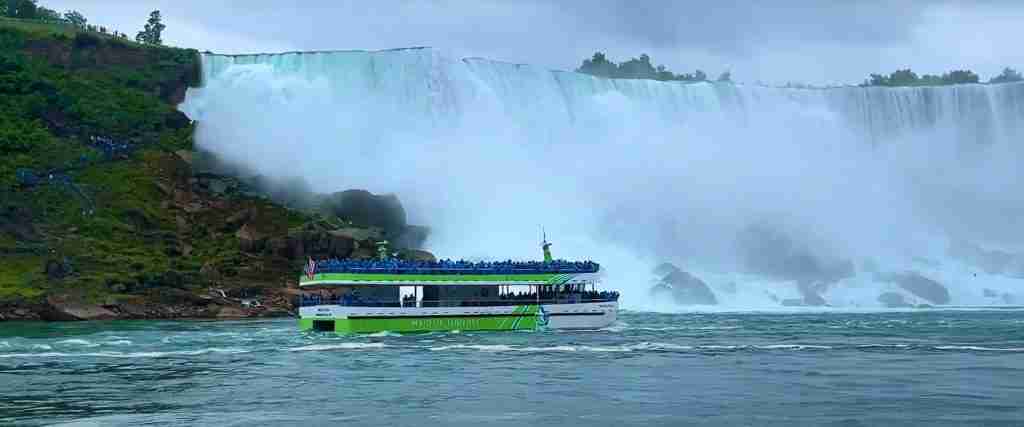
3 days
Niagara Falls 3-Day Discovery Tour
- ✓ Comprehensive Niagara Falls experience
- ✓ Expert local guides included
- ✓ All accommodation included
- ✓ Transportation provided
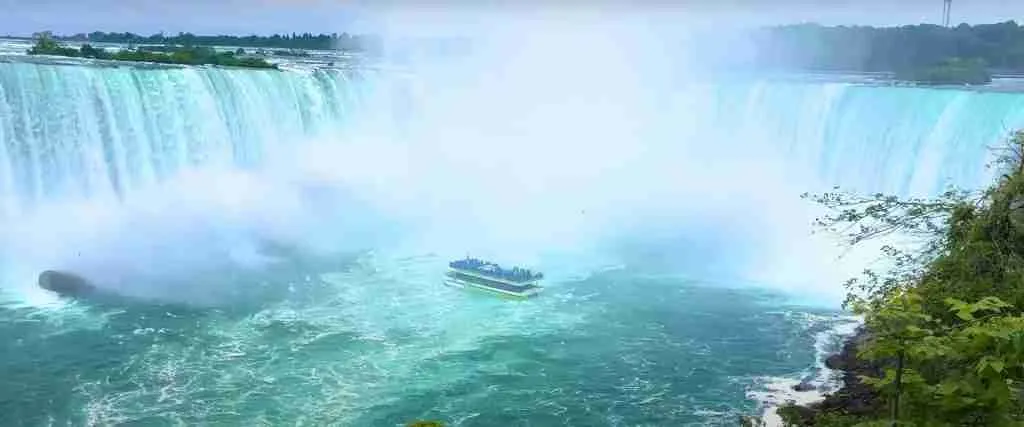
5 days
Niagara Falls 5-Day Highlights Experience
- ✓ Comprehensive Niagara Falls experience
- ✓ Expert local guides included
- ✓ All accommodation included
- ✓ Transportation provided
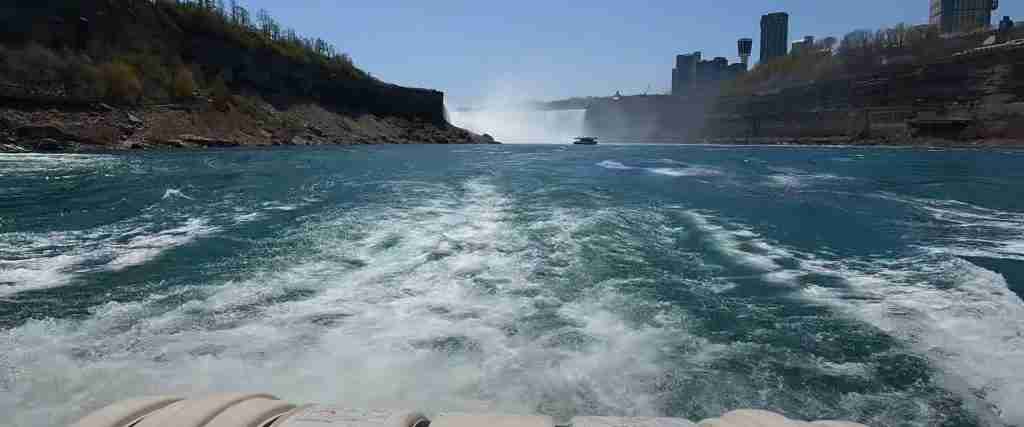
7 days
Niagara Falls 7-Day Cultural Journey
- ✓ Comprehensive Niagara Falls experience
- ✓ Expert local guides included
- ✓ All accommodation included
- ✓ Transportation provided
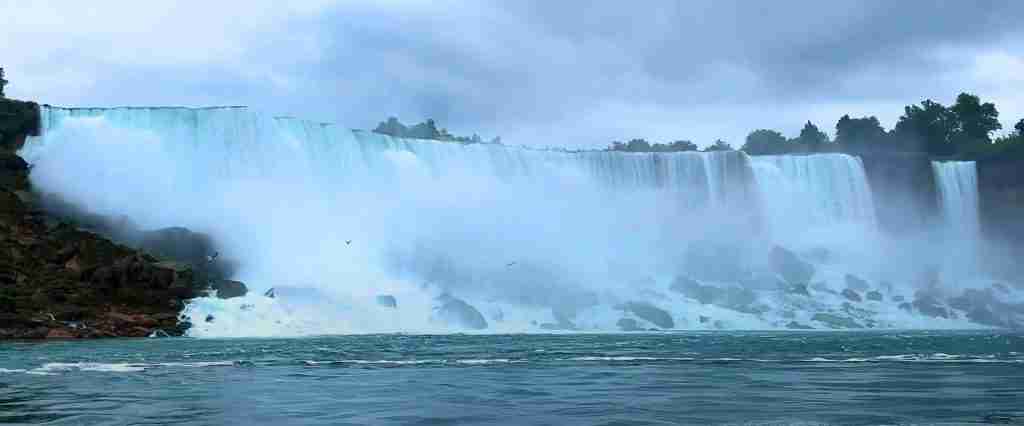
10 days
Niagara Falls 10-Day Complete Adventure
- ✓ Comprehensive Niagara Falls experience
- ✓ Expert local guides included
- ✓ All accommodation included
- ✓ Transportation provided
Multi-day tour packages powered by TourRadar. Prices and availability subject to change.
Spring Season: Maximum Flow and Awakening Nature
Spring Weather Conditions and What to Expect
Spring at Niagara Falls (April through early June) brings transitional weather characterized by increasing temperatures, variable conditions, and dramatic day-to-day changes. April starts cool with average temperatures 42-57°F (6-14°C), gradually warming to May’s 52-68°F (11-20°C) and June’s comfortable 62-77°F (17-25°C). Morning temperatures in early April occasionally dip near freezing, requiring layers and warm clothing, while June afternoons feel summery and pleasant. Precipitation remains substantial throughout spring, with April averaging 3.1 inches, May 3.4 inches, and June 3.5 inches distributed across 12-14 rainy days per month. Spring storms can be intense, with occasional thunderstorms bringing heavy downpours and strong winds, though these typically pass quickly.
The transitional nature of spring weather demands flexible packing strategies. Early spring (April) requires winter-weight outerwear including waterproof jackets, sweaters or fleeces for layering, and closed-toe shoes with good traction for potentially wet conditions. Late spring (May-June) transitions toward lighter clothing with t-shirts and light pants suitable for afternoon warmth, though mornings and evenings still require jackets or sweaters. Waterproof layers remain essential throughout spring due to frequent rainfall combined with mist from the falls that can soak clothing at close viewing locations. The Cave of the Winds attraction on the American side and Journey Behind the Falls on the Canadian side provide ponchos, but additional rain protection improves comfort at outdoor viewpoints.
Spring Water Flow and Viewing Experience
Spring delivers the year’s most powerful water flow at Niagara Falls, with April-May runoff from snowmelt throughout the Great Lakes watershed swelling the Niagara River to maximum volumes. Peak spring flows reach 225,000 cubic feet per second during daylight hours—more than double winter minimum flows and representing approximately 8,000 tons of water per minute crashing over the precipice. This massive volume creates thunderous roar audible from miles away, generates towering mist clouds rising 300+ feet above the gorge, and produces intense vibrations felt through viewing platforms. The visual spectacle of spring runoff provides the quintessential Niagara Falls experience, with the sheer power of nature fully displayed.
The increased flow affects multiple aspects of the visitor experience. Mist generation intensifies dramatically, creating near-constant moisture at close viewing locations like the Table Rock Welcome Centre edge on the Canadian side and Terrapin Point on the American side. This heavy mist produces brilliant rainbow displays during sunny conditions, with double and even triple rainbows occurring when sun angle and mist density align favorably. Photography requires weather-sealed equipment or protective covering, as standard cameras and phones risk water damage from prolonged exposure to mist. The increased flow also enhances boat tour experiences, with Hornblower Niagara Cruises and Maid of the Mist vessels approaching closer to the falls’ base as higher water levels provide greater clearance over submerged rocks.
Spring Crowds and Tourism Patterns
Spring crowd levels vary significantly by month and coincide with school schedules. April remains relatively quiet as schools remain in session and cool weather deters some visitors, with weekday crowds light to moderate and weekend crowds moderate to busy. Spring break periods (late March through April depending on school districts) create temporary surges at both American and Canadian attractions, with families taking advantage of school holidays despite unpredictable weather. May experiences steadily increasing crowds as weather improves and Memorial Day weekend (May 26, 2026) kicks off the approaching summer season, with the holiday weekend attracting substantial crowds particularly on the American side.
June represents the transition to summer conditions, with crowds building throughout the month as schools close for summer break. Early June (first two weeks) offers a sweet spot with summer-like weather, full attraction operation, and manageable crowds before peak season arrives. Late June sees substantial increases in visitation, with weekend crowds reaching summer levels though weekdays remain more comfortable. Major attractions begin experiencing longer wait times in June, with Journey Behind the Falls and Cave of the Winds queues extending to 30-45 minutes on busy days compared to 10-20 minutes in April-May. Advance ticket purchases for specific time slots help manage wait times during increasingly busy periods.
Spring Events and Special Experiences
Spring brings several special events and seasonal experiences to Niagara Falls. The Niagara Parks Botanical Gardens, located 9 kilometers north of the falls, reaches peak bloom during May with 40 hectares of gardens showcasing tulips, daffodils, hyacinths, and flowering trees. The famous Floral Clock, featuring over 16,000 plants arranged in precise patterns, transitions to its summer display in May, offering colorful photo opportunities. Queen Victoria Park along the Canadian parkway displays 500,000 spring bulbs in coordinated designs, creating spectacular foregrounds for falls photography during late April and May.
The Niagara Falls Fireworks Series begins its summer season on May 16, 2026, with shows every Friday, Saturday, and Sunday at 10 PM through May and June, increasing to nightly displays starting in July. Spring fireworks offer advantages over summer shows including cooler viewing conditions, smaller crowds at prime viewing locations, and the possibility of clear skies showcasing both fireworks and stars. The Canadian side provides best viewing from Table Rock Welcome Centre, Queen Victoria Park, and the SkyWheel observation wheel, while American side viewpoints along the Niagara Scenic Parkway offer excellent perspectives. The 8-10 minute pyrotechnic displays illuminate the falls in brilliant colors, creating memorable evening experiences and outstanding photography opportunities.
Spring Accommodation and Pricing Strategies
Spring accommodation rates at Niagara Falls vary by month and offer good value relative to summer peaks. April represents shoulder season pricing with falls-view mid-range hotels averaging $180-280 per night and standard rooms $130-200 per night. May pricing increases slightly as weather improves and Memorial Day weekend approaches, with falls-view properties averaging $200-300 per night and standard accommodations $150-220 per night. June transitions toward summer rates particularly during the latter half, with falls-view rooms reaching $250-380 per night and standard rooms $180-260 per night by month’s end.
Strategic booking maximizes spring accommodation value. Midweek stays (Sunday-Thursday) save 20-35% compared to weekends across all spring months. Booking 6-8 weeks ahead secures best availability and rates, particularly for desirable falls-view rooms at quality properties. Properties one block back from the falls command rates 30-50% lower than direct fallsview hotels while maintaining convenient walking access to all attractions. The American side (Niagara Falls, New York) offers additional savings with comparable hotels charging 20-40% less than Canadian equivalents due to currency advantages and slightly lower demand, though requiring border crossing for Canadian attractions. Package deals bundling accommodations with attraction tickets provide modest savings of 10-15% and simplify planning, available through hotel websites and booking platforms like Expedia or Hotels.com.
Summer Season: Peak Experience with Maximum Crowds
Summer Weather and Optimal Conditions
Summer (July-August) delivers ideal weather for experiencing Niagara Falls, with warm temperatures, long daylight hours, and the lowest rainfall probability of any season. July averages 70-80°F (21-27°C) with occasional peaks reaching 85-90°F (29-32°C), while August maintains similar patterns averaging 68-78°F (20-26°C). Humidity levels rise during summer, particularly during heat waves when readings reach 70-90% combined with high temperatures creating muggy conditions. Thunderstorms develop on approximately 8-10 days per month, typically in late afternoon or evening, bringing brief intense rainfall, lightning, and occasionally strong winds before clearing rapidly.
Summer conditions favor outdoor activities with comfortable temperatures for walking between attractions, pleasant conditions for boat tours (though prepare for mist!), and extended daylight supporting evening visits to illuminated attractions. Clothing requirements simplify during summer: lightweight breathable fabrics, shorts and t-shirts for daytime, perhaps a light sweater or jacket for air-conditioned attractions and cool evenings near the water. Waterproof protection remains necessary for boat tours and close viewing areas, with provided ponchos offering basic coverage though additional rain jackets protect better. Sun protection becomes critical—sunscreen, hats, and sunglasses—as reflected sunlight from water and mist intensifies UV exposure beyond typical levels. Comfortable walking shoes with good traction handle wet surfaces encountered at viewing platforms and attraction walkways.
Summer Water Flow and Visual Experience
Summer water flow maintains consistent volumes at 100,000 cubic feet per second during daylight tourist hours (8 AM to 10 PM) per the Niagara Treaty, delivering powerful viewing experiences without quite matching spring runoff peaks. The regulated flow ensures reliable daily conditions—unlike spring’s variable flows or winter’s reductions—creating predictable spectacular views. The consistent flow combined with strong summer sun angles produces optimal rainbow conditions, with rainbows visible most afternoons when viewing from Canadian side locations where sun position backlights the mist. Primary rainbows typically appear continuously during afternoon hours 2 PM-6 PM, with secondary rainbows forming during ideal conditions.
Extended daylight hours during summer maximize viewing time, with sunrise occurring 5:30-6:00 AM and sunset 8:30-9:00 PM in July-August. Early morning visits (before 9 AM) offer spectacular soft golden light, minimal crowds, and excellent photography conditions with warm tones illuminating the falls and surrounding landscape. Late evening golden hour (one hour before sunset) provides beautiful rich light creating dramatic long shadows and intense colors. The Falls Illumination, operating nightly year-round, begins at dusk (approximately 9-9:30 PM in summer), transforming the falls with colored LED lights creating stunning rainbow effects against the white water. The illumination runs until midnight or 1 AM depending on the season, offering extended evening viewing opportunities.
Managing Summer Crowds
Summer brings peak crowds to Niagara Falls with approximately 15 million visitors during July-August, creating substantial congestion at major attractions and viewpoints. Wait times for premier attractions reach maximum levels: Journey Behind the Falls experiences 60-90 minute queues during peak midday hours (11 AM-3 PM) on weekends, Maid of the Mist boats run at capacity with 45-75 minute waits, and Cave of the Winds sees similar congestion. Popular viewing locations like Table Rock Welcome Centre become packed shoulder-to-shoulder during midday, with optimal viewing spots claimed early and held through the day. Parking at desirable locations fills by 9-10 AM, requiring peripheral lots with shuttle service or expensive private parking at $20-35 per day.
Strategic approaches minimize summer crowd frustrations. Visit major attractions early morning (8-10 AM) or late afternoon/evening (after 4 PM) when crowds thin considerably, reducing wait times by 50-70% compared to midday peaks. Pre-purchase timed entry tickets online for attractions offering this option, selecting earliest or latest available time slots. Weekday visits (Tuesday-Thursday) experience 30-50% lighter crowds than weekends, with Monday and Friday showing moderate differences. Consider visiting less-crowded alternative viewpoints including Devils Hole State Park, Whirlpool State Park, or the Niagara Glen Nature Reserve, which offer spectacular gorge views without the intense crowding of main attractions.
The Canadian side attracts higher visitor volumes than the American side due to superior viewing angles of Horseshoe Falls and greater concentration of hotels and attractions, creating more intense crowding. Experiencing both sides distributes your visit across different locations while providing varied perspectives. The American side’s Niagara Falls State Park offers excellent Bridal Veil Falls and American Falls views with moderately lighter crowds, Cave of the Winds provides unique walking experience at the falls’ base, and Goat Island walking trails offer peaceful escapes from the main tourist areas. Cross-border traffic at the Rainbow Bridge and Whirlpool Bridge can delay entry by 30-90 minutes during peak summer periods, so factor border crossing time when planning same-day visits to both sides.
Summer Events and Entertainment
Summer features the most extensive event schedule at Niagara Falls. The Falls Fireworks Series runs nightly at 10 PM throughout July and August, presenting 8-10 minute shows synchronized to music and coordinated with falls illumination. The fireworks attract crowds to prime viewing areas, with Table Rock, Queen Victoria Park, and the SkyWheel becoming congested 30-45 minutes before showtime. Arrive early or view from secondary locations like Niagara Parkway to avoid the most intense crowding. The shows continue regardless of weather except dangerous conditions, with light rain creating beautiful reflections and dramatic atmospheric effects.
Clifton Hill entertainment district reaches peak activity during summer with street performers, interactive attractions, haunted houses, wax museums, and themed restaurants operating extended hours. The SkyWheel observation wheel operates 11 AM to midnight, providing air-conditioned viewing capsules rising 175 feet above the falls with complete rotations taking 8-10 minutes. The Niagara Speedway go-kart track, Zombie Attack haunted walk, Great Canadian Midway arcade, and numerous other attractions cater to families and provide entertainment alternatives when falls viewing loses its novelty. Evening hours on Clifton Hill (after 8 PM) offer festival atmosphere with neon lights, excited crowds, and energetic street entertainment creating Las Vegas-style ambiance.
Summer Accommodation and Budget Planning
Summer represents peak pricing season for Niagara Falls accommodations. Falls-view mid-range hotels average $350-600 per night in July-August, with properties like Embassy Suites by Hilton, Sheraton on the Falls, and Marriott Fallsview charging $400-550 for standard falls-view rooms. Luxury properties including the Hilton Niagara Falls Fallsview and Marriott on the Falls reach $500-900 per night for premier falls-view suites. Standard rooms without falls views at mid-range hotels cost $250-400 per night. Budget properties away from the immediate falls area offer rates $150-250 per night but require driving or shuttle services to attractions.
Holiday weekends command premium rates reaching 30-50% above standard summer pricing, with Independence Day (July 4), Canada Day (July 1), and Labor Day weekend (August 30-September 1, 2026) representing absolute peak pricing periods. Properties often implement 2-3 night minimum stays during these weekends. Book summer accommodations 3-4 months ahead for best selection and rates, particularly for falls-view rooms at desirable properties which sell out 6-8 weeks before peak weekends. Last-minute bookings (within 2 weeks) face limited availability and premium pricing reaching 20-40% above advance rates.
Budget-conscious strategies for summer visits include staying on the American side (Niagara Falls, NY) where comparable hotels charge 20-40% less than Canadian equivalents, booking Sunday-Thursday when rates drop 25-40% below Friday-Saturday pricing, considering accommodations in nearby towns like Niagara-on-the-Lake (15 kilometers) or Lewiston (10 kilometers) offering lower rates with scenic settings, and using vacation rental platforms like Airbnb or VRBO for apartments and houses averaging $180-320 per night providing better value for groups or families compared to multiple hotel rooms. Transportation costs increase with distant accommodations, so factor parking fees ($20-35 per day), rideshare costs ($25-45 for Niagara-on-the-Lake to falls), or car rental expenses against accommodation savings.
Fall Season: Comfortable Weather and Autumn Colors
Fall Weather and Comfortable Conditions
Fall (September through November) brings comfortable temperatures, decreasing crowds, and spectacular autumn foliage to Niagara Falls. September maintains warm pleasant conditions averaging 61-72°F (16-22°C), ideal for outdoor activities without summer’s heat and humidity. October cools gradually averaging 49-60°F (9-15°C) with increasing variability—warm Indian summer days reaching 70°F (21°C) alternating with cool periods dipping to 40°F (4°C). November transitions toward winter with temperatures 37-48°F (3-9°C), requiring warm layers and preparation for first snow flurries appearing late in the month.
Precipitation patterns shift during fall with September remaining relatively dry at 3.2 inches, October increasing slightly to 3.4 inches, and November jumping to 4.1 inches as lake-effect weather patterns establish. Early fall rain typically arrives as brief showers, while late fall increasingly features prolonged periods of drizzle or steady rain. Wind conditions intensify during fall as storm systems track through the region, with October-November experiencing frequent 15-25 mph sustained winds and gusts reaching 35-45 mph during storm passages. The combination of moisture, wind, and cooling temperatures creates dynamic weather conditions requiring flexible clothing strategies and willingness to adapt plans to conditions.
Fall Foliage and Scenic Beauty
Autumn foliage transforms the Niagara Gorge into a spectacular palette of colors during October, with the gorge’s deciduous forests exhibiting brilliant reds, oranges, yellows, and burgundies contrasting with evergreen hemlock stands and white water. Peak fall color arrives during the second and third weeks of October in most years, though timing varies by 7-10 days depending on weather patterns. The Niagara Parks Botanical Gardens and surrounding parklands provide excellent foliage viewing, with sugar maples displaying vibrant reds and oranges, oaks showing rich browns and burgundies, and birches contributing bright yellows.
Photography opportunities during fall foliage peak rival spring and summer conditions. The colorful foliage framing the falls creates stunning compositions, particularly from elevated viewpoints like the Skylon Tower observation deck or Niagara Parkway lookouts upstream from the falls. Morning light brings cool blue tones contrasting with warm foliage colors, while late afternoon golden hour intensifies the warm hues creating rich saturated scenes. Overcast conditions common in fall provide even diffused lighting excellent for forest details and close-up foliage shots without harsh shadows. The Niagara Glen Nature Reserve, accessed via stairs descending 200 feet into the gorge, offers intimate forest views with trails winding through mature hardwood stands displaying peak color.
Fall Crowds and Tourism Benefits
Fall crowd levels decline significantly compared to summer, particularly after Labor Day weekend (September 1, 2026) when schools resume and family travel decreases. September weekdays see 40-60% fewer visitors than summer weekdays, with wait times for major attractions dropping to 15-30 minutes compared to summer’s 60-90 minutes. September weekends remain moderately busy as day-trippers take advantage of pleasant weather, but conditions stay comfortable compared to summer congestion. October experiences further crowd reductions, particularly on weekdays which offer nearly ideal visiting conditions with short lines, available parking, and uncrowded viewpoints.
October weekends during peak foliage (mid-October) create temporary surges as leaf-peepers combine falls viewing with autumn color drives. These foliage weekends approach summer crowd levels at popular viewpoints, though overall tourism infrastructure handles demand more comfortably than summer peaks. Canadian Thanksgiving weekend (October 10-12, 2026) brings increased domestic Canadian visitation, while Columbus Day weekend (October 11-12, 2026) adds American visitors, creating the busiest fall weekend period. November sees dramatic crowd decreases as weather cools and winter approaches, with weekdays featuring minimal crowds and even weekends remaining quiet by summer standards. Late November after U.S. Thanksgiving (November 26, 2026) transitions to winter tourism patterns.
Fall Events and Seasonal Attractions
The Falls Illumination continues through fall with shows beginning progressively earlier as daylight hours shorten—starting near 8:30 PM in early September and advancing to 6:30 PM by November. The earlier illumination times suit fall’s cooler evenings and allow viewing without remaining out late in cooling temperatures. Fireworks displays continue on Friday and Saturday evenings through September, transitioning to Friday nights only in October before pausing in November as the Winter Festival of Lights begins. Fall fireworks benefit from crisp clear autumn air and lack of summer humidity, creating bright vivid displays with excellent visibility.
The Winter Festival of Lights launches in mid-November (specific 2026 dates released in summer 2025), transforming Niagara Parks into a nighttime wonderland with 3 million lights illuminating trees, buildings, and displays along the parkway. The 8-kilometer route from Table Rock to the Niagara Parks Botanical Gardens features animated displays, themed installations, and coordinated lighting effects. The festival operates nightly through early January, making late November through December an increasingly popular visit period combining falls viewing with holiday light displays. Opening weekend of the festival (typically the third weekend of November) attracts substantial crowds despite cold conditions, with illumination drives experiencing traffic congestion during peak evening hours 6-9 PM.
Fall Accommodation and Value Season
Fall accommodation rates decline from summer peaks, offering excellent value particularly in September and October. September pricing remains elevated early in the month due to lingering summer demand, with falls-view mid-range hotels averaging $240-340 per night during the first two weeks, declining to $200-280 per night after mid-month as demand decreases. October represents optimal value with falls-view properties averaging $190-280 per night and standard rooms $140-200 per night—representing 35-50% savings compared to summer peaks while maintaining pleasant weather and full attraction operations.
November accommodation rates drop further to winter levels with falls-view rooms averaging $150-220 per night and standard accommodations $100-160 per night, though late November (Thanksgiving week and Winter Festival of Lights opening) creates temporary demand spikes raising weekend rates 30-50% above midweek. Package deals become more common during fall as hotels incentivize visitation, with accommodation-attraction bundles offering 15-20% savings compared to purchasing separately. Midweek stays (Sunday-Thursday) provide substantial savings throughout fall, with rates 30-45% below Friday-Saturday weekend pricing. The combination of moderate weather, spectacular foliage, reduced crowds, and lower accommodation costs makes October an outstanding value season for Niagara Falls visits.
Winter Season: Frozen Beauty and Winter Wonderland
Winter Weather and Arctic Conditions
Winter at Niagara Falls (December through February) brings cold temperatures, snow, ice, and dramatic transformations creating an otherworldly frozen landscape. December averages 30-38°F (-1 to 3°C) with occasional mild spells reaching 45-50°F (7-10°C) alternating with cold snaps dropping to 15-20°F (-9 to -7°C). January represents the coldest month averaging 22-32°F (-6 to 0°C) with extended periods below freezing and occasional arctic outbreaks plunging temperatures to 0-10°F (-18 to -12°C). February maintains similar cold patterns averaging 24-34°F (-4 to 1°C) with late-month thaws providing first hints of approaching spring.
Lake-effect snow dominates winter precipitation patterns, with moisture from the Great Lakes generating substantial snowfall when cold air masses move across the relatively warm lake waters. December through February average 28-32 inches of total snowfall per month, though accumulation varies dramatically—some winters receive twice this amount while others see 30-40% less. Individual lake-effect events can dump 12-24 inches of snow in 24-36 hours, creating challenging travel conditions and temporarily closing attractions. Wind chill becomes significant during winter, with sustained winds of 15-25 mph and gusts reaching 40-50 mph during storm systems dropping apparent temperatures 10-25°F below actual readings. A day with 20°F actual temperature and 25 mph winds produces wind chill near 0°F, requiring comprehensive cold protection.
Winter Ice Formations and Unique Viewing
Winter ice formations create spectacular visual displays unmatched during other seasons. Mist from the falls freezes on contact with surrounding surfaces when temperatures drop below freezing for sustained periods, progressively building massive ice accumulations on trees, railings, viewing platforms, gorge walls, and buildings. These ice formations, technically called “rime ice,” reach 20-40 feet in thickness along the gorge rim, coating every exposed surface in glistening white ice creating surreal sculptural forms. Trees become encased in ice inches thick, transforming into crystal sculptures backlit beautifully when illuminated at night. The railings and viewing platforms require constant maintenance to remain safe for visitors as ice accumulation threatens to obscure pathways and create slip hazards.
The falls themselves transform during deep winter cold. While continuous flow prevents complete freezing, surface ice and frazil ice (suspended ice crystals) alter the falls’ appearance dramatically. Ice sheets build outward from the edges of Horseshoe Falls toward the center, creating patterns resembling frozen waterfalls from certain viewing angles. The reduced wintertime flow (50,000 cubic feet per second at night per the treaty) combined with ice formation creates unique visual effects with the powerful water visible beneath surface ice layers. The lower river develops an ice bridge—essentially a thick ice field spanning the river below the falls—historically used by daredevils and tourists before being declared off-limits after fatal tragedies in the early 20th century. This ice bridge remains an impressive sight from safe viewing locations, though access to the ice itself is strictly prohibited.
Winter viewing platforms and attractions adjust operations for conditions. Journey Behind the Falls remains open year-round with heated tunnels providing comfortable access to viewing portals behind Horseshoe Falls. The contrast between warm tunnels and the frozen exterior intensifies the winter experience. The Niagara Parks Power Station (opened as a tourist attraction in 2021) provides indoor viewing opportunities with exhibits on hydroelectric history, creating ideal winter alternatives when outdoor conditions become uncomfortable. The Table Rock Welcome Centre offers heated indoor spaces with large windows overlooking Horseshoe Falls, allowing comfortable extended viewing during extreme cold. These indoor options enable winter visits without requiring extended outdoor exposure, though venturing outside briefly to experience the frozen landscape and ice formations provides memorable experiences worth the cold.
Winter Crowds and Attraction Operations
Winter brings the year’s lightest crowds to Niagara Falls with approximately 3-5 million visitors during December-February compared to 15+ million during summer. Weekdays see minimal crowds providing nearly private viewing experiences at major attractions, with wait times typically under 10 minutes even for premier attractions. Weekends remain busier than weekdays but comfortable by summer standards, rarely experiencing significant congestion except during special event periods. The Winter Festival of Lights (mid-November through early January) draws increased visitors particularly on weekends, with Friday and Saturday evenings experiencing moderate crowding along the illuminated parkway drive.
Attractions adjust operations for winter conditions and lower demand. The Maid of the Mist boat tours close for the season, with last departures in early November and service resuming in April depending on ice conditions. Similarly, Hornblower Niagara Cruises on the Canadian side suspends operations during winter. Journey Behind the Falls, White Water Walk, and indoor attractions like the Niagara Parks Power Station maintain year-round operations though sometimes with reduced hours or temporary closures during extreme weather events. The Cave of the Winds closes entirely for winter, reopening in May after ice hazards subside. Check specific attraction schedules before winter visits as hours fluctuate based on demand and weather conditions. Most attractions open late morning (10-11 AM) rather than early morning during winter and may close earlier (4-5 PM) compared to summer’s extended hours.
Winter Festival of Lights
The Winter Festival of Lights represents winter’s premier special event, transforming 8 kilometers of Niagara Parkway into an illuminated wonderland. The festival operates nightly from mid-November through early January (specific 2026-2027 dates announced in summer 2025), featuring over 3 million lights in animated displays, themed installations, and synchronized shows. The route begins at Table Rock Welcome Centre and extends north to the Niagara Parks Botanical Gardens, taking 20-30 minutes to drive without stops or 45-60 minutes when pausing at major displays.
Festival highlights include the Illuminated Drive through Dufferin Islands with lit pathways winding through winter forests, the Niagara Parks Botanical Gardens featuring themed displays and a light tunnel, animated displays with changing colors and patterns synchronized to music, and the Winter Village at Queen Victoria Park with food vendors, entertainment, and activities. The falls illumination coordinates with festival displays, creating spectacular combined effects. Free parking at festival route locations makes access simple, though arrive before 6 PM on weekends to secure spaces at popular viewing areas. The festival increases weekend hotel demand, requiring advance reservations 6-8 weeks ahead for preferred accommodations.
Winter Accommodation and Deep Discount Pricing
Winter provides the year’s lowest accommodation rates at Niagara Falls, with savings reaching 50-80% compared to summer peaks. Mid-range falls-view hotels average $150-250 per night during midweek December-February periods, representing extraordinary value for premier viewing accommodations. Standard rooms without falls views drop to $90-160 per night, making winter the most budget-friendly season. Luxury properties offering summer rates of $500-900 per night reduce to $250-450 in winter, creating opportunities for premium stays at near-midrange pricing.
Holiday periods temporarily increase demand and rates: Christmas week (December 21-28, 2026), New Year’s week (December 28, 2026-January 3, 2027), and the peak Winter Festival of Lights weekends command premium pricing 40-70% above standard winter rates. Book holiday period accommodations 10-12 weeks ahead as availability becomes limited 6-8 weeks before. Midweek winter stays (Sunday-Thursday) cost 25-40% less than Friday-Saturday weekends even during festival periods. Many hotels offer winter packages bundling accommodations with dining credits, spa services, or attraction tickets at 20-30% savings compared to purchasing components separately.
The combination of low accommodation rates, minimal crowds, and unique winter beauty makes this season appealing for cold-tolerant visitors seeking dramatic frozen landscapes, intimate viewing experiences, and exceptional value. Winter visits work particularly well for photographers capturing unique ice formations and winter light, couples seeking romantic winter escapes with fewer crowds, and budget travelers maximizing value while accepting weather trade-offs. Adequate preparation for cold conditions—proper clothing, flexible scheduling around weather events, indoor attraction options, and realistic expectations—enables rewarding winter experiences at unbeatable prices.
Month-by-Month Planning Calendar 2026
January 2026: Deep Winter Conditions
Temperature: 22-32°F (-6 to 0°C) | Crowds: Minimal | Accommodations: $90-180/night | Water Flow: 50,000 cfs January delivers the coldest conditions at Niagara Falls with the highest probability of dramatic ice formations and frozen landscapes. The Winter Festival of Lights operates through the first week of January (precise end date announced in summer 2025), maintaining evening illumination displays. Plan indoor activities at the Niagara Parks Power Station, Journey Behind the Falls tunnels, and Clifton Hill attractions to balance outdoor viewing. Bring heavy winter clothing including insulated jackets, winter boots with traction, gloves, hats, and face protection for extended outdoor periods. Weekend rates increase 30-50% above midweek pricing but remain well below summer levels.
February 2026: Late Winter Patterns
Temperature: 24-34°F (-4 to 1°C) | Crowds: Minimal | Accommodations: $95-190/night | Water Flow: 50,000 cfs February continues winter conditions with persistent ice formations and possibility of significant lake-effect snow events. Later February occasionally brings mild spells with temperatures reaching 40-45°F (4-7°C) beginning winter’s gradual retreat. Valentine’s Day weekend (February 13-15, 2026) creates temporary demand spike for romantic getaways with falls-view accommodations booking 4-6 weeks ahead. February represents excellent value season combining winter beauty, minimal crowds, and low rates. Book accommodations 2-4 weeks ahead for regular weekends, 6-8 weeks for Valentine’s weekend.
March 2026: Winter-Spring Transition
Temperature: 32-45°F (0 to 7°C) | Crowds: Light to Moderate | Accommodations: $120-220/night | Water Flow: 100,000 cfs increasing March brings transitional conditions with late winter snowstorms alternating with early spring thaws. Ice formations begin melting during warm spells though can refreeze during cold snaps. Water flow increases as spring runoff begins, with late March experiencing substantially higher volumes creating more powerful viewing. Spring break periods (timing varies by school district) bring family crowds particularly during the last two weeks of March, with major attractions experiencing 30-45 minute wait times compared to winter’s 10-15 minutes. Pack layered clothing as daily temperature swings reach 15-20°F. Book spring break period accommodations 8-10 weeks ahead.
April 2026: Spring Runoff Begins
Temperature: 42-57°F (6-14°C) | Crowds: Moderate | Accommodations: $160-260/night | Water Flow: 200,000+ cfs April delivers maximum water flow as spring runoff peaks, creating thunderous powerful viewing with towering mist clouds and intense rainbow displays. Weather remains variable with occasional snowflurries early in month transitioning to rain showers by month’s end. Boat tours resume operation mid-April (exact date weather-dependent), providing close access to falls’ base during peak flow period. Gardens begin spring bloom with early bulbs flowering, creating photographic foregrounds. Easter weekend (April 12, 2026) attracts moderate crowds requiring advance accommodation booking 6-8 weeks ahead. Waterproof clothing essential due to spring rain and intense mist from high water flow.
May 2026: Optimal Spring Conditions
Temperature: 52-68°F (11-20°C) | Crowds: Moderate to Busy | Accommodations: $180-280/night | Water Flow: 200,000+ cfs May offers superb conditions combining continued high water flow, warming temperatures, blooming gardens, and manageable crowds before summer peak. The Niagara Parks Botanical Gardens reach peak spring bloom with 40 hectares of flowering displays. Fireworks resume May 16 running Friday-Saturday-Sunday evenings at 10 PM. Victoria Day long weekend (May 18, 2026 in Canada) brings increased Canadian visitors while Memorial Day weekend (May 25, 2026 in USA) attracts American crowds, making these the month’s busiest periods requiring accommodations booked 8-10 weeks ahead. Early May (first two weeks) provides optimal balance of excellent weather, robust flow, and moderate crowds.
June 2026: Summer Season Begins
Temperature: 62-77°F (17-25°C) | Crowds: Busy to Very Busy | Accommodations: $220-340/night | Water Flow: 100,000 cfs June transitions to summer conditions with schools closing mid-month and tourism increasing accordingly. Early June (first two weeks) offers sweet spot with summer-like weather and full operations before peak crowds arrive. Late June sees substantial visitor increases as summer vacation begins, with weekend crowds approaching July-August levels. Water flow stabilizes at regulated 100,000 cfs during daylight hours providing consistent spectacular viewing. Fireworks operate nightly beginning in late June, running through summer at 10 PM. Book June accommodations 8-10 weeks ahead, particularly for latter half of month and any weekend stays. All attractions operate full summer schedules by mid-month.
July 2026: Peak Summer Crowds
Temperature: 70-80°F (21-27°C) | Crowds: Maximum | Accommodations: $350-550/night | Water Flow: 100,000 cfs July brings maximum crowds with 15+ million total summer visitors concentrated into two months. Canada Day (July 1) and Independence Day (July 4) create busiest single-day crowd concentrations of the year. Major attractions experience 60-90 minute wait times during midday periods, with optimal viewing times early morning (before 9 AM) or evening (after 5 PM). Parking fills early requiring arrival before 9 AM or using alternative transportation. Fireworks display nightly at 10 PM with extended illumination through midnight. Book accommodations 12-16 weeks ahead for any July dates, particularly holiday weekends requiring 5-6 months advance booking. Consider American side properties offering lower rates and moderately lighter crowds.
August 2026: Continued Summer Peaks
Temperature: 68-78°F (20-26°C) | Crowds: Maximum | Accommodations: $340-540/night | Water Flow: 100,000 cfs August maintains July’s peak conditions through mid-month before gradual decreases after Labor Day weekend. Weather remains ideal with warm temperatures and long daylight hours. Fireworks continue nightly at 10 PM through month’s end. Late August (last 10 days) shows first signs of crowd reduction as schools resume in some districts, creating slightly more comfortable conditions while maintaining full summer operations and weather. Labor Day weekend (August 29-31, September 1, 2026) represents last major summer surge requiring accommodations booked 10-12 weeks ahead. Rates begin declining after Labor Day in preparation for fall season. Early August requires booking 10-12 weeks ahead.
September 2026: Optimal Fall Conditions
Temperature: 61-72°F (16-22°C) | Crowds: Moderate | Accommodations: $200-300/night | Water Flow: 100,000 cfs September ranks as the single best month for visiting Niagara Falls, combining pleasant warm weather, substantially reduced crowds (40-60% lower than summer), continued full attraction operations, and moderate pricing. Water flow maintains summer levels through mid-month before transitioning to reduced winter requirements after October 31. Fireworks continue Friday-Saturday-Sunday through September before reducing to Friday only in October. Early autumn colors appear in late September adding seasonal interest. Book accommodations 6-8 weeks ahead for September. This month offers peak visitor experience quality across all factors.
October 2026: Peak Fall Foliage
Temperature: 49-60°F (9-15°C) | Crowds: Light to Moderate | Accommodations: $170-260/night | Water Flow: 50,000-100,000 cfs October delivers spectacular fall foliage with peak colors typically occurring second and third weeks of the month. Canadian Thanksgiving (October 12, 2026) and Columbus Day (October 11-12, 2026) create busiest weekend of fall season with crowds approaching summer levels at popular viewpoints. Weekdays remain lightly visited with nearly ideal conditions. Weather becomes more variable requiring layered clothing and rain protection. Fireworks operate Friday evenings only through October before pausing for winter. Winter Festival of Lights opening typically occurs third weekend of November (precise 2026 dates announced summer 2025). Book peak foliage weekends 8-10 weeks ahead, regular weekdays 3-4 weeks ahead.
November 2026: Early Winter Transition
Temperature: 37-48°F (3-9°C) | Crowds: Light | Accommodations: $130-210/night | Water Flow: 50,000 cfs November transitions toward winter with cooling temperatures and first snowfalls arriving late in month. Thanksgiving week (November 23-29, 2026) creates temporary demand spike for American holiday travelers, requiring accommodations booked 8-10 weeks ahead. Winter Festival of Lights launches mid-November transforming parkway with 3 million lights, attracting increased evening visitors particularly on weekends. Opening festival weekend experiences moderate crowds and elevated accommodation rates. Some attractions transition to winter schedules or close for season (Maid of the Mist final departures early November). Pack warm layers and waterproof outerwear for variable November conditions.
December 2026: Holiday Season
Temperature: 30-38°F (-1 to 3°C) | Crowds: Light to Moderate | Accommodations: $140-240/night | Water Flow: 50,000 cfs December combines early winter conditions with Winter Festival of Lights illuminations through the month and into early January. Christmas week (December 20-27, 2026) and New Year’s week (December 27, 2026-January 3, 2027) represent peak winter demand periods requiring accommodations booked 12-14 weeks ahead with rates 50-80% above regular winter levels. Ice formations begin developing during sustained cold periods creating winter wonderland effects. Falls illumination coordinates with festival displays for spectacular combined viewing. Indoor attractions provide warmth between outdoor viewing sessions. Regular December weekends outside holidays maintain modest crowds and reasonable rates when booked 4-6 weeks ahead.
Special Considerations for 2026 Planning
Border Crossing and International Visitors
Niagara Falls straddles the Canada-United States border, requiring passport or appropriate travel documents for crossing between countries. The Rainbow Bridge and Whirlpool Bridge provide pedestrian and vehicle crossing options between the two sides. Wait times vary dramatically by season and time of day: summer weekends experience 45-90 minute delays during peak hours (11 AM-5 PM), while winter weekdays allow 10-15 minute crossings. Monitor real-time wait times via the Canada Border Services Agency website or NEXUS mobile apps before crossing. Early morning (before 9 AM) and evening (after 7 PM) typically offer shorter wait times even during busy seasons.
Plan adequate time for border formalities when visiting both sides during a single day. Standard passport requirements apply for both entry to Canada and return to the United States. Enhanced Driver’s Licenses (available in some U.S. states) function as acceptable documents for land crossings. NEXUS program participants (trusted traveler program for pre-screened low-risk travelers) access dedicated express lanes significantly reducing wait times to 5-10 minutes during peak periods. The bridge toll ($4.25 USD or $5.65 CAD in 2026, check official sites for current rates) must be paid in the direction of travel, with cash, credit cards, or electronic toll collection accepted. Currency exchange offices on both sides facilitate obtaining appropriate currency for your destination country.
Accessibility and Mobility Considerations
Niagara Falls attractions generally provide good accessibility accommodations for visitors with mobility limitations, though the natural terrain presents some inherent challenges. Major viewing areas including Table Rock Welcome Centre, Table Rock Plaza, and Niagara Falls State Park overlooks feature paved accessible pathways, wheelchair-accessible viewpoints with appropriate guard rails, and accessible restroom facilities. Journey Behind the Falls provides elevator access to the lower tunnel system, eliminating stairs required historically. The Niagara Parks Power Station includes elevators serving all levels. The Table Rock Welcome Centre complex offers fully accessible restaurants, gift shops, and services.
Some attractions present accessibility limitations due to historical design or natural terrain. The Cave of the Winds involves 175 steps descending to the base of the falls with no elevator alternative, making this attraction challenging for visitors with significant mobility limitations (the attraction provides advance notice of these limitations). The Maid of the Mist and Hornblower Niagara Cruises boats accommodate wheelchairs but involve accessing the boats via gangplanks that can be steep depending on water levels, with crew assistance available. The Niagara Glen Nature Reserve and Whirlpool trails feature uneven natural terrain, substantial elevation changes, and no paved pathways, making them unsuitable for wheelchairs. Contact specific attractions ahead to discuss particular needs and available accommodations.
Weather Contingency Planning
Weather at Niagara Falls can change rapidly, particularly during spring and fall transition seasons. Develop contingency plans accounting for rain, extreme temperatures, high winds, or severe weather events. Rain occurs frequently across all seasons—bring waterproof clothing, protect cameras and electronics, and identify indoor viewing options like Journey Behind the Falls tunnels, the Niagara Parks Power Station, or Table Rock Welcome Centre windows. Severe summer thunderstorms occasionally close outdoor viewing platforms temporarily for lightning safety; wait in sheltered areas until storms pass (typically 30-60 minutes) rather than abandoning plans entirely.
Winter weather events including heavy snow, ice storms, or arctic cold snaps can impact attractions operations and travel conditions. Check weather forecasts in the days before winter visits and remain flexible about timing. Some attractions close temporarily during severe weather; monitor attraction websites or social media for real-time closure announcements. Major roads receive priority snow clearing and remain passable during most winter conditions, though allow extra travel time and drive cautiously when snow or ice affects roads. Dress in appropriate winter clothing allowing extended outdoor exposure—your vehicle or accommodation may be 5-10 minutes walking distance from viewing areas in cold conditions.
Photography Equipment and Protection
Photographing Niagara Falls requires protecting equipment from constant moisture exposure. The mist at close viewing locations thoroughly soaks any exposed equipment within minutes. Bring protective rain covers or waterproof camera bags, microfiber cloths for wiping lenses, and plastic bags for temporary protection. Weather-sealed cameras and lenses handle mist exposure better than non-sealed equipment but still require careful monitoring. Tripods benefit from leg covers preventing moisture damage to locking mechanisms. Change lenses in sheltered areas away from mist zones rather than risking moisture entering camera body during lens changes at exposed viewpoints.
Optimal photography conditions vary by season and time of day. Spring offers maximum water flow creating towering mist perfect for dramatic images but challenging for keeping equipment dry. Summer provides excellent rainbow opportunities during afternoon hours 2-6 PM when sun angle backlights mist from Canadian viewpoints. Fall foliage creates stunning foreground elements framing the falls, with overcast days providing even lighting for forest and waterfall combinations. Winter ice formations offer unique opportunities requiring protection from cold affecting battery performance—carry spare batteries in warm pockets and swap as needed. Golden hour light (first hour after sunrise, last hour before sunset) delivers beautiful warm tones across all seasons, though early arrivals claim best viewpoint positions before crowds arrive.
Final Recommendations: Choosing Your Perfect Time
Selecting the optimal time to visit Niagara Falls depends on prioritizing factors most important to your experience. For maximum water flow and natural power, plan April-May visits during spring runoff when flows reach 200,000+ cubic feet per second creating thunderous spectacle. For minimal crowds and intimate viewing experiences, visit January-February weekdays when attractions host handfuls rather than thousands of visitors. For best weather balancing pleasant temperatures with reliable conditions, target September when 68-72°F temperatures, reduced crowds, and full operations align ideally. For budget-conscious travel maximizing value, winter (December-February excluding holidays) provides 50-80% accommodation savings and minimal competition for viewing spaces.
Weekend versus weekday planning significantly affects experience quality regardless of season. Weekdays consistently deliver 30-60% lighter crowds, shorter wait times, easier parking, and more comfortable viewing conditions compared to weekends. Tuesday-Thursday represents sweet spot with Monday clearing weekend crowds and Friday beginning weekend surge. Extended trip flexibility enabling weekday visits substantially improves experience quality across all metrics. This matters most during summer when weekday-weekend differences become dramatic, and matters least during deep winter when overall visitation remains light regardless of day.
Advance planning time horizons vary by season. Summer visits require 10-16 weeks advance accommodation booking for desirable falls-view properties, particularly for holiday weekends requiring 5-6 months advance reservations. Spring and fall shoulder seasons need 6-8 weeks advance booking for peak periods (spring break, Memorial Day, Thanksgiving, peak foliage weekends) but accept 3-4 weeks for regular weekends. Winter accommodations (excluding Christmas and New Year’s weeks) handle booking 2-4 weeks ahead comfortably due to lower demand. Last-minute bookings (within 2 weeks) limit choices and often incur premium pricing, though winter exceptions exist when properties offer deals encouraging visitation during slow periods.
Multiple-night stays optimize the Niagara Falls experience allowing time to explore both Canadian and American sides, visit secondary attractions away from immediate falls area, enjoy evening illumination and fireworks without rushing, and accommodate weather contingencies shifting plans between indoor and outdoor activities. Single-day visits compress everything into limited hours creating time pressure, while 2-3 night stays enable relaxed pacing, experiencing the falls under different lighting conditions (daylight, golden hour, illuminated evening), and discovering attractions beyond the main waterfalls viewpoints. Extended stays also improve accommodation value as hotels often discount second and third nights, and avoiding multiple check-in/check-out processes simplifies logistics.
Ultimately, no universally “perfect” time exists to visit Niagara Falls—each season offers distinct advantages appealing to different priorities and visitor types. Summer delivers classic warm-weather outdoor experience with maximum services and activities but accepts larger crowds and higher costs. Winter provides dramatic frozen beauty with minimal competition for viewing spaces and exceptional value for cold-tolerant travelers. Spring showcases maximum natural power during runoff with emerging seasonal colors. Fall offers comfortable weather, autumn foliage, and balanced conditions across multiple factors. Understanding these trade-offs enables informed decisions matching your visit timing to personal priorities, creating memorable experiences regardless of when you arrive to witness this extraordinary natural wonder’s timeless magnificence.
Frequently Asked Questions
What is the absolute best month to visit Niagara Falls?
September provides optimal overall conditions combining warm pleasant weather (68-72°F/20-22°C), substantially reduced crowds (40-60% fewer visitors than summer), continued full attraction operations, moderate pricing representing 30-40% savings compared to peak summer, and maintained water flow at treaty levels (100,000 cubic feet per second during daylight hours through mid-September). The month balances all visitor priorities effectively without requiring significant compromises on any factor. June (particularly early June) ranks as strong alternative for those preferring warmer temperatures and accepting slightly higher crowds and costs.
Is Niagara Falls worth visiting in winter?
Winter visits reward travelers willing to brave cold conditions with unique frozen landscapes unmatched during other seasons, minimal crowds providing nearly private viewing experiences, exceptional accommodation value with rates 50-80% below summer peaks, and the Winter Festival of Lights illumination spectacle. The frozen mist creates extraordinary ice formations coating everything in glistening white ice, transforming the gorge into an otherworldly frozen wonderland. However, winter requires proper preparation including heavy winter clothing, acceptance of reduced water flow (50,000 cubic feet per second), and some attraction closures. Winter excels for photographers, budget travelers, and visitors seeking intimate experiences without crowds.
When should I avoid visiting Niagara Falls?
Avoid summer holiday weekends (Canada Day July 1, Independence Day July 4, Labor Day weekend) if possible, as these periods bring maximum crowds with 90-120 minute attraction wait times, congested viewing areas, parking challenges, and premium accommodation rates 30-50% above regular summer pricing. Mid-July through mid-August consistently delivers peak crowding with limited relief. Also avoid peak foliage weekends in mid-October and Winter Festival of Lights opening weekend in mid-November if seeking uncrowded experiences, as these special event periods create temporary surges approaching summer crowd levels despite otherwise quiet fall and winter seasons.
How does water flow change throughout the year?
Water flow varies from minimum 50,000 cubic feet per second during winter nights and non-peak hours to maximum 225,000+ cubic feet per second during spring runoff peaks. The 1950 Niagara Treaty establishes regulated flows: 100,000 cubic feet per second during daylight tourist season hours (8 AM-10 PM April 1-September 15, 8 AM-8 PM September 16-October 31), and 50,000 cubic feet per second at night and during winter months (November 1-March 31). Spring runoff (April-May) delivers peak natural flows exceeding treaty minimums as snowmelt swells the Great Lakes. These flow variations create substantially different viewing experiences, with spring peaks delivering maximum power and winter reductions allowing better visibility of rock faces behind the water curtain.
What’s the difference between weekday and weekend visits?
Weekdays (particularly Tuesday-Thursday) experience 30-60% lighter crowds than weekends across all seasons, with particularly dramatic differences during summer when weekend congestion becomes intense while weekdays remain manageable. Attraction wait times decrease from 60-90 minutes on summer weekends to 20-40 minutes on weekdays. Parking availability improves significantly with spaces available through mid-morning on weekdays versus filling by 9 AM on summer weekends. Accommodation rates drop 25-40% for Sunday-Thursday stays compared to Friday-Saturday weekends. Weekday advantages matter most during peak seasons and matter least during deep winter when overall visitation remains light regardless of day.
Do I need advance tickets for attractions?
Major attractions including Journey Behind the Falls, Maid of the Mist/Hornblower Niagara Cruises, and Cave of the Winds operate walk-up ticket sales but offer advance timed-entry tickets online reducing wait times. During summer peak season (July-August) and holiday weekends, advance tickets for specific time slots substantially improve experience by allowing direct access without standing in ticket purchase lines and general admission queues. Purchase tickets online 1-2 weeks ahead for summer visits, selecting earliest morning or late afternoon time slots when crowds thin. Shoulder seasons (spring and fall) and winter manage well with same-day ticket purchases as wait times remain minimal, though advance purchases still offer convenience and guarantee access during special event periods.
How long should I plan to stay at Niagara Falls?
Plan minimum 2 full days to experience both Canadian and American sides adequately, visit major attractions without excessive rushing, and enjoy evening illumination and fireworks. A 2-night/3-day visit provides comfortable pacing allowing: Day 1 exploring Canadian side with Hornblower cruise, Journey Behind the Falls, and Niagara Parkway viewpoints; Day 2 experiencing American side with Maid of the Mist, Cave of the Winds, and Goat Island trails; Day 3 visiting secondary attractions like Niagara Parks Botanical Gardens, wineries, or Niagara-on-the-Lake. This duration accommodates weather contingencies, prevents fatigue, and allows relaxed enjoyment of the falls under different lighting conditions rather than racing through everything in compressed time.
Can I visit both sides in one day?
Yes, visiting both Canadian and American sides during a single day is feasible though rushed, particularly when border wait times remain short (winter weekdays, early morning crossings). Allocate 3-4 hours per side minimum covering major attractions and viewpoints. Start early (8 AM) to maximize daylight hours and beat crowds at attractions. Choose either Horseshoe Falls boat tour (one per visit is sufficient as both Hornblower and Maid of the Mist provide similar experiences). Budget 30-90 minutes for border crossing depending on season and time. Morning Canadian side visits followed by afternoon American side visits work well, or vice versa. Single-day both-sides visits work best during spring and fall shoulder seasons when crowds remain moderate and border waits stay reasonable.
What should I wear when visiting in different seasons?
Summer (July-August): Lightweight breathable clothing, shorts and t-shirts, comfortable walking shoes, sunscreen, sunglasses, hat for sun protection, and light waterproof jacket for boat tours and mist zones. Spring/Fall (April-June, September-October): Layered clothing allowing adjustment to variable temperatures, waterproof jacket, closed-toe shoes with traction, sweater or fleece for cool mornings/evenings, and umbrella for rain showers. Winter (November-March): Heavy insulated jacket, winter boots with good traction, gloves, winter hat covering ears, scarf or face protection, and moisture-wicking base layers. All seasons require waterproof clothing for attraction areas exposed to intense mist—provided ponchos offer basic coverage but additional rain protection improves comfort.
How do I photograph the falls in different conditions?
Protect equipment from constant mist exposure using weather-sealed cameras or protective rain covers, particularly at close viewing locations. Shoot during golden hour (first hour after sunrise, last hour before sunset) for warm dramatic light. Spring offers maximum flow creating towering mist but challenging equipment protection. Summer provides excellent rainbow opportunities 2-6 PM when sun backlights mist from Canadian viewpoints. Fall foliage creates stunning foreground elements with overcast days providing even lighting for forest-waterfall combinations. Winter ice formations require protecting gear from cold affecting battery performance—carry spare batteries in warm pockets. Use tripods for long exposures creating silky water effects, though secure footing on wet surfaces and respect barrier restrictions ensuring safety.