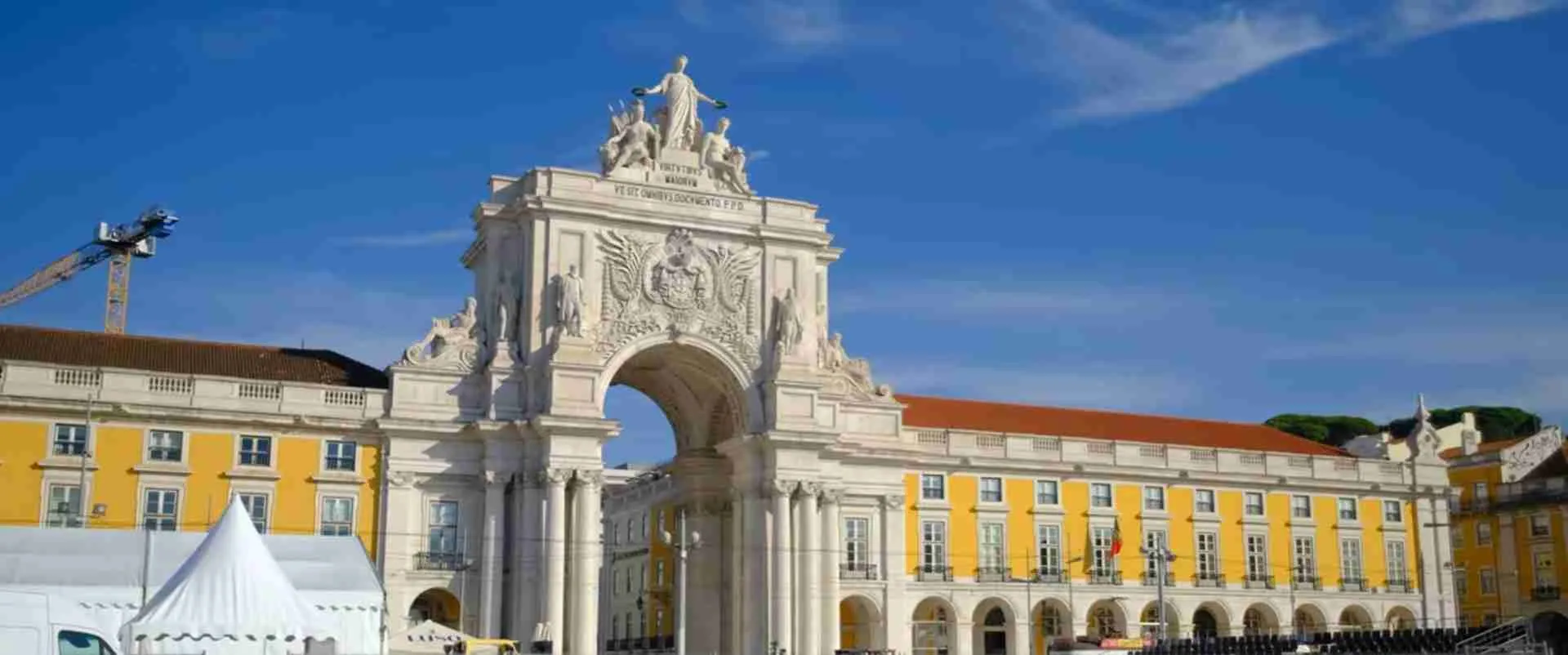
Best Time Visit Lisbon 2026: Seasonal Planning Guide
Key Takeaways
- Spring (April-May) and Fall (September-October) offer the best balance of pleasant weather, moderate crowds, and reasonable pricing in 2026
- Summer (June-August) brings peak crowds and premium prices but guarantees sunshine and outdoor festival experiences
- Winter (November-March) delivers the lowest prices with mild temperatures perfect for sightseeing, though expect occasional rain
- Book 2-3 months ahead for shoulder seasons and 4-6 months for summer 2026 to secure optimal rates
- Santo António Festival (June 12-13) and Lisbon Pride (June) create booking surges requiring advance planning
- Weather remains pleasant year-round with temperatures rarely dropping below 50°F (10°C) or exceeding 85°F (29°C)
Planning Your Lisbon Visit in 2026
Lisbon stands apart from most European capitals with its remarkably stable Mediterranean climate and year-round appeal. The city welcomes visitors across all twelve months, each season offering distinct advantages that cater to different travel styles and priorities. Understanding these seasonal patterns allows you to align your 2026 visit with your specific preferences for weather, crowds, pricing, and cultural experiences.
The Portuguese capital experiences over 300 days of sunshine annually, creating a destination where “bad timing” barely exists. Coastal Atlantic breezes moderate summer heat that scorches other Mediterranean cities, while Gulf Stream currents keep winter temperatures mild compared to northern European destinations. This climatic advantage extends your planning flexibility significantly beyond typical seasonal travel windows.
Your optimal timing depends on balancing three primary factors: weather conditions, tourist density, and budget considerations. Spring and fall emerge as the consensus favorites for travelers seeking the best overall experience, combining comfortable temperatures with manageable crowds and reasonable pricing. Summer attracts visitors prioritizing guaranteed sunshine and vibrant festival atmosphere, accepting premium costs and crowded attractions as trade-offs. Winter serves budget-conscious travelers and those avoiding crowds, offering authentic local experiences and significant savings despite occasional rainfall.
Lisbon’s tourism patterns shift noticeably across seasons, affecting everything from restaurant wait times to accommodation availability. Peak summer months see hotel prices increase 40-60% compared to winter rates, while popular attractions experience queue times extending to 90+ minutes during July and August. Conversely, winter months offer immediate entry to most sites and restaurant tables without reservations, creating a more relaxed exploration pace.
People Also Ask About Visiting Lisbon in 2026
What is the absolute best month to visit Lisbon in 2026?
May and September stand out as the optimal months for visiting Lisbon in 2026. May brings spring bloom conditions with temperatures averaging 68°F (20°C), minimal rainfall, and tourist numbers well below summer peak levels. Outdoor cafés open their terraces, jacaranda trees bloom throughout the city, and accommodation prices remain 30-40% lower than June rates. September offers similar advantages with water temperatures reaching their annual peak at 66-68°F (19-20°C), making beach visits more appealing while summer crowds dissipate after schools reopen across Europe.
Both months provide comfortable walking conditions for Lisbon’s hilly terrain without the intense heat that makes summer afternoon exploration challenging. Restaurant terraces remain full with locals rather than overwhelmed by tourists, creating more authentic dining experiences. Cultural venues operate full schedules without summer tourist surges, meaning shorter queues at Belém Tower, Jerónimos Monastery, and São Jorge Castle. Hotel availability increases compared to peak summer months, giving you better negotiating power for upgrades and extended stays.
How much does weather vary throughout 2026 in Lisbon?
Lisbon experiences remarkably stable weather patterns with temperature variations of only 25-30°F (14-17°C) between coldest and warmest months. Winter temperatures average 52-59°F (11-15°C) from December through February, dropping to 46-50°F (8-10°C) overnight. Spring transitions see steady warming from 59°F (15°C) in March to 68°F (20°C) by May. Summer peaks at 77-82°F (25-28°C) from June through August, with occasional heat waves pushing temperatures to 90-95°F (32-35°C) for 3-5 day periods. Fall mirrors spring with gradual cooling from 75°F (24°C) in September to 63°F (17°C) by November.
Rainfall concentration distinguishes seasons more dramatically than temperature. November through January receives 80-90% of annual precipitation, with 10-12 rainy days monthly and occasional storms producing 2-3 inches (50-75mm) of rain. Summer months see virtually no precipitation, with July and August averaging just 1-2 rainy days total. Spring and fall occupy a middle ground with 5-7 rainy days monthly, though showers tend toward brief afternoon occurrences rather than all-day events. Coastal location creates microclimates where Belém and Cascais receive different weather than central Lisbon, sometimes experiencing fog while downtown remains sunny.
When are the worst times to visit Lisbon in 2026?
August represents the most challenging month for visiting Lisbon in 2026, combining peak tourist crowds, maximum accommodation costs, intense afternoon heat, and reduced authentic local character as many Portuguese residents take their annual holidays. Popular restaurants close for 2-3 week vacation periods, public transport operates on reduced schedules, and many local shops shutter completely. Hotel prices reach their annual peak, often requiring 6+ months advance booking for desirable properties. Queue times at major attractions extend to 90-120 minutes even with advance tickets, while trams and viewpoints overflow with visitors throughout the day.
Late November through early January presents different challenges centered on weather rather than crowds. These months experience the highest rainfall probability, with storms occasionally lasting 2-3 consecutive days. Shorter daylight hours limit sightseeing time, with sunset occurring around 5:30 PM in December. Some attractions reduce operating hours or close certain sections for maintenance during this low season. Beach activities become impractical as ocean temperatures drop to 59-61°F (15-16°C) and wind conditions intensify. However, these challenges come with significant compensation through 50-60% lower accommodation costs and virtually empty tourist sites.
Do I need to book hotels far in advance for 2026?
Booking timelines for Lisbon accommodation in 2026 vary dramatically by season and your flexibility regarding location and property type. Summer months (June-August) require 3-6 months advance booking for desirable hotels in central neighborhoods like Baixa, Chiado, and Alfama. Popular boutique properties and rooftop hotels sell out 4-5 months ahead during peak season. Santo António Festival (June 12-13), Lisbon Pride (mid-June), and Rock in Rio Lisboa (late June) create booking surges requiring 6+ months lead time for quality options.
Shoulder seasons (April-May, September-October) allow 6-10 weeks advance booking for good selection and competitive rates. Waiting until 2-3 weeks before arrival still yields options but limits choices and potentially increases costs 15-25%. Winter months (November-March) provide maximum booking flexibility, with quality accommodation available even 1-2 weeks prior to arrival. Some properties offer attractive last-minute rates during slower winter periods, making spontaneous booking advantageous. Business hotels reduce weekend rates significantly during winter, creating upgrade opportunities at budget-friendly prices.
Extended multi-day tours – 5+ days
Featured Lisbon Multi-Day Tour Packages
5 days
5 Days Lisbon and Fatima City Adventure
- ✓ Comprehensive Lisbon tour
- ✓ Expert local guides included
- ✓ All accommodation arranged
- ✓ Transportation provided
5 days
Best of Lisbon Tour (with Sintra, Évora and Cascais) – 5 Days in Portugal
- ✓ Comprehensive Lisbon tour
- ✓ Expert local guides included
- ✓ All accommodation arranged
- ✓ Transportation provided
5 days
Best of Lisbon with Sintra, Nazaré, Fátima and Évora – 5 Days
- ✓ Comprehensive Lisbon tour
- ✓ Expert local guides included
- ✓ All accommodation arranged
- ✓ Transportation provided
3 days
Wonders of Portugal
- ✓ Comprehensive Lisbon tour
- ✓ Expert local guides included
- ✓ All accommodation arranged
- ✓ Transportation provided
Multi-day tour packages powered by TourRadar. Prices and availability subject to change.
Essential Planning Information for 2026
Understanding Lisbon’s Climate Patterns in 2026
Lisbon’s Mediterranean climate creates one of Europe’s most visitor-friendly weather patterns, characterized by hot, dry summers and mild, wet winters. The city sits at 38°N latitude, roughly equivalent to San Francisco, creating similar temperate conditions moderated by Atlantic Ocean influence. This positioning delivers more stable year-round weather than inland European cities while avoiding the extreme summer heat affecting Mediterranean destinations further south.
Atlantic coastal location produces consistent ocean breezes that moderate summer temperatures, creating comfortable conditions when Madrid and Seville experience scorching heat. These breezes strengthen in the afternoon, making early morning the ideal time for visiting exposed hilltop attractions like São Jorge Castle. Evening temperatures drop 10-15°F (6-8°C) below daytime peaks, creating pleasant conditions for outdoor dining and evening strolls through historic neighborhoods.
Microclimates vary across Lisbon’s geography, affecting planning for specific activities and neighborhoods. Belém and waterfront areas experience cooler temperatures and occasional fog due to Tagus River influence, while hilltop neighborhoods like Graça and Senhora do Monte receive more direct sun and less wind. Cascais and coastal suburbs stay 3-5°F (2-3°C) cooler than downtown during summer, making them attractive afternoon destinations during heat waves. Understanding these patterns helps optimize daily itinerary planning.
Daylight Hours Across 2026 Seasons
Daylight duration varies significantly across Lisbon’s seasons, affecting sightseeing schedules and activity planning. Summer solstice (June 21) brings 15 hours of daylight with sunrise around 6:15 AM and sunset near 9:15 PM, creating extended exploration opportunities. Long twilight periods add another 30-45 minutes of usable light, allowing dinner reservations as late as 10 PM while still enjoying rooftop views. These extended hours suit travelers maximizing daily activities and those enjoying evening ambiance in outdoor spaces.
Winter solstice (December 21) reduces daylight to just 9.5 hours, with sunrise around 7:45 AM and sunset near 5:25 PM. Shorter days require strategic planning to visit outdoor attractions during peak light hours, reserving museums and indoor experiences for early morning and late afternoon. December and January necessitate starting morning activities later than summer months, as many attractions don’t open until 9:30-10 AM and morning darkness persists until 8 AM.
Spring and fall equinoxes (March 20, September 22) provide balanced 12-hour days with comfortable temperatures for all-day exploration. Sunrise occurs around 7 AM with sunset near 7 PM, creating ideal conditions for photographers seeking golden hour light at both ends of the day. These balanced daylight periods align well with typical tourist activity patterns, allowing leisurely morning starts followed by full-day exploration without requiring unusually early departures.
Comprehensive Monthly Guide for 2026
January 2026: Winter Calm and Budget Opportunities
January delivers Lisbon’s lowest tourist density and most attractive accommodation pricing, with hotel rates 50-60% below summer peaks. The month experiences cool temperatures averaging 52-57°F (11-14°C) during the day, dropping to 46-48°F (8-9°C) overnight. Rainfall occurs on 12-14 days throughout the month, though total precipitation remains moderate at 3-4 inches (75-100mm). Storms typically pass within 24-48 hours, creating multi-day clear periods ideal for sightseeing between systems.
Major attractions operate without queues, allowing immediate entry to Belém Tower, Jerónimos Monastery, and São Jorge Castle. Museums and cultural venues maintain full schedules while offering quieter viewing conditions perfect for appreciating artwork and exhibits without crowds. Restaurants welcome walk-in guests throughout the week, though some traditional establishments close Sundays and Mondays during winter months. Trams and public transport run with ample seating capacity, eliminating the summer crowding that makes Tram 28 notorious.
Cultural events highlight January’s calendar despite reduced tourist presence. New Year’s celebrations continue through January 6 (Epiphany), with traditional Bolo Rei (King Cake) available at bakeries throughout the city. Fado venues maintain regular performance schedules with predominantly local audiences, creating authentic experiences without tourist-focused atmospheres. The month suits travelers prioritizing budget savings, authentic local interactions, and comfortable museum exploration over guaranteed sunshine and beach activities.
February 2026: Carnival Energy and Improving Weather
February marks Lisbon’s transition from winter rainfall patterns toward spring stability. Temperatures rise slightly to 54-59°F (12-15°C) during the day, with overnight lows around 48-50°F (9-10°C). Rainfall decreases to 9-11 days monthly, and clear periods extend to 3-5 consecutive days between storm systems. The month experiences increasing daylight duration, with sunset moving from 5:45 PM early in the month to 6:30 PM by month’s end, adding nearly an hour of exploration time.
Carnival celebrations inject vibrant energy into the city during the week leading to Ash Wednesday (dates vary annually, typically late February or early March). While Rio and Venice dominate carnival headlines, Lisbon’s celebrations feature colorful parades, costume parties, and traditional festivities in neighborhoods throughout the city. Accommodation prices increase 20-30% during carnival weekend, requiring advance booking if your visit coincides with celebrations.
February attracts visitors seeking budget benefits similar to January while gaining improved weather probability and unique carnival experiences. Coastal areas remain too cool for beach activities, with ocean temperatures at their annual minimum of 57-59°F (14-15°C). Indoor attractions and museum visits suit the month perfectly, while walking tours prove comfortable with proper layering. Restaurant terraces begin opening during sunny afternoons, though evening dining remains primarily indoors.
March 2026: Spring Emergence and Shoulder Season Beginning
March represents Lisbon’s transformation from winter to spring, with noticeable warming throughout the month. Early March temperatures average 57-61°F (14-16°C), rising to 61-64°F (16-18°C) by month’s end. Rainfall frequency decreases to 8-10 days monthly, though occasional storms still produce significant precipitation. Spring equinox (March 20) brings balanced daylight hours, with sunrise around 7 AM and sunset near 7:30 PM by month’s end.
Gardens and parks throughout Lisbon burst into bloom, with almond blossoms appearing in late March alongside early wildflowers. Eduardo VII Park and Jardim da Estrela transform into colorful displays attracting photographers and nature enthusiasts. The month marks the beginning of outdoor café season, with terraces opening throughout Chiado, Bairro Alto, and waterfront neighborhoods. Pleasant walking conditions return for exploring hilly neighborhoods without summer heat concerns.
Tourist numbers begin increasing through March as European Easter holidays approach (Easter falls in mid-April 2026), creating the first booking pressure since New Year’s. Accommodation prices rise 15-25% compared to February but remain 40-50% below summer peaks. March suits travelers seeking spring conditions, blooming landscapes, and comfortable temperatures while avoiding peak crowds and premium pricing. The month requires flexible planning around occasional rainy days but rewards visitors with increasingly pleasant conditions.
April 2026: Optimal Spring Conditions
April delivers some of Lisbon’s finest weather conditions, combining comfortable temperatures, decreasing rainfall, and spectacular spring bloom displays. Daytime temperatures average 63-68°F (17-20°C), creating ideal conditions for walking tours through steep neighborhoods. Overnight lows moderate to 52-54°F (11-12°C), allowing comfortable evening dining on outdoor terraces. Rainfall decreases to 6-8 days monthly, with showers tending toward brief afternoon occurrences rather than all-day events.
Easter celebrations (April 20 in 2026) create the year’s first significant tourism surge, with Holy Week (April 13-20) bringing increased visitors from across Europe and South America. Accommodation prices increase 30-40% compared to March, particularly for the Easter weekend itself. Traditional processions and religious ceremonies occur throughout the city, with Mouraria and Alfama neighborhoods hosting elaborate observances. Restaurants and shops maintain full operating hours, unlike the closures common in more religious Spanish cities.
Jacaranda trees bloom throughout April, creating purple canopies along streets in Príncipe Real, Campo de Ourique, and Parque Eduardo VII. This spectacular display peaks in late April and early May, attracting photographers worldwide. Beach weather begins in earnest, though ocean temperatures remain cool at 59-61°F (15-16°C). Cascais and Costa da Caparica beaches open for the season, with restaurants and facilities resuming full operations after winter closures.
May 2026: Peak Spring Excellence
May stands alongside September as Lisbon’s optimal visiting month, delivering the year’s finest balance of weather, crowds, and pricing. Daytime temperatures reach 68-73°F (20-23°C), creating comfortable conditions for all-day exploration without summer heat concerns. Evening temperatures around 57-59°F (14-15°C) allow pleasant outdoor dining with a light jacket. Rainfall drops to 4-6 days monthly, with mostly dry conditions and abundant sunshine.
Tourist crowds remain moderate compared to summer peaks, creating manageable queues at major attractions while maintaining vibrant city atmosphere. Restaurants and cultural venues operate full schedules with good availability for reservations made 1-2 days ahead. Accommodation prices sit 25-35% below summer rates while offering excellent selection across all price ranges and neighborhoods. Booking 6-8 weeks ahead secures preferred properties at optimal rates.
Late May marks the beginning of festival season, with outdoor concerts and cultural events launching throughout the city. Terraces and rooftop bars reach full operation, creating the year’s first truly al fresco dining season. Ocean temperatures rise to 63-64°F (17-18°C), making beach visits increasingly attractive, particularly during afternoon heat. The month suits all traveler types: families benefiting from pleasant weather before school holidays, couples seeking romantic spring atmosphere, and budget travelers finding shoulder season values.
June 2026: Festival Season and Summer Arrival
June delivers Lisbon’s most energetic atmosphere as festival season reaches full intensity and summer officially arrives. Temperatures climb to 72-77°F (22-25°C) during the day, with warm evenings around 61-63°F (16-17°C) perfect for outdoor activities. Rainfall virtually disappears, with just 2-3 rainy days during the entire month. Long daylight hours extend exploration time, with sunset occurring near 9 PM and twilight lasting until 9:45 PM.
Santo António Festival (June 12-13) represents Lisbon’s most important cultural celebration, with neighborhood parties, grilled sardine feasts, and street performances throughout Alfama, Graça, and Mouraria. This beloved festival creates significant accommodation booking pressure, requiring 4-6 months advance planning for quality hotels. Restaurant reservations become essential, particularly for traditional Portuguese venues serving festival specialties. The celebration attracts locals and tourists equally, creating authentic cultural immersion opportunities.
Lisbon Pride occurs mid-June, bringing vibrant celebrations to Príncipe Real and Avenida da Liberdade. The event draws international visitors and creates another accommodation booking surge. Rock in Rio Lisboa typically schedules late June dates at Parque da Bela Vista, attracting 80,000+ attendees daily and consuming hotel inventory across the city. June pricing reflects high demand, with rates 40-50% above shoulder season levels. Despite premium costs, the month offers unmatched festival energy and guaranteed excellent weather.
July 2026: Peak Summer Intensity
July brings Lisbon’s highest tourist density and most intense heat conditions. Daytime temperatures average 77-81°F (25-27°C), with heat waves occasionally pushing thermometers to 90-95°F (32-35°C) for 3-5 day stretches. Coastal breezes moderate conditions near waterfront areas, creating 5-10°F (3-6°C) temperature differences between Belém and inland neighborhoods. Evening temperatures remain warm at 64-66°F (18-19°C), ideal for outdoor dining and rooftop terrace experiences.
Virtually zero rainfall occurs throughout July, guaranteeing dry conditions for outdoor activities and beach visits. Ocean temperatures peak at 66-68°F (19-20°C), creating comfortable swimming conditions at Cascais, Carcavelos, and Costa da Caparica beaches. Beach clubs operate full schedules with DJs, food service, and chair rentals, attracting both tourists and Lisbon residents escaping city heat.
Major attractions experience their longest queue times, with 90+ minute waits common at Belém Tower and Jerónimos Monastery even with advance tickets. Tram 28 becomes extraordinarily crowded, particularly between 10 AM-6 PM. Many travelers purchase skip-the-line passes or book guided tours to minimize waiting. Restaurant reservations require 3-5 days advance booking for popular venues. Accommodation costs reach annual peaks, and some properties enforce minimum stay requirements of 2-3 nights. July suits travelers prioritizing guaranteed sunshine, vibrant summer atmosphere, and beach activities while accepting premium costs and crowd challenges.
August 2026: Maximum Heat and Local Holidays
August extends July’s peak conditions while adding the complication of Portuguese holiday season. Temperatures mirror July at 77-82°F (25-28°C), with similar heat wave potential pushing thermometers to 90-95°F (32-35°C). Afternoon heat makes exploring hilltop neighborhoods challenging between 1-5 PM, encouraging siesta-style breaks or beach escapes during peak temperature hours. Evening conditions remain warm and pleasant, with sustained outdoor activity comfortable until midnight.
Many Portuguese residents take annual holidays during August, creating paradoxical effects on visitor experience. Popular local restaurants close for 2-3 week vacation periods, while some shops and services reduce hours or shut entirely. Neighborhoods like Campo de Ourique and Estrela feel noticeably quieter as residents depart for coastal destinations. Conversely, tourist-focused establishments in Baixa, Chiado, and Belém maintain full operations, creating divided experiences between tourist zones and residential areas.
August accommodation costs match or exceed July rates, with limited availability requiring 5-6 months advance booking. Public transport operates on reduced schedules, and some museums close one weekday for maintenance. Despite these challenges, beaches reach peak appeal with warm water temperatures and consistent sunshine. Cascais and Sesimbra provide escape options from central Lisbon heat. August suits travelers prioritizing beach activities and accepting higher costs, reduced local atmosphere, and necessary advance planning.
September 2026: Optimal Fall Conditions
September rivals May as Lisbon’s best visiting month, combining summer’s reliable weather with decreasing crowds and moderating prices. Early September maintains summer conditions with temperatures around 75-77°F (24-25°C), gradually cooling to 70-72°F (21-22°C) by month’s end. Ocean temperatures reach their annual peak at 67-68°F (19-20°C) in early September, making beach visits maximally appealing. Rainfall remains minimal at 3-4 days monthly, mostly affecting the final week as autumn approaches.
European school year resumption dramatically reduces tourist crowds after the first week of September, creating immediate improvements in queue times and restaurant availability. Accommodation prices drop 25-35% compared to August while maintaining excellent weather conditions. Local residents return from holidays, restoring neighborhood vitality and reopening restaurants that closed during August. Cultural venues and concert halls launch fall seasons with new exhibitions and performance series.
September provides ideal conditions for walking tours and outdoor exploration, with comfortable temperatures and lower humidity than summer months. Long daylight hours persist into mid-September, with sunset around 7:45 PM early in the month. Rooftop bars and terrace restaurants maintain full operations through September, combining pleasant weather with reduced crowds for optimal dining experiences. The month suits all travel styles: families benefiting from post-summer pricing, couples seeking romantic fall atmosphere, and active travelers enjoying comfortable hiking and cycling conditions.
October 2026: Autumn Excellence
October extends fall’s favorable conditions while introducing the first rainfall increases that signal winter’s eventual approach. Temperatures average 68-72°F (20-22°C) during the day, cooling to 59-61°F (15-16°C) overnight. The month experiences 7-9 rainy days, though precipitation typically arrives in brief afternoon showers rather than all-day events. Clear periods between systems create excellent conditions for sightseeing and photography, with autumn light providing rich colors for landscape and architectural images.
Tourist crowds continue declining through October as northern European weather deteriorates, directing those visitors toward warmer destinations further south. Lisbon maintains comfortable conditions attracting retirees and remote workers seeking extended stays avoiding winter entirely. Accommodation prices sit 35-45% below summer peaks while offering strong availability across all property types. October represents the year’s final opportunity for beach activities, with ocean temperatures around 64-66°F (18-19°C) in early October dropping to 61-63°F (16-17°C) by month’s end.
Cultural calendar intensifies through October with film festivals, music series, and art exhibitions launching across the city. Museum attendance returns to manageable levels, creating comfortable viewing conditions for major attractions. Restaurant reservations become easier to secure, often available with just 1-2 days notice even for popular venues. October suits travelers seeking excellent value, pleasant weather, and authentic local atmosphere without summer’s tourist intensity.
November 2026: Early Winter Transition
November marks Lisbon’s transition into winter patterns, with increasing rainfall and noticeably shorter days. Temperatures cool to 61-64°F (16-18°C) during the day, dropping to 52-54°F (11-12°C) overnight. Rainfall frequency increases to 11-13 days monthly, with storms occasionally producing heavy precipitation over 24-48 hour periods. Clear days between systems remain pleasant for sightseeing, though travelers require flexible planning to work around weather patterns.
Daylight duration decreases noticeably through November, with sunset occurring around 5:30 PM by month’s end. This reduction necessitates earlier starts for outdoor attractions and hilltop viewpoints to maximize natural light. Museums and indoor cultural venues become increasingly attractive as weather turns, with November marking the beginning of comfortable museum season. Many visitors appreciate reduced crowds and focused time viewing art collections and historical exhibits.
Accommodation prices drop 45-55% compared to summer peaks, creating excellent value for budget-conscious travelers. November suits visitors prioritizing cost savings, museum experiences, and authentic local atmosphere while accepting weather unpredictability. The month attracts fewer tourists than any period except January-February, creating the year’s most local-focused experiences in restaurants and neighborhoods.
December 2026: Holiday Season and Winter Conditions
December brings Lisbon’s shortest days and most festive atmosphere. Temperatures average 55-59°F (13-15°C) during the day, cooling to 48-50°F (9-10°C) overnight. Rainfall occurs on 12-14 days throughout the month, with storms most frequent during the final two weeks. Despite precipitation, December maintains milder conditions than northern European cities, attracting visitors escaping harsh winter weather.
Christmas markets and holiday decorations transform Lisbon’s main plazas and shopping districts throughout December. Rossio and Praça do Comércio host festive installations, while Avenida da Liberdade features elaborate lighting displays. Traditional Christmas Eve (December 24) and Christmas Day observances close many restaurants and shops, requiring advance planning for dining options. New Year’s Eve (December 31) brings major celebrations to Praça do Comércio with fireworks and outdoor concerts attracting both locals and tourists.
Accommodation prices remain low except for Christmas week (December 20-27) and New Year’s week (December 28-January 2), when rates increase 40-60% above regular winter levels. December suits travelers seeking holiday atmosphere, budget accommodation, and reduced crowds while accepting shorter days and weather unpredictability. The month provides authentic experiences as locals celebrate traditional holidays and festivals throughout the city.
Weather Considerations for 2026 Activities
Walking Tour Optimization by Season
Lisbon’s hilly terrain and historic cobblestone streets create unique weather considerations for walking tours. Summer months (June-August) require early morning starts between 8-10 AM or late afternoon scheduling after 5 PM to avoid peak heat on steep climbs. Midday temperatures exceeding 80°F (27°C) combined with 15-20% incline grades in Alfama and Mouraria create challenging conditions for extended walking. Proper hydration, sun protection, and frequent breaks become essential during summer exploration.
Spring (April-May) and fall (September-October) deliver ideal walking conditions with comfortable temperatures and minimal precipitation. These seasons allow full-day walking tours without heat concerns, covering 8-12 miles comfortably across multiple neighborhoods. Morning starts around 9-10 AM align with shop opening hours while benefiting from pleasant temperatures. Afternoon explorations remain comfortable without the oppressive heat that characterizes summer months.
Winter months (November-March) require weather-appropriate preparation but offer excellent walking conditions between storms. Waterproof footwear proves essential as cobblestones become slippery when wet. Layered clothing allows adjustment to microclimate variations across neighborhoods and elevation changes. Winter walking tours benefit from reduced crowds and authentic local atmosphere, though shorter daylight hours limit afternoon exploration time.
Beach Season Planning for 2026
Cascais, Carcavelos, and Costa da Caparica beaches provide accessible options from central Lisbon, each operating on distinct seasonal schedules. Official beach season runs June through September, with lifeguards, facilities, and beach clubs operating full services. Ocean temperatures peak at 66-68°F (19-20°C) from July through September, creating the most comfortable swimming conditions.
May and October represent shoulder beach months with pleasant air temperatures but cooler water around 63-66°F (17-19°C). These months suit beach walking, sunbathing, and coastal dining while swimming remains refreshing rather than comfortable for extended periods. Beach facilities operate reduced schedules during shoulder months, with some restaurants and services closed weekdays.
Winter months (November-April) transform beaches into dramatic coastal landscapes popular with surfers, photographers, and walkers. Ocean temperatures drop to 57-61°F (14-16°C), limiting water activities to wetsuit-equipped surfers. Coastal restaurants maintain limited winter hours, often closing Mondays-Wednesdays. Winter beach visits suit those seeking dramatic Atlantic scenery and uncrowded coastal experiences rather than traditional beach activities.
Photography Planning Across 2026 Seasons
Lisbon’s golden light attracts photographers worldwide, with seasonal variations creating distinct aesthetic opportunities. Summer months deliver intense, dramatic light with strong shadows during midday hours. Golden hour photography extends in summer due to long twilight periods, with excellent light lasting 45-60 minutes after sunset. Clear skies dominate summer months, creating reliable conditions for planning specific shots at optimal times.
Spring and fall offer softer, more diffused light perfect for architectural photography and portrait work. Lower sun angles create more flattering lighting throughout the day compared to harsh summer overhead sun. Occasional clouds add dramatic elements to cityscape compositions without completely obscuring light. These seasons provide the most versatile photography conditions suitable for multiple styles and subjects.
Winter photography captures Lisbon’s moody Atlantic atmosphere with dramatic storm lighting and rich, saturated colors after rainfall. Short winter days concentrate golden hour opportunities into compressed morning and afternoon windows. Photographers focusing on weather-dramatic images find winter conditions ideal, though unpredictable rainfall requires flexible scheduling and weather-resistant equipment.
Crowd Management Strategies for 2026
Understanding Tourism Patterns Throughout 2026
Lisbon’s tourism density varies dramatically across months, creating distinct crowd management requirements by season. Peak summer months (July-August) bring the year’s highest visitor numbers, with major attractions experiencing 90+ minute queues despite advance ticket purchases. Tram 28 becomes extraordinarily crowded between 9 AM-6 PM, often requiring multiple train waits before boarding. Popular restaurants require 3-5 days advance reservations, while walk-in options become limited to less desirable dining times or tourist-focused establishments.
Shoulder seasons (April-May, September-October) deliver balanced tourism levels maintaining vibrant atmosphere without overwhelming crowds. Queue times at major attractions range from 20-45 minutes for walk-up visitors, though advance tickets reduce waits to 10-15 minutes. Tram 28 remains busy but generally accessible with one train wait. Restaurant reservations 1-2 days ahead secure tables at popular venues, while walk-in options remain available with moderate flexibility.
Winter months (November-March) create the year’s most manageable tourism conditions, with immediate entry to virtually all attractions and restaurants welcoming walk-in guests throughout the week. Trams operate with ample seating capacity, and popular viewpoints allow uncrowded photography opportunities. Winter represents optimal conditions for travelers prioritizing authentic local interactions and relaxed exploration pace over guaranteed sunshine.
Strategic Timing for Major Attractions in 2026
Belém Tower and Jerónimos Monastery experience peak crowding between 10 AM-3 PM year-round, with summer waits extending to 90-120 minutes. Early morning visits at 9-9:30 AM opening reduce queue times by 60-70%, while late afternoon arrivals after 4 PM see similar improvements. Advance tickets prove essential during summer months, though lines persist even for ticket holders during peak hours. Tuesday-Thursday visits experience lighter crowds than weekends and Mondays throughout the year.
São Jorge Castle sees consistent tourist traffic from 10 AM-4 PM, with summer peaks creating 45-60 minute entry queues. The castle opens at 9 AM, with first-hour visits offering the quietest conditions and best light for photography. Late afternoon visits after 5 PM combine reduced crowds with spectacular sunset views over the Tagus River. Winter months allow comfortable midday visits with minimal queuing.
LX Factory and Time Out Market attract both tourists and locals, creating different crowd patterns than monument-focused attractions. Weekend visits experience highest density regardless of season, as Lisbon residents join tourist crowds. Weekday mornings (Tuesday-Friday, 10 AM-1 PM) provide the most comfortable exploration conditions. Evening visits after 7 PM suit dining and nightlife experiences when crowds create desired energy rather than frustration.
Alternative Timing Strategies for Popular Experiences
Tram 28 presents unique crowd management challenges as an active public transport route overwhelmed by tourist demand. Traditional timing advice suggesting early morning or late evening rides proves less effective in summer when tourist demand extends across all operating hours. The most reliable strategy involves boarding at terminal stations (Martim Moniz or Campo Ourique) rather than midpoint stops where full trams pass repeatedly without boarding opportunities.
Alternatively, consider substitute routes providing similar experiences with dramatically reduced crowds. Tram 12 covers waterfront areas and Alfama with identical vintage tram character and far fewer tourists. Tram 25 reaches Estrela and western neighborhoods while maintaining authentic local transport atmosphere. These alternatives allow the desired tram experience without the frustration of overcrowded conditions on Tram 28.
Sunset viewpoints like Miradouro de Santa Luzia and Portas do Sol become crowded 45-60 minutes before sunset during summer months, with limited space creating uncomfortable conditions. Arriving 90 minutes before sunset secures premium positions while allowing time to appreciate the location beyond just sunset photography. Alternative viewpoints like Senhora do Monte or Graça offer similar panoramas with lower tourist density and more space for comfortable viewing.
Budget Optimization by Season in 2026
Accommodation Price Variations Across 2026
Lisbon accommodation costs fluctuate 50-60% between winter lows and summer peaks, creating significant budget implications based on travel timing. January-February delivers the year’s lowest rates, with quality three-star hotels ranging €60-90 per night and boutique four-star properties at €100-150. These rates reflect 55-60% discounts compared to July-August pricing, when equivalent properties cost €150-220 (three-star) and €250-400 (four-star).
Shoulder seasons (April-May, September-October) offer balanced pricing at 25-35% below summer peaks while maintaining excellent selection and availability. Three-star hotels range €90-130 per night during shoulder months, while four-star boutique properties average €150-230. These rates provide strong value given the favorable weather and crowd conditions, making shoulder seasons optimal for budget-conscious travelers seeking high-quality experiences.
Strategic booking timing creates additional savings regardless of travel season. Winter travel allows last-minute bookings often yielding better rates than advance purchases as properties discount remaining inventory. Summer and shoulder seasons reward advance booking 2-4 months ahead, capturing early-bird rates before prices increase closer to arrival dates. Business hotels reduce weekend rates year-round, with Friday-Sunday stays 20-30% cheaper than weekday rates even during summer months.
Restaurant and Dining Cost Patterns
Restaurant pricing remains relatively stable year-round in Lisbon, though tourist-focused establishments near major attractions charge 20-30% premiums compared to neighborhood restaurants frequented by locals. Seasonal menu variations affect pricing at high-end restaurants incorporating seasonal ingredients, with summer menus emphasizing fresh seafood commanding slight premiums over winter offerings.
Traditional tascas and local restaurants maintain consistent pricing across seasons, with a full meal including wine ranging €15-25 per person regardless of travel timing. Mid-range restaurants charge €25-40 per person, while upscale dining experiences range €50-100 per person. These prices remain stable throughout 2026, creating consistent dining budget requirements regardless of seasonal accommodation cost variations.
Lunch menus (prato do dia) provide exceptional value at €8-15 for complete meals including appetizer, main course, dessert, and beverage. These lunch specials operate year-round at neighborhood restaurants, creating opportunities for budget-conscious travelers to experience authentic Portuguese cuisine at minimal cost. Evening dining costs 30-40% more than lunch prices for identical menu items, making lunch your primary meal an effective budget optimization strategy.
Activity and Attraction Cost Considerations
Major attraction admission prices remain fixed year-round, with single-site tickets costing €6-12 per person at most monuments and museums. Combination passes like the Lisboa Card provide better value during high-activity visits, including public transport and admission to multiple sites for €21 (24 hours), €36 (48 hours), or €45 (72 hours). These passes prove most valuable during shoulder and summer seasons when you complete multiple activities daily, while winter’s more relaxed pace might not justify the card purchase.
Free attraction access occurs first Sundays monthly at many municipal museums and cultural sites, creating opportunities for budget savings with strategic planning. Popular attractions like Belém Tower and Jerónimos Monastery maintain free Sunday morning access (until 2 PM), though crowds increase significantly on these days. Free walking tours operate year-round, accepting tip-based compensation (€10-15 typical) rather than fixed fees.
Activity costs vary by season primarily through availability rather than pricing changes. Summer beach activities, boat tours, and outdoor experiences operate full schedules with multiple daily departures, while winter sees reduced frequencies or complete closures for weather-dependent activities. Summer months create more options but don’t necessarily increase costs compared to winter alternatives focusing on museums and indoor cultural experiences.
Sample 2026 Itineraries by Season
Optimal Spring Visit (May 2026)
A perfect 5-day May itinerary balances Lisbon’s cultural attractions with comfortable outdoor exploration. Day 1 focuses on Belém district, visiting Jerónimos Monastery (€12), Belém Tower (€8), Monument to Discoveries (€7), and MAAT museum (€9), with breaks at Pastéis de Belém for traditional custard tarts (€1.50 each). Tram 15 provides convenient transport (€1.50 per ride or included in day pass €6.80). Lunch costs €15-20 per person at waterfront restaurants, dinner €30-40. Total day cost: €55-70 per person (excluding accommodation €110-160 for mid-range options).
Day 2 explores Alfama’s historic neighborhoods through morning walking tours (tip-based, €10-15 suggested), São Jorge Castle (€15), Cathedral Sé (€5), and afternoon at Miradouro de Santa Luzia followed by Portas do Sol viewpoint (free). Traditional Fado dinner in Alfama ranges €45-65 per person including performance, food, and wine. Lunch costs €12-18 at local tascas. Total day cost: €87-118 per person (excluding accommodation).
Day 3 dedicates time to Sintra day trip, visiting Pena Palace (€20), Quinta da Regaleira (€12), and Monserrate Palace (€10). Round-trip train from Rossio costs €4.60, local Sintra bus pass €8. Lunch in Sintra village costs €15-22, with afternoon at Cabo da Roca (free) before returning to Lisbon for dinner €25-35. Total day cost: €94-111 per person (excluding accommodation).
Day 4 focuses on central Lisbon with morning at Calouste Gulbenkian Museum (€10), lunch in Príncipe Real neighborhood €18-25, afternoon shopping and exploring Chiado district (free), evening Time Out Market dining €20-30. Ride tram 28 experience (€3.80 single fare). Total day cost: €51-68 per person (excluding accommodation).
Day 5 explores waterfront areas with morning at Parque das Nações (free), Oceanário (€23), afternoon at Cacilhas ferry crossing (€1.35 each way), Cristo Rei viewing deck (€6), return for farewell dinner in Cais do Sodré €30-45. Total day cost: €60-81 per person (excluding accommodation).
Five-day May visit total: Accommodation €550-800 for mid-range couple, attractions and activities €347-448 per person, meals €300-400 per person, transport €35-45 per person. Complete 5-day budget: €1,532-2,093 per couple including accommodation.
Peak Summer Experience (July 2026)
Summer 4-day itinerary emphasizes early starts avoiding afternoon heat and evening beach experiences. Day 1 begins with 9 AM Belém district arrival before crowds, visiting Jerónimos Monastery (€12), Belém Tower (€8), Monument to Discoveries (€7). Late morning pastéis at Pastéis de Belém (€1.50), lunch €18-25, afternoon siesta/hotel pool, evening Cascais beach trip via train (€2.30 each way), seafood dinner in Cascais €35-50. Total day cost: €83-110 per person (excluding accommodation €180-260 summer rates).
Day 2 features early 8:30 AM São Jorge Castle visit (€15) before heat intensifies, morning Alfama exploration with Cathedral Sé (€5), lunch in Mouraria €15-22, afternoon at hotel/pool avoiding peak heat, evening rooftop bar experience €25-35 for drinks and appetizers, late dinner in Bairro Alto €30-45. Total day cost: €90-122 per person (excluding accommodation).
Day 3 dedicates full day to beach experience at Carcavelos, with train transport (€1.50 each way), beach club bed rental (€15-25), lunch at beachfront restaurant €20-30, afternoon beach time, sunset viewing, return to Lisbon for evening LX Factory visit (free) and dinner €25-35. Total day cost: €87-119 per person (excluding accommodation).
Day 4 morning at Calouste Gulbenkian Museum (€10) in air-conditioned comfort, lunch in Avenida da Liberdade area €20-28, afternoon Parque das Nações with Oceanário (€23), evening farewell dinner at Time Out Market or waterfront restaurant €30-45. Total day cost: €83-106 per person (excluding accommodation).
Four-day July visit total: Accommodation €720-1,040 for mid-range couple, attractions €223-282 per person, meals €280-360 per person, transport €25-35 per person. Complete 4-day budget: €1,778-2,459 per couple including accommodation.
Value Winter Visit (January 2026)
Budget-optimized 6-day winter itinerary maximizes value pricing while focusing on indoor attractions during unpredictable weather. Day 1 explores Belém monuments (Jerónimos €12, Tower €8, Monument €7) with flexibility for indoor focus if rainy. Lunch €12-18, dinner €20-28. Transport via tram 15 (€1.50 or day pass €6.80). Total day cost: €60-79 per person (excluding accommodation €60-90 winter rates).
Day 2 dedicates time to museum experiences with morning at National Tile Museum (€5), lunch in Marvila neighborhood €12-16, afternoon at Berardo Collection Museum (free entry), evening traditional tasca dinner €18-25. Total day cost: €35-46 per person (excluding accommodation).
Day 3 features Sintra day trip with reduced crowds and lower visitor density. Palace tickets (Pena €20, Regaleira €12, Monserrate €10), train transport €4.60 round-trip, local bus €8, lunch €12-18, dinner back in Lisbon €18-25. Total day cost: €84-97 per person (excluding accommodation).
Day 4 morning São Jorge Castle (€15), Alfama exploration (free), lunch at local tasca €10-15, afternoon at Calouste Gulbenkian Museum (€10), evening Fado performance with dinner €40-55. Total day cost: €75-95 per person (excluding accommodation).
Day 5 explores Parque das Nações with Oceanário (€23), Cable Car ride (€6 round-trip), lunch €15-20, afternoon Vasco da Gama shopping center (free), evening Time Out Market dinner €18-25. Total day cost: €62-74 per person (excluding accommodation).
Day 6 morning at National Coach Museum (€8), lunch in Belém €12-18, afternoon LX Factory exploration (free), farewell dinner in Cais do Sodré €25-35, evening walk along waterfront (free). Total day cost: €45-61 per person (excluding accommodation).
Six-day January visit total: Accommodation €360-540 for mid-range couple, attractions €295-357 per person, meals €240-310 per person, transport €30-40 per person. Complete 6-day budget: €1,260-1,784 per couple including accommodation.
Booking Strategies for 2026 Travel
Optimal Reservation Timelines by Season
Summer travel (June-August 2026) requires the longest advance planning, with quality accommodation booking ideally completed 4-6 months before arrival. Popular boutique hotels in central neighborhoods sell out 5-6 months ahead, while even chain properties near attractions fill 3-4 months prior to peak season dates. Santo António Festival (June 12-13), Lisbon Pride (mid-June), and Rock in Rio dates create specific booking surges requiring even longer lead times of 6-8 months for quality options.
Shoulder seasons (April-May, September-October) allow 6-10 weeks advance booking for excellent selection and competitive rates. Booking in this window captures early-bird discounts without risking sell-outs that occur closer to arrival dates. Easter week (April 2026) requires extended lead time of 10-12 weeks due to European holiday travel patterns. Late bookings 2-3 weeks before shoulder season travel remain possible but limit choices and potentially increase costs 15-25%.
Winter months (November-March) provide maximum booking flexibility, with quality accommodation available even 1-2 weeks before arrival. Last-minute bookings often yield better rates than advance purchases as properties discount remaining inventory. Christmas week (December 20-27) and New Year’s week (December 28-January 2) represent exceptions requiring 8-10 weeks advance booking due to holiday travel demand.
Price Monitoring and Booking Optimization
Accommodation prices fluctuate based on demand patterns, creating opportunities for strategic booking timing. Set price alerts on major booking platforms 4-6 months before summer travel, monitoring weekly for rate drops during initial listing periods. Properties often release inventory at attractive rates 5-6 months ahead, then increase prices as demand builds closer to arrival dates.
Tuesday-Wednesday bookings typically offer slightly better rates than weekend reservations due to business hotel pricing patterns. Searching in incognito mode prevents dynamic pricing algorithms from increasing rates based on repeated searches from the same IP address. Comparing rates across multiple platforms (booking sites, hotel direct, aggregators) reveals price variations of 10-20% for identical rooms.
Cancellation policies vary significantly across properties and booking platforms, affecting your optimal strategy. Summer bookings benefit from flexible cancellation options allowing rate monitoring after initial reservation, with ability to rebook if prices drop. Winter travel’s last-minute discount patterns favor waiting rather than advance booking, accepting non-refundable rates only when confident about travel plans.
Package Deals and Combination Savings
Flight-hotel packages occasionally deliver savings of 15-25% compared to separate bookings, particularly for North American travelers visiting during shoulder seasons. These packages prove most valuable when flexibility exists around exact hotel choice, as bundled properties may not include your preferred accommodation. Compare package pricing against separate bookings, factoring in package restrictions and change fees.
Lisboa Card provides value for high-activity visits including public transport and admission to 30+ museums and attractions. The 72-hour card (€45) breaks even compared to individual purchases after visiting 4-5 major attractions plus daily transport use. Calculate your planned activity level before purchase, as relaxed itineraries with fewer daily attractions may not justify card costs.
Guided tour packages sometimes offer better rates than individual components, particularly for Sintra day trips and Douro Valley excursions. Compare full-service tours (€60-90) against independent travel costs including train tickets, site admissions, and transportation between locations. Time savings and skip-the-line access add value beyond pure cost comparison.
Special Events Calendar for 2026
Major Festivals and Cultural Events
Santo António Festival (June 12-13) represents Lisbon’s most important annual celebration, honoring the city’s patron saint with neighborhood parties, sardine grilling, and traditional performances throughout Alfama, Graça, and Mouraria. The festival creates significant accommodation booking pressure requiring 4-6 months advance planning. Streets fill with locals and visitors equally, creating authentic cultural immersion opportunities. Traditional restaurants serve festival specialties including grilled sardines, potatoes, and peppers, with outdoor seating expanding into neighborhood streets.
Lisbon Pride occurs mid-June, bringing vibrant celebrations to Príncipe Real and culminating in a major parade along Avenida da Liberdade. The event draws 500,000+ participants and spectators, creating accommodation booking surges particularly in nearby neighborhoods. Pride week features parties, cultural events, and celebrations across the city, with Príncipe Real serving as the epicenter of LGBTQ+ nightlife and gatherings.
Rock in Rio Lisboa typically schedules late June dates, bringing 80,000+ daily attendees to Parque da Bela Vista for multi-day music festival. Previous editions featured major international headliners across rock, pop, and electronic music genres. The festival creates massive accommodation demand and transport challenges, with metro services extending hours and special shuttle buses operating to venue.
Religious and Traditional Observances
Easter celebrations (April 20 in 2026) bring traditional processions and religious ceremonies throughout Lisbon, particularly in Mouraria and Alfama neighborhoods. Holy Week (April 13-20) features elaborate observances without the complete business closures common in more religious Spanish cities. Restaurants and shops maintain operating hours, though some establishments close Good Friday (April 17) and Easter Sunday. Traditional Easter foods include Folar da Páscoa bread and chocolate eggs available at bakeries throughout the city.
Carnival celebrations occur during the week leading to Ash Wednesday (dates vary annually, typically late February). While less elaborate than Rio or Venice carnival, Lisbon’s celebrations feature colorful parades, costume parties, and traditional festivities in neighborhoods throughout the city. Accommodation prices increase 20-30% during carnival weekend, requiring advance booking if your visit coincides with celebrations.
Christmas season transforms Lisbon’s main plazas and shopping districts with markets and decorations throughout December. Rossio and Praça do Comércio host festive installations, while Avenida da Liberdade features elaborate lighting displays. Christmas Eve (December 24) and Christmas Day see many restaurants and shops closed, requiring advance planning for dining options. New Year’s Eve (December 31) brings major celebrations to Praça do Comércio with fireworks displays and outdoor concerts.
Cultural Festivals and Performances
Festival de Sintra runs throughout July and August, presenting classical music, ballet, and contemporary performances in historic venues including Queluz Palace and Pena Palace. The festival attracts international artists and orchestras, with performances ranging from traditional classical repertoire to modern interpretations. Tickets range €20-80 depending on venue and performers, with advance booking recommended for high-profile events.
Lisbon & Estoril Film Festival occurs November, showcasing Portuguese and international cinema across multiple venues. The festival emphasizes independent and art house films, with director appearances and panel discussions supplementing screenings. Tickets cost €6-12 per screening, with festival passes providing better value for cinephiles attending multiple films.
NOS Alive music festival typically occurs early July in Algés waterfront location, featuring major international acts across rock, indie, and electronic genres. Three-day festival passes cost €150-200, with single-day tickets at €60-75. The festival attracts 50,000+ daily attendees and creates accommodation pressure similar to Rock in Rio, requiring advance planning for quality lodging options.
2026 Planning Checklist
Pre-Trip Planning Timeline
6-8 months before travel: Research seasonal conditions matching your preferences, book summer accommodation for quality selection, monitor flight prices and set alerts, research major festivals and events affecting your travel dates, begin planning detailed itinerary identifying must-see attractions.
3-4 months before travel: Book shoulder season accommodation, purchase advance attraction tickets for major sites, research restaurant options and make reservations for high-demand venues, arrange airport transfers or rental cars if needed, confirm passport validity (must be valid 6 months beyond travel dates for many international visitors).
6-8 weeks before travel: Finalize detailed daily itineraries, purchase Lisboa Card if appropriate for planned activities, book guided tours and day trips to Sintra or other destinations, arrange travel insurance covering medical and trip cancellation, inform credit card companies of travel dates to prevent fraud blocks.
2-3 weeks before travel: Reconfirm hotel reservations and any advance bookings, download offline maps and translation apps, research current public transport options and routes, pack appropriate clothing for seasonal weather conditions, arrange pet care and home maintenance if needed.
1 week before travel: Complete online check-in for flights, review final itinerary and share with family/friends, ensure phone has international service or purchase local SIM card, verify currency exchange options and notify banks, download important documents and tickets to phone and cloud storage.
Essential Booking Confirmations
Accommodation reservations require written confirmation with reservation numbers, property contact information, and cancellation policies clearly documented. Save confirmation emails offline and print copies as backup in case of technical issues accessing digital files. Verify check-in times and any early arrival or late checkout requests confirmed in advance.
Flight reservations need confirmation numbers, terminal information, and connecting flight details if applicable. Register for airline notifications providing gate changes and delays directly to your phone. For international flights, reconfirm return flights 72 hours before departure as schedules sometimes change seasonally.
Major attraction tickets purchased in advance require printed or mobile confirmation acceptable for entry. Research whether specific attractions require printed tickets versus mobile display, as some historic sites lack reliable cellular service for accessing digital tickets. Time-entry tickets must match your planned schedule, with some flexibility for delays but not complete date changes.
Money and Budgeting Preparation
Notify credit card companies of travel dates preventing fraud protection from blocking legitimate charges. Research foreign transaction fees, as many cards charge 2-3% surcharges on international purchases while others offer no foreign fees. Carry at least two different payment methods (multiple cards) in case one experiences issues or gets lost.
Portuguese ATMs widely accept international debit cards, providing best exchange rates compared to currency exchange services. Withdraw larger amounts (€200-300) less frequently rather than multiple small withdrawals accumulating fees. Inform your bank of travel dates to prevent ATM access blocks triggered by unexpected international activity.
Budget approximately €50-100 daily per person for meals in addition to accommodation and attraction costs. This allows two modest restaurant meals plus snacks and beverages, with ability to splurge occasionally on upscale dining. Public transport costs €6-8 daily with unlimited day pass, though walking covers much of central Lisbon. Set aside 10-15% contingency for unexpected expenses or spontaneous activities.
Frequently Asked Questions About Visiting Lisbon in 2026
Is Lisbon better in spring or fall?
Both spring (April-May) and fall (September-October) offer excellent Lisbon conditions, with the optimal choice depending on specific preferences. Spring brings blooming jacaranda trees, fresh seasonal produce, and Easter celebrations, with temperatures gradually warming through the season. Fall provides warmer ocean temperatures perfect for beach activities, cultural season openings at theaters and concert halls, and slightly lower tourist numbers than spring.
Weather reliability slightly favors fall, as September typically experiences less rainfall than April-May transition months. Fall also benefits from sustained warmth after summer rather than building toward it, creating more consistent day-to-day conditions. Spring offers longer advance planning time for summer bookings and captures the city’s renewal energy after winter. Either season provides superior conditions to summer’s crowds and heat or winter’s unpredictable rainfall.
How many days do you need in Lisbon?
Four to five days allows comfortable coverage of Lisbon’s essential attractions without rushing, including one full day trip to Sintra. This duration provides time for Belém district exploration, Alfama neighborhood wandering, major museums, viewpoint visits, and Fado dinner experience. Six to seven days suits travelers adding beach time at Cascais or Estoril, exploring neighborhoods beyond tourist centers, and enjoying relaxed meal experiences without itinerary pressure.
Three days covers major highlights efficiently but requires prioritization and early starts to maximize time. Ten-day visits allow deep exploration including multiple day trips (Sintra, Cascais, Évora, Óbidos), thorough neighborhood discovery, and relaxed scheduling with time for spontaneous experiences. Your optimal duration depends on travel style, with active sightseers needing less time than those preferring leisurely exploration and extensive dining experiences.
What should I avoid in Lisbon?
Avoid tourist-trap restaurants immediately adjacent to major attractions, particularly around Belém Tower, Rossio Square, and Commerce Square. These establishments charge 30-50% premiums for mediocre food targeting one-time visitors. Walk 2-3 blocks away from attractions to find authentic restaurants frequented by locals offering superior food at better prices.
Skip using regular taxis without pre-negotiating fares or ensuring meter operation, as some drivers exploit tourists with inflated charges or unnecessarily long routes. Uber and Bolt ride-sharing services provide transparent pricing and eliminate negotiation concerns. For airport transfers, arrange fixed-price rides through accommodation or use official taxi stands with posted rate information.
Avoid attempting to drive in central Lisbon neighborhoods, where narrow streets, aggressive local drivers, and virtually impossible parking create unnecessary stress. Public transport, walking, and occasional ride-sharing cover all tourist needs more efficiently and affordably than rental cars. Reserve rental cars exclusively for day trips to regions outside metro areas, picking up vehicles as needed rather than dealing with city parking challenges.
Is Lisbon cheaper than other European capitals?
Lisbon maintains significantly lower costs than northern European capitals like London, Paris, Amsterdam, and Copenhagen, typically running 30-50% cheaper for accommodation, dining, and activities. A mid-range hotel room costing €120-180 in Lisbon would cost €200-350 in Paris or London. Restaurant meals averaging €15-25 per person in Lisbon cost €25-40 for equivalent quality in most northern European cities.
Compared to Mediterranean competitors like Barcelona and Rome, Lisbon offers slightly lower to comparable pricing depending on season and specific neighborhoods. Budget travelers find Lisbon particularly advantageous, with excellent value hostel accommodation, affordable public transport, and numerous free attractions. Luxury travelers encounter similar pricing to other European capitals for high-end hotels and upscale dining, though still generally 15-25% lower than Paris or London equivalents.
What is the rainiest month in Lisbon?
November through January represent Lisbon’s rainiest period, each averaging 12-14 rainy days and 3-4 inches (75-110mm) total precipitation. November typically delivers the highest monthly rainfall total, though December and January experience similar precipitation levels. These months see occasional storm systems producing heavy rainfall over 24-48 hour periods, interspersed with multi-day clear spells between systems.
Despite winter rain frequency, Lisbon’s total annual precipitation remains moderate at 28-30 inches (700-775mm), significantly less than London (24 inches but spread across 160 rainy days) or Amsterdam (31 inches). Brief afternoon showers characterize spring and fall rainfall patterns, while summer months (June-August) experience virtually no precipitation. Winter rain rarely disrupts travel plans entirely, as indoor attractions and museums provide excellent alternatives during wet weather.
Can you swim in Lisbon year-round?
Ocean swimming suits summer months (June-September) when water temperatures reach 64-68°F (18-20°C), comfortable for extended swimming without wetsuits. July through September provides optimal conditions with warmest water and reliable sunny weather. Spring and fall shoulder months (May, October) see cooler water temperatures around 61-64°F (16-18°C), refreshing rather than comfortable for most swimmers.
Winter months (November-April) bring water temperatures dropping to 57-61°F (14-16°C), suitable only for wetsuit-equipped surfers and cold-water enthusiasts. Most beaches close facilities and lifeguard services from November through April, though beaches remain accessible for walking and coastal scenery appreciation. Atlantic Ocean maintains cooler temperatures year-round compared to Mediterranean destinations further east, where warmer water extends swimming season at both ends.
Is August a bad time to visit Lisbon?
August presents trade-offs rather than universally negative conditions. The month delivers guaranteed excellent weather, peak beach conditions, and vibrant summer festival atmosphere, making it attractive for travelers prioritizing sunshine and outdoor activities. However, August combines the year’s highest tourist density, peak accommodation costs (often 50-60% above shoulder seasons), and reduced authentic local character as many Portuguese residents take annual holidays.
Many traditional restaurants and local shops close for 2-3 week vacation periods, particularly in residential neighborhoods like Campo de Ourique and Estrela. Popular restaurants require 4-5 days advance reservations, and major attractions experience 90+ minute queues even with advance tickets. These challenges make August less appealing for travelers seeking authentic local experiences or budget-conscious visits, while still serving those prioritizing guaranteed sunshine and beach activities over cost considerations.
Does Lisbon get cold in winter?
Lisbon’s winter remains remarkably mild by European standards, with daytime temperatures averaging 55-59°F (13-15°C) from December through February. Overnight lows drop to 46-50°F (8-10°C), requiring sweaters and light jackets but avoiding the harsh cold affecting northern European cities. Temperatures rarely fall below 40°F (4°C) even during coldest periods, and snow remains virtually unknown in the city.
Wind and rainfall create more significant comfort concerns than pure temperature. Atlantic storms bring wind-driven rain making conditions feel colder than thermometer readings suggest. Indoor heating varies by accommodation quality, with older buildings sometimes lacking central heating systems common in northern Europe. Pack layered clothing including waterproof outer layers rather than heavy winter coats, as Lisbon’s winter suits fleece jackets and sweaters rather than down parkas required in colder European destinations.
What is the best way to get around Lisbon?
Walking combined with strategic public transport use provides the most effective Lisbon exploration method. Central neighborhoods like Baixa, Chiado, Alfama, and Bairro Alto connect easily on foot despite hilly terrain, with most major attractions within 20-30 minute walks. Metro services efficiently cover longer distances to Parque das Nações, airport connections, and northern districts, with trains running every 5-10 minutes during peak hours.
Vintage trams serve both practical transport and tourist experience purposes, with Tram 28 covering historic neighborhoods despite notorious crowding. Alternative trams (12, 25) provide similar vintage charm with dramatically reduced tourist density. Funiculars assist climbing steep hills in Bairro Alto and Graça, operating continuously throughout the day for €3.80 per ride or included in unlimited transport passes.
24-hour unlimited transport passes cost €6.80, covering metro, bus, tram, and funicular services throughout the city. These passes prove cost-effective with just 3-4 rides daily, providing flexibility for spontaneous transport use without per-ride fare concerns. Pre-purchase rechargeable Viva Viagem cards at metro stations for €0.50, then load with unlimited day passes or individual ride credits as needed.
Should I book Sintra separately or as a day trip?
Independent Sintra visits provide maximum flexibility and often better value than organized day tours, particularly for travelers comfortable using public transport. Round-trip train tickets from Rossio station cost just €4.60, with trains departing every 20-30 minutes. Local Sintra bus services (€8 unlimited day pass) connect train station to all major palaces and attractions. This independent approach allows customized timing, palace selection, and budget control.
Organized day tours cost €60-90 per person including palace admissions, transportation, and guide services, proving valuable for travelers prioritizing convenience over cost savings. Tours eliminate planning requirements, provide historical context through professional guides, and offer skip-the-line benefits at popular palaces. Full-service tours suit first-time visitors seeking comprehensive overview without independent planning effort.
Hybrid approaches combine independent train travel with pre-booked palace tickets and advance research on optimal visiting sequences. Purchase Pena Palace, Quinta da Regaleira, and Monserrate Palace tickets online in advance (saving 10-15% vs. gate prices) while maintaining flexibility for timing and palace selection. This strategy delivers independent travel savings while avoiding queue times at popular attractions.