
Best Time Visit Genoa 2026: Seasonal Planning Guide
Genoa’s Mediterranean climate creates distinct seasonal advantages for different traveler priorities, from optimal weather and minimal crowds in May and September to cultural festivals throughout spring and autumn. Understanding how weather patterns, cruise ship schedules, accommodation pricing, and local events align across 2026 helps maximize your experience in Italy’s largest historic center while avoiding the overtourism challenges affecting more famous Italian cities.
Key Takeaways
- Prime Seasons 2026: Late April through early June and mid-September through October offer ideal weather (18-24°C), manageable crowds significantly lighter than summer, and lower accommodation rates than winter holidays, creating the perfect balance for sightseeing Genoa’s extensive historic center.
- Summer Trade-offs 2026: July and August bring warmest sea temperatures (24-25°C) perfect for swimming and lowest hotel prices of the year, but also peak heat (average highs 27-28°C), crowded nearby coastal destinations like Cinque Terre and Portofino, and frequent cruise ship arrivals particularly on Sundays.
- Winter Value Season 2026: December through February sees highest hotel rates despite colder weather (9-12°C average), driven by holiday travel and business tourism, though crowds remain minimal except Christmas and New Year periods, and rain increases substantially compared to summer months.
- Festival Timing 2026: Rolli Days in May opens UNESCO-listed palaces for special guided tours, while autumn brings cultural programming including the Paganini Festival, making spring and fall particularly rewarding for visitors interested in Genoa’s architectural and musical heritage beyond standard sightseeing.
- Cruise Ship Impact 2026: The cruise season runs April through October with peak Sunday arrivals bringing temporary crowds primarily to the Porto Antico and Aquarium areas, typically dissipating by 4 PM, allowing strategic timing of visits to the old port for minimal congestion outside these windows.
- Authentic Experience 2026: Genoa recorded only 1.8 million annual visitors compared to Rome’s 22 million or Venice’s 7 million, meaning even peak summer months maintain manageable crowd levels throughout the historic center’s narrow caruggi, unlike overtouristed Italian destinations requiring extensive advance planning.
People Also Ask About Best Time Visit Genoa 2026
What is the best month to visit Genoa in 2026?
May and September represent the best months to visit Genoa in 2026, combining pleasant temperatures (19-24°C), lower rainfall than winter and early spring, manageable crowds before peak summer tourism, and special events including Rolli Days palace tours in May. These shoulder season months avoid July-August heat and coastal destination overcrowding while offering better weather than October-April’s increased rainfall. Sea temperatures in September reach 22-23°C, still comfortable for swimming, while May offers perfect conditions for extensive walking through Genoa’s hilly historic center. Accommodation rates during these months fall between summer’s lowest prices and winter’s premium rates, providing good value alongside optimal sightseeing conditions.
Is Genoa worth visiting in summer 2026?
Genoa remains worth visiting in summer 2026 despite July-August heat (27-28°C average highs) because the coastal location provides sea breezes reducing humidity compared to inland Italian cities, hotel prices drop to their lowest annual levels, and the city maintains significantly lighter crowds than Rome, Venice, or Florence even during peak season. Summer advantages include warmest sea temperatures (24-25°C in August) for swimming, longest daylight hours for sightseeing, and minimal rainfall averaging just 24-59mm monthly. The trade-offs involve cruise ship crowds particularly on Sundays, packed nearby destinations like Cinque Terre requiring early departures for day trips, and occasional heat waves exceeding 32°C. Visitors prioritizing beach access, budget accommodation, and extended evening activities benefit most from summer timing.
How many days should I spend in Genoa in 2026?
Plan minimum two full days in Genoa in 2026 to explore the historic center’s main museums, UNESCO-listed Palazzi dei Rolli, Porto Antico attractions including Europe’s largest aquarium, and experience the maze of medieval caruggi without rushing. Four to five days allows adding day trips to Portofino, Cinque Terre, Camogli, and San Fruttuoso while maintaining leisurely pacing for Genoa’s extensive historic center exploration, enjoying multiple Ligurian restaurant experiences, and visiting outer neighborhoods like Nervi’s clifftop promenade or Boccadasse fishing village. Travelers using Genoa as a base for Ligurian coast exploration benefit from extended stays, as the city’s lower accommodation costs compared to resort towns and excellent train connections make it ideal for multi-day regional touring while avoiding the expense and crowds of staying directly in Cinque Terre or Portofino.
What should I avoid when visiting Genoa in 2026?
Avoid visiting Porto Antico and the Aquarium area on Sunday mornings during cruise season (April-October 2026) when multiple ships dock simultaneously, creating the week’s most congested conditions that typically clear by 4 PM. Skip planning day trips to Cinque Terre or Portofino on summer weekends when these destinations become overwhelmingly crowded, instead targeting Tuesday-Thursday for better experiences at popular coastal sites. Avoid the wettest months of October-November 2026 if rain significantly impacts your travel enjoyment, as these months average 160-198mm precipitation compared to July’s 24mm. Don’t limit exploration to only the port area and Piazza de Ferrari—Genoa’s vertical geography requires using funiculars and elevators to discover hilltop viewpoints, residential neighborhoods, and the city’s full character beyond ground-level tourist zones concentrated near the waterfront.
Extended multi-day tours – 5+ days
Featured Genoa Multi-Day Tour Packages
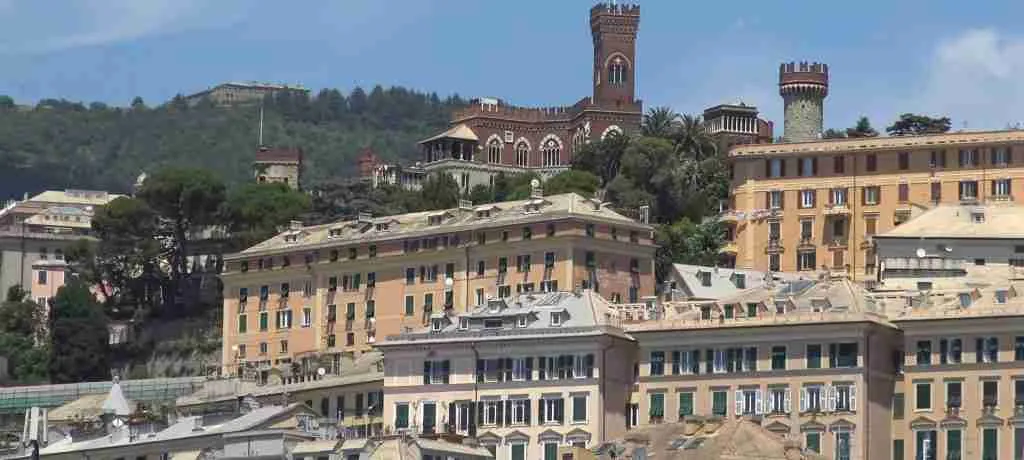
3 days
Genoa 3-Day Discovery Tour
- ✓ Comprehensive Genoa experience
- ✓ Expert local guides included
- ✓ All accommodation included
- ✓ Transportation provided

5 days
Genoa 5-Day Highlights Experience
- ✓ Comprehensive Genoa experience
- ✓ Expert local guides included
- ✓ All accommodation included
- ✓ Transportation provided
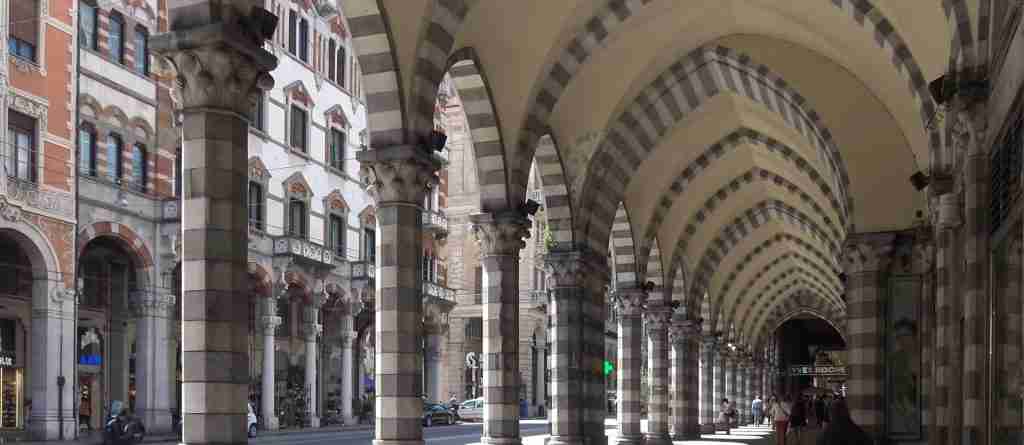
7 days
Genoa 7-Day Cultural Journey
- ✓ Comprehensive Genoa experience
- ✓ Expert local guides included
- ✓ All accommodation included
- ✓ Transportation provided
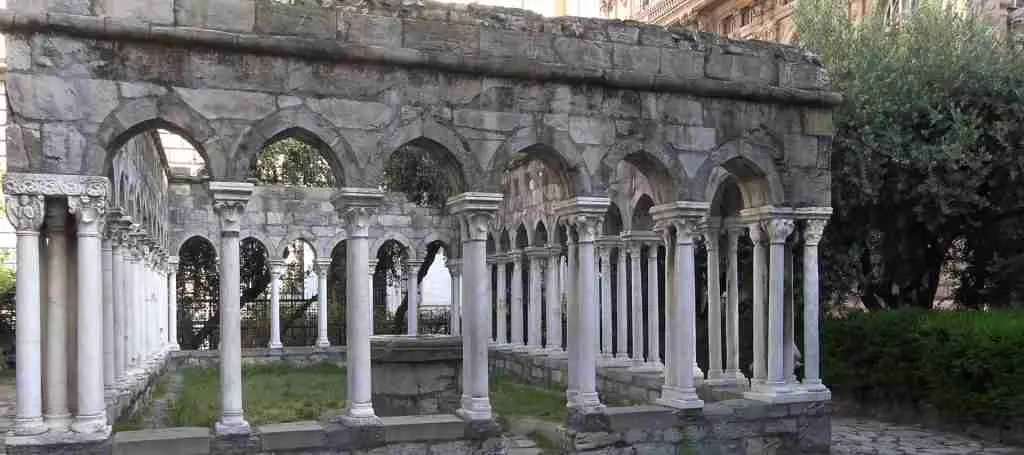
10 days
Genoa 10-Day Complete Adventure
- ✓ Comprehensive Genoa experience
- ✓ Expert local guides included
- ✓ All accommodation included
- ✓ Transportation provided
Multi-day tour packages powered by TourRadar. Prices and availability subject to change.
Introduction to Genoa’s Seasonal Patterns
Genoa occupies unique position among Italian cities—large enough to offer metropolitan cultural infrastructure yet receiving fraction of the tourist pressure affecting Rome, Venice, Florence, or Milan. The city recorded 1.8 million annual visitors in 2024, compared to Rome’s 22 million, meaning even peak summer months maintain walkable, livable character absent from overtouristed destinations. This lower profile creates opportunity for authentic Italian city experience without advance restaurant reservations months ahead, sold-out museum tickets, or crowds preventing photo opportunities at major sites. Genoa’s selection for Lonely Planet’s Best in Travel 2025 list signals growing recognition, though visitor numbers remain far below levels creating negative tourism impacts.
The city’s Mediterranean climate follows predictable patterns beneficial for planning. Mild, rainy winters transition to gradually warming, still-wet springs. Late spring through early autumn brings decreasing precipitation and comfortable temperatures. Summer heat remains moderated by coastal location and sea breezes. Autumn starts warm and dry before rainfall increases through late October and November. The Apennine mountains backing the city create microclimate protection from harsh northern weather while the Ligurian Sea moderates temperature extremes year-round. This results in monthly average temperatures ranging only from 9°C in January to 25°C in August—gentler variation than inland Italian locations.
Genoa’s function as major Mediterranean cruise port significantly affects seasonal tourism patterns. Cruise season operates primarily April through October, with multiple large ships docking weekly. Sunday represents peak cruise arrival day, bringing temporary concentration of thousands of visitors to Porto Antico, the Aquarium, and nearby historic center. These cruise passenger impacts differ from traditional tourist patterns—crowds arrive morning, concentrate in specific zones, and depart by late afternoon. Understanding cruise schedules allows strategic planning to avoid peak congestion periods while taking advantage of quieter times even during nominal tourist season.
Weather Patterns and Climate Considerations 2026
Genoa’s weather in 2026 follows Mediterranean climate patterns with mild winters, warm summers, and transitional spring and autumn seasons offering optimal conditions for different travel priorities. January through February sees coldest temperatures averaging 9°C, though the coastal location prevents extreme cold—temperatures rarely drop below 5°C and freezing conditions occur infrequently. Winter months bring increased rainfall averaging 93-102mm monthly, with occasional windy periods when depressions form over the Gulf of Genoa drawing strong northeast winds. Despite the rain and cooler temperatures, winter remains viable for visitors prioritizing indoor cultural activities, museum exploration, and authentic local experience without tourist crowds.
Spring weather from March through May shows gradual warming from 14°C average in March to 20°C by May, though this period maintains relatively high rainfall particularly in April (88mm average). March and early April present unstable conditions with sunny days alternating with rain and cooler periods. A distinctive spring phenomenon involves coastal cloud formation that can keep temperatures unexpectedly cool (around 15°C) even during otherwise warm days, occurring when the rest of Italy experiences first warm weather. Late April and May become increasingly reliable for good weather, with longer sunshine hours (7.1 hours daily by May) and temperatures comfortable for extensive walking through Genoa’s hilly terrain.
Summer Weather Characteristics 2026
Summer months June through August deliver Genoa’s warmest and driest weather conditions in 2026. June averages 24°C high temperatures with nighttime lows around 18°C, while July and August see peaks of 27-28°C during day and 20-21°C at night. The heat rarely becomes oppressive compared to inland Italian cities—sea breezes provide natural cooling, and the highest recorded temperature of 38.3°C (August 2015) represents extreme outlier rather than typical summer experience. Most summer days remain below 32°C, with lower humidity than expected for Mediterranean coastal location. July represents the driest month averaging just 24mm precipitation, while August sees similarly minimal rainfall around 24-59mm depending on specific year variation.
Sea temperatures reach peak warmth during summer 2026, making this season ideal for beach activities and swimming. June’s water averages 20-21°C, comfortable for hardy swimmers though many find it cool. July advances to 23-24°C, generally pleasant for most visitors. August achieves the year’s warmest sea conditions at 24-25°C, perfect for extended swimming and water sports. The Ligurian coast’s beach culture peaks during these months, with both locals and tourists filling beaches in Genoa’s neighborhoods like Boccadasse and nearby towns. Summer also delivers maximum sunshine hours—July averages 11.3 hours daily, providing long evenings for dining, strolling, and outdoor activities that extend well past 9 PM.
Autumn and Rainfall Patterns 2026
Autumn weather September through November begins warm and pleasant before transitioning to cooler, wetter conditions. September maintains summer-like temperatures averaging 24°C, with sea temperature still at 22-23°C making swimming viable through the month. October shows noticeable cooling to 19°C average with increasing rainfall to 160mm monthly—making it one of the wettest months. November transitions firmly into winter patterns with 14°C average temperature and peak annual rainfall reaching 198mm. The autumn weather’s defining characteristic involves its unpredictability—sunny periods alternate with stormy weather that can bring heavy precipitation in short periods, particularly when depressions form over the Gulf of Genoa.
The period September through mid-October represents one of the most favorable times for visiting Genoa in 2026, balancing still-warm temperatures with decreased summer crowds and mostly reliable weather before late autumn’s heavy rainfall begins. September particularly combines summer’s advantages (warm weather, long days, viable sea swimming) with shoulder season benefits (lower tourist numbers, moderate hotel prices, more authentic local atmosphere). The trade-off involves accepting some weather uncertainty—while July promises near-certain sunshine, September brings possibility of rain requiring flexible planning and appropriate clothing layers for variable conditions.
Crowd Levels and Tourism Patterns 2026
Genoa experiences dramatically lighter tourist pressure than famous Italian destinations throughout 2026, fundamentally altering the visitor experience compared to Venice, Florence, or Rome. The city’s 1.8 million annual visitors spread across 365 days means even peak summer months maintain manageable crowd levels throughout the historic center. The extensive size of the old town—one of Europe’s largest medieval centers—naturally disperses visitors across numerous attractions, streets, and neighborhoods. Unlike Venice’s concentrated tourist flows through limited pathways or Florence’s bottlenecks at the Uffizi and Duomo, Genoa’s maze of caruggi offers countless routes and discoveries, preventing the feeling of overwhelming crowds even during busier periods.
Summer months June through August see highest tourist numbers in 2026, though “high season” in Genoa remains modest compared to other Italian cities. The increase comes primarily from Italian domestic tourism and European visitors escaping northern climates. Beaches in Genoa’s neighborhoods and nearby coastal towns fill with locals and tourists, while the historic center maintains steady but not overwhelming visitor traffic. Key attractions like the Aquarium experience longer lines, and popular restaurants may require reservations for dinner. However, the overall experience remains far removed from overtourism conditions—spontaneous sightseeing, last-minute accommodation booking, and uncrowded exploration of secondary streets and neighborhoods all remain feasible throughout summer 2026.
Cruise Ship Impact on Daily Patterns 2026
Cruise ship arrivals create Genoa’s most noticeable crowd fluctuations during 2026’s April-October cruise season. The port handles over 3 million cruise passengers annually, with Sunday representing peak arrival day when multiple large ships often dock simultaneously. These cruise passengers concentrate heavily in Porto Antico area, the Aquarium (Europe’s largest), and the nearest sections of the historic center, creating temporary congestion from roughly 9 AM through 3-4 PM. The impact follows predictable patterns—cruise passengers arrive after breakfast, visit concentrated tourist zones, and return to ships by mid-afternoon for departure. This creates opportunity for strategic planning: visit Porto Antico attractions early morning before cruise passengers arrive or late afternoon after they depart, while using midday cruise hours for exploring other neighborhoods unaffected by port traffic.
Days without cruise arrivals, particularly Monday through Thursday during cruise season, offer dramatically different Porto Antico experience. The waterfront promenade, aquarium entrance, and nearby cafés maintain local character without temporary cruise crowds. Wednesday and Thursday generally see fewest cruise ships, making these optimal days for Porto Antico exploration in 2026. Checking cruise schedules online allows precise planning—numerous websites track Mediterranean cruise ship movements including Genoa arrivals, enabling visitors to avoid peak impact days or plan around specific high-volume periods. Outside cruise season (November-March), Porto Antico maintains consistent quieter atmosphere ideal for photography, leisurely pacing, and authentic local experience.
Seasonal Tourist Distribution 2026
Spring months March through May bring increasing tourist numbers in 2026 as weather improves and European travelers begin summer trip planning. May sees particular increase with the Rolli Days festival bringing both Italian and international visitors specifically for palace tours. However, spring tourist levels remain substantially below summer peaks, and the extensive size of the historic center easily accommodates visitor numbers without crowding. Spring represents excellent time for visitors prioritizing authentic experience with locals outnumbering tourists, though weather uncertainty requires accepting occasional rain disrupting outdoor plans.
Autumn September through early November shows interesting tourist pattern in 2026—September maintains relatively high numbers as summer extends, while October and November see sharp decreases as schools resume, weather becomes less predictable, and tourists shift to winter holiday destinations. The September-October period offers similar crowd advantages to May, combining manageable visitor numbers with generally good weather (particularly September). Late October and November become among the quietest periods outside winter holidays, appealing to visitors who prioritize minimal crowds and don’t mind increased rain likelihood. Winter months December through February see lowest tourist numbers except holiday weeks around Christmas and New Year, when accommodation prices spike despite generally being Genoa’s cheapest season.
Accommodation Pricing and Availability 2026
Genoa’s accommodation pricing follows patterns inverse to many Italian destinations—highest rates occur during winter months December through February despite this being low season for weather and general tourism. This unusual pricing reflects Genoa’s function as major business and commercial center, with winter bringing business travel, conferences, and trade events that fill hotels. Christmas and New Year holidays compound this demand, creating peak annual pricing during periods when cities like Venice or Florence see dramatic price drops. Travelers seeking budget accommodation should avoid December-February in 2026 unless booking well in advance or accepting locations farther from central areas.
Summer months June through August offer Genoa’s lowest accommodation rates in 2026, creating unusual opportunity for budget-conscious travelers. Business travel decreases during summer as companies close for August holidays, while Genoa’s relative obscurity compared to coastal resort towns means less tourist demand driving prices up. A three-star hotel room costing €120-180 during winter business season may drop to €70-110 during July-August, with even more dramatic savings at budget properties. This inverse seasonal pricing pattern makes summer particularly attractive for visitors prioritizing accommodation value—you gain both lowest prices and best weather, though accepting higher temperatures and some cruise ship crowds as trade-offs.
Booking Strategies for Different Seasons 2026
Spring and autumn shoulder seasons (April-May, September-October) in 2026 present moderate accommodation pricing falling between winter’s peaks and summer’s lows. These months offer best balance of weather, crowds, and value for most visitors. Booking flexibility remains high—advance reservations 2-4 weeks ahead typically secure good options at reasonable rates, while last-minute booking within week of arrival remains viable outside specific event weekends like Rolli Days. The shoulder seasons represent sweet spot where spontaneous travel remains possible without summer’s rock-bottom prices but with better weather reliability than winter months.
Festival and event periods require advance booking in 2026 regardless of season. Rolli Days in May, the Paganini Festival in autumn, and any major conferences or trade shows fill available accommodation quickly, driving prices up and reducing availability. Monitor Genoa’s event calendar when planning 2026 visits, particularly if traveling during weekdays when business events concentrate. Weekend accommodation generally shows more availability except during specific festivals, as business hotels focus primarily on Monday-Friday corporate guests. For budget travelers, considering accommodation in nearby coastal towns like Nervi (15 minutes by train) or even Camogli (30 minutes) provides alternatives when central Genoa rates seem high, though this adds transportation time and costs to daily sightseeing.
Cultural Events and Festivals 2026
Rolli Days in May 2026 represents Genoa’s premier cultural event, opening normally closed or restricted UNESCO-listed Palazzi dei Rolli for guided tours, concerts, exhibitions, and special programs. These Renaissance and Baroque palaces along Via Garibaldi and surrounding streets formed the city’s “rolli” (list) of noble residences required to host visiting dignitaries during Genoa’s period as major maritime republic. Rolli Days occurs twice annually—once in May and once in October—with specific dates announced several months in advance. The May edition typically draws larger crowds as weather conditions prove more reliable than autumn’s October dates. This free event requires no tickets for most palace visits, though popular locations develop queues, making early arrival advisable for accessing the most sought-after palaces.
The Paganini Festival celebrates Genoa’s most famous musical son, the virtuoso violinist Niccolò Paganini, through concerts, recitals, and special performances during autumn months. The 2026 festival programming includes performances in historic venues throughout the city, from churches to palazzo halls to outdoor spaces when weather permits. This event attracts classical music enthusiasts and provides opportunity to experience Genoa’s acoustic treasures beyond typical sightseeing. Unlike Rolli Days’ free access, Paganini Festival events require tickets purchased in advance, with prices varying by venue and performer prestige. The festival’s autumn timing coincides with pleasant September-October weather before late autumn rains, combining cultural programming with favorable sightseeing conditions.
Year-Round Cultural Programming 2026
Genoa’s museums and cultural institutions maintain regular exhibition schedules throughout 2026, with major venues including Palazzo Ducale, Palazzo Rosso, Palazzo Bianco, and Palazzo Spinola hosting rotating exhibitions alongside permanent collections. The “Genova ‘800” cultural project running through 2026 explores the city’s 19th-century artistic and cultural development through exhibitions, publications, and events. This initiative provides context for Genoa’s post-maritime republic evolution into industrial and commercial center, offering deeper understanding beyond the more famous medieval and Renaissance periods. Cultural programming concentration during April-October takes advantage of better weather and higher tourist numbers, while winter months maintain active exhibition schedule primarily serving local audiences.
The Porto Antico transforms seasonally in 2026, hosting ice skating rink during winter months and outdoor pool during summer. These seasonal installations reflect Genoa’s efforts to maintain Porto Antico relevance year-round beyond its role as cruise ship terminal. Summer concerts and events activate waterfront spaces, while winter holiday markets and celebrations draw local families. The nearby Aquarium and maritime museum maintain consistent schedules regardless of season, providing weather-independent activities valuable during rainy periods. For families traveling to Genoa in 2026, Porto Antico’s varied seasonal programming offers reliable entertainment options adapting to weather conditions and time of year.
Day Trip Considerations by Season 2026
Genoa’s strategic location makes it ideal base for exploring the Ligurian coast during 2026, with frequent train connections to Cinque Terre (60-90 minutes), Portofino/Santa Margherita Ligure (30-45 minutes), Camogli (30 minutes), and other coastal destinations. However, seasonal timing dramatically affects day trip experiences, particularly for the region’s most famous destinations. Summer weekends (June-August 2026) bring overwhelming crowds to Cinque Terre and Portofino, creating situations where trains fill beyond capacity, hiking trails become congested, and the experience quality deteriorates significantly. Visitors planning summer day trips should target Tuesday-Thursday, depart early morning (before 8 AM), and maintain realistic expectations about crowd levels at peak destinations.
Spring (April-May) and early autumn (September-October) provide optimal conditions for Ligurian coast day trips in 2026. Weather remains generally favorable for hiking between Cinque Terre villages or exploring coastal paths near Portofino, while tourist numbers stay manageable compared to summer peaks. The sea temperature in September (22-23°C) still allows swimming, extending beach destination viability beyond strict summer months. These shoulder seasons offer sweet spot where popular destinations maintain reasonably authentic character without winter’s restricted services and rough seas. For serious hikers tackling Cinque Terre’s coastal trails, May and September-October provide ideal combination of moderate temperatures, lower humidity, and manageable crowds enhancing rather than detracting from the experience.
Winter Day Trip Considerations 2026
Winter months December through February 2026 create different day trip dynamic—dramatically reduced tourist crowds but weather uncertainty, rough seas limiting some boat services, and reduced hours or closures at seasonal businesses in smaller coastal towns. Cinque Terre becomes almost exclusively the domain of serious hikers and travelers specifically seeking off-season atmosphere, with some restaurants and accommodations closed until spring. The famous coastal hiking trail between villages may close periodically due to rockfall risk during heavy rain. However, winter day trips offer advantages for specific traveler types: photographers benefit from dramatic sea conditions and empty village streets, while those prioritizing authentic local experience find winter the only time these destinations approach normal life rhythms rather than tourist theme parks.
Portofino and Santa Margherita Ligure maintain better winter infrastructure than Cinque Terre villages, with more year-round restaurants, shops, and services catering to wealthy residents and winter visitors. These locations work well for winter day trips from Genoa when weather forecast predicts clear conditions, offering scenic coastal scenery without summer’s crowds and luxury-resort atmosphere. The train journey itself provides value during winter months, passing through dramatic coastal scenery best appreciated from warm train car rather than outdoor hiking. Strategic winter day trip planning in 2026 involves monitoring weather forecasts closely, maintaining flexible itineraries to shift destinations based on conditions, and embracing the quieter, more contemplative experience winter offers rather than expecting summer’s vibrant beach culture.
Monthly Breakdown for 2026 Planning
January-February 2026: Winter Value and Crowds
January and February 2026 represent Genoa’s coldest, rainiest months with average temperatures around 9°C and precipitation reaching 93-102mm monthly. Despite these weather challenges, winter offers distinct advantages: minimal tourist crowds outside Christmas/New Year periods, authentic local atmosphere with restaurants and shops serving primarily Genoese clientele, and maximum flexibility for spontaneous planning as attractions never face capacity issues. The coastal location prevents extreme cold—temperatures rarely drop to freezing, and snow remains rare. However, the damp conditions create feeling colder than actual temperature, requiring warm layers and rain protection.
Accommodation pricing during January-February 2026 stays elevated due to business travel and conferences, making these months least attractive for budget travelers unless finding deals well in advance. The trade-off calculation depends on priorities: visitors valuing authentic experience over perfect weather and willing to work around rain find winter rewarding, while those prioritizing outdoor activities and comfortable temperatures should avoid these months. Museums, palaces, indoor attractions, and Genoa’s famous focaccerie and restaurants provide weather-independent activities that fill rainy days. The short daylight hours (9.3 hours in January, 9.3 hours in February) limit sightseeing time but evening hours offer peak atmosphere for experiencing local dining and nightlife without tourist crowds.
March-April 2026: Transition Season
March 2026 initiates spring transition with warming temperatures averaging 14°C but unstable weather patterns alternating sunny days with rain and cool periods. The month maintains relatively high rainfall around 109mm, requiring flexible planning and rain gear. However, March sees decreasing tourist numbers after winter holidays and before main season begins, providing authentic atmosphere with improving weather. Late March brings earlier sunsets and warming trends, creating first opportunities for comfortable outdoor dining and extended evening walks. Accommodation prices moderate from winter peaks, offering better value than January-February.
April 2026 shows continued warming to 17°C average with longer daylight hours, though rainfall remains relatively high at 88mm monthly. The weather uncertainty makes April challenging for visitors with rigid itineraries dependent on outdoor activities, but the month’s increasing sunshine hours and warming temperatures create pleasant conditions between rain periods. The cruise season begins in April, bringing first cruise ship crowds to Porto Antico, though numbers remain modest compared to summer peaks. Rolli Days typically occurs in late April or May (specific dates announced in advance), making late April potentially excellent timing to combine spring weather, emerging cultural programming, and manageable crowds. However, verify exact Rolli Days dates when planning, as the festival significantly increases both visitors and accommodation prices during its weekend duration.
May 2026: Peak Spring Conditions
May 2026 represents one of the year’s best months for visiting Genoa, combining comfortable temperatures averaging 20°C, decreasing rainfall compared to earlier spring months, increasing sunshine hours (7.1 daily average), and special events including Rolli Days festival. The weather reliability improves significantly over March-April, with more consistent warm days allowing comfortable outdoor exploration of Genoa’s hilly terrain without excessive heat. Trees and flowering plants in public gardens and along boulevards reach peak spring color, enhancing the city’s visual appeal. Sea temperature reaches 17-18°C, comfortable for hardy swimmers though most find it still cool for extended swimming.
May’s tourism dynamics shift noticeably in 2026 as European and international visitors increase, cruise ships arrive more frequently, and Rolli Days attracts specific audience interested in palace tours. Despite increasing numbers, May crowds remain manageable compared to summer, and the extensive historic center absorbs visitors without overwhelming congestion. Accommodation prices rise from April levels but stay below winter’s business-travel premiums, offering reasonable value alongside excellent weather. The month’s longer daylight hours (14-15 hours by late May) maximize sightseeing time while pleasant evening temperatures encourage outdoor dining and strolling. For visitors able to travel during late May (after Rolli Days crowds clear but before June summer arrivals), this period offers optimal balance of weather, crowds, and value.
June 2026: Early Summer Balance
June 2026 transitions into summer with average temperatures reaching 24°C, though early June maintains spring-like freshness before July-August heat arrives. Rainfall decreases dramatically to around 59mm monthly, with sunshine hours increasing and more consistent warm, dry weather. Sea temperature warms to 20-21°C, comfortable for swimming though some find it cool. The longest daylight hours of the year (15.5 hours by summer solstice) provide maximum time for sightseeing and activities. June offers bridge between May’s spring freshness and July-August’s heat, appealing to visitors wanting reliable warm weather without peak summer temperatures.
Tourism numbers increase substantially in June 2026 as summer season officially begins, schools across Europe close for summer holidays, and cruise ship arrivals peak. However, June crowds remain noticeably lighter than July-August, particularly early month before main summer vacation period. Accommodation prices drop from May levels as business travel decreases, beginning summer’s value pricing period. The combination of good weather, manageable crowds, and moderate prices makes June attractive for visitors able to travel before peak summer. Nearby Cinque Terre and Portofino see increasing crowds but remain less overwhelming than July-August weekends. Day trips during June benefit from long daylight hours allowing early departures and extended exploration before evening return to Genoa.
July-August 2026: Peak Summer
July and August 2026 deliver Genoa’s hottest weather with average highs 27-28°C, though coastal location and sea breezes prevent the oppressive heat affecting inland Italian cities. These months see minimal rainfall (24-59mm) and maximum sunshine hours (11.3 daily in July), creating reliable conditions for beach activities, swimming, and extended outdoor time. Sea temperature peaks at 24-25°C in August, ideal for swimming and water sports. The extended daylight allows activities until 9 PM or later, with summer evening atmosphere creating vibrant outdoor dining and social scenes. July-August weather reliability means minimal concern about rain disrupting plans, offering most predictable conditions of the year.
Summer tourist numbers reach annual peak in 2026, though Genoa’s levels remain far below overtouristed Italian destinations. Nearby Portofino and Cinque Terre become extremely crowded, particularly weekends, requiring early departures and realistic expectations about packed trains and trails. Cruise ships arrive frequently with Sunday peak arrivals, making weekday Porto Antico visits preferable. Despite increased numbers, Genoa’s extensive historic center maintains manageable character—you’ll share major attractions with other visitors but won’t face Venice-style overwhelming crowds. Accommodation prices drop to annual lows as business travel disappears during August holiday period, creating unusual situation where best weather coincides with best rates. For budget travelers willing to accept heat and crowds, July-August offers unmatched value combined with optimal weather.
September 2026: Optimal Autumn Window
September 2026 extends summer conditions with average temperatures around 24°C, decreasing only slightly from August while rainfall remains modest at around 80mm monthly. Sea temperature maintains comfortable 22-23°C through the month, allowing swimming well into September. The weather provides summer benefits—warm temperatures, generally dry conditions, long daylight hours—without peak heat and with noticeably decreased tourist numbers as schools resume across Europe. September represents many travelers’ favorite month, balancing summer advantages with autumn’s quieter atmosphere and improved availability for restaurants, accommodations, and attractions.
Tourism numbers drop significantly after August’s Italian holiday exodus, while international visitors continue arriving seeking summer weather without peak crowds. Cruise ships maintain regular schedules through September, continuing Sunday peak impact on Porto Antico. However, the overall atmosphere shifts from summer’s beach-focused energy to more balanced cultural tourism. September accommodation rates rise from summer lows but remain moderate, reflecting decreased business travel continuing from August. For visitors prioritizing optimal weather-to-crowd ratio, September 2026 offers the year’s best balance. The combination of summer-like conditions, substantially fewer tourists than June-August, still-warm sea for swimming, and absence of spring’s weather unpredictability makes September premium timing for Genoa visits.
October 2026: Autumn Transition
October 2026 brings noticeable weather change with cooling to 19°C average temperature and sharply increased rainfall reaching 160mm monthly—making it one of the wettest periods. The month requires accepting weather uncertainty as sunny periods alternate with stormy conditions, sometimes bringing heavy precipitation in short periods when depressions form over Gulf of Genoa. Sea temperature drops to 20-21°C, still viable for hardy swimmers but most find it uncomfortably cool. Daylight hours decrease noticeably (11 hours by month end), limiting sightseeing time. However, October offers advantages: substantially decreased tourist numbers, autumn cultural programming including second Rolli Days festival, and increasing authentic local atmosphere as Genoa returns to normal rhythms after summer.
The weather trade-offs make October 2026 polarizing—visitors flexible about indoor activities during rain periods and attracted to authentic experience find the month rewarding, while those requiring reliable weather and maximum outdoor time should avoid it. Accommodation prices remain moderate, offering good value for those willing to accept weather uncertainty. The wettest conditions typically arrive late October, making early October (first two weeks) preferable if targeting this month. October cruise season continues before November’s decrease, maintaining some Sunday Porto Antico crowds. Cultural events, museum exhibitions, and the second Rolli Days festival (typically mid-October, verify specific dates) provide weather-independent programming valuable during rainy periods. October appeals to specific traveler types—photographers drawn to dramatic autumn light and storms, culture enthusiasts targeting Rolli Days, and budget travelers seeking value outside peak seasons.
November 2026: Late Autumn Quiet
November 2026 represents the year’s wettest month with rainfall reaching 198mm and temperatures cooling to 14°C average. The substantial precipitation, shorter daylight hours (10 hours by month end), and autumn storms create challenging conditions for visitors prioritizing outdoor activities and comfortable weather. However, November sees minimal tourist numbers—among the year’s quietest periods—creating maximum authentic atmosphere and zero competition for restaurant tables, museum visits, or hotel rooms. The city returns completely to local rhythms, with tourism infrastructure operating primarily for Genoese residents rather than visitors. Sea temperature drops to 18°C, generally too cool for swimming except dedicated cold-water enthusiasts.
November 2026 suits specific visitor priorities: those fascinated by authentic local life willing to accept weather limitations, travelers on flexible schedules who can work around rain, and visitors specifically interested in indoor cultural attractions—museums, palaces, churches, shopping—who view outdoor sightseeing as supplementary rather than essential. Accommodation prices remain moderate, offering value for those prioritizing budget over weather. The cruise season ends by November, eliminating Sunday Porto Antico crowds. Restaurants maintain regular schedules serving primarily local clientele, providing opportunity to experience Genoese dining culture without tourist-oriented service. November requires realistic expectations—this isn’t pleasant outdoor sightseeing weather, but rather opportunity for deeper cultural engagement accepting rain as regular companion.
December 2026: Holiday Season
December 2026 initiates winter conditions with temperatures averaging 12°C and rainfall around 93mm monthly. The early winter weather proves milder than November’s storms, though rain remains frequent and temperatures require warm clothing. Holiday decorations transform Genoa’s historic center and Porto Antico, creating festive atmosphere particularly around Christmas. Holiday markets appear in piazzas, ice skating rink opens at Porto Antico, and special Christmas programming activates cultural venues. However, December sees dramatic accommodation price increases as business travel concentrates and Christmas/New Year holidays draw both Italian domestic tourists and international visitors, making this one of the year’s most expensive periods despite cold, wet weather.
The holiday period’s appeal depends entirely on priorities: visitors drawn to Christmas markets, winter holiday atmosphere, and festive character find December rewarding despite weather challenges and high accommodation costs. Families traveling during school breaks necessarily accept December timing regardless of weather conditions. However, travelers seeking value should avoid December 2026, particularly the Christmas and New Year weeks when prices peak and availability decreases. The period between early December and Christmas week (roughly December 1-18) offers middle ground—holiday atmosphere developing, fewer crowds than Christmas week itself, and slightly moderated accommodation prices though still elevated above most of the year. Tourist numbers remain modest except holiday weeks, providing quieter sightseeing outside peak Christmas period.
Special Interest Timing for 2026
Photography Enthusiasts 2026
Photographers visiting Genoa in 2026 benefit from considering light conditions, weather drama, and crowd levels when timing visits. September-October offers excellent photography conditions combining still-favorable weather with dramatic autumn light, occasional storms creating striking cloud formations and light contrast, and decreased crowds allowing clear shots of architectural subjects without tourist intrusion. Early morning throughout any season provides best light in the narrow caruggi (alleys), where direct sunlight penetrates briefly creating dramatic shadows and highlights. Spring’s fresh vegetation and flowering plants enhance palace gardens and public spaces, while winter’s low-angle sunlight creates striking architectural shadows ideal for black-and-white photography.
The blue hour (twilight period after sunset) in Genoa creates magical opportunities particularly around Porto Antico where city lights reflect on water. Summer’s long twilight period extends this golden hour, while winter’s earlier sunset (4:30-5:00 PM) allows evening photography without staying out late. Photographers should particularly target Tuesday-Thursday during cruise season to avoid Sunday’s Porto Antico crowds disrupting waterfront compositions. Winter storms, while uncomfortable for general sightseeing, provide dramatic seascape opportunities along coastal promenades in Nervi and Boccadasse. The virtually empty streets during November or February enable architectural photography impossible during crowded periods, making winter rewarding specifically for photographers willing to brave cold and rain.
Food and Wine Focus 2026
Visitors prioritizing Genoa’s culinary scene benefit from understanding seasonal food availability and restaurant patterns in 2026. Spring brings wild herbs, fresh fava beans, and artichokes appearing at markets and on restaurant menus, while autumn delivers mushrooms and chestnuts. Summer offers tomatoes at peak ripeness and maximum seafood variety as fishing conditions prove optimal. Winter’s truffles, particularly around November-December, appear in traditional dishes though Genoa isn’t primary truffle territory compared to inland Piedmont regions. The famous focaccia maintains year-round consistency, as do pesto and other Ligurian staples not dependent on seasonal ingredients.
Restaurant atmosphere varies dramatically by season in 2026. Summer sees outdoor dining proliferate as restaurants expand into piazzas and streets, creating vibrant al fresco scenes. However, summer also brings highest tourist percentages in restaurant clientele, potentially affecting service authenticity and quality at establishments catering heavily to visitors. Winter dining occurs primarily indoors with restaurants serving predominantly local Genoese, providing most authentic culinary experience though outdoor atmosphere disappears. The shoulder seasons April-May and September-October balance outdoor dining opportunities with reasonable mix of local and tourist diners, appealing to visitors wanting both authentic cuisine and pleasant dining atmosphere.
Family Travel Considerations 2026
Families with school-age children face constrained timing for Genoa visits in 2026, typically limited to school holidays (summer June-August, Christmas, Easter/spring breaks). Summer proves most practical for families, combining reliable weather minimizing activity cancellations due to rain, maximum daylight hours preventing early darkness limiting activities, and warmest sea temperatures for beach time. The Porto Antico area provides concentrated family-friendly attractions—Europe’s largest aquarium, maritime museum, outdoor pool in summer, ice skating in winter—allowing easy supervision of multiple children. However, summer requires accepting higher crowds at popular family attractions and packed conditions for day trips to Cinque Terre or beaches.
Families with flexibility avoiding traditional school holiday periods benefit enormously from shoulder season timing in 2026. May and September offer weather nearly as favorable as summer with dramatically lighter crowds at attractions, easier restaurant dining without long waits, more manageable train travel for day trips, and often lower accommodation rates. The trade-offs involve slightly cooler temperatures (particularly sea temperature for swimming), shorter daylight hours compared to June-July, and marginally higher weather uncertainty. However, for families valuing quality experience over perfect weather, shoulder seasons prove superior to summer’s crowds and peak pricing. December holiday period appeals to families specifically drawn to Christmas markets and winter activities, though cold wet weather and high accommodation costs create challenges for budget-conscious travelers.
Budget Optimization Strategies 2026
Budget travelers can significantly reduce Genoa costs in 2026 through strategic seasonal timing. July-August offers lowest accommodation rates of the year, creating unusual situation where peak weather season coincides with minimum prices. A double room in three-star hotel costing €120-180 during winter business season drops to €70-110 in summer, while budget hostels and guesthouses show even steeper discounts. This inverse seasonal pricing (opposite most Italian tourist destinations) creates opportunity for travelers who don’t mind summer heat and accept increased tourist numbers at popular sites. Booking accommodation during July-August allows allocating budget toward experiences, meals, and day trips rather than expensive lodging.
The shoulder seasons April-May and September-October provide balanced value in 2026—accommodation prices remain moderate, falling between summer’s lows and winter’s peaks, while offering better weather than November-March. These periods allow reasonable accommodation costs without summer’s heat or winter’s rain, creating best overall value considering weather, crowds, and pricing together. Budget travelers should particularly avoid December-February when accommodation prices peak for business travel and holidays despite cold, wet weather providing least pleasant conditions. The exception involves finding specific deals or booking far in advance, but generally winter provides poor value unless specifically drawn to Christmas atmosphere or having unavoidable travel dates during this period.
Free and Low-Cost Activities by Season 2026
Genoa offers extensive free and low-cost activities year-round in 2026, though seasonal timing affects accessibility and enjoyment. The historic center’s medieval caruggi provide free exploration any season, though summer’s heat makes walking through narrow alleys less pleasant during midday, while winter’s rain creates challenging conditions for extended outdoor wandering. Spring and autumn offer optimal weather for free walking tours through neighborhoods, hikes to hilltop viewpoints, and extended exploration of the vertical city using funiculars and elevators. The Spianata Castelletto viewpoint accessed via free elevator from Via Garibaldi provides spectacular panoramas regardless of season, though clear spring or autumn days offer best visibility.
Church visits remain free year-round, providing cultural experiences and escape from rain during wet periods. The Cattedrale di San Lorenzo, churches along Via Garibaldi, and neighborhood parish churches throughout the historic center offer artistic treasures accessible without admission fees. Summer brings free outdoor concerts and events, particularly around Porto Antico, while winter eliminates most outdoor programming. The beaches in Boccadasse and Nervi provide free access year-round, though obviously summer brings swimming opportunities while winter offers contemplative seaside walks. Rolli Days in May and October opens normally restricted palaces for free guided tours, creating exceptional value opportunity twice annually. Budget travelers should time visits around these festivals if possible, as the free access to UNESCO World Heritage palaces represents experiences costing €10-15 each if visited individually outside festival days.
Practical Planning Considerations 2026
Packing Requirements by Season 2026
Summer packing for Genoa in 2026 requires lightweight, breathable clothing for heat (27-28°C average), sun protection including hat and sunscreen, comfortable walking shoes for extensive exploration on hills and cobblestones, and swimwear for beaches. Despite summer’s generally dry weather, include light rain jacket as occasional storms can occur. Evenings remain warm enough for light layers rather than heavy jackets. The casual atmosphere throughout Genoa allows shorts and t-shirts for most activities, though nicer restaurants appreciate long pants and collared shirts for dinner. Summer’s long daylight hours mean extended time outdoors, requiring multiple changes of clothing if returning to accommodation midday during peak heat.
Winter packing requires warm layers for cold (9-12°C average), waterproof jacket essential for frequent rain, sturdy waterproof shoes or boots for wet cobblestones, warm coat for evening activities, and umbrella mandatory for rain showers. The coastal dampness creates feeling colder than actual temperature, making warm underlayers important even though temperatures rarely reach freezing. Winter’s short daylight hours mean less time outdoors but more time in heated restaurants and museums, allowing heavier clothing without overheating concerns. The formal business atmosphere during winter means slightly dressier clothing appreciated at nicer establishments, though Genoa maintains relatively casual standards compared to Milan or Rome.
Health and Safety Considerations by Season 2026
Summer health concerns in Genoa during 2026 center primarily on heat management and sun protection during occasional heat waves exceeding 32°C. The elderly and young children particularly require attention during peak heat, with hydration essential and midday activities potentially needing indoor alternatives. The coastal location provides sea breezes reducing humidity compared to inland cities, though heat can accumulate in narrow caruggi (alleys) where air circulation decreases. Summer’s dry conditions reduce illness transmission compared to winter’s rain and indoor crowding, though standard food safety precautions apply to seafood and outdoor dining. Sea swimming presents minimal risks—strong currents remain rare along Genoa’s protected coastline, though rocky shores require careful footing.
Winter health considerations focus primarily on rain-related issues—wet conditions increasing slip risks on cobblestones and marble stairs throughout the historic center. The damp cold affects respiratory systems more than dry cold, making scarves and proper outerwear important for vulnerable individuals. Winter’s shorter days mean more evening walking during darkness, requiring attention to navigation through narrow, sometimes poorly-lit caruggi. However, Genoa maintains relatively safe character even at night, with violent crime rare and primary concerns involving petty theft and pickpockets in crowded tourist areas. Standard precautions—securing valuables, awareness of surroundings, avoiding empty alleys late at night—provide adequate safety regardless of season.
Transportation and Connectivity 2026
Seasonal Transportation Patterns 2026
Genoa’s public transportation system operates consistently year-round in 2026, with metro, buses, and funiculars maintaining regular schedules regardless of season. Summer brings increased frequency on routes serving beaches and coastal areas as both tourists and locals seek waterfront access. The metro connecting Genova Brignole station (main train station) with Piazza de Ferrari and continuing to Porto Antico handles increased traffic during cruise ship arrival days, particularly Sundays April-October. However, the system generally absorbs seasonal variation without major overcrowding or service disruptions. The AMT public transport pass (daily €4.50, multi-day options available) provides unlimited metro, bus, and funicular access, offering value for visitors making multiple trips daily exploring different neighborhoods.
Train connections to Cinque Terre, Portofino, and other Ligurian destinations experience dramatic seasonal variation in 2026. Summer weekend trains to Cinque Terre often fill beyond capacity, with passengers standing in corridors and vestibules. The regional train line serves both tourists and commuters, creating challenges during peak periods. Visitors planning summer day trips should strongly consider departing early morning (before 8 AM) or targeting weekdays for more comfortable train travel. The return journey late afternoon faces similar crowding as day-trippers concentrate departures. Spring and autumn shoulder seasons provide more reasonable train conditions, with crowds present but manageable. Winter sees virtually empty trains to tourist destinations, offering comfortable travel though some services reduce frequency during low season.
Airport and Arrival Considerations 2026
Genoa Cristoforo Colombo Airport maintains year-round operation serving domestic and European connections, located just 6 kilometers from city center. The Volabus shuttle (€6) connects airport to Genova Brignole train station and Piazza de Ferrari in 30-40 minutes, operating every 30 minutes throughout day. Summer 2026 sees increased flight frequency and expanded routes as airlines add capacity for tourism season, while winter maintains reduced schedule focused on business routes. However, many international visitors arrive via Milan airports (Malpensa or Linate) or Nice, then train to Genoa—the journey from Milan takes 1.5-2 hours providing scenic coastal views as trains follow the Ligurian shoreline.
Cruise ship passengers arriving in 2026 disembark directly at Porto Antico terminal within walking distance (10-15 minutes) of the historic center. The terminal area provides tourist information, transportation options, and immediate access to waterfront attractions. However, cruise passenger numbers can overwhelm Porto Antico on Sunday peak arrival days, making early departure from ship advisable for avoiding crowds at terminal area. Passengers using Genoa as homeport for cruises benefit from the city’s compact size allowing pre- or post-cruise stays without complex transfers—accommodation in historic center puts travelers within 15-20 minutes of cruise terminal. The train station (Genova Brignole or Genova Principe) connects to Porto Antico via metro or bus in 15-20 minutes, facilitating easy transitions between cruise and independent travel components.
Frequently Asked Questions
Is Genoa crowded during summer 2026?
Genoa experiences increased visitor numbers during summer 2026 but maintains manageable crowd levels dramatically lighter than Venice, Florence, Rome, or other overtouristed Italian destinations. The city’s 1.8 million annual visitors spread across extensive medieval historic center create moderate atmosphere even during July-August peaks. Key attractions like the Aquarium see longer queues, and cruise ship Sundays bring temporary congestion to Porto Antico area typically clearing by 4 PM. However, spontaneous restaurant dining, last-minute accommodation booking, and uncrowded exploration of secondary streets remain viable throughout summer. Nearby Portofino and Cinque Terre become extremely crowded summer weekends, but Genoa itself maintains walkable, livable character. Visitors expecting Venice-level crowds will find Genoa refreshingly manageable, while those seeking completely empty streets should target November-February.
Can I swim in Genoa during May or September 2026?
Swimming in Genoa proves viable during May and September 2026 for visitors comfortable with cooler water temperatures. May sea temperature averages 17-18°C, cold for most swimmers though hardy individuals find it tolerable for brief swimming. September maintains comfortable 22-23°C throughout the month, pleasant for extended swimming comparable to summer conditions. The beaches at Boccadasse and Nervi, plus nearby coastal towns, remain accessible during shoulder seasons with fewer crowds than summer peaks. September particularly combines summer-like sea temperature with decreased tourist numbers and still-warm air temperatures (24°C average), making it excellent for beach activities. May requires accepting cooler water, though sunny days with 20°C air temperature create pleasant beach atmosphere even if swimming remains brief. October sea temperature drops to 20-21°C, generally too cool for most visitors’ extended swimming though weather can still support beach time.
How much should I budget daily for Genoa in 2026?
Budget travelers can explore Genoa in 2026 for approximately €50-70 daily per person covering hostel accommodation (€25-35), simple meals (€15-25), and public transport (€4.50 day pass), though this requires cooking some meals, limiting paid attractions, and accepting basic lodging. Mid-range visitors spending €120-180 daily access comfortable three-star hotels (€60-90), restaurant meals for lunch and dinner (€30-50), museum entries and activities (€20-30), plus transportation (€5-10). The costs vary dramatically by season—summer accommodation drops 30-40% below winter business-travel pricing, while shoulder seasons fall between extremes. Day trips to Cinque Terre or Portofino add €30-50 including train fare and meals. Luxury travelers face no ceiling with five-star hotels starting €200+ nightly, fine dining €100+ per person, and private tours or experiences adding substantially to costs.
What are the wettest months to avoid in 2026?
October and November 2026 represent Genoa’s wettest months with rainfall averaging 160-198mm monthly, substantially higher than summer’s 24-59mm. These autumn months bring unpredictable storms that can dump heavy precipitation quickly when depressions form over Gulf of Genoa. Late autumn weather alternates between pleasant sunny periods and stormy conditions, requiring flexible planning and rain gear. Winter months December-February see moderate rainfall (93-102mm) with more consistent wet conditions rather than autumn’s dramatic storms. Spring months March-April maintain elevated precipitation (88-109mm) with unstable weather patterns. July represents the driest month averaging just 24mm, followed by August’s similarly minimal rainfall. Visitors prioritizing dry weather should target July-August or early September, while those accepting rain for other benefits (authentic atmosphere, lower costs, minimal crowds) can find value during wet months with appropriate expectations.
Should I book accommodation in advance for 2026?
Advance booking requirements for Genoa in 2026 vary dramatically by season and specific dates. Summer months June-August allow last-minute booking within 1-2 weeks of arrival due to lower business travel and ample tourist-oriented accommodation, though popular properties fill during special events. Spring and autumn shoulder seasons require moderate advance booking 2-4 weeks ahead for good selection at reasonable rates, with flexibility decreasing around Rolli Days festival weekends. Winter months December-February demand earliest booking—Christmas and New Year weeks require reservations months in advance, while general winter business travel fills hotels requiring 4-6 weeks advance booking for preferred properties. Cruise ship arrival days don’t significantly impact city-wide accommodation availability, though hotels nearest Porto Antico may fill with cruise passengers seeking pre- or post-cruise stays. Travelers with rigid dates, specific hotel requirements, or visiting during festivals should book as early as possible, while flexible travelers targeting summer months can successfully book short-term without major disadvantages.
Is Genoa a good base for exploring Liguria in 2026?
Genoa serves as excellent base for exploring Liguria in 2026, offering strategic location, frequent train connections to coastal destinations, significantly lower accommodation costs than resort towns, and cultural attractions supporting multiple-day stays. The city connects to Cinque Terre in 60-90 minutes, Portofino/Santa Margherita in 30-45 minutes, Camogli in 30 minutes, and other Ligurian destinations via frequent regional trains. Accommodation costs in Genoa run 30-50% below equivalent quality in Portofino or Cinque Terre villages, creating substantial savings for multi-day stays. However, the strategy requires accepting daily train travel adding 1-3 hours to each day trip depending on destination. Summer day trips face crowded trains particularly weekends, requiring early departures and realistic expectations. Visitors prioritizing beach relaxation directly outside accommodation might prefer staying in smaller coastal towns, while those wanting metropolitan cultural offerings alongside coastal exploration benefit from Genoa basing. The approach works particularly well during shoulder seasons when train crowding decreases and accommodation price differences between Genoa and resort towns narrow.
How do I avoid cruise ship crowds in 2026?
Avoiding cruise ship crowds in Genoa during 2026 requires understanding arrival patterns and timing visits accordingly. Cruise ships dock primarily April-October, with Sunday representing peak arrival day when multiple large vessels often berth simultaneously. The impact concentrates in Porto Antico area, the Aquarium, and nearest sections of historic center from roughly 9 AM through 3-4 PM when passengers explore before returning to ships. Visit Porto Antico attractions either early morning (before 9 AM) before cruise passengers disembark or late afternoon (after 4 PM) after they return to ships. Target Tuesday-Thursday for Porto Antico exploration, as these days see fewest cruise arrivals during season. Explore neighborhoods beyond Porto Antico—the caruggi maze, Via Garibaldi palaces, hilltop viewpoints, Boccadasse, and Nervi—remain largely unaffected by cruise traffic as passengers concentrate in waterfront zones. Check online cruise schedules (multiple websites track Mediterranean cruise movements) allowing precise planning around high-volume days. November-March cruise season ends completely, eliminating this consideration though weather becomes less favorable for general sightseeing.
What is Rolli Days and when does it occur in 2026?
Rolli Days represents Genoa’s premier cultural event, opening normally restricted UNESCO-listed Palazzi dei Rolli for free guided tours, concerts, exhibitions, and special programming. These Renaissance and Baroque palaces along Via Garibaldi and surrounding streets formed the “rolli” (list) of noble residences required to host visiting dignitaries during Genoa’s period as major maritime republic (16th-17th centuries). The festival occurs twice annually—once in May and once in October—with specific dates announced several months in advance by tourism authorities. The May edition typically attracts larger crowds as weather proves more reliable than October’s potentially rainy conditions. Most palace visits require no tickets, though popular locations develop queues making early arrival advisable. The free access to otherwise closed or restricted palaces creates exceptional value for cultural tourism, with guided tours explaining architectural significance, artistic treasures, and historical context. Accommodation prices increase moderately during Rolli Days weekends as the event draws specific audience interested in architecture and heritage, requiring advance booking for that specific weekend once dates are announced. The October edition provides second opportunity for visitors unable to attend May dates, though weather uncertainty becomes more significant factor for autumn timing.
Is winter a bad time to visit Genoa in 2026?
Winter proves neither universally bad nor universally good for visiting Genoa in 2026—suitability depends entirely on priorities and expectations. December through February brings coldest temperatures (9-12°C average), increased rainfall (93-102mm monthly), shortest daylight hours (9-10 hours), and dampness creating feeling colder than actual temperature. However, winter offers minimal tourist crowds providing authentic local atmosphere, maximum flexibility for spontaneous planning, and zero competition for restaurant tables or attraction access. Museums, churches, covered markets, and indoor cultural venues provide weather-independent activities filling rainy days. Accommodation prices peak paradoxically during winter for business travel and Christmas holidays, creating poor value compared to summer’s low rates with better weather. Winter suits visitors prioritizing authentic experience over comfort, flexible travelers who can adapt to weather, cultural enthusiasts focusing on indoor attractions, and those specifically drawn to Christmas atmosphere. Visitors expecting pleasant outdoor sightseeing, beach access, or budget-friendly accommodation should avoid December-February. The season requires realistic expectations—winter Genoa offers genuine Italian city life rather than postcard Mediterranean holiday, rewarding those valuing authenticity over ideal conditions.
What day trips work best in different seasons 2026?
Day trip viability from Genoa varies dramatically by season in 2026. Summer June-August allows coastal destinations like Cinque Terre, Portofino, and beach towns but requires accepting extreme crowds particularly weekends, packed trains, and diminished experience quality at most popular sites. Target Tuesday-Thursday for manageable summer day trips, depart before 8 AM, and maintain realistic expectations about tourist numbers. September-October provides optimal conditions—still-warm weather, viable sea swimming in September, decreased crowds substantially improving experience quality, and autumn light enhancing coastal scenery. Spring April-May works well for hiking-focused trips to Cinque Terre trails or Portofino’s coastal paths, avoiding summer heat while accepting cooler sea temperature limiting swimming appeal. Winter December-February creates different day trip dynamic—dramatically empty destinations revealing authentic village character but reduced services, rough seas limiting boat connections, possible trail closures due to weather, and genuine weather uncertainty requiring flexible planning. Winter day trips suit serious hikers, photographers, and travelers specifically seeking off-season authenticity rather than classic beach holiday atmosphere. Overall, spring and early autumn provide best balance of favorable weather, manageable crowds, and full service availability for Ligurian coast day trips from Genoa base.