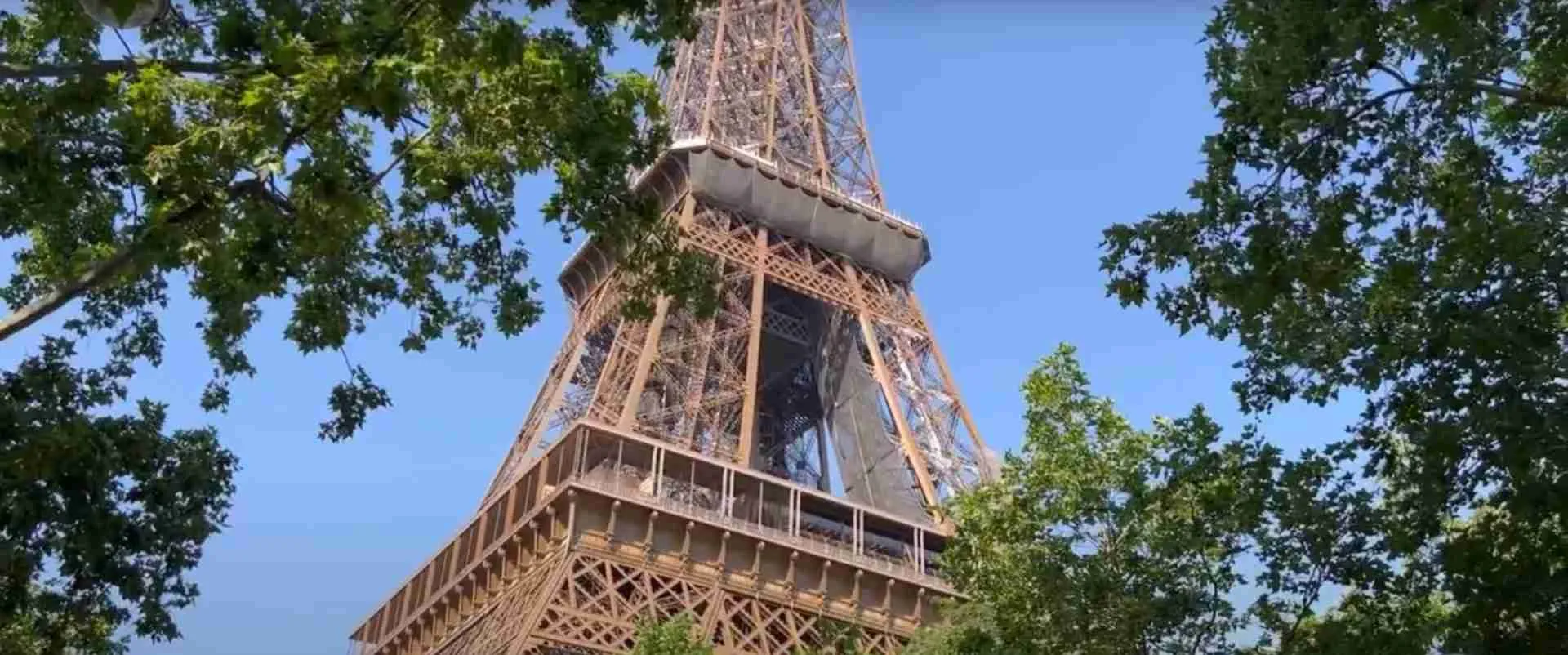
Best Time Visit Eiffel Tower 2026: Seasonal Planning Guide
Timing your Eiffel Tower visit determines the quality of your UNESCO World Heritage experience. Weather conditions, crowd levels, lighting opportunities, and seasonal pricing create distinct advantages for strategic planning. Understanding Paris climate patterns, tourist seasons, and daily visitor flows ensures optimal conditions for photography, sightseeing, and overall enjoyment.
Key Takeaways
- Early morning (9-10 AM) or evening (7-8 PM) offer optimal lighting and smallest crowds year-round
- Spring (March-May) provides ideal weather with 50-65°F temperatures and moderate tourist levels
- Fall (September-November) delivers best value with comfortable weather and post-summer pricing
- Weekday visits reduce crowds by 40% compared to weekend peak times
- Winter months offer clearest visibility with distances up to 70 kilometers on clear days
- Book 60 days ahead during peak season for guaranteed elevator access and preferred time slots
Introduction
The tower operates year-round with seasonal schedule adjustments that affect closing times, weather exposure, and crowd management. Each season brings unique advantages: spring’s mild weather and blooming gardens, summer’s extended daylight and warm temperatures, fall’s clear skies and comfortable conditions, or winter’s crisp air and exceptional visibility.
This comprehensive seasonal guide analyzes weather patterns, crowd data, pricing variations, and photographic opportunities throughout 2026. Whether prioritizing budget considerations, weather preferences, or crowd avoidance, these insights help US travelers select optimal visit timing for their UNESCO heritage adventure.
People Also Ask About Eiffel Tower Timing 2026
What is the best month to visit Eiffel Tower in 2026?
May and September offer optimal conditions with comfortable 60-70°F temperatures, moderate crowds, and excellent visibility. These shoulder season months provide perfect balance of pleasant weather and manageable tourist levels for ideal tower experiences.
What time of day should I visit Eiffel Tower?
Visit between 9-10 AM for shortest wait times and eastern lighting, or 7-8 PM for dramatic sunset views and evening illuminations. Early morning visits reduce crowds by 60% compared to midday peaks.
How far ahead should I book Eiffel Tower tickets in 2026?
Book tickets 60 days in advance when reservations open at 10 AM Paris time. Popular time slots sell out within hours during peak season. Summer months require immediate booking upon availability.
Is winter a good time to visit Eiffel Tower?
Winter provides excellent visibility, smallest crowds, and lowest prices. Clear days offer 70-kilometer visibility with crisp air conditions. Dress warmly for outdoor observation decks with temperatures averaging 35-45°F.
Extended multi-day tours – 5+ days
Featured Paris Multi-Day Tour Packages

5 days
5 Days of Art, Gardens & Royal Splendor: Paris, Giverny & Versailles
- ✓ Comprehensive Paris tour
- ✓ Expert local guides included
- ✓ All accommodation arranged
- ✓ Transportation provided
4 days
Independent Paris City Stay
- ✓ Comprehensive Paris tour
- ✓ Expert local guides included
- ✓ All accommodation arranged
- ✓ Transportation provided
6 days
Enchanting 6-Day Journey Through Paris With Disneyland and Palace of Versailles
- ✓ Comprehensive Paris tour
- ✓ Expert local guides included
- ✓ All accommodation arranged
- ✓ Transportation provided

7 days
The Best of Paris in 7 Days
- ✓ Booking needs min. 2 travelers
Multi-day tour packages powered by TourRadar. Prices and availability subject to change.
Seasonal Weather Analysis
Spring Season (March-May) Conditions
Spring emerges as the premier season for Eiffel Tower visits with consistently mild temperatures ranging from 50-65°F. March begins cool with occasional rain showers, while April and May deliver increasingly pleasant conditions. Daylight extends progressively from 12 hours in March to 15 hours by May, providing ample sightseeing time.
Rainfall occurs on average 12-14 days monthly during spring, requiring compact umbrella preparation. However, showers remain brief and intermittent, rarely disrupting full-day plans. Wind speeds stay moderate at 10-15 mph, creating comfortable observation deck conditions without excessive chill factors.
Gardens surrounding the Champ de Mars bloom throughout spring, creating spectacular foreground photography opportunities. Cherry blossoms peak in April, while tulips and daffodils provide colorful landscaping through May. These seasonal elements enhance tower photography with natural French garden settings.
Visibility remains excellent during spring months with clear days offering 40-50 kilometer panoramic views. Morning mist occasionally reduces visibility until 10 AM, making late morning visits optimal for photography. Evening golden hour begins around 7 PM in March, extending to 8 PM by May.
Summer Season (June-August) Peak Conditions
Summer brings warmest temperatures averaging 70-80°F with extended daylight lasting until 9 PM. Long days provide maximum sightseeing flexibility but coincide with highest tourist volumes and warmest observation deck temperatures. Midday visits can feel uncomfortably warm on exposed tower levels.
Rainfall decreases to 8-10 days monthly during summer with brief afternoon thunderstorms providing temporary cooling. These storms clear quickly, often followed by dramatic lighting conditions ideal for photography. Humidity levels remain moderate at 60-70%, avoiding oppressive conditions common in other European cities.
Summer sunset occurs between 9-9:30 PM, creating spectacular golden hour photography opportunities with warm light lasting until 10 PM. Evening tower illuminations begin later, providing extended outdoor dining and walking opportunities in surrounding areas. Restaurant terraces remain open later with comfortable evening temperatures.
However, summer brings largest crowds with wait times extending 60-90 minutes without skip-the-line tickets. Hotel prices peak during July-August, often doubling spring and fall rates. Popular restaurants require reservations weeks in advance, limiting spontaneous dining options.
Fall Season (September-November) Premium Value
Fall delivers exceptional value with comfortable temperatures ranging from 60-70°F in September declining to 50-60°F by November. Clear, stable weather patterns provide reliable conditions for outdoor activities with minimal rainfall disruption. September often extends summer-like conditions while reducing tourist pressure significantly.
October emerges as the sweet spot month with perfect 55-65°F temperatures, minimal rainfall, and post-summer crowd reductions. Autumn colors enhance Champ de Mars and Trocadéro gardens, providing vibrant photography foregrounds. Clear skies offer excellent visibility extending 50-60 kilometers on optimal days.
November brings cooler conditions requiring light jackets but maintains comfortable sightseeing weather. Daylight reduces to 9-10 hours, concentrating optimal visit times between 10 AM-4 PM. Earlier sunsets create dramatic evening lighting by 6 PM, perfect for illumination photography.
Hotel rates return to moderate levels after summer peaks, often 30-40% below July-August pricing. Restaurant availability improves significantly with same-day reservations possible at quality establishments. Transportation operates on regular schedules without summer overcrowding issues.
Winter Season (December-February) Crystal Clear Views
Winter provides exceptional visibility conditions with crisp, clear air offering maximum panoramic views extending up to 70 kilometers on optimal days. Cold temperatures averaging 35-45°F require warm clothing but create comfortable viewing once properly dressed. Indoor tower areas provide warming breaks between outdoor observations.
Shortest daylight hours concentrate sightseeing between 10 AM-4 PM, but reduced crowds make efficient visits possible. Sunrise occurs around 8:30 AM with sunset by 5 PM, creating extended evening illumination periods. Holiday decorations throughout Paris enhance the magical winter atmosphere.
December holiday season brings increased tourism despite cold weather, requiring advance planning for accommodations and dining. January and February offer lowest tourist numbers with immediate ticket availability and shortest wait times. Hotel rates drop to annual lows, providing exceptional value for budget-conscious travelers.
Snow occasionally dusts Paris during January-February, creating unique photography opportunities with tower contrasted against white landscapes. However, snow rarely accumulates significantly, maintaining normal transportation and tower operations. Ice conditions remain rare, keeping observation decks safely accessible.
Daily Timing Optimization
Early Morning Advantages (9-10 AM)
Early morning visits provide the most efficient tower experience with reduced crowds, shorter security lines, and optimal eastern lighting conditions. Arriving at 9 AM opening time ensures immediate elevator access without queuing delays. Morning light creates excellent photography conditions for eastward views toward Montmartre and Sacré-Cœur.
Trocadéro Gardens across the Seine River offer spectacular morning tower photography with soft, directional lighting eliminating harsh shadows. Morning mist occasionally enhances atmospheric conditions, creating dramatic silhouettes and mood photography opportunities. Clear morning air provides maximum visibility for panoramic city views.
Nearby cafés serve traditional French breakfast, allowing pre-visit preparation with coffee and pastries. Morning visits accommodate busy itineraries by completing tower experience early, freeing afternoon time for other Paris attractions. Public transportation operates efficiently during morning hours without rush-hour overcrowding.
Morning temperatures remain coolest during summer months, providing comfortable observation deck conditions before midday heat. Spring and fall mornings offer jacket weather that warms pleasantly by midday. Winter mornings require warm clothing but reward visitors with exceptional clarity and minimal crowds.
Golden Hour Evening Visits (7-8 PM)
Evening visits during golden hour provide magical lighting conditions with warm, directional sunlight creating dramatic tower silhouettes and panoramic city views. Sunset timing varies seasonally from 5 PM in winter to 9:30 PM in summer, requiring seasonal planning for optimal golden hour photography.
Tower illuminations begin at sunset, continuing hourly sparkle displays every hour after dark. These 5-minute light shows create spectacular photography opportunities with city lights beginning to twinkle below. Evening visits extend naturally into dinner hours with numerous nearby restaurants offering post-tower dining.
Romantic atmosphere peaks during evening visits with couples and special occasions creating memorable experiences. Marriage proposals occur frequently during evening hours with dramatic lighting providing perfect backdrops. Professional photographers often recommend evening sessions for engagement and anniversary photography.
Restaurant reservations become accessible for evening dining after tower visits. Seine river cruises often depart from nearby docks, providing post-tower sightseeing extensions. Evening temperatures remain comfortable during spring, summer, and fall months, encouraging extended outdoor activities.
Midday Considerations (11 AM-3 PM)
Midday visits face highest crowd levels with longest wait times and most challenging lighting conditions. However, midday offers advantages for families with children, providing structured timing between morning and afternoon activities. School groups visit frequently during midday hours, creating educational atmosphere opportunities.
Overhead lighting during midday creates harsh shadows for photography but provides even illumination for observation deck sightseeing. Panoramic views remain excellent with maximum daylight revealing distant landmarks clearly. Summer midday visits require sun protection and hydration preparation for comfortable experiences.
On-tower dining options operate fully during midday hours with 58 Tour Eiffel restaurant serving lunch service. Café facilities provide refreshment breaks during extended tower exploration. Midday timing accommodates tour group schedules and structured itinerary requirements.
Transportation operates at peak efficiency during midday hours with frequent metro and RER service. Nearby attractions maintain full operating schedules, allowing efficient combination visits. Tourist services including information centers and souvenir shops operate at maximum capacity during midday periods.
Crowd Analysis and Avoidance Strategies
Weekly Patterns and Optimal Days
Weekday visits reduce crowd levels by 40% compared to weekend peaks, with Tuesday through Thursday offering optimal conditions. Monday mornings see moderate crowds as weekend visitors extend stays, while Friday afternoons increase with weekend arrival patterns. Wednesday emerges as the quietest day with minimal tourist and local visitor overlap.
Weekend visits bring largest crowds with Saturday experiencing peak visitor numbers. Sunday mornings remain relatively quiet until midday when local French visitors join international tourists. Weekend evening visits maintain high demand but offer romantic atmosphere compensation for increased crowds.
Holiday patterns significantly impact crowd levels with Easter, Christmas, and New Year periods requiring extensive advance planning. French school holidays in February, April, July-August, and October create increased domestic tourism pressure. US holiday weekends coincide with high American visitor numbers during Memorial Day, July 4th, and Labor Day periods.
Summer vacation patterns from mid-June through August create sustained high-demand periods requiring immediate booking upon availability. September school returns reduce family tourism while maintaining favorable weather conditions. October half-term holidays bring moderate increases in British and Northern European visitors.
Hourly Traffic Patterns
Daily crowd patterns follow predictable hourly flows with 9-10 AM opening hours providing minimum wait times. Crowds build steadily through morning hours, peaking between 11 AM-3 PM when tour groups and individual visitors converge. Late afternoon (4-6 PM) sees moderate reductions before evening photography crowds arrive.
Evening crowds focus around sunset timing, creating temporary peaks during golden hour periods. Post-sunset periods reduce crowds as casual visitors depart, leaving dedicated photography enthusiasts and romantic evening visitors. Final entry hours maintain moderate crowds seeking illumination viewing experiences.
Security screening creates bottleneck effects during peak arrival periods, extending wait times beyond elevator queues. Metal detector capacity limits processing speed, making early arrival crucial during high-demand periods. Skip-the-line tickets eliminate queuing but still require security screening time allocation.
Elevator capacity restrictions create natural crowd control but extend wait times during peak periods. Each elevator holds 50 passengers with round-trip cycles taking 10-15 minutes including loading, ascent, viewing time, and descent. Peak hour demand often exceeds elevator capacity, creating queue systems on ground level.
Weather-Based Timing Strategies
Seasonal Weather Optimization
Spring weather provides ideal outdoor comfort with layered clothing accommodating temperature variations throughout the day. Morning cool temperatures warm to pleasant afternoon conditions, requiring light jacket or cardigan preparation. April and May offer most reliable weather patterns with minimal temperature fluctuations.
Summer heat management becomes crucial for comfortable tower visits with midday temperatures reaching 80-85°F on observation decks. Early morning or evening visits avoid peak heat exposure while maintaining excellent sightseeing conditions. Hydration becomes essential during summer visits with water stations available throughout the tower.
Fall weather stability provides excellent planning reliability with consistent temperature ranges and minimal precipitation disruption. September and October offer ideal conditions with comfortable temperatures and stable high-pressure weather systems. November requires light cold-weather preparation but maintains pleasant sightseeing conditions.
Winter weather demands proper cold-weather clothing but rewards visitors with exceptional clarity and atmospheric conditions. Indoor warming areas throughout the tower provide comfort breaks during extended cold exposure. Clear winter days offer maximum visibility with crisp air eliminating haze and pollution effects.
Rain and Storm Considerations
Light rain does not close tower operations, but outdoor observation areas become less comfortable without proper rain protection. Covered areas on second floor provide weather protection while maintaining viewing access. Tower elevators continue operating during moderate rain conditions with minimal impact on visit experience.
Thunderstorms may temporarily suspend elevator operations for safety reasons, but closures remain brief with operations resuming quickly after storm passage. Summer afternoon storms often clear rapidly, followed by exceptional atmospheric conditions with dramatic lighting and enhanced visibility.
Severe weather including high winds may close summit level access while maintaining second floor operations. Wind thresholds at 276-meter summit level require safety precautions during severe weather events. First and second floor levels remain operational during most weather conditions with covered observation areas.
Weather monitoring systems provide advance warning for potential closures, allowing visit timing adjustments. Official website and mobile app provide real-time weather impact updates. Travel insurance covers weather-related visit disruptions for international travelers.
2026 Special Events and Considerations
Olympic Legacy and Infrastructure
Post-2024 Olympics infrastructure improvements enhance Eiffel Tower accessibility and crowd management capabilities. Upgraded transportation connections improve metro and RER efficiency for tower access. Enhanced security systems reduce screening wait times while maintaining safety standards.
Olympic venue proximity effects continue into 2026 with improved pedestrian pathways and visitor facilities surrounding the tower area. Legacy crowd management systems optimize visitor flow during peak periods. International recognition from Olympic exposure increases global tourism interest requiring enhanced advance planning.
Infrastructure investments include upgraded elevator systems with increased capacity and reduced wait times. Improved accessibility features accommodate diverse international visitor needs. Enhanced digital services provide real-time crowd and weather updates for optimal visit timing.
Cultural Events and Celebrations
Bastille Day (July 14) creates exceptional demand with military parade viewing and fireworks displays near the tower. Book accommodations and tower tickets months in advance for July 14 access. Crowd levels reach annual peaks during national celebration periods.
Christmas and New Year celebrations feature special decorations and extended illumination schedules. Holiday markets in surrounding areas create festive atmosphere but increase overall visitor numbers. December accommodation rates increase significantly during holiday season.
Fashion Week periods in February-March and September-October bring high-end tourism increases with upscale dining and accommodation demand. Cultural events throughout Paris create spillover tourism effects impacting tower visit planning. Art exhibition openings and museum events influence overall city tourism patterns.
Photography and Lighting Considerations
Seasonal Light Quality Analysis
Spring light provides soft, directional illumination ideal for tower photography with moderate contrast and natural color rendition. Longer days extend golden hour opportunities while maintaining comfortable shooting conditions. Spring gardens provide colorful foreground elements enhancing tower compositions.
Summer light becomes harsh during midday hours but offers extended golden hour periods from 8-10 PM. Early morning and late evening provide optimal lighting conditions with warm, directional illumination. Long summer days allow multiple lighting condition sessions during single visits.
Fall light offers crisp, clear atmospheric conditions with enhanced color saturation and excellent contrast. Autumn foliage provides seasonal foreground interest with golden and red color palettes complementing tower’s iron structure. Shorter days concentrate optimal lighting periods requiring precise timing.
Winter light creates dramatic low-angle illumination throughout the day with exceptional clarity and atmospheric conditions. Holiday decorations and potential snow provide unique seasonal photography opportunities. Clear winter air eliminates haze effects common during warmer months.
Illumination Timing and Spectacles
Tower illuminations begin precisely at sunset with automatic systems adjusting for seasonal timing variations. Hourly sparkle displays occur every hour on the hour after dark, lasting exactly 5 minutes. These displays provide premier photography opportunities with predictable timing for planning purposes.
Golden hour photography requires seasonal timing adjustments with summer golden hour occurring 8-10 PM and winter golden hour beginning around 4 PM. Blue hour immediately following sunset offers optimal conditions for illuminated tower photography with balanced sky and artificial lighting.
Special illumination events occur during major holidays and commemorative occasions with colored lighting and extended display schedules. These special events create unique photography opportunities but require advance research for timing and duration information.
Budget and Pricing Seasonal Variations
Accommodation Cost Fluctuations
Hotel rates fluctuate significantly by season with summer months commanding premium pricing 40-60% above winter rates. Spring and fall shoulder seasons offer moderate pricing with excellent value during optimal weather periods. Book 2-3 months ahead during peak seasons for better rate availability.
Paris accommodation prices peak during July-August, Fashion Week periods, and major holidays with limited availability during these high-demand windows. Winter months offer lowest rates but require weather-appropriate clothing and activity planning. January-February provide exceptional value for budget-conscious travelers.
Apartment rentals and vacation properties follow similar seasonal patterns with summer premiums and winter discounts. Location proximity to Eiffel Tower significantly impacts pricing with nearby accommodations commanding substantial premiums. Transportation costs remain constant year-round with metro and RER maintaining fixed pricing.
Restaurant and Dining Seasonal Pricing
Restaurant prices remain relatively stable year-round, but availability and reservation requirements vary significantly by season. Summer months require advance reservations at popular establishments with limited walk-in availability. Winter months offer easier reservation access with occasional seasonal menu pricing adjustments.
Prix fixe menus often adjust seasonally with summer offerings featuring lighter cuisine and higher pricing. Fall and winter menus emphasize seasonal ingredients with potentially lower pricing for heartier dishes. Tourist-oriented restaurants maintain consistent pricing with seasonal menu availability variations.
Outdoor dining availability depends on weather conditions with summer offering maximum terrace and garden dining options. Spring and fall provide pleasant outdoor dining weather with moderate demand levels. Winter outdoor dining requires heating elements but offers cozy atmospheric experiences.
Frequently Asked Questions
What is the absolute best day and time to visit Eiffel Tower?
Tuesday or Wednesday morning at 9 AM opening time provides optimal conditions with minimal crowds, excellent eastern lighting, and immediate elevator access. Combine with late May or early October for perfect weather conditions and moderate tourism levels.
How does weather affect Eiffel Tower operations?
Light rain and moderate winds maintain normal operations with covered viewing areas available. Severe thunderstorms may temporarily suspend elevators for safety. High winds above 60 mph close summit level while maintaining first and second floor access.
Are there specific months to avoid visiting Eiffel Tower?
July and August bring largest crowds and highest prices but offer longest daylight hours. Avoid if prioritizing budget and crowd avoidance. December holiday weeks create high demand despite cold weather requiring advance planning.
What time does the Eiffel Tower illuminate and sparkle?
Illumination begins at sunset with automatic timing adjustments. Sparkle displays occur every hour on the hour after dark for exactly 5 minutes. Final sparkle occurs at closing time: 11 PM winter, 11:45 PM summer.
How far in advance should I check weather forecasts for my visit?
Check 7-day forecasts for general planning and 48-hour forecasts for specific timing decisions. Weather apps provide hourly forecasts helping optimize daily visit timing. Flexible planning allows weather-based timing adjustments for optimal conditions.
Is it worth visiting Eiffel Tower during rain or cloudy weather?
Light rain creates atmospheric photography opportunities with dramatic skies and moody lighting. Covered observation areas maintain viewing access during precipitation. Avoid heavy rain periods when outdoor observation becomes uncomfortable and visibility reduces significantly.
What seasonal clothing should I pack for different times of year?
Spring requires layers with light jacket and compact umbrella. Summer needs sun protection and light, breathable clothing. Fall demands moderate warm clothing with wind protection. Winter requires warm coat, hat, and gloves for outdoor observation deck comfort.
How do French holidays affect Eiffel Tower visiting conditions?
Bastille Day (July 14) creates peak annual demand requiring months-advance booking. Christmas and New Year feature special decorations but increase crowds. May Day (May 1) may affect transportation and restaurant operations with reduced service.
Can I change my Eiffel Tower ticket time if weather conditions deteriorate?
Ticket time changes require 7+ days advance notice for full flexibility. Weather-related changes within 7 days depend on availability and may incur fees. Travel insurance covers weather-related cancellations for international visitors.
What backup indoor activities are available near Eiffel Tower during bad weather?
Musée d’Orsay provides excellent indoor sightseeing 15 minutes away. Les Invalides complex offers extensive indoor exploration. Covered shopping at nearby Rue Cler market maintains weather-protected activities. Museum Pass covers multiple indoor attractions for rainy day alternatives.