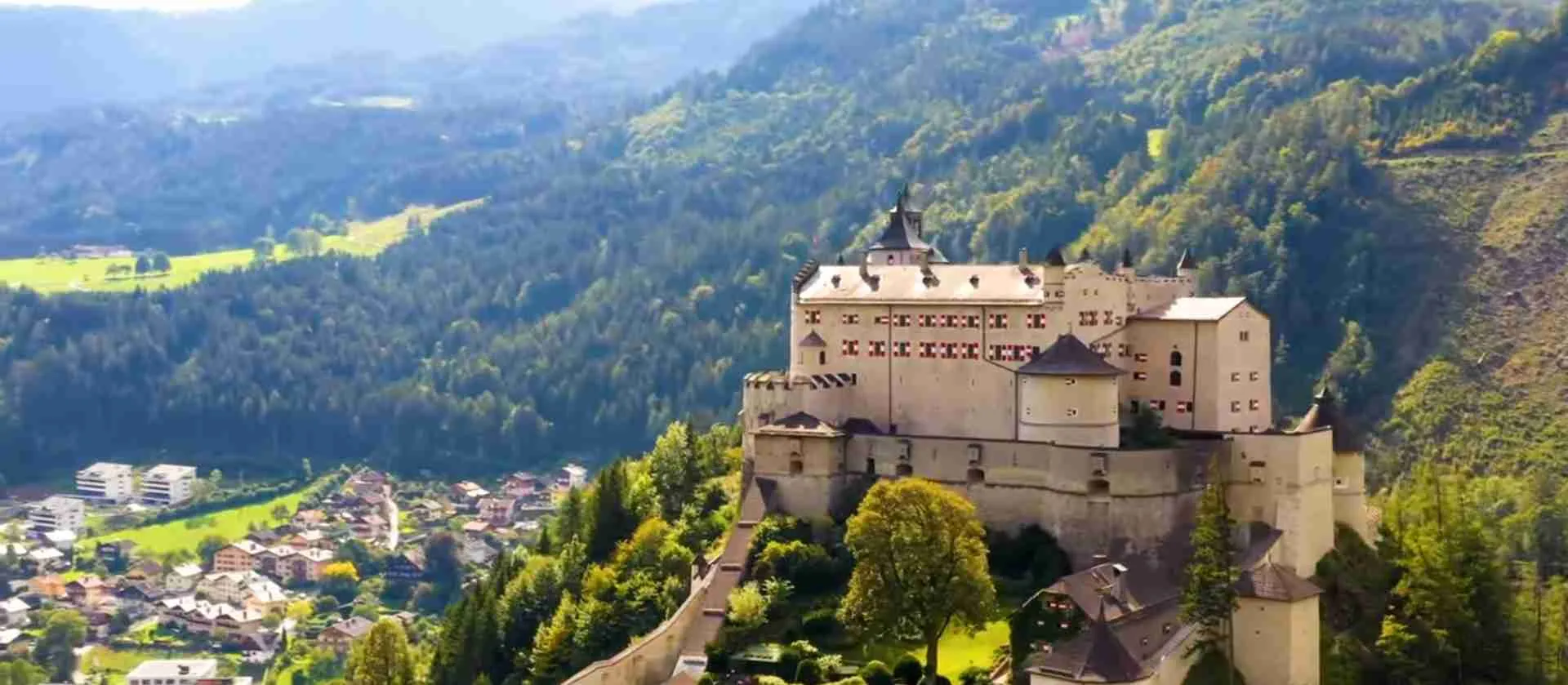
Best Time Visit Austria 2026: Seasonal Planning Guide
Key Takeaways:
- Vienna and Salzburg offer year-round appeal with distinct seasonal advantages in 2026
- Summer (June-August) brings peak pricing at €180-300 per night, while winter offers budget opportunities at €90-150
- Christmas markets (November 22-December 26, 2026) create premium pricing but unmatched cultural experiences
- Shoulder seasons (April-May, September-October) deliver optimal weather-cost balance for 2026 travelers
- Alpine regions transform completely between summer hiking and winter skiing seasons
- Cultural festival calendar in 2026 requires advance booking 3-6 months ahead for major events
Planning Your Austria Visit in 2026
Austria’s diverse geography and cultural calendar create dramatically different experiences across seasons. The country spans from alpine peaks in Tyrol to baroque cities like Vienna and Salzburg, from wine country in the east to pristine lakes in Salzkammergut. Understanding seasonal patterns allows you to align your interests with optimal timing, whether pursuing imperial history, mountain adventures, classical music, or culinary exploration.
The 2026 calendar presents specific opportunities: Easter falls April 5, affecting spring travel patterns. The Salzburg Festival runs July 18-August 31, requiring early reservations. Christmas markets launch November 22 across major cities. Vienna’s Opera Ball occurs February 26, with accommodation booked 6-8 months ahead. The Vienna Philharmonic New Year’s Concert on January 1, 2026, sells out one year in advance through lottery system.
Weather stability varies significantly by region and elevation. Vienna experiences continental climate with hot summers (25-30°C) and cold winters (-5 to 5°C). Alpine areas see temperature variations of 15-20°C between valley floors and mountain peaks. Lake districts maintain milder conditions year-round. Salzburg sits in a transition zone between alpine and lowland climates, creating unpredictable weather patterns in spring and autumn.
People Also Ask About Best Time Visit Austria 2026
When is the cheapest time to visit Austria in 2026?
November (excluding Christmas market period) and January-February offer the lowest prices in 2026. Vienna hotels drop to €90-150 per night in mid-range categories, compared to €180-300 during summer peak. Flight prices from major European cities fall 30-40% compared to July-August rates. Restaurant dining costs remain stable year-round, but accommodation drives overall budget variations. Salzburg sees similar patterns, with January-February rates 40-50% below summer peaks. Alpine ski resorts reverse this pattern, with January-February representing peak season pricing.
What is the best month for sightseeing in Austria in 2026?
May and September provide optimal sightseeing conditions for 2026 visits. May temperatures reach 18-22°C in Vienna and Salzburg, perfect for walking tours without summer heat. September maintains 16-20°C with autumn colors emerging in alpine regions. Both months see 30-40% fewer tourists than July-August peaks, creating shorter lines at Schönbrunn Palace, Hofburg, and Salzburg attractions. May offers longer daylight (14+ hours) for extended sightseeing, while September provides harvest festivals in wine regions. June works well but sees increasing crowds as schools release for summer.
Is Austria expensive to visit in 2026?
Austria ranks in the upper-middle cost range for European destinations in 2026. Vienna costs compare to Paris or Amsterdam, with daily budgets of €100-150 per person for mid-range travel. Salzburg runs 10-15% higher during festival season (July-August). Budget travelers manage €60-80 daily outside peak season through hostel accommodation (€25-35), supermarket meals (€15-20), and public transport passes (€8-17 weekly). Luxury travel reaches €400-600 daily with premium hotels, fine dining, and private tours. Alpine regions cost 20-30% more than cities during ski season (December-March).
How many days do you need to visit Austria in 2026?
Seven to ten days allows comprehensive exploration of Austria’s highlights in 2026. A typical itinerary includes 3 days in Vienna (imperial palaces, museums, opera), 2 days in Salzburg (old town, Mozart sites, Sound of Music locations), 2 days in Hallstatt and Salzkammergut lakes, and 2-3 days in Innsbruck or alpine region. This pacing provides cultural immersion without exhausting rush. Extended trips of 14+ days incorporate wine country (Wachau Valley), Graz, additional alpine areas, or slower-paced exploration. Weekend trips (3-4 days) work for Vienna or Salzburg focus, particularly for repeat visitors or those combining Austria with nearby countries.
Extended multi-day tours – 5+ days
Featured Austria Multi-Day Tour Packages

3 days
Austria 3-Day Discovery Tour
- ✓ Comprehensive Austria experience
- ✓ Expert local guides included
- ✓ All accommodation included
- ✓ Transportation provided
5 days
Austria 5-Day Highlights Experience
- ✓ Comprehensive Austria experience
- ✓ Expert local guides included
- ✓ All accommodation included
- ✓ Transportation provided
7 days
Austria 7-Day Cultural Journey
- ✓ Comprehensive Austria experience
- ✓ Expert local guides included
- ✓ All accommodation included
- ✓ Transportation provided
10 days
Austria 10-Day Complete Adventure
- ✓ Comprehensive Austria experience
- ✓ Expert local guides included
- ✓ All accommodation included
- ✓ Transportation provided
Multi-day tour packages powered by TourRadar. Prices and availability subject to change.
Essential Planning Information 2026
Current Costs and Seasonal Pricing for 2026
Accommodation costs in Vienna range €90-150 per night for mid-range hotels in low season (January-February, November), €150-220 in shoulder seasons (March-May, September-October), and €180-300 during peak summer (June-August) and Christmas markets (late November-December) in 2026. Check booking platforms for current rates as seasonal variations affect pricing. Salzburg adds 15-20% premium to these ranges during Salzburg Festival (July 18-August 31, 2026). Alpine areas reverse patterns, with ski season (December-March) commanding highest rates.
Dining costs remain stable across seasons. Breakfast at hotels costs €15-25 per person. Traditional restaurant lunches range €12-18 for daily specials, €18-28 for à la carte selections. Dinner at mid-range restaurants runs €25-40 per person with wine. Heurigen (wine taverns) offer buffet-style meals at €15-25. Coffeehouse culture (essential Vienna experience) costs €8-15 for coffee and cake. Supermarket meals for budget travelers: breakfast €4-6, lunch components €6-10, dinner ingredients €8-12.
Transportation operates on fixed pricing structures. Vienna public transport: single ride €2.40, 24-hour pass €8, 72-hour pass €17.10, weekly pass €17.10. ÖBB (Austrian Railways) advance purchase discounts reach 30-50% for bookings made 3+ months ahead. Vienna-Salzburg standard fare €54, advance purchase €29-39. Vienna-Innsbruck €59, advance €35-45. Austria Rail Pass (3 days in 1 month) costs €176 for second class, providing unlimited travel flexibility.
Transportation and Access in 2026
Vienna International Airport (VIE) serves as Austria’s primary gateway, with direct connections from 180+ destinations worldwide. City Airport Train (CAT) reaches city center in 16 minutes for €12 one-way, €19 round-trip. Standard S-Bahn S7 line costs €4.40, taking 25 minutes. Airport buses reach various districts for €8. Taxis run fixed €36-40 to central districts. Salzburg Airport (SZG) connects to 30+ European cities, with bus #2 reaching city center in 20 minutes for €2 (single ticket) or €4 (day pass).
Regional travel combines efficient rail networks with scenic mountain transport. Westbahn operates competitive Vienna-Salzburg service at €19-29 with advance purchase, offering free WiFi and modern trains. Innsbruck connects to Switzerland, Germany, and Italy through Brenner Pass route. Lake districts require bus connections from nearest rail stations, with integrated ticketing allowing seamless transfers. Alpine regions utilize cable cars and mountain railways, with half-fare cards reducing costs 50% for multi-day alpine exploration.
Understanding Austrian Seasons 2026
Austria’s seasonal patterns follow distinct cycles driven by continental climate influences and alpine geography. The country experiences four pronounced seasons with significant regional variations. Vienna and eastern lowlands show the most dramatic temperature swings, from summer heat waves to winter freezes. Alpine areas maintain cooler temperatures year-round, with permanent snow above 2,500 meters. Lake districts benefit from water’s moderating influence, creating microclimates with milder winters and cooler summers.
Cultural calendar aligns with seasons, creating distinct visitor experiences. Winter brings Christmas markets, ski season, and winter balls. Spring launches Easter markets, palace garden openings, and classical music festivals. Summer peaks with Salzburg Festival, outdoor concerts, and alpine hiking. Autumn delivers wine harvest festivals, opera season openings, and golden foliage across forests and vineyards.
Daylight hours shift dramatically across seasons, affecting sightseeing schedules. June summer solstice provides 16+ hours of daylight, with sunset after 9 PM in Vienna. December winter solstice reduces this to 8 hours, with darkness arriving by 4:30 PM. Spring and autumn shoulder seasons offer 12-14 hours, allowing comfortable full-day exploration without early darkness or late sunrises limiting activities.
Spring in Austria 2026 (March-May)
Spring emerges gradually across Austria, with regional timing variations of 3-4 weeks between lowlands and mountains. Vienna sees first blooms in late March, with full spring arriving mid-April. Alpine valleys lag 2-3 weeks behind cities, while high alpine areas remain snowbound through May. Easter 2026 falls April 5, creating holiday travel peak with increased accommodation demand and cultural celebrations.
March represents transition season with unpredictable weather. Vienna temperatures range 5-12°C, with mix of sunny days and rain showers. Snow remains possible, particularly in first half of month. Accommodation costs stay in low-season range (€90-150 mid-range hotels), making this attractive for budget travelers accepting variable weather. Museums, palaces, and indoor attractions operate normal schedules. Outdoor palace gardens (Schönbrunn, Belvedere) show early blooms by month’s end.
April brings genuine spring conditions to cities and lowlands. Vienna averages 12-18°C, Salzburg 10-16°C. Palace gardens burst into bloom, creating spectacular photography opportunities particularly at Schönbrunn (40+ hectares of gardens). Easter week (March 31-April 7, 2026) sees cultural celebrations including Easter markets in Vienna, Salzburg, and Innsbruck. Hotel prices increase 20-30% during Easter week compared to early March. The Danube Valley wine region begins welcoming visitors, with apricot blossoms in Wachau Valley peaking late April.
May represents peak spring conditions before summer crowds arrive. Temperatures reach 18-22°C in Vienna, 16-20°C in Salzburg, perfect for extended walking tours. Alpine hiking trails at lower elevations (below 1,500 meters) become accessible, though higher routes remain snowbound. Vienna’s outdoor concert season begins in Stadtpark and Burggarten. Museum crowds stay moderate compared to summer peaks. Accommodation pricing enters shoulder season range (€150-220), offering good value before June price increases. Daylight extends to 15+ hours, maximizing sightseeing time.
Summer in Austria 2026 (June-August)
Summer dominates Austria’s tourist season, bringing peak crowds, highest prices, and most stable weather. Vienna temperatures reach 25-30°C, occasionally exceeding 32°C during heat waves. Salzburg maintains slightly cooler 23-28°C. Alpine areas provide escape from heat, with valley temperatures 5-8°C below cities and mountain peaks offering dramatic cooling at higher elevations. Lake districts see water temperatures rising to swimmable 20-24°C by July.
June marks summer season opening across alpine regions. Cable cars resume full schedules after spring maintenance, accessing hiking trails above 2,000 meters. Grossglockner High Alpine Road (Austria’s highest paved mountain pass at 2,504 meters) opens late May or early June depending on snow conditions, connecting Salzburg region to Carinthia through spectacular scenery. Vienna reduces intensity compared to July-August, with many locals beginning holiday departures. Hotel prices climb to €180-250 range but remain below peak-season rates.
July and August represent absolute peak season. Salzburg Festival (July 18-August 31, 2026) transforms the city into classical music epicenter, with opera, concerts, and theater performances attracting 250,000+ visitors annually. Festival tickets require booking 6-12 months ahead for popular performances, with prices ranging €30-350 depending on venue and performance. Salzburg accommodation reaches premium rates (€250-400 mid-range hotels during festival), requiring reservations 3-6 months in advance. Vienna sees international tourist peaks but remains accessible with advance planning.
Alpine hiking reaches optimal conditions in July-August. High alpine trails (2,000-3,000 meters) become snow-free, opening routes like Zillertal Alps, Stubai Glacier area, and Hohe Tauern National Park trails. Mountain huts operate full service with dining and overnight accommodation. Via ferratas (secured climbing routes) throughout Tyrol and Salzburg regions attract adventure seekers. Lake districts (Salzkammergut, Carinthia) offer swimming, sailing, and water sports in crystalline alpine lakes.
Autumn in Austria 2026 (September-October)
Autumn delivers arguably Austria’s most rewarding travel season, combining summer weather reliability with reduced crowds and moderate pricing. September maintains temperatures of 16-20°C in cities, perfect for walking tours without summer heat. Alpine regions begin displaying autumn colors, with larch trees turning golden yellow across higher elevations. Lake districts extend swimming season through mid-September, with water temperatures remaining comfortable at 18-20°C.
September sees dramatic crowd reductions as schools resume across Europe. Museum lines at Kunsthistorisches Museum, Albertina, and Schönbrunn Palace decrease 40-50% compared to July-August peaks. Vienna State Opera reopens its season (typically early September), offering world-class performances after summer closure. Spanish Riding School resumes full performance schedule. Accommodation drops to shoulder-season rates (€150-220), providing excellent value for quality hotels in prime locations.
Wine harvest season peaks in September-October throughout eastern Austria. Wachau Valley (UNESCO World Heritage wine region) celebrates Weinherbst with festivals in riverside villages. Heurigen (wine taverns) serve fresh Sturm (partially fermented grape juice) alongside traditional buffets. Vienna’s wine regions in 19th district (Grinzing, Nussdorf) operate heurigen year-round but see special autumn harvest celebrations. South Styria’s wine roads offer scenic drives through rolling vineyard hills.
October brings cooler temperatures (10-16°C) and increasing rainfall, particularly in alpine regions. First snow arrives at high elevations (above 2,500 meters), signaling summer season end for mountain activities. Cities remain comfortable for sightseeing, with autumn colors in Vienna’s parks (Stadtpark, Prater, Schönbrunn gardens) peaking mid-month. Cultural calendar intensifies with opera and concert season in full swing. Halloween celebrations emerge in Vienna and tourist areas. Accommodation costs drop further toward winter rates, making late October attractive for budget travelers.
Winter in Austria 2026 (December-February)
Winter transforms Austria into dual-character destination: magical Christmas market season in cities followed by premier ski season in alpine regions. Vienna decorates extensively for Christmas, with markets opening November 22 and continuing through December 26, 2026. Salzburg, Innsbruck, Graz, and smaller towns establish their own market traditions. The combination of baroque architecture, market lights, mulled wine (Glühwein), and festive atmosphere creates uniquely Austrian winter experience.
Christmas market season (late November-December 26) represents peak winter tourism for cities. Vienna’s markets attract 3+ million visitors annually, concentrated in 5-week period. Hotel prices surge to €200-300+ range, requiring advance booking 3-6 months ahead for quality accommodation in central districts. Markets operate daily 10 AM – 9 PM (longer on weekends), offering handicrafts, ornaments, traditional foods, and warming beverages. Major Vienna markets include Rathausplatz (largest), Schönbrunn Palace, Karlsplatz, and Spittelberg.
New Year’s celebrations center on Vienna’s Silvesterpfad (New Year’s Eve path) with outdoor music stages, food stands, and midnight fireworks along Ringstrasse boulevard. The event draws 700,000-900,000 participants, creating intensive accommodation demand. Vienna Philharmonic New Year’s Concert on January 1, 2026, represents pinnacle cultural event, with tickets distributed through lottery system one year in advance. Concert broadcasts globally, showcasing Austrian musical heritage.
January-February shifts focus to alpine ski season. Major ski areas include Arlberg (St. Anton, Lech, Zürs), Kitzbühel, Sölden, Ischgl, Zillertal, and Saalbach-Hinterglemm. Snow reliability peaks in these months, with base depths of 1-2 meters at mid-mountain elevations. Ski passes cost €50-70 daily, with multi-day passes reducing per-day rates. Equipment rental runs €30-50 daily for complete ski or snowboard setup. Ski hotels operate on half-board (breakfast and dinner included) packages at €100-180 per person daily, with significant variations between budget and luxury properties.
Cities enter quiet season January-February, with lowest accommodation rates (€90-150 mid-range) and minimal crowds. Vienna’s winter ball season peaks, with 450+ balls occurring January-February including famous Opera Ball (February 26, 2026). Ball attendance requires formal attire (tuxedos, ball gowns) and advance ticket purchase (€250-350 for standard tables). Museums, palaces, and cultural venues operate normal schedules with excellent access and no waiting lines.
Special Events Calendar 2026
Vienna Opera Ball occurs February 26, 2026, representing social season highlight. Tickets become available 6-8 months ahead through official channels, with various seating categories from standing-room (€30-50) to box seats (€3,000-20,000). The event requires formal white-tie attire for men, floor-length ball gowns for women. Accommodation in central Vienna becomes extremely tight, with hotels fully booked 4-6 months in advance.
Easter celebrations (April 3-7, 2026, with Easter Sunday April 5) create spring travel peak. Vienna, Salzburg, Innsbruck, and Graz host Easter markets selling decorated eggs, traditional foods, and handicrafts. Churches conduct special services including Palm Sunday processions and Easter vigil masses. Salzburg’s Easter Festival (classical music, opera) runs March 28-April 7, 2026, attracting culture enthusiasts and requiring advance booking for performances and accommodation.
Salzburg Festival (July 18-August 31, 2026) dominates summer cultural calendar with 180+ performances across 6 weeks. Programs include opera at Grosses Festspielhaus, concerts at Mozarteum, theater at Felsenreitschule, and recitals at various historic venues. Ticket sales open January 2026 through official festival box office, with popular performances selling out within days. Festival Pass packages (multiple performances) offer cost advantages for serious music lovers. The event transforms Salzburg into temporary classical music capital, with accommodation, dining, and streets filled with festival-goers.
Vienna Festival Weeks (Wiener Festwochen) run mid-May through mid-June, presenting contemporary theater, dance, music, and visual arts. The festival commissions new works and brings international productions to Vienna stages. Performances occur at Theater an der Wien, Volkstheater, MuseumsQuartier, and site-specific locations throughout the city.
Christmas market season (November 22-December 26, 2026, though some markets open mid-November) creates distinctive winter atmosphere. Vienna’s Christkindlmarkt at Rathausplatz opens November 15 and operates through December 26. Schönbrunn Christmas Market provides baroque palace backdrop for traditional market stalls. Salzburg markets fill old town plazas with similar timing. Innsbruck’s market fronts the Golden Roof landmark. Each city develops unique market character while maintaining common elements: handicraft vendors, food stands, Glühwein, and festive decorations.
Regional Considerations for 2026
Vienna maintains year-round appeal with minimal seasonal closures. Museums, palaces, and cultural venues operate consistent schedules. Winter actually provides advantages: shorter museum lines, easier restaurant reservations, and lower accommodation costs outside Christmas market period. Summer sees outdoor concerts in parks and palace gardens, adding dimension to cultural offerings. Opera and concert halls close July-August, but Theater an der Wien and other venues maintain programming.
Salzburg experiences dramatic seasonal shifts. Summer (especially July-August festival period) brings peak crowds and premium pricing. Winter Christmas market season creates second high season but with different character. Spring (April-May) and autumn (September) offer excellent compromise of good weather, cultural programming, and moderate costs. The city’s compact size means attractions remain accessible even during peak festival periods, though advance planning becomes essential.
Alpine regions operate on inverse seasonal patterns compared to cities. Winter (December-March) represents peak season for ski areas, with highest accommodation costs and advance booking requirements. Many mountain hotels close April-May (spring closure) and October-November (autumn closure) for maintenance between seasons. Summer hiking season (June-September) provides high alpine access but sees lower demand than ski season. Shoulder seasons offer limited services as hotels, restaurants, and cable cars conduct maintenance or remain closed.
Lake districts (Salzkammergut centered on Hallstatt, Carinthian lakes near Villach) peak in summer when swimming becomes comfortable. July-August see highest tourist volumes, particularly at Hallstatt which manages overwhelming crowds through parking restrictions and visitor management. May-June and September offer pleasant weather with fewer tourists, though water temperatures remain cooler (15-18°C) compared to July-August (20-24°C). Winter sees many lakeside hotels and restaurants close, with Hallstatt maintaining modest winter tourism focused on alpine scenery without summer crowds.
Wine regions (Wachau Valley, South Styria) align with agricultural calendar. Spring (April-May) brings vineyard awakening and early-season visitors. Summer provides full tourism infrastructure but less wine-specific programming. Autumn harvest season (September-October) creates peak wine tourism with festivals, heurigen tastings, and harvest celebrations. Winter sees reduced hours and closures among smaller wineries and heurigen, though Wachau villages maintain tourism presence year-round.
Crowd Management Strategies 2026
Summer peak season (July-August) requires strategic timing to minimize crowds at major attractions. Schönbrunn Palace opens 8:30 AM, with first hour providing lightest crowds before tour bus arrivals around 10 AM. Online ticket purchases allow direct entry without ticket line waits. Evening visits (after 5 PM) see reduced crowds though some rooms close for conservation. Hofburg Palace complex distributes visitors across multiple museums, but Sisi Museum sees peak crowds 11 AM – 3 PM. Early morning or late afternoon visits optimize experience.
Salzburg Festival period requires complete advance planning. Book accommodation 4-6 months ahead to secure reasonable rates in city center. Festival tickets go on sale January, with advance planning critical for specific performance dates aligning with travel schedule. Non-festival activities (fortress, Mozart museums, gardens) see increased crowds throughout festival period. Early morning fortress visits (opening 9 AM) avoid crowds that build mid-morning through afternoon.
Hallstatt implements parking restrictions and visitor management during peak season (May-October). Arrive before 9 AM or after 5 PM to find parking and experience village without overwhelming crowds. Many day-trippers arrive on mid-morning buses and depart late afternoon, creating 11 AM – 4 PM peak congestion. Overnight stays allow evening and early morning exploration when cruise ship and bus tour visitors depart. Winter (November-March) reduces crowds 80-90%, creating serene atmosphere though some restaurants and hotels close.
Christmas market season (late November-December) creates intensive crowding in Vienna, Salzburg, and other cities. Weekday afternoon visits (2-4 PM) see lighter crowds than weekends or evenings. The final weekend before Christmas represents absolute peak congestion. First week of market opening (late November) provides full market experience with manageable crowds before peak holiday shopping period.
Alternative timing strategies include visiting major cities during their relative low seasons: Vienna in January-February or November (non-market period), Salzburg in spring (April-May) or autumn (September-October), alpine areas in summer for hiking rather than winter skiing. These off-peak periods maintain full services and favorable weather while dramatically reducing tourist density.
Weather Patterns and Climate 2026
Vienna experiences continental climate with distinct seasonal patterns. Summer (June-August) averages 23-28°C with occasional heat waves reaching 32-35°C. Thunderstorms occur frequently in summer afternoons, bringing brief downpours and cooling. Spring and autumn maintain comfortable 15-20°C ranges, ideal for walking tours and outdoor sightseeing. Winter averages 0-5°C, with cold snaps dropping to -5 to -10°C and occasional snow accumulation creating picturesque scenes but potentially complicating transportation.
Rainfall distributes relatively evenly across the year, with slight summer peak due to thunderstorms. Vienna receives 600-650mm annually, averaging 50-60mm monthly. May-June see frequent thunderstorms, while July-August experience intense but brief afternoon storms. Winter precipitation falls as snow when temperatures drop below freezing, creating Christmas postcard scenes. Pack umbrella and light rain jacket year-round, with heavier winter coat December-February.
Salzburg sits at alpine foothills, creating transitional climate between lowland and mountain patterns. Föhn winds (warm, dry downslope winds from Alps) create dramatic temperature swings, with temperatures rising 10-15°C within hours when föhn develops. This occurs most frequently in autumn and spring, creating unpredictable weather. Salzburg receives more precipitation than Vienna (1,200-1,400mm annually), with mountain proximity generating frequent showers. Summer thunderstorms develop quickly, requiring flexible outdoor plans.
Alpine regions above 1,500 meters maintain cool temperatures year-round, with summer maximums of 15-20°C at valley elevations, dropping 6-7°C per 1,000 meters of elevation gain. Mountain peaks remain below freezing year-round above 3,000 meters. Winter brings heavy snowfall, with ski areas receiving 3-6 meters of total seasonal accumulation. Weather changes rapidly in mountains, with clear morning skies transforming to afternoon storms. Check mountain weather forecasts before alpine excursions.
Lake districts benefit from water’s moderating influence. Hallstatt and surrounding Salzkammergut lakes maintain cooler summers (22-25°C maximums) and milder winters (0-5°C) compared to Vienna. Frequent fog and low clouds occur in autumn-winter, creating atmospheric but gray conditions. Summer brings most reliable sunshine, with July-August averaging 7-8 hours of sun daily. Lake water temperatures reach swimmable 20-24°C in July-August, dropping to 15-18°C in June and September.
Budget Optimization by Season 2026
Winter low season (January-February, excluding New Year’s period) delivers maximum savings. Vienna hotels drop to €90-150 per night (mid-range double occupancy) compared to €180-300 in summer. Flight costs from major European cities fall 30-40% below summer rates. Restaurant prices remain stable, but hotel savings drive 25-35% reduction in total trip costs. Cultural programming maintains high quality with opera, concerts, and museums operating full schedules. Accept shorter daylight and cold temperatures for significant budget advantages.
Shoulder seasons (April-May in spring, September-October in autumn) provide optimal value-weather balance. Accommodation costs €150-220 range, splitting difference between low and peak seasons. Weather reliability approaches summer levels, particularly in September when conditions often match July-August quality without premium pricing. Cultural calendar operates at full intensity, with opera and concert seasons in full swing. Tourist crowds remain manageable, reducing stress and wait times at attractions.
Christmas market season (late November-December 26) creates winter price premium approaching summer levels. Vienna accommodation climbs to €200-300+ range, particularly in central districts near major markets. Book 3-6 months ahead for reasonable rates. However, market admission remains free, with spending on food, drinks, and gifts optional. Budget travelers manage by staying in outer districts (accessible via efficient public transport) and limiting market spending to modest amounts while enjoying atmosphere.
Summer peak season (July-August) commands highest prices: accommodation €180-300+ range, advance booking essential for reasonable rates. However, advance train bookings (3+ months ahead) reduce transportation costs 30-50%. Many cultural venues close for summer (opera, concert halls), though outdoor programming substitutes. Alpine regions offer excellent summer value for hikers, with mountain hut accommodation (€40-60 with half-board) providing budget access to high country.
Package timing strategies include splitting trips between low-season city visits and shoulder-season alpine excursions. Vienna in February (€90-150 hotels) plus Salzkammergut lakes in September (€120-180 hotels) creates comprehensive Austria experience at blended moderate cost. Avoid peak weeks: Salzburg Festival period, Christmas markets final week, Easter week, and summer Hallstatt weekends for maximum budget optimization.
Booking Strategies for 2026
Accommodation booking windows vary by season and demand. Vienna summer season (June-August) requires 2-3 months advance booking for good mid-range hotel selection in central districts. Christmas market period demands 3-6 months lead time. Salzburg Festival period (July 18-August 31, 2026) needs 4-6 months for reasonable rates and central locations. Winter low season (January-February) allows week-of booking for excellent availability and rates, though Opera Ball week (February 26, 2026) requires months of advance planning.
Rail tickets benefit from advance purchase. ÖBB (Austrian Federal Railways) releases tickets 3 months ahead, with Sparschiene (saver fares) offering 30-50% discounts for early bookers. Vienna-Salzburg standard €54 drops to €29-39 with advance purchase. Book immediately when tickets release for best selection. No change or refund provisions on discount fares, so confirm travel dates before purchasing. Standard flexible tickets cost more but allow changes and refunds with conditions.
Festival and performance tickets sell through official channels months in advance. Salzburg Festival tickets go on sale January 2026, with popular performances selling out first days. Vienna State Opera standing room tickets (€10-15) sell same-day beginning 80 minutes before curtain, creating queues for popular performances but ensuring access for budget-conscious opera lovers. Spanish Riding School performances require advance booking, particularly for Saturday morning shows which sell out weeks ahead.
Flight booking patterns follow typical cycles: purchase 2-3 months ahead for best prices on European routes, 3-4 months for intercontinental flights to Vienna. Summer season (June-August) commands premium pricing, with shoulder seasons offering better value. Budget carriers (Ryanair, easyJet, Wizz Air) serve multiple Austrian airports (Vienna, Salzburg, Graz, Innsbruck), with advance purchase critical for advertised low fares. Compare total costs including checked baggage fees when evaluating traditional vs. budget carriers.
Christmas market accommodation requires earliest booking, often 6+ months ahead for central Vienna or Salzburg hotels at reasonable rates. Outer district hotels with good metro/tram connections provide better availability and value. Some hotels implement minimum night requirements (3-4 nights) during peak Christmas market period. Alternative lodging (apartments, vacation rentals) offers space and cost advantages for groups or families, particularly when booked well in advance.
Planning Your 2026 Visit
Start planning 6-12 months ahead for peak season travel (summer, Christmas markets, Salzburg Festival). This timeline allows securing accommodation at reasonable rates, purchasing advance train tickets for maximum savings, and booking festival performances or special events before sellouts. Shoulder season trips (spring, autumn) function well with 2-3 months planning, while winter low season offers flexibility for last-minute arrangements except Opera Ball and New Year’s periods.
Multi-city itineraries benefit from base-location strategy rather than constant hotel changes. Vienna serves as excellent base for day trips to Bratislava (1 hour by train), Wachau Valley wine region, and Schönbrunn Palace gardens. Salzburg provides access to Salzkammergut lakes, Berchtesgaden in Germany, and Sound of Music locations. Three-night minimum stays per location allow thorough exploration without exhausting packing/unpacking cycles.
Transportation planning centers on Austrian Federal Railways (ÖBB) network connecting major cities efficiently. Vienna-Salzburg runs every 30-60 minutes throughout day, taking 2.5 hours on fast trains. Vienna-Innsbruck requires 4-5 hours with scenic routing through alpine valleys. Consider multi-day rail passes (Austria Pass) only if making 3+ long-distance journeys, as point-to-point advance tickets often cost less for limited itineraries. Regional day passes work well for concentrated exploration of specific areas.
Budget allocation depends on travel style and seasonal timing. Mid-range travelers budget €150-220 daily per person during shoulder seasons (accommodation €75-110, dining €40-60, activities/transport €35-50). Summer peak increases this 20-30% to €180-280 daily. Winter low season reduces costs to €100-150 daily. Luxury travelers allocate €350-500+ daily, while budget backpackers manage €60-80 through hostel accommodation, supermarket meals, and free/low-cost activities.
2026 Updates & Current Information
Austria maintains Schengen Area membership, allowing passport-free travel for EU citizens and 90-day visa-free access for US, Canadian, Australian, and many other nationalities. No COVID-19 entry requirements remain in effect as of 2026. Standard travel insurance covering medical treatment, trip cancellation, and emergency evacuation remains recommended regardless of visa requirements.
Digital infrastructure continues advancing throughout Austria. Free WiFi operates in most hotels, many restaurants and cafes, and public spaces in major cities. Vienna and Salzburg offer city-wide public WiFi in central districts. ÖBB trains provide free WiFi on main routes. Mobile coverage reaches excellent quality in cities and valleys, with 4G/5G networks widespread. Mountain areas above 2,000 meters see reduced or no coverage. EU residents benefit from roaming-free mobile access under EU regulations.
Sustainable tourism initiatives expand across Austria in 2026. Many hotels implement green certifications, reducing waste and energy consumption. Public transport systems continue expanding, with Vienna extending metro lines and improving regional rail connections. Alpine regions promote sustainable tourism through trail maintenance, wildlife protection, and visitor management programs. Climate Action Bonus programs may offer discounts for sustainable transportation choices.
Payment systems accept cards widely in cities, with contactless payment standard in most restaurants, hotels, and shops. However, cash remains important for small purchases, traditional markets, heurigen wine taverns, and mountain huts. ATMs operate throughout cities with typical €4-5 withdrawal fees from non-Austrian bank cards. Inform your bank of travel dates to prevent card blocking on foreign transactions.
FAQ Section
What should I pack for Austria in different seasons?
Summer (June-August) requires light layers with sun protection: breathable shirts, light pants or shorts, comfortable walking shoes, sunglasses, and sunhat. Evening temperatures drop, necessitating light sweater or jacket. Rain jacket for thunderstorms. Alpine hiking demands proper boots, layers including fleece or down jacket, and sun protection. Winter (December-February) needs serious cold weather gear: insulated coat, warm layers, gloves, hat covering ears, waterproof boots with good traction for icy sidewalks. Formal wear if attending opera or balls. Spring/autumn benefits from layering system with waterproof outer layer, medium-weight jacket, and versatile clothing adapting to temperature variations.
Can I visit Austria on a budget in 2026?
Budget travel succeeds through strategic choices. Stay in hostels (€25-35 per bed in dormitory) or budget hotels in outer districts (€70-90 double room). Eat breakfast at accommodation, lunch from supermarkets or budget restaurants (€8-15), dinner at heurigen or simple restaurants (€15-25). Use public transport exclusively (€17.10 weekly Vienna pass). Focus on free attractions: St. Stephen’s Cathedral exterior, Hofburg courtyard, parks and gardens, Naschmarkt exploration. Purchase museum combo tickets (Vienna Pass €89 for 3 days covering 70+ attractions) if visiting many sites. Travel in winter low season (January-February) for minimum accommodation costs. Daily budget travelers manage €60-80 per person with these strategies.
Is Vienna or Salzburg better to visit in 2026?
Vienna offers imperial grandeur, world-class museums, and sophisticated urban culture in larger-city setting. Plan 3-4 days to cover Schönbrunn Palace, Hofburg complex, art museums (Kunsthistorisches, Belvedere), and experience coffeehouse culture and classical music performances. Salzburg provides compact baroque beauty, Mozart heritage, Sound of Music locations, and alpine proximity. Two days covers old town, fortress, gardens, and key sites. Both cities excel at different experiences: Vienna for art, history, and imperial splendor; Salzburg for alpine scenery, music heritage, and accessible day trips to lakes and mountains. First-time visitors often combine both, spending more time in Vienna (3-4 days) with 2-day Salzburg excursion.
Do I need to speak German to visit Austria?
English works well in tourist areas, hotels, restaurants, and major attractions in Vienna and Salzburg. Younger Austrians and those in tourism industry speak English proficiently. However, learning basic German phrases (“Guten Tag” = hello, “Danke” = thank you, “Bitte” = please, “Entschuldigung” = excuse me) shows respect and enhances interactions. Menus in tourist restaurants offer English translations, though traditional neighborhood spots may provide German-only menus. Museums and major attractions provide English audio guides and signage. Smaller towns and rural areas see less English proficiency, where basic German phrases or translation app prove valuable. Public transport announcements occur in German, though Vienna metro provides some English announcements.
What are the best day trips from Vienna in 2026?
Wachau Valley (1.5 hours by train to Melk or Krems) offers scenic Danube River gorge with terraced vineyards, medieval towns, and Melk Abbey. Take river cruise between towns (April-October). Bratislava, Slovakia (1 hour by train) provides contrast with different architectural styles and historic old town. Salzburg makes ambitious day trip (2.5 hours each way) but possible for determined travelers wanting taste of alpine city. Schönbrunn Palace represents classic Vienna day trip, requiring full day for palace tour and extensive gardens. Baden bei Wien (30 minutes south) offers spa town atmosphere with thermal baths and casino. Eisenstadt (1 hour) provides Esterházy Palace and Haydn’s house for music enthusiasts.
When does ski season start in Austria in 2026?
Glacier ski areas (Stubai, Hintertux, Kitzsteinhorn) operate year-round or open early October, providing early-season skiing. Main ski resorts in Tyrol, Salzburg region, and Vorarlberg open late November to mid-December depending on natural snowfall and snowmaking conditions. Christmas-New Year period guarantees full resort operations. Peak snow conditions occur January-March, with deepest base depths February-early March. Spring skiing extends into April at higher-elevation resorts (above 2,000 meters), with May operations on glaciers. Most valley-level resorts close by mid-April as temperatures warm and snow quality deteriorates. Book ski accommodation September-October for best Christmas-season selection and rates.
Are Austrian cities walkable for sightseeing?
Vienna’s Innere Stadt (historic center) provides compact walkability with major attractions within 15-20 minute walks of each other: St. Stephen’s Cathedral, Hofburg, State Opera, Albertina Museum, Burggarten. However, Schönbrunn Palace requires metro/tram connection from center (30 minutes), as does Belvedere Palace (20 minutes by tram). Comfortable walking shoes essential for cobblestone streets and extensive daily walking. Salzburg’s old town achieves perfect walkability, with all major sites within 10-15 minute walks. Fortress requires 20-minute uphill walk or funicular ride. Innsbruck’s compact center allows easy walking between attractions, with mountain cable cars accessible from city center. Public transport supplements walking in all cities, with efficient metro, tram, and bus networks.
What’s the tipping etiquette in Austria?
Round up bills in casual restaurants: €18.50 bill becomes €20. In mid-range and upscale restaurants, add 5-10% for good service. Pay tip directly to server when settling bill, stating total amount including tip rather than leaving cash on table. Taxi drivers receive rounded-up fare or €1-2 for normal trips. Hotel porters receive €1-2 per bag. Room cleaning €2-3 daily if staying multiple nights. Tour guides receive €5-10 per person for half-day tours, €10-15 for full-day experiences depending on group size and quality. Tipping remains less generous than US standards but more than some European countries. Service charge already appears on bills, so tips represent appreciation rather than wage supplement.