Best Time Visit Angkor Wat 2026: Seasonal Planning Guide
Key Takeaways
- November through February offers ideal conditions with temperatures 68-86°F, minimal rainfall, and comfortable temple exploration weather
- Peak season December-January brings 30-50% higher accommodation prices and maximum crowds requiring 4:30 AM arrivals for sunrise viewing
- March through May delivers extreme heat reaching 95-104°F making midday temple visits challenging despite fewer tourists and lower prices
- Monsoon season June through October features afternoon downpours, 80-90% humidity, and 40% accommodation discounts with manageable morning exploration
- Shoulder months March and October balance moderate crowds, 20-30% pricing savings, and acceptable weather for budget-conscious travelers
- Book flights 3-4 months ahead for November-February visits to secure $800-1,200 round-trip fares from major US cities
Introduction
Timing your Angkor Wat visit significantly impacts your experience, affecting everything from temple crowd levels and photography conditions to accommodation costs and physical comfort during exploration. Cambodia’s tropical climate creates distinct seasons with dramatic differences in temperature, rainfall, and tourist density. Understanding these seasonal patterns helps US travelers optimize their 2026 UNESCO heritage adventure.
The best time to visit Angkor Wat is November through February when the cool dry season provides comfortable temperatures, clear skies for photography, and minimal rainfall disrupting temple visits. This period coincides with peak tourist season, bringing higher accommodation prices and larger crowds at popular sunrise spots. However, the exceptional weather conditions and reliable exploration schedules justify the premium costs for most travelers.
Alternative timing options offer compelling advantages for flexible travelers. March through May brings intense heat but fewer crowds and significant cost savings. The monsoon season from June through October features afternoon rains balanced by morning exploration windows, dramatic cloud formations for photography, and the lowest prices of the year. This guide analyzes each season’s characteristics to help you select optimal timing for your specific priorities and constraints.
People Also Ask About Visiting Angkor Wat in 2026
What is the best month to visit Angkor Wat?
December and January provide the best overall conditions with temperatures 70-85°F, zero rainfall, and optimal photography lighting. These months attract maximum crowds requiring early arrivals at popular temples. November and February offer similar weather with slightly fewer tourists and 15-20% lower accommodation prices than peak December-January period.
Should I avoid monsoon season at Angkor Wat?
Monsoon season June through October remains viable for Angkor visits despite afternoon rains. Morning hours typically stay dry for 4-5 hours of exploration before midday downpours. Accommodation costs drop 40% and crowds thin dramatically. Bring rain gear and plan indoor activities for afternoons when heavy rains make temple visits uncomfortable.
How hot does Angkor Wat get in summer?
April and May temperatures reach 95-104°F with heat indexes exceeding 110°F during midday hours. Temple stone surfaces become extremely hot making barefoot requirements at certain shrines painful. Limit exploration to early morning 5-10 AM and late afternoon 4-6 PM periods. Budget extra rest time and increased water consumption during hot season visits.
When is Angkor Wat least crowded?
September marks the quietest month with minimal international visitors and manageable domestic tourism. June through August also see reduced crowds despite being summer vacation period for many countries. Rainy season timing deters casual tourists creating opportunities for peaceful temple exploration and unobstructed photography at popular locations.
Extended multi-day tours – 5+ days
Featured Angkor Wat Multi-Day Tour Packages

3 days
Angkor Wat 3-Day Discovery Tour
- ✓ Comprehensive Angkor Wat experience
- ✓ Expert local guides included
- ✓ All accommodation included
- ✓ Transportation provided
5 days
Angkor Wat 5-Day Highlights Experience
- ✓ Comprehensive Angkor Wat experience
- ✓ Expert local guides included
- ✓ All accommodation included
- ✓ Transportation provided

7 days
Angkor Wat 7-Day Cultural Journey
- ✓ Comprehensive Angkor Wat experience
- ✓ Expert local guides included
- ✓ All accommodation included
- ✓ Transportation provided

10 days
Angkor Wat 10-Day Complete Adventure
- ✓ Comprehensive Angkor Wat experience
- ✓ Expert local guides included
- ✓ All accommodation included
- ✓ Transportation provided
Multi-day tour packages powered by TourRadar. Prices and availability subject to change.
Understanding Cambodia’s Climate Patterns
Cambodia experiences a tropical monsoon climate with two primary seasons: the dry season from November through April and the wet monsoon season from May through October. These patterns directly impact Angkor Wat visit conditions, determining everything from daily exploration schedules to photography opportunities and physical comfort levels during temple touring.
Dry Season Characteristics November Through April
The dry season brings minimal rainfall with November through February averaging 0-2 inches monthly while March and April see slight increases to 2-5 inches. Temperatures start at comfortable 68-86°F during November-December, then steadily climb through January-February reaching 75-90°F, and peak in March-April at 80-95°F with maximums hitting 100-104°F during late April.
Humidity levels remain moderate at 60-70% during cool months November-February, then increase to 70-80% as temperatures rise through March-April. The dry season provides reliable sunshine with clear blue skies dominating most days, creating consistent photography conditions and predictable exploration schedules without rain disruptions affecting temple visits or transportation logistics.
Monsoon Season Features May Through October
Cambodia’s southwest monsoon arrives in May and continues through October, bringing afternoon thunderstorms and sustained rainfall totaling 8-10 inches monthly. Rain typically falls during 2-4 PM through evening hours, leaving mornings relatively dry for temple exploration. Temperatures moderate to 80-90°F throughout monsoon season, actually providing relief from the extreme heat of April-May transition period.
Humidity soars to 80-90% during wet season months, creating sticky conditions but also reducing the oppressive heat of March-April. Morning cloud cover produces dramatic photography conditions with atmospheric temple scenes and vibrant sunset colors when storms clear. The countryside transforms into lush green landscapes contrasting sharply with the dry season’s brown vegetation.
Peak Season Analysis: November Through February
Peak tourist season at Angkor Wat spans November through February when weather conditions align perfectly for comfortable temple exploration. Temperatures range from 68-86°F with November and December staying coolest at 70-80°F, while January-February warm to 75-86°F. Rainfall remains minimal with most weeks seeing zero precipitation and occasional light showers lasting 30-60 minutes.
Advantages of Peak Season Visits
Weather reliability during peak season means zero rain delays affecting temple visits, reliable sunrise viewing without cloud obstruction, and comfortable all-day exploration without heat exhaustion concerns. Photography conditions excel with clear skies, optimal lighting angles during cool months, and dramatic sunrise-sunset colors enhanced by dry season atmospheric clarity.
Infrastructure operates at full capacity with all restaurants, tour operators, and transportation services available. English-speaking guides maintain busy schedules but remain accessible with advance booking. Fellow travelers create a social atmosphere at hostels and popular viewing spots, facilitating information sharing and potential group formations for cost-splitting on transportation.
Peak Season Challenges and Solutions
Accommodation prices increase 30-50% during December-January compared to low season rates. A $50 mid-range hotel in September costs $70-80 in December. Book 2-3 months ahead to secure preferred properties and access early booking discounts offsetting some peak season premiums. Consider staying slightly outside central Siem Reap where prices remain more moderate while maintaining easy temple access.
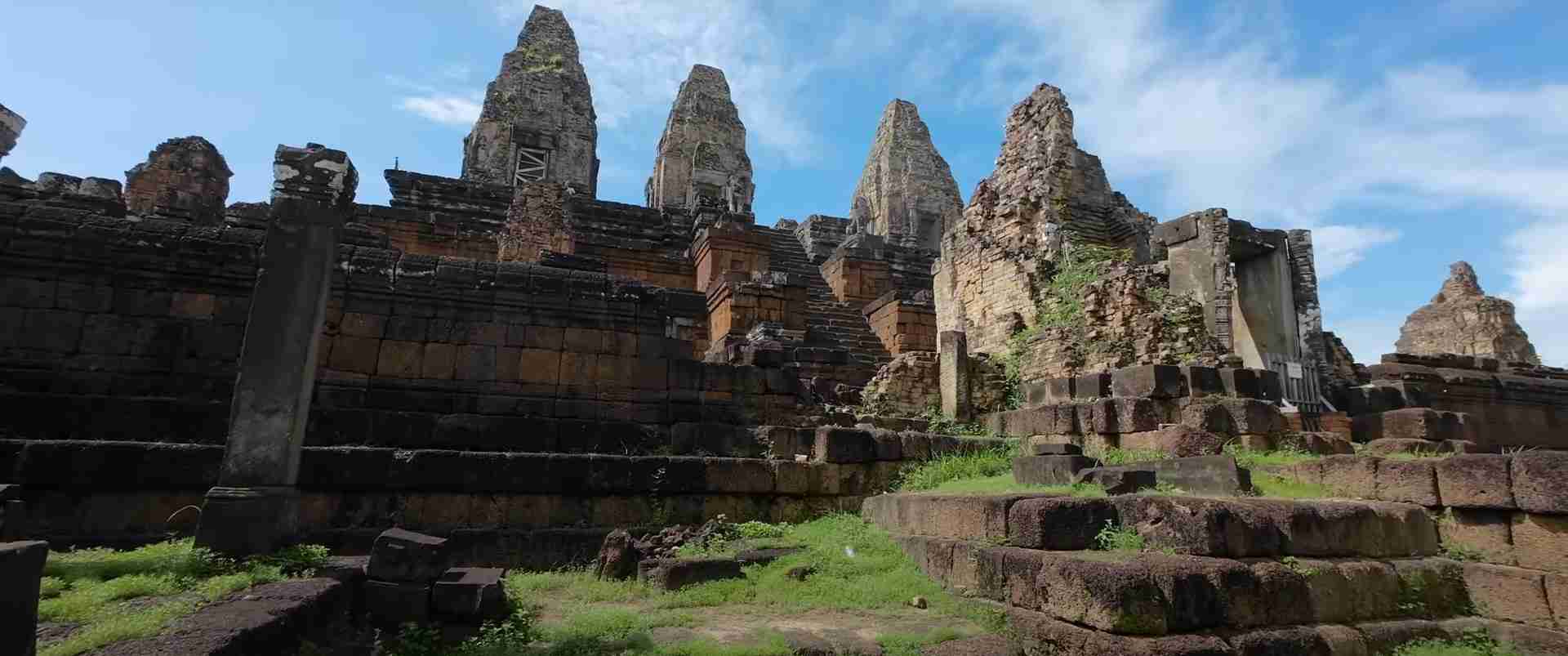
Sunrise crowds at Angkor Wat require 4:30 AM arrivals to secure viewing positions at the iconic western reflection pools. The small platforms accommodate 200-300 viewers but attract 500+ during peak December-January mornings. Alternative sunrise locations at Pre Rup or Srah Srang temples provide excellent views with 80% fewer crowds and more peaceful experiences.
Popular temples like Ta Prohm see continuous tour groups from 8 AM-4 PM during peak season. Visit these sites during 7-8 AM or 4:30-5:30 PM shoulder hours when large groups haven’t arrived or have already departed. The early morning and late afternoon timing also provides better photography lighting compared to harsh midday sun.
Shoulder Season Opportunities: March and October
March and October represent transitional months offering balanced compromises between peak season comfort and low season value. These shoulder periods maintain reasonable weather conditions while delivering significant cost savings and reduced crowds at major temples.
March Shoulder Season
March temperatures climb from 75°F mornings to 90-95°F afternoons as dry season transitions toward hot season. Rainfall remains minimal at 1-3 inches for the month with occasional brief afternoon showers. Tourist numbers decline 30-40% compared to February as European and North American visitors conclude winter vacation travel and Asian travelers return to work and school schedules.
Accommodation prices drop 20-25% from peak February rates while maintaining good availability across all price ranges. A $80 December hotel costs $60-65 in March. Flight prices also decline with $200-300 savings on transpacific routes as airlines adjust to decreased demand. The heat becomes challenging during midday hours requiring 11 AM-2 PM rest periods, but morning and late afternoon exploration remains comfortable.
October Shoulder Season
October marks the monsoon season’s end with rainfall decreasing from September’s 9-10 inches to 6-7 inches monthly. Rain patterns shift from all-day drizzle to afternoon thunderstorms lasting 1-2 hours, providing 4-5 hour morning exploration windows. Temperatures moderate to 80-88°F with humidity beginning to drop as dry season approaches.
Tourist crowds remain 40-50% below peak season levels and 60% below December-January maximums. Sunrise viewing at Angkor Wat accommodates all visitors comfortably without pre-dawn positioning requirements. Accommodation pricing sits 25-35% below peak rates while quality and service remain consistent. The combination of manageable weather, thin crowds, and low prices makes October the best value month for budget-conscious travelers accepting some rainfall risk.
Hot Season Considerations: April and May
April and May deliver extreme heat with temperatures reaching 95-104°F during midday hours and heat indexes exceeding 110°F. These months challenge even experienced tropical travelers but offer the lowest tourist numbers outside monsoon season and significant accommodation discounts for heat-tolerant visitors.
Managing Extreme Heat
Successful April-May temple visits require strategic scheduling focused on early morning 5-10 AM and late afternoon 4-6 PM exploration periods. The midday 10 AM-4 PM window becomes dangerously hot for outdoor activities in exposed stone temple complexes. Return to air-conditioned hotels during peak heat hours for rest, lunch, and heat recovery.
Water consumption needs double during hot season with 4-6 liters daily necessary to prevent dehydration and heat exhaustion. Electrolyte supplements help maintain proper hydration beyond plain water alone. Wear lightweight, moisture-wicking fabrics and wide-brimmed hats providing maximum sun protection. Apply SPF 50+ sunscreen every 90 minutes despite humidity-induced sweat.
Hot Season Advantages
Tourist numbers decline 50-60% during April-May creating opportunities for private temple experiences and unobstructed photography at normally crowded locations. Sunrise at Angkor Wat accommodates viewers comfortably with reflection pool areas remaining half-empty even during popular viewing times.
Accommodation costs drop 30-40% from peak season rates with hotels eager to fill rooms during their slowest period. Expect room upgrades during check-in and enhanced service attention from staff with extra capacity. Negotiate tuk-tuk rates down 20-30% from standard prices as drivers compete for limited customers.
Photography benefits from intense sunlight creating dramatic shadows and contrast on temple reliefs and architectural details. The low-angle morning and evening sun produces spectacular lighting effects during the extended golden hours. Storm clouds building during late afternoon generate dynamic skies for sunset photography at temples like Pre Rup.
Monsoon Season Realities: June Through September
Cambodia’s monsoon season brings daily afternoon rains, elevated humidity, and the year’s lowest tourist numbers. These months require flexibility and rain preparation but reward adaptable travelers with exceptional value, peaceful temple exploration, and dramatic photography conditions.
Monsoon Weather Patterns
Typical monsoon days begin with partly cloudy mornings providing 4-5 hours of dry exploration time from 5-10 AM. Clouds build through late morning with rains beginning 1-3 PM and continuing intermittently through evening. Downpours last 30-90 minutes interspersed with lighter drizzle. Some days see continuous light rain rather than heavy bursts, while occasional days remain completely dry defying seasonal patterns.
September marks the wettest month averaging 9-10 inches rainfall while June and July see 6-7 inches monthly. August maintains steady 8-9 inch averages. Flooding occasionally affects low-lying areas and rural roads but rarely impacts main tourist zones or temple access. The infrastructure handles monsoon conditions with adequate drainage maintaining temple pathway accessibility during and after rain events.
Monsoon Season Benefits
Accommodation prices reach yearly lows with discounts of 40-50% from peak December rates. Budget guesthouses drop from $25 to $12-15 while mid-range hotels fall from $70 to $40-45. Luxury properties offer aggressive promotions including free nights, spa credits, and complimentary upgrades to fill excess capacity during slow season.
Tourist crowds thin to 30% of peak season levels creating opportunities for solitary temple experiences impossible during high season. Photograph Angkor Wat’s galleries and courtyards without tourists filling frames. Explore Ta Prohm’s tree-engulfed passages without waiting for photo opportunities. The peaceful atmosphere enhances spiritual connection with these sacred spaces.
The countryside transforms into vibrant green landscapes with rice paddies reaching peak growth and water features throughout the park filling completely. Reflection pools at Angkor Wat maintain full water levels perfect for mirror-image photography. Morning mists create atmospheric temple scenes with dramatic cloud formations enhancing sunrise and sunset photography.
Monsoon Season Strategies
Schedule major temple visits during morning hours when rain probability remains low. Complete Angkor Wat, Bayon, and Ta Prohm exploration by 11 AM before afternoon storms develop. Reserve afternoons for indoor museum visits, hotel relaxation, or shopping at covered markets where rain doesn’t disrupt activities.
Pack quality rain gear including waterproof jacket, quick-dry pants, and waterproof camera protection. Bring an umbrella for light rain walking between temple structures. Wear sandals or water-resistant shoes that drain quickly rather than heavy hiking boots that stay wet for days.
Build schedule flexibility allowing reshuffling of activities based on daily weather patterns. Some days deliver unexpected sunshine enabling full-day temple exploration while others see continuous rain better suited for indoor activities. Monitor weather forecasts and adjust plans accordingly rather than maintaining rigid schedules.
Month-by-Month Breakdown for 2026 Planning
This detailed monthly analysis helps pinpoint optimal timing based on your specific priorities balancing weather, crowds, and costs for your 2026 Angkor Wat adventure.
January 2026
January delivers premium conditions with temperatures 72-86°F, zero rainfall, and crystal clear skies. Tourist crowds peak during the first two weeks with post-holiday travelers, then moderate during the second half. Accommodation runs 30-40% above baseline rates. Photography conditions excel with optimal lighting and clear atmospheric conditions. Book 3-4 months ahead for early January visits coinciding with New Year travel.
February 2026
February maintains excellent weather similar to January with slightly warmer 75-88°F temperatures and minimal rainfall under 1 inch monthly. Chinese New Year dates affect crowd levels with increased Asian tourism during the lunar celebration period. Accommodation pricing remains elevated at 25-30% above baseline but drops slightly from January peaks. The month offers peak season benefits with marginally less competition for hotels and sunrise viewing spots.
March 2026
March transitions toward hot season with temperatures rising to 78-92°F and occasional afternoon showers totaling 2-3 inches monthly. Tourist numbers decline 30% from February creating more comfortable temple exploration despite increasing heat. Accommodation costs drop 20% making March attractive for budget-conscious travelers accepting warmer conditions. Schedule activities during morning and late afternoon hours avoiding 11 AM-3 PM peak heat.
April 2026
April brings intense heat with 82-98°F temperatures and maximums exceeding 100°F during the second half of the month. Rainfall increases slightly to 3-4 inches with brief afternoon thunderstorms. Tourist crowds thin 50% from peak season lows. Accommodation pricing falls 35% from peak rates and negotiation opportunities increase. Limit outdoor activities to early morning and late evening hours. Consider shorter 2-3 day temple visits rather than extended exploration given heat constraints.
May 2026
May marks the year’s hottest month with 85-100°F temperatures before monsoon onset brings relief. Rainfall transitions from occasional showers to regular afternoon storms totaling 6-7 inches. Tourist numbers reach yearly lows outside of monsoon season proper. Accommodation costs bottom at 40% below peak pricing. The extreme heat combined with increasing rain makes May challenging but rewarding for adventurous travelers seeking empty temples and rock-bottom prices.
June 2026
June inaugurates monsoon season with 6-7 inches rainfall and afternoon storm patterns establishing themselves. Temperatures moderate to 82-92°F providing relief from May’s extremes. Morning hours typically stay dry for temple exploration. Tourist crowds remain minimal with accommodations running 40-45% below peak rates. Pack rain gear and embrace flexible scheduling for successful June visits balancing monsoon challenges with excellent value.
July 2026
July continues monsoon patterns with 7-8 inches rainfall and 80-90% humidity. Temperatures hold steady at 80-90°F throughout the month. Morning exploration windows provide 4-5 hours of productive temple touring before afternoon rains. Tourist numbers stay low with accommodation heavily discounted. The lush green landscapes create beautiful photography conditions while rain-cleaned temple stones appear more vibrant than dust-covered dry season structures.
August 2026
August maintains monsoon conditions similar to July with 8-9 inches rainfall and afternoon storm patterns. Temperatures range 80-90°F with high humidity. Tourist crowds remain thin providing peaceful temple experiences. Accommodation pricing stays at yearly lows. Consider August for maximum solitude and minimum costs accepting daily afternoon rain disruptions to exploration schedules.
September 2026
September brings peak monsoon rainfall at 9-10 inches monthly with afternoon storms sometimes extending into evening hours. Temperatures moderate to 78-88°F. Tourist numbers reach yearly minimums creating virtually empty temples. Accommodation discounts maximize at 45-50% below peak rates. Morning exploration remains viable but require rain contingency plans. The dramatic storm clouds produce exceptional photography opportunities for weather-tolerant visitors.
October 2026
October transitions out of monsoon season with rainfall decreasing to 6-7 inches and dry periods increasing. Temperatures range 80-88°F with humidity beginning to drop. Tourist numbers start recovering but remain 40% below peak levels. Accommodation prices rise slightly from September lows but stay 30-35% below peak rates. October offers the best balance of manageable weather, thin crowds, and low costs making it the optimal value month.
November 2026
November inaugurates peak season with temperatures dropping to comfortable 70-84°F and rainfall declining to 2-3 inches for the month. Tourist crowds build steadily through November reaching moderate levels by month-end. Accommodation prices increase 15-20% from October but remain 15% below December-January peaks. Book early November for the best combination of pleasant weather and moderate pricing before peak season premiums take full effect.
December 2026
December delivers premium conditions with 68-84°F temperatures and minimal rainfall under 1 inch monthly. Clear skies and comfortable temperatures create ideal exploration conditions. Tourist crowds peak during holiday periods with maximum numbers around Christmas and New Year. Accommodation pricing reaches yearly highs at 35-45% above baseline rates. Book 3-4 months ahead for December visits to secure availability at preferred properties during this highly competitive period.
Crowd Analysis and Timing Strategies
Understanding crowd patterns helps optimize your Angkor Wat experience beyond basic seasonal considerations. Specific days and times within any season offer significantly different visitor density levels affecting everything from sunrise viewing to photography opportunities at popular temples.
Weekly Patterns
Weekends see increased domestic Cambodian tourism with Siem Reap residents and Phnom Penh visitors touring temples. International tourist patterns remain steady throughout the week without strong weekend preferences. Tuesday through Thursday typically deliver the lowest overall visitor numbers providing optimal conditions for crowd-averse travelers scheduling flexible itineraries.
Daily Timing Optimization
Sunrise hours 5-7 AM concentrate maximum tourists at Angkor Wat creating the day’s most crowded conditions at this single location. Other major temples remain relatively empty during these early hours as visitors focus on the iconic sunrise experience. Visit Bayon, Ta Prohm, or Banteay Srei during 5-7 AM while crowds gather at Angkor Wat, then explore Angkor Wat during 8-10 AM when sunrise viewers disperse.
The midday period 11 AM-2 PM sees minimal tourists at temples as visitors return to hotels for lunch and heat respite. Photography suffers from harsh overhead lighting but the empty temples appeal to travelers prioritizing solitude over optimal photo conditions. Late afternoon 4-6 PM brings moderate crowds to sunset viewing points at Pre Rup and Phnom Bakheng while other temples empty completely.
Special Events and Festivals
Cambodia celebrates several festivals and holidays affecting Angkor Wat crowds and local atmosphere. Understanding these events helps travelers decide whether to visit during celebrations for cultural immersion or avoid them for reduced congestion.
Khmer New Year Mid-April
Khmer New Year typically falls during April 13-16 bringing Cambodia’s largest holiday celebration. Domestic tourism peaks as Cambodians return to home provinces creating transportation congestion and hotel capacity constraints in Siem Reap. Temple crowds increase significantly with local visitors. The festive atmosphere provides cultural insights but creates logistical challenges. Book accommodation well ahead if visiting during this period or avoid these specific dates for easier temple access.
Water Festival November
The Water Festival celebrates the Tonle Sap River flow reversal, typically occurring in mid-November based on lunar calendar. Major celebrations concentrate in Phnom Penh rather than Siem Reap, minimally impacting Angkor Wat visits. The event attracts some domestic tourism to Siem Reap but doesn’t significantly affect temple crowd levels or accommodation availability.
Chinese New Year January-February
Chinese New Year dates vary annually falling between late January and mid-February. The celebration brings increased Chinese tourism to Angkor Wat with group tours and family travelers boosting visitor numbers 20-30% during the week surrounding the holiday. Accommodation pricing increases and availability tightens during this period. Check 2026 Chinese New Year dates when planning visits to avoid this busy period or book well ahead to secure preferred hotels.
Booking Timelines for Optimal Pricing
Strategic booking timing secures better prices across flights, accommodation, and tours while ensuring availability during your preferred travel dates. Different components require varying advance booking windows for optimal results.
Flight Booking Strategy
Book international flights 3-4 months before departure for best pricing on transpacific routes from US cities to Southeast Asian gateways. Fares from major hubs like Los Angeles, San Francisco, and New York to Bangkok or Singapore range $800-1,200 when booked in this window. Prices increase $200-400 when booking inside 8 weeks of departure.
Monitor fare tracking tools for temporary price drops during airline sales. Set alerts for your preferred routes and dates, booking quickly when prices fall below your target range. Tuesday and Wednesday departures typically cost $50-100 less than Friday-Sunday travel dates. Red-eye flights save an additional $50-150 compared to daytime departures.
Accommodation Booking Windows
Book Siem Reap hotels 2-3 months ahead for peak November-February season securing preferred properties and accessing early booking discounts of 10-15%. Last-minute booking during peak season limits options and eliminates bargaining leverage as hotels near capacity.
Shoulder and low season travel allows flexible booking inside 2-4 weeks of arrival. Hotels maintain excess capacity during March-October enabling last-minute deals and upgrade negotiations during check-in. Some properties offer 20-30% discounts for booking within 2 weeks of arrival during slow periods.
Planning Your 2026 Visit
Successful Angkor Wat timing balances your specific priorities across weather comfort, crowd tolerance, budget constraints, and schedule flexibility. Use this framework to select optimal dates for your 2026 UNESCO heritage adventure.
Best Overall Timing
November and February offer the best overall balance delivering excellent weather without extreme peak season crowds and pricing. These shoulder peak months provide 90% of December-January weather benefits with 20-30% cost savings and noticeably thinner temple crowds. Book 2-3 months ahead for these popular months securing good availability before properties fill.
Best Budget Timing
September and October maximize value with accommodation costs 40-50% below peak rates and minimal tourist crowds. Monsoon season requires afternoon rain preparation but morning exploration remains productive. The dramatic landscapes and atmospheric photography conditions appeal to weather-tolerant travelers prioritizing value over perfect sunshine.
Best Weather Timing
December and January deliver premium weather conditions with comfortable 70-85°F temperatures, zero rainfall, and crystal clear skies. These peak months require premium budgets and tolerance for maximum crowds. Book 3-4 months ahead and arrive at temples early to avoid congestion at popular viewing spots.
FAQ Section
What month has the best weather at Angkor Wat?
December and January provide the best weather with temperatures 70-85°F, zero rainfall, and comfortable all-day exploration conditions. November and February offer nearly identical conditions with slightly warmer temperatures and occasional brief showers. These cool dry season months deliver optimal comfort and reliable scheduling without rain disruptions.
Can I visit Angkor Wat during rainy season?
Rainy season visits work well with proper planning and rain gear. Morning hours typically stay dry for 4-5 hours of temple exploration before afternoon storms. Accommodation costs drop 40-50% and crowds thin dramatically. The lush landscapes and dramatic clouds create excellent photography conditions for adaptable travelers accepting some schedule flexibility.
When is Angkor Wat cheapest to visit?
September marks the cheapest month with accommodation discounts reaching 45-50% below peak rates and flight prices at yearly lows. June through August also offer significant savings with 40-45% accommodation discounts. These monsoon season months require rain preparation but deliver exceptional value for budget-conscious travelers.
How far ahead should I book Angkor Wat trip?
Book 3-4 months ahead for peak November-February visits securing good flight prices and preferred accommodation. Shoulder season March and October require 1-2 month advance booking while monsoon season June-September allows booking inside 2-4 weeks with good availability and last-minute deals.
Is Angkor Wat better in morning or afternoon?
Early morning provides cooler temperatures, better lighting for photography, and access to famous sunrise views at Angkor Wat. Visit major temples during 5-10 AM before heat and crowds build. Late afternoon 4-6 PM offers second-best conditions with golden-hour lighting and thinner crowds after midday visitors depart.
What should I avoid when visiting Angkor Wat?
Avoid midday temple visits during 11 AM-3 PM when heat reaches peak intensity and harsh overhead lighting creates poor photography conditions. Skip Angkor Wat sunrise during peak December-January without arriving by 4:30 AM to secure viewing spots. Don’t visit during Khmer New Year mid-April without advance accommodation booking due to domestic tourism surge.
Do I need vaccinations for Cambodia?
No mandatory vaccinations are required for Cambodia entry from the United States. The CDC recommends routine vaccines plus Hepatitis A and Typhoid for most visitors. Malaria prophylaxis is unnecessary for Siem Reap and Angkor Archaeological Park visits. Consult your doctor 4-6 weeks before departure for personalized recommendations.
How many days do I need at Angkor Wat?
Allocate 3-4 days for comprehensive Angkor Archaeological Park exploration covering major temples plus several smaller structures. This timeframe prevents exhaustion while allowing thorough visits to Angkor Wat, Angkor Thom, Ta Prohm, Banteay Srei, and surrounding temples. Add 2 travel days for a complete 5-6 day trip from the United States.
What is sunrise like at Angkor Wat?
Sunrise at Angkor Wat silhouettes the temple’s five towers against colorful skies reflecting in western moat pools. The iconic view attracts hundreds of photographers during peak season requiring 4:30 AM arrival for optimal positioning. Sunrise occurs between 5:30-6:00 AM year-round with best viewing November through February when clear skies prevail.
Can I visit Angkor Wat in one day?
One day covers Angkor Wat, Angkor Thom, and Ta Prohm highlights but rushes the experience and omits many significant temples. Purchase the one-day pass at $37 if time-constrained but allocate a minimum three days for meaningful exploration. The vast 400-square-kilometer complex rewards extended visits revealing its full archaeological and architectural significance.