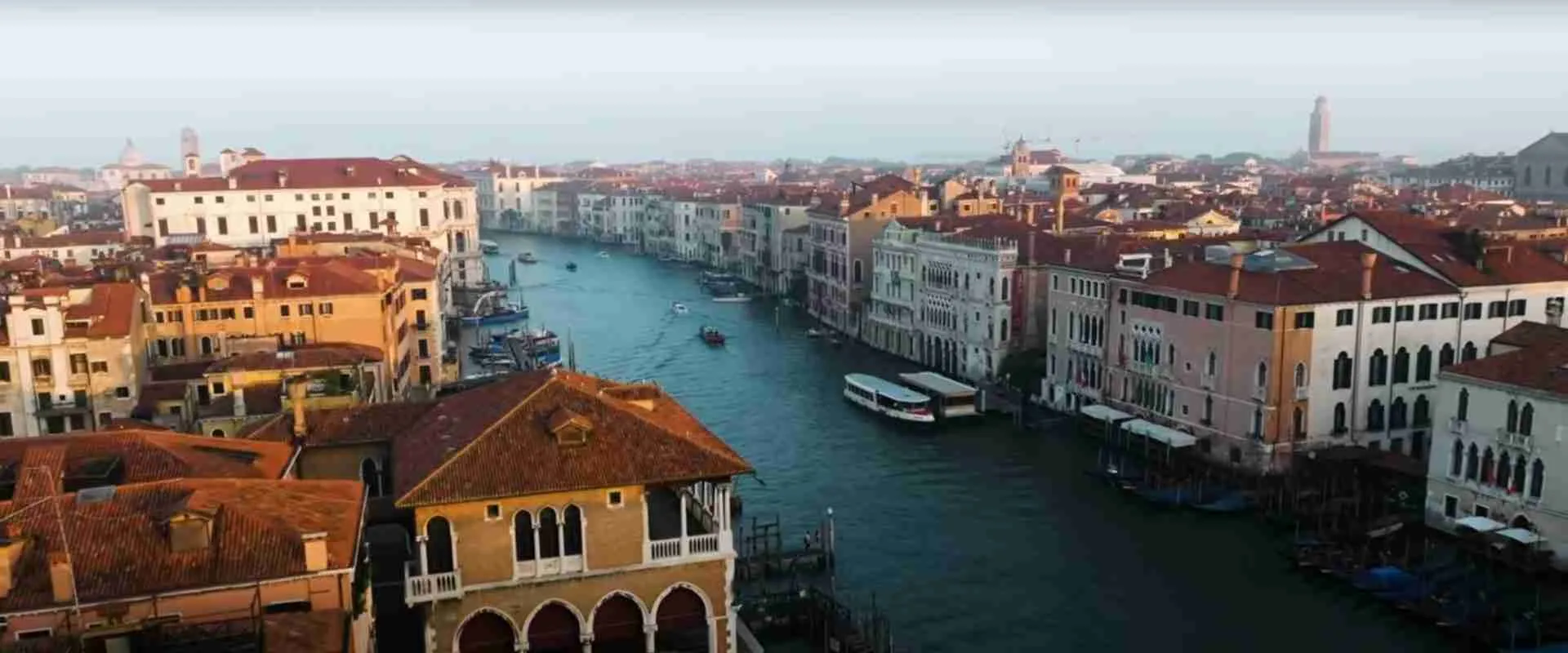
Best Time to Visit Venice: Insider’s Guide to Avoiding Crowds in 2025
Timing your visit to Venice and its Lagoon UNESCO World Heritage Site can transform your experience from a frustrating crowd-fighting expedition into a magical journey through one of the world’s most extraordinary cultural treasures. As someone who has navigated Venice’s seasonal rhythms and witnessed the dramatic differences between peak chaos and serene beauty, I’m sharing the insider knowledge you need to experience this floating masterpiece at its absolute best.
🔑 Key Takeaways
- Spring (April-May) and Fall (September-October) offer the perfect balance of pleasant weather and manageable crowds for exploring Venice’s UNESCO World Heritage treasures
- Winter (November-March) provides the most authentic local experience with 60% fewer tourists, despite cooler temperatures and occasional acqua alta flooding
- Avoid July-August peak season when Venice receives over 100,000 daily visitors, making navigation nearly impossible around major attractions
- Early morning (7-9 AM) and evening (after 6 PM) visits to St. Mark’s Square and Doge’s Palace guarantee peaceful experiences even during busy seasons
- Book accommodations 3-6 months in advance for optimal pricing and availability, especially during Venice Biennale and Carnival periods
- Consider staying on lagoon islands like Murano or Giudecca for authentic experiences and easy access to Venice’s historic center via vaporetto water bus
Venice receives an astounding 25-30 million visitors annually compressed into just 2.7 square miles of historic islands. This UNESCO World Heritage Site, inscribed in 1987 for its unique artistic achievement and architectural masterpiece spanning 118 islands, faces unprecedented tourism pressure that threatens its very preservation. Understanding when and how to visit responsibly isn’t just about your comfort—it’s about protecting this irreplaceable cultural heritage for future generations.
Understanding Venice’s Seasonal Tourism Patterns
Venice’s tourism follows distinct patterns driven by weather, cultural events, and European vacation schedules. Unlike many destinations with clear high and low seasons, Venice experiences what locals call “eternal high season” with varying degrees of intensity throughout the year.
The peak tsunami period (June-August) sees cruise ships disgorging up to 30,000 passengers daily, while holiday weekends and special events like Carnival or the Venice Biennale can push visitor numbers beyond the city’s carrying capacity. During these times, simply walking from St. Mark’s Square to the Rialto Bridge—normally a 10-minute stroll—can take 45 minutes due to human traffic jams on narrow bridges and walkways.
Spring in Venice: The Sweet Spot (March-May)
Spring emerges as the optimal window for experiencing Venice’s UNESCO treasures without overwhelming crowds. As temperatures rise from 15°C (59°F) in March to 24°C (75°F) in May, the city awakens from winter’s contemplative mood with longer daylight hours and blooming wisteria cascading from ancient palazzo balconies.
March: Emerging from Winter’s Embrace
March marks Venice’s transition period, offering the best value for money and surprisingly pleasant weather. Tourist numbers remain manageable except during Easter week, when European families flock to the lagoon. This month provides excellent opportunities for photographing iconic landmarks without human obstacles, particularly early morning shots of St. Mark’s Basilica and the Bridge of Sighs.
Practical advantages include hotel rates 30-40% lower than peak season, restaurant availability without reservations, and uncrowded access to major attractions like the Doge’s Palace and Peggy Guggenheim Collection. The occasional acqua alta (high water) events add dramatic atmosphere rather than significant inconvenience.
April: Perfect Weather, Manageable Crowds
April represents Venice’s goldilocks period—not too crowded, not too quiet, with weather that’s just right for extensive exploration. Daily temperatures hover around 18°C (64°F), perfect for comfortable walking tours through the city’s maze-like calli (narrow streets) and over its 400 bridges.
This month coincides with the Festa di San Marco (April 25th), Venice’s patron saint celebration, offering authentic cultural experiences alongside traditional regattas on the Grand Canal. Local markets burst with spring produce, making it ideal timing for food tours and cooking classes that showcase Venetian culinary traditions recognized as part of the site’s intangible cultural heritage.
May: Nature’s Renaissance
May delivers Venice at its most photogenic, with perfect lighting conditions for capturing the interplay between Byzantine, Gothic, and Renaissance architecture that earned UNESCO recognition. The famous Vogalonga rowing regatta transforms the lagoon into a spectacular parade of traditional boats, while wisteria and jasmine create natural frames for iconic views.
Temperature stability around 22°C (72°F) makes this ideal for exploring the outer lagoon islands. Torcello’s ancient cathedral, Murano’s glass-making heritage, and Burano’s rainbow houses offer peaceful alternatives to central Venice while maintaining easy vaporetto connections.
Summer in Venice: Beauty and the Beast (June-August)
Summer presents Venice’s greatest paradox: optimal weather conditions coupled with potentially unbearable crowds. While temperatures peak around 28°C (82°F) with extended daylight until 9 PM, the sheer volume of visitors can transform magical moments into survival exercises.
June: Still Manageable Excellence
Early June offers the best compromise between summer weather and reasonable crowd levels. The city hasn’t yet reached peak insanity, restaurant terraces extend outdoor seating, and evening passeggiata (strolls) along the Zattere promenade provide romantic sunset views across the Giudecca Canal.
This timing aligns with the Venice Biennale’s peak activity, transforming the city into a contemporary art showcase while maintaining its historical UNESCO character. Advance booking becomes essential for popular attractions and restaurants, but the cultural richness justifies the extra planning.
July-August: Proceed with Extreme Caution
These months require military-precision planning and infinite patience. Daily visitor counts exceed 100,000, creating human gridlock around major attractions. The heat intensifies smells from the canals, though modern sewage systems have largely eliminated the historical malodorous reputation.
Survival strategies include ultra-early morning visits (6-8 AM) to St. Mark’s Square, evening explorations of quieter sestieri (districts) like Cannaregio and Castello, and frequent breaks in air-conditioned museums. Consider this period only if your schedule absolutely demands summer travel, and prepare for significantly higher costs across all categories.
Autumn in Venice: The Connoisseur’s Choice (September-November)
Autumn reveals Venice at its most authentic, as crushing summer crowds dissipate and locals reclaim their city. This season offers the perfect blend of favorable weather, cultural depth, and reasonable prices that sophisticated travelers cherish.
September: Extended Summer Without the Madness
September provides summer weather without summer crowds, making it arguably the single best month for visiting Venice. Temperatures remain warm at 24°C (75°F), the lagoon achieves perfect swimming conditions, and restaurant terraces stay open late into the evening.
The gradual tourist exodus creates breathing room around major attractions while maintaining full operational schedules for all museums, churches, and cultural sites. This timing coincides with the Regata Storica, Venice’s most spectacular historical regatta, showcasing centuries-old maritime traditions central to the city’s UNESCO heritage designation.
October: Magical Atmosphere Unveiled
October brings Venice’s legendary atmospheric conditions—morning mists rising from the lagoon, golden light filtering through Gothic arches, and the haunting beauty that inspired countless artists from Canaletto to Turner. Temperatures cool to comfortable 18°C (64°F), perfect for extensive walking explorations.
This month offers the year’s best photographic opportunities, with dramatic skies and moody lighting that emphasize Venice’s architectural masterpieces. Fewer tourists mean easier access to hidden gems like the Scala Contarini del Bovolo spiral staircase and peaceful moments in lesser-known churches containing works by Tintoretto, Veronese, and Tiepolo.
November: Local Life Revealed
November strips away tourism’s veneer, revealing authentic Venetian life in all its complexity. While weather becomes unpredictable with frequent rain and the season’s first acqua alta events, visitor numbers drop to their lowest levels, creating intimate experiences impossible during busier periods.
The Festa della Madonna della Salute (November 21st) transforms the city into a giant street festival, with traditional food stalls lining the canals and a pontoon bridge across the Grand Canal allowing pilgrims to reach the magnificent Baroque church. This celebration embodies the living cultural traditions that contribute to Venice’s UNESCO significance beyond its architectural monuments.
Winter in Venice: The Insider’s Secret (December-February)
Winter reveals Venice’s most mysterious and romantic character, though weather conditions require proper preparation. This season offers the most authentic local experiences and lowest prices, ideal for travelers prioritizing cultural depth over guaranteed sunshine.
December: Festive Magic and Intimate Charm
December transforms Venice into a magical wonderland, with Christmas markets around the Rialto Bridge and New Year’s celebrations in St. Mark’s Square. Hotel rates plummet to their annual lowest points, restaurants offer welcome warmth and hearty Venetian cuisine, and the absence of cruise ships creates peaceful canal experiences.
The possibility of snow adds fairy-tale beauty to Gothic architecture, while frequent fog creates mysterious atmospheric conditions beloved by photographers. Indoor attractions like the Palazzo Ducale and Basilica di San Marco provide warm refuge while offering uncrowded access to priceless artistic treasures.
January-February: Carnival and Contemplation
January offers Venice at its most contemplative, with misty mornings and peaceful canals creating meditative experiences impossible during busier seasons. The city’s rhythm slows to local pace, allowing deep appreciation of architectural details and cultural nuances often overlooked during tourism frenzy.
February culminates with Carnival, Venice’s most famous festival, attracting visitors from worldwide but maintaining manageable crowd levels compared to summer chaos. The elaborate masks and costumes celebrate centuries-old traditions while providing spectacular photographic opportunities against the UNESCO backdrop.
Strategic Planning: Maximizing Your Venice Experience
Accommodation Timing and Location Strategy
Your accommodation choice dramatically impacts your Venice experience, with location and timing affecting both cost and accessibility. Book 3-6 months in advance for optimal selection and pricing, particularly during popular periods like Carnival, Biennale years, or major holiday weekends.
Consider staying on lagoon islands like Giudecca or Murano for authentic experiences away from tourist crowds while maintaining easy vaporetto access to central Venice. These locations offer better value, local neighborhood atmosphere, and stunning views across the lagoon to the historic skyline.
Crowd Avoidance Tactics by Time of Day
Master the art of timing to experience Venice’s UNESCO treasures in peaceful solitude. Early morning (7-9 AM) provides magical golden hour lighting and empty piazzas perfect for photography and contemplation. Most tourists don’t emerge until 10 AM, creating a 2-3 hour window of relative tranquility.
Evening exploration (after 6 PM) reveals Venice’s romantic character as day-trippers depart and locals emerge for aperitivo. Many churches and smaller attractions close, but outdoor exploration becomes more pleasant with cooler temperatures and beautiful lighting conditions.
Transportation and Logistics Optimization
Navigate Venice efficiently by understanding the vaporetto (water bus) system and walking routes that bypass major tourist bottlenecks. Purchase a Venice Card or tourist transport pass for unlimited vaporetto access, enabling easy exploration of all lagoon islands and alternative routes avoiding crowded areas.
Plan attractions strategically by geography rather than popularity. Group nearby sites together and alternate between indoor and outdoor activities based on weather conditions and energy levels. This approach maximizes your time while minimizing backtracking through crowded areas.
Weather Considerations and Seasonal Challenges
Understanding Acqua Alta (High Water)
Venice’s famous acqua alta flooding events occur primarily from October through March, when specific combinations of tides, wind patterns, and atmospheric pressure push lagoon waters above normal levels. Rather than viewing these as obstacles, experienced travelers understand acqua alta as part of Venice’s authentic character.
During flooding events, raised wooden walkways (passerelle) connect major tourist areas, while locals don waterproof boots and continue daily routines. These moments offer unique photographic opportunities and insights into how Venetians have adapted to their aquatic environment for over 1,500 years.
Seasonal Clothing and Equipment Recommendations
Pack strategically for Venice’s variable conditions and extensive walking requirements. Comfortable waterproof shoes prove essential year-round due to frequent bridge stairs and potential acqua alta encounters. Spring and fall require layered clothing for temperature variations, while winter demands warm, waterproof outerwear.
Summer visitors should prioritize sun protection, comfortable walking shoes, and light, breathable fabrics suitable for hot, humid conditions. Always carry a small daypack for water, snacks, and weather protection—Venice’s tourist-oriented shops charge premium prices for basic supplies.
Cultural Events and Festival Calendar
Timing Visits Around Major Celebrations
Venice’s festival calendar profoundly impacts visitor experiences, with some events enhancing cultural understanding while others create overwhelming crowds. The Venice Carnival (February) offers spectacular costumes and historical pageantry but requires advance planning and higher tolerance for crowds.
The Regata Storica (September) showcases authentic maritime traditions with manageable crowd levels, while the Biennale (odd years) transforms Venice into a contemporary art capital attracting sophisticated cultural tourists rather than mass tourism crowds.
Local Celebrations and Authentic Experiences
Seek out neighborhood festivals and religious celebrations that reveal authentic Venetian culture beyond tourist attractions. Local patron saint festivals in different sestieri offer traditional food, music, and community celebrations that embody the living cultural heritage recognized by UNESCO.
Religious processions and maritime blessings connect directly to Venice’s history as a maritime empire, providing context for understanding how cultural traditions shaped the architectural and artistic masterpieces visible throughout the historic center.
Sustainable Tourism and Responsible Visiting
Supporting Venice’s Preservation Efforts
Your visit timing and behavior directly impact Venice’s preservation efforts and local community sustainability. Choose shoulder seasons to reduce pressure during peak periods, stay in locally-owned accommodations rather than international chains, and support traditional craftspeople maintaining centuries-old techniques.
Respect the €5 day-tripper fee implemented to manage visitor flows and fund conservation efforts. This small contribution supports essential maintenance of the UNESCO site while encouraging longer, more sustainable visits that benefit local communities economically.
Minimizing Environmental Impact
Practice responsible tourism by using vaporetti rather than private water taxis when possible, avoiding single-use plastics in this fragile lagoon ecosystem, and respecting local customs regarding noise levels and behavior in residential areas.
Support restaurants and shops that source locally and maintain traditional practices rather than global chains that contribute to Venice’s gentrification and loss of authentic character. Your purchasing decisions directly influence whether Venice retains its living cultural heritage or becomes merely a tourist theme park.
Insider Tips for Each Season
Spring Success Strategies
Book Easter week accommodations extremely early as this represents spring’s only major crowd surge. Pack layers for variable weather and waterproof shoes for occasional spring showers. Take advantage of longer daylight hours for evening explorations and golden hour photography sessions.
Explore outdoor markets like the Rialto Fish Market for authentic local experiences and seasonal specialties. Spring vegetables and fresh fish provide excellent opportunities for cooking classes and food tours that showcase Venetian culinary traditions.
Summer Survival Guide
Start sightseeing extremely early (6-7 AM) to beat crowds and heat. Seek shade during peak afternoon hours by visiting museums, churches, or enjoying lengthy restaurant meals with air conditioning. Carry plenty of water and sun protection for extended outdoor exploration.
Book everything in advance during summer—restaurants, attractions, and even vaporetto tickets for popular routes. Consider staying outside central Venice on lagoon islands for better value and peaceful retreats from daily tourist chaos.
Autumn Optimization
Pack waterproof gear for increased rainfall probability but enjoy perfect temperatures for extensive walking explorations. This season offers ideal conditions for photography with dramatic skies and atmospheric lighting conditions.
Take advantage of reduced crowds for leisurely museum visits and extended time appreciating artistic masterpieces without time pressure. Autumn’s comfortable weather enables full-day explorations combining multiple islands and diverse experiences.
Winter Wisdom
Embrace Venice’s mysterious winter character with warm, waterproof clothing and flexible schedules accommodating weather variations. Book accommodations with heating and indoor common areas for comfortable evening relaxation.
Focus on indoor attractions during harsh weather days while appreciating how winter light transforms familiar landmarks. Venice’s winter atmosphere provides unique photographic opportunities impossible during other seasons.
Planning your Venice visit requires balancing multiple factors—weather preferences, crowd tolerance, budget considerations, and cultural interests. The ideal timing depends on your personal priorities, but understanding seasonal patterns enables informed decisions that enhance your experience of this incomparable UNESCO World Heritage treasure.
Remember that Venice’s magic transcends seasonal challenges. Whether you visit during spring’s perfect weather, summer’s vibrant energy, autumn’s atmospheric beauty, or winter’s intimate charm, this extraordinary city rewards thoughtful visitors with memories lasting a lifetime. The key lies in aligning your expectations with seasonal realities while remaining open to the authentic experiences that Venice offers generous souls willing to look beyond surface tourism.
Your timing choice ultimately determines whether you experience Venice as a crowded tourist attraction or as the living masterpiece that earned UNESCO recognition—a unique artistic achievement where every building contains works by history’s greatest artists, floating impossibly on a lagoon that has shaped human civilization for over fifteen centuries.
🤔 Frequently Asked Questions
When is the absolute worst time to visit Venice?
July and August represent the most challenging period, with daily visitor counts exceeding 100,000 people, extremely hot and humid weather, and accommodation prices at annual peaks. Saturday afternoons during summer are particularly brutal for crowd levels.
How far in advance should I book my Venice trip?
Book 3-6 months ahead for optimal accommodation selection and pricing. Popular periods like Carnival, Venice Biennale, and major holiday weekends require even earlier booking—up to 12 months for premium accommodations.
Is Venice worth visiting in winter despite the weather?
Absolutely! Winter offers the most authentic local experience with 60% fewer tourists, lowest accommodation prices, and unique atmospheric conditions. Proper clothing and flexible schedules make winter visits extremely rewarding for cultural depth.
How do I experience Venice without massive crowds?
Visit during shoulder seasons (spring/fall), explore early morning (7-9 AM) or evening (after 6 PM), focus on lesser-known sestieri like Cannaregio and Castello, and consider staying on lagoon islands rather than central Venice.
What’s the best month for photographing Venice?
October offers optimal photographic conditions with dramatic lighting, atmospheric mists, and manageable crowds. Early morning and late afternoon during autumn provide the most spectacular lighting conditions for capturing Venice’s architectural masterpieces.
How does acqua alta flooding affect visiting plans?
Acqua alta typically lasts 2-4 hours and affects only the lowest areas like St. Mark’s Square. Raised walkways maintain access, and flooding often creates unique photographic opportunities. Check forecasts and pack waterproof shoes during winter visits.
Are there any free alternatives to expensive Venice attractions?
Many churches contain world-class art for minimal fees (€2-3), evening walks provide stunning architecture viewing, and public areas like the Rialto Market offer authentic cultural experiences. Vaporetto rides cost less than private boats while providing excellent sightseeing.
Should I stay in Venice proper or on the mainland?
Stay within the UNESCO lagoon area for authentic experiences—either central Venice or lagoon islands like Giudecca or Murano. Mainland accommodations require lengthy commutes that waste precious exploration time and lack atmospheric immersion.
How many days do I need to properly experience Venice?
Minimum 3-4 days for major highlights, 5-7 days for deeper exploration including lagoon islands, and 10+ days for comprehensive cultural immersion. Quality time spent exploring fewer areas deeply proves more rewarding than rushed surface coverage.
What’s the most romantic time to visit Venice?
Early autumn (September-October) combines perfect weather, manageable crowds, and magical atmospheric conditions. Evening visits during any season offer romantic canal views, but autumn provides the best overall experience for couples seeking intimate moments.