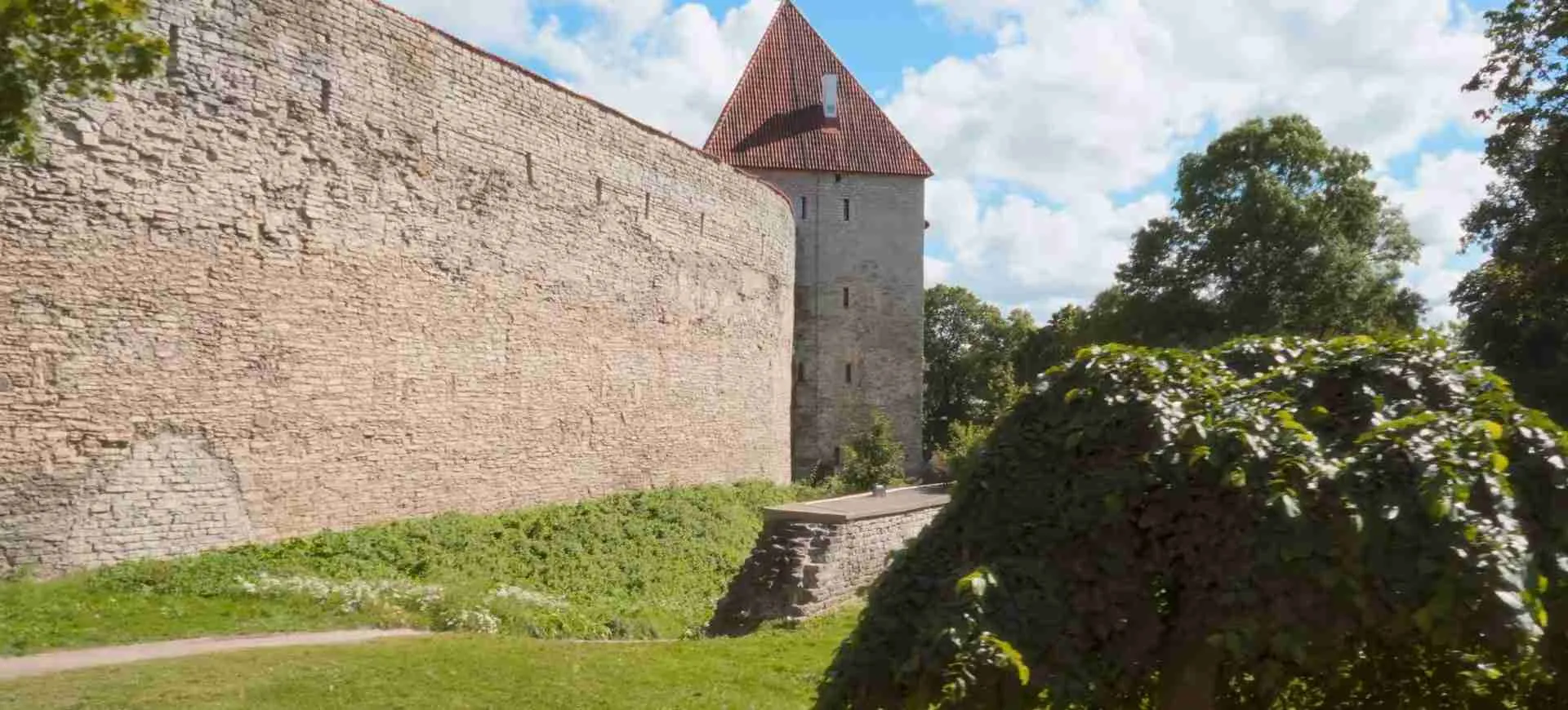
Best Time to Visit Tallinn 2026: Weather, Events & Seasonal Tips
Tallinn transforms dramatically throughout the year, offering distinct experiences from magical winter markets to endless summer festivals. Understanding the seasonal patterns, weather conditions, and major events helps you plan the perfect visit to Estonia’s UNESCO World Heritage capital, whether you’re seeking vibrant cultural celebrations or peaceful off-season exploration.
Key Takeaways
- Peak Summer Season (June-August 2026): Warmest weather with 19-22°C, longest daylight hours (18 hours), and major festivals including Tallinn Rock Festival and Tallinn Old Town Days, but expect higher prices and larger crowds
- Shoulder Seasons Excellence (April-May, September-October): Comfortable temperatures of 10-18°C, significantly fewer tourists, lower accommodation costs, and ideal conditions for photography with spring blooms or autumn foliage
- Winter Magic (December-February 2026): Enchanting Christmas markets from mid-November through December, Tallinn Winter Festival in February, snow-covered medieval architecture, though temperatures drop to -2°C to -7°C with limited daylight
- Festival Calendar Highlights: Tallinn Music Week (April 2026), Birgitta Festival (August), Jazzkaar jazz festival (April), and Estonian Song Festival procession (July 2026) offer unique cultural experiences throughout the year
People Also Ask About Best Time Visit Tallinn 2026
What is the warmest month to visit Tallinn in 2026?
July 2026 is the warmest month in Tallinn, with average high temperatures reaching 21-22°C (70-72°F) and lows around 12-13°C. This month also offers the longest daylight hours, with approximately 18 hours of daylight providing ample time for sightseeing and outdoor activities. August follows closely with similar temperatures of 20-21°C. Both months fall within the peak tourist season, meaning more crowded attractions but optimal weather conditions for exploring Tallinn’s medieval Old Town, visiting Kadriorg Park, and enjoying outdoor cafes. The warm weather coincides with major cultural events including music festivals and the Birgitta Festival in the historic convent ruins.
When is the cheapest time to visit Tallinn in 2026?
March 2026 offers the lowest accommodation prices in Tallinn, with hotel costs dropping significantly compared to summer peak season. February and early April also provide budget-friendly options as these months fall within the low tourist season. During these periods, you can find mid-range hotels for 30-40% less than July-August rates. Additionally, January and November offer good value, though weather conditions are less favorable. Flight prices also tend to be lower in January and March. However, consider that some attractions may have reduced hours, and weather conditions range from cold (-2°C in March) to quite harsh (down to -7°C in February), requiring appropriate winter clothing and planning.
Does Tallinn have a Christmas market in 2026?
Tallinn hosts one of Europe’s most enchanting Christmas markets in 2026, typically running from mid-November through early January in the historic Town Hall Square. The market features traditional Estonian crafts, seasonal foods including roasted almonds and gingerbread, hot mulled wine (glögg), and handicraft stalls set against the backdrop of the medieval Old Town. The Christmas tree in Town Hall Square has been a tradition since 1441, when Tallinn erected the world’s first publicly displayed Christmas tree. The market creates a magical atmosphere with festive decorations, carol performances, and authentic winter charm. Visiting during the Christmas market period (late November-December 2026) offers a unique cultural experience, though temperatures hover around freezing and daylight is limited to approximately 6 hours per day.
What major events happen in Tallinn during 2026?
Tallinn hosts numerous major events throughout 2026, starting with the Tallinn Winter Festival in February featuring classical music concerts and cultural performances. Cloud Tech Tallinn technology conference takes place in January. April brings the internationally renowned Tallinn Music Week, the largest indoor music festival in the Nordic-Baltic region with nearly 200 artists and 25,000 attendees, alongside Jazzkaar, Estonia’s premier jazz festival. Summer 2026 features the Tallinn Rock Festival with headliners including Scorpions and other international acts, Tallinn Old Town Days celebrating local heritage, and the Birgitta Festival in August showcasing music theatre in the atmospheric ruins of Pirita Convent. July includes the Estonian Song Festival, a UNESCO-recognized tradition occurring every five years with up to 15,000 singers and 100,000 spectators.
Extended multi-day tours – 5+ days
Featured Estonia Multi-Day Tour Packages

3 days
Estonia 3-Day Discovery Tour
- ✓ Comprehensive Estonia experience
- ✓ Expert local guides included
- ✓ All accommodation included
- ✓ Transportation provided

5 days
Estonia 5-Day Highlights Experience
- ✓ Comprehensive Estonia experience
- ✓ Expert local guides included
- ✓ All accommodation included
- ✓ Transportation provided
7 days
Estonia 7-Day Cultural Journey
- ✓ Comprehensive Estonia experience
- ✓ Expert local guides included
- ✓ All accommodation included
- ✓ Transportation provided
10 days
Estonia 10-Day Complete Adventure
- ✓ Comprehensive Estonia experience
- ✓ Expert local guides included
- ✓ All accommodation included
- ✓ Transportation provided
Multi-day tour packages powered by TourRadar. Prices and availability subject to change.
Understanding Tallinn’s Seasonal Climate Patterns 2026
Tallinn experiences a humid continental climate with four distinct seasons, each offering dramatically different conditions for visitors. The city’s northern location at 59°N latitude creates significant variations in daylight hours and temperature throughout the year, fundamentally shaping the visitor experience.
The annual temperature range spans from winter lows of -7°C in February to summer highs of 22°C in July, a 29-degree variation that defines the character of each season. Average annual temperature hovers around 6°C, with the city receiving approximately 650mm of precipitation distributed relatively evenly across the year, though summer months see slightly higher rainfall totals.
Temperature and Precipitation Patterns
Spring (April-May 2026) brings gradual warming from 7°C in April to 15°C in May, with occasional sunny days interspersed with cool periods. Rainfall remains moderate at 30-40mm per month, making it one of the driest periods. This season sees rapid temperature increases and unpredictable weather patterns requiring layered clothing.
Summer (June-August 2026) provides the most stable and pleasant weather, with temperatures consistently ranging between 18-22°C during the day and rarely dropping below 10°C at night. July typically experiences the highest rainfall (74mm) but this falls over 12-13 days, meaning brief showers rather than prolonged rain. Humidity levels remain comfortable, and the Baltic Sea warms to 13-19°C, suitable for swimming in July-August.
Autumn (September-November 2026) sees rapid cooling from 16°C in September to just 5°C in November. This season brings increased rainfall and wind, particularly in October-November with 7-9 days of precipitation monthly. The temperature drops become noticeable in October, with frost appearing regularly by November.
Winter (December-February 2026) brings harsh conditions with temperatures ranging from -1°C to -7°C. January and February are the coldest months, with frequent snowfall creating picturesque winter scenes but challenging travel conditions. December sees only 6 hours of daylight, extending slightly to 7-8 hours by February. Snowfall occurs on 12-14 days per month during peak winter, with snow cover typically lasting from December through March.
Daylight Hours Impact
The dramatic variation in daylight hours significantly influences the Tallinn experience. June features approximately 18 hours of daylight with the sun setting around 11 PM, creating the phenomenon of White Nights where twilight persists through the short night. This extended daylight allows extensive sightseeing and outdoor activities, with many attractions and restaurants operating extended hours.
Conversely, December offers only 6 hours of daylight, with sunrise around 9 AM and sunset by 3:30 PM. This limited daylight concentrates tourist activities into shorter windows but creates atmospheric lighting conditions and enhances the cozy ambiance of indoor venues, restaurants, and the Christmas market.
The shoulder seasons provide balanced daylight, with spring offering 14-16 hours by May and autumn providing 10-12 hours in September, allowing full days of exploration without the extreme light conditions of summer or winter.
Season-by-Season Guide to Visiting Tallinn 2026
Summer in Tallinn 2026 (June-August)
Summer represents peak tourist season in Tallinn, bringing optimal weather conditions and the city’s most vibrant cultural calendar. Daily high temperatures range from 19°C in June to 22°C in July, creating comfortable conditions for extensive walking tours through the cobblestone streets of the Old Town.
The extended daylight hours transform the city experience, with sunset occurring after 10 PM in June and July. This allows leisurely evening strolls along the medieval city walls, sunset viewing from Toompea Hill platforms, and outdoor dining experiences that extend well into the evening. Kadriorg Park becomes particularly appealing, with gardens in full bloom and the baroque palace providing stunning architectural backdrops.
Major events define summer 2026 in Tallinn. The Tallinn Rock Festival brings international headliners including Scorpions, Godsmack, and other major acts to the Unibet Arena, typically in early summer. Tallinn Old Town Days, usually held in June, celebrates local heritage with music, theatre, art exhibitions, and traditional craft demonstrations spread across multiple venues in the medieval center. The Birgitta Festival in August transforms the atmospheric ruins of Pirita Convent into an open-air theater showcasing music and theatrical performances.
The trade-offs for optimal weather include significantly higher accommodation costs, with mid-range hotels charging 40-60% more than low season rates. The Old Town experiences substantial crowding, particularly when cruise ships dock (up to 6 ships can arrive simultaneously), creating bottlenecks at popular sites like Town Hall Square, viewing platforms, and St. Olaf’s Church. Restaurant reservations become essential for popular venues, and advance booking is strongly recommended for accommodations 2-3 months ahead.
Despite crowds, summer offers unmatched advantages for first-time visitors: all attractions operate full hours, outdoor cafes and terraces are fully open, public transport runs extensive schedules, and the warm weather eliminates concerns about harsh conditions while exploring outdoor sites like the city walls, Kadriorg gardens, and coastal paths to Pirita.
Spring in Tallinn 2026 (April-May)
Spring emerges as an increasingly popular shoulder season, offering the best balance between favorable weather and manageable tourist numbers. April brings cool but gradually warming temperatures averaging 7-10°C, while May provides genuinely pleasant conditions of 12-16°C that rival early summer comfort levels.
The transformation of Tallinn’s green spaces provides spectacular viewing, with Kadriorg Park’s cherry blossoms and magnolias blooming in late April-early May, creating stunning photo opportunities against the baroque architecture. The Tallinn Botanic Garden showcases spring flowers, and tree-lined streets throughout the Old Town display fresh green foliage that contrasts beautifully with the medieval stone buildings.
Tourist numbers remain 50-60% lower than summer peaks, creating a more intimate experience when exploring major sites. Photography enthusiasts particularly appreciate spring’s unique lighting conditions, with the sun at lower angles than summer, creating warm golden tones ideal for capturing the red-tiled roofs and Gothic spires without the harsh overhead light of mid-summer.
Cultural offerings intensify in spring 2026, with two major festivals: Tallinn Music Week in April brings nearly 200 artists from various genres to intimate venues across the city, transforming clubs, galleries, and unconventional spaces into concert halls. This festival also includes the TMW Tastes restaurant festival and TMW Art contemporary art program. Jazzkaar, Estonia’s premier jazz festival, also typically occurs in April, bringing international jazz performers to concert halls and clubs throughout the city.
Practical advantages include accommodation prices 25-35% below peak summer rates, easier restaurant access without advance reservations, and shorter queues at ticketed attractions like Kiek in de Kök Museum and the TV Tower. The weather requires layered clothing as temperatures can fluctuate significantly between morning (5-7°C) and afternoon (12-16°C), and occasional rain showers necessitate waterproof outerwear.
Autumn in Tallinn 2026 (September-October)
Autumn provides another excellent shoulder season, particularly appealing for photographers and those seeking peaceful exploration. September maintains pleasant temperatures of 14-16°C with the summer warmth lingering, while October brings cooler conditions of 8-10°C signaling the approaching winter.
The fall foliage spectacle transforms Tallinn’s numerous parks and tree-lined streets into vibrant displays of orange, red, and golden hues. Kadriorg Park becomes particularly stunning as the baroque palace sits surrounded by ancient trees displaying autumn colors. Toompea Hill’s viewing platforms offer panoramic vistas of the Old Town’s red roofs contrasted against colorful trees and the blue Baltic Sea.
Wandering Lights Festival in September illuminates Kadriorg Park with artistic light installations, creating a magical evening experience that complements autumn’s earlier sunsets. The festival attracts both locals and visitors, offering free outdoor art experiences in a spectacular setting.
Culinary experiences shift with the season as game meats appear on restaurant menus, reflecting traditional autumn hunting season. Mushroom foraging becomes a national obsession, with forest mushrooms featuring prominently in seasonal dishes at restaurants throughout the city. This provides authentic cultural immersion into Estonian food traditions.
Tourism numbers drop significantly in October, creating near-empty conditions at major sites compared to summer crowds. Accommodation costs decrease 30-40% from peak season, and the more intimate atmosphere allows genuine interaction with locals and unhurried exploration of museums and galleries. However, daylight hours decrease noticeably through autumn, from 12 hours in September to just 8 hours by early November, requiring earlier start times for sightseeing.
Weather becomes increasingly unpredictable, particularly in October-November, with wind and rain more frequent. The maritime climate brings sudden weather changes, making waterproof layers and warm clothing essential. Despite occasional challenges, autumn’s unique atmosphere, beautiful lighting conditions, and cultural authenticity make it highly rewarding for travelers seeking depth over crowds.
Winter in Tallinn 2026 (December-February)
Winter transforms Tallinn into a fairytale setting, with snow-covered medieval architecture creating scenes reminiscent of storybook illustrations. While temperatures range from -1°C to -7°C and daylight shrinks to just 6-7 hours, the season offers unique experiences unavailable during warmer months.
The Tallinn Christmas Market, running from mid-November through early January, ranks among Europe’s most authentic seasonal celebrations. Town Hall Square fills with traditional wooden stalls selling handcrafted ornaments, woolen mittens, carved wooden items, and seasonal foods. The aroma of roasted almonds, gingerbread, and hot mulled wine (glögg) permeates the square, while carol performances and artisan demonstrations create festive ambiance. The illuminated Christmas tree, a tradition dating to 1441, anchors the market against the backdrop of the Gothic Town Hall.
Tallinn Winter Festival in February brings high-quality classical music to various concert halls, featuring Estonian musicians alongside international performers. The festival’s charity initiative and focus on musical excellence has established it as a cultural highlight of the winter calendar.
Practical winter activities include ice skating at Harju Ice Rink beneath St. Nicholas’ Church, exploring the atmospheric Bastion Passages under warm lighting, and experiencing Tallinn’s renowned cafe culture at venues like Maiasmokk (established 1864) and Pierre Chocolaterie. The cozy interiors of medieval buildings, warmed by fireplaces and candlelight, provide respite from outdoor cold while maintaining authentic historical atmosphere.
Winter advantages include the lowest tourist numbers of the year (February sees just 30% of summer visitors), rock-bottom accommodation prices with mid-range hotels available for 40-50% less than summer rates, and an authentic local experience as the city operates for residents rather than tourists. Popular restaurants remain accessible without reservations, and museums and galleries provide uncrowded environments for genuine appreciation of collections.
The challenges require preparation: temperatures regularly drop below freezing, snowfall can impact walking conditions on cobblestone streets, limited daylight (sunset by 3:30-4 PM) necessitates early touring starts, and some outdoor attractions close or operate reduced hours. Proper winter clothing including insulated waterproof boots, warm layers, hats, and gloves becomes essential rather than optional.
Major Events and Festivals in Tallinn 2026
Winter Season Events (January-March 2026)
Cloud Tech Tallinn 2026 launches the year on January 29-30, bringing technology professionals together for Microsoft ecosystem discussions, workshops on Azure, AI, and cloud computing, and networking opportunities. This community-driven gathering attracts regional and international participants focused on enterprise solutions and emerging technologies.
The Tallinn Winter Festival spans 10 days in February, showcasing classical music through concerts at prestigious venues including the Estonian Concert Hall and St. Nicholas’ Church. The festival brings together the Estonian Philharmonic Chamber Choir, Tallinn Chamber Orchestra, and international guest performers, creating a cultural highlight during the coldest month. Concerts feature both Estonian composers and classical masterworks, with performances ranging from intimate chamber music to full orchestral programs.
Estonian Music Days in April celebrates 40 years of promoting Estonian composers, presenting both new works and golden classics through chamber music and large-scale orchestral performances. Top Estonian musicians collaborate with international artists across multiple venues in Tallinn and Tartu, highlighting Estonia’s contemporary classical music scene.
Spring Cultural Calendar (April-May 2026)
Tallinn Music Week (April 9-12, 2026) stands as the largest indoor music festival in the Nordic and Baltic regions, bringing nearly 200 Estonian and international artists across various musical genres to venues throughout the city. The festival extends beyond music with TMW Stories (narrative series), TMW Tastes (restaurant festival featuring special menus), and TMW Art (contemporary art programming).
The festival transforms Tallinn’s urban landscape, utilizing major clubs like F-Hoone, Von Krahl, and Fotografiska alongside unconventional spaces throughout the Telliskivi Creative City and beyond. With approximately 25,000 attendees from Estonia and abroad, the festival creates a vibrant atmosphere celebrating independent music and creative culture. Venues operate simultaneously across the city from 7 PM until late night, requiring strategic planning to experience multiple performances.
Jazzkaar runs concurrently with or immediately following Tallinn Music Week, bringing international jazz performers to concert halls, clubs, and cultural venues. This long-running festival (since the 1990s) features both established jazz legends and emerging artists, spanning traditional jazz, fusion, contemporary improvisation, and experimental approaches.
Estonian Harpsichord Festival (April 8-12, 2026) presents specialized early music and baroque performances, utilizing Estonia’s historical keyboard instruments at the Estonian Academy of Music and Theatre’s Chamber Music Hall and other venues. This niche festival attracts early music enthusiasts and offers unique programming unavailable elsewhere in the Baltic region.
Summer Festival Season (June-August 2026)
Tallinn Old Town Days, typically held in June, celebrates local cultural heritage with diverse programming spanning music, theater, art exhibitions, sports events, and traditional craft demonstrations. The festival allows peek access into normally closed Old Town courtyards, provides historical walking tours, and creates community atmosphere through both free and ticketed events appealing to locals and visitors alike.
Medieval Days transforms Town Hall Square into a 15th-century market complete with costumed performers, traditional crafts demonstrations, historical weaponry displays, medieval music, and period foods. This immersive experience provides educational entertainment while celebrating Tallinn’s Hanseatic League heritage.
Tallinn Rock Festival 2026 brings major international rock and metal acts to the Unibet Arena, with the lineup including headliners Scorpions, Godsmack, P.O.D., White Lies, Sepultura, and Hatebreed alongside Estonian rock talent. The festival operates dual stages (one indoor, one outdoor) from afternoon through midnight across multiple days, attracting rock enthusiasts from across the Baltic region.
Glasperlenspiel Music Festival (July 9-14, 2026) presents classical performances across Tartu, Tallinn, and Saaremaa, featuring the Glasperlenspiel Sinfonietta, Chamber Orchestra of Covent Garden, and Tokyo Philharmonic Chorus. This festival, inspired by Hermann Hesse’s novel, creates unique musical experiences in historic venues and outdoor settings.
Pärnu Music Festival (July 8-18, 2026) focuses on orchestral music with an international festival orchestra, though concerts extend to Tallinn venues including Kadriorg Palace and the Estonian Theatre and Music Museum. Founded by the Järvi family, this festival combines world-class performances with a mentoring academy for young musicians.
The Birgitta Festival (August 2026) transforms the atmospheric ruins of Pirita Convent into an open-air theater showcasing opera, musical theater, and dramatic performances. The historic setting, dating to the 15th century, provides unique acoustics and visual drama, with performances running throughout August. This festival has become Tallinn’s signature summer cultural event, attracting both locals and international visitors to experience performances in this UNESCO-recognized historical monument.
Autumn Events (September-October 2026)
Wandering Lights Festival illuminates Kadriorg Park in September, creating immersive light art installations throughout the baroque palace gardens. This free event attracts thousands of visitors who experience the park transformed through creative lighting, projections, and interactive installations. The festival runs for one weekend, offering evening hours when the installations achieve maximum impact against the darkening autumn skies.
Tallinn International Organ Festival “Reval” (October 2026) brings organists to Tallinn’s historic churches and cathedrals, showcasing the unique organs in venues like St. Mary’s Cathedral, St. Nicholas’ Church, and other historical spaces. The festival celebrates both Estonia’s organ-building tradition and international organ repertoire.
Accommodation and Budget Considerations for 2026
Seasonal Price Variations
Accommodation costs in Tallinn fluctuate dramatically by season, with summer peak prices (July-August) representing the highest annual rates. Mid-range hotels in or near the Old Town charge €120-180 per night during peak summer, with popular boutique properties and hotels with Old Town views commanding €150-220 per night. Budget hostels and guesthouses range €35-60 per night even during summer, though advance booking becomes essential.
Shoulder seasons (April-May, September-October) offer substantial savings, with the same mid-range hotels dropping to €80-120 per night, representing 25-35% reductions from peak rates. Spring tends to be slightly more expensive than autumn due to festival demand during Tallinn Music Week and Jazzkaar, when accommodation books early and prices hold steady.
Winter months (November-March) provide the lowest accommodation costs, with mid-range hotels available for €60-90 per night and some properties offering special winter packages including breakfast and spa access. The Christmas market period (late November-December) creates a minor price spike, with rates increasing 20-30% above other winter months but still remaining below summer levels.
Booking timing significantly impacts costs regardless of season. Reserving 2-3 months ahead typically secures best rates, while last-minute bookings (within 2 weeks) often face 30-50% price premiums during high season. The exception occurs in deep winter (January-February) when last-minute deals may actually be available as hotels seek to fill rooms during the slowest period.
Daily Budget Expectations by Season
Summer 2026 daily budgets range from €70-100 for budget travelers using hostels, self-catering options, and free attractions, €120-180 for mid-range travelers with hotel accommodation, restaurant meals, and paid attractions, and €250+ for luxury travelers seeking boutique hotels, fine dining, and private tours or experiences.
Shoulder season budgets decrease 20-30% across all categories, with budget travelers managing comfortable trips on €50-70 daily, mid-range travelers spending €90-130, and even luxury experiences available for €180-220 daily. The reduced accommodation costs and lower restaurant prices during shoulder seasons create significant overall savings while maintaining full access to attractions and experiences.
Winter budgets drop further, with exceptionally low accommodation enabling budget travelers to visit comfortably on €45-60 daily despite heating costs and winter clothing needs. Mid-range travelers can enjoy excellent hotels and quality dining for €80-120 daily, while luxury experiences become remarkably affordable at €150-200 compared to summer equivalents.
Advance Booking Recommendations
Summer accommodation (June-August 2026) requires booking 2-3 months ahead for best selection and pricing, with Old Town hotels often fully booked 6-8 weeks before arrival. Festival periods demand even earlier booking, particularly during Tallinn Music Week (April) and around the Birgitta Festival (August) when cultural enthusiasts and performing artists occupy significant room inventory.
Major events create localized booking pressure. Tallinn Music Week affects availability city-wide, not just in the Old Town, as the festival utilizes venues throughout central Tallinn and Telliskivi. The Estonian Song Festival (occurring every 5 years, including 2026) creates extreme accommodation pressure, with hotels booking 6-12 months ahead.
Shoulder seasons and winter allow more flexibility, with 3-4 weeks advance booking typically sufficient except during Christmas market period (late November-December) when 6-8 weeks ahead is recommended. Deep winter (January-February) often permits week-of booking, though advance reservation still ensures better rates and preferred locations.
Weather-Based Packing Recommendations for 2026
Summer Packing Essentials (June-August)
Summer temperatures of 18-22°C require lighter clothing but with layering capability for cooler evenings and air-conditioned interiors. Essential items include comfortable walking shoes with good support for cobblestone streets (running shoes or walking sandals), lightweight long pants or skirts for church visits and upscale restaurants, short-sleeve shirts and light sweaters for layering, a light rain jacket or windbreaker for afternoon showers, sunglasses and sun protection (sunscreen SPF 30+, hat), and a small daypack for carrying layers and purchased items.
The long daylight hours mean late evening activities, so bring clothing suitable for both daytime sightseeing and evening restaurant or concert attendance. While Tallinn maintains casual atmosphere, some upscale restaurants and concert venues appreciate smart-casual dress. The extended sunshine requires sun protection despite moderate temperatures, as UV levels reach 5-6 in peak summer.
Shoulder Season Layering Strategy (April-May, September-October)
Spring and autumn require versatile layering systems to accommodate temperature variations from 5°C morning to 16°C afternoon. Essential items include waterproof walking shoes or boots suitable for potentially wet conditions, long pants and long-sleeve shirts as base layers, medium-weight sweater or fleece for warmth, waterproof jacket with hood for rain protection, scarf and light gloves for cooler mornings (particularly in April and October), and umbrella for unexpected showers.
Spring requires lighter overall approach than autumn, with April often feeling quite cool (7-10°C) while May approaches summer comfort. Autumn presents opposite progression, with September maintaining summer-like warmth while October brings genuine fall chill. The key to shoulder season success involves easy-to-remove layers that adapt to changing conditions throughout the day.
Winter Weather Protection (December-February)
Winter temperatures from -1°C to -7°C demand serious cold weather preparation. Essential items include insulated waterproof winter boots with good traction for icy cobblestones, thermal underwear or base layers (top and bottom), warm trousers and winter coat (down or synthetic insulation), warm hat covering ears, insulated gloves or mittens, scarf or neck warmer, and hand warmers for extreme cold days.
The limited daylight hours (6-7 hours) mean most outdoor sightseeing occurs during coldest part of day, making proper insulation critical for comfort. Cobblestone streets become slippery with ice and snow, requiring footwear with excellent traction. Indoor venues maintain warm heating, necessitating easy-to-remove outer layers to avoid overheating in museums, restaurants, and shops.
Additional winter considerations include lip balm for dry air, moisturizer for skin protection, small backpack to carry shed layers, and camera batteries (cold drains battery life rapidly). Many visitors underestimate Baltic winter severity, but proper clothing transforms potentially miserable experience into comfortable winter adventure.
Transportation and Practical Planning for 2026
Getting to Tallinn in 2026
Tallinn Airport (Lennart Meri Tallinn Airport) serves as the main international gateway, receiving flights from major European cities including Helsinki (30 minutes), Stockholm (1 hour), Riga (1 hour), and numerous other destinations. Budget airlines including Ryanair and Wizz Air operate regular services, with flight prices varying dramatically by season. Summer flights cost €80-150 return from London, while winter flights drop to €40-80.
The Helsinki-Tallinn ferry route provides popular alternative access, particularly for travelers visiting both capitals. Regular ferry services operate multiple times daily year-round, with crossing time of 2-2.5 hours. Companies including Tallink and Viking Line run modern ships with restaurants, shops, and comfortable seating. Ferry costs range €25-45 one-way depending on season and booking timing, with summer weekend departures commanding highest prices.
Bus services connect Tallinn with other Baltic capitals and European cities. Lux Express and FlixBus operate comfortable modern coaches with WiFi and power outlets. Riga to Tallinn takes approximately 4.5 hours and costs €10-20, while Vilnius to Tallinn requires 9-10 hours but costs just €20-35. These bus services provide budget-friendly options though sacrifice speed compared to flights.
Public Transportation in Tallinn
Tallinn operates efficient public transport including buses, trams, and trolleybuses serving the city from 6 AM to 11 PM daily, with night buses on Friday-Saturday nights. The compact Old Town remains entirely walkable, but public transport becomes essential for reaching Kadriorg, Pirita, Rocca al Mare (Open Air Museum), and other outer districts.
Transportation costs for tourists (Tallinn residents enjoy free public transport): 1-hour ticket €2, 1-day pass €5.50, 3-day pass €7.50. Purchase tickets through the Pilet.ee mobile app, at orange validators using contactless bank cards, or at ticket machines located at major hubs including airport, bus station, and ferry terminals. The system operates on honor basis with random inspections imposing €40 fines for ticketless riders.
The Tallinn Card provides excellent value for active sightseers, combining unlimited public transport with free admission to 50+ attractions. The 24-hour card costs €43, 48-hour €55, and 72-hour €65. Calculate whether museum visits justify the cost, but for visitors planning to see Kiek in de Kök (€12), Kadriorg Art Museum (€10), Seaplane Harbour (€16), plus multiple transport trips, the card typically saves €15-25 while adding convenience of skip-the-line access.
Airport Transfer Options
Bus #2 provides direct service between airport and city center/Old Town every 20-30 minutes from 6 AM to midnight, taking 15-20 minutes depending on traffic. The €2 ticket offers most economical option, with buses featuring luggage storage and comfortable seating. The route passes through city center with stops near major hotels before reaching Old Town vicinity.
Taxis from the airport to Old Town cost €10-15 for the 4-kilometer journey, though prices can vary by company. Bolt (rideshare app) typically offers €7-12 rides, providing best value for groups or travelers with heavy luggage. Pre-booking airport transfers through hotels guarantees fixed pricing of €15-20 but eliminates uncertainty for late-night arrivals.
Month-by-Month Weather Summary for Tallinn 2026
January 2026
Average high: -1°C | Average low: -7°C | Daylight: 6-7 hours | Snow days: 14 | Character: Coldest month with frequent snow, magical winter atmosphere, lowest tourist numbers, rock-bottom accommodation prices. Good for: Winter festival events, Christmas market tail end, authentic local experience, budget travelers comfortable with harsh weather.
February 2026
Average high: -2°C | Average low: -7°C | Daylight: 7-8 hours | Snow days: 12 | Character: Continues severe winter conditions, Tallinn Winter Festival highlights month, increasing daylight brings optimism. Good for: Classical music enthusiasts, extreme budget travelers, winter photography, experiencing Tallinn without crowds.
March 2026
Average high: 2°C | Average low: -4°C | Daylight: 11-12 hours | Rainfall: 30mm | Character: Transition month with melting snow, muddy conditions, lowest hotel prices, very low tourist numbers. Good for: Budget-focused travelers, those seeking absolute solitude, visitors comfortable with unpredictable spring weather.
April 2026
Average high: 9°C | Average low: 2°C | Daylight: 14-15 hours | Rainfall: 30mm (driest month) | Character: Spring emergence with blooming flowers, Tallinn Music Week and Jazzkaar create cultural vibrancy, moderate tourist numbers, pleasant temperatures. Good for: Music festival enthusiasts, photography (spring blooms), avoiding crowds while enjoying mild weather, cultural travelers.
May 2026
Average high: 15°C | Average low: 7°C | Daylight: 17-18 hours | Rainfall: 40mm | Character: Genuine spring warmth, gardens and parks in full bloom, increasing daylight, manageable crowds, moderate pricing. Good for: First-time visitors seeking good weather without peak crowds, garden enthusiasts, extended daylight sightseeing, photography.
June 2026
Average high: 19°C | Average low: 11°C | Daylight: 18-19 hours | Rainfall: 60mm | Character: Start of peak season, beautiful warm weather, White Nights phenomenon, Old Town Days festival, increasing crowds and prices. Good for: First-time visitors prioritizing weather, extended daylight activities, outdoor cafe culture, festival participants.
July 2026
Average high: 22°C | Average low: 13°C | Daylight: 18 hours | Rainfall: 74mm | Character: Warmest month, peak tourist season, highest prices, maximum crowding, major summer festivals, optimal weather. Good for: Beach activities, maximum daylight sightseeing, outdoor concerts, cruise ship visitors, families with school-age children.
August 2026
Average high: 21°C | Average low: 12°C | Daylight: 16 hours | Rainfall: 80mm | Character: Continues warm weather, Birgitta Festival highlight, still peak season but slightly reduced crowds, occasional rain. Good for: Summer visitors avoiding absolute peak, Birgitta Festival attendees, beach and outdoor activities, cultural events.
September 2026
Average high: 16°C | Average low: 8°C | Daylight: 12-13 hours | Rainfall: 70mm | Character: Beautiful autumn colors, Wandering Lights Festival, pleasant temperatures, significantly reduced crowds, moderate pricing. Good for: Photography enthusiasts, peaceful sightseeing, autumn foliage appreciation, budget-conscious travelers seeking good weather.
October 2026
Average high: 10°C | Average low: 4°C | Daylight: 9-10 hours | Rainfall: 80mm | Character: Fall deepens with colorful parks, increasing rain and wind, low tourist numbers, reduced accommodation costs. Good for: Autumn color photography, uncrowded museums and attractions, authentic local atmosphere, budget travelers comfortable with cool weather.
November 2026
Average high: 4°C | Average low: -1°C | Daylight: 7 hours | Rainfall: 70mm | Character: Transition to winter, Christmas market preparations begin late month, gray and damp conditions, very low tourism. Good for: Extreme budget travelers, those seeking solitude, early Christmas market access, travelers indifferent to gloomy weather.
December 2026
Average high: 0°C | Average low: -5°C | Daylight: 6 hours | Snow days: 12 | Character: Full winter with Christmas market creating magical atmosphere, snow-covered architecture, festive events, moderate pricing. Good for: Christmas market enthusiasts, winter photography, festive atmosphere seekers, romantic winter getaways.
Special Interest Timing Recommendations
Best Time for First-Time Visitors
May-June or September 2026 provides optimal introduction to Tallinn, balancing favorable weather (15-19°C), reasonable crowd levels, manageable accommodation costs, and full operational schedules for attractions. These months allow comprehensive sightseeing without the discomfort of extreme temperatures or the frustration of overwhelming crowds. First-time visitors benefit from May’s spring beauty and extended daylight combined with pre-peak pricing, or September’s autumn colors and post-peak reduced tourism while retaining warm weather.
Best Time for Budget Travelers
February-March 2026 offers lowest overall costs with accommodation 40-50% below peak rates, though requiring cold weather tolerance. January also provides budget advantages with Christmas market atmosphere tail-end. Budget-conscious travelers comfortable with cool but manageable weather should target April or October when accommodation drops 25-35% while temperatures remain acceptable (7-15°C) and most attractions operate normally.
Best Time for Photography
Late April-May and September-October provide optimal photography conditions with unique lighting (lower sun angles than summer), dramatic seasonal colors (spring blooms or autumn foliage), reduced crowds enabling clear shots of landmarks, and comfortable working temperatures. Winter offers spectacular snow photography but limited daylight (6-7 hours) constrains shooting time. Avoid July-August for photography if possible due to harsh overhead sunlight and crowded composition opportunities.
Best Time for Cultural Enthusiasts
April 2026 concentrates extraordinary cultural offerings with Tallinn Music Week, Jazzkaar, Estonian Music Days, and Harpsichord Festival creating nearly continuous programming. December combines Christmas market cultural traditions with classical concerts and festive performances. August features the Birgitta Festival’s unique open-air productions. Cultural travelers should align visits with specific festival interests, noting advance accommodation booking becomes essential during major events.
Best Time for Family Travel
June-early July 2026 provides family-friendly combination of warm weather, extended daylight for full activity days, school vacation alignment, and manageable crowd levels before peak August rush. Late August continues good weather with slightly reduced tourist pressure. Avoid deep winter (January-February) with young children due to extreme cold and limited daylight constraining activities.
Climate Change Considerations and Recent Trends
Tallinn’s climate has shown measurable changes over the past decade, with implications for seasonal planning. Winter temperatures have moderated slightly, with January-February averages increasing 1-2°C compared to historical norms, resulting in less reliable snow cover and more rain-snow mix events. This creates unpredictable winter conditions where traditional snow-covered scenes may be interrupted by rain and slush.
Summer temperatures show slight warming trend, with heat waves (temperatures above 25°C) occurring more frequently in July-August. While Tallinn rarely experiences extreme heat compared to southern Europe, visitors should prepare for occasional warmer days requiring sun protection and hydration strategies.
Precipitation patterns have shifted toward more intense but shorter-duration events, with heavy downpours becoming more common in summer months while total rainfall amounts remain relatively stable. This affects daily planning, as brief intense showers can disrupt outdoor activities but clear quickly rather than creating all-day rain events.
The practical implications for 2026 travelers include preparing for winter visits with less guaranteed snow photography (though when snow does fall, it remains spectacular), expecting potential heat wave days in July-August requiring cooling strategies, and carrying rain protection year-round for sudden precipitation events. Spring and autumn shoulder seasons may see warmer temperatures extending comfortable visiting windows slightly earlier and later than traditional patterns.
Frequently Asked Questions
Is Tallinn worth visiting in winter despite the cold?
Tallinn transforms into a magical winter wonderland with snow-covered medieval architecture, authentic Christmas markets, and atmospheric lighting that creates storybook scenes. The Tallinn Winter Festival, lowest accommodation prices (40-50% below summer), minimal tourist crowds, and cozy cafe culture make winter highly rewarding for travelers prepared for temperatures of -2°C to -7°C. The Christmas market (mid-November through December) ranks among Europe’s most authentic seasonal celebrations. However, limited daylight (6-7 hours), potential ice on cobblestones, and some reduced attraction hours require preparation and adjustment of expectations compared to summer visits.
How many days should I spend in Tallinn?
3-4 days provides ideal timeframe for thorough Tallinn exploration, allowing 2 days for comprehensive Old Town discovery including major sites, museums, and atmospheric wandering, 1 day for outer attractions like Kadriorg Palace and park, Pirita Beach, or Seaplane Harbour museum, and 1 day for day trips to destinations like Lahemaa National Park or Pärnu. Weekend visitors (2 days) can cover Old Town highlights and one major outer attraction, while 5+ days enables deeper cultural immersion, all UNESCO sites, multiple museums, and relaxed pace without daily pressure.
What is the rainiest month in Tallinn?
August typically experiences the highest rainfall totals with approximately 80mm spread across 12-13 days, followed closely by July with 74mm. However, this rainfall pattern consists primarily of brief afternoon showers and thunderstorms rather than prolonged rain events, meaning most rain falls in short-duration downpours that clear quickly. The driest month is April with only 30mm of rainfall over approximately 8 days. Autumn (September-November) sees moderate rainfall of 70-80mm monthly but with more prolonged rain events than summer’s quick showers.
Can I see the Northern Lights in Tallinn?
Northern Lights occasionally appear in Tallinn during strong geomagnetic storms, typically between October and March during peak aurora season, though viewing remains rare and unreliable compared to destinations further north. Tallinn’s latitude (59°N) sits at the southern edge of aurora visibility, requiring exceptionally strong solar activity for displays. Urban light pollution further reduces visibility within the city. For reliable Northern Lights viewing, travel north to Finnish or Norwegian Lapland (200+ kilometers north). If aurora forecast shows KP index 6+ during Tallinn visit, venture to dark areas outside city like Pirita Beach or coastal areas for potential viewing, though success remains uncertain.
Is Tallinn crowded during summer cruise ship season?
Summer brings substantial cruise ship traffic with up to 6 ships docking simultaneously on peak days (usually mid-May through September), releasing 6,000-10,000 passengers into the Old Town for 4-6 hour visits. This creates significant crowding at major sites including Town Hall Square, viewing platforms, Alexander Nevsky Cathedral, and main shopping streets between 10 AM and 3 PM. The impact concentrates in central Old Town, with outer areas like Kadriorg, Telliskivi, and Kalamaja remaining peaceful. Strategies for avoiding crowds include touring Old Town early morning (before 10 AM) or late afternoon (after 3 PM), focusing on outer neighborhoods during midday peak, visiting indoor attractions during cruise ship hours, and checking cruise ship schedules online to identify lower-impact days.
What should I pack for April or October visits?
Shoulder season visits require versatile layering systems for temperatures ranging 5-15°C with potential rain. Essential items: waterproof walking shoes or light boots, long pants and long-sleeve shirts, medium-weight sweater or fleece, waterproof jacket with hood, light scarf and gloves for cool mornings (particularly in April and October), small umbrella for showers, and daypack for carrying shed layers. April tends cooler (7-10°C average) while October averages 8-10°C but can feel colder due to wind. Both months see approximately 8-10 days of rain. The layering approach allows comfort from cool mornings through warmer afternoons while preparing for sudden weather changes characteristic of Baltic shoulder seasons.
Are Tallinn’s main attractions open year-round?
Most major indoor attractions operate year-round including Kiek in de Kök Museum, Estonian History Museum, Seaplane Harbour, KUMU Art Museum, and Kadriorg Art Museum, though some reduce hours during winter (November-March) from 7-day schedules to 5-6 days weekly. Churches including Alexander Nevsky Cathedral and St. Mary’s Cathedral remain open daily year-round. Outdoor attractions like viewing platforms and Old Town streets are always accessible, though some city wall sections close during winter. The Estonian Open Air Museum operates year-round but with reduced programming November-March. Kadriorg Palace gardens remain accessible but less appealing in winter. Major seasonal closures: St. Olaf’s Church tower closes October-April, some outdoor restaurants and terraces close November-March, and certain tour operations suspend winter service.
How does Tallinn’s weather compare to other Baltic capitals?
Tallinn experiences marginally cooler temperatures than Riga (located 300 kilometers south) by 1-2°C across all seasons due to more northern latitude and coastal Baltic Sea influence. Vilnius (further inland and south) averages 2-3°C warmer than Tallinn in summer but can be colder in winter due to continental effects. All three Baltic capitals share similar precipitation patterns (600-700mm annually) and seasonal characteristics. Helsinki (80 kilometers north across the Gulf of Finland) closely matches Tallinn’s climate with virtually identical temperature ranges and weather patterns. The practical implication: Tallinn requires marginally warmer clothing than Riga or Vilnius for winter visits but offers nearly identical summer conditions. Visitors combining Baltic capitals should pack for Tallinn’s conditions as the coolest of the three, ensuring adequate preparation for all destinations.
What holidays affect visiting Tallinn in 2026?
Major Estonian holidays when many businesses close include New Year’s Day (January 1), Independence Day (February 24), Good Friday (April 18, 2026), Easter Sunday (April 20), Spring Day/May Day (May 1), Victory Day (June 23), Midsummer Day (June 24), Day of Restoration of Independence (August 20), and Christmas (December 24-26). Museums, shops, and restaurants typically close or operate reduced hours on these dates, particularly Christmas and New Year’s. However, most Old Town restaurants and tourist-oriented businesses remain open even on holidays. Midsummer (June 23-24) sees many Estonians leave Tallinn for countryside celebrations, creating quieter-than-usual city atmosphere. Plan museum visits around major holidays or verify specific opening hours in advance for these dates.
Is travel insurance recommended for Tallinn visits?
Travel insurance is strongly recommended for Tallinn visits in 2026, particularly covering trip cancellation (given advance booking requirements for peak season accommodation), medical emergencies (Estonia has excellent healthcare but services for non-EU visitors require payment), and winter-specific coverage if visiting November-March. Winter travel presents elevated risks including slips on icy cobblestones potentially causing injury, transportation delays or cancellations due to weather (particularly ferry services in stormy conditions), and cold-weather medical issues. Medical coverage should include minimum €50,000 for hospital care and medical evacuation. For winter visitors, ensure policy explicitly covers winter sports if planning activities beyond city sightseeing. EU citizens should carry European Health Insurance Card (EHIC) for basic coverage but supplementary travel insurance remains advisable.