
Best Time to Visit St. John’s Newfoundland 2026: Seasonal Planning Guide
St. John’s, North America’s most eastern city, offers dramatically different experiences across seasons, from iceberg-dotted spring waters to vibrant summer festivals and brilliant autumn colors. Understanding St. John’s unique climate patterns, major events schedule, and seasonal pricing variations proves essential for maximizing your 2026 visit. This guide analyzes weather, crowds, costs, and activities month-by-month to help you choose the perfect timing for your Newfoundland adventure.
Key Takeaways for Planning Your 2026 Visit
- Peak Season Summer Value 2026: July and August offer the warmest weather averaging 20°C (68°F), longest daylight hours with over 15 hours daily, and major festivals including the George Street Festival (July 30-August 8) and Royal St. John’s Regatta (August 5), though accommodation costs reach their annual peak at CAD $140-240 ($100-170) per night for mid-range hotels.
- Iceberg and Wildlife Window: May through mid-June presents the optimal period for iceberg viewing along Newfoundland’s coast with peak activity in May, while whale watching season runs mid-May through early September with June through August offering the most reliable sightings of humpback whales and puffins.
- Shoulder Season Advantages 2026: September offers the best value combination with comfortable temperatures averaging 15°C (59°F), significantly reduced crowds compared to summer peaks, autumn foliage reaching peak colors, and accommodation rates dropping 30-40% to CAD $100-160 ($70-115) nightly for mid-range properties.
- Weather Unpredictability Factor: St. John’s holds the title of Canada’s foggiest city with fog possible year-round but particularly common in spring and early summer, while weather can shift dramatically within hours requiring layered clothing and flexible planning regardless of season.
- Winter Budget Opportunities 2026: January through March delivers the year’s lowest accommodation rates at CAD $80-140 ($55-100) nightly, fewer tourists creating an authentic local experience, and winter activities including the ChillFest celebration, though temperatures average -5°C to 1°C (19-34°F) with frequent snowfall averaging 335cm (132 inches) annually.
- Festival Timing Strategy: Booking accommodations 4-6 months in advance proves essential for major event weekends in 2026, particularly the George Street Festival week, Royal St. John’s Regatta (August 5), and the 50th anniversary Newfoundland & Labrador Folk Festival, as downtown hotels sell out quickly during these flagship events.
People Also Ask About St. John’s Newfoundland 2026
What is the warmest month to visit St. John’s in 2026?
August ranks as St. John’s warmest month in 2026 with average highs reaching 20°C (68°F) and lows around 13°C (55°F), offering the most comfortable temperatures for outdoor activities. July follows closely with similar temperatures averaging 19°C (66°F), while both months provide over 15 hours of daylight daily. Summer temperatures rarely exceed 28°C (82°F) even during heat waves, creating pleasant conditions without oppressive heat. The warmest weather coincides with peak tourist season, major festivals, and highest accommodation costs, requiring advance booking for July-August 2026 visits.
When can you see icebergs in St. John’s in 2026?
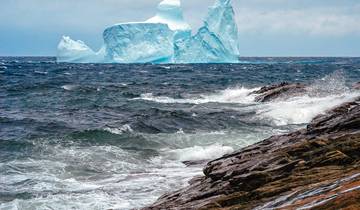
Iceberg season in St. John’s runs from late April through mid-June 2026, with May offering peak viewing opportunities as the Labrador Current pushes these massive ice formations south along Newfoundland’s coast. Cape Spear, Signal Hill, and various boat tour operators provide excellent vantage points for iceberg watching. The 2026 spring season forecast suggests above-normal precipitation which historically correlates with good iceberg years, though exact timing remains weather-dependent. Boat tours specifically targeting iceberg viewing typically operate May through early June, with tour operators monitoring ice movement daily to position vessels optimally.
How much does it cost to visit St. John’s per day in 2026?
Daily costs in St. John’s vary significantly by season and travel style in 2026. Budget travelers spending CAD $70-120 ($50-85) per person daily can utilize hostel dormitories, prepare some meals, and focus on free attractions like Signal Hill and Cape Spear. Mid-range visitors averaging CAD $180-280 ($125-200) per person daily enjoy comfortable hotels, restaurant meals, and paid tours including whale watching or food tours. Luxury travelers investing CAD $400-600+ ($280-425+) per person daily access premium accommodations, fine dining at establishments like Terre or Raymond’s, and private guided experiences. These estimates assume two people sharing accommodation and include lodging, meals, local transportation, and attractions.
Is St. John’s crowded during summer 2026?
Summer 2026 brings St. John’s busiest tourist season, particularly July through mid-August when visitor numbers peak during the George Street Festival, Royal St. John’s Regatta, and prime whale watching weeks. Downtown attractions including Signal Hill, Cape Spear, and Quidi Vidi Village experience significant crowds, especially mid-morning through mid-afternoon. Popular restaurants require reservations for dinner service, and boat tours frequently sell out 3-5 days in advance during peak weeks. However, St. John’s compact 110,000 population means “crowded” remains relative compared to major Canadian cities, and visiting popular sites early morning or late afternoon provides more solitude even during peak season.
Extended multi-day tours – 5+ days
Featured Newfoundland And Labrador Multi-Day Tour Packages

8 days
Newfoundland Adventure: Westbound
- ✓ Comprehensive Newfoundland And Labrador tour
- ✓ Expert local guides included
- ✓ All accommodation arranged
- ✓ Transportation provided
9 days
Newfoundland Explorer from Corner Brook
- ✓ Comprehensive Newfoundland And Labrador tour
- ✓ Expert local guides included
- ✓ All accommodation arranged
- ✓ Transportation provided
12 days
Scenic Wonders of Newfoundland and Labrador
- ✓ Comprehensive Newfoundland And Labrador tour
- ✓ Expert local guides included
- ✓ All accommodation arranged
- ✓ Transportation provided

13 days
Circle Newfoundland & Labrador
- ✓ Comprehensive Newfoundland And Labrador tour
- ✓ Expert local guides included
- ✓ All accommodation arranged
- ✓ Transportation provided
Multi-day tour packages powered by TourRadar. Prices and availability subject to change.
Introduction: Understanding St. John’s Climate and Seasonal Patterns for 2026
St. John’s occupies a unique geographical position as North America’s most eastern city, perched on Newfoundland’s Avalon Peninsula where the cold Labrador Current meets the warm Gulf Stream, creating one of Canada’s most distinctive and variable climates. This maritime climate produces frequent weather shifts, persistent fog particularly in spring and early summer, and temperatures moderated by ocean influence that prevent extreme heat or cold compared to mainland Canada. The city’s coastal location also positions it perfectly for witnessing natural phenomena including iceberg migration, whale populations following the rich Grand Banks fishing grounds, and dramatic Atlantic storm systems.
For 2026, the Old Farmer’s Almanac forecasts winter temperatures above normal with the coldest periods in early and mid-December plus much of January, above-normal precipitation and snowfall throughout winter, warmer and drier conditions than normal in April-May, cooler and wetter summer than typical, and warmer and wetter September-October than average. These predictions suggest excellent snow conditions for winter activities, potentially strong iceberg season given above-normal winter precipitation, slightly challenging spring timing for those avoiding rain, and favorable extended autumn season for fall foliage viewing. Understanding these seasonal patterns helps visitors align their interests with optimal timing.
St. John’s tourism calendar divides naturally into four distinct seasons, each offering unique advantages and challenges. Peak summer season (July-August) delivers the warmest weather, longest daylight, and major cultural festivals but also highest prices and largest crowds. Shoulder seasons (May-June and September-October) provide moderate weather, fewer visitors, and better value with spring offering iceberg viewing and autumn showcasing brilliant foliage. Winter (November-March) presents the lowest prices and most authentic local experience but requires tolerance for cold, snow, and shorter daylight hours. Spring transition (April-early May) offers budget advantages but unpredictable weather with possible late snow or persistent rain.
The city’s compact urban core surrounded by accessible wilderness creates unique seasonal opportunities. Summer visitors hike the East Coast Trail sections, kayak in protected harbors, and attend outdoor festivals. Spring travelers witness iceberg calving, early wildflowers, and migrating birds. Autumn adventurers photograph fall colors, enjoy emptier trails, and experience local culture without tourist crowds. Winter explorers embrace Nordic skiing, snowshoeing, and cozy pub culture. Understanding how St. John’s transforms across seasons allows visitors to match timing with personal interests, budget constraints, and weather preferences.
Weather Patterns Throughout 2026
St. John’s climate follows a moderately continental pattern characterized by significant seasonal temperature variations, abundant precipitation year-round, and persistent fog that has earned the city recognition as Canada’s foggiest location. Annual precipitation totals approximately 1,540mm (61 inches) distributed relatively evenly across twelve months, with December ranking as the wettest month averaging 174mm (6.9 inches) and June the driest at 88mm (3.5 inches). Snowfall accumulates to impressive totals averaging 335cm (132 inches) annually from November through April, with occasional May and October snow events. The combination of oceanic influence and Labrador Current interaction creates weather conditions that can shift dramatically within hours, requiring visitors to prepare for multiple scenarios regardless of forecast.
Winter temperatures from December through March average between -7°C to 1°C (19-34°F), with February typically coldest at -5°C (23°F) mean temperature. Cold snaps can push temperatures to -15°C (5°F) or occasionally lower, though the historic record minimum of -24°C (-11°F) remains rare. Strong winds create significant wind chill effects, making conditions feel considerably colder than thermometer readings suggest. Snow arrives reliably by mid-November and persists through April, with major storms possible any time during winter months. The 2026 forecast predicts above-normal winter temperatures with coldest periods concentrated in early-to-mid December and throughout January, meaning February-March may prove milder than typical.
Spring arrives gradually from April through June with temperatures climbing from 4°C (39°F) in April to 15°C (59°F) in June, though late snow remains possible even in May. This transitional season sees frequent rain, persistent fog particularly along the coast, and highly variable day-to-day conditions. The clash between warming air masses and cold ocean waters creates the fog conditions St. John’s is famous for, with visibility sometimes reduced to meters. The 2026 forecast suggests April-May will be warmer and drier than normal in eastern Newfoundland, potentially reducing the notorious spring rain and fog somewhat. Despite unpredictable weather, spring brings spectacular iceberg viewing, awakening wildlife, and greening hillsides.
Summer temperatures from July through August peak at 19-20°C (66-68°F) with overnight lows around 11-13°C (52-55°F), creating comfortable conditions rarely oppressive even during heat waves. The warmest temperature ever recorded in St. John’s reached just 32°C (90°F) in July 1983, demonstrating how ocean influence moderates extremes. July receives the most sunshine averaging 7.2 hours daily, while August typically sees the warmest ocean temperatures climbing to 15°C (59°F). The 2026 forecast predicts cooler and wetter summer than normal with warmest periods in late June and late July, suggesting visitors should pack rain gear even for July-August trips. Despite maritime moderation, summer provides the most reliably pleasant outdoor conditions.
Autumn from September through November witnesses gradual cooling from 15°C (59°F) in September to 3°C (37°F) in November, with increasingly frequent rain and wind. September often delivers surprisingly pleasant weather with comfortable temperatures and reduced fog compared to spring months. October brings vibrant fall foliage across Newfoundland’s barrens and forests, with brilliant reds, oranges, and yellows peaking mid-to-late month. November marks the transition toward winter with first significant snowfalls possible, shorter daylight hours, and Atlantic storm systems gaining strength. The 2026 forecast predicts September-October warmer and wetter than normal, potentially extending the comfortable autumn season and enhancing fall color displays with adequate moisture.
Major Events and Festivals 2026
St. John’s festival calendar anchors around several flagship events that significantly impact tourism patterns, accommodation availability, and city atmosphere throughout 2026. The George Street Festival, scheduled for July 30 through August 8, 2026, represents the city’s signature summer celebration with 10 days of live music performances, street parties, and cultural events centered on George Street, North America’s most concentrated entertainment district. This festival has united generations since its 1985 debut through music ranging from traditional Newfoundland folk to contemporary rock, pop, and indie acts. Tickets range from CAD $15-65 ($10-45) depending on session and performer, with advance purchase recommended as popular shows sell out quickly.
The Royal St. John’s Regatta, North America’s oldest continuous sporting event dating to 1816, occurs on the first Wednesday of August annually, landing on August 5, 2026. This unique civic holiday for St. John’s sees 30,000-50,000 spectators gathering at Quidi Vidi Lake to watch traditional fixed-seat rowing races between local crews. The event’s weather-dependent nature adds distinctive character—if conditions at Quidi Vidi Lake prove unsuitable for racing, the holiday and competition postpone to the next suitable day. Beyond rowing competitions, the lakeside hosts carnival games, food vendors, craft booths, and entertainment creating “the largest garden party in the world.” Admission to the regatta grounds is free, making this an excellent value event for visitors and explaining its massive attendance.
The Newfoundland & Labrador Folk Festival celebrates its 50th anniversary in 2026, typically occurring in early August at Bannerman Park. This three-day celebration of traditional and contemporary folk music features performers from across Newfoundland, Canada, and internationally, along with storytelling, dance workshops, and craft demonstrations. The festival operates as five separate sessions (Friday evening, Saturday daytime, Saturday evening, Sunday daytime, Sunday evening) with individual tickets required for each. The family-friendly atmosphere, full-site licensing allowing alcohol throughout the main stage grounds, and emphasis on Newfoundland cultural traditions make this a quintessential local experience. Specific 2026 dates were not yet announced at time of writing, but historically falls the first full weekend of August.
ChillFest brings winter celebration to St. John’s typically in February, offering cold-weather activities designed to embrace winter rather than endure it. The festival includes outdoor skating and snowshoeing, cozy indoor concerts, comedy shows, and family-friendly programming across multiple venues downtown. This growing festival aims to combat winter blues while showcasing Newfoundland’s winter culture. The Tuckamore Festival presents two weeks of world-class chamber music performances, masterclasses, and workshops typically in late August, attracting internationally renowned musicians and providing mentorship for emerging artists. St. John’s Pride Week and Parade occurs annually in July, celebrating LGBTQ+ diversity and inclusion with colorful floats, educational events, performances, and social gatherings throughout the week.
The Lawnya Vawnya Festival (named after a Newfoundland expression meaning “having a wonderful time at a celebration”) showcases independent music and arts across multiple downtown venues typically in April or May. The Nickel Independent Film Festival presents bold original films from Newfoundland and beyond typically in September. Sci-Fi on the Rock, Newfoundland’s largest science fiction, fantasy, and pop culture convention, typically occurs in late fall featuring guest speakers, workshops, panels, and costume contests. The Downtown St. John’s Busker Festival brings street performers to Water Street typically in August. These diverse events spread cultural programming across the calendar, though summer concentration means festival-focused visitors should prioritize July-August 2026 timing.
Crowd Patterns and Tourism Seasons 2026
St. John’s tourism follows predictable seasonal patterns with summer dominance reflecting Newfoundland’s appeal for outdoor activities and natural phenomena viewing. Peak season extends from early July through mid-August when visitor numbers reach annual highs, downtown attractions experience significant crowds, and accommodation rates hit maximum levels. The George Street Festival and Royal St. John’s Regatta specifically draw 30,000-50,000 additional visitors during their respective periods, effectively doubling downtown traffic. Popular boat tours for whale watching and iceberg viewing sell out 3-5 days in advance during peak weeks, while restaurants require dinner reservations even mid-week. Despite these peak-season crowds, St. John’s 110,000 population means crowding remains moderate compared to major Canadian cities like Toronto or Vancouver.
Shoulder seasons divide into two distinct periods with different characteristics. The spring shoulder season from May through mid-June attracts visitors specifically targeting iceberg viewing, with boat tour operators reporting strong bookings despite unpredictable weather. May long weekend (Victoria Day) marks the traditional tourism season opening, with many attractions extending hours and tour operators beginning full schedules. Crowds remain manageable except during special weekends, and accommodation availability rarely becomes critical. The autumn shoulder season from September through October delivers the year’s best value-to-experience ratio with comfortable temperatures, brilliant fall foliage, significantly reduced crowds, and hotels eager to fill rooms after summer peaks end. September particularly offers near-summer weather with far fewer visitors.
Off-season tourism from November through April attracts primarily business travelers, conference attendees, and cold-weather enthusiasts rather than leisure tourists. Winter visitors find authentic local experiences with restaurants and pubs serving primarily St. John’s residents rather than tourists, creating opportunities for genuine cultural immersion. George Street’s famous nightlife continues year-round with live music most evenings, though winter brings locals rather than tour groups. The ChillFest celebration in February attempts to attract winter tourism, though numbers remain modest compared to summer months. Budget-conscious travelers willing to embrace winter conditions benefit from accommodation rates 40-50% below summer peaks and restaurants less rushed, allowing longer conversations with staff and locals.
Specific crowd management strategies for 2026 visitors include booking major attractions and tours 5-7 days in advance during July-August peak season, visiting popular sites like Signal Hill and Cape Spear before 10am or after 4pm to avoid tour bus rushes, making restaurant reservations 2-3 days ahead for summer dining, and considering shoulder season timing if flexibility exists. The George Street Festival and Royal St. John’s Regatta weeks represent absolute peak congestion requiring advance planning for all aspects including accommodation, dining, and activities. Spring iceberg season creates moderate crowds focused on specific boat tours and coastal viewpoints, while autumn delivers the best combination of pleasant weather and manageable visitor numbers throughout 2026.
Accommodation Costs by Season 2026
St. John’s accommodation costs fluctuate significantly across seasons in 2026, with summer commanding premium rates and winter offering substantial discounts reflecting tourism demand patterns. Mid-range hotels including properties like Alt Hotel St. John’s, Courtyard by Marriott St. John’s Newfoundland, and DoubleTree by Hilton St. John’s Harbourview charge CAD $160-240 ($115-170) per night during peak July-August season, with George Street Festival and Royal St. John’s Regatta weeks occasionally pushing rates to CAD $250-300 ($175-215) for standard rooms. Properties require advance booking 2-3 months ahead for summer dates, with best downtown locations selling out 4-6 months before major festivals. Check official websites or booking platforms for current rates as pricing may vary.
Shoulder season accommodation from May-June and September-October drops 25-35% below summer peaks, with mid-range hotels averaging CAD $120-180 ($85-125) nightly. September particularly offers strong value as hotels transition from summer to winter rates while weather remains pleasant. Early May and late October represent the lowest shoulder season rates before hotels implement either summer premiums or winter discounts. Bed and breakfast properties including The Roses Heritage Inn, Blue on Water, and Cantwell House typically charge CAD $100-160 ($70-115) during shoulder seasons, providing characterful alternatives to chain hotels with breakfast included. Budget hostels like HI St. John’s City Hostel maintain consistent CAD $35-50 ($25-35) dormitory rates with slight summer increases.
Winter accommodation from November through March delivers the year’s best value with mid-range hotels dropping to CAD $90-150 ($65-105) nightly, representing 40-50% savings compared to summer. January through March offer the absolute lowest rates as tourism reaches annual minimums and hotels compete for business travelers. Properties near St. John’s Airport including Hampton Inn & Suites by Hilton St. John’s Airport and Best Western Plus St. John’s Airport Hotel typically charge CAD $110-160 ($75-115) year-round given consistent business travel demand, making downtown properties the better value for winter leisure visitors. Some boutique properties including Jag Boutique Hotel and Murray Premises Hotel reduce rates more aggressively during deepest winter months.
Budget-conscious travelers can minimize accommodation costs through several strategies for 2026 visits. Booking 60-90 days in advance for summer travel secures lower rates before final capacity-driven increases, while last-minute booking 1-2 weeks ahead sometimes captures unsold winter inventory at deep discounts. Airport-area hotels cost CAD $15-30 ($10-20) less nightly than downtown properties with free parking included, though require rental car or taxi for city access. Vacation rentals through platforms like Airbnb and Vrbo offer good value for groups of 4+ sharing costs, particularly in residential neighborhoods like Churchill Park and The Battery. Extended-stay properties like Long’s Hill Suites and Manor @ 358 provide kitchenettes allowing meal preparation savings offsetting slightly higher nightly rates.
Budget Planning by Season 2026
Daily budget requirements in St. John’s vary dramatically by season, accommodation tier, dining choices, and activity selections, with summer commanding premium prices while winter offers significant savings. Budget travelers spending CAD $70-120 ($50-85) per person daily rely on hostel dormitories at CAD $25-35 ($17-25) per bed, grocery store meal preparation for most meals with occasional budget restaurant meals, free attractions including Signal Hill and Cape Spear walks, and city walking or public transit for transportation. Mid-range visitors averaging CAD $180-280 ($125-200) per person daily enjoy hotel accommodation at CAD $90-120 ($65-85) per person sharing double occupancy room, restaurant meals for all dining occasions, paid attractions and boat tours, and occasional taxi use. Luxury travelers investing CAD $400-600+ ($280-425+) per person daily access boutique hotels at CAD $180-240+ ($125-170+) per person, fine dining establishments, private guided tours, and rental car convenience.
Summer peak season (July-August 2026) demands the highest budgets with mid-range travelers needing approximately CAD $215-305 ($150-215) per person daily. Accommodation accounts for CAD $105-130 ($75-90) per person for two sharing mid-range hotel, meals total CAD $75-110 ($52-77) daily including breakfast CAD $15-20 ($10-14), lunch CAD $22-32 ($15-22), and dinner CAD $38-58 ($27-40), boat tour CAD $80-120 ($55-85) for whale watching or iceberg viewing, local transportation CAD $10-15 ($7-10), and minor expenses. Budget travelers reduce summer costs to CAD $110-160 ($77-115) per person daily through hostel accommodation CAD $30-40 ($20-28), grocery meal preparation except one restaurant meal daily, free hiking and viewpoint attractions, and walking rather than taking taxis. These estimates assume two people sharing accommodation for mid-range and luxury budgets.
Shoulder season (May-June, September-October 2026) provides 20-30% cost reductions compared to summer peaks, with mid-range travelers averaging CAD $170-235 ($120-165) per person daily. Accommodation drops to CAD $80-100 ($55-70) per person sharing mid-range hotel, restaurant meal costs remain similar to summer, boat tours operate identical pricing for available services, and reduced demand means occasional dining deals. September delivers particularly strong value as weather remains pleasant while costs decline. Budget travelers maintain CAD $85-130 ($60-90) per person daily through hostel accommodation CAD $25-30 ($17-20), mixed grocery and restaurant meals, and emphasis on free activities. Spring shoulder season includes iceberg boat tour costs while autumn focuses more on hiking and photography.
Winter off-season (November-March 2026) delivers dramatic savings with mid-range travelers spending approximately CAD $140-200 ($100-140) per person daily. Accommodation plummets to CAD $60-85 ($42-60) per person sharing mid-range hotel, restaurant meals maintain similar pricing year-round, winter activities like snowshoeing or indoor attractions cost minimal amounts, and reduced tourist demand occasionally produces restaurant specials. Budget travelers thrive in winter with CAD $65-100 ($45-70) per person daily budgets including hostel accommodation CAD $25-30 ($17-20), grocery meal emphasis, free winter hiking and snowshoeing, and George Street nightlife providing inexpensive entertainment. These winter savings allow longer trips or upgraded experiences compared to summer timing.
Multi-day trip budgets scale accordingly with 5-day summer visits requiring approximately CAD $1,075-1,525 ($755-1,070) per person for mid-range comfort, CAD $550-800 ($385-560) for budget travel, and CAD $2,000-3,000+ ($1,400-2,100+) for luxury experiences. Winter 5-day trips reduce to approximately CAD $700-1,000 ($490-700) mid-range, CAD $325-500 ($230-350) budget, and CAD $1,500-2,200+ ($1,050-1,540+) luxury. Budget-conscious visitors maximize value by timing trips for shoulder or winter seasons, booking accommodation directly with hotels for occasional exclusive discounts, preparing some meals using grocery purchases, emphasizing free or low-cost activities like hiking and coastal walks, and reserving splurge meals or tours for highlight experiences rather than every day.
Spring Season in St. John’s (April-June 2026)
Spring arrives gradually in St. John’s as the city transitions from winter’s grip toward summer warmth, creating the year’s most unpredictable but potentially rewarding season for visitors. April temperatures average 4°C (39°F) with frequent rain and occasional late-season snow, May warms to 9°C (48°F) as greenery emerges across hillsides, and June reaches 15°C (59°F) with increasing sunny days. The 2026 forecast predicts April-May warmer and drier than normal in eastern Newfoundland, potentially improving historically challenging spring weather. However, persistent fog remains common as warming air masses collide with cold North Atlantic waters and the Labrador Current, creating the conditions that earned St. John’s recognition as Canada’s foggiest city. Layered waterproof clothing proves essential regardless of forecast.
Spring’s signature attraction centers on iceberg viewing along Newfoundland’s coast as massive ice formations calve from Greenland glaciers and drift south via the Labrador Current. The iceberg season runs from late April through mid-June with May representing peak viewing opportunities when dozens of bergs may pass St. John’s simultaneously. Boat tours specifically targeting icebergs operate from various St. John’s operators including Iceberg Quest Ocean Tours, O’Brien’s Whale and Bird Tours, and Gatherall’s Puffin and Whale Watch, charging CAD $80-120 ($55-85) for 2-3 hour excursions. Check official websites for current schedules and rates as timing varies by ice conditions. Land-based viewing from Cape Spear, Signal Hill, and Battery neighborhood provides free iceberg spotting opportunities, with some bergs drifting close enough to shore for impressive photography.
Wildlife viewing begins ramping up through spring as migratory birds return, early wildflowers bloom across barrens, and whale populations arrive following fish stocks. Humpback whales start appearing in mid-May as waters warm, with sightings increasing through June. Puffins begin arriving at nearby colonies including Witless Bay Ecological Reserve in mid-May, with June offering reliable viewing. The East Coast Trail system becomes accessible as snow melts, though muddy conditions persist through May requiring waterproof hiking boots. Early-season hikers often find trails empty compared to summer crowds, creating solitude opportunities for those embracing variable weather. Memorial University of Newfoundland Botanical Garden awakens with spring bulbs and early perennials, while Pippy Park trails become popular for birdwatching.
Spring accommodation rates remain attractive with mid-range hotels charging CAD $100-140 ($70-100) nightly from April through mid-June, representing 30-40% savings compared to summer peaks. Early May particularly offers strong value as weather improves but summer rates haven’t implemented. Restaurant reservations rarely prove necessary except weekends, and attractions operate without significant crowds. The Lawnya Vawnya Festival typically occurs in late April or May, adding cultural programming to natural attractions. Budget travelers find spring particularly appealing with hostel accommodation CAD $25-35 ($17-25), manageable restaurant costs for occasional dining, and free hiking plus coastal walks providing primary activities. Mid-range visitors average CAD $160-220 ($110-155) per person daily including accommodation, dining, iceberg boat tour, and minor expenses.
Summer Season in St. John’s (July-August 2026)
Summer delivers St. John’s warmest, most vibrant, and busiest season with temperatures averaging 19-20°C (66-68°F), over 15 hours of daily daylight, and festival programming at peak intensity. July averages 19°C (66°F) with 7.2 hours of sunshine daily representing the year’s sunniest conditions, while August peaks at 20°C (68°F) with warmest ocean temperatures reaching 15°C (59°F) allowing braver souls to swim. The 2026 forecast predicts cooler and wetter summer than normal with warmest periods in late June and late July, suggesting visitors should pack rain jackets even for July-August trips. However, summer remains the most reliably pleasant season for outdoor activities despite occasional rainy days.
The George Street Festival (July 30-August 8, 2026) dominates summer’s cultural calendar with 10 days of live music performances transforming North America’s most concentrated entertainment district into a massive street party. Over 40 years of festival history have created traditions including the outdoor stage hosting nationally touring acts, indoor venues featuring emerging artists, and afternoon family programming preceding evening adult-focused concerts. Tickets range from CAD $15-65 ($10-45) depending on performer and session, with festival passes offering best value for multi-day attendance. The festival attracts music lovers from across Atlantic Canada and beyond, significantly impacting downtown accommodation availability and requiring advance booking 3-4 months ahead for convenient lodging during festival week.
The Royal St. John’s Regatta on August 5, 2026 (or next suitable day if weather unsuitable) brings St. John’s entire population to Quidi Vidi Lake for North America’s oldest continuous sporting event dating to 1816. This unique civic holiday sees businesses close citywide as 30,000-50,000 spectators gather for traditional fixed-seat rowing races between local crews, carnival games, food vendors, and entertainment creating “the largest garden party in the world.” Admission to regatta grounds is free, making this exceptional value cultural immersion. The weather-dependent postponement system adds distinctive character—if conditions prove unsuitable for racing at 6am decision time, the holiday shifts to the next suitable day, creating what locals call “Regatta Roulette” for those planning around the date.
Whale watching reaches peak reliability during summer with humpback whales present from mid-May through early September but most commonly spotted June-August. Multiple tour operators including O’Brien’s, Iceberg Quest, and Gatherall’s operate 2-3 hour boat excursions daily charging CAD $80-120 ($55-85) for whale and seabird viewing. Tours frequently encounter not only humpback whales but also puffins, other seabird species, occasional minke whales, and late-season icebergs in June-early July. Booking 5-7 days in advance proves essential during peak summer weeks when tours sell out regularly. Cape Spear and Signal Hill provide land-based whale watching opportunities with binoculars, particularly during early morning and late afternoon feeding times.
Summer hiking showcases the East Coast Trail at its finest with dry conditions, lush greenery, and wildflowers blooming across barrens. Popular sections including Spout Path (2.5km to spectacular sea arch), Cape Spear to Maddox Cove (12km clifftop scenery), and North Head Trail (5km from Cape Spear) experience moderate traffic but rarely feel crowded given trail length and varied starting times. Quidi Vidi Village transforms into charming tourist destination with Quidi Vidi Brewery offering tours and tastings, local artists displaying crafts, and restaurants like Mallard Cottage serving seasonal Newfoundland cuisine. The Rooms cultural complex operates extended summer hours for provincial art gallery, museum, and archives access, with outdoor terrace providing stunning downtown views. Water Street, believed to be one of North America’s oldest streets, bustles with shoppers, diners, and tourists exploring colonial architecture.
Summer accommodation reaches annual peak pricing with mid-range hotels charging CAD $160-240 ($115-170) nightly, boutique properties CAD $180-280+ ($125-195+), and even budget hostels increasing to CAD $40-50 ($28-35) per bed. Advance booking 2-3 months ahead proves essential for July-August dates, with George Street Festival and Regatta week requiring 4-6 months advance planning for convenient downtown locations. Restaurant reservations become necessary for popular establishments including Raymonds, Terre, Merchant Tavern, and Mallard Cottage, with 2-3 days advance booking recommended for prime Friday-Saturday dinner times. Despite peak-season challenges, summer delivers optimal weather for outdoor activities, longest daylight hours maximizing sightseating time, warmest ocean temperatures for coastal exploration, and festival programming creating vibrant city energy justifying premium pricing and crowds.
Autumn Season in St. John’s (September-October 2026)
Autumn emerges as St. John’s best-value season combining comfortable weather, brilliant fall foliage, dramatically reduced crowds, and accommodation rates dropping 30-40% below summer peaks. September temperatures average 15°C (59°F) with less fog than spring months, creating pleasant conditions often rivaling summer comfort. October cools to 9°C (48°F) as autumn progresses, with increasing rain and wind signaling approaching winter. The 2026 forecast predicts September-October warmer and wetter than normal, potentially extending comfortable weather deeper into fall while ensuring adequate moisture for vibrant foliage displays. This combination creates ideal conditions for visitors prioritizing value, solitude, and autumn color photography.
Fall foliage reaches peak brilliance mid-to-late October across Newfoundland’s barrens, bogs, and forested areas as bog laurel, blueberry bushes, and deciduous trees transform into reds, oranges, and yellows. The East Coast Trail sections provide spectacular hiking through autumn color with sections like Biscan Cove Path and Freshwater Bay Path particularly photogenic. Pippy Park and MUN Botanical Garden showcase brilliant displays accessible within city limits, while day trips to Avalon Peninsula destinations including Bay Bulls, Brigus, and Ferryland combine coastal scenery with forest color. The vibrant reds and golds against deep blue Atlantic waters and dramatic coastal cliffs create photography opportunities unmatched during other seasons.
September particularly offers exceptional value as summer weather patterns often persist while accommodation costs plummet immediately after Labour Day weekend. Mid-range hotels drop to CAD $100-160 ($70-115) nightly, representing 35-40% savings compared to August. Popular restaurants no longer require advance reservations except Friday-Saturday evenings, and boat tours offering whale watching continue operating into mid-September with far fewer passengers per tour creating more intimate experiences. September also avoids the cruise ship crowds that occasionally visit St. John’s in July-August, as most cruise itineraries end by early September. Budget travelers find September ideal with pleasant weather rivaling summer but at shoulder-season pricing.
October brings cooler temperatures and more frequent rain but maintains appealing characteristics for hardy visitors. The Nickel Independent Film Festival typically occurs in September, presenting bold independent films from Newfoundland and beyond at downtown venues. Hiking remains excellent through October with trail conditions generally drier than spring though requiring warmer layers for cooler temperatures. Bird migration creates opportunities for spotting various species heading south. Halloween celebrations on George Street showcase local enthusiasm for costumed revelry. Accommodation costs remain attractive at CAD $90-140 ($65-100) nightly for mid-range hotels, while restaurants operate on relaxed local-focused schedules without tourist rush.
Autumn weather unpredictability requires flexible planning but rarely prevents activities entirely. Rain gear and layered clothing allow hiking in drizzle conditions that actually enhance moody coastal photography. George Street’s indoor music venues operate year-round with live performances most evenings regardless of weather. The Rooms, Johnson Geo Centre, Railway Coastal Museum, and other indoor attractions provide weather-backup options. Cozy pubs like The Ship, Erin’s Pub, and YellowBelly Brewery create warm refuge from autumn storms while offering traditional Newfoundland music sessions. These indoor alternatives ensure autumn visitors enjoy St. John’s regardless of weather cooperation while benefiting from reduced costs and crowds throughout the season.
Winter Season in St. John’s (November-March 2026)
Winter transforms St. John’s into a snow-draped maritime city where Atlantic storms, colonial architecture, and vibrant local culture create authentic experiences without tourist crowds or inflated prices. November temperatures average 5°C (41°F) as winter approaches, December-January average -4°C to -1°C (19-34°F), February typically marks the coldest month at -5°C (23°F), and March begins gradual warming to 1°C (34°F). Snowfall accumulates to impressive totals averaging 335cm (132 inches) annually with major storms possible throughout winter months. The 2026 forecast predicts above-normal winter temperatures with coldest periods in early-to-mid December and throughout January, meaning February-March may prove milder than typical for winter visitors.
Winter activities embrace rather than resist the season with snowshoeing on Pippy Park trails, cross-country skiing at Mt. Scio trails, and ice skating at outdoor rinks when weather permits. ChillFest in February celebrates winter through outdoor activities, indoor concerts, comedy shows, and family programming designed to combat winter blues while showcasing Newfoundland’s cold-weather culture. Signal Hill takes on dramatic character under snow with ice formations along cliffs and reduced visitor numbers allowing solitary contemplation of historic site. The Battery neighborhood’s colorful houses create striking contrast against white snow and grey Atlantic waters, producing photographic opportunities enhanced by winter’s dramatic lighting and storm systems.
George Street’s legendary nightlife continues year-round with live music most evenings at venues including Christian’s Bar, Fat Cat Blues Bar, Rock House, and others creating one of Canada’s most concentrated entertainment districts. Winter brings primarily local crowds rather than tourists, allowing genuine cultural immersion and longer conversations with Newfoundlanders known for extraordinary friendliness and storytelling ability. The city’s Irish pub scene flourishes in winter with establishments like Erin’s Pub and O’Reilly’s Irish Newfoundland Pub hosting traditional music sessions showcasing fiddle, accordion, and bodhran performances. These indoor cultural experiences provide warmth and entertainment regardless of weather conditions.
Winter dining emphasizes hearty Newfoundland specialties including Jiggs dinner (salt beef, cabbage, potatoes, and pease pudding), fish and brewis (salt cod with hard bread), toutons (fried bread dough), and bakeapple jam. Established restaurants like The Merchant Tavern, Terre, and Raymonds continue operating year-round with local ingredients remaining surprisingly abundant given Newfoundland’s fishing traditions and cold-climate agriculture. Coffee shops including Rocket Bakery, Fixed Coffee & Baking, and Jumping Bean provide cozy refuge with excellent baked goods and locally roasted coffee. The absence of tourist crowds means restaurant tables remain available without advance booking except Friday-Saturday evenings.
Winter accommodation delivers extraordinary value with mid-range hotels dropping to CAD $80-140 ($55-100) nightly, representing 40-50% savings compared to summer rates. January-March offer absolute lowest pricing as tourism reaches annual minimums. Properties near St. John’s Airport maintain more consistent year-round rates given business travel, making downtown hotels the superior winter value for leisure visitors. Budget travelers find winter particularly appealing with hostel accommodation CAD $25-35 ($17-25), reduced meal costs given local-focused restaurant pricing, and free winter activities including hiking, snowshoeing, and exploring downtown. Mid-range visitors average CAD $140-200 ($100-140) per person daily including accommodation, dining, minor attractions, and occasional taxi use—substantially lower than summer equivalents.
Month-by-Month Detailed Analysis 2026
January 2026: Deepest Winter and Lowest Prices
January represents St. John’s coldest month with average temperatures -4°C (25°F), frequent snowfall continuing throughout the month, and strong Atlantic storms producing wind and precipitation. The 2026 forecast predicts much of January experiencing colder-than-normal temperatures, making this month particularly challenging for those unaccustomed to winter conditions. However, January delivers the year’s absolute lowest accommodation prices with mid-range hotels averaging CAD $80-120 ($55-85) nightly and some properties offering January-specific promotions to fill rooms during tourism’s annual low point.
Winter activities reach full swing with established snow conditions perfect for cross-country skiing and snowshoeing on city trails. Signal Hill under deep snow creates dramatic scenery with ice formations and reduced visibility during storms adding atmospheric character. George Street nightlife operates enthusiastically with locals celebrating winter through music, dancing, and camaraderie in warm pubs. The Rooms, Johnson Geo Centre, and indoor attractions provide weather-independent cultural programming. January visitors require serious cold-weather gear including insulated parka, winter boots, warm layers, and windproof outer clothing, but those properly prepared discover authentic St. John’s without tourist veneer.
February 2026: ChillFest Celebration and Milder Forecast
February typically marks St. John’s coldest month averaging -5°C (23°F), though the 2026 forecast suggests this February may prove milder than historical norms given predictions of above-average winter temperatures concentrating cold periods earlier in December-January. Snowfall continues regularly with accumulations reaching maximum depths mid-to-late February. ChillFest transforms winter challenges into celebration through organized programming including outdoor activities, indoor concerts, comedy shows, and family events designed to embrace rather than endure cold weather.
Accommodation pricing remains extremely attractive at CAD $80-130 ($55-90) nightly for mid-range hotels with Valentine’s Day weekend occasionally creating slight demand increases at romantic properties. Restaurant availability remains excellent except Valentine’s evening requiring advance reservation. February’s shorter month and limited daylight hours (approximately 10 hours mid-month) require planning activities carefully to maximize daylight for outdoor exploration while enjoying evening indoor cultural experiences. Budget travelers particularly benefit from February’s combination of winter pricing and ChillFest adding free or low-cost programming to basic winter activities.
March 2026: Late Winter Transitioning Toward Spring
March marks winter’s gradual transition toward spring with temperatures averaging 1°C (34°F) but highly variable day-to-day conditions ranging from winter storms to surprisingly mild days. Late-season snowfalls remain common through March while occasional warm spells begin melting accumulated snow creating muddy conditions. St. Patrick’s Day on March 17 brings significant celebration to St. John’s given strong Irish heritage, with George Street pubs hosting special programming, traditional music sessions, and festive crowds regardless of weather conditions.
Accommodation rates begin climbing slightly as spring approaches, with mid-range hotels averaging CAD $90-140 ($65-100) nightly. March represents the final opportunity for winter’s lowest pricing before spring shoulder season pricing implements in April. Daylight hours extend noticeably through March with approximately 12 hours of daylight by month’s end, creating more balanced daylight for activities. Hiking becomes possible on lower-elevation trails as snow melts while higher trails and coastal paths remain snow-covered requiring appropriate footwear. March visitors need flexible wardrobes accommodating both winter and spring conditions within single trips.
April 2026: Early Spring and Warmer Forecast
April brings genuine spring conditions with temperatures averaging 4°C (39°F) though late snow remains possible even mid-month. The 2026 forecast predicts April warmer and drier than normal in eastern Newfoundland, potentially reducing the rain and lingering winter weather that typically challenge April visitors. Easter celebrations occur March 31-April 1 in 2026, with Good Friday representing provincial holiday. Lawnya Vawnya Festival typically occurs in late April or early May, bringing independent music and arts programming to multiple downtown venues.
Accommodation rates implement spring shoulder pricing at CAD $100-140 ($70-100) nightly for mid-range hotels, representing moderate increases from winter lows but still well below summer peaks. Late April sees first iceberg sightings as the season begins along Newfoundland’s coast, though peak viewing waits until May. Hiking trails dry gradually with lower elevations becoming accessible while remaining muddy requiring waterproof boots. Bird migration brings returning species creating excellent birdwatching opportunities. April visitors balance unpredictable weather with increasing daylight hours (approximately 14 hours by month’s end) and reduced winter pricing extending into early spring.
May 2026: Peak Iceberg Season and Spring Wildlife
May delivers spring’s highlights with temperatures averaging 9°C (48°F), iceberg viewing reaching peak activity, and wildlife awakening across Newfoundland. The 2026 forecast continues predicting warmer and drier than normal conditions through May, potentially improving historically wet spring weather. Victoria Day long weekend (third Monday in May) marks traditional tourism season opening with many attractions extending hours and tour operators beginning full schedules. May represents iceberg season’s peak with dozens of massive ice formations potentially visible simultaneously along the coast.
Iceberg boat tours operate actively throughout May with multiple operators offering 2-3 hour excursions charging CAD $80-120 ($55-85). Booking 3-5 days in advance becomes advisable during peak iceberg weeks as word spreads about exceptional viewing conditions. Land-based iceberg watching from Cape Spear, Signal Hill, and coastal viewpoints provides free alternatives with binoculars or telephoto lenses enhancing experience. Humpback whales begin arriving mid-May with sightings increasing toward month’s end, while puffins return to nearby breeding colonies creating opportunities for combined iceberg-whale-puffin boat tours.
Accommodation costs remain at spring shoulder rates averaging CAD $110-150 ($75-105) nightly for mid-range hotels with Victoria Day weekend occasionally creating slight demand increases. Restaurant reservations remain unnecessary except holiday weekend. May’s lengthening daylight hours (15+ hours by month’s end) create extended evening light for photography and outdoor activities. The combination of peak iceberg viewing, awakening wildlife, improving weather, and shoulder-season pricing make May increasingly popular despite persistent spring fog and occasional rain requiring waterproof clothing.
June 2026: Late Spring Warming and Pre-Summer Value
June transitions from spring toward summer with temperatures averaging 15°C (59°F), iceberg season continuing through mid-month before tapering, and whale watching gaining reliability. June receives the year’s lowest precipitation averaging 88mm (3.5 inches), making it statistically the driest month though Atlantic weather remains unpredictable. Late June sees near-maximum daylight hours with over 16 hours daily creating extraordinary evening light extending well past 9pm for outdoor activities and photography.
Iceberg viewing continues early June with diminishing frequency as the season winds down, while whale watching strengthens with humpback whales increasingly present. Puffins become reliably visible at nearby colonies with boat tours combining multiple natural phenomena. The East Coast Trail enters prime hiking season with drier conditions, warming temperatures, and lush greenery creating optimal trail experiences without summer crowds. Quidi Vidi Village activates for summer tourism with brewery tours, restaurant patios, and artisan shops preparing for seasonal visitors.
Accommodation pricing begins climbing toward summer peaks with mid-range hotels averaging CAD $140-180 ($100-125) nightly in early June, increasing to CAD $160-200 ($115-140) by month’s end. June represents the final opportunity for shoulder-season rates before July’s summer premium implements. Restaurant reservations become advisable for popular establishments on weekends. June delivers excellent value combining improving weather, extended daylight, strong wildlife viewing, and pricing still below peak summer rates—creating arguably the best value-to-experience ratio for those prioritizing natural attractions over festival programming.
July 2026: Summer Peak Season Begins
July launches St. John’s summer season with temperatures averaging 19°C (66°F), maximum sunshine hours averaging 7.2 daily, over 15 hours of daylight, and festival programming beginning. The 2026 forecast predicts late July representing one of summer’s warmest periods, suggesting end-of-month timing may provide particularly pleasant weather. George Street Festival begins July 30, 2026, with pre-festival atmosphere building throughout the month as downtown prepares for 10 days of music celebration.
Whale watching reaches peak reliability with humpback whales present daily and boat tours operating multiple departures accommodating demand. Puffins remain visible at nearby colonies through July. Hiking showcases the East Coast Trail at its finest with wildflowers blooming across barrens, ocean temperatures approaching annual maximums, and optimal trail conditions. The Rooms extends summer hours for art gallery and museum access, while outdoor attractions including Signal Hill and Cape Spear see significant visitor traffic mid-morning through mid-afternoon.
Accommodation reaches summer peak pricing with mid-range hotels charging CAD $160-220 ($115-155) nightly, increasing to CAD $200-240+ ($140-170+) during final week as George Street Festival begins. Advance booking 2-3 months ahead proves essential for July convenience, with festival week requiring 4-6 months advance planning. Restaurant reservations become necessary for popular establishments with 2-3 days advance booking recommended for prime dinner times. Despite premium pricing and crowds, July delivers optimal weather reliability, longest daylight hours, and summer festival energy creating classic St. John’s summer experience.
August 2026: Warmest Weather and Major Festivals
August represents St. John’s warmest month averaging 20°C (68°F) with ocean temperatures reaching annual peak at 15°C (59°F) and whale watching continuing at peak reliability. August concentration of major festivals including George Street Festival (July 30-August 8), Royal St. John’s Regatta (August 5), and Newfoundland & Labrador Folk Festival’s 50th anniversary (typically early August weekend) creates the year’s most vibrant cultural atmosphere. The 2026 forecast predicts cooler and wetter August than normal, though summer remains the most reliably pleasant season despite occasional rainy days.
The George Street Festival dominates early August with 10 days of music performances transforming downtown into a massive celebration attracting visitors from across Atlantic Canada. The Royal St. John’s Regatta on August 5 (or next suitable day) brings 30,000-50,000 spectators to Quidi Vidi Lake for North America’s oldest continuous sporting event with this civic holiday seeing the entire St. John’s region closing for traditional rowing races and lakeside carnival. The Newfoundland & Labrador Folk Festival celebrates its 50th anniversary with three days of traditional and contemporary folk music, storytelling, and cultural programming at Bannerman Park.
Accommodation maintains peak summer pricing at CAD $160-240+ ($115-170+) nightly for mid-range hotels with festival weeks occasionally pushing rates even higher for remaining availability. George Street Festival and Regatta week particularly see accommodation scarcity requiring 4-6 months advance booking for convenient downtown locations. Restaurant reservations prove essential throughout August with popular establishments fully booked most evenings. Despite premium pricing and maximum crowds, August’s combination of warmest weather, major festivals, peak wildlife viewing, and vibrant city energy creates quintessential St. John’s summer experience justifying costs for festival-focused visitors.
September 2026: Exceptional Value Shoulder Season
September emerges as St. John’s best-value month combining comfortable temperatures averaging 15°C (59°F), dramatically reduced crowds after Labour Day weekend, autumn colors beginning mid-to-late month, and accommodation rates dropping 35-40% below August. The 2026 forecast predicts September warmer and wetter than normal, potentially extending comfortable summer-like weather deeper into autumn. September particularly benefits from reduced fog compared to spring months as ocean-air temperature differences diminish, creating clearer coastal views.
Whale watching continues through mid-September with humpback whales still present and boat tours operating reduced schedules with far fewer passengers per tour creating intimate experiences. Hiking reaches peak conditions with dry trails, comfortable temperatures ideal for exertion, and autumn colors beginning to emerge particularly late September. The Nickel Independent Film Festival typically occurs in September, presenting bold independent films at downtown venues. George Street nightlife transitions from tourist-heavy summer crowds to local-focused audiences, though music venues continue operating actively.
Accommodation plummets to CAD $100-160 ($70-115) nightly for mid-range hotels immediately after Labour Day, representing exceptional value given weather often rivaling summer comfort. Restaurant reservations become unnecessary except Friday-Saturday evenings, and attractions operate without significant crowds. Budget travelers find September ideal with pleasant weather at shoulder-season pricing averaging CAD $150-210 ($105-145) per person daily for mid-range comfort including accommodation, dining, activities, and transportation. September’s combination of summer-like weather, fall pricing, and reduced crowds make it arguably the best month for value-conscious visitors prioritizing experience over festivals.
October 2026: Peak Fall Foliage and Cooling Temperatures
October brings autumn’s full display with temperatures averaging 9°C (48°F), peak fall foliage mid-to-late month, increasing rain and wind, and further reductions in tourist traffic. The 2026 forecast continues predicting warmer and wetter than normal conditions through October, potentially extending comfortable weather and ensuring adequate moisture for vibrant foliage displays. October represents the final month of comfortable outdoor conditions before winter’s arrival, creating urgency for those prioritizing hiking and coastal exploration.
Fall foliage reaches peak brilliance mid-to-late October as bog laurel, blueberry bushes, and deciduous trees transform hillsides into reds, oranges, and yellows. The East Coast Trail provides spectacular hiking through autumn color with reduced trail traffic compared to summer months. Bird migration creates excellent viewing opportunities as species head south for winter. Halloween celebrations on George Street showcase local enthusiasm for costumed revelry with October 31 bringing particularly festive crowds to downtown bars and pubs.
Accommodation remains attractively priced at CAD $90-140 ($65-100) nightly for mid-range hotels with Halloween weekend occasionally creating slight demand increases. October weather requires flexible planning with rain gear and layered clothing essential, though rarely preventing activities entirely. Indoor alternatives including The Rooms, museums, and George Street music venues provide weather-backup options. Budget travelers maintain CAD $130-190 ($90-135) per person daily for mid-range comfort, substantially lower than summer while weather remains reasonably pleasant for properly dressed visitors.
November 2026: Early Winter Transition
November marks the transition toward winter with temperatures averaging 5°C (41°F), increasing snowfall particularly late month, shorter daylight hours declining to approximately 9 hours by month’s end, and tourism entering annual low season. First significant snowfalls typically arrive mid-to-late November with accumulations sometimes persisting into spring. Atlantic storm systems strengthen during November bringing wind, rain, and eventually snow as temperatures drop.
Accommodation implements winter pricing with mid-range hotels dropping to CAD $90-140 ($65-100) nightly, beginning the winter discount period extending through March. George Street nightlife transitions entirely to local crowds creating authentic cultural immersion opportunities. Indoor attractions including The Rooms and Johnson Geo Centre operate reduced winter hours. November represents the beginning of winter’s budget advantages for cold-tolerant visitors willing to embrace the season.
December 2026: Winter Holiday Season and Cold Forecast
December brings winter holiday festivities with temperatures averaging -1°C (30°F) though the 2026 forecast predicts early-to-mid December experiencing colder-than-normal conditions. Holiday decorations transform downtown with festive displays, George Street hosts holiday-themed events, and local markets including potential craft fairs showcase Newfoundland artisans. December represents one of the wettest months averaging 174mm (6.9 inches) precipitation primarily as snow given temperatures.
Accommodation maintains winter pricing at CAD $80-130 ($55-90) nightly for mid-range hotels with Christmas week occasionally seeing slight increases if family visitors arrive. December’s combination of holiday atmosphere, winter activities, and budget pricing appeals to those embracing winter conditions. The shortest daylight hours of the year (approximately 8.5 hours at winter solstice) require planning activities carefully to maximize daylight for outdoor exploration while emphasizing evening cultural experiences in warm indoor venues.
Transportation and Getting Around St. John’s 2026
St. John’s compact downtown core and concentrated attractions make the city remarkably walkable for visitors staying in central locations, with most hotels, restaurants, and downtown attractions accessible within 15-20 minute walks. Water Street, believed to be one of North America’s oldest streets, provides the main downtown artery connecting the harbor area to central business district with Duckworth Street running parallel one block uphill. The hilly terrain challenges those with mobility limitations, though the elevation changes reward walkers with stunning harbor views and photographic opportunities. Comfortable walking shoes with good traction prove essential given steep grades and potential ice during winter months.
Metrobus operates St. John’s public transit system with routes connecting downtown to surrounding neighborhoods, St. John’s Airport, and nearby municipalities. Adult fares cost CAD $2.75 ($1.90) per ride or CAD $82.50 ($58) for monthly passes, with exact change required as buses don’t provide change. Route 14 connects downtown to St. John’s Airport approximately every 60-90 minutes, providing budget alternative to taxis for airport transfers. Major attractions including Signal Hill and Cape Spear lack direct bus service, requiring rental car or taxi access. Bus schedules reduce significantly on Sundays and holidays, making advance route planning advisable for Sunday travelers.
Rental cars provide greatest flexibility for exploring attractions beyond downtown and day trips across Avalon Peninsula to destinations including Cape Spear, Quidi Vidi Village, and more distant locations like Witless Bay Ecological Reserve or Ferryland. Major agencies including Enterprise, Budget, Avis, and National operate from St. John’s Airport with downtown pickup sometimes available. Summer rental rates average CAD $60-100 ($42-70) daily for economy vehicles with winter rates occasionally lower but requiring confidence driving in snow conditions. Parking downtown costs CAD $2-4 ($1.40-2.80) hourly at meters or CAD $10-17 ($7-12) daily at parkades, with most hotels charging CAD $15-25 ($10-17) daily for parking if not included in room rates.
Taxis and ride-sharing provide convenient point-to-point transportation with multiple companies including Jiffy Cabs, Bugden’s Taxi, and City Wide Taxi operating 24/7. Typical downtown-to-airport taxi fares run CAD $30-40 ($21-28) with meter rates approximately CAD $3.75 ($2.60) initial charge plus CAD $1.95 ($1.35) per kilometer. Downtown-to-Signal Hill costs approximately CAD $12-18 ($8-12), while downtown-to-Cape Spear runs CAD $35-45 ($25-30) each way. Uber and Lyft do not operate in St. John’s as of 2026, though this may change with provincial ride-sharing regulations potentially updating. Taxis prove particularly valuable for restaurant dining with alcohol service given strict drinking-driving enforcement and limited downtown parking evening hours.
Guided tours eliminate transportation logistics while providing expert commentary on St. John’s history, culture, and natural attractions. St. John’s Walking Tours offers 2.5-hour signature tours and 3-hour Newfoundland food tours exploring downtown architecture, local history, and culinary traditions. Half-day bus tours including Scenic Bus Tour of Northeast Avalon and Historic St. John’s Newfoundland and Cape Spear Tour provide transportation plus narration to major attractions. Boat tours for whale watching, iceberg viewing, and seabird colonies include water transportation from downtown departure points. These guided options work particularly well for visitors without rental cars or those preferring expertise over independent exploration.
Practical Planning Tips for 2026 Visitors
Booking timeline significantly impacts accommodation availability and pricing for 2026 St. John’s visits, with summer requiring advance planning while shoulder and winter seasons allow flexibility. George Street Festival week and Royal St. John’s Regatta (August 5) demand 4-6 months advance booking for convenient downtown hotels as these events sell out central properties. General July-August dates benefit from 2-3 months advance booking securing preferred properties before final capacity-driven price increases. Shoulder seasons (May-June, September-October) allow 3-6 weeks advance booking with good selection remaining, while winter permits last-minute booking opportunities sometimes capturing unsold inventory at discount rates.
Packing requirements vary dramatically by season with summer visitors needing light layers for 15-20°C (59-68°F) temperatures, waterproof jacket for occasional rain, comfortable walking shoes for hilly terrain, and sun protection for extended daylight hours. Spring and fall require more substantial layering with warm fleece or insulated jacket for 5-15°C (41-59°F) temperatures, waterproof hiking boots for muddy trails, rain pants for wet weather hiking, and wind-resistant outer layers for coastal exposure. Winter demands serious cold-weather gear including insulated parka rated to -20°C, winter boots with good traction for ice and snow, thermal base layers, insulated gloves and warm hat, and scarf or neck gaiter for wind protection. All seasons benefit from binoculars for whale watching, camera with extra batteries for photography opportunities, and reusable water bottle for hydration during activities.
Cell phone coverage proves excellent throughout St. John’s and surrounding Avalon Peninsula with major Canadian carriers Rogers, Bell, and Telus providing reliable service. Visitors from outside Canada should verify international roaming charges with their carriers or consider purchasing temporary Canadian SIM cards or prepaid plans for extended visits. Free WiFi access exists at most hotels, cafes including Rocket Bakery and Fixed Coffee, restaurants, and The Rooms cultural center. Credit cards are widely accepted with Visa and Mastercard universal while American Express has less acceptance at smaller establishments. ATMs are readily available downtown and at major shopping areas, though small cash reserves help for parking meters, smaller vendors, and occasional cash-only establishments.
Health and safety considerations for St. John’s remain minimal with Canada’s universal healthcare system providing emergency services to all regardless of insurance status, though visitors should carry travel health insurance for medical coverage. Pharmacies including Shoppers Drug Mart and Lawtons Drugs operate downtown with extended hours for minor health needs. St. John’s drinking water ranks among North America’s finest quality requiring no filtration or bottled alternatives. Personal safety concerns remain negligible with St. John’s ranking among Canada’s safest cities, though standard urban precautions regarding valuables and awareness in unfamiliar areas apply. Weather represents the primary safety consideration requiring proper clothing for conditions, awareness of fog and reduced visibility during coastal activities, and caution on icy sidewalks and trails during winter.
Local customs and cultural considerations enhance St. John’s experiences with Newfoundlanders renowned for extraordinary friendliness, hospitality, and storytelling ability creating welcoming atmosphere for visitors. Tipping follows Canadian norms with 15-20% standard for restaurant table service, CAD $1-2 ($0.70-1.40) per drink for bartenders, and 10-15% for taxi drivers. George Street nightlife culture embraces live music with cover charges typically CAD $5-15 ($3-10) depending on performer, creating affordable entertainment options. Newfoundland English includes distinctive vocabulary and pronunciation that may require adjustment for those unfamiliar, though locals happily explain colloquialisms. Traditional music sessions at pubs welcome respectful observers with occasional opportunities for audience participation in choruses or simple percussion.
Day Trips and Regional Exploration from St. John’s 2026
St. John’s serves as ideal basecamp for exploring Avalon Peninsula’s stunning coastal scenery, historic fishing villages, and natural wonders within 1-3 hours drive. Witless Bay Ecological Reserve, located 30 kilometers (19 miles) south via Route 10, hosts North America’s largest Atlantic puffin colony plus northern gannets, common murres, and other seabirds. Multiple boat tour operators including O’Brien’s, Gatherall’s, and others run 2-3 hour excursions from Bay Bulls and Mobile charging CAD $80-120 ($55-85) for seabird and whale viewing tours operating May through September. The reserve’s four islands shelter over 2 million seabirds during breeding season with June-July offering peak viewing when puffins actively feed chicks. This day trip combines easily with stops at scenic Bay Bulls harbor and Ferryland historic site.
Ferryland, located 75 kilometers (47 miles) south on Route 10, features the Colony of Avalon archaeological site where ongoing excavations reveal a 17th-century English settlement including North America’s oldest stone-built English tavern. Site admission costs CAD $10 ($7) for adults with guided tours providing historical context about Newfoundland’s early European colonization. The famous Lighthouse Picnics operates at Ferryland Lighthouse from late May through September, offering gourmet picnic baskets featuring local ingredients served on red-and-white checkered blankets overlooking dramatic Atlantic coastline. Advance booking proves essential during summer months for these memorable clifftop dining experiences. The drive from St. John’s takes approximately 90 minutes one-way allowing half-day or full-day trips depending on chosen activities.
Cape Spear National Historic Site, located just 13 kilometers (8 miles) south of downtown, marks North America’s most eastern point with the continent’s oldest surviving lighthouse dating to 1836. The site offers guided tours of the restored lighthouse keeper’s quarters, World War II coastal defense battery remnants, dramatic coastal hiking, and exceptional whale watching opportunities particularly during summer months. Sunrise viewing at Cape Spear allows visitors to claim first sunrise sighting in North America—a bragging-right worth the early wake-up call. Site admission costs CAD $4.25 ($3) for adults or free with Parks Canada Discovery Pass, making this remarkably affordable considering historical significance and natural beauty. The short distance from St. John’s allows early morning or late afternoon visits without consuming entire days.
Quidi Vidi Village, located within St. John’s city limits approximately 10 minutes drive from downtown, preserves historic fishing village character with colorful stages, working fish sheds, and Quidi Vidi Brewery producing Iceberg Beer using water from Newfoundland icebergs. Brewery tours operate daily during summer months, the village hosts traditional regatta facilities for the Royal St. John’s Regatta, and restaurants including Mallard Cottage serve seasonal Newfoundland cuisine in a 1750s Irish-Newfoundland vernacular cottage. The village works well as half-day excursion combined with Signal Hill visits or as cycling destination via city trails. The nearby Battery neighborhood features the densest concentration of colorful “Jellybean Row” houses for photography enthusiasts.
Brigus, located 80 kilometers (50 miles) west via Route 1 and Route 60, showcases picturesque fishing village architecture, Hawthorne Cottage National Historic Site (birthplace of Arctic explorer Captain Bob Bartlett), and quintessential Newfoundland harbor scenery. Cupids, located nearby, hosts the Cupids Legacy Centre documenting the site of British North America’s first English colony established in 1610. These destinations combine well into full-day historical touring loops exploring Conception Bay communities. The Irish Loop (Route 10 south to Trepassey then returning via Route 90) offers 340-kilometer scenic driving showcasing coastal vistas, seabird colonies, and historic fishing villages requiring full day but rewarding with some of Newfoundland’s most dramatic scenery.
Frequently Asked Questions About Visiting St. John’s 2026
What is the cheapest month to visit St. John’s in 2026?
January through March represent the cheapest months for St. John’s visits in 2026 with mid-range hotel accommodation dropping to CAD $80-140 ($55-100) nightly, representing 40-50% savings compared to summer peak rates. January particularly offers the absolute lowest accommodation pricing as tourism reaches annual minimums and hotels compete for limited business travel. Winter dining costs remain similar to summer pricing, though local-focused restaurants occasionally offer specials when tourist demand disappears. Transportation savings emerge through reduced rental car rates and Metrobus monthly passes providing excellent value for extended winter stays. Daily budgets for mid-range comfort average CAD $140-200 ($100-140) per person in winter compared to CAD $215-305 ($150-215) during summer peaks, creating opportunities for longer trips or upgraded experiences. The trade-off requires tolerance for -5°C to 1°C (19-34°F) temperatures, frequent snowfall averaging 335cm (132 inches) annually, and shorter daylight hours of approximately 8.5-10 hours. However, winter visitors discover authentic St. John’s without tourist crowds, vibrant local culture in George Street pubs, and cozy Newfoundland hospitality worth embracing cold conditions.
Do I need a rental car to visit St. John’s in 2026?
Rental cars prove optional rather than essential for St. John’s visits depending on planned activities and destinations. Downtown St. John’s remains highly walkable with most hotels, restaurants, The Rooms, and Water Street shopping accessible on foot within 15-20 minute walks. Metrobus Route 14 connects downtown to St. John’s Airport for CAD $2.75 ($1.90) per ride, providing budget airport transfers. Taxis handle point-to-point transportation for attractions beyond walking distance including Signal Hill approximately CAD $12-18 ($8-12) from downtown. Many visitors successfully explore St. John’s without rental cars by walking downtown, taking taxis to specific attractions, and booking organized tours for whale watching, Cape Spear visits, and regional exploration. However, rental cars significantly enhance flexibility for Cape Spear visits allowing sunrise timing, Quidi Vidi Village access, East Coast Trail trailhead access, and Avalon Peninsula day trips to destinations like Ferryland, Brigus, or Witless Bay Ecological Reserve. Summer rental rates average CAD $60-100 ($42-70) daily for economy vehicles with downtown parking adding CAD $10-25 ($7-17) daily depending on hotel. For visitors planning multiple day trips, focusing heavily on hiking, or traveling during shoulder seasons with reduced tour schedules, rental cars justify costs through increased independence and access to remote attractions.
What is iceberg season in St. John’s and how do I see them in 2026?
Iceberg season along Newfoundland’s coast runs from late April through mid-June 2026 with May representing peak viewing opportunities when dozens of massive ice formations may pass St. John’s simultaneously. Icebergs calve from Greenland glaciers and drift south via the cold Labrador Current, with some bergs running aground on the shallow Grand Banks remaining visible for weeks or months. The 2026 winter forecast predicts above-normal precipitation and snowfall, which historically correlates with strong iceberg years as increased Greenland snowfall produces more glacier calving. However, exact iceberg numbers and timing remain weather-dependent and unpredictable until the season arrives. Boat tours specifically targeting icebergs operate from various St. John’s operators including Iceberg Quest Ocean Tours, O’Brien’s Whale and Bird Tours, and Gatherall’s Puffin and Whale Watch charging CAD $80-120 ($55-85) for 2-3 hour excursions. Booking 3-5 days in advance during peak iceberg weeks proves advisable as word spreads about exceptional viewing conditions. Land-based viewing from Cape Spear, Signal Hill, Fort Amherst, and Battery neighborhood provides free iceberg spotting opportunities with binoculars or telephoto lenses enhancing experiences. Some bergs drift remarkably close to shore allowing impressive photography from coastal viewpoints. Tour operators monitor ice movements daily positioning boats optimally for closest safe approaches, while land-based viewing depends on bergs drifting within sight of coastal viewpoints—a matter of luck and patience.
How many days should I spend in St. John’s in 2026?
Three to five days provides optimal time for experiencing St. John’s highlights while allowing flexibility for weather-dependent activities and relaxed exploration without rushing. A three-day minimum itinerary covers downtown walking exploration including Water Street, Jellybean Row, and The Rooms cultural center, Signal Hill and Cape Spear National Historic Sites, one boat tour for whale watching or iceberg viewing, and evening entertainment on George Street. Four days adds Quidi Vidi Village, additional East Coast Trail hiking, Railway Coastal Museum or Johnson Geo Centre, and more thorough restaurant sampling. Five days incorporates Avalon Peninsula day trips to destinations like Witless Bay Ecological Reserve for puffin viewing, Ferryland for Colony of Avalon archaeological site and Lighthouse Picnics, and additional time for weather backup given St. John’s unpredictability. Festival-focused visitors during George Street Festival or Royal St. John’s Regatta week benefit from 4-5 days attending multiple festival events while still exploring other attractions. Winter visitors embracing local culture through pub sessions, snowshoeing, and indoor attractions find 3-4 days sufficient given reduced daylight hours and weather-limited outdoor activities. Budget-conscious travelers note that longer stays reduce per-day costs through weekly accommodation rates, familiarity with best-value dining, and ability to wait for optimal weather windows for expensive boat tours. The compact city and concentrated attractions mean St. John’s doesn’t require week-long visits unless using the city as basecamp for extensive Avalon Peninsula or broader Newfoundland exploration. Quality over quantity applies—three well-planned days exploring deeply proves more satisfying than rushed week attempting everything.
Is St. John’s worth visiting in winter 2026?
Winter St. John’s appeals to travelers prioritizing authentic cultural experiences, dramatic scenery, and budget savings over comfortable weather and outdoor activities. The season delivers compelling advantages including accommodation rates 40-50% below summer averaging CAD $80-140 ($55-100) nightly for mid-range hotels, downtown restaurants and George Street pubs serving primarily locals rather than tourists creating genuine cultural immersion, and winter activities including snowshoeing on Pippy Park trails, cross-country skiing at Mt. Scio, and ChillFest celebration in February. Signal Hill and Cape Spear take on dramatic character under snow with ice formations along cliffs and empty trails allowing solitary contemplation of historic sites. George Street’s legendary live music continues year-round with traditional Newfoundland music sessions at pubs including The Ship, Erin’s Pub, and others showcasing fiddle, accordion, and local performers. Newfoundlanders’ reputation for extraordinary friendliness and hospitality shines particularly during winter when locals welcome the few visitors braving cold conditions. The trade-offs require honest assessment—winter temperatures average -5°C to 1°C (19-34°F) with wind chill making conditions feel considerably colder, snowfall averages 335cm (132 inches) annually with major storms possible throughout winter, and daylight hours shrink to 8.5-10 hours limiting outdoor activity windows. Indoor attractions including The Rooms, Johnson Geo Centre, and cozy restaurants provide weather backup, but outdoor enthusiasts may find winter limiting compared to summer’s hiking and boat tour options. Visitors comfortable with winter conditions, drawn to authentic local experiences over tourist programming, and motivated by substantial cost savings discover winter St. John’s rewarding despite weather challenges.
What should I pack for St. John’s weather in 2026?
St. John’s unpredictable maritime climate requires layered, adaptable clothing regardless of season with the fundamental principle being preparation for multiple weather scenarios within single days. Summer visitors (July-August) need lightweight base layers for 15-20°C (59-68°F) temperatures, waterproof rain jacket with hood for frequent showers, comfortable walking shoes with good traction for hilly terrain, warm fleece or light insulated jacket for cool evenings particularly near water, sun protection including hat and sunscreen for extended daylight hours, and binoculars for whale watching from boat tours or coastal viewpoints. The 2026 forecast predicts cooler and wetter summer than normal, making rain gear particularly essential even during peak season. Spring and fall (May-June, September-October) demand more substantial layering with waterproof hiking boots for muddy trails, rain pants for wet weather hiking, warm fleece or insulated jacket for 5-15°C (41-59°F) temperatures, wind-resistant outer layers for coastal exposure, warm hat and gloves for cool mornings and evenings, and potentially light winter layers for unpredictable conditions. Winter visitors (November-March) require serious cold-weather gear including insulated parka rated to -20°C for -5°C to 1°C (19-34°F) temperatures with significant wind chill, winter boots with excellent traction for ice and snow on St. John’s hilly streets, thermal base layers including long underwear, insulated gloves rated for cold conditions, warm hat covering ears, scarf or neck gaiter for wind protection, and potentially face covering for extreme wind chill days. All seasons benefit from reusable water bottle, camera with extra batteries as cold weather drains battery power, small daypack for carrying layers during temperature fluctuations, and cash reserves for parking meters and occasional cash-only vendors. The key philosophy involves dressing in removable layers allowing adaptation as weather shifts throughout days rather than committing to single outfit choices.
When is the best time to see whales in St. John’s in 2026?
Whale watching season in St. John’s runs from mid-May through early September 2026 with June through August offering the most reliable sightings of humpback whales following rich feeding grounds along Newfoundland’s coast. Humpback whales represent the most commonly spotted species with their distinctive surface behaviors including breaching, tail slapping, and bubble-net feeding creating spectacular viewing opportunities. Mid-May marks the beginning of reliable sightings as whales arrive following fish stocks, with numbers building through June and remaining strong through August before declining in September as whales begin migrations to winter breeding grounds. July-August deliver peak reliability with boat tour operators reporting whale sightings on over 95% of tours during this window, though viewing wild animals always involves some uncertainty. Multiple tour operators including O’Brien’s Whale and Bird Tours, Iceberg Quest Ocean Tours, and Gatherall’s Puffin and Whale Watch run 2-3 hour excursions from St. John’s harbor charging CAD $80-120 ($55-85) with tours often combining whale watching with puffin colonies at nearby islands and occasional late-season icebergs in June-early July. Booking 5-7 days in advance during peak summer weeks proves essential as tours sell out regularly. Land-based whale watching from Cape Spear, Signal Hill, and Fort Amherst provides free alternatives with patient observers occasionally spotting whales from coastal cliffs particularly during early morning and late afternoon feeding times. Binoculars significantly enhance land-based viewing given distances involved. Minke whales and occasional other species including pilot whales appear less frequently, while some tours incorporate dolphin sightings. The combination of peak whale activity, warm weather, long daylight hours, and puffin breeding season make July-August optimal despite premium summer pricing and larger tour crowds compared to shoulder seasons.
What are the must-see attractions in St. John’s in 2026?
Signal Hill National Historic Site represents St. John’s most iconic attraction with Cabot Tower commemorating John Cabot’s 1497 Newfoundland arrival and Guglielmo Marconi’s 1901 first transatlantic wireless signal reception. The hilltop location 140 meters (460 feet) above sea level delivers panoramic 360-degree views encompassing St. John’s downtown, harbor, Atlantic Ocean, and surrounding coastline. Historic military fortifications including Queen’s Battery and Ladies’ Lookout remain from 18th-century strategic defense era. Site admission costs CAD $4.25 ($3) for adults or free with Parks Canada Discovery Pass (check official website for current rates as pricing may vary), with Cabot Tower offering interior exhibits about communications history and Newfoundland military heritage. The adjacent North Head Trail provides 5-kilometer (3-mile) clifftop hiking connecting to Cape Spear. Cape Spear National Historic Site, located 13 kilometers (8 miles) south of downtown, marks North America’s most eastern point with continent’s oldest surviving lighthouse dating to 1836. Guided tours of the restored lighthouse keeper’s quarters, World War II coastal defense battery remnants, dramatic coastal scenery, and exceptional whale watching opportunities create compelling full experiences. Site admission matches Signal Hill at CAD $4.25 ($3) for adults or free with Parks Canada Discovery Pass. The Rooms serves as Newfoundland & Labrador’s premier cultural facility housing provincial art gallery, museum, and archives under one distinctive building overlooking St. John’s downtown. Permanent collections showcase Newfoundland art from historic to contemporary, provincial history exhibits, and rotating special exhibitions. The second-floor floor-to-ceiling windows provide stunning harbor views, while the on-site Café Bonavista serves quality light meals. General admission costs CAD $10 ($7) for adults with free admission Friday evenings for post-secondary students and first Wednesday 6-9pm monthly for all visitors. Downtown walking exploration including Water Street (one of North America’s oldest streets), colorful Jellybean Row houses particularly in the Battery neighborhood, George Street entertainment district, and harborfront area provides free cultural immersion requiring only comfortable shoes for hilly terrain. Quidi Vidi Village preserves historic fishing village character with Quidi Vidi Brewery producing Iceberg Beer, colorful fishing stages, and restaurants including Mallard Cottage in a 1750s heritage cottage. Whale watching boat tours combine wildlife viewing with Atlantic Ocean experiences creating memorable highlights for most visitors, while East Coast Trail hiking provides world-class coastal scenery accessible directly from city limits with sections ranging from easy 2-kilometer walks to challenging 15+ kilometer treks.
How much do restaurants cost in St. John’s in 2026?
St. John’s dining costs span wide range reflecting everything from budget takeaway to upscale fine dining establishments showcasing Newfoundland ingredients and culinary traditions. Budget-conscious meals including takeaway from pizza shops like Venice Pizza, fish and chips from Ches’s Famous Fish & Chips or Leo’s, and fast-casual options cost CAD $12-20 ($8-14) per person for filling meals. Casual sit-down restaurants including Duke of Duckworth, The Ship Pub for pub fare, YellowBelly Brewery, and Rocket Bakery for lunch average CAD $18-32 ($12-22) per person for mains with beverages adding CAD $4-8 ($2.80-5.60) for soft drinks, coffee, or tea. Mid-range dining at establishments like India Gate, Peaceful Loft, Classic Cafe East, and Chinched Bistro ranges CAD $25-45 ($17-30) per person for mains with appetizers adding CAD $12-18 ($8-12), desserts CAD $8-12 ($5.60-8.40), and alcoholic beverages CAD $8-15 ($5.60-10) for beer/wine by glass. Upscale dining experiences at St. John’s finest restaurants including Raymond’s (Newfoundland’s only AAA Four Diamond restaurant), Terre at Alt Hotel, Merchant Tavern, and Mallard Cottage cost CAD $35-65+ ($25-45+) per person for mains with full three-course dinners easily reaching CAD $80-120+ ($55-85+) per person before beverages. Wine by bottle at upscale establishments ranges CAD $50-150+ ($35-105+) with sommelier-selected pairings available at premium restaurants. Tipping follows Canadian standards at 15-20% of pre-tax bill for table service. Budget travelers minimize dining costs through grocery purchases from stores like Sobeys, Dominion, and Coleman’s for meal preparation, occasional takeaway meals, and reserving sit-down dining for highlight meals averaging CAD $35-50 ($25-35) daily food costs. Mid-range visitors dining out for most meals budget CAD $75-110 ($52-77) daily including breakfast CAD $15-20 ($10-14), lunch CAD $22-32 ($15-22), and dinner CAD $38-58 ($27-40) with beverages. High-end diners exploring St. John’s culinary scene invest CAD $120-200+ ($85-140+) daily with multiple-course dinners, premium beverages, and specialty tasting menus. These dining costs remain consistent year-round unlike accommodation pricing which varies dramatically by season.
What is St. John’s like for solo travelers in 2026?
St. John’s proves exceptionally welcoming for solo travelers given Newfoundlanders’ renowned friendliness, safe urban environment, and numerous opportunities for social connection through group tours and pub culture. The compact walkable downtown eliminates transportation safety concerns allowing solo explorers to navigate confidently on foot during daylight and evening hours. George Street’s concentrated entertainment district creates natural social environment where solo visitors easily strike conversations with locals and fellow travelers, with live music venues including Christian’s Bar, Fat Cat Blues Bar, and The Rock House fostering communal atmosphere. Traditional music sessions at pubs like The Ship and Erin’s Pub welcome solo attendees with opportunities for audience participation and post-session conversations with musicians and regulars. St. John’s Walking Tours offers group walking tours perfect for solo travelers seeking structured exploration while meeting others, with the 3-hour Newfoundland Food Tour particularly social given shared dining experiences at multiple stops. Boat tours for whale watching create built-in social opportunities as fellow passengers share excitement over wildlife sightings and guides facilitate group dynamics. Hostel accommodation at HI St. John’s City Hostel provides solo traveler common areas, organized activities, and natural socializing opportunities for budget-conscious individuals, while many hotels offer single rooms without excessive single supplements common in other destinations. Solo dining remains comfortable at casual establishments where bar seating encourages conversation with staff and adjacent diners, though upscale restaurants may feel awkward for solo diners preferring company. The combination of safe environment, friendly locals willing to engage visitors in conversation, group tour options, vibrant pub culture, and reasonable solo accommodation costs make St. John’s among Canada’s best cities for solo exploration. Female solo travelers report feeling particularly safe given low crime rates and respectful local culture, though standard urban awareness regarding excessive alcohol consumption and unfamiliar areas after dark applies. The main challenge involves rental car costs not split among multiple travelers and some attractions like boat tours potentially feeling expensive for solo budgets, though these prove surmountable through public transit, taxis, and occasional splurges on highlight experiences.