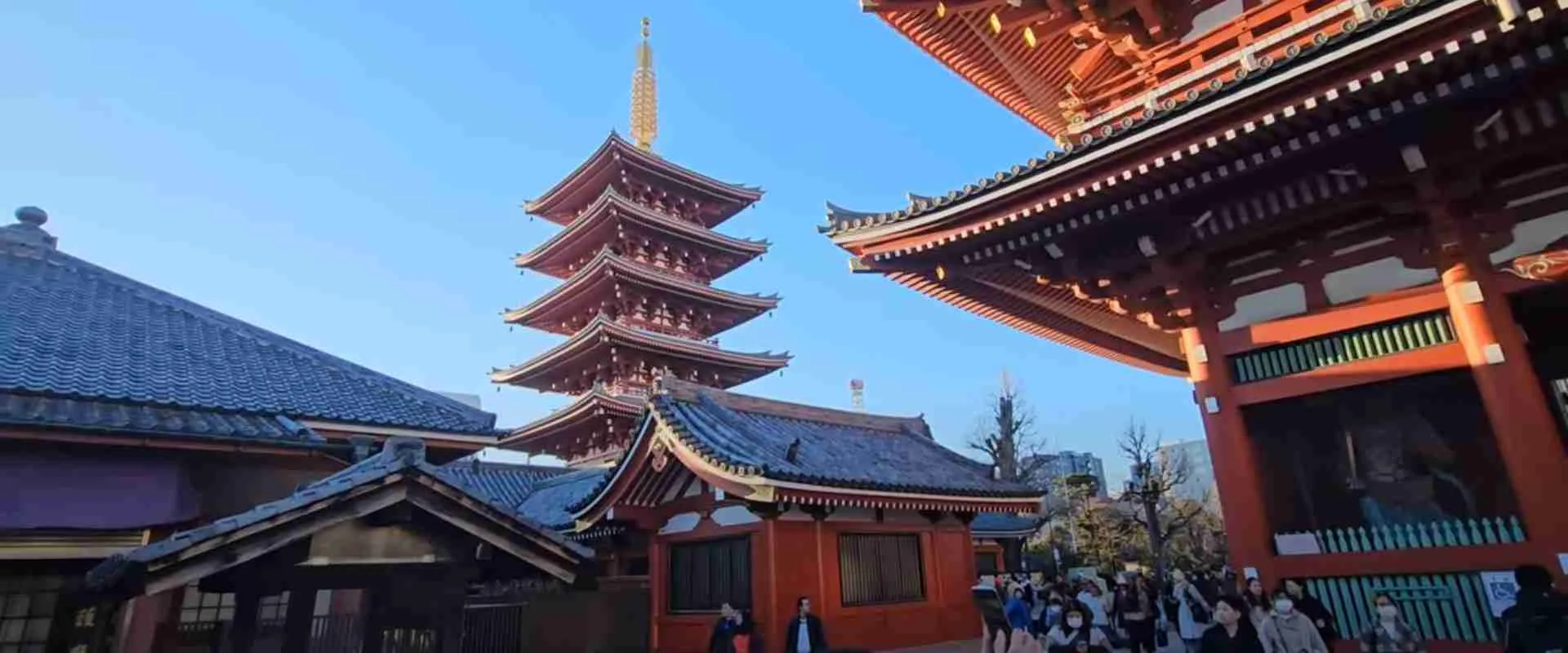
Best Time to Visit Sensoji Temple: Complete Seasonal Guide & Crowd Tips
Timing your visit to Sensō-ji Temple can make the difference between a crowded tourist experience and a deeply meaningful cultural encounter. As Tokyo’s most popular temple attracting over 30 million visitors annually, understanding seasonal patterns, daily rhythms, and special events ensures you’ll experience this 1,400-year-old sacred site at its most beautiful and authentic.
🔑 Key Takeaways
- Best overall time: Early morning (6:00-8:00 AM) or late evening (6:00-8:00 PM) for fewer crowds and better lighting
- Ideal seasons: Spring (cherry blossoms) and autumn (colorful foliage) offer the most photogenic conditions
- Festival seasons: May (Sanja Matsuri) and July (Hōzuki Market) provide unique cultural experiences despite larger crowds
- Weekday advantage: Visit Monday-Thursday for significantly smaller crowds compared to weekends
- Weather considerations: Avoid July-August heat/humidity; winter offers peaceful atmosphere with New Year excitement
- Evening magic: Temple illumination from sunset to 23:00 creates unforgettable photographic opportunities
Whether you’re seeking peaceful spiritual reflection, vibrant festival atmosphere, or perfect photography conditions, this comprehensive guide reveals the optimal times to visit Japan’s oldest temple while maximizing your cultural experience and minimizing crowds.
Daily Timing: Mastering the Crowd Patterns
Early Morning Glory (6:00-8:00 AM)
The golden hours just after temple opening provide the most serene experience. During these peaceful morning moments, you’ll witness authentic Buddhist rituals as monks conduct morning prayers and faithful worshippers begin their daily devotions.
Advantages of early morning visits:
- Minimal tourist crowds allow intimate photography
- Soft morning light perfectly illuminates the temple’s red structures
- Authentic spiritual atmosphere with active worship
- Comfortable temperatures, especially during summer months
- Fresh morning energy on Nakamise shopping street
Peak Chaos (10:00 AM – 4:00 PM)
Midday brings overwhelming crowds, particularly on weekends when Nakamise shopping street becomes nearly impassable. Tour groups, school visits, and casual tourists converge during these hours, creating wall-to-wall human traffic that diminishes the spiritual experience.
Challenges during peak hours:
- Difficulty moving through temple grounds
- Long waits for photo opportunities
- Noise levels incompatible with meditation
- Higher prices at food vendors
- Limited access to quieter temple areas
Evening Enchantment (6:00-11:00 PM)
Evening visits offer magical transformation as temple illumination begins at sunset. The dramatic lighting system highlights architectural details while creating ethereal shadows that enhance the spiritual atmosphere. Crowds significantly diminish after 6:00 PM, allowing peaceful exploration of the illuminated complex.
Evening visit benefits:
- Spectacular illumination until 23:00
- Dramatically reduced crowd levels
- Cooler temperatures during summer
- Romantic atmosphere perfect for couples
- Unique nighttime photography opportunities
Extended multi-day tours – 5+ days
Featured Tokyo Multi-Day Tour Packages
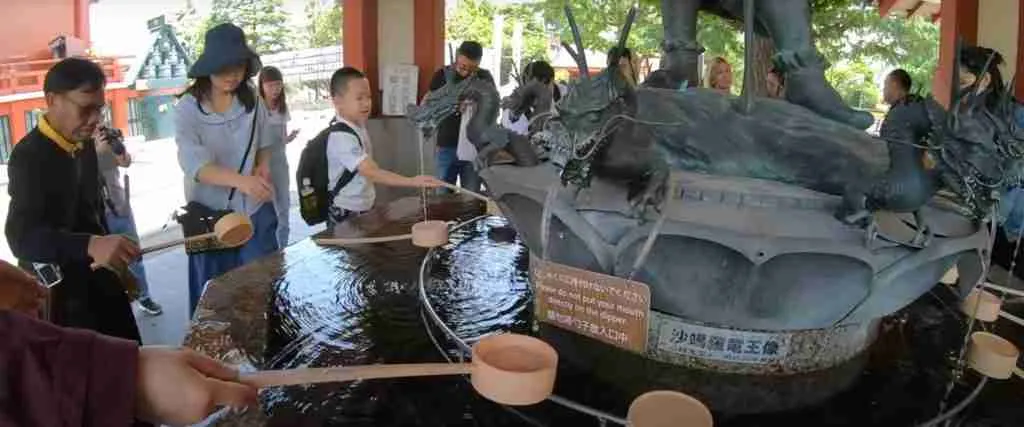
3 days
Tokyo 3-Day Discovery Tour
- ✓ Comprehensive Tokyo experience
- ✓ Expert local guides included
- ✓ All accommodation included
- ✓ Transportation provided
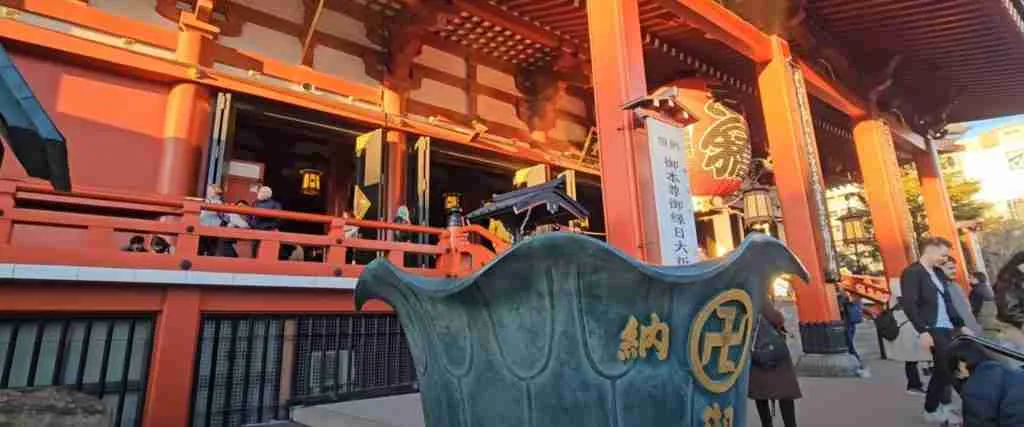
5 days
Tokyo 5-Day Highlights Experience
- ✓ Comprehensive Tokyo experience
- ✓ Expert local guides included
- ✓ All accommodation included
- ✓ Transportation provided

7 days
Tokyo 7-Day Cultural Journey
- ✓ Comprehensive Tokyo experience
- ✓ Expert local guides included
- ✓ All accommodation included
- ✓ Transportation provided
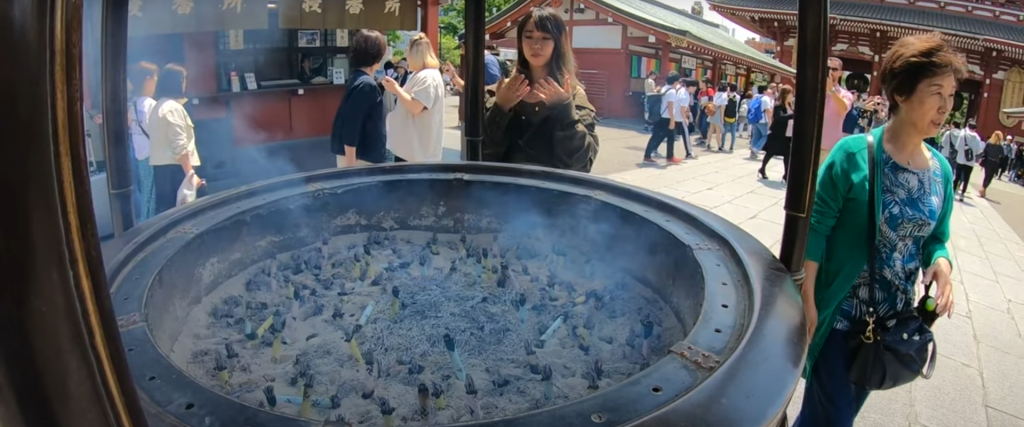
10 days
Tokyo 10-Day Complete Adventure
- ✓ Comprehensive Tokyo experience
- ✓ Expert local guides included
- ✓ All accommodation included
- ✓ Transportation provided
Multi-day tour packages powered by TourRadar. Prices and availability subject to change.
Seasonal Splendor: Year-Round Temple Experiences
Spring (March-May): Cherry Blossom Paradise
Spring ranks as the most photogenic season for visiting Sensō-ji Temple. Cherry blossoms transform the temple grounds into a pink wonderland, while comfortable temperatures and generally clear skies create ideal conditions for extended exploration.
March Highlights:
- Early cherry blossoms begin blooming mid-month
- Dragon Dance (Kinryu no Mai) on March 18th
- Comfortable temperatures (15-20°C/59-68°F)
- Setsubun Festival (early March) with bean-throwing ceremonies
April Peak Season:
- Full cherry blossom bloom (Hanami season)
- White Heron Dance (Shirasagi no Mai) on second Sunday
- Flower Festival (Hana Matsuri) celebrating Buddha’s birthday
- Pleasant weather ideal for outdoor activities
May Festival Excitement:
- Sanja Matsuri – Tokyo’s greatest festival (third weekend)
- Moderate temperatures before summer heat
- Extended daylight hours for longer visits
- Peak tourist season begins
Summer (June-August): Festival Season with Challenges
Summer brings Tokyo’s most vibrant festivals but also presents significant weather challenges. High humidity and temperatures exceeding 30°C (86°F) can make extended outdoor exploration uncomfortable, particularly during the infamous rainy season (June-July).
June Considerations:
- Rainy season begins with frequent downpours
- High humidity levels (often 80%+)
- Fewer crowds due to weather conditions
- Lush green vegetation throughout temple grounds
July Festival Month:
- Hōzuki Market (July 9-10) with Chinese lantern plants
- Summer festivals with traditional performances
- Hot and humid conditions require careful planning
- Early morning visits essential for comfort
August Peak Heat:
- Highest temperatures and humidity of the year
- Asakusa Samba Carnival brings Brazilian flair
- Tourist season continues despite weather
- Evening visits strongly recommended
Autumn (September-November): Golden Temple Experience
Autumn provides the most comfortable weather conditions for temple visits, with moderate temperatures, lower humidity, and stunning foliage that rivals spring’s cherry blossoms. The crisp air and clear skies create perfect photography conditions.
September Transition:
- Summer heat gradually subsides
- Fewer rain days compared to summer
- Early autumn colors begin appearing
- Comfortable outdoor exploration returns
October Peak Beauty:
- Ideal temperatures (18-23°C/64-73°F)
- Dragon Dance returns (October 18th)
- Fall foliage reaches peak colors
- Clear skies perfect for photography
November Cultural Richness:
- White Heron Dance (November 3rd)
- Magnificent autumn colors throughout grounds
- Cool, crisp air ideal for walking
- Preparation begins for year-end festivities
Winter (December-February): Sacred Solitude and New Year Magic
Winter offers the most authentic spiritual experience with smaller crowds and peaceful atmosphere. The New Year period transforms Sensō-ji into Japan’s most important pilgrimage destination, attracting millions for traditional Hatsumode visits.
December Preparation:
- Hagoita Market (December 17-19) with decorative paddles
- Cool temperatures ideal for walking
- Year-end shopping creates festive atmosphere
- Temple preparation for New Year celebrations
January New Year Peak:
- Hatsumode – millions visit for first prayers
- Massive crowds during first week
- Authentic Japanese cultural experience
- Cold but manageable temperatures (5-10°C/41-50°F)
February Quiet Reflection:
- Smallest crowds of the year
- Cold but clear winter days
- Intimate temple atmosphere
- Setsubun Festival (February 3rd) with bean-throwing
Weekday vs Weekend Strategy
Weekday Advantages (Monday-Thursday)
Visiting on weekdays dramatically reduces crowd levels and allows more intimate temple experiences. Business travelers and local workers create a more authentic atmosphere compared to weekend tourist invasions.
Weekday benefits:
- 50-70% fewer visitors compared to weekends
- Better access to popular photo spots
- More peaceful spiritual atmosphere
- Shorter lines at food vendors and shops
- Greater likelihood of witnessing authentic ceremonies
Weekend Challenges (Friday-Sunday)
Weekends bring domestic tourists, international visitors, and families, creating challenging crowd conditions that can overwhelm first-time visitors. However, weekends also offer the most vibrant atmosphere and cultural activities.
Weekend considerations:
- Significantly higher crowd levels
- Longer wait times for attractions
- More cultural events and performances
- Enhanced shopping and dining options
- Greater energy and festive atmosphere
Festival Calendar: Special Event Timing
Major Annual Festivals
Sanja Matsuri (Third weekend of May)
Tokyo’s largest festival honors Sensō-ji’s three founders with spectacular portable shrine processions. Over 2 million spectators create incredible energy but also massive crowds requiring strategic planning.
Hōzuki Market (July 9-10)
Traditional market selling Chinese lantern plants believed to bring 46,000 days of good fortune. Approximately 120 vendor stalls create festive atmosphere during summer’s peak heat.
Dragon Dance (March 18 & October 18)
Spectacular Kinryu no Mai features an 18-meter golden dragon dancing through temple grounds. These special performances attract cultural enthusiasts and photographers.
New Year Celebrations (December 31 – January 7)
Japan’s most important religious observance brings millions of worshippers for Hatsumode prayers. Expect massive crowds but unparalleled cultural authenticity.
Seasonal Cultural Events
Spring Events:
- Setsubun Festival (early February/March) – bean throwing ceremony
- Hana Matsuri (April 8) – Buddha’s birthday celebration
- White Heron Dance (second Sunday of April)
Summer Celebrations:
- Tanabata Festival (July 7) – star festival decorations
- Asakusa Summer Festival (late July) – traditional performances
- Asakusa Samba Carnival (August) – Brazilian cultural fusion
Autumn Traditions:
- Moon viewing ceremonies (September/October)
- Chrysanthemum Festival (November) – flower displays
- White Heron Dance (November 3)
Winter Observances:
- Hagoita Market (December 17-19) – decorative paddle fair
- Year-end purification ceremonies (December 31)
- New Year’s first temple visit (January 1-7)
Weather Considerations and Clothing Guide
Spring Clothing (March-May)
Layer clothing for variable spring temperatures. Comfortable walking shoes are essential for temple ground exploration and Nakamise street navigation.
- Light jacket for early morning/evening
- Comfortable walking shoes with good grip
- Sun hat and sunglasses for increasing daylight
- Light rain jacket for occasional showers
Summer Survival (June-August)
Summer requires careful preparation for high heat and humidity. Plan frequent breaks and stay hydrated throughout your visit.
- Lightweight, breathable clothing in natural fibers
- Wide-brimmed hat for sun protection
- Portable fan and cold towel
- Insect repellent for evening visits
- Plenty of water and electrolyte drinks
Autumn Comfort (September-November)
Autumn provides ideal conditions requiring minimal special preparation beyond basic comfort considerations.
- Layered clothing for temperature changes
- Comfortable shoes for extended walking
- Light jacket for cooler evenings
- Camera gear for stunning foliage photography
Winter Warmth (December-February)
Winter visits require warm clothing but offer the most comfortable walking conditions. Dress in layers to adjust for indoor/outdoor temperature differences.
- Warm coat suitable for outdoor exploration
- Gloves that allow smartphone/camera operation
- Warm hat covering ears
- Thermal undergarments for extended outdoor time
- Warm, waterproof footwear
Photography Timing and Lighting Conditions
Golden Hour Magic
The hour before sunset provides the most spectacular lighting for temple photography. Warm light bathes the red temple structures while creating dramatic shadows and depth.
Optimal photography times:
- Sunrise (varies seasonally): Soft, directional light
- Late afternoon (4:00-6:00 PM): Warm, golden illumination
- Evening illumination (sunset-23:00): Dramatic artificial lighting
- Festival days: Dynamic action and cultural moments
Seasonal Photography Opportunities
Spring Focus: Cherry blossoms, festival processions, traditional ceremonies
Summer Highlights: Vibrant festivals, traditional costumes, cultural performances
Autumn Features: Colorful foliage, clear skies, perfect architectural shots
Winter Subjects: New Year celebrations, peaceful snow scenes, intimate moments
Crowd Management Strategies
Strategic Route Planning
Enter through less popular gates when possible and explore peripheral areas first before approaching main attractions during peak hours.
Crowd avoidance tactics:
- Start at the five-story pagoda rather than Kaminarimon Gate
- Explore Asakusa Shrine while others focus on main temple
- Use side entrances during festival periods
- Visit shops during temple ceremony times
- Plan bathroom breaks during less crowded periods
Alternative Timing Options
Consider unconventional timing for unique experiences that avoid standard tourist patterns.
- Lunch hour (11:30 AM-1:00 PM): Slightly reduced crowds as people eat
- Prayer times: Respectful observation during active worship
- Weather delays: Light rain clears tourists but enhances atmosphere
- Shoulder seasons: Late spring/early autumn balance weather and crowds
Special Considerations for Different Traveler Types
Family Travelers
Families with children should prioritize morning visits when kids are fresh and temperatures are moderate. Afternoon nap times can align with temple’s peak crowd periods.
Family-friendly timing:
- Morning visits (8:00-11:00 AM) for active exploration
- Early dinner (5:00-6:00 PM) before evening illumination
- Avoid major festival crowds with small children
- Plan rest breaks during hot summer afternoons
Photography Enthusiasts
Serious photographers should plan multiple visits to capture different lighting conditions and seasonal variations.
Photography visit strategy:
- Dawn arrival for empty temple shots
- Multiple seasonal visits for comprehensive coverage
- Festival days for cultural action photography
- Evening illumination for dramatic architectural shots
Spiritual Seekers
Those seeking authentic spiritual experiences should avoid peak tourist times and focus on periods of active worship and meditation.
Spiritual visit optimization:
- Early morning prayer sessions
- Weekday afternoon quiet periods
- Winter months for contemplative atmosphere
- Participation in traditional ceremonies
Local Weather Patterns and Microclimate
Tokyo’s Urban Climate Effects
Sensō-ji’s location in central Tokyo creates microclimate effects that influence visiting conditions. The urban heat island effect raises temperatures 2-5°C above surrounding areas during summer months.
Microclimate considerations:
- Higher temperatures than weather forecasts suggest
- Increased humidity near the Sumida River
- Wind patterns affected by surrounding buildings
- Air quality varies with traffic and industrial activity
Seasonal Weather Patterns
Rainy Season (June-July): Frequent afternoon showers require flexible planning
Typhoon Season (September-October): Monitor weather forecasts for potential disruptions
Winter Dry Season: Clear skies but cold temperatures
Spring Transition: Variable weather requiring adaptable clothing
Transportation Timing Considerations
Rush Hour Avoidance
Tokyo’s rush hours (7:00-9:00 AM and 5:00-7:00 PM) significantly impact travel times to Asakusa Station. Plan arrivals and departures outside these windows when possible.
Transportation strategy:
- Arrive before 7:00 AM or after 9:00 AM
- Depart before 5:00 PM or after 7:00 PM
- Use river cruise during peak train periods
- Walking routes during moderate traffic times
Station Crowd Management
Asakusa Station experiences its own crowd patterns that don’t always align with temple visiting times. Multiple exit options provide flexibility during peak periods.
Station navigation tips:
- Use Exit 1 (Ginza Line) for quickest temple access
- Exit A5 (Asakusa Line) offers alternative routing
- Tobu Sky Tree Line connects to less crowded areas
- Consider walking from nearby stations during events
Timing your visit to Sensō-ji Temple strategically transforms a potentially crowded tourist experience into an authentic cultural encounter. Whether you prioritize peaceful spiritual reflection, vibrant festival atmosphere, or optimal photography conditions, understanding seasonal patterns and daily rhythms ensures your visit captures the true essence of Japan’s oldest and most beloved temple.
Remember that flexibility often yields the best results—be prepared to adjust your schedule based on weather, crowd levels, and special events. The magical moments at Sensō-ji often occur when timing, atmosphere, and personal readiness align perfectly, creating memories that last a lifetime.
📋 Frequently Asked Questions
Q: What’s the absolute best time to visit Sensō-ji Temple for photography?
A: Golden hour (one hour before sunset) combined with evening illumination provides the most dramatic lighting. Early morning (6:00-8:00 AM) offers peaceful shots without crowds.
Q: Should I avoid Sensō-ji during Sanja Matsuri festival?
A: Not necessarily! While extremely crowded, Sanja Matsuri offers unparalleled cultural experiences. Arrive very early or late evening for better access and unique perspectives.
Q: How do weather conditions affect temple visits during different seasons?
A: Spring and autumn offer ideal conditions. Summer requires heat/humidity preparation, while winter provides peaceful atmosphere with cold weather considerations.
Q: Is it worth visiting Sensō-ji during Japan’s rainy season?
A: Yes! Rainy season brings fewer crowds and creates atmospheric conditions. Pack umbrella and waterproof camera protection for unique photographic opportunities.
Q: What’s the difference between weekday and weekend visits?
A: Weekdays offer 50-70% fewer crowds, more authentic spiritual atmosphere, and better photo opportunities. Weekends provide more cultural events but challenging crowd levels.
Q: How early should I arrive to avoid crowds completely?
A: Arrive right at opening (6:00 AM summer, 6:30 AM winter) for the most peaceful experience. The first 1-2 hours provide minimal crowds and authentic atmosphere.
Q: Are there specific times when temple ceremonies occur?
A: Morning prayers typically occur around 6:00-7:00 AM daily. Special ceremonies vary by festival and season—check the temple’s official calendar for specific events.
Q: What time does the evening illumination begin and end?
A: Illumination begins at sunset (varies seasonally) and continues until 23:00 daily. This creates magical photography opportunities with dramatically reduced crowds.
Q: Should international visitors consider time zone adjustment when planning visits?
A: Yes! Jet lag often makes early morning visits easier initially. Use this advantage to experience the temple during peaceful hours while adjusting to local time.
Q: How do special events and festivals affect normal visiting patterns?
A: Major festivals like Sanja Matsuri create massive crowds but unique cultural experiences. Smaller events often enhance visits without overwhelming crowd levels. Check festival calendars when planning.