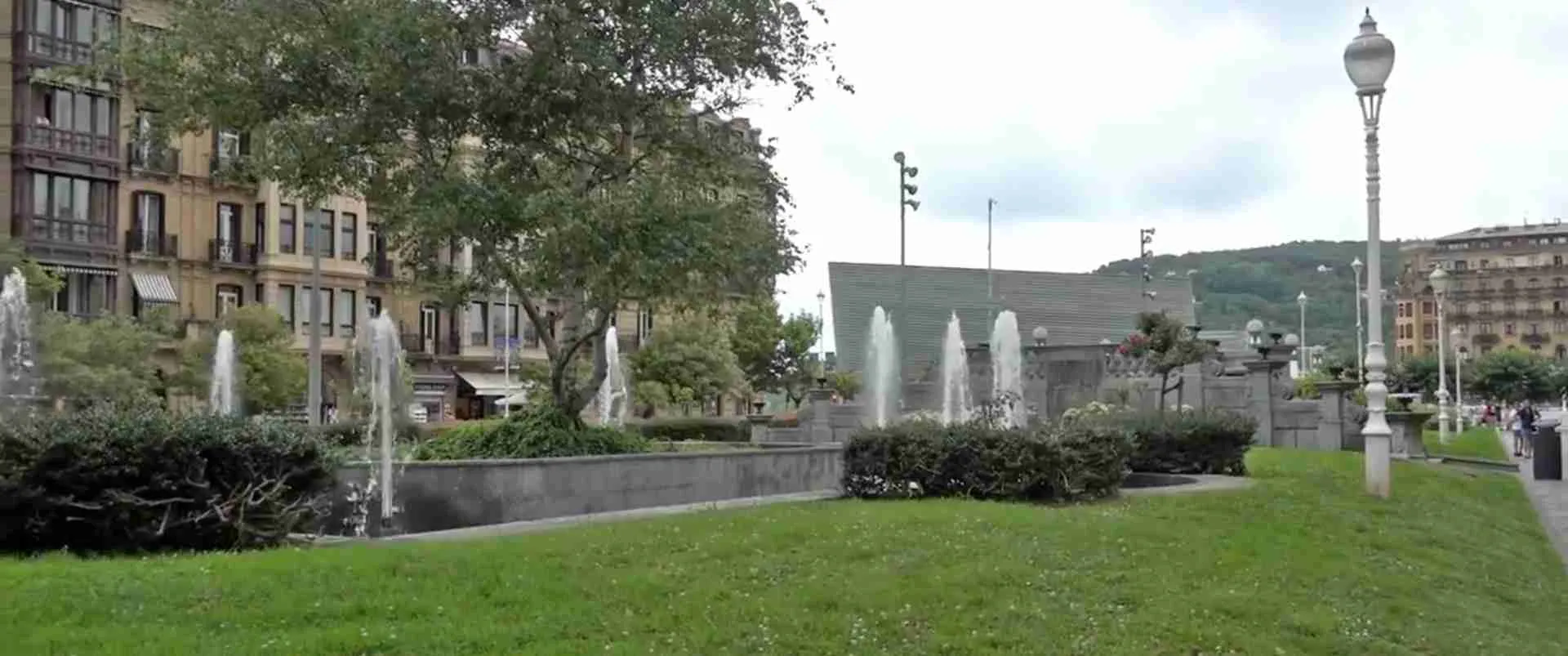
Best Time to Visit San Sebastián 2026: Seasonal Planning Guide
Key Takeaways
- Peak Season Excellence (July-August 2026): Warmest temperatures 19-24°C, minimal rainfall 85-90mm monthly, premium festival lineup including Jazzaldia and Semana Grande, but accommodation costs €300-450 per night.
- Optimal Value Window (May-June & September 2026): Pleasant temperatures 16-21°C, moderate crowds, hotel rates €180-280 nightly, International Film Festival in September.
- Budget-Friendly Winter (December-February 2026): Accommodation drops to €120-200 nightly, authentic local atmosphere, but rainfall peaks at 165mm monthly and temperatures reach only 8-13°C.
- Festival-Driven Timing (2026): San Sebastián Day (January 20), Jazzaldia (July 22-26), Semana Grande (August 8-15), Film Festival (September 18-26) create distinct planning considerations.
- Advance Booking Critical (2026): Summer accommodation books 4-6 months ahead, festival periods require 6-8 months advance planning, last-minute availability minimal during peak events.
Planning Your San Sebastián Trip in 2026
San Sebastián transforms dramatically across seasons, each period offering distinct advantages for different traveler priorities. The Basque city’s Atlantic coastal climate creates unpredictability that separates informed visitors from disappointed ones. Unlike Mediterranean Spain, where summer guarantees sunshine, San Sebastián’s weather requires strategic planning around the city’s temperate oceanic patterns that bring both blessing and challenge throughout 2026.
Understanding San Sebastián’s seasonal rhythms determines whether you’ll photograph La Concha Bay under brilliant sunshine or through persistent drizzle, whether you’ll secure affordable accommodation or face festival-inflated rates, whether you’ll enjoy intimate local experiences or navigate shoulder-to-shoulder crowds. The city receives 1,510mm annual rainfall—substantially more than most Spanish destinations—distributed unevenly across months, with November reaching 170mm while July drops to 85mm.
Temperature ranges from winter lows of 8°C in January to summer peaks of 24°C in August, but these averages mask important daily variations. Morning fog burns off by midday in summer, afternoon sea breezes temper heat, evening temperatures drop significantly even in peak season. The Bay of Biscay’s influence moderates extremes, preventing both scorching heat and bitter cold, but creates the humidity and rainfall that define Basque coastal weather.
Crowd levels fluctuate more dramatically than weather. Summer weekends see La Concha Beach packed, Old Town pintxo bars requiring reservations, Monte Igueldo funicular queues exceeding one hour. Festival periods amplify congestion—Semana Grande in August brings citywide capacity, Film Festival in September fills premium hotels months ahead, Jazzaldia concerts crowd transit and restaurants. Understanding these patterns allows strategic timing that balances weather, costs, and atmosphere according to individual priorities.
People Also Ask About San Sebastián 2026
What is the best month to visit San Sebastián in 2026?
July and early September offer the optimal combination for most visitors in 2026. July delivers the warmest temperatures averaging 21°C, minimal rainfall around 85mm, extended daylight hours until 9:30 PM, and calm sea conditions ideal for La Concha swimming. The Jazzaldia festival (July 22-26, 2026) adds cultural programming without overwhelming the city like Semana Grande does in August. Early September provides similar weather benefits—temperatures 18-21°C, reduced rainfall, comfortable humidity—while adding the prestigious International Film Festival (September 18-26, 2026) and significantly lower accommodation costs than July-August. Both months avoid the February-April wettest periods and the December-January coldest temperatures while offering genuine cultural experiences beyond pure tourism.
How much does accommodation cost in San Sebastián during 2026?
San Sebastián accommodation prices in 2026 range from €120-450 per night depending on season and quality level. Budget hotels and hostels cost €90-140 nightly during low season (December-February), rising to €140-200 in shoulder seasons (March-May, October-November), and €200-280 in summer (June-September excluding festivals). Mid-range hotels charge €180-280 in low season, €280-380 in shoulder periods, and €380-480 during summer. Premium properties command €300-450 in low season, €450-600 in shoulder months, and €600-800+ during summer peak. Festival periods create premium spikes: Semana Grande (August 8-15) and Film Festival (September 18-26) see rates increase 40-60% above standard summer pricing. Old Town and La Concha beachfront locations cost 20-30% more than Gros or residential neighborhoods. Booking 4-6 months ahead secures optimal rates; waiting until 2-3 months before arrival reduces selection dramatically during peak periods.
When is San Sebastián least crowded in 2026?
January-February and November-December 2026 offer the quietest San Sebastián experience, with tourist numbers dropping 60-70% below summer peaks. Weekdays in these months allow exploring Monte Urgull, visiting San Telmo Museum, and dining at pintxo bars without reservations or queues. The exception occurs during San Sebastián Day (January 20, 2026), when the 24-hour Tamborrada drumming festival brings local crowds but few international tourists. March-April and October maintain relatively calm atmospheres—30-40% fewer visitors than summer—while offering better weather than deep winter. Mid-week visits in any month reduce crowds compared to weekends. Avoiding specific festival dates (Jazzaldia July 22-26, Semana Grande August 8-15, Film Festival September 18-26) ensures manageable tourist levels even during otherwise busy summer months.
What weather should I expect in San Sebastián in 2026?
San Sebastián’s weather in 2026 follows temperate oceanic patterns with four distinct seasonal profiles. Summer (June-August) brings temperatures 19-24°C, rainfall 85-105mm monthly, humidity 70-75%, and extended daylight until 9:30 PM—warmest and driest conditions ideal for beach activities and outdoor dining. Spring (March-May) delivers 12-18°C temperatures, 100-135mm monthly rainfall, rapidly lengthening days, and variable conditions requiring layered clothing. Autumn (September-November) ranges 14-21°C in September dropping to 10-14°C by November, with rainfall increasing from 105mm to 170mm as the season progresses—early autumn mirrors summer conditions while late autumn turns genuinely wet. Winter (December-February) sees 8-13°C temperatures, 130-165mm monthly rainfall, short daylight hours ending around 5:45 PM, but rarely experiences snow or freezing conditions. Atlantic weather systems create rapid changes—morning fog clearing to afternoon sunshine, sudden rain showers followed by blue skies, windy days alternating with calm periods. Checking detailed 10-day forecasts before arrival proves more valuable than seasonal averages for specific trip planning.
Extended multi-day tours – 5+ days
Featured San Sebastian Multi-Day Tour Packages

3 days
San Sebastian 3-Day Discovery Tour
- ✓ Comprehensive San Sebastian experience
- ✓ Expert local guides included
- ✓ All accommodation included
- ✓ Transportation provided

5 days
San Sebastian 5-Day Highlights Experience
- ✓ Comprehensive San Sebastian experience
- ✓ Expert local guides included
- ✓ All accommodation included
- ✓ Transportation provided
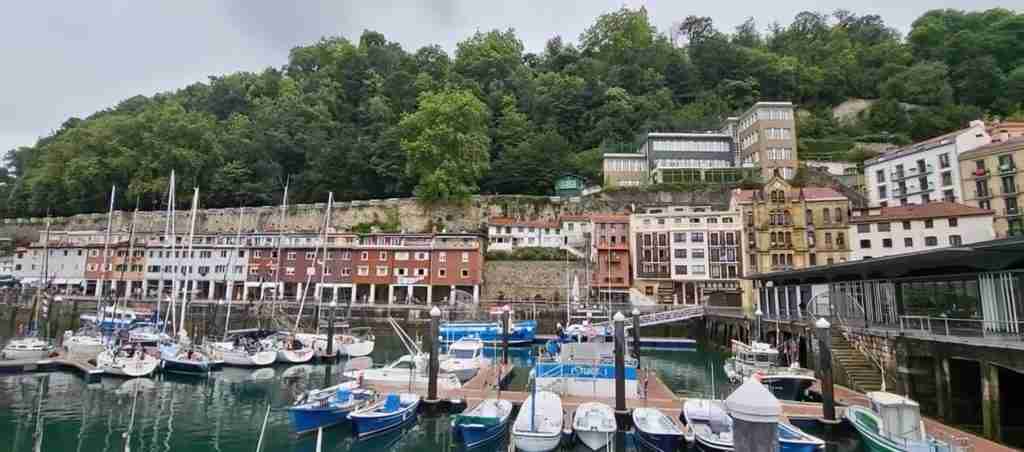
7 days
San Sebastian 7-Day Cultural Journey
- ✓ Comprehensive San Sebastian experience
- ✓ Expert local guides included
- ✓ All accommodation included
- ✓ Transportation provided
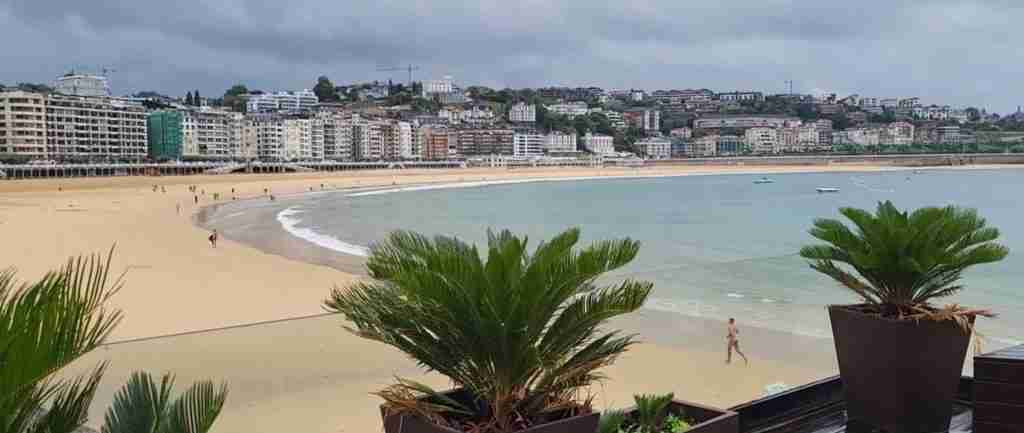
10 days
San Sebastian 10-Day Complete Adventure
- ✓ Comprehensive San Sebastian experience
- ✓ Expert local guides included
- ✓ All accommodation included
- ✓ Transportation provided
Multi-day tour packages powered by TourRadar. Prices and availability subject to change.
Essential Planning Information 2026
Current Costs and Pricing Breakdown
San Sebastián operates on premium pricing reflecting its culinary reputation and beach resort status. Daily per-person costs in 2026 range €100-180 depending on accommodation choices, dining preferences, and activity selections. Budget travelers spending €90-120 daily stay in hostels or budget hotels (€45-70 per person sharing double room), eat one restaurant meal and otherwise use supermarkets (€35-45 food daily), rely on public transport (€5-8), and select free activities like beach time and hiking Monte Urgull. Mid-range visitors spending €150-200 daily book 3-star hotels or apartment rentals (€90-140 per person), dine at casual restaurants twice daily (€60-80), occasionally taxi (€15-25), and pay entry fees for attractions (€15-25).
Luxury travelers spending €300-500+ daily reserve 4-5 star beachfront hotels (€200-400+ per person), eat all meals at quality restaurants including Michelin-starred options (€120-200+ food daily), hire private transport as needed (€50-100+), and book premium experiences like private tours or spa treatments (€80-150+). These ranges exclude major festival periods when accommodation premiums add €80-150 daily to budgets.
Specific 2026 costs include: museum entry €8-15, funicular Monte Igueldo €4.75 round-trip, pintxos €3-6 each (budget 6-8 for meal), casual restaurant mains €18-28, mid-range dinner €35-55 per person, fine dining €80-150+ per person, beach equipment rental €15-25 daily, guided walking tours €25-45 per person, cooking classes €85-120, bus tickets €2.10 single fare or €10 for 10-journey card, taxi airport to city center €25-35. The city favors cash for smaller pintxo bars while restaurants accept cards universally.
Transportation Options and Schedules
San Sebastián Airport (EAS) sits 20km east of the city center with limited international connections primarily to Madrid, Barcelona, and seasonal European destinations. Most visitors fly into Bilbao Airport (BIO) 100km west, offering extensive international and domestic service. Airport buses from San Sebastián Airport reach the city in 35 minutes costing €3, operating 6:30 AM-11 PM with hourly departures. From Bilbao Airport, Pesa buses run every 60-90 minutes taking 75 minutes and costing €18.75, operating 6:45 AM-midnight. Taxis from San Sebastián Airport cost €25-35, from Bilbao Airport €140-180—consider rideshares through Uber or Cabify for moderate savings.
French border proximity makes Biarritz Airport (BIQ) another option 45km north, connected by bus-train combination taking 90 minutes and costing €12-18. Renfe trains connect San Sebastián to Madrid (5.5 hours, €45-85), Barcelona (6 hours, €35-75), and Bilbao (2.5 hours, €15-25) with multiple daily departures. Euskotren regional trains serve Basque coastal towns including Zarautz, Getaria, and Hondarribia for €3-8. ALSA buses provide comfortable long-distance connections to Madrid (6 hours, €30-50), Pamplona (90 minutes, €8-15), and Toulouse (3.5 hours, €18-28).
Within San Sebastián, Dbus operates comprehensive urban bus network with routes covering all major districts including Old Town, Gros, beaches, Monte Igueldo, and residential areas. Single tickets cost €2.10, 10-journey cards €10, and day passes €6. Buses run 6 AM-11 PM weekdays, reduced weekends. The compact city center makes walking the preferred option for most tourist activities—Old Town to La Concha Beach takes 5 minutes, La Concha to Gros 15 minutes, beachfront promenade end-to-end 40 minutes. Bicycle rental through Dbizi public system costs €15 weekly membership plus €0.50 per 30 minutes, with stations throughout the city.
Spring Season Planning 2026 (March-May)
Spring in San Sebastián brings gradual warming and nature’s awakening but maintains significant rainfall that defines the season’s character. March delivers 12-15°C temperatures, 135mm rainfall across 15 rainy days, short daylight hours 7:15 AM-7:15 PM, and crisp Atlantic breezes requiring warm layers. April improves to 13-17°C, reduces rainfall slightly to 125mm across 14 days, extends daylight 6:45 AM-8:30 PM, and shows the first consistent sunshine periods. May reaches 16-20°C, drops rainfall to 105mm across 13 days, provides genuine warmth allowing light clothing during midday, and stretches daylight 6:15 AM-9 PM.
Spring advantages include: accommodation costs 30-40% below summer rates (€180-280 mid-range hotels), minimal crowds at all attractions enabling spontaneous restaurant bookings and zero wait times at Monte Igueldo funicular, green landscapes at peak beauty with wildflowers in surrounding hills, comfortable temperatures for extensive walking and hiking without summer heat, authentic local atmosphere with business travelers and residents outnumbering tourists, and mild conditions ideal for exploring Old Town’s narrow streets and covered pintxo bars where weather proves less limiting than at beaches.
Spring limitations center on weather unpredictability and beach unsuitability. Rain gear and layers become essential—morning fog, afternoon showers, and evening chill occur frequently. Beach activities remain limited with sea temperatures 12-15°C, winds occasionally strong, and swimming impractical for most visitors. Some hotels and restaurants maintain reduced hours or close for renovations before summer season. Cultural programming runs at lower intensity without major festivals—Film Festival, Jazzaldia, and Semana Grande occur later in year.
Spring 2026 specific events include Caldereros Parade (February 7, extending into early March spirit), Carnival celebrations (February 12-17, typically overlapping early March), Semana Santa/Holy Week processions (April 2-5 in nearby Hondarribia and Irún providing day trip options), Human Rights Film Festival (late April, offering socially conscious cinema), and increasing cultural programming through May building toward summer season. May particularly represents excellent timing—weather approaching summer quality, costs remaining spring-level, crowds still manageable, and sufficient daylight for full-day activities without summer’s late sunset extremes.
Spring Accommodation Strategies 2026
Spring 2026 offers San Sebastián’s best value proposition for quality accommodation. Mid-range hotels charge €180-280 nightly for properties that command €380-480 in summer—a 40-50% savings enabling upgrades to superior rooms, beachfront locations, or extending trip length. Budget options drop to €90-140 from summer’s €200-280, allowing hostel beds €35-55 per person or private budget hotel rooms €90-140 nightly. Luxury properties offer €300-450 rates (versus €600-800+ summer) making 4-5 star beachfront stays accessible to mid-range budgets.
Booking 6-8 weeks ahead secures optimal selection and rates during March-April, while May requires 8-12 weeks as it bridges toward peak season. Last-minute deals appear frequently given lower demand, enabling spontaneous travelers to find availability one week out—impossible during summer. Old Town properties offer premium value in spring when noise from bars and restaurants diminishes, beach proximity becomes less critical without swimming weather, and atmospheric streets showcase medieval architecture enhanced by spring flowers and greenery.
Consider apartment rentals for week-plus stays, providing kitchen facilities useful during rainy days, living space for relaxing indoors, and significantly lower per-night costs for groups. Spring’s moderate crowds mean less competition for prime properties. Neighborhoods like Gros and Egia deliver authentic residential experiences with cafés, markets, and restaurants frequented by locals rather than tourists, offering cultural immersion at 20-30% savings versus tourist-center locations.
Summer Season Strategies 2026 (June-August)
Summer transforms San Sebastián into northern Spain’s premier beach resort, bringing optimal weather, maximum crowds, premium pricing, and intense festival programming. June initiates the season with 18-22°C temperatures, 95mm rainfall across 12 days, pleasant humidity 70-72%, sea temperatures reaching 18-20°C (approaching comfortable swimming), and daylight extending 6 AM-9:45 PM enabling full-day outdoor activities from early morning Monte Urgull hikes to late evening beachfront dining.
July peaks with 19-24°C temperatures, minimal rainfall 85mm across 11 days, optimal humidity 70%, sea temperatures 20-22°C (prime swimming conditions), extended daylight 6 AM-9:30 PM, and consistent sunshine enabling reliable beach planning. Jazzaldia festival (July 22-26, 2026) brings international jazz talent, free concerts at Zurriola Beach, ticketed performances at Kursaal Auditorium (€25-65), Plaza de la Trinidad shows, and citywide musical atmosphere transforming San Sebastián into northern Spain’s jazz capital for five days.
August maintains 19-24°C temperatures, increases rainfall slightly to 90mm across 11 days, delivers warmest sea temperatures 22°C (peak swimming season), continues long daylight 6:15 AM-9 PM, and hosts Semana Grande (August 8-15, 2026)—the year’s largest festival. Semana Grande brings free concerts across multiple stages, International Fireworks Competition launching from La Concha Bay nightly, traditional Basque sports demonstrations (stone lifting, log cutting, rowing regattas), street parties, parades, and celebrations transforming the city into weeklong carnival atmosphere with accommodation booked months ahead and prices reaching annual peaks.
Summer advantages include guaranteed beach weather enabling swimming, surfing at Zurriola, and La Concha activities, extended daylight maximizing daily experiences, vibrant atmosphere with terraces full and streets lively until late evening, comprehensive cultural programming from festivals to exhibitions, and optimal conditions for day trips to surrounding Basque Country (weather-dependent beaches at Zarautz and Getaria, coastal drives to French border, mountain excursions to inland towns). Summer represents San Sebastián at its most dynamic and accessible for first-time visitors seeking archetypal Basque beach resort experience.
Summer Booking Timeline 2026
Summer accommodation requires advance planning unprecedented in other seasons. For Semana Grande week (August 8-15, 2026), book 6-8 months ahead—by January 2026 for optimal selection, February-March for reasonable options, April or later facing limited availability and premium rates. July accommodation books 4-6 months ahead, with Jazzaldia period (July 22-26) requiring similar advance planning to Semana Grande given festival’s international draw. June represents slightly more flexibility at 3-4 months advance booking, though weekends book faster.
Tours and experiences follow similar patterns. Pintxo tours, cooking classes, boat trips to Santa Clara Island, guided Old Town walks, and private photography sessions book 2-3 months ahead for summer dates. Restaurants accepting reservations fill 4-6 weeks out for prime dining times—secure tables upon arrival or book from home for must-visit establishments. Funicular Monte Igueldo, aquarium entry, and museums allow same-day visits but expect queues 30-60 minutes during peak afternoon hours (arrive morning or late afternoon to minimize waits).
Managing Summer Crowds 2026
Strategic timing mitigates summer congestion. Visit major attractions before 10 AM or after 5 PM avoiding 11 AM-4 PM peak periods. La Concha Beach reaches capacity 1-5 PM—arrive morning for choice spots or evening for sunset atmosphere. Monte Igueldo funicular queues exceed 60 minutes 12-4 PM weekends, dropping to 10-15 minutes before 11 AM or after 6 PM. Old Town pintxo bars pack 8:30-10:30 PM—dine 7-8 PM for seating availability or embrace standing at bar counter as locals do.
Weekday visits reduce crowds 30-40% versus weekends throughout summer. Tuesday-Thursday particularly offers manageable tourist levels even July-August. Explore secondary beaches—Ondarreta’s western end, Zurriola’s surfing atmosphere—rather than concentrating at La Concha’s central section. Hike Monte Urgull or Ulia trails escaping beach crowds entirely while gaining superior city views. Day trip midweek to coastal towns (Getaria, Zumaia, Hondarribia) avoiding weekend domestic tourism that creates traffic and restaurant waits.
Autumn Planning Guide 2026 (September-November)
Autumn divides into early season excellence and late season deterioration, requiring careful month-specific planning. September extends summer’s pleasant conditions with 18-21°C temperatures, 105mm rainfall across 12 days, warm sea temperatures 20-22°C (comfortable swimming through mid-month), daylight 6:45 AM-8:15 PM (adequate for evening beach activities), and the prestigious International Film Festival (September 18-26, 2026) bringing A-list celebrities, premiere screenings, industry events, and cultural prestige rivaling summer festivals.
October transitions with 14-18°C temperatures, 140mm rainfall across 14 days, cooling sea temperatures 18-20°C (swimming becomes challenging), shorter daylight 7:30 AM-7 PM, and increasing Atlantic storm systems bringing wind and rain. Beach season effectively ends mid-October, cultural activities shift indoors, and autumn colors peak in surrounding hills creating excellent hiking conditions despite occasional showers. November completes autumn decline with 10-14°C temperatures, peak annual rainfall 170mm across 17 days, cold sea temperatures 15-17°C (swimming impractical), short daylight 7:45 AM-5:45 PM, and frequent gray skies bringing the season San Sebastián residents refer to as “txirimiri”—persistent light drizzle defining Basque autumn.
Early autumn (September-early October) advantages mirror summer’s appeal: pleasant weather enabling beach time through mid-September, accommodation costs dropping 20-30% from August peaks (€280-380 mid-range versus €380-480 summer), crowds diminishing 40-50% from peak season, Film Festival adding cultural programming and celebrity sightings, and optimal conditions for exploring beyond beaches—hiking, day trips, museums, Old Town wandering all benefit from comfortable temperatures without summer’s heat or late autumn’s persistent rain.
Late autumn (late October-November) presents different proposition: accommodation reaches annual low rates (€180-280 mid-range, €120-200 budget options), tourist numbers drop dramatically creating authentic local atmosphere, restaurants and cultural venues operate normally without seasonal closures, and pintxo bar culture thrives indoors regardless of weather. However, rain becomes near-constant companion, beach activities prove impossible, short daylight limits daily activities, and gray skies dominate requiring mental preparation for limited sunshine. Late autumn suits visitors prioritizing culinary experiences, museum visits, and cultural immersion over outdoor activities and beach time.
Film Festival Planning 2026
San Sebastián International Film Festival (September 18-26, 2026) ranks among Europe’s most prestigious cinema events, attracting 200+ films across competitive and non-competitive sections, A-list directors and actors presenting works, red carpet premieres, industry screenings, masterclasses, and panel discussions. The festival occupies Victoria Eugenia Theatre, Kursaal, and smaller venues citywide, with both ticketed screenings and free outdoor projections enabling public participation.
Festival tickets cost €10-15 for regular screenings, €20-35 for premieres and gala events, with passes available €100-200 for multiple films. Tickets go on sale 6-8 weeks before the festival, selling out quickly for high-profile premieres while availability remains good for lesser-known selections. Accommodation during festival week costs 40-50% above normal September rates, requiring 4-6 months advance booking for reasonable options. The festival creates electric atmosphere throughout the city with increased restaurant crowds, late-night bars full of industry professionals, street buzz from celebrity sightings, and cultural energy exceeding even summer festivals.
For film enthusiasts, Festival week represents San Sebastián’s peak cultural moment. For general tourists seeking beaches and relaxation, the week preceding or following the festival delivers better value—similar September weather at lower costs without accommodation pressure. The festival’s international prestige means visitors encounter sophisticated cultural tourism rather than pure leisure seekers, changing city atmosphere toward cinema focus and industry networking.
Winter Visit Planning 2026 (December-February)
Winter San Sebastián operates at opposite extreme from summer tourism intensity, delivering authentic Basque experience with significant weather challenges and dramatic cost savings. December begins winter with 10-14°C temperatures, 150mm rainfall across 16 days, cold sea temperatures 14-16°C, short daylight 8 AM-5:45 PM, and Christmas/New Year holiday period bringing brief domestic tourism spike December 20-January 6 with accompanying rate increases before annual lows resume mid-January through February.
January delivers 8-12°C temperatures, 145mm rainfall across 15 days, coldest sea temperatures 12-14°C, shortest daylight 8:15 AM-5:45 PM, and San Sebastián Day (January 20, 2026) featuring the 24-hour Tamborrada festival—continuous drumming parades beginning midnight January 19, participants in traditional costume, the city’s most important local celebration offering genuine cultural immersion rather than tourist-oriented events. February maintains 8-13°C temperatures, 130mm rainfall across 14 days, beginning gradual warming toward spring, extending daylight 7:45 AM-6:30 PM, and hosting Caldereros Parade (February 7) when Basque gypsy groups parade in traditional costume marking carnival season opening.
Winter advantages transform San Sebastián into budget-friendly, authentic destination: accommodation drops to annual lows with mid-range hotels €120-200 nightly (60-70% below summer peaks), budget options €70-120, luxury properties €250-350 (versus €600-800+ summer), minimal tourists creating uncrowded museums, immediate restaurant seating, and locals-only atmosphere in pintxo bars, indoor-focused cultural programming including theater, concerts, exhibitions optimized for winter season, Christmas markets and decorations late December, and strategic positioning for winter sports day trips to nearby Pyrenees while basing in coastal city.
Winter limitations center on weather persistence and beach impossibility. Rain occurs 14-16 days monthly—plan indoor activities, quality rain gear, waterproof footwear, and realistic expectations about gray skies and drizzle. Cold prevents beach use entirely, though dramatic winter seas create powerful photography and atmospheric walks along Paseo Nuevo where waves crash against seawalls. Short daylight limits activities to 8 AM-6 PM window. Some beach-season focused businesses reduce hours or close January-March.
Winter Cultural Programming 2026
Winter San Sebastián thrives through indoor cultural excellence compensating for outdoor limitations. Victoria Eugenia Theatre hosts classical concerts, opera performances, ballet, and theatrical productions throughout winter season with tickets €15-45. Kursaal Auditorium presents symphony orchestra concerts, contemporary music performances, and cultural lectures with €20-60 tickets. San Telmo Museum maintains full hours with comprehensive Basque history exhibitions, art collections, and rotating contemporary shows providing excellent €8 entry value and 3-4 hours indoor cultural immersion.
Tabakalera contemporary culture center offers free exhibitions, workshops, film screenings, and rooftop terrace views (weather permitting) creating hangout space popular with locals. Aquarium delivers indoor family entertainment €15 adults, €9 children with underwater tunnel, touch pools, and marine exhibits occupying 2-3 hours. The city’s renowned cooking schools operate year-round with hands-on classes €85-120 teaching Basque cuisine techniques, market visits, and wine pairings—winter scheduling proves easier than summer’s advance-booking requirements.
Pintxo culture thrives particularly in winter when bars pack with locals seeking indoor social atmosphere, creating more authentic experience than summer’s tourist-heavy crowds. Christmas season (December 15-January 6) brings special events: Plaza Gipuzkoa Christmas market, decorated Old Town streets, special holiday menus at restaurants, Three Kings Day parade (January 5), and festive atmosphere rivaling summer’s beach energy through different winter expression. San Sebastián Day (January 20) represents the year’s most important local festival—the Tamborrada drumming begins midnight January 19, continues 24 hours, involves thousands of participants, and provides cultural experience unavailable any other time.
Festival and Event Calendar 2026
San Sebastián’s festival calendar defines optimal visit timing for culture-focused travelers while creating accommodation and pricing challenges requiring advance planning. Major 2026 events include:
San Sebastián Day – January 20, 2026: The Tamborrada drumming festival begins midnight January 19 with flag-raising at Constitution Square, continuing 24 hours with parade groups in traditional costume (cooks and soldiers uniforms), drums and barrels throughout city streets, bars serving special txuleta steaks, and locals-focused celebration rather than tourist event—authentic Basque cultural immersion.
Caldereros Parade – February 7, 2026: Basque gypsy groups parade in traditional costume through Old Town streets, carrying hammers and pots representing historical craftsmen, opening carnival season with music, dancing, and community celebration rooted in 19th-century traditions.
Carnival – February 12-17, 2026: Week-long celebration with processions, costumes, music, street parties, and traditional Basque carnival customs including singing to Momo goddess, building excitement toward Lent with colorful atmosphere throughout city.
Semana Santa – April 2-5, 2026: Holy Week processions occur primarily in nearby Hondarribia and Irún (easily reached by Euskotren regional train), offering powerful religious traditions with penitent groups, sacred music, and centuries-old customs observable through day trips from San Sebastián base.
Human Rights Film Festival – Late April 2026: Festival focusing on social issues including adoption, freedom of speech, migration, women’s rights, victims of dictatorships, with screenings at Victoria Eugenia Theatre and discussions with filmmakers addressing contemporary concerns through documentary and fiction cinema.
San Juan Day – June 24, 2026: Summer solstice celebration marking longest day of year with pagan roots, bonfires, beach gatherings, traditional customs celebrating light and summer arrival throughout Basque Country.
International Sailing Regatta – Mid-July 2026: Sailboats from northern Spain and southwest France compete in Bay of Biscay waters, bringing maritime tradition to life with races, nautical atmosphere, and celebration of San Sebastián’s coastal heritage.
Jazzaldia – July 22-26, 2026: San Sebastián International Jazz Festival, Spain’s oldest and Europe’s longest-running jazz celebration, brings 60+ performances across paid venues (Kursaal Auditorium €25-65, Plaza de la Trinidad €15-35) and free concerts (Zurriola Beach, Kursaal terraces), attracting international stars and emerging artists, creating five days when the city’s plazas, beaches, and venues pulse with jazz from noon until late evening.
Quincena Musical – August 2026: Classical music festival beginning in 1940s continues with symphony orchestras, chamber music groups, opera performances at Kursaal Auditorium, Victoria Eugenia Theatre, and unique historic locations including churches and nearby Tolosa, attracting classical music enthusiasts during peak summer season.
Semana Grande – August 8-15, 2026: San Sebastián’s largest annual festival begins with traditional Cañonazo cannon launch from Alderdi Eder, continues week-long with International Fireworks Competition nightly from La Concha Bay, free concerts across multiple stages featuring traditional Basque music to contemporary rock-pop, traditional Basque sports exhibitions (stone lifting, log cutting, rowing regattas), beach volleyball tournaments, children’s activities (giant parades, workshops, disco, fire bulls), and citywide celebrations transforming San Sebastián into weeklong party requiring advance accommodation booking and tolerance for crowds.
Euskal Jaiak – Early September 2026: Basque Cultural Week celebrates local identity through traditional clothing, music, dancing, authentic cultural demonstrations, La Concha Bay regatta, Cider Day, and community events highlighting Basque heritage with similar scope to Semana Grande but more traditional focus versus the latter’s contemporary entertainment mix.
International Film Festival – September 18-26, 2026: Premier A-list cinema event screening 200+ films across seven competitive sections and six non-competitive categories, red carpet premieres at Victoria Eugenia Theatre, industry screenings at Kursaal, masterclasses with directors and actors, panel discussions, and transformation of San Sebastián into northern Spain’s cinema capital attracting industry professionals, film critics, and enthusiasts for nine days of prestigious cultural programming rivaling Cannes and Venice.
San Sebastián Day Regatta – September 2026: Traditional rowing competition in La Concha Bay with local clubs competing, showcasing maritime heritage and Basque rowing tradition with spectator crowds along beachfront promenade watching colorful boats race across the bay.
Santo Tomás Fair – December 21, 2026: Traditional market celebrating Basque countryside heritage with farmers selling produce, artisan goods, txistorra sausages, cider, and local products, locals dressing in traditional costume, festive atmosphere in city squares, and connections to 19th-century rural market traditions continuing into contemporary Christmas season.
Olentzero Christmas – December 24, 2026: Basque Christmas character Olentzero descends from Monte Urgull accompanied by wife Marie Domingue and elf assistants, visits town hall to collect children’s letters, walks through city streets distributing sweets and chestnuts, creating uniquely Basque Christmas tradition different from Spain’s standard December 25 or January 6 gift-giving customs.
Accommodation Booking Timeline 2026
Strategic accommodation booking maximizes value and selection across San Sebastián’s dramatic seasonal variations. Optimal booking windows vary by season and specific dates:
Peak Summer & Festivals (July-August, Film Festival): Book 6-8 months ahead for best selection and rates—by January 2026 for Semana Grande (August 8-15), by March for general July-August, by April for Jazzaldia (July 22-26) and Film Festival (September 18-26). Waiting until 3-4 months out reduces options dramatically, limits to less desirable neighborhoods or remaining premium properties at inflated rates. Two months or less before arrival creates genuine difficulty finding suitable accommodation during these periods. Early bookers save 20-30% versus last-minute prices while securing prime locations.
Shoulder Seasons (May-June, September-October): Book 3-4 months ahead for optimal rates and selection. Spring pricing stays stable, making 8-12 week booking adequate. Early autumn (September excluding Film Festival) allows 6-8 week advance booking given lower demand versus summer. October-early November provides most flexibility with 4-6 weeks sufficient given minimal tourists and ample availability.
Winter Low Season (November-March): Book 2-4 weeks ahead unless traveling San Sebastián Day (January 20) or Christmas-New Year period. Low tourist numbers mean ample availability, enabling spontaneous travelers to find quality options one week out—unprecedented flexibility versus summer impossibility. Exception periods require 8-12 weeks advance planning: Christmas-New Year (December 20-January 6) when domestic tourism creates brief demand spike, San Sebastián Day (January 19-21) when Tamborrada festival brings regional visitors, and February half-term UK school holiday when British tourists create brief winter surge.
Cancellation policies matter given San Sebastián’s weather unpredictability. Free cancellation until 2-7 days before arrival (varying by property) provides weather monitoring flexibility absent in non-refundable bookings saving 10-15%. For summer travel, modest premium proves worthwhile. For spring-autumn shoulder seasons when weather varies daily, free cancellation essential. Some properties offer rate guarantees—if public rate drops below booked price, difference refunded—valuable during shoulder seasons when demand fluctuations create pricing volatility.
Budget Optimization by Season 2026
Maximum Value Periods
May and November deliver San Sebastián’s optimal value proposition balancing costs, weather, and experience quality. May provides late spring excellence with temperatures 16-20°C approaching summer comfort, rainfall 105mm manageable with 13 rainy days, lengthening daylight 6:15 AM-9 PM enabling full-day activities, green landscapes at peak beauty, and accommodation costs 35-45% below summer peaks at €180-280 mid-range properties. Cultural programming increases through May building toward summer intensity, crowds remain minimal enabling spontaneous restaurant bookings and attraction access, and weather proves reliable enough for beach walking, hiking, and outdoor dining though swimming stays impractical with 15-17°C sea temperatures.
November presents different value calculation: accommodation reaches annual lows at €120-200 mid-range (60-70% below summer), budget options €70-120, minimal tourists creating authentic local atmosphere, and indoor-focused activities (museums, pintxo bars, cultural venues) operating fully regardless of weather. Trade-offs include frequent rain (170mm monthly, 17 rainy days), short daylight 7:45 AM-5:45 PM limiting daily activities, cold temperatures 10-14°C requiring warm layers, and complete absence of beach possibilities. November suits travelers prioritizing culinary experiences, museum visits, cultural immersion, and dramatic cost savings over weather quality and outdoor activities.
Festival vs. Non-Festival Timing
Attending San Sebastián’s major festivals (Jazzaldia July 22-26, Semana Grande August 8-15, Film Festival September 18-26) creates distinct trade-offs versus non-festival periods in same months. Festival weeks deliver unmatched cultural programming, electric atmosphere, special events unavailable other times, and defining San Sebastián experiences attracting international visitors. However, accommodation costs increase 40-60% above standard rates for those months, advance booking becomes essential 6-8 months ahead, crowds intensify dramatically requiring restaurant reservations and attraction queues, and general tourism logistics become more challenging.
Visiting July excluding Jazzaldia, August excluding Semana Grande, or September excluding Film Festival provides 80% of summer weather benefits at standard rates without festival premiums. July pre-Jazzaldia (July 1-21) delivers identical weather, full beach season, long daylight, and pleasant conditions without festival crowds or costs. August post-Semana Grande (August 16-31) maintains summer excellence minus the intense celebratory atmosphere and packed venues. September pre-Film Festival (September 1-17) offers the season’s best weather-cost-crowd combination: continued pleasant temperatures, warm sea, comfortable conditions, significantly reduced accommodation costs versus August, and moderate crowds making it arguably the year’s optimal visit window for general tourists not specifically seeking festival experiences.
The strategic decision hinges on priorities: culture-focused travelers accepting premium costs and crowds gain access to world-class festivals creating lifetime memories and Instagram-worthy moments unavailable other times; cost-conscious visitors avoiding festival dates achieve substantial savings enabling longer stays, upgraded accommodation, or premium dining while enjoying equivalent weather and city amenities minus the special programming and atmospheric intensity that defines festival periods.
Sample 2026 Itineraries by Season
Optimal Summer Visit: July 15-22, 2026 (Pre-Jazzaldia)
Week-long summer visit before Jazzaldia festival delivers premium weather without festival crowds or pricing, ideal for first-time visitors seeking San Sebastián’s greatest-hits experiences. Daily temperatures 20-24°C, minimal rainfall, warm sea 21°C, extended daylight until 9:30 PM, and standard summer accommodation rates €280-380 mid-range versus Jazzaldia’s festival premiums.
Day 1 (Monday): Arrival afternoon, settle into accommodation, evening orientation walk through Old Town pintxo crawl sampling bars on Calle Fermín Calbetón and Calle 31 de Agosto, dinner at casual restaurant. Accommodation €75-95 per person (double occupancy mid-range), pintxos €15-20 (4-5 bars), dinner €25-35. Total: €115-150 per person excluding accommodation.
Day 2 (Tuesday): Morning La Concha Beach (arrive 10 AM securing prime spot), lunch beachfront, afternoon Monte Igueldo funicular and viewpoint (€4.75 round-trip), sunset walk Ondarreta to Peine del Viento sculpture, dinner Old Town. Beach chair rental €12, lunch €15-22, funicular €4.75, dinner €30-40. Total: €62-79 per person.
Day 3 (Wednesday): Guided Old Town food tour 10 AM-1 PM (€45-65), afternoon free beach time or shopping, evening cooking class (€85-120 including dinner). Total: €130-185 per person.
Day 4 (Thursday): Day trip coastal towns by Euskotren—Zarautz surfing town and Getaria fishing village, medieval streets, seafood lunch, return early evening. Train €6-8 round-trip, lunch €25-35, gelato/snacks €8-12. Total: €39-55 per person.
Day 5 (Friday): Morning San Telmo Museum (€8 entry, 3 hours), afternoon Mount Urgull hike (free, 2-3 hours panoramic views), sunset La Concha beach, dinner mid-range restaurant reservation. Museum €8, lunch €18-25, dinner €40-55. Total: €66-88 per person.
Day 6 (Saturday): Morning Aquarium visit (€15), midday Zurriola Beach exploring surfing scene, afternoon free time relaxing, evening premium dining experience Michelin-starred or high-end pintxo bar. Aquarium €15, lunch Zurriola €20-28, dinner €80-120. Total: €115-163 per person.
Day 7 (Sunday): Morning final beach hours, lunch farewell Old Town, afternoon departure. Lunch €22-30. Total: €22-30 per person.
Week Total (excluding accommodation): €549-750 per person covering food, activities, transport. Including mid-range accommodation €525-665 (€75-95 x 7 nights): €1,074-1,415 per person complete week. Budget adjustments: reduce dining costs €150-200 through supermarket breakfasts and some self-catered meals; eliminate premium dinner and cooking class saving €165-240; add day trips or premium experiences €80-150. This framework provides flexible template adjustable to individual budgets while capturing San Sebastián’s essential summer experiences.
Value-Focused Spring Visit: May 5-10, 2026
Six-day May visit optimizes costs while enjoying pleasant spring weather approaching summer conditions at 35-40% savings. Temperatures 16-20°C, 105mm monthly rainfall (approximately 2 rainy days during 6-day stay), long daylight 6:15 AM-9 PM, green landscapes peak beauty, minimal crowds. Accommodation €180-280 mid-range versus €380-480 summer.
Day 1 (Monday): Midday arrival, afternoon Old Town exploration including Constitution Square, San Vicente Church, Santa María Basilica, evening pintxo sampling. Pintxos €15-18, dinner casual €20-28. Total: €35-46 per person.
Day 2 (Tuesday): Morning Monte Urgull hike (free, 2.5 hours including Castillo de la Mota exploration), lunch Old Town, afternoon La Concha promenade walk end-to-end (Ondarreta to Zurriola passing Santa Clara Island views), sunset Peine del Viento, dinner. Lunch €18-25, dinner €28-38. Total: €46-63 per person.
Day 3 (Wednesday): Day trip Hondarribia medieval town by bus (€3 round-trip, 45 minutes), explore Old Quarter cobblestone streets and San Pedro fortress neighborhood, seafood lunch, return afternoon for San Telmo Museum visit (€8). Bus €3, Hondarribia lunch €22-32, museum €8. Total: €33-43 per person.
Day 4 (Thursday): Morning food market visit (La Bretxa), cooking class morning session (€85-100 including lunch), afternoon beach relaxation weather permitting or museum backup option, evening free time. Cooking class €85-100. Total: €85-100 per person.
Day 5 (Friday): Morning Monte Igueldo funicular and amusement park viewpoint (€4.75), Miramar Palace gardens walk (free), afternoon Tabakalera contemporary culture center (free exhibitions, rooftop views), evening premium dining experience. Funicular €4.75, lunch €18-24, dinner €50-70. Total: €73-99 per person.
Day 6 (Saturday): Morning beach final hours, lunch Old Town farewell pintxos, afternoon departure. Lunch €20-28. Total: €20-28 per person.
Six Days Total (excluding accommodation): €292-379 per person. Including mid-range accommodation €450-560 (€75-95 x 6 nights spring rate): €742-939 per person complete six days. This demonstrates May’s value proposition: full cultural and culinary experiences at costs below summer weekend stays, with weather approaching summer quality but accommodation rates remaining spring-level.
Winter Cultural Immersion: January 18-21, 2026 (San Sebastián Day)
Four-day winter visit centered on San Sebastián Day Tamborrada festival provides authentic cultural experience impossible other times, accepting weather limitations for unique local celebration at minimal costs.
Day 1 (Sunday January 18): Arrival, accommodation settling, evening Old Town exploration, dinner sampling traditional Basque cuisine, midnight witnessing Tamborrada flag-raising ceremony at Constitution Square beginning 24-hour drumming festival. Dinner €25-35. Total: €25-35 per person.
Day 2 (Monday January 19 – San Sebastián Day): Continuous Tamborrada parades throughout city from midnight previous night through midnight this evening, morning watching parade groups in traditional costume (cooks and soldiers), afternoon indoor cultural venues between parade rounds, evening txuleta steak dinner (special San Sebastián Day tradition), late night final parade viewing. Lunch €18-25, txuleta dinner €45-60. Total: €63-85 per person.
Day 3 (Tuesday January 20): Morning recovery and coffee, midday San Telmo Museum Basque history immersion (€8), afternoon pintxo bar crawl indoor focus given winter weather, evening relaxed dinner. Museum €8, lunch €18-24, pintxos €12-18, dinner €28-38. Total: €66-88 per person.
Day 4 (Wednesday January 21): Morning final city walk weather permitting, lunch departure. Lunch €18-25. Total: €18-25 per person.
Four Days Total (excluding accommodation): €172-233 per person. Including winter mid-range accommodation €240-320 (€60-80 x 4 nights January rate): €412-553 per person complete four days. San Sebastián Day premium increases accommodation €20-30 nightly versus normal January rates, but overall costs remain 60-65% below equivalent summer visit while providing unmatched cultural authenticity and local festival experience defining Basque identity.
Final Planning Considerations 2026
Selecting optimal San Sebastián timing in 2026 requires balancing weather priorities, cultural interests, budget limitations, and crowd tolerance. No single period proves ideal universally—individual preferences determine best choice among season options each offering distinct advantages.
Weather-focused visitors prioritize July-early September when temperatures peak 19-24°C, rainfall minimizes 85-105mm monthly, sea temperatures enable comfortable swimming 20-22°C, and extended daylight maximizes daily activities until 9:30 PM. Accept higher accommodation costs €280-480 mid-range and increased crowds as trade-off for guaranteed beach weather and outdoor activity reliability. Book 4-6 months ahead securing summer rates before festival premiums apply.
Budget-conscious travelers target May, November, or January-February when accommodation drops 40-70% below summer peaks, minimal tourists create uncrowded experiences, and cultural programming operates fully year-round. Accept weather uncertainty in May (still pleasant), persistent rain in November, or cold temperatures January-February as trade-off for dramatic cost savings enabling extended stays or upgraded experiences. Book 2-8 weeks ahead depending on specific period and flexibility.
Culture-focused visitors schedule around specific festivals: Jazzaldia (July 22-26), Semana Grande (August 8-15), or Film Festival (September 18-26) despite premium costs and advance booking requirements, recognizing these events create San Sebastián’s peak cultural moments unavailable other times. Alternatively, target May-June or September-October shoulder seasons when Quincena Musical, Euskal Jaiak, and smaller events provide cultural programming at lower intensity and costs than major festivals.
Family travelers favor July-August when beaches operate fully, warm sea temperatures enable children’s swimming, extended daylight maximizes daily activities, and comprehensive services cater to tourist needs. Accept higher costs and crowds as necessary for family-friendly beach resort experience. Alternatively, consider May-June when weather proves adequate for beach walking and outdoor activities at significantly reduced costs, though swimming remains impractical for most.
First-time visitors benefit from July excluding Jazzaldia (July 1-21) or September excluding Film Festival (September 1-17) when summer weather continues at standard rates without festival premiums, crowds remain manageable enabling spontaneous planning, and all attractions operate at full capacity. These windows provide accessible introduction to San Sebastián balancing weather quality, reasonable costs, and comprehensive experiences without logistical challenges of peak festival periods.
San Sebastián rewards informed timing decisions with experiences ranging from world-class beach resort to authentic Basque cultural immersion depending on season selected. Understanding weather patterns, festival calendar, accommodation pricing, and crowd variations enables travelers to match visit timing to individual priorities, maximizing satisfaction while minimizing frustrations that accompany poor timing choices in this uniquely seasonal city.
Frequently Asked Questions
Is San Sebastián worth visiting in winter?
Winter San Sebastián delivers excellent value for specific traveler types despite weather limitations. Advantages include accommodation costs 60-70% below summer rates (€120-200 mid-range versus €380-480 summer), minimal tourists creating authentic local atmosphere, immediate restaurant seating and uncrowded museums, and indoor-focused cultural programming (theaters, concerts, exhibitions) operating fully. The January 20 Tamborrada festival provides unmatched cultural authenticity. However, expect frequent rain (145-165mm monthly), cold temperatures 8-13°C, short daylight 8 AM-6 PM, and complete beach impossibility. Winter suits visitors prioritizing culinary experiences, museum visits, cultural immersion, and cost savings over weather quality and outdoor activities. Not recommended for beach seekers, outdoor activity enthusiasts, or travelers requiring consistent sunshine.
Can you swim in San Sebastián in September 2026?
September swimming depends on timing within the month. Early September (1-15) provides comfortable swimming conditions with sea temperatures 20-22°C, pleasant air temperatures 19-22°C, and continued summer beach atmosphere—practically identical to August swimming quality. Mid-September (16-25) sees gradual cooling with sea temperatures 19-21°C still acceptable for most swimmers, though cooler than peak summer. Late September (26-30) transitions toward autumn with sea temperatures dropping to 18-20°C, comfortable only for hardy swimmers or brief dips rather than extended swimming sessions. Air temperatures also decline through September from 21°C early month to 17°C late month, affecting post-swim comfort. Overall, September swimming proves viable through mid-month with conditions comparable to summer, declining but still possible late month for those accepting cooler temperatures. October eliminates swimming for most visitors as sea temperatures drop to 17-18°C.
How many days should I spend in San Sebastián?
Optimal San Sebastián duration ranges 4-7 days depending on pace preference and day trip interests. Minimum 3 days covers essentials: La Concha Beach, Old Town pintxo crawling, Monte Igueldo or Monte Urgull viewpoint, San Telmo Museum, and Peine del Viento sculpture—rushed but feasible. Recommended 4-5 days allows comfortable essential coverage plus either day trips (Hondarribia, Getaria, Zarautz coastal towns) or deeper city exploration (Aquarium, Tabakalera, cooking class, guided food tour) without feeling hurried. Extended 6-7 days enables multiple day trips, comprehensive museum visits, leisurely beach time, cooking classes, and discovering lesser-known neighborhoods (Gros, Egia) at relaxed pace—ideal for slow travel or culinary deep dive. Week-plus stays suit those wanting extensive Basque Country exploration using San Sebastián as base (Bilbao, French Basque Coast, Rioja wine region, San Juan de Gaztelugatxe, inland mountain towns). Consider personal pace and whether prioritizing intensive city experience or broader regional exploration.
What is the rainiest month in San Sebastián?
November represents San Sebastián’s rainiest month with 170mm average precipitation across 17 rainy days—approximately 55% chance of rain on any given day. October follows closely at 140mm across 14 days. December delivers 150mm across 16 days. January and February maintain significant rainfall at 145mm and 130mm respectively across 15 and 14 days. This November-February period constitutes the city’s wet season when persistent light drizzle (txirimiri in Basque) becomes daily companion. March-April transition toward spring with 135mm and 125mm, while May-August represent the driest period: July sees only 85mm across 11 days (the annual minimum), June and August register 95mm and 90mm, and May reaches 105mm. September begins autumn increase to 105mm, building toward October-November peaks. For trip planning, July provides the most reliable dry weather, while November-February require accepting frequent rain as fundamental San Sebastián winter characteristic.
Is San Sebastián more expensive than Barcelona?
San Sebastián costs 15-25% more than Barcelona for accommodation and dining due to smaller size, beach resort premium, and culinary prestige, though activity costs prove similar. San Sebastián mid-range hotels charge €180-480 nightly depending on season versus Barcelona’s €120-350 for equivalent quality—beach proximity and limited supply drive San Sebastián premiums. Restaurants in San Sebastián cost €35-55 mid-range dinner versus Barcelona’s €25-45, reflecting Michelin-star concentration and pintxo culture where multiple bars create expensive cumulative totals. However, Barcelona museums charge €15-25 versus San Sebastián’s €8-15, Barcelona attractions cost more (Sagrada Familia €35, Park Güell €15), and Barcelona’s larger size necessitates more expensive transport. Overall, San Sebastián requires higher daily budgets for accommodation and food (€150-250 mid-range traveler) versus Barcelona (€120-200), but Barcelona’s attraction costs balance somewhat. Budget travelers find Barcelona more affordable overall, while luxury travelers pay similar rates in both cities. San Sebastián’s compact size allows walking versus Barcelona’s metro needs, saving transport costs. Food quality justifies San Sebastián premiums for culinary enthusiasts, while budget-conscious travelers favor Barcelona’s greater variety of affordable dining options.
Do I need to book pintxo bars in advance in 2026?
Most traditional pintxo bars operate on walk-in basis without reservations, but rules vary by establishment type and season. Classic standing pintxo bars (Fermín Calbetón, 31 de Agosto streets) never require reservations—arrive, claim bar space, order directly, pay when finished. These venues thrive on spontaneous local culture where reservations contradict the experience. However, high-end pintxo restaurants (Bar Nestor, La Cuchara de San Telmo, Gandarias) recommend reservations during summer peak season (July-August) and festival periods (Jazzaldia, Semana Grande, Film Festival) when demand exceeds capacity—book online 2-4 weeks ahead for weekend dinners, 1-2 weeks for weekdays. Sit-down restaurants generally require reservations summer and festivals, booking 4-6 weeks ahead for renowned establishments. Spring-autumn shoulder seasons reduce pressure—spontaneous visits succeed most times except festival weeks. Winter rarely requires pintxo bar reservations given minimal tourists. Strategic timing helps: dine 7-8 PM before peak 8:30-10 PM rush, or embrace standing at bar counter as locals do rather than expecting tables. For popular venues like Bodega Donostiarra or Bar Martínez, weekend evenings summer require 30-60 minute waits without reservations, though turnover keeps lines moving. When possible, make reservations for peace of mind, but San Sebastián’s pintxo culture traditionally embraces spontaneity over advance planning.
What should I pack for San Sebastián in summer 2026?
Summer San Sebastián packing requires beach resort basics plus Atlantic coast weather preparedness. Essential clothing includes: swimwear and beach cover-up, light cotton or linen clothing (shorts, sundresses, t-shirts), one long pants and long-sleeve shirt for cooler evenings or air-conditioned restaurants, comfortable walking sandals and closed-toe shoes for Old Town cobblestones and hiking, light cardigan or sweater for evening beach breezes, and sun hat or cap. Weather-related gear: sunscreen SPF 30-50 (intense summer sun despite northern location), sunglasses, lightweight rain jacket or packable umbrella (summer drizzle occasional despite being driest season), reusable water bottle. Beach accessories: beach towel (many hotels don’t provide), waterproof phone case for beach/water activities, dry bag for belongings. Cultural considerations: modest cover-up for church visits (shoulders and knees covered), slightly dressier outfit for upscale restaurants or festival events, small crossbody bag or daypack for daily outings. Technology: European power adapter (Type F), portable phone charger, waterproof camera or GoPro for beach activities. Toiletries: most available locally, but bring any specialty items. Avoid overpacking—laundromats available if needed, and San Sebastián shopping provides anything forgotten. The city’s compact walkability means lighter luggage enhances experience versus heavy suitcases struggling on cobblestones. In summer, prioritize sun protection, comfortable walking shoes, and light layers over heavy clothing—temperatures rarely drop below 16°C even at night.
Can I use English in San Sebastián or do I need Spanish?
English functions adequately in San Sebastián’s tourist areas, though basic Spanish enhances experience significantly. Hotels, tourist restaurants, and major attractions operate in English—booking, ordering, basic transactions present no problems. However, traditional pintxo bars, neighborhood restaurants, local shops, and taxis often have limited English. The city’s bilingual Basque-Spanish character means some locals speak better English than others, but most attempts are made to accommodate tourists. Learning basic Spanish phrases (“buenos días,” “gracias,” “la cuenta por favor,” “cuánto cuesta”) demonstrates respect and opens interactions—Spanish locals appreciate effort even with imperfect execution. Basque language (Euskara) appears on signage and is spoken among locals, but Spanish serves as universal communication language even in Basque Country. Tourist maps, menus at major restaurants, and attraction signage include English. Public transport announcements occur in Basque and Spanish, rarely English. Spanish proves most useful for: reading menus at traditional bars, communicating with taxi drivers, asking directions from locals, negotiating at markets, and experiencing authentic culture beyond tourist center. Many younger San Sebastián residents speak good English from education, while older generations rely on Spanish. Overall, English-only visitors manage successfully in tourist areas but miss cultural depth and face occasional frustration in authentic local establishments. A phrasebook or translation app bridges gaps effectively when combined with friendly approach and patience.