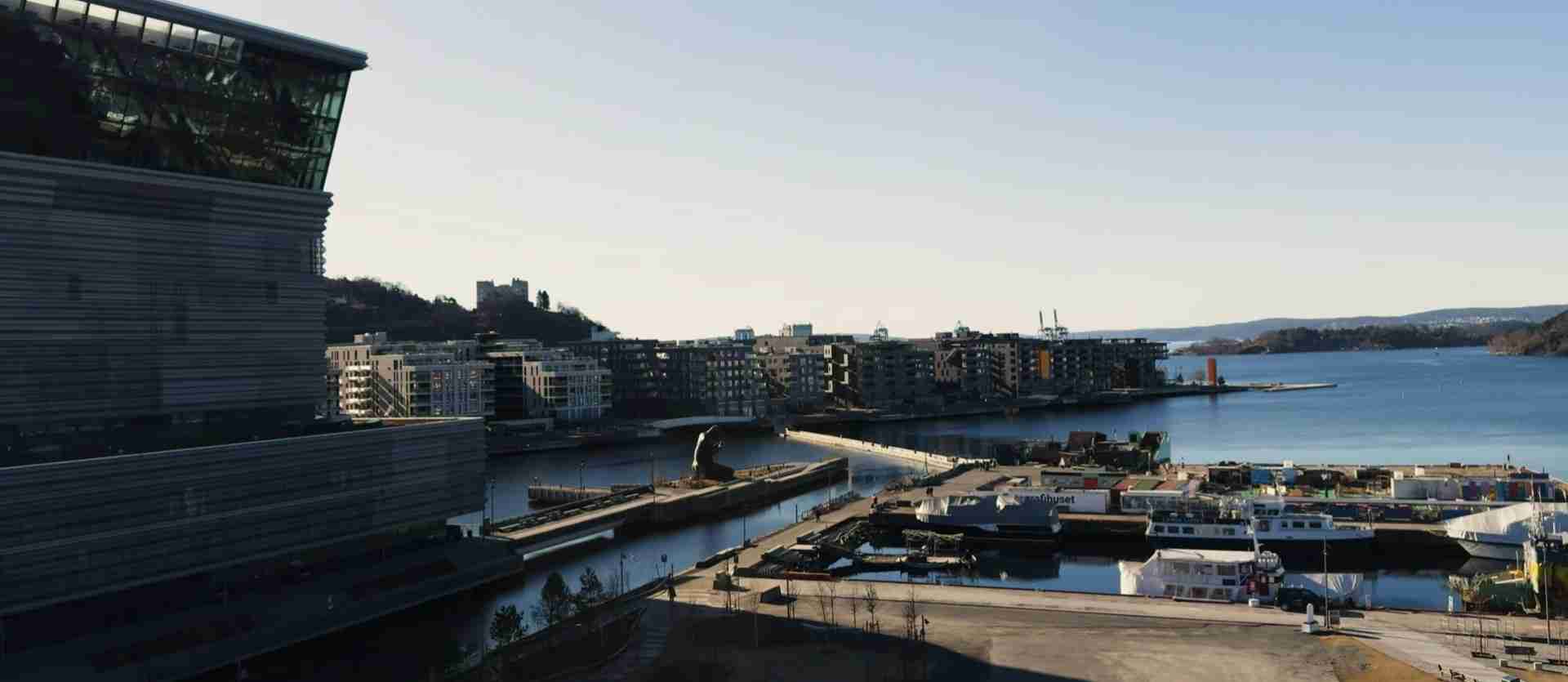
Best Time to Visit Oslo 2026: Weather, Events & Seasonal Tips
Choosing when to visit Oslo significantly impacts your experience, from the daylight hours available for sightseeing to festival opportunities and accommodation costs. Norway’s capital experiences dramatic seasonal variations, with summer’s midnight sun contrasting sharply with winter’s brief daylight and snow-covered landscapes, each season offering distinct advantages for different traveler priorities.
Key Takeaways
- Summer (June-August) delivers optimal weather conditions with 16-19 hours of daylight and temperatures reaching 18-22°C, but brings peak prices and maximum crowds
- Shoulder seasons (May and September) offer excellent value with 20-30% lower costs, manageable crowds, and comfortable temperatures (8-15°C)
- Winter (December-February) transforms Oslo into a festive atmosphere with Christmas markets and potential Northern Lights, though daylight reduces to 6-8 hours daily
- Major 2026 events include Constitution Day (May 17), Bislett Games athletics (June 10), OverOslo music festival (June 17-20), and Øya Festival (August)
- Hotel prices vary 40-50% between low season (November-March: €80-120/night) and peak summer (June-August: €180-280/night)
- Oslo Pass provides best value during rainy periods when museum-heavy days maximize indoor attraction savings
People Also Ask About Visiting Oslo 2026
What is the best month to visit Oslo in 2026?
June emerges as the optimal month for most visitors, combining warm temperatures (16-21°C), maximum daylight hours (18 hours 42 minutes on summer solstice), and relatively stable weather before July-August’s increased rainfall. June hosts major events including Musikkfest (June 6) and the Bislett Games international athletics meet (June 10), while Norwegian schools remain in session until mid-month, reducing domestic tourist crowds. Hotel prices begin their summer increase but remain 10-15% below July-August peaks. The month provides ideal conditions for both urban exploration and day trips to fjords and mountains, with long evenings allowing late-day sightseeing without rushing. Early June offers slightly cooler temperatures (13-16°C) but spring landscapes, while late June delivers full summer warmth and the year’s longest days.
Is Oslo expensive to visit in 2026?
Oslo ranks among Europe’s most expensive capitals, with daily costs for mid-range travelers averaging €150-250 per person including accommodation, meals, and activities. Hotel prices range €80-120 per night (low season) to €180-280 (summer peak), while restaurant meals cost €15-25 for casual dining and €35-50 for mid-range establishments. However, strategic planning significantly reduces expenses: advance hotel booking secures 20-40% discounts, the Oslo Pass (€49-80 for 24-72 hours) covers 30+ museums plus transport, supermarket meals instead of restaurants save €30-40 daily, and free attractions like Vigeland Sculpture Park and Akershus Fortress provide quality experiences without admission fees. Budget travelers spending €80-120 daily focus on hostels, packed meals, and walking tours, while luxury experiences requiring €300+ daily include upscale hotels, fine dining, and guided excursions.
How many days should I spend in Oslo in 2026?
Three to four days allows comprehensive Oslo exploration without exhausting museum fatigue or repetitive experiences. A typical 3-day itinerary covers: Day 1 city center (National Museum, Oslo Opera House, Akershus Fortress), Day 2 Bygdøy museums (Fram, Kon-Tiki, Viking exhibits at Historical Museum), Day 3 Vigeland Park morning and neighborhood exploration (Grünerløkka, Aker Brygge). Adding a fourth day enables day trips to Drøbak, Fredrikstad, or Norway in a Nutshell fjord excursions. Travelers with 2 days must prioritize ruthlessly, focusing on 1-2 major museums plus outdoor landmarks. Those with 5+ days enjoy relaxed pacing, weather flexibility, and deeper neighborhood immersion. Winter visitors often find 2-3 days sufficient given shorter daylight hours (6-8 hours), while summer’s extended evenings reward 4-5 day stays allowing late-evening waterfront dining and photography.
What should I pack for Oslo in different seasons 2026?
Summer packing (June-August) requires layered clothing for 12-22°C temperature ranges, lightweight rain jacket (August averages 90mm precipitation), comfortable walking shoes, sunglasses (strong northern sun despite moderate temperatures), and evening layers as temperatures drop 8-10°C after sunset. Spring/autumn (April-May, September-October) demands heavier rain protection, fleece or light wool layers for 5-15°C temperatures, waterproof footwear, and hat/gloves for morning chill. Winter travel (November-March) necessitates thermal base layers, insulated winter coat, waterproof boots with good traction for icy sidewalks, warm hat covering ears, gloves, and scarf for -5°C to 5°C conditions. All seasons benefit from backpack or daypack for museum visits, reusable water bottle, and power adapter (European plug, 230V). Summer travelers planning fjord day trips should add swimwear and towel despite cool water temperatures (16-18°C).
Extended multi-day tours – 5+ days
Featured Oslo Multi-Day Tour Packages
3 days
Oslo 3-Day Discovery Tour
- ✓ Comprehensive Oslo experience
- ✓ Expert local guides included
- ✓ All accommodation included
- ✓ Transportation provided
5 days
Oslo 5-Day Highlights Experience
- ✓ Comprehensive Oslo experience
- ✓ Expert local guides included
- ✓ All accommodation included
- ✓ Transportation provided
7 days
Oslo 7-Day Cultural Journey
- ✓ Comprehensive Oslo experience
- ✓ Expert local guides included
- ✓ All accommodation included
- ✓ Transportation provided
10 days
Oslo 10-Day Complete Adventure
- ✓ Comprehensive Oslo experience
- ✓ Expert local guides included
- ✓ All accommodation included
- ✓ Transportation provided
Multi-day tour packages powered by TourRadar. Prices and availability subject to change.
Introduction: Understanding Oslo’s Seasonal Character 2026
Oslo occupies a unique climatic position, protected deep within Oslofjord yet experiencing continental weather patterns more dramatic than its coastal latitude suggests. The city’s northern position (59.9°N) creates extreme daylight variations, from summer’s near-midnight sun to winter’s brief midday illumination. This astronomical reality fundamentally shapes when and how to visit, as activities requiring daylight photography, outdoor exploration, or simply comfortable walking conditions depend heavily on seasonal timing.
The 2026 calendar adds specific considerations beyond general seasonal patterns. Constitution Day (May 17) falls on Sunday, creating potential three-day weekend crowds and elevated hotel prices May 15-18. Major music festivals concentrate in June-August when stable weather supports outdoor events, while autumn brings cultural programming to indoor venues. Understanding these specific 2026 dates helps avoid unwanted crowds or alternatively allows intentional festival participation.
Cost variations between seasons rival weather differences in impact on visitor experience. Summer accommodation prices peak 40-50% above winter rates, while shoulder seasons offer excellent value without sacrificing weather quality dramatically. The tradeoff between optimal conditions and budget considerations affects every traveler differently, with families constrained by school calendars while flexible solo travelers exploit off-peak pricing and empty attractions.
Oslo Weather by Season 2026
Summer: June-August
Summer delivers Oslo’s warmest and most reliable weather, though “warm” remains relative by Mediterranean standards. June averages 16°C (61°F), July peaks at 18°C (64°F), and August maintains 17°C (63°F), with daily highs reaching 20-25°C during settled periods. Heatwaves occasionally push temperatures to 28-30°C, though these hot spells last only 3-5 days before Atlantic systems restore cooler conditions. Nights remain comfortable at 11-13°C, cool enough for sleeping without air conditioning in most accommodations.
Rainfall peaks in August (90mm average, 14-15 rainy days) and remains significant throughout summer (65-89mm monthly). However, rain typically arrives as brief showers rather than all-day downpours, allowing outdoor activities between systems. Morning showers followed by afternoon sunshine characterize many summer days, rewarding travelers who pack rain jackets but don’t cancel plans at first clouds. The persistent Atlantic influence means summer weather changes rapidly—sun, clouds, and showers cycling within hours rather than settling into multi-day patterns.
Daylight maximizes during summer solstice (June 20-21, 2026) when Oslo experiences 18 hours 42 minutes between sunrise and sunset. Including twilight, the sky never achieves complete darkness from May 12 through July 31, creating “white nights” where late-evening strolls and waterfront dining enjoy natural illumination until 11:00 PM. This extended daylight transforms sightseeing pacing, allowing museum visits until 6:00 PM followed by evening Vigeland Park walks or harbor promenades without darkness concerns. August shortens noticeably—sunset moves from 10:00 PM early month to 8:45 PM by month’s end—reminding visitors that Nordic summer’s endless days approach their conclusion.
Spring: March-May
Spring progresses from winter’s lingering cold through dramatic transformation into early summer warmth, with March averaging just 1°C (34°F) while May reaches 12°C (54°F). This 11-degree progression creates three distinct sub-seasons within spring itself. March remains winter-like with potential snow (though increasingly rare in recent years), brown landscapes, and temperatures barely above freezing. April delivers genuine spring awakening as temperatures climb to 6°C (43°F), trees bud, and parks transition from dormant to vibrant green. May completes the transformation with 12°C warmth supporting outdoor dining, park picnics, and comfortable sightseeing in light jackets rather than winter coats.
Spring receives Oslo’s lowest precipitation of the year (41-53mm monthly), making it statistically the driest season despite popular perception favoring summer. The combination of increasing warmth, minimal rainfall, and fewer tourists creates excellent conditions for travelers willing to accept cooler temperatures than summer peak. April-May particularly rewards photographers, as spring light illuminates the city’s architecture without summer’s harsh midday glare, while blooming parks and gardens add seasonal color absent in winter months.
Daylight expands rapidly during spring, from 11.8 hours in early March to 17.2 hours by late May. This acceleration means each week brings noticeably longer days, with sunset shifting from 5:00 PM in early March to 9:30 PM by late May. The dramatic change creates psychological lift beyond mere numbers—spring days feel progressively more generous, supporting later outdoor activities and reducing winter’s cabin-fever atmosphere. May specifically offers near-summer daylight (16-17 hours) without summer’s tourist crowds or peak prices, making it exceptional value for flexible travelers.
Autumn: September-November
Autumn reverses spring’s warming trend, declining from September’s pleasant 15°C (59°F) to November’s cold 3°C (37°F). September retains summer character—comfortable temperatures, outdoor cafe culture, and relatively stable weather patterns. October transitions toward winter with 9°C averages, bare trees, and increasing rain frequency. November definitively enters winter mode despite calendar classification as autumn, with short days, frequent rain mixing with early snow, and temperatures hovering near freezing.
Rainfall peaks during autumn (84-90mm monthly), with November particularly wet and gloomy. The combination of rain, shortening days, and dropping temperatures creates challenges for outdoor exploration, though museum-focused itineraries thrive during this season. Indoor attractions experience minimal crowds, while autumn’s cultural calendar fills with theater premieres, concert series, and gallery exhibitions targeting locals rather than tourists. The lack of peak-season congestion at museums and restaurants rewards travelers who embrace autumn’s indoor-oriented character.
Daylight collapses during autumn more dramatically than any other season. September begins with 12.9-hour days but ends with 10.5 hours, while November shortens to just 7.6 hours by month’s end. Sunset moves from 8:00 PM in early September to 3:30 PM by late November, fundamentally altering daily rhythms. Late-afternoon darkness at 4:00-5:00 PM feels disorienting for travelers from lower latitudes, requiring mental adjustment and earlier dinner reservations. However, autumn’s golden-hour light—particularly October’s low-angle sun—creates exceptional photography conditions during the brief midday illumination window.
Winter: December-February
Winter defines Oslo’s character as fundamentally as summer, with sub-zero temperatures (-2°C to 1°C average), snow-covered landscapes, and dramatic reduction in daylight hours. December and January average -2°C to -1°C, with nighttime lows reaching -6°C to -7°C during cold snaps. However, Oslo’s maritime influence moderates extremes—temperatures rarely drop below -15°C even during polar air invasions, while occasional Atlantic systems bring brief above-freezing thaws. Snow cover persists December through March in most years, though recent climate trends produce more rain-snow mix events than historical patterns.
Winter daylight shrinks to 6-7 hours during December-January, with the sun rising after 9:00 AM and setting before 4:00 PM at solstice. This creates morning and evening darkness, concentrating outdoor activities into the brief midday window of 10:00 AM-3:00 PM. Museums, cafes, and indoor attractions naturally dominate winter itineraries, while outdoor experiences focus on snow activities (cross-country skiing in nearby forests, ice skating in parks) rather than walking tours. The darkness itself becomes atmospheric—Christmas markets, illuminated streets, and cozy cafe culture create hygge atmosphere that defines Nordic winter appeal.
Winter transforms Oslo’s character from summer’s outdoor festival energy to intimate, cultural focus. The city’s museums, opera house, and concert halls reach peak programming during winter months, while restaurants emphasize candlelit dinners and long, wine-accompanied meals replacing summer’s quick outdoor lunches. Travelers who embrace this seasonal shift discover Oslo’s authentic winter identity, experiencing the city as residents do rather than through summer’s tourist-oriented lens. However, winter demands acceptance of weather limitations—canceled flights during snowstorms, icy sidewalks requiring careful walking, and outdoor attractions (Vigeland Park, Akershus Fortress) losing appeal under grey skies and freezing temperatures.
Major Events & Festivals 2026
Spring Events
Oslo International Church Music Festival (March 13-22, 2026) presents ambitious sacred music programming in historic churches and concert halls throughout the capital. The 10-day festival focuses on contemporary sacred music alongside established repertoire, featuring world premieres and rarely-heard works. Opening concert showcases the Estonian Philharmonic Chamber Choir performing Arvo Pärt’s compositions, while the closing night brings Det Norske Solistkor under Peter Phillips of The Tallis Scholars. Ticket prices range €25-45 per concert, with festival passes (€180-220) covering all events. The festival attracts international sacred music enthusiasts and provides unique access to Oslo’s baroque churches, typically closed outside services.
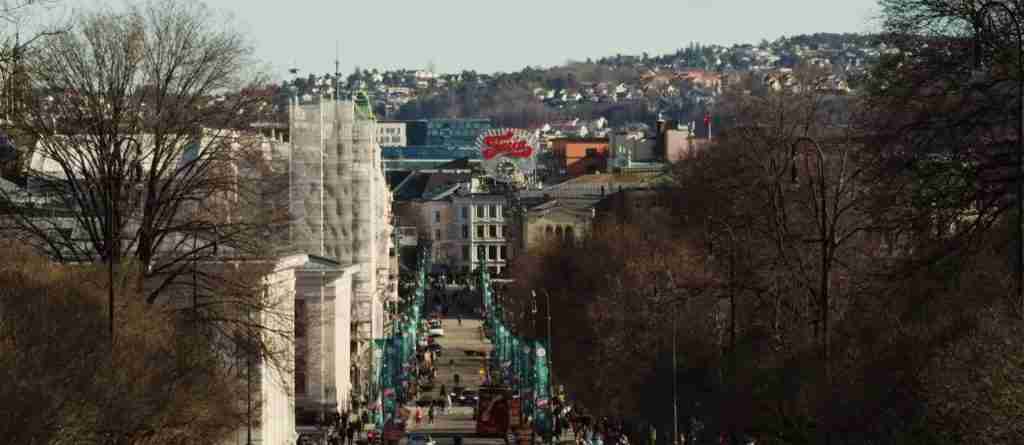
Constitution Day (May 17, 2026) celebrates Norway’s 1814 constitution with the nation’s most significant public holiday. Oslo hosts the largest celebrations, centered on Karl Johans gate parade featuring children’s processions, marching bands, and traditional costumes (bunads). The royal family waves from the palace balcony as 100,000+ participants pass by between 9:00 AM-5:00 PM. Streets close to vehicle traffic, transforming the city into pedestrian festival grounds with ice cream vendors, hotdog stands, and celebratory crowds. Hotels book months in advance for May 16-18 weekend, with prices increasing 30-40% above normal spring rates. Travelers seeking authentic Norwegian cultural experience should prioritize this date, while those avoiding extreme crowds should depart Oslo May 15-18.
Summer Events
Musikkfest Oslo (June 6, 2026) transforms the capital into massive outdoor concert venue with 30+ stages spread across parks, squares, and public spaces. The free festival runs 12:00 PM-11:00 PM, featuring Norwegian and international acts across genres from classical to electronic. Central locations include Youngstorget, Spikersuppa, and various neighborhood parks, creating music festival atmosphere without admission fees or enclosed festival grounds. Families dominate afternoon programming, while evening hours attract adult audiences. The city’s restaurants and bars extend hours, creating festival-week energy though the event itself lasts only one day.
Bislett Games (June 10, 2026) brings world-class athletics to Oslo’s historic Bislett Stadium as part of the Diamond League circuit. The meeting, held annually since 1965, attracts elite international track and field athletes competing in prestigious events. The 2026 program features men’s 200m, 800m, 1,500m, 5,000m, 400m hurdles, pole vault, and triple jump, while women compete in 100m, 400m, 3,000m, 400m hurdles, triple jump, shot put, and javelin. Tickets range €40-80 depending on seating location, with advance booking recommended as the event typically sells out. Evening start time (6:00-10:00 PM) allows comfortable attendance without disrupting daytime sightseeing.
PiP Festival (June 11-13, 2026) occupies Sofienbergparken in Oslo’s Grünerløkka district, presenting intimate music festival emphasizing quality over quantity. The festival caps attendance at 5,000 daily, creating relaxed atmosphere contrasting with massive summer festivals. The 2026 lineup features Kings of Convenience and David Byrne as headliners, with supporting acts spanning indie, electronic, and folk genres. Day passes cost €80-95, weekend passes €180-220. The festival’s neighborhood location allows easy access via public transport, while local cafes and restaurants benefit from festival-goer traffic throughout the weekend.
OverOslo (June 17-20, 2026) represents one of Eastern Norway’s largest music festivals, occupying Grefsenkollen venue with spectacular Oslo panorama views. The four-day event hosts three stages presenting Norwegian and international acts, with 2026 headliners including Sigrid, Franz Ferdinand, Susanne Sundfør, Alan Parsons Live Project, Faithless, Astrid S, and Ka2. Day tickets range €75-95, four-day passes €220-280. The festival’s forest location creates idyllic setting contrasting with urban festival environments, though requiring 30-minute bus rides from central Oslo. Accommodation books completely during festival weekend, with prices doubling for remaining available rooms.
Øya Festival (dates typically late July-early August, specific 2026 dates unconfirmed) dominates Oslo’s August cultural calendar as Norway’s largest outdoor music festival. The four-day event occupies Tøyenparken, hosting 60,000 attendees across multiple stages. The festival emphasizes sustainability, environmental initiatives, and genre diversity, programming everything from international pop headliners to experimental Norwegian acts. Tickets sell out months in advance, with four-day passes costing €280-350. The festival creates temporary city-within-city atmosphere, with associated parties, events, and cultural programming extending beyond festival grounds. Hotels within 5 kilometers reach capacity, while Airbnb prices triple during festival week.
Autumn/Winter Events
Oslo lacks major festivals during autumn-winter months, as weather conditions discourage outdoor events and Norwegian cultural calendar focuses on indoor programming (theater season premieres, symphony orchestra series, opera productions). The Christmas season (late November through December) brings Christmas markets to central squares, though Oslo’s markets operate smaller scale than German or Austrian equivalents. The Nobel Peace Prize ceremony (December 10) attracts international attention, though tickets remain restricted to invited guests. Winter’s event scarcity actually benefits visitors seeking authentic local experience without tourist crowds or inflated prices, as Oslo operates in residential mode rather than festival mode.
Crowd Levels & Tourism Patterns 2026
Peak Season: June-August
Summer delivers maximum tourist traffic, with July-early August representing absolute peak when Norwegian school holidays (late June-mid August) combine with international visitors. Major attractions like the National Museum, Vigeland Sculpture Park, and Bygdøy museums experience queue times 30-60 minutes during peak hours (11:00 AM-2:00 PM). Popular restaurants require reservations 2-3 days ahead for dinner, while walk-in options limit choices to less desirable establishments or fast-casual dining. Hotels within central Oslo (Sentrum, Aker Brygge, Grünerløkka) reach 85-95% occupancy, with remaining rooms commanding premium prices.
Cruise ships compound summer crowds, as Oslo serves as port for Baltic/Norwegian fjord itineraries. Each ship delivers 2,000-4,000 passengers into the city between 8:00 AM-6:00 PM, creating concentrated impact at walking-distance attractions (Akershus Fortress, Oslo Opera House, Karl Johans gate shopping). Cruise days see 50-100% attendance increases at these landmarks, while ships simultaneously create economic benefit through restaurant spending and attraction admission. Check cruise schedules (available on portofoslo.no) to avoid maximum-impact days or alternatively time visits to attractions after cruise departure (typically 5:00-6:00 PM).
However, summer crowds remain manageable compared to Barcelona, Rome, or Amsterdam equivalents. Oslo’s higher costs naturally filter tourism to higher-budget travelers, while Norway’s relative geographic isolation from continental Europe reduces drive-in visitors. Even during July peak, arriving at major museums when they open (9:00-10:00 AM) or late afternoon (after 3:00 PM) avoids worst congestion. Weekday visits encounter 30-40% fewer visitors than weekend equivalents, as Norwegian domestic tourists concentrate their city visits on Saturdays-Sundays.
Shoulder Season: April-May, September-October
Shoulder seasons deliver sweet spot of manageable crowds and functioning services. May and September specifically offer near-summer weather quality (12-15°C) with 40-60% fewer tourists than peak months. Museums operate full hours, restaurants require only 1-day-ahead reservations, and hotels maintain availability without advance booking except Constitution Day weekend (May 16-18). The reduced visitor numbers create more authentic local atmosphere, as residents dominate public spaces rather than international tour groups.
May experiences gradual tourism buildup toward summer, with early May (1-15) particularly quiet before Constitution Day celebrations attract visitors. September reverses this pattern, starting busy as summer travelers linger but emptying rapidly after mid-month when cruise season ends and European school terms begin. October sees minimal international visitors, offering near-empty attractions at the cost of deteriorating weather and shortening days. Budget travelers and crowd-averse visitors find October optimal for museum visits, though outdoor activities lose appeal as temperatures drop and rain increases.
Shoulder seasons require flexibility regarding restaurant and attraction hours, as some establishments reduce operations outside peak summer. Check individual museum schedules, as several reduce opening days from 7-days-weekly (summer) to 5-6 days (shoulder). However, major attractions (National Museum, Munch Museum, Oslo Opera House) maintain full schedules year-round, ensuring quality options remain accessible regardless of season.
Low Season: November-March
Winter tourism targets specific demographics—Northern Lights chasers, winter sports enthusiasts, Christmas market visitors—rather than general sightseeing crowds. Central Oslo sees dramatically reduced visitor numbers, with museums operating at 20-40% summer capacity and restaurants welcoming walk-in diners without reservations. Hotels offer lowest annual rates (€80-120 per night for mid-range properties), often including breakfast and upgrades to attract scarce winter guests.
Christmas season (late November-December) creates temporary winter peak, as Christmas markets and festive atmosphere attract Scandinavian visitors seeking holiday experiences. Hotels increase rates 15-25% for late December dates (particularly December 20-30), while New Year’s Eve commands premium pricing. However, even Christmas peak remains modest compared to summer’s intensity, as cold weather and darkness limit visitor appeal to those specifically seeking winter Nordic experience.
January-February represent Oslo’s quietest tourist months, offering empty museums and immediate restaurant seating but challenging weather conditions. Snow and ice create hazardous walking conditions, while 6-7 hour daylight limits outdoor activities. These months suit winter sports enthusiasts using Oslo as gateway to nearby ski resorts (Norefjell, Tryvann) rather than city sightseeing focus. Budget travelers willing to accept winter limitations find exceptional value, while those seeking comfortable weather should avoid this period entirely.
Accommodation Costs by Season 2026
Price Ranges Overview
Oslo hotel prices fluctuate 40-50% between low and peak seasons, with mid-range hotels (3-star) ranging €80-120 per night (November-March) to €180-280 (June-August). Budget hostels maintain more stable pricing (€35-55 for dorm beds year-round, €90-140 for private rooms), while luxury properties (€250-400 low season) double to €450-700 during summer peak and major events. These price variations make seasonal timing critical for budget-conscious travelers, as accommodation represents 40-60% of total daily costs in expensive Oslo.
Advance booking delivers 20-40% savings across all seasons, with early bird rates (booked 60-90 days ahead) significantly undercutting last-minute pricing. Summer accommodation requires 45-60 day advance booking for reasonable rates and preferred locations, while winter allows 2-3 week booking windows without penalty. Flexible travelers gain additional savings through rate comparison sites (booking.com, hotels.com) and hotel direct booking promotions, though Norwegian hotels rarely discount as aggressively as Southern European equivalents due to steady business travel demand even during tourist low seasons.
Seasonal Booking Strategies
Summer visitors should book accommodation immediately upon confirming travel dates, particularly for July-early August when Norwegian domestic tourists join international visitors. Properties within walking distance of Karl Johans gate (Sentrum district) and waterfront areas (Aker Brygge, Tjuvholmen) fill first, while neighborhoods requiring transit access (Grünerløkka, Majorstuen) maintain better availability. Consider properties near metro stations (T-bane) to expand location options while maintaining efficient transport access to attractions.
Shoulder season travelers balance advance booking for security with last-minute deals potential. Booking 30-45 days ahead secures reasonable rates (15-25% above winter baseline) while avoiding summer premiums. However, monitoring hotel sites 7-14 days before arrival occasionally reveals unsold inventory discounted 20-30% to fill rooms. This strategy works best for flexible travelers who can switch hotels mid-trip if better rates emerge, though it risks limited selection during popular event weekends.
Winter guests enjoy maximum flexibility, as Oslo hotels actively seek business during low-demand months. Booking 2-4 weeks ahead accesses best available rates without sacrificing choice, while walk-up bookings (day-of-arrival) sometimes secure upgrade offers and breakfast inclusion as hotels fill remaining inventory. Corporate hotel chains (Thon, Scandic, Radisson) offer loyalty program benefits particularly valuable during winter when room availability and upgrade potential peak. However, Christmas/New Year period (December 20-January 2) requires advance booking regardless of general winter flexibility, as this represents winter’s only genuinely busy period.
Alternative Accommodation Options
Airbnb provides 15-30% savings compared to hotels, particularly for groups of 3-4 travelers splitting apartment costs. Oslo’s Airbnb market concentrates in residential neighborhoods (Grünerløkka, Grønland, Tøyen) rather than tourist-central Sentrum, requiring 10-15 minute metro rides to reach major attractions. This tradeoff suits longer stays (4+ nights) where apartment kitchens enable grocery shopping and self-catering, reducing overall food costs €30-50 daily. However, cleaning fees (€50-100) and service charges diminish savings for 1-2 night stays, where hotels prove more cost-effective.
Hostels serve budget travelers and solo visitors, with Oslo offering 8-10 quality hostels providing dorm beds (€35-55) and private rooms (€90-140). Anker Hostel (Storgata 55) and Haraldsheim Youth Hostel (Haraldsheimveien 4) represent Oslo’s best-reviewed options, featuring social common areas, included breakfast, and organized activities. Hostels maintain year-round pricing with minimal seasonal variation, making them excellent value during expensive summer months though less competitive winter when hotels discount aggressively.
Cost Comparison: Oslo Travel Budget 2026
Budget Traveler: €80-120 Daily
Hostel dorm bed €40-55, supermarket breakfast €5-8, packed lunch €8-12, budget restaurant dinner €15-20, public transport day ticket €12, free attractions (Vigeland Park, Akershus Fortress exterior) €0, one paid museum with student discount €10-15. Budget approach requires advance planning, grocery shopping, walking between attractions to minimize transport costs, and prioritizing free/low-cost activities. Hostels providing included breakfast eliminate one meal expense, while picnic lunches in parks combine cost savings with pleasant outdoor experiences during good weather. This budget level proves comfortable for solo backpackers and couples willing to sacrifice comfort for extended travel duration.
Mid-Range Traveler: €150-250 Daily
Mid-range hotel (3-star) €90-180 depending on season, breakfast at hotel or cafe €12-15, casual restaurant lunch €15-25, mid-range restaurant dinner €35-50, Oslo Pass (24-hour) €49 covering transport and museums, evening drink €8-12. Mid-range approach allows comfortable hotel stays, restaurant meals without budget stress, and comprehensive museum visits via Oslo Pass. This represents typical vacation spending for professionals, families, and couples seeking quality experiences without luxury excess. Seasonal timing dramatically impacts this budget—winter allows lower-end spending (€150 daily) while summer pushes toward upper range (€220-250).
Luxury Traveler: €300+ Daily
Luxury hotel (4-5 star) €250-450 depending on season and property, fine dining lunch €40-60, upscale restaurant dinner €80-120, private guided tours €150-250, evening entertainment (opera, concert) €50-100. Luxury budget enables best accommodation locations (waterfront properties, historic buildings), Michelin-recommended restaurants, private transportation, and exclusive experiences unavailable to budget travelers. Oslo’s luxury market remains smaller than London or Paris equivalents, limiting ultra-high-end options, though properties like The Thief and Grand Hotel provide genuine luxury experiences. This spending level suits honeymoons, milestone celebrations, and travelers prioritizing comfort and convenience over budget management.
Month-by-Month Guide 2026
January
Temperature: -2°C average (28°F) | Daylight: 6 hours | Rainfall: 49mm | Hotel range: €80-120
January delivers Oslo’s coldest temperatures and shortest days, creating genuine Arctic winter conditions. Snow typically covers the city, while temperatures hover near -5°C daytime, -10°C nighttime. However, this month offers authentic Norwegian winter experience—cross-country skiing in nearby forests, cozy cafe culture, and museum visits without crowds. Christmas decorations remain through early January, while New Year celebrations January 1 create festive start to the month. Budget travelers find exceptional hotel values, as properties discount aggressively to attract scarce winter visitors. Bring thermal layers, waterproof boots, and embrace indoor-focused activities rather than outdoor sightseeing.
February
Temperature: -1°C average (30°F) | Daylight: 9 hours | Rainfall: 36mm | Hotel range: €80-120
February maintains winter conditions while gradually increasing daylight, with sunset extending from 4:00 PM early month to 5:30 PM late February. This creates psychological lift beyond temperature changes, as longer afternoons enable more comfortable outdoor exploration. Oslo’s driest month statistically, February sees less precipitation than any other, though snow remains likely. Hotels continue winter discount pricing, while attractions maintain minimal crowds. Valentine’s Day weekend (February 14-15, 2026) brings slight price increases and romantic package offerings. Winter sports enthusiasts find February ideal, as nearby ski resorts maintain full operations with reliable snow cover.
March
Temperature: 1°C average (34°F) | Daylight: 12 hours | Rainfall: 47mm | Hotel range: €90-140
March transitions from winter toward spring, though weather remains unpredictable with potential snow early month and emerging warmth late March. The rapidly extending daylight (sunrise moves from 7:15 AM to 6:00 AM, sunset from 5:30 PM to 7:30 PM) transforms daily rhythms, allowing evening outdoor activities impossible during December-February darkness. Oslo International Church Music Festival (March 13-22) brings cultural programming to churches and concert halls. Hotels begin transitioning from winter to spring pricing, with late March seeing 15-20% increases as Easter travel approaches (Easter 2026: April 5). Pack layered clothing for unpredictable conditions ranging -3°C to 8°C.
April
Temperature: 6°C average (43°F) | Daylight: 15 hours | Rainfall: 41mm | Hotel range: €100-160
April delivers genuine spring conditions, with trees budding, parks greening, and temperatures reaching comfortable 10-15°C during sunny afternoons. The city awakens from winter dormancy—outdoor cafes open, waterfront promenades fill with walkers, and Vigeland Park regains appeal as pleasant walking destination rather than cold endurance challenge. Statistically Oslo’s driest month, April receives minimal precipitation while benefiting from increasing solar strength. Hotels maintain moderate pricing below summer peaks, while attractions see gradual visitor increases without summer crowding. Excellent month for photographers, as spring light and emerging foliage create ideal conditions. Easter holiday (April 3-6, 2026) raises hotel prices 20-30% for the long weekend.
May
Temperature: 12°C average (54°F) | Daylight: 17 hours | Rainfall: 53mm | Hotel range: €120-200
May combines near-summer temperatures, maximum spring blooms, and extended daylight approaching white-night phenomenon. Parks and gardens reach peak beauty as tulips, magnolias, and cherry blossoms flower throughout the city. Daylight extends 16-17 hours, with sunset around 9:30 PM enabling evening harbor cruises and late-day park visits. Constitution Day (May 17, 2026—Saturday) represents Norway’s most significant national celebration, creating exceptional cultural experience but maximum crowds and hotel prices (€200-280) for May 16-18 weekend. Book accommodations 60-90 days ahead for Constitution Day or avoid Oslo entirely May 15-19 if seeking quiet conditions. Weather becomes comfortable enough for outdoor dining, though occasional rain requires light jacket.
June
Temperature: 16°C average (61°F) | Daylight: 18 hours 42 minutes (peak) | Rainfall: 65mm | Hotel range: €150-250
June delivers optimal Oslo conditions for most travelers—warm temperatures (16-22°C), maximum daylight, and full summer operating hours for all attractions. Summer solstice (June 20-21) brings year’s longest days and white-night phenomenon where sky never achieves complete darkness. Major events include Musikkfest (June 6), Bislett Games athletics (June 10), PiP Festival (June 11-13), and OverOslo music festival (June 17-20), creating festival-heavy calendar. Hotels transition to peak summer pricing early June, while visitor numbers increase gradually as month progresses. Norwegian schools remain in session until mid-June, reducing domestic tourist pressure until late month. Excellent month balancing warm weather, long days, and manageable crowds before July-August peak.
July
Temperature: 18°C average (64°F) | Daylight: 17-18 hours | Rainfall: 81mm | Hotel range: €180-280
July represents Oslo’s absolute peak season—warmest temperatures, maximum crowds, highest hotel prices, and busiest attractions. Norwegian school holidays (late June through mid-August) combine with international summer travelers to create maximum tourism pressure. Museums experience 45-60 minute queue times mid-day, popular restaurants require 3-5 day advance reservations, and hotels reach 90-95% occupancy. However, July also delivers most reliable warm weather (18-25°C typical, occasional 28-30°C heatwaves), making outdoor activities consistently comfortable. Daylight remains abundant (sunset 10:00-9:30 PM), supporting evening outdoor dining and late photography. Budget travelers should avoid July unless able to secure hostel bookings well in advance, as costs peak across all categories.
August
Temperature: 17°C average (63°F) | Daylight: 15-16 hours | Rainfall: 90mm | Hotel range: €160-260
August maintains summer warmth while experiencing Oslo’s heaviest rainfall (90mm average, 14-15 rainy days). Brief afternoon showers interrupt outdoor plans more frequently than June-July, requiring flexible scheduling and rain gear. However, temperatures remain comfortable (16-20°C), and rainfall typically arrives as passing showers rather than all-day rain. Øya Festival (typically late July-early August) dominates cultural calendar, attracting 60,000 attendees and selling out nearby hotels. Norwegian schools resume mid-August, reducing domestic tourism and creating gradual transition toward autumn. Late August (after 20th) sees hotel prices dropping 15-25% as peak season concludes, offering value for flexible travelers accepting possible weather compromises. Daylight shortens noticeably—sunset moves from 9:30 PM early month to 8:00 PM late August.
September
Temperature: 12°C average (54°F) | Daylight: 13 hours | Rainfall: 90mm | Hotel range: €120-180
September delivers excellent shoulder season conditions—comfortable temperatures (10-15°C), reduced crowds, and 25-35% lower hotel prices than summer peak. Early September maintains summer character as late-season visitors extend trips, while mid-late September sees rapid tourism decline as European schools begin autumn terms. Museums return to lower attendance, restaurants accept walk-in diners, and attractions operate without queues. However, weather becomes less reliable with 90mm monthly rainfall and occasional early cold snaps. Daylight shortens to 12-13 hours, with sunset around 7:00-8:00 PM requiring earlier dinner reservations than summer’s 9:00-10:00 PM outdoor seating. Excellent month for budget-conscious travelers accepting autumn weather variability for significant cost savings.
October
Temperature: 7°C average (45°F) | Daylight: 10 hours | Rainfall: 84mm | Hotel range: €100-150
October transitions from autumn toward winter, with temperatures dropping to 5-10°C and trees losing foliage. The month brings beautiful autumn colors early October, though bare branches dominate by month’s end. Daylight collapses to 9-10 hours, with sunrise 7:30-8:00 AM and sunset 5:00-6:00 PM, fundamentally changing daily rhythms. Museums and indoor attractions thrive during October, while outdoor activities lose appeal as cold rain and wind increase. Hotels offer excellent value (€100-150 nightly), while tourists essentially disappear creating authentic local atmosphere. October suits travelers specifically seeking quiet museums, cozy cafe culture, and budget savings, accepting limited daylight and outdoor activity constraints.
November
Temperature: 3°C average (37°F) | Daylight: 7 hours | Rainfall: 73mm | Hotel range: €90-130
November marks Oslo’s gloomiest month—short days (7-8 hours), frequent rain mixing with early snow, and temperatures hovering near freezing. Darkness arrives by 4:00 PM, while mornings remain dark until 8:00 AM, creating psychological challenge for visitors unaccustomed to Nordic autumn. However, late November brings Christmas preparations—decorations appear, Christmas markets begin, and festive atmosphere builds. Hotels maintain low season pricing except late November (Thanksgiving week, Black Friday weekend) when slight increases occur. This month suits winter enthusiasts arriving early for skiing preparation or culture-focused travelers maximizing museum time while accepting minimal outdoor activity viability. Pack winter layers, waterproof boots, and embrace hygge philosophy of cozy indoor comfort.
December
Temperature: -1°C average (30°F) | Daylight: 6 hours | Rainfall: 55mm | Hotel range: €100-180
December delivers full winter conditions—snow cover, sub-zero temperatures, and minimal daylight (6-7 hours). Christmas markets operate throughout December, creating festive atmosphere compensating for dark, cold weather. Hotels increase prices 15-25% for late December dates (December 20-30) as Christmas visitors arrive, while New Year’s Eve commands premium rates. The month suits travelers specifically seeking Christmas markets, winter sports access, and authentic Nordic winter experience. However, December represents challenging month for general sightseeing—outdoor attractions lose appeal, daylight restricts activity timing to 10:00 AM-3:00 PM window, and weather creates hazardous walking conditions on icy sidewalks. Nobel Peace Prize ceremony (December 10) brings international attention, though ceremony attendance requires invitations.
Frequently Asked Questions
When is the cheapest time to visit Oslo in 2026?
November through early December and January through early March represent Oslo’s most affordable periods, with hotel prices 40-50% below summer peaks (€80-120 vs. €180-280 for mid-range properties). Flight costs also drop significantly during these months, particularly January-February when international airlines reduce Norway service frequency. Restaurant prices remain relatively stable year-round, but winter’s empty establishments often offer spontaneous discounts or complimentary appetizers to attract diners. The Oslo Pass provides identical value regardless of season, though winter travelers may find purchasing individual museum tickets (€10-18 each) more economical than the 24-hour pass (€49) if limiting visits to 1-2 museums daily. However, cheap winter timing requires accepting 6-7 hour daylight, sub-zero temperatures, and limited outdoor activity viability—worthwhile tradeoffs for budget-conscious travelers who prioritize cost savings over weather comfort.
Does Oslo have Northern Lights in winter 2026?
Oslo sits too far south (59.9°N latitude) for reliable Northern Lights viewing, requiring exceptionally strong solar activity to produce auroras visible from the capital. The city experiences perhaps 2-5 nights annually with faint aurora activity, typically during major geomagnetic storms in January-February when longer darkness hours allow visibility. However, Oslo’s light pollution severely limits viewing even during aurora-active nights, requiring travel to dark-sky locations 30-50 kilometers outside the city for any chance of meaningful observation. Travelers specifically seeking Northern Lights should continue north to Tromsø (69.6°N) where auroras appear regularly December-March, or alternatively combine Oslo city visits with northern Norway extensions. Oslo-based travelers can monitor aurora forecasts (yr.no/en provides Norwegian aurora predictions) and maintain flexible evening schedules to capitalize on rare viewing opportunities, though expectations should remain modest.
What should I do if it rains during my Oslo visit in 2026?
Oslo’s museum collection provides exceptional rainy-day alternatives, with the National Museum, Munch Museum, and Historical Museum offering 2-4 hours each of world-class art and cultural exhibits. The Oslo Pass (€49 for 24 hours) becomes particularly valuable during rainy periods, covering admission to 30+ museums plus public transport to reach them efficiently. The city’s cafe culture thrives year-round, with establishments like Fuglen (Universitetsgata 2) and Tim Wendelboe (Grüners gate 1) providing comfortable refuge with excellent coffee and pastries. The Oslo Opera House offers free rooftop access even during rain—the sloped white marble roof becomes slippery when wet but provides dramatic harbor views and architectural experience unique to Oslo. Indoor shopping at Oslo City, Byporten, or Aker Brygge combines retail therapy with shelter from weather. Rain gear (waterproof jacket, umbrella) allows continued outdoor activity between showers, as Norwegian philosophy emphasizes “no bad weather, only bad clothing.”
Can I see the midnight sun from Oslo in summer 2026?
Oslo experiences white nights rather than true midnight sun, as the city sits below the Arctic Circle (66.5°N) where genuine midnight sun occurs. However, from May 12 through July 31, Oslo’s sky never achieves complete darkness—twilight persists even at midnight, creating luminous blue atmosphere rather than true night. The summer solstice (June 20-21, 2026) delivers the brightest “night,” with nautical twilight throughout the midnight hours and sunrise at 3:52 AM, sunset at 10:34 PM. This extended daylight allows evening activities impossible in winter—harbor dining until 10:00 PM with natural illumination, late-evening Vigeland Park photography, and waterfront strolls at midnight without flashlights. Travelers specifically seeking 24-hour daylight should continue north to Tromsø (midnight sun May 20-July 22) or Norway’s northernmost regions, though Oslo’s white nights provide unique atmospheric experience without requiring Arctic Circle travel.
How does Constitution Day affect Oslo travel in 2026?
Constitution Day (May 17, 2026—Saturday) creates Norway’s largest national celebration and significantly impacts Oslo accommodation, crowds, and logistics. Hotels within 5 kilometers of city center sell out 60-90 days in advance, with prices increasing 30-40% for May 16-18 weekend. Karl Johans gate and surrounding streets close to vehicle traffic 6:00 AM-7:00 PM as 100,000+ participants pass through children’s parade, marching bands, and public celebrations. Restaurants book completely for lunch and dinner May 17, requiring reservations weeks ahead or acceptance of limited fast-food options. However, the celebration provides exceptional cultural experience—participants wearing traditional bunads (Norwegian folk costumes), ice cream vendors on every corner, festive atmosphere throughout the city. Travelers should either specifically plan for Constitution Day (booking accommodation and dining well ahead) or completely avoid Oslo May 15-19 if seeking quiet conditions. The celebration itself is free to observe and provides memorable cultural immersion impossible to replicate during normal tourist season.
What’s the best season for photographing Oslo in 2026?
Spring (late April-May) and autumn (September-early October) deliver optimal photography conditions, combining lower-angle sunlight, dramatic cloud formations, and fewer tourists obstructing landmark views. Spring’s emerging foliage and blooming flowers add seasonal color absent in winter, while autumn’s golden leaves create warm tones complementing Oslo’s architecture. The lower sun angles during these seasons (compared to summer’s overhead midday sun) produce softer shadows and more dimensional light ideal for building photography. Summer provides longest working hours (16-19 hours of daylight) but harsher midday light requiring early morning or evening shooting for best quality. Winter’s 6-8 hour daylight limits photography windows severely, though snow-covered landscapes and festive Christmas lighting create unique seasonal opportunities. Blue hour (twilight) extends 30-60 minutes in spring/autumn versus 10-15 minutes in summer, providing excellent transition lighting for waterfront and architectural photography.
Is Oslo safe to visit alone in 2026?
Oslo ranks among Europe’s safest capitals, with violent crime rates exceptionally low and tourist-targeted crime (pickpocketing, scams) minimal compared to Southern European cities. Solo travelers—particularly women—report comfortable experiences walking neighborhoods day and night, using public transport without harassment, and exploring attractions without security concerns. Norway’s general social trust culture creates environment where helping lost tourists or protecting unattended belongings feels normal rather than exceptional. However, standard urban precautions apply: avoid Grønland district late night if alone, watch belongings on packed summer metro trains, and maintain awareness in crowded tourist areas during peak season. Oslo’s comprehensive public transport network (metro, tram, bus) operates safely and efficiently, connecting neighborhoods without requiring taxis or private transportation. Emergency services respond quickly and efficiently, with English-language capability standard. The city’s high costs actually filter tourism toward higher-budget travelers, reducing aggressive street solicitation and creating generally respectful public atmosphere.
How does climate change affect Oslo’s seasons in 2026?
Climate change impacts Oslo’s traditional seasonal patterns increasingly noticeably, with winters warming faster than historical averages and precipitation patterns shifting. Recent years show more rain-snow mix events replacing reliable snow cover, particularly November-December when temperatures now hover near freezing rather than consistently sub-zero. January-February maintain snow cover more reliably, though occasional Atlantic systems bring brief above-freezing thaws unknown in historical climate records. Summers experience more frequent heatwaves (28-30°C+) and intense rainfall events, though overall precipitation totals remain stable. Spring arrives 1-2 weeks earlier than historical averages, with May temperatures now matching former June conditions. These changes create unpredictability—winter travelers can’t guarantee snow for atmospheric photos, while summer visitors face increased likelihood of dramatic thunderstorms disrupting outdoor plans. However, Oslo’s maritime influence moderates extremes, preventing the severe climate impacts affecting Mediterranean or continental European destinations. Travelers should pack layered clothing and maintain flexible schedules to adapt to rapidly changing conditions characteristic of transitional climate.
What’s the ideal Oslo visit length for different budgets in 2026?
Budget travelers (€80-120 daily) find 2-3 days optimal, as Oslo’s high costs make extended stays financially challenging without sacrificing experience quality through constant economizing. This timeframe allows major museum visits (National Museum, Munch Museum), free attractions (Vigeland Park, Akershus Fortress), and one or two restaurant meals while maintaining budget discipline. Mid-range travelers (€150-250 daily) benefit from 3-4 days, providing comprehensive museum coverage, comfortable restaurant dining, and relaxed pacing without exhausting attractions or repeating activities. This length allows weather flexibility—if rain disrupts one day’s outdoor plans, sufficient remaining time exists for alternate scheduling. Luxury travelers (€300+ daily) can comfortably extend to 5-7 days, incorporating multiple day trips (Norway in a Nutshell, Fredrikstad, Drøbak), fine dining at multiple upscale restaurants, and deeper neighborhood exploration without cost constraints. However, even luxury budgets struggle to justify 7+ days in Oslo specifically, as the capital’s limited size means most attractions are thoroughly covered within 4-5 days, making extensions to Bergen, Tromsø, or other Norwegian destinations more rewarding for extended Norway travel.
Should I visit Oslo in winter or wait for summer in 2026?
The choice depends fundamentally on priorities: summer delivers comfortable weather (16-22°C), long daylight (16-19 hours), and full outdoor activity access at the cost of maximum crowds and 50% higher hotel prices, while winter provides authentic Nordic experience, empty museums, and excellent value alongside challenging weather (-5°C to 5°C), minimal daylight (6-8 hours), and limited outdoor viability. Summer suits first-time visitors prioritizing comprehensive sightseeing, outdoor photography, and fjord day trips requiring stable weather. Winter attracts travelers seeking authentic local culture, cozy hygge atmosphere, winter sports access, and budget savings who accept significant outdoor activity limitations. The ideal compromise exists in shoulder seasons—May or September—delivering near-summer temperatures (10-15°C) with manageable crowds and 20-30% cost savings. These months provide comfortable walking conditions, full museum operations, and adequate daylight (13-17 hours) for productive sightseeing without summer’s extreme expenses or winter’s severe constraints. Travelers who specifically want Christmas markets, Northern Lights attempts, or skiing access should embrace winter’s challenges, while those seeking general Norway introduction should target May-September window for optimal conditions balancing weather, crowds, and costs.