
Best Time to Visit Oaxaca 2026: Seasonal Planning Guide
Key Takeaways
- October-November 2026 offers the ultimate cultural experience during Day of the Dead celebrations, combining optimal weather with Mexico’s most authentic festival traditions in Oaxaca’s ancestral heartland
- January-April 2026 provides perfect weather conditions with minimal rainfall, warm days averaging 75-82°F, and comfortable evenings ideal for exploring archaeological sites and colonial architecture
- July 2026 features the spectacular Guelaguetza festival showcasing indigenous cultures from Oaxaca’s seven regions through traditional dance, music, and elaborate costumes in the Cerro del Fortín amphitheater
- May-September 2026 offers significant cost savings with hotel rates 30-50% lower than peak season, fewer crowds at UNESCO sites like Monte Albán, and afternoon rains that rarely disrupt morning activities
- Book Day of the Dead accommodations 6-8 months ahead for 2026 as hotels fill completely, prices triple during October 31-November 2, and authentic cemetery experiences require advance planning with local communities
- December 2026 combines multiple celebrations including Christmas posadas, December 23rd Radish Night (Noche de Rábanos), and New Year festivities creating continuous cultural programming throughout the holiday season
Planning Your Oaxaca Visit in 2026
Oaxaca stands as Mexico’s cultural capital, where ancient Zapotec and Mixtec civilizations meet vibrant living traditions in a UNESCO World Heritage city surrounded by archaeological wonders. The timing of your 2026 visit fundamentally shapes your experience in this extraordinary destination where indigenous cultures maintain centuries-old customs alongside contemporary artistic innovation. Understanding Oaxaca’s seasonal patterns, festival calendar, and pricing dynamics enables strategic planning that maximizes cultural immersion while optimizing your travel budget.
The state of Oaxaca encompasses diverse microclimates across its valleys, mountains, and coastal regions, but the capital city and central valleys where most travelers focus their time share consistent weather patterns that divide the year into distinct seasons. The dry season from November through April brings reliably sunny days perfect for exploring Monte Albán’s ancient pyramids, wandering Oaxaca City’s colonial streets, and visiting artisan villages in the surrounding valleys. The wet season from May through October features afternoon thunderstorms that water the landscape while mornings remain clear for activities, creating lush conditions that local farmers depend upon for crops that appear in Oaxaca’s renowned cuisine.
Festival timing represents the most crucial consideration for 2026 planning, as Oaxaca’s calendar revolves around celebrations that draw visitors from across Mexico and internationally. Day of the Dead transforms the entire region during late October and early November, when families decorate graves with marigolds, create elaborate altars, and maintain all-night vigils in cemeteries throughout the valleys. The Guelaguetza festival in July brings together indigenous communities from Oaxaca’s seven regions for spectacular dance performances in traditional costumes, while December’s Radish Night showcases intricate sculptures carved from oversized radishes in the zócalo. These events require advance planning as accommodation fills months ahead and prices adjust significantly during festival periods.
Budget considerations intersect directly with seasonal timing in 2026, as Oaxaca demonstrates dramatic price fluctuations between peak and off-season periods. Hotels in Oaxaca City range $45-80 per night for comfortable mid-range properties during quiet months but increase to $120-200 during major festivals and December holidays. Understanding these patterns enables strategic booking that secures festival experiences at reasonable costs or identifies shoulder season opportunities that deliver excellent weather with minimal crowds and favorable pricing. The city’s excellent tourism infrastructure means that even budget travelers find quality accommodation and dining throughout the year, but timing decisions impact both costs and crowd levels significantly.
People Also Ask About Best Time to Visit Oaxaca 2026
What is the best month to visit Oaxaca in 2026?
October-November 2026 represents the optimal period for visiting Oaxaca, combining excellent weather conditions from the tail end of rainy season with the extraordinary cultural experience of Day of the Dead celebrations. This timing delivers warm, mostly dry days perfect for exploring archaeological sites, comfortable evenings ideal for enjoying Oaxaca’s vibrant restaurant scene, and participation in Mexico’s most authentic indigenous festival traditions. The weather transitions from occasional afternoon rains in early October to consistently dry conditions by mid-month, while temperatures remain comfortable at 70-78°F. Day of the Dead activities intensify from October 31 through November 2, with cemetery visits, altar displays, and community celebrations providing unmatched cultural immersion.
For travelers prioritizing weather reliability over festival experiences, January-March 2026 offers absolutely dependable conditions with virtually no rainfall, warm afternoons reaching 80-85°F, and cool mornings perfect for early starts at Monte Albán before tour buses arrive. This period sees moderate crowds except during Mexican holiday weekends, provides excellent visibility for photography, and offers comfortable temperatures for the valley’s artisan village circuit. March specifically delivers ideal conditions before Easter week brings increased domestic tourism.
When is the rainy season in Oaxaca for 2026?
Oaxaca’s rainy season runs from mid-May through October 2026, characterized by afternoon and evening thunderstorms rather than all-day rain. The pattern follows a predictable schedule where mornings remain clear and sunny until 2-4 PM, when clouds build and brief intense downpours arrive, typically lasting 1-3 hours before clearing again by evening. This rhythm means that archaeological sites, museums, and morning activities proceed normally, while afternoons work well for indoor experiences like visiting craft workshops, exploring markets under covered areas, or taking cooking classes.
July-August brings the wettest conditions with rain occurring 20-25 days monthly, though again primarily in afternoon slots. September marks the transition period when rainfall intensity decreases but afternoon storms continue. By late October, rain becomes occasional rather than daily, with November through April experiencing minimal precipitation. The rain actually enhances Oaxaca’s appeal during shoulder season as the surrounding valleys turn brilliantly green, wildflowers bloom across hillsides, and agricultural landscapes showcase the diversity that supports Oaxaca’s extraordinary cuisine. Hotels and restaurants remain fully operational year-round, and strategic planning around afternoon weather patterns makes rainy season visits highly successful for prepared travelers.
How much does it cost to visit Oaxaca in 2026?
Daily costs in Oaxaca during 2026 range $80-150 per person for comfortable mid-range travel, with significant variation based on season, accommodation choices, and dining preferences. Budget travelers spending $50-80 daily stay in excellent hostels at $15-25 per night, eat at local markets and casual restaurants where meals cost $4-8, use economical colectivo transportation at $1-2 per ride, and visit free sites like Santo Domingo church while limiting paid archaeological entries. Mid-range travelers at $100-150 daily enjoy boutique hotels at $60-100 per night, dine at Oaxaca’s celebrated restaurants where meals run $15-30, hire private drivers for valley tours at $60-80 for full days, and visit multiple paid sites including Monte Albán at $85 pesos (check inah.gob.mx for current official rates as pricing may vary).
Luxury travelers spending $200-400+ daily stay in converted colonial mansions at $150-300 per night, experience high-end mezcalerías and contemporary Oaxacan cuisine at $40-80 per meal, book private tours with expert guides at $150-250 daily, and add experiences like hot air balloon rides over archaeological sites at $200-250 per person. These ranges exclude international flights but provide realistic planning budgets for on-ground expenses. Festival periods, especially Day of the Dead and Guelaguetza, see accommodation costs increase 2-3x normal rates while other expenses remain relatively stable.
Is Oaxaca crowded during Day of the Dead 2026?
Oaxaca experiences its highest visitor concentrations during Day of the Dead 2026, when the city’s population essentially doubles as Mexican nationals and international travelers converge for the country’s most authentic celebration of this tradition. Hotels fill completely by late October, requiring reservations 6-8 months in advance for stays covering October 31-November 2. The historic center becomes exceptionally busy during evening hours when processions move through streets, the zócalo hosts performances and altar displays, and restaurants operate at capacity. However, the celebrations spread across multiple venues including neighborhood cemeteries, family homes, and community spaces, meaning that crowds disperse rather than concentrate at single locations.
Strategic planning enables meaningful participation even during peak crowds. Early morning cemetery visits from 6-8 AM provide intimate experiences before tour groups arrive. Staying in neighborhoods beyond the historic center like Xochimilco or Jalatlaco offers proximity to authentic community celebrations with fewer tourists. Booking specific experiences through reputable operators secures access to particular cemeteries and communities that welcome visitors respectfully. The crowds reflect genuine cultural significance rather than manufactured tourism, as families maintain traditional practices that continue regardless of visitor presence. Most travelers consider the packed conditions worthwhile for witnessing and participating in one of Mexico’s most profound cultural expressions.
Extended multi-day tours – 5+ days
Featured Oaxaca Multi-Day Tour Packages
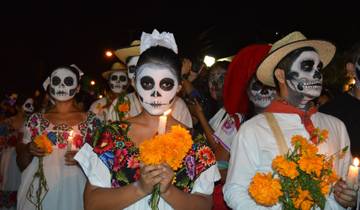
7 days
Oaxaca to Puerto Escondido: Day of the Dead
- ✓ Comprehensive Oaxaca tour
- ✓ Expert local guides included
- ✓ All accommodation arranged
- ✓ Transportation provided
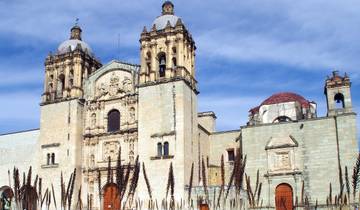
7 days
Journeys: Mexico's Day of the Dead in Oaxaca National Geographic
- ✓ Comprehensive Oaxaca tour
- ✓ Expert local guides included
- ✓ All accommodation arranged
- ✓ Transportation provided

7 days
Best of Mexico City & Oaxaca: Food, History, Culture & Artisans (7 days)
- ✓ Comprehensive Oaxaca tour
- ✓ Expert local guides included
- ✓ All accommodation arranged
- ✓ Transportation provided
7 days
Geluxe: Central Mexico: Oaxaca to Mexico City (from Oaxaca to Mexico City)
- ✓ Comprehensive Oaxaca tour
- ✓ Expert local guides included
- ✓ All accommodation arranged
- ✓ Transportation provided
Multi-day tour packages powered by TourRadar. Prices and availability subject to change.
Essential Planning Information 2026
Climate Overview for 2026
Oaxaca City sits at 5,085 feet elevation in the Central Valleys, creating a temperate highland climate that avoids the extreme heat of Mexico’s coastal regions while maintaining comfortable year-round temperatures. This elevation produces cool mornings and evenings even during the warmest months, with daytime highs rarely exceeding 90°F and nighttime lows seldom dropping below 50°F. The moderate temperatures mean that visitors pack layers rather than heavy winter clothing or excessive summer gear, as a light jacket suffices for evenings throughout the year.
The dry season from November through April 2026 delivers consistently sunny days with virtually no rainfall, creating ideal conditions for outdoor activities and archaeological site visits. January-February represents the coolest period with morning temperatures around 50-55°F warming to afternoon highs of 75-80°F. March-April brings the warmest dry season weather with afternoons reaching 82-88°F, though low humidity keeps conditions comfortable. This period sees brilliant blue skies, excellent visibility for photography, and dust that accumulates on vegetation after months without rain.
The wet season from May through October 2026 follows a predictable afternoon thunderstorm pattern rather than all-day drizzle. Mornings break clear and sunny, allowing full schedules of outdoor activities from dawn until early afternoon. Clouds build from 1-3 PM, with brief intense downpours arriving between 3-6 PM most days. Evenings often clear again, though humidity remains higher than dry season. July-August receives the heaviest rainfall, while May-June and September-October see lighter afternoon showers. The rain transforms the valleys into lush landscapes where corn, squash, and beans grow in milpas that supply Oaxaca’s markets and restaurants.
Microclimates within the state create variations from these central valley patterns. The Oaxacan coast at Puerto Escondido and Huatulco maintains tropical conditions year-round, with hot humid weather and heavier rains during summer months. The Sierra Norte mountains north of the city experience cooler temperatures and potentially freezing nights during winter. The Mixteca region to the northwest tends drier than the central valleys. However, most travelers focus on Oaxaca City and the surrounding archaeological sites where the highland temperate pattern predominates.
Peak vs. Off-Season Pricing 2026
Oaxaca’s accommodation pricing fluctuates dramatically based on season and festival timing, with variations of 200-300% between lowest and highest periods. Understanding these patterns enables strategic booking that captures experiences while managing costs effectively. Budget properties including hostels and basic hotels maintain relatively stable pricing at $15-30 per night year-round, though even these modest establishments increase rates during Day of the Dead and Christmas holidays. Mid-range boutique hotels and casa particulares demonstrate the widest variation, ranging from $45-70 during quiet months like May-June and September to $150-250 during peak festivals.
Day of the Dead from October 31-November 2, 2026 represents absolute peak pricing when hotels operate at 100% capacity and rates triple or quadruple normal levels. A mid-range property charging $60 in July reaches $180-220 during these four critical nights. Many hotels enforce 3-4 night minimum stays covering the entire weekend. Booking 6-8 months in advance proves essential not just for cost management but for securing any accommodation within the historic center. Alternative strategies include staying in nearby towns like Tlacolula or Etla and commuting into the city, though this sacrifices evening access to celebrations.
The Guelaguetza festival during the last two Mondays of July 2026 creates secondary peak pricing, though less extreme than Day of the Dead. Hotels increase rates 50-100% for the festival weekends, with properties charging $60 normally reaching $90-120. Unlike Day of the Dead which draws international tourism, Guelaguetza attracts primarily Mexican nationals, meaning that midweek between the two festival Mondays sees normal pricing return briefly. Strategic travelers book accommodation for the first festival Monday only, then relocate to cheaper lodging midweek before returning for the second Monday.
Christmas and New Year from December 20-January 6 brings extended high season as Mexican families vacation during traditional holiday periods. Hotels maintain elevated pricing throughout this window at levels 50-80% above shoulder season rates. The celebration extends through January 6 for Three Kings Day (Día de Reyes), meaning that early January offers less value than typical winter months. February-March represents optimal value for dry season visits, combining excellent weather with moderate pricing 20-30% below festival periods.
May-June and September-October offer the most compelling value propositions in 2026. These shoulder season months deliver hotel rates 30-50% below peak periods, with excellent mid-range properties available at $40-65 per night. Afternoon rains during these periods rarely disrupt planned activities given strategic scheduling, while the reduced crowds at archaeological sites and restaurants enhance experiences. September specifically provides exceptional value as students return to school, summer travelers depart, and the Day of the Dead surge hasn’t begun. These months work particularly well for travelers prioritizing archaeological exploration, artisan village visits, and culinary experiences over festival participation.
Month-by-Month Guide for 2026
January-March 2026: Dry Season Peak
January 2026 begins with extended New Year celebrations through January 6 for Three Kings Day, when Mexican families exchange gifts and enjoy rosca de reyes bread. Hotels maintain higher rates through this first week before dropping to moderate winter levels around January 8-10. Weather conditions prove absolutely ideal with morning temperatures around 52-58°F warming to afternoon highs of 75-80°F. Clear skies dominate with virtually no rainfall, creating perfect circumstances for archaeological site exploration and valley artisan village circuits.
February delivers Oaxaca’s coolest temperatures with occasional morning frost in the surrounding valleys, though the city itself rarely drops below 50°F. This month sees the lightest tourism outside major festival periods, creating excellent value for accommodation at $50-75 for quality mid-range properties and minimal crowds at popular sites. The dry conditions after months without rain mean dusty landscapes, though wildflowers begin appearing in late February as some plants anticipate spring rains. February works exceptionally well for photography enthusiasts who benefit from low crowds at photogenic locations and crisp air that enhances visibility.
March marks the transition toward warmer spring weather with afternoon temperatures reaching 82-88°F by month’s end. The last weeks before Easter see Mexican domestic tourism increase significantly as schools break for Semana Santa vacation. Hotel rates begin climbing around March 20 in anticipation of Easter week, though booking before this surge captures dry season weather at reasonable costs. March provides optimal hiking weather in the Sierra Norte mountains where cooler temperatures make multi-hour treks comfortable. The agricultural valleys show preparation for upcoming planting season as farmers burn fields and prepare soil for first rains.
April-June 2026: Pre-Rain Transition
April 2026 brings Oaxaca’s warmest and driest conditions with afternoon temperatures sometimes reaching 90°F, though low humidity and cool evenings maintain comfort. Easter week (Semana Santa) dates vary annually but typically falls in April, bringing peak domestic tourism as Mexican families vacation. Hotels operate at full capacity during Holy Week with rates matching or exceeding those of winter months. Post-Easter from late April through May sees dramatic reductions in visitors and pricing as schools return to session.
May represents transition to rainy season with first afternoon thunderstorms appearing sporadically during the final weeks. Early May provides exceptional value as hotels drop rates 30-40% from Easter levels while weather remains predominantly dry. By mid-May, the pattern of afternoon clouds and occasional rain establishes itself, though not yet with July-August intensity. Temperatures moderate from April’s peaks as cloud cover increases, creating pleasant conditions in the 75-82°F range. May works excellently for budget-conscious travelers willing to plan morning activities and afternoon indoor experiences.
June 2026 sees full rainy season establishment with afternoon thunderstorms occurring most days. Mornings break clear and sunny, allowing archaeological site visits, market exploration, and outdoor activities until early afternoon. Rain typically arrives between 3-5 PM as brief intense downpours lasting 1-2 hours before clearing. The valleys transform into lush green landscapes as corn, beans, and squash planted in May begin growing. June offers outstanding value with hotels at $40-60 for excellent mid-range properties and restaurants operating with minimal wait times. The Guelaguetza festival preparations begin as communities rehearse dances and prepare elaborate costumes for July performances.
July-September 2026: Festival Season
July 2026 centers around the Guelaguetza festival, held on the last two Mondays of the month when indigenous communities from Oaxaca’s seven regions gather to share traditional dances, music, and cultural expressions. The main performances occur in the Cerro del Fortín amphitheater overlooking the city, where thousands gather for spectacular shows featuring elaborate feathered headdresses, traditional costumes, and regional dances. Free performances occur in the zócalo on preceding Saturdays, making the festival accessible to budget travelers. Hotel rates increase 50-100% during festival weekends while remaining normal during midweek periods between the two Monday celebrations.
Weather during July brings Oaxaca’s heaviest rainfall with afternoon thunderstorms occurring 20-25 days monthly. Mornings remain reliably clear for activities, while afternoons suit indoor experiences like cooking classes, mezcal tastings, and craft workshop visits. Temperatures stay comfortable at 72-78°F with higher humidity than dry season months. The rain ensures vibrant landscapes and fills water sources that become depleted by April-May dry season’s end. Agricultural fields showcase growing corn reaching shoulder height, bean plants climbing cornstalks, and squash spreading across milpas.
August 2026 continues rainy season patterns with afternoon storms and lush valley conditions. Tourism drops significantly after Guelaguetza, creating excellent value opportunities as hotels return to shoulder season pricing of $45-65 for quality properties. The city takes on quieter character as Mexican school calendars resume and summer vacation period ends. August works well for travelers seeking authentic local experiences without festival intensity, comfortable with afternoon rain patterns, and prioritizing budget considerations. Many artisan workshops and craft villages become more accessible as tour groups diminish and craftspeople have more time for extended conversations.
September marks rainy season’s final peak with afternoon thunderstorms continuing through mid-month before beginning transition toward drier conditions. Mexico’s Independence Day celebrations on September 15-16 bring patriotic festivities including fireworks, traditional foods, and public gatherings in the zócalo. Hotel rates remain at attractive shoulder season levels throughout the month except the Independence Day weekend. By late September, rain frequency and intensity begin decreasing as the weather pattern shifts toward dry season. This timing provides opportunities to experience local celebrations without international tourist crowds while benefiting from shoulder season pricing and reduced visitor numbers at archaeological sites.
October-December 2026: Cultural Celebrations
October 2026 builds toward Day of the Dead as the most significant period in Oaxaca’s cultural calendar. Early October maintains rainy season afternoon storm patterns, though intensity and frequency decrease weekly. By mid-October, weather transitions toward dry season with occasional rather than daily rainfall. Temperatures remain comfortable at 70-76°F with warm afternoons and cool evenings. Hotels begin filling for Day of the Dead as early as October 25-26, with the critical October 31-November 2 period requiring advance reservations made 6-8 months prior.
Day of the Dead celebrations intensify from October 31 through November 2, with October 31 (Angelitos – little angels) honoring deceased children, November 1 (Todos Santos – All Saints) celebrating adult spirits, and November 2 (Fieles Difuntos – Faithful Departed) as the principal day when families maintain cemetery vigils. Graves receive elaborate decorations with marigold flowers, candles, favorite foods and drinks of the deceased, and personal items. Families spend all night November 1-2 in cemeteries maintaining vigil, sharing meals, and reminiscing about departed loved ones. The city itself transforms with altar displays in churches, museums, schools, and public spaces showcasing artistic creativity and cultural continuity.
November after Day of the Dead sees immediate tourism decrease as the festival exodus occurs. Hotels that charged $200-250 during November 1-2 return to normal rates of $60-90 by November 5-6. Weather establishes fully dry season patterns with sunny days, cool mornings, and comfortable afternoons. November represents one of Oaxaca’s most pleasant months climatically, combining dry season reliability with moderate temperatures before December’s holiday surge. Mid-November through early December provides exceptional value for travelers who missed Day of the Dead but want excellent weather and reasonable prices.
December 2026 brings extended holiday celebrations including Christmas posadas from December 16-24, December 23 Radish Night (Noche de Rábanos) when elaborate sculptures carved from oversized radishes fill the zócalo, and New Year festivities. Hotel rates increase from December 20 through January 6 to levels matching or exceeding summer peak periods. Weather conditions remain ideal with the dry season fully established, cool mornings around 52-58°F, and warm afternoons reaching 75-80°F. December’s celebrations lack the single-event intensity of Day of the Dead, instead offering continuous cultural programming throughout the month that creates festive atmosphere without overwhelming crowds at specific moments.
Festival and Event Calendar 2026
Day of the Dead 2026 (Late October-Early November)
Day of the Dead represents Mexico’s most profound cultural celebration, and Oaxaca maintains the country’s most authentic indigenous traditions surrounding this multi-day observance. The festival reflects Zapotec and Mixtec belief systems where death constitutes transition rather than ending, with spirits of the departed returning annually to visit living family members. Preparation begins weeks in advance as families clean graves, gather marigold flowers, prepare favorite foods of deceased relatives, and construct elaborate altars in homes.
October 31, 2026 begins celebrations honoring deceased children (Angelitos or little angels), with families decorating children’s graves using white flowers, small toys, and sweets. Cemeteries across the valleys see activity increase from late afternoon through evening as families gather. November 1 (Todos Santos – All Saints Day) expands to honor all deceased adults, with intensified cemetery activity and community gatherings. November 2 (Fieles Difuntos – Faithful Departed) represents the principal celebration day when families maintain all-night vigils in cemeteries, spending November 1-2 overnight sitting beside decorated graves, sharing meals, telling stories, and maintaining connection with departed family members.
Visitor experiences require respectful advance planning. Several cemeteries welcome travelers when approached properly through local guides or community connections, including Xoxocotlán’s cemetery known for elaborate decorations and welcoming atmosphere toward respectful visitors. Cemetery visits work best in small groups with Spanish-speaking guides who facilitate introductions and ensure appropriate behavior. Families often welcome sharing food and mezcal with visitors who show genuine interest and respect for traditions. Photography requires explicit permission and sensitivity to private family moments.
The city’s public celebrations complement cemetery observances. Churches construct massive altars decorated with thousands of marigolds, candles, photographs, and offerings. Museums including the Textile Museum and Contemporary Art Museum create themed installations. Schools, hotels, and restaurants display altars showcasing artistic interpretations of traditional elements. The zócalo hosts performances, craft markets selling Day of the Dead themed items, and food vendors offering traditional pan de muerto bread, hot chocolate, and mole negro. These public events provide accessible cultural experiences for travelers hesitant about cemetery visits.
Practical planning for Day of the Dead 2026 requires booking accommodation 6-8 months in advance for October 31-November 2 as hotels fill completely. Expect to pay 2-3x normal rates during this peak period. Many hotels enforce 3-4 night minimum stays covering the entire weekend. Alternative accommodation strategies include staying in valley towns like Tlacolula, Ocotlán, or Etla and commuting to Oaxaca City, though this sacrifices evening access to celebrations. Tours and guides for cemetery visits should be arranged months ahead through reputable operators who maintain respectful relationships with communities. Budget significantly higher for this period as not just hotels but also popular restaurants and transportation services adjust pricing upward.
Guelaguetza 2026 (July)
The Guelaguetza festival celebrates Oaxaca’s indigenous cultural diversity through dance, music, and traditional dress representing the state’s seven regions. Held annually on the last two Mondays of July, the festival brings together communities from the Central Valleys, Sierra Norte, Sierra Sur, Mixteca, Cañada, Papaloapan, and Isthmus regions for spectacular performances in the Cerro del Fortín amphitheater. Each region presents traditional dances performed in elaborate costumes including feathered headdresses, embroidered textiles, and jewelry that represent months or years of preparation.
The main Guelaguetza performances occur Monday mornings starting at 10 AM in the massive hillside amphitheater holding 11,000 spectators. Tickets for the official performances range from 200-1500 pesos depending on seating section (check official sources for current official rates as pricing may vary). The Monday following the July 16 Virgen del Carmen celebration hosts the first performance, with a second Monday show one week later. Both shows present identical programming, allowing travelers flexibility in scheduling. Attending both Mondays enables deeper appreciation as familiarity with the first performance enhances understanding of the second’s subtle variations.
Free public performances occur in the city zócalo on the Saturdays preceding each Monday’s formal show. These evening presentations offer accessible introductions to Guelaguetza traditions without ticket costs or transportation to the hillside amphitheater. The quality matches the paid performances, though without the amphitheater’s spectacular setting overlooking the valley. Additional events throughout Guelaguetza weeks include craft markets in Santo Domingo plaza featuring textiles, pottery, and woodcarvings from participating regions, food festivals showcasing regional cuisines, and mezcal tastings highlighting different production areas.
Cultural context enhances appreciation for Guelaguetza’s significance. The word “guelaguetza” derives from Zapotec meaning reciprocal exchange or mutual aid, reflecting indigenous community practices where members contribute labor, resources, or goods to support others with expectation of future reciprocity. The festival originated in pre-Hispanic Zapotec ceremonies honoring Centéotl, the corn deity, coinciding with crucial agricultural moments. Spanish colonial authorities co-opted these celebrations to align with Catholic calendar, though indigenous elements persist. Modern Guelaguetza maintains genuine cultural continuity as participating communities view the festival as obligation and honor rather than mere tourist performance.
Planning for Guelaguetza 2026 requires booking accommodation 2-3 months in advance for the festival weekends, though not as far ahead as Day of the Dead. Hotels increase rates 50-100% during these periods but return to normal pricing midweek between the two festival Mondays. Tickets for the formal amphitheater performances sell through official channels and should be purchased weeks in advance to secure preferred seating. Transportation to the Cerro del Fortín amphitheater involves either taxis at $60-80 pesos or walking the steep 20-minute uphill route. Attending the free Saturday zócalo performances eliminates ticketing concerns while providing authentic cultural experiences accessible to all budget levels.
Radish Night 2026 (December 23)
Noche de Rábanos (Radish Night) represents one of Oaxaca’s most unique traditions, held annually on December 23 in the city’s main plaza. Artisans carve elaborate sculptures from specially cultivated oversized radishes, creating intricate scenes depicting nativity stories, Oaxacan landmarks, traditional customs, and fantastical designs. The event began in colonial times when radish vendors decorated their market stalls with carved radishes to attract Christmas season customers, evolving into competitive artistry showcasing remarkable skill and creativity.
The radishes cultivated specifically for this event grow much larger than typical eating radishes, reaching 20-30 pounds with thick roots that allow detailed carving. Farmers plant special radish varieties in August-September, harvesting in mid-December specifically for the December 23 event. Artisans work through December 22-23 creating their sculptures, as radishes begin deteriorating within hours of carving. The competition awards prizes for most creative, most elaborate, and best traditional theme categories, with winners receiving recognition and modest cash prizes.
Viewing the radish sculptures requires arriving at the zócalo by late afternoon on December 23 as crowds build significantly by evening. The sculptures display along covered tables surrounding the plaza, with viewing free to the public. Expect substantial crowds as locals and tourists converge to witness the displays. Photography works best from late afternoon into early evening before full darkness, though nighttime lighting creates dramatic effects. The event coincides with additional Christmas markets selling traditional crafts, foods, and decorations throughout the historic center.
Radish Night kicks off an extended holiday period in Oaxaca including Christmas posadas from December 16-24, Christmas Day celebrations, and New Year festivities extending through January 6 Three Kings Day. Hotels maintain elevated pricing throughout this window, though not reaching Day of the Dead levels. The continuous holiday programming creates festive atmosphere but also means consistently higher costs and increased crowds at restaurants and attractions. December 22-26 specifically sees peak activity as Mexican families celebrate Christmas traditions, while December 27-30 quiets somewhat before New Year’s Eve surge.
Best Time for Different Travelers 2026
Budget Travelers in 2026
Budget-conscious travelers maximize value by targeting May-June and September-October 2026 when accommodation costs drop 30-50% from peak periods while weather remains manageable through strategic scheduling. Excellent hostels like Pochon Hostel or Casa Angel offer dorm beds at $12-18 and private rooms at $28-40 during these shoulder months. Mid-range hotels that charge $90-120 during winter dry season reduce rates to $50-70, creating opportunities to experience boutique properties at hostel-level pricing.
Afternoon rain during shoulder season rarely disrupts well-planned itineraries. Archaeological sites like Monte Albán and Mitla open early at 8-9 AM, allowing 4-5 hour visits before afternoon storms arrive. Market visits work excellently during morning hours when produce displays look freshest and crowds remain manageable. Cooking classes, craft workshops, and mezcal distillery tours typically operate in morning-to-early-afternoon schedules that naturally avoid rain windows. Museums and indoor attractions provide afternoon refuge during downpours, while the brief storms often clear by evening for restaurant visits and zócalo strolls.
Transportation costs remain consistent year-round at budget-friendly levels. Local buses throughout the city cost 7-8 pesos per ride. Shared colectivo vans to valley towns run 12-20 pesos depending on distance. Bicycle rentals from shops near the zócalo cost around $100-150 pesos daily, providing economical transportation that works well in the compact historic center and for valley village exploration. Budget travelers avoiding tour operators successfully visit most archaeological sites and artisan villages independently using public colectivos, though some advance research helps identify correct departure points and schedules.
Food expenses constitute the most controllable budget element. Markets including Mercado 20 de Noviembre and Mercado Benito Juárez offer complete meals at $40-70 pesos including tlayudas, mole, and memelas. Comedores (simple restaurants) throughout the city serve daily set menus at $60-90 pesos for soup, main course, rice, and drink. Street food including tacos at $8-12 pesos each and tamales at $15-25 pesos provides excellent value. Budget travelers eating primarily at markets and comedores while limiting restaurant dinners to occasional splurges easily maintain food costs at $200-350 pesos ($12-20) daily.
Culture Enthusiasts in 2026
Culturally-focused travelers should prioritize October-November 2026 for Day of the Dead despite higher costs and crowds, as this period provides access to indigenous traditions maintained with exceptional authenticity in Oaxaca’s valleys. The experience of witnessing families maintain all-night cemetery vigils, seeing elaborate altar displays blending pre-Hispanic and Catholic elements, and participating in community celebrations offers unmatched cultural immersion. Budget accordingly for 2-3x normal accommodation costs during October 31-November 2 and book 6-8 months in advance.
July 2026 presents the second essential cultural timing for Guelaguetza festival when indigenous communities from Oaxaca’s seven regions share traditional dances and customs. The formal amphitheater performances provide spectacular pageantry, while free zócalo shows offer accessible alternatives. Beyond the performances themselves, Guelaguetza weeks bring artisans to the city selling traditional crafts, regional food vendors showcasing diverse Oaxacan cuisines, and mezcal producers highlighting different production areas. The concentration of cultural expressions during these two weeks creates opportunities for deep engagement with Oaxaca’s indigenous heritage.
Cultural experiences extend beyond major festivals throughout 2026. Sunday Tlacolula market operates year-round as the valley’s largest indigenous market where Zapotec remains the primary language and traditional clothing predominates. Artisan villages maintain craft production schedules independent of tourism patterns, making visits to Teotitlán del Valle for wool weaving, San Bartolo Coyotepec for black pottery, or San Martín Tilcajete for alebrije woodcarvings equally rewarding any month. Many workshops welcome visitors for demonstrations and offer classes where travelers learn techniques directly from master craftspeople.
Language skills significantly enhance cultural engagement. Spanish fluency enables deeper conversations with artisans, market vendors, and local families. Some knowledge of Zapotec phrases demonstrates respect and often elicits warmer responses in valley communities where indigenous languages persist as daily communication tools. Several Oaxaca language schools offer programs combining Spanish instruction with cultural immersion including cooking classes, craft workshops, and community visits. Scheduling 1-2 weeks of language study at the beginning of a Oaxaca visit substantially improves subsequent cultural interactions.
Photography Enthusiasts in 2026
Photography-focused travelers benefit from January-March 2026 dry season when clear skies, low humidity, and excellent visibility create optimal conditions for landscape and architectural photography. Monte Albán requires early morning arrival around 8 AM for captures before tour buses fill the site and before harsh midday light flattens the ancient structures. The archaeological complex faces east, meaning sunrise illumination provides dramatic side lighting on pyramids and temples that enhances three-dimensional form. Late afternoon from 4-6 PM offers secondary golden hour opportunities with warm light raking across carved stone reliefs.
Street photography in Oaxaca’s historic center works excellently throughout the year, though market photography requires sensitivity and appropriate permissions. Some vendors welcome photography after establishing conversation and requesting permission, while others prefer not being photographed. The Benito Juárez and 20 de Noviembre markets offer colorful produce displays, traditional food preparation, and cultural scenes, but photographers should approach respectfully rather than treating vendors as unwitting subjects. Hiring local guides who facilitate introductions and translate permission requests improves both ethical practice and image opportunities.
Day of the Dead provides exceptional documentary and cultural photography opportunities, though ethical considerations apply even more critically during this sensitive period. Cemetery photography requires explicit permission from families before photographing their graves or vigil activities. Public altar displays in churches, museums, and the zócalo welcome photography. The challenge involves balancing documentation with respect for private grief and family moments. Working with experienced guides who maintain community relationships ensures appropriate access while honoring cultural boundaries.
Landscape photography in the surrounding valleys benefits from rainy season’s lush conditions during July-September 2026, despite afternoon storm limitations. Mornings from 6-11 AM provide clear skies and dramatic cloud formations building over mountains. The agricultural landscapes show vibrant green corn fields, blooming wildflowers, and traditional milpa farming systems that create compelling compositions. Hierve el Agua’s petrified waterfalls photograph excellently during dry season when water levels remain consistent, though rainy season brings additional cascades and more dramatic cloud backgrounds. The site requires early arrival around 8 AM for optimal light and minimal crowds.
Accommodation Strategies 2026
Budget Options 2026
Oaxaca offers exceptional budget accommodation maintaining quality standards significantly above typical hostel experiences. Properties like Pochon Hostel provide dorm beds at $12-18 and private rooms with shared bath at $28-40 during shoulder season months. Facilities include equipped kitchens enabling meal preparation from market ingredients, common areas fostering traveler interaction, and rooftop terraces providing city views. Many budget properties include continental breakfast and offer activities like mezcal tastings or cooking demonstrations that enhance cultural engagement.
Casa particulares (family-run guesthouses) throughout residential neighborhoods beyond the immediate historic center provide private room options at $35-55 during mid-season periods. These accommodations often include breakfast, offer insights into local family life, and occupy quieter streets than tourist-focused areas. Neighborhoods like Xochimilco, Jalatlaco, and Reforma maintain authentic character while providing easy walking access to the zócalo within 10-15 minutes. Some families speak limited English but welcome guests warmly and help coordinate tours or transportation.
Budget travelers visiting during peak periods including Day of the Dead face challenges securing affordable accommodation in the immediate city center. Strategies include booking valley towns like Tlacolula (15 km east), Ocotlán (28 km south), or Etla (18 km north) where hotels maintain more stable pricing. Colectivo transportation from these towns into Oaxaca City runs regularly until early evening at $15-30 pesos per ride, making commuting viable for daytime activities. However, this strategy sacrifices evening access to city restaurants and nightlife.
Long-term budget travelers benefit from monthly apartment rentals at $400-600 for simple furnished studios or $600-900 for one-bedroom apartments. These rates assume lease commitments of 3+ months, with shorter-term monthly rentals commanding premiums of 20-30% above these levels. Neighborhoods like Reforma, Xochimilco, and areas along Calzada Madero provide authentic local environments with markets, tortillerías, and fondas serving residents rather than tourists. Monthly rentals eliminate daily accommodation costs while enabling slower-paced cultural immersion and Spanish language development.
Mid-Range and Luxury Accommodation 2026
Mid-range boutique hotels occupy converted colonial buildings throughout the historic center, offering atmospheric accommodation with modern amenities at $70-120 during moderate season periods. Properties like Casa Oaxaca or Quinta Real feature interior courtyards, original architectural details including stone arches and painted ceilings, and rooftop terraces providing city and mountain views. Rooms include private baths, WiFi, and often air conditioning though Oaxaca’s elevation makes this less critical than coastal destinations. Many properties incorporate art galleries, mezcalerías, or restaurants showcasing Oaxacan cuisine.
Location considerations within the historic center impact both ambiance and pricing. Properties immediately surrounding the zócalo command premium rates given central location but suffer from plaza noise including band concerts, protests, and general activity extending into late evening. Streets 2-4 blocks from the zócalo provide quieter environments while maintaining easy walking access to restaurants, markets, and attractions. Alcalá pedestrian street and surrounding blocks offer excellent location balancing accessibility with relative quiet.
Luxury properties at $150-300+ nightly include Casa Oaxaca, Quinta Real Oaxaca, and smaller high-end boutiques maintaining exceptional service standards and premium amenities. These properties feature spas, swimming pools, fine dining restaurants, and concierge services arranging private tours and experiences. Room design incorporates traditional Oaxacan textiles, contemporary Mexican art, and architectural details preserving colonial character while providing modern comfort. Luxury properties book months in advance for Day of the Dead and Guelaguetza festivals, with rates increasing to $300-500 during peak periods.
Alternative luxury accommodation includes restored haciendas in the surrounding valleys. Properties like Hacienda Los Laureles in San Felipe del Agua (15 minutes north of centro) provide tranquil settings with mountain views, extensive grounds, and swimming pools while maintaining proximity to city attractions. Valley locations suit travelers desiring quieter environments and access to archaeological sites without navigating city streets. Transportation into the historic center requires taxis at $80-120 pesos each direction or rental cars providing independent mobility.
Sample 2026 Itineraries
3-Day Oaxaca Itinerary 2026
This compact itinerary maximizes essential Oaxaca experiences for travelers with limited time, focusing on the historic center, primary archaeological sites, and artisan villages while building cultural context through markets and museums.
Day 1 – Historic Center Introduction: Begin at 8 AM with breakfast at a market comedor in Mercado 20 de Noviembre or Benito Juárez, experiencing authentic local morning atmosphere while sampling chilaquiles or tlayudas at $50-70 pesos. Walk to Santo Domingo church and adjacent Cultural Center, allocating 2-3 hours for the spectacular baroque church interior and Oaxacan Cultures Museum showcasing pre-Hispanic artifacts including Monte Albán’s Tomb 7 treasures. Lunch at La Biznaga or Casa Oaxaca restaurant provides introduction to contemporary Oaxacan cuisine at $250-400 pesos per person. Afternoon walking tour covers the zócalo, Cathedral, and surrounding streets including Alcalá pedestrian corridor with galleries and craft shops. Evening mezcal tasting at In Situ Mezcalería or Mezcaloteca introduces Oaxaca’s signature spirit with flights at $150-250 pesos. Dinner at Origen or Los Danzantes showcases regional specialties at $400-600 pesos per person. Museum entry included in Santo Domingo Cultural Center, walking tour free, mezcal tasting $150-250, meals $300-670. Total day cost: $450-920 per person (excluding accommodation).
Day 2 – Monte Albán and Valley Villages: Hire private driver or join small group tour departing 8 AM for Monte Albán archaeological site. Entry costs 85 pesos (check inah.gob.mx for current official rates as pricing may vary). Allocate 3-4 hours exploring the mountaintop Zapotec city including the Great Plaza, ball court, astronomical observatory, and palace complexes with panoramic valley views. Tours cost $600-900 pesos per person for small groups including transportation and guide. Return to the valley for lunch at traditional comedor in Tlacolula at $60-90 pesos. Visit Sunday Tlacolula market (if Day 2 falls on Sunday) or tour artisan villages including Teotitlán del Valle for wool weaving demonstrations and San Bartolo Coyotepec for black pottery workshops. Artisan visits are free though purchasing crafts supports communities directly. Return to Oaxaca City by 5 PM. Evening cooking class at Seasons of My Heart or Casa Crespo provides hands-on instruction in traditional Oaxacan cuisine including mole preparation at $1200-1800 pesos per person including dinner. Monte Albán entry $85, lunch $60-90, transportation/guide $600-900, cooking class $1200-1800. Total day cost: $1945-2875 per person (excluding accommodation).
Day 3 – Markets and Contemporary Culture: Early morning market tour beginning 8 AM at Mercado de Abastos (Central Supply Market) where Oaxaca’s restaurants and households source ingredients. Guided market tours cost $400-600 pesos per person including tastings. The massive market sprawls across multiple blocks selling everything from fresh produce to live chickens, traditional clothing, and ceremonial items. Sample regional foods including chapulines (grasshoppers), tejate (pre-Hispanic corn beverage), and various mole preparations. Mid-morning visit to Textile Museum of Oaxaca showcasing traditional and contemporary indigenous weaving with free admission. Lunch at simple neighborhood comedor at $70-100 pesos experiencing daily set menu format. Afternoon contemporary art galleries along Alcalá and surrounding streets including Instituto de Artes Gráficas de Oaxaca (IAGO) with free admission. Final evening restaurant meal at Pitiona or Criollo representing Oaxaca’s innovative contemporary cuisine at $500-800 pesos per person. Market tour $400-600, museum entries free, meals $70-900. Total day cost: $470-1500 per person (excluding accommodation).
Three-day total costs range $2865-5295 per person excluding accommodation, with budget-conscious travelers selecting economical meal options, skipping expensive cooking classes, and using shared tour services rather than private drivers, while luxury travelers enhance experiences with premium restaurants, private guides, and upgraded activities.
Week-Long Cultural Exploration 2026
Extended Oaxaca itineraries enable deeper engagement with the region’s cultural complexity, archaeological heritage, and artisan traditions while allowing slower pacing that reduces rushed tourism feel.
Days 1-2: Follow the 3-day itinerary’s first two days covering historic center orientation and Monte Albán visit as essential foundation.
Day 3 – Mitla and Eastern Valley: Full-day excursion to Mitla archaeological site featuring exceptional geometric stone mosaics in zapotec ball court, palace complexes, and ritual spaces. Site entry costs 85 pesos. En route, visit Tule tree (reportedly world’s widest tree trunk), Teotitlán del Valle weaving village, and Santa María del Tule church. Lunch in Mitla at traditional restaurant at $80-120 pesos. Continue to Hierve el Agua petrified waterfalls where mineral-laden water creates stone formations resembling frozen cascades. Natural pools allow swimming with dramatic valley views. Hierve el Agua entry costs 50 pesos. Private transportation for this circuit costs $1200-1600 pesos for vehicle (splitting among passengers). Return by evening. Site entries $135, lunch $80-120, transportation share $300-400 per person (assuming 4 passengers). Total day cost: $515-655 per person (excluding accommodation).
Day 4 – Sierra Norte Mountain Villages: Day trip to Sierra Norte indigenous communities offering ecotourism experiences including hiking, mountain biking, and cultural encounters. Villages like Cuajimoloyas and Latuvi maintain community-run lodges, guide services, and trail systems through pine and cloud forests. Guided day hikes cost $300-500 pesos per person. Transportation to Sierra Norte requires private vehicle at $800-1200 pesos or shared vans from Oaxaca City at $150-200 pesos per person each direction. Pack lunch from Oaxaca markets at $100-150 pesos or arrange meal in village at similar cost. The high elevation (7000-9000 feet) and cooler temperatures create dramatically different environment from the central valleys. Return by evening. Transportation $300-400, guide $300-500, meals $100-150. Total day cost: $700-1050 per person (excluding accommodation).
Day 5 – Craft Workshops and Mezcal Production: Dedicate full day to hands-on artisan workshops. Morning weaving class in Teotitlán del Valle with master weavers teaching traditional techniques using natural dyes at $400-600 pesos for 3-4 hour sessions. Transportation via colectivo at 20-30 pesos each direction. Lunch at village comedor at $60-90 pesos. Afternoon mezcal distillery visit in Santa Catarina Minas or Santiago Matatlán observing traditional production processes from agave roasting through distillation. Tours cost $200-400 pesos including tastings. Many palenques (distilleries) welcome visitors without charge expecting purchases, though formal tours through operations like Real Minero provide deeper technical understanding. Evening return to Oaxaca City. Workshop $400-600, transportation $40-60, lunch $60-90, mezcal tour $200-400. Total day cost: $700-1150 per person (excluding accommodation).
Day 6 – Contemporary Oaxaca: Explore Oaxaca’s vibrant contemporary culture through art galleries, design shops, and innovative culinary scene. Morning visits to galleries including IAGO, Casa de Cultura, and private contemporary galleries along Alcalá showcasing established and emerging Mexican artists. Most galleries offer free admission. Mid-morning coffee and pastries at specialty café like Café Brújula at $100-150 pesos. Lunch at Criollo or Pitiona experiencing contemporary interpretations of Oaxacan cuisine at $400-600 pesos per person. Afternoon shopping in design boutiques featuring contemporary crafts, textiles, and artistic collaborations between designers and traditional artisans. Evening progressive dinner sampling different restaurants’ specialties including appetizers at one location, main course at another, and dessert at third venue, experiencing breadth of Oaxaca’s culinary innovation at $600-900 pesos total. Gallery visits free, café $100-150, meals $1000-1500. Total day cost: $1100-1650 per person (excluding accommodation).
Day 7 – Personal Interests and Departure Preparation: Final day allows pursuing specific interests identified earlier in the week. Options include returning to favorite artisan villages for purchases, taking cooking class if not already completed, visiting museums given insufficient time previously, or simply relaxing in cafés and people-watching in the zócalo. Morning market visit gathering last-minute purchases and final street food samples at $100-200 pesos. Lunch at favorite restaurant discovered during the week at $200-400 pesos. Afternoon packing and organization. Evening farewell dinner at top-tier restaurant like Casa Oaxaca or Origen at $600-900 pesos per person. Flexible spending based on chosen activities $900-1500 total. Total day cost: $900-1500 per person (excluding accommodation).
Seven-day total costs range $7180-11,620 per person excluding accommodation, with variations based on transportation choices (shared vs. private), meal selections (market comedores vs. upscale restaurants), and activity preferences (free museum visits vs. paid workshops and tours). This represents comfortable mid-range travel allowing quality experiences without excessive luxury spending.
Money-Saving Strategies 2026
Strategic timing represents the most impactful money-saving approach for 2026 Oaxaca visits. May-June and September-October shoulder season months deliver 30-50% accommodation cost reductions compared to peak winter and festival periods. A mid-range boutique hotel charging $100 nightly during February drops to $55-70 during May, creating savings of $30-45 per night that accumulates to $210-315 weekly. Afternoon rains during these months rarely disrupt well-planned morning-focused itineraries, while reduced crowds at archaeological sites and restaurants enhance rather than diminish experiences.
Accommodation location decisions impact costs significantly beyond simply choosing budget vs. luxury properties. Staying 3-5 blocks from the zócalo rather than immediately adjacent reduces rates 20-30% while maintaining easy walking access to attractions. Neighborhoods like Xochimilco and Jalatlaco offer authentic character with lower prices than tourist-focused centro histórico. For Day of the Dead or Guelaguetza festivals when centro accommodation becomes prohibitively expensive, staying in valley towns like Tlacolula, Ocotlán, or Etla and commuting via colectivo enables participation at fraction of city center costs.
Food expenses represent highly controllable budget elements. Markets including Mercado 20 de Noviembre, Benito Juárez, and Mercado de Abastos provide complete meals at $40-80 pesos compared to restaurant meals at $200-600 pesos. Comedores (simple restaurants) throughout residential neighborhoods serve daily set menus including soup, main course, rice, beans, tortillas, and drink at $60-100 pesos. Street food vendors offer tacos at $8-15 pesos each, tamales at $15-25 pesos, and tlayudas at $40-60 pesos. Travelers eating primarily at markets and comedores while limiting upscale restaurants to occasional special dinners reduce food costs by 60-70% compared to restaurant-focused approaches.
Transportation within Oaxaca City and to surrounding valleys costs minimal amounts using public options. Local city buses run 7-8 pesos per ride. Colectivo shared vans to artisan villages and archaeological sites charge $12-30 pesos depending on distance. Travelers visiting multiple valley locations in single days benefit from hiring private drivers at $800-1200 pesos for full day, splitting costs among 3-4 people reduces individual expense to $200-300 pesos while providing flexibility unavailable through public transport schedules.
Archaeological sites and museums maintain reasonable admission costs with additional savings through student discounts and free admission days. Monte Albán and Mitla charge 85 pesos each. Most museums cost 50-80 pesos admission with free entry Sundays for Mexican nationals and residents. International students with valid credentials receive 50% discounts at federal sites and many museums. The Oaxacan Cultures Museum in Santo Domingo complex represents exceptional value providing comprehensive pre-Hispanic context essential for archaeological site visits at minimal cost.
Artisan workshop visits and craft demonstrations often occur without admission charges as craftspeople welcome visitors hoping for purchases. Teotitlán del Valle weavers, San Bartolo Coyotepec potters, and San Martín Tilcajete alebrije carvers demonstrate techniques freely, though purchasing items supports communities directly. Mezcal palenques (distilleries) in production villages welcome visitors for tours and tastings without fees, expecting purchases though not requiring them. These free cultural experiences rival paid tours in educational value while supporting artisans directly through craft purchases rather than tour operator commissions.
Advance booking strategies balance spontaneity with cost savings. Day of the Dead and Guelaguetza festival accommodation requires booking 4-8 months ahead to secure any reasonable pricing, as waiting until 1-2 months before sees already-high rates increase further or complete unavailability. However, shoulder season travel benefits from booking flexibility, as hotels offer last-minute deals through booking platforms to fill rooms. Travelers with flexible schedules arriving in Oaxaca without reservations during May, June, or September often negotiate walk-in rates 15-25% below online prices.
Booking Your 2026 Oaxaca Trip
Flight booking to Oaxaca International Airport (OAX) or Mexico City with ground transportation to Oaxaca should begin 3-4 months in advance for best pricing on limited direct international routes. Oaxaca Airport receives direct flights from Houston, Dallas, and several Mexican cities but not from most US or international origins. Mexico City provides the primary hub with frequent connections to Oaxaca via Aeromexico, Volaris, and VivaAerobus. First-class buses from Mexico City’s TAPO terminal to Oaxaca operate hourly during daytime and evening, covering the 280-mile journey in 6-7 hours at $500-700 pesos for comfortable luxury service with WiFi and refreshments.
Accommodation booking timelines vary dramatically based on travel dates. Day of the Dead (October 31-November 2, 2026) requires reservations 6-8 months in advance as properties fill completely and rates triple normal levels. Guelaguetza festival weekends (last two Mondays of July) need 2-3 month advance booking to secure reasonable rates before final inventory sells at premium prices. Christmas-New Year period from December 20-January 6 benefits from 3-4 month advance planning. Shoulder season months May-June and September-October allow booking 2-4 weeks ahead or even walk-in arrangements for maximum flexibility and potential negotiation opportunities.
Tour and activity reservations depend on experience type. Popular cooking classes at established schools like Seasons of My Heart or Casa Crespo should be booked 4-8 weeks in advance during winter months, though shoulder season often has availability 1-2 weeks out. Private archaeological site tours through knowledgeable guides benefit from advance booking to secure preferred dates and avoid settling for available rather than best guides. Artisan village visits and mezcal distillery tours typically don’t require advance reservations except during major festival periods when demand surges.
Day of the Dead specific planning requires the longest advance timelines and most careful coordination. Cemetery visits should be arranged through responsible tour operators or local guides maintaining respectful relationships with communities, booked 2-3 months ahead to ensure access to welcoming locations. Many cemeteries particularly around Oaxaca City have become overwhelmed by unguided tourists, creating tension with families trying to maintain traditional observances. Working with established operators who facilitate appropriate introductions and ensure respectful behavior benefits both travelers and communities.
Travel insurance becomes particularly valuable for festival-focused trips where significant advance non-refundable deposits secure Day of the Dead or Guelaguetza accommodation. Comprehensive policies covering trip cancellation, medical emergencies, and evacuation cost $40-100 for week-long trips depending on traveler age and coverage limits. Given Oaxaca’s excellent medical facilities and generally safe environment, basic coverage suffices for most travelers, though adventure activities like mountain biking in Sierra Norte may require additional sports coverage riders.
Currency and payment planning enhances Oaxaca experiences. ATMs throughout the city provide reasonable exchange rates with better value than airport or hotel currency exchange. Major hotels and upscale restaurants accept credit cards, though street vendors, markets, comedores, and artisan workshops operate cash-only. Carrying mix of bills including 20, 50, 100, and 200 peso denominations facilitates small purchases as vendors often lack change for 500 or 1000 peso notes. US dollars convert easily but pesos provide better value and wider acceptance throughout markets and with transportation vendors.
Frequently Asked Questions
What is the cheapest month to visit Oaxaca in 2026?
May and September 2026 offer the most affordable periods for visiting Oaxaca, with hotel rates 30-50% below peak season pricing, restaurant availability without reservations, and archaeological sites experiencing minimal crowds. During these months, excellent mid-range hotels cost $40-65 per night compared to $90-120 during winter dry season or $150-250 during Day of the Dead. Transportation and food costs remain consistent year-round, meaning accommodation represents the primary variable expense where May-September deliver maximum savings. The tradeoff involves afternoon thunderstorms during these months, though strategic morning scheduling for outdoor activities and afternoon plans for indoor experiences like museums, cooking classes, or craft workshops effectively manages weather patterns. Budget travelers comfortable with brief daily rain and willing to plan around afternoon storms save $30-60 daily compared to peak season visits while experiencing a greener, lusher Oaxaca than the brown, dry landscape of April-May dry season peak.
Is Oaxaca safe for tourists in 2026?
Oaxaca City and the central valleys maintain excellent safety records for tourists, with the historic center experiencing minimal crime affecting travelers. Standard urban precautions apply including awareness of surroundings, securing valuables, and avoiding isolated areas late at night, though the city demonstrates lower crime rates than major Mexican destinations like Cancún or Tijuana. The state government prioritizes tourism protection given the economic importance of the sector. Occasional political protests occur in the zócalo and may briefly block streets, though these remain peaceful expressions protected by Mexican constitution. Travelers simply wait for protests to conclude or walk alternate routes. Day of the Dead and Guelaguetza periods see increased police presence ensuring public safety during crowded events. The coastal areas including Puerto Escondido and Huatulco maintain separate security situations from highland Oaxaca, generally safe though with occasional incidents requiring standard beach destination awareness. Solo travelers including women commonly visit Oaxaca safely, though usual caution with late-night activities and alcohol consumption applies as anywhere.
Do I need to speak Spanish to visit Oaxaca in 2026?
Spanish language skills significantly enhance Oaxaca experiences though tourism infrastructure accommodates English speakers adequately in primary tourist zones. Hotels, tour operators, and upscale restaurants employ English-speaking staff. Many museum exhibits provide English translations. However, deeper cultural engagement including conversations with artisans in valley villages, negotiations at markets, and interactions with families during Day of the Dead observances benefit enormously from Spanish proficiency. Markets, comedores, and public transportation operate primarily in Spanish, requiring basic communication ability for independent navigation. Learning essential phrases covering greetings, numbers, food vocabulary, and polite requests enables basic transactions and demonstrates cultural respect. Several Oaxaca language schools offer intensive programs combining Spanish instruction with cultural immersion including cooking classes and artisan visits. Travelers planning extended Oaxaca time benefit from initial 1-2 week language study improving subsequent independent exploration. Translation apps help bridge communication gaps though work inconsistently with market vendors and in areas with limited connectivity. Indigenous languages including Zapotec persist in valley villages, though Spanish serves as common language for visitor interactions.
What should I pack for Oaxaca in 2026?
Oaxaca’s 5,085-foot elevation and highland climate require layered clothing appropriate for temperature variations from cool mornings to warm afternoons to cool evenings. January-April dry season needs light jackets or sweaters for morning and evening at 50-60°F, comfortable shirts and pants for afternoons reaching 75-85°F, and sun protection including hats and sunscreen for intense high-altitude solar exposure. May-October rainy season requires the same temperature-appropriate clothing plus packable rain jacket or umbrella for afternoon storms and quick-drying fabrics for clothing caught in downpours. Comfortable walking shoes prove essential as Oaxaca’s colonial streets feature uneven cobblestones and significant walking distances between attractions. Sandals work for casual city wandering though archaeological sites need closed-toe shoes for climbing pyramids and navigating rough terrain. Sunglasses and sun hats protect against high-altitude UV intensity year-round. Modest clothing appropriate for church visits respects cultural norms, though Oaxaca demonstrates relaxed attitudes compared to some Mexican regions. Camera equipment for photography, small daypack for market visits and day trips, reusable water bottle for refills at hotels, and basic first aid supplies including any prescription medications complete essential packing. Electrical adapters for US-style outlets aren’t needed as Mexico uses same plug configuration. Insect repellent helps during rainy season though Oaxaca’s elevation reduces mosquito problems compared to coastal areas.
How many days should I spend in Oaxaca in 2026?
Five to seven days provides optimal duration for comprehensive Oaxaca experience including the historic city, major archaeological sites, artisan villages, and either mountain or coastal excursion. Three-day minimum itineraries cover essential highlights including Santo Domingo church and museum, Monte Albán, one artisan village visit, market experiences, and sample of Oaxaca’s culinary scene, though feel rushed without time for spontaneous discoveries or relaxed pacing. Week-long stays enable deeper cultural immersion through cooking classes, multiple craft workshops, extended archaeological exploration including both Monte Albán and Mitla, Sierra Norte mountain villages, and comprehensive sampling of Oaxaca’s restaurant diversity from market comedores to upscale contemporary cuisine. Ten to fourteen days suits travelers combining Oaxaca City base with coastal extensions to Puerto Escondido or Huatulco, Chiapas excursion including San Cristóbal de las Casas and Palenque, or intensive language study with cultural immersion. Festival-focused visits for Day of the Dead benefit from 7-10 days allowing participation in October 31-November 2 celebrations plus pre-festival cultural context and post-festival recovery without rushed schedules. First-time visitors typically spend 5-7 days, returning travelers often extend to 10-14 days exploring deeper into artisan traditions, archaeological sites, and regional diversity.
What are the must-try foods in Oaxaca for 2026?
Oaxacan cuisine represents Mexico’s most complex regional tradition, with seven distinct mole varieties topping essential tasting lists. Mole negro, Oaxaca’s signature dark mole, combines over 30 ingredients including chocolate, chilhuacle negro chiles, plantains, and spices in complex sauce served over chicken or turkey. Markets serve mole negro at $60-90 pesos while restaurants charge $180-350 pesos. Mole amarillo (yellow), mole rojo (red), mole verde (green), coloradito, manchamanteles, and chichilo complete the seven moles each showcasing distinct chile combinations and ingredient profiles. Tlayudas function as Oaxacan pizza featuring large crispy tortillas topped with beans, quesillo cheese, meat, avocado, and salsa at $50-100 pesos from street vendors or markets. Tamales wrapped in banana leaves distinguish Oaxacan versions from other regional styles, filled with mole, chicken, or beans at $15-30 pesos each. Quesillo, Oaxaca’s string cheese, appears in tlayudas, quesadillas, and memelas. Chapulines (toasted grasshoppers) seasoned with garlic, lime, and chile salt provide crunchy protein-rich snack at $80-150 pesos per bag in markets. Tejate, pre-Hispanic corn and cacao beverage, offers refreshing traditional drink at $10-20 pesos from market vendors. Mezcal tasting sessions educate palates about Oaxaca’s signature spirit distilled from diverse agave species, with flights at mezcalerías costing $150-350 pesos. Chocolate preparation in Oaxaca includes drinking chocolate ground with almonds and cinnamon, sold at markets for $80-150 pesos per kilo. Pan de yema sweet egg bread and conchas pastries from local bakeries cost $8-15 pesos each, perfect for breakfast or afternoon merienda.
Can I visit Monte Albán independently in 2026?
Monte Albán welcomes independent visitors who can reach the site via taxi, rental car, or tour bus and explore the archaeological complex without hiring guides. Taxis from Oaxaca City’s historic center cost approximately $150-200 pesos one-way with 2-3 hour site visit wait time adding $200-300 pesos, totaling $500-700 pesos for round-trip transportation. Several companies operate regular tourist buses from the historic center at $100-150 pesos round-trip, departing morning and early afternoon with scheduled return times limiting flexibility. Rental cars provide maximum independence though require navigating unfamiliar roads and finding parking at the site. Site entry costs 85 pesos (check inah.gob.mx for current official rates). The archaeological zone includes explanatory plaques in Spanish and English covering major structures, though limited detail compared to knowledgeable guide commentary. Audio guides aren’t currently available. Independent exploration allows personal pacing and photography without group constraints, working well for travelers with archaeological background or who research the site beforehand. However, guides enhance understanding of Zapotec civilization, architectural purposes of various structures, astronomical alignments, and cultural context that static signs don’t convey. Hiring guides at the site entrance costs $500-800 pesos for groups of up to 8 people, representing excellent value when splitting costs among multiple travelers. The site’s scale spanning the mountaintop requires 2-4 hours for thorough exploration depending on interest level and physical fitness for climbing pyramids and stairs.
Is altitude sickness a concern in Oaxaca for 2026?
Oaxaca City’s 5,085-foot elevation causes minimal altitude issues for most visitors, particularly those arriving from moderate elevation locations. Travelers coming from sea level occasionally experience mild symptoms including slight headaches, breathlessness during exertion, or difficulty sleeping the first 1-2 nights as bodies adjust to reduced oxygen levels. These symptoms typically resolve quickly with simple measures including drinking extra water, avoiding alcohol the first evening, and allowing gradual acclimatization before strenuous activities. Most visitors notice no effects at all given Oaxaca’s moderate elevation compared to destinations like Cusco (11,150 feet) or La Paz (11,975 feet) where altitude sickness proves common. The Sierra Norte mountain villages reach 7,000-9,000 feet where thin air becomes more noticeable during hiking, though day visits from Oaxaca City rather than overnight stays minimize adjustment challenges. Travelers with known altitude sensitivity might take acetazolamide (Diamox) prophylactically if recommended by physicians, though this seems excessive for Oaxaca’s elevation. Elderly visitors and those with heart or respiratory conditions should consult doctors before travel though Oaxaca’s moderate elevation rarely contraindicates visits. The city’s excellent medical facilities provide support if any altitude-related issues arise, though serious altitude sickness at this elevation would be exceptionally rare. Overall, altitude considerations rank far below practical planning concerns like weather, accommodation booking, and activity scheduling for typical travelers.
What day trips from Oaxaca City work well in 2026?
Multiple day trip destinations from Oaxaca City showcase archaeological sites, artisan villages, natural attractions, and coastal areas within 1-3 hour distances. Mitla archaeological complex features exceptional geometric stone mosaics in Zapotec palace structures and ritual sites, located 45 km southeast with 45-minute travel time via colectivo at $30 pesos or private transportation at $1200-1600 pesos for full-day valley circuit including Santa María del Tule tree, Teotitlán del Valle weaving village, and Hierve el Agua petrified waterfalls. Hierve el Agua’s mineral springs create stone formations resembling frozen cascades with natural pools for swimming, located 70 km southeast requiring 90-minute drive over mountain roads. The Sunday Tlacolula market operates as the region’s largest indigenous market where Zapotec remains primary language, located 30 km southeast with 30-minute colectivo travel at $20 pesos. San Bartolo Coyotepec black pottery workshops demonstrate traditional burnishing techniques creating signature Oaxacan ceramics, located 12 km south with 20-minute travel via colectivo at $12 pesos. San Martín Tilcajete alebrije woodcarving village showcases fantastical painted creatures, located 25 km south with 30-minute colectivo travel at $18 pesos. The Pacific coast at Puerto Escondido provides surf, beaches, and tropical atmosphere 240 km south, reachable via 6-hour scenic mountain highway or 45-minute flights at $1500-3000 pesos depending on season. Sierra Norte mountain villages including Cuajimoloyas and Latuvi offer cloud forest hiking, mountain biking, and ecotourism experiences 60 km northeast with 90-minute drive over winding mountain roads. Full-day valley circuits typically combine 3-4 destinations including Monte Albán or Mitla plus artisan villages and Hierve el Agua, with private drivers at $1200-1800 pesos for 8-10 hour days or organized tours at $600-900 pesos per person including transportation, guides, and some entry fees.
How do I respectfully experience Day of the Dead in Oaxaca 2026?
Respectful Day of the Dead participation requires understanding that this constitutes sacred family observance rather than tourist spectacle, with appropriate behavior ensuring meaningful experiences while honoring cultural significance. Cemetery visits should be arranged through responsible tour operators or local guides maintaining community relationships, never arriving unannounced at gravesites where families conduct private ceremonies. Many cemeteries particularly Xoxocotlán and Atzompa welcome respectful visitors when introduced properly by guides who facilitate appropriate interactions. Asking permission before photographing specific graves or families proves essential, as some families welcome sharing their traditions while others prefer privacy. Bringing small gifts including flowers, candles, or food to contribute to family altars demonstrates appreciation and reciprocity rather than treating families as photo subjects.
Public celebrations including altar displays in churches, museums, and the zócalo provide accessible cultural experiences without intruding on private family observances. These institutional displays showcase artistic interpretations and traditional elements while welcoming photography and visitor engagement. Street processions, performances, and public events create festive atmosphere where participation feels appropriate without cultural boundary concerns. Attending these public events provides meaningful context for understanding Day of the Dead traditions without cemetery visits if uncertain about appropriate cemetery behavior.
Cultural context enhances appreciation for Day of the Dead beyond surface observations. The celebration reflects indigenous belief systems where death represents transition rather than ending, with spirits of deceased family members returning annually to visit living relatives. Families prepare for months creating elaborate altars featuring photographs, favorite foods and drinks of the deceased, marigold flowers whose scent guides spirits home, candles, copal incense, and personal items. Cemetery vigils involve families spending all night November 1-2 beside graves, sharing meals, telling stories, and maintaining spiritual connection across generations. Understanding this profound significance rather than treating the event as colorful spectacle demonstrates respect for the cultural depth.
Practical considerations for respectful participation include dressing modestly for cemetery visits, arriving during appropriate hours typically from late afternoon November 1 through morning November 2 when families welcome visitors, speaking quietly and deferring to family activities, contributing to rather than consuming from family altars, learning basic Spanish phrases for appropriate greetings and thanks, and working with established guides who screen visitors for appropriate attitudes. The goal involves meaningful cultural exchange where families share traditions with interested travelers who approach with genuine respect rather than tourists collecting experiences or photographs without understanding significance.