
Best Time to Visit Munich 2026: Oktoberfest & Beyond
- September-October 2026 offers Oktoberfest celebrations with warm weather and peak Bavarian culture, though accommodation books 6-9 months ahead and costs €200-400 per night
- May-June 2026 provides ideal conditions with comfortable 18-24°C temperatures, fewer crowds than summer, and 30-40% lower hotel rates at €120-180 per night
- December 2026 transforms Munich into a winter wonderland with Christmas markets, festive atmosphere, and competitive rates at €100-150 per night for most accommodations
- January-March 2026 delivers the lowest prices (€80-120 per night) and smallest crowds, perfect for budget travelers willing to embrace 0-8°C weather and occasional snow
- Book Oktoberfest 2026 reservations by March-April 2026 for best selection, while shoulder seasons allow flexible booking 2-3 months ahead with excellent availability
- Each season offers distinct advantages: spring for beer gardens opening, summer for outdoor festivals, fall for Oktoberfest tradition, winter for holiday markets and alpine proximity
Planning Your Munich Visit in 2026
Munich stands as Bavaria’s cultural heart, where centuries-old traditions meet modern European sophistication across every season. The city’s appeal transforms dramatically throughout 2026, from spring beer garden awakenings through legendary Oktoberfest celebrations to enchanting Christmas market winters. Understanding Munich’s seasonal rhythms helps you match your travel preferences with optimal weather conditions, cultural events, crowd levels, and pricing strategies for an unforgettable Bavarian experience.
The timing of your 2026 Munich visit fundamentally shapes your entire experience. September brings the world’s most famous beer festival alongside warm weather and maximum crowds, while May offers blooming beer gardens with comfortable temperatures and manageable visitor numbers. Winter delivers fairy-tale Christmas markets and alpine skiing access, though temperatures drop to freezing levels. Summer provides long daylight hours and outdoor festivals but attracts peak tourist volumes and corresponding prices. Each season presents unique advantages for different traveler priorities, from cultural immersion to budget optimization to weather preferences.
This comprehensive 2026 planning guide analyzes Munich’s seasonal patterns, major events, weather conditions, crowd dynamics, and pricing fluctuations to help you select your ideal visit window. Whether you’re prioritizing Oktoberfest authenticity, budget considerations, weather comfort, or crowd avoidance, Munich offers compelling experiences across all twelve months. We’ll explore specific strategies for Oktoberfest 2026 planning, seasonal accommodation booking, event calendars, and practical timing decisions that maximize your Bavarian adventure while matching your personal travel style and budget constraints.
People Also Ask About Visiting Munich 2026
When is the best time to visit Munich in 2026?
May-June 2026 offers the optimal combination of pleasant weather, manageable crowds, and reasonable prices for most visitors. Temperatures range 18-24°C with minimal rainfall, beer gardens open for the season, and hotel rates remain 30-40% below summer peaks at €120-180 per night. The city comes alive with spring festivals and outdoor café culture without the overwhelming tourist volumes of July-August or the accommodation challenges of Oktoberfest season. This shoulder period provides ideal conditions for sightseeing, walking tours, and experiencing authentic Munich life with comfortable weather and accessible reservations just 2-3 months ahead.
However, September-October 2026 becomes the undisputed best time for travelers prioritizing cultural immersion and the legendary Oktoberfest experience. The festival runs September 19 – October 4, 2026, drawing millions to celebrate Bavarian tradition with massive beer tents, traditional costumes, and unmatched festive atmosphere. Weather remains pleasant at 12-20°C, though accommodation requires booking 6-9 months ahead and costs €200-400 per night during the festival. If Oktoberfest authenticity ranks as your top priority, this period offers once-in-a-lifetime cultural experiences despite premium prices and massive crowds that define Munich’s most iconic annual celebration.
How much does Oktoberfest cost in 2026?
Oktoberfest 2026 operates on a free-entry basis with no admission tickets required, but beer tent reservations cost €25-40 per person and guarantee seating plus two beer tokens and a meal voucher (check official oktoberfest.de for current reservation systems). Individual costs include beer steins at €14-16 per liter, traditional meals €12-25, and optional festival rides €3-8 per attraction. A typical Oktoberfest day totals €80-120 per person including 2-3 beers, lunch, dinner, and some rides, though many visitors spend €150-200 when including dirndl/lederhosen rentals at €50-90 and multiple beer tent visits throughout the celebration period.
The larger expense comes from accommodation during Oktoberfest season, when Munich hotel rates increase 200-300% above regular pricing. Budget hotels rise to €120-180 per night, mid-range properties cost €200-350, and anything within walking distance of Theresienwiese (festival grounds) commands €300-500 nightly. Booking by March-April 2026 secures better rates and selection, while last-minute hunters face limited availability at premium prices. Transportation adds minimal costs as Munich’s excellent U-Bahn and S-Bahn systems operate extended hours during Oktoberfest, with day passes at €8.80 providing unlimited festival access from any city location or nearby suburban accommodations.
What’s the weather like in Munich throughout 2026?
Munich experiences distinct seasonal weather patterns that dramatically impact visitor comfort and activity options. Spring (March-May) sees temperatures climbing from 8°C to 20°C with increasing sunshine and occasional rain showers, making lightweight layers and rain jackets essential. Summer (June-August) delivers warm 20-26°C days with long daylight hours extending until 9 PM, though afternoon thunderstorms occur 8-10 days per month requiring flexible outdoor plans. Fall (September-November) brings comfortable 12-20°C temperatures in September declining to 5-10°C by November, with stable weather during early Oktoberfest weeks giving way to increasing rain and wind as winter approaches.
Winter (December-February) transforms Munich into a cold but enchanting destination with temperatures hovering 0-5°C and occasional drops to -5°C or below during cold snaps. Snowfall occurs 10-15 days annually, creating postcard scenes around Christmas markets but requiring warm clothing, waterproof boots, and heated accommodation. January-February bring the coldest conditions with 0-3°C averages, though crisp sunny days offer brilliant light for photography and comfortable walking when properly dressed. The city’s indoor attractions, museums, beer halls, and Christmas markets thrive during winter months, making cold weather manageable for prepared travelers who embrace Munich’s cozy indoor culture and festive winter atmosphere.
When should I book my Munich trip for 2026?
Oktoberfest visitors must book by March-April 2026 to secure quality accommodation at reasonable rates, as hotels within 3 kilometers of Theresienwiese sell out 6-9 months ahead. Festival tent reservations open in February-March 2026 through individual tent operators (not a central system), requiring immediate action when your preferred tent announces booking dates. Waiting until summer leaves only expensive last-minute rooms in distant suburbs or surrounding towns like Freising and Dachau, adding 30-60 minute commutes and transportation costs to your daily budget. Early planning also allows flights at €200-400 versus €400-600 for late summer bookings to this peak travel period.
For non-Oktoberfest visits, booking timelines relax considerably with excellent results 2-3 months ahead for most periods. Spring (April-May) and early fall (October-November after festival ends) offer strong availability 8-12 weeks before arrival, securing €100-150 per night mid-range hotels and €80-120 budget options. Summer requires slightly earlier booking at 3-4 months ahead due to general European vacation season, while winter (December for Christmas markets excepted) allows flexible planning with good rates available just 4-6 weeks before travel. December Christmas market season needs 3-4 month advance booking for city center locations, though not the extreme lead times Oktoberfest demands for competitive accommodation access and pricing.
Extended multi-day tours – 5+ days
Featured Munich Multi-Day Tour Packages
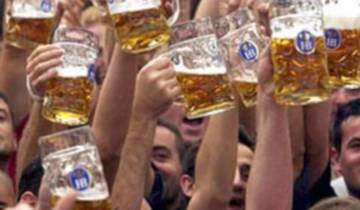
4 days
Germany´S Beer Experience
- ✓ Booking needs min. 2 travelers
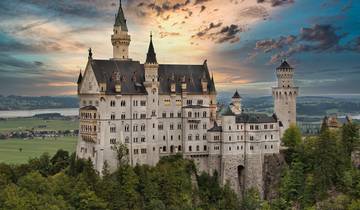
7 days
7 Days by Train in Munich & Zurich: Alpine Dreams & Bavarian Charms
- ✓ Comprehensive Munich tour
- ✓ Expert local guides included
- ✓ All accommodation arranged
- ✓ Transportation provided
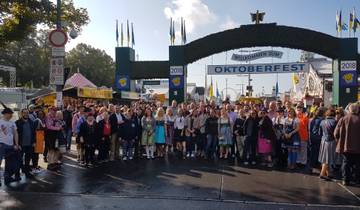
4 days
Oktoberfest Munich (3-Star Hotel Senator)
- ✓ Booking needs min. 2 travelers
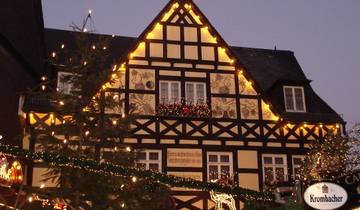
7 days
GERMAN CHRISTMAS MARKETS 2026
- ✓ Comprehensive Munich tour
- ✓ Expert local guides included
- ✓ All accommodation arranged
- ✓ Transportation provided
Multi-day tour packages powered by TourRadar. Prices and availability subject to change.
Essential Planning Information 2026
Understanding Munich’s 2026 Calendar
Munich’s 2026 event calendar centers around Oktoberfest running September 19 – October 4, drawing approximately 6 million visitors over 16 days of celebration. This period dominates city planning with hotel blackout dates, restaurant reservations months ahead, and transportation operating extended schedules. The festival’s fixed third-Saturday-in-September start date makes 2026 planning straightforward, with weekends (September 19-20, 26-27, October 3-4) bringing maximum crowds of 400,000-500,000 daily versus 200,000-300,000 on weekdays. Weekday visits (Monday-Thursday) offer shorter beer tent lines, easier table access without reservations, and more manageable crowds for first-time visitors balancing authenticity with comfort levels.
Beyond Oktoberfest, Munich’s 2026 calendar includes Starkbierzeit (strong beer season) in March with special beer releases and traditional festivities, Auer Dult spring fair in April-May with 300 years of tradition, and Tollwood Summer Festival in June-July featuring concerts, theater, and international cuisine. Christmas markets transform the city from late November through December 24, with Marienplatz, Viktualienmarkt, and Residenz hosting major markets drawing enormous crowds. Sporting events include Bayern Munich Bundesliga matches August-May with home games at Allianz Arena, plus potential Champions League fixtures that spike accommodation demand on match weeks. Planning around or toward these events shapes your entire Munich experience depending on whether you seek festival energy or quieter cultural exploration.
Current Costs and Pricing for 2026
Munich accommodation rates fluctuate dramatically by season in 2026, with budget hotels ranging €80-120 per night in winter low season (January-March, excluding Christmas), €120-180 in shoulder seasons (April-May, October-November), €150-220 in summer (June-August), and €200-400 during Oktoberfest. Mid-range hotels follow similar patterns at €120-180 winter, €180-250 shoulder, €220-320 summer, and €300-500 Oktoberfest weeks. Luxury properties near Marienplatz or Maximilianstrasse command €250-400 winter, €350-500 shoulder, €400-600 summer, and €500-800+ during peak Oktoberfest weekends. Check booking platforms for current rates as pricing varies based on specific dates, events, and advance booking timing.
Daily expenses beyond accommodation remain relatively stable across 2026 seasons. Public transportation costs €8.80 for all-day passes (valid on U-Bahn, S-Bahn, trams, buses within city zones), with weekly passes at €18.40 offering better value for 4+ day stays. Restaurant pricing averages €15-25 for traditional Bavarian lunches at beer halls, €12-20 for lunch specials at casual restaurants, €25-45 for dinner at mid-range establishments, and €50-90 for upscale dining experiences. Major attraction tickets include €7.50 for Residenz palace, €10 for Deutsches Museum, €8 for Alte Pinakothek art museum, and €15-20 for guided walking tours. Beer garden prices hold steady at €8-10 per liter in traditional gardens like Augustiner-Bräu, €5-8 for pretzels, and €8-15 for traditional meals served at outdoor benches under chestnut trees.
Munich Seasons Overview 2026
Munich’s geographical position in southern Germany creates four distinct seasons with dramatic variations in weather, crowds, prices, and available activities. The city sits 520 meters above sea level with Alpine influences bringing crisp air, sudden weather changes, and spectacular mountain views on clear days. Understanding these seasonal characteristics helps match your travel preferences with optimal visit windows, whether you prioritize warm weather, cultural events, budget savings, or authentic local experiences away from peak tourist volumes that change the city’s character and accessibility throughout the calendar year.
Each season offers unique advantages for different traveler priorities. Spring brings beer garden awakenings, blooming English Garden landscapes, and increasing temperatures that make outdoor exploration comfortable after winter’s cold. Summer delivers maximum daylight (5:30 AM sunrise, 9 PM sunset in June), outdoor festivals, and peak tourist energy at the cost of higher prices and crowded attractions. Fall provides Oktoberfest celebrations, comfortable temperatures, and gorgeous foliage in city parks before winter arrives. Winter transforms Munich into a holiday wonderland with Christmas markets, alpine skiing nearby, and the city’s famous gemütlichkeit (cozy atmosphere) at its peak in traditional beer halls and heated market stalls selling glühwein and roasted chestnuts.
Seasonal transitions happen quickly in Munich, with spring arriving suddenly in late March-April after cold winters, summer heat peaking in July-August, fall colors appearing throughout October, and winter settling in by late November. These transitions create shoulder periods offering excellent conditions—late May before summer crowds, early September before Oktoberfest, or early December before Christmas market peak weeks. Smart timing around these transitions maximizes pleasant weather while avoiding the highest prices and largest crowds that define peak season Munich, allowing more authentic interactions with locals, easier restaurant reservations, and better accommodation values for budget-conscious travelers seeking genuine Bavarian experiences.
Spring in Munich 2026 (March-May)
Spring arrives gradually in Munich from March through May, with temperatures climbing from chilly 8-12°C in early March to pleasant 18-22°C by late May. The city awakens from winter dormancy as beer gardens begin reopening in late March (weather dependent), trees burst into bloom throughout the English Garden, and outdoor café terraces return to Marienplatz and surrounding squares. March still requires warm layers and rain jackets with 8-10 rainy days monthly, while April-May offer increasingly stable weather with 10-12 rainy days but warmer temperatures making outdoor exploration comfortable between showers. Daylight extends dramatically from 12 hours in March to 16 hours by late May, providing long afternoons for sightseeing and evening walks along the Isar River.
Cultural highlights define Munich’s spring 2026 season, starting with Starkbierzeit (strong beer season) running throughout March. Traditional breweries release special strong beers (7-9% alcohol) with festivals, tastings, and beer hall celebrations honoring this centuries-old tradition of “liquid bread” consumed during Lent fasting periods. Auer Dult spring fair operates late April-early May at Mariahilfplatz with traditional market stalls, antiques, pottery, and local crafts attracting Munich residents more than international tourists. May Day (May 1) brings Maypole raising ceremonies in villages around Munich, traditional folk music, and authentic Bavarian celebrations that showcase local culture beyond the tourist-focused attractions concentrated in the city center year-round.
Spring 2026 offers excellent value for budget-conscious travelers with hotel rates €120-180 per night for mid-range properties, €80-120 for budget options, and €200-300 for luxury accommodations. These rates sit 30-40% below summer peaks and 50-60% below Oktoberfest premiums while providing comfortable weather for walking tours, outdoor attractions, and beer garden experiences. Crowds remain manageable with 40-50% fewer visitors than summer months, making major attractions like Residenz, Deutsches Museum, and Nymphenburg Palace accessible without extensive queues or advance booking requirements. Restaurant reservations work smoothly with 1-2 days notice for quality establishments, and beer gardens welcome walk-in visitors throughout afternoons and early evenings before dinner rush periods.
Practical spring considerations include packing layers for variable weather, with temperatures shifting 10-15°C between morning and afternoon or during weather fronts. Rain gear proves essential with showers occurring 8-12 days monthly, though precipitation usually arrives in short bursts rather than all-day rain allowing continued outdoor activities between systems. Beer gardens operate weather-dependent schedules, opening on sunny days above 12-15°C but closing during rain or cold snaps—check morning forecasts before planning beer garden visits. Museum hours extend in May compared to winter schedules, and many attractions begin offering longer hours anticipating summer season arrival. Spring’s combination of improving weather, awakening cultural life, and manageable crowds with reasonable prices makes March-May excellent for visitors prioritizing authentic Munich experiences over guaranteed sunshine or specific festival attendance.
Summer in Munich 2026 (June-August)
Summer brings Munich’s warmest weather from June through August, with temperatures averaging 20-26°C and occasional heat waves pushing toward 30-32°C for several days at a time. Long daylight hours extend from 5:30 AM sunrises to 9 PM sunsets in June, providing 15-16 hours for outdoor activities, sightseeing, and beer garden enjoyment. Weather remains pleasant overall though afternoon thunderstorms occur 8-10 days monthly, typically arriving 2-4 PM after morning heat buildup and lasting 30-90 minutes before clearing. These storms rarely disrupt full-day plans but encourage flexible scheduling with indoor backup options for afternoons when forecasts predict unstable conditions requiring weather app monitoring for outdoor activity timing.
Munich’s summer cultural calendar fills with outdoor festivals, concerts, and beer garden culture at peak intensity. Tollwood Summer Festival runs late June-July in Olympiapark with international music, theater performances, art installations, and world cuisine at temporary market stalls drawing 1 million+ visitors annually. Open-air concerts occur throughout Odeonsplatz, English Garden, and Olympiapark with both free events and ticketed performances featuring classical, rock, and electronic music. Beer gardens operate full schedules during summer with extended hours until 10-11 PM, serving thousands nightly at famous gardens like Augustiner-Bräu, Hofbräuhaus outdoor section, and Chinesischer Turm in the English Garden. Sunday afternoons bring families, after-work crowds fill tables Monday-Friday from 5 PM onward, and weekends see maximum capacity with mixed local and tourist populations.
Summer represents peak season pricing with mid-range hotels €220-320 per night, budget options €150-220, and luxury properties €400-600 for central locations near Marienplatz or Maximilianstrasse. These rates reflect maximum demand from European vacation season, international tourists, and business travel converging on Bavaria’s capital. Flights to Munich cost €300-500 from major European cities during summer versus €150-300 in shoulder seasons, adding to overall trip expenses. Restaurant reservations become essential 3-5 days ahead for quality establishments, and popular attractions like Neuschwanstein Castle (90 minutes from Munich) require advance tickets to avoid sold-out time slots during peak visitation weeks throughout July-August holiday periods across Europe.
Despite premium prices and large crowds, summer offers distinct advantages for visitors prioritizing outdoor experiences and maximum daylight. The Isar River becomes Munich’s social center with locals sunbathing, surfing artificial waves, and barbecuing along grass banks in a relaxed Mediterranean atmosphere unusual for German cities. English Garden extends 900 acres of green space with nude sunbathing areas (FKK zones), beer garden oases, and winding paths for walking, cycling, or jogging through central Munich’s largest park. Day trips flourish during summer with comfortable weather for Neuschwanstein Castle, Zugspitze alpine excursions, Starnberger See lake swimming, and Dachau memorial visits. Summer’s combination of perfect weather, extensive cultural programming, and maximum daylight outweighs cost concerns for travelers willing to invest in peak-season pricing for optimal conditions and widest activity availability.
Fall in Munich 2026 (September-November)
Fall begins beautifully in Munich with September temperatures averaging 12-20°C offering comfortable conditions for outdoor exploration before October brings cooling trends toward 8-15°C and November drops to 3-8°C as winter approaches. Early fall provides gorgeous weather with stable conditions, colorful foliage in English Garden and Nymphenburg Palace grounds, and pleasant afternoons perfect for walking tours and beer garden visits. Rain increases gradually from 8 days in September to 10-12 days in October-November, with occasional early snow possible in late November though significant accumulation remains rare until December-January. Daylight decreases dramatically from 14 hours in early September to 9 hours by late November, shifting afternoon activities earlier and encouraging more indoor cultural experiences as winter darkness approaches.
Oktoberfest 2026 dominates Munich’s fall season, running September 19 – October 4 with 16 days of celebration at Theresienwiese festival grounds. This legendary event transforms the entire city with 6 million visitors, 14 major beer tents serving 7 million+ liters of specially brewed Oktoberfest beer, traditional brass bands, dirndl and lederhosen costumes, and Bavarian culture on massive display. Tent reservations guarantee seating but require booking months ahead through individual tent operators (Hofbräu, Paulaner, Augustiner, etc.), while walk-in visitors arrive before noon for best chances at unreserved tables, especially Tuesday-Thursday when crowds remain manageable compared to weekend madness of 400,000-500,000 daily visitors competing for limited tent space and beer hall atmosphere.
Post-Oktoberfest Munich (mid-October through November) offers excellent value as hotels drop from peak festival rates to €120-180 per night mid-range, €80-120 budget properties, and €200-300 luxury options. Crowds thin dramatically after October 4, returning Munich to manageable tourist levels with accessible attractions, easy restaurant reservations, and authentic local atmosphere as residents reclaim their city from Oktoberfest’s temporary invasion. November brings particularly good deals with lowest fall prices, minimal crowds, and pleasant Indian summer days mixed with increasing cold and shorter daylight requiring flexible plans. This period suits travelers seeking quiet cultural exploration, museum visits, and authentic Munich life without festival chaos or summer tourist volumes crowding every popular location throughout the historic center.
Fall activities beyond Oktoberfest include harvest festivals in surrounding Bavarian villages, wine festivals in nearby Franconia region (90 minutes north), and early Christmas market preparations visible throughout November. Traditional beer halls shift from outdoor gardens to cozy indoor spaces, creating Munich’s famous gemütlichkeit atmosphere with dark wood interiors, traditional music, and hearty Bavarian cuisine perfect for cooling weather. Fall colors transform English Garden, Nymphenburg grounds, and Isar River paths into scenic walking routes with photography opportunities rivaling spring blooms. October-November provide ideal conditions for day trips to Neuschwanstein, Salzburg (90 minutes), and Alpine foothill towns before winter weather limits mountain access, combining comfortable touring conditions with dramatic fall mountain scenery and smaller crowds than summer peak months.
Winter in Munich 2026 (December-February)
Winter transforms Munich into a cold but enchanting destination from December through February, with temperatures averaging 0-5°C and occasional cold snaps dropping to -5°C to -10°C for several days at a time. Snow falls 10-15 days annually, creating postcard scenes around Marienplatz and Frauenkirche though rarely accumulating more than 5-10 cm in the city center. Daylight shrinks to 8-9 hours with 8 AM sunrises and 4:30-5 PM sunsets, concentrating activities into shorter windows and encouraging indoor cultural experiences. December brings magical Christmas atmosphere with twinkling lights, festive decorations, and outdoor markets selling glühwein (mulled wine), roasted almonds, and traditional crafts throughout the historic city center from late November through Christmas Eve’s traditional closing.
Christmas markets define Munich’s winter appeal with Christkindlmarkt at Marienplatz operating from late November-December 24, featuring 140+ stalls, traditional craftwork, nativity scenes, and enormous Christmas tree attracting millions of visitors throughout the season. Additional markets include Viktualienmarkt, Medieval market at Wittelsbacher Platz, and Tollwood Winter Festival at Olympiapark offering alternative, artistic atmosphere with organic products and world music performances. Markets operate daily 10 AM-9 PM (Fridays-Sundays until 10 PM) with peak crowds Friday-Sunday afternoons requiring patience for popular stalls. Glühwein costs €4-5 per mug (€3 deposit returned), roasted almonds €5-7, and traditional foods €6-12 for sausages, potato pancakes, or mushroom dishes keeping visitors warm during cold market wandering.
Winter accommodation offers excellent value with hotels at annual lows: €80-120 per night for mid-range properties in January-February, €100-150 for budget options, and €200-300 for luxury hotels. December prices increase 40-60% during Christmas market season (late November-Christmas) when Munich attracts holiday shoppers and festive atmosphere seekers, though still remaining 50-60% below Oktoberfest premiums. Flights cost €150-300 from major European cities during winter low season versus €300-500+ in summer, making total trip expenses significantly lower for budget-conscious travelers comfortable with cold weather and shorter daylight hours. Restaurant reservations remain accessible with 1-2 days notice except peak Christmas market weekends, and attractions operate smoothly without summer’s overwhelming crowds or extensive queue times.
Winter activities extend beyond Christmas markets to include world-class museums (Alte Pinakothek, Neue Pinakothek, Deutsches Museum), traditional beer hall culture thriving in cozy indoor spaces, and nearby Alpine skiing at Garmisch-Partenkirchen (90 minutes) or smaller resorts within 60 minutes of central Munich. January-February suit serious museum visitors who appreciate quiet galleries, unhurried viewing, and minimal tourist interference with art and historical collections. Traditional Bavarian cuisine reaches peak appeal during winter with schweinshaxe (pork knuckle), hearty stews, and warming beer hall atmosphere providing comfort against outside cold. Winter’s combination of festive atmosphere, lowest annual prices, and authentic local culture (once Christmas tourists depart) makes December-February compelling for travelers prioritizing budget savings, cultural depth, and willingness to embrace Munich’s cold but charming winter character and indoor-focused activities during Bavaria’s quietest tourism season.
Oktoberfest 2026 Planning Guide
Oktoberfest 2026 runs September 19 – October 4 at Theresienwiese festival grounds, following the traditional third-Saturday-in-September start date with 16 days of celebration. The festival operates daily from 10 AM opening (9 AM weekends) until 10:30 PM beer tent closing, with family-friendly daytime atmosphere shifting to rowdier evening energy as alcohol consumption increases throughout afternoons and evenings. Saturday-Sunday draw maximum crowds of 400,000-500,000 daily with extreme tent congestion, while Tuesday-Thursday see more manageable 200,000-300,000 visitors allowing easier table access, shorter lines, and more comfortable first-time experiences balancing authentic atmosphere with practical crowd tolerance levels.
Beer tent strategy proves crucial for Oktoberfest success, with 14 major tents plus smaller wine tents and specialty venues offering varied atmospheres. Hofbräu-Festzelt attracts international tourists with party atmosphere and English-speaking crowds, while Augustiner-Bräu draws locals preferring traditional Munich experience with wooden beer barrels rather than steel kegs. Tent reservations cost €25-40 per person (includes table, 2 beer tokens, meal voucher) and guarantee seating but require booking February-March 2026 when individual tent operators announce opening dates—check oktoberfest.de for tent-specific booking links and strategies. Walk-in visitors arrive before noon Tuesday-Thursday for unreserved table chances, though weekend walk-ins face extremely limited options requiring 8-9 AM arrival or accepting standing room only in crowded tent aisles throughout afternoon and evening hours.
Traditional costume (dirndl for women, lederhosen for men) enhances authenticity though remains optional, with rental shops charging €50-90 for quality outfits versus €150-300 for purchase of authentic traditional wear. Many first-time visitors rent costumes to embrace full festival experience, while repeat attendees often invest in owned outfits for multiple years of Oktoberfest celebrations. Costume shops near Marienplatz, Viktualienmarkt, and throughout city center offer rentals with fitting services, though booking 2-3 weeks ahead ensures best selection and sizes during peak festival preparation period when hundreds of thousands of visitors seek traditional Bavarian dress for authentic photo opportunities and cultural participation.
Daily Oktoberfest budgeting requires planning beyond beer and food costs. Beer steins cost €14-16 per liter in 2026, traditional meals €12-25 for half chicken, pork dishes, or sausage plates, and festival rides €3-8 per attraction. A typical day totals €80-120 including 2-3 beers, lunch, dinner, and some rides, though many visitors spend €150-200 when factoring costume rentals, taxi rides home (public transport continues operating but crowded), and multiple tent visits sampling different atmospheres. Transportation adds minimal expense with regular €8.80 day passes providing unlimited U-Bahn/S-Bahn access to Theresienwiese station, though many visitors opt for taxis €15-25 from city center after evening consumption when navigating public transport becomes challenging despite extended festival-season operating hours.
Special Events Calendar 2026
Munich’s 2026 calendar extends well beyond Oktoberfest with year-round cultural events, festivals, and celebrations showcasing Bavarian tradition and modern European culture. January brings Fasching (carnival season) kickoff on January 7, building toward its February-March climax with costume parades, balls, and street parties throughout the city. Starkbierzeit (strong beer season) operates throughout March with special releases at traditional breweries like Paulaner, Augustiner, and Löwenbräu hosting festivals, tastings, and traditional music celebrating this centuries-old brewing tradition. Easter brings spring celebrations, church services, and traditional egg markets in early April, while May Day (May 1) features Maypole raising in villages around Munich with folk music, traditional dancing, and authentic Bavarian festivities showcasing local culture.
Summer cultural programming includes Tollwood Summer Festival (late June-July) at Olympiapark with international music, theater, world cuisine, and 1 million+ visitors annually. Munich Opera Festival runs July with performances at Bayerische Staatsoper featuring world-class productions of classic and contemporary works. Jakobidult summer fair operates late July at Mariahilfplatz with traditional market atmosphere, while countless open-air concerts fill English Garden, Odeonsplatz, and Königsplatz throughout summer months. August brings Christopher Street Day pride parade, Summer in the City festival series, and maximum beer garden culture as residents and tourists alike embrace outdoor living during Bavaria’s warmest month with long daylight hours extending social activities well into evening hours.
Fall centers on Oktoberfest September 19 – October 4 but includes Auer Dult autumn fair (late October) continuing Munich’s traditional market heritage. November shifts toward Christmas market preparation with Christkindlmarkt opening around November 26-27 and operating through December 24. Winter highlights include New Year’s Eve celebrations at Marienplatz with fireworks at midnight, Three Kings Day (January 6) religious celebrations, and continuous Christmas market atmosphere drawing millions of visitors throughout December. Sporting enthusiasts track Bayern Munich Bundesliga home matches at Allianz Arena throughout August-May season, with Champions League fixtures (if qualified) adding midweek matches drawing international fans and spiking accommodation demand on match weeks requiring advance planning.
Religious and cultural observances shape Munich’s rhythm with Good Friday, Easter Monday, Ascension Day, Whit Monday, Corpus Christi, Assumption Day (August 15), All Saints’ Day (November 1), and numerous Catholic holidays observed with church closures, special services, and traditional celebrations. These dates affect museum hours, restaurant availability, and public transportation schedules requiring verification for visits coinciding with major religious holidays. The convergence of traditional Bavarian culture with modern cosmopolitan programming creates year-round appeal for visitors seeking everything from authentic folkloric experiences to contemporary arts, international cuisine, and world-class sporting events across Munich’s comprehensive cultural calendar throughout every season of 2026.
Crowd Management Strategies 2026
Munich experiences dramatic crowd fluctuations throughout 2026, requiring strategic timing for major attractions and popular locations. Peak summer months (July-August) and Oktoberfest (September 19 – October 4) bring overwhelming tourist volumes with 50,000+ daily visitors to Marienplatz, 30-minute queues for Residenz entrance, and impossible walk-in access to quality restaurants without 3-5 day advance reservations. Shoulder seasons (April-May, October-November post-Oktoberfest) reduce crowds 40-60% while maintaining pleasant weather and full cultural programming, allowing spontaneous restaurant visits, accessible museum entry, and more authentic local interactions throughout normally tourist-saturated historic center areas.
Daily timing strategies minimize crowd exposure even during peak seasons. Major attractions like Residenz, Nymphenburg Palace, and Alte Pinakothek see smallest crowds at 9-10 AM opening and after 4 PM in summer when tour groups depart and casual visitors head toward dinner reservations. Marienplatz glockenspiel performances (11 AM, noon, 5 PM in summer) draw massive crowds—visit 30 minutes before or after shows for easier navigation through central square. Beer gardens operate smoothly for lunch 11:30 AM-1:30 PM and early afternoon 2-4 PM, while dinner rush 6-8 PM brings maximum capacity and difficult table access without arriving by 5:30 PM or accepting standing areas and high communal tables throughout crowded evening hours.
Oktoberfest crowd management requires specific strategies beyond general Munich patterns. Weekday visits (Tuesday-Thursday) reduce crowds 40-50% versus weekend madness, with Wednesday offering absolute smallest volumes while maintaining full festival atmosphere and authentic experiences. Morning arrivals (9-10 AM on weekends, 10-11 AM weekdays) secure unreserved tables in major tents, while afternoon arrivals (after 2 PM) face standing-room-only or complete tent closures when capacity maxes at 8,000-10,000 per tent. Evening arrivals (after 6 PM) encounter extremely limited options requiring backup plans, flexibility, and realistic expectations about table access during Munich’s most crowded event weeks when hotel rooms within 3 kilometers sell out completely and transportation operates at maximum capacity throughout all operating hours.
Alternative strategies for crowd-averse travelers include exploring Munich’s excellent neighborhoods beyond tourist-saturated Altstadt (old town). Schwabing offers art galleries, cafés, and residential atmosphere 15 minutes north of Marienplatz via U-Bahn. Glockenbachviertel provides trendy restaurants, boutiques, and LGBTQ+ scene without tour group interference. Westend and Neuhausen showcase authentic Munich life with local markets, neighborhood beer gardens, and residential character far from Marienplatz crowds. These areas operate year-round without tourist fluctuations, offering consistent authentic experiences regardless of citywide crowd levels during peak summer or Oktoberfest periods that transform central Munich into temporary tourist destination rather than functioning Bavarian capital serving 1.5 million residents alongside millions of annual visitors throughout the calendar year.
Weather Patterns and What to Pack 2026
Munich’s weather demands versatile packing across all seasons given variable conditions and rapid changes characteristic of Alpine-influenced climate patterns. Spring (March-May) requires layering strategy with light jackets for 8-12°C mornings, short sleeves for 18-22°C afternoons, and waterproof rain jacket for frequent showers occurring 8-12 days monthly. Temperatures shift 10-15°C between morning and afternoon, making layers essential for comfortable all-day exploration. Pack sweaters or fleece for cool evenings, comfortable walking shoes for extensive sightseeing, and umbrella or rain jacket as precipitation arrives in short bursts rather than all-day events throughout spring’s unpredictable but generally improving weather patterns.
Summer (June-August) packing simplifies with shorts, t-shirts, and light clothing sufficient for 20-26°C temperatures and long sunny days. However, afternoon thunderstorms require rain gear with sudden storms arriving 2-4 PM after morning heat buildup. Evening temperatures drop to 12-15°C requiring light jacket or sweater for late dinners, beer garden visits, or evening walks along Isar River. Sun protection proves essential with sunscreen, sunglasses, and hat for extended outdoor exposure during 15-16 hour daylight periods in June. Comfortable walking shoes remain critical as Munich rewards pedestrian exploration, with 15,000-20,000 daily steps common for active visitors exploring museums, parks, beer gardens, and historic neighborhoods throughout comprehensive sightseeing itineraries.
Fall (September-November) demands graduated approach as temperatures drop throughout the season. Early September resembles late summer with 18-22°C days requiring light layers, while October cooling to 8-15°C needs sweaters, jackets, and warmer clothing. November approaches winter conditions with 3-8°C temperatures requiring warm coats, scarves, and gloves for outdoor activities. Oktoberfest visitors balance indoor tent warmth against outdoor festival ground navigation—pack layers allowing adjustment between 25°C tent interiors and 12-15°C outdoor conditions. Rain increases to 10-12 days monthly throughout fall requiring waterproof footwear, rain jacket, and flexible scheduling around weather windows for optimal outdoor beer garden and walking tour experiences.
Winter (December-February) requires comprehensive cold-weather gear with temperatures averaging 0-5°C and occasional drops to -5°C to -10°C during cold snaps. Warm winter coat, thermal layers, insulated waterproof boots, gloves, scarf, and warm hat prove essential for comfortable outdoor Christmas market visits, walking tours, and transit between indoor attractions. Indoor heating remains excellent throughout hotels, restaurants, museums, and public buildings, allowing lighter layers inside while maintaining warmth for outdoor transitions. Snow boots or waterproof hiking boots provide traction during occasional snow accumulation, while hand warmers and thermal underwear enhance comfort during extended outdoor market browsing or photography sessions. Winter packing focuses on staying warm and dry while maximizing indoor cultural experiences during Bavaria’s cold but charming winter season from December through February’s coldest conditions.
Booking Timeline for 2026 Visits
Oktoberfest accommodation requires earliest possible booking, ideally January-February 2026 when hotels announce availability and best rates emerge before March-April booking surge. Properties within walking distance of Theresienwiese (1-3 kilometers) sell out 6-9 months ahead, forcing late planners toward suburban locations in Freising, Dachau, or outer Munich neighborhoods requiring 30-60 minute commutes via S-Bahn. Budget hotels within reasonable distance cost €180-300 per night when booking early, rising to €300-500+ for last-minute availability in distant locations. Mid-range properties near festival grounds command €300-500 with early booking versus complete sell-outs by summer for quality locations serving Oktoberfest’s massive accommodation demand throughout the 16-day festival period.
Beer tent reservations open February-March 2026 through individual tent operators (Hofbräu, Paulaner, Augustiner, Hacker-Pschorr, etc.) with each announcing specific booking dates on their websites and through oktoberfest.de links. Reservations cost €25-40 per person including guaranteed table, 2 beer tokens, and meal voucher, with weekend slots selling out within hours of opening and weekday availability lasting several weeks before exhausting. Track preferred tent operators’ websites in January 2026 for booking announcement dates, then act immediately when reservations open to secure weekend slots or popular tents. Walk-in festival access remains free, but table access becomes extremely limited without reservations, especially Friday-Sunday when crowds max at 400,000-500,000 daily throughout Theresienwiese grounds.
Non-Oktoberfest periods allow much more flexible booking timelines with excellent results 2-3 months ahead for most seasons. Spring (April-May) and fall (October-November after festival) offer strong availability 8-12 weeks before arrival, securing mid-range hotels €120-180 per night and budget options €80-120. Summer requires slightly earlier planning at 3-4 months ahead due to general European vacation season increasing demand across all accommodation categories. December Christmas market season needs 3-4 month advance booking for city center properties but lacks Oktoberfest’s extreme lead times and sell-out dynamics. January-March low season allows last-minute booking with good availability and rates just 4-6 weeks before travel, perfect for spontaneous winter getaways or flexible schedule travelers seeking bargain pricing.
Flight booking follows similar patterns with Oktoberfest requiring January-March purchase for reasonable €300-500 fares from major European cities versus €500-800+ for summer bookings to peak festival period. Summer flights benefit from 2-3 month advance purchase securing €250-400 rates, while shoulder seasons allow 6-8 week booking windows at €200-350. Winter flights offer best last-minute values with €150-300 fares available 3-4 weeks before departure during low-season months. Attraction tickets for Neuschwanstein Castle (popular day trip from Munich) require 1-2 month advance purchase during peak summer months to avoid sold-out time slots, while Munich city attractions operate smoothly with same-day tickets except occasional special exhibitions. Restaurant reservations need 1-2 days notice during shoulder seasons, 3-5 days in summer, and often prove impossible during peak Oktoberfest weeks without 1-2 week advance planning for quality establishments near festival grounds or in city center tourist zones.
Planning Your 2026 Visit
Selecting your ideal Munich visit window balances multiple factors including weather preferences, budget constraints, crowd tolerance, and specific event priorities across the 2026 calendar. Oktoberfest enthusiasts accept premium pricing (€200-400 per night hotels) and massive crowds (400,000-500,000 weekend daily visitors) for once-in-a-lifetime cultural immersion in world’s most famous beer festival with authentic Bavarian traditions, traditional costumes, and unmatched festive atmosphere during September 19 – October 4 celebration period. Budget travelers target January-March low season for €80-120 per night mid-range hotels and minimal crowds while embracing 0-5°C winter temperatures and shorter daylight hours rewarded with authentic local atmosphere and lowest annual prices.
Weather-sensitive visitors optimize for May-June shoulder season combining pleasant 18-24°C temperatures with reopening beer gardens, spring festivals, and manageable crowds at €120-180 per night hotels. This period delivers Munich’s most comfortable touring conditions before summer heat and peak tourist volumes transform city dynamics throughout July-August when temperatures reach 26°C+ and prices spike €220-320 per night for mid-range accommodations. Cultural enthusiasts target specific events like Christmas markets (late November-December 24), Starkbierzeit strong beer season (March), or Tollwood festivals (summer and winter) accepting corresponding crowd levels and seasonal pricing while accessing unique programming unavailable other times throughout year-round calendar.
Multi-visit strategy maximizes Munich appreciation across different seasonal characters: spring shoulder season for beer gardens and pleasant weather, Oktoberfest for cultural experience despite crowds and costs, and winter for Christmas markets and budget-friendly off-season exploration. Each visit reveals different Munich facets from outdoor summer vitality to cozy winter gemütlichkeit to spring awakening to fall harvest celebrations. First-time visitors often target May-June or September (pre-Oktoberfest) balancing all factors with reliable weather, manageable crowds, reasonable prices, and strong cultural programming without extreme peak-season challenges or winter cold requiring specific tolerances and priorities beyond general Munich tourism interests.
Practical planning timelines begin 6-9 months ahead for Oktoberfest (January-March 2026 booking), 3-4 months for summer and December Christmas markets, 2-3 months for shoulder seasons, and 1-2 months for winter low season visits. This advance planning secures preferred accommodation locations, better flight prices, and reservation access while allowing comprehensive itinerary development, day trip planning to surrounding Bavarian attractions, and strategic event coordination across Munich’s comprehensive cultural calendar. Flexible travelers booking closer to departure accept limited accommodation choice and higher prices but gain precise weather forecasts and spontaneous trip timing throughout most non-Oktoberfest periods when Munich maintains strong availability despite being Germany’s third-largest city and Bavaria’s cultural capital attracting millions annually.
2026 Updates & Current Information
Munich’s 2026 tourism landscape continues evolving with infrastructure improvements, new attractions, and updated visitor services enhancing the Bavarian capital’s appeal. The city’s extensive U-Bahn and S-Bahn networks operate efficiently throughout 2026 with ongoing expansion projects improving access to outer neighborhoods and surrounding communities. Munich Airport (Franz Josef Strauss) serves as major European hub with direct flights from global destinations, while excellent rail connections link the city to Vienna (4 hours), Zurich (4 hours), Venice (6 hours), and Prague (6 hours) via comfortable high-speed trains departing München Hauptbahnhof throughout the day.
Digital services enhance visitor experiences with Munich’s comprehensive tourism website (muenchen.de/en) providing real-time information on attractions, events, and practical planning advice. Mobile apps include MVV München for public transportation navigation and ticketing, Bayern Munich official app for Bundesliga match updates, and various beer garden apps locating traditional gardens with current opening status based on weather conditions. Oktoberfest.de serves as official festival resource with tent information, booking links, historical context, and practical visitor guidance updated annually for current celebration planning across transportation, accommodation, and festival logistics throughout the 16-day September event period.
COVID-related restrictions have largely ended by 2026, though travelers should verify current entry requirements, health protocols, and any temporary regulations that may affect visit planning. Munich’s tourism infrastructure remains robust with hotels at all price points, excellent restaurant diversity, and comprehensive cultural programming throughout all seasons. The city welcomes approximately 8 million overnight visitors annually alongside day-trippers from across Bavaria and international tourists drawn by its unique combination of traditional Bavarian culture, world-class museums, legendary beer gardens, and strategic location as gateway to Alpine destinations throughout southern Germany, Austria, and northern Italy accessible via efficient rail and road networks.
Sustainability initiatives include expanded bicycle infrastructure with protected lanes throughout city center, electric vehicle charging stations at major parking facilities, and promotion of public transportation through integrated MVV ticketing systems. Many hotels implement eco-friendly practices from renewable energy to waste reduction programs, while restaurants increasingly emphasize local Bavarian ingredients and seasonal menus supporting regional agriculture. Munich’s commitment to environmental responsibility balances tourism growth with quality-of-life concerns for 1.5 million residents sharing the city with millions of annual visitors throughout every season of comprehensive cultural calendar from Oktoberfest celebrations through Christmas market traditions to world-class museum collections and beer garden heritage defining Bavaria’s capital across centuries of history.
Frequently Asked Questions
Is Munich better in summer or winter?
Summer offers optimal weather at 20-26°C with beer garden culture, outdoor festivals, and maximum daylight, though crowds and prices peak with €220-320 per night hotels. Winter provides Christmas market magic, cozy beer hall atmosphere, and budget-friendly rates at €80-120 per night, though temperatures average 0-5°C with occasional snow. Summer suits outdoor enthusiasts prioritizing weather and festivals, while winter appeals to budget travelers and Christmas market fans comfortable with cold conditions and shorter 8-9 hour daylight periods.
How many days do you need in Munich?
Three to four days covers Munich’s essential attractions including Marienplatz, Residenz palace, beer halls, English Garden, and Nymphenburg Palace with comfortable pacing. Add 1-2 days for major museums (Deutsches Museum, Alte Pinakothek), day trips to Neuschwanstein Castle or Dachau, and thorough beer garden exploration. Oktoberfest visitors benefit from 2-3 festival days experiencing different tents and atmospheres, while winter visitors enjoy 4-5 days exploring Christmas markets, museums, and traditional Bavarian culture during cozy low-season exploration.
Can you visit Munich without going to Oktoberfest?
Munich offers compelling year-round appeal beyond Oktoberfest with world-class museums, magnificent baroque architecture, legendary beer hall culture, and surrounding Alpine access. May-June provides reopening beer gardens and spring festivals, July-August delivers outdoor programming and maximum sunshine, December transforms the city with Christmas markets, and January-March offer budget-friendly cultural exploration. Many visitors prefer non-Oktoberfest periods avoiding extreme crowds and premium pricing while experiencing authentic Munich life with manageable tourist volumes throughout excellent cultural programming.
What is the cheapest month to visit Munich?
January-February offer lowest annual prices with mid-range hotels €80-120 per night, budget options €60-100, and flights €150-300 from major European cities. November (post-Oktoberfest) and March provide shoulder-season values at €100-150 per night while avoiding deepest winter cold. Avoid July-August (€220-320 per night), December Christmas markets (€150-220), and especially Oktoberfest (€200-400+) for budget optimization. Winter low season delivers 60-70% savings versus peak periods with excellent cultural access and minimal crowds throughout museums, beer halls, and authentic neighborhoods.
Do I need to book Oktoberfest in advance?
Hotel accommodation requires 6-9 months advance booking (January-March 2026) for properties within walking distance of Theresienwiese festival grounds. Beer tent reservations open February-March 2026 through individual tent operators and sell out quickly for weekend slots, though weekday availability lasts longer. Walk-in festival access remains free without reservations, but securing tables becomes extremely difficult without arriving before noon on weekdays or 9 AM weekends. Advance planning proves essential for accommodation and guaranteed tent seating while day-of arrival allows festival exploration with flexible expectations about table access.
What should I wear to Oktoberfest?
Traditional costume enhances authenticity with dirndl (women’s dress) or lederhosen (men’s leather shorts) rentable for €50-90 or purchasable for €150-300. Many visitors wear traditional costume embracing festival culture, though regular comfortable clothing remains acceptable. Layer for variable conditions with warm clothing for outdoor festival grounds (12-15°C) and lighter layers for crowded tent interiors reaching 25°C. Comfortable closed-toe shoes prove essential for navigating crowded tents, festival rides, and extensive walking between tents throughout Theresienwiese’s massive grounds hosting 14 major tents plus numerous smaller venues.
Is Munich safe for tourists?
Munich ranks as one of Europe’s safest major cities with low violent crime rates and excellent public safety infrastructure. Standard precautions apply including watching belongings in crowded areas (Marienplatz, Oktoberfest, public transport), avoiding isolated areas late at night, and remaining alert to pickpockets during peak tourist season. Emergency services operate efficiently with English-speaking operators available, and police maintain visible presence throughout tourist areas. Solo travelers, families, and senior visitors navigate Munich safely with basic awareness, while the city’s excellent public transportation, well-lit streets, and tourist-friendly atmosphere create comfortable environment throughout all seasons.
How far in advance should I book Christmas market accommodation?
Book 3-4 months ahead (August-September) for December Christmas market stays securing city center hotels €150-220 per night and avoiding sold-out conditions during peak December weekends. Early December and post-Christmas (December 25+) offer better availability than mid-December weekends when markets peak. Unlike Oktoberfest’s extreme 6-9 month lead times, Christmas market season allows more moderate planning while still benefiting from advance booking for preferred locations near Marienplatz, Viktualienmarkt, and other major market venues throughout Munich’s festive December transformation.
What’s the weather like during Oktoberfest?
Oktoberfest 2026 (September 19 – October 4) experiences comfortable 12-20°C temperatures with warm afternoons and cool evenings requiring layering strategy. Weather remains generally stable during late September though occasional rain showers occur 6-8 days during the 16-day festival. Pack warm jacket for morning and evening outdoor festival ground navigation plus layers manageable inside crowded tents reaching 25°C. Early festival weeks (September 19-26) offer warmer, more stable weather averaging 15-20°C, while final days (September 27 – October 4) bring cooling trends toward 12-16°C as fall transition progresses throughout Bavaria.
Can you visit Munich as a day trip from elsewhere?
Munich serves as excellent day trip destination from Salzburg (90 minutes by train), Nuremberg (90 minutes), or Innsbruck (2 hours), though the city’s extensive attractions reward overnight stays. Day trippers prioritize Marienplatz, beer hall lunch, quick museum visit, and English Garden stroll within 6-8 hour windows. However, Munich’s comprehensive museum collections, beer garden culture, neighborhoods beyond tourist center, and surrounding day trip options (Neuschwanstein, Dachau, Alpine lakes) justify 3-5 day visits exploring beyond surface-level tourist highlights accessible during brief same-day excursions from nearby Bavarian and Austrian cities throughout southern Germany region.