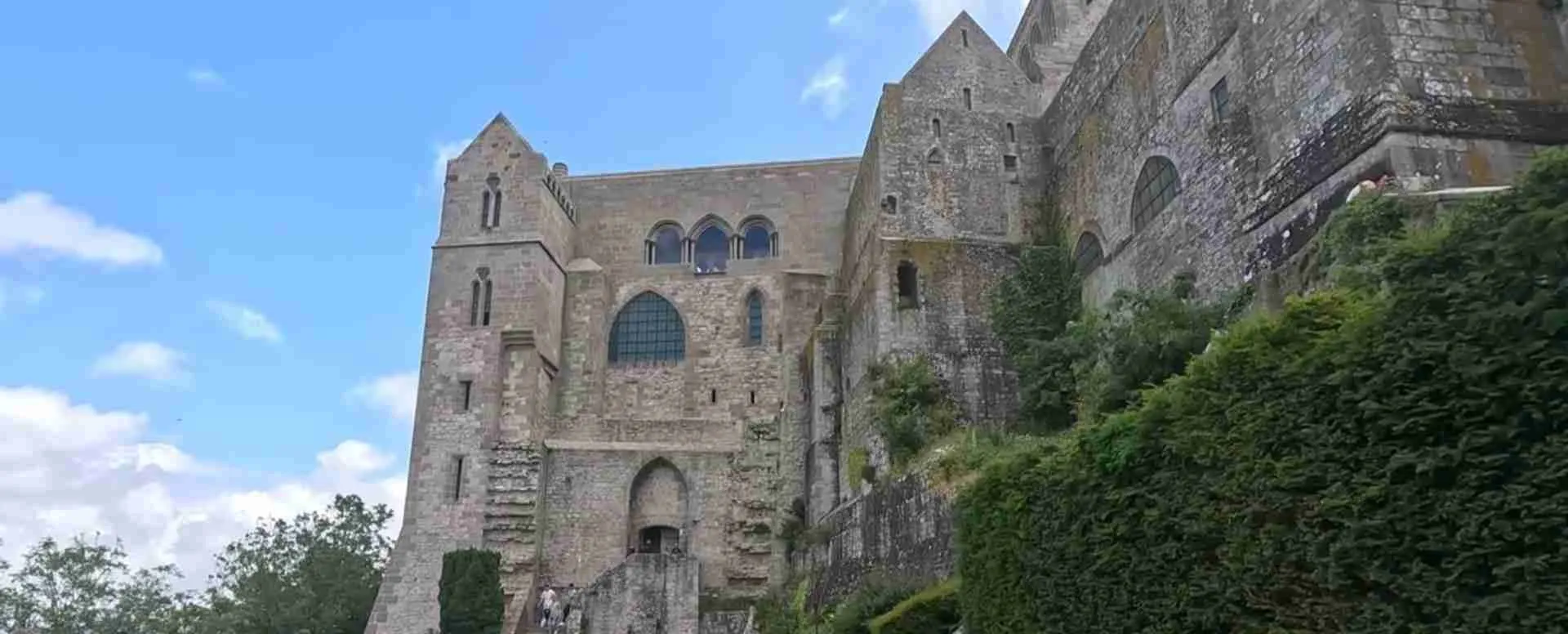
Best Time to Visit Mont Saint-Michel 2026: Complete Seasonal Planning Guide
Key Takeaways
- May-June and September offer optimal conditions in 2026 with mild weather, manageable crowds, and lower accommodation rates (€120-180 vs peak €200-350)
- Tidal spectacles occur throughout 2026 with highest coefficients in March (119) and September (118), creating dramatic island transformations
- Summer 2026 brings extended hours (8 AM-11 PM) but crowds reach 15,000-20,000 daily visitors requiring advance booking 2-3 months ahead
- Winter 2026 provides authentic atmosphere with 70% fewer visitors and budget rates (€80-140), though services operate on reduced schedules
- Abbey tickets cost €11 for adults in 2026, with free admission November-March for EU visitors under 26 (check monuments-nationaux.fr for current official rates)
- Strategic timing around major tides, religious festivals, and shoulder seasons maximizes experience quality while minimizing costs in 2026
Introduction: Planning Your Perfect Mont Saint-Michel Visit in 2026
Mont Saint-Michel stands as one of France’s most extraordinary UNESCO World Heritage sites, where medieval architecture rises dramatically from tidal waters in a spectacle that changes with every season. Planning the optimal time for your 2026 visit requires understanding the complex interplay of tides, weather patterns, crowd dynamics, and seasonal pricing that transforms the experience throughout the year. The difference between visiting during peak August crowds versus serene November mornings creates entirely different encounters with this architectural marvel, affecting everything from photography opportunities to spiritual atmosphere to practical logistics.
The 2026 calendar presents specific advantages for strategic planners. The tidal calendar aligns favorably with weekends during shoulder seasons, major religious festivals fall on accessible dates, and accommodation providers have optimized their seasonal pricing structures based on post-pandemic travel patterns. Understanding these 2026-specific factors allows travelers to craft visits that balance ideal conditions with practical considerations of budget, accessibility, and personal preferences for either vibrant energy or contemplative solitude.
This comprehensive guide analyzes every aspect of seasonal timing for Mont Saint-Michel in 2026, from the scientific precision of tidal predictions to the cultural richness of festival periods. Whether you prioritize dramatic tidal spectacles, optimal photography conditions, budget constraints, or avoiding crowds, the information here enables informed decisions that align your visit with your specific goals. The seasonal variations at Mont Saint-Michel are so pronounced that the “best” time depends entirely on what you value most in your travel experience.
People Also Ask About Best Time to Visit Mont Saint-Michel 2026
What is the absolute best month to visit Mont Saint-Michel in 2026?
May and September emerge as the optimal months for visiting Mont Saint-Michel in 2026, offering the ideal balance across all critical factors. May provides spring freshness with temperatures averaging 15-18°C, daylight extending to 9 PM for evening photography, and accommodation rates 30-40% below summer peaks at €120-180 per night. The spring tidal coefficients reach 110-115 during new and full moons, creating dramatic water level changes while crowds remain 50% below summer levels at 8,000-10,000 daily visitors.
September rivals May with autumn clarity enhancing photography, temperatures still comfortable at 16-19°C, and the psychological advantage of post-summer tranquility as schools resume. The September 13 supermoon creates the year’s second-highest tide coefficient at 118, producing spectacular island transformations. Accommodation providers transition to shoulder season pricing while maintaining full service levels, and the cultural calendar includes harvest festivals in surrounding Norman villages. Both months offer the flexibility to visit midweek for even greater crowd reduction, with Tuesday-Thursday seeing 40% fewer visitors than weekends.
How much does it cost to visit Mont Saint-Michel in 2026?
A complete day visit to Mont Saint-Michel in 2026 costs €55-85 per person for a quality experience covering all essential elements. Abbey entry costs €11 for adults, with audio guides adding €3 (check monuments-nationaux.fr for current official rates as pricing may vary). Shuttle service from the mainland parking costs €3.50 round-trip, though the 2.5 km causeway walk remains free for those who prefer it. Parking at the official P12 lot costs €15.70 for cars regardless of duration, positioned 2.5 km from the mount with mandatory shuttle or walking access.
Dining expenses vary significantly by choice, with crêperies offering €12-18 meals, mid-range restaurants €25-40 for three courses, and premium establishments €60-90 per person. Budget-conscious visitors bring picnics to enjoy at designated areas outside the village walls, reducing meal costs to €8-12. For overnight stays, accommodation ranges from €80-140 for budget hotels in nearby Pontorson, €120-220 for mid-range options in Beauvoir or Avranches, and €200-450 for on-island luxury at legendary establishments like La Mère Poulard. A family of four should budget €180-280 for a comprehensive day visit including abbey, meals, parking, and transport.
When are the best tides at Mont Saint-Michel in 2026?
The most spectacular tidal events at Mont Saint-Michel in 2026 occur during spring tides with coefficients above 100, when the water level differential exceeds 12 meters and creates the dramatic transformation between island and mainland connection. The highest tides of 2026 happen on March 14 (coefficient 119), September 13 (coefficient 118), and March 29 (coefficient 115), all occurring during daytime hours optimal for witnessing the phenomenon.
The March 14 event creates particularly favorable conditions with high tide at 2:47 PM, allowing visitors to observe both the incoming tide transformation and the subsequent retreat during daylight hours. The water advances at walking pace during peak flow, covering the causeway and surrounding flats within 90 minutes of the turn. September 13 offers autumn clarity with high tide at 3:15 PM, while October 12 (coefficient 112) provides a final major spectacle before winter with afternoon timing at 1:38 PM. Consult horaires-marees-saint-malo.fr for precise tidal predictions and plan arrival 2 hours before peak high tide to witness the complete transformation sequence.
Is Mont Saint-Michel worth visiting in winter 2026?
Winter visits to Mont Saint-Michel in 2026 offer extraordinary value for travelers seeking authentic atmosphere and dramatic conditions, despite shorter days and cooler weather. December through February sees 70% fewer visitors than summer peaks, with many days hosting only 3,000-5,000 guests compared to 20,000 in August. This creates opportunities to experience the abbey’s Gothic spaces in contemplative silence, photograph the village streets without crowds, and connect with the site’s spiritual essence that attracted medieval pilgrims.
Practical advantages include exceptional accommodation value with rates dropping to €80-140 for quality hotels, representing 50-60% savings versus summer. The abbey maintains full access Tuesday-Sunday 9:30 AM-6 PM even in winter, and restaurants remain open throughout the season serving warming Norman specialties. Atlantic storms create dramatic photography with waves crashing against ramparts, while occasional snow transforms the mount into a fairy-tale scene. The main considerations involve reduced daylight (sunset at 5:15 PM in December), cooler temperatures averaging 5-8°C requiring layered clothing, and some seasonal business closures in the village. For visitors prioritizing atmosphere and value over warm weather, winter 2026 delivers unforgettable experiences at exceptional prices.
Extended multi-day tours – 5+ days
Featured Mont Saint Michel Multi-Day Tour Packages
3 days
Mont Saint Michel 3-Day Discovery Tour
- ✓ Comprehensive Mont Saint Michel experience
- ✓ Expert local guides included
- ✓ All accommodation included
- ✓ Transportation provided
5 days
Mont Saint Michel 5-Day Highlights Experience
- ✓ Comprehensive Mont Saint Michel experience
- ✓ Expert local guides included
- ✓ All accommodation included
- ✓ Transportation provided
7 days
Mont Saint Michel 7-Day Cultural Journey
- ✓ Comprehensive Mont Saint Michel experience
- ✓ Expert local guides included
- ✓ All accommodation included
- ✓ Transportation provided

10 days
Mont Saint Michel 10-Day Complete Adventure
- ✓ Comprehensive Mont Saint Michel experience
- ✓ Expert local guides included
- ✓ All accommodation included
- ✓ Transportation provided
Multi-day tour packages powered by TourRadar. Prices and availability subject to change.
Understanding Mont Saint-Michel’s Seasonal Patterns in 2026
Climate and Weather Patterns Throughout 2026
Mont Saint-Michel’s maritime climate creates distinct seasonal characteristics that profoundly influence visitor experience throughout 2026. Spring (March-May) brings gradually warming temperatures from 8-12°C in March to 15-18°C by May, with rainfall averaging 12-14 days per month and Atlantic breezes maintaining fresh conditions. The spring equinox tides in March create dramatic water level changes while daylight extends from 12 hours in March to over 15 hours by May, providing ample time for exploration and photography.
Summer (June-August) sees temperatures peak at 20-24°C with occasional warm spells reaching 28-30°C, though sea breezes moderate heat. June and July average only 8-10 rainy days each, making them the driest months, while August introduces slightly more unsettled weather. The extended daylight of summer solstice provides illumination until 10 PM, perfect for evening photography of the abbey silhouetted against sunset skies. However, summer also brings morning fog banks that roll in from the sea, sometimes persisting until midday and obscuring photography during peak morning hours.
Autumn (September-November) offers some of the year’s finest weather with September maintaining summer warmth at 16-19°C while providing the crystal clarity that follows late summer heatwaves. October brings color to surrounding forests visible from the abbey terraces, with temperatures cooling to 12-15°C and rainfall increasing to 13-14 days monthly. November transitions to winter conditions with temperatures dropping to 7-10°C, increased wind speeds, and the first possibilities of frost creating morning mist that adds atmospheric quality to photography.
Winter (December-February) presents the most dramatic weather with temperatures averaging 5-8°C, strong Atlantic storms creating spectacular wave action, and occasional snow events transforming the mount into a winter wonderland. Rain falls 14-16 days per month, though Atlantic weather systems move quickly and rarely produce all-day rain. The low-angle winter sun creates exceptional photography light between 11 AM-3 PM, while morning and evening blue hours extend due to early sunset at 5:15 PM. Wind chill factors require layered clothing, but the medieval stone architecture provides shelter from the worst conditions.
Tidal Phenomena and Spectacle Timing in 2026
Mont Saint-Michel experiences some of Europe’s highest tidal ranges, with spring tides creating water level differences exceeding 14 meters between low and high tide. The 2026 tidal calendar presents exceptional opportunities to witness this natural phenomenon, with coefficients above 100 occurring during new and full moon periods throughout the year. Understanding tidal timing enhances visits dramatically, as the transformation from island to mainland connection creates one of the site’s most compelling spectacles.
The highest tides of 2026 occur March 14 (coefficient 119, high tide 2:47 PM), September 13 (coefficient 118, high tide 3:15 PM), March 29 (coefficient 115, high tide 3:32 PM), and October 12 (coefficient 112, high tide 1:38 PM). These events create the dramatic “tide of the century” conditions where water advances across the bay at walking pace, completely surrounding the mount and covering the causeway. Arriving 2 hours before peak high tide allows observation of the incoming tide’s advance, while staying 2 hours after provides views of the subsequent retreat revealing vast sand flats extending to the horizon.
Mid-range tides with coefficients 80-100 occur throughout the year during quarter moon phases, still creating visible tidal movement though less dramatic than spring tides. Low coefficient tides below 60 maintain the mount’s island character even at high tide but lack the transformative spectacle. The optimal experience combines high coefficient timing with favorable weather and appropriate seasonal conditions – the March and September major tides particularly benefit from comfortable temperatures and extended daylight allowing full observation of the tidal cycle.
Crowd Dynamics and Visitor Volume Analysis 2026
Mont Saint-Michel welcomes approximately 2.5-3 million visitors annually, with distribution heavily concentrated in summer months creating dramatic variations in daily crowd levels throughout 2026. Peak summer days in July-August see 15,000-20,000 visitors, creating bottlenecks in the narrow village streets, lengthy queues for the abbey (60-90 minutes without advance tickets), and saturated conditions in restaurants requiring reservations days ahead. The single access causeway becomes congested during peak arrival hours 10 AM-noon and departure rushes 4-6 PM.
Shoulder season months (May, June, September, October) experience moderate crowds of 8,000-12,000 daily visitors, providing comfortable access to all sites with manageable queues of 15-30 minutes at the abbey entrance and available seating in restaurants without advance reservations. The psychological difference from peak summer proves substantial – photographers can capture the village streets without crowds, abbey spaces allow contemplation rather than crowd navigation, and the overall experience feels less rushed.
Low season months (November-March except holiday periods) see visitor numbers drop to 3,000-6,000 daily, creating intimate experiences where you might share the abbey’s Gothic chambers with only a handful of other visitors. Tuesday-Thursday winter midweek visits can feel nearly private, particularly during morning hours 9:30-11 AM when tour groups haven’t yet arrived. However, some village shops and restaurants operate on reduced schedules or close entirely during January-February, limiting dining options though the essential services remain available.
Weekly patterns show consistent trends with weekends hosting 40-60% more visitors than Tuesday-Thursday regardless of season. French school holidays in February, April, July-August, and October half-term create local peak periods, while international summer vacations (July-August) bring the highest global visitor volumes. Strategic timing for 2026 visits means choosing shoulder season months, midweek days, and avoiding French school holiday calendars readily available on education.gouv.fr.
Month-by-Month Analysis for 2026 Visits
January 2026: Winter Tranquility and Budget Value
January represents the quietest month at Mont Saint-Michel in 2026, with visitor numbers averaging only 2,500-4,000 daily and some weekdays seeing fewer than 2,000 guests. The winter calm allows authentic appreciation of the site’s medieval atmosphere and spiritual character, with abbey visits feeling meditative rather than touristic. Temperatures average 5-7°C with wind chill creating perceived temperatures of 0-3°C, requiring warm layering and wind-resistant outerwear. Daylight extends only 8.5 hours with sunrise at 8:45 AM and sunset at 5:15 PM, limiting photography to midday hours but creating dramatic low-angle light.
Accommodation rates reach annual lows at €80-120 for quality hotels, representing extraordinary value for budget travelers willing to embrace winter conditions. The abbey maintains Tuesday-Sunday operations 9:30 AM-6 PM with free admission for EU visitors under 26, while restaurants serve warming Norman cuisine including cider-braised chicken and apple tart specialties. Atlantic storms create spectacular wave photography with water crashing against the mount’s ramparts, while occasional clear days provide crystal visibility extending across the bay to Brittany’s coast.
January 2026 proves ideal for visitors prioritizing solitude, budget value, and dramatic winter conditions over warm weather and extended daylight. The experience resembles medieval pilgrimage more than modern tourism, with the mount’s defensive architecture providing shelter from Atlantic winds while Gothic spaces create atmospheric encounters enhanced by winter’s moody lighting.
February 2026: Late Winter with Improving Conditions
February brings gradual improvement over January with temperatures rising to 6-9°C and daylight extending to 10 hours by month’s end, while maintaining winter’s quiet character and budget pricing. Visitor numbers remain low at 3,000-5,000 daily except during French school holiday week (February 23-March 1) when domestic visitors increase volume by 50%. The Valentine’s Day period (February 13-16) sees romantic couples seeking the mount’s atmospheric setting, though crowds remain manageable compared to summer levels.
Tidal events include February 12 (coefficient 106) and February 27 (coefficient 104), both creating notable spring tides with high tides occurring at 1:23 PM and 2:15 PM respectively, allowing daytime observation of the tidal transformation. The combination of winter clarity and low-angle sun creates exceptional photography conditions, particularly for capturing the abbey’s Gothic architecture against dramatic sky backgrounds. Accommodation maintains January’s low rates at €80-130, with some properties offering Valentine’s packages at €150-200 including romantic dinners.
February serves travelers seeking winter atmosphere without January’s shortest days, or budget-conscious visitors willing to dress warmly for significant savings. The month bridges winter solitude with approaching spring renewal, evident in the lengthening daylight and first hints of seasonal transition in surrounding Norman countryside.
March 2026: Spring Tides and Seasonal Transition
March delivers the year’s most dramatic tidal events with the spring equinox creating coefficient 119 on March 14, the highest tide of 2026. The 2:47 PM high tide allows full daytime observation of water advancing across the bay, completely surrounding the mount and covering the causeway in the spectacular transformation that made this site legendary. March 29 follows with coefficient 115 and 3:32 PM high tide, providing a second major spring tide opportunity within the month.
Weather transitions from winter to spring with temperatures climbing from 8°C early month to 12°C by March 31, though Atlantic storms remain common with 12-14 rainy days expected. Daylight extends from 11 hours to 13 hours as clocks change on March 30, providing afternoon and evening photography opportunities. Visitor numbers begin increasing as spring approaches, averaging 6,000-9,000 daily, with weekend crowds reaching 10,000-12,000 particularly during tidal spectacle dates.
Accommodation pricing transitions from winter lows to spring rates, with €100-160 representing typical March ranges for quality hotels. Abbey tickets cost €11 for adults (free for EU under-26), with the combination of spring tides, improving weather, and moderate crowds making March excellent value for visitors seeking dramatic tidal phenomena without summer heat or crowds. The trade-off involves occasional rain requiring flexible planning and the understanding that spring weather proves variable with both beautiful days and stormy periods possible.
April 2026: Spring Beauty and Easter Celebrations
April brings genuine spring conditions with temperatures reaching 12-15°C, flowers blooming in the mount’s gardens, and extended daylight providing 14 hours of potential activity time. Easter falls on April 20 in 2026, creating a major cultural and religious celebration at Mont Saint-Michel with special masses in the abbey church and festive atmosphere throughout the mount. The Easter period (April 17-21) sees increased visitor numbers reaching 12,000-15,000 daily, requiring advance accommodation bookings and abbey tickets.
Spring tidal events include April 12 (coefficient 108) with 2:15 PM high tide and April 27 (coefficient 105) with 3:45 PM high tide, both creating notable spectacles though less dramatic than March’s extremes. The combination of spring flowers, mild weather, and tidal phenomena makes April particularly photogenic, with countryside surrounding the mount displaying vibrant spring colors visible from the abbey terraces.
Accommodation pricing increases to €120-180 for shoulder season rates, with Easter week commanding €150-220 due to elevated demand. The month balances spring beauty with moderate crowds, offering comfortable weather for walking the causeway and exploring the village without summer heat. April serves visitors seeking optimal weather conditions and cultural experiences, accepting higher pricing and moderate crowds as trade-offs for spring’s appeal.
May 2026: Optimal Shoulder Season Conditions
May emerges as one of 2026’s best months for visiting Mont Saint-Michel, combining comfortable temperatures (15-18°C), extended daylight (15 hours), manageable crowds (8,000-10,000 daily), and shoulder season pricing. Spring weather stabilizes with only 10-12 rainy days, Norman countryside reaches peak spring beauty, and morning freshness transitions to pleasant afternoons ideal for exploration. Daylight extends until 9 PM, allowing evening photography of the abbey silhouetted against sunset skies.
Tidal events include May 12 (coefficient 110) with 2:47 PM high tide and May 26 (coefficient 107) with 3:15 PM high tide, both creating impressive spring tides during optimal afternoon timing. The combination of comfortable weather, extended daylight, and major tides makes these dates particularly valuable for comprehensive visits. Weekday visits (Tuesday-Thursday) see 40% fewer visitors than weekends, creating opportunities for uncrowded experiences at peak shoulder season.
Accommodation ranges €120-180 for quality properties, representing excellent value given the optimal conditions. Restaurants operate full menus and hours without summer’s rushed service, while village shops provide complete selections. May balances nearly all positive factors – only summer’s warmest temperatures and longest days exceed May’s conditions, but those advantages come with overwhelming crowds and significantly higher costs. For visitors prioritizing overall quality over extreme heat, May 2026 provides ideal timing.
June 2026: Early Summer Warmth Before Peak Crowds
June bridges shoulder season and summer peak, offering summer warmth (18-22°C) and the year’s longest days (16 hours) while avoiding July-August’s overwhelming crowds. Visitor numbers increase to 12,000-15,000 daily, notably higher than May but still 25-30% below peak summer levels. The summer solstice around June 21 provides the latest sunsets at 10 PM, creating extended golden hour photography and allowing full-day itineraries without time pressure.
June experiences the year’s driest conditions with only 8-10 rainy days, making it statistically favorable for dry weather. Morning fog from the sea occasionally affects early hours but clears by 10-11 AM, revealing brilliant afternoon conditions. Tidal events include June 10 (coefficient 105) with 2:15 PM high tide and June 24 (coefficient 102) with 3:32 PM high tide, both creating significant tidal movement during optimal afternoon viewing.
Accommodation pricing transitions to summer rates at €150-220, representing 20-30% increase over May but still below July-August peaks. Abbey queues extend to 30-45 minutes during peak midday hours without advance tickets, making online booking valuable. June serves visitors seeking warm, dry weather and maximum daylight while accepting moderate crowd levels and higher pricing as reasonable trade-offs. The month provides excellent overall value before July’s full summer peak begins.
July 2026: Peak Summer with Maximum Crowds
July represents full summer peak at Mont Saint-Michel with daily visitor numbers reaching 15,000-18,000 and July 14 Bastille Day weekend potentially hitting 20,000 guests. The mount’s narrow medieval streets become congested during peak hours 10 AM-4 PM, abbey queues extend to 60-90 minutes without advance tickets, and restaurants require reservations 2-3 days ahead. The trade-off for these challenges comes in guaranteed warm weather (20-24°C), only 8-9 rainy days monthly, and extended hours with the abbey open 8 AM-11 PM including evening visits.
The prolonged daylight (15.5 hours) and late sunsets at 9:45 PM allow early morning or evening visits avoiding midday peak crowds. Arriving for 8 AM abbey opening provides 1-2 hours of relative calm before tour groups arrive at 10 AM, while 7-11 PM evening access offers illuminated abbey tours creating magical atmosphere. Tidal events include July 9 (coefficient 103) with 1:47 PM high tide and July 23 (coefficient 100) with 2:38 PM high tide.
Accommodation reaches annual peak pricing at €200-350 for quality properties, with on-island hotels commanding €300-500 and requiring bookings 3-6 months ahead. Budget alternatives in Pontorson (10 km away) cost €120-180, requiring car or shuttle transport. July suits visitors with fixed summer vacation schedules, families with school-age children, and those prioritizing guaranteed warm weather and maximum daylight over crowd avoidance and budget considerations.
August 2026: Absolute Peak Season
August represents the year’s busiest month with daily visitors averaging 16,000-20,000 and peak weekend days potentially exceeding 22,000 guests. The medieval village becomes a slow-moving stream of humanity during midday hours, requiring patience and strategic timing to enjoy the experience. However, August offers guaranteed warm weather (20-24°C), minimal rain (8-10 days), and the psychological security of peak season infrastructure with all services operating full capacity and extended hours.
The Abbey maintains 8 AM-11 PM access including evening illuminated visits from 7-11 PM that transform the Gothic spaces with atmospheric lighting while avoiding daytime crowds. The strategy for August success involves extreme timing – arrive at 8 AM opening for 90 minutes before crowds, depart for beach or countryside during 11 AM-5 PM peak congestion, return for 7-11 PM evening visit. Alternatively, accommodation on-island allows multiple entries optimizing timing around crowd patterns.
Accommodation reaches absolute peak at €220-380 for quality properties, with luxury hotels commanding €350-500 and budget options in Pontorson at €140-200. Advance booking 4-6 months ahead proves essential for preferred properties. Tidal events include August 7 (coefficient 104) with 1:23 PM high tide and August 21 (coefficient 102) with 2:15 PM high tide. August serves visitors with August-only vacation schedules or families requiring summer school holidays, accepting maximum crowds and costs for guaranteed weather and full services.
September 2026: Return to Optimal Conditions
September rivals May as 2026’s optimal month, offering continued summer warmth (16-19°C), autumn clarity enhancing photography, and immediate 40% crowd reduction as schools resume. Daily visitors drop to 9,000-12,000, creating comfortable exploration conditions while maintaining full summer service levels and extended hours through mid-month. The psychological shift from summer tourism to autumn tranquility proves palpable, with the mount regaining its contemplative character.
The September 13 supermoon creates coefficient 118, the year’s second-highest tide, with 3:15 PM high tide allowing full daytime observation of the spectacular transformation. The combination of this major tidal event with optimal autumn weather and reduced crowds makes September 13-15 particularly valuable for comprehensive visits. Additional spring tides occur September 27 (coefficient 107) with 3:47 PM high tide.
Accommodation transitions to shoulder season pricing at €120-200, representing 30-40% savings versus August while maintaining summer’s comfortable temperatures. The first half of September retains summer opening hours (8 AM-11 PM), transitioning to shoulder season schedules (9 AM-7 PM) after September 15. September balances nearly all positive factors and serves visitors seeking optimal overall value – comfortable weather, major tides, reduced crowds, lower pricing, and maintained services create ideal conditions for most travelers.
October 2026: Autumn Beauty and Cultural Events
October delivers autumn’s full character with surrounding Norman forests displaying vibrant fall colors visible from abbey terraces, temperatures cooling to comfortable 12-15°C, and continued crowd reduction to 7,000-10,000 daily visitors. The autumn equinox creates spring tide conditions with October 12 (coefficient 112) producing 1:38 PM high tide, allowing daytime observation of dramatic tidal spectacle enhanced by autumn’s crystal clarity following summer haze.
The harvest season brings cultural festivals to surrounding Norman villages, with apple harvest celebrations, cider pressing demonstrations, and autumn market fairs providing regional cultural experiences complementing Mont Saint-Michel visits. Daylight reduces to 11 hours by month’s end with sunset at 6:30 PM, still providing ample exploration time while creating earlier golden hour photography opportunities.
Accommodation maintains shoulder season rates at €110-170, with the second half of October seeing some properties offer early winter discounts. October suits visitors seeking autumn atmosphere, fall colors, reduced crowds, and moderate weather while accepting shorter days and occasional rain (13-14 days monthly). The combination of autumn beauty, cultural richness, and value pricing makes October excellent for travelers prioritizing authentic seasonal experience over maximum weather guarantees.
November 2026: Transition to Winter Calm
November marks the transition to winter calm with visitor numbers dropping to 4,000-7,000 daily and many weekdays seeing only 3,000-4,000 guests. The dramatic reduction from autumn levels creates intimate experiences where abbey spaces feel contemplative rather than touristic. Temperatures cool to 7-10°C with increasing Atlantic storms creating dramatic wave photography and moody atmospheric conditions. Daylight reduces to 9 hours with November 30 sunset at 5:15 PM.
The abbey offers free admission November-March for all EU visitors under 26, while adult tickets remain €11. Some village shops and restaurants reduce hours or close for winter season, though core dining options remain available. Accommodation drops to €90-140 representing excellent value, with some properties offering winter packages including dinner and breakfast for €130-180 per night.
November serves visitors seeking solitude, winter atmosphere, and budget value while accepting cooler weather and reduced daylight. The month provides transition between autumn’s comfortable conditions and winter’s dramatic character, offering flexibility to experience either depending on specific dates chosen. Early November retains autumn’s milder character while late November embraces winter’s moody appeal.
December 2026: Holiday Magic and Winter Atmosphere
December transforms Mont Saint-Michel with holiday illuminations, festive atmosphere, and the possibility of snow creating fairy-tale scenes. Visitor numbers remain low at 3,000-6,000 daily except during Christmas week (December 20-27) when French domestic visitors increase volume to 8,000-10,000. The abbey hosts special Christmas masses and events, while village shops offer holiday markets and seasonal specialties.
Daylight reaches its minimum at 8.5 hours with December 21 sunset at 5:15 PM, requiring strategic timing to maximize limited light. However, the low winter sun creates exceptional photography conditions during midday hours 11 AM-3 PM, while morning and evening blue hours provide atmospheric shooting opportunities. Temperatures average 5-8°C with wind chill creating perceived temperatures near freezing, requiring warm layering.
Accommodation maintains winter low rates at €80-140 except Christmas week (€130-200), making December excellent value for budget travelers. The abbey operates Tuesday-Sunday 9:30 AM-6 PM with free admission for EU visitors under 26. December proves ideal for visitors seeking holiday atmosphere, winter photography, budget value, and authentic medieval character while accepting short days, cold weather, and the possibility of closures during Christmas and New Year holidays.
Strategic Planning for Your 2026 Mont Saint-Michel Visit
Budget Planning for Different Seasons 2026
Budget requirements for Mont Saint-Michel visits vary dramatically by season, with January-February offering the most economical experience and July-August demanding premium pricing. A comprehensive analysis of costs across seasons enables strategic planning that aligns visits with financial considerations while maintaining quality experiences.
Winter Season Budget (December-February): Total daily cost ranges €55-85 per person including €11 abbey admission (free EU under-26), €12-18 crêperie lunch, €3.50 shuttle, and €15.70 parking (check monuments-nationaux.fr for current official rates). Accommodation averages €80-140 for quality hotels in nearby towns, with some properties offering winter packages at €130-180 including breakfast and dinner. A budget-conscious winter visit achieves €110-150 per person daily all-inclusive, while mid-range comfort reaches €160-220 daily.
Shoulder Season Budget (March-May, September-November): Daily costs increase to €65-95 per person with the same admission and logistics but mid-range restaurant meals at €25-35. Accommodation rises to €120-200 representing the sweet spot of comfort and value. Total daily costs reach €140-200 per person for quality mid-range experiences, while budget approaches achieve €100-140 through picnic lunches and budget accommodations in Pontorson.
Peak Summer Budget (June-August): Daily costs escalate to €85-120 per person with premium restaurant pricing at €35-50 and occasional need for guided tours at €45-65 to manage crowds effectively. Accommodation peaks at €200-350 for quality options, with on-island luxury reaching €300-500. Total daily costs reach €220-350 per person for mid-range experiences, while budget approaches stretch to €150-200 minimum even with careful cost management.
Strategic budget planning involves recognizing that visiting in May or September versus July-August can save €100-150 per person daily while providing superior overall experience through reduced crowds and maintained comfort. For a couple planning a 2-night, 3-day visit, choosing September over August saves €600-900 total costs while enjoying better conditions across most factors beyond absolute weather guarantees.
Accommodation Booking Strategies for 2026
Accommodation availability and pricing around Mont Saint-Michel follows predictable seasonal patterns that reward strategic booking timing and location choices. The mount itself offers only a handful of hotels commanding premium prices (€300-500 in summer), while the mainland provides graduated options at increasing distances: Beauvoir (2 km, €150-250), Pontorson (10 km, €100-180), and Avranches (20 km, €90-160).
Optimal booking timing varies by season – winter visits (December-February) can book successfully 2-4 weeks ahead, shoulder seasons (March-May, September-November) benefit from 6-8 week advance booking capturing best value before properties raise rates, while summer (June-August) requires 3-6 month advance booking for preferred properties and dates. Christmas week, Easter weekend, and major tide dates command even earlier booking, ideally 6-12 months ahead.
Location strategy balances convenience against cost – on-island accommodation provides unmatched convenience for early morning and evening visits avoiding peak crowds, worth the premium for photographers and those seeking authentic overnight experience. Beauvoir properties (2 km distance) offer shuttle access and comfortable proximity at 30-40% cost savings versus on-island. Pontorson (10 km) provides budget value with car rental necessary for independent timing, while Avranches (20 km) serves budget-conscious travelers accepting longer travel times for significant savings.
Property selection should prioritize establishments offering free cancellation until 48 hours before arrival, particularly for shoulder and summer seasons when weather uncertainties affect visit quality. Many properties offer breakfast-included rates that provide value versus village restaurant prices, while some feature dinner packages using regional ingredients that eliminate evening dining logistics.
Transportation and Logistics Planning 2026
Accessing Mont Saint-Michel requires understanding the mandatory shuttle system implemented to preserve the site’s character and environment. Private vehicles park at P12 lot (2.5 km from the mount) costing €15.70 regardless of duration, with shuttle buses running every 12-15 minutes 7:30 AM-midnight year-round. The shuttle costs €3.50 round-trip per person, while walking the causeway remains free for those preferring the 30-minute approach on foot.
Optimal arrival timing depends on season and visit goals. Summer visits benefit from early arrival (7:30-8:30 AM) capturing 90 minutes before crowds arrive at 10 AM, or late arrival (after 6 PM) for evening visits and dinner without daytime congestion. Shoulder season visitors can arrive 9:30-10:30 AM finding comfortable conditions, while winter travelers enjoy flexibility with quiet conditions throughout the day.
Regional access from Paris involves several options: TGV trains reach Rennes (1 hour 25 minutes, €35-85 depending on advance booking), connecting to shuttle buses for Mont Saint-Michel (75 minutes, €17). Alternatively, Dol-de-Bretagne station (40 minutes from Paris, €30-65) offers closer access with taxi or rental car completing the journey. Direct bus services from Paris operate April-October (€45-65 round-trip, 5.5 hours) providing economical but lengthy access.
Car rental makes sense for visitors combining Mont Saint-Michel with regional Norman exploration of D-Day beaches, Bayeux, or Brittany coast. Parking strategies involve P12 official lot for standard visits, while overnight guests at on-island hotels receive special parking permits allowing closer access. The causeway walk proves delightful during fair weather, providing photographic perspectives and gradual approach that builds anticipation.
Photography and Tidal Event Planning
Optimal photography at Mont Saint-Michel requires coordinating tidal timing, weather conditions, and light quality across seasons. The most dramatic images result from high coefficient spring tides (100+) occurring during golden hour lighting, creating the iconic images of water surrounding the mount under warm evening light. The 2026 calendar offers several perfect alignments: March 14 (coefficient 119, golden hour 6:30-7:30 PM), September 13 (coefficient 118, golden hour 7:00-8:00 PM), and September 27 (coefficient 107, golden hour 6:45-7:45 PM).
Classic viewpoints include the causeway approach for frontal symmetry, La Caserne viewpoint on the northeast for dramatic side angles, and Grouin du Sud on the bay’s southern edge for wide environmental context. Each location requires different tide timing – causeway photography works best during incoming tide 1-2 hours before peak high water, while distant viewpoints benefit from maximum high tide showing the mount fully surrounded.
Seasonal light quality varies significantly: winter provides low-angle dramatic light but short duration (11 AM-3 PM optimal window), spring offers extended golden hours and fresh atmospheric clarity, summer gives longest working time but sometimes hazy midday conditions, while autumn delivers crystal clarity and warm color temperatures ideal for architecture. Interior abbey photography requires ISO 1600-3200 capabilities due to Gothic lighting, permitted without flash during all seasons.
Planning photography-focused visits involves checking three-day weather forecasts, consulting tidal predictions at horaires-marees-saint-malo.fr, and arriving for pre-dawn or evening shoots depending on tidal timing. The most successful photography trips schedule 2-3 days allowing backup dates if weather disappoints, and combine tidal spectacle shooting with village architecture and interior abbey photography across different times and conditions.
Sample 2026 Itineraries for Different Seasons
Optimal May 2026 Two-Day Itinerary
This itinerary capitalizes on May’s ideal shoulder season conditions, combining spring tides, comfortable weather, and manageable crowds for a comprehensive Mont Saint-Michel experience. Schedule dates May 11-13, 2026 to capture the coefficient 110 spring tide on May 12.
Day 1 (May 11) – Arrival and Village Exploration: Arrive mid-afternoon 3 PM, check into accommodation in Beauvoir (€140-180), walk the causeway to the mount appreciating the approach perspective (30 minutes). Explore the village streets during the 4-6 PM window when day visitors depart and evening calm descends. Photograph the village architecture in golden hour light 7:30-8:30 PM. Dinner at mid-range restaurant €35-45. Costs: Parking €15.70, dinner €35-45, shuttle €3.50. Daily total: €54.20-64.20 per person (excluding accommodation €140-180).
Day 2 (May 12) – Abbey and Spring Tide: Early breakfast at hotel, walk causeway arriving abbey 9 AM opening. Spend 2-3 hours exploring abbey spaces in morning light (€11 admission, €3 audio guide). Lunch at crêperie €15-20. Position on causeway by 12:45 PM for incoming tide observation ahead of 2:47 PM high tide, photographing the water’s advance. Return to mount after tide peaks, explore rampart walls and gardens during late afternoon. Depart 6 PM. Costs: Abbey €11, audio guide €3, lunch €15-20, shuttle €3.50. Daily total: €32.50-37.50 per person.
Trip Total: €86.70-101.70 per person plus accommodation (€140-180 per night). This itinerary balances comprehensive coverage with strategic timing, capturing both cultural depth and natural spectacle while maintaining comfortable pacing and moderate costs.
Budget-Friendly September 2026 Day Trip
This single-day itinerary maximizes value during September’s optimal conditions while minimizing costs through strategic choices. Schedule for September 13, 2026 to experience the year’s second-highest tide (coefficient 118).
Morning Program: Depart accommodation 7:30 AM for 9 AM abbey opening, walking the causeway (free, 30 minutes) instead of shuttle (saves €3.50). Explore abbey 9-11:30 AM during morning calm (€11 admission, bring downloaded audio guide content if EU under-26 for free admission). Costs: Abbey €11 or free (EU under-26), parking €15.70.
Midday Economy: Picnic lunch purchased from Beauvoir supermarket (€8-12) consumed at designated picnic areas outside village walls, enjoying bay views. Position on causeway 1:15 PM for incoming tide observation ahead of 3:15 PM high tide peak, capturing the dramatic transformation. Costs: Picnic lunch €8-12.
Afternoon Exploration: Re-enter village 4 PM for rampart walk and photography during golden hour 6:00-7:15 PM. Depart 7:30 PM for return journey. Costs: None (free exploration).
Daily Total: €34.70-38.70 per person (or €23.70 if EU under-26 free admission). This budget approach proves perfectly viable during shoulder season, sacrificing only shuttle convenience and restaurant meals while maintaining comprehensive cultural and natural spectacle experiences.
Luxury Winter 2026 Weekend Experience
This premium itinerary embraces winter’s unique character with on-island luxury accommodation, exclusive experiences, and optimal timing for contemplative atmosphere. Schedule for January 17-19, 2026 during quiet winter period.
Day 1 (January 17) – Arrival and Atmosphere: Check into on-island hotel La Mère Poulard, enjoying historic setting. Late afternoon arrival 4 PM, explore village in winter twilight 4:30-5:15 PM as sunset approaches, experiencing medieval atmosphere. Premium dinner featuring Norman specialties with cider pairing €60-80. Evening walk along ramparts under winter stars. Costs: Parking €15.70, dinner €60-80. Daily total: €75.70-95.70 per person (excluding accommodation €300-400).
Day 2 (January 18) – Deep Cultural Immersion: Private guided abbey tour 9:30 AM (€65 per person) providing historical context and access to areas unavailable on self-guided visits. Extended exploration through 12:30 PM. Lunch at historic restaurant €40-55. Afternoon visit to Scriptorial d’Avranches (ancient manuscripts museum, 20 minutes drive, €8 admission). Return to mount for winter storm photography if weather provides dramatic conditions. Premium dinner €65-85. Costs: Private tour €65, abbey €11, lunch €40-55, museum €8, dinner €65-85. Daily total: €189-224 per person (excluding accommodation).
Day 3 (January 19) – Morning Serenity: Early breakfast, final morning walk in village calm 8-9:30 AM. Depart 10 AM. Costs: None.
Trip Total: €264.70-319.70 per person plus two nights accommodation (€600-800). This luxury approach provides authentic winter experience with premium comfort, exclusive access, and cultural depth unavailable during crowded seasons.
Booking and Planning Resources for 2026
Official Booking Channels and Advanced Reservations
Advance booking for Mont Saint-Michel in 2026 provides significant advantages during all seasons but proves essential for summer visits and major tide dates. The official abbey ticket system operates through monuments-nationaux.fr, offering time-slotted entry tickets (€11 adults, free EU under-26) that bypass standard queues and guarantee admission during your chosen window. Summer visitors should book 2-3 months ahead, while shoulder season allows 2-4 weeks, and winter permits same-week flexibility.
Accommodation booking follows different timelines – on-island properties like La Mère Poulard or Auberge Saint-Pierre require 6-12 months advance for summer and major tide dates, with some taking reservations exactly one year ahead. Mainland properties in Beauvoir, Pontorson, and Avranches open bookings 6-9 months ahead, with flexible cancellation policies allowing strategic early booking without commitment risk.
Restaurant reservations become necessary during summer peak and major tide dates, particularly for dinner service. On-island establishments accept bookings 1-3 months ahead, with popular terraced locations requiring earliest action. Shoulder season allows walk-in dining at most establishments except weekend evenings, while winter visitors enjoy complete flexibility with same-day availability standard.
Weather Forecasting and Condition Monitoring
Reliable weather forecasting for Mont Saint-Michel requires consulting multiple sources given the site’s coastal location and variable maritime conditions. Météo-France provides official forecasts through meteofrance.com with 10-day outlooks useful for planning and 3-day detailed forecasts offering hourly precision for photography timing. The coastal marine forecasts prove more accurate than inland predictions given the bay’s influence on local conditions.
Real-time condition monitoring through webcams positioned on the mount allows assessment of actual visibility, crowd levels, and light quality before departure from accommodation. The official Mont Saint-Michel webcam (accessible through mont-saint-michel.monuments-nationaux.fr) updates every 15 minutes and proves invaluable for deciding whether to proceed with planned morning shoots or wait for afternoon improvements.
Tidal predictions from horaires-marees-saint-malo.fr provide precise timing and coefficient data for all of 2026, essential for planning spring tide spectacle viewing. The site offers downloadable annual calendars highlighting coefficient 100+ dates ideal for photography, and hourly predictions allowing coordination of incoming tide arrival with optimal light conditions.
Alternative Experiences and Regional Combinations
Mont Saint-Michel serves as an excellent anchor for broader Norman exploration, with several UNESCO World Heritage sites and cultural attractions within 90 minutes drive. The Bayeux Tapestry and D-Day landing beaches (60 minutes east) provide historical complement to Mont Saint-Michel’s medieval character, while the medieval towns of Dinan and Vitré (45 minutes west) offer additional architectural exploration.
The tidal island of Tombelaine (3 km offshore) becomes accessible during extreme low tides for guided walks across the bay flats, offering unique perspectives of Mont Saint-Michel from the bay itself. These guided crossings (€15-20) operate during coefficient 100+ low tides and provide naturalist commentary on the bay’s ecosystem. The medieval town of Avranches (20 km southeast) houses the Scriptorial museum displaying ancient manuscripts from Mont Saint-Michel’s monastic library.
Regional gastronomy experiences complement cultural visits – oyster farms along the Brittany coast offer tastings and tours, Norman cideries provide cider pressing demonstrations and samples, and the restaurant-dense port town of Cancale (35 minutes west) serves exceptional seafood. These combinations transform single-site visits into comprehensive regional experiences.
Frequently Asked Questions About Visiting Mont Saint-Michel in 2026
Is it better to visit Mont Saint-Michel at high tide or low tide in 2026?
High tide creates the dramatic spectacle of water surrounding the mount and covering the causeway, transforming the site from mainland connection to island fortress in the image that made Mont Saint-Michel legendary. Spring tides with coefficients above 100 produce the most impressive transformations, with the March 14 (coefficient 119) and September 13 (coefficient 118) events in 2026 offering the year’s most spectacular displays. Plan arrival 2 hours before peak high tide to observe the incoming water’s advance, which occurs at walking pace during the peak flow period.
Low tide reveals vast sand and mud flats extending to the horizon, exposing the bay’s ecosystem and providing unique photography perspectives showing the mount’s elevation above surrounding terrain. The extreme contrast between high and low water levels (14 meters during spring tides) proves most dramatic when observed across a complete tidal cycle, requiring 6-7 hours to witness the full transformation sequence from low to high and back to low.
How early should I book my Mont Saint-Michel visit for 2026?
Summer visits (June-August) require 3-6 months advance booking for accommodation, with on-island hotels needing 6-12 months for preferred dates. Abbey tickets open approximately 3 months ahead and should be booked 6-8 weeks before summer visits to secure desired time slots. Major tide dates (March 14, September 13, October 12) command similar advance booking regardless of season due to elevated demand from photographers and nature enthusiasts.
Shoulder season visits (March-May, September-November) allow 6-8 weeks advance for accommodation capturing best rates before properties adjust pricing upward, with abbey tickets bookable 2-4 weeks ahead providing adequate selection. Winter visits (December-February) permit flexible booking as recently as 2-4 weeks ahead for most dates, with exceptions being Christmas week and New Year requiring 2-3 months advance reservation.
What should I wear to Mont Saint-Michel in different seasons of 2026?
Summer visits (June-August) require comfortable walking shoes with good grip for the mount’s steep cobblestone streets and stairs (350 steps to abbey summit), light breathable clothing for 20-24°C temperatures, sun protection including hat and sunscreen, and a light rain jacket for occasional summer showers. The medieval village provides shade from stone buildings, but the causeway walk exposes visitors to direct sun requiring appropriate protection.
Shoulder season visits (March-May, September-November) benefit from layered clothing allowing adjustment to variable conditions, wind-resistant outerwear for Atlantic breezes, sturdy waterproof walking shoes, and packable rain gear for the 12-14 monthly rain days typical of these periods. Spring mornings prove cool (8-12°C) warming to comfortable afternoons (15-18°C), requiring layers that can be shed as the day progresses.
Winter visits (December-February) demand warm layered clothing with wind-resistant outer shell for 5-8°C temperatures and strong Atlantic winds creating wind chill near freezing. Waterproof boots with good grip prove essential for wet cobblestones, warm gloves and hat protect from wind chill, and thermal base layers allow comfortable extended exploration. The medieval stone architecture provides some shelter but the exposed causeway and ramparts require full winter preparation.
Can I visit Mont Saint-Michel as a day trip from Paris in 2026?
Day trips from Paris to Mont Saint-Michel prove feasible but demanding, requiring departure at 6-7 AM for 10 AM arrival and return departure by 6 PM for 10-11 PM Paris arrival. The journey involves TGV to Rennes (1 hour 25 minutes, €35-85), connecting shuttle to Mont Saint-Michel (75 minutes, €17), providing approximately 4-5 hours on-site. This timeline allows abbey visit and basic exploration but leaves little margin for tidal spectacle observation or leisurely village exploration.
Alternative direct bus services operate April-October (€45-65 round-trip) with 5.5 hour journey time each way, arriving Mont Saint-Michel around 1 PM and departing 4 PM for just 3 hours on-site. This option suits visitors with extremely limited time but sacrifices the depth of experience that makes Mont Saint-Michel memorable. Most travelers find overnight accommodation allows proper appreciation of the site’s character and timing flexibility for tidal events and optimal lighting.
What are the best photography locations at Mont Saint-Michel in 2026?
The causeway approach provides classic frontal symmetry shots with the mount’s reflection in tidal waters during incoming high tide, requiring positioning 1-2 hours before peak high water when the advancing tide creates mirror effects. La Caserne viewpoint on the northeast provides dramatic side-angle compositions showing the mount’s pyramidal profile, accessible via a 15-minute walk from the parking area and offering elevated perspective during all tidal states.
Grouin du Sud on the bay’s southern edge delivers wide environmental context showing the mount in its coastal setting, requiring car access to small parking area and 10-minute walk to the viewpoint. This location works best during maximum high tides showing complete water surrounding, photographed during golden hour for warm light on the abbey’s western faces. Inside the village, the rampart walkways provide elevated perspectives of the village rooftops cascading down the slope, while the abbey terraces offer stunning bay views incorporating tidal patterns and distant Brittany coastline.
Are there any free activities at Mont Saint-Michel in 2026?
Walking the causeway between mainland and mount remains free and provides spectacular approach views during all tidal states, with the 2.5 km route taking 30-40 minutes each direction. The village streets themselves are free to explore, allowing appreciation of medieval architecture, rampart walls, and bay views without entering the abbey. EU visitors under 26 receive free abbey admission November-March, while the rampart walls accessible through the village remain free year-round.
Tidal spectacle observation costs nothing beyond the site’s mandatory parking fee (€15.70), with the dramatic transformation between island and mainland connection visible from multiple free vantage points. The surrounding bay’s coastal paths provide free walking with diverse perspectives of the mount, while the parking area viewpoints offer distant photography angles. Budget travelers can craft meaningful experiences for minimal cost through strategic timing and willingness to walk rather than shuttle.
How much time should I plan for visiting Mont Saint-Michel in 2026?
A basic abbey-focused visit requires 3-4 hours including 90-120 minutes for self-guided abbey exploration, 30-45 minutes for village streets, and 30-60 minutes for causeway walk or shuttle transit. This timeline suits day-trippers with limited schedules but misses the tidal spectacles and atmospheric experiences that define Mont Saint-Michel’s character. The abbey’s Gothic spaces deserve unhurried contemplation rather than rushed navigation, particularly the cloister, refectory, and church sanctuary.
A comprehensive single-day visit benefits from 6-8 hours allowing abbey exploration in morning calm, lunch in village, afternoon tidal observation during high coefficient spring tides, and golden hour photography of the mount and bay. This timeline provides proper pacing without feeling rushed and captures both cultural depth and natural spectacle. Overnight stays enable optimal timing flexibility – early morning abbey access before crowds, departure during midday congestion to explore regional attractions, and return for evening illuminated abbey visits and sunset photography.
Multi-day visits (2-3 days) allow the luxury of weather flexibility, multiple tidal cycle observations, regional exploration including Bayeux Tapestry and D-Day beaches, and deeper engagement with Norman culture through restaurant experiences and cultural programming. The psychological difference between rushing to capture highlights versus relaxed immersion in the site’s character proves substantial and often justifies the additional accommodation cost.
What restaurants do you recommend at Mont Saint-Michel for 2026?
La Mère Poulard remains the most famous establishment, known for theatrical omelet preparation visible through kitchen windows and historic dining rooms dating to 1888. Expect €45-70 per person for the signature omelet experience or full meals in atmospheric medieval chambers, with terrace seating offering bay views during fair weather. Reservations prove essential during summer and shoulder season weekends, available 1-3 months ahead through their website.
Le Relais Saint-Michel on the mainland provides modern French cuisine with panoramic mount views from its elevated dining room, serving €35-55 menus emphasizing regional seafood and Norman specialties. The location allows photography of the illuminated mount during evening meals, particularly valuable during summer’s extended daylight when dinner coincides with golden hour. Crêperie La Sirène offers excellent value at €12-25 for savory galettes and sweet crêpes in casual atmosphere with outdoor seating, accepting walk-ins during most periods.
Is Mont Saint-Michel accessible for people with mobility limitations in 2026?
The mount’s medieval character creates significant accessibility challenges with steep cobblestone streets, 350 steps to abbey summit, and narrow passages throughout the village. The first level of the village remains accessible via the shuttle from parking, allowing exploration of rampart walls, gardens, and lower street level without stairs. However, the abbey requires climbing the Grand Degré (90 steps) and multiple interior staircases, making it largely inaccessible for wheelchair users or those with significant mobility limitations.
The abbey offers limited accessibility to certain ground-floor spaces for visitors who can manage some stairs with assistance, with staff members available to provide guidance on accessible routes and alternative experiences. The parking area provides designated accessible spaces with direct shuttle access, and some village restaurants on lower levels accommodate wheelchairs though advance notice helps ensure appropriate seating. Visitors with mobility concerns should contact the abbey and accommodation providers ahead to plan realistic expectations and identify accessible experiences within the site’s medieval limitations.
What are the current COVID-19 or health requirements for visiting Mont Saint-Michel in 2026?
As of January 2026, France has lifted COVID-specific entry requirements for visitors from most countries, with no vaccination certificates, negative tests, or health declarations required for tourism. The abbey and village operate without capacity restrictions or mandatory masking, though individual businesses may maintain cleaning protocols and some visitors choose voluntary masking in enclosed spaces.
Standard travel insurance covering medical emergencies remains advisable for all international visitors, with European Health Insurance Cards (EHIC) providing coverage for EU citizens. The nearest major medical facilities operate in Avranches (20 km) and Saint-Malo (45 km), with emergency services accessible through the French 112 universal emergency number. Pharmacies in Pontorson and Avranches provide over-the-counter medications and basic medical supplies for minor issues arising during visits.
Planning Your 2026 Mont Saint-Michel Visit
The optimal time to visit Mont Saint-Michel in 2026 depends entirely on your priorities among weather, crowds, costs, and natural spectacles. May and September emerge as the objective best months for most travelers, balancing comfortable conditions with moderate crowds and reasonable pricing. However, photography enthusiasts should prioritize the major spring tides of March 14 and September 13, budget travelers benefit from January-February’s dramatic savings, and those requiring guaranteed warm weather accept July-August’s crowds and costs.
Successful 2026 planning involves early booking for summer and major tide dates, strategic use of shoulder seasons for optimal overall value, and realistic expectations about each season’s character. The transformation between summer’s vibrant energy and winter’s contemplative solitude creates entirely different experiences at the same location, both valid but serving different travel philosophies and preferences.
Mont Saint-Michel rewards thoughtful planning with unforgettable experiences – whether witnessing spring tide spectacles, exploring Gothic architecture in morning calm, or photographing the illuminated abbey against winter storm skies. The specific timing that proves “best” for your 2026 visit emerges from honest assessment of what matters most to you in travel experiences, with this guide providing the comprehensive information to make that informed choice.
Frequently Asked Questions
What is the least crowded time to visit Mont Saint-Michel in 2026?
January-February and November see the lowest visitor numbers at 2,500-6,000 daily compared to 16,000-20,000 in summer, with Tuesday-Thursday winter weekdays offering the most serene experiences with sometimes fewer than 2,000 visitors.
Can you see Mont Saint-Michel become an island in 2026?
Yes, spring tides with coefficients above 100 completely surround the mount, with 2026’s best events on March 14 (coefficient 119), September 13 (coefficient 118), and October 12 (coefficient 112) providing dramatic island transformations.
What months have the best weather at Mont Saint-Michel in 2026?
May-June and September offer optimal weather with temperatures 15-22°C, only 8-12 rainy days monthly, extended daylight, and spring freshness or autumn clarity enhancing photography and exploration comfort.
How far in advance do Mont Saint-Michel hotels book up for 2026?
Summer dates and major tide events require 6-12 months advance for on-island properties and 3-6 months for mainland accommodations, while shoulder season allows 6-8 weeks and winter permits 2-4 weeks booking flexibility.
What is the cheapest month to visit Mont Saint-Michel in 2026?
January-February offer the lowest costs with accommodation at €80-140 (versus €200-350 summer peaks), fewer crowds reducing wait times, and winter atmosphere providing authentic medieval character for budget-conscious travelers.
Does Mont Saint-Michel close during winter 2026?
No, the abbey operates year-round Tuesday-Sunday 9:30 AM-6 PM during winter with free admission for EU visitors under 26, while village streets and ramparts remain accessible daily including winter months.
What are the best months for photographing Mont Saint-Michel in 2026?
May and September combine optimal light quality, manageable crowds allowing composition flexibility, comfortable working conditions, and alignment of major tides (May 12, September 13) with golden hour timing for dramatic tidal spectacle photography.
How long does high tide last at Mont Saint-Michel in 2026?
High tide peaks for approximately 30-45 minutes during coefficient 100+ spring tides, with the entire incoming/outgoing cycle spanning 6-7 hours from low to high back to low, allowing extended observation of the water’s advance and retreat.
Is it worth staying overnight at Mont Saint-Michel in 2026?
Overnight stays provide exceptional value through early morning village calm before day visitors arrive, evening illuminated abbey access, flexibility for optimal tidal spectacle timing, and atmospheric experiences of sunset and sunrise that day-trippers miss entirely.
What should I pack for Mont Saint-Michel visit in 2026?
Essential items include sturdy walking shoes with grip for steep cobblestones and 350 abbey steps, layered clothing for variable maritime weather, rain jacket for Atlantic showers, sun protection for causeway exposure, and camera equipment for photography opportunities throughout the site.