
Best Time to Visit Lisbon 2026: Weather, Crowds & Festivals
Lisbon rewards travelers year-round with Mediterranean sunshine and mild temperatures, but the experience varies dramatically by season. Spring and fall deliver comfortable weather with manageable crowds, summer brings festivals and beach weather alongside peak pricing, and winter offers budget-friendly exploration with occasional rain. Understanding Lisbon’s seasonal rhythms helps you match your visit to your priorities—whether that’s avoiding crowds, catching major festivals, or maximizing weather for outdoor exploration.
Key Takeaways: Planning Your 2026 Lisbon Visit
- Optimal Weather Windows 2026: April through June and September through October deliver the best combination of comfortable temperatures (18-26°C / 64-79°F), minimal rainfall, and long daylight hours for sightseeing.
- Festival Concentrations: June hosts Lisbon’s cultural peak with Festas de Lisboa and Rock in Rio (June 20-21 & 27-28), while July brings NOS Alive music festival (July 9-11). Book accommodation months ahead for these dates as the entire city fills.
- Crowd Management Strategy: August represents peak tourist season with maximum crowds and prices. May and September offer near-identical weather with 40% fewer tourists and substantially lower accommodation costs.
- Budget Travelers’ Windows: November through March delivers hotel rates 30-50% below summer peaks, though November and December bring 6-8 rainy days monthly. January and February offer the best value-to-weather ratio in winter.
- Beach Season Timing: Ocean temperatures reach swimmable comfort from late May through September (18-20°C / 64-68°F), with July and August providing the warmest water and most reliable beach weather.
- Advance Booking Critical Periods: Reserve accommodation 4-6 months ahead for June (festivals), August (European holidays), and November (Web Summit November 9-12). Weekend breaks in spring and fall require 2-3 months lead time.
People Also Ask About Best Time to Visit Lisbon 2026
What is the best month to visit Lisbon in 2026?
May and September stand out as the two optimal months for visiting Lisbon in 2026. May delivers temperatures of 18-23°C (64-73°F), minimal rainfall, blooming jacaranda trees painting streets purple, and tourist numbers still below summer peaks. September offers nearly identical conditions at 21-27°C (70-81°F) with the added advantage of warm ocean temperatures from summer carryover, making it ideal for combining city exploration with beach time. Both months provide comfortable walking weather for Lisbon’s hilly terrain, lower accommodation prices than June-August, and access to outdoor dining without the intensity of midsummer heat. April and October serve as close alternatives with slightly cooler temperatures and marginally more rainfall, though both remain excellent choices for travelers seeking shoulder-season advantages.
How crowded is Lisbon during summer 2026?
Summer 2026 brings substantial crowds to Lisbon, with August representing the absolute peak tourist season. Major attractions like São Jorge Castle and Jerónimos Monastery experience wait times extending 45-60 minutes during midday hours in July and August, while popular neighborhoods like Alfama and Belém see continuous foot traffic from morning through evening. June experiences concentrated crowding during Rock in Rio weekends (June 20-21 and 27-28) when 80,000 daily festival attendees overwhelm the city’s hotel capacity—the entire metropolitan area essentially books out for these dates. Restaurants require reservations even for weeknight dinners during July and August, and public transport reaches capacity during morning and late afternoon hours. The influx stems from European school holidays coinciding with Lisbon’s driest, sunniest weather. Strategic crowd avoidance means visiting attractions before 9 AM, booking all tickets online weeks in advance, and concentrating outdoor activities in early morning or evening hours when temperatures also become more comfortable.
Does it rain a lot in Lisbon in 2026?
Lisbon receives 810mm annual rainfall concentrated heavily in November through March, creating distinct wet and dry seasons. November and December represent the wettest months with 127-128mm rainfall and 12-15 rainy days each, though precipitation typically arrives as intermittent showers rather than all-day downpours. January and February continue the wet pattern with 8-10 rainy days monthly and cooler temperatures around 9-15°C (48-59°F). March begins the transition toward drier conditions with 8-9 rainy days, while April drops to 5-6 rainy days. The summer months from June through August bring dramatic relief with July and August recording just 0-2 rainy days and total monthly rainfall of only 4-6mm. September and October maintain relatively dry conditions with 3-5 rainy days monthly before the wet season resumes in November. Rain in Lisbon tends toward Atlantic-style passing showers that clear within hours rather than persistent drizzle, and the city’s 2,800 annual sunshine hours—among Europe’s highest—ensure plenty of clear weather even during wetter months.
What are the major festivals in Lisbon in 2026?
Lisbon’s 2026 festival calendar centers around three major cultural peaks. June delivers the Festas de Lisboa throughout the month, culminating on Saint Anthony’s Day (June 12-13) when entire neighborhoods compete in massive street celebrations featuring grilled sardines, live music, and all-night dancing. Rock in Rio Lisboa takes over Parque Tejo across two weekends (June 20-21 and 27-28) with international headliners drawing 80,000 attendees daily—tickets start around €70 ($76) and sell out months in advance. July brings NOS Alive (July 9-11) to the Algés waterfront, Portugal’s premier indie and rock festival featuring three days of music overlooking the Tagus River. Spring offers IndieLisboa International Film Festival (April 30-May 10) screening independent cinema at venues like Cinema São Jorge with tickets €6-15 ($7-16) per screening, and ModaLisboa Fashion Week (March 7-9) showcasing Portuguese designers with runway tickets €15-50 ($16-55). November hosts Web Summit (November 9-12), the world’s largest tech conference bringing 70,000+ attendees and creating massive hotel demand across the entire city. Each major event requires advance booking for both tickets and accommodation as Lisbon’s infrastructure reaches capacity during these concentrated periods.
Extended multi-day tours – 5+ days
Featured Lisbon Multi-Day Tour Packages
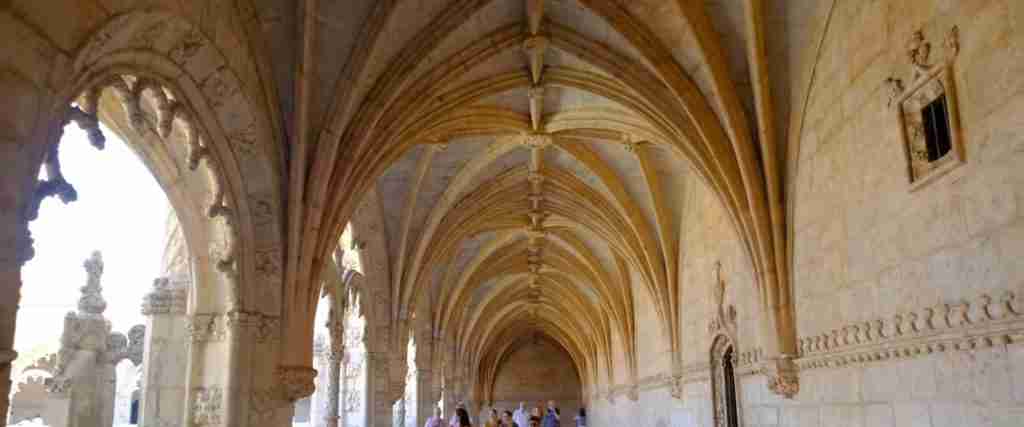
3 days
Lisbon 3-Day Discovery Tour
- ✓ Comprehensive Lisbon experience
- ✓ Expert local guides included
- ✓ All accommodation included
- ✓ Transportation provided

5 days
Lisbon 5-Day Highlights Experience
- ✓ Comprehensive Lisbon experience
- ✓ Expert local guides included
- ✓ All accommodation included
- ✓ Transportation provided
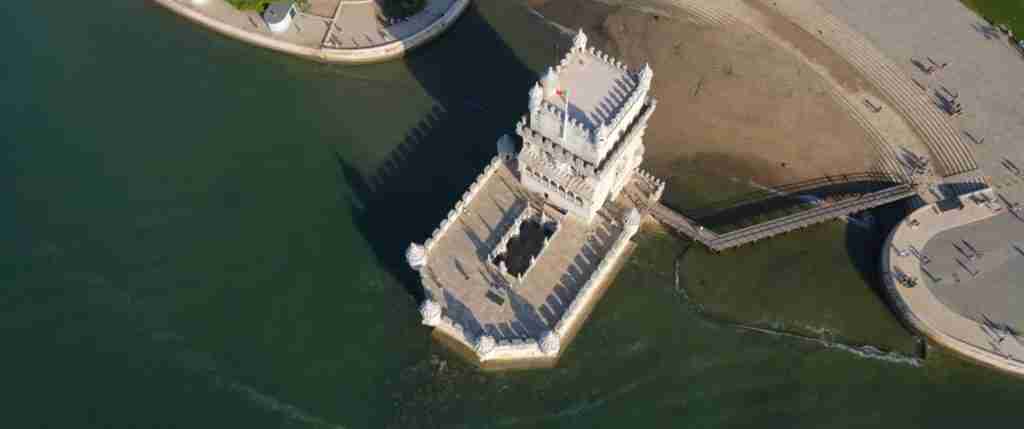
7 days
Lisbon 7-Day Cultural Journey
- ✓ Comprehensive Lisbon experience
- ✓ Expert local guides included
- ✓ All accommodation included
- ✓ Transportation provided
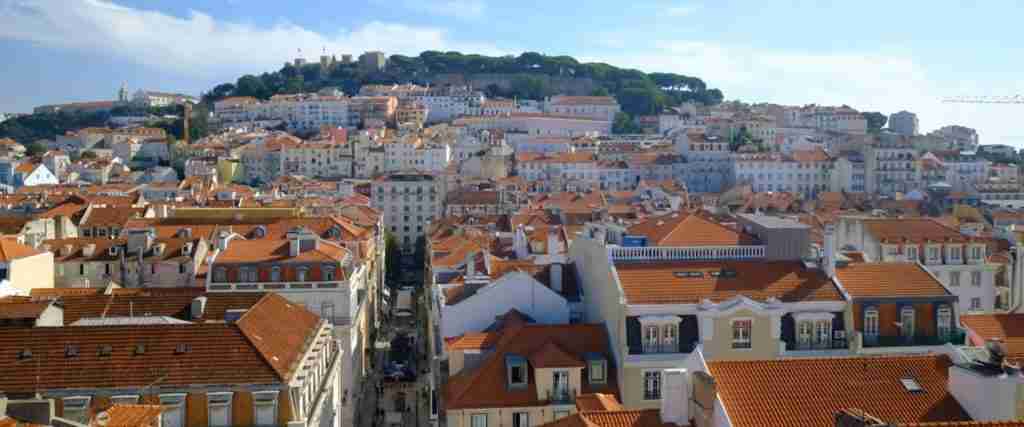
10 days
Lisbon 10-Day Complete Adventure
- ✓ Comprehensive Lisbon experience
- ✓ Expert local guides included
- ✓ All accommodation included
- ✓ Transportation provided
Multi-day tour packages powered by TourRadar. Prices and availability subject to change.
Introduction
Lisbon’s position on southwestern Europe’s Atlantic coast creates a Mediterranean climate moderated by ocean influences, delivering remarkably consistent conditions year-round compared to continental European capitals. The city experiences 2,800 annual sunshine hours—more than Rome or Athens—while Atlantic weather patterns prevent the extreme summer heat common in interior Iberian cities. This favorable climate positioning makes Lisbon accessible across all four seasons, though each period brings distinct advantages and trade-offs that significantly impact the visitor experience.
The seasonal equation in 2026 balances three primary variables: weather conditions, crowd density, and cultural programming. Summer delivers guaranteed sunshine and beach-worthy temperatures alongside maximum tourist numbers and premium pricing. Shoulder seasons offer the sweet spot of pleasant weather with manageable crowds and moderate costs. Winter provides budget-friendly access to the city’s indoor attractions with the compromise of occasional rain and shorter daylight hours. Understanding how these factors intersect month by month allows strategic planning aligned with individual travel priorities.
Festival concentrations add another layer to timing considerations. Major events like Rock in Rio and NOS Alive transform Lisbon into a music destination for specific weekends, while Festas de Lisboa spreads cultural celebrations across the entire month of June. Tech conferences including Web Summit create intense accommodation scarcity in November. These events both enhance and complicate visit planning—they offer unique experiences unavailable at other times while simultaneously driving prices upward and requiring months of advance booking to secure quality options.
Geographic positioning also influences seasonal patterns. Lisbon sits where the Tagus River widens into a bay rather than directly on the Atlantic coast, creating microclimates within the metropolitan area. Coastal suburbs like Cascais and Sintra experience cooler summer temperatures than central Lisbon due to ocean breezes and upwelling currents, while neighborhoods across the Tagus in Almada and Costa da Caparica capture more summer heat. These variations matter when planning beach days or escaping urban heat, and understanding them helps optimize day-trip timing throughout the year.
The 2026 calendar brings specific considerations. European travel demand rebounds strongly from pandemic disruptions, creating higher-than-historical tourist volumes particularly during school holiday periods. Rock in Rio returns after its two-year cycle, concentrating massive crowds on specific June weekends. Web Summit maintains its November position, blocking out accommodation across the city. Early booking becomes more critical in 2026 than in typical years, with prime options selling out 4-6 months ahead for peak periods rather than the historical 2-3 months.
Understanding Lisbon’s Climate and Seasonal Patterns 2026
Lisbon operates on a Mediterranean climate with Atlantic moderation, creating mild winters and warm but not extreme summers. The city’s latitude at 38.7°N places it roughly parallel to Washington DC and San Francisco, though ocean influences create fundamentally different weather patterns than either North American equivalent. The Azores High pressure system dominates summer months, bringing stable sunshine from May through September, while Atlantic low-pressure systems bring winter rainfall from October through April.
Temperature ranges remain remarkably moderate year-round. January, the coldest month, averages 11-15°C (52-59°F) during daytime with nighttime lows around 8-10°C (46-50°F). Freezing temperatures occur only in exceptional years—the record low of -1.5°C (29°F) happened in 1860 and again in 1985. August, the warmest month, typically reaches 23-28°C (73-82°F) during daytime with comfortable nights around 18-20°C (64-68°F). The Atlantic breeze prevents the intense heat common in Spain’s interior cities, though occasional Saharan air masses can push temperatures to 36-40°C (97-104°F) for brief periods during June through early September.
Rainfall follows a classic Mediterranean pattern with 810mm annual precipitation concentrated in the November-March window. November and December receive 127-128mm each with 12-15 rainy days monthly, representing the wettest period. Winter rain arrives as Atlantic frontal systems bringing intermittent showers rather than continuous drizzle—a typical rainy day in Lisbon features morning showers followed by afternoon clearing. Summer months from June through August receive almost no rain, with July recording just 4mm total and often zero measurable precipitation. This dramatic wet-dry seasonal swing influences everything from packing lists to activity planning.
Sunshine duration averages 2,800 hours annually with strong seasonal variation. July and August deliver 11 hours of sunshine daily with cloud cover only 20% of the time. December, the dullest month, drops to 5 hours daily sunshine with more frequent cloud coverage. Even winter months maintain respectable sunshine totals compared to northern European capitals—Lisbon’s December matches Paris’s June for solar radiation. This abundant year-round sunshine, combined with mild temperatures, explains why outdoor dining and café culture thrive even in winter months when other European cities retreat indoors.
Ocean temperatures follow a delayed seasonal pattern due to water’s thermal mass. The Atlantic off Lisbon’s coast ranges from 15°C (59°F) in February-March to 19-20°C (66-68°F) in August-October. Swimming becomes comfortable from late May onward when temperatures reach 18°C (64°F), with the warmest water arriving in September and early October rather than peak summer. Coastal upwelling events can temporarily drop temperatures by 2-3°C during strong north winds, creating variability within the swimming season. These cooler waters moderate summer heat and prevent the muggy conditions common in Mediterranean basin cities.
Wind patterns shift seasonally. Summer brings the “Nortada”—a consistent north-to-northwest wind that strengthens during afternoons, cooling coastal areas and creating ideal conditions for sailing and windsurfing. Winter winds blow predominantly from the west and southwest, bringing moisture off the Atlantic during storm systems. Cabo da Roca, just 40km west of Lisbon, has recorded gusts exceeding 169 km/h during intense winter storms, though the city proper remains more sheltered. These wind patterns influence micro-regional weather—western suburbs consistently run 2-3°C cooler than central Lisbon during summer due to maritime exposure.
Humidity varies inversely with temperature. Winter months average 78-80% relative humidity, creating damp conditions that make cool temperatures feel colder than thermometer readings suggest. Summer drops to 60-65% average humidity with daytime values often falling below 40%, creating the dry Mediterranean air quality that makes 28°C (82°F) feel comfortable rather than oppressive. Morning fog occurs occasionally during summer months along the coast, bringing light drizzle that clears by midmorning—locals call this “cacimba” and it creates temporarily wet streets despite no actual rain.
Climate change impacts emerge in recent data. Heat waves above 35°C (95°F) that historically occurred once per summer now appear 2-3 times annually, with the August 2018 record of 43.3°C (110°F) exceeding all previous maximums. Rainfall patterns show increased variability with heavier individual storms alternating with longer dry spells, though annual totals remain within historical ranges. These shifts create less predictability within traditional seasonal windows, making flexible itinerary planning more valuable than rigid schedules based purely on historical averages.
Month-by-Month Weather and Events Guide 2026
January 2026: Winter Calm and Budget Opportunities
January brings Lisbon’s coolest temperatures at 9-15°C (48-59°F) during daytime with nights dropping to 8-10°C (46-50°F). Expect 8-10 rainy days with moderate precipitation totaling 100-110mm for the month. Sunshine averages 5 hours daily with daylight lasting from approximately 7:45 AM to 5:30 PM. Ocean temperatures hit annual lows around 15°C (59°F), making beach activities impractical.
Tourist numbers reach annual minimums in January, creating excellent conditions for museum visits and indoor attractions without queues. Hotel prices drop 40-50% below summer peaks with mid-range properties available for €60-90 ($65-100) per night compared to €140-180 ($150-195) in August. Restaurant reservations become unnecessary even at popular establishments, and major attractions like São Jorge Castle see walk-up access without waits.
Cultural programming includes the New Year’s Concert at Centro Cultural de Belém (January 1) with tickets €5-18 ($5-20) featuring the Lisbon Metropolitan Orchestra. The month otherwise represents a quiet period between holiday celebrations and spring festival season, making it ideal for travelers prioritizing budget savings and peaceful exploration over weather perfection or special events. Pack layers including a waterproof jacket, as January rain can arrive unpredictably throughout the day.
February 2026: Carnival Energy and Transitional Weather
February maintains January’s temperature profile at 9-16°C (48-61°F) with slight warming toward month’s end. Rainfall continues at 8-10 days monthly totaling 95-105mm, while sunshine increases to 6 hours daily. Days lengthen noticeably with sunset extending to 6:15 PM by month’s end. Ocean temperatures remain at 15°C (59°F), limiting coastal activities to scenic walks rather than swimming.
Carnival arrives February 14-17 in 2026, transforming neighborhoods like Bairro Alto and Cais do Sodré with massive street parades featuring elaborate costumes, live music, and political satire. While Rio and Venice claim international fame for Carnival celebrations, Lisbon’s version delivers authentic local energy without overwhelming tourist crowds. Nearby Torres Vedras hosts Portugal’s most traditional Carnival events, accessible as a day trip for travelers seeking deeper immersion in the celebration.
February represents the tail end of winter pricing with similar hotel rates to January—€60-95 ($65-105) for mid-range properties. Crowds remain minimal except during the four-day Carnival weekend when Portuguese domestic tourists increase city population temporarily. The combination of improving weather trends, cultural programming, and continued off-season pricing makes February appealing for budget-conscious travelers who don’t mind occasional rain showers interrupting sightseeing.
March 2026: Spring Awakening and Cultural Programming
March signals spring’s arrival with temperatures rising to 12-18°C (54-64°F) and daylight extending to 12 hours daily by month’s end. Rainfall decreases to 8-9 days monthly with 53mm total precipitation, while sunshine increases to 7 hours daily. Jacaranda trees begin blooming in late March, adding purple canopies to neighborhoods throughout the city. Ocean temperatures inch upward to 15.5°C (60°F) but remain too cool for comfortable swimming.
ModaLisboa Fashion Week (March 7-9) opens the spring cultural season, showcasing Portuguese designers at venues like Pátio da Galé. Runway tickets cost €15-50 ($16-55) with general access allowing observation of street style and emerging talent around show venues. The Monstra Animation Festival (March 12-22) screens international animated cinema across various venues with tickets around €8-12 ($9-13) per screening.
Tourist numbers begin increasing in March though crowds remain well below summer levels. Hotel prices stay relatively low at €70-110 ($75-120) for mid-range properties—still 35-40% below peak season rates. March offers an optimal balance for travelers seeking early spring conditions without premium pricing, though packing should include rain gear as Atlantic frontal systems continue passing through regularly. The longer daylight hours make March substantially more appealing than January or February for sightseeing-focused itineraries.
April 2026: Ideal Shoulder Season Conditions
April delivers some of Lisbon’s most pleasant weather at 13-20°C (55-68°F) with 5-6 rainy days and sunshine increasing to 8 hours daily. Daylight extends past 7:30 PM by month’s end, allowing extended outdoor exploration. Jacaranda blooms peak in mid-April, creating spectacular purple-canopied streets throughout Alfama, Graça, and other neighborhoods. Ocean temperatures rise to 16°C (61°F)—still cool for swimming but comfortable for beach walks.
IndieLisboa International Film Festival (April 30-May 10) launches near month’s end, screening independent cinema at iconic venues like Cinema São Jorge. Tickets cost €6-15 ($7-16) per screening with festival passes offering better value for multiple films. The Lisbon Eco Marathon (April 12) attracts runners for a scenic route through the city combining sport with sustainability themes. Easter arrives April 5-6 in 2026, creating a brief accommodation price spike of 25-40% for the long weekend as European tourists take holiday breaks.
Hotel rates remain in shoulder-season territory at €90-140 ($100-150) for mid-range properties except during Easter weekend. Restaurant reservations become advisable for popular establishments on weekends though weeknight walk-ins remain possible. Tourist numbers increase noticeably from March levels but stay well below summer peaks, with major attractions experiencing 10-15 minute waits rather than the 45-60 minute queues common in July-August. April represents an optimal window for travelers prioritizing weather quality and reasonable crowd levels without requiring summer-specific beach activities or festival attendance.
May 2026: Peak Shoulder Season Excellence
May stands as one of Lisbon’s two ideal visiting months with temperatures reaching 15-23°C (59-73°F), only 3-4 rainy days totaling 54mm precipitation, and 9 hours of daily sunshine. Daylight extends from 6:30 AM to 8:30 PM, providing maximum exploration hours. Ocean temperatures climb to 17-18°C (63-64°F)—approaching comfortable swimming thresholds for hardy visitors, though many still find it cool. Beach season begins in earnest for sun-focused activities if not yet swimming.
Out Jazz Festival launches in May and continues through September, offering free Sunday evening concerts in parks and gardens featuring jazz, funk, soul, and hip-hop. Jardins Abertos (Open Gardens Festival) provides access to normally private green spaces across multiple weekends with tours and activities. The combination of improving weather, extending daylight, and cultural programming without major crowd-drawing festivals makes May exceptionally attractive.
Hotel prices remain moderate at €110-160 ($120-175) for mid-range properties—approximately 30% below peak summer rates. Restaurants see increased business but reservations remain straightforward even for weekend dinners with 24-48 hours notice. Tourist numbers climb notably from April but stay below the June threshold when festivals begin dominating the city calendar. May offers the best overall value proposition in 2026 for travelers seeking excellent weather, manageable crowds, and moderate pricing without compromising on sunny conditions or outdoor activity possibilities. The month essentially delivers summer weather at shoulder-season prices and crowd levels.
June 2026: Festival Peak and Summer Arrival
June marks summer’s arrival with temperatures reaching 18-26°C (64-79°F), minimal rainfall (0-2 rainy days, 16mm total), and 10 hours of sunshine daily. Daylight peaks at 15 hours with sunset around 9:00 PM by month’s end. Ocean temperatures finally reach comfortable swimming levels at 18-19°C (64-66°F), making beach combinations with city sightseeing practical for the first time since October.
Festas de Lisboa dominates the entire month, transforming neighborhoods with street decorations, grilled sardines, live music, and nightly celebrations peaking on Saint Anthony’s Day (June 12-13) when massive parades proceed down Avenida da Liberdade and entire districts compete in festive displays. This represents Lisbon’s biggest cultural event of the year, drawing both domestic Portuguese tourists and international visitors.
Rock in Rio Lisboa (June 20-21 and 27-28) creates the year’s most intense accommodation crunch. The festival draws 80,000 daily attendees to Parque Tejo across two weekends with international headliners. Tickets start around €70 ($76) per day and sell out months ahead. The festival’s impact extends far beyond attendees—hotels throughout Lisbon and surrounding cities book completely for these dates, often 6-9 months in advance. Travelers not attending Rock in Rio should avoid these specific weekends entirely or book accommodation by January to secure reasonable options.
Hotel prices surge to €160-240 ($175-260) for mid-range properties during Rock in Rio weekends, dropping to €140-200 ($150-215) for non-festival weeks. Restaurant reservations become essential even for weeknight dinners, and major attractions experience 30-45 minute wait times during midday hours. June represents peak festival season in Lisbon—visitors either embrace this energy and plan around it or deliberately avoid the month to escape crowds and premium pricing. The cultural programming is unmatched at any other time of year, but this comes at the cost of maximum tourist density and highest accommodation rates outside of August.
July 2026: Summer Heat and Major Music Festivals
July brings Lisbon’s warmest and driest conditions at 19-28°C (66-82°F) with 0-1 rainy days totaling just 4mm precipitation for the entire month. Sunshine reaches 11 hours daily—the year’s maximum—with cloudless skies dominating. Ocean temperatures peak at 19-20°C (66-68°F), providing optimal swimming conditions. The Atlantic breeze moderates afternoon heat, making 28°C (82°F) feel comfortable rather than oppressive, though occasional Saharan air masses can briefly push temperatures to 35-38°C (95-100°F).
Lisb-On Festival (July 3-4) brings electronic music to Monsanto Forest Park’s Jardim Keil do Amaral with a focus on house, techno, and disco. The 18+ event creates a different vibe from Rock in Rio, targeting electronic music enthusiasts in a park setting. NOS Alive (July 9-11) follows immediately at Passeio Marítimo de Algés, delivering Portugal’s premier indie and rock festival with international headliners and the motto “beach by day, music by night.” Festival passes provide the best value for multi-day attendance.
Tourist numbers peak in July rivaling August levels. European school holidays begin by mid-month, flooding the city with family travelers. Hotel prices reach €170-250 ($185-270) for mid-range properties with premium locations commanding even higher rates. Restaurants require reservations 3-5 days ahead for weekend dinners, and major attractions maintain 45-60 minute wait times throughout the day. Online ticket purchases become essential to avoid losing sightseeing hours in queues.
July suits travelers prioritizing guaranteed sunshine, beach-worthy temperatures, and major music festival attendance. The trade-offs include maximum crowds, premium pricing, and afternoon heat that makes midday sightseeing less comfortable than morning or evening hours. Strategic planning focuses on early morning starts for outdoor attractions, midday retreats to air-conditioned museums or coastal areas, and evening returns for neighborhoods like Alfama when temperatures drop and atmosphere intensifies.
August 2026: Peak Tourist Season and Maximum Heat
August represents Lisbon’s absolute tourist peak with temperatures at 19-28°C (66-82°F)—identical to July—and zero rainfall. Sunshine maintains 11 hours daily with persistent clear skies. Ocean temperatures reach annual highs at 20°C (68°F), making swimming optimal. Heat waves occur more frequently in August than July, with a higher probability of multi-day periods exceeding 33-35°C (91-95°F) when Saharan air masses dominate.
European school holidays reach full force in August, creating the year’s maximum tourist density. Portuguese locals often leave Lisbon for August beach holidays, creating the unusual situation where tourists outnumber residents in central neighborhoods. Wait times at major attractions extend to 60-90 minutes during midday hours. Public transport operates at capacity during peak hours, and popular beaches like Cascais and Costa da Caparica become crowded by late morning.
Hotel prices peak at €180-280 ($195-305) for mid-range properties with premium options exceeding €350 ($380) nightly. Many hotels implement minimum stay requirements of 3-5 nights during August. Restaurant reservations become mandatory for any popular establishment even on weeknights, often requiring booking a week ahead. The combination of maximum crowds, highest prices, and most intense heat makes August the most challenging month for comfortable Lisbon exploration.
August suits beach-focused travelers, those constrained by school holiday schedules, and visitors who embrace crowd energy as part of the experience. The month guarantees optimal swimming conditions and virtually zero rain risk, making it ideal for beach-centric itineraries splitting time between Lisbon and coastal destinations like Cascais, Sintra’s beaches, or Costa da Caparica. Budget-conscious travelers should avoid August entirely—the premium over shoulder seasons reaches 40-50% for comparable accommodation and dining experiences.
September 2026: Optimal Shoulder Season Return
September rivals May as Lisbon’s second ideal visiting month with temperatures at 18-27°C (64-81°F), only 3-4 rainy days totaling 33mm, and 9 hours of daily sunshine. Ocean temperatures remain at summer peaks around 19-20°C (66-68°F) due to water’s thermal lag—September often provides better swimming conditions than June despite being later in the season. Daylight remains substantial at 13 hours though sunset advances from 8:00 PM to 7:00 PM across the month.
The SBC Summit (September dates vary) brings 40,000 iGaming, betting, and esports professionals to Lisbon, creating concentrated hotel demand for that specific week but not affecting the broader month. Otherwise September features quieter cultural programming than summer months, making it ideal for travelers prioritizing weather quality and crowd avoidance over festival attendance.
Hotel prices drop substantially from August to €120-180 ($130-195) for mid-range properties—a 30-35% reduction while weather remains nearly identical. Restaurant reservations become optional again for weeknight dinners though weekend planning still advisable. Tourist numbers decline notably as European school terms resume, with wait times at major attractions falling to 15-25 minutes rather than the 45-60 minute summer peaks.
September offers exceptional value for travelers seeking summer weather without summer crowds or premium pricing. The combination of warm temperatures, low rainfall, comfortable ocean swimming, extended daylight, and shoulder-season pricing makes September the single best month for visitors prioritizing overall experience quality over access to specific festival programming. Beach and city combinations work optimally in September with warm water, sunny weather, and manageable crowds at both coastal and urban attractions.
October 2026: Pleasant Fall Transition
October brings autumn’s arrival with temperatures cooling to 16-22°C (61-72°F), increasing rainfall to 5-6 days totaling 101mm, and sunshine dropping to 7 hours daily. Ocean temperatures decline to 18-19°C (64-66°F)—still comfortable for swimming though noticeably cooler than September. Daylight shortens to 11 hours by month’s end with sunset around 6:00 PM, limiting evening outdoor activity options compared to summer months.
October features minimal festival programming, creating ideal conditions for travelers seeking peaceful exploration. The lack of major events combined with comfortable temperatures and manageable rainfall makes October attractive for museum-focused itineraries, neighborhood walking tours, and day trips to Sintra or Cascais without summer’s tourist density.
Hotel prices settle into shoulder-season territory at €95-145 ($105-160) for mid-range properties. Restaurant reservations become straightforward with walk-ins possible most evenings outside of particularly famous establishments. Tourist numbers drop to spring levels with major attractions accessible within 10-15 minutes wait time, and neighborhoods like Alfama and Belém maintaining character without overwhelming crowds.
October suits travelers who missed September’s optimal window or prefer slightly cooler temperatures for walking Lisbon’s steep hills. Rainfall increases compared to summer but remains moderate compared to winter months—most days see partial sunshine even when showers occur. The combination of pleasant temperatures, autumn colors, reduced crowds, and moderate pricing makes October a strong choice for flexible-schedule travelers not bound by specific festival or event attendance.
November 2026: Conference Season and Weather Transition
November marks the transition toward winter with temperatures at 12-18°C (54-64°F), significantly increased rainfall at 12-15 days totaling 128mm, and sunshine dropping to 5 hours daily. Ocean temperatures cool to 17°C (63°F), making swimming uncomfortable for most visitors. Daylight shortens to 10 hours with sunset around 5:00 PM, substantially limiting evening activity options. Humidity increases to 78-80%, making cool temperatures feel colder than thermometer readings suggest.
Portugal Tech Week (November 6-15) delivers 300+ tech, startup, and AI events across Lisbon and 20 other Portuguese cities, serving as the broader ecosystem umbrella for Web Summit. Web Summit itself (November 9-12) brings 70,000+ attendees from 150 countries to MEO Arena and FIL in Parque das Nações, representing the world’s largest tech conference. This single event creates the year’s most intense hotel shortage outside of Rock in Rio weekends—accommodation books 9-12 months ahead with prices spiking to summer levels or higher. Travelers not attending Web Summit should avoid November 7-14 entirely as the entire city becomes unavailable.
Outside Web Summit week, November offers excellent budget opportunities with hotel prices at €65-100 ($70-110) for mid-range properties—the year’s best rates alongside January-February. The combination of rainy weather and shorter days creates minimal tourist competition, making November ideal for museum-focused itineraries, indoor cultural attractions, and travelers prioritizing cost savings over weather perfection. The trade-off involves accepting 12-15 rainy days and limited daylight for outdoor exploration.
December 2026: Winter Charm and Holiday Atmosphere
December brings Lisbon’s wettest conditions at 12-15 rainy days totaling 127mm with the year’s shortest daylight at 9.5 hours and minimum sunshine at 5 hours daily. Temperatures drop to 10-15°C (50-59°F) with nights around 9-10°C (48-50°F). Ocean temperatures hit seasonal lows at 16°C (61°F), making beach activities impractical. The combination of rain, short days, and cool temperatures creates the year’s least favorable weather conditions for typical tourism activities.
Christmas markets appear in late November and run through December with Rossio Square hosting the most famous installation. Markets feature handmade gifts, local sweets like pastéis de nata and bolo rei (king cake), and festive lighting transforming central neighborhoods. New Year’s Eve brings fireworks displays across the city with major celebrations along the riverfront and in Praça do Comércio. Holiday season creates a cozy atmosphere with decorations, special menus at restaurants, and cultural programming focused on seasonal traditions.
Hotel prices drop to annual lows at €60-95 ($65-105) for mid-range properties except during Christmas week (December 22-26) and New Year’s week (December 28-January 2) when prices spike 40-60% due to holiday travelers. Tourist numbers remain minimal except during these two specific weeks, creating excellent conditions for quiet exploration between holiday peaks. December suits travelers who embrace atmospheric holiday charm, prioritize indoor cultural attractions, don’t mind rain interrupting outdoor plans, and seek maximum budget savings during non-holiday weeks.
Spring in Lisbon 2026: March, April, and May
Spring delivers Lisbon’s most dramatic seasonal transformation as temperatures rise from winter’s 12°C (54°F) to summer-approaching 23°C (73°F), rainfall decreases from 8-9 days monthly to just 3-4 days, and sunshine extends from 7 to 9 hours daily. Jacaranda trees burst into purple bloom across neighborhoods creating Instagram-worthy canopies, outdoor café terraces fill as temperatures become comfortable for extended sitting, and the city shakes off winter’s quieter energy as tourist numbers and local street life intensify.
March serves as the transition month with weather still variable—morning sunshine can give way to afternoon showers without warning, making layered clothing and a compact umbrella essential. Temperatures of 12-18°C (54-64°F) remain cool enough that sightseeing requires a light jacket, but warm enough that outdoor exploration becomes pleasant rather than the endurance test of January-February. ModaLisboa Fashion Week (March 7-9) signals the cultural season’s beginning, while Monstra Animation Festival (March 12-22) attracts cinema enthusiasts to venues across the city.
April represents spring’s sweet spot with temperatures reaching 13-20°C (55-68°F)—warm enough for comfortable all-day walking without the heat that makes July-August midday exploration taxing. Jacaranda blooms peak in mid-April, painting streets throughout Alfama, Graça, Príncipe Real, and other neighborhoods in spectacular purple. IndieLisboa Film Festival launches April 30, running into early May with screenings at iconic Cinema São Jorge and other venues. The Easter holiday (April 5-6 in 2026) creates a brief accommodation price spike as European tourists take long-weekend breaks, but the shoulder-season window before and after maintains attractive pricing.
May completes spring’s arc with temperatures at 15-23°C (59-73°F)—essentially summer conditions without summer crowds. Rainfall drops to minimal levels at 3-4 days monthly while sunshine extends to 9 hours daily, creating consistently pleasant conditions for outdoor activities. Beach season begins tentatively as ocean temperatures approach 17-18°C (63-64°F), though most visitors still find water too cool for extended swimming. Out Jazz Festival launches free Sunday concerts in parks and gardens, Jardins Abertos opens normally private green spaces for exploration, and the combination of excellent weather with moderate tourist numbers creates optimal sightseeing conditions.
Spring hotel pricing follows a gradual upward trajectory. March maintains near-winter rates at €70-110 ($75-120) for mid-range properties, April climbs to €90-140 ($100-150) with Easter weekend spiking higher, and May settles at €110-160 ($120-175)—still 30% below peak summer. Restaurant scenes shift from indoor dining dominance to outdoor terrace preference as temperatures allow, with reservations becoming increasingly advisable for weekend dinners particularly in May when both tourist numbers and local activity intensify.
Spring excels for photography enthusiasts due to jacaranda blooms, improving light quality, and architectural details enhanced by clear but not harsh sunshine. The season suits active travelers who prioritize extensive walking, as cooler temperatures make Lisbon’s steep hills less taxing than summer’s heat. Families with school-age children find spring attractive for Easter break travel, though flexible-schedule travelers gain advantages by visiting outside the Easter weekend premium. Overall, spring offers the year’s best combination of improving weather, manageable crowds, and reasonable pricing for travelers who don’t require beach swimming or major summer festival attendance.
Summer in Lisbon 2026: June, July, and August
Summer transforms Lisbon into a festival-driven, beach-oriented destination with temperatures at 18-28°C (64-82°F), virtually zero rainfall, 10-11 hours daily sunshine, and ocean temperatures reaching swimmable comfort at 18-20°C (64-68°F). The season brings maximum tourist density, premium pricing, intense cultural programming, and the logistical challenges of managing heat and crowds alongside the rewards of guaranteed sunshine and vibrant street energy.
June launches summer with Festas de Lisboa dominating the entire month. Neighborhoods compete in elaborate decorations, grilled sardines perfume evening air, live music fills streets nightly, and the celebration peaks on Saint Anthony’s Day (June 12-13) with massive parades and all-night dancing. This represents Lisbon’s cultural zenith—a month-long party showcasing Portuguese traditions. Rock in Rio Lisboa (June 20-21 and 27-28) creates concentrated intensity across two weekends with 80,000 daily attendees transforming the eastern Parque das Nações area into a music destination. These festival weekends require booking accommodation 6-9 months ahead as the entire metropolitan area approaches full capacity.
July sustains festival momentum with Lisb-On Festival (July 3-4) delivering electronic music in Monsanto Forest Park and NOS Alive (July 9-11) bringing indie and rock to the Algés waterfront. July represents peak weather conditions with 11 hours sunshine daily, minimal cloud coverage, and the year’s driest month at just 4mm total precipitation. Ocean temperatures reach 19-20°C (66-68°F), making swimming finally comfortable. The Atlantic breeze provides afternoon cooling that prevents the oppressive heat common in Spain’s interior cities, though occasional Saharan air masses can push temperatures to 35-38°C (95-100°F) for brief multi-day periods.
August brings absolute peak tourist season as European school holidays reach full force. Portuguese locals often depart Lisbon for August beach vacations, creating the unusual dynamic where tourists outnumber residents in central neighborhoods. Crowds reach annual maximums with wait times at major attractions extending to 60-90 minutes during midday hours. Hotel prices peak at €180-280 ($195-305) for mid-range properties, restaurants require reservations a week ahead for popular establishments, and public transport operates at capacity during peak hours. August guarantees optimal beach weather but delivers the year’s most challenging urban exploration conditions.
Summer accommodation strategy requires extreme advance planning. Rock in Rio weekends in June book 6-9 months ahead, July music festivals require 3-4 months lead time, and general August availability demands 4-6 months advance reservation for quality options. Last-minute summer travel to Lisbon risks severely limited choices at premium prices or distant suburban locations requiring lengthy commutes. Travelers with flexible dates should target early June or late September to capture similar weather without peak crowds.
Summer dining shifts toward outdoor terraces and late evening meals aligning with Portuguese customs—dinner reservations at 9:00-10:00 PM become common as locals avoid afternoon heat. Seafood focus intensifies with grilled sardines, octopus, and fresh fish dominating menus. Reservations become essential even for casual restaurants in tourist neighborhoods, often requiring 3-7 days advance booking for weekend dinners. The combination of tourist demand and local preference for summer evening dining creates unprecedented restaurant pressure.
Beach integration becomes practical in summer with ocean temperatures finally comfortable for extended swimming. Day trips to Cascais, Costa da Caparica, or Sintra’s beaches provide heat relief while maintaining Lisbon as accommodation base. Morning city sightseeing followed by afternoon beach time creates optimal rhythm during July-August when midday urban temperatures exceed comfort thresholds. Public transport to beaches operates frequently but reaches capacity by late morning—departing Lisbon before 10:00 AM ensures seating and beach space before crowds arrive.
Summer suits travelers prioritizing festival attendance, beach activities, guaranteed sunshine, and vibrant nightlife over budget constraints or peaceful exploration. The season demands accepting crowds as inherent to the experience, embracing late-evening dining schedules, managing heat through strategic timing, and committing to substantial advance planning for both accommodation and attraction tickets. Visitors seeking Lisbon’s cultural energy at maximum intensity find summer unmatched despite premium pricing and logistical complexity.
Fall in Lisbon 2026: September, October, and November
Fall reverses spring’s trajectory as temperatures decline from summer’s 27°C (81°F) to winter-approaching 18°C (64°F), rainfall increases from minimal summer levels to significant November totals, and tourist numbers drop from peak season maximums to shoulder-season comfort. The season divides into early fall’s summer-equivalent conditions and late fall’s winter transition, with September and October delivering excellent travel windows while November brings weather challenges compensated by minimal crowds.
September extends summer conditions without summer crowds or pricing—temperatures at 18-27°C (64-81°F) match July while tourist numbers drop 30-40% as European school terms resume. Ocean temperatures remain at annual highs around 19-20°C (66-68°F) due to water’s thermal lag, often making September better for swimming than June despite being later in the calendar. Rainfall stays minimal at 3-4 days monthly with 9 hours daily sunshine, creating conditions nearly identical to May but with warmer water. Hotel prices drop 30-35% from August to €120-180 ($130-195) for mid-range properties while weather quality remains unchanged.
October continues pleasant conditions at 16-22°C (61-72°F) with gradually increasing rainfall to 5-6 days monthly and cooling ocean temperatures to 18-19°C (64-66°F). Daylight shortens noticeably to 11 hours by month’s end with sunset around 6:00 PM, beginning to limit evening outdoor activities. Autumn colors emerge in parks and gardens, creating photographic opportunities different from spring’s jacaranda purple. Tourist numbers settle into comfortable levels with major attractions accessible within 10-15 minutes wait time, and neighborhoods maintaining authentic local character without overwhelming visitor presence.
November marks abrupt transition toward winter with temperatures dropping to 12-18°C (54-64°F), rainfall surging to 12-15 days totaling 128mm, and sunshine declining to just 5 hours daily. Ocean temperatures cool to 17°C (63°F), making swimming uncomfortable. Daylight shortens dramatically to 10 hours with sunset around 5:00 PM, substantially reducing exploration windows. The month divides into two distinct periods: early November’s shoulder-season opportunity and mid-November’s Web Summit chaos.
Web Summit (November 9-12) brings 70,000+ tech conference attendees, creating the year’s most intense hotel shortage outside June’s Rock in Rio weekends. Accommodation books 9-12 months ahead with rates spiking to €200-350+ ($215-380+) for that specific week. Portugal Tech Week (November 6-15) spans 300+ related events across the city and country. Travelers not attending these tech events should avoid November 7-14 entirely as hotel availability essentially disappears and prices surge to summer peaks or higher for substantially worse weather.
Fall hotel pricing follows predictable decline outside November’s tech week. September commands €120-180 ($130-195) for mid-range properties—excellent value for summer-quality weather. October drops to €95-145 ($105-160), while early November (avoiding Web Summit) plummets to €65-100 ($70-110)—the year’s best rates outside January-February. This pricing structure creates strong incentives for flexible travelers to target September or early October when weather advantages justify modest premiums over November’s rock-bottom rates.
Fall restaurant scenes transition from summer’s outdoor terrace dominance back toward indoor dining as evenings cool. Reservations remain advisable for weekend dinners in September and October but become optional by November except at particularly famous establishments. Menu focus shifts from summer’s grilled sardines toward heartier stews, roasted meats, and comfort foods aligning with cooler temperatures. The seasonal cuisine transition adds variety for food-focused travelers compared to summer’s seafood-centric offerings.
Fall photography benefits from changing light quality—September’s warm golden hour light differs from summer’s harsher brightness, while October’s occasional morning mist creates atmospheric conditions absent during dry summer months. The season suits travelers seeking summer weather without summer crowds (September), comfortable walking temperatures without heat concerns (October), or maximum budget savings with weather trade-offs accepted (November outside Web Summit week). Overall, early fall delivers exceptional value while late fall requires accepting significant weather compromises in exchange for minimal tourist competition and lowest annual pricing.
Winter in Lisbon 2026: December, January, and February
Winter brings Lisbon’s coolest temperatures, highest rainfall, shortest daylight, and minimal tourist presence, creating the year’s most challenging weather conditions balanced by rock-bottom pricing and peaceful exploration opportunities. The season appeals primarily to budget-focused travelers, museum and indoor culture enthusiasts, and visitors who embrace atmospheric winter charm over guaranteed sunshine.
December opens winter with 12-15 rainy days totaling 127mm, temperatures at 10-15°C (50-59°F), and just 9.5 hours daylight with 5 hours sunshine daily. Christmas markets transform Rossio Square and other central locations from late November through December, featuring handmade crafts, traditional sweets including pastéis de nata and bolo rei, and festive lighting. New Year’s Eve brings fireworks along the riverfront and major celebrations in Praça do Comércio. Holiday atmosphere compensates partially for weather challenges, though the period December 22-January 2 sees hotel prices spike 40-60% above typical winter rates as holiday travelers arrive.
January represents winter’s nadir with temperatures at 9-15°C (48-59°F), 8-10 rainy days totaling 100-110mm, and 5 hours sunshine daily. Ocean temperatures drop to annual lows around 15°C (59°F), making any coastal activities purely scenic rather than swimming-oriented. Tourist numbers hit yearly minimums, creating museum and attraction access without queues, immediate restaurant seating without reservations, and neighborhood exploration without crowd navigation. Hotel prices plummet to €60-90 ($65-100) for mid-range properties—half of summer rates—making January the budget traveler’s optimal window despite weather compromises.
February maintains January’s temperature profile at 9-16°C (48-61°F) with slight warming trend toward month’s end. Rainfall continues at 8-10 days totaling 95-105mm while sunshine increases marginally to 6 hours daily. Carnival arrives February 14-17 in 2026, injecting energy into an otherwise quiet cultural calendar. Street parades in Bairro Alto and Cais do Sodré feature elaborate costumes and live music, while nearby Torres Vedras hosts Portugal’s most traditional Carnival celebrations accessible as day trip. This four-day period creates brief hotel demand spike to €90-120 ($100-130) before returning to winter baselines.
Winter rainfall patterns require understanding for effective planning. Precipitation arrives as Atlantic frontal systems bringing intermittent showers rather than continuous all-day rain. A typical winter rainy day features morning showers, midday clearing, afternoon clouds, and possible evening showers—not the persistent drizzle common in northern European cities. This pattern makes outdoor activities possible with flexible scheduling and waterproof gear, though unpredictability creates frustration for rigid itineraries requiring specific timing.
Winter cultural programming shifts toward indoor venues. Museums including MAAT, Calouste Gulbenkian, and National Tile Museum offer excellent rainy-day alternatives without summer’s crowd pressure. Fado performances in traditional houses across Alfama and Bairro Alto create atmospheric evening activities independent of weather. Historic covered markets like Mercado da Ribeira provide culinary exploration and shelter during rain. The city’s substantial indoor attraction inventory makes winter viable for culture-focused itineraries that don’t depend on outdoor sightseeing.
Winter packing requires layers and waterproofing. Temperatures rarely drop below 8°C (46°F) but humidity at 78-80% makes cool air feel colder than thermometer readings suggest. A waterproof jacket, umbrella, comfortable waterproof walking shoes, and layerable clothing handle typical conditions. Hotels provide heating though not always to northern European standards—consider booking properties with modern climate control systems rather than older buildings with minimal heating infrastructure.
Winter suits specific traveler profiles: extreme budget focus accepting weather trade-offs, museum and indoor culture enthusiasts, visitors combining Lisbon with Madeira or Azores where winter offers different appeal, and travelers fleeing harsher northern European climates where Lisbon’s 10-15°C (50-59°F) represents relative warmth. The season demands flexibility to adapt to weather changes, acceptance of short daylight limiting exploration windows, and recognition that beach activities, outdoor photography, and al fresco dining become impractical or limited compared to warmer months.
Major Festivals and Events Calendar 2026
Lisbon’s 2026 cultural calendar concentrates major events into distinct seasonal windows, creating periods of intense programming interspersed with quieter months focused on everyday city rhythms. Understanding festival timing proves essential for travelers both seeking these experiences and attempting to avoid their crowd and pricing impacts.
Music Festivals and Concerts
Rock in Rio Lisboa dominates Lisbon’s festival landscape as the year’s largest music event. The festival occupies two weekends—June 20-21 and June 27-28—at Parque Tejo in eastern Lisbon, drawing 80,000 attendees daily across four total days. International headliners perform on multiple stages with tickets starting around €70 ($76) per day, selling out 3-6 months ahead of the event. Rock in Rio creates the year’s most severe accommodation shortage, with hotels throughout Lisbon and surrounding municipalities booking completely 6-9 months in advance. The festival’s impact extends far beyond attendees—restaurants, public transport, and the entire eastern city infrastructure operate at maximum capacity these weekends.
NOS Alive (July 9-11) represents Portugal’s premier indie and rock festival at Passeio Marítimo de Algés along the Tagus riverfront. Three days of international and Portuguese acts draw music enthusiasts with the festival motto “beach by day, music by night” encouraging daytime coastal activities before evening performances. Tickets offer better value than Rock in Rio with multi-day passes providing cost savings over single-day purchases. The festival creates concentrated hotel demand but less severe than Rock in Rio’s city-wide impact.
Lisb-On Festival (July 3-4) serves electronic music enthusiasts with house, techno, and disco in Monsanto Forest Park’s Jardim Keil do Amaral. The 18+ event creates an intimate atmosphere compared to massive rock festivals, targeting dedicated electronic music fans. The two-day format makes it accessible for weekend visitors without requiring extended Lisbon stays.
Out Jazz Festival operates differently—free Sunday concerts in parks and gardens running May through September. The extended season spreads attendance across months rather than concentrating crowds, featuring jazz, funk, soul, and hip-hop in outdoor settings. The free admission and distributed schedule make Out Jazz accessible for general visitors rather than requiring dedicated festival attendance planning.
Cultural Celebrations and Traditional Festivals
Festas de Lisboa spans the entire month of June with Saint Anthony’s Day (June 12-13) serving as the central celebration. Neighborhoods throughout the city compete in elaborate decorations featuring paper streamers, traditional lanterns, and thematic displays. Grilled sardines perfume evening air as street vendors prepare traditional festival food, live music fills neighborhood squares, and dancing continues until dawn. The most spectacular displays occur in historic neighborhoods like Alfama, Mouraria, and Graça where narrow streets intensify the festive atmosphere.
Saint Anthony’s Day itself brings massive parades down Avenida da Liberdade with neighborhood groups presenting choreographed performances, traditional costumes, and themed floats. The entire city essentially becomes one continuous street party June 12-13, with locals and tourists mixing in celebrations that showcase Portuguese cultural traditions. Hotel demand peaks during this period though not reaching Rock in Rio’s intensity, and restaurants book completely for evening seatings requiring reservations weeks in advance.
Carnival (February 14-17 in 2026) brings street parades to Bairro Alto and Cais do Sodré featuring elaborate costumes, live music, political satire, and party atmosphere. While less internationally famous than Rio or Venice, Lisbon’s Carnival maintains authentic Portuguese character without overwhelming tourist commercialization. Torres Vedras, accessible as day trip, hosts Portugal’s most traditional Carnival celebrations for travelers seeking deeper immersion. The four-day festival creates brief hotel demand spike but nothing approaching summer festival levels.
Film, Fashion, and Arts Programming
IndieLisboa International Independent Film Festival (April 30-May 10) represents one of Europe’s leading independent cinema events, screening documentaries, shorts, features, and experimental works at venues including the iconic Cinema São Jorge. Tickets cost €6-15 ($7-16) per screening with festival passes offering value for multiple films. The festival attracts cinema enthusiasts and industry professionals, creating moderate accommodation demand without the mass-market impact of music festivals.
ModaLisboa Fashion Week (March 7-9) showcases Portuguese designers at venues like Pátio da Galé. Spring/summer collections debut with runway shows, emerging talent showcases, and street style opportunities around venue areas. Runway tickets cost €15-50 ($16-55) with general access allowing observation of fashion industry activity. The event appeals to fashion enthusiasts and industry insiders rather than general tourists, creating minimal broader city impact beyond venue areas.
Monstra Animation Festival (March 12-22) celebrates animated cinema from around the world through screenings, retrospectives, competitions, and exhibitions at various venues. Tickets run approximately €8-12 ($9-13) per screening. The specialized focus creates niche appeal rather than mass attendance, making it accessible for animation enthusiasts without requiring extensive advance planning.
Tech and Business Conferences
Web Summit (November 9-12) represents the world’s largest tech conference, bringing 70,000+ attendees from 150+ countries to MEO Arena and FIL in Parque das Nações. The four-day event features keynote speakers, startup competitions, networking events, and industry sessions covering technology, AI, crypto, and fintech. Tickets sell out rapidly—often 6-9 months ahead—with prices varying by access level and timing of purchase.
Web Summit creates the year’s most intense accommodation shortage outside Rock in Rio weekends. Hotels throughout Lisbon and surrounding cities book 9-12 months ahead with prices spiking to €200-350+ ($215-380+) for conference week—matching or exceeding summer peak rates despite November’s substantially worse weather. Travelers not attending Web Summit should avoid November 7-14 entirely as availability essentially disappears across the entire metropolitan area.
Portugal Tech Week (November 6-15) serves as broader umbrella encompassing 300+ events across Lisbon and 20 other Portuguese cities. Startup showcases, AI demonstrations, deep tech presentations, and digital arts exhibitions fill venues throughout the country with cumulative attendance exceeding 50,000. This distributed programming intensifies demand across multiple cities simultaneously rather than concentrating purely in Lisbon.
Strategic Festival Planning
Festival attendance requires months of advance planning. Rock in Rio weekends demand booking accommodation 6-9 months ahead—waiting until 3-4 months before the event leaves only expensive options in distant suburbs. Web Summit requires similar lead times with hotel blocks for large groups secured 9-12 months out. NOS Alive and other summer festivals need 3-4 months advance booking for quality central accommodation.
Festival avoidance requires equal planning. Travelers deliberately avoiding Rock in Rio weekends (June 20-21, 27-28) gain substantially better accommodation availability and pricing by targeting June 1-18 or shifting visits to May or July. Web Summit week (November 7-14) should be completely avoided by non-attendees as accommodation scarcity extends even to budget options in distant locations. Understanding these concentrated impact periods allows strategic scheduling around rather than during peak festival weeks.
Crowd Levels and Peak Tourist Seasons Throughout 2026
Lisbon’s tourist density follows predictable seasonal patterns with summer months (June-August) delivering peak crowds, spring and fall (April-May, September-October) offering shoulder-season balance, and winter (November-March) providing minimal tourist presence. Understanding crowd dynamics allows strategic timing to match individual tolerance for tourist density against weather and pricing trade-offs.
August represents absolute peak tourist season with the highest visitor numbers of any month. European school holidays reach full force, Portuguese locals often depart for beach vacations creating tourist-dominated central neighborhoods, and wait times at major attractions extend to 60-90 minutes during midday hours. São Jorge Castle, Jerónimos Monastery, Belém Tower, and other marquee sites experience continuous queuing from opening through late afternoon. Online ticket purchases become essential rather than optional to avoid losing hours in entrance lines.
July rivals August for crowd density though slightly lower overall numbers. The presence of NOS Alive and other music festivals concentrates certain demographics while families begin arriving as school terms end across Europe. Public transport operates at capacity during morning and late afternoon hours, popular restaurants require reservations 5-7 days ahead even for weeknight dinners, and beaches near Lisbon including Cascais and Costa da Caparica reach capacity by late morning requiring early departures for space and parking.
June experiences variable crowd patterns depending on festival timing. Early June (before Rock in Rio weekends) maintains spring shoulder-season conditions with manageable tourist numbers. Rock in Rio weekends (June 20-21, 27-28) bring overwhelming crowds concentrating in eastern Lisbon near Parque Tejo but radiating throughout the city as 80,000 daily festival attendees fill hotels, restaurants, and transport. Festas de Lisboa spreads visitors across the month with peak density on Saint Anthony’s Day (June 12-13) when parades and celebrations flood central areas.
Spring shoulder season (April-May) delivers comfortable crowd levels substantially below summer peaks. Major attractions experience 10-20 minute wait times rather than 45-90 minutes, restaurants accept walk-in diners on weeknights though weekend reservations remain advisable, and neighborhoods maintain authentic local character without tourist saturation. May sees higher numbers than April as weather improves and travelers anticipate summer, but both months provide pleasant exploration conditions without the pressure of peak season density.
Fall shoulder season (September-October) mirrors spring patterns. September experiences early-month tapering as summer crowds depart when European schools resume, creating rapid improvement over August conditions while weather remains nearly identical. October continues comfortable levels with further declines as temperatures cool and rainfall increases. Both months allow spontaneous restaurant dining on weeknights, reasonable attraction wait times, and neighborhood walks without constant crowd navigation.
November through March represents off-season with minimal tourist presence outside specific conference weeks. Winter months see substantially reduced visitor numbers as weather challenges and limited daylight discourage casual tourism. Major attractions become accessible with essentially no wait times, restaurants rarely require reservations outside particularly famous establishments, and neighborhoods feel authentically local rather than tourist-oriented. Web Summit week (November 9-12) creates dramatic exception with conference attendees flooding the city, but surrounding weeks maintain quiet winter patterns.
Crowd management strategies vary by tolerance level. Extreme crowd-averse travelers should target November-March outside conference weeks or shoulder seasons (April-May, September-October) accepting modest weather compromises for substantially reduced density. Weather-priority travelers accept summer crowds as necessary trade-off for guaranteed sunshine, employing tactical approaches: early morning starts before tour groups arrive (attractions before 9 AM), midday retreats to air-conditioned museums or coastal areas, evening returns when crowds disperse and temperatures moderate, and advance online ticket purchases for all major sites.
Specific venue timing proves critical during peak seasons. Belém’s monastery and tower experience heaviest crowds 11 AM-3 PM—arriving at 9 AM opening or after 4 PM substantially reduces wait times. Alfama’s castle sees similar patterns with midday queues longest. Tram 28 becomes nearly impossible to board at popular stops during summer midday—starting from terminal points at either end rather than mid-route central stops improves boarding success. These tactical adjustments allow navigating peak season without surrendering entire itinerary days to queue management.
Weekend versus weekday patterns intensify during shoulder seasons. April-May and September-October weekends see Portuguese domestic tourists augmenting international visitors, creating localized crowding at popular restaurants and attractions while weekdays maintain comfortable levels. Summer months show less weekend-weekday differentiation as continuous international tourist flow overwhelms local weekend patterns. Winter reverses the equation with weekends showing marginally higher activity but overall minimal crowds regardless of day.
Neighborhood density varies throughout the year. Alfama, Belém, Bairro Alto, and Chiado experience heaviest tourist concentrations during all seasons due to marquee attractions and central locations. Summer brings saturation to these areas while surrounding neighborhoods like Graça, Mouraria, and Santos maintain more balanced tourist-local ratios. Winter reduces pressure throughout but tourist-focused neighborhoods still see proportionally higher visitor presence than residential districts. Strategic accommodation selection in less-central neighborhoods provides authentic local atmosphere while maintaining easy access to tourist zones.
Best Time for Different Travel Styles and Interests
Budget-Conscious Travelers
January, February, and November (outside Web Summit week) deliver optimal budget windows with hotel rates 40-50% below summer peaks at €60-100 ($65-110) for mid-range properties. November offers the single best rate-to-weather ratio with temperatures at 12-18°C (54-64°F)—cool but not frigid—though accepting 12-15 rainy days monthly. January and February push budget maximization to extremes with rock-bottom pricing compensating for coldest temperatures and highest rainfall totals.
These winter months eliminate typical summer tourist expenses: no expensive advance-purchased attraction tickets necessary as walk-up access works fine, restaurant walk-ins available without premium-table markups, public transport uncrowded allowing flexible timing rather than expensive taxi alternatives during rush peaks, and spontaneous itinerary changes possible without losing deposits on sold-out tours or events. The cumulative savings extend beyond accommodation to all travel categories.
Early shoulder seasons (March-April, October-November) provide budget advantages while moderating weather compromises. March and October deliver 30-35% hotel savings versus summer at €70-145 ($75-160) with substantially better weather than January-February. These months suit travelers balancing cost consciousness against desire for outdoor sightseeing opportunities that winter’s rain and short daylight limit.
Beach and Swimming Focus
Late May through September represents the swimming season with ocean temperatures reaching comfortable 18-20°C (64-68°F). July and August provide warmest water and most reliable beach weather with virtually zero rainfall, though crowds at popular beaches require early morning arrival for optimal space. September delivers ideal beach conditions with warm carryover water temperatures from summer, sunny weather, and substantially reduced beach crowding as European tourists depart—the single best month for combining city exploration with beach time.
Early June and late May serve beach-tentative travelers who prioritize swimming as secondary activity. Water temperatures at 17-18°C (63-64°F) prove cool but tolerable for hardy swimmers and adequate for wading, sandcastle building, and beach lounging without extended water time. October continues marginal swimming season with temperatures dropping to 18-19°C (64-66°F)—comfortable for some, cool for others, making it dependent on individual cold-water tolerance.
Festival and Cultural Event Enthusiasts
June stands as the cultural calendar’s peak with Festas de Lisboa throughout the month and Rock in Rio dominating two weekends. Music festival focus shifts this toward July with NOS Alive and Lisb-On Festival, while tech industry professionals target November’s Web Summit despite challenging weather. Spring months (March-May) offer film and fashion programming with IndieLisboa and ModaLisboa appealing to specialized interests rather than mass audiences.
Festival-focused travelers must commit to extreme advance planning—6-9 months for Rock in Rio accommodation, 3-4 months for NOS Alive, 9-12 months for Web Summit. This forward planning requirement creates inflexibility that eliminates spontaneous travel possibilities, but access to world-class festival experiences compensates for reduced scheduling freedom. The alternative approach targets months between major festivals (April-May, September-October) to experience the city without event-driven crowds and pricing.
Photography and Instagram Focus
Mid-April delivers peak conditions for Lisbon’s signature jacaranda blooms painting streets throughout Alfama, Graça, and Príncipe Real in spectacular purple. The brief 2-3 week bloom window creates Instagram-worthy canopies impossible to replicate at other times. Combine this with spring’s improving light quality and moderate crowds for optimal photography conditions. September offers different appeal with golden hour light quality superior to summer’s harsh brightness and occasional morning mist creating atmospheric conditions.
Summer months provide maximum sunshine for architectural photography and reliably clear skies for viewpoint panoramas, though midday light becomes too harsh for optimal results—serious photographers should work morning and evening golden hours. Winter’s soft light and dramatic cloud formations create moody atmospheric shots impossible during summer’s cloudless stretches, appealing to photographers seeking variety over guaranteed sunshine.
Museum and Indoor Cultural Focus
Winter months (November-March) excel for museum-focused itineraries. Major institutions including MAAT, Calouste Gulbenkian Museum, National Tile Museum, and Berardo Collection Museum operate with minimal crowds, allowing extended contemplation without summer’s tourist pressure. Shorter daylight and frequent rain make indoor cultural activities more appealing rather than frustrating limitations. The combination of rock-bottom pricing, uncrowded museums, and weather that naturally encourages indoor time creates optimal conditions for culture-intensive travelers.
Shoulder seasons (April-May, September-October) balance indoor and outdoor cultural activities. Comfortable temperatures make neighborhood walking tours and viewpoint visits pleasant while still allowing museum retreats during occasional rain. These months suit travelers seeking comprehensive cultural immersion spanning both indoor collections and outdoor architectural heritage without weather extremes limiting either category.
Food and Culinary Tourism
September through November delivers optimal culinary timing. Fall harvest brings seasonal ingredients including mushrooms, game, chestnuts, and wine country abundance. Restaurant reservations become manageable again after summer’s chaos while outdoor terrace dining remains pleasant through October. Mercado da Ribeira and other food markets operate without summer’s overwhelming tourist crowds, allowing comfortable exploration and tastings.
June provides different culinary appeal with grilled sardines dominating Festas de Lisboa street food, traditional recipes appearing on restaurant menus for seasonal celebrations, and outdoor dining reaching peak atmospheric intensity. The trade-off involves accepting reservation requirements and tourist-driven crowding at popular establishments. Winter months (November-March) shift toward hearty stews and comfort foods with the advantage of easy restaurant access but limited outdoor dining opportunities.
Active and Hiking-Oriented Travelers
April-May and September-October provide ideal temperatures for extensive walking, hiking Sintra’s mountain trails, or exploring coastal paths. Temperatures at 15-25°C (59-77°F) allow all-day outdoor activity without the heat exhaustion risk that July-August’s 28°C+ (82°F+) creates on Lisbon’s steep hills. Spring adds jacaranda blooms and wildflowers to hiking scenery while fall delivers golden hour light and harvest-season landscapes.
Summer months require heat management strategies: early morning starts before 10 AM for hiking and strenuous activities, midday breaks at coastal areas or air-conditioned venues, evening returns for urban walks when temperatures drop. Winter’s cool temperatures make walking comfortable but rain interruptions and short daylight limit full-day outdoor itineraries. Serious hikers should target shoulder seasons when weather reliability and temperature ranges optimize all-day outdoor activity.
Seasonal Accommodation Pricing and Booking Strategy 2026
Lisbon’s accommodation market operates on dramatic seasonal pricing swings with summer peaks reaching 2.5x winter minimums. Understanding these patterns and critical booking windows allows substantial savings while securing quality options rather than accepting limited availability at inflated rates. The 2026 calendar brings specific challenges with festival concentrations and strong post-pandemic travel demand requiring earlier booking than historical norms.
Winter pricing (November-March outside holiday weeks) represents the market floor at €60-100 ($65-110) for mid-range hotels and €35-60 ($38-65) for quality hostels. Budget properties offering private rooms with ensuite bathrooms—not dormitories—become accessible at €50-75 ($55-82) during January-February. These rates include central locations within walking distance of major attractions rather than distant suburbs. Boutique properties that command €180-250 ($195-270) in July drop to €80-130 ($87-140) in January, creating upgrade opportunities for budget-conscious travelers willing to accept winter weather compromises.
Spring shoulder season (March-May) follows upward pricing trajectory. March maintains near-winter rates at €70-110 ($75-120), April climbs to €90-140 ($100-150), and May reaches €110-160 ($120-175)—still 30% below peak summer despite weather approaching summer quality. Easter weekend (April 5-6 in 2026) creates brief 25-40% spike for the three-night period as European tourists take long weekend breaks, but surrounding weeks maintain normal shoulder-season rates. Booking 2-3 months ahead secures good availability at these shoulder-season rates.
Summer pricing (June-August) peaks at €140-280+ ($150-305+) for mid-range properties with substantial variation based on specific dates. Early June before Rock in Rio weekends commands €140-180 ($150-195), Rock in Rio weekends (June 20-21, 27-28) surge to €220-320+ ($240-350+), regular July weeks settle at €170-240 ($185-260), and August peaks at €180-280 ($195-305) with minimum stay requirements of 3-5 nights common. Premium neighborhood properties in Chiado, Bairro Alto, or Alfama reach €300-500+ ($325-545+) during August and Rock in Rio weekends.
Fall shoulder season (September-October) mirrors spring’s pattern in reverse. September opens at €140-190 ($150-205) immediately after August peak, then drops to €120-180 ($130-195) mid-month as European school resumption reduces demand. October continues decline to €95-145 ($105-160). These rates deliver 30-40% savings versus summer while weather remains excellent, creating exceptional value proposition. Booking 2-3 months ahead ensures availability though last-minute options exist unlike summer’s sell-out patterns.
November shows extreme bifurcation. Early November (November 1-7) and late November (November 15-30) maintain off-season rates at €65-100 ($70-110). Web Summit week (November 7-14) explodes to €200-350+ ($215-380+) with availability essentially zero without 9-12 month advance booking. Hotels implement minimum 3-4 night stays for Web Summit week and many properties allocate all inventory to conference blocks months ahead. Travelers not attending Web Summit should completely avoid this specific week as even budget hostels charge premium rates and distance from city center becomes extreme for remaining availability.
Critical booking windows vary by season and event concentration. Rock in Rio weekends require 6-9 months advance booking—waiting until March 2026 for June dates leaves only expensive options in distant suburbs or satellite cities. Web Summit demands 9-12 months lead time with corporate groups blocking hotel inventory even earlier. General summer travel (July-August) needs 4-6 months ahead for quality central properties at reasonable rates—booking in April-May for August travel finds substantially higher prices and reduced selection versus January-February booking.
Shoulder season booking follows more forgiving timelines. April-May and September-October maintain good availability with 2-3 months advance booking, though specific weekends around popular events (Easter, ModaLisboa) benefit from earlier commitment. Winter months outside holiday weeks allow 4-8 weeks advance booking without significant availability concerns or pricing disadvantages—last-minute deals occasionally appear as hotels discount unsold inventory.
Neighborhood selection impacts both pricing and experience. Chiado, Bairro Alto, and Alfama command premium rates across all seasons due to central location and atmospheric character—expect 20-30% markup over similar quality in Graça, Mouraria, or Santos. These secondary neighborhoods provide excellent metro access, authentic local character, and superior value particularly during peak seasons when central area premiums become excessive. Alcântara and Cais do Sodré offer waterfront appeal with moderate pricing between premium central and residential secondary zones.
Accommodation type trade-offs shift seasonally. Summer’s premium pricing makes quality hostels with private rooms attractive at €70-110 ($75-120) versus €200-300 ($215-325) hotels. Winter inverts this equation—€60-90 ($65-100) hotel rates create minimal price advantage for hostels, making comfort upgrades worthwhile. Vacation rentals through platforms like Airbnb follow similar seasonal patterns but local regulations increasingly restrict short-term rental availability in central neighborhoods, making hotels and hostels more reliable options.
Refundable versus non-refundable rates create strategic choices. Summer bookings benefit from refundable flexibility given 4-6 month lead times—circumstances change over half-year horizons. Winter’s shorter booking windows and lower absolute costs make non-refundable rates’ 10-15% savings more appealing. Festival-focused travel demands refundable options as ticket availability uncertainty makes accommodation commitments risky until festival tickets are secured.
Package deals bundling accommodation with attraction tickets or tours occasionally offer value during shoulder seasons when hotels seek demand stimulation. Summer packages rarely discount meaningfully as demand overwhelms supply. Winter packages from tour operators targeting holiday periods can provide convenience but typically don’t undercut independent booking significantly due to limited market competition during off-peak windows.
Weather Patterns: Temperature, Rainfall, and Sunshine
Lisbon’s Mediterranean climate with Atlantic moderation creates year-round mild conditions compared to continental European capitals, but seasonal variations significantly impact daily comfort and activity planning. Understanding temperature ranges, precipitation patterns, and sunshine duration helps set realistic expectations and guides packing decisions across different travel windows.
Annual temperature averages 17°C (63°F) with relatively narrow seasonal range. January, the coldest month, averages 11-15°C (52-59°F) during daytime with nighttime lows around 8-10°C (46-50°F). August, the warmest month, typically reaches 23-28°C (73-82°F) during daytime with comfortable nights around 18-20°C (64-68°F). This 12-13°C (22-23°F) annual range compares favorably to Paris’s 20°C (36°F) range or Berlin’s 23°C (41°F) range, demonstrating ocean moderation effects that prevent both extreme cold and extreme heat.
Daily temperature fluctuations remain moderate throughout the year. Summer days experience 8-10°C (14-18°F) swings from morning minimums to afternoon peaks, while winter shows similar but smaller ranges. Coastal areas including Cascais and Estoril run 2-3°C (4-5°F) cooler than central Lisbon during summer due to Atlantic upwelling and ocean breezes, creating microclimates valuable for heat-sensitive travelers. Neighborhoods across the Tagus in Almada capture more afternoon heat with less maritime moderation.
Freezing temperatures occur only in exceptional years—the record low of -1.5°C (29°F) happened in 1860 and again in 1985. Snow represents an even rarer phenomenon with memorable snowfall in February 1954 and light dusting in January 2006—neither creating accumulation or lasting impact. Winter cold concerns focus more on dampness from high humidity (78-80%) making 10-12°C (50-54°F) feel colder than thermometer readings suggest, particularly for visitors from dry continental climates.
Heat waves occur with increasing frequency due to climate change. Historical patterns showed temperatures exceeding 35°C (95°F) once per summer, but recent years deliver 2-3 such episodes annually. The August 2018 record of 43.3°C (110°F) exceeded all previous maximums, demonstrating extreme event intensification. These heat waves typically last 2-4 days as Saharan air masses temporarily displace Atlantic influences, creating intense but brief discomfort before normal patterns resume. July through early September represents the heat wave window with June showing occasional episodes.
Rainfall totals 810mm annually with extreme seasonal concentration. November and December represent the wettest months at 127-128mm each with 12-15 rainy days, while July and August record just 4-6mm total with 0-2 rainy days. This dramatic wet-dry seasonality defines Mediterranean climates—summer drought alternating with winter precipitation. Spring and fall serve as transition periods with April-May at 50-70mm and September-October at 30-100mm, showing gradual shifts rather than abrupt changes.
Precipitation arrives as frontal systems from the Atlantic bringing intermittent showers rather than continuous rain. A typical rainy day features morning showers, midday clearing, afternoon cloud buildup, and possible evening showers—not all-day drizzle. This pattern makes outdoor activities possible with flexible timing and waterproof gear, though unpredictability frustrates rigid schedules requiring specific hour-by-hour planning. Summer foggy mornings occasionally bring light drizzle locally called “cacimba” that clears by midmorning.
Sunshine duration averages 2,800 hours annually—among Europe’s highest totals—with strong seasonal variation. July and August deliver 11 hours daily sunshine with cloud cover only 20% of time, creating reliably brilliant conditions for outdoor activities and photography. December, the dullest month, drops to 5 hours daily with more frequent cloud coverage. Even winter months maintain respectable sunshine compared to northern European capitals—Lisbon’s December matches Paris’s June for solar radiation, explaining why outdoor café culture thrives year-round.
Cloud patterns shift seasonally. Summer features predominantly clear skies with occasional morning coastal fog dissipating by midmorning. Winter brings variable cloudiness with clear days alternating with overcast periods following Atlantic storm passages. Spring and fall show mixed conditions with morning fog possible particularly in March-April and October-November during temperature transition periods. These clouds rarely produce all-day gloom—partial sunshine occurs even on “cloudy” days as systems move through rapidly.
Wind patterns influence microclimate experiences. Summer brings the “Nortada”—persistent north-to-northwest wind strengthening during afternoons, cooling coastal areas by 2-3°C (4-5°F) compared to sheltered central Lisbon. This afternoon breeze makes Cascais and Estoril noticeably cooler than the capital, valuable information for heat-sensitive travelers. Winter winds blow predominantly west-to-southwest, bringing moisture off the Atlantic during storm systems. Cabo da Roca, 40km west, experiences intense winds with recorded gusts exceeding 169 km/h (105 mph) though the city proper remains more sheltered.
Humidity varies inversely with temperature following Mediterranean patterns. Winter months average 78-80% relative humidity, creating damp conditions that make cool air feel colder and requiring longer drying times for laundry. Summer drops to 60-65% average with daytime values often below 40%, creating the dry air quality that makes 28°C (82°F) feel comfortable rather than oppressive. This low summer humidity distinguishes Lisbon from Mediterranean basin cities where summer mugginess creates discomfort at similar temperatures.
Ocean temperatures range from 15°C (59°F) in February-March to 19-20°C (66-68°F) in August-October, demonstrating water’s thermal lag behind air temperature changes. Swimming becomes comfortable from late May when temperatures reach 18°C (64°F), with warmest water arriving September-October rather than peak summer. Coastal upwelling events during strong north winds can temporarily drop temperatures 2-3°C (4-5°F), creating day-to-day variability within the swimming season. These cooler waters moderate summer heat preventing the intense humidity common in warmer Mediterranean seas.
Practical Planning Tips for Your 2026 Lisbon Visit
Successful Lisbon travel in 2026 requires understanding practical logistics beyond weather and crowd patterns. Transportation infrastructure, attraction ticketing, dining reservations, and day-trip planning all demand strategic approaches that vary by season and visitor volume. These operational considerations significantly impact daily experience quality regardless of how well seasonal timing aligns with weather preferences.
Advance Booking Requirements by Season
Summer months (June-August) require advance tickets for virtually all major attractions. São Jorge Castle, Jerónimos Monastery, Belém Tower, and Pena Palace in Sintra sell out days or weeks ahead during peak periods, with walk-up access involving 60-90 minute waits or complete denial if daily capacity fills. Online ticket purchases become mandatory rather than optional, ideally booked 2-4 weeks before travel dates. The Lisboa Card offering unlimited public transport plus free or discounted admission to 39+ attractions provides value during summer when individual ticket queues waste significant time.
Restaurant reservations follow similar escalation. Summer dinner reservations require 5-7 days advance booking for popular establishments, 2-3 days for mid-tier restaurants, with only casual neighborhood tascas accepting walk-ins reliably. Booking platforms like TheFork or direct restaurant contact via phone or email work better than hoping for same-day availability. Premium restaurants in Chiado or Bairro Alto often book 2+ weeks ahead during July-August.
Shoulder seasons (April-May, September-October) moderate these requirements. Attraction tickets benefit from 3-7 days advance purchase but walk-up access remains possible at most venues outside Rock in Rio or major event weekends. Restaurant reservations become advisable for weekend dinners (24-48 hours ahead) while weeknight walk-ins work for most establishments. The reduced pressure allows more spontaneous itinerary adjustments compared to summer’s rigid pre-planning requirements.
Winter months eliminate most advance booking needs. Major attractions accept walk-up visitors without significant waits, restaurants rarely require reservations outside particularly famous establishments, and day-trip logistics allow same-day decisions rather than week-ahead commitments. This flexibility compensates partially for weather unpredictability—rain forecasts can shift itineraries toward indoor activities without losing expensive pre-purchased tickets or reservations.
Transportation Navigation Strategies
Lisbon’s metro, tram, and bus network provides comprehensive coverage with the rechargeable Viva Viagem card offering best value. Single metro rides cost €1.65 compared to €3.25 ($1.80 vs $3.55) when purchasing disposable tickets. Day passes at €6.80 ($7.40) make sense for 4+ rides daily, while the Lisboa Card bundles transport with attraction access. Metro operates 6:30 AM-1:00 AM with extended hours to 2:00 AM on Fridays-Saturdays.
Tram 28 represents Lisbon’s most famous transport experience but requires strategic boarding. The vintage tram traverses historic neighborhoods through narrow streets creating scenic journey, but summer crowds make boarding nearly impossible at central stops. Starting from terminal points at either Martim Moniz or Campo Ourique rather than mid-route Alfama or Graça stops improves boarding success. Early morning departures before 9 AM or evening after 6 PM reduce crowding substantially.
Taxis and rideshare (Uber, Bolt) provide alternatives for hill-heavy routes or evening returns when public transport frequency decreases. Expect €6-12 ($7-13) for cross-city trips, €15-25 ($16-27) for airport transfers depending on traffic and surge pricing. Summer and festival periods see surge multipliers during peak hours—booking 10-15 minutes ahead avoids worst premiums. Winter’s reduced demand eliminates most surge pricing outside Friday-Saturday evenings.
Walking constitutes Lisbon’s primary sightseeing mode but the city’s seven hills create physical challenges. Strategic route planning starts at higher elevations (Graça, São Jorge Castle) and works downward toward riverfront, using gravity rather than fighting it. Afternoon heat during summer makes uphill walks particularly taxing—save downhill routes for midday hours, tackle uphill sections during cooler morning or evening. The city’s numerous elevadores and funiculars (€3.80 / $4.15 per ride with Viva Viagem card) provide mechanical alternatives for steepest sections.
Day Trip Planning from Lisbon
Sintra represents the most popular day trip, accessible via 40-minute train from Rossio station with departures every 15-20 minutes. Expect €2.30 ($2.50) each way with Viva Viagem card. Sintra’s multiple palaces (Pena, Quinta da Regaleira, Monserrate) require full-day commitment—most visitors see 2-3 maximum. Summer crowds necessitate arriving on first morning trains around 8-9 AM as afternoon palace queues become prohibitive. Spring and fall moderate crowding while maintaining pleasant conditions for hilltop palace exploration.
Cascais offers beach-focused day trips via 35-minute train from Cais do Sodré with €2.30 ($2.50) fare. The coastal town provides swimming beaches, waterfront dining, and escape from Lisbon’s urban heat during summer. Departing Lisbon before 10 AM ensures beach space and restaurant lunch availability before crowds arrive. September delivers optimal Cascais conditions with warm water, sunny weather, and reduced summer tourist density.
Cabo da Roca, continental Europe’s westernmost point, requires bus connections from Sintra or Cascais making independent visits logistically complex. Organized tours bundling Sintra palaces with Cabo da Roca provide efficient alternative at €50-75 ($55-82) for full-day small-group options. These tours handle transportation logistics and timing optimization that independent travel struggles to match given limited bus frequencies.
Évora, a UNESCO World Heritage city 90 minutes east, makes viable day trip via frequent bus departures from Sete Rios station. The Roman temple, medieval cathedral, and bone chapel create compelling historical itinerary distinct from Lisbon’s maritime focus. Summer heat in Alentejo’s interior reaches 35-38°C (95-100°F), making spring or fall visits more comfortable for the extensive walking required.
Neighborhood-Specific Timing Recommendations
Alfama benefits from morning visits before 10 AM when narrow streets remain relatively empty and morning light illuminates white-washed buildings beautifully. Afternoons bring tour groups creating bottlenecks in the labyrinthine lanes. Evening returns for fado performances in traditional houses provide different atmospheric experience—book performances 2-3 days ahead during summer, walk-in often possible during winter.
Belém requires full morning commitment starting at Jerónimos Monastery opening (10 AM October-April, 10 AM May-September) to beat crowds. The neighborhood’s concentration of major attractions—monastery, Belém Tower, Monument to the Discoveries, pastéis de nata at Pastéis de Belém—justifies 3-4 hours minimum. Summer crowds make afternoon visits frustrating with queues dominating experience over actual sightseeing.
Bairro Alto transforms between day and night. Daytime presents quiet residential neighborhood with small shops and cafés, while evenings bring intense nightlife with bars and clubs operating until 2-3 AM. Dinner typically begins 8-9 PM, bar scene intensifies 11 PM onward. Summer sees maximum energy with streets becoming pedestrian zones, while winter concentrates activity indoors with fewer outdoor drinkers in cool night air.
LX Factory in Alcântara operates primarily daytime and early evening—creative studios, bookstores, restaurants, and Sunday market. The repurposed industrial complex provides Instagram-worthy industrial aesthetic distinct from historic neighborhood character elsewhere. Weekend visits capture maximum activity and market operations, while weekdays show quieter creative workspace atmosphere.
Packing Considerations by Season
Summer packing prioritizes sun protection and breathability. Lightweight clothing, wide-brimmed hat, sunglasses, and sunscreen rated SPF 30+ prove essential. Evening temperature drops require light jacket or sweater particularly for hilltop viewpoints where Atlantic breezes intensify. Comfortable walking shoes with cushioning handle cobblestone streets and steep hills—athletic sneakers work better than fashion sandals despite summer heat.
Winter demands layering and waterproofing. Waterproof jacket with hood, compact umbrella, and waterproof walking shoes provide rain protection. Layerable clothing allows adaptation to indoor heating, outdoor cool dampness, and transitional conditions. Scarves and light gloves handle coldest mornings though heavy winter coats prove unnecessary given temperature minimums around 8-10°C (46-50°F).
Shoulder seasons require hybrid approach. Layerable clothing from base layers through outer shells allows adaptation to 15-25°C (59-77°F) temperature ranges. Light rain jacket provides spring shower protection without summer’s full waterproofing commitment. Comfortable walking shoes with modest water resistance handle occasional wet conditions while remaining appropriate for predominantly dry weather.
Frequently Asked Questions About Visiting Lisbon 2026
Is Lisbon expensive to visit in 2026?
Lisbon remains moderately priced compared to other Western European capitals, though costs vary dramatically by season. Summer (June-August) brings premium pricing with mid-range hotels at €140-280 ($150-305) per night, restaurant meals €15-30 ($16-33) per person, and attraction tickets €10-15 ($11-16) each. Budget travelers can operate on €55-85 ($60-95) daily during winter months versus €95-145 ($105-160) in summer when sharing budget accommodation. Mid-range comfort requires €160-240 ($175-260) daily in summer but drops to €95-135 ($105-145) in winter. The city offers excellent value compared to Paris, London, or Amsterdam across all budget tiers, with wine, coffee, and pastries particularly affordable—espresso €0.80-1.50 ($0.87-1.65), wine €3-6 ($3.25-6.50) per glass, pastéis de nata €1.20-1.50 ($1.30-1.65).
How many days should I spend in Lisbon in 2026?
A minimum of 3-4 days allows coverage of major attractions including Alfama’s castle, Belém’s monastery and tower, central neighborhoods like Bairro Alto and Chiado, plus one day trip to Sintra. Five days provides comfortable pacing without daily rushing, adding second day trip (Cascais or Évora) and allowing deeper neighborhood exploration. Seven days suits travelers combining urban sightseeing with beach time, wine country excursions, or extensive museum visits. First-time visitors typically find 4-5 days optimal—enough time for comprehensive city exploration without exhausting Lisbon’s primary attractions. Add 2-3 days if incorporating coastal destinations or Alentejo wine region into broader Portugal itinerary.
Can I swim in Lisbon’s beaches in 2026?
Ocean swimming becomes comfortable from late May through September when temperatures reach 18-20°C (64-68°F). July and August provide warmest water around 19-20°C (66-68°F), though September often delivers better swimming conditions as water retains summer warmth while air temperatures moderate and crowds decrease. Beaches accessible from Lisbon include Cascais and Estoril (35 minutes by train), Costa da Caparica (30 minutes by bus), and Sintra’s coastal beaches (60 minutes combined train-bus). Water temperatures in June (17-18°C / 63-64°F) and October (18-19°C / 64-66°F) prove marginal—comfortable for some swimmers, cool for others. November through April remains too cold for swimming at 15-17°C (59-63°F), though beaches serve scenic walking and coastal dining purposes year-round.
Do I need to speak Portuguese to visit Lisbon in 2026?
English proficiency reaches high levels in Lisbon’s tourism industry with hotels, restaurants in central areas, major attractions, and younger Portuguese generally communicating effectively in English. Menus at tourist-oriented restaurants include English translations, metro signage appears bilingual, and attraction information provides English versions. Learning basic Portuguese courtesies enhances interactions—”obrigado” (thank you), “por favor” (please), “bom dia” (good morning)—but language barriers rarely prevent successful navigation. Neighborhood tascas and local markets in residential areas may operate Portuguese-only, where pointing, smiling, and translation apps bridge gaps. Overall, English-only travelers manage Lisbon comfortably while Portuguese language skills enhance rather than enable the experience.
Is Lisbon safe for tourists in 2026?
Lisbon maintains strong safety profile with violent crime rare and tourists facing primarily petty theft and pickpocketing risks. Crowded tourist areas including Tram 28, Rossio Square, Alfama’s narrow streets, and Bairro Alto nightlife zones see highest pickpocket activity—secure valuables in interior pockets or concealed bags rather than easily accessible backpack exterior pockets. Evening safety remains good in central neighborhoods with well-lit streets and police presence, though solo travelers should exercise normal urban caution in quiet areas late night. Scams targeting tourists include overpriced taxi rides (use metered taxis or rideshare apps), restaurant bill padding (verify bills before paying), and distraction techniques near ATMs. Overall, Lisbon ranks among Europe’s safer capitals with sensible precautions preventing most issues—awareness in crowds, securing valuables, verifying prices, and trusting instincts when situations feel uncomfortable.
What festivals should I plan my 2026 Lisbon trip around?
Rock in Rio Lisboa (June 20-21 and 27-28) represents the year’s largest event, drawing 80,000 daily attendees for international music performances—book accommodation 6-9 months ahead for these specific weekends. NOS Alive (July 9-11) delivers Portugal’s premier indie and rock festival along the Tagus riverfront. Festas de Lisboa throughout June culminates on Saint Anthony’s Day (June 12-13) when neighborhood celebrations, grilled sardines, and all-night dancing transform the entire city. IndieLisboa Film Festival (April 30-May 10) appeals to cinema enthusiasts with independent film screenings. Web Summit (November 9-12) attracts 70,000+ tech professionals but creates severe accommodation shortages—non-attendees should avoid this week entirely. Festival-focused travel requires extreme advance planning with accommodation booking 3-9 months ahead depending on event scale, but provides access to world-class cultural programming unavailable at other times.
How crowded does Lisbon get during summer 2026?
Summer brings substantial crowds with August representing peak density. Major attractions experience 45-90 minute wait times during midday hours in July-August without advance-purchased tickets, restaurants require reservations 5-7 days ahead for weekend dinners, and popular neighborhoods like Alfama see continuous tourist flow from morning through evening. Rock in Rio weekends (June 20-21, 27-28) bring overwhelming crowds concentrating 80,000 daily festival attendees plus their accommodation and dining needs across the city. Strategic crowd management involves early morning starts before 9 AM for attractions, online ticket purchases weeks ahead, midday retreats to air-conditioned museums or coastal areas, and targeting June or September rather than July-August for similar weather with 30-40% fewer tourists. Winter offers complete opposite with essentially no wait times and peaceful neighborhood exploration, though weather trade-offs prove substantial.
What’s the rainiest month to avoid in Lisbon 2026?
November and December tie as rainiest months with 127-128mm precipitation and 12-15 rainy days each, though rain arrives as intermittent Atlantic showers rather than continuous all-day downpours. These winter months combine maximum rainfall with shortest daylight (9.5-10 hours), coolest temperatures (10-18°C / 50-64°F), and minimum sunshine (5 hours daily), creating the year’s least favorable conditions for typical tourism. January and February continue wet pattern with 8-10 rainy days monthly. Travelers highly sensitive to rain should target June-August when rainfall drops to 0-2 days monthly with total precipitation just 4-16mm. April-May and September-October provide moderate positions at 3-6 rainy days monthly—enough to require rain gear but not dominating the weather experience like November-December. The winter rain trade-off involves accepting 12-15 rainy days in exchange for hotel rates 40-50% below summer and essentially zero tourist competition.
Can I visit Lisbon on a budget in 2026?
Budget travel remains viable in Lisbon with strategic timing and choices. Winter months (November-March) deliver best value with hostel dormitories at €20-35 ($22-38) per night, budget hotels €60-90 ($65-100), and reduced restaurant costs at neighborhood tascas serving €8-12 ($9-13) daily specials. Free attractions including Alfama wandering, viewpoint miradouros, LX Factory exploration, and numerous churches eliminate entrance fees. Supermarket meals, bakery sandwiches, and mercado food stalls keep food costs to €25-40 ($27-44) daily. Public transport day passes at €6.80 ($7.40) provide unlimited travel. Combined budget minimums reach €55-75 ($60-82) daily in winter sharing hostel accommodation, rising to €85-120 ($95-130) in summer when accommodation doubles and attraction demand increases. The Lisboa Card (€22 / $24 for 24 hours) bundles transport with free attraction entry, providing value during intensive sightseeing days. Overall, Lisbon offers Western European capital access at Eastern European pricing levels when visiting off-peak and making budget-conscious choices.
Should I get the Lisboa Card for my 2026 visit?
The Lisboa Card provides value during intensive sightseeing periods particularly in summer when attraction queues waste significant time. The 24-hour card costs €22 ($24), 48-hour €37 ($40), and 72-hour €46 ($50), including unlimited public transport plus free or discounted entry to 39+ attractions. Break-even analysis: visiting 3+ paid attractions plus using public transport 4+ times daily justifies the card. Summer travelers benefit most as the card bypasses regular ticket queues at major sites—the time savings often exceeds the financial calculation. Winter travelers with more flexible schedules may find individual ticket purchases more economical given reduced queue pressure and potentially fewer daily attractions visited. Calculate your specific itinerary: if planning São Jorge Castle (€15 / $16), Jerónimos Monastery (€12 / $13), Belém Tower (€8 / $9), plus transport, the 24-hour card saves money. Leisurely itineraries visiting 1-2 attractions daily don’t justify the card—pay individual entry instead.