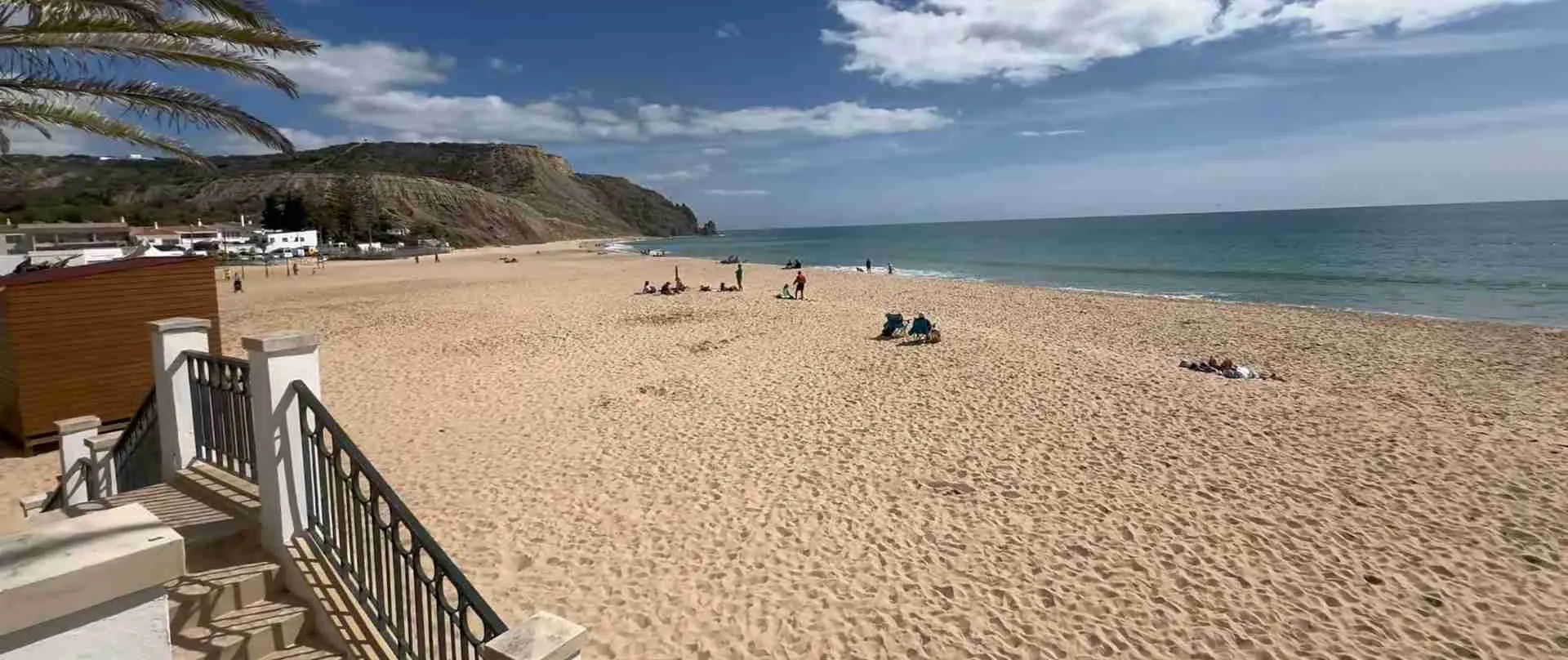
Best Time to Visit Lagos, Algarve 2026: Beaches, Weather & Crowds
Lagos stands as one of Portugal’s most captivating coastal destinations, where dramatic sandstone cliffs meet pristine beaches along the western Algarve coast. The town’s Mediterranean climate delivers over 300 days of sunshine annually, yet choosing the right travel window dramatically affects your experience, from accommodation costs fluctuating between €60 and €180 per night to beach conditions varying from perfectly calm to unsuitable for swimming. Understanding these seasonal patterns ensures you arrive when Lagos aligns with your priorities, whether seeking vibrant summer energy, peaceful spring exploration, or winter value.
Key Takeaways: Planning Your Lagos Visit 2026
- Peak Perfection vs. Peak Prices 2026: July and August deliver guaranteed beach weather with temperatures reaching 26°C and sea temperatures at 21°C, but accommodation costs peak at €140-€220 per night for mid-range hotels while beaches fill with Portuguese and international tourists requiring early boat tour bookings days in advance.
- Shoulder Season Sweet Spot: Late May through June and September through early October offer the ideal balance with temperatures between 20-24°C, significantly lower accommodation rates of €80-€140 per night, manageable crowds, and all attractions operating at full capacity with same-day booking availability.
- Winter Value Window 2026: November through March presents dramatic cost savings with accommodation dropping to €60-€100 per night, though beach activities become weather-dependent with temperatures around 16°C and increased rainfall averaging 65-100mm monthly creating unpredictable conditions.
- Sea Temperature Reality: The Atlantic remains notably cold year-round compared to Mediterranean destinations, peaking at just 21°C in August and dropping to 14-15°C in winter, making wetsuits advisable for extended swimming or water sports even during summer months.
- Booking Timeline Strategy 2026: Reserve summer accommodation 3-4 months ahead as central Lagos properties fill rapidly by May, while shoulder season allows 4-6 week advance booking and winter offers last-minute flexibility with frequent promotional rates.
- Activity Availability Throughout 2026: Boat tours to Ponta da Piedade operate year-round weather permitting, though winter departures reduce to 2-3 daily sailings versus summer’s hourly schedule, and sea conditions frequently cancel January-February trips requiring flexible itineraries.
People Also Ask About Lagos Algarve 2026
What is the best month to visit Lagos Portugal in 2026?
May and June represent the optimal months to visit Lagos in 2026, offering the sweet spot between ideal weather and manageable crowds. Temperatures during these months range from 20-24°C with minimal rainfall averaging just 10-20mm, while the landscape retains its green spring beauty from winter rains. Beach conditions become suitable for sunbathing though sea temperatures remain cool at 17-19°C, and accommodation rates stay 30-40% below summer peaks at €80-€140 per night for mid-range hotels. Most significantly, you avoid the intense July-August crowds while maintaining full access to all tours, restaurants, and attractions with same-day or next-day booking availability. September provides similar conditions if spring timing doesn’t work, with warmer sea temperatures at 20°C making it marginally better for swimming.
Is Lagos warm enough in October 2026?
October 2026 offers pleasant warmth in Lagos with average high temperatures around 22°C, making it comfortable for most outdoor activities and sightseeing. Beach weather remains viable during sunny days, particularly in early October, though you’ll experience noticeably cooler conditions than summer with evening temperatures dropping to 16-17°C requiring light layers. Sea temperature sits around 19-20°C, still relatively cold for extended swimming without wetsuits. Rainfall increases to approximately 70mm for the month, meaning you’re more likely to encounter occasional showers than during summer, though prolonged rainy periods remain uncommon. The shoulder season advantages persist through October, including reduced accommodation rates at €80-€120 per night, smaller crowds, and available restaurant tables without advance booking, making it an excellent choice if you prioritize value and authenticity over guaranteed perfect beach weather every single day.
When is Lagos Algarve cheapest to visit in 2026?
January and February 2026 deliver the absolute lowest prices in Lagos, with accommodation rates dropping to €60-€100 per night for mid-range hotels compared to €180-€220 during summer peak season. Flight prices also reach their annual minimum during these months, frequently 50-60% below July-August rates. November and December offer similar value with slightly better weather conditions. The tradeoff involves unpredictable weather with temperatures around 16°C, sea temperatures of 14-15°C unsuitable for swimming, and rainfall averaging 90-100mm monthly creating frequent showers. Many seasonal beach clubs and some restaurants close during January-February, though Lagos maintains more year-round infrastructure than smaller Algarve resorts. Boat tours operate on reduced schedules with frequent weather cancellations. This window suits budget-focused travelers comfortable with indoor-heavy itineraries, walking tours between rain showers, and the understanding that beach activities won’t feature prominently in your visit.
How crowded is Lagos Portugal in July 2026?
July 2026 places Lagos squarely in peak season alongside August, creating the year’s most crowded conditions. The small cove beaches south of town, including Praia Dona Ana and Praia do Camilo, fill completely by mid-morning requiring arrival before 10am to secure good spots, while Meia Praia’s expansive stretch absorbs crowds more comfortably. Popular restaurants in the historic center need dinner reservations 2-3 days in advance, and boat tours to Ponta da Piedade should be booked at least 3-4 days ahead to secure your preferred departure time. The tourist-to-local ratio shifts dramatically with both Portuguese holidaymakers escaping Lisbon and Porto plus international visitors converging simultaneously. Streets in the old town buzz with constant activity, prices reach annual peaks, and the relaxed pace that characterizes shoulder season disappears entirely. Despite crowds, July guarantees reliable beach weather with temperatures around 24-26°C and just 1-2mm rainfall for the entire month, delivering consistent sunshine that draws visitors specifically seeking guaranteed Mediterranean summer conditions.
Extended multi-day tours – 5+ days
Featured Algarve Multi-Day Tour Packages
4 days
Algarve Discovery Tour
- ✓ Booking needs min. 2 travelers

8 days
Walking in Portugal – Remote Coastal Trails
- ✓ Comprehensive Algarve tour
- ✓ Expert local guides included
- ✓ All accommodation arranged
- ✓ Transportation provided
7 days
Costa Vicentina: Natural Park self-guided bike tour
- ✓ Comprehensive Algarve tour
- ✓ Expert local guides included
- ✓ All accommodation arranged
- ✓ Transportation provided
7 days
Algarve – a holiday full of wine
- ✓ Comprehensive Algarve tour
- ✓ Expert local guides included
- ✓ All accommodation arranged
- ✓ Transportation provided
Multi-day tour packages powered by TourRadar. Prices and availability subject to change.
Introduction: Understanding Lagos Seasonal Dynamics 2026
Lagos occupies a unique position along Portugal’s Algarve coast where the western Atlantic meets dramatic limestone formations, creating one of Europe’s most photographed coastlines while simultaneously producing weather and water conditions that surprise many first-time visitors expecting Mediterranean warmth. The town’s 2,000-year history as a maritime hub continues today through its balance between authentic Portuguese character and international tourism infrastructure, yet this balance shifts dramatically across the calendar year as crowds, prices, and weather patterns follow predictable but pronounced seasonal cycles.
Understanding these cycles proves essential for 2026 trip planning because Lagos experiences more extreme seasonal variation than eastern Algarve destinations like Albufeira or Vilamoura. The western Atlantic position means cooler sea temperatures year-round, the exposed coastline means stronger winds and higher waves particularly in winter, and the popularity among both Portuguese and international visitors means accommodation availability tightens significantly during specific windows. Unlike some coastal destinations where “shoulder season” represents a marginal compromise, Lagos’s May-June and September-October periods often deliver superior experiences to high summer for travelers prioritizing walkable temperatures, authentic cultural experiences, and value.
The town’s infrastructure supports year-round tourism unlike smaller Algarve villages that essentially close November through March. Restaurants, shops, museums, and tour operators maintain operations throughout winter, though with reduced hours and frequency. This year-round viability creates genuine choice in timing rather than forcing summer visits, particularly valuable for travelers flexible on dates or seeking specific experiences like photography during dramatic winter light, walking the coastal trails without summer heat, or experiencing local life when Portuguese residents outnumber tourists.
Weather patterns in Lagos follow Mediterranean classification with distinct wet and dry seasons, yet the Atlantic influence moderates temperature extremes creating milder winters and slightly cooler summers than inland regions. Average annual temperature sits around 17°C, with maximum temperatures ranging from 16°C in January to 26°C in August. Rainfall concentrates heavily in November through February when 70-100mm falls monthly, while June through August receive virtually zero precipitation. This predictability aids planning, though Atlantic weather systems occasionally disrupt patterns causing unexpected rain during summer or extended sunny spells in winter.
For 2026 specifically, several factors influence optimal timing beyond general seasonal patterns. The town continues investing in tourism infrastructure with new hotels opening and existing properties renovating during winter 2025-2026, potentially affecting specific accommodation availability. European school holiday calendars drive peak season timing, with Portuguese schools typically finishing late June and returning mid-September, while northern European holidays align closely with July-August. Understanding these overlapping demand periods helps identify the genuine shoulder season sweet spots versus periods where “off-peak” pricing doesn’t materialize because Portuguese domestic tourism compensates for reduced international visitors.
The Atlantic ocean temperature deserves particular attention in Lagos planning because it creates the single most common visitor disappointment. First-time visitors arriving in July expecting warm Mediterranean swimming conditions discover 21°C water that feels genuinely cold for extended periods, particularly compared to the 26-28°C found in Greek islands or southern Spain’s sheltered bays during the same period. The North Atlantic Current brings cooler water southward along Portugal’s coast, and Lagos’s western exposure means no sheltered bays provide warmer alternatives. This reality doesn’t diminish the destination’s appeal but adjusts expectations around water activities, making wetsuits standard equipment for surfing, kayaking, or extended swimming regardless of air temperature.
Accommodation pricing follows steep seasonal curves in Lagos with mid-range hotels fluctuating between €60-€100 nightly in January-February, €80-€140 in May-June, €140-€220 in July-August, and €80-€120 in September-October. Luxury properties show even steeper variation ranging from €180-€280 in low season to €350-€500 during summer peaks. Budget hostels and guesthouses demonstrate less dramatic swings, maintaining €30-€60 year-round with only 20-30% summer premiums. These patterns mean accommodation represents your largest cost variable in Lagos, far exceeding food or activities as the category most affected by timing choices. Early booking during peak periods often secures 15-20% discounts versus last-minute rates, while shoulder and low season offer frequent promotional pricing through booking platforms.
Understanding Lagos Weather Patterns 2026
Lagos experiences a Mediterranean climate classified as Csa under the Köppen system, characterized by hot dry summers and mild wet winters with moderate temperature variation throughout the year. Average annual temperature reaches 17°C, with the warmest month (August) averaging 23°C and the coldest month (January) averaging 11°C, creating a relatively narrow 12°C annual range compared to continental climates. This moderation stems from Atlantic ocean influence regulating temperature extremes, preventing both the intense summer heat found inland and the harsh winter cold experienced in northern Europe.
Temperature patterns follow predictable monthly progressions. Winter months from December through February see average highs around 16°C and lows around 11°C, creating conditions comfortable for walking and sightseeing though requiring layers for morning and evening. Spring brings gradual warming with March reaching 16°C highs and 12°C lows, April advancing to 18°C and 14°C, and May achieving 20°C and 15°C. Summer arrives decisively in June with 23°C highs and 18°C lows, peaks in July-August at 24-26°C highs and 19-20°C lows, then gradually recedes through September (24°C and 19°C) and October (22°C and 17°C). Autumn continues the cooling trend with November dropping to 19°C and 14°C, completing the cycle as December returns to winter conditions.
Rainfall distribution shows extreme seasonal concentration. The eight months from March through October receive just 150mm combined rainfall, with June, July, and August essentially rain-free at 1-10mm total. Conversely, the four months from November through February account for 325mm of the 475mm annual total, with December recording the heaviest precipitation at 102mm and November following at 92mm. This pattern means summer visitors encounter virtually guaranteed dry conditions while winter travelers face frequent showers, though prolonged multi-day rain remains uncommon even during wet season peaks. April and May represent transition periods with moderate 30-40mm rainfall, enough to maintain green landscapes but insufficient to disrupt outdoor activities significantly.
Sunshine hours vary substantially across seasons, directly impacting beach appeal and outdoor activity feasibility. Summer delivers exceptional sun exposure with July and August both averaging 11 hours daily, June providing 10 hours, and September maintaining 9 hours. Even May offers 9 hours of sunshine daily. Winter drops dramatically to 6 hours in December and January, limiting both beach time and daylight for sightseeing, while spring shoulder season provides 7-8 hours in March-April. These figures represent averages masking day-to-day variation, particularly during transitional months when cloudy periods alternate with clear spells, but the general pattern holds reliably year after year.
Humidity levels remain relatively consistent year-round, ranging from 63% in July (the driest month) to 79% in December (the most humid), though these percentages feel more pronounced in winter when combined with lower temperatures and occasional rainfall. Summer’s low humidity contributes to comfortable conditions despite 24-26°C temperatures, as dry air allows effective evaporative cooling and prevents the oppressive stickiness found in tropical climates. Winter’s higher humidity combined with 14-16°C temperatures creates dampness requiring layered clothing even though absolute cold never reaches severe levels.
Wind patterns significantly affect Lagos beach experiences, particularly along the exposed western coastline. Atlantic weather systems bring consistent offshore breezes averaging 15-25km/h year-round, increasing to 25-35km/h during winter months when low-pressure systems track across the North Atlantic. Summer winds remain relatively light and steady, providing pleasant cooling on hot days without disrupting beach activities. Winter winds create substantial wave action unsuitable for swimming, generate wind-chill reducing effective temperatures several degrees below thermometer readings, and occasionally force cancellation of boat tours and coastal walks. The town’s more sheltered eastern beaches including Meia Praia experience less wind impact than dramatic clifftop locations like Ponta da Piedade.
Sea temperature deserves detailed examination as it represents the most significant weather element distinguishing Lagos from Mediterranean alternatives. Winter months from December through March record the coldest water temperatures at 13-15°C, genuinely frigid conditions suitable only for wetsuited water sports or brief dips. Spring brings gradual warming with April reaching 16°C, May achieving 18°C, and June arriving at 19°C. Peak summer temperatures reach just 20-21°C in July-August, significantly cooler than the 24-26°C typical in Greek islands or sheltered Spanish bays during the same period. Autumn sees September maintaining 20°C before October drops to 19°C and November continues cooling to 17°C. These temperatures stem from the North Atlantic Current bringing cooler water southward combined with Atlantic upwelling systems that prevent significant summer warming even as air temperatures peak.
Cloud cover and clear sky frequency affect both beach enjoyment and photography opportunities. Summer months average 85-90% clear sky days, meaning 26-27 days per month feature predominantly sunny conditions ideal for beach activities and coastal photography. Winter drops to 50-60% clear days as Atlantic low-pressure systems track through the region, creating the characteristic sequence of sunny morning, cloudy afternoon, or vice versa that defines Algarve winter weather. Spring and autumn shoulder seasons maintain 70-75% clear days, enough to plan outdoor activities confidently while accepting occasional overcast periods. Clear sky percentages influence boat tour operations more than land activities, as overcast conditions that merely reduce photography quality on clifftop walks can render sea caves dark and atmospheric photography impossible from boats.
Microclimates within Lagos area create notable variation across just several kilometers. The town center and marina areas experience slightly warmer temperatures and reduced wind compared to exposed beaches like Porto de Mós or Praia da Luz, making historical center exploration comfortable even on days when beach activities face challenging conditions. Conversely, the dramatic cliffs at Ponta da Piedade generate intensified wind effects and cooler temperatures than sheltered cove beaches like Praia Dona Ana. These variations matter primarily during shoulder and winter seasons when marginal conditions become comfortable or uncomfortable based on specific location choices, less so during summer when consistently excellent weather erases microclimate differences.
Peak Season 2026: July-August Analysis
July and August 2026 represent Lagos peak season when weather reliability, school holidays, and cultural preference for summer beach vacations converge to create the year’s busiest and most expensive period. These two months deliver near-perfect beach conditions with average high temperatures of 24-26°C, nighttime lows staying warm at 19-20°C, sea temperatures reaching their annual maximum of 21°C, and rainfall totaling just 1-3mm for both months combined. Clear skies dominate approximately 90% of days, sunshine hours peak at 11 daily, and extended overcast periods remain virtually nonexistent. From a pure weather reliability perspective, these months justify their popularity.
Accommodation pricing reaches annual peaks during July-August with mid-range hotels charging €140-€220 per night, luxury properties demanding €350-€500, and even budget hostels increasing to €50-€80 for dormitory beds. Booking windows tighten dramatically with well-located properties in the historic center and near popular beaches filling 3-4 months in advance, while procrastinators face either inflated last-minute rates or accommodation several kilometers from the center requiring rental cars or taxis. Properties with pools, sea views, or direct beach access command premium pricing and disappear first from availability calendars. The booking timeline in 2026 will likely advance even further as international travel fully normalizes, making March-April reservation for July-August essential rather than merely advisable.
Crowd dynamics during July-August differ qualitatively from other periods, not merely quantitatively. The small cove beaches that define Lagos’s visual identity, particularly Praia Dona Ana and Praia do Camilo, reach capacity by 10-11am on most days, with beachgoers spreading towels mere inches apart and umbrellas creating dense shade forests. Arrival before 9:30am becomes essential for securing desirable spots, and afternoon arrivals often find beaches too crowded to enjoy comfortably. Meia Praia’s 4-kilometer stretch absorbs crowds more effectively, maintaining space even during peak afternoon hours, though the long sandy beach lacks the dramatic cliff scenery that draws photographers. Beach parking likewise fills early requiring either pre-9am arrival or acceptance of 15-20 minute walks from overflow lots.
Restaurant reservations become necessary rather than optional during summer peak season. Popular establishments in the historic center book 2-3 days ahead for dinner service, while lunch crowds fill outdoor terrace seating during peak 1-3pm period. Same-day walk-ins face either early arrival (before 7pm for dinner, before noon for lunch) or acceptance of less desirable interior tables rather than prized outdoor seating. The reservation requirement extends beyond upscale restaurants to mid-range local favorites, as both tourist and Portuguese domestic demand combine. Budget-friendly options including pizza places, burger joints, and ethnic restaurants maintain more availability, though even these face queues during prime hours. The upside involves complete restaurant infrastructure operating at full capacity with extended hours, live music, and special summer menus unavailable during quieter periods.
Boat tours to Ponta da Piedade and Benagil caves operate on maximum frequency during July-August with departures every 30-60 minutes from Lagos Marina throughout daylight hours. Despite increased capacity, popular morning slots (9-11am) and sunset cruises book 3-5 days ahead, particularly for smaller boats that access caves inaccessible to larger vessels. Same-day availability exists primarily for midday departures during peak heat when sea conditions and lighting are less ideal. Tour prices remain stable year-round at €20-€70 depending on duration and vessel type, though operators eliminate promotional discounts common during shoulder seasons. The advantage of peak season touring involves optimal sea conditions with calm waters enabling cave entry on 90%+ of scheduled departures versus winter’s 60-70% success rate when Atlantic swells force cancellations.
Beach services reach maximum availability during July-August with umbrella and sunbed rentals operating on all main beaches, beach clubs offering full food and beverage service, water sports equipment rentals staffed throughout the day, and lifeguard supervision on all popular beaches. This infrastructure significantly enhances beach experiences, particularly for families, though prices reach annual peaks with umbrella-sunbed combinations costing €15-€25 daily and beach club minimum spends reaching €40-€60 per person. Winter visitors discover many beaches lack any services whatsoever, requiring advance preparation and self-sufficiency for comfortable beach time.
The Atlantic’s cooling influence during July-August provides notable advantage over inland Algarve destinations, keeping Lagos temperatures in comfortable 24-26°C range while Silves or Tavira inland reach 32-35°C. Evening sea breezes further moderate conditions, making nighttime strolls pleasant without the oppressive heat characterizing Mediterranean destinations at similar latitudes. This moderate warmth enables comfortable midday activities rather than forcing siesta retreats, though peak 2-4pm sun intensity still encourages seeking shade or beach time rather than exposed historical center walking.
Shopping and services during peak season expand beyond typical hours with shops remaining open until 10pm or later, banks extending Saturday hours, and tourist information centers maintaining full staffing. The historic center’s pedestrian streets fill with street performers, craft markets, and special events creating vibrant atmosphere absent during quieter months. This energy appeals to visitors seeking lively resort town experience, though detracts for travelers prioritizing authentic Portuguese character over international tourist atmosphere. The town effectively splits into tourist center and residential periphery during summer, with locals largely avoiding the crowded historic core.
Transportation challenges escalate during July-August peak as rental car availability tightens and prices increase 40-50% above shoulder season rates. Parking in central Lagos becomes genuinely difficult with municipal lots filling by mid-morning and street parking virtually nonexistent. Public buses between Lagos and other Algarve destinations run more frequently accommodating tourist demand, though crowding remains common on popular routes. Faro Airport experiences peak congestion with 2-3 hour arrival processing times during late afternoon international flight banks, making early morning or late evening flights preferable for minimizing airport delays.
Weather reliability during July-August makes these months ideal for travelers with inflexible schedules requiring guaranteed beach conditions, families with children limited to school holiday timing, or visitors prioritizing consistent sun over cost savings and smaller crowds. The premium pricing reflects genuine value for these specific priorities, delivering weather conditions that justify the expense for beach-focused vacations. Conversely, travelers flexible on timing, sensitive to crowds, or prioritizing cultural experiences over beach activities will find better value and more authentic experiences during shoulder seasons when weather remains quite good while crowds and costs decrease substantially.
Shoulder Season 2026: May-June & September-October Planning
Lagos shoulder season encompasses two distinct periods in 2026, each offering compelling advantages over peak summer while maintaining largely favorable conditions. Late spring from mid-May through June and early autumn from September through mid-October deliver the destination’s optimal balance between weather quality, pricing, crowd management, and authentic experience access. These periods represent the insider timing that frequent Algarve visitors target, sacrificing only guaranteed perfect beach weather every single day in exchange for substantial practical and financial advantages.
May temperatures begin warming significantly from spring chill, averaging 20°C highs and 15°C lows, creating ideal conditions for outdoor activities without summer heat that makes midday walking uncomfortable. June advances to summer-adjacent 23°C highs and 18°C lows, effectively delivering beach weather minus the crowds and costs associated with July-August. Rainfall drops dramatically to just 10-20mm for May and 5mm for June, meaning rain rarely disrupts plans. Sunshine hours reach 9-10 daily, providing ample beach time and extended evening daylight for dining and strolls. The primary weather compromise involves sea temperature, which sits at 17-18°C in May and 19°C in June, noticeably cooler than summer’s 21°C maximum though many visitors find this difference marginal given that even summer temperatures require adjustment.
September continues summer warmth at 24°C average highs and 19°C lows, often feeling indistinguishable from July-August regarding air temperature and sunshine. Sea temperature actually peaks in September at 20°C as summer warmth accumulates in coastal waters, making this arguably the year’s best swimming month for visitors bothered by cold water. October remains quite pleasant at 22°C highs and 17°C lows, though rainfall increases to 70mm monthly signaling autumn’s arrival. Realistically, early October through mid-October maintains largely summer conditions, while late October transitions toward winter’s unpredictability. Sunshine decreases to 8 hours daily in October, still sufficient for beach activities but representing noticeable reduction from summer’s 11-hour days.
Accommodation costs during shoulder season drop 30-50% below peak summer rates while maintaining higher standards than available at low season prices. Mid-range hotels charge €80-€140 nightly in May-June and September-October compared to €140-€220 during July-August, representing savings of €400-€800 on week-long stays. Luxury properties offer even steeper discounts with rates of €180-€280 versus peak €350-€500, making premium experiences accessible to mid-range budgets. Availability expands dramatically with booking windows of 4-6 weeks sufficient to secure desirable properties rather than the 3-4 month advance reservations necessary for summer. Many hotels release early-booking discounts for shoulder periods, providing additional 10-15% savings for reservations made 2-3 months ahead.
Beach crowd dynamics transform during shoulder season, with popular cove beaches maintaining comfortable spacing throughout the day rather than reaching capacity by mid-morning. Arrival at 10am or 11am still secures good spots on Praia Dona Ana and Praia do Camilo, while afternoon beach-hopping between multiple locations remains feasible. Beach services operate though with slightly reduced hours, typically 10am-6pm rather than summer’s 9am-7pm, and umbrella-sunbed rentals cost €12-€18 versus peak €15-€25. The beachgoer demographics shift notably with fewer families and children, more couples, and increased presence of longer-term visitors from northern Europe escaping their climate rather than taking short summer holidays.
Restaurant reservations remain advisable for popular establishments during Friday-Saturday dinner service in shoulder season, but walk-in availability exists most other nights, particularly if dining before 7:30pm or after 9pm. The frenetic energy characterizing summer restaurant scenes calms to more relaxed service, often enabling longer conversations with staff and greater attention to food quality over volume turnover. Outdoor terrace seating, the most desirable option, becomes accessible without advance planning. Prices hold steady year-round at most establishments since Lagos’s year-round tourism supports consistent operations, though some restaurants introduce special shoulder season menus or promotions during September-October specifically.
Boat tour availability expands dramatically during shoulder season with same-day or next-day booking securing desired departure times including premium morning slots and sunset cruises that require 3-5 day advance booking during summer. Tour operators maintain frequent departures every 1-2 hours rather than summer’s every 30 minutes, still providing ample choice for timing preferences. Sea conditions during May-June generally match summer’s calmness enabling 85-90% cave entry success rates, while September-October sees occasional Atlantic swells reducing success to 75-80% though still substantially better than winter’s 60-70%. Some operators offer shoulder season promotions reducing standard €20-€70 prices by 10-15%, and group sizes typically run smaller creating more personal experiences.
Activity availability during shoulder season maintains nearly full summer capacity with all major attractions, museums, walking tours, and recreational facilities operating regular hours. The Lagos Zoo, coastal walking trails, historical sites, and cultural venues welcome visitors without summer queues, and English-language tours operate on consistent schedules. Some niche activities including certain surf schools, adventure tours, or specialty experiences reduce frequency from daily to several times weekly, requiring advance schedule checking though rarely forcing itinerary compromises. The transition periods at shoulder season edges (early May, late October) see occasional closures for maintenance as businesses prepare for or conclude high season.
Cultural authenticity increases during shoulder season as Portuguese residents reclaim public spaces reducing tourist-to-local ratios significantly. Cafes and restaurants in residential neighborhoods beyond the historic center maintain genuine local character, markets and shops operate without tourist-focused pricing, and community events return to schedules rather than being displaced by tourist-oriented programming. This shift appeals to travelers seeking genuine cultural immersion rather than international resort town atmosphere, making shoulder season preferable for cultural learners despite sacrificing some tourist infrastructure convenience.
Photography opportunities improve during shoulder season through reduced crowds enabling clifftop vantage points and beach compositions without constant human interference, more dramatic weather including occasional cloud formations that enhance sunset photography, and better golden hour conditions as lower sun angles during May and October create warmer light than summer’s midday intensity. The green landscapes maintained through May from spring rains provide vibrant backdrops before summer drought browns hillsides, while September-October captures summer’s end with golden vegetation tones. Professional photographers specifically target these periods for commercial work knowing crowd-free shots require shoulder season timing.
The May-June versus September-October choice depends primarily on personal preference for spring versus autumn atmosphere. May offers vibrant green landscapes, spring flowers, and the psychological appeal of approaching summer, though sea temperatures remain cooler at 17-18°C versus September’s 20°C. September provides peak sea temperature, carries over summer’s warmth most reliably, and features harvest-season food including fresh figs, grapes, and autumn produce. October delivers better value than June as accommodation and flight prices decrease rather than increase, though weather reliability drops with increased October rainfall. For first-time visitors prioritizing simplicity, June edges September through superior weather predictability, though frequent travelers often prefer September’s warmth and food while accepting marginally higher rain risk.
Low Season 2026: November-April Strategies
Lagos low season extends from November through April encompassing the Algarve’s winter and early spring when Atlantic weather systems dominate, temperatures drop to annual minimums, rainfall concentrates, and tourism infrastructure reduces to year-round core operations. This six-month window divides into genuine winter (December-February) characterized by frequent rain and marginal beach conditions, and transitional periods (November, March-April) offering more variability with both attractive sunny spells and disappointing rainy stretches. Understanding these distinctions helps identify viable low season windows versus periods best avoided by beach-focused visitors.
November temperatures average 19°C highs and 14°C lows, remaining relatively mild though noticeably cooler than summer and requiring layered clothing for morning and evening. December drops to 16°C highs and 11°C lows, January reaches annual minimum at 16°C highs and 11°C lows, and February matches January before March begins warming to 16°C highs and 12°C lows. April advances to 18°C highs and 14°C lows, approaching spring comfort levels. These temperatures support walking, sightseeing, and outdoor dining during sunny afternoon periods, though morning chill and evening cold require jackets, long pants, and closed footwear rather than beach attire. Wind chill effects lower apparent temperatures several degrees, particularly along exposed coastline where Atlantic breezes remain constant.
Rainfall patterns define low season more than temperature, with November receiving 92mm, December 102mm, January 69mm, February 65mm, March 47mm, and April 34mm. These monthly totals represent averages obscuring significant year-to-year variation, with some winters delivering prolonged sunny periods while others see consecutive rainy weeks. Rainfall typically arrives as showers rather than all-day downpours, meaning most days include several hours of usable outdoor weather between rain periods. December and January experience the highest rain frequency with approximately 12-14 rainy days monthly, while March-April drop to 8-10 rainy days. Carrying rain gear and maintaining flexible daily plans becomes essential during low season rather than optional as during summer.
Sea temperature plummets during winter months reaching 14-15°C in December-February, genuinely frigid conditions suitable only for wetsuited surfing or brief polar plunge experiences rather than recreational swimming. March warms marginally to 15°C, April reaches 16°C, still prohibitively cold for most swimmers. These temperatures eliminate water activities as primary attraction, reframing Lagos as cultural and scenic destination rather than beach resort during winter. Hardy surfers appreciate consistent Atlantic swells during winter though wetsuits become mandatory equipment, and the dramatic wave action creates spectacular coastal photography opportunities even if swimming remains impossible.
Accommodation pricing drops dramatically during low season with mid-range hotels charging €60-€100 nightly, representing 60-70% discounts compared to summer peaks. Luxury properties fall to €180-€280 from summer’s €350-€500, while budget hostels maintain €30-€50 year-round minimums with only modest seasonal adjustment. Promotional rates appear frequently on booking platforms, particularly during December-February when demand reaches annual lows, and last-minute deals of 20-30% below standard rates emerge within 1-2 weeks of arrival. Many properties close during January-February for annual maintenance, reducing total available inventory though rarely creating booking challenges given low demand. The Lagos hotel landscape maintains more winter operations than smaller Algarve villages, ensuring adequate choice across all price tiers.
Flight prices decrease substantially during low season with January-February frequently offering 50-60% discounts compared to July-August on routes from northern Europe to Faro. November and March maintain moderate pricing as shoulder season transitions, while April begins climbing toward summer rates. Budget airlines expand capacity and frequency during summer while reducing winter service, potentially requiring connections or less convenient flight times though cost savings generally compensate for reduced convenience. The combination of discounted accommodation and flights makes week-long Lagos visits feasible at €400-€600 per person total during winter versus €1,200-€1,800 for equivalent summer timing.
Beach conditions during low season range from marginally viable to genuinely unsuitable depending on specific weather. Sunny November days with light winds enable comfortable beach visits for sunbathing though not swimming, while December-February sees most days too cold, windy, or rainy for enjoyable beach time. March-April sunny periods restore beach viability for sunbathing, and April afternoon temperatures occasionally reach levels comfortable for brief swimming if tolerating 16°C water. Beach services disappear during winter with umbrella rentals, lifeguards, beach clubs, and water sports facilities shuttered November through March, reopening gradually during April. This closure requires self-sufficiency including bringing own shade, food, and safety awareness without lifeguard oversight.
Cultural attractions and historical sites maintain year-round operations with museums, galleries, churches, and walking tours available throughout winter. Indoor activities gain appeal during rainy weather making museum-heavy itineraries practical rather than compromise choices. The historic center’s pedestrian streets remain walkable year-round with covered arcades providing rain protection, and many cafes and restaurants maintain cozy indoor spaces pleasant for extended stays during inclement weather. Winter represents optimal timing for serious cultural exploration without crowds, enabling leisurely museum visits, detailed historical learning, and thorough market browsing impossible during summer’s rushed tourist atmosphere.
Boat tour operations reduce dramatically during low season with most companies running just 2-3 departures daily versus summer’s hourly schedule, and weather-related cancellations occur frequently as Atlantic swells make cave entry unsafe. Tour operators typically offer alternative dates or full refunds for cancellations, requiring flexible itineraries that accommodate 1-2 day weather delays. The reduced frequency means less scheduling flexibility, and some tour types including sunset cruises or extended catamaran sails operate only weekends or not at all during winter. Budget-conscious travelers appreciate that tour prices hold steady year-round, delivering same €20-€70 value during uncrowded winter conditions when successful departures occur.
Restaurant and nightlife scenes shift notably during low season as many tourist-focused establishments close completely December-February, while year-round operations reduce hours operating 5-6 days weekly rather than daily with extended service. Reservations become unnecessary except at a handful of consistently popular restaurants, and walk-in availability characterizes most dining even during Friday-Saturday evenings. The demographic skew toward retirees and digital nomads escaping northern European winter creates quieter atmosphere lacking summer’s energy, though authentic Portuguese character emerges more clearly without tourist overlay. Nightlife essentially disappears during winter with clubs closed and bars operating minimal late-night hours, making Lagos winter unsuitable for party-seeking younger travelers.
Practical considerations during low season include reduced public transportation with bus frequencies dropping 30-50% outside summer schedules, fewer English-language tours requiring either Portuguese proficiency or acceptance of less frequent English departures, and occasional services closed Sundays-Mondays when combined weekly closures wouldn’t occur during busy season. Banking and government office hours contract, shops close earlier, and general services assume locals rather than tourists as primary customer base. These adjustments require greater self-sufficiency and adaptability though rarely prevent successful visits with advance planning.
The November versus March-April distinction within low season significantly affects experience quality. November maintains relatively mild temperatures and moderate rainfall while carrying autumn warmth, making it superior to December-January though inferior to spring. March brings increased sunshine and warming temperatures though rain remains common, while April approaches shoulder season quality with genuinely pleasant conditions on sunny days. For budget-conscious travelers willing to accept beach-activity limitations, March-April deliver far better value than November given similar pricing but superior weather trajectory. December-February suit only visitors explicitly avoiding beach activities, prioritizing rock-bottom pricing, or combining Lagos with inland Algarve exploration where winter conditions prove less limiting.
Beach Conditions by Month 2026
Understanding monthly beach condition variation proves essential for Lagos planning as beach quality represents the primary draw for most visitors, yet conditions fluctuate dramatically across the calendar year affecting both feasibility and enjoyment. Beach suitability depends on multiple factors including air temperature, sea temperature, wind conditions, wave action, rainfall probability, and available services, all of which follow seasonal patterns while showing month-to-month variation within those broader trends.
January beach conditions rank among the year’s least suitable with average high temperatures of 16°C providing insufficient warmth for comfortable beachgoing, sea temperatures of 14°C prohibiting swimming without wetsuits, and rainfall averaging 69mm creating frequent wet beach sand and overcast skies. Wind averages 25-30km/h generating significant wave action unsuitable for casual swimming, and beach services remain completely shuttered. Approximately 5-7 days per month deliver sunny conditions with light winds potentially enabling sunbathing for hardy visitors, though most January days prove too cold, windy, or rainy for enjoyable beach time. January beaches serve primarily as dramatic backdrop for coastal walks rather than destinations for extended stays.
February matches January’s marginal beach conditions with 16°C air temperatures, 14°C sea temperatures, 65mm rainfall, and 25-30km/h winds. Slightly increased sunshine hours to 7 daily provide marginally better prospects for catching sunny interludes, and occasional warm sunny days create pleasant walking weather along Meia Praia’s expansive beach where wind exposure feels less severe than clifftop locations. Beach services remain closed throughout February, and swimming remains impractical for recreational purposes. February beaches work for morning jogs, sunset strolls, and photography rather than traditional beach activities.
March begins transition toward spring with 16°C air temperatures showing little improvement over winter, though 15°C sea temperatures edge marginally warmer and rainfall drops to 47mm reducing rainy day frequency to 8-10 monthly. Sunshine increases to 7-8 hours daily, and winds moderate slightly to 20-25km/h. Approximately 10-12 days during March deliver conditions suitable for beach sunbathing on protected cove beaches during afternoon warmth, though swimming remains limited to brief dips for cold-tolerant individuals. Beach services begin reopening late March in preparation for Easter period, and the psychological shift toward spring makes beach time more appealing despite continuing marginal conditions.
April advances significantly toward beach viability with 18°C air temperatures feeling genuinely warm during sunny afternoon periods, 16°C sea temperatures remaining cold though not prohibitive for brief swimming, and 34mm rainfall dropping rainy day frequency to 7-8 monthly. Sunshine reaches 8-9 hours daily providing ample beach time, and winds moderate to 15-20km/h creating more comfortable conditions. Approximately 15-18 days during April support good beach experiences, particularly during afternoon heat peaks, though morning and evening chill still requires layered clothing. Beach services operate increasingly through April, and the combination of green spring landscapes and emerging beach season creates appealing visual contrast.
May represents first genuinely reliable beach month with 20°C air temperatures supporting comfortable all-day beachgoing, 18°C sea temperatures allowing swimming for less cold-sensitive visitors, and 20mm rainfall reducing rainy days to just 5-6 monthly. Sunshine delivers 9 hours daily, and winds drop to gentle 15km/h. Approximately 22-24 days during May offer excellent beach conditions, with only occasional rainy or cloudy days disrupting patterns. Beach services operate full schedules including umbrella rentals, water sports, and lifeguard supervision. Sea temperature remains the primary limitation in May, with extended swimming requiring wetsuit or significant cold tolerance, though sunbathing and beach activities face no restrictions.
June crosses threshold to summer beach conditions with 23°C air temperatures, 19°C sea temperatures, 5mm rainfall essentially eliminating rain concerns, 10 hours daily sunshine, and light 10-15km/h winds. Approximately 27-28 days during June deliver ideal beach weather, with sea temperature the sole remaining compromise versus peak summer. Beach services operate full capacity, crowds remain moderate compared to July-August, and morning beach arrival secures good spots without pre-dawn efforts necessary during peak season. June represents many visitors’ preferred beach month balancing excellent conditions against lower costs and smaller crowds.
July achieves peak beach perfection with 24°C air temperatures, 21°C sea temperatures at annual maximum, virtually zero rainfall, 11 hours daily sunshine, and light winds. All 30-31 days during July typically provide excellent beach conditions barring rare weather anomalies, though this reliability comes with maximum crowds requiring early arrival for popular beaches. Beach services operate extended hours, water sports facilities run maximum schedules, and every beach facility remains fully staffed. The primary drawback involves crowd density rather than weather quality, with popular cove beaches reaching uncomfortable capacity by late morning.
August matches July’s beach perfection with 26°C air temperatures marginally warmer than July, 21°C sea temperatures matching July’s maximum, 2mm rainfall remaining negligible, 11 hours daily sunshine, and light winds. All 30-31 days typically deliver perfect beach weather. August crowds equal or exceed July levels as Portuguese domestic tourism peaks combining with international visitors, making crowd management the primary beach challenge rather than weather concerns. Some visitors find August’s 26°C air temperature approaching uncomfortably hot during midday peak, though sea breezes and water proximity provide effective cooling.
September maintains summer beach excellence with 24°C air temperatures, 20°C sea temperatures remaining near annual peak as summer warmth lingers in coastal waters, 18mm rainfall staying minimal with just 4-5 rainy days, and 9 hours daily sunshine. Approximately 26-27 days during September deliver excellent beach conditions. Crowds decrease notably as school terms resume throughout Europe, restoring comfortable spacing on popular beaches while maintaining full beach service operations. September arguably provides year’s optimal beach experience balancing perfect conditions against reduced crowds, making it preferred choice for beach-focused visitors able to avoid July-August scheduling.
October continues good beach conditions through early-to-mid month with 22°C air temperatures, 19°C sea temperatures, though 70mm rainfall increases rainy day frequency to 8-9 monthly. Sunshine drops to 8 hours daily, and occasional Atlantic storm systems bring periods of wind and rain. Approximately 20-22 days during October provide good beach weather, concentrated in first three weeks before late-October weather deterioration. Beach services begin reducing hours and some operators close for season during final October week. October works well for visitors prioritizing value and authenticity over guaranteed beach perfection every day.
November transitions to off-season beach conditions with 19°C air temperatures dropping below comfortable beach range, 17°C sea temperatures too cold for recreational swimming, 92mm rainfall creating frequent rainy days, and 6-7 hours daily sunshine. Approximately 12-15 days during November deliver sunny conditions potentially supporting sunbathing during warm afternoon periods, though these interludes alternate with rainy stretches. Beach services close for season, and most visitors treat beaches as scenic walking destinations rather than recreational spaces. November beaches serve specific niches including surfing, photography, and long beach walks rather than traditional beach tourism.
December completes annual cycle with 16°C air temperatures, 15°C sea temperatures, 102mm rainfall at annual peak, and 6 hours daily sunshine. Beach conditions match or worsen compared to November with only 10-12 sunny days monthly supporting potential beach visits, and swimming remains impractical. December beaches appeal primarily during rare sunny warm spells providing winter sun exposure, though these prove unpredictable requiring flexible daily planning. Beach services remain closed throughout December, reopening gradually during late March and April.
Accommodation Pricing Seasonal Variations 2026
Accommodation costs represent the single most variable expense category in Lagos travel planning, with seasonal pricing fluctuations reaching 200-300% between winter low season and summer peak season at some properties. Understanding these patterns enables strategic booking that significantly reduces total trip costs or alternatively redirects budget savings toward accommodation upgrades, making pricing awareness essential for both budget-conscious and comfort-seeking travelers.
Budget accommodation including hostels, guesthouses, and basic hotels demonstrates relatively modest seasonal variation ranging from €30-€50 nightly during winter low season to €45-€80 during summer peak season, representing 30-50% increases but maintaining absolute affordability across all periods. Dormitory beds in hostels hold steadiest pricing at €20-€35 year-round with just €10-€15 summer premiums. This stability reflects hostel business models targeting budget travelers whose demand proves less elastic to pricing, and hostels maintain year-round occupancy through digital nomad, long-term traveler, and winter surf communities supplementing traditional summer tourists. Budget travelers gain marginal savings through off-season timing though not the dramatic discounts available in higher accommodation tiers.
Mid-range accommodation encompassing 3-star hotels, boutique properties, and quality guesthouses shows pronounced seasonal swings from €60-€100 nightly during December-February winter low season to €140-€220 during July-August peak season, representing 100-150% increases. Shoulder seasons price at €80-€140 for May-June and September-October, falling approximately 30-40% below peak while remaining 30-40% above winter minimums. These mid-range properties represent sweet spot for value-oriented travelers, as seasonal discounts during shoulder periods frequently enable access to properties with pools, central locations, and modern amenities that would exceed budget during summer while still costing less than budget properties charge during peak season.
Luxury accommodation spanning 4-star and 5-star hotels, boutique resorts, and upscale villas exhibits most dramatic seasonal pricing variation ranging from €180-€280 during winter low season to €350-€500+ during summer peak season, representing 150-250% increases. Shoulder season rates of €220-€350 still command premiums though offering approximately 30-40% savings versus peak. Properties with unique assets including Ponta da Piedade proximity, rooftop pools, or spa facilities maintain pricing power across seasons, showing less variation than generic luxury hotels. The winter-to-luxury-summer arbitrage creates opportunities for budget-conscious travelers to experience premium properties during off-season at mid-range peak season equivalent costs, valuable for anniversary trips, special occasions, or simply prioritizing accommodation quality over other trip elements.
Location-based pricing differentials add complexity beyond seasonal patterns. Historic center properties command 20-30% premiums over equivalent-quality hotels in residential neighborhoods or along Meia Praia beach, reflecting walkability value and proximity to restaurants, nightlife, and cultural sites. This premium holds relatively consistent across seasons, meaning off-season timing provides greater value than location compromise during peak season. Properties with beach proximity particularly along Dona Ana and Camilo beaches charge 30-40% premiums over similar-quality hotels requiring 10-15 minute walks to beach access. For beach-focused visits during peak season, walking distance premiums often prove worthwhile given crowding challenges, while off-season visitors gain less value from immediate beach access given marginal beach conditions.
Booking timeline significantly affects pricing within seasonal categories. Early-bird rates for summer travel booked 4-5 months in advance typically deliver 15-25% discounts versus standard rates, with best availability and room selection occurring at these early windows. Conversely, last-minute bookings within 1-2 weeks of arrival during peak season face either limited availability forcing acceptance of less desirable properties or premium pricing 20-30% above standard rates as remaining inventory commands scarcity premiums. Shoulder and low season inverse this pattern, with last-minute bookings frequently securing promotional rates 15-30% below standard pricing as hotels discount unsold inventory. The booking strategy therefore shifts seasonally, requiring advance commitment during summer while rewarding spontaneity during off-peak periods.
Day-of-week pricing affects primarily summer peak season when weekend rates (Friday-Saturday nights) command 20-30% premiums over midweek rates, reflecting both Portuguese domestic weekend tourism and international visitors concentrating arrivals around weekend flight schedules. Minimum stay requirements of 3-7 nights appear during peak summer weeks, particularly August, forcing longer commitments than desired and eliminating ability to sample multiple properties during single trips. Shoulder season sees minimal day-of-week variation except holiday weekends including Easter, Portuguese public holidays, and long weekends when rates spike temporarily before returning to standard levels. Low season eliminates day-of-week differentiation entirely with consistent nightly rates regardless of arrival day.
Package deals bundling accommodation with flights occasionally provide value during shoulder and peak seasons when dynamic pricing algorithms identify unsold inventory and reduce bundled rates below sum-of-parts pricing. These packages require flexibility regarding specific property selection, as providers assign accommodations from inventory pools rather than enabling guest choice, though tier level (3-star, 4-star) remains guaranteed. Package values appear primarily on northern European tour operator websites including TUI, Thomas Cook successors, and regional operators rather than through accommodation booking platforms, requiring separate search processes though potential savings of 15-25% justify effort for cost-sensitive travelers.
Promotional strategies vary significantly across property types and seasons. Mid-range properties frequently offer early-bird discounts during winter for following summer, free night promotions during shoulder seasons (stay 7 nights, pay 6), and last-minute deals during low season. Luxury properties more commonly provide value-added promotions including complimentary spa treatments, room upgrades, or dining credits rather than direct rate discounts, maintaining rate integrity while enhancing value proposition. Budget properties rarely discount rates preferring instead to maintain stable pricing and compete on location and facilities rather than price volatility. Understanding these patterns helps identify genuine deals versus standard marketing noise.
Long-term stay rates provide exceptional value for digital nomads, remote workers, or extended visitors willing to commit to monthly or longer periods. Properties offer 30-50% discounts for month-long stays particularly during low season when occupancy rates drop and guaranteed long-term income proves attractive. These rates typically include weekly housekeeping, utilities, and amenities creating turn-key living situations suitable for remote work or extended exploration. Lagos’s growing digital nomad community and improved internet infrastructure make extended stays increasingly feasible, and monthly rates during winter frequently cost less than weekly rates during summer peak while enabling deeper cultural immersion.
Property amenities significantly affect value propositions across seasons. Pools prove essential during summer heat but largely unused during winter, meaning pool properties command premiums during peak season while offering minimal value addition during low season. Conversely, properties with cozy common areas, fireplaces, or spa facilities gain relative value during winter when indoor comfort matters more than outdoor spaces. Air conditioning versus heating availability affects comfort across seasons, with summer visitors requiring effective cooling and winter visitors needing adequate heating particularly in older buildings constructed before modern climate control became standard. Reading property reviews specifically mentioning relevant season experiences helps identify amenities that matter for your timing.
Crowd Management Strategies 2026
Managing crowds effectively transforms Lagos experiences during peak and shoulder seasons when tourist volumes create competition for beach space, restaurant tables, boat tour slots, and parking spaces. Strategic timing, advance planning, and tactical choices between alternatives enable enjoyable visits even during busy periods while avoiding frustrations that characterize poorly planned peak season trips. Understanding crowd patterns and implementing proven strategies ensures Lagos delivers memorable experiences regardless of travel timing.
Beach arrival timing during peak season proves most critical crowd management factor. Popular cove beaches including Praia Dona Ana, Praia do Camilo, and smaller Praia do Pinhão reach capacity by 10-11am on typical July-August days, with parking lots filling and beach space disappearing beneath umbrellas. Arriving before 9:30am secures parking within 5-minute walk rather than 15-20 minute overflow lots, enables choice of beach positioning rather than accepting whatever space remains, and provides several hours of comfortable beach time before midday crowds arrive. Alternatively, arriving after 4pm finds departing families and tour groups creating available space, though sacrificing prime afternoon sunshine hours. The less dramatic but more spacious Meia Praia absorbs crowds effectively throughout day, never reaching uncomfortable density though lacking the clifftop scenery that defines Lagos beach photos.
Restaurant reservation strategies vary by season and meal type. Peak season dinner requires advance booking 2-3 days ahead for popular establishments including seafood restaurants along the marina, traditional Portuguese taverns in historic center, and trendy fusion restaurants. Lunch reservations prove less critical though still advisable for highly-rated establishments during 1-3pm peak. Shoulder season reduces reservation necessity to just Friday-Saturday dinners at top restaurants, while low season eliminates reservation requirements almost entirely. Strategic timing enables walk-in success even during peak season by dining before 7pm or after 9:30pm, avoiding the 7:30-9pm rush when tables fill completely. Alternatively, exploring restaurants in residential neighborhoods beyond tourist center discovers authentic Portuguese establishments with immediate seating and lower prices, though requiring 15-20 minute walks or short taxi rides.
Boat tour booking during peak season requires 3-5 day advance reservations for morning departures (9-11am) and sunset cruises, both offering optimal conditions for cave exploration and photography. Midday departures (12-3pm) maintain better availability enabling 1-2 day advance booking, though sacrificing ideal lighting and facing peak afternoon heat. Shoulder season permits same-day or next-day booking for any departure time, while low season sees operators accepting walk-ups though weather-related cancellations occur frequently requiring schedule flexibility. Booking directly through operator websites versus aggregator platforms occasionally provides better cancellation terms and communication during weather disruptions, valuable during winter’s unpredictable conditions. Small boat tours accessing caves inaccessible to larger vessels book earliest regardless of season, as limited capacity creates constant demand.
Parking strategies prove essential during peak season when central Lagos lots fill by 10am. The large municipal parking garage beneath Infante de Sagres square accommodates 400+ vehicles maintaining availability through midday though still filling during peak afternoon periods. Arriving before 9:30am secures parking within walking distance of historic center and beaches, while late arrivals face either peripheral lots requiring 20-30 minute walks or acceptance of street parking in residential areas lacking clear regulations and risking tickets. Shoulder season eases parking considerably with availability through midday, and low season provides abundant parking throughout day. Alternatively, utilizing public buses from accommodation outside town center eliminates parking concerns entirely, with reliable service connecting Meia Praia, Porto de Mós, and Luz to central Lagos every 30-60 minutes.
Attraction timing strategies reduce queue times and crowding at popular sites. The São João fortress museum and Ponta da Bandeira fort experience peak crowds 11am-2pm during summer as post-beach visitors fill indoor attractions. Morning visits before 10am or late afternoon visits after 4pm find minimal queues and comfortable exploration space. Walking the clifftop trail from Lagos to Ponta da Piedade lighthouse works best early morning (before 9am) or late afternoon (after 5pm) when tour groups disperse and photography lighting improves. The weekly market on Saturdays becomes uncomfortably crowded 10am-noon during peak season, while 8-9:30am arrival provides leisurely browsing before crowds arrive.
Beach selection strategies address crowding through choosing less-famous alternatives. While Praia Dona Ana and Praia do Camilo attract Instagram-driven crowds, nearby Praia do Porto de Mós offers 500-meter expanse rarely approaching capacity while providing good swimming conditions and full beach services. The dramatic cliffs continue east of Ponta da Piedade to Praia do Canavial and Praia dos Pinheiros, both accessible via clifftop trails and featuring spectacular scenery with fraction of tourist traffic. These alternatives require accepting less convenient access and potentially less developed facilities, though delivering superior beach experiences during peak periods when famous beaches become unpleasant.
Shopping and services timing during peak season means utilizing extended evening hours when restaurants and shops remain open until 10pm or later, avoiding midday rush periods when both tourists and locals crowd commercial areas. Banks and post offices experience shortest queues immediately at opening (8:30-9am) or final hour before closing. Supermarkets reach peak crowding during traditional shopping hours (10am-noon, 5-7pm) while maintaining calm conditions early morning (8-9am) or mid-afternoon (2-4pm). Shoulder and low seasons eliminate most crowding concerns as reduced tourist volumes restore normal service patterns.
Alternative destination strategies involve exploring nearby towns during peak Lagos crowding. Sagres 30 kilometers west maintains dramatically lower tourist density despite spectacular coastal scenery and fascinating history, requiring rental car or organized tours but delivering authentic Algarve experiences. Inland towns including Silves with impressive castle and cathedral, Monchique mountain village, and Aljezur with Moorish castle all provide cultural depth absent in beach resort atmosphere while seeing minimal tourist impact. Day trips to these alternatives during peak season balance Lagos beach access against quieter cultural experiences, and many visitors find alternating beach days with inland exploration reduces cumulative crowding frustration.
Tour selection strategies distinguish between mass-market and boutique operators. Large operators running 40-60 passenger boats access Ponta da Piedade and Benagil caves but cannot enter smallest grottos due to vessel size, operate on rigid schedules with minimal flexibility, and create crowded boat experiences. Small operators with 8-12 passenger traditional boats access caves inaccessible to larger vessels, provide personalized commentary, maintain flexible departure timing, and create intimate experiences though charging 20-30% premiums and booking fastest. Kayak tours avoid motorized vessel crowds entirely, accessing caves under paddle power and enabling water-level perspectives impossible from boats, though requiring moderate fitness and accepting 2-3 hour durations versus boats’ 75-minute trips.
Accommodation location choices affect crowd exposure throughout stay. Historic center properties place you amid tourist action enabling walking access to restaurants and attractions, though exposing you to constant crowds and late-night noise from bars. Properties in residential neighborhoods 10-15 minutes walk from center or along Meia Praia provide authentic Portuguese neighborhood experiences with easy retreat from tourist zones, though requiring walks or short bus rides to restaurants and attractions. This location strategy proves particularly valuable during peak season when ability to escape tourist center improves overall experience despite sacrificing immediate walkability.
Activities & Attraction Availability 2026
Lagos offers diverse activities and attractions beyond beach lounging, spanning water sports, historical sites, cultural experiences, outdoor adventures, and culinary explorations. Availability, operating hours, and optimal conditions for these activities vary significantly by season, affecting itinerary planning and determining whether specific timing enables or prevents desired experiences. Understanding seasonal patterns ensures your Lagos visit aligns with priority activities rather than discovering desired experiences unavailable during your dates.
Boat tours to Ponta da Piedade grottos and Benagil caves operate year-round with significant seasonal variation in departure frequency and success rates. Summer peak season sees hourly departures 9am-6pm from Lagos Marina with near-perfect cave access conditions, though requiring 3-5 day advance booking for premium morning and sunset slots. Shoulder season maintains departures every 1-2 hours with excellent sea conditions, enabling same-day or next-day booking. Low season reduces to 2-3 departures daily typically at 11am, 2pm, and 4pm, weather permitting, with frequent cancellations during rough Atlantic conditions. Cave entry success rates reach 90-95% during summer’s calm seas, 75-85% during shoulder season, and 60-70% during winter when Atlantic swells prevent safe entry to smallest grottos. Tour operators communicate weather-related cancellations via email or SMS morning of departure, offering alternative dates or full refunds, requiring flexible itineraries particularly November-March.
Kayak tours exploring Ponta da Piedade coastline and caves operate March through October with limited winter departures November-February during calm weather windows. Peak season sees multiple daily departures accommodating various fitness levels from beginner-friendly 2-hour paddles to advanced 4-hour expeditions. Physical demands make kayaking challenging during summer heat, with morning departures before 10am providing most comfortable conditions before midday temperatures peak. Sea kayaking requires moderate upper body fitness and comfort with ocean conditions, though stable two-person kayaks reduce technical demands. Guided tours provide safety oversight, local knowledge, and cave access permissions that independent rentals lack, justifying premium pricing for less experienced paddlers.
Stand-up paddleboarding (SUP) operates May through September on sheltered beaches including Meia Praia and Batata Beach where calm water conditions enable learning and practicing without Atlantic wave exposure. Equipment rentals and lessons operate 10am-6pm daily during peak season, reduced to weekend-only operations during shoulder periods. SUP provides accessible water activity requiring less upper body strength than kayaking while delivering similar coastal exploration opportunities. Sunrise SUP tours during June-August capture spectacular lighting and calm pre-breeze conditions, departing around 6:30-7:30am and returning before beaches fill with sunbathers.
Surfing in Lagos concentrates at Praia do Porto de Mós and Meia Praia’s western end where Atlantic swells create consistent waves suitable for beginners and intermediates. Surf schools operate year-round with peak instruction June through September when warm water and reliable swells combine, though spring and autumn often provide better conditions with less crowding. Winter delivers largest swells attracting experienced surfers, though requiring full wetsuits and accepting cold water temperatures. Beginner lessons run 2-3 hours including equipment rental and instruction, scheduling morning sessions to catch offshore winds and avoid afternoon onshore breezes. Advanced surfers frequently prefer winter and shoulder season when tourist surf schools reduce operations and uncrowded lineups reward cold water tolerance.
Historical and cultural attractions including Igreja de Santo António, São João fortress museum, Ponta da Bandeira fort, and Slave Market Museum maintain year-round operations with seasonal hour variations. Summer hours typically run 9:30am-6:30pm Tuesday-Sunday, shoulder season reduces to 10am-5:30pm, and winter contracts further to 10am-4:30pm with some sites closing Mondays. Combined admission tickets covering multiple museums provide value at €8-€12 versus €4-€6 individual site entry, though requiring completion within single day. English language information boards appear throughout sites, though formal guided tours operate primarily June-September with advance booking required for English language tours during other periods. Churches including Igreja de Santo António maintain shorter visiting hours respecting religious services, typically 9:30am-noon and 2:30pm-5pm with Sunday morning closures.
Walking tours covering Lagos history, food culture, or architectural heritage operate year-round with frequency varying seasonally. Peak season offers daily English language departures at 10am and 3pm, shoulder season maintains 3-4 weekly departures, and winter reduces to weekend-only operations or on-demand private tours. Food tours proving particularly popular operate May through October, combining historical walking with tastings at traditional restaurants, markets, and specialty shops. These typically run 3-4 hours during late morning or early evening, avoiding midday heat and positioning tastings around meal times. Advanced booking provides better availability and occasionally 10-15% early-bird discounts.
Coastal hiking along the clifftop trail from Lagos through Ponta da Piedade to Praia da Luz offers year-round accessibility with seasonal comfort variation. Summer heat makes midday hiking uncomfortable, with early morning (before 9am) or late afternoon (after 5pm) providing ideal conditions. Spring and autumn deliver perfect hiking weather with moderate temperatures and green landscapes, representing optimal seasons for serious walkers. Winter hiking requires accepting occasional rain and wind, though clear winter days provide spectacular conditions with dramatic Atlantic waves and minimal trail crowding. The 7-kilometer one-way trail requires moderate fitness with several steep stair sections, taking 2-3 hours at casual pace with photography stops. Trail conditions remain good year-round as stone and boardwalk construction prevents mud issues even after rain.
Dolphin watching tours operate May through October departing from Lagos Marina to coastal waters where dolphin pods frequent feeding grounds. Success rates vary seasonally and daily based on dolphin movement patterns, averaging 60-70% sighting probability during peak summer, 50-60% during shoulder season. Tours typically last 2.5-3 hours including marine biology commentary and sometimes combining Benagil cave visits. Morning departures provide slightly better success rates as dolphins feed actively before midday heat, though sightings occur throughout day. Tours frequently encounter other marine life including sea birds, occasional whales, and turtles, creating worthwhile experiences even without dolphin sightings.
Wine tasting tours to Algarve vineyards in Lagos hinterland operate year-round with spring and autumn representing ideal seasons when harvest activities provide additional interest. Tours typically depart Lagos mid-morning, visit 2-3 wineries for tastings and cellar tours, include lunch at vineyard restaurants, and return late afternoon. Half-day and full-day options accommodate various time constraints and depth preferences. Summer heat makes vineyard visits less comfortable though modern cellars provide air-conditioned refuge. Winter touring offers bargain pricing and personal attention from winemakers less busy than during harvest season.
Fishing charters for deep sea or coastal fishing operate March through November with peak season July-September when warm waters attract game fish species. Half-day morning charters (4-5 hours) target species including sea bass, grouper, and bream accessible within Lagos bay area, while full-day charters venture offshore for tuna, marlin, and shark. Charters include equipment, licenses, and typically provide catch cleaning services for guests wishing to cook their catches. Experienced captains understand seasonal fish migration patterns, advising optimal timing for target species preferences.
Golf courses surrounding Lagos operate year-round with peak conditions March-May and September-November when moderate temperatures and green fairways combine optimally. Summer golf remains feasible though afternoon tee times face uncomfortable heat, making early morning starts essential. Winter golf provides excellent value with green fees dropping 30-40% and course conditions remaining good despite occasional rain. Palmares, Boavista, and Espiche courses within 10 kilometers offer championship layouts with varying difficulty levels and spectacular Atlantic views. Tee time reservations require 2-7 days advance booking depending on season, with summer weekends needing earliest commitment.
Month-by-Month Planning Guide 2026
January 2026 delivers Lagos’s coldest and wettest conditions with average highs of 16°C, sea temperatures of 14°C, and 69mm rainfall distributed across 12-14 rainy days. Beach activities remain largely impractical as cold air temperature, frigid water, and frequent rain eliminate comfortable beach time except rare sunny afternoon interludes. Accommodation costs reach annual minimums at €60-€100 nightly for mid-range properties, creating exceptional value for cultural-focused visits. Tourist crowds disappear almost entirely, restaurants operate reduced schedules, and some seasonal establishments close completely. January suits winter sun seekers willing to accept unpredictable weather in exchange for rock-bottom pricing, peaceful exploration, and authentic local atmosphere. Activities focus on indoor attractions including museums, churches, walking tours during clear periods, and rainy day alternatives. Visitors should pack warm layers, rain gear, and comfortable walking shoes rather than beach attire. Flight prices reach annual lows, making January feasible for budget-conscious travelers or those combining Lagos with inland Algarve exploration where winter limitations prove less severe.
February 2026 matches January’s marginal conditions with 16°C air temperatures, 14°C sea temperatures, 65mm rainfall, and 12-14 rainy days. Beach prospects remain minimal though sunshine hours increase slightly to 7 daily from January’s 6, providing marginally better odds for clear weather interludes. Accommodation pricing holds at winter minimums €60-€100 for mid-range properties, and tourist infrastructure operates at reduced capacity. February represents Lagos’s quietest month when even winter residents and digital nomads thin out, creating ghost-town atmosphere in tourist areas though enabling authentic interactions with remaining locals. Carnival celebrations in late February bring temporary animation with parades and street parties concentrated over single weekend, then calm returns immediately afterward. February suits only visitors explicitly prioritizing budget over beach activities, or those seeking photography opportunities from dramatic winter Atlantic conditions and deserted beaches. Late February occasionally delivers preview of spring warmth making final week marginally superior to early February.
March 2026 begins transition toward spring though early month conditions remain largely winter-like. Average temperatures stay at 16°C highs and 12°C lows through mid-March before late-month warming begins. Rainfall drops notably to 47mm distributed across 8-10 rainy days, improving outdoor activity prospects. Sea temperature edges to 15°C, still prohibitively cold for swimming. Accommodation costs remain at winter levels €60-€100 through early March, then begin creeping toward €70-€110 by month’s end as Easter approaches. Tourist numbers increase gradually particularly during final week as northern European spring breaks commence. March represents transitional month where early arrival captures winter value and calm while late arrival previews spring conditions, making late-March timing superior to early-March for most visitors. Beach services begin reopening during final March week in preparation for Easter period. Activities expand from pure cultural touring to include coastal hiking as warming temperatures make extended walking comfortable. Spring green landscapes and blooming wildflowers provide beautiful backdrops absent during summer drought or winter bare periods.
April 2026 advances decisively toward spring conditions with 18°C average highs feeling genuinely warm during sunny afternoon periods, 16°C sea temperatures remaining cold though marginally swimable for hardy individuals, and 34mm rainfall reducing rainy days to 7-8 monthly. Sunshine reaches 8-9 hours daily, and beaches become viable for sunbathing during afternoon warmth. Accommodation pricing increases to €80-€120 for mid-range properties, particularly surrounding Easter week when demand spikes temporarily. Tourist numbers grow substantially as Easter holiday brings European visitors, though post-Easter calm returns for late April. Beach services operate increasingly through April as operators prepare for summer season, and restaurant hours extend. April represents excellent choice for visitors seeking spring conditions without summer costs or crowds, accepting slightly cooler temperatures and occasional rain in exchange for green landscapes, blooming vegetation, and emerging beach season. Outdoor activities including coastal hiking, kayaking, and cultural walking tours all enjoy ideal conditions. Late April often delivers weather rivaling May while maintaining April’s lower pricing.
May 2026 establishes first genuinely reliable beach month with 20°C air temperatures supporting comfortable all-day outdoor activities, 18°C sea temperatures allowing swimming for less cold-sensitive visitors, and 20mm rainfall reducing rainy days to just 5-6 monthly. Sunshine delivers 9 hours daily, and winds drop to gentle levels. Accommodation costs €80-€130 for mid-range properties, representing excellent value compared to coming summer rates. Tourist crowds increase notably as school holidays begin in some regions though remaining far below July-August density. May combines spring’s green landscapes before summer drought browns hillsides, emerging wildflowers providing colorful backdrops, and sufficient warmth for beach activities. All tour operators, restaurants, and services run full summer schedules, eliminating infrastructure limitations from earlier months. May represents insider favorite timing balancing excellent weather against moderate crowds and pricing, though sea temperature the 18°C remains notable limitation for extended swimming. Activities expand to full range including boat tours operating hourly, water sports launching for season, and outdoor adventures benefiting from optimal temperatures neither too hot nor too cool.
June 2026 crosses threshold to summer beach conditions with 23°C air temperatures, 19°C sea temperatures, 5mm rainfall essentially eliminating rain concerns, and 10 hours daily sunshine. Accommodation pricing advances to €100-€160 for mid-range properties as demand builds though remaining 30-40% below July-August peaks. Tourist crowds grow substantially as schools finish through June, though early June maintains relative calm before late June rush. June represents many experienced visitors’ preferred month balancing near-summer weather against lower costs and manageable crowds. Beach services operate full capacity, all activities run maximum schedules, and restaurant reservations become advisable for weekend dinners though weekday walk-ins remain feasible. Sea temperature at 19°C still requires adjustment for extended swimming though many visitors find difference versus July-August’s 21°C marginal. June combines summer reliability with shoulder season advantages, making it optimal choice for first-time visitors seeking balance across all factors. Late June sees sharply increased crowds as European schools finish, making early-to-mid June superior timing within the month.
July 2026 achieves peak beach perfection and peak crowds simultaneously. Weather delivers 24°C air temperatures, 21°C sea temperatures at annual maximum, virtually zero rainfall, 11 hours daily sunshine, and reliable conditions every day. Accommodation peaks at €140-€220 for mid-range properties, requiring 3-4 month advance booking for desirable locations. Crowds reach annual maximum as Portuguese and international tourism converge, filling beaches by mid-morning, requiring restaurant reservations days ahead, and creating queues at popular attractions. July delivers guaranteed summer beach vacation experience justifying premium pricing for travelers requiring weather certainty or limited to July availability. Beach activities dominate with all services operating extended hours, boat tours departing hourly, and water sports facilities maximizing capacity. The challenge involves crowd management rather than weather or availability, making early beach arrivals, advance restaurant bookings, and strategic timing essential. July suits families with school-age children, visitors on fixed schedules, or beach-focused travelers prioritizing weather perfection over costs or authenticity.
August 2026 matches or exceeds July’s conditions with 26°C air temperatures marginally warmer, 21°C sea temperatures matching July’s peak, 2mm rainfall remaining negligible, and 11 hours sunshine. Crowds match or exceed July levels, particularly mid-August when Portuguese domestic tourism peaks during traditional August holidays. Accommodation maintains €140-€220 mid-range rates throughout month, requiring earliest advance booking for availability. August represents Lagos at maximum capacity with beaches, restaurants, attractions, and infrastructure stressed to limits. Weather perfection continues reliably making every day beach-suitable, though some visitors find 26°C air temperature approaching uncomfortably hot during midday, requiring shade breaks or pool time. August suits travelers absolutely requiring August timing due to commitments or schedules, delivering guaranteed beach weather while accepting premium costs and maximum crowds. Early August marginally quieter than mid-to-late August when Portuguese domestic tourism peaks, making first week slightly preferable within month.
September 2026 maintains summer excellence while shedding peak season crowds as European schools resume. Weather delivers 24°C air temperatures, 20°C sea temperatures remaining near annual peak, 18mm rainfall staying minimal, and 9 hours sunshine. Accommodation drops to €100-€150 for mid-range properties, saving 30-40% versus August while maintaining comparable quality. Crowds decrease dramatically after first week as tourists disperse, restoring comfortable beach spacing and walk-in restaurant availability. September arguably provides year’s optimal overall experience balancing perfect weather against reduced crowds and costs, making it preferred choice for childless couples and retirees. Beach services maintain full summer operations through mid-September before gradually reducing toward month’s end. Sea temperature peaks in September as summer warmth accumulates, making swimming marginally more comfortable than July-August for cold-sensitive visitors. September combines summer reliability with shoulder season advantages including authentic local culture emerging as tourist-to-resident ratios normalize.
October 2026 continues good conditions through early-to-mid month before late October weather deterioration. Average temperatures of 22°C remain pleasant, 19°C sea temperatures stay reasonable for swimming, though 70mm rainfall increases rainy day frequency to 8-9 monthly. Accommodation costs €80-€120 for mid-range properties, delivering excellent value. Early October maintains largely summer conditions making first two weeks particularly attractive, while late October transitions toward winter unpredictability. Tourist crowds thin substantially creating peaceful atmosphere, restaurants return to walk-in availability, and beach services begin reducing hours. October provides strong value proposition for flexible travelers willing to accept marginally higher rain risk in exchange for lower costs and smaller crowds. Activities remain fully available through mid-October before some operators close for season during final week. October suits budget-conscious travelers, couples seeking romantic getaways, or visitors prioritizing cultural authenticity over guaranteed perfect weather every day.
November 2026 transitions to off-season with 19°C air temperatures dropping below comfortable beach range, 17°C sea temperatures too cold for recreational swimming, 92mm rainfall creating frequent rainy days, and reduced 6-7 hours sunshine. Accommodation drops to winter minimums €60-€100 for mid-range properties, delivering dramatic cost savings. Tourist infrastructure reduces significantly with many seasonal restaurants closed, beach services shuttered, and tour operators running minimal schedules. November suits primarily budget travelers, digital nomads, or visitors combining Lagos with inland exploration where weather proves less limiting. Beach activities shift to walking and photography rather than swimming or sunbathing. Clear sunny days still occur approximately 12-15 times monthly, enabling enjoyable outdoor activities during weather windows though requiring flexible daily planning. November represents first genuine off-season month when Lagos returns to Portuguese residential character rather than international tourist destination.
December 2026 completes annual cycle with 16°C air temperatures, 15°C sea temperatures, 102mm rainfall at annual peak, and 6 hours sunshine. Accommodation holds at winter minimums €60-€100, often with promotional holiday rates during non-Christmas weeks. Tourist numbers reach annual lows outside Christmas-New Year’s week when prices spike temporarily. Beach conditions mirror January’s marginal viability, with activities focusing on cultural attractions, indoor experiences, and rainy day alternatives. December appeals primarily to winter sun seekers accepting unpredictable weather in exchange for exceptional value, or travelers celebrating holidays in warmer climate than northern Europe while maintaining realistic expectations about beach activities. Christmas and New Year’s bring temporary animation with special events, decorations, and holiday markets, creating festive atmosphere contrasting with otherwise quiet December. The month suits specific niches rather than mainstream beach tourism, delivering authentic Portuguese winter experience for culturally curious visitors.
Choosing Your Perfect Visit Time 2026
Selecting optimal Lagos timing requires balancing weather preferences, budget constraints, crowd tolerance, and activity priorities in combinations unique to each traveler’s circumstances and values. No single “best” month exists universally, though clear best choices emerge for specific traveler profiles and trip purposes. Understanding your primary motivations clarifies which seasonal tradeoffs align with your priorities versus which create unacceptable compromises.
Beach-focused visitors prioritizing guaranteed swimming and sunbathing weather with minimal rain risk should target June through mid-September, accepting higher costs and crowds as necessary tradeoffs for weather reliability. Within this window, June and September deliver marginally better value and smaller crowds than July-August while maintaining excellent conditions, making them optimal unless inflexible July-August scheduling prevails. Late May extends viable beach season for visitors tolerating 18°C sea temperatures, while early-to-mid October works for those accepting occasional rain days. Beach-focused visitors should avoid November through April entirely as beach conditions prove consistently marginal to poor despite occasional sunny interludes.
Budget-conscious travelers seeking maximum value should target November through February when accommodation costs reach annual minimums, flight prices drop substantially, and overall daily expenses decrease significantly. Within low season, March and April deliver superior weather making them better choices than deepest winter December-February if small budget increases are acceptable. Shoulder seasons May-June and September-October provide excellent value-to-weather ratios, delivering good conditions at 30-40% discounts versus peak summer. Budget travelers should avoid July-August entirely unless beach weather certainty justifies 100-150% cost premiums over shoulder seasons delivering comparable conditions.
Culture-focused visitors prioritizing historical sites, authentic Portuguese experiences, and local cultural immersion should target November through April when tourist-to-resident ratios favor locals, cultural attractions operate without crowds, and authentic neighborhood life proceeds undisturbed by tourist overlay. Within low season, March-April offer better weather than December-February for outdoor cultural activities including walking tours and architectural photography. Shoulder seasons May-June and September-October provide acceptable cultural authenticity with better weather, representing compromise between deepest off-season authenticity and pleasant outdoor exploration conditions. Culture-focused travelers find July-August least satisfactory as international tourist atmosphere overwhelms local character.
Outdoor adventure enthusiasts targeting hiking, kayaking, coastal exploration, and active pursuits should prioritize May-June and September-October when moderate temperatures make extended physical activity comfortable without summer heat that renders midday exertion unpleasant. Spring March-April works well for serious hikers accepting cooler temperatures and occasional rain, delivering green landscapes and blooming wildflowers. July-August proves acceptable for early morning or evening activities though midday heat creates discomfort. Winter November-February challenges outdoor activities through cold temperatures, frequent rain, and rough sea conditions limiting water sports, suitable only for hardy adventurers or those focusing on coastal storm photography.
Photography enthusiasts seeking dramatic coastal imagery should consider multiple timing options depending on subject priorities. Sunrise and sunset photography peaks during shoulder seasons May-June and September-October when lower sun angles create warmer light than summer’s high midday sun. Winter December-February delivers dramatic Atlantic conditions with powerful waves, moody skies, and deserted beaches enabling compositions impossible during crowded summer, though requiring weather flexibility and cold tolerance. Summer guarantees clear skies for reliable photography though crowds interfere with many compositions requiring empty beaches or clifftop viewpoints. Spring March-April combines green landscapes with emerging wildflowers for nature photography, while autumn September-October captures golden vegetation tones.
Family travelers with school-age children face limited flexibility typically constrained to summer holidays July-August or specific spring break weeks. Within these constraints, early July proves marginally superior to August avoiding absolute peak crowds while maintaining perfect weather. Late June extending into early July maximizes shoulder season benefits while accommodating typical school end dates. Easter week in April delivers spring conditions suitable for family beach time though requiring advance booking as European families converge simultaneously. Families with young children not yet school-constrained gain enormous advantages visiting May-June or September when moderate crowds, pleasant temperatures, and full service availability combine optimally for family travel.
Digital nomads and remote workers seeking extended stays of 4+ weeks should target November through April for optimal value and authentic local integration. Monthly accommodation rates during these months provide 30-50% discounts over weekly rates while delivering turn-key living situations. December-February cold and rain proves manageable with proper expectation-setting and indoor work focus, while March-April warming creates increasingly pleasant conditions. Shoulder season extended stays work well though commanding premiums over winter rates, and digital nomad communities in Lagos remain active year-round providing social connections and coworking spaces regardless of season.
Romantic getaway visitors seeking intimate atmosphere without family crowds should avoid July-August peak season entirely, instead targeting shoulder seasons May-June and September-October when restaurants offer quieter ambiance, beaches provide space for privacy, and sunset viewing spots accommodate couples without tour group intrusions. Late October and November deliver autumn romance with dramatic Atlantic backdrops though requiring rain contingency planning. Winter December-February works for couples embracing cozy indoor time, though cold temperatures and frequent rain limit outdoor romantic activities.
Senior travelers often enjoy maximum scheduling flexibility enabling optimal timing selection. Late spring May and early autumn September deliver ideal conditions without extreme heat that challenges seniors during July-August peaks, maintain full service infrastructure including accessible facilities and English-language support, and provide moderate crowds enabling comfortable pacing without summer rush. Shoulder season restaurant timing accommodates earlier dining preferences before peak tourist dinner rushes, and cultural attractions operate with minimal queues. Seniors sensitive to cold should avoid December-February entirely, while those prioritizing value find March-April delivers acceptable weather at winter pricing.
First-time visitors benefit most from June or September timing providing representative Lagos experiences with excellent weather, full infrastructure operations, and moderate crowds enabling successful navigation without overwhelming sensory overload. These months allow experiencing Lagos beach culture, historical sites, restaurant scene, and coastal beauty without the extreme conditions that either detract from experience (winter cold and rain) or create frustrations (summer crowds and costs). First-timers should generally avoid July-August unless constrained by schedules, as crowd challenges during peak season create poor initial impressions that misrepresent typical Lagos character.
Repeat visitors gain flexibility through familiarity, enabling exploration of different seasonal characters. Those who visited summer peaks often discover shoulder and even winter Lagos reveal entirely different destination characters worth experiencing. Winter repeat visits enable genuine local cultural immersion impossible during tourist-dominated summer, while shoulder season revisits reveal Lagos at arguably its finest balance. Repeat visitors also better manage seasonal challenges having learned beach alternatives, restaurant favorites, and timing strategies that first-timers discover through trial and error.
Frequently Asked Questions About Lagos Algarve 2026
What is Lagos Portugal like in May 2026?
May 2026 delivers exceptional Lagos conditions combining reliably good weather with moderate crowds and reasonable costs. Air temperatures average 20°C creating comfortable warmth for beach activities and outdoor exploration without summer’s intense heat, while nighttime lows around 15°C require only light layers for evening dining. Sea temperature at 18°C remains notably cool for extended swimming though many visitors find it acceptable for beach refreshment and water activities. Rainfall drops to minimal 20mm for the entire month with just 5-6 rainy days, meaning clear conditions dominate and rain rarely disrupts plans. Beaches become viable destinations with full services operating though lacking July-August’s oppressive crowding, while accommodation costs €80-€130 nightly for mid-range hotels representing excellent value. Spring green landscapes provide beautiful backdrops before summer drought browns vegetation, and all tourist infrastructure operates at full capacity. May represents insider favorite timing for experienced Algarve visitors who recognize it delivers nearly summer conditions at shoulder season pricing and atmosphere.
Can you swim in Lagos Portugal in June 2026?
Swimming in Lagos during June 2026 proves viable though sea temperature at 19°C requires adjustment for most visitors compared to warmer Mediterranean destinations. The Atlantic remains noticeably cold requiring gradual entry and acclimatization periods, though once adapted many swimmers find 19°C acceptable for recreational beach swimming of 20-30 minutes. Extended swimming, snorkeling, or water sports often benefit from wetsuit use, particularly for activities requiring sustained water immersion. Air temperature at 23°C and reliable sunshine create ideal beach conditions where entering water provides refreshing relief from sun exposure rather than uncomfortable cold shock. June swimming works best during afternoon heat peaks when warm air temperature makes cool water more tolerable, while morning beach arrivals before water warms slightly can feel genuinely cold. Hardy swimmers tolerate June water temperatures without issues, while cold-sensitive individuals may limit swimming to brief dips. Children generally adapt more quickly to cold water than adults, making June suitable for family beach holidays. The Atlantic’s cooling effect distinguishes Lagos from sheltered Mediterranean bays where June temperatures reach 22-24°C, setting appropriate expectations prevents disappointment.
Is Lagos crowded in September 2026?
September 2026 sees substantially reduced crowds compared to July-August peak season though maintaining busier conditions than winter low season. Tourist numbers drop dramatically after first September week as European schools resume, transforming beach dynamics from uncomfortably crowded to comfortably populated. Popular cove beaches including Praia Dona Ana and Praia do Camilo maintain good spacing throughout the day rather than filling to capacity by mid-morning, and afternoon beach arrivals still secure desirable spots. Restaurant reservations become unnecessary for most establishments except top-rated spots during Friday-Saturday dinners, and walk-in availability characterizes typical dining. Boat tour bookings accept same-day or next-day reservations for all departure times including premium morning slots and sunset cruises that require 3-5 day advance booking during summer. The historic center’s pedestrian streets lose frenetic summer energy though maintaining pleasant animation, and Portuguese residents begin reclaiming public spaces creating more authentic local atmosphere. September essentially delivers summer weather conditions with shoulder season crowd levels, representing optimal balance for most visitors. Late September sees further crowd decreases as month progresses, making final week quietest though weather begins showing first hints of autumn transition.
What should I pack for Lagos in October 2026?
October packing requires versatility accommodating both continuing summer warmth during sunny days and increasing autumn chill during overcast periods or evenings. Essential items include lightweight layers combining t-shirts and long-sleeve shirts enabling temperature adjustment throughout day, light sweater or fleece for cooler mornings and evenings when temperatures drop to 17°C, and light rain jacket or windbreaker as October rainfall increases to 70mm with 8-9 rainy days expected. Beach essentials remain necessary including swimwear, beach towel, and sun protection as sunny days support beach activities, though adding a sarong or light cover-up proves useful for wind protection. Comfortable walking shoes become more important than flip-flops as October weather encourages hiking and extended exploration rather than pure beach lounging. Long pants or light trousers supplement shorts for cooler days and evening dining, while sundresses or casual attire work for most restaurant occasions. October requires sun protection including high-SPF sunscreen, sunglasses, and hat as UV remains strong during clear days despite cooler air temperature. Small daypack proves valuable for carrying layers as weather shifts throughout day, and compact umbrella provides rain protection during occasional showers. October sits between summer beach vacation and autumn cultural tourism regarding packing needs, requiring balanced wardrobe covering both scenarios.
Does it rain a lot in Lagos Portugal in winter 2026?
Lagos winter 2026 spanning December through February experiences the year’s highest rainfall with December recording 102mm, January 69mm, and February 65mm representing combined 236mm across three months versus just 150mm during remaining nine months. This concentration means winter definitely qualifies as rainy season, though “a lot” requires context compared to other European destinations. December averages 12-14 rainy days monthly, January 11-13 days, and February 11-13 days, meaning roughly 40-50% of winter days see measurable precipitation. However, rain typically arrives as showers rather than all-day downpours, with most rainy days including several hours of dry weather enabling outdoor activities between rain periods. Extended multi-day rain events occur occasionally though remain less common than intermittent showers. Even during wettest winter months, Lagos receives less rainfall than many northern European cities experience year-round, providing perspective that “rainy” remains relative. Practically, winter rain means carrying waterproof layers, maintaining flexible daily plans that adapt to weather windows, and accepting some indoor time rather than exclusively outdoor activities. December proves wettest and least predictable, while February begins transitioning toward spring patterns with marginally improved conditions.
When are flights cheapest to Lagos Portugal in 2026?
Flight prices to Faro Airport serving Lagos reach annual minimums during January-February 2026 when both tourist demand and airline capacity drop substantially, with savings of 50-60% compared to July-August peaks common on northern European routes. November also delivers excellent flight value as winter pricing begins though maintaining better weather than deepest winter. Within shoulder seasons, early May and late October offer better flight pricing than late May or early October as demand begins transitioning rather than sustaining peak levels. March presents mixed pricing as Easter holiday timing affects rates, with weeks surrounding Easter holidays seeing temporary spikes while other March weeks maintain winter pricing. Booking timeline significantly affects pricing with advance purchase 2-3 months ahead typically securing 20-30% savings versus last-minute bookings during any season, though shoulder and winter seasons occasionally offer last-minute deals as airlines discount unsold seats. Tuesday and Wednesday flights typically cost 10-15% less than Friday and Sunday departures reflecting weekend leisure travel demand, saving modest amounts for flexible travelers. Budget airlines including Ryanair, easyJet, and Wizz Air expand summer capacity while reducing winter frequencies, meaning wider route availability during expensive peak season but potentially requiring connections during cheaper winter period.
Is Lagos too cold in November 2026?
November 2026 sits at threshold between acceptable and limiting temperatures depending on personal cold tolerance and planned activities. Average high temperatures of 19°C feel relatively mild during sunny afternoon periods enabling comfortable outdoor exploration, walking, and sightseeing with just light layers. Morning and evening temperatures around 14°C require jackets, long pants, and closed footwear rather than shorts and sandals, creating autumn rather than winter chill levels. Beach activities become marginal as 19°C air temperature lacks warmth for comfortable beach lounging, and 17°C sea temperature prohibits swimming except for hardy individuals. Wind chill along exposed coastline lowers effective temperatures several degrees making clifftop walks and open beaches feel colder than thermometer readings suggest, requiring windproof outer layers. November cold proves manageable for cultural tourism, city exploration, indoor attractions, and brief outdoor activities, though extended outdoor time or beach-focused itineraries face genuine limitations. Cold-sensitive individuals from warm climates may find November uncomfortably chilly, while visitors from northern Europe or continental climates typically consider 19°C quite mild. November represents first month where heating in accommodation becomes desirable rather than optional, and checking property heating availability proves worthwhile. Overall November temperature makes Lagos viable destination for certain visitor types while creating poor choice for traditional beach vacation seekers.
What are Lagos Portugal best months weather-wise in 2026?
May through September 2026 deliver Lagos’s best overall weather combining warm temperatures, minimal rainfall, abundant sunshine, and reliable conditions. Within this window, June, July, August, and September provide peak beach weather with air temperatures 23-26°C, sea temperatures 19-21°C, virtually zero rainfall, and 9-11 hours daily sunshine. May offers excellent conditions marginally cooler than pure summer at 20°C air and 18°C sea temperature, while early October extends good weather through mid-month. July and August guarantee perfect beach weather every day without weather risk, while June and September deliver nearly equivalent conditions with marginally higher but still minimal rain probability. Weather perfection peaks during July-August creating zero uncertainty for beach activities, though this reliability comes at cost of maximum crowds and peak pricing. June edges other months through combination of near-summer conditions, moderate crowds, and reasonable costs, making it optimal choice balancing weather quality against practical considerations. September provides virtually identical weather to June while offering warmer 20°C sea temperatures from accumulated summer heat, though late September shows first hints of autumn transition. May completes excellent weather months delivering spring freshness and green landscapes alongside sufficient warmth for beach activities despite coolest sea temperatures of the group.
How many days should I spend in Lagos Portugal in 2026?
Lagos merits 4-6 days for comprehensive experience covering beaches, historical sites, boat tours, coastal walks, and cultural immersion without feeling rushed. Four days enables hitting major highlights including 2-3 beach days at different locations, one boat tour to Ponta da Piedade, historical center exploration, and clifftop hiking. Five days adds comfortable pacing with rest day, additional boat tour or water activity, day trip to Sagres or nearby town, and thorough restaurant sampling. Six days provides luxury of deeper exploration including multiple day trips, trying various water sports, extended beach time without schedule pressure, and experiencing both tourist attractions and authentic Portuguese neighborhoods. Seven or more days works for visitors combining Lagos with remote work, seeking total relaxation, or using Lagos as base for western Algarve exploration. Conversely, 2-3 days provides acceptable abbreviated experience capturing essential Lagos character though requiring selective prioritization and faster pacing. First-time visitors generally find 4-5 days optimal balancing thorough exploration against desire to see other Portuguese destinations, while repeat visitors often extend to week-long or longer stays enabling deeper cultural immersion. Winter visits typically require shorter duration 2-4 days as limited beach activities and weather uncertainty make extended stays less rewarding, while summer visits easily absorb week-long itineraries maintaining beach variety and activity options.
Should I rent a car in Lagos Portugal 2026?
Car rental necessity in Lagos depends primarily on planned excursions beyond town boundaries and tolerance for public transportation limitations. Within Lagos itself, compact walkable center, reliable local bus service connecting beaches, and abundant taxis eliminate car necessity for visitors focusing exclusively on town beaches, restaurants, and attractions. Walking covers historic center thoroughly, while €2-€3 bus fares access Porto de Mós, Praia da Luz, and Meia Praia beaches easily. However, car rental provides significant advantages for visitors planning day trips to Sagres, inland towns, eastern Algarve beaches, or multiple coastal villages, as public bus schedules prove limiting with infrequent departures and circuitous routing. Rental cars also enable flexibility reaching less-accessible beaches, scheduling activities on personal timeline rather than bus departure windows, and carrying beach equipment without public transport hassles. Peak season parking challenges in central Lagos diminish car advantages, as municipal lots fill by mid-morning forcing peripheral parking and walks negating convenience. Shoulder and winter seasons ease parking making cars more practical. Rental costs run €25-€45 daily depending on vehicle size and season, plus fuel and parking fees, creating modest expense justified for active explorers though unnecessary burden for beach-focused visitors staying put. Optimal strategy often involves several car-free Lagos days then single rental day for extended excursion, avoiding ongoing rental costs while maintaining exploration flexibility.