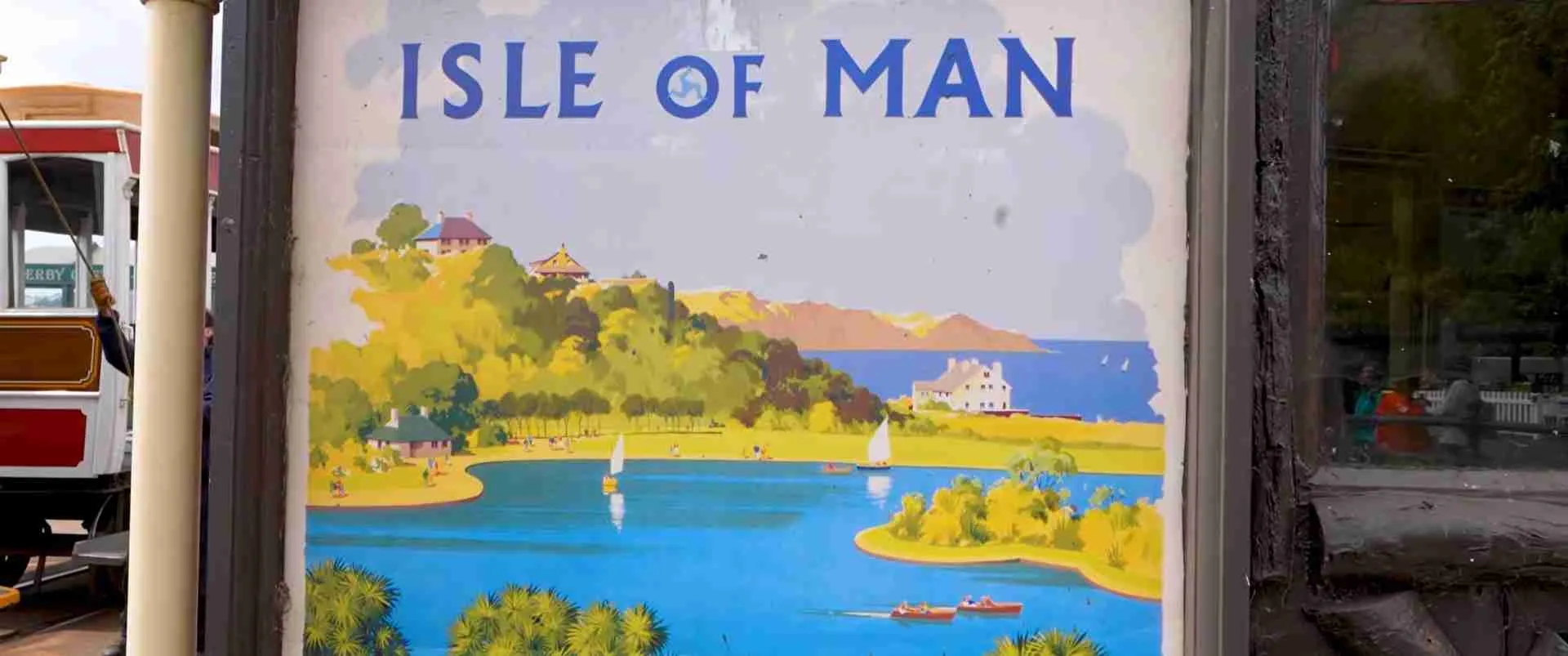
Best Time to Visit Isle of Man: Seasonal Planning Guide
Perched at the geographical heart of the British Isles, the Isle of Man offers an experience that shifts dramatically with the calendar. One fortnight it is the world capital of motorcycle racing, the next a windswept Celtic wilderness where Victorian trams creak through fog and grey seals haul out on undisturbed beaches. Getting the timing right is therefore not a small consideration — it can be the difference between a deeply personal, unhurried discovery and a sold-out, road-closed scramble for accommodation priced at four times its usual rate.
Key Takeaways
- Late May to early June is the TT Races fortnight: the most exciting and most expensive period to visit, with accommodation selling out 12–18 months in advance and significant road closures during practice and race sessions.
- July and August offer the best combination of warm weather, long daylight hours, and full access to heritage railways and Manx National Heritage sites — the best overall season for first-time visitors.
- May (before TT qualifying begins) is statistically the driest and sunniest month of the year, an often-overlooked sweet spot for walkers, cyclists and heritage explorers who want good conditions without peak-season crowds or prices.
- September and October bring autumn colors, dramatically lower accommodation prices, and a packed cultural calendar including the Isle of Man Food and Drink Festival and Heritage Open Days.
- Winter (November to February) is the cheapest period by far, with accommodation available from around £50–70 per night, but most Manx National Heritage sites close until late March and the Snaefell Mountain Railway does not run.
- Children under 16 travel free on all Isle of Man Steam Packet sailings throughout the year, making the island a cost-effective family destination when booked outside TT and August Bank Holiday weekend.
People Also Ask About Visiting the Isle of Man
When is the best time to visit the Isle of Man for good weather?
July and August offer the warmest and most settled conditions on the Isle of Man, with average daily highs reaching around 18°C (64°F) and statistically the clearest skies of the year. May is actually the driest calendar month, with the lowest average rainfall, which makes it excellent for walking and cycling before the tourist season peaks. The island’s maritime climate means rapid weather changes in any season — a waterproof layer is sensible year-round — but the window from mid-May through September gives visitors the most reliably pleasant outdoor conditions. October remains mild enough for active tourism, with sea temperatures that linger into the mid-teens Celsius from the summer’s accumulated warmth.
What happens during TT week on the Isle of Man?
The Isle of Man TT (Tourist Trophy) Races transform the island for approximately two weeks in late May and early June. The event uses a 37.73-mile (60.7km) circuit of closed public roads — the Mountain Course — where riders reach speeds approaching 200mph. The fortnight consists of a qualifying and practice week followed by race week, during which roads on the circuit are closed to general traffic for several sessions per day. The island’s population of around 85,000 is swelled by more than 45,000 additional visitors. The paddock in Douglas is free to enter and gives close access to teams and machines; the atmosphere across the island during race week is unlike anything else in world motorsport.
Is the Isle of Man worth visiting outside motorcycle race season?
Absolutely — and many visitors find the island most rewarding in its quieter periods. The full complement of heritage railways, Manx National Heritage sites, coastal walking paths, Celtic and Norse history, and UNESCO Biosphere wildlife runs from spring through autumn. The island has a cultural calendar that includes Tynwald Day in early July (the national day, with a parliamentary ceremony dating back over a thousand years), the Yn Chruinnaght Celtic music and arts gathering, the Manx Grand Prix in August, and a food and literature festival in September. Autumn walking in the 17 national glens, winter stargazing on the Dark Sky Discovery Site, and the extraordinary marine life visible from clifftop paths are available regardless of motorsport season.
How far in advance should you book accommodation for TT week?
For TT race week, 12–18 months in advance is not an exaggeration — it is a practical necessity. Many guesthouses and hotels operate block-booking arrangements with regular TT visitors, and the most popular properties at popular price points are effectively unavailable to newcomers who enquire fewer than six months before the event. TT ferry crossings with the Isle of Man Steam Packet Company also open for booking well in advance and fill quickly, particularly the sailings bracketing race week. If you plan to attend TT for the first time, booking accommodation and ferries as soon as they become available for your chosen year is the single most important planning step.
Extended multi-day tours – 5+ days
Featured England Multi-Day Tour Packages

3 days
England 3-Day Discovery Tour
- ✓ Comprehensive England experience
- ✓ Expert local guides included
- ✓ All accommodation included
- ✓ Transportation provided
5 days
England 5-Day Highlights Experience
- ✓ Comprehensive England experience
- ✓ Expert local guides included
- ✓ All accommodation included
- ✓ Transportation provided

7 days
England 7-Day Cultural Journey
- ✓ Comprehensive England experience
- ✓ Expert local guides included
- ✓ All accommodation included
- ✓ Transportation provided
10 days
England 10-Day Complete Adventure
- ✓ Comprehensive England experience
- ✓ Expert local guides included
- ✓ All accommodation included
- ✓ Transportation provided
Multi-day tour packages powered by TourRadar. Prices and availability subject to change.
An Island That Changes Its Character With the Seasons
The Isle of Man sits in the Irish Sea at almost equal distances from the coasts of England, Scotland, Ireland, and Wales. Its position creates a maritime temperate climate that is milder than its northerly latitude suggests — frost is rare, snow rarer still — but persistently influenced by Atlantic weather systems that can deliver a full day’s dramatic light changes before lunch. Wind is a constant companion; the island records some of the highest average wind speeds in the British Isles.
It is a small place in geographic terms, roughly 52km (32 miles) from north to south and 22km (14 miles) across at its widest point, with a total area of approximately 572 square kilometres. A resident population of around 85,000 occupies what is in every practical sense a self-governing nation: the Isle of Man is a British Crown Dependency with its own parliament (Tynwald), its own legal system, its own currency, and its own tax arrangements. It is not part of the United Kingdom and not part of the European Union, though its relationship with both is close. British and Irish citizens require no passport to visit; a form of photo identification is advisable.
What makes timing so consequential is that the island changes character more dramatically across the year than almost anywhere else in the British Isles. The TT Races fortnight does not merely add visitors — it remakes the social and physical fabric of the island. Roads close, prices surge, and the entire economy orients itself around the event. Conversely, in January and February the island is almost entirely local: a quiet, genuinely northern European place of dramatic coastlines, warm pubs, and walking paths shared only with sheep.
Between those poles sits a remarkably varied programme. The heritage railways — the Victorian electric Manx Electric Railway, the narrow-gauge steam Isle of Man Steam Railway, the mountain-climbing Snaefell Mountain Railway, and the Douglas Bay Horse Tramway with its horse-drawn trams — operate from late March through to early November, giving the island a tourism season of genuine breadth. The Manx National Heritage charity, which cares for the island’s castles, folk villages, abbeys, and museums, follows a similar seasonal calendar for its outdoor sites. Year-round, the Manx Museum in Douglas and the House of Manannan in Peel remain open, giving even a winter visitor access to the island’s extraordinary Norse and Celtic story.
In 2016, UNESCO designated the entire Isle of Man as a Biosphere Reserve, reportedly the first time a complete national territory had received that designation. The recognition reflects the island’s unusual combination of intact habitats — ancient oakwood glens, upland heath, limestone karst, marine environments, and a Dark Sky Discovery Site — alongside its functioning rural economy and living Celtic cultural heritage in the form of the Manx Gaelic language.
Spring on the Isle of Man (March to May)
Spring arrives on the Isle of Man with a distinctly tentative quality. March temperatures average around 10°C (50°F) by day, with overnight temperatures still sharp, and the island’s exposed western coast and upland interior can feel thoroughly wintry in blustery conditions. Yet the third week of March typically marks a decisive turning point: the heritage railways reopen for their new season, and with them comes an unmistakable shift in the island’s mood.
The Snaefell Mountain Railway usually opens in late March, as does the Manx Electric Railway for its full Douglas-to-Ramsey route. The Isle of Man Steam Railway resumes services from Douglas to Port Erin around the same time. The Manx National Heritage seasonal sites — the Great Laxey Wheel, Castle Rushen, Peel Castle, Cregneash Folk Village, Rushen Abbey, and the Grove Museum — open for the new season from late March (27 March in 2026, with the season running through 1 November). The House of Manannan in Peel and the Manx Museum in Douglas are open year-round and are the first ports of call for a winter or very early spring visit.
Early April belongs to the island’s natural world. Choughs — the red-billed corvids that symbolise the island — display on the clifftops. Puffins return to their colonies on the Calf of Man, the small tidal island off the island’s southern tip managed by the Manx Wildlife Trust as a bird observatory. The limestone grasslands of the Ayres National Nature Reserve on the northern plain produce early wildflowers, and the island’s network of ancient glens fills with bluebells from mid-April onward. The glens of the Isle of Man — 17 national glens, with waymarked paths running through ancient sessile oakwood alongside streams and waterfalls — are at their most arresting in spring, when the canopy is luminously new and the footpaths remain uncrowded.
In April, the CAMRA Isle of Man Beer and Cider Festival typically takes place in Douglas, drawing real ale and craft cider enthusiasts to a concentrated social event that has grown considerably in recent years. The 2026 edition ran from 9 to 11 April; check visitisleofman.com for upcoming dates. The event is a genuinely convivial introduction to the island’s pub culture, which retains a warmth and unpretension that larger British destinations have often lost.
May is the month that arguably deserves more attention than it receives. Statistically it is the driest and sunniest month of the year on the Isle of Man. Average highs climb to around 15°C (59°F) and rainfall drops to its annual minimum, making May the best weather month for walking, cycling, and open-air heritage exploration. The Isle of Man Walking Festival, typically held over five days in mid-May, organises a programme of guided walks graded for all ability levels — from gentle coastal paths to sustained upland routes over Snaefell and North Barrule. The festival attracts dedicated walkers from across the UK and Ireland who discover that the island’s 160km of signposted coastal footpath and its network of ancient green roads offer serious distance and solitude.
The bluebell season peaks in the glens in May; the Calf of Man boat trips from Port Erin and Port St Mary begin operating weather permitting; and the island’s cafés and restaurants open in fuller complement for the incoming season. Accommodation in May before TT qualifying begins is available at reasonable shoulder-season rates, and roads are entirely unconstrained. For visitors who want outstanding weather, full access to heritage sites and railways, natural beauty at its seasonal peak, and none of the TT-related costs and complications, the first three weeks of May represent a strong case for being the best-value time to visit the Isle of Man.
Late May changes everything. TT qualifying begins around the UK Bank Holiday Monday at the end of May — typically the last Monday of the month — and from that point, the island’s character shifts entirely into TT mode.
TT Season: The Island’s Biggest Event (Late May to Early June)
The Isle of Man TT Races are unlike any other motorsport event in the world, and their effect on the island is correspondingly total. Established in 1907, the Tourist Trophy uses closed public roads for its circuit in a way that has been impossible on mainland Britain for generations. The Mountain Course — 37.73 miles of winding roads through towns, villages, moorland, and mountain — is used by riders who regard the lap record (currently above 135mph average) as the benchmark of their craft. Approaching speeds of 200mph are reached on the straights.
The event structure consists of two weeks. The first is qualifying and practice week, beginning around the UK Bank Holiday Monday at the end of May, during which riders take to the Mountain Course in the evenings. The second is race week, typically running from the final Saturday of May through to the first Saturday of June, with race days interspersed with contingency and rest days to accommodate the course’s notorious vulnerability to mountain fog and crosswinds. Both weeks draw enormous crowds, but race week is the climax: the Superbike TT, Supersport, Superstock, Sidecar, and the headline Senior TT on the final Saturday each fill circuit-side vantage points and the Douglas paddock.
Who TT week is ideal for: Motorcycle enthusiasts, road racing fans, and those drawn by the unique spectacle of watching the world’s fastest road racers pass within arm’s reach at unrepeatable speeds on public roads. The paddock in Douglas is free to enter and gives direct access to teams, riders, and machines. The atmosphere in Douglas town centre and in the racing villages of Ramsey, Ballacraine, and Ballaugh is electric — thousands of motorcycles, the smell of racing fuel, and the sound of practice laps drifting across the hillside late into the June evening.
What TT visitors must understand before booking: Accommodation is the single biggest planning challenge. The island’s hotels, guesthouses, and B&Bs are overwhelmingly block-booked by regular TT visitors and specialist travel operators, sometimes for the following year before the current TT fortnight has even concluded. Visitors who begin enquiring six months before TT will typically find that only the most expensive packages or the least convenient accommodation remains. Twelve to eighteen months ahead is the correct planning horizon. Camping on official TT sites is an alternative that fills at a similar rate.
Accommodation prices during TT fortnight sit at levels that bear no relationship to the island’s standard rates. Properties that rent for £80–100 per room per night in summer routinely charge £200–400 or more per room during TT, and hospitality packages incorporating paddock access, reserved race-day grandstand seats, and transport to viewpoints cost considerably more. The Isle of Man Steam Packet ferries for TT week open for booking well in advance and sell out quickly; TT sailing pricing reflects the exceptional demand.
For non-racing visitors: The Mountain Course roads close to general traffic during practice sessions in the evenings and for the duration of race days, meaning that movement around certain parts of the island is restricted during those windows. For visitors not interested in the racing, TT week is generally not the optimal time to come — the accommodation scarcity, elevated pricing, concentrated crowds in Douglas, and road closures make it a poor fit for heritage tourism, walking, and quiet nature exploration. Coming the week immediately before or after TT gives full access to the island at near-normal rates.
Early Summer After the TT (June)
The week after TT race week concludes sees one of the most dramatic reversals in the island’s seasonal character. Tens of thousands of visitors depart on ferries and flights within a few days of the Senior TT, and the Isle of Man reverts almost immediately to a quieter, more accessible version of itself. Roads reopen, accommodation becomes available at rates that reconnect with reality, and the island settles into early summer with all heritage sites and railways in full operation.
Weather in June is excellent. Average daily highs reach 17–18°C (63–64°F), and the extended daylight — over seventeen hours of daylight around the summer solstice — gives long, light evenings ideal for coastal walking, cycling the island’s road network, and lingering over meals at Ramsey harbour or Port Erin bay. The sea temperature climbs through June from around 13°C at month’s start toward 15°C by the end, making sea swimming possible for the acclimatised.
Late June brings the Queenie Festival, celebrating the island’s distinctive marine heritage around the queen scallop — or “queenie” as the small, sweet bivalve is locally known. The festival’s timing, typically at the end of June or early July, combines seafood events, guided coastal activities, and an opportunity to eat extremely well on Manx marine produce. The Isle of Man’s culinary identity is genuinely worth engaging with: Queenie scallops, locally landed crab and lobster, Manx Loaghtan lamb, and Manx kipper are among the most distinctive foods in the British Isles.
For visitors who want the full benefit of the island’s summer season — warm weather, long days, operating railways, and all heritage sites open — without TT-level prices or TT-period restrictions, the post-TT window of roughly 10 June to 10 July represents one of the island’s strongest sweet spots. Accommodation is available, prices are reasonable, and the island is full of colour and activity without being uncomfortably crowded.
Midsummer: Tynwald Day and Celtic Celebrations (July)
Early July brings the Isle of Man’s national day: Tynwald Day. Observed on 5 July — or on the following Monday if 5 July falls on a weekend — Tynwald Day marks the annual open-air sitting of the Manx parliament at Tynwald Hill in the village of St John’s, near the centre of the island. Tynwald is widely regarded as one of the oldest continuously meeting legislative assemblies in the world, with roots in the Norse governance structures established by Viking settlers from the ninth century onward. Its name derives from the Old Norse Þingvöllr, meaning assembly field, the same root that gives Iceland its Þingvellir.
On Tynwald Day, members of the two branches of parliament — the House of Keys and the Legislative Council — process from the Royal Chapel of St John the Baptist to the four-tiered artificial mound of Tynwald Hill. The Deemsters (the island’s senior judges) then proclaim the titles of all Acts of Tynwald passed during the preceding year, in both English and the Manx Gaelic language (Gaelg). Citizens may present petitions for redress of grievance at the foot of the hill — a right that pre-dates most modern democratic frameworks. The ceremony is free to attend and draws thousands of spectators; a fair and associated entertainment extend through the day.
Tynwald Day in 2026 falls on Monday 6 July; in subsequent years it returns to 5 July. Regardless of the specific date, attending Tynwald Day gives a visitor a glimpse of Manx identity that goes far beyond tourism: the island’s fierce sense of cultural and constitutional independence, expressed in both ancient ceremony and living language.
Mid-July brings Yn Chruinnaght (“the gathering”), the Isle of Man’s Celtic arts and culture festival. Centred typically on Ramsey in the island’s north, Yn Chruinnaght celebrates Celtic music, dance, storytelling, language, and craft from across the Celtic nations — Ireland, Scotland, Wales, Cornwall, Brittany, Galicia, and the Isle of Man itself. Bands and performers travel from all corners of the Celtic world, and the sessions and concerts that run through the week create a warmly communal atmosphere that reflects the island’s genuine Celtic heritage rather than a manufactured tourism product.
By mid-July the tourist season is in full swing. Schools in England and Wales begin summer holidays from mid-July, and the island sees a marked rise in family visitors. July is statistically the warmest and clearest month of the year: average highs of 18°C (64°F), the greatest proportion of sunshine hours, and sea temperatures approaching 16°C by month’s end. All heritage railways are running their most intensive summer timetables. Heritage sites have extended opening hours in high summer. Coastal boat trips to the Calf of Man operate daily weather permitting, offering the chance to see puffins, Manx shearwaters, grey Atlantic seals, and the occasional minke whale or basking shark offshore.
Accommodation in July is at or near peak summer pricing — typically £80–130 per room per night for mid-range hotels in Douglas — and demand is high from late July onward. Booking two to three months in advance is advisable for the high season. The atmosphere is busier than pre-TT or post-TT June, but the island retains its characteristic lack of overcrowding compared to UK mainland coastal destinations: even the most popular beaches and glens feel spacious.
Late Summer and the Manx Grand Prix (August)
August is the Isle of Man’s peak family tourism month and the setting for its second major motorcycle racing event: the Manx Grand Prix. The MGP has run since 1923 — originally as the Amateur TT — and occupies the same Mountain Course as the TT, but with a significantly different character. Where the TT draws the world’s best professional road racers, the Manx Grand Prix is open to amateur and club-level competitors working toward their first outright TT entry. The atmosphere is more approachable, the crowds smaller, and the logistical burden for visitors far less severe than TT fortnight.
From 2025, the Classic TT — which celebrates vintage and classic machines from the golden ages of road racing — has been separated from the Manx Grand Prix schedule and runs as a distinct event in the same August window. Between them, the MGP and Classic TT fill the latter two weeks of August with racing, paddock events, and North Quay Live concerts in Douglas. For visitors who love motorcycle history and want to experience the Mountain Course atmosphere without the TT fortnight’s accommodation battle, the Manx Grand Prix period offers a compelling alternative.
Beyond motorsport, August is the best month for outdoor activities. Sea temperatures reach their annual peak of around 17°C (63°F), warm enough for open-water swimming and kayaking. Basking sharks — the world’s second-largest fish — are spotted regularly off the island’s western coast in late summer, and harbour porpoises are visible year-round from headlands such as the Point of Ayre in the north and Spanish Head in the south. The Calf of Man boat trips are at their most reliable in terms of weather and wildlife visibility.
The UK August Bank Holiday weekend (the last weekend of August) is the busiest non-TT weekend of the year, with the island full of British holidaymakers taking advantage of the extended break. Accommodation on this weekend requires advance booking; otherwise, August availability is generally manageable with two to three months’ notice. After the Bank Holiday, the island transitions into the early autumn mood with surprising speed — there is a perceptible quieting of crowds in the last days of August and the first of September, as schools return and the overnight temperature begins to drop.
Autumn on the Isle of Man (September and October)
September is a month that many experienced Isle of Man visitors regard as their favourite. The summer crowds have largely departed, the heritage railways and Manx National Heritage sites remain open through October, and the island’s landscape shifts into the rich colours that the maritime climate produces: amber bracken on the mountain slopes, deep russet in the glens, the last flush of purple heather on the upland moors. Walking conditions are excellent — temperatures are still comfortable (average highs of 16°C/61°F in September, dropping to 13°C/55°F in October), the ground is firm, and the crowds on coastal paths are thin.
September’s cultural programme is one of the busiest in the island’s calendar. Heritage Open Days (organised by Manx National Heritage and community groups) take place across two weekends in September, opening buildings and sites that are not normally accessible to the public — industrial heritage, private gardens, historic institutions, and behind-the-scenes access to national collections. Entry to all Heritage Open Days events is free. In late September, the Isle of Man Food and Drink Festival brings together local producers, restaurants, and food artisans for a weekend of tastings, demonstrations, and market stalls that showcases the island’s seafood, dairy, lamb, and craft drinks. Also in late September, the Manx Litfest (a literature festival) draws writers and readers for talks, readings, workshops, and panel discussions across several days.
For wildlife enthusiasts, September and October mark the peak of autumn bird migration. The Calf of Man, managed as a bird observatory, is a nationally significant migration watchpoint: species passing through in autumn include rarities driven west by Continental weather systems, and the observatory’s observatory team maintains records of exceptional ornithological value. Grey Atlantic seals begin to haul out on beaches and rocky shores to pup in autumn, with the best sites on the northern beaches near the Point of Ayre and around the Calf.
October sees the heritage railways and most Manx National Heritage seasonal sites wind down. Most close for their annual winter break on 1 November, though some operate into late October at reduced hours. The Snaefell Mountain Railway typically ends its season in early November. The Douglas Bay Horse Tramway usually runs through to October or early November depending on weather and season length. For visitors arriving in October, it is worth checking specific opening dates at visitisleofman.com and manxnationalheritage.im in advance.
Accommodation pricing in September and October is noticeably lower than July and August — a well-chosen guesthouse or small hotel can be found in the £60–90 per night range for a double room, and availability is far less pressured. This combination of lower costs, smaller crowds, excellent walking conditions, autumn colour, and a richly stocked cultural calendar makes autumn a serious contender for the best all-round season on the island for independent travellers.
Winter: The Quiet Season (November to February)
From November onward, the Isle of Man enters its quiet season. Most of the island’s tourist infrastructure steps back: the Snaefell Mountain Railway closes, the Manx Electric Railway operates at reduced winter frequency or suspends between seasons, the Douglas Bay Horse Tramway ceases operation, and all Manx National Heritage seasonal sites remain closed until late March. The Steam Railway runs limited winter services on selected dates; check the iombusandrail.im website for the current winter timetable, as it varies year to year.
What remains open year-round is not insignificant. The Manx Museum in Douglas — the national museum of the Isle of Man, housing the island’s Norse silver hoard, its archaeological collections, and a fine art gallery — is open without charge throughout the year. The House of Manannan in Peel, a multi-media heritage centre exploring Celtic and Viking identity on the island, is also open year-round. Bus Vannin runs its full scheduled bus network throughout the winter. The island’s walking paths, coastal cliffs, and glens are accessible in all weathers, and winter light can be extraordinarily dramatic on the island’s exposed western coast.
The Isle of Man’s designation as a Dark Sky Discovery Site comes into its own in winter. The island has some of the lowest levels of light pollution in the British Isles — particularly in the upland interior and on the northern plain around the Ayres — and clear winter nights offer outstanding stargazing. The Milky Way is visible to the naked eye from many locations, and dark-sky photography attracts a small but dedicated community of visitors through the winter months.
Winter is also the cheapest time to visit in terms of accommodation and transport. Double rooms in Douglas mid-range hotels can be found from around £50–70 per night; some properties offer significant reductions for longer stays. Steam Packet ferry fares on advance saver tickets are at their lowest, and flights from UK airports to Ronaldsway Airport are substantially cheaper than in the high season. The trade-off is clear: the island is quiet to the point of feeling slow, most tourist attractions are closed, and the weather in January and February — average highs around 8°C (46°F), frequently overcast and blustery — demands genuine commitment from those seeking outdoor adventure.
Douglas holds a Christmas market and light display in the weeks before Christmas, and the town retains enough life through December that a short winter break combining city walking, museum visits, seafood restaurants, and fireside pub evenings in the island’s excellent traditional hostelries makes a distinctly appealing proposition — provided the visitor’s expectations are calibrated to the season rather than the summer brochure.
Isle of Man Weather by Month: A Seasonal Reference
The following breakdown covers the key climatic indicators for each period of the year, with an honest assessment of crowd levels and accessibility for visiting. All temperatures are averages and the island’s maritime location means conditions vary considerably day to day.
January and February: Average daily highs 8°C (46°F), lows 3–4°C (37–39°F). The coldest and most consistently unsettled months. Overcast skies approximately 65% of the time. Rainfall 14–15 rain days per month. Almost no tourist activity. Ferry crossings may be affected by severe Atlantic storms — the conventional crossing from Heysham is the more robust option in heavy weather. Daylight: 8–9 hours. Crowd level: negligible.
March: Average highs 10°C (50°F). The month of reopening: heritage railways and MNH seasonal sites return from late March. Walking is excellent for those who embrace the elements. Snowdrops and daffodils in the glens. Crowd level: very low.
April: Average highs 12°C (54°F). Spring developing fully. CAMRA Beer and Cider Festival (early April). Puffins returning to Calf of Man colonies. Bluebells beginning in the glens. About 13 rain days per month. Crowd level: low, with a modest Easter uplift.
May: Average highs 15°C (59°F). Statistically the driest month (lowest average rainfall and fewest rain days). Walking Festival typically mid-month. Excellent sunniest weather. Late May: TT qualifying begins, accommodation pressures start. Crowd level: low until late May, when it rises sharply.
Late May to early June (TT): Average highs 17–18°C (63–64°F). Outstanding racing conditions. Road closures during practice and race sessions. Extreme accommodation demand and pricing. Crowd level: highest of the year.
June (post-TT): Average highs 17–18°C (63°F). Long daylight hours (17+ at solstice). Queenie Festival (late June). Accommodation returns to normal availability. Sea temperature 13–15°C. Crowd level: moderate and pleasant.
July: Average highs 18°C (64°F). Best weather overall; clearest skies of the year. Tynwald Day (5 July or nearest Monday). Yn Chruinnaght Celtic festival (mid-month). Schools begin summer holidays. Sea temperature 15–16°C. Crowd level: high but not overcrowded.
August: Average highs 18°C (64°F). Sea temperature peaks at 17°C. Manx Grand Prix and Classic TT (mid-to-late month). August Bank Holiday weekend the busiest of the season. Excellent for outdoor activities. Crowd level: high, peaking on Bank Holiday weekend.
September: Average highs 16°C (61°F). Sea still warm (15–16°C). Heritage Open Days, Food and Drink Festival, Litfest (all in September). Autumn colours beginning in the glens. Crowd level: moderate to low and falling.
October: Average highs 13°C (55°F). Rich autumn colours on uplands and in glens. Grey seal pups on northern beaches. Migratory birds on Calf of Man. Heritage railways and MNH sites closing for winter during the month. Crowd level: low.
November and December: Average highs 8–10°C (46–50°F). November is the wettest month of the year. Most tourist sites closed. Douglas Christmas lights and market in December. Dark sky season excellent. Crowd level: very low.
Getting to the Isle of Man
There are two ways to reach the Isle of Man: by sea or by air. Both options are well-served, though the ferry is the more traditional and often more economical route for visitors travelling from northwest England or Ireland.
By ferry — Isle of Man Steam Packet Company: The Steam Packet Company is the sole provider of sea services to the island, operating from four departure ports. From Liverpool, the high-speed Manannan makes the crossing in approximately 2 hours 45 minutes. From Heysham in Lancashire, the Manannan and the conventional Ben-my-Chree serve the route in 2 hours 30 minutes and 3 hours 45 minutes respectively; the Heysham service is the most frequent year-round. From Dublin, the Ben-my-Chree makes seasonal crossings. From late July 2026, the Ben-my-Chree began a year-round service to Larne in Northern Ireland (three times weekly), making the island accessible from the north of Ireland for the first time on a sustained basis.
Foot passenger saver fares have historically started from the mid-twenties in pounds each way on advance bookings, with standard fares higher; children under 16 travel free on all scheduled sailings as a standing policy introduced in late 2024 (check steam-packet.com for current fares, as these update seasonally). Car crossings start from around £70–100 each way on off-peak saver rates, rising substantially during TT. The first mention of a fare here includes the note that all prices should be verified with the official booking site, as they vary considerably by season, sailing time, and advance-booking window. TT-period fares command a significant premium and require booking well in advance.
All ferries arrive in Douglas, the island’s capital. The Sea Terminal sits within easy walking distance of the central promenade, main bus interchange, and the Derby Castle terminal for the Manx Electric Railway. For visitors travelling with a car, the car deck unloading process is efficient and the island’s roads are clear of the congestion that typifies arrival in most UK ferry terminals.
By air — Ronaldsway Airport (IATA: IOM): Ronaldsway Airport lies near the south coast of the island, approximately 11 miles (18km) from Douglas, with a regular Bus Vannin service (Route 1) connecting it to the capital in around 30 minutes. Scheduled air services connect the island to London City Airport, Manchester, Liverpool, Bristol, Birmingham, Leeds Bradford, Edinburgh, and Dublin. Airlines serving the island include Loganair, easyJet, and Aer Lingus Regional. Flight times range from 45 minutes to just over an hour from most UK cities. Flights during TT period are fully booked as far ahead as the ferries and should be reserved at the same time as accommodation.
British and Irish citizens need no passport to travel to the Isle of Man; a valid photo identification document (driving licence, passport, or equivalent) is strongly recommended. Visitors from other nationalities should check visa requirements, as the Isle of Man’s border controls are separate from the United Kingdom’s, although in practice the Common Travel Area arrangement means most visitors with right of entry to the UK can travel to the Isle of Man without separate documentation.
Getting Around: Heritage Railways and the Bus Network
Getting around the Isle of Man without a car is entirely possible — and for many visitors, the heritage railways are as much a destination as a transport mode. The island operates a unified bus-and-rail network under the Isle of Man Transport umbrella, covering the steam railway, electric tramways, and the Bus Vannin bus service.
The most practical tool for any visitor spending more than a day on the island is the Go Explore card. Available for 1, 3, 5, or 7 consecutive days, the card gives unlimited travel on all scheduled Bus Vannin bus services and all heritage railway lines — the Isle of Man Steam Railway, the Manx Electric Railway, the Snaefell Mountain Railway, the Douglas Bay Horse Tramway, and also the Groudle Glen Railway and Great Laxey Mine Railway. Prices at the time of writing stand at £21 for a 1-day adult card, £42 for 3 days, £49 for 5 days, and £59 for 7 days. Family cards (two adults, up to three children aged 5–15) are available at £48, £92, £105, and £129 respectively for the same durations; children under 5 travel free (check current prices at iombusandrail.im or gotravel.im).
For visitors planning to combine transport with heritage site visits, the Go Explore Heritage card (5-day only) offers unlimited bus and rail travel plus free admission to all Manx National Heritage attractions. At £70 for an adult card, it represents excellent value for anyone intending to visit more than two or three paid MNH sites in a five-day stay.
The Manx Electric Railway (MER) is an operating Victorian institution — electric trams dating from 1893 and 1899 run the 17.5 miles (28km) between Derby Castle in Douglas and Ramsey in the north, stopping at Laxey and a string of coastal villages along the way. The upper deck of an open-sided toast-rack car on the MER on a clear summer afternoon is one of the most pleasurable half-hours of transport in the British Isles.
At Laxey, the MER connects with the Snaefell Mountain Railway, which climbs 5 miles (8km) from sea level to within a short walk of the 621m (2,036ft) summit of Snaefell — the island’s only mountain and the highest point in the Isle of Man. The 30-minute ascent in 1895-vintage electric railcars gives views that in clear conditions extend to the coastlines of England, Scotland, Wales, and Ireland simultaneously. The railway runs late March to early November; the summit café at the top has changed rather less than visitors might expect since the line opened in 1895.
The Isle of Man Steam Railway runs 15.5 miles (25km) of narrow gauge track from Douglas to Port Erin in the island’s south, pausing at Castletown and Ballasalla. A one-way adult ticket from Douglas to Port Erin costs around £9; the return is approximately £17 (check the current fare tables at iombusandrail.im, as prices update annually). The rolling stock dates from the 1870s and 1880s; the journey via Castletown, with its medieval castle, is highly recommended.
The Douglas Bay Horse Tramway, the world’s last remaining traditional horse-drawn coastal tramway, runs along the promenade between Derby Castle and Villa Marina. Operating April through to October or early November, it is a short but atmospheric ride that gives a sense of how the Victorian seafront resort that Douglas once aspired to be still faintly echoes in the architecture of the promenade hotels.
Bus Vannin’s services cover the entire island, with single fares ranging from £1.10 for a short urban hop to £3.30 for a cross-island journey between Douglas and Ramsey or Peel. Car hire is available from Ronaldsway Airport and in Douglas for visitors who want maximum flexibility, particularly for reaching the more remote northern and southern corners of the island.
Accommodation Across the Seasons
The Isle of Man’s accommodation stock is headed by the parade of Victorian seafront hotels along Douglas Bay promenade — large, moderately formal establishments that have traded on the views and position since the late nineteenth century. Away from Douglas, the island offers a spread of guesthouses, farmhouse B&Bs, self-catering cottages, and a handful of inns in the smaller towns of Ramsey, Peel, Castletown, Port Erin, and Port St Mary. Campsites operate on the island during the main season, with the most popular filling rapidly for TT.
The TT fortnight is the accommodation anomaly that shapes everything else. During race week, properties that rent for £80–100 per room per night in summer routinely charge £200–400 or more — and many have been block-booked months or years in advance by regular visitors. The practical advice is straightforward: if you intend to visit during TT, begin your accommodation search 12–18 months ahead, book the moment you confirm your dates, and be prepared to accept what is available rather than what you prefer. Staying in a less-accessible part of the island (Ramsey, Peel, or the south) is sometimes the only realistic option for late bookers, but with a Go Explore card the transport network makes these locations perfectly manageable.
For July and August, the island’s high season outside TT, mid-range hotels in Douglas typically price in the range of £80–130 per night for a double room; guesthouses and B&Bs start from around £65–90. Booking two to three months ahead for this period is advisable, particularly around the August Bank Holiday weekend and the Manx Grand Prix fortnight.
The shoulder seasons — April to mid-May and September to October — offer the most favourable combination of availability and pricing. Double rooms at mid-range properties start from around £60–90 per night, and it is generally possible to book with two to three weeks’ notice. Many properties offer their warmest welcome and most attentive service in these quieter months, when they are not processing the relentless turnover of high-season visitors.
Winter, from November through to March, is the off-season. Accommodation prices drop significantly — budget and lower mid-range rooms can be found from around £50–70 per night, and some properties offer reductions for longer stays. However, not all properties remain open through the entire winter; checking ahead by telephone or email is advisable before assuming year-round availability. Self-catering cottages, many of which come with log burners and sea views, can represent excellent value in winter for those who want the freedom to set their own schedule regardless of pub and restaurant hours.
Key Attractions and When They Are Open
Planning around the Isle of Man’s attraction calendar is straightforward once the broad seasonal pattern is understood: the Manx National Heritage seasonal sites open in late March and close on 1 November, and the heritage railways run on a similar spring-to-autumn schedule. Year-round access to the island’s heritage is anchored by two always-open institutions.
The Manx Museum in Douglas is the national museum of the Isle of Man, covering archaeology from prehistoric to Viking periods, natural history, and fine art. It holds one of the finest collections of Viking silver hoards in Europe, alongside an internationally significant collection of work by the Art Nouveau designer Archibald Knox, who was Manx-born. Admission is free. It is open year-round, Monday to Saturday, and is the single most important cultural institution on the island for first-time visitors.
The House of Manannan in Peel uses multi-media presentation to explore the island’s Celtic and Viking heritage, taking its name from the legendary sea god of Manx tradition. Also open year-round, it charges individual adult admission (check manxnationalheritage.im for current prices).
The Great Laxey Wheel, east of Douglas, is the largest surviving operational waterwheel in the world. Built in 1854 to pump water from the lead and zinc mines beneath Laxey valley, it stands 21.9 metres (72 feet) in diameter and was named Lady Isabella after the wife of the then Lieutenant Governor. Adult admission stands at £15.50 (inclusive of a voluntary donation to Manx National Heritage; check manxnationalheritage.im for current prices, as these are subject to annual review). The Wheel is open late March to 1 November.
Castle Rushen in Castletown is among the best-preserved medieval castles in the British Isles. Founded in the late twelfth century as a Norse fortification and expanded by subsequent Lords of Mann, it served as a royal residence, a mint, and a prison over six centuries of use. Adult admission is £15.50 (check manxnationalheritage.im). It is open late March to 1 November.
Peel Castle, set on St Patrick’s Isle at the mouth of Peel harbour, is reached by a causeway and encircles the ruin of St German’s Cathedral and a round tower. Open late March to 1 November; adult admission charged.
Cregneash Folk Village in the island’s far south preserves a living example of a traditional Manx crofting community, with thatched cottages, a working smithy, and flocks of Manx Loaghtan sheep — the island’s ancient four-horned breed — grazing freely around the site. Open late March to 1 November; adult admission charged.
Rushen Abbey (Ballasalla) and the Grove Museum (Ramsey) complete the main circuit of Manx National Heritage seasonal sites, both open late March to 1 November. The Go Explore Heritage card covers admission to all of these sites for five consecutive days of travel, making it the most economical option for visitors wanting to cover the full Manx National Heritage circuit.
The Calf of Man — the small tidal island off the island’s southern tip — is accessible only by boat, with seasonal crossings operating from Port Erin and Port St Mary (April to October, weather permitting). The Calf is managed as a bird observatory and nature reserve; landing visits are limited to protect the breeding colonies of Manx shearwaters, puffins, and grey seals.
The Isle of Man UNESCO Biosphere Reserve
In November 2016 UNESCO designated the entire Isle of Man as a Biosphere Reserve — a recognition that covered the island’s habitats, cultural heritage, and community in their entirety rather than singling out one protected area. The designation reflects the unusual integrity of the island as an ecological and cultural unit: its 17 national glens, upland heaths, limestone grasslands, coastal wetlands, sea cliffs, and marine environment function as a relatively intact system, and the island’s small population has maintained traditional land management and resource use that elsewhere in the British Isles was largely lost in the twentieth century.
The Biosphere status has practical relevance for visitors in several ways. It underpins the management of the island’s designated natural areas, meaning that habitats are maintained with a seriousness that more heavily commercialised destinations frequently abandon under visitor pressure. The dark sky quality is actively protected: the island is a Dark Sky Discovery Site with exceptionally low light pollution across most of its area, particularly in the interior and north. Clear autumn and winter nights from elevated locations — the Snaefell plateau, the coast road above Port Erin, the Ayres headland — offer views of the Milky Way and major meteor showers that are impossible from most of mainland Britain.
The Manx Loaghtan sheep is a living component of the Biosphere — a primitive four-horned breed with dark chocolate-coloured wool that has grazed the island’s uplands since Viking times, and whose highly flavoured meat appears on the menus of the island’s better restaurants. Red squirrels survive on the Isle of Man in the absence of the grey squirrel that has displaced them from most of mainland Britain. Choughs — the red-billed, red-legged jackdaw relatives whose UK populations are otherwise largely confined to Wales and western Scotland — nest on the island’s south and west coasts. Offshore, the Irish Sea around the Isle of Man supports populations of harbour porpoise, grey Atlantic seal, minke whale, and in late summer basking shark, all visible from accessible clifftop paths.
The living Manx Gaelic language (Gaelg) is woven into the Biosphere designation as a cultural dimension: road signs are bilingual, place names carry their Gaelic roots visibly, and a modest but genuine revival programme has brought the language back from the brink of extinction in the early twenty-first century. Hearing Gaelg at Tynwald Day or in the introductions to a session at Yn Chruinnaght provides a linguistic connection to the island’s Celtic identity that is not performative — it is, for a small but growing community of speakers, simply how some people talk.
Packing and Practical Essentials
Clothing: The Isle of Man’s maritime climate demands layers rather than warm weights. A waterproof jacket is non-negotiable in any season, and one that packs small enough to carry in a day bag will earn its place even in July. Walking shoes or boots are appropriate on the glens and coastal paths from spring through autumn; the mountain tracks to Snaefell summit (accessible on foot or by railway) are rocky in places and need grip underfoot. In summer, temperatures rarely exceed 22°C (72°F) — light clothing with a warm mid-layer and waterproof overshell covers most conditions.
Currency: The Isle of Man issues its own notes and coins in denominations equivalent to and at parity with British pounds sterling. UK (mainland) currency is accepted everywhere on the island and interchangeable with IoM currency in day-to-day use. Isle of Man notes are not typically accepted on the UK mainland, however — if you receive IoM notes as change and are returning to the UK, exchange them before departure at the Sea Terminal or airport. The island is not subject to UK VAT on goods sold to consumers, which means certain purchases (particularly at electronics retailers and specialists) may be notably cheaper than equivalent UK mainland prices.
Driving: Traffic drives on the left; standard UK driving licence is valid. The island’s road network is compact and well-signed. The national speed limit on most rural roads is 60mph; urban areas are generally 30mph or signed lower. Note that during TT practice sessions and race days, the Mountain Course roads are closed to all non-authorised traffic — the island’s transport network provides enhanced bus services as alternatives during closures. Parking in Douglas is metered in the centre and free or unmetered in most other towns.
Travel and health: UK EHIC or GHIC cards are not applicable on the Isle of Man, as it is outside the UK for National Health Service purposes. The Isle of Man runs its own health service (Manx Care), which extends reciprocal treatment to UK nationals for urgent care, but travel insurance is advisable for any medical or cancellation contingency. Mobile roaming charges do not apply for UK SIM cards; the island operates on the same network as the UK. Many attractions have accessible routes, though older heritage sites have limitations — check individual sites for accessibility details.
Frequently Asked Questions
Do you need a passport to visit the Isle of Man?
British and Irish citizens do not require a passport to visit the Isle of Man. The island is part of the Common Travel Area, which means travel between the Isle of Man, the United Kingdom, the Republic of Ireland, and the Channel Islands does not require passport presentation for qualifying citizens. A valid photo identification document — driving licence, national identity card, or passport — is strongly recommended, as ferry operators and airlines may request ID at check-in. Citizens of other nationalities should confirm their entry requirements, as the Isle of Man’s border arrangements differ from the United Kingdom’s, though the practical framework is aligned for most nationalities with UK right of entry.
What currency is used on the Isle of Man?
The Isle of Man operates its own currency — Isle of Man Pounds — which are distinct banknotes and coins issued by the Isle of Man Government at parity with British pounds sterling. In practice, UK currency is accepted at face value everywhere on the island and is fully interchangeable with IoM notes in day-to-day transactions. Major credit and debit cards are accepted widely. The important caveat is the reverse direction: IoM notes are generally not accepted on the UK mainland, so it is worth spending any IoM coins and exchanging any IoM notes before departing at the ferry terminal or airport. The island does not charge UK-equivalent VAT on most retail goods, which can make certain purchases cheaper than on the mainland.
When does the Snaefell Mountain Railway operate?
The Snaefell Mountain Railway typically runs from late March to early November. The 2026 season opened in late March and runs to 2 November. Services operate from Laxey Station, which is itself served by the Manx Electric Railway from Douglas and Ramsey. Trams run at regular intervals from mid-morning to late afternoon, with the journey to the 621m (2,036ft) summit taking approximately 30 minutes. At busy periods such as TT fortnight, summer Saturdays, and bank holidays, services are more frequent. The summit café is open during operating hours. From the top in clear conditions, it is said that the six kingdoms of England, Scotland, Wales, Ireland, Mann, and heaven are visible simultaneously — a marketing claim of considerable antiquity that occasionally proves accurate.
What is the cheapest time to visit the Isle of Man?
The cheapest periods to visit are November through February (excluding Christmas and New Year), when ferry fares, flight prices, and accommodation rates all reach their annual lows. Double rooms in mid-range Douglas hotels can be found from around £50–70 per night, and advance saver ferry fares represent the lowest prices of the year. The trade-off is that most Manx National Heritage seasonal sites are closed, the Snaefell Mountain Railway is not running, and the weather is at its most challenging. The second-cheapest and considerably more practical window is mid-April to mid-May — the weeks between the Easter uplift and the beginning of TT qualifying — when shoulder prices apply, the weather can be outstanding, and the island is in full spring operation with all heritage railways and most MNH sites open.
Can you drive to the Isle of Man?
There is no road or rail connection to the Isle of Man; the island is accessible only by sea or air. If you wish to bring your own vehicle, you must take it on the Isle of Man Steam Packet Company ferry from Liverpool, Heysham, Dublin, or (from late 2026) Larne in Northern Ireland. Car crossing prices on saver tickets start from around £70–100 each way off-peak for a standard car, plus per-person passenger fares; prices rise substantially during TT and peak summer. Booking car crossings well in advance is essential for TT fortnight, advisable for July and August, and straightforward for shoulder and off-peak periods. The island also has car hire available at Ronaldsway Airport and in Douglas for those who prefer to travel without their own vehicle and rent on arrival.
What is Tynwald Day?
Tynwald Day is the Isle of Man’s national day, observed on 5 July each year (or the following Monday if 5 July falls on a weekend). It marks the annual outdoor sitting of Tynwald, the Manx parliament, which is widely regarded as one of the oldest continuously meeting legislative assemblies in the world. On Tynwald Day, parliament convenes at Tynwald Hill in the village of St John’s — an ancient artificial mound at the island’s geographic centre — rather than its usual meeting place in Douglas. Members of the House of Keys and Legislative Council process from the Royal Chapel of St John the Baptist to Tynwald Hill, where the Deemsters proclaim the titles of new laws in both English and Manx Gaelic. The day is a public holiday on the island and a free, publicly attended event accompanied by a traditional fair. In 2026 Tynwald Day falls on Monday 6 July.
Are Manx National Heritage sites open in winter?
Most Manx National Heritage seasonal sites — including the Great Laxey Wheel, Castle Rushen, Peel Castle, Cregneash Folk Village, Rushen Abbey, and the Grove Museum — are closed from approximately 1 November to late March. However, two Manx National Heritage sites remain open year-round: the Manx Museum in Douglas and the House of Manannan in Peel. The Manx Museum is free to enter and holds the island’s national collections spanning prehistoric, Viking, and modern Manx history. The House of Manannan in Peel is a ticketed attraction exploring Celtic and Viking heritage. For the specific dates of the annual seasonal opening and closing of each site, check manxnationalheritage.im, as these vary slightly from year to year.
What are the TT Races and when do they take place?
The Isle of Man TT (Tourist Trophy) Races are the world’s premier road racing motorcycle event, held annually since 1907 on a 37.73-mile circuit of closed public roads known as the Mountain Course. The TT fortnight consists of a qualifying and practice week followed by race week, with the event typically beginning on the UK Bank Holiday Monday at the end of May and concluding approximately two weeks later in early June with the headline Milwaukee Senior TT. In 2026 the event ran from 25 May to 6 June; future dates are announced well in advance on iomttraces.com. The event draws more than 45,000 visitors to the island; accommodation and ferries for race week must be booked 12–18 months ahead. The Manx Grand Prix, the island’s second motorcycle racing event, takes place on the same Mountain Course in mid-to-late August and is aimed at amateur and club-level competitors.
Is the Isle of Man suitable for a family holiday?
The Isle of Man is an excellent family destination, particularly for families with children who respond to transport heritage, outdoor adventure, and accessible natural environments. The heritage railways are universally popular with children; the steam trains and Victorian electric trams offer a tangible, tactile experience that is entirely different from modern transport. The Manx Museum has strong interactive displays aimed at younger visitors. Sandy beaches at Port Erin, Port St Mary, Ramsey, Peel, and the northern Ayres coast are clean and largely uncrowded. The island’s size — manageable within a week’s visit — means families do not spend their time driving between distant attractions. Children under 16 travel free on Steam Packet ferries and at half-fare on most heritage railway services, and children under 18 are admitted free to all Manx National Heritage sites. The best family seasons are late July and August, when school holidays coincide with peak beach and outdoor conditions.
What wildlife can you see on the Isle of Man?
The Isle of Man offers wildlife viewing that is exceptional by British Isles standards, directly accessible from the island’s walking paths and coastlines. Red squirrels — absent from most of England due to grey squirrel competition — survive in the island’s deciduous woodlands, particularly in the south. Choughs, the distinctive red-billed, red-legged corvids whose UK mainland population is largely confined to Wales, nest on sea cliffs in the south and west. Grey seals haul out on beaches and rocky shores, with pupping sites at the northern Ayres and around the Calf of Man in autumn. Offshore, harbour porpoises are visible year-round from headlands such as the Point of Ayre; basking sharks appear in late summer in the waters west of Peel; minke whales are recorded several times a year. The Calf of Man hosts internationally important breeding colonies of Manx shearwater (a nocturnal seabird that nests in burrows), puffins, and razorbills. Bird migration watchpoints in September and October, particularly on the Calf, can produce rare vagrant species driven west by Continental weather systems.