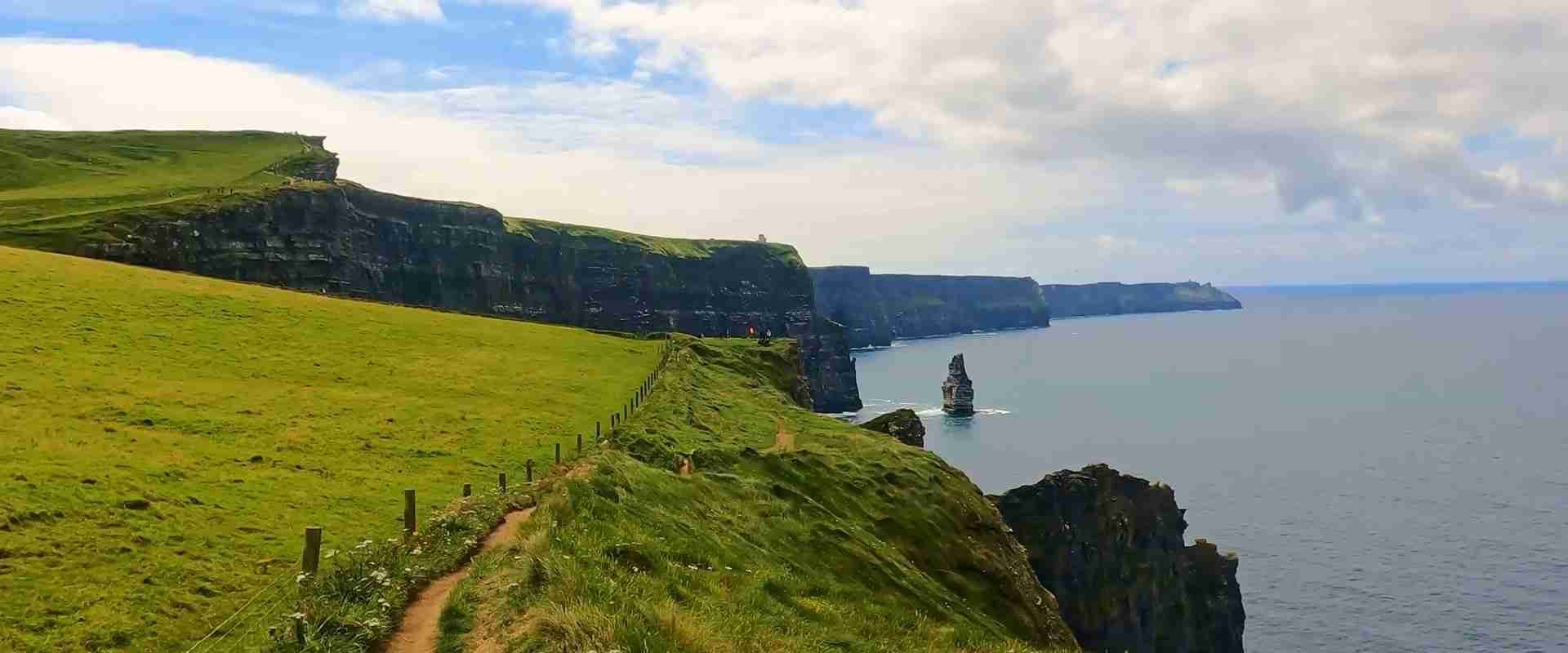
Best Time to Visit Ireland 2026: Weather, Festivals & Seasonal Planning
Ireland’s temperate oceanic climate, shaped by Atlantic currents and the Gulf Stream, creates distinct seasonal experiences that dramatically influence your visit. Understanding Ireland’s weather patterns, festival calendar, and crowd dynamics for 2026 allows travelers to align their journey with personal priorities, whether seeking sunny summer days, winter solitude, spring wildflowers, or autumn’s cultural richness.
Key Takeaways: Planning Your 2026 Ireland Visit
- Peak Summer Balance 2026: June through August offers Ireland’s warmest weather (average 15-18°C) and longest days (sunrise 05:00, sunset 22:00 in June), but brings premium accommodation rates (€180-280 per night for mid-range hotels), significant crowds at major attractions, and frequent rain requiring flexible planning despite the season’s reputation.
- Spring Sweet Spot 2026: April and May provide optimal conditions for many travelers with milder temperatures (10-15°C), lowest annual rainfall (approximately 72-75mm monthly), emerging greenery transforming the landscape, shoulder-season accommodation rates (€120-180 per night), and excellent festival opportunities including Galway International Arts Festival and spring cultural events.
- Festival Calendar Richness 2026: Ireland’s cultural calendar peaks from March through October with St. Patrick’s Festival transforming Dublin (March 14-17), Galway International Arts Festival drawing world-class performers (July), Cork Jazz Festival creating musical magic (October 23-27), and over 130 confirmed festivals spanning traditional music (TradFest January), literary celebrations (Cúirt April), and outdoor adventures (Wander Wild April).
- Winter Opportunities 2026: November through February rewards budget-conscious travelers with lowest accommodation rates (€90-140 per night), minimal crowds at attractions, authentic local experiences, dramatic coastal scenery, and cultural richness through indoor festivals like TradFest Dublin (January), though daylight is limited (08:29 sunrise, 16:38 sunset in January) and rain is frequent.
- Regional Climate Variations 2026: Ireland’s west coast receives double the rainfall of eastern regions (1,200mm versus 750mm annually), with counties Clare, Galway, and Kerry experiencing wettest conditions while Dublin and Waterford remain comparatively drier, creating strategic planning opportunities for weather-sensitive travelers choosing coastal versus inland, western versus eastern routes.
- Accommodation Strategy 2026: Book Dublin accommodations 3-6 months ahead for summer visits as prices reach €200-350 per night in peak season versus €120-200 off-peak, while rural Ireland offers flexibility with abundant B&Bs, guesthouses, and small hotels maintaining availability except during major local festivals when advance booking becomes essential.
People Also Ask About Best Time Visit Ireland 2026
What is the best month to visit Ireland in 2026?
May and September emerge as optimal months for visiting Ireland in 2026, offering the best balance of favorable weather, manageable crowds, and reasonable prices. May delivers Ireland’s driest conditions (average 75mm rainfall versus 107mm in August), longest sunshine hours (6-7 hours daily matching June), comfortable temperatures (average 15°C), and spectacular spring landscapes with wildflowers carpeting hillsides and hedgerows bursting with hawthorn blossoms. Accommodation rates remain moderate at €120-180 per night for mid-range properties, significantly below July-August peaks. September extends summer’s warmth (average 14°C) with autumn colors beginning transformation across Ireland’s forests and hills, while tourists thin dramatically after schools resume, creating peaceful experiences at major attractions. Both months provide excellent festival opportunities: May features numerous local food and music festivals while September hosts Culture Night (September 19) showcasing Ireland’s creative energy nationwide with free events, performances, and gallery openings across cities and towns.
How much rain should I expect in Ireland in 2026?
Ireland receives substantial rainfall year-round averaging 1,000mm annually, though amounts vary dramatically by region and season in 2026. Western coastal counties including Clare, Galway, Mayo, Kerry, and Donegal experience highest precipitation at 1,200-1,400mm annually with mountainous districts exceeding 2,000mm, while eastern Ireland including Dublin, Waterford, and Wexford remains comparatively drier at 750-900mm yearly. Monthly rainfall patterns show December and January as wettest months (average 100mm), April as driest (approximately 72mm), with summer months June-August receiving 75-110mm despite their reputation as “good weather” season. Rain typically arrives as frequent light showers rather than sustained downpours, with weather changing rapidly throughout the day. Expect 15-22 rainy days monthly (days with 1mm+ precipitation) depending on location, with western regions consistently wetter. The practical reality: pack quality rain gear regardless of season, as Ireland’s famous “four seasons in one day” weather means sunshine and showers often alternate within hours. Travelers prioritizing drier conditions should favor April-June over August-October, and eastern/southern routes over western/northern ones.
Is Ireland expensive to visit during summer 2026?
Ireland becomes significantly more expensive during summer 2026, with accommodation costs rising 40-60% above off-season rates and attractions experiencing premium pricing and crowding. Dublin hotel rates peak at €200-350 per night for mid-range properties during July-August versus €120-200 in shoulder seasons, while popular tourist towns including Galway, Killarney, Kilkenny, and Dingle see similar increases with rooms scarce during major festival weekends. Budget travelers face hostel dormitory beds at €40-60 in regional areas but shocking €80-120 in Dublin during peak summer. Car rental rates jump 30-50% in summer months, restaurant prices increase at tourist-focused establishments, and popular attractions like the Cliffs of Moher, Guinness Storehouse, and Ring of Kerry experience maximum crowds requiring advanced ticket booking and early-morning visits to avoid tour bus rushes. However, summer’s extended daylight (sunset 22:00 in June versus 16:30 in December) allows fuller daily itineraries, free outdoor festivals proliferate, and weather—while still unpredictable—offers warmest temperatures and best chances for dry days. Budget-conscious travelers visiting summer 2026 should book accommodations 4-6 months ahead, consider less-tourist-focused towns as bases, utilize supermarkets for breakfast and lunch, and balance expensive attractions with Ireland’s abundant free experiences including coastal walks, ancient sites, small-town explorations, and traditional music sessions in local pubs.
When do hotels get cheaper in Ireland in 2026?
Ireland hotel rates drop substantially from November through February 2026, with mid-range Dublin properties falling to €90-140 per night versus €200-280 summer peaks, representing savings of 40-55%. Regional Ireland sees even steeper discounts with excellent B&Bs, country hotels, and guesthouses available at €70-110 per night compared to €140-200 summer rates. January and February offer deepest discounts as these represent absolute low season when domestic Irish travelers stay home and international visitors prove scarce. March brings slight increases as St. Patrick’s Festival approaches (March 14-17) with Dublin commanding premium rates that weekend, while April-May represent shoulder season pricing at €120-180 for mid-range comfort. September immediately following school return (around September 8-10) triggers another price drop from summer peaks, with excellent value continuing through October until Halloween weekend’s brief spike. November through mid-December provide outstanding value before Christmas/New Year premium period (December 20-January 3) when rates climb again. Strategic travelers booking winter 2026 can secure 4-star Dublin hotels for 3-star summer prices, luxury country manor houses at mid-range rates, and guesthouse rooms for hostel-level budgets. The tradeoff: shorter daylight hours (approximately 7-8 hours versus summer’s 17-18 hours), frequent rain, and some tourist-dependent services operating on reduced schedules, though major attractions, restaurants, and transportation maintain year-round service.
Extended multi-day tours – 5+ days
Featured Ireland Multi-Day Tour Packages
7 days
7-Day Great Atlantic Adventure Small Group Tour
- ✓ Comprehensive Ireland tour
- ✓ Expert local guides included
- ✓ All accommodation arranged
- ✓ Transportation provided
10 days
10 Day Wild Irish Experience – Small Group Tour
- ✓ Comprehensive Ireland tour
- ✓ Expert local guides included
- ✓ All accommodation arranged
- ✓ Transportation provided
7 days
7-Day Ireland to Island Small Group Tour of Ireland
- ✓ Comprehensive Ireland tour
- ✓ Expert local guides included
- ✓ All accommodation arranged
- ✓ Transportation provided
5 days
From Dublin: 5 Day Escape to the South West
- ✓ Comprehensive Ireland tour
- ✓ Expert local guides included
- ✓ All accommodation arranged
- ✓ Transportation provided
Multi-day tour packages powered by TourRadar. Prices and availability subject to change.
Introduction: Understanding Ireland’s Seasonal Character in 2026
Ireland’s reputation as the Emerald Isle stems directly from the rainfall that sustains its legendary green landscapes, creating a fundamental paradox for visitors: the weather that makes Ireland beautiful also makes it unpredictable. Unlike Mediterranean destinations where summer guarantees sunshine or Nordic regions where winter means snow, Ireland’s temperate oceanic climate produces mild, changeable conditions year-round with no season offering guaranteed weather patterns. This maritime influence, driven by the Gulf Stream and Atlantic Ocean, creates consistent 10°C annual average temperatures that spare Ireland from European continental extremes—winters rarely see snow and summers rarely reach uncomfortable heat—but deliver frequent precipitation and rapid weather changes that require flexible, well-prepared travelers.
The question “when should I visit Ireland” lacks a universal answer because priorities vary: photographers seek specific light conditions, festival enthusiasts target cultural events, budget travelers hunt lowest prices, outdoor adventurers need favorable conditions, and culture-focused visitors prioritize indoor experiences over weather. Ireland accommodates all these preferences across different seasons, with each period offering distinct advantages and challenges. Spring’s (March-May) emerging greenery and relatively dry conditions compete with summer’s (June-August) long days and festival abundance, while autumn’s (September-November) dramatic landscapes and thinning crowds contrast with winter’s (December-February) atmospheric solitude and cultural richness.
Planning your 2026 Ireland visit requires understanding three interconnected factors that vary seasonally: weather patterns including temperature, rainfall, and daylight hours; cultural calendar including festivals, events, and local traditions; and practical considerations including accommodation costs, crowd levels, and service availability. These elements rarely align perfectly—summer brings festivals and warmth but also crowds and rain; winter offers solitude and savings but limited daylight and frequent storms; spring provides balance but unpredictable conditions. Successful Ireland planning means accepting weather uncertainty while maximizing other factors you can control: accommodation selection, festival attendance, route planning, and activity scheduling.
Ireland’s 2026 festival calendar confirms over 130 major events with dates spanning January’s TradFest Dublin celebrating traditional Irish music through December’s Christmas markets and cultural celebrations. This cultural richness provides anchor points for visit planning: target St. Patrick’s Festival (March 14-17) for Ireland’s national celebration, Galway International Arts Festival (July) for world-class performance, Cork Jazz Festival (October 23-27) for musical excellence, or countless smaller events showcasing Irish literature, film, food, traditional music, outdoor pursuits, and regional character. Accommodation demand and pricing correlate directly with these festivals, particularly in host cities, requiring strategic booking well ahead.
Regional climate variations add another planning dimension: Ireland’s west coast including counties Clare, Galway, Mayo, Kerry, and Donegal receives approximately double the rainfall of eastern Ireland (Dublin, Waterford, Wexford) with dramatic coastal scenery created partly by this increased precipitation. Northern Ireland (counties Antrim, Down, Londonderry, Fermanagh, Tyrone, Armagh) experiences slightly cooler temperatures and distinct cultural character, while midland regions (Laois, Offaly, Westmeath, Longford) offer Ireland’s driest interior conditions though rarely promoted in tourism marketing. These patterns suggest route-planning strategies: eastward itineraries for drier conditions, western routes for dramatic landscapes accepting wetter weather, southern paths for mildest winter temperatures.
This comprehensive guide analyzes Ireland’s 2026 seasonal characteristics month-by-month, examines weather patterns and what they mean for different traveler types, explores the festival calendar’s richness, compares seasonal advantages across activity preferences, and provides strategic recommendations for timing your visit. Whether you’re planning a first-time overview tour, focused regional exploration, festival-centered visit, outdoor adventure, cultural immersion, photography expedition, or simply seeking Ireland’s magical atmosphere, understanding seasonal dynamics helps align your travel dates with experiences you’ll value most.
Ireland Weather Patterns Month-by-Month 2026
Winter Season: December 2025-February 2026 Weather Characteristics
Ireland’s winter months deliver the coldest temperatures and shortest daylight hours of the year while maintaining surprisingly mild conditions compared to continental Europe at similar latitudes. January 2026 temperatures average 5-7°C with daily highs around 8°C and lows near 2-4°C, rarely dropping below freezing except inland areas during clear nights. February shows minimal improvement at 5-8°C average with slightly longer days. December continues autumn’s patterns with 5-8°C temperatures and frequent Atlantic storms bringing wind-driven rain and dramatic coastal conditions. Snow remains rare in lowland Ireland with most areas experiencing 5-10 snow days annually, though mountainous regions including Wicklow Mountains, MacGillycuddy’s Reeks, and Mourne Mountains receive more frequent winter snow creating occasional scenic opportunities but rarely impacting travel infrastructure.
Rainfall peaks during winter months with January averaging 99mm and December reaching 100mm, while February typically sees 67mm. Western counties experience substantially higher precipitation with Galway, Mayo, and Kerry recording 130-180mm monthly during winter storms. Rain falls frequently rather than torrentially, with 20-24 rainy days monthly (defined as 1mm+ precipitation) meaning most days include at least brief showers. Atlantic depressions cross Ireland regularly bringing periods of sustained rain lasting 1-3 days followed by brief clearings, creating the pattern of “changeable weather” that defines Irish winter.
Daylight represents winter’s most significant limitation: January sunrise occurs around 08:30 with sunset at 16:40, providing approximately 8 hours 10 minutes between sunrise and sunset. December’s winter solstice (December 21) offers shortest day at roughly 7 hours 30 minutes, while February extends to approximately 10 hours daylight. This compressed daylight window requires strategic sightseeing: morning departures maximize useful hours, midday provides best natural light for photography (when clouds permit), and attractions close early with most operating 10:00-16:00 or 17:00 schedules rather than summer’s extended hours. Indoor attractions including museums, galleries, distilleries, historic houses, and cultural venues prove ideal winter focuses.
Wind characterizes Irish winter with prevailing westerlies bringing frequent gales to exposed coastal areas, particularly northern and western coasts. While rarely dangerous to travelers, strong winds create dramatic seascapes, challenging conditions for coastal walks, and occasional ferry cancellations to islands including Aran Islands, Skellig Michael, and smaller offshore destinations. Inland areas experience less wind but remain breezy, and umbrellas prove less useful than quality hooded rain jackets during winter storms.
Spring Season: March-May 2026 Weather Evolution
Spring brings Ireland’s most dramatic seasonal transformation as landscapes shift from winter’s browns and grays to vibrant greens, wildflowers emerge across countryside and coastal areas, and daylight hours extend rapidly creating renewed energy after winter’s darkness. March 2026 marks the transition with average temperatures of 8-10°C, still relatively cold but showing noticeable improvement from winter. The month remains quite wet with average 95mm rainfall across Ireland and 18-22 rainy days, though western areas consistently experience more precipitation. Daylight Savings Time commences in late March (typically final Sunday, moving clocks forward one hour) suddenly extending evening daylight and creating psychological shift toward summer.
April represents one of Ireland’s most favorable months weather-wise, offering the year’s lowest rainfall at approximately 72mm average with Dublin recording just 12 rainy days in typical years while western regions see 15-18 wet days. Temperatures climb to 8-11°C average with pleasant days reaching 14-16°C under sunshine and cooler nights dropping to 5-7°C. This relatively dry pattern makes April excellent for outdoor activities including coastal walks, cycling tours, hiking trails, and exploring Ireland’s abundant ancient sites and outdoor attractions without persistent rain interference. The countryside transforms with lambing season filling fields with new life, hedgerows bursting with hawthorn blossoms (Ireland’s iconic white flowering trees), and wildflowers including bluebells carpeting woodland floors.
May emerges as many travelers’ favorite Irish month, combining increased warmth (average 12-15°C with pleasant afternoon highs around 17°C), continued relatively low rainfall (approximately 75mm), Ireland’s longest sunshine hours (average 6-7 hours daily, matching or exceeding June), and spectacular natural beauty as greenery reaches peak brilliance. Daylight extends substantially with sunrise around 05:17 and sunset at 21:26 by mid-month, providing over 16 hours between sunrise and sunset that allows ambitious daily itineraries. May’s wildflower displays peak with coastal areas particularly spectacular, rhododendrons blooming throughout estates and woodlands, and agricultural landscapes showing vivid green fields divided by ancient stone walls and flowering hedgerows.
Spring weather remains characteristically changeable with sunshine and showers alternating throughout days, requiring layered clothing and rain gear even during pleasant spells. Morning fog occasionally reduces visibility in valleys and low-lying areas, typically burning off by midday. Atlantic weather systems continue influencing conditions but with less intensity than winter’s storms, and settled high-pressure periods become more frequent creating multi-day stretches of favorable weather. Spring’s combination of improving conditions, emerging beauty, and shoulder-season logistics (moderate prices, manageable crowds) makes it an increasingly popular visit period.
Summer Season: June-August 2026 Weather Expectations
Irish summer brings warmest temperatures, longest days, and most stable—though still changeable—weather patterns of the year. June 2026 temperatures average 14-17°C with pleasant afternoon highs reaching 18-20°C on favorable days and cooler periods remaining around 15°C. July and August maintain similar patterns at 15-18°C average with warmest days occasionally reaching 22-25°C during rare high-pressure periods, though temperatures exceeding 25°C remain exceptional with Ireland’s all-time record of 33.3°C (Kilkenny, 1887) demonstrating how uncommon heat waves prove. Nights remain cool at 11-13°C, rarely uncomfortable for sleeping even without air conditioning that most Irish accommodations lack given typical temperature ranges.
Contrary to expectations, summer brings increased rainfall compared to spring: June averages 75mm, July 87mm, and August peaks at 108mm making it Ireland’s wettest month despite falling within “tourist season.” This rain typically arrives as frequent showers rather than all-day downpours, with weather patterns alternating between sunshine and rain throughout days. Forecast apps showing “rainy day” often mean 2-3 hours of scattered showers with dry periods between, not continuous precipitation. Western Ireland experiences substantially more summer rain than eastern regions: Galway might record 19 rainy days in August while Dublin sees 12, creating strategic planning opportunities for route design.
Summer’s greatest advantage lies in extraordinary daylight hours: June offers Ireland’s longest days with sunrise around 05:00 and sunset near 22:00, providing over 17 hours between sunrise and sunset and extended twilight periods lasting until 23:00. This abundant light allows ambitious sightseeing schedules, evening coastal walks bathed in golden light, and outdoor dining until 21:00 or later. July and August gradually reduce daylight but maintain highly favorable patterns with sunset still occurring around 21:00-21:30 through most of August, allowing full activity days impossible during winter’s limited hours.
Temperature variations across Ireland during summer remain relatively modest: southern and eastern coastal areas including Waterford, Wexford, and Cork tend slightly warmer than northern and western regions, while inland areas experience marginally higher daytime temperatures but cooler nights compared to maritime zones. Mountainous regions including Wicklow, Connemara highlands, and Slieve League remain cooler and windier than lowlands with summits often cloud-covered even during lowland sunshine. Coastal areas benefit from sea breezes providing comfortable conditions even during rare warm spells.
Summer weather uncertainty requires flexible planning: consecutive sunny days occur but prove unpredictable, rain gear remains essential year-round equipment, and outdoor plans benefit from backup indoor alternatives when weather proves particularly unfavorable. Despite folklore about “guaranteed” Irish rain, genuinely wet, miserable days remain relatively rare even in summer, with most precipitation arriving as showers interspersed with dry or sunny periods allowing tourism activities to proceed with minor adjustments.
Autumn Season: September-November 2026 Weather Transitions
Autumn brings dramatic landscape transformations as summer’s greens shift to spectacular golds, oranges, and browns throughout Ireland’s forests, estates, and countryside. September 2026 maintains summer-like conditions during early weeks with average temperatures around 14-17°C, sunny periods still frequent, and daylight hours remaining generous with sunset around 20:00 early month gradually reducing to 18:30 by month’s end. Rainfall averages 60mm, making September drier than August and creating favorable conditions for outdoor activities. This September “Indian summer” period—when warm, settled weather sometimes extends summer conditions—occasionally produces finest weather of the year with stable high pressure, clear skies, and comfortable temperatures persisting for weeks.
October marks definitive autumn transition with average temperatures dropping to 10-13°C, increased rainfall around 80mm monthly, and rapidly diminishing daylight as Daylight Savings Time ends (clocks move back one hour on final October Sunday, typically October 26, 2026). Days shorten noticeably with sunset shifting from 19:00 early month to 17:00 by month’s end, creating psychological adjustment as evening darkness returns. October’s weather becomes more unsettled with Atlantic storms increasing in frequency and intensity, though destructive storm conditions remain relatively rare and typically forecast days ahead allowing travel adjustments. Autumn colors peak during October across Ireland’s deciduous woodlands and parklands with particularly spectacular displays at Killarney National Park, Glenveagh National Park, estates including Powerscourt and Muckross, and countryside routes throughout Wicklow, Cork, and Kerry.
November represents autumn’s final phase transitioning toward winter with average temperatures falling to 7-10°C, persistent rainfall around 80mm monthly, increasingly short days (sunset around 16:45 by month’s end), and frequent Atlantic storms bringing wind-driven rain and choppy coastal conditions. Gray skies predominate with sunshine hours decreasing substantially compared to summer, though clear days still occur providing crisp, bright conditions ideal for dramatic photography. November’s wetter, windier, darker character makes it one of Ireland’s least popular tourist months, resulting in excellent accommodation values, minimal crowds at attractions, and authentic local atmosphere as tourism infrastructure serves primarily Irish residents.
Autumn weather variability increases compared to summer with settled periods producing wonderful conditions—crisp mornings, sunny afternoons, spectacular light—alternating with unsettled spells bringing persistent rain, strong winds, and overcast conditions lasting several days. This unpredictability makes autumn planning challenging but rewards flexible travelers willing to adjust itineraries based on daily forecasts. Outdoor enthusiasts find autumn hiking, coastal walks, and nature exploration particularly rewarding with fewer visitors on trails, dramatic light conditions for photography, and wildlife including seals, seabirds, and deer more visible as vegetation dies back.
Festival Calendar and Cultural Events 2026
Major Festivals Throughout 2026: Complete Event Planning
Ireland’s 2026 festival calendar presents extraordinary richness with over 130 confirmed major events spanning traditional music, contemporary arts, literature, food, film, outdoor adventures, and regional celebrations. This cultural abundance provides compelling visit-timing opportunities for travelers building itineraries around specific interests, as major festivals often offer exceptional value combining multiple performances, talks, workshops, and experiences in concentrated periods with festival passes providing access significantly cheaper than individual event tickets. Understanding festival schedules allows strategic planning avoiding unwanted crowds or intentionally targeting major events.
Traditional Irish music festivals anchor the calendar year-round with TradFest Dublin (January) celebrating traditional Irish music across multiple venues including Malahide Castle, St. Patrick’s Cathedral, and the GPO, drawing enthusiasts during winter’s quieter tourism period. Galway TradFest (November 13-16) provides another traditional music highlight later in the year. Belfast TradFest emerged as Ulster’s answer to traditional music celebrations with concerts, sessions, céilís, and Ireland’s fastest-growing summer school teaching traditional instruments and styles. These festivals preserve Ireland’s musical heritage while showcasing contemporary traditional musicians maintaining ancient playing styles.
Literary festivals reflect Ireland’s profound literary tradition with the Cúirt International Festival of Literature (April 23-26) representing one of Europe’s longest-running book festivals celebrating writing, books, and reading in all forms. Previous editions featured luminaries including Seamus Heaney, Sally Rooney, and John Cooper Clarke, establishing Cúirt as essential calendar events for literature enthusiasts. Dublin Book Festival (November 5-9) provides another literary highlight later in the year. These festivals typically feature author readings, panel discussions, writing workshops, and book signings creating opportunities to engage with contemporary Irish and international writers.
Arts and cultural festivals reach their zenith with Galway International Arts Festival (July dates to be confirmed) presenting highly creative programs of world-class acts and cutting-edge performances celebrating the arts’ power to change the world. Cork Midsummer Festival (June dates) provides a platform for exciting new artists and avant-garde performances with immersive events engaging the public in innovative ways. These multidisciplinary festivals combine theatre, dance, visual arts, music, comedy, and outdoor spectacles creating energetic, creative atmospheres in host cities drawing substantial crowds and requiring advance accommodation booking.
Music festivals span multiple genres from classical to contemporary with Music for Galway (January) celebrating classical music with a three-day midwinter festival, Cork Jazz Festival (October 23-27) transforming Cork into Ireland’s jazz capital with performers in venues throughout the city, Sligo Live Festival celebrating its 21st anniversary in 2026 as one of Ireland’s longest-running independent music and comedy festivals (October 22-November 2), and numerous contemporary music festivals including Beyond the Pale Festival featuring Of Monsters and Men, Father John Misty, and Primal Scream, and All Together Now festival at Curraghmore House with Disclosure, Pulp, and Underworld headlining.
Film festivals celebrate cinema throughout the year with Dublin International Film Festival (February 19-March 1) as Ireland’s largest film festival presenting exciting international cinema, best new Irish cinema, and retrospectives of classics with conversations with actors and directors. Cork International Film Festival (November 12-22) provides another major cinematic event, while smaller specialized festivals including Catalyst International Film Festival Limerick (April 23-25) prioritize stories and storytellers currently under-represented in mainstream cinema.
Food and culinary festivals acknowledge Ireland’s gastronomic evolution with Waterford Festival of Food (April 25-27) as one of Ireland’s largest and longest-running community food festivals featuring cooking demonstrations, pop-up dining, foraging walks, and Ireland’s biggest outdoor market in Dungarvan town square. Numerous regional food festivals throughout spring, summer, and autumn celebrate local producers, traditional recipes, and contemporary Irish cuisine.
St. Patrick’s Festival 2026: Ireland’s National Celebration
St. Patrick’s Festival represents Ireland’s most significant annual celebration, transforming the entire nation—and particularly Dublin—into a spectacular showcase of Irish culture, heritage, and contemporary creativity for five days surrounding St. Patrick’s Day (March 17, 2026). The 2026 festival runs March 14-17 with the legendary St. Patrick’s Day Parade processing through Dublin’s streets on Tuesday, March 17, featuring international marching bands, theatrical performances, enormous creative floats, and participants from around the world celebrating Irish heritage and cultural connections.
Dublin’s festival extends far beyond the parade with multiple days of free outdoor events, concerts, family activities, cultural showcases, theatrical spectacles, and evening celebrations. City-wide programming includes performances at numerous venues, exhibition spaces activating parks and public areas, fireworks displays, illuminated art installations, and traditional céilís (Irish dances) welcoming public participation. The festival deliberately showcases both traditional Irish culture—music sessions, dance performances, language celebrations—and contemporary creativity with cutting-edge art, modern music, and innovative programming demonstrating Ireland’s cultural evolution.
St. Patrick’s celebrations extend throughout Ireland with major festivals in Galway promising the city’s largest parade yet with over 3,000 participants plus festival village on Eyre Square, Tribesmen Head of the River rowing race, and Bádóirí an Chladaigh cultural events. Cork, Belfast, Limerick, Killarney, Waterford, and virtually every Irish town host parades, music performances, cultural events, and celebrations, many offering more intimate, locally-focused experiences compared to Dublin’s international spectacle. These regional celebrations provide authentic glimpses into Irish community life and regional character.
St. Patrick’s Festival period creates Ireland’s first high-demand accommodation scenario of the year with Dublin hotel prices jumping 40-60% above typical March rates and availability becoming scarce within 50km of the capital. Travelers targeting this celebration must book accommodations 3-6 months ahead, with Dublin city center hotels selling out entirely or commanding premium rates of €250-450 per night for properties typically charging €120-200. Regional towns hosting significant parades experience similar but less extreme demand spikes. Transportation including trains, buses, and rental cars also requires advance booking as both international visitors and domestic Irish travelers fill services during the festival weekend.
The festival creates Dublin crowds comparable to summer peak levels with major attractions, popular restaurants, and transportation packed throughout the weekend. Temple Bar and surrounding areas become particularly congested during evenings with pub crawls, outdoor celebrations, and festival-goers filling streets. This festive atmosphere delights many visitors seeking Ireland’s most energetic celebration but proves overwhelming for those preferring quieter experiences. Strategic planning includes early-morning attraction visits before crowds arrive, advance restaurant reservations, and accepting that popular sites and areas will be busy.
Summer Festival Season 2026: Peak Cultural Period
Ireland’s festival calendar intensifies dramatically from June through August with multiple major events weekly across the nation creating abundant cultural opportunities coinciding with peak tourist season. This concentration reflects practical considerations—outdoor events benefit from longer days and (hopefully) better weather—and tourism logistics leveraging maximum visitor numbers to support ambitious programming. Summer festivals range from intimate regional celebrations showcasing local character to massive international events drawing tens of thousands of attendees.
June festivals include Bloomsday Festival (June 16) celebrating James Joyce’s Ulysses with readings, performances, tours, talks, and culinary events across Dublin following the novel’s paths through the city, West Cork Chamber Music Festival (June 26-July 5) featuring world-renowned soloists and ensembles in the scenic seaside town of Bantry, and numerous regional music festivals, outdoor adventure events, and cultural celebrations beginning summer’s festival abundance. Hinterland festival in Kells, County Meath (June 26-29) provides a multi-day music camping experience, while Festival of Voice at National Concert Hall (June 27-29) celebrates vocal performance across genres.
July elevates festival intensity with Galway International Arts Festival dominating Ireland’s cultural calendar as the island’s standout multidisciplinary festival presenting world-class acts and cutting-edge performances. Belfast TradFest brings traditional Irish music and Ulster-Scots traditions to Northern Ireland’s capital with concerts, talks, sessions, and céilís. O’Carolan Harp Festival in County Roscommon (July 27-August 3) honors one of Ireland’s greatest traditional composers with performances, workshops, and masterclasses led by world-renowned musicians. Spraoi International Street Arts Festival (Waterford, July 31-August 2) fills Ireland’s oldest city with colorful street performances, spectacle, and outdoor entertainment.
August continues festival momentum with numerous regional events before the summer season concludes with students returning to school typically around September 1-8. Major August festivals draw substantial crowds creating accommodation pressure in host towns and requiring advance planning for festival-centered visits. This summer festival concentration creates both opportunities—extraordinary cultural experiences, festive atmospheres, social energy—and challenges—higher prices, crowded venues, accommodation scarcity during major events.
Autumn Cultural Season 2026: Harvest and Heritage Celebrations
Autumn festivals shift focus toward indoor cultural events, harvest celebrations, and heritage acknowledgment as daylight diminishes and weather becomes less predictable. September features Culture Night (September 19) as a nationwide celebration when cultural venues, historic buildings, artists’ studios, and creative spaces throughout Ireland open free to the public with performances, exhibitions, tours, and special events creating magical evenings of cultural exploration in cities and towns. This single-night event engages communities nationwide showcasing Irish creativity and heritage.
Festival calendar density continues through September with numerous literary festivals, music events, outdoor adventure celebrations before schools resume, and regional harvest festivals marking agricultural traditions. Clifden Arts Festival (September 17-28) in Connemara combines visual arts, music, theatre, and literary events in one of Ireland’s most scenic settings. Drimoleague Singing Festival in West Cork (September 18-21) maintains traditional song heritage while New Ross Piano Festival (September 24-28) provides classical music excellence.
October brings Cork Jazz Festival (October 23-27) as one of Ireland’s longest-running and most prestigious festivals transforming Cork into jazz capital with hundreds of musicians performing in venues throughout the city, streets filled with impromptu sessions, and jazz enthusiasts creating vibrant atmosphere. The festival draws international performers and Irish jazz artists with programming spanning traditional jazz, contemporary fusion, and experimental sounds. Accommodation in Cork and surrounding areas becomes scarce during the festival weekend requiring very early booking—ideally 4-6 months ahead—as hotels, B&Bs, and vacation rentals fill quickly. Cork Jazz Festival exemplifies autumn’s indoor cultural richness as weather becomes too unpredictable for major outdoor programming.
Halloween celebrations intensify across Ireland during final October week with Púca Halloween Festival (October 30-November 2) in various locations celebrating ancient Celtic Samhain traditions marking the end of harvest season and beginning of winter’s “darker half” of the year. Derry in Northern Ireland hosts spectacular Halloween celebrations reputedly among Europe’s largest with parades, fireworks, costumes, and ghostly events. Spleodar Halloween Arts Festival in Tipperary (October 28-31) combines spooky celebrations with arts programming. These Halloween events connect to Ireland’s ancient traditions as Samhain originated in Celtic culture before evolving into modern Halloween, creating atmospheric experiences acknowledging Ireland’s pre-Christian heritage.
November’s festival calendar thins as tourism quiets and winter approaches, though significant events continue with Oireachtas na Samhna (October 29-November 2) celebrating Irish language and culture, Ennis Trad Fest (November 6-10) providing traditional music in County Clare, Cork International Film Festival (November 12-22) showcasing cinema, and Galway TradFest (November 13-16) closing the year’s traditional music calendar. These autumn festivals reward travelers willing to accept shorter days and uncertain weather with rich cultural experiences, minimal crowds, and authentic local atmosphere.
Seasonal Advantages and Disadvantages 2026
High Season Summer: Weighing Benefits Against Challenges
Summer visits (June-August 2026) deliver Ireland’s most favorable weather conditions with warmest temperatures, longest daylight hours, and greatest statistical likelihood of dry days allowing ambitious outdoor itineraries, extended evening activities, and flexible planning. Average temperatures of 15-18°C prove comfortable for all activities without extreme heat common in Mediterranean destinations, while 17+ hours between sunrise and sunset in June enable full-day adventures with evening coastal walks, late-night traditional music sessions, and outdoor dining extending past 21:00. Ireland’s dramatic landscapes appear at their finest under summer light with green fields, blooming wildflowers, and golden evening illumination creating postcard conditions when weather cooperates.
Festival and event calendar richness peaks during summer months with Galway International Arts Festival, Cork Midsummer Festival, Belfast TradFest, countless music festivals, outdoor adventure events, and regional celebrations providing abundant cultural experiences. Traditional music sessions in pubs intensify as musicians and enthusiasts gather, street performers enliven city centers, and festive summer atmosphere pervades tourist areas creating social energy absent during quieter seasons. All tourism services operate at full capacity with attractions maintaining extended hours, restaurants offering outdoor seating, boat tours running full schedules, and tourism infrastructure optimized for visitor convenience.
However, summer’s advantages come with substantial tradeoffs beginning with accommodation costs rising 40-60% above shoulder-season rates. Dublin hotel rooms commanding €120-180 in April-May jump to €200-350 during July-August peaks, while popular tourist towns including Galway, Killarney, Dingle, Kilkenny, and Westport experience similar increases with availability scarce during festival weekends and major events. Budget accommodations face shocking premium pricing with Dublin hostel dormitory beds reaching €80-120 during peak summer versus €40-60 shoulder season. This pricing pressure extends to car rentals increasing 30-50%, restaurants raising prices in tourist areas, and tour operators charging premium rates.
Crowd levels during summer create significant challenges at major attractions with the Cliffs of Moher, Guinness Storehouse, Ring of Kerry, Giant’s Causeway, and Dublin’s popular sites experiencing maximum visitation requiring advance ticket booking, early-morning arrival, or acceptance of substantial crowds. Tour buses dominate popular routes particularly the Ring of Kerry, Dingle Peninsula, and Cliffs of Moher during midday hours. Temple Bar in Dublin and Galway’s Shop Street become congested with tourists during evenings. Restaurants at tourist hotspots require advance reservations, and spontaneous accommodation booking becomes difficult or impossible necessitating advance planning contrary to flexible travel styles.
Weather unpredictability persists even during “good” summer season with August actually representing Ireland’s wettest month at 108mm average rainfall. The reality: summer days alternate between sunshine and showers requiring rain gear, flexible planning, and accepting that “sunny periods” often mean 2-3 hours of clear weather interspersed with shower activity. Consecutive dry days occur but prove unpredictable with weather forecasts reliable only 2-3 days ahead. Travelers expecting Mediterranean reliability face disappointment while those accepting Ireland’s changeable nature and packing appropriately find summer’s conditions entirely manageable with clothing layers and waterproof gear.
Shoulder Season Spring: Optimal Balance for Many Travelers
Spring months (March-May 2026) deliver exceptional value combining improving weather, spectacular natural beauty, moderate prices, manageable crowds, and increasing cultural activity as tourism season builds toward summer intensity. April and May particularly stand out with April offering Ireland’s lowest annual rainfall (approximately 72mm versus summer’s 85-110mm), while May provides longest sunshine hours matching or exceeding June at 6-7 hours daily average, comfortable temperatures around 12-15°C, and extraordinary landscape beauty as greenery reaches peak brilliance and wildflowers carpet countryside.
Accommodation pricing during spring remains 30-40% below summer peaks with excellent mid-range Dublin hotels available at €120-180 per night versus €200-280 July-August, regional guesthouses and B&Bs offering rooms at €80-120, and budget accommodations maintaining reasonable €40-60 dormitory rates. This pricing advantage extends throughout tourism sector with car rentals, tours, and restaurants charging shoulder-season rates allowing similar experiences at significantly reduced costs. Availability proves much better with spontaneous accommodation booking feasible except during St. Patrick’s Festival weekend (March 14-17) when Dublin and surrounding areas experience summer-level demand.
Crowd levels at attractions remain pleasantly moderate during April-May with major sites experiencing steady but manageable visitation avoiding summer’s overwhelming masses. The Cliffs of Moher, Dublin’s major attractions, Ring of Kerry, and other highlights prove accessible without early-morning strategic arrival requirements, photographs capture landscapes without crowds, and experiences feel less rushed and commercialized. Tourist infrastructure fully operates by April with attractions open, tours running regular schedules, and restaurants maintaining standard service, though a few seasonal operations may open mid-to-late April rather than immediately following winter closure.
Spring’s natural beauty rivals or exceeds summer’s appearance with landscapes extraordinarily green following winter-spring rains, wildflowers including bluebells, primroses, and carpets of yellow gorse transforming hillsides, lambing season filling fields with new life, and hawthorn hedgerows bursting with white blossoms creating Ireland’s most photogenic conditions. Gardeners and nature enthusiasts particularly appreciate spring as estates and historic properties showcase flowering collections, rhododendrons bloom spectacularly in woodlands and parklands, and bird migrations bring seasonal species to coastal areas and wetlands.
Daylight hours extend rapidly during spring with late March through May providing abundant exploration time. Daylight Savings Time commencing in late March suddenly extends evening light creating psychological shift toward summer, while May’s 16+ hours between sunrise and sunset allows full-day itineraries without winter’s rushed feeling. Festival calendar builds momentum with literary festivals (Cúirt April 23-26), food festivals (Waterford Festival of Food April 25-27), film festivals (Catalyst Limerick April 23-25), outdoor adventure events, and increasing cultural programming as venues transition toward summer season.
Spring’s weather challenges center on unpredictability: conditions can swing from beautiful sunny days reaching 17-18°C to cold, wet, windy days below 10°C within 24-48 hours. March particularly remains transitional with winter characteristics persisting—relatively cold temperatures, frequent rain, occasional storms—requiring substantial clothing layers and expectation management. April-May prove much more favorable but still experience changeable conditions with showers interrupting sunny periods, necessitating flexible planning and appropriate gear. Travelers accepting spring’s variability while appreciating its advantages find it offers exceptional Ireland experiences without summer’s premium pricing or winter’s darkness.
Low Season Winter: Solitude, Savings, and Atmospheric Ireland
Winter visits (November-February) reward intrepid travelers with dramatically reduced accommodation costs, minimal tourist crowds, authentic local atmosphere, and atmospheric Ireland showcasing dramatic coastal scenery, cozy pub culture, and cultural richness through indoor festivals and events. Mid-range Dublin hotels dropping to €90-140 per night versus €200-280 summer peaks represent 40-55% savings, while regional B&Bs, guesthouses, and country hotels offer exceptional value at €70-110 for properties commanding €140-200 during high season. These savings extend throughout tourism sector with reduced car rental rates, off-season tour pricing, and restaurants offering better value without tourist-season premiums.
Accommodation availability proves excellent throughout winter as tourism quiets dramatically with spontaneous booking feasible except during Christmas/New Year period (December 20-January 3) and St. Brigid’s bank holiday weekend (early February). Hotels, B&Bs, and vacation rentals maintain capacity for Irish domestic travelers and limited international visitors rather than the overflow crowds of summer months. This abundance allows flexible travel styles with last-minute decisions, changing plans, and spontaneous route adjustments impossible during high season.
Major attractions operate with minimal crowds creating peaceful, contemplative experiences at sites that feel overwhelming during summer masses. Trinity College’s Book of Kells, Guinness Storehouse, Cliffs of Moher, Ring of Kerry, Glendalough, Newgrange, and other highlights remain open (most major attractions maintain year-round operation) but host manageable visitor numbers allowing leisurely exploration, better photographs without crowds, and more personal interactions with staff and guides. Coastal walks, hiking trails, and natural areas prove essentially empty offering solitude and connection with Ireland’s landscapes impossible during busy seasons.
Winter’s cultural calendar includes exceptional indoor events with TradFest Dublin (January) celebrating traditional Irish music, Out to Lunch Arts Festival Belfast (January 9-31) featuring comedy, theatre, and music, Imbolc Festival Derry (eight-day February arts extravaganza), Brigit festivals honoring Celtic goddess Brigit with music and cultural events (early February), and numerous classical music performances, theatre productions, and arts events. Pub culture intensifies during winter as locals gather for traditional music sessions, storytelling, and social warmth creating authentic atmosphere welcoming travelers into Irish community life rather than tourist-focused environments.
However, winter presents substantial challenges beginning with severely limited daylight: January offers approximately 8 hours between sunrise (08:30) and sunset (16:40), December provides just 7.5 hours around winter solstice, requiring compressed itineraries with morning starts and early activity endings. Photography proves challenging with low light angles, overcast conditions reducing natural light, and attractions closing by 16:00-17:00 eliminating evening sightseeing. Attractions and services operate on reduced winter schedules with some seasonal tourist-dependent operations closed entirely November-March, though major sites, restaurants, and essential services maintain year-round availability.
Weather during winter brings frequent rain (99-100mm monthly average), strong winds particularly on coasts, occasional storms disrupting ferry services to islands, gray overcast conditions dominating many days, and generally gloomy atmospheric conditions. Temperatures remain mild (5-8°C average) rarely dropping to snow or freezing conditions but feeling persistently damp and cold requiring substantial layered clothing. Winter’s weather and darkness create psychological challenges with “cozy pub culture” and “dramatic coastal scenery” requiring acceptance of genuine discomfort during outdoor activities and appreciation for indoor cultural experiences.
Winter proves ideal for travelers prioritizing budget savings and authentic experiences over weather guarantees, those focused on indoor cultural activities including museums, galleries, distilleries, historic houses, and literary sites, photographers seeking dramatic coastal conditions and moody atmospheric light, and anyone valuing solitude and peaceful experiences over social energy and festival abundance. Winter Ireland differs fundamentally from summer’s visitor experience, offering profound rewards for those accepting its challenges.
Strategic Visit Timing for Different Travel Styles 2026
First-Time Visitors: Building Comprehensive Ireland Overview
First-time Ireland visitors seeking comprehensive overview experiences balancing major attractions, cultural immersion, landscape beauty, and practical logistics find late April through early June or September optimal periods combining favorable conditions across multiple factors. This timing avoids summer’s peak crowds and premium pricing while maintaining excellent weather likelihood, full tourism infrastructure operation, manageable accommodation booking, and substantial cultural offerings allowing first impressions capturing Ireland’s character without overwhelming tourist masses or weather extremes.
Late May emerges as a single best month for first-time visits combining Ireland’s driest conditions, longest sunshine hours, spectacular spring landscape beauty with wildflowers and brilliant green countryside, comfortable temperatures around 15°C, extended daylight (over 16 hours between sunrise and sunset), moderate accommodation rates (€120-180 mid-range), manageable crowds at major attractions, and full tourism services operating. This timing allows comprehensive itineraries including Dublin’s cultural sites, western Ireland’s dramatic landscapes (Cliffs of Moher, Ring of Kerry, Connemara), southern heritage towns (Cork, Kilkenny, Cashel), northern coastal beauty (Giant’s Causeway, Antrim Coast), and authentic cultural experiences without compromising weather, budgets, or enjoyment through excessive crowds.
September provides excellent alternative for first-time visitors with summer’s warmth extending into autumn’s early weeks, established high-pressure patterns often producing finest weather of the year, autumn colors beginning transformation creating photogenic landscapes, tourist crowds thinning dramatically after school return (typically September 8-10), accommodation rates dropping from summer peaks while availability improves, and cultural calendar remaining active with Culture Night (September 19) showcasing Irish creativity nationwide and numerous regional festivals. September’s only limitation is gradually diminishing daylight as month progresses, though this remains generous compared to winter’s compressed hours.
First-time visitors should generally avoid Christmas/New Year period (December 20-January 3) when many attractions close or operate limited hours and accommodation prices spike, mid-winter months (January-February) unless specifically seeking winter’s atmospheric solitude accepting significant daylight limitations, and major festival weekends including St. Patrick’s Festival (March 14-17) unless deliberately targeting that celebration, as accommodation scarcity and premium pricing create logistical challenges better avoided when building foundational Ireland understanding. Peak summer weeks (July-August) work adequately for first-time visitors accepting premium costs and crowds, though shoulder seasons provide superior experiences for most travelers.
Photography Enthusiasts: Capturing Ireland’s Visual Drama
Photography-focused travelers prioritizing landscape beauty, dramatic light conditions, and atmospheric imagery find September through October optimal for Ireland’s most spectacular visual conditions combining autumn colors transforming forests and countryside, dynamic lighting as Atlantic weather systems create constantly changing conditions, dramatic coastal scenery under storm light, and moody atmospheric conditions perfect for Ireland’s legendary mystique. May provides alternative emphasis with spring wildflowers, brilliant green landscapes, and soft light complementing rather than overwhelming natural beauty.
Autumn’s photographic advantages center on color palettes transitioning from summer’s uniform green to spectacular golds, oranges, reds, and browns throughout Ireland’s deciduous woodlands, estate grounds, and countryside. Killarney National Park, Wicklow Mountains, Glenveagh National Park, Powerscourt Estate, and countryside routes through Cork, Kerry, and Tipperary showcase peak autumn colors during October with crisp mornings, dramatic afternoon light, and golden-hour conditions creating extraordinary opportunities. Coastal photography benefits from autumn’s frequent storm systems producing dramatic wave action, spray, and atmospheric conditions along Wild Atlantic Way, Antrim Coast, and southern headlands.
Light quality during September-October provides photographers’ dream conditions with lower sun angles creating longer shadows and dimensional quality absent from summer’s overhead light, frequent partial cloud cover producing dynamic “God rays” breaking through clouds, and rapidly changing weather generating variety within single days allowing multiple lighting conditions at favorite locations. Morning and evening golden hours extend as days shorten, while midday light remains softer than summer’s harsher conditions. Coastal and mountain photography particularly benefits from autumn’s dramatic lighting with storms, rainbows, and atmospheric conditions creating memorable images.
Spring photography (April-May) offers different emphases with wildflower displays including bluebells carpeting woodland floors, hawthorn hedgerows blooming white, yellow gorse covering hillsides, and coastal wildflowers creating foreground interest for landscape compositions. Spring’s brilliant green landscapes represent Ireland at its most verdant with agricultural fields, rolling hills, and ancient stone walls showcasing the green that earned Ireland its “Emerald Isle” nickname. Light during spring remains softer than summer with increasing daylight hours providing flexibility for sunrise and sunset photography without extremely early or late hours.
Photographers should generally avoid July-August when harsh overhead midday light, crowds at popular viewpoints, and tourist infrastructure presence (signs, fences, visitor centers) compromise image quality, though summer’s extended daylight allows ambitious itineraries and rare settled weather periods produce favorable conditions. Winter photography (November-February) rewards specialists seeking moody, atmospheric images accepting significant challenges including limited daylight hours (8-9 hours with low-angle weak light), frequent overcast conditions reducing available light, rain protecting equipment demanding care, and generally harsh conditions. Winter’s advantages include dramatic coastal storm imagery, empty landscapes without tourists, and authentic cultural documentation opportunities in pubs and communities.
Budget Travelers: Maximizing Value Without Compromising Experience
Budget-conscious travelers prioritizing cost savings while maintaining quality experiences should target November through February (excluding Christmas/New Year period December 20-January 3) or late April for optimal value. Winter months deliver Ireland’s lowest accommodation rates with mid-range hotels dropping to €90-140 per night versus €200-280 summer peaks, regional guesthouses and B&Bs offering excellent properties at €70-110, and even luxury accommodations becoming accessible at mid-range pricing. These 40-55% savings extend across tourism sector with car rentals, tours, restaurants, and services reducing rates during slow season.
Winter budget travel requires accepting significant tradeoffs including severely limited daylight hours (8-9 hours December-January), frequent rain and overcast conditions, some seasonal operations closed, and generally challenging weather demanding appropriate gear and mindset. However, winter’s advantages for budget travelers extend beyond pricing to include authentic local atmosphere as tourism infrastructure serves primarily Irish residents rather than international visitors, traditional music sessions intensifying in pubs creating genuine cultural experiences, minimal crowds at major attractions allowing peaceful exploration, and indoor cultural events (TradFest, Imbolc Festival, theatre, concerts) providing entertainment options.
Late April provides budget-friendly spring alternative combining Ireland’s lowest annual rainfall, improving weather, moderate temperatures, spectacular landscape beauty, and shoulder-season pricing significantly below summer rates while avoiding winter’s darkness and harshness. Accommodation costs during April typically run 30-35% below summer peaks with excellent mid-range options at €120-160 per night and budget accommodations maintaining reasonable rates. April’s weather proves much more favorable than winter with longer days, higher temperatures, and statistical likelihood of dry periods allowing outdoor activities, sightseeing, and photography while maintaining budget advantages.
Budget travelers during any season should utilize Ireland’s excellent hostel network with well-reviewed facilities offering dormitory beds at €40-60 outside Dublin (€80-120 in Dublin during peak periods), cook meals using hostels’ kitchen facilities and supermarket ingredients rather than restaurants for all meals, utilize public transportation (buses €2-3 per ride, regional trains) rather than car rental when possible, focus on Ireland’s abundant free experiences including coastal walks, ancient sites without admission fees, small-town explorations, pub culture with traditional music sessions, and natural beauty requiring only transportation to access. Many major attractions offer reduced rates during off-peak months or combined tickets providing savings when visiting multiple related sites.
Outdoor Adventure Enthusiasts: Optimal Conditions for Activities
Outdoor adventure travelers prioritizing hiking, coastal walks, cycling, water sports, rock climbing, and nature exploration find April through June and September optimal periods balancing favorable weather, dry trail conditions, manageable water levels for activities, extended daylight hours, and temperature ranges comfortable for sustained physical activity. These shoulder and early-summer months avoid winter’s harsh conditions while providing more reliable weather than late summer’s increased rainfall.
May stands out for hiking and walking enthusiasts with relatively low rainfall creating drier trail conditions after winter-spring drainage, comfortable temperatures (12-15°C) perfect for sustained activity without overheating, spectacular wildflower displays and peak greenery creating beautiful surroundings, over 16 hours daylight enabling ambitious full-day hikes, and minimal crowds on trails allowing peaceful immersion in Ireland’s landscapes. Popular routes including Wicklow Way, Kerry Way, Dingle Way, Beara Way, and Ulster Way prove accessible with hostels and B&Bs along routes operating full season, while day hikes to highlights like Diamond Hill (Connemara), Croagh Patrick, Slieve League cliffs, and Glendalough valleys showcase Ireland’s diverse terrain.
Cycling tours benefit particularly from April-May’s dry conditions as Ireland’s narrow roads dry quickly allowing comfortable cycling, winds prove less intense than winter or autumn, temperatures remain cool enough preventing overheating during sustained pedaling, and traffic levels remain moderate compared to summer’s tour buses and increased vehicles. Ireland’s established cycling routes including Great Western Greenway (County Mayo), Waterford Greenway, and Royal Canal Greenway provide traffic-free paths, while road cycling throughout Ireland rewards with spectacular scenery and welcoming communities. September provides excellent cycling alternative with established summer weather patterns, quieter roads after tourist season peak, and autumn colors creating photogenic conditions.
Water sports including surfing, kayaking, coasteering, and paddleboarding operate primarily May through September when water temperatures reach maximum warmth (still requiring wetsuits as Irish waters rarely exceed 15-16°C), wind conditions prove most predictable, daylight extends activities into evening hours, and coastal communities fully operate with equipment rental, instruction, and safety services available. Ireland’s west coast including counties Sligo, Mayo, Clare, and Kerry offers world-class surfing with consistent Atlantic swells, while sheltered bays and sea loughs provide kayaking and paddleboarding opportunities. Summer’s warmer air temperatures and longer days make extended water activities more comfortable despite cold water.
Rock climbing and bouldering enthusiasts find April-May and September-October optimal with drier conditions at outdoor crags including Fair Head (County Antrim), Dalkey Quarry (Dublin), and numerous limestone venues throughout Burren (County Clare), while cooler temperatures prevent excessive sweating on holds and extended daylight allows full climbing days. Indoor climbing facilities in Dublin, Cork, Galway, and Belfast operate year-round providing options when weather proves unfavorable. Outdoor adventurers should monitor weather forecasts closely, maintain flexible itineraries allowing activity adjustments based on conditions, pack comprehensive rain gear and layers, and utilize Ireland’s excellent outdoor shops in major cities for equipment rental or purchase as needed.
Regional Weather Variations and Route Planning 2026
West Coast Atlantic Exposure: Embracing Ireland’s Wettest Region
Ireland’s west coast including counties Clare, Galway, Mayo, Kerry, and Donegal experiences dramatically higher rainfall than eastern Ireland with annual precipitation averaging 1,200-1,400mm versus 750-900mm in Dublin, Waterford, and Wexford regions. This doubled rainfall results from prevailing westerly winds carrying moisture-laden Atlantic air masses that rise and cool as they encounter Ireland’s western mountains and highlands, producing orographic precipitation that drenches western counties before weather systems cross to drier eastern areas. Mountainous western districts including Connemara highlands, MacGillycuddy’s Reeks, and Slieve League can exceed 2,000mm annual rainfall making them among Europe’s wettest locations.
This persistent wetness creates Ireland’s most dramatic landscapes with spectacular coastal scenery along Wild Atlantic Way including Cliffs of Moher, Slieve League cliffs, Achill Island, Dingle Peninsula, Ring of Kerry, and countless secluded coves and headlands showcasing Ireland’s rugged beauty. The rainfall sustains extraordinarily green landscapes, lush vegetation unusual at this latitude, and the “forty shades of green” that define Irish countryside. Ancient stone walls divide verdant fields, fuchsia hedgerows bloom purple along roadsides, and landscapes appear perpetually fresh and vibrant rather than suffering summer drought common in drier climates.
Western Ireland weather patterns create strategic planning considerations: expect rain during any visit regardless of season with waterproof clothing and flexible itineraries essential, anticipate rapid weather changes with sunshine and showers alternating throughout days requiring layers and adaptability, plan indoor alternatives for persistently wet days visiting towns, cultural sites, distilleries, craft studios, and cozy pubs, and accept that spectacular coastal scenery often appears most dramatic during unsettled weather when storm clouds, breaking sunshine, and dramatic light create photographic conditions. Western visits reward acceptance rather than resistance to weather variability.
Tourism infrastructure throughout western Ireland accommodates weather uncertainty with abundant indoor attractions including museums, heritage centers, aquariums, distilleries (numerous craft whiskey and gin producers welcome visitors), craft workshops, galleries, and cultural venues. Traditional music sessions in pubs intensify along the west coast with Clare, Galway, and Kerry maintaining strong musical traditions and nightly sessions welcoming visitors. Accommodation options range from simple B&Bs to luxury hotels and castles with most properties featuring cozy lounges, turf fires, and welcoming atmospheres perfect for stormy evenings.
Timing western Ireland visits toward April-June rather than August-October reduces rainfall likelihood as spring months prove statistically drier than late summer-autumn across western regions, though no season guarantees dry conditions. Shorter visits concentrating on specific western highlights (Cliffs of Moher day trip from Galway, single day Ring of Kerry, Connemara exploration) allow flexibility to reschedule if weather proves particularly unfavorable, while extended western Ireland itineraries should build substantial time buffers accepting some days will involve persistent rain requiring indoor alternatives or hardy acceptance of wet conditions while exploring spectacular landscapes.
East Coast Relative Dryness: Maximizing Weather Reliability
Eastern Ireland including Dublin, Wicklow, Waterford, Wexford, and parts of counties Louth, Meath, and Kildare experiences Ireland’s driest conditions with annual rainfall averaging 750-900mm compared to western counties’ 1,200-1,400mm. This relative dryness results from Atlantic weather systems depositing substantial precipitation on western mountains before reaching eastern areas, creating rain shadow effects that moderate eastern Ireland’s weather patterns. Dublin averages approximately 750mm annual rainfall with just 12-15 rainy days monthly during summer versus western Galway’s 1,100mm with 18-22 wet days monthly.
Temperature patterns also favor eastern coastal areas with slightly warmer conditions than western regions due to partial shelter from Atlantic storms and influences from continental European air masses occasionally crossing from the east. Southern and eastern coasts including Waterford, Wexford, and Dublin experience Ireland’s mildest winter temperatures and warmest summer conditions, though differences remain modest given Ireland’s compact size and maritime climate dominance. These marginal advantages create strategic planning opportunities for weather-sensitive travelers.
Eastern Ireland route planning allows reliable access to substantial attractions with reduced weather risks: Dublin provides 2-3 days of urban cultural exploration largely weather-independent with museums, galleries, distilleries, cathedrals, and historic buildings alongside traditional music in Temple Bar, Viking Dublin at Dublinia, and Georgian architecture throughout the city. Wicklow Mountains National Park immediately south of Dublin offers spectacular hiking including Glendalough’s monastic site and Wicklow Way long-distance trail with relatively drier conditions than western mountains. Waterford and Wexford provide heritage towns, coastal scenery, and historical sites with better weather odds than western equivalents.
Eastern emphasis itineraries prove particularly suitable for shorter Ireland visits (3-5 days) when weather uncertainty creates risks for weather-dependent western coastal drives, spring or autumn shoulder season trips when western regions experience more unsettled conditions, travelers with limited flexibility unable to adjust plans around persistent rain, and anyone prioritizing cultural attractions over natural landscapes willing to sacrifice western Ireland’s spectacular scenery for more reliable weather and concentrated heritage sites. Dublin-Wicklow-Kilkenny-Waterford-Wexford routes create excellent introductions to Ireland with manageable drives, abundant attractions, and statistically lower rainfall risk.
However, eastern Ireland’s relative dryness remains exactly that—relative rather than absolute reliability. Rain still falls frequently throughout eastern regions with persistent showers common during any season, and Ireland’s changeable weather means western-origin storm systems regularly cross the entire island bringing precipitation everywhere. Eastern emphasis reduces but doesn’t eliminate weather uncertainty, and visitors drawn specifically to Ireland’s dramatic Atlantic coastal scenery, picturesque western villages, and renowned cultural regions including Galway, Kerry, and Clare should proceed with western itineraries accepting wetter conditions rather than compromising primary trip motivations for marginal weather advantages.
Northern Ireland: Distinct Climate and Cultural Character
Northern Ireland comprising counties Antrim, Down, Londonderry (Derry), Fermanagh, Tyrone, and Armagh experiences slightly cooler and somewhat windier conditions than the Republic of Ireland’s equivalent latitudes, though climate differences remain modest given the island’s compact size. Coastal areas including the famous Causeway Coast, Antrim Coast Road, and Mourne Mountains showcase dramatic scenery comparable to western Ireland’s Atlantic coast while experiencing eastern Ireland’s relatively moderate rainfall patterns (approximately 900-1,000mm annually versus western Ireland’s 1,200mm+).
Northern Ireland’s tourism highlights include Giant’s Causeway (UNESCO World Heritage site) featuring extraordinary hexagonal basalt columns, Carrick-a-Rede rope bridge spanning dramatic coastal chasm, Dark Hedges beech tree tunnel (Game of Thrones filming location), Belfast’s Titanic Quarter and political murals documenting the Troubles, Derry’s walled city and cultural richness, and Mourne Mountains offering excellent hiking and scenic beauty. These attractions operate year-round though coastal attractions prove most dramatic during settled high-pressure periods when visibility extends and blue skies complement coastal colors.
Cultural differences distinguish Northern Ireland from the Republic with British currency (pound sterling) replacing euros requiring separate budgeting, slight dialect variations and cultural references reflecting United Kingdom connection, and political history’s continued presence through murals, museums, and community discussions. These distinctions create fascinating perspectives on Irish identity, history, and contemporary society complementing rather than contradicting experiences in the Republic. Belfast particularly rewards urban exploration with rejuvenated city center, exceptional restaurants showcasing Northern Irish food culture, vibrant arts scene, and welcoming atmosphere.
Northern Ireland itinerary integration works excellently with Republic of Ireland visits as no border controls or customs procedures impede travel between jurisdictions (both remain within Common Travel Area facilitating free movement despite Brexit). Causeway Coast creates natural northern extension for travelers completing Wild Atlantic Way or western Ireland circuits, while Belfast provides urban complement to Dublin with ferry services connecting both capitals. Combined island itineraries showcase Ireland’s diversity while recognizing distinct regional and political characters that together comprise Irish experience.
Practical Planning Considerations 2026
Accommodation Strategy and Booking Timelines
Ireland accommodation booking strategy varies dramatically by season, location, and travel style with high-season urban centers requiring months-ahead planning while winter rural areas allow spontaneous decisions. Understanding booking dynamics prevents last-minute scarcity while avoiding unnecessarily early commitments that reduce flexibility. Dublin represents Ireland’s most challenging accommodation market year-round but particularly during high season (July-August) and major events (St. Patrick’s Festival March 14-17, major concerts, sporting events) when city center hotels sell out or command premium rates months ahead.
Summer season urban accommodation (Dublin, Galway, Cork, Killarney, Kilkenny) requires booking 3-6 months ahead for reasonable rates and preferred properties, with 4-month advance booking representing sweet spot balancing availability against commitment. Budget accommodations including hostels fill particularly quickly as affordable options remain scarce relative to demand, while mid-range and luxury hotels maintain better availability closer to travel dates but at increasingly premium rates. Waiting until 2-4 weeks before summer travel dates creates scarcity with remaining options expensive or poorly located. Festival weekends in host cities demand even earlier booking: Cork Jazz Festival weekend (October 23-27) accommodation should be secured 5-6 months ahead, St. Patrick’s Festival Dublin (March 14-17) requires similar advance planning, and Galway International Arts Festival (July) fills city accommodation quickly.
Shoulder season accommodation (April-May, September-October) proves more flexible with 6-8 weeks advance booking generally sufficient for good options at reasonable rates, though early bookers still secure best properties and rates while late bookers face reduced selection. Rural Ireland throughout these seasons allows even shorter booking windows with abundant B&Bs, guesthouses, and small hotels maintaining availability except during local festivals or events. This flexibility suits travelers preferring spontaneous itineraries who can decide routes and timing closer to travel dates.
Winter accommodation booking (November-February excluding Christmas/New Year) allows maximum flexibility with 2-4 weeks advance sufficient even in Dublin, and rural areas supporting entirely spontaneous booking as low tourism season means abundant availability. Christmas/New Year period (December 20-January 3) reverses this pattern as Irish domestic travelers and diaspora returning home fill accommodations creating high-season dynamics requiring 2-3 months advance booking. Winter travelers benefit from excellent value with properties eager for business offering attractive rates and welcoming attitudes.
Accommodation types span wide spectrum suiting different preferences and budgets: hostels (€40-60 dormitory beds shoulder season, €80-120 Dublin summer) provide budget options with social atmospheres and kitchen facilities allowing meal preparation, B&Bs (€70-120 per room shoulder season, €100-180 summer) offer traditional Irish hospitality with included breakfasts and local insights from hosts, mid-range hotels (€120-180 shoulder season, €200-280 summer) deliver comfort and convenience with private facilities and often central locations, luxury hotels and castles (€250-450+ year-round with premium for summer and events) provide exceptional experiences in historic properties or modern luxury facilities, and self-catering cottages and vacation rentals suit families or groups planning extended stays with cooking facilities and space for multiple travelers.
Transportation Options and Route Planning
Ireland transportation planning involves choosing between car rental providing maximum flexibility, public transportation (trains and buses) offering economical convenience, or organized tours eliminating driving concerns. Each approach suits different travel styles with hybrid approaches combining multiple methods often proving optimal. Car rental dominates Ireland tourism as narrow roads, rural attractions inaccessible via public transport, and scenic routes including Ring of Kerry, Dingle Peninsula, Causeway Coast, and Connemara demand driving flexibility. Rental costs vary seasonally with summer rates jumping 30-50% above winter pricing, making shoulder season rental both cheaper and more practical as roads prove less congested.
Driving in Ireland presents challenges for visitors unfamiliar with left-side driving (roads drive on the left with steering wheels on right side of vehicles opposite to North American and continental European patterns), extremely narrow rural roads often bounded by stone walls or hedgerows leaving minimal clearance, roundabouts requiring counterclockwise navigation, and occasional livestock or tractors blocking roads in agricultural areas. However, these challenges prove manageable with patience, slower speeds on narrow roads, and acceptance that Google Maps time estimates often underestimate actual travel durations on rural routes. Manual transmission remains standard for Irish rental cars with automatic transmission available at premium rates (typically €15-25 per day additional) worth considering for unfamiliar drivers managing left-side driving without simultaneous gear shifting complexity.
Public transportation works well for urban-focused itineraries and major-route connections but proves limiting for rural attractions and scenic areas. Dublin Area Rapid Transit (DART) and Luas trams efficiently serve Dublin metropolitan area, while Bus Éireann provides extensive rural coverage throughout the Republic at economical rates (€2-3 local routes, longer distances at distance-based pricing). Irish Rail connects major cities including Dublin-Cork, Dublin-Galway, Dublin-Belfast, and Dublin-Limerick routes with comfortable service and scenic journeys, though frequencies prove limited on some routes requiring advance schedule checking. Northern Ireland’s Translink provides bus and rail services throughout the north.
Organized tours suit travelers uncomfortable driving, seniors preferring relaxed travel without navigation stress, solo travelers seeking social interaction with fellow tourists, and anyone wanting Irish guides’ insights and local knowledge. Multi-day tours typically include transportation, accommodation, some meals, entrance fees, and guide services creating hassle-free experiences at premium prices compared to independent travel. Day tours from Dublin, Galway, Cork, and Belfast provide excellent options for accessing highlights without car rental: Cliffs of Moher day trips from Dublin or Galway, Ring of Kerry tours from Killarney, Causeway Coast tours from Belfast, and countless other options allow sampling regions before committing to longer independent exploration.
Packing and Preparation for Ireland Weather 2026
Packing for Ireland requires prioritizing weather adaptability over fashion with layering systems, quality waterproof protection, and acceptance that appearance matters less than comfort given Ireland’s persistent damp conditions. The fundamental principle: prepare for rain regardless of season, month, or forecast optimism, as Ireland’s changeable weather means showers occur even during generally favorable periods. Quality waterproof jacket represents essential equipment year-round with breathable fabrics (Gore-Tex or equivalent) preventing both external rain and internal condensation from activity, hoods providing head protection more practical than umbrellas during windy conditions, and durability justifying investment for multi-day Ireland exploration.
Layering systems accommodate Ireland’s moderate but variable temperatures with base layers providing warmth, mid-layers insulating, and outer waterproof shell protecting against elements. Summer visitors still need warm layers as evenings cool substantially even during July-August (temperatures dropping to 11-13°C after sunset), coastal areas remain breezy, and indoor heating often proves insufficient in older buildings. Winter travelers require substantial layers with thermal base layers, fleece or wool mid-layers, and warm outer jackets plus waterproof shell, though extreme cold-weather gear proves unnecessary as temperatures rarely drop below freezing. Spring and autumn demand maximum versatility with ability to add or remove layers throughout days as temperatures and conditions fluctuate.
Footwear decisions significantly impact comfort with waterproof walking shoes or boots essential for anyone planning countryside exploration, coastal walks, or extensive city touring on damp streets. Leather hiking boots provide excellent protection though requiring break-in period before trips, while modern waterproof trail shoes offer lighter alternatives suitable for moderate hiking. Urban exploration benefits from waterproof casual shoes avoiding fashion footwear that becomes saturated during rain showers. Extra socks allow changing into dry pairs after wet-weather activities with wool or synthetic materials maintaining warmth when damp unlike cotton retaining moisture.
Additional essential items include small backpack or day pack for carrying layers, water, and essentials during activities, compact umbrella providing shelter during lighter rain though proving useless during wind, reusable water bottle as Ireland tap water proves excellent throughout (no need for bottled water), travel adapter for electrical outlets (Ireland uses UK-style three-pin plugs with 230V electricity), and sun protection including sunglasses and sunscreen despite Ireland’s reputation for clouds as UV radiation penetrates cloud cover and summer sun remains strong during clear periods. Camera equipment requires weather protection with dry bags, lens cloths for constant moisture management, and acceptance that persistent rain may limit photography opportunities.
Frequently Asked Questions About Visiting Ireland 2026
What should I pack for Ireland weather in 2026?
Pack for Ireland assuming rain regardless of travel dates with waterproof jacket as most essential item, layering system accommodating variable temperatures (base layers, warm mid-layers like fleece or wool sweaters, waterproof outer shell), waterproof footwear for walking and exploration, extra socks for changing after wet weather, and compact umbrella for lighter rain. Summer visitors (June-August) still need warm layers for cool evenings (11-13°C) and unpredictable weather swings, while winter travelers require substantial insulation though extreme cold-weather gear proves unnecessary as temperatures rarely freeze. Versatile neutral-colored clothing layers more practical than fashion items given Ireland’s damp conditions, and quick-dry synthetic or wool fabrics outperform cotton that retains moisture. Bring UK-style three-pin electrical adapter, reusable water bottle for excellent Irish tap water, sun protection despite Ireland’s cloudy reputation, and backpack for carrying layers and essentials during activities. Most importantly: accept appearance matters less than comfort and prioritize weather protection over fashion given Ireland’s persistent dampness and variable conditions throughout all seasons.
How many days should I spend in Ireland in 2026?
Allocate minimum 7-8 days for meaningful Ireland exploration covering Dublin (2 days), western highlights including Galway and Cliffs of Moher (2-3 days), southern heritage towns like Kilkenny or Cork (1-2 days), and driving scenic routes, though 10-14 days allows more comprehensive experiences without rushed itineraries. First-time visitors seeking overview including Dublin’s culture, western Ireland’s landscapes, and southern or northern regions benefit from 10-12 days providing adequate time for major attractions, scenic drives, cultural experiences, and flexible days accommodating weather-dependent activities. Single-region focused trips (western Ireland only, northern Ireland circuit, southern heritage route) work well as 5-7 day explorations allowing depth over breadth. Extended stays of 14-21 days enable thorough island coverage including Dublin and surroundings, entire western coast from Donegal to Kerry, southern regions, northern Ireland, and interior areas while maintaining relaxed pace with rest days, spontaneous discoveries, and weather-contingency time. Urban-focused visits concentrating on Dublin, Belfast, Galway, and Cork work as 5-6 day city tours utilizing public transportation between centers. Time allocation should account for Ireland’s relatively slow driving speeds on narrow rural roads (rarely exceeding 60-80km/hour average including stops) meaning ambitious daily itineraries covering 200+ km prove exhausting, while allowing 2-3 hours between major points creates comfortable pacing with stops for photos, exploration, and meals.
Is it worth visiting Ireland in winter 2026?
Yes, Ireland winter visits prove worthwhile for travelers prioritizing budget savings (accommodation costs drop 40-55% below summer rates with excellent mid-range hotels at €90-140 versus €200-280 summer), authentic local experiences as tourism quiets and pub culture, traditional music, and community life welcome visitors into Irish society rather than tourist-focused environments, peaceful major attraction visits without summer’s overwhelming crowds, and atmospheric Ireland showcasing dramatic coastal scenery, cozy cultural venues, and indoor festivals including TradFest Dublin (January) and numerous arts events. Winter rewards acceptance of significant tradeoffs including severely limited daylight hours (approximately 8 hours December-January requiring compressed itineraries), frequent rain and overcast conditions (December averaging 100mm rainfall), occasional storms disrupting island ferry services, and generally gloomy weather demanding substantial warm layers and quality rain gear. Winter proves ideal for culture-focused travelers emphasizing museums, galleries, distilleries, historic sites, literary destinations, and traditional music over outdoor pursuits; budget-conscious visitors maximizing value through lowest annual prices; photographers seeking moody atmospheric conditions and dramatic storm-lit coastal scenery; and anyone valuing solitude, authenticity, and peaceful experiences over guaranteed weather, summer’s social energy, or extensive outdoor activities. Avoid Christmas/New Year period (December 20-January 3) when many attractions close and prices spike, but otherwise winter offers profound rewards for those accepting its genuine challenges including darkness, dampness, and limited outdoor-activity windows.
What are the wettest months in Ireland 2026?
December and January represent Ireland’s wettest months averaging 100mm and 99mm rainfall respectively across the island, followed closely by August (108mm) during summer season. Western Ireland counties including Clare, Galway, Mayo, Kerry, and Donegal experience substantially higher precipitation during all months with these regions averaging 1,200-1,400mm annually versus eastern Ireland’s 750-900mm, meaning western counties see 130-180mm monthly rainfall during peak wet periods. October and November also bring heavy rain (80mm average) as autumn transitions to winter with Atlantic storm intensity increasing. Conversely, April stands as Ireland’s driest month averaging approximately 72mm rainfall nationally with May and June also relatively dry at 75-76mm, though these “dry” periods still experience 12-18 rainy days monthly (days with 1mm+ precipitation) depending on region. The critical insight: Ireland receives substantial rain year-round with no genuinely dry season, meaning visitors during any period should prepare for frequent precipitation arriving typically as showers interspersed with dry periods rather than all-day downpours. Western coastal routes experience approximately double the rainfall of eastern Ireland creating strategic route-planning opportunities, while April-June proves statistically drier than August-October for travelers seeking marginally improved weather odds. Monitoring detailed weather forecasts 3-5 days before travel allows tactical adjustments as Ireland’s changeable weather means conditions vary substantially day-to-day and week-to-week beyond seasonal averages.
Can you see Northern Lights in Ireland 2026?
Yes, aurora borealis (Northern Lights) occasionally appear visible from Ireland during strong geomagnetic storms, particularly from northern Ireland counties including Donegal, Antrim, Derry, and northern coastal areas offering dark skies away from light pollution, though sightings remain relatively rare compared to Iceland, Scotland, or Scandinavia as Ireland’s southerly latitude (51-55°N) places it below aurora’s typical visibility zone. Strongest aurora events during solar maximum periods (current solar cycle peaks 2024-2026) push visibility south enabling Irish observations, with memorable displays occurring several times yearly during major geomagnetic storms. Optimal viewing requires: clear dark skies away from city lights (rural coastal areas, mountains, and offshore islands prove best), northward-facing horizons with minimal light pollution, monitoring aurora forecast services and apps providing geomagnetic activity alerts, winter months (October-March) offering longest darkness hours though aurora occur year-round when strong geomagnetic storms coincide with darkness. Irish aurora typically appear as faint green glows low on northern horizon rather than vivid overhead displays common at higher latitudes, with stronger events producing green bands, occasional red colors, and dancing curtains visible to naked eye though often appearing more vibrant in long-exposure photography. Travelers hoping to witness aurora in Ireland should maintain flexible expectations understanding sightings prove unpredictable depending on solar activity, weather conditions allowing visibility, and being at appropriate dark-sky location during geomagnetic storms—planning entire Ireland visits around aurora hopes proves unrealistic, but monitoring forecasts during winter trips and having dark-sky locations identified allows opportunistic viewing attempts when conditions align.
What is the best region to visit in Ireland for first-time travelers in 2026?
Western Ireland including Galway, Clare, and Kerry delivers ideal first-time Ireland experience combining spectacular Atlantic coastal scenery along Wild Atlantic Way (Cliffs of Moher, Ring of Kerry, Dingle Peninsula, Connemara), charming towns and villages showcasing traditional character (Galway city, Dingle, Doolin, Westport), abundant traditional music in authentic pub settings, accessible day-trip options from base locations, and concentration of Ireland’s most iconic landscapes within manageable driving distances. A western circuit base in Galway (2-3 nights) allows Connemara exploration, Cliffs of Moher day trips, and Aran Islands visits, while Kerry base in Killarney (2-3 nights) enables Ring of Kerry driving, Dingle Peninsula excursions, and Killarney National Park hiking. This western emphasis captures Ireland’s essence—dramatic natural beauty, welcoming communities, vibrant culture, and picturesque landscapes—though western Ireland experiences substantially more rainfall (1,200-1,400mm annually versus eastern Ireland’s 750-900mm) requiring acceptance of wet weather and flexible itineraries. Alternative approach combines Dublin (2 days) providing urban cultural foundation with museums, Georgian architecture, literary sites, and Guinness Storehouse plus western highlights (4-5 days) creating balanced urban-rural experience though requiring longer driving from Dublin to western regions. Southern Ireland route focusing on Cork, Kilkenny, and Waterford offers heritage-rich alternative with medieval towns, Viking history, and coastal scenery while experiencing better weather odds than western regions, though sacrificing western Ireland’s dramatic Atlantic landscapes that define many visitors’ Ireland expectations. Northern Ireland including Causeway Coast, Belfast, and Derry works excellently as first-time destination particularly when combined with Republic of Ireland’s western regions creating comprehensive island overview. Ultimately western Ireland’s Galway-Clare-Kerry triangle best captures “postcard Ireland” most visitors envision while acknowledging eastern routes provide drier alternatives and northern regions showcase distinct character complementing rather than replacing western experiences.
How expensive is Ireland compared to other European destinations in 2026?
Ireland ranks among Europe’s most expensive destinations alongside Switzerland, Norway, Iceland, and London with daily costs substantially higher than Mediterranean countries (Spain, Portugal, Greece), Eastern Europe, or mainland France and Germany. Budget travelers spending carefully require €60-90 per person daily in 2026 covering hostel dormitory accommodation (€40-60), self-catered meals plus one budget restaurant meal (€20-35), public transportation (€5-10), and minimal paid attractions, while mid-range comfort travelers averaging two-person sharing need €140-220 per person daily including mid-range hotel (€120-180 per room divided by two = €60-90 per person), three meals at casual restaurants (€60-80), car rental share (€20-30 per person assuming two sharing), and attraction admissions (€20-30). Luxury travelers exceed €300-400+ per person daily with upscale accommodation (€250-450+ per room divided by two), fine dining, private guides, and premium experiences. Accommodation represents largest expense with Dublin particularly expensive year-round (€200-350 mid-range summer, €120-200 shoulder season, €90-140 winter) while rural Ireland remains more reasonable. Restaurant meals cost substantially more than continental Europe with casual lunch €15-25, dinner at mid-range restaurant €25-45, pub meals €18-28, and coffee/tea €3-5 (Guinness pint €5-7), though supermarket groceries remain reasonably priced allowing budget-conscious travelers to self-cater substantially. Attraction admission fees prove moderate with major sites typically €12-25 (Guinness Storehouse €25, Cliffs of Moher €12, Kilmainham Gaol €8) while countless free experiences including coastal walks, ancient sites, small-town explorations, and pub culture with traditional music balance paid attractions. Ireland’s premium pricing reflects strong economy, high labor costs, limited accommodation supply particularly in Dublin, and tourism demand maintaining high rates. Budget strategies include visiting shoulder seasons (April-May, September-October) when rates drop 30-40% below summer peaks, staying hostels with cooking facilities, utilizing public transportation rather than car rental when feasible, focusing on free activities, and visiting regional Ireland where accommodation and meals cost less than Dublin’s premium pricing, though even with careful planning Ireland remains expensive compared to most European destinations requiring realistic budget expectations.
Do I need a car to explore Ireland in 2026?
Car rental provides maximum Ireland exploration flexibility accessing scenic rural routes, coastal drives, small villages, and remote attractions impossible via public transportation, making it strongly recommended though not absolutely essential depending on itinerary type and personal priorities. Ireland’s most spectacular scenery including Ring of Kerry, Dingle Peninsula, Connemara, Causeway Coast Road, and Wild Atlantic Way coastal routes require driving with public transportation proving inadequate for comprehensive exploration. Remote attractions including Skellig Michael departure points, cliff-edge viewpoints, historic sites in countryside, and small heritage towns lack direct public transport connections requiring either private vehicle or expensive organized tours. Car rental enables flexible spontaneous itineraries adjusting routes based on weather, interests, or recommendations without constraint to bus/train schedules. However, car rental proves unnecessary for urban-focused itineraries concentrating on Dublin, Belfast, Galway, and Cork accessible via public transportation (Irish Rail connects major cities, Bus Éireann serves regional areas), travelers uncomfortable with left-side driving and narrow Irish roads, solo budget travelers finding car rental economically unfavorable compared to buses/trains, and visitors preferring organized tours providing transportation, accommodation, and guide services. Hybrid approaches work well combining public transportation between major cities (Dublin-Galway train, Dublin-Belfast train) with 2-3 day car rental periods for specific rural exploration (renting in Galway for western Ireland loop, renting in Belfast for Causeway Coast), providing driving benefits without full-trip rental costs and insurance. Multi-day organized tours from Dublin, Galway, or Belfast eliminate driving entirely while accessing highlights, though at premium cost and reduced flexibility compared to independent car travel. Car rental challenges include left-side driving adjustment period, extremely narrow rural roads requiring slow cautious driving and occasional reversing for oncoming traffic, manual transmission standard (automatic available at premium €15-25 daily surcharge), parking challenges in historic town centers with narrow medieval streets, and rental costs rising 30-50% during summer high season. Strategic decision involves weighing exploration desires (comprehensive countryside access via car versus efficient city-hopping via public transport) against driving comfort, budget, and travel style preferences, with most first-time visitors seeking iconic Irish landscapes benefiting substantially from car rental despite challenges and costs.
What traditional Irish experiences should I prioritize in 2026?
Prioritize traditional music sessions in authentic pubs representing Ireland’s most accessible and rewarding cultural experience with nightly sessions occurring throughout Ireland particularly in western counties (Clare, Galway, Kerry) and traditional music strongholds where local musicians gather for informal performances welcoming audience participation through listening, joining if skilled, or purchasing musicians drinks as appreciation. Sessions follow unwritten protocols: musicians typically sit in corner or designated area playing traditional instruments (fiddles, tin whistles, uilleann pipes, bodhrán drums, guitars, banjos), tunes flow continuously with experienced players leading while others join harmoniously, conversation pauses during music respecting performers, and tourists blend into pub atmosphere rather than treating sessions as ticketed entertainment. Doolin (County Clare), Dingle (County Kerry), and Galway’s various pubs host nightly sessions ranging from tourist-friendly performances to locals-only gatherings with latter providing most authentic experiences. Beyond music, prioritize visiting working farms offering sheep herding demonstrations, wool processing, and agricultural insights into Irish rural life particularly in western counties; exploring ancient sites including Newgrange (5,000-year-old passage tomb predating Egyptian pyramids), Glendalough (early Christian monastic settlement), and countless stone forts, ring forts, and megalithic tombs dotting Irish countryside providing free atmospheric historical connections; attending traditional sports including Gaelic football or hurling matches at local GAA grounds experiencing community passion for distinctly Irish athletics; visiting Irish language Gaeltacht regions in western counties where Irish remains primary spoken language preserving Celtic linguistic heritage; and participating in cultural festivals celebrating Irish heritage through dance, music, storytelling, and traditional crafts. Food culture represents evolving tradition with modern Irish cuisine emphasizing local ingredients, artisanal producers, and contemporary interpretations of traditional recipes including boxty (potato pancakes), Irish stew, soda bread, and seafood showcasing Ireland’s coastal bounty. Distillery tours at traditional whiskey producers (Jameson, Bushmills, Midleton) and emerging craft distilleries explain Irish whiskey’s history and production. Literary enthusiasts should explore Dublin’s literary heritage through Trinity College’s Book of Kells, James Joyce sites including Bloomsday locations, and contemporary bookshops and literary venues maintaining Ireland’s profound literary traditions. Traditional craft workshops including Aran sweater knitting demonstrations, traditional pottery, and artisan food producers welcome visitors explaining heritage crafts. Ultimately Ireland’s most authentic experiences occur through unhurried engagement with places, people, and traditions rather than checklist tourism—lingering over pub conversations, exploring without strict schedules, and welcoming serendipitous discoveries that reveal Irish character beyond tourist itineraries.
How do I avoid tourist crowds at major Ireland attractions in 2026?
Implement strategic timing, route planning, and attraction selection avoiding peak periods when crowds concentrate at Ireland’s most famous sites. Visit major attractions during early morning hours (first entry time, typically 09:00-10:00) before tour buses arrive around 11:00-12:00 or late afternoon after buses depart, with Cliffs of Moher, Guinness Storehouse, Ring of Kerry, and other highlights experiencing lightest crowds during these windows. Schedule major attractions on weekdays rather than weekends when domestic Irish visitors supplement international tourists, with Tuesday-Thursday proving quietest. Target shoulder seasons (April-May, September-October) when tourist numbers drop 40-60% below July-August peaks while maintaining full services and favorable weather, with January-February offering ultimate solitude at 80%+ lower visitation accepting winter’s darkness and rain. Reverse conventional routes driving Ring of Kerry counterclockwise (starting Killorglin toward Waterville) opposite tour bus flow reducing encounters, hiking trails starting at less popular trailheads, and visiting secondary attractions before primary ones when daily itineraries allow. Substitute lesser-known alternatives for famous sites: Slieve League cliffs (County Donegal) rival Cliffs of Moher’s drama without crowds, Dingle Peninsula provides intimate western Ireland experiences versus tour-bus-heavy Ring of Kerry, Glendalough’s early morning visits before crowds arrive or winter solitude outpaces summer masses, and countless small heritage towns throughout Ireland offer authentic character without Killarney or Dingle’s tourist saturation. Purchase tickets online advance when available avoiding ticket-office lines and guaranteeing entry times at capacity-controlled attractions like Guinness Storehouse, though many Irish attractions maintain walk-up entry. Focus itineraries on exploring Ireland beyond “greatest hits” with western Ireland’s Connemara, northern coastal areas beyond Giant’s Causeway, midland regions, and southeastern heritage towns receiving fraction of western Clare/Kerry tourist concentrations while offering equally rewarding experiences. Accept that completely avoiding crowds during summer high season (July-August) proves impossible at truly major sites like Trinity College Book of Kells, Guinness Storehouse, Cliffs of Moher, or Dublin’s Temple Bar, though strategic timing minimizes rather than eliminates crowds. Build flexible itineraries allowing weather-dependent adjustments: visit outdoor attractions during favorable conditions while saving museums, distilleries, and indoor sites for rainy days rather than rigid schedules forcing cliff visits during storms when conditions prove miserable. Ultimately crowds correlate directly with fame: Ireland’s countless lesser-known castles, coastal headlands, ancient sites, small villages, and regional attractions provide peaceful atmospheric experiences rewarding those willing to explore beyond ubiquitous “top 10” lists while accepting that famous sites earn fame through exceptional qualities worth experiencing despite crowds.