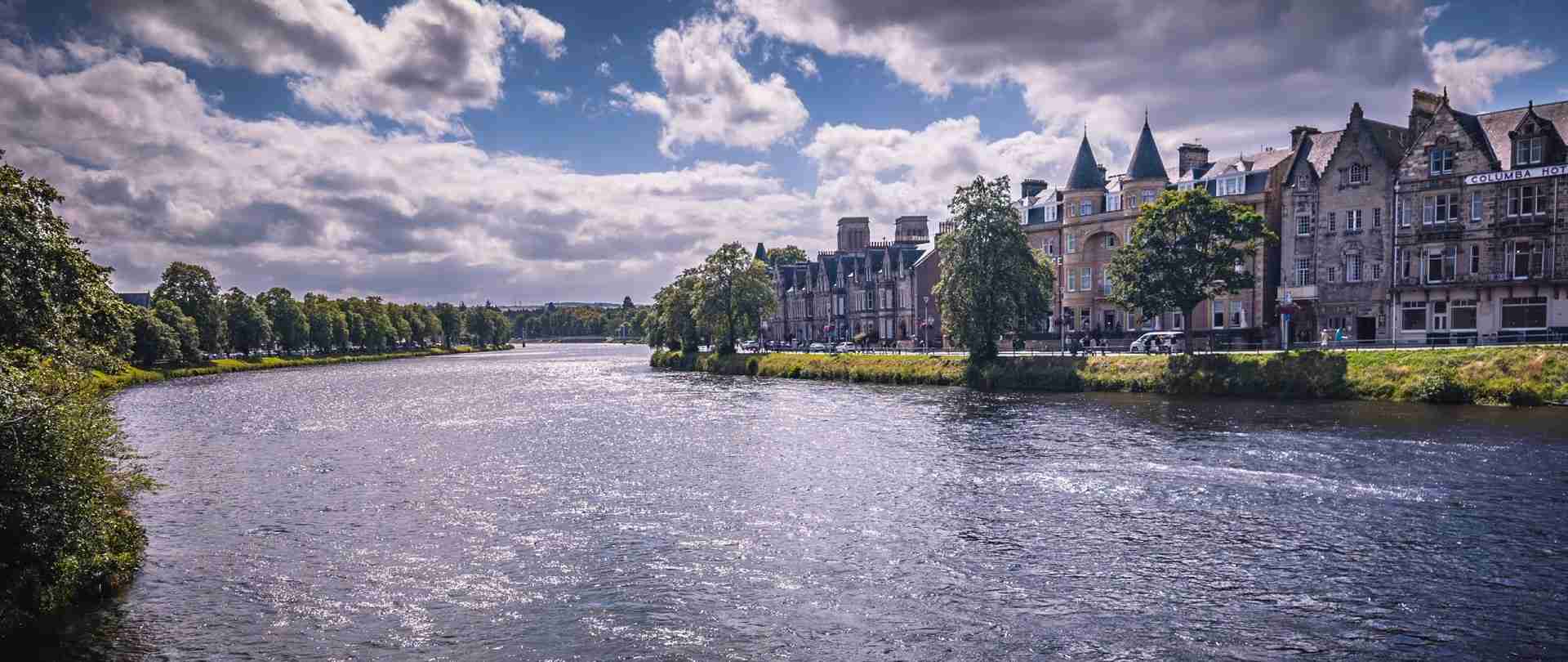
Best Time to Visit Inverness 2026: Weather, Northern Lights & Seasonal Planning
Inverness, the Highland capital of Scotland, offers dramatically different experiences across its seasons—from summer’s near-endless daylight and festival energy to winter’s Northern Lights displays and snow-dusted landscapes. Your ideal visit timing depends on whether you prioritize midnight sun hiking, aurora hunting, cultural festivals, or avoiding peak-season crowds, with each season delivering distinct advantages for different traveler priorities.
Key Takeaways for Inverness 2026
- Northern Lights Season 2026: September through March offers aurora viewing opportunities, with December-February providing the darkest skies and highest success rates when paired with clear weather—though Highland winters bring frequent cloud cover and rain that can obstruct viewing.
- Weather Extremes and Variability: Inverness experiences 4-19 hours of daily daylight depending on season, with summer temperatures reaching 15-19°C (59-66°F) and winter dropping to 2-6°C (36-43°F), but the Highland climate delivers unpredictable conditions year-round with rain possible any month and significant temperature swings within single days.
- Peak vs Off-Peak Dynamics 2026: July-August brings peak tourism with accommodation costs 40-60% higher than winter months, plus crowded attractions and advance booking requirements, while November-March offers 30-50% lower prices, minimal crowds, and immediate availability but shorter days and colder, wetter conditions.
- Shoulder Season Value 2026: May-June and September-October deliver optimal weather-crowd-price balance with 14-17 hours of daylight, moderate temperatures around 10-15°C (50-59°F), blooming Highland landscapes in spring or autumn colors, and accommodation costs 20-30% below peak summer rates.
- Festival and Event Timing: Major 2026 events cluster in summer including the Highland Military Tattoo (July), Inverness Highland Games (July), Belladrum Tartan Heart Festival (August), and Hogmanay celebrations (December 31-January 1), each significantly impacting accommodation availability and requiring 2-3 month advance bookings.
- Activity Season Optimization: Hiking and outdoor exploration peak May-September with accessible trails and extended daylight, wildlife viewing (dolphins, eagles, seals) succeeds April-October with highest activity levels, while skiing and winter sports operate December-March at Cairngorms and Nevis Range resorts 60-90 minutes from Inverness.
People Also Ask About Inverness Best Time 2026
What is the best month to visit Inverness in 2026?
May and June 2026 represent the optimal months for visiting Inverness, delivering 16-18 hours of daily daylight, moderate temperatures averaging 12-15°C (54-59°F), blooming Highland landscapes with purple heather and wildflowers across hillsides, and accommodation costs 25-30% below July-August peaks. These late spring months provide excellent conditions for outdoor activities including hiking, castle visits, and Loch Ness explorations while avoiding peak summer crowds that arrive in July. The weather stabilizes compared to winter months with approximately 12-14 rainy days per month rather than winter’s 18-20, though visitors should always pack waterproof layers given Highland weather’s unpredictability. September offers similar advantages for those preferring autumn colors and slightly lower prices, though daylight hours begin decreasing more noticeably after mid-September.
When can you see the Northern Lights in Inverness in 2026?
The Northern Lights viewing season in Inverness runs from late September 2026 through late March 2027, with peak viewing probability occurring December through February when nights are longest and darkest at 17-19 hours of darkness daily. Successful aurora viewing requires three conditions converging: high geomagnetic activity (tracked via KP index forecasts), clear skies without cloud cover (challenging in the Highlands where cloud cover exceeds 70% many winter nights), and minimal light pollution achieved by driving 15-30 minutes outside Inverness to locations like Chanonry Point, Culloden Moor, or Black Isle viewpoints. November-March 2026-2027 provides 5-7 hour darkness windows from approximately 16:00-09:00, with aurora displays typically appearing as faint green glows to the naked eye that appear much more vibrant in camera long-exposures. Autumn (September-October) offers shorter viewing windows but generally better weather with fewer rainy nights compared to deep winter months.
What is the weather like in Inverness throughout 2026?
Inverness weather in 2026 follows distinct seasonal patterns but maintains year-round unpredictability characteristic of Highland Scotland. Summer months June-August average 15-19°C (59-66°F) with occasional peaks reaching 22-25°C (72-77°F), delivering approximately 16-18 hours of daylight at peak season but still experiencing 12-15 rainy days monthly. Spring March-May sees temperatures climbing from 8°C to 14°C (46-57°F) with increasing daylight hours and blooming landscapes. Autumn September-November reverses this pattern with temperatures dropping from 14°C to 7°C (57-45°F) and daylight decreasing from 14 hours to 7 hours. Winter December-February brings the coldest conditions at 2-6°C (36-43°F), occasional snow events averaging 15-25 snow days annually in the city (more in surrounding mountains), and minimal daylight with sunrise around 08:45 and sunset by 15:45 at winter solstice. Highland weather changes rapidly with conditions varying dramatically within single days—morning rain often clearing to afternoon sunshine or vice versa—making layered, waterproof clothing essential regardless of season.
Is Inverness crowded in summer 2026?
Yes, Inverness experiences significant crowding during July-August 2026, with peak tourist season bringing 3-4 times the visitor numbers of winter months and creating congestion at major attractions including Urquhart Castle, Culloden Battlefield, and Loch Ness boat tour departure points. Popular walking streets like Church Street and the Victorian Market see dense pedestrian traffic, restaurants require advance reservations especially for dinner service, and accommodation in the city center often books completely 4-6 weeks ahead for July-August dates. The North Coast 500 driving route—which begins/ends in Inverness—reaches peak traffic in July-August with narrow Highland roads experiencing backups at scenic viewpoints and popular villages like Applecross and Ullapool. However, Inverness rarely feels overwhelmingly crowded compared to Edinburgh or major European cities, and escaping crowds requires minimal effort by visiting attractions at opening times (09:00-10:00), choosing lesser-known sites like Fort George or Cawdor Castle over Urquhart, or exploring hiking trails beyond the immediate Loch Ness shoreline. Shoulder months May-June and September reduce crowds by 40-50% while maintaining good weather and long daylight hours.
Extended multi-day tours – 5+ days
Featured Inverness Multi-Day Tour Packages
2 days
2-day Outlander Tour (Small Group)
- ✓ Comprehensive Inverness tour
- ✓ Expert local guides included
- ✓ All accommodation arranged
- ✓ Transportation provided
3 days
From Inverness: 3 Day Lewis, Harris & the Outer Hebrides
- ✓ Comprehensive Inverness tour
- ✓ Expert local guides included
- ✓ All accommodation arranged
- ✓ Transportation provided

6 days
Scotland (13 destinations)
- ✓ Comprehensive Inverness tour
- ✓ Expert local guides included
- ✓ All accommodation arranged
- ✓ Transportation provided
2 days
Loch Ness, Inverness & The Highlands – from Edinburgh
- ✓ Comprehensive Inverness tour
- ✓ Expert local guides included
- ✓ All accommodation arranged
- ✓ Transportation provided
Multi-day tour packages powered by TourRadar. Prices and availability subject to change.
Introduction: Understanding Inverness Seasonal Patterns
Inverness occupies a unique position at 57.5°N latitude—further north than Moscow—creating extreme seasonal variations in daylight, weather, and visitor experience that make timing choices particularly consequential for Highland Scotland exploration. The city serves as the primary gateway to the Scottish Highlands, Loch Ness, Isle of Skye, and the North Coast 500 driving route, with seasonal conditions directly impacting accessibility to surrounding attractions, wildlife viewing success, outdoor activity feasibility, and overall trip satisfaction.
The Highland climate operates independently from typical European weather patterns, influenced by Atlantic Ocean currents, mountain topography, and northern latitude positioning. This creates a maritime climate characterized by moderate temperatures year-round compared to continental locations at similar latitudes, but with high precipitation, frequent wind, rapid weather changes, and significant seasonal daylight variations. Inverness receives approximately 750mm annual rainfall distributed relatively evenly across all months, though autumn and winter months experience slightly higher precipitation. The city itself sits in a rain shadow compared to western Highlands locations like Fort William which receive 2000mm+ annually, making Inverness among the driest locations in Highland Scotland—a relative advantage that still means regular rain gear remains essential equipment.
Seasonal tourism patterns in Inverness follow pronounced peaks and valleys with July-August representing extreme peak season when cruise ship passengers, European summer holiday travelers, and North American visitors converge simultaneously. This creates accommodation scarcity, higher prices across all categories, advance booking requirements extending 8-12 weeks for quality properties, and crowded conditions at major attractions. The shoulder seasons of late spring (May-June) and early autumn (September-October) have grown increasingly popular among experienced travelers seeking better weather-crowd-price ratios, while deep winter (November-March) remains genuinely quiet with some Highland attractions operating reduced hours or closing entirely for the season.
The 2026 visitor should understand several fundamental Highland realities that transcend simple “best month” recommendations: weather unpredictability means any month can deliver spectacular sunshine or persistent rain regardless of statistical averages, the region’s northerly position creates dramatic daylight variations with summer’s 18+ hour days enabling extended exploration but winter’s 6-7 hour daylight windows requiring careful activity scheduling, and Highland tourism infrastructure concentrates heavily in summer with many smaller businesses, tours, and accommodations closing November-March. Additionally, the Northern Lights phenomenon—a major winter draw—depends on solar activity and clear skies rather than simply being present, making aurora viewing a possibility rather than guarantee even in peak winter months.
Distance and driving conditions also factor into seasonal timing decisions. Inverness serves as a base for exploring vast Highland territories where summer brings fully accessible roads and easy navigation, while winter can deliver snow-closed mountain passes, icy single-track roads, and significantly extended driving times due to conditions. The 115-mile drive to Isle of Skye takes 2.5-3 hours in summer but can require 4-5 hours in winter with cautious driving on potentially icy roads. The North Coast 500 circuit spanning 516 miles becomes a multi-day challenge in winter rather than the scenic cruise it represents in summer months. These access considerations make summer and shoulder seasons objectively superior for visitors prioritizing broad Highland exploration, while those focusing on Inverness itself, nearby castles, and aurora hunting find winter months perfectly serviceable despite reduced daylight.
Cultural factors also shape seasonal experiences. Scottish summer festivals from Highland Games to music festivals concentrate June-August, delivering authentic cultural experiences but also creating accommodation booking challenges. Hogmanay (New Year’s) celebrations represent Scotland’s major winter event with Inverness hosting significant festivities, making late December an exception to winter’s quiet character. Understanding these layered seasonal dynamics—weather patterns, daylight variations, crowd levels, pricing structures, activity accessibility, and cultural events—enables informed timing decisions aligned with individual priorities rather than generic “best time” assertions that ignore the significant trade-offs inherent in each season’s characteristics.
Month-by-Month Weather and Conditions Guide 2026
January 2026: Deep Winter Darkness and Aurora Season
January delivers Inverness’s coldest, darkest conditions with average temperatures of 2-5°C (36-41°F), occasional dips below freezing overnight, and minimal daylight spanning approximately 6 hours and 45 minutes at month start, gradually extending to 8 hours by month end. Sunrise occurs around 08:45 with sunset by 15:45 at mid-month, creating extended darkness ideal for Northern Lights viewing but challenging for daytime sightseeing which must compress into shortened hours. Expect 18-20 rainy days during January with precipitation falling as rain at lower elevations and snow in surrounding mountains and occasionally in the city itself—Inverness averages 3-5 snow days in January though accumulation rarely persists more than 1-2 days at lower elevations.
January represents genuine off-season with tourist numbers at annual lows, accommodation availability excellent across all categories, and prices at their lowest point often 45-50% below summer peaks. Many smaller Highland attractions, tour operators, and accommodation properties close entirely for January-February, requiring advance research to confirm operating status. The Loch Ness Centre + Exhibition, Urquhart Castle, and major museums remain open with reduced hours, while boat tours on Loch Ness operate limited schedules weather permitting. Highland roads remain passable to Inverness-area attractions though ice and snow create hazardous conditions requiring winter tires, cautious driving, and possible route diversions when mountain passes close temporarily.
January’s advantages center on aurora viewing opportunities with long darkness windows, authentic winter atmosphere in Highland landscapes dusted with snow, complete absence of crowds at open attractions, and rock-bottom accommodation costs. Disadvantages include minimal daylight constraining sightseeing to 6-7 hour windows, cold wet weather requiring substantial layering, reduced attraction operating hours, and higher likelihood of activity cancellations due to weather. January suits dedicated Northern Lights hunters willing to trade daylight and warmth for aurora opportunities, budget-conscious travelers prioritizing low costs over ideal conditions, and those seeking genuinely quiet Highland experiences without summer’s tourist infrastructure.
February 2026: Gradual Light Return and Continued Winter Conditions
February maintains January’s winter character with slightly moderating temperatures averaging 3-6°C (37-43°F) and increasing daylight reaching 9 hours and 45 minutes by month end—a noticeable improvement from January’s darkness creating more viable sightseeing hours. Sunrise advances to approximately 07:45 with sunset extending to 17:15 by late February, providing meaningful morning and evening light for activities. Precipitation continues at 16-18 rainy days monthly with rain dominating at lower elevations though snow remains possible through the month, particularly in early February. Wind speeds often peak in February with Atlantic storms delivering strong gusts that compound the cold sensation despite moderate temperatures.
Tourism infrastructure begins minimal expansion in late February as some seasonal businesses prepare for spring reopening, though February remains firmly off-season with excellent accommodation availability and prices still 40-45% below summer levels. The increasing daylight makes February notably more practical than January for sightseeing-focused visits while maintaining aurora viewing opportunities in early evening hours (18:00-23:00 prime viewing window) when darkness arrives early enough for convenient viewing without staying up past midnight. Wildlife begins showing increased activity in late February with red deer descending to lower elevations and early bird migration beginning, though peak wildlife viewing remains months away.
February represents a transitional month offering winter’s pricing and crowd advantages with gradually improving light conditions, making it suitable for visitors who want aurora viewing opportunities combined with more practical daylight hours for castle visits, whisky distillery tours, and Highland drives. The month remains unsuitable for hiking beyond low-elevation woodland trails, and weather unpredictability creates higher cancellation likelihood for outdoor activities. Late February (last week) begins hinting at spring’s approach with occasional milder days reaching 8-10°C and longer daylight, though full spring conditions remain weeks away.
March 2026: Spring Awakening and Changing Light
March marks the definitive transition from winter to spring with temperatures climbing from 4°C to 9°C (39-48°F) across the month, daylight extending dramatically from 10 hours to 13 hours between early and late March, and the spring equinox (March 20, 2026) delivering balanced day-night hours before the tilt toward summer’s extended daylight accelerates. By month end, sunrise occurs around 06:15 with sunset near 18:45, providing 12+ hour activity windows that transform trip planning compared to winter’s constraints. Rainfall remains frequent at 14-16 days monthly but precipitation intensity often decreases compared to winter months, with snow becoming increasingly rare in the city though surrounding mountains maintain snow cover at higher elevations.
Tourism activity begins meaningful acceleration in late March as Easter holiday timing (Easter Sunday April 20, 2026) drives advance bookings and some seasonal tour operators resume operations. Accommodation prices start climbing from winter lows but remain 30-35% below July-August peaks, making late March attractive for budget-conscious travelers wanting spring conditions without peak pricing. Highland landscapes begin transformation with early wildflowers appearing, deciduous trees budding, and lambing season bringing newborn sheep to hillside pastures—March through May represents lambing season peak across Scottish farms. Wildlife activity increases substantially with migrating birds arriving, red squirrels becoming more active and visible, and dolphins appearing more frequently in Moray Firth waters.
March delivers meaningful advantages over winter months including extended daylight enabling fuller activity schedules, moderating temperatures reducing layering requirements though rain gear remains essential, emerging spring landscapes with fresh green growth, and prices still well below summer peaks. However, March weather remains highly variable with winter storms possible through mid-month and true warm spring conditions not reliably establishing until April. Northern Lights viewing becomes increasingly challenging as extended daylight reduces darkness hours, though late March still offers viewing opportunities in early evening hours (21:00-01:00) when clear nights coincide with geomagnetic activity. March suits travelers comfortable with transition season variability who want emerging spring benefits at near-winter pricing, or those scheduling around Easter holiday timing.
April 2026: Full Spring Emergence
April establishes genuine spring conditions with temperatures ranging 5-11°C (41-52°F), daylight extending from 13 hours and 15 minutes to 15 hours and 45 minutes across the month, and Highland landscapes achieving peak spring beauty with blooming gorse creating golden hillsides, bluebells carpeting woodland floors, and fresh green growth transforming winter’s brown-gray tones. Sunrise advances to 05:30 by late April with sunset near 20:15, creating nearly 15 hour daylight windows that enable extensive daily itineraries without evening time pressure. Rainfall frequency decreases slightly to 12-15 days monthly though April showers remain common, and temperatures climb enough that daytime layers can reduce from heavy winter gear to moderate jackets with waterproof shells.
Tourist season acceleration continues through April with Easter holiday week (April 18-21, 2026) driving significant visitor increases, requiring advance accommodation bookings for Easter weekend while non-holiday weeks maintain good availability. Prices remain 25-30% below summer peaks making April excellent value for spring conditions. All major attractions operate full schedules by April with boat tours, castle sites, and museums restored to summer hours, though some smaller Highland businesses and remote accommodation properties await May openings. Hiking trails at lower elevations become fully accessible with drying conditions improving footing, though mountain routes above 600m may retain snow patches and require assessment before attempting. The West Highland Way and other long-distance trails see increasing through-hiker traffic as spring conditions support multi-day backpacking.
April excels for wildlife viewing with dolphin activity in Moray Firth increasing, bird migration reaching peak with ospreys returning to nest sites, red squirrels highly active and visible in Caledonian pine forests, and red deer beginning to shed heavy winter coats. Birdwatching specifically peaks April-May with dozens of species arriving from southern wintering grounds. April’s extended daylight enables evening activities including sunset drives, late-afternoon hikes, and extended photography sessions without the 16:00 darkness cutoff that constrains winter visits. The month suits travelers prioritizing spring landscapes, wildlife viewing, hiking accessibility, and extended daylight while accepting continued rain likelihood and variable temperatures requiring flexible layering. April represents the first month where Highland Scotland delivers “reliably good” conditions—though Highland weather guarantees nothing regardless of month.
May 2026: Optimal Spring Conditions
May ranks among Inverness’s finest months with temperatures reaching 8-14°C (46-57°F), daylight extending to 17 hours by month end (sunrise 04:40, sunset 21:40), and Highland landscapes achieving spectacular peak spring beauty with purple heather beginning bloom on hillsides, rhododendrons flowering in woodlands and gardens, and deciduous trees reaching full leaf canopy. May experiences Scotland’s lowest rainfall probability at 11-13 rainy days monthly—still significant by continental standards but representing Inverness’s driest reliable period. Extended daylight creates possibilities for 12-14 hour daily activity schedules with morning departures at 06:00 and returns near 22:00 still occurring in daylight, particularly valuable for photographers seeking golden hour lighting both morning and evening.
Tourism crowds remain moderate in May with visitor numbers substantially below July-August peaks yet exceeding winter’s minimal traffic—this represents ideal shoulder season balance where attractions, restaurants, and tours operate full capacity without overwhelming demand. Accommodation availability remains generally good throughout May except for Spring Bank Holiday weekend (May 25, 2026) when advance booking becomes advisable. Prices sit 25-30% below summer peaks, delivering excellent value for near-optimal conditions. All Highland tourism infrastructure operates full schedules by May including seasonal boat tours, specialized wildlife tours, and mountain activities, while hiking trails achieve peak accessibility with dry conditions, minimal mud, and snow cleared from all but the highest mountain routes above 900m.
May excels specifically for outdoor enthusiasts with hiking conditions reaching annual peak combining accessible trails, moderate temperatures ideal for exertion, extended daylight allowing ambitious routes, and blooming landscapes providing visual rewards. The month also optimizes wildlife viewing with dolphin pods highly active in Moray Firth (boat tours from Inverness and Cromarty), nesting seabirds at coastal colonies, and red deer calving in late May creating opportunities to observe young deer. Photography benefits enormously from extended golden hour periods with quality light available 05:00-07:00 and 20:00-22:00, plus lush green landscapes and blooming flowers providing rich color palettes absent in winter months. May suits virtually all traveler types except those specifically seeking summer festivals or Northern Lights viewing, representing the first month where Highland Scotland can legitimately claim “excellent” rather than “acceptable” conditions with minimal weather caveats.
June 2026: Summer Solstice and Midnight Sun Approaches
June delivers Inverness’s longest days with summer solstice (June 20, 2026) bringing 18 hours and 30 minutes of daylight, sunrise at 04:00, sunset at 22:30, and minimal true darkness in the brief overnight period—at midsummer, the sky never achieves complete darkness but transitions from twilight to dawn without intervening blackness, creating “white nights” where reading outdoor remains possible near midnight. Temperatures climb to 11-17°C (52-63°F) with occasional peaks reaching 20-22°C (68-72°F) on exceptional days, though Highland weather’s variability means 12-15°C remains more typical. Rainfall increases slightly from May at 12-14 days monthly, though extended daylight means rain often arrives in brief showers between longer sunny periods rather than day-long downpours characteristic of winter.
Tourist season shifts into higher gear through June with visitor numbers climbing steadily though not yet reaching July-August peaks—June represents the final shoulder season month before peak summer fully establishes. Accommodation availability remains generally good in early June, tightening progressively through the month as summer vacation season approaches. Prices rise 15-20% from May levels but remain 15-25% below July-August, making June arguably the optimal month balancing weather, daylight, crowds, and costs. All attractions, tours, and activities operate peak schedules with maximum availability, frequency, and options including specialized experiences like dolphin cruises, whisky tours, and guided mountain hikes that may offer limited schedules or close entirely in winter.
June’s extraordinary daylight creates unique opportunities for ambitious itineraries combining multiple activities daily—a typical June day might include morning hiking (07:00-11:00), midday castle visit (12:00-15:00), afternoon Loch Ness boat tour (16:00-18:00), and evening coastal drive for sunset photography (19:30-22:30), all occurring in full daylight. The extended light particularly benefits photography enthusiasts with golden hour periods bracketing morning (04:30-06:30) and evening (21:00-23:00) while harsh midday light occupies only 11:00-16:00 compared to summer’s typical 10:00-18:00 harsh light window at lower latitudes. Wildlife viewing reaches peak potential with all species active, dolphins feeding in calm June seas, seabird colonies at nesting peak with chicks visible, and deer at lower elevations in accessible locations. June suits travelers prioritizing maximum daylight for extended activities, excellent weather probability without extreme heat, and moderate crowds at attractive pricing, representing arguably the single best month for Inverness visits when all factors balance optimally.
July 2026: Peak Summer Season Begins
July marks the arrival of peak tourist season with temperatures averaging 12-19°C (54-66°F), daylight still extending 17+ hours through early month before slowly decreasing to 15 hours and 45 minutes by month end, and Highland landscapes achieving maximum lushness with full vegetation growth. July typically delivers Inverness’s warmest conditions with occasional heat waves pushing temperatures to 24-26°C (75-79°F) for 2-3 day periods, though such extremes remain exceptions rather than norms in the maritime Highland climate. Rainfall averages 13-15 days monthly with July and August representing slightly wetter months than May-June, though rain patterns shift toward afternoon thunderstorms and passing showers rather than all-day precipitation.
Tourism reaches full peak intensity in July with cruise ships arriving at Invergordon (20 miles from Inverness) disgorging thousands of day-visitors, European summer holiday travelers filling accommodations, and North American visitors arriving in largest numbers. This creates accommodation scarcity requiring 6-8 week advance bookings for quality properties, restaurant reservation requirements for popular dining spots, crowded conditions at major attractions like Urquhart Castle and Culloden Battlefield, and traffic congestion on narrow Highland roads particularly along the Loch Ness corridor. Prices reach annual peaks 40-50% above winter lows across accommodation, tours, and dining. The Inverness Highland Games (late July, typically final Saturday) represents a major cultural event showcasing traditional Highland sports, pipe bands, and Scottish culture, attracting significant attendance and creating accommodation booking challenges for that specific weekend.
July excels for festival experiences with the Royal Edinburgh Military Tattoo beginning its run (though in Edinburgh 150 miles south), numerous Highland Games across the region, and summer music festivals creating authentic cultural immersion opportunities. The warm temperatures enable comfortable outdoor activities throughout extended daylight hours, wild swimming in Highland lochs becomes feasible for hardy swimmers, and camping reaches peak comfort levels for those exploring via tent or campervan. However, July’s crowds, high prices, and booking requirements make it challenging for spontaneous travelers or budget-conscious visitors. The month suits those whose schedules constrain them to traditional summer vacation windows, families traveling during school holidays, and visitors prioritizing warm weather and maximum daylight despite crowd trade-offs. Experienced Highland travelers often avoid July-August entirely in favor of June or September which deliver 80% of the weather benefits at 60% of the crowds and costs.
August 2026: Peak Season Continuation
August maintains July’s peak season character with similar temperatures averaging 12-18°C (54-64°F), daylight decreasing noticeably from 15 hours and 30 minutes to 13 hours and 15 minutes across the month as the post-solstice light decline accelerates, and continued high tourist pressure though slightly moderating in final week as European visitors return home for autumn term starts. Rainfall reaches annual peak at 15-16 days monthly with August historically Inverness’s wettest month, though differences between wettest and driest months remain modest in absolute terms—the gap between May’s 11 days and August’s 16 days represents only 5 additional rain days monthly rather than a dramatic seasonal shift. Late August begins showing early autumn hints with occasional cooler nights dropping to 8-10°C and first subtle color changes in deciduous trees at higher elevations.
Peak tourist season continues through mid-August with accommodation fully booked at popular properties, prices at annual highs matching July levels, and crowds at maximum density at major attractions. The Edinburgh Festival Fringe (early-late August in Edinburgh) draws cultural enthusiasts to Scotland though this concentrates in Edinburgh rather than Inverness. The Belladrum Tartan Heart Festival (early August weekend near Inverness) represents the region’s major music festival with 20,000 attendees creating accommodation shortages and requiring advance festival ticket purchases months ahead. Late August (final 10 days) marks the beginning of shoulder season transition with visitor numbers declining 15-20% as European school terms restart, creating slightly better availability and occasional price softening though full shoulder season advantages await September.
August suits visitors constrained to traditional vacation windows, particularly families with school-age children requiring summer travel timing. The month delivers reliable warm temperatures, all attractions operating peak schedules, maximum tour and activity options, and festival opportunities for cultural experiences. However, August represents objectively the most challenging month for budget travelers, those seeking solitude or quiet Highland experiences, and anyone hoping for spontaneous flexibility given booking requirements. The decreasing daylight becomes noticeable compared to June-July with sunset advancing from 21:00 in early August to 19:30 by month end, reducing evening activity windows. August works well for visitors prioritizing guaranteed warm weather and maximum infrastructure availability while accepting peak crowds and costs as necessary trade-offs, but May-June or September deliver better overall value for most Highland experiences.
September 2026: Autumn Emerges and Crowds Recede
September marks the transition to autumn with temperatures moderating from 11-16°C (52-61°F) in early month to 9-14°C (48-57°F) by month end, daylight decreasing from 13 hours to 11 hours across September representing noticeable daily light loss, and Highland landscapes beginning autumn color transformation with birch trees yellowing, bracken turning russet-brown, and heather achieving peak purple bloom in early September. Rainfall remains significant at 14-16 days monthly matching August levels, though September precipitation often arrives in more dramatic Atlantic storms with stronger winds than summer months. Morning frost becomes possible in late September particularly at higher elevations, though frost remains rare in Inverness itself until October.
Tourism shifts definitively to shoulder season in September with visitor numbers declining 30-40% from August peaks, accommodation availability improving substantially, and prices dropping 20-25% from summer highs. Early September (first 10 days) retains some peak season character particularly around Labor Day weekend, while mid-late September achieves true shoulder season quietness at major attractions. This creates ideal conditions for crowd-averse travelers seeking accessible trails, uncrowded castle visits, and available restaurant tables without reservations. All major attractions maintain full summer schedules through September with reduction to winter hours typically occurring in October, providing excellent access to Highland experiences without summer’s congestion.
September excels for photography with autumn colors reaching peak in late month, dramatic stormy skies creating moody Highland landscapes, and golden hour light quality improving as sun angle lowers compared to summer’s high-angle harsh light. Hiking conditions remain excellent through early-mid September with dry trails, moderate temperatures ideal for exertion, and diminishing crowds on popular routes like the South Loch Ness Trail and Glen Affric walks. Wildlife viewing continues strong with red deer entering rutting season (breeding season) in late September creating opportunities to observe stag competitions and hear roaring calls echoing across glens—this represents one of Highland Scotland’s premier wildlife spectacles. September suits experienced travelers prioritizing optimal weather-crowd-price balance, photographers seeking autumn landscapes and quality light, and outdoor enthusiasts wanting accessible conditions without summer’s trail congestion. The month represents arguably the final opportunity for “excellent” Highland conditions before winter’s challenges arrive, making September highly valuable for visitors with schedule flexibility to choose outside traditional summer windows.
October 2026: Deep Autumn and Shoulder Season
October delivers full autumn conditions with temperatures declining from 9-13°C (48-55°F) in early month to 6-10°C (43-50°F) by month end, daylight decreasing dramatically from 11 hours to 8 hours and 30 minutes across October as the approach toward winter solstice accelerates daily light loss, and autumn colors reaching peak intensity mid-month before leaf fall strips deciduous trees by late October. Rainfall remains high at 16-18 days monthly with October representing one of the wettest months, plus increasing wind speeds as Atlantic storms intensify for winter. The first snow of the season typically falls on surrounding mountains in October though accumulation in Inverness itself remains rare until November-December.
Shoulder season firmly establishes through October with tourist numbers 50-60% below summer peaks, accommodation widely available across all categories, and prices dropping to 30-35% below July-August levels. Many seasonal tour operators, smaller attractions, and accommodation properties begin reducing schedules or closing for winter in late October, requiring advance research to confirm operating status particularly for specialized activities like boat tours which become weather-dependent with frequent cancellations. Major attractions including Urquhart Castle, Culloden Battlefield, and museums maintain operations through October with transition to reduced winter hours typically occurring November 1. The clocks change occurs on October 26, 2026 (GMT returns) further reducing evening daylight and creating psychological shift toward winter.
October suits budget-conscious travelers accepting autumn’s wetter, cooler, darker conditions in exchange for significant cost savings and minimal crowds. The month excels for autumn color photography particularly early-mid October when deciduous forests achieve peak color intensity, creates excellent conditions for observing red deer rutting behavior which continues from late September through mid-October, and provides comfortable temperatures for hiking assuming proper rain gear and flexible scheduling around weather. However, October marks the point where Highland weather becomes genuinely challenging with increasing storm frequency, substantially reduced daylight constraining sightseeing to approximately 08:00-17:00 windows, and winter preparation replacing autumn comfort. October represents the final month for visitors seeking relatively comfortable outdoor conditions—November through March require genuine cold-weather tolerance and acceptance of winter’s limitations.
November 2026: Winter’s Arrival and Off-Season Quiet
November signals winter’s arrival with temperatures dropping to 4-8°C (39-46°F), daylight plummeting from 8 hours and 15 minutes to 6 hours and 30 minutes across the month representing the year’s most rapid light loss, and weather deteriorating to frequent rain at 18-20 days monthly with first lowland snow events possible in late November though accumulation remains minimal at Inverness elevation. Sunrise advances to 08:15 with sunset by 15:45 at month end, creating very limited daylight windows that compress sightseeing into 7-hour periods and generate psychological darkness given morning and evening hours spent in blackness. Wind speeds often peak in November with Atlantic storms delivering strong gusts, making exposed coastal areas and mountain regions genuinely inhospitable on stormy days.
Tourism reaches annual low point in November with visitor numbers minimal, many seasonal businesses closed entirely, and those remaining open operating reduced schedules. Accommodation availability is excellent with immediate booking possible at all but the most exclusive properties, and prices reach near-bottom levels 40-50% below summer peaks. However, infrastructure limitations become significant with many Highland tour operators closed November-March, boat tours suspended for winter, some smaller museums and attractions shuttered until spring, and reduced public transport schedules to rural Highland locations. Major Inverness attractions remain open including Inverness Museum and Art Gallery, Inverness Castle (viewpoint), and city walking tours, while nearby Culloden Battlefield and Urquhart Castle maintain operations with reduced hours.
November suits only specific traveler types: those seeking absolute minimal crowds and rock-bottom prices while accepting severe daylight limitations and weather challenges, Northern Lights hunters beginning aurora season as darkness windows expand (though viewing remains challenging given November’s high cloud cover frequency), and city-focused visitors planning Inverness museum visits, distillery tours, and indoor cultural experiences rather than outdoor Highland exploration. November represents genuinely off-season Scotland where authentic local life continues but tourism infrastructure largely hibernates. The month works for budget travelers, those with flexible schedules allowing 2-3 days of indoor activities when weather prevents outdoor plans, and visitors specifically timing around Inverness’s St. Andrew’s Day celebrations (November 30) marking Scotland’s national day. Most travelers should avoid November unless specific circumstances make off-season timing advantageous—the shoulder months of May-June or September-October deliver far better overall experiences.
December 2026: Winter Solstice and Hogmanay Preparations
December delivers Inverness’s shortest days with winter solstice (December 21, 2026) bringing just 6 hours and 35 minutes of daylight, sunrise near 08:45, sunset by 15:20, and extended darkness creating 17+ hour nights ideal for Northern Lights viewing when clouds permit. Temperatures range 2-6°C (36-43°F) with frost frequent and occasional snow events averaging 3-5 snow days in December though significant accumulation remains uncommon at city elevations. Rainfall continues at 17-19 days monthly with December historically wet and windy, though precipitation occasionally falls as snow creating picturesque winter landscapes when accumulation occurs. Wind chill factors become significant with Atlantic gales common, making perceived temperatures notably colder than actual readings.
Tourism shows minimal activity through mid-December before spiking dramatically for the Hogmanay period (December 28-January 1) when Inverness hosts significant New Year’s celebrations including street parties, fireworks, and traditional first-footing customs. This creates a split-season character where early-mid December operates as deep off-season with excellent availability and low prices, while the final week sees accommodation booking solid 8-12 weeks ahead and prices temporarily spiking to near-summer levels for December 30-31 specifically. Christmas week (December 23-27) remains relatively quiet as Scottish Christmas celebrations focus on family gatherings rather than tourist activity, though some visitors arrive seeking atmospheric winter Highland experiences. Many attractions maintain limited Christmas-New Year operations with closures December 25-26 before reopening for the Hogmanay period.
December suits Northern Lights hunters with extended darkness providing maximum viewing windows from approximately 16:00-09:00, creating 17-hour periods when aurora displays become visible if cloud cover clears and geomagnetic activity reaches threshold levels. The month also attracts visitors seeking authentic Scottish Hogmanay celebrations willing to plan around this specific event and book accommodation months ahead. Winter photography benefits from snow-dusted Highland landscapes, dramatic stormy skies, and unique low-sun-angle lighting available during brief midday windows. However, December presents genuine challenges including severely limited daylight constraining activities to 6-7 hour windows, cold wet weather requiring substantial layering and waterproof gear, reduced attraction operating hours with some sites closed entirely, and high likelihood of activity cancellations due to weather. December works specifically for aurora-focused visits, Hogmanay celebration timing, or those seeking atmospheric winter Highland experiences while accepting and preparing for winter’s significant limitations—general tourism visits should choose other months offering better weather-daylight-access combinations.
Northern Lights Viewing Guide for Inverness 2026-2027
The Northern Lights (Aurora Borealis) viewing season in Inverness spans from late September 2026 through late March 2027, with peak probability occurring during the darkest months of December through February when nights extend 17-19 hours and provide maximum viewing windows. Successful aurora viewing requires three essential conditions converging simultaneously: sufficient geomagnetic activity measured by the KP index (readings of KP 3+ increase visibility probability substantially, with KP 5+ creating strong displays visible even with moderate light pollution), clear skies with minimal cloud cover (the most challenging requirement in Highland Scotland where cloudy nights exceed 70% frequency November-March), and dark viewing locations away from city light pollution achieved by driving 15-30 minutes outside Inverness city center.
Understanding aurora forecasting improves success rates significantly. The Space Weather Prediction Center provides 3-day forecasts of geomagnetic activity via KP index predictions, while real-time monitoring through apps like Aurora Alerts Scotland, My Aurora Forecast, or Aurora Watch UK delivers notifications when current conditions reach favorable levels. Solar activity follows an 11-year cycle with the current cycle (Cycle 25) approaching its maximum phase in 2024-2026, creating generally favorable conditions for aurora displays compared to solar minimum periods. However, even during solar maximum, aurora visibility remains probabilistic rather than guaranteed—multiple nights of viewing attempts typically prove necessary before achieving successful displays, making multi-day Inverness stays advisable for visitors prioritizing Northern Lights photography.
Optimal viewing locations within 30-minute driving distance from Inverness include Chanonry Point on Black Isle (20 minutes northeast, minimal light pollution, coastal location), Culloden Moor (6 miles east, elevated position with 360-degree horizons), Loch Ness viewpoints along B862 south shore (15-25 minutes south, particularly near Dores and Foyers), and Beauly Firth coastal areas north of Inverness (15-20 minutes, low light pollution). These locations provide dark skies while remaining accessible via paved roads year-round, unlike more remote Highland locations requiring challenging winter driving. Safety considerations include informing someone of viewing plans, carrying charged mobile phones, wearing warm waterproof layers given hours of stationary outdoor waiting, and exercising caution on potentially icy roads during winter viewing trips.
Photography tips for aurora captures include using cameras capable of manual settings, wide-angle lenses (14-24mm ideal), sturdy tripods essential for long exposures, settings beginning around ISO 1600-3200, apertures f/2.8-f/4, and exposure times 5-25 seconds depending on aurora brightness and movement speed. Northern Lights appear fainter to naked eyes than in camera long-exposures—what eyes perceive as faint gray-green glows transform into vibrant green curtains with purple and red accents in photographs. Moonlight benefits photography by illuminating foreground landscapes while not overpowering aurora displays, though new moon periods provide darkest skies maximizing faint aurora visibility. Apps like PhotoPills or The Photographer’s Ephemeris help plan compositions incorporating interesting foregrounds like castles, lochs, or Highland landscapes beneath anticipated aurora positions.
Realistic expectations prevent disappointment when aurora hunting in Scotland. Even during favorable solar conditions and peak winter darkness, success rates for any single night remain approximately 20-30% given Highland Scotland’s frequent cloud cover. Planning 3-5 viewing attempts across a week-long visit increases cumulative success probability to 60-75%, making extended stays advisable for those traveling specifically for Northern Lights experiences. Aurora displays vary enormously in intensity from faint green glows barely distinguishable from clouds to spectacular curtains dancing across entire sky hemispheres—most displays trend toward subtle rather than dramatic, requiring patience and adjusted expectations. The investment of time and persistence often rewards patient viewers with genuine Highland aurora experiences worth the multiple cloudy nights spent waiting for conditions to align.
Seasonal Festival and Event Calendar 2026
Inverness and the surrounding Highland region host numerous cultural events, traditional festivals, and seasonal celebrations that enhance visits when timing aligns but create accommodation booking challenges and crowd increases during peak event periods. Understanding the annual festival calendar enables visitors to either target specific events for cultural immersion or strategically avoid high-demand weekends when spontaneous travel becomes challenging.
Spring and Early Summer Events (March-June 2026)
Easter weekend (April 18-21, 2026) brings moderate visitor increases though Inverness lacks the large-scale Easter events characteristic of some European cities—this represents a standard UK bank holiday weekend with slightly elevated accommodation demand but not extreme booking difficulty. The Scottish Snowdrop Festival (February-March, peak early March) showcases Scotland’s snowdrop displays at various gardens and estates, with some Highland locations participating including Cawdor Castle gardens 15 miles from Inverness.
Spring Bank Holiday weekend (May 25, 2026) represents a minor booking peak with domestic UK visitors making long weekend trips, though international visitors may not notice significant impacts beyond slightly higher Friday-Monday accommodation rates. The Loch Ness Marathon (late September historically, confirm 2026 dates) attracts runners from across the UK and internationally, creating localized accommodation pressure along the Loch Ness corridor.
Summer Peak Events (July-August 2026)
The Inverness Highland Games (late July, typically final Saturday—July 25, 2026 anticipated) ranks among Scotland’s premier Highland Games showcasing traditional heavy athletics (caber toss, hammer throw, stone put), Highland dancing competitions, pipe band performances, and Scottish cultural displays. This full-day event at Bught Park attracts 5,000-8,000 spectators and creates significant accommodation booking challenges for the specific weekend, requiring 6-8 week advance reservations. Tickets range £12-20 depending on seating sections and should be purchased 1-2 weeks ahead for popular events.
The Royal Edinburgh Military Tattoo (early-late August in Edinburgh) represents Scotland’s premier cultural spectacle though it occurs 150 miles south in Edinburgh rather than Inverness—many visitors combine Inverness Highland exploration with Edinburgh Tattoo attendance, creating pressure on transportation links and accommodation in both cities during Tattoo weeks. The Belladrum Tartan Heart Festival (early August weekend, typically first or second weekend—August 7-9, 2026 anticipated) represents the Highlands’ major music festival held 12 miles from Inverness near Beauly, featuring indie rock, folk, and Scottish traditional music across multiple stages. Festival tickets sell 20,000+ and typically purchase 2-4 months ahead (tickets released winter/spring annually), creating accommodation scarcity within 20-mile radius requiring advance booking 8-12 weeks ahead or consideration of camping options at the festival site.
The Inverness Tattoo (early-mid July—July 11-12, 2026 anticipated) offers a smaller-scale alternative to Edinburgh’s Tattoo showcasing military bands, Highland dancers, and Scottish regiments at Eden Court Theatre or outdoor venues, with tickets approximately £15-25 requiring 2-4 week advance purchase. Numerous smaller Highland Games occur throughout July-August at communities across the region including Nairn Highland Games (mid-August), Skye Highland Games (early August), and Dingwall Highland Games (late July), each creating localized accommodation impacts on their specific weekends.
Autumn and Winter Events (September-December 2026)
The Enchanted Forest light show (October, location varies but sometimes at Pitlochry 70 miles south of Inverness) represents Scotland’s premier autumn sound and light experience, though distance from Inverness limits direct impact on city accommodation. Closer to Inverness, various autumn festivals including harvest celebrations and whisky events occur at distilleries throughout the region—Speyside Whisky Festival (late April/early May typically) attracts serious whisky enthusiasts though occurs in spring rather than autumn.
Halloween (October 31, 2026) brings minor celebrations in Inverness with some pubs hosting costume parties and family events, though Scotland’s Halloween traditions remain modest compared to American celebrations. Bonfire Night (November 5) showcases fireworks displays in Inverness and surrounding communities commemorating the 1605 Gunpowder Plot, with family-friendly events at various parks.
St. Andrew’s Day (November 30, 2026) marks Scotland’s national day with celebrations in Inverness including traditional music, Scottish cuisine promotions at restaurants, and cultural events, though the holiday generates minimal tourist impact compared to New Year. Christmas in Inverness (late November-December) brings festive markets, lighting displays, and seasonal events though Scottish Christmas traditions emphasize family gatherings rather than major tourist spectacles—the Victorian Market hosts special Christmas shopping weekends, and Inverness lights its Christmas decorations in late November with a formal switching-on ceremony.
Hogmanay 2026-2027: Scotland’s Premier Celebration
Hogmanay (Scottish New Year, December 31-January 1) represents Scotland’s most significant cultural celebration, surpassing Christmas in traditional importance and public festivity scale. Inverness hosts substantial Hogmanay events including a street party on High Street with live music, countdown celebrations, fireworks over the River Ness at midnight, and traditional first-footing customs where visitors cross friends’ thresholds after midnight bearing symbolic gifts of coal, shortbread, or whisky. The street party typically runs 20:00-01:00 with free public access though some years require advance ticket registration to manage crowd sizes.
Hogmanay creates the year’s most extreme accommodation booking challenge with Inverness hotels, guesthouses, and B&Bs fully booked 10-12 weeks ahead for December 30-31, and prices temporarily spiking 50-80% above standard winter rates for these specific nights. January 1 remains a Scottish public holiday (January 2 also in Scotland, unlike England), meaning Hogmanay festivities extend across 2-3 days rather than single-night celebrations. Visitors targeting Hogmanay experiences should book accommodation by early-mid October at latest and prepare for cold weather given late December temperatures typically 2-6°C (36-43°F) with rain likely—waterproof layers and warm clothing prove essential for outdoor celebrations.
Wildlife Viewing Seasons and Opportunities
The Scottish Highlands surrounding Inverness support remarkable wildlife diversity with seasonal variations dramatically affecting viewing success for different species. Understanding optimal timing for target wildlife enhances trip planning for nature-focused visitors while managing expectations regarding guarantee levels—wildlife viewing remains probabilistic with success never assured despite optimal timing.
Bottlenose Dolphins in Moray Firth
The Moray Firth north of Inverness hosts Scotland’s only resident population of bottlenose dolphins, with approximately 190 individuals inhabiting the waters year-round making this one of Europe’s most reliable dolphin viewing locations. Prime viewing season runs April through October when dolphin activity peaks, feeding behavior increases, and calmer seas enable better boat tour operations and shore-based observation. Chanonry Point on Black Isle, 20 minutes northeast of Inverness, ranks as Scotland’s premier shore-based dolphin watching location where dolphins often approach within 50-100 meters of shore during rising tides when salmon runs concentrate near the headland.
Optimal viewing occurs on rising tides 1-2 hours before high tide when tidal currents concentrate fish and attract feeding dolphins—checking tide tables for Chanonry Point and timing visits accordingly increases success probability substantially. Summer months June-August deliver highest success rates with 60-70% probability of dolphin sightings during optimal tide windows, while April-May and September-October maintain 40-50% success rates. Winter months November-March see reduced dolphin activity and challenging weather making boat tours irregular and shore viewing uncomfortable despite dolphins remaining resident year-round. Boat tours from Inverness and Cromarty operate April-October with 2-3 hour excursions costing £30-45 per adult, providing alternative viewing platforms to shore-based observation.
Red Deer Rutting Season
Red deer represent Scotland’s largest land mammal with Highland populations numbering hundreds of thousands. The autumn rutting season (breeding season) spanning late September through mid-October ranks among Scotland’s premier wildlife spectacles as mature stags compete for harems, engage in parallel walking displays, clash antlers in combat, and emit roaring calls that echo across glens—these vocalizations carry for miles creating atmospheric soundscapes in Highland landscapes. Glens around Inverness including Glen Affric (30 miles west), Glen Strathfarrar (25 miles west), and hillsides along Loch Ness support substantial red deer populations accessible for viewing.
Optimal rutting observation occurs early morning (06:00-09:00) and late afternoon (16:00-dusk) when deer activity peaks, with overcast days often producing better behavior than bright sunshine. September-October timing also benefits from moderate temperatures and autumn colors enhancing landscape beauty during deer viewing excursions. Viewing requires cautious approach maintaining 100+ meter distances to avoid disturbing breeding behavior, binoculars or telephoto lenses for close observation while respecting animal space, and awareness that stags during rut become more aggressive and less predictable requiring appropriate caution. Guided wildlife tours from Inverness costing £60-90 per person often include red deer rutting as primary focus during September-October peak season.
Seabirds and Coastal Wildlife
Highland Scotland’s coastline supports major seabird colonies with puffins, razorbills, guillemots, kittiwakes, and shags nesting at cliffs and offshore islands. Prime seabird viewing season runs April through July when birds occupy nesting ledges and raise chicks, with May-June representing peak activity when chick feeding produces constant parent bird traffic at colonies. Accessible locations near Inverness include the Sutors of Cromarty (coastal headlands 30 miles north) where seabirds nest on cliff faces visible from coastal paths, and Chanonry Point which hosts nesting Arctic terns May-July creating opportunities to observe tern feeding flights and chick development.
Puffins specifically require boat access to offshore islands with closest major colonies at Handa Island (2 hours northwest) and Summer Isles (2.5 hours northwest), both requiring full-day excursions from Inverness but delivering exceptional puffin viewing April-July. Boat tours to these locations operate May-August with costs £45-70 depending on destination and tour length. Ospreys return from African wintering grounds in April and nest at Highland lochs through August, with viewing hides at Loch Garten (40 miles south of Inverness) providing guaranteed osprey observation of nesting pairs feeding chicks—this represents one of Scotland’s most accessible raptor viewing experiences with success rates approaching 100% during nesting season April-August.
Other Highland Wildlife
Red squirrels thrive in Highland Caledonian pine forests with populations at Aigas Field Centre (15 miles west of Inverness) supporting dedicated viewing hides where success rates exceed 80% year-round, though summer months May-September deliver most active squirrel behavior. Pine martens occupy Highland forests but remain nocturnal and secretive with viewing requiring specialized wildlife hides and patience—dedicated wildlife watching centers offer evening pine marten viewing sessions with bait stations increasing sighting probability to 60-70% success rates.
Golden eagles hunt across Highland mountains year-round with highest viewing probability in Glen Affric, Torridon, and other western Highland locations 1-2 hours from Inverness—these require full-day excursions with specialized guides and success rates around 40-50% given eagles’ vast territories and low population density. Otters inhabit Highland coastlines and river systems with early morning and dusk providing optimal viewing windows, though otter sightings remain relatively uncommon without dedicated multi-day watching efforts given their elusive nature and large territories. Harbor seals and grey seals haul out at coastal locations around Moray Firth year-round with Chanonry Point and Cromarty coastal areas supporting reliable seal viewing opportunities requiring only shore-based observation rather than boat access.
Accommodation Pricing and Availability Patterns 2026
Inverness accommodation costs fluctuate substantially across seasons with July-August peak rates reaching 40-60% premiums over winter lows, making seasonal timing choices directly impact trip budgets for multi-night stays. Understanding pricing patterns, booking windows, and availability dynamics enables strategic timing and reservation planning that optimizes value.
Peak Season Pricing (July-August 2026)
Peak summer accommodation in Inverness commands premium rates across all categories. Budget hostels and guesthouses that charge £25-35 per person in winter months increase to £40-55 per person in July-August. Mid-range hotels ranging £80-120 per room in winter climb to £140-200 per room in summer peak. Boutique and upscale properties charging £120-180 in shoulder seasons reach £180-280 in July-August. Luxury hotels starting around £200 in winter peak at £280-400+ in summer. These represent typical ranges with specific properties varying based on location, amenities, and individual pricing strategies.
Booking windows extend dramatically during peak season with popular properties often fully booked 8-12 weeks ahead for July-August dates, while exceptional properties or those near major events may book 4-5 months in advance. Last-minute availability (within 2 weeks of arrival) becomes scarce in July-August, though occasional cancellations create brief windows for flexible travelers monitoring booking platforms. Weekend rates (Friday-Saturday nights) often carry 10-20% premiums over weekday rates even within peak season, making midweek visits marginally more affordable.
Shoulder Season Balance (May-June, September 2026)
Shoulder season accommodation pricing occupies the middle ground between winter lows and summer peaks. May-June rates typically run 20-30% below July-August levels with budget options around £30-45 per person, mid-range hotels £100-150 per room, and upscale properties £140-220 per room. September pricing mirrors May-June with slight variations based on specific property strategies. Booking windows shorten compared to peak summer with 4-6 week advance reservations generally securing preferred properties, though last-minute availability remains significantly better than peak season with bookings 1-2 weeks ahead often successful at all but the most popular properties.
Shoulder seasons deliver optimal value proposition combining good weather probability, extended daylight hours, and moderate pricing—travelers booking May-June or September achieve approximately 75-80% of peak season weather benefits at 65-75% of peak season costs. Weekend premiums exist but moderate compared to peak season, making shoulder season weekends more accessible for budget-conscious visitors. Early booking still benefits travelers securing preferred properties and locations, though the pressure and scarcity characteristic of July-August bookings substantially reduces in shoulder months.
Off-Season Opportunities (November-March 2026-2027)
Winter months deliver lowest accommodation costs across all categories with discounts of 40-50% compared to summer peaks. Budget options drop to £20-30 per person, mid-range hotels to £70-110 per room, and even luxury properties often offer promotional rates £150-250 representing substantial value compared to summer’s £280-400 levels. Immediate booking becomes feasible with properties showing availability even 1-3 days ahead of arrival—spontaneous travel without advance planning becomes practical during genuine off-season periods.
However, infrastructure limitations offset cost advantages with many seasonal B&Bs, guesthouses, and smaller hotels closing entirely November-March, reducing overall accommodation supply and concentrating available options in year-round operating properties. Highland rural accommodation closures prove particularly significant for visitors planning to explore beyond Inverness city center—villages and small towns that support 8-10 accommodation options in summer may offer only 2-3 properties operating through winter. Advance research confirming winter operating status becomes essential for travelers planning rural Highland stays November-March.
The Hogmanay period (December 30-January 1) represents a major exception to winter’s low-price pattern with these specific nights commanding near-summer pricing and booking solid 10-12 weeks ahead. Christmas week (December 23-27) shows moderate price increases though not reaching Hogmanay extremes, while the remainder of December and January-March maintain genuine off-season rates. Winter visitors should either strategically target Hogmanay celebrations with appropriate advance planning or avoid December 28-January 2 entirely to maintain off-season pricing benefits.
Strategic Booking Recommendations
Optimal booking strategies vary by season and traveler flexibility. Peak season visitors (July-August) should book 8-12 weeks ahead for mid-range and upscale properties, 6-8 weeks for budget accommodations, with popular locations requiring earlier reservations—booking in April-May for July-August stays proves prudent. Shoulder season travelers can book 4-6 weeks ahead for good selection though last-minute bookings (1-2 weeks) often succeed if flexibility exists regarding specific property preferences. Off-season visitors enjoy booking flexibility with immediate reservations typically available, though confirming operating status before assuming availability prevents disappointment.
Monitoring booking platforms for cancellations benefits summer travelers unable to book far ahead—setting price alerts and checking daily in the 2-4 week window before travel sometimes reveals newly available rooms at sold-out properties. Midweek stays (Sunday-Thursday nights) offer better value and availability than weekend stays across all seasons, with this differential most pronounced during peak summer when weekend rates carry significant premiums. Travelers with car access should consider accommodation in villages 5-15 miles from Inverness city center where rates run 15-25% lower than central Inverness properties while maintaining easy access to Highland attractions.
Practical Travel Considerations by Season
Daylight Hours and Activity Planning
Inverness’s northerly latitude creates extreme seasonal daylight variations that fundamentally shape daily itineraries and require different planning approaches across seasons. Summer visitors (June-August) manage 16-18 hour daylight windows enabling ambitious multi-activity days with morning departures at 06:00 and returns near 22:00 still occurring in full light—this supports combinations of early hiking, midday castle visits, afternoon boat tours, and evening coastal drives all within single days. Shoulder season travelers (May, September) work with 13-15 hour daylight periods requiring modest compression but still supporting full activity schedules without evening time pressure.
Winter visitors face fundamentally different constraints with December-January providing only 6-7 hour daylight windows from approximately 08:30-15:30, requiring careful activity sequencing to maximize limited light hours. Practical winter strategies include prioritizing outdoor activities during midday peak light (10:00-14:00), scheduling indoor museum visits and distillery tours for morning and late afternoon hours, and accepting that some activities requiring extended time commitments become impractical when daylight constrains. Winter travelers should identify 2-3 indoor backup activities (museums, distilleries, indoor castle tours) for days when weather prevents outdoor plans, while summer visitors face opposite pressure of “too much daylight” creating temptation to overpack days without adequate rest.
Driving Conditions and Road Safety
Highland driving conditions vary enormously by season with summer delivering dry paved roads, excellent visibility, and straightforward navigation, while winter introduces ice, snow, reduced visibility, and challenging conditions on single-track Highland roads. Summer drivers benefit from extended daylight for evening drives and complete accessibility to all Highland routes including mountain passes, though increased tourist traffic creates congestion on narrow roads particularly around Loch Ness, Glen Coe, and Isle of Skye approaches.
Winter driving requires genuine caution with ice common on shaded road sections November-March, snow events occurring several times monthly on higher routes, and limited daylight constraining driving to midday hours for safety. The A82 along Loch Ness remains passable year-round though icy sections demand reduced speeds, while higher mountain passes including A939 Cockbridge-Tomintoul route may close temporarily during snow events. Rental cars in winter should include winter tires (standard on most UK rentals November-March) and drivers should carry emergency supplies including blankets, water, snacks, and charged mobile phones for potential delays. Speed limits represent maximums rather than targets with winter conditions often requiring speeds 30-50% below posted limits for safe control.
Single-track roads with passing places characterize much Highland driving requiring specific etiquette: yield to oncoming traffic at passing places, pull over promptly when faster vehicles approach from behind, and exercise patience given these roads accommodate limited speeds. Summer traffic on single-track routes can create backups at popular locations, while winter dramatically reduces traffic making single-track navigation simpler but conditions more hazardous given ice and limited visibility during poor weather.
What to Pack: Seasonal Essentials
Highland Scotland’s unpredictable weather makes layering systems essential regardless of season. Summer packing (June-August) should include lightweight waterproof jacket and trousers despite warm temperatures given rain probability 40-50% of days, layers supporting 12-22°C range (t-shirts, long-sleeve shirts, light fleece), comfortable walking shoes with waterproof treatment, and sun protection including sunscreen and sunglasses for occasional bright days. Winter packing (November-March) requires substantial enhancement: heavy waterproof jacket and trousers rated for extended exposure, insulating layers including fleece and possibly down jacket for December-February, warm hat and gloves essential given wind chill, waterproof hiking boots rather than shoes, and thermal base layers for outdoor activities.
All seasons benefit from quick-dry fabrics and moisture-wicking materials given high rain probability—cotton performs poorly in Highland conditions staying wet for extended periods. Footwear deserves particular attention with waterproof hiking boots providing superior comfort compared to running shoes or casual footwear given muddy trail conditions common year-round. Shoulder season packing (April-May, September-October) requires moderate layers supporting 8-16°C range with waterproof shell, fleece or light insulating layer, and versatile clothing allowing adjustment to changing conditions throughout single days.
Camera equipment benefits from weather protection with rain covers for camera bodies and lenses, extra batteries (cold weather drains battery life faster), and protective bags for transport. Binoculars enhance wildlife viewing year-round. Headlamps or flashlights prove valuable in winter given limited daylight hours and early darkness. Travel adapters for UK three-pin plugs (Type G) and voltage converters if bringing North American electronics (UK uses 230V) prevent equipment issues.
Budget Impact of Seasonal Timing
Seasonal timing choices create substantial budget impacts across accommodation, dining, activities, and overall trip costs—a week-long Inverness visit in July versus November can generate cost differences exceeding £300-500 for two travelers due to accommodation pricing alone, with compounding effects across multiple trip categories.
Accommodation represents the largest seasonal cost variable. A mid-range Inverness hotel room costing £90 per night in November climbs to £160 in July—across a 5-night stay, this generates £350 additional cost for identical accommodation. Budget travelers shifting from summer’s £45-50 hostel dormitory beds to winter’s £25-30 rates save £100-125 across a week stay per person. These accommodation savings alone often justify off-season timing for budget-conscious travelers, particularly those prioritizing cost minimization over optimal weather.
Dining costs show minimal seasonal variation with restaurant prices remaining relatively stable year-round, though some upscale restaurants may offer promotional menus November-March attracting winter diners. Tours and activities maintain consistent pricing across operating seasons, though availability becomes the variable with winter months offering reduced tour schedules rather than cheaper rates. Transportation costs including car rental and fuel remain essentially constant regardless of season—seasonal budget impacts concentrate overwhelmingly in accommodation category.
The comprehensive budget analysis for seasonal timing reveals that shoulder seasons (May-June, September) deliver optimal cost-benefit ratios, achieving 20-30% savings versus peak summer while maintaining 75-85% of summer’s weather and daylight benefits. Off-season winter timing (excluding Hogmanay) generates maximum savings of 40-50% versus summer but requires accepting significant weather, daylight, and infrastructure trade-offs. Peak summer delivers maximum costs but also maximum infrastructure availability, longest daylight, and warmest temperatures—whether these justify the premium depends entirely on individual priorities and budget constraints.
Making Your Decision: Matching Season to Priorities
Selecting optimal Inverness visit timing requires matching seasonal characteristics to individual priorities, with no universally “best” month existing across all traveler types and objectives. The following decision framework helps identify appropriate timing based on specific trip goals:
Choose June or September if you prioritize: Optimal balance of weather, crowds, and costs—these months deliver 75-85% of summer’s weather benefits at 70-80% of costs with substantially reduced crowds. June specifically provides longest daylight second only to peak summer plus blooming landscapes, while September offers autumn colors and good weather probability before winter’s arrival. These represent the recommended months for first-time Highland visitors without specific constraints or specialized interests.
Choose May if you prioritize: Peak hiking conditions, wildflower blooms, extended daylight without crowds, and excellent value pricing. May combines accessible trails with moderate temperatures ideal for exertion, purple heather beginning bloom, and wildlife viewing including dolphins and migrating birds. The month suits outdoor enthusiasts, photographers seeking spring landscapes, and budget-conscious travelers accepting occasional rain in exchange for significant cost savings versus peak summer.
Choose July-August if you prioritize: Guaranteed warmest temperatures, maximum daylight hours, full tourism infrastructure availability, and Highland Games or festival experiences. Peak summer delivers the most reliable warm weather (relative term in Scotland), enables ambitious daily itineraries with 17-18 hour activity windows, ensures all attractions operate full schedules, and provides access to cultural festivals. However, this requires accepting peak crowds, highest costs, and 8-12 week booking requirements. July-August works for families constrained by school holidays, those seeking guaranteed warm conditions, and visitors prioritizing infrastructure availability over cost considerations.
Choose December-February if you prioritize: Northern Lights viewing, winter Highland atmosphere, minimal crowds, and rock-bottom costs. Winter months provide 17-hour darkness windows for aurora hunting, snow-dusted landscapes creating atmospheric Highland scenes, virtually empty attractions, and accommodation rates 40-50% below summer. However, this requires accepting severe daylight limitations (6-7 hours), cold wet weather, reduced operating hours, and potential activity cancellations. Winter timing suits aurora-focused photographers, extreme budget travelers, and those specifically seeking winter Highland experiences while understanding and accepting winter’s substantial limitations.
Choose October if you prioritize: Autumn colors, red deer rutting behavior, shoulder season pricing, and moderate crowds. October delivers peak autumn foliage particularly early-mid month, continued red deer rutting spectacular through mid-month, and accommodation costs 30-35% below summer. However, October marks the transition toward winter with decreasing daylight (11 hours to 8.5 hours across month), increased rainfall, and some seasonal closures beginning late month. October suits wildlife photographers, autumn color enthusiasts, and travelers comfortable with transitional season unpredictability.
Avoid November-March (except Hogmanay) if you: Require warm weather, need maximum daylight for activities, prefer comprehensive infrastructure availability, or lack experience with severe winter travel conditions. These months present genuine challenges including minimal daylight, cold wet conditions, reduced operating hours, and frequent closures making successful trips require careful planning, flexible schedules, and acceptance of weather-driven limitations. However, these same months reward prepared winter travelers with authentic Highland experiences, minimal crowds, and maximum cost savings.
The fundamental Highland reality remains that perfect weather never arrives by season—May can deliver persistent rain while November occasionally produces spectacular sunny weeks. Seasonal timing optimizes probabilities rather than guaranteeing outcomes, making flexible planning, appropriate expectations, and weather-adaptable itineraries essential regardless of chosen month. Understanding these seasonal patterns and trade-offs enables informed timing decisions aligned with individual priorities, budget constraints, and tolerance for weather variability that characterizes Highland Scotland year-round.
Frequently Asked Questions About Inverness Timing 2026
What is the rainiest month in Inverness?
August historically ranks as Inverness’s wettest month averaging 15-16 rainy days, followed closely by October and November at 16-18 rainy days each. However, monthly rainfall variations remain modest in absolute terms with even the “driest” months (May-June) experiencing 11-13 rainy days—Inverness receives relatively consistent precipitation year-round rather than distinct wet and dry seasons characteristic of Mediterranean or monsoon climates. The practical implication means visitors should pack waterproof layers regardless of chosen month, with rain probability ranging from 40% in May to 60% in November but never approaching zero even during statistically favorable periods. Rain intensity also varies with winter months delivering heavier sustained rainfall while summer often produces briefer showers interspersed with sunny intervals. No month offers genuine rain-free assurance in Highland Scotland, making weather adaptability more important than attempting to “dodge” rain through timing alone.
When is the cheapest time to visit Inverness in 2026?
January and February 2026 represent the absolute cheapest months for Inverness visits with accommodation costs reaching annual lows 45-50% below July-August peaks, minimal tourist infrastructure operating creating occasional promotional rates on available tours, and the lowest overall visitor numbers reducing demand across all categories. November and early December (pre-Hogmanay) offer similar rock-bottom pricing with marginally better daylight conditions than deep winter January-February. However, these ultra-budget months require accepting severe limitations including 6-8 hour daylight windows, cold wet conditions, reduced attraction operating hours, many seasonal businesses closed entirely, and highest weather cancellation probability for outdoor activities. For visitors seeking cost savings without extreme winter trade-offs, late March or early April (post-winter, pre-Easter) and November deliver 40-45% savings versus summer while maintaining somewhat better infrastructure availability and daylight hours. The comprehensive budget analysis reveals that shoulder seasons May-June or September-October offer optimal cost-benefit ratios achieving 25-30% savings versus peak summer while maintaining 75-85% of summer’s practical advantages—these represent better overall value than deep winter’s maximum savings if trip quality factors into value calculations beyond pure cost minimization.
How many days should I spend in Inverness in 2026?
Inverness itself requires 1-2 days for city attractions including Inverness Castle viewpoint, Victorian Market, River Ness walks, and Inverness Museum and Art Gallery, but the city serves primarily as a base for exploring surrounding Highland attractions where the fuller time requirement emerges. A minimum 4-5 day stay enables covering Loch Ness (full day including Urquhart Castle and boat tour), Culloden Battlefield (half day), one additional attraction like Cawdor Castle or dolphin watching at Chanonry Point (half day), and maintaining reasonable pacing without exhaustion. A comprehensive 7-8 day visit allows adding Isle of Skye (2 days minimum via day trip or overnight), additional Highland destinations like Glen Affric or Cairngorms National Park (full day each), whisky distillery tours (half day), and weather contingency days when conditions prevent outdoor activities. Visitors combining Inverness with Edinburgh or other Scottish destinations typically allocate 3-4 days to the Inverness/Highlands portion, while those making Inverness the sole Scotland focus benefit from 7-10 days enabling thorough exploration without rushing. Winter visits (November-March) benefit from slightly longer stays given reduced daylight forcing activity compression into 6-7 hour windows and weather contingencies requiring backup days—a 6-day winter visit accomplishes roughly equivalent content to a 4-day summer visit due to these constraints. First-time Scotland visitors should allocate minimum 4 full days (5 nights) to experience core Highland attractions adequately, while returning visitors or specialized interests like aurora hunting or hiking may justify 10-14 day stays exploring deeper into less-accessible Highland regions.
Can you see the Northern Lights from Inverness city center in 2026?
Northern Lights viewing from Inverness city center proves challenging but occasionally possible during strong geomagnetic storms (KP 6+ readings) when aurora displays reach sufficient intensity to overcome city light pollution. However, successful aurora viewing strongly benefits from driving 15-30 minutes outside the city to dark sky locations including Chanonry Point, Culloden Moor, or Loch Ness south shore viewpoints where minimal artificial light enables observation of even moderate aurora displays (KP 3-5 range). The investment of 20-30 minutes driving to proper dark locations increases viewing success probability by 3-5 times compared to attempting city center viewing, making the drive essentially mandatory for visitors prioritizing aurora photography or reliable viewing experiences. Aurora hunting requires monitoring real-time geomagnetic forecasts via apps like My Aurora Forecast or Aurora Watch UK, checking cloud cover forecasts to identify potentially clear nights, and maintaining flexibility to drive to viewing locations when conditions align—this typically means 21:00-01:00 excursions during peak winter darkness. Visitors staying multiple nights increase cumulative success probability substantially given any single night’s viewing odds remain around 20-30% even during favorable winter months, making 4-5 night stays advisable for aurora-focused trips. The Inverness area’s relatively accessible dark sky locations within 30 minutes driving distance represents an advantage over some European aurora destinations where reaching dark skies requires longer journeys, making Inverness practical for aurora viewing despite not being as far north as Iceland or Norwegian destinations.
What should I wear in Inverness in summer 2026?
Summer clothing for Inverness (June-August 2026) requires versatile layering supporting 12-22°C (54-72°F) temperature range plus rain protection despite the season’s warmest conditions. Essential items include lightweight waterproof jacket and trousers given rain probability 40-50% even in peak summer, t-shirts and short-sleeve shirts for warm afternoons, long-sleeve shirt or light fleece for cool mornings and evenings (temperatures often dip to 12-14°C overnight), comfortable walking shoes or light hiking boots with waterproof treatment, and sun protection including sunscreen, sunglasses, and brimmed hat for occasional sunny days. Avoid packing exclusively for warm weather—Scottish summer remains cooler and wetter than Mediterranean or North American summer destinations, making winter-weight clothing unnecessary but moderate layering essential. Quick-dry synthetic fabrics outperform cotton which stays wet for extended periods after rain exposure, while moisture-wicking base layers improve comfort during active hiking or walking. Midges (small biting insects) become active in Highland Scotland June-September particularly in sheltered wooded areas and near water, making insect repellent advisable for hiking and outdoor activities—DEET-based repellents or Avon Skin So Soft (traditional Scottish midge deterrent) reduce biting incidents substantially. Pack one “nice” outfit for upscale restaurant dining if planning formal meals, though Highland Scotland maintains casual dress codes even at better restaurants with smart casual (clean jeans and collared shirt) acceptable at virtually all establishments. The layering principle means starting days with light jacket or fleece, potentially removing to t-shirt during warm afternoons, then re-layering for cooler evenings—this flexibility accommodates Scotland’s temperature variations within single days better than single-weight clothing approaches.
Is Inverness good for a winter holiday 2026-2027?
Inverness winter holidays (December 2026-February 2027) deliver rewarding experiences for travelers with appropriate expectations and preparation, but require accepting significant limitations compared to summer visits. Winter advantages include Northern Lights viewing opportunities during extended darkness windows (17 hours nightly), authentic winter Highland atmosphere with snow-dusted landscapes, virtually empty attractions eliminating summer crowds entirely, rock-bottom accommodation costs 40-50% below summer, and access to winter activities including skiing at Cairngorms 60 minutes south. Inverness’s Hogmanay celebrations (December 31-January 1) specifically create exceptional winter experiences combining traditional Scottish New Year festivities with street parties and cultural events. However, winter limitations prove substantial: 6-7 hour daylight windows severely constrain daily activities requiring compression into midday hours, cold wet conditions with temperatures 2-6°C (36-43°F) plus frequent rain and occasional snow demanding substantial waterproof layering, many seasonal attractions and tour operators closed entirely November-March reducing activity options, and higher weather cancellation probability for outdoor plans. Winter visitors should maintain flexible schedules allowing indoor museum visits and distillery tours when weather prevents outdoor activities, accept that some Highland destinations become inaccessible or impractical given short daylight and challenging driving conditions, and prepare mentally for early darkness at 15:30-16:00 requiring evening hours spent indoors. The winter holiday works well for Northern Lights hunters willing to trade weather comfort for aurora opportunities, budget travelers prioritizing low costs over ideal conditions, those seeking authentic quiet Highland experiences, and Hogmanay celebration enthusiasts timing around this specific event. Winter proves unsuitable for visitors requiring warm weather, maximum daylight for activities, comprehensive infrastructure availability, or those lacking experience with severe winter travel conditions—these travelers should choose May-June or September for substantially better overall experiences.
What is Inverness like in spring 2026 (March-May)?
Spring in Inverness spans March through May with conditions transforming dramatically across these three months. March operates as transition from winter with temperatures 4-9°C (39-48°F), daylight extending from 10 to 13 hours across the month, occasional snow still possible though increasingly rare, and landscapes beginning emergence from winter dormancy with early wildflowers appearing. April establishes true spring conditions with temperatures 5-11°C (41-52°F), daylight reaching 13-15.5 hours enabling substantially longer activity windows, blooming gorse creating golden hillsides and bluebells carpeting woodlands, and wildlife activity increasing with bird migration peaking. May delivers peak spring beauty with temperatures 8-14°C (46-57°F), daylight extending to 17 hours by month end approaching summer’s lengthy days, purple heather beginning bloom, rhododendrons flowering, and deciduous trees achieving full leaf canopy. Spring precipitation remains frequent at 12-16 rainy days monthly though intensity often less severe than winter’s heavy sustained rainfall. Tourist numbers remain moderate through spring with visitor traffic substantially below July-August peaks yet exceeding winter’s minimal levels—this creates shoulder season advantages including available accommodation without extreme advance booking requirements, prices 25-35% below summer, and operating attractions and tours without overwhelming crowds. Spring excels for outdoor enthusiasts with hiking trails achieving peak accessibility combining moderate temperatures, drying conditions reducing mud, and extended daylight allowing ambitious routes. Wildlife viewing strengthens progressively through spring with dolphins increasingly active in Moray Firth, migrating birds arriving at peak numbers April-May, and red deer descending to lower elevations where viewing access improves. Spring suits travelers comfortable with transition season variability who want emerging warm-season benefits at near-winter pricing, photographers seeking blooming landscapes and quality light, and outdoor activity enthusiasts prioritizing accessible trails and extended daylight. However, spring weather remains genuinely unpredictable with warm 16°C days followed by cold 6°C rain, making flexible layering and weather-adaptable planning essential for successful spring visits.
How do I plan around Inverness festivals in 2026?
Planning around Inverness festivals requires either targeting specific events for cultural experiences or strategically avoiding high-demand weekends to maintain accommodation availability and moderate pricing. Major 2026 events include Inverness Highland Games (late July, likely July 25), Belladrum Tartan Heart Festival (early August weekend, likely August 7-9), and Hogmanay celebrations (December 31-January 1), each creating accommodation booking challenges and requiring 6-12 week advance reservations. To target festivals, identify event dates as soon as announced (typically 3-6 months ahead for Highland Games and music festivals, earlier for recurring annual events), book accommodation immediately upon deciding to attend—waiting until 4-6 weeks before events often results in sold-out properties requiring expanded search radius to villages 15-30 miles from Inverness, purchase event tickets when available (Highland Games typically allow day-of purchase at entry, music festivals sell out months ahead requiring advance online purchase), and prepare for peak pricing with accommodation rates 30-50% above standard summer levels during major event weekends. To avoid festivals and maintain better availability, check annual Highland event calendars identifying which weekends host major gatherings, particularly avoid Inverness Highland Games weekend in late July and Belladrum weekend in early August if seeking quiet Highland experiences, and recognize that numerous smaller Highland Games occur throughout July-August at regional communities creating localized impacts—general avoidance of late July through mid-August eliminates most festival-related booking challenges. Shoulder season timing (May-June, September) provides natural festival avoidance as major events concentrate in peak summer July-August window. Festival timing proves most critical for accommodation booking rather than daily sightseeing given major events typically occupy single days or weekends while Highland attractions remain accessible before and after event hours—a visitor attending afternoon Highland Games can combine this with morning Loch Ness visits or evening coastal drives, integrating festival experiences into broader Highland itineraries rather than dedicating entire days exclusively to events.
What’s the best month for photographing Inverness and the Highlands in 2026?
Photography-optimal months for Inverness and Highland Scotland vary by subject matter and lighting preferences, though September ranks highest for comprehensive photographic opportunities combining autumn colors, dramatic weather, quality light angles, and extended but not extreme daylight hours. September delivers golden-hour lighting during reasonable 06:00-08:00 and 19:00-21:00 windows (compared to June’s 04:00-06:00 and 21:00-23:00 requiring pre-dawn wakeups), autumn color transformation creating rich landscape palettes particularly in deciduous woodlands, frequent dramatic cloud formations and stormy skies generating moody Highland atmosphere ideal for landscape photography, and approximately 11-13 hours of daylight providing ample shooting time without summer’s harsh midday light extending 6+ hours. May offers alternative photographic advantages including blooming landscapes with purple heather, golden gorse, and wildflowers adding color variety, fresh green vegetation at peak saturation, extended daylight enabling ambitious location coverage within single days, and generally clearer atmospheric conditions compared to autumn’s frequent storms—May suits photographers prioritizing color saturation and extended working hours over dramatic skies. Winter months December-February provide unique opportunities including snow-dusted Highland landscapes, Northern Lights photography during extended darkness windows, low sun angles creating quality light throughout brief midday periods, and atmospheric conditions with frost, mist, and dramatic weather, though severe daylight limitations (6-7 hours) constrain landscape photography to compressed midday windows 09:00-15:00. July-August delivers maximum daylight enabling location flexibility and extended golden hours, though high sun angles create harsh midday light from 10:00-18:00 requiring early morning and late evening concentration, plus peak tourist crowds complicating composition in popular locations and requiring extra effort to achieve people-free castle shots or landscape images. Photography-focused visitors should match timing to priority subjects: May-June for blooming landscapes and extended light, September-October for autumn colors and dramatic skies, December-February for Northern Lights and winter atmosphere, while avoiding peak summer July-August unless extended working hours outweigh lighting quality and crowd concerns in individual photographic priorities.
Is it worth visiting Inverness in winter for the Northern Lights?
Visiting Inverness specifically for Northern Lights viewing during winter 2026-2027 proves worthwhile for photographers and aurora enthusiasts with realistic expectations, appropriate trip insurance against viewing failure, and genuine interest in Highland winter experiences beyond aurora displays alone. Winter advantages for aurora viewing include extended 17-hour darkness windows from approximately 15:30-08:30 providing maximum viewing opportunities, darkest skies during new moon periods enabling observation of even moderate aurora displays, and the 2024-2026 solar maximum phase creating generally favorable geomagnetic conditions compared to solar minimum periods. However, success probability for any single night remains around 20-30% even during optimal winter months given Highland Scotland’s high cloud cover frequency—this requires planning 4-7 night stays to achieve reasonable cumulative viewing success probability of 60-75%. Visitors traveling specifically for aurora photography should maintain flexible schedules accommodating late-night viewing trips when forecasts align (often 21:00-02:00 excursions), identify multiple dark sky locations within 30-minute driving range providing backup options when one site experiences local cloud cover, monitor real-time aurora forecasts via specialized apps multiple times daily adjusting plans dynamically, and develop backup indoor itineraries (museums, distilleries, castle interior tours) occupying days when weather prevents outdoor activities. The financial calculus depends on individual priorities—a 5-night winter Inverness stay specifically targeting Northern Lights might cost £600-900 total (accommodation, car rental, meals) with 60-70% probability of at least one successful aurora viewing attempt, while a summer Highland trip with better weather and daylight costs £900-1400 without any aurora possibility. Winter aurora-focused trips prove worthwhile for those valuing the unique Northern Lights experience highly enough to accept majority-probability of weather challenges and minority-probability of spectacular success, while travelers seeking guaranteed Highland experiences should choose May-June or September which deliver reliable access to landscapes, castles, and activities without aurora lottery dynamics.