
Best Time to Visit Chichen Itza 2025: Weather, Crowds & Seasonal Guide
Timing your visit to Chichen Itza correctly can transform your experience from a crowded, sweltering ordeal into a magical journey through ancient Mayan history. With over 2.6 million annual visitors, understanding seasonal patterns of weather, crowds, and pricing is essential for planning the perfect trip to this UNESCO World Heritage Site and Wonder of the World.
🌞 Key Takeaways
- Peak Season (Dec-Apr): Perfect weather, huge crowds, highest prices – book 6+ months ahead
- Sweet Spot (Nov & May): Great weather, moderate crowds, reasonable prices – optimal value
- Wet Season (Jun-Oct): Afternoon rains, fewer tourists, 50% lower prices – best for budgets
- Daily Timing: Arrive at 8am opening to avoid 90°F+ heat and tour bus crowds
- Equinox Events: March 20 & Sept 22 see shadow serpent phenomenon – book 1+ year ahead
- Hurricane Season: June-November with peak risk August-October – get travel insurance
The Yucatan Peninsula’s tropical climate creates distinct seasons that dramatically affect your Chichen Itza experience. From the perfect but crowded winter months to the dramatic but budget-friendly rainy season, each period offers unique advantages and challenges. This comprehensive guide analyzes every aspect of seasonal travel to help you choose the ideal time for your 2025 Chichen Itza adventure.
Quick Reference: Monthly Weather & Crowds
| Month | Avg Temp (°F) | Rainfall (inches) | Humidity (%) | Crowd Level | Price Level |
|---|---|---|---|---|---|
| January | 75-82 | 1.2 | 65% | Very High | Peak |
| February | 76-84 | 1.0 | 62% | Very High | Peak |
| March | 78-87 | 1.5 | 60% | Extreme | Peak+ |
| April | 80-90 | 1.8 | 63% | High | Peak |
| May | 82-93 | 3.2 | 68% | Moderate | High |
| June | 83-94 | 6.8 | 75% | Low | Medium |
| July | 83-95 | 4.5 | 76% | Low-Med | Medium |
| August | 84-95 | 5.1 | 77% | Low | Low |
| September | 83-94 | 7.2 | 78% | Low | Low |
| October | 81-91 | 4.8 | 74% | Low | Low |
| November | 78-87 | 2.1 | 69% | Moderate | Medium |
| December | 76-84 | 1.8 | 67% | High | Peak |
Peak Season: December – April (The Perfect Weather Trap)
Best For: First-time visitors, families with children, photography enthusiasts
Expect: Perfect weather, massive crowds, premium pricing, advance booking essential
Peak season delivers everything tourists dream about: brilliant sunshine, comfortable temperatures, and minimal rainfall. However, this meteorological perfection comes with significant downsides that can diminish your experience if you’re unprepared for the crowds and costs.
Extended multi-day tours – 5+ days
Featured Chichen Itza Multi-Day Tour Packages
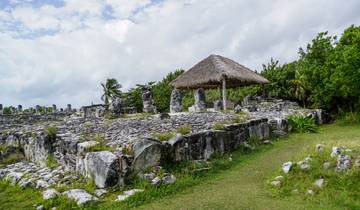
7 days
Riviera Maya Adventure 7D/6N
- ✓ Comprehensive Chichen Itza tour
- ✓ Expert local guides included
- ✓ All accommodation arranged
- ✓ Transportation provided
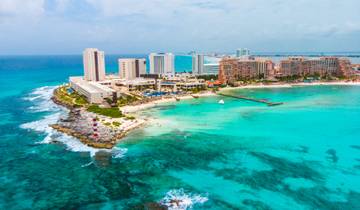
5 days
Riviera Maya Discovery – 5 Days
- ✓ Comprehensive Chichen Itza tour
- ✓ Expert local guides included
- ✓ All accommodation arranged
- ✓ Transportation provided

1 days
Chichen Itza Tour: Explore Mayan Ruins, Valladolid and a Cenote
- ✓ Comprehensive Chichen Itza tour
- ✓ Expert local guides included
- ✓ All accommodation arranged
- ✓ Transportation provided
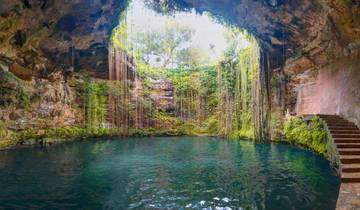
4 days
4-Day Dream Vacation in Cancun
- ✓ Comprehensive Chichen Itza tour
- ✓ Expert local guides included
- ✓ All accommodation arranged
- ✓ Transportation provided
Multi-day tour packages powered by TourRadar. Prices and availability subject to change.
Weather Advantages:
- Comfortable temperatures: Highs of 80-90°F, lows of 65-75°F – ideal for all-day exploration
- Minimal rainfall: Less than 2 inches per month with rare interruptions to sightseeing
- Lower humidity: 60-65% humidity feels comfortable compared to summer’s 75-80%
- Consistent conditions: Predictable weather makes planning easier and more reliable
- Perfect photography: Clear skies and excellent lighting conditions for ruins photography
- Cenote swimming: Air temperatures make post-swimming warming quick and pleasant
The Crowd Reality:
- Daily visitors: 8,000-12,000 people per day during peak periods
- Tour bus invasion: 200+ buses arrive between 10am-2pm
- Photo challenges: Nearly impossible to capture crowd-free shots of main pyramid
- Vendor intensity: Aggressive souvenir selling reaches peak levels
- Parking nightmares: Arrive by 8:30am or face 30+ minute waits for parking
- Facility strain: Restrooms, restaurants, and shops overwhelmed during peak hours
Pricing Impact:
- Hotel rates: 100-200% higher than low season
- Tour prices: Premium rates with limited last-minute availability
- Flight costs: Peak pricing from North American and European markets
- Advance booking: Premium properties sell out 6+ months ahead
- Package deals: Fewer discounts due to high demand
Peak Season Success Strategy: Book accommodation 6+ months ahead, arrive at Chichen Itza by 8am opening, plan cenote visits for 11am-2pm while crowds peak at ruins, consider Wednesday-Thursday visits to avoid weekend surge.
Shoulder Seasons: November & May (The Sweet Spot)
Best For: Budget-conscious travelers, couples, experienced Mexico visitors
Optimal Balance: Good weather, moderate crowds, reasonable prices
November – Transition to Paradise:
Weather: Hurricane season ends, humidity drops, temperatures moderate to pleasant 78-87°F range. Occasional light rain but generally sunny skies return.
Crowds: Significant reduction from peak season as North American tourists haven’t arrived yet for winter holidays. Mexican domestic tourism also lower post-summer vacation period.
Advantages:
- 50% fewer visitors than December-February peak
- Hotel rates 30-50% lower than peak season
- More availability for tours and premium accommodations
- Pleasant evening temperatures for night photography
- Cenotes less crowded with better swimming experiences
- Restaurant reservations easier to secure
May – Pre-Summer Perfection:
Weather: Hot but manageable 82-93°F temperatures with low humidity before rainy season begins. Occasional afternoon showers start appearing.
Crowds: Spring break crowds dissipate, summer vacation season hasn’t begun. One of the quieter months for international tourism.
Strategic Advantages:
- Excellent weather before extreme summer heat
- Moderate pricing between peak and low seasons
- Good availability for last-minute bookings
- Lush vegetation from pre-rainy season growth
- Comfortable for all-day archaeological exploration
- Ideal for cenote hopping with warm air temperatures
Shoulder Season Recommendation: November offers the best overall value with great weather and significantly fewer crowds. May provides last chance for dry season conditions before summer rains begin.
Wet Season: June – October (The Budget Traveler’s Secret)
Best For: Budget travelers, adventure seekers, cultural immersion enthusiasts
Trade-offs: Afternoon rains, high humidity, but 50% lower costs and authentic experiences
The wet season reveals a completely different side of the Yucatan – lush green landscapes, dramatic afternoon thunderstorms, and significantly fewer tourists. While weather challenges exist, the benefits often outweigh the drawbacks for adventurous travelers.
Weather Realities:
- Temperature: Consistently hot 83-95°F with high humidity (75-80%)
- Rainfall pattern: Morning sun, afternoon thunderstorms, evening clearing
- Storm timing: Rain typically 2-6pm, rarely disrupting early morning site visits
- Hurricane risk: June-November season with peak danger August-October
- Humidity impact: Feels 5-10°F hotter than actual temperature
- Air quality: Rain clears dust and pollution for crystal-clear views
Unexpected Advantages:
- Dramatic photography: Storm clouds create stunning backdrops for ruins
- Lush landscapes: Jungle vegetation reaches peak beauty
- Cenote perfection: Hot weather makes cooling cenote swims incredibly refreshing
- Cultural authenticity: Experience Mexico as locals do during traditional rainy season
- Wildlife activity: Increased bird and animal activity in cooler, rainy periods
- Temperature relief: Afternoon storms provide 10-15°F cooling
Budget Benefits:
- Hotel savings: 40-60% lower rates than peak season
- Flight deals: Significant airline discounts during low demand
- Tour pricing: Negotiable rates and upgrade opportunities
- Local economy: Support communities during traditionally slower period
- Upgrade opportunities: Hotels more likely to provide complimentary upgrades
Hurricane Season Precautions: Monitor weather forecasts closely August-October. Purchase travel insurance with hurricane coverage. Have flexible travel dates. August-September represent highest risk period with major storms possible.
Wet Season Success Strategies:
- Early bird advantage: Arrive at ruins by 8am before heat and storms
- Afternoon cenote plan: Schedule swimming during typical 2-6pm rain period
- Covered dining: Choose restaurants with indoor seating for storm periods
- Quick-dry clothing: Pack moisture-wicking fabrics and rain gear
- Flexible itinerary: Build in weather contingency plans
- Indoor backup activities: Museum visits, colonial city exploration during storms
Special Events and Seasonal Phenomena
Spring Equinox (March 20) – The Shadow Serpent:
Phenomenon: Kukulkan pyramid creates shadow illusion of descending serpent
Crowd Impact: 15,000+ visitors, extreme congestion, book 12+ months ahead
During spring equinox, precise afternoon sun angles create triangular shadows on Kukulkan pyramid steps, appearing as the feathered serpent deity Kukulkan descending to earth. This astronomical precision demonstrates advanced Mayan mathematical and architectural knowledge.
Equinox Visitor Experience:
- Optimal viewing: 3:00-6:00pm as shadow effect develops
- Extreme crowds: Largest single-day attendance of the year
- Limited viewing access: Best views reserved for early arrivals
- Cultural performances: Traditional Maya ceremonies and dances
- Photography challenges: Crowd-free shots nearly impossible
- Accommodation premium: Hotel rates 200-300% above normal
Autumn Equinox (September 22) – The Return Journey:
Similar shadow phenomenon occurs during autumn equinox but with smaller crowds due to wet season timing. Offers better viewing opportunities for the same astronomical marvel with 60% fewer visitors.
Day of the Dead (November 1-2):
Traditional Mexican celebration combines with Maya heritage for unique cultural experiences. Special ceremonies at cenotes and ruins, though not as elaborate as in central Mexico.
Daily Timing Strategies for Every Season
Optimal Daily Schedule (Any Season):
8:00-10:30am – Golden Hour Exploration:
- Site opens to public at 8am – be waiting at entrance by 7:45am
- Cool temperatures and soft lighting ideal for photography
- Minimal crowds for first 90 minutes after opening
- Best time for iconic shots of El Castillo pyramid
- Wildlife most active during cooler morning hours
10:30am-12:00pm – Beat the Rush:
- Complete exploration of secondary structures before crowds arrive
- Visit Great Ball Court and Temple of Warriors while manageable
- First tour buses arrive around 11am from major resort areas
- Temperatures rising but still comfortable for walking
12:00-4:00pm – Strategic Retreat:
- Peak crowd and heat period – ideal time for cenote swimming
- Lunch and air conditioning breaks at nearby restaurants
- Visit Valladolid for colonial architecture and indoor attractions
- Rest and preparation for potential return visit during late afternoon
4:00-5:00pm – Second Chance:
- Tour groups depart, crowds diminish significantly
- Late afternoon lighting creates different photographic opportunities
- Cooler temperatures make walking more comfortable
- Last chance for peaceful exploration before closing
Packing Essentials by Season
Peak Season (December-April) Packing List:
- Sun protection: High SPF sunscreen, wide-brimmed hat, UV sunglasses
- Comfortable walking: Broken-in shoes with good support
- Layer options: Light sweater for early morning and evening cooling
- Photography gear: Cameras, extra batteries, lens cleaning supplies
- Hydration: Water bottles, electrolyte supplements
- Cash: Small bills for vendors and entrance fees
Wet Season (June-October) Essentials:
- Rain protection: Lightweight raincoat, waterproof bag for electronics
- Quick-dry clothing: Moisture-wicking fabrics, extra underwear and socks
- Insect protection: DEET repellent, long sleeves for evening
- Waterproof footwear: Non-slip shoes for wet limestone surfaces
- Humidity management: Cooling towels, baby powder, extra deodorant
- Weather monitoring: Weather app, portable radio for storm updates
Transportation Considerations by Season
Peak Season Transportation:
- Rental cars: Book 2+ months ahead, expect premium rates
- Tour availability: Popular tours sell out weeks in advance
- Flight connections: More direct flights but higher prices
- Traffic impact: Heavy congestion on access roads 10am-2pm
- Parking challenges: Arrive early or expect 30+ minute waits
Wet Season Adaptations:
- Road conditions: Some rural roads impassable during heavy rains
- Flight delays: Afternoon thunderstorms may cause schedule disruptions
- Transportation flexibility: Build extra time for weather delays
- Alternative routes: Know backup transportation options
- Local weather knowledge: Drivers familiar with seasonal patterns
Budget Planning by Season
Peak Season Budget (Per Person/Day):
- Luxury experience: $300-500 (premium hotel, private tours, fine dining)
- Mid-range comfort: $150-250 (good hotel, group tours, restaurant meals)
- Budget conscious: $80-120 (basic accommodation, public transport, local food)
- Key factors: Accommodation dominates budget, advance booking essential
Wet Season Budget (Per Person/Day):
- Luxury experience: $180-300 (40% savings on accommodation and tours)
- Mid-range comfort: $90-150 (significant hotel and activity discounts)
- Budget conscious: $50-80 (excellent value with upgrade opportunities)
- Savings opportunities: Negotiate rates, last-minute deals common
Health and Safety Considerations
Peak Season Health Tips:
- Dehydration prevention: Drink water every 30 minutes even if not thirsty
- Heat exhaustion awareness: Recognize symptoms early and seek shade/AC
- Crowd stress management: Plan rest breaks, avoid peak hours when possible
- Sun protection: Reapply sunscreen every 2 hours, seek shade regularly
Wet Season Precautions:
- Slip hazards: Wet limestone extremely slippery, wear appropriate footwear
- Insect protection: Increased mosquito activity, use repellent consistently
- Weather monitoring: Check forecasts regularly, have indoor backup plans
- Humidity adaptation: Allow 2-3 days for body adjustment to high humidity
Frequently Asked Questions
What is absolutely the worst time to visit Chichen Itza?
March during spring break and equinox combines the largest crowds of the year (15,000+ daily visitors) with peak pricing and extreme heat. Easter week and Christmas/New Year are also exceptionally crowded and expensive. Avoid these periods unless crowds don’t bother you.
Can I visit Chichen Itza during hurricane season safely?
Yes, with proper planning. Monitor forecasts closely, purchase comprehensive travel insurance, and maintain flexible travel dates. Most hurricanes provide 3-7 days advance warning. June-July and November have lower hurricane probability than August-October peak season.
How much money can I save by visiting during wet season?
Significant savings possible: 40-60% on accommodation, 30-50% on flights, and better negotiation opportunities for tours and activities. A week-long trip costing $2,000 during peak season might cost $1,200-1,400 during wet season for similar experiences.
Is it worth visiting during the equinox for the shadow serpent effect?
Depends on your priorities. The phenomenon is genuinely remarkable and demonstrates Mayan astronomical precision. However, expect extreme crowds (15,000+ people), premium pricing (200-300% hotel increases), and challenging viewing conditions. Book accommodations 12+ months in advance.
What’s the temperature difference between seasons?
Peak season: 75-90°F with low humidity feels comfortable. Wet season: 83-95°F with high humidity feels much hotter. The humidity difference is more impactful than temperature – wet season can feel 10°F hotter than actual temperature readings.
How do afternoon rains during wet season affect site visits?
Rain typically occurs 2-6pm after morning site exploration. Most visitors complete Chichen Itza visits by noon anyway due to heat. Afternoon rains actually provide cooling and excellent cenote swimming conditions. Covered areas available for shelter.
Which month offers the best balance of weather, crowds, and prices?
November provides optimal balance: post-hurricane season weather improvement, significant crowd reduction from peak season, and 30-50% lower prices than December-March. May also offers good value before summer heat intensifies.
How far in advance should I book for different seasons?
Peak season (Dec-Apr): 6+ months for premium properties, 3 months minimum. Shoulder seasons (Nov, May): 1-2 months adequate. Wet season (Jun-Oct): Last-minute bookings often possible with better rates and upgrade opportunities.
Does the wet season mean it rains all day every day?
No – wet season typically features sunny mornings, afternoon thunderstorms (2-6pm), and clear evenings. Total rainfall averages 4-7 inches per month but concentrated in short, intense bursts. Many days have no rain at all.
Are there any seasonal closures or restrictions at Chichen Itza?
Chichen Itza remains open year-round with consistent 8am-5pm hours. However, extreme weather (hurricanes, severe storms) may cause temporary closures for safety. Special events like equinox may have modified access or viewing restrictions due to crowd management.