
Best Time to Visit Český Krumlov 2026: Complete Seasonal Planning Guide
Key Takeaways
- May and September offer ideal balance of pleasant weather, moderate crowds, and reasonable pricing in 2026
- Summer (June-August) delivers warmest weather and longest days but brings peak crowds and 40-60% higher accommodation costs
- Spring shoulder season (April-May) features blooming landscapes and cultural events with 30% fewer visitors than summer
- Autumn (September-October) provides optimal photography conditions with fall colors and crisp lighting
- Winter (December-February) offers magical Christmas markets and dramatic snow scenery at lowest prices, though limited daylight hours
- Five-Petalled Rose Festival (June 20-22, 2026) represents the year’s most significant cultural event requiring advance planning
Understanding Český Krumlov’s Seasonal Rhythms for 2026 Planning
Český Krumlov’s UNESCO World Heritage historic center transforms dramatically across seasons, each period offering distinct advantages for different traveler priorities. The medieval town’s location in southern Bohemia creates continental climate patterns with warm summers, cold winters, and transitional shoulder seasons delivering unpredictable but often ideal conditions. Understanding seasonal weather, crowd patterns, pricing structures, and cultural events enables strategic timing that aligns visit characteristics with personal preferences and priorities.
Tourist volume varies dramatically across the year, with summer months (June-August) hosting 60-70% of annual visitors concentrated into 90 days. This concentration creates crowded conditions in narrow medieval lanes but also activates full cultural programming, extended operating hours, and complete service availability. Shoulder seasons (April-May, September-October) deliver 40-50% of summer’s crowd levels while maintaining pleasant weather and most facilities operating normally. Winter months (November-March) see visitor numbers drop to 10-15% of summer peaks, creating intimate exploration opportunities alongside reduced services and limited daylight.
Pricing follows inverse relationship with weather quality—peak rates during optimal conditions, significant discounts during challenging periods. Accommodation costs fluctuate 50-100% between winter lows and summer peaks, while restaurant prices, tour fees, and activity costs remain relatively stable year-round. Transportation accessibility varies seasonally with summer providing maximum route frequency and winter bringing reduced schedules requiring advance planning. Understanding these seasonal dynamics enables informed decision-making that balances weather preferences, crowd tolerance, budget constraints, and activity priorities.
People Also Ask About Visiting Český Krumlov 2026
What month is best to visit Český Krumlov in 2026?
May and September represent optimal visiting months in 2026, balancing favorable weather conditions with moderate crowds and reasonable pricing. May features spring blooms, warming temperatures (15-22°C/59-72°F), and increasing daylight (sunrise 5:30 AM, sunset 8:30 PM) creating extended exploration hours. Gardens display spring flowers, trees show fresh green foliage, and river levels run full from snowmelt creating dramatic water features.
September delivers autumn colors, comfortable temperatures (12-20°C/54-68°F), and exceptional photography light with lower sun angles and crisp atmospheric conditions. Harvest season brings food festivals, wine events, and cultural celebrations highlighting regional traditions. Accommodation costs run 20-30% below summer peaks while most services maintain full operation. Weather stability increases versus spring’s unpredictability, with September averaging 8-10 dry days versus May’s 6-8.
Both months avoid peak summer crowds (40-50% fewer visitors than July-August) while dodging winter’s limited daylight and cold temperatures. Tour operators maintain regular schedules with English-language options running daily. Castle interior tours operate full hours without seasonal reductions. Restaurant reservations remain easier to secure than summer months, and popular photography locations offer uncrowded conditions during golden hour periods.
How crowded is Český Krumlov in summer 2026?
Summer months (June-August 2026) bring peak visitor concentrations with July reaching maximum density. The historic center’s narrow lanes experience continuous flow of tour groups, independent travelers, and day-trippers from Prague and Vienna. Popular areas including náměstí Svornosti (town square), Latrán street, and castle courtyards see sustained crowds 10 AM-6 PM requiring patience navigating through groups.
Midweek visits (Tuesday-Thursday) prove less crowded than weekends, though differences diminish during peak July-August period when consistent high volume continues throughout weeks. Morning hours (7-9 AM) and evening periods (7-9 PM) provide quieter exploration windows before tour groups arrive and after they depart. Castle interior tours sell out 2-3 weeks ahead for English-language slots, requiring advance booking for guaranteed access.
Accommodation books solid during summer requiring 4-8 week advance reservations for preferred properties. Popular restaurants need dinner reservations 2-3 days ahead during peak season versus walk-in availability during shoulder periods. Photography enthusiasts find crowded conditions challenging at famous viewpoints, with early morning or late evening shooting necessary for unobstructed compositions. Despite crowds, summer delivers complete cultural programming, extended hours, and guaranteed warm weather justifying peak season visits for many travelers.
Is Český Krumlov worth visiting in winter 2026?
Winter visits (December-February 2026) offer dramatically different but equally compelling experiences versus summer tourism. Christmas market period (late November-early January) transforms town square into festive marketplace with traditional wooden stalls, holiday decorations, and seasonal atmosphere. Snow-covered medieval architecture creates fairytale scenery ideal for photography, while reduced crowds enable intimate exploration of historic areas typically packed during summer.
Practical considerations include limited daylight (8 AM-4 PM in December) restricting photography hours and exploration time. Cold temperatures (-5 to 5°C/23-41°F) require appropriate clothing and create slippery conditions on cobblestone surfaces. Some restaurants, cafes, and tourist services reduce hours or close entirely during January-February low season. Castle interior tours operate reduced schedules with fewer English-language options, requiring flexible scheduling.
Advantages include accommodation costs 50-70% below summer rates, minimal crowds enabling spontaneous exploration without reservations, and authentic local atmosphere as the town returns to residential character versus tourist-focused summer environment. Winter photography captures dramatic lighting conditions, snow-covered rooftops, and atmospheric evening scenes under historic street lighting. Budget travelers find exceptional value with mid-range hotels available at budget prices, making luxury experiences accessible at moderate costs.
What’s the weather like in Český Krumlov throughout 2026?
Spring (March-May) brings variable conditions with temperatures gradually warming from 5-12°C in March to 15-22°C by May. Rainfall occurs frequently (10-12 rainy days per month) though storms typically pass quickly. Snow remains possible through early April, particularly in higher elevations. Packing requires layers accommodating temperature swings and waterproof outerwear for rain showers.
Summer (June-August) delivers warmest and driest conditions with temperatures 20-28°C, occasional heat waves reaching 30-35°C during July. Rainfall decreases to 8-10 days per month with afternoon thunderstorms common but brief. Long daylight hours (sunrise 5 AM, sunset 9 PM in June) maximize exploration time. Light clothing, sun protection, and rain jacket cover most conditions.
Autumn (September-November) features comfortable temperatures (12-20°C September, 5-12°C November) with increasing rainfall and decreasing daylight. September remains relatively stable, while October brings unpredictable conditions mixing sunny periods with rain and early cold snaps. November transitions to winter characteristics with occasional snow and freezing temperatures. Mid-weight layers and waterproof gear prove essential.
Winter (December-February) sees cold temperatures (-5 to 5°C) with regular snow accumulation creating winter wonderland scenery. Overcast conditions dominate with limited sunny days. Short daylight hours (8 AM-4 PM) restrict activity timing. Heavy winter clothing, waterproof boots, and layering systems necessary for outdoor exploration. Indoor attractions and heated cafes provide warmth during coldest periods.
Extended multi-day tours – 5+ days
Featured Bohemia Multi-Day Tour Packages
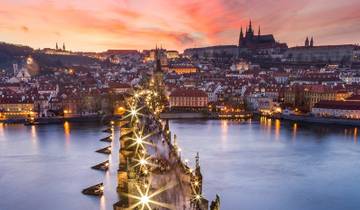
4 days
Prague, Czechia (Czech Rep.)
- ✓ Comprehensive Bohemia tour
- ✓ Expert local guides included
- ✓ All accommodation arranged
- ✓ Transportation provided

4 days
Czech Republic – Bohemian Treasures (Spa Retreat & Beer Heritage) 4-Day Tour
- ✓ Booking needs min. 2 travelers

5 days
Between Stories and Castles (7 destinations)
- ✓ Comprehensive Bohemia tour
- ✓ Expert local guides included
- ✓ All accommodation arranged
- ✓ Transportation provided
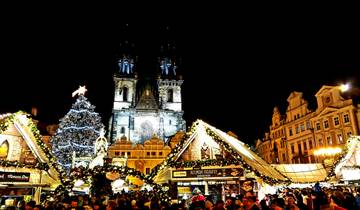
4 days
Prague Christmas Markets
- ✓ Comprehensive Bohemia tour
- ✓ Expert local guides included
- ✓ All accommodation arranged
- ✓ Transportation provided
Multi-day tour packages powered by TourRadar. Prices and availability subject to change.
Essential Planning Information 2026
Seasonal Pricing Patterns
Accommodation costs fluctuate dramatically across seasons with peak summer rates (July-August) representing maximum annual pricing. Mid-range double rooms in historic center hotels cost €120-180 per night during summer peak, €80-120 during shoulder seasons (April-May, September-October), and €60-90 during winter months (excluding Christmas period). Christmas market season (late November-early January) sees rates increase to €100-140, approaching summer levels due to festival demand.
Budget accommodation follows similar patterns—hostel beds cost €25-35 summer, €18-25 shoulder, €12-18 winter. Guesthouses outside historic center offer better value with summer doubles at €70-100, shoulder €50-70, winter €35-55. Booking directly with properties versus platforms often provides 10-15% savings plus flexibility for modifications. Advance booking 6-8 weeks ahead secures best summer availability, while shoulder and winter periods allow 2-3 week booking windows.
Restaurant prices remain relatively stable year-round with traditional Czech meals costing €12-18 regardless of season, though tourist-focused establishments increase prices 10-20% during peak summer. Tour costs maintain consistency across seasons—standard walking tours €20-25, premium small-group €30-35, private guides €120-180 per group. Castle interior admission (€13-16) doesn’t vary seasonally.
Transportation costs stay constant with bus fares Prague-Český Krumlov at €8-12 and train tickets €10-15 throughout year. Car rental rates increase 20-30% during summer peak season versus winter lows. Overall daily budgets range €90-140 summer, €70-100 shoulder, €50-80 winter for mid-range travelers including accommodation, meals, activities, and local transport.
Daylight Hours and Photography Timing
Summer solstice (June 20-21) delivers maximum daylight with sunrise 4:50 AM and sunset 9:10 PM, providing 16+ hours for exploration and photography. Long days enable early morning shoots capturing empty streets, full day of activities, and evening golden hour photography without time pressure. Twilight extends until 10 PM creating atmospheric blue hour conditions.
Spring equinox (March 20) and autumn equinox (September 22) provide balanced 12-hour days with sunrise 6:30 AM and sunset 6:30 PM. These moderate hours suit most travelers’ natural rhythms while offering dawn and dusk photography opportunities at reasonable times. Spring sees rapidly lengthening days (gaining 3-4 minutes daily April-May) while autumn brings rapidly shortening days (losing 3-4 minutes daily September-October).
Winter solstice (December 21) restricts daylight to 8 hours with sunrise 7:50 AM and sunset 4 PM. Limited daylight requires strategic planning concentrating activities into middle hours and accepting early evening darkness. Photography benefits from low winter sun angles creating dramatic shadows and golden light throughout short afternoon period. Twilight ends by 5 PM requiring artificial lighting for evening activities.
Optimal photography seasons include September-October for autumn colors and crisp light, December-January for snow scenery and festive atmosphere, and April-May for spring blooms and increasing daylight. Summer’s long days suit extended photography sessions though harsh midday sun (11 AM-3 PM) creates challenging lighting conditions better avoided for architectural photography.
Cultural Calendar and Special Events 2026
Five-Petalled Rose Festival (June 20-22, 2026) represents the year’s most significant cultural event, transforming the town into medieval spectacle with costumed participants, historical reenactments, jousting tournaments, artisan demonstrations, and traditional music performances. Festival attracts 30,000-40,000 additional visitors over three days, requiring accommodation booking 6-8 weeks ahead and tour reservations 4-6 weeks advance. Hotel rates increase 50-100% during festival weekend.
Easter celebrations (April 20, 2026) feature traditional Czech customs including painted eggs, willow branch decorations, and special church services. Easter Monday (public holiday) brings increased Czech domestic tourism with some businesses closing. Accommodation books 3-4 weeks ahead for Easter weekend as Prague residents make short trips to regional destinations.
Christmas markets (approximately November 28, 2026-January 6, 2027, exact dates announced September 2026) create festive atmosphere in town square with wooden vendor stalls selling traditional crafts, seasonal foods, mulled wine, and holiday decorations. Markets operate daily 10 AM-8 PM with extended hours December 20-26. Special Christmas concerts occur in St. Vitus Church and castle venues. Market period requires accommodation booking 4-6 weeks ahead.
International Music Festival (July-August 2026, specific dates announced March 2026) brings classical concerts, opera performances, and chamber music to castle venues and historic churches. Festival events cost €15-45 per performance with advance booking opening April 2026. Festival increases evening activity options though doesn’t significantly affect daytime touring or general accommodation availability beyond normal summer demand.
St. Wenceslas Day (September 28, national holiday) and Czech Independence Day (October 28, national holiday) bring increased domestic tourism with some tour operators reducing schedules or closing. Verify operating hours for attractions and restaurants during these holidays. May Day (May 1, national holiday) similarly affects services with some businesses closing for traditional celebrations.
Spring Season Analysis 2026 (March-May)
Weather Conditions and Characteristics
March brings transitional conditions with temperatures 5-12°C (41-54°F), frequent rain showers (10-12 rainy days), and occasional late-season snowfall particularly in early month. Gardens begin showing first signs of spring with early bulbs blooming mid-month. River levels run high from snowmelt creating impressive water flow through the town’s horseshoe bend. Daylight increases rapidly from 12 hours early month to 14 hours by month’s end.
April delivers accelerating spring with temperatures 8-16°C (46-61°F), continued frequent rain (10-11 rainy days), and unpredictable conditions mixing sunny warm periods with cold snaps and showers. Trees leaf out progressively through month, gardens display tulips and spring flowers, and countryside transitions to green landscapes. Easter timing (April 20, 2026) often coincides with peak spring bloom creating attractive photographic conditions.
May reaches comfortable temperatures 13-22°C (55-72°F), decreasing rainfall (8-10 rainy days), and stable pleasant conditions ideal for outdoor activities. This represents spring’s most reliable month for weather though afternoon thunderstorms remain common. Gardens reach full spring display, trees show mature foliage, and extended daylight (sunrise 5:30 AM, sunset 8:30 PM) maximizes exploration hours. May combines improving weather with pre-summer crowds creating optimal balance.
Spring weather requires versatile packing including waterproof layers, warm mid-layers for cool mornings/evenings, and lighter clothing for warming afternoons. Umbrella or waterproof jacket proves essential given rain frequency. Comfortable waterproof walking shoes handle wet cobblestones better than fashion footwear. Temperature variation throughout days necessitates layering system allowing adjustment as conditions change.
Crowd Levels and Tourist Experience
March sees minimal international tourism with visitor numbers 20-30% of summer peaks. Local and regional visitors dominate, creating authentic atmosphere with limited English-language tour options and some seasonal business closures. This solitude suits travelers prioritizing uncrowded exploration over full service availability. Photography locations remain accessible without competing for positions, and spontaneous restaurant visits work without reservations.
April experiences gradually increasing tourism as Easter approaches, particularly during Easter week (April 13-20, 2026) when Czech domestic travelers make regional trips. International visitor numbers reach 30-40% of summer levels with German and Austrian tourists arriving for spring getaways. Tour operators begin full schedules with regular English-language options. Weekends see higher activity than weekdays, though crowds remain manageable compared to summer density.
May represents shoulder season peak with visitor numbers reaching 50-60% of summer levels, particularly during May Day long weekend (May 1-4, 2026) and final weeks approaching June. International tourism accelerates with North American, Asian, and European visitors arriving. Popular hotels book 3-4 weeks ahead for weekends, while weekday availability remains better. Castle tours require advance booking for preferred English-language times. Restaurant reservations recommended for dinner at popular establishments, though walk-in lunches remain viable.
Spring visitor composition shifts from purely independent travelers in March to increasing tour groups and organized travel in May. Photography enthusiasts appreciate spring’s combination of blooming landscapes, good light conditions, and manageable crowds. Families with school-age children remain limited until late May when some European school holidays begin. The season attracts couples, retirees with flexible schedules, and travelers prioritizing value over guaranteed weather.
Advantages and Considerations
Spring advantages include blooming gardens and countryside creating attractive photographic conditions, moderate pricing 30-40% below summer peaks, manageable crowds enabling spontaneous exploration, and increasing daylight hours extending activity time. Castle gardens display spring flowers, river levels run full creating dramatic water features, and fresh green foliage provides vibrant color palettes. Cultural events including Easter celebrations add traditional Czech customs to tourism experiences.
Temperature comfort improves through season with May reaching pleasant conditions for outdoor activities. Hotel availability remains better than summer requiring shorter advance booking windows. Local atmosphere dominates with authentic Czech character versus summer’s tourist-focused environment. Tour operators appreciate shoulder season business offering attentive service and flexibility versus summer’s assembly-line approach with large groups.
Considerations include weather unpredictability requiring flexible planning and appropriate gear, rain frequency affecting outdoor activities and photography, and some seasonal business closures particularly in March. Castle interior tour schedules operate reduced hours early spring with fewer English-language options. Garden fountain systems remain inactive until May, and some outdoor restaurant terraces don’t open until April or May when weather stabilizes.
Photography challenges include overcast conditions common during rain periods, though dramatic cloud formations create moody atmospheric images. Spring mud and wet conditions affect countryside hiking and rural photography. River cruises and water activities don’t typically operate until May when water temperatures and demand justify service. Evening entertainment options remain limited compared to summer’s full cultural programming.
Summer Season Planning 2026 (June-August)
Peak Season Characteristics
June initiates summer season with temperatures 18-25°C (64-77°F), minimal rainfall (7-9 rainy days), and maximum daylight hours approaching summer solstice (June 20-21). This month balances pleasant weather with building but not yet overwhelming crowds. Five-Petalled Rose Festival (June 20-22) creates the year’s most significant cultural event and highest visitor concentration requiring substantial advance planning for accommodation and activities.
July reaches peak temperatures 20-28°C (68-82°F) with occasional heat waves exceeding 30°C (86°F), lowest rainfall of year (6-8 rainy days), and sustained high tourism volume. This represents the busiest month with historic center experiencing continuous crowds throughout days. International tourism peaks with visitors from across Europe, North America, and Asia. All services operate maximum schedules, cultural programming runs full calendar, and every business maximizes summer earnings.
August maintains similar conditions to July with temperatures 19-27°C (66-81°F), increasing rainfall toward month’s end (7-9 rainy days), and sustained high visitor numbers. European vacation concentration brings maximum family tourism with school holidays across most of continent. Late August (final week) begins shoulder season transition with crowds moderating and accommodation rates starting to decrease, creating optimal timing for those seeking summer weather with slightly reduced density.
Summer weather provides most reliable conditions for outdoor activities with minimal rain disruption and warm temperatures ideal for river activities, garden exploration, and extended walking tours. Long daylight hours (16+ hours June) enable early morning photography sessions, full day of activities, and evening pursuits without time pressure. Sunset photography opportunities extend until 9 PM creating relaxed golden hour timing.
Managing Peak Season Challenges
Advance booking becomes critical for summer visits with accommodation requiring 6-8 weeks notice for preferred properties, particularly during Five-Petalled Rose Festival weekend. Castle interior tours book 2-3 weeks ahead for English-language slots with walk-up availability limited to Czech-language tours or extended wait times. Popular restaurants need dinner reservations 2-3 days advance, while lunch service maintains better walk-in availability.
Crowd management strategies include starting days early (7-9 AM) when streets remain relatively empty, avoiding peak congestion hours (11 AM-6 PM), and extending activities into evening hours when day-trippers depart. Photography enthusiasts shift shooting to early morning and late evening when famous viewpoints become accessible without constant tourist flow. Midweek visits (Tuesday-Thursday) prove marginally less crowded than weekends, though differences diminish during July peak.
Alternative timing within summer season chooses early June (before Rose Festival) or late August (as schools reopen) for moderate weather with slightly reduced crowds. June 1-18 delivers summer conditions before festival weekend intensification, while August 24-31 maintains good weather as tourist numbers begin declining. These shoulder-summer periods provide 85% of peak summer’s benefits with 70% of the crowds.
Budget management during expensive peak season considers accommodation outside historic center where properties cost 30-40% less than central locations while remaining walking distance (10-20 minutes). Lunch represents main meal versus expensive dinners, with traditional Czech restaurants offering €8-12 lunch specials versus €18-25 dinner plates. Supermarket picnics in castle gardens provide economical breaks, while self-guided exploration eliminates tour costs while maintaining comprehensive coverage.
Summer Festival Planning
Five-Petalled Rose Festival (June 20-22, 2026) requires dedicated planning as the year’s most significant event. Festival programming includes medieval market in town square featuring 100+ artisan vendors, historical combat demonstrations and jousting tournaments, Renaissance music and dance performances, costumed parades through historic streets, traditional craft workshops (blacksmithing, pottery, weaving), and period food vendors serving medieval-inspired cuisine.
Festival access remains free for most programming with some special events requiring tickets (€8-15). Three-day festival pass costs €25 providing unlimited access to all venues and performances. Arrive Friday morning (June 20) to secure accommodation check-in before evening crowds, allowing participation in opening ceremonies. Saturday (June 21) delivers peak programming with largest crowds—expect sustained high density throughout day. Sunday (June 22) features morning events before afternoon conclusion, creating optimal timing for those avoiding maximum crowds.
Accommodation during festival weekend books 6-8 weeks ahead with rates increasing 50-100% above normal summer pricing. Hotels implement 2-3 night minimum stays during festival weekend, limiting single-night bookings. Alternative accommodation in nearby towns (Zlatá Koruna 7 km away, Holubov 10 km, Vyšší Brod 15 km) provides access via rental car or taxi while avoiding festival weekend premium pricing.
Photography opportunities during festival include costumed participants in medieval dress, historical reenactments with authentic weapons and armor, artisan demonstrations showing traditional techniques, evening torchlight parades, and crowds creating atmospheric medieval marketplace scenes. Festival programming operates 10 AM-10 PM with evening events providing dramatic lighting conditions for creative photography. Advance position claiming at popular viewpoints necessary for parade and tournament photography.
Autumn Visit Strategy 2026 (September-November)
Fall Season Appeal
September delivers autumn’s optimal conditions with temperatures 12-20°C (54-68°F), moderate rainfall (8-9 rainy days), and exceptional photography light as sun angles lower creating dramatic shadows and warm color tones. This represents peak shoulder season combining comfortable weather, reduced crowds (40-50% of summer levels), and full service operation. Fall colors begin appearing late month as trees transition toward autumn foliage, creating attractive landscape photography opportunities.
October features cooling temperatures 7-14°C (45-57°F), increasing rainfall (9-10 rainy days), and peak autumn colors as forests display vibrant red, orange, and yellow foliage. This month balances fall scenery appeal against increasingly unpredictable weather requiring flexible planning. Harvest season brings food festivals, wine events, and cultural celebrations highlighting regional agricultural traditions. Tourism continues at moderate levels (30-40% of summer) with English-language tours maintaining regular schedules.
November transitions to winter characteristics with temperatures 2-8°C (36-46°F), frequent rain and occasional snow (11-12 rainy days), and dramatically shortened daylight hours (sunrise 7 AM, sunset 4:30 PM by month’s end). Tourism drops significantly with many businesses reducing hours or closing for seasonal maintenance before Christmas market period. This month suits travelers seeking solitude and willing to accept challenging weather and limited services for authentic local atmosphere and minimal crowds.
Autumn photography benefits from low sun angles creating extended golden hours, dramatic cloud formations typical of transitional seasons, fall colors adding vibrant elements to compositions, and comfortable temperatures allowing extended outdoor sessions without summer’s heat or winter’s cold. Atmospheric conditions including morning mist and evening fog create moody images ideal for fine art landscape photography. Reduced crowds enable unobstructed shots at famous viewpoints throughout day.
Seasonal Transition Planning
September maintains summer-like service levels with most businesses operating full hours, tour operators running complete schedules, and restaurant terraces remaining open for outdoor dining. This month provides excellent balance of amenities versus reduced crowds, making it ideal for travelers wanting infrastructure accessibility without peak season density. Accommodation costs drop 20-30% below summer rates while maintaining availability without advance booking pressure (2-3 weeks sufficient for most weekends).
October requires moderate weather flexibility as conditions become less predictable. Pack layering systems accommodating temperature swings and waterproof gear for rain frequency. Some seasonal businesses begin closing for winter break, particularly November, requiring verification of specific restaurants, cafes, or attractions before planning detailed itineraries around them. Castle interior tours reduce English-language frequency to 1-2 times daily versus summer’s 3-4 options.
November demands high weather flexibility and acceptance of limited services. Many seasonal businesses close entirely, river activities cease operation, and cultural programming reduces to minimal levels. However, accommodation costs drop to 60-70% below summer peaks creating exceptional value for budget travelers. Photography enthusiasts appreciate authentic local atmosphere with minimal tourists, though short daylight hours limit shooting time and weather challenges increase significantly.
Timing within autumn season optimizes experiences by selecting early September (September 1-15) for most summer-like conditions with early fall colors beginning, mid-season (September 16-October 15) for peak autumn colors and balanced weather/services, or late season (October 16-November 15) for solitude and budget savings accepting weather risks and reduced amenities. Each window serves different priorities—consistency versus scenery versus economy.
Autumn Value Proposition
Autumn delivers superior value for cost-conscious travelers with September providing summer-quality experiences at 70% of summer prices, while October offers 60% of summer prices with authentic fall character. Accommodation represents largest savings with mid-range hotels costing €80-120 in September versus €120-180 summer, and €60-90 in October versus summer peaks. Restaurants maintain standard pricing though reduced demand sometimes brings special offers and promotions.
Photography-focused visitors find autumn optimal for professional work with fall colors adding visual interest, dramatic lighting from low sun angles, and accessible famous viewpoints without tourist congestion. Portfolio-building opportunities improve versus summer when crowd management dominates shooting logistics. Extended golden hours (versus short summer windows) provide more usable light throughout afternoons.
Cultural authenticity increases as international tourism decreases and local character reasserts itself. Restaurants shift from tourist menus back to Czech-focused offerings, street vendors disappear leaving architectural purity, and local residents reclaim public spaces creating genuine community atmosphere. Conversations with shopkeepers, restaurant staff, and local guides become more substantive as they have time to engage versus summer’s transactional efficiency.
Wine harvest season (September-October) brings specialized opportunities including vineyard tours in nearby wine regions (Znojmo 60 km, Mikulov 90 km), wine festivals celebrating new vintages, and restaurant promotions featuring seasonal wine pairings. Autumn cuisine emphasizes hearty Czech dishes ideal for cooling weather including game meats, mushroom preparations, and warming stews replacing summer’s lighter fare.
Winter Experience 2026 (December-February)
Christmas Market Season
Christmas markets (approximately November 28, 2026-January 6, 2027, exact dates announced September 2026) transform náměstí Svornosti into festive marketplace with 30-40 wooden vendor stalls selling traditional crafts, seasonal foods, mulled wine (svařák), and holiday decorations. Market operates daily 10 AM-8 PM with extended hours December 20-26 (10 AM-10 PM). Free admission with purchases ranging €2-50 for crafts and €3-8 for food/beverage items.
Market vendors offer traditional Czech Christmas items including hand-painted ornaments, wooden toys, crystal decorations, beeswax candles, and woolen textiles. Food stalls serve roasted chestnuts, grilled sausages (klobása), potato pancakes (bramboráky), sweet chimney cakes (trdelník), and traditional Christmas bread (vánočka). Mulled wine stands provide warming beverages with variations including honey wine, spiced beer, and hot chocolate.
Special programming during market period includes Christmas concerts in St. Vitus Church (€10-15 admission, advance booking recommended), nativity displays in castle courtyards, evening carol singing at town square, and craft workshops teaching traditional decorating techniques. Castle interior tours operate reduced schedules with English-language options at 11 AM and 2 PM daily. Photography opportunities include illuminated market stalls, snow-covered architecture, and festive evening atmosphere under street lighting.
Accommodation during Christmas market period requires 4-6 weeks advance booking as rates increase to €100-140 for mid-range doubles, approaching summer pricing levels despite winter season. December 20-27 represents peak market period with highest pricing and booking difficulty. Early market period (late November-mid December) and late period (December 27-January 6) offer better availability and moderate pricing while maintaining festive atmosphere. Weekend visits during market season see higher crowds than weekdays, particularly December weekends.
Winter Weather and Conditions
December temperatures range -2 to 5°C (28-41°F) with frequent snow creating winter wonderland scenery ideal for photography. Snowfall occurs 10-12 days per month with accumulation varying from light dustings to 10-20 cm coverage during significant storms. Short daylight hours (sunrise 7:50 AM, sunset 4 PM) restrict activity timing and photography windows. Overcast conditions dominate with limited sunny periods, though snow-covered landscapes remain photogenic regardless of cloud cover.
January reaches coldest temperatures -5 to 3°C (23-37°F) with continued snow frequency and minimal tourism activity. This represents the year’s quietest month as Christmas market crowds depart and pre-spring tourism hasn’t begun. Many businesses close for January maintenance or vacation, requiring advance verification of specific restaurants and shops. Castle tours operate minimum schedules, some museums close entirely, and tour operators reduce offerings to weekend-only operation or suspend services completely.
February begins winter’s gradual warming with temperatures -3 to 6°C (27-43°F), decreasing snow frequency (8-9 snow days), and increasing daylight (sunrise 7:15 AM, sunset 5:15 PM by month’s end). Early signs of approaching spring appear late month though full winter conditions persist throughout most of February. Tourism remains minimal creating intimate exploration opportunities, while services begin returning to operation as businesses prepare for spring season startup.
Winter exploration requires appropriate clothing including insulated waterproof jacket, thermal layers, winter boots with good traction for ice/snow, gloves, and hat. Cobblestone streets become slippery when snow-covered or icy, requiring careful footing and slower pacing. Indoor attractions including museums, castle interior tours, churches, and heated cafes provide warmth during coldest periods. Hand warmers, thermos with hot beverages, and extra batteries (cold depletes battery life) enhance winter photography sessions.
Winter Advantages and Realities
Winter’s primary advantage centers on exceptional value with accommodation costs 50-70% below summer peaks making luxury experiences accessible at budget prices. Mid-range historic center hotels cost €60-90 versus €120-180 summer, while budget guesthouses drop to €35-55 from €70-100. This dramatic savings enables upgrading accommodation quality versus other seasons, or allocating budget to dining experiences, private tours, and cultural activities.
Photographic opportunities include snow-covered medieval architecture creating fairytale scenes, dramatic winter light with low sun angles throughout short day, Christmas market atmosphere with festive lighting and decorations, and authentic local character as town returns to residential function versus tourist destination. Empty morning streets enable unobstructed architectural photography impossible during crowded seasons. Winter twilight creates blue hour conditions ideal for atmospheric evening images.
Minimal crowds deliver intimate exploration experiences with major landmarks accessible without competing for viewpoints or navigating through tour groups. Castle courtyards become peaceful spaces for contemplation versus summer’s constant flow. Churches and museums allow unhurried examination of art and architecture. Restaurant dining occurs without reservations or wait times, and servers have capacity for genuine conversation and recommendations.
Challenges include limited daylight restricting daily activity hours, cold temperatures requiring appropriate gear and affecting comfort during extended outdoor periods, reduced services with some businesses closed and others operating shortened hours, and weather unpredictability creating occasional very difficult conditions. Transportation challenges increase during snow/ice with some routes experiencing delays. Winter visit success depends on accepting these limitations while appreciating seasonal advantages—wrong mindset leads to disappointment, proper expectations create rewarding experiences.
Budget Considerations by Season 2026
Comparative Seasonal Costs
Peak summer season (July-August) represents maximum annual costs with mid-range daily budgets totaling €120-160 per person including accommodation (€60-90 hotel share), meals (€35-50), activities (€15-25), and local expenses (€10-15). Accommodation dominates budget allocation at 45-55% of total daily spend. Budget travelers manage €70-100 daily using hostels (€25-35), self-catering for some meals, and free walking versus paid tours.
Shoulder seasons (April-May, September-October) reduce daily costs 20-30% with mid-range budgets €85-120 including accommodation (€40-60 hotel share), meals (€30-45), activities (€15-20), and incidentals (€8-12). Percentage savings concentrate in accommodation while meal and activity costs remain relatively stable. Budget travelers achieve €50-75 daily through economical lodging and strategic spending on priorities versus comprehensive coverage.
Winter low season (January-February, excluding Christmas) delivers maximum savings with mid-range budgets €60-90 including accommodation (€30-45 hotel share), meals (€25-40), activities (€10-15), and extras (€5-8). Accommodation costs drop 50-70% enabling luxury hotel access at mid-range prices. Budget travelers manage remarkable €35-55 daily accessing quality experiences at minimal costs. Christmas market period (late November-early January) interrupts winter savings with rates approaching shoulder season levels.
Five-Petalled Rose Festival weekend (June 20-22) creates annual pricing peak with accommodation increasing 50-100% above normal summer rates and implementing 2-3 night minimums. Festival weekend daily budgets reach €180-250 mid-range or €280-400 luxury, representing year’s most expensive period. Budget travelers face challenges during festival with limited economical accommodation requiring early booking or staying outside town center.
Seasonal Value Analysis
Best overall value proposition belongs to September combining 70% of summer pricing with 50% of summer crowds, optimal photography conditions, and complete service availability. Daily mid-range budgets €90-110 deliver full summer experience quality at moderate costs. May provides similar value equation with spring scenery replacing autumn colors and weather showing higher unpredictability requiring flexibility.
Maximum budget efficiency occurs January-February when luxury hotels become accessible at budget prices and minimal crowds enable spontaneous exploration without premium advance booking. Daily spending €60-90 delivers experiences costing €140-180 during summer, representing 50-60% savings for equivalent quality. Success requires accepting winter limitations—short days, cold weather, reduced services—as tradeoffs for exceptional value.
Shoulder periods April and October balance moderate pricing against increasing weather uncertainty. April costs 20-25% less than summer while delivering 60% crowd reduction, though rain frequency and cool temperatures affect outdoor activities. October provides 30-35% savings with dramatic autumn scenery, but shortening days and decreasing temperatures signal approaching winter conditions requiring appropriate gear and flexibility.
Peak summer June-August charges premium pricing for guaranteed warm weather, maximum daylight, and complete cultural programming. Value proposition depends on priorities—travelers requiring reliable weather and full amenities justify premium costs, while budget-conscious visitors find better value during shoulders accepting moderate weather uncertainty. Festival weekend represents unique experience worth premium for cultural enthusiasts, but avoidable for value-seekers choosing adjacent weeks.
Strategic Booking for Budget Optimization
Book accommodation 8-12 weeks ahead for summer visits capturing early bird discounts (10-15% savings) and securing preferred properties before availability declines. Direct booking through hotel websites versus third-party platforms saves 10-15% commission markup. Shoulder seasons allow 3-4 week booking windows maintaining good selection while avoiding excessive advance commitment locking in inflexible plans.
Consider alternative locations outside historic center where accommodation costs 30-40% less while remaining 10-20 minute walk to major attractions. Properties in Latrán area or across river provide character and proximity at better rates than town square locations commanding premium. Apartment rentals deliver superior value for 3+ night stays with kitchen access enabling self-catering and reduced meal costs.
Flight costs to nearby airports (Prague 175 km, Linz Austria 95 km) fluctuate independently of Český Krumlov seasonality, sometimes offering summer bargains that offset accommodation premiums. Monitor flight prices 6-8 months ahead booking when favorable fares appear regardless of technically “off-peak” shoulder designation. Ground transportation costs remain constant making flight pricing the variable worth optimizing.
Package tours combining accommodation, transportation, and activities sometimes deliver value versus independent booking, particularly during peak season when component costs increase individually. Compare package rates against DIY costs, factoring convenience value of pre-arranged logistics. Winter packages represent poorest value as individual component discounts exceed any package consolidation savings.
Sample Seasonal Visit Plans 2026
Ideal Spring Visit (May 8-11, 2026)
Arrive Thursday May 8 midday via bus from Prague (€10, 3 hours). Check into mid-range hotel Pension Barbakan (€85 per night double, pre-booked 4 weeks ahead). Afternoon self-guided walk through old town familiarizing with layout, visiting town square, exploring Latrán street (free, 2 hours). Dinner at Krčma v Šatlavské ulici (€16-22 per person). Evening river promenade walk during extended daylight (sunset 8:20 PM).
Friday morning join 10 AM premium small-group walking tour (€32, pre-booked 2 weeks ahead, 2.5 hours) covering historic center, castle courtyards, and cultural history. Tour concludes 12:30 PM at town square. Lunch at U Dwau Maryi (€14-18). Afternoon castle interior Route I tour (€13, pre-booked 1 week ahead, 1 hour) followed by independent gardens exploration (free, 1.5 hours). Early dinner at Hospoda Na louži (€15-20). Evening free time exploring artisan shops or relaxing at accommodation.
Saturday morning self-guided photography walk to Lazebnický Bridge capturing sunrise reflections (6 AM, free), return for breakfast at accommodation (included). Mid-morning Egon Schiele Art Centrum visit (€8, 1 hour). Lunch picnic in castle gardens with supplies from Konzum supermarket (€10-12). Afternoon exploring hidden lanes, visiting Regional Museum (€4, 45 minutes), and browsing craft studios. Dinner at Laibon vegetarian restaurant (€18-24). Evening attending classical concert at St. Vitus Church if scheduled (€15-20, check calendar upon arrival).
Sunday morning relaxed start with late checkout (noon). Final old town exploration and souvenir shopping. Lunch at Cafe Latrán (€12-16). Depart 2 PM bus to Prague (€10). Total 3-night costs: accommodation €255 (€85×3), tour €32, castle €13, museums €12, meals €115-145 estimated, local expenses €15, total: €442-472 per person.
Summer Festival Weekend (June 19-22, 2026)
Arrive Friday June 19 morning via rental car from Prague (€45 per day plus €30 fuel, shared costs). Early arrival (9-10 AM) essential for accommodation check-in before afternoon crowds. Staying at guesthouse outside historic center (€140 per night double, pre-booked 8 weeks ahead, avoiding festival premium of central properties). Mid-morning parking car at designated visitor lots (€10 per day), walking to accommodation for check-in.
Afternoon attending festival opening ceremonies at town square (free, 2-3 PM). Early exploration of medieval market stalls before evening crowds (3-5 PM). Dinner at traditional tavern featuring festival special menu (€20-28). Evening torchlight parade and period music performances (free, 7-9 PM). Return to accommodation via festival-illuminated streets.
Saturday full festival immersion beginning 10 AM with jousting demonstrations and historical combat shows (free access to main events, premium seating €8-12). Midday medieval market lunch from food vendors (€12-18). Afternoon craft workshop participation (blacksmithing or pottery, €15-20 per person). Late afternoon break at accommodation avoiding peak crowds. Evening returning for music performances, costumed parades, and festival atmosphere (free admission, drinks/food purchases €15-25). Festival three-day pass (€25) provides unlimited venue access if attending multiple special events.
Sunday morning final festival events before noon conclusion. Checkout from accommodation, loading car. Afternoon standard castle interior tour (€13) now accessible as festival crowds depart. Late afternoon departure to Prague (2.5 hour drive). Total 3-night costs: accommodation €420 (€140×3), car rental €90 shared, fuel €30 shared, festival food/vendors €60-80, special events €25-40, regular meals €40-60, castle €13, total: €558-643 per person (assuming 2-person car share).
Autumn Photography Focus (October 15-18, 2026)
Arrive Thursday October 15 afternoon by train from Prague (€12, 3.5 hours). Check into Pension Větrník (€70 per night double, booked 3 weeks ahead). Late afternoon golden hour photography session at river viewpoints (4:30-6 PM, sunset 6:15 PM). Dinner at U Dwau Maryi (€14-19). Early evening rest preparing for next morning’s dawn session.
Friday pre-dawn departure (6 AM) to Lazebnický Bridge for sunrise photography (sunrise 7:15 AM, blue hour 6:45-7:15 AM). Morning golden hour continues until 9 AM capturing autumn colors and dramatic light. Return for accommodation breakfast (included). Midday private photography tour (€45 per person, pre-booked 2 weeks ahead, 3 hours) with professional photographer guide covering optimal viewpoints, technical instruction, and seasonal light utilization. Tour concludes 3 PM.
Afternoon independent shooting in castle gardens focusing on autumn foliage (free, 2 hours). Late afternoon positioning for second golden hour session (4:30-6 PM). Quick dinner at takeaway pizza (€10-12) before evening blue hour photography (6:15-6:45 PM). Night photography of illuminated castle using tripod (7-8 PM). Return to accommodation for image review and selection.
Saturday morning landscape photography in countryside outside town capturing autumn forests (rental car day trip option €40 shared, or walking to nearby viewpoints free). Alternative morning visiting Egon Schiele museum (€8) for inspiration then conducting old town detail photography. Lunch at Hospoda (€12-16). Afternoon castle tower climb (€10) for panoramic autumn landscape views. Final golden hour session revisiting favorite locations (4:30-6 PM). Farewell dinner at Krčma Markéta (€18-24).
Sunday morning final dawn session if conditions favorable (sunrise 7:30 AM). Late breakfast and checkout (11 AM). Train departure to Prague (€12, 1 PM). Total 3-night costs: accommodation €210 (€70×3), photography tour €45, museums €8, castle tower €10, meals €80-100, car rental share €20, total: €373-393 per person.
Budget Winter Experience (January 14-16, 2026)
Arrive Wednesday January 14 by bus from Prague (€10, 3 hours). Check into Hostel 99 (€15 per night dorm bed, walk-in booking). Afternoon self-guided old town exploration emphasizing free attractions—town square, Latrán street, riverfront, castle courtyards (all free, 2-3 hours). Early dinner at budget restaurant Parkan (€8-12). Evening rest at hostel socializing with fellow travelers.
Thursday morning independent walking tour using Rick Steves free audio guide app (download before arrival). Route covers major landmarks with GPS-enabled commentary (free, 2.5 hours). Late morning castle tower climb (€10, 45 minutes including viewing time) for panoramic winter landscapes. Lunch at Konzum supermarket purchasing supplies for picnic (€6-8). Afternoon visiting free attractions—St. Vitus Church (free with donations), wandering hidden lanes, observing local winter life.
Evening budget dinner at Hospoda U Dwau Maryi (€10-14). Alternative evening walking old town under street lighting creating atmospheric winter photography (free). Return to hostel by 8 PM (limited winter opening hours at some hostels). Bonus: January hostel atmosphere often intimate with fellow budget travelers sharing experiences and recommendations.
Friday morning final old town photography session focusing on winter light (sunrise 7:45 AM, shoot 8-10 AM). Late morning Regional Museum visit (€4, 1 hour) gaining cultural context. Checkout from hostel (11 AM). Lunch at Cafe Latrán (€10-14). Early afternoon bus departure to Prague (€10, 2 PM). Total 2-night costs: hostel €30 (€15×2), castle tower €10, museum €4, meals €44-58, transportation €20, total: €108-122 per person.
Booking Timeline for 2026
Advance Reservation Recommendations
Begin planning 3-6 months ahead for summer visits (March-June for July-August trips, April-July for September-October). Initial research phase identifies preferred dates based on weather preferences, event timing, and personal schedule constraints. Flight booking typically provides best value 3-4 months ahead for European destinations, though monitor prices continuously as sales occur unpredictably.
Book accommodation 6-8 weeks ahead for peak summer (July-August) and festival weekend (June 20-22), 4-6 weeks for Christmas market period (late November-December), 3-4 weeks for shoulder seasons (April-June, September-October), and 1-2 weeks for winter low season (January-February). Direct booking through property websites often delivers better cancellation flexibility than platform bookings which implement stricter policies.
Reserve castle interior tours 2-3 weeks ahead for summer English-language slots which fill consistently. Shoulder season allows 1-2 week booking windows, winter permits walk-up purchases though verifying operating schedules before arrival prevents disappointment. Tower access doesn’t require advance booking, operating first-come basis with rarely reaching capacity.
Book guided walking tours 2-4 weeks ahead for summer peak ensuring preferred dates and times. Premium small-group and specialty tours need 3-5 week notice during busy periods. Private tours require 1-2 weeks minimum notice for guide assignment, extending to 3-4 weeks for summer weekends. Shoulder and winter seasons allow shorter booking windows (1-2 weeks) with some walk-up availability for standard group tours.
Last-Minute Planning Strategies
Last-minute summer visits (booking 1-2 weeks ahead) face accommodation challenges with sold-out preferred properties and inflated rates on remaining availability. Consider expanding search radius to nearby towns (Zlatá Koruna 7 km, Český Budějovice 25 km) where availability persists and costs run 30-50% below Český Krumlov peak rates. Rental car provides access from alternative bases while avoiding premium historic center accommodation.
Tour availability improves for last-minute bookings by choosing larger group tours over small-group or private options, selecting less popular time slots (early morning, late afternoon), or joining Czech-language tours with English-speaking private guides hired separately. Castle interior tours sometimes show availability for Czech departures when English tours sell out—tours cover identical content regardless of language, with written English information provided.
Restaurant reservations pose minimal challenges even last-minute—most establishments don’t accept reservations or operate walk-in only. During peak summer, arrive for dinner early (6-7 PM) versus prime hours (7:30-9 PM) when wait times develop. Lunch service maintains consistent walk-in availability regardless of season. Budget travelers embrace street food, cafes, and picnics eliminating reservation considerations entirely.
Activity and attraction booking shows good last-minute availability except castle tours—castle tower, gardens, museums, churches operate walk-up basis. Walking tours sometimes offer day-of availability particularly weekdays during shoulder seasons. Private tour flexibility allows reaching out to multiple operators finding someone with open schedule even short notice, though premium rates may apply for rush booking.
Flexible vs Fixed Planning Approaches
Fixed planning suits travelers with inflexible work schedules, group coordination requirements, or visiting during peak periods when advance booking prevents availability loss and price increases. Book all major components (flights, accommodation, key tours) 4-8 weeks ahead, accepting reduced flexibility as tradeoff for guaranteed availability and known costs. This approach works well for summer visits, festival weekends, and holiday periods when demand consistently exceeds supply.
Flexible planning benefits shoulder and winter visitors prioritizing weather optimization and spontaneous discovery over guaranteed logistics. Book only critical items (accommodation first 1-2 nights, key special event tickets), leaving most schedule open for real-time adjustments based on weather, energy levels, and emerging interests. This approach enables extending stays in favorable conditions, departing early in poor weather, and discovering unexpected opportunities through local recommendations.
Hybrid approach books foundational elements (flights, accommodation) while maintaining activity flexibility. Reserve accommodation across full visit duration preventing availability loss, but leave tours, excursions, and specific activities for game-time decisions. This balances certainty of having place to stay against freedom of daily spontaneity. Works well for independent travelers comfortable with moderate uncertainty and capable of adjusting plans quickly.
Weather-dependent booking delays finalization until 10-14 days before travel when medium-range forecasts provide reliability. This approach suits photographers and outdoor enthusiasts prioritizing optimal conditions over guaranteed travel dates. Requires flexible work schedules and acceptance of possible trip cancellation if forecasts show unfavorable patterns. Best implemented during shoulder seasons when accommodation often available short-notice, challenging during peak summer when this strategy risks losing access entirely.
Frequently Asked Questions About Český Krumlov 2026 Timing
Is one day enough to visit Český Krumlov?
Single day visits provide adequate time for major landmarks—town square, castle courtyards, Cloak Bridge, old town lanes, basic photography—covering essential highlights in 6-8 hours. Day-trippers from Prague arrive 10-11 AM, explore until 5-6 PM, then return evening trains/buses. This approach works for travelers with limited regional time wanting Český Krumlov exposure without deep immersion.
Two days enable comprehensive coverage including castle interior tour, gardens exploration, museums, specialty areas, and relaxed pacing without constant rushing. Overnight stay allows experiencing evening atmosphere after day-trippers depart, dawn photography sessions, and greater cultural immersion. Two-night stay (three days) suits photographers, history enthusiasts, and travelers preferring thorough experiences over surface coverage.
Can you visit Český Krumlov year-round?
The town operates year-round with varying service levels across seasons. Summer provides maximum accessibility with all attractions open, complete tour schedules, and full restaurant/hotel operations. Shoulder seasons maintain most services with selective closures. Winter sees reduced hours and some seasonal closures but major attractions (castle, museums, churches) continue operating albeit with limited schedules. Christmas market period delivers full winter services temporarily.
What nearby destinations combine well with Český Krumlov?
Prague (175 km, 3 hours bus/train) combines naturally as most international travelers access Český Krumlov via Prague’s airport and attractions. České Budějovice (25 km, 30 minutes bus) offers larger city amenities and Budweiser brewery tours. Austrian Linz (95 km, 90 minutes) and Salzburg (110 km, 2 hours) provide international dimension. Telč (150 km) and Třebíč (160 km) add additional UNESCO World Heritage sites for cultural depth.
Do you need a car to visit Český Krumlov?
Public transportation serves Český Krumlov adequately from Prague via direct buses (€8-12, 3 hours, hourly departures) and trains (€10-15, 3.5 hours, multiple daily). The compact historic center remains pedestrian-only making cars unnecessary for town exploration. Rental cars benefit countryside excursions, alternative accommodation access, and multi-destination itineraries but add parking challenges (€10 per day) and eliminate relaxing during travel. Most visitors arrive via bus without needing vehicles.
Are there shoulder season closures affecting visits?
Major attractions (castle, churches, key museums) operate year-round with seasonal schedule adjustments. Some specialty museums, artisan studios, and seasonal restaurants close November-March outside Christmas market period. River activity operators (rafting, canoeing) close October-April. Verify specific business hours for niche interests, while standard tourism infrastructure maintains consistent operation. Shoulder seasons (April-May, September-October) see minimal closures affecting typical visitor experiences.
How far in advance should you book for peak times?
Five-Petalled Rose Festival (June 20-22, 2026) requires 6-8 weeks advance booking for accommodation and 4-6 weeks for specialized tours. General summer peak (July-August) needs 6-8 weeks for preferred accommodation, 2-3 weeks for castle tours and premium experiences. Christmas market period (late November-December) requires 4-6 weeks advance notice. Shoulder seasons allow 2-4 week windows while winter permits 1-2 week booking timeframes maintaining good selection.
What’s the quietest time to visit avoiding crowds?
January-February represent absolute minimum tourism with highest solitude potential. November (outside Christmas market setup period) and March see limited visitors while maintaining more services than deep winter. Weekday visits (Tuesday-Thursday) during any shoulder month reduce crowds versus weekends. Early morning hours (7-9 AM) and late evenings (7-9 PM summer, 4-6 PM winter) provide uncrowded windows even during busy seasons.
Does seasonal timing affect photography opportunities?
Each season delivers distinct photographic characteristics—spring blooms and fresh green landscapes, summer’s dramatic evening light and longest days, autumn colors and crisp atmospheric conditions, winter snow and festive market scenes. Optimal photography seasons include September-October (autumn colors, excellent light), December-January (snow, Christmas atmosphere), and April-May (spring blooms, increasing daylight). Summer’s long days suit extended sessions though harsh midday sun creates lighting challenges 11 AM-3 PM.
Can you swim or do water activities year-round?
River activities operate May-September when water temperatures and demand justify services. Swimming occurs in designated areas outside historic center during June-August when temperatures reach comfortable levels. Rafting and canoeing run April/May-September with peak season June-August. Winter eliminates water activities due to cold temperatures and safety concerns. Spring and autumn shoulder periods offer limited water activity availability requiring advance verification of specific operator schedules.
What seasonal clothing should you pack?
Summer requires light clothing, sun protection, and light rain jacket for occasional thunderstorms. Spring and autumn need layering systems accommodating temperature swings, waterproof outerwear for frequent rain, and comfortable waterproof walking shoes. Winter demands heavy insulated jacket, thermal layers, winter boots with good traction, gloves, and hat. All seasons benefit from comfortable walking shoes suitable for cobblestone surfaces and uneven medieval paving.