Best Time to Visit Cádiz 2026: Seasonal Planning Guide
Key Takeaways:
- Spring (April-May) and fall (September-October) offer optimal weather conditions with temperatures 18-25°C and fewer crowds than summer peak season
- Carnival season (February-March 2026) provides unique cultural experiences but requires advance accommodation bookings 4-6 months ahead
- Summer months (June-August) bring beach-perfect weather but hotel rates increase 40-60% and popular attractions experience peak visitor numbers
- Winter (November-March) delivers budget-friendly travel with hotel rates €60-90 per night compared to €150-250 in summer, though some beach facilities close seasonally
- Holy Week (Semana Santa) in March/April 2026 creates exceptional cultural immersion opportunities but significantly impacts accommodation availability throughout the province
- Atlantic weather patterns bring mild winters and hot summers, with sea temperatures reaching comfortable swimming levels (20-22°C) from June through September
Understanding Cádiz Seasonal Patterns in 2026
Cádiz’s position on Spain’s Atlantic coast creates distinct seasonal characteristics that dramatically affect your travel experience throughout 2026. The ancient port city experiences Mediterranean-influenced climate patterns moderated by Atlantic Ocean currents, resulting in mild winters and warm summers without the extreme heat found in inland Andalusian destinations. Understanding these patterns enables strategic planning that aligns weather conditions, cultural events, crowd levels, and budget considerations with your travel priorities.
The city’s calendar divides into clearly defined seasons, each offering different advantages for visitors. Spring brings blooming jacaranda trees and pleasant temperatures perfect for exploring the historic old town’s narrow streets and fortification walls. Summer delivers guaranteed sunshine and beach weather but transforms the compact city center into a busy tourist hub. Fall maintains warm weather while crowd levels decrease substantially after the August exodus, creating ideal conditions for balanced sightseeing and beach time. Winter offers authentic local atmosphere and significant budget savings, though beach activities become less appealing and some seasonal businesses reduce operating hours.
Your optimal timing depends on specific priorities: cultural festival enthusiasts target Carnival and Semana Santa periods despite premium pricing and advance booking requirements, beach lovers prioritize June through September for guaranteed swimming conditions, budget travelers find exceptional value during November through February, architecture and history enthusiasts appreciate spring and fall’s comfortable exploration weather, and photography seekers value winter’s dramatic Atlantic light and uncrowded compositions. Each season presents compelling reasons to visit this captivating Andalusian destination.
People Also Ask About Visiting Cádiz in 2026
When is the absolute best month to visit Cádiz in 2026?
May 2026 stands out as the optimal month for visiting Cádiz, combining multiple favorable factors that create ideal travel conditions. Temperatures range 18-24°C with minimal rainfall (averaging 2-3 days), providing perfect weather for both beach activities and cultural exploration without summer’s intense heat. Crowd levels remain moderate as European school holidays haven’t begun, allowing comfortable access to attractions like Torre Tavira and the Cathedral without long queues or overwhelming tourist density.
Hotel rates during May stay 30-40% below peak summer pricing, with quality accommodations available €80-120 per night compared to €150-250 in July-August. The Atlantic Ocean reaches 18-19°C by late May, warm enough for swimming though not yet at summer’s comfortable 22°C levels. Cultural programming intensifies with spring festivals and concerts, while restaurants operate full menus and extended hours unlike winter’s reduced schedules. The city’s famous beaches maintain pristine conditions before summer’s heavy use, and the surrounding white villages offer spectacular countryside views with spring wildflowers still blooming across the landscape.
September 2026 provides a strong alternative, offering warmer sea temperatures (21-22°C) and established summer weather patterns while families return home for the school year, creating a peaceful atmosphere with excellent availability across hotels, restaurants, and tours.
What weather conditions should I expect in Cádiz during 2026?
Cádiz experiences Atlantic-moderated Mediterranean climate throughout 2026, characterized by mild, wet winters and hot, dry summers with distinct seasonal transitions. Winter months (December-February) bring average highs of 16-17°C with overnight lows around 9-11°C, accompanied by the year’s highest rainfall concentrated in November through February. Rain falls on approximately 6-8 days monthly during winter, though precipitation rarely disrupts full-day activities and typically arrives in brief, intense periods rather than prolonged downpours.
Spring transition (March-May) sees rapid warming with March averaging 18-19°C, April reaching 20-22°C, and May achieving comfortable 22-24°C highs. Rainfall decreases substantially during spring, dropping to 3-4 rainy days in April and just 2-3 in May. The famous Levante (easterly) and Poniente (westerly) winds characteristic of the Strait of Gibraltar region blow strongest during spring transition periods, occasionally creating choppy sea conditions but moderating temperatures and preventing oppressive heat buildup.
Summer (June-August) delivers consistently hot, dry weather with average highs 27-30°C and virtually guaranteed sunshine. July and August experience minimal rainfall (0-2 days monthly) and sea temperatures peak at 21-23°C. Fall (September-November) maintains pleasant conditions through September and October with temperatures 23-26°C before gradual cooling in November. The Atlantic influence prevents extreme heat, with temperatures rarely exceeding 35°C even during peak summer periods unlike inland Andalusian cities regularly surpassing 40°C.
How far in advance should I book accommodations for Cádiz in 2026?
Booking timeline requirements for Cádiz in 2026 vary dramatically by season and coinciding cultural events, making strategic timing essential for securing preferred accommodations at optimal rates. For Carnival season (expected late February 2026), booking 4-6 months in advance proves necessary as the city’s accommodation capacity fills completely during this internationally renowned celebration. Hotels within the historic center sell out 6-8 months ahead, while even budget options and private apartments 2-3 kilometers from the action require 3-4 month advance reservations during Carnival week.
Semana Santa (Holy Week, expected March/April 2026) creates similar advance booking pressure, particularly for accommodations near major procession routes through the old town. Reserve 3-4 months ahead for Easter week stays, especially if targeting specific neighborhoods like Barrio del Pópulo or La Viña where processions create the most atmospheric experiences. Summer peak season (July-August) demands 2-3 month advance bookings for beachfront properties and boutique hotels in the historic quarter, though booking just 4-6 weeks ahead typically secures rooms in the broader city area at reasonable rates.
Spring shoulder season (April-May, excluding Semana Santa) and fall (September-October) offer more flexibility, with comfortable options available 3-4 weeks in advance. Winter months (November-March, excluding Carnival) provide maximum flexibility, often allowing quality bookings just 1-2 weeks ahead as occupancy rates drop to 40-60% of summer levels. Budget-conscious travelers benefit from last-minute deals during winter, while spring/fall visitors should book 4-6 weeks out to secure preferred locations without paying premium pricing.
Is Cádiz crowded during summer 2026, and are there better alternatives?
Summer 2026 brings significant crowd levels to Cádiz, though the experience differs substantially from other major Andalusian destinations like Seville or Granada. Peak crowding occurs during July-August when Spanish domestic tourists dominate visitor numbers, particularly during the traditional August vacation period when Madrid and inland cities empty toward coastal destinations. The compact historic center, measuring roughly 1.5 by 0.8 kilometers, concentrates visitors along main thoroughfares like Calle Ancha and around landmark attractions such as the Cathedral and Torre Tavira.
Beach areas experience the most intense crowding during summer 2026, with Playa de la Caleta (the city’s most famous beach) reaching capacity by mid-morning on weekends and throughout August. Larger beaches like Playa Victoria maintain more space but still fill considerably during peak hours (11 AM – 6 PM). Popular restaurants in the old town, particularly those serving traditional pescaíto frito and seafood tapas, implement queue systems during summer dinner hours (9 PM – 11 PM), with wait times reaching 30-45 minutes at the most sought-after establishments.
For travelers seeking Cádiz experiences with fewer crowds, September 2026 emerges as the optimal alternative, offering continued beach weather (sea temperatures 21-22°C, air temperatures 25-28°C) while domestic visitors return to work and school. Early June provides another excellent option with summer weather arriving but before peak season pricing and density. Winter months deliver authentic local atmosphere with minimal tourists, though beach activities become marginal. Spring shoulder periods (April-May) balance pleasant weather with moderate visitor numbers, creating comfortable exploration conditions across both cultural sites and coastal areas.
Extended multi-day tours – 5+ days
Featured Cadiz Multi-Day Tour Packages

7 days
Seville and the Coast: 7 Days in Andalusia Without a Car
- ✓ Booking needs min. 2 travelers

6 days
6 Day Madrid And Seville Including Ronda And Much More.
- ✓ Comprehensive Cadiz tour
- ✓ Expert local guides included
- ✓ All accommodation arranged
- ✓ Transportation provided
7 days
Andalusian Soul (15 destinations)
- ✓ Comprehensive Cadiz tour
- ✓ Expert local guides included
- ✓ All accommodation arranged
- ✓ Transportation provided

7 days
Cycling in Andalusia: From the Coast to the Capital of flamenco 7 Days
- ✓ Comprehensive Cadiz tour
- ✓ Expert local guides included
- ✓ All accommodation arranged
- ✓ Transportation provided
Multi-day tour packages powered by TourRadar. Prices and availability subject to change.
Winter Season Planning for 2026 (November-February)
Winter transforms Cádiz into a budget traveler’s paradise while maintaining surprisingly pleasant weather conditions that defy many visitors’ expectations of Spanish coastal winters. Average daytime temperatures hover around 16-17°C, requiring light layers but remaining comfortable for extensive walking and outdoor exploration. The city’s Atlantic position moderates temperature extremes, preventing the harsh cold found in continental European destinations while delivering crisp, clear days interspersed with occasional rainy periods that rarely disrupt travel plans.
Accommodation costs during winter 2026 drop to their lowest annual levels, with quality hotels in the historic center available €60-90 per night compared to €150-250 during summer peak season. Many properties offer extended-stay discounts during December-February, making Cádiz an attractive base for longer Andalusian explorations or remote work scenarios. Restaurants throughout the city reduce prices by 15-25% during winter months, while maintaining full service and menu options unlike some coastal destinations that essentially close for the off-season.
Cultural programming continues robustly through winter 2026, with the Carnival buildup creating increasing excitement from January onward. The city’s numerous museums, including the Museo de Cádiz with its remarkable Phoenician artifacts and the Cathedral’s treasury collection, provide excellent rainy-day activities. Teatro Falla maintains a full performance schedule featuring flamenco shows, classical concerts, and theatrical productions at prices 30-40% below Madrid or Barcelona equivalents.
Winter represents ideal timing for food enthusiasts seeking authentic local cuisine without tourist-oriented modifications. Traditional tabernas serve hearty stews, grilled fish fresh from the daily catch, and seasonal specialties like tagarninas (wild thistle) during their brief December-January availability. The Mercado Central operates at full capacity throughout winter, offering exceptional produce and seafood at prices reflecting local rather than tourist demand. Wine bars and sherry bodegas provide intimate tasting experiences with knowledgeable owners happy to discuss their selections without the rushed atmosphere of summer high season.
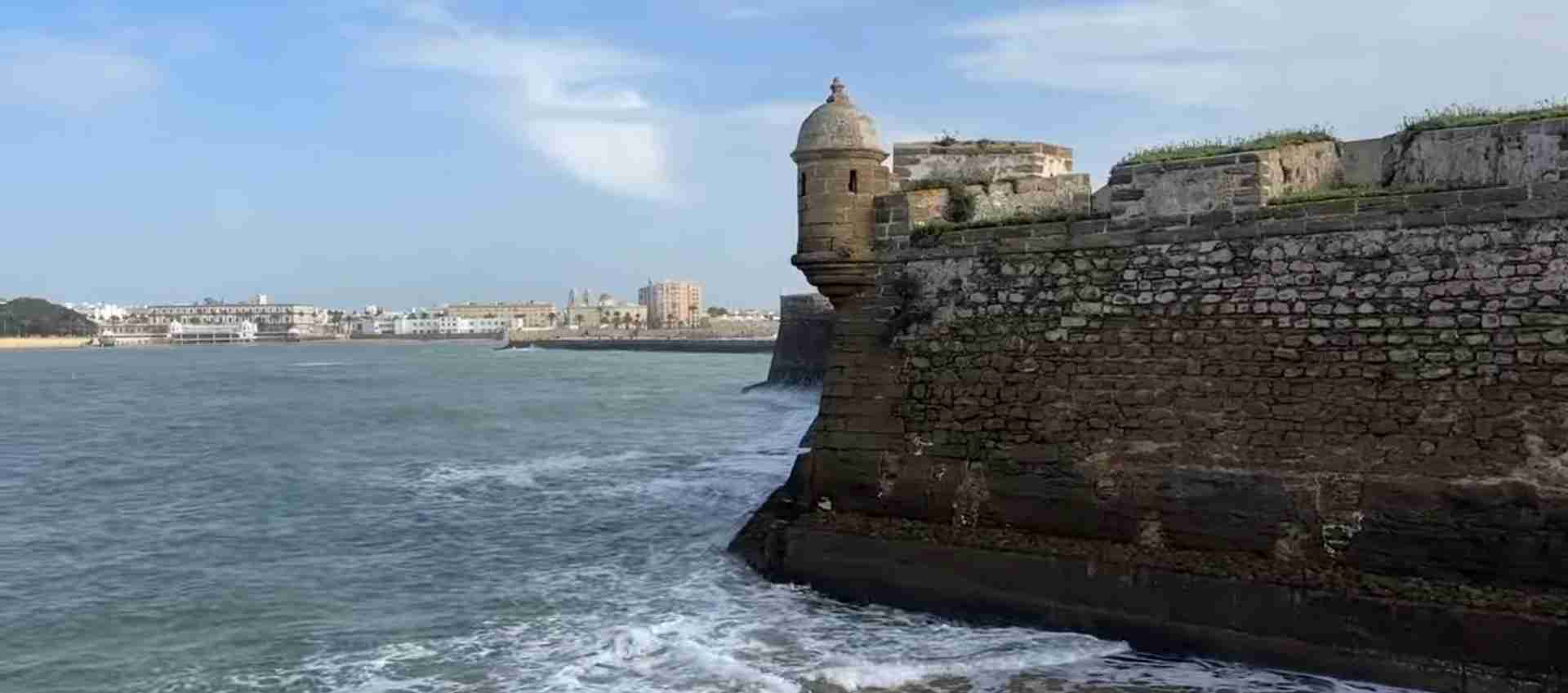
Beach activities during winter 2026 appeal primarily to dedicated swimmers accustomed to cold water, as Atlantic temperatures drop to 14-16°C. However, the dramatic coastline delivers spectacular winter light for photographers, particularly during the golden hour before sunset when the low sun illuminates the white buildings and creates long shadows across the fortification walls. Long beach walks remain pleasant on sunny winter days, and the lack of crowds allows unrestricted access to all coastal areas for reflection and nature observation.
Carnival Season in Cádiz 2026
Carnival represents Cádiz’s most significant cultural event, transforming the historic city into Spain’s premier celebration rivaling Rio de Janeiro and Venice in international carnival rankings. The 2026 edition (exact dates announced in fall 2025, typically falling in late February or early March) showcases the unique Gaditano carnival tradition featuring satirical musical groups called comparsas, chirigotas, and coros that spend months composing witty, socially critical performances delivered in elaborate costumes throughout the celebration.
Planning for Carnival 2026 requires understanding the event’s structure and significant logistical challenges. Official Carnival spans approximately 10 days including preliminary competitions at Teatro Falla, street performances throughout the old town, and the culminating weekend when the city population swells from 115,000 residents to an estimated 500,000+ visitors. Competition tickets for Teatro Falla performances cost €15-45 depending on session and seating, with popular evening sessions selling out 2-3 months in advance through official channels at carnavaldecadiz.com.
Accommodation during Carnival 2026 represents the year’s most challenging booking period. Hotels within the historic center fill completely 6-8 months ahead at premium rates, with properties that typically charge €80-100 per night reaching €200-350 for the Carnival weekend. Budget alternatives include apartment rentals in neighborhoods like Zona Bahía Blanca or near the University, located 15-25 minutes from the old town by bus but offering more availability and rates €100-150 per night during the peak celebration period.
Street celebrations during Carnival operate continuously from late morning through early morning the following day, with the most intense activity occurring in Plaza de las Flores, Calle Ancha, and throughout the Barrio del Pópulo. Informal performances happen spontaneously as groups wander the streets, creating unique opportunities to experience authentic Gaditano humor and musical traditions. Food and drink vendors set up throughout the old town selling traditional carnival snacks including tortillitas de camarones (shrimp fritters), pescaíto frito, and abundant beer and rebujito (sherry mixed with lemon soda).
Weather during Carnival 2026 typically brings mild conditions with temperatures 15-18°C, though rain remains possible as the celebration falls during the winter wet season. Bring layers and rain protection, as outdoor celebrations continue regardless of weather conditions. The intense crowd density throughout the old town during peak Carnival hours (Friday-Sunday evenings) creates challenging navigation conditions, particularly for visitors with mobility limitations or families with small children. Consider experiencing the celebration during daytime hours for more comfortable crowd levels while still enjoying the musical performances and festive atmosphere.
Spring Season Advantages in 2026 (March-May)
Spring emerges as the optimal season for balanced Cádiz experiences, combining comfortable weather, moderate crowd levels, and full cultural programming without the premium pricing or booking challenges of summer peak season. March 2026 brings the transition from winter with temperatures climbing to 18-20°C, sufficient for outdoor activities though slightly cool for beach swimming as Atlantic waters remain at 15-16°C. The city’s numerous parks and gardens, particularly Parque Genovés and the Alameda Apodaca waterfront promenade, showcase spring blooms including vibrant bougainvillea and jacaranda trees creating purple canopies over historic streets.
April represents particularly attractive timing for 2026 visits, offering temperatures 20-22°C with minimal rainfall (typically 3-4 rainy days monthly) and increasing daylight hours that extend comfortable sightseeing time. Semana Santa (Holy Week) typically falls in March or April, creating exceptional cultural experiences through elaborate religious processions featuring ornate pasos (religious sculptures) carried through narrow streets by costaleros while musical bands provide atmospheric accompaniment. The celebration in Cádiz maintains more intimate scale compared to Seville’s internationally famous processions, allowing closer viewing access and deeper cultural immersion.
May 2026 delivers near-perfect conditions for Cádiz exploration, with temperatures reaching comfortable 22-24°C, minimal precipitation, and sea temperatures warming to 18-19°C as swimming becomes feasible for those acclimated to cooler water. Hotel availability improves substantially compared to Easter week, with quality accommodations available €80-120 per night throughout the city. Restaurants operate extended hours and full menus, outdoor terraces open citywide, and cultural venues maintain active programming without the overwhelming tourist density of summer months.
Spring season 2026 provides optimal timing for exploring surrounding attractions beyond Cádiz city itself. The famous white villages (pueblos blancos) scattered across the province showcase spectacular countryside during spring, with wildflowers blooming across hillsides and comfortable temperatures for hiking and village exploration. Day trips to destinations like Arcos de la Frontera, Vejer de la Frontera, and the dramatic El Tajo gorge in Ronda become particularly appealing during spring when summer’s oppressive heat hasn’t yet arrived and winter’s occasional heavy rains have passed.
Photography enthusiasts find spring 2026 delivers exceptional conditions throughout Cádiz, with clear skies providing excellent light without summer’s harsh midday glare. The lower sun angles create more dramatic shadows across the city’s Baroque and Neoclassical architecture, while spring flowers add color to architectural compositions. Beach photography benefits from pristine sand conditions before summer crowds disturb the coastline, and the Atlantic remains dramatic without the flat calm sometimes experienced during peak summer months.
Summer Peak Season Considerations for 2026 (June-August)
Summer 2026 delivers guaranteed beach weather and maximum cultural programming but requires accepting significant trade-offs in crowd density, pricing, and booking flexibility. June marks the transition into peak season with temperatures reaching 25-27°C and sea temperatures climbing to comfortable 20-21°C levels. The month represents excellent value for beach-focused visitors, offering reliable swimming conditions before July-August premium pricing takes effect. Hotels charge 20-30% less in June compared to peak summer months while weather reliability approaches 95%.
July and August represent Cádiz’s most expensive and crowded period, with domestic Spanish tourists dominating visitor demographics as Madrid, Seville, and inland cities empty toward coastal destinations. Average temperatures reach 28-30°C with virtually guaranteed sunshine and minimal rainfall (0-2 days monthly). Sea temperatures peak at 21-23°C, creating ideal swimming conditions across all beach areas. The compact historic center experiences maximum pedestrian density, particularly along main shopping streets and around landmark attractions where queue times for Torre Tavira and Cathedral visits extend to 30-45 minutes during midday hours.
Accommodation costs during July-August 2026 reach annual peaks, with beachfront hotels charging €180-250 per night for standard rooms and boutique properties in the old town reaching €200-350 for the same accommodations available €80-120 during spring or fall. Budget alternatives include staying in the modern Zona Franca neighborhood or near the University area, where hotels charge €100-140 per night and convenient bus service connects to the historic center in 15-20 minutes. Private apartment rentals provide another option, with 2-bedroom properties 10-15 minutes from the old town available €120-180 per night through booking platforms.
Beach selection becomes strategic during summer 2026 peak season. Playa de la Caleta, the city’s most famous beach featured in James Bond films and offering stunning views of the old town, reaches capacity by 10-11 AM throughout July-August. Arrive before 9:30 AM to secure good spots, or visit after 6 PM when crowds thin but swimming conditions remain excellent. Playa Victoria, the city’s longest beach extending 3 kilometers along the Atlantic coast, maintains more space throughout the day and offers superior facilities including beach bars, watersports rentals, and showers, though it lacks the historic atmosphere of La Caleta.
Restaurant reservations become essential during summer 2026, particularly for dinner service (9 PM – 11 PM) at popular establishments serving traditional Gaditano cuisine. The city’s most acclaimed seafood restaurants including El Faro, Casa Manteca, and traditional freidurías (fried fish specialists) implement reservation systems or queue management during peak season. Budget-conscious travelers find excellent value at neighborhood tapas bars away from main tourist corridors, where locals continue patronizing establishments serving quality food at authentic prices despite nearby tourist-oriented restaurants charging premium rates.
Cultural programming intensifies during summer 2026 with outdoor concerts, flamenco performances, and theater productions capitalizing on the reliable weather and large visitor population. The city organizes free outdoor cinema screenings at various locations, beach volleyball tournaments, and music festivals that animate the waterfront promenades. However, these events attract substantial crowds, creating density challenges during peak evening hours when temperatures moderate and outdoor activities become most appealing.
Fall Season Opportunities in 2026 (September-October)
Fall represents an often-overlooked optimal period for Cádiz visits, delivering warm weather, reduced crowds, and excellent value while maintaining full operational capacity across accommodations, restaurants, and attractions. September 2026 extends summer conditions with temperatures 25-28°C and sea temperatures at their annual peak of 21-22°C, creating arguably the year’s best swimming conditions. The month’s first two weeks still experience moderate tourist density as some families extend vacations, but from mid-September onward crowd levels drop dramatically as Spanish domestic tourists return to work and school schedules.
Hotel rates during September 2026 decrease 25-35% from July-August peaks, with quality accommodations available €100-140 per night compared to €180-250 during summer high season. Booking flexibility improves substantially, allowing comfortable reservations just 3-4 weeks ahead rather than the 2-3 months required for peak summer timing. Beachfront properties that sold out months in advance during July-August typically show good availability throughout September, particularly from the second week onward.
October delivers increasingly variable weather but maintains appeal for visitors prioritizing cultural exploration over beach activities. Average temperatures hover around 22-24°C through mid-October before gradual cooling toward the month’s end. Rainfall probability increases compared to summer’s virtually rainless conditions, with 4-5 rainy days typical during October, though precipitation rarely creates extended disruption to sightseeing plans. Sea temperatures remain comfortable at 20-21°C through early October, declining to 18-19°C by month’s end as swimming becomes marginal for casual visitors though still acceptable for dedicated ocean enthusiasts.
Fall 2026 provides exceptional conditions for exploring Cádiz’s extensive cultural offerings without summer’s overwhelming tourist density. The Museo de Cádiz, housing remarkable Phoenician sarcophagi and Roman artifacts from the ancient city of Gades, becomes genuinely accessible with minimal queues compared to summer’s 20-30 minute wait times. The Cathedral and its treasury allow unhurried exploration and photography, while Torre Tavira’s camera obscura demonstrations proceed without the rushed atmosphere created by long summer queues.
Culinary experiences during fall 2026 particularly benefit from decreased tourist pressure and seasonal menu transitions. Restaurants add autumn specialties including game dishes, mushroom preparations, and heartier stews as menus shift from summer’s lighter offerings. Wine bars and sherry bodegas provide more intimate tasting experiences as proprietors have time for extended discussions about local wine traditions and pairing recommendations. The Mercado Central operates at full capacity with exceptional autumn produce including the season’s first citrus fruits and wild mushrooms from the surrounding Sierra de Grazalema.
Photography conditions during fall 2026 become particularly attractive as the lower sun angle creates dramatic light across the city’s white buildings and coastal landscapes. Morning light (8-10 AM) and late afternoon golden hour (6-7:30 PM in September, 5:30-7 PM in October) deliver exceptional quality for architectural and street photography. The Atlantic Ocean displays more dramatic character as autumn storms occasionally create impressive wave action against the coastal fortifications, providing dynamic seascape opportunities while actual weather during visits typically remains pleasant and clear.
Special Event Calendar for 2026
Cádiz’s cultural calendar extends far beyond Carnival, offering numerous festivals and events throughout 2026 that provide unique experiences and authentic cultural immersion. Understanding this programming enables strategic visit timing that aligns personal interests with the city’s rich event schedule. The annual calendar follows established patterns, though specific 2026 dates require confirmation through official tourism channels in late 2025.
Semana Santa (Holy Week) typically occurs in March or April depending on the lunar calendar determining Easter dates. The 2026 dates will be announced in 2025, but the celebration consistently delivers profound cultural experiences through elaborate religious processions. Unlike Seville’s massive, internationally famous processions, Cádiz maintains more intimate scale while preserving authentic devotional character. The city’s numerous brotherhoods (cofradías) organize processions throughout the week, with the most impressive occurring Thursday evening through Good Friday when ornate pasos depicting scenes from Christ’s Passion navigate the narrow streets of the old town accompanied by mournful saetas (religious songs) and musical bands.
Semana de la Moda Flamenca (Flamenco Fashion Week) typically occurs in January or February, showcasing cutting-edge flamenco fashion design alongside traditional performances. This specialized event attracts industry professionals but welcomes public attendance at runway shows and accompanying flamenco concerts. Tickets cost €15-35 for individual events, with week passes available €80-120 providing access to multiple fashion shows and performances.
Summer Music Festivals intensify from June through September 2026, including the Alcazaba Fest featuring rock, pop, and indie performers in late June or early July, and various free outdoor concerts organized by the city throughout summer months. The Teatro Falla maintains active summer programming with reduced-price tickets (€12-25) for classical concerts and flamenco performances that capitalize on the large tourist population while providing locals with accessible cultural entertainment.
Festival de Cine Iberoamericano (Ibero-American Film Festival) occurs annually in November, showcasing Latin American and Spanish cinema across multiple venues citywide. This week-long celebration includes film screenings, director discussions, and industry events, with public tickets available €5-8 per screening or festival passes €30-45 for unlimited access. The festival attracts cinema enthusiasts and provides rainy-day activities during November’s occasionally wet weather.
Día de la Constitución (Constitution Day) on December 6 creates a long weekend that Spanish domestic tourists utilize for coastal getaways, significantly impacting accommodation availability and pricing in early December 2026. Hotels charge premium rates (50-80% above typical December pricing) during this weekend, and advance booking 4-6 weeks ahead becomes necessary to secure preferred accommodations. However, the celebration includes cultural programming and special events that enhance the visit experience for those willing to accept the increased costs and crowds.
Budget Optimization Strategies for 2026 Visits
Strategic timing represents the single most impactful factor in controlling Cádiz travel costs during 2026, with seasonal price variations reaching 100-150% between peak and off-peak periods. Winter months (November-March, excluding Carnival and Semana Santa) deliver the most dramatic savings, with accommodation costs dropping to €60-90 per night for quality hotels that charge €150-250 during summer peak season. Restaurant prices decrease 15-25% during winter as establishments target local clientele rather than tourist demographics, and tour operators offer significant discounts on excursions that sell at premium rates during high season.
Shoulder season timing (April-May and September-October, excluding Easter week) provides exceptional value while maintaining excellent weather and full operational capacity. Hotel rates during these periods typically run €80-140 per night, representing 30-45% savings compared to July-August peaks while offering far superior availability and booking flexibility. Airlines serving Jerez Airport (the closest to Cádiz, located 45 minutes northeast) reduce fares during shoulder periods, with round-trip flights from major European cities available €80-150 compared to €180-280 during summer peaks.
Advance booking delivers significant savings when targeting specific high-demand periods in 2026. Carnival season hotel rates increase 100-150% above typical pricing, but booking 4-6 months ahead secures lower rates before final price escalations. Similarly, Semana Santa accommodation costs 60-90% more than equivalent non-holiday periods, but early reservations (3-4 months advance) access rates 30-40% below last-minute pricing. However, for standard travel periods outside major events, last-minute bookings during winter or early fall often secure excellent deals as hotels reduce rates to fill inventory.
Transportation cost optimization involves strategic choices across multiple options. Flying into Seville Airport (120 kilometers from Cádiz) rather than closer Jerez Airport sometimes delivers €40-80 savings on international flights, with the additional ground transfer cost (bus service €12-18 or shared taxi €25-35) offset by cheaper airfare. Bus travel from major Spanish cities costs €20-45 and provides comfortable service, offering substantial savings compared to faster but more expensive train options (€35-75 depending on route and booking timing).
Accommodation alternatives beyond traditional hotels deliver budget relief while maintaining quality experiences. Private apartment rentals through booking platforms cost €60-100 per night for 2-bedroom properties that accommodate 4 people comfortably, offering better value than two hotel rooms costing €120-200 combined. Neighborhoods like Zona Franca or near the University provide quiet residential atmosphere 15-25 minutes from the old town by bus (€1.20 per ride), delivering authentic local experiences at 30-50% lower accommodation costs than historic center properties.
Dining cost management requires differentiating tourist-oriented establishments from local favorites. Restaurants along main tourist corridors charge premium prices (€18-28 for main courses) for equivalent food available €12-18 at neighborhood tabernas frequented by locals. The city’s traditional freidurías serve exceptional fried seafood at prices 40-60% below sit-down restaurants, with generous portions of pescaíto frito costing €8-15 compared to €18-25 for similar offerings at tourist-oriented locations. The Mercado Central provides the best value for fresh produce, seafood, and prepared foods, enabling budget-conscious travelers to assemble excellent meals at costs well below restaurant pricing.
Weather Patterns and Microclimates in 2026
Cádiz’s coastal position creates distinctive microclimate characteristics that significantly affect visitor experiences throughout 2026. The city protrudes into the Atlantic Ocean connected to the mainland by a narrow isthmus, resulting in maritime influence that moderates temperature extremes while creating localized wind patterns unique to the immediate area. Understanding these microclimate factors enables better day-to-day planning during visits regardless of season.
The Levante (easterly wind) and Poniente (westerly wind) dominate Cádiz weather patterns with characteristics affecting everything from beach conditions to outdoor activity comfort. Levante typically brings warm, dry air from inland areas, creating clear skies and increased temperatures but sometimes generating sustained winds reaching 30-50 km/h that create choppy sea conditions and make beach activities less comfortable. Poniente delivers cooler, moister Atlantic air that moderates summer heat but occasionally brings low clouds and increased humidity. Weather forecasts for Cádiz should always include wind predictions, as conditions vary dramatically based on prevailing wind direction.
Temperature variations across the city remain minimal due to the compact size and maritime influence, though the western beaches along Playa Victoria experience slightly cooler conditions during afternoon Poniente events compared to the sheltered eastern Playa de la Caleta. The old town’s narrow streets create pleasant microenvironments during summer heat, with shade and venturi effects providing natural cooling that makes midday exploration more comfortable than open plaza areas. Winter winds feel more intense in exposed waterfront locations like the Alameda Apodaca promenade compared to the protected interior streets of the historic quarter.
Sea temperature patterns follow predictable annual cycles but show significant variation based on recent weather and current patterns. Atlantic currents bring colder water upwelling during spring transition periods (March-April), occasionally dropping sea temperatures below seasonal averages. Summer sea temperatures peak in August-September at 21-23°C but can vary 2-3°C based on multi-day wind patterns. Levante conditions sometimes raise temperatures above average, while sustained Poniente events bring cooler water from the deep Atlantic. Winter swimming remains possible for cold-water enthusiasts during Levante periods when temperatures reach 15-16°C, though typical winter conditions hover around 14°C making swimming marginal for most visitors.
Rainfall in Cádiz concentrates during November through February, though precipitation patterns show high variability year-to-year. Atlantic storm systems bring most rain in intense, short-duration events rather than prolonged drizzle, meaning rainy days often include several hours of heavy precipitation followed by clearing conditions. This pattern allows flexible itinerary adjustments, as morning rain frequently gives way to afternoon sunshine enabling scheduled activities to proceed with minor timing modifications. Summer months (June-August) deliver virtually rainless conditions with precipitation occurring on just 0-2 days monthly, creating reliable beach weather throughout the high season.
Transportation Considerations for 2026 Seasonal Planning
Transportation availability and cost fluctuate significantly across 2026 seasons, affecting both access to Cádiz and mobility within the broader province. Jerez Airport, located 45 kilometers northeast of Cádiz city, serves as the primary air gateway with service levels varying dramatically by season. Summer 2026 brings maximum flight frequency including numerous European connections through budget carriers, while winter schedules reduce substantially with some routes operating seasonal service only during May-October.
Summer flight pricing to Jerez reaches annual peaks during July-August 2026, with round-trip fares from major European cities climbing to €180-280 compared to €80-150 during shoulder season periods. Budget carriers including Ryanair and Vueling operate maximum frequency during summer but reduce winter service, sometimes requiring connections through Madrid or Barcelona that add travel time but occasionally deliver lower total costs. Booking flights 8-12 weeks in advance typically secures better rates than last-minute purchases during high season, while winter periods often show minimal price variation between advance and late bookings due to lower demand.
Seville Airport, located 120 kilometers from Cádiz, provides alternative access with more extensive international connections and year-round service. Bus transfer from Seville Airport to Cádiz costs €12-18 and operates multiple daily departures, adding 90-120 minutes to total journey time but sometimes justified by €50-100 savings on international airfare. This option particularly benefits travelers combining Seville and Cádiz visits, allowing arrival at one location and departure from another while exploring both cities during a single trip.
Train service to Cádiz operates from major Spanish cities including Madrid, Barcelona, Seville, and Granada with frequency varying by season. Summer 2026 brings maximum departures accommodating tourist demand, while winter schedules reduce slightly though maintaining regular service. High-speed AVE trains don’t reach Cádiz directly, requiring connections at Seville for Madrid-origin journeys. Total journey time from Madrid reaches 4.5-5 hours via Seville connection, costing €50-90 depending on booking timing and train category, making bus service (6-6.5 hours, €25-35) attractive for budget-conscious travelers willing to accept the additional travel time.
Local bus service within Cádiz operates consistently year-round, though frequency reduces slightly during winter months on some routes. Standard fare costs €1.20 per ride, with 10-ride cards available €9 providing significant savings for visitors making multiple journeys. The city’s compact historic center makes most transportation unnecessary, as major attractions lie within comfortable walking distance. However, buses prove useful for reaching Playa Victoria from the old town, accessing the modern shopping areas, or traveling to the University neighborhood where some budget accommodations locate.
Car rental becomes particularly valuable during spring and fall 2026 for visitors planning extensive exploration of surrounding white villages and coastal areas. Rental rates vary significantly by season, with compact cars available €25-35 per day during winter and shoulder periods compared to €45-65 during July-August peaks. Parking in the Cádiz historic center presents challenges regardless of season, with the limited availability and narrow streets making car storage difficult and expensive. Utilize paid parking areas like Parking Plaza de San Antonio (€18-24 per day) or consider staying at accommodations outside the old town that provide parking facilities.
Accommodation Strategies by Season for 2026
Accommodation selection strategies shift dramatically across 2026 seasons, requiring different approaches to securing optimal value and location based on travel timing. Winter months (November-March, excluding Carnival) provide maximum flexibility and bargaining power, with hotel occupancy rates dropping to 40-60% of summer levels. This environment creates opportunities for direct negotiation with properties, particularly for extended stays where management often accepts below-published rates to fill inventory during slow periods.
Boutique hotels and guesthouses in the historic center deliver exceptional winter value, with properties charging €60-90 per night during low season compared to €150-250 for identical rooms during summer peaks. The old town’s atmosphere actually intensifies during winter as local life dominates the streets without overwhelming tourist density, creating authentic experiences for visitors prioritizing cultural immersion over beach activities. Properties offering breakfast included become particularly valuable during winter when some cafés reduce hours or close entirely, ensuring reliable morning meals without searching for open establishments.
Spring shoulder season (April-May, excluding Semana Santa) requires more strategic planning as demand increases substantially compared to winter. Book 4-6 weeks in advance to secure preferred historic center locations at rates €80-120 per night, representing reasonable value for the excellent weather and moderate crowd conditions. Properties with rooftop terraces or balconies command premium pricing but deliver exceptional value through stunning views across the old town’s white buildings and surrounding Atlantic. Verify air conditioning availability when booking spring accommodations, as some historic buildings lack modern cooling systems that become essential during unexpected warm spells.
Summer peak season (July-August) demands different accommodation strategies focused on booking timing and location trade-offs. Reserve 2-3 months ahead for historic center properties to access the best availability before prime locations sell out. Consider accommodations slightly outside the old town in neighborhoods like Zona Franca or near the University, where modern hotels offer air conditioning, parking, and rates 30-40% below historic center equivalents while maintaining convenient bus access to attractions. Beach-proximity becomes valuable during summer when multiple daily swimming sessions justify walking-distance location to Playa Victoria, though beachfront properties charge significant premiums for the convenience.
Fall shoulder season (September-October) mirrors spring conditions with good availability and moderate pricing, though late September onward shows increasing accommodation flexibility as demand drops post-summer. Properties implement sales and special offers from mid-September through October, creating opportunities for quality stays at exceptional rates. This period particularly suits travelers seeking luxury experiences at accessible prices, as high-end boutique hotels reduce rates to maintain occupancy during the shoulder season transition.
Special event periods (Carnival, Semana Santa) require entirely different strategies centered on extreme advance planning. Carnival 2026 will sell out city-wide accommodation 4-6 months ahead at prices 100-150% above normal rates. Consider staying in nearby towns like Puerto de Santa María (15 kilometers away, 25-minute train ride) or Jerez de la Frontera (45 kilometers, 45-minute train) where accommodation remains available closer to the event and costs 40-60% less than Cádiz city proper. Similarly, Semana Santa fills historic center properties months ahead, making suburban or nearby town accommodation necessary for visitors booking within 6-8 weeks of the celebration.
Daily Itinerary Planning by Season for 2026
Optimal daily schedules shift dramatically across 2026 seasons based on weather patterns, operating hours, and crowd dynamics. Winter itineraries should concentrate outdoor activities during midday hours (11 AM – 4 PM) when temperatures peak and sunlight provides best conditions for photography and sightseeing. Morning and evening hours work well for museum visits, cathedral exploration, and covered market wandering as these periods bring cooler conditions better suited to indoor cultural activities.
A typical winter day might begin with breakfast at the accommodation or a local café (8-9 AM) when most establishments have just opened, followed by morning museum visits including the Museo de Cádiz or Cathedral treasury before late-morning temperature increase. Midday outdoor exploration (11 AM – 3 PM) takes advantage of peak warmth for walking the ramparts, exploring Parque Genovés, or strolling the waterfront promenades. Late afternoon and evening suit taberna hopping for tapas and sherry tasting, with locals emerging for their traditional paseo (evening stroll) around 7-8 PM creating excellent people-watching opportunities.
Spring season 2026 allows more flexible scheduling with comfortable temperatures throughout the day. Start early (8-9 AM) to photograph the old town in excellent morning light before increasing pedestrian activity. Late morning and early afternoon (10 AM – 2 PM) suit beach time if visiting during May when sea temperatures become acceptable for swimming. Reserve the hottest midday hours (1-4 PM) for lunch and siesta, adopting local rhythm that makes summer heat more manageable even during spring. Late afternoon and evening (5-9 PM) provide perfect conditions for cultural site visits, shopping, and extensive walking through the historic quarter before dinner starting around 9-10 PM following Spanish dining customs.
Summer itineraries require strategic heat management and crowd avoidance. Begin extremely early (7-8 AM) to photograph and explore the old town before crushing midday heat and peak tourist density. Beach time works best during late morning through early afternoon (10 AM – 2 PM) when sea conditions are typically calmest, before returning to accommodation for siesta during the hottest hours (2-5 PM). Late afternoon and evening (6-11 PM) deliver pleasant conditions for all activities as temperatures moderate and locals emerge, creating vibrant atmosphere throughout the city. Dinner timing shifts even later during summer, with restaurants filling from 9:30-11 PM as locals avoid the remaining daytime heat.
Fall scheduling mirrors spring patterns with slight modifications for October’s variable weather. Morning starts can be slightly later (8:30-9:30 AM) as sunrise timing shifts, with excellent photography light persisting through mid-morning. Beach activities during September maintain summer patterns with afternoon sessions popular, while October visitors should target midday beach time (11 AM – 3 PM) when temperatures peak. Evening activities during fall benefit from the gradual cooling that makes outdoor dining and evening strolls particularly pleasant from 7-10 PM before temperatures drop enough to require additional layers.
Health and Safety Considerations Across 2026 Seasons
Health and safety factors vary significantly across Cádiz seasons, requiring different preparations and precautions throughout 2026. Summer heat creates the primary health concern, with temperatures reaching 28-30°C and strong Atlantic sun requiring diligent sun protection. Apply SPF 30-50 sunscreen every 2-3 hours during beach activities and outdoor sightseeing, as the maritime location creates deceptive conditions where ocean breezes mask the intensity of solar radiation. Dehydration risk increases during summer, particularly for visitors engaging in extensive walking through the compact old town where narrow streets create microenvironments that trap heat.
Winter health considerations focus on respiratory issues that increase during the colder, wetter season. The maritime climate creates higher humidity levels than inland Spanish destinations, potentially affecting visitors with respiratory sensitivities. Bring appropriate layers including waterproof outer garments, as Atlantic storm systems bring sudden weather changes with temperature drops of 5-8°C within hours. Winter swimming requires careful assessment of personal cold-water tolerance, as Atlantic temperatures of 14-16°C create hypothermia risk for unprepared swimmers.
Food safety standards in Cádiz maintain high quality year-round, with seafood freshness particularly excellent due to the city’s fishing heritage and rapid consumption of local catches. However, summer heat increases food spoilage risk, making vendor selection more critical during warm months. Avoid seafood from establishments without proper refrigeration display, and exercise caution with outdoor food vendors during peak summer heat. The city’s traditional freidurías maintain excellent standards as they specialize in fried seafood consumed fresh, but buffet-style restaurants catering to tourists sometimes show questionable food handling during busy summer periods.
Personal safety in Cádiz remains excellent across all seasons, with violent crime virtually absent and property crime limited to occasional pickpocketing in crowded tourist areas. Summer brings increased pickpocket risk during Carnival and other major events when extreme crowd density creates favorable conditions for opportunistic theft. Maintain awareness in packed environments, use hotel safes for valuables, and consider anti-theft bags when navigating crowded celebrations. Winter sees minimal crime as the sparse tourist population and local character of the city create secure environment throughout all neighborhoods.
Medical facilities in Cádiz provide comprehensive care with emergency services available year-round. The Hospital Universitario Puerta del Mar offers full emergency department services, while numerous pharmacies throughout the old town provide over-the-counter medications and basic medical consultation. European Health Insurance Card (EHIC) holders receive treatment under reciprocal agreements, while visitors from outside Europe should verify travel insurance covers medical evacuation if serious issues arise requiring specialized care unavailable locally.
Packing Recommendations for 2026 Seasonal Visits
Packing requirements shift dramatically across Cádiz seasons, with winter visits requiring substantially different items than summer trips despite the Mediterranean-influenced mild climate. Winter packing (November-March) should include layering pieces that accommodate the 9-17°C temperature range, with mornings and evenings significantly cooler than midday hours. Bring waterproof jacket with hood for Atlantic rainstorms, comfortable walking shoes with water resistance for wet pavement navigation, and versatile layers including sweaters, long-sleeve shirts, and light jacket for temperature variation throughout the day.
Spring packing (April-May) requires transition wardrobe combining summer and mild weather items. Temperatures ranging 18-24°C allow comfortable short-sleeve wear during midday but require light layers for morning and evening comfort. Include sun protection items (hat, sunglasses, SPF 30+ sunscreen) as spring sun intensity increases substantially, along with light rain jacket as occasional showers persist through April. Beach items become relevant for May visits, though Atlantic water temperatures of 18-19°C make wetsuit or tolerance for cooler swimming necessary.
Summer packing (June-August) focuses on heat management and sun protection. Bring lightweight, breathable fabrics including cotton and linen that provide cooling during the 27-30°C daytime heat. Essential items include high SPF sunscreen (50+), wide-brimmed hat for intense midday sun protection, quality sunglasses with UV protection, and reef-safe sunscreen for environmentally conscious beach time. Include light cover-up for old town exploration as some churches and cathedral require shoulder and knee coverage regardless of outside heat. Evening temperatures remain warm (22-25°C) but consider light sweater for air-conditioned restaurants and late-night waterfront breezes.
Fall packing (September-October) mirrors spring requirements with emphasis on layering flexibility. September maintains summer-like conditions requiring primarily warm-weather clothing, while October becomes more variable with potential for cooler, wetter days demanding autumn wardrobe. Bring combination of shorts, lightweight pants, short and long-sleeve shirts, and light sweater or jacket for evening temperature drops. Rain protection becomes increasingly relevant through October as autumn storm systems begin affecting the region more frequently.
Specialized items valuable year-round include comfortable walking shoes as Cádiz requires extensive pedestrian exploration across uneven historic pavement, power adapter for European outlets (Type C/F), reusable water bottle for hydration and environmental responsibility, day pack for carrying beach gear or shopping, and camera equipment for photography enthusiasts as the city provides exceptional architectural and maritime subjects. Spanish phrasebook or translation app proves useful as English proficiency outside major tourist areas remains limited, particularly in local neighborhood tabernas and markets.
Frequently Asked Questions
What is the rainiest month in Cádiz during 2026?
November 2026 typically receives the highest rainfall totals for the year, averaging 80-100mm across 7-9 rainy days. December and January follow closely with similar precipitation levels. However, rain in Cádiz arrives primarily through intense, short-duration Atlantic storm systems rather than prolonged drizzle, meaning rainy days often include several hours of heavy precipitation followed by clearing conditions that allow outdoor activities to proceed with timing flexibility.
Can you swim in Cádiz beaches year-round during 2026?
Swimming feasibility depends significantly on personal cold-water tolerance and seasonal conditions. Summer months (June-September) provide comfortable swimming with sea temperatures 20-23°C appealing to most visitors. May and October deliver marginal conditions at 18-20°C that some swimmers find acceptable while others consider too cool. Winter months (November-April) bring Atlantic temperatures 14-17°C suitable only for cold-water swimming enthusiasts or those using wetsuits, as prolonged exposure creates hypothermia risk for unprepared swimmers.
How many days should I spend in Cádiz during my 2026 visit?
Three to four days provides sufficient time to explore Cádiz comprehensively during typical visits. This duration allows complete coverage of the old town’s major attractions (Cathedral, Torre Tavira, Museo de Cádiz), beach time at both Playa de la Caleta and Playa Victoria, day trip to nearby white villages or Jerez de la Frontera, and adequate time to experience the city’s exceptional tapas and seafood dining culture. Carnival or Semana Santa visitors should add 1-2 days to fully experience these celebrations. Travelers combining Cádiz with other Andalusian destinations often allocate 2-3 days for focused city exploration.
Does Cádiz close down during August like other Spanish cities in 2026?
Cádiz operates at maximum capacity during August 2026 rather than experiencing the shutdown common in inland Spanish cities. As a coastal resort destination, the city attracts massive domestic tourism during August when Madrid, Seville, and other inland areas empty toward beaches. Restaurants, hotels, attractions, and shops maintain full operation throughout August. However, some local businesses in residential neighborhoods outside the tourist center may reduce hours or close briefly for owner vacations, though this affects visitors minimally as tourist-oriented services continue without interruption.
What’s the wind situation like in Cádiz throughout 2026, and how does it affect visits?
Cádiz experiences significant wind patterns dominated by the Levante (easterly) and Poniente (westerly) winds characteristic of the Strait of Gibraltar region. Levante typically brings warm, dry conditions but sustained winds reaching 30-50 km/h that create choppy sea conditions and make beach parasols difficult to maintain. Poniente delivers cooler Atlantic air and generally calmer conditions. Wind intensity peaks during spring transition periods (March-May) and late fall (October-November). Check wind forecasts before planning beach days, as strong Levante conditions make swimming uncomfortable and beach time less pleasant even on otherwise sunny days.
Is Cádiz affected by typical Spanish siesta closures during 2026?
Traditional siesta patterns persist in Cádiz during 2026, with many local businesses closing approximately 2-5 PM for the midday break, particularly in winter and shoulder seasons. Tourist-oriented restaurants, major attractions like the Cathedral and Torre Tavira, and chain stores maintain continuous operation, but neighborhood shops, smaller cafés, and some museums follow traditional schedules. Plan accordingly by completing shopping and specific errands during morning hours (9 AM – 2 PM) or evening period (5-9 PM). Summer months see some relaxation of siesta timing as businesses capitalize on extended tourist hours, though the practice remains more prevalent than in other major European destinations.
How does Cádiz pricing compare across different seasons in 2026?
Seasonal price variation in Cádiz reaches 100-150% between low and high seasons. Winter accommodation (November-March, excluding Carnival) costs €60-90 per night for quality hotels, while identical properties charge €150-250 during July-August peak. Shoulder seasons (April-May, September-October, excluding Easter) deliver mid-range pricing at €80-140 per night. Restaurant costs fluctuate less dramatically but still show 15-25% reductions during winter as establishments target local rather than tourist clientele. Special event pricing during Carnival and Semana Santa adds another 50-100% premium on standard rates regardless of underlying seasonal base.
Can I visit Cádiz on a day trip in 2026, or should I stay overnight?
Day trips to Cádiz prove feasible from nearby bases like Jerez de la Frontera (45 minutes), Puerto de Santa María (15 minutes), or Seville (90 minutes) but sacrifice the city’s essential evening atmosphere and cultural character. Cádiz truly comes alive during evening hours when locals emerge for their paseo (evening stroll), tapas bars fill with authentic neighborhood crowds, and the old town’s romantic character intensifies. Day visitors miss sunset views from the ramparts, evening beach walks when crowds thin, and the genuine local dining culture that requires experiencing dinner service starting 9-10 PM. Plan at least one overnight to appreciate Cádiz properly.
How far ahead should I book restaurants and tours for my 2026 Cádiz visit?
Restaurant reservations become essential only during peak summer months (July-August) and special event periods (Carnival, Semana Santa) for the city’s most acclaimed seafood establishments. During these times, book 3-5 days ahead for popular restaurants like El Faro or highly-rated freidurías. Shoulder season and winter dining requires minimal advance planning, with same-day or walk-in service typical even at sought-after locations. Tour bookings prove unnecessary for standard walking tours and cultural sites, though specialized experiences like flamenco shows or wine tasting excursions to nearby sherry bodegas benefit from 1-2 week advance reservations during high season to ensure availability on preferred dates.
What’s the best season for photography enthusiasts visiting Cádiz in 2026?
Winter and fall emerge as optimal photography seasons in Cádiz, delivering dramatic Atlantic light, uncrowded compositions, and more interesting weather conditions than summer’s relentless sunshine. Winter brings low sun angles creating long shadows across the white buildings and fortification walls, while occasional storms provide dynamic seascape opportunities. Fall maintains pleasant working conditions with excellent light quality during golden hour (6-7:30 PM September, 5:30-7 PM October). Spring offers good conditions particularly for architecture and street photography, while summer’s harsh midday light and extreme crowds create challenging photography environments except during early morning and late evening hours when light quality improves substantially.