
Best Time to Visit Andalusia 2026: Seasonal Planning Guide
Key Takeaways
- Spring (March-May) and fall (September-November) offer optimal weather conditions in 2026, with temperatures 18-28°C and manageable crowd levels at major sites like the Alhambra and Mezquita
- Summer 2026 brings extreme heat (35-45°C in Seville and Córdoba) but enables access to coastal areas and mountain retreats, with accommodation prices dropping 20-30% in inland cities during July-August
- Winter 2026 provides exceptional value with hotel rates 40-50% lower than peak season, mild temperatures perfect for city exploration, and authentic cultural experiences without tourist crowds
- Major festivals including Semana Santa (April 13-20, 2026) and Feria de Abril (April 28-May 4, 2026) require advance booking 4-6 months ahead, with accommodation prices tripling during these periods
- Alhambra tickets sell out 3-4 months in advance during peak season 2026, making October-November ideal for combining pleasant weather with better availability at UNESCO World Heritage sites
- Regional variations create year-round opportunities: coastal areas peak in summer, inland cities excel in spring/fall/winter, while Sierra Nevada offers skiing January-March 2026
Introduction: Planning Your Andalusia Adventure in 2026
Andalusia presents dramatically different experiences depending on when you visit in 2026, with each season offering distinct advantages for exploring this culturally rich region of southern Spain. The timing of your visit fundamentally shapes everything from weather conditions and crowd levels to accommodation availability and pricing at major UNESCO World Heritage sites including the Alhambra, Mezquita-Catedral de Córdoba, and Real Alcázar de Sevilla.
Understanding Andalusia’s seasonal patterns enables strategic planning that aligns your visit with specific interests, whether that’s exploring Moorish architecture in comfortable temperatures, experiencing authentic festivals, enjoying coastal beaches, or maximizing budget efficiency during off-peak periods. The region’s Mediterranean and continental climate zones create varied conditions across different areas, allowing year-round travel opportunities when you match destinations to seasonal characteristics.
This comprehensive guide analyzes each season’s advantages and considerations for 2026, providing specific timing recommendations based on weather data, crowd patterns, pricing fluctuations, and cultural calendar events. Whether you’re planning an architectural heritage tour, cultural immersion experience, or comprehensive multi-city exploration, choosing the right timing maximizes your Andalusia experience while managing practical considerations like heat exposure, tourist crowds, and travel costs.
People Also Ask About Visiting Andalusia 2026
What is the best month to visit Andalusia in 2026?
May and October stand out as optimal months for visiting Andalusia in 2026, combining comfortable temperatures (20-26°C), manageable tourist crowds, and full accessibility to all attractions. May offers spring bloom, longer daylight hours, and pre-summer pricing at hotels and tours. October provides harvest season atmosphere, warm Mediterranean waters still suitable for swimming, and post-summer crowd reduction at major sites like the Alhambra and Mezquita. Both months avoid the extreme heat of summer (when inland cities reach 40-45°C) and the occasional winter closures of mountain attractions. April remains excellent but requires navigating Semana Santa crowds (April 13-20, 2026), while November brings increased rainfall particularly in western provinces.
How hot does Andalusia get in summer 2026?
Summer 2026 brings intense heat to inland Andalusia, with Seville, Córdoba, and Granada regularly experiencing temperatures of 38-45°C during July and August. Coastal areas moderate significantly cooler at 28-32°C due to Mediterranean breezes. June starts hot at 30-35°C inland, while September transitions downward to 28-33°C. The heat impacts sightseeing comfort, with most travelers limiting outdoor activities to early morning (before 11 AM) and evening (after 7 PM). Interior monuments like the Mezquita and Alcázar provide climate-controlled refuge during peak afternoon heat. Mountain areas including Sierra Nevada and Las Alpujarras stay 8-12°C cooler than cities, offering natural escape from summer extremes. Coastal destinations like Málaga, Cádiz, and Nerja become prime choices for summer visits, combining beach access with cultural attractions in more bearable temperatures.
When are the major festivals in Andalusia in 2026?
Andalusia’s major festivals in 2026 follow the traditional calendar, with Semana Santa (Holy Week) running April 13-20 across all cities, featuring the most spectacular processions in Seville, Málaga, and Granada. Seville’s Feria de Abril follows immediately on April 28-May 4, 2026, transforming the city into a week-long celebration with traditional dress, flamenco, and casetas (private tents). Córdoba’s Patios Festival occurs in early May (May 4-17, 2026), opening private courtyards for public viewing. The Málaga Film Festival runs March 13-22, 2026, while Granada’s International Music and Dance Festival spans June-July 2026. Jerez’s Horse Fair takes place in early May, and numerous local romerías (pilgrimages) occur throughout spring. Each major festival requires advance accommodation booking 4-6 months ahead, with prices tripling during these periods.
What is the cheapest time to visit Andalusia in 2026?
January-February 2026 offers the lowest prices across Andalusia, with hotel rates 40-50% below peak season and flight costs from major European cities dropping to €50-100 round-trip. November-December (excluding Christmas week) also provides excellent value with 30-40% savings on accommodation. Inland cities become particularly affordable during July-August when summer heat drives prices down 20-30% despite being technically high season. Mid-week visits during shoulder months (March, June, September, November) secure better rates than weekends. Budget optimization strategies include booking Seville accommodation during Málaga festivals (and vice versa), avoiding Semana Santa and Feria de Abril entirely, and focusing on eastern provinces (Almería, Jaén) which receive fewer tourists year-round. Three-star hotels in Seville range €45-65 per night in winter 2026 versus €120-160 during spring festivals.
Extended multi-day tours – 5+ days
Featured Andalucia Multi-Day Tour Packages
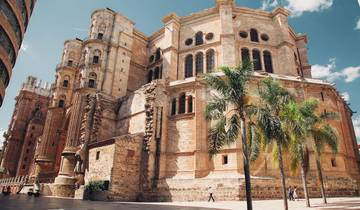
6 days
6 Day Malaga including visit to Gibraltar, Granada, Alhambra and Caminito del Rey
- ✓ Comprehensive Andalucia tour
- ✓ Expert local guides included
- ✓ All accommodation arranged
- ✓ Transportation provided
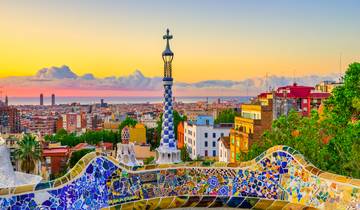
11 days
Flavors of Spain: A 11 Day Journey Through Madrid, Seville, Granada & Barcelona
- ✓ Comprehensive Andalucia tour
- ✓ Expert local guides included
- ✓ All accommodation arranged
- ✓ Transportation provided
11 days
A Taste of Spain: : 11 Days Across Madrid, Seville, Granada & Barcelona
- ✓ Comprehensive Andalucia tour
- ✓ Expert local guides included
- ✓ All accommodation arranged
- ✓ Transportation provided
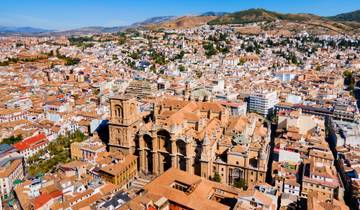
5 days
Granada: Crossroads of Arab and Christian Cultures
- ✓ Booking needs min. 2 travelers
Multi-day tour packages powered by TourRadar. Prices and availability subject to change.
Understanding Andalusia’s Climate Zones in 2026
Andalusia encompasses three distinct climate zones that create varied conditions across the region throughout 2026. The coastal Mediterranean zone stretches along the Costa del Sol and Costa de la Luz, characterized by mild winters (12-18°C), warm summers (26-32°C), and minimal rainfall except November-January. This zone enables year-round beach access and comfortable sightseeing in cities like Málaga, Cádiz, and Almería, with water temperatures remaining swimmable May-October (18-25°C).
The Guadalquivir River valley, encompassing Seville, Córdoba, and inland Jaén, experiences continental Mediterranean climate with extreme seasonal variations. Winter temperatures drop to 8-15°C with occasional frost, while summer heat peaks at 38-45°C making outdoor activities challenging during midday hours. This zone receives most rainfall November-March (40-60mm monthly), with summers essentially rainless. Spring and fall emerge as optimal visiting seasons here, providing comfortable exploration temperatures and vibrant agricultural landscapes.
The mountain systems including Sierra Nevada, Sierra de Grazalema, and Sierra de Cazorla maintain alpine characteristics with snow cover January-March at elevations above 2,000 meters. These areas experience temperatures 8-12°C cooler than adjacent valleys, creating natural refuges during summer heat. Winter brings skiing opportunities at Sierra Nevada (December-April 2026), while summer offers hiking in comfortable 18-25°C temperatures when lowland cities swelter. Mountain areas receive higher rainfall (800-2,000mm annually versus 400-600mm in lowlands), with afternoon thunderstorms common during summer months.
Understanding these zones enables strategic planning: coastal areas excel for summer beach holidays and year-round city exploration, inland cities shine during spring and fall when architecture tours remain comfortable, while mountain regions provide seasonal diversity from winter skiing to summer hiking. Combining zones within a single trip—for example, spending mornings in Granada then afternoons in nearby Sierra Nevada during summer—optimizes comfort across varying daily temperatures.
Spring in Andalusia 2026: Optimal Exploration Season
March 2026: Early Spring Awakening
March marks Andalusia’s transition from winter to spring in 2026, with temperatures gradually warming from 12-18°C early month to 15-22°C by late March. Rainfall decreases significantly compared to winter months, though occasional showers still occur particularly in western provinces like Cádiz and Huelva. Orange trees blossom throughout cities, filling streets with fragrance, while countryside meadows transform into wildflower carpets. Daylight extends to approximately 12 hours, providing ample sightseeing time without extreme heat pressure.
Tourist crowds remain light during early March, with the Alhambra tickets available with 1-2 weeks advance booking rather than the 3-4 months required during peak season. Hotel rates stay 20-30% below high season, with three-star properties in Seville ranging €65-90 per night and similar quality in Granada costing €55-80. March offers excellent value for architectural heritage exploration, allowing comfortable walking tours of historic centers without summer heat or spring festival crowds.
The Málaga Film Festival (March 13-22, 2026) brings cultural programming and celebrity sightings to the coastal city, though this specialized event doesn’t impact general tourism significantly. Semana Santa preparations become visible in late March, with elaborate pasos (religious floats) displayed in churches for public viewing before the processions begin in April. This preview period allows appreciation of the artistic craftsmanship without navigating the dense crowds of Holy Week itself.
March suits travelers prioritizing cultural immersion over beach activities, as coastal water temperatures remain cool at 15-16°C. Inland cities become primary focus areas, with Seville, Córdoba, and Granada offering perfect spring conditions for extended walking tours through historic neighborhoods. The combination of comfortable temperatures, light crowds, and lower prices makes March 2026 exceptionally attractive for architectural heritage enthusiasts and photography focused travelers seeking optimal natural light without harsh summer shadows.
April 2026: Festival Season Peak
April 2026 presents Andalusia’s most culturally intense period, dominated by Semana Santa (April 13-20) and immediately followed by Seville’s Feria de Abril (April 28-May 4). Temperatures rise to ideal 16-24°C ranges, with warm sunny days and cool pleasant evenings. Rainfall drops to minimal levels (20-30mm monthly), and orange blossoms reach peak fragrance while jacaranda trees begin their purple bloom cycle in cities like Seville and Málaga.
Semana Santa transforms major cities into open-air religious theater, with elaborate processions running from early afternoon through 3-4 AM daily. Seville hosts the most spectacular celebrations with 60+ brotherhoods processing through streets, while Málaga’s trono (throne) carriers demonstrate impressive physical feats bearing massive pasos. Granada’s processions wind through Albaicín’s narrow streets with the Alhambra illuminated as backdrop. These events draw enormous crowds, with city populations doubling during Holy Week. Hotel prices triple compared to standard April rates, and advance bookings 4-6 months ahead become essential.
Seville’s Feria de Abril immediately follows Semana Santa, running April 28-May 4, 2026. The fairground fills with 1,000+ casetas (tents) offering food, drink, and dancing, with participants dressed in traditional flamenco attire. While most casetas remain private (requiring invitations), several public options allow visitor participation. The feria creates another accommodation crunch, with room rates remaining elevated and availability severely limited without advance reservations.
For travelers avoiding festival crowds and premium pricing, early April (before Semana Santa) or late April (between Holy Week and Feria) provides better value and accessibility. The Alhambra requires 3-4 months advance booking during April, with same-day tickets essentially unavailable. Córdoba’s Mezquita and Seville’s Real Alcázar experience peak visitor numbers, making early morning visits (opening time) essential for avoiding queues. Despite crowd challenges, April’s perfect weather and extraordinary cultural programming make it compelling for travelers who plan strategically and book comprehensively ahead.
May 2026: Post-Festival Excellence
May 2026 offers Andalusia’s finest combination of weather, accessibility, and cultural activity after the festival intensity of April subsides. Temperatures warm to 18-26°C in most areas, with Seville and Córdoba reaching 25-30°C by late May. Sunshine dominates with 10-11 hours daily, rainfall becomes rare (15-25mm monthly), and daylight extends until 9 PM, maximizing sightseeing hours. The landscape remains green from spring rains, while cities’ gardens reach peak bloom.
Córdoba’s Patios Festival runs May 4-17, 2026, opening private courtyards traditionally closed to public view. This UNESCO Intangible Cultural Heritage event showcases extraordinary floral displays in whitewashed courtyards throughout the historic center. Unlike Semana Santa’s massive crowds, the Patios Festival maintains manageable visitor numbers while offering intimate glimpses of Andalusian domestic architecture and gardening traditions. Accommodation increases moderately during this period but remains far below April festival rates.
Tourist activity accelerates throughout May as European school holidays approach, though crowds remain significantly lighter than summer peaks. The Alhambra requires 2-3 months advance booking, with some same-day ticket availability occasionally returning for less popular time slots. Hotel rates increase 15-20% from April (post-Feria) levels but stay 25-30% below summer peaks. Three-star hotels in Seville range €90-120 per night, Granada €75-110, and Málaga €80-115 during May 2026.
Beach season begins along the coast, with water temperatures reaching 18-20°C—refreshing but swimmable for most visitors. Coastal cities like Málaga, Nerja, and Tarifa become increasingly attractive, combining cultural sightseeing with beach access. The Mediterranean breeze keeps coastal areas 3-5°C cooler than inland cities, making towns like Cádiz and Ronda particularly pleasant. May provides optimal conditions for multi-destination tours combining coast and interior, before June heat makes inland exploration more challenging. The month’s reliable weather, extended daylight, and post-festival accessibility make it arguably the single best month for comprehensive Andalusia exploration in 2026.
Summer in Andalusia 2026: Coastal Focus and Strategic Timing
June 2026: Early Summer Transition
June bridges spring and summer in 2026, with temperatures rising from 22-30°C early month to 28-36°C by late June in inland areas. Coastal regions remain moderate at 24-30°C throughout the month. Rainfall becomes negligible (5-15mm monthly), and sunshine peaks at 11-12 hours daily. The Mediterranean Sea warms to 20-22°C, making beach activities genuinely comfortable. This transitional period offers summer weather without the extreme heat of July-August.
Tourist activity increases significantly as European summer holidays begin mid-month, though crowds remain manageable compared to July-August peaks. The Alhambra operates extended hours (8:30 AM-8 PM) accommodating higher visitor numbers, with evening visits (6-8 PM) providing cooler touring conditions and dramatic golden hour lighting. Advance booking 2-3 months ahead remains essential for popular morning slots, while evening tickets occasionally become available with shorter notice.
Inland cities start implementing heat management strategies, with locals shifting activities to early morning and late evening. Museums and monuments maintain comfortable interior temperatures, making them attractive afternoon refuges. Seville’s Real Alcázar gardens benefit from extensive irrigation systems keeping vegetation lush despite increasing heat. Córdoba’s Mezquita interior provides naturally cool sanctuary from rising exterior temperatures. Outdoor sightseeing focuses on morning hours (before 11 AM) and evening (after 7 PM), with midday reserved for air-conditioned museums, restaurants, and rest.
Hotel rates increase 20-25% from May levels as summer demand builds, with three-star properties in Seville costing €110-145 per night, Granada €90-130, and coastal Málaga €105-140. Coastal accommodation becomes premium priced as beach season fully activates, while inland city hotels sometimes offer midweek discounts recognizing the heat challenge. June suits travelers who handle warm temperatures comfortably and want to combine cultural touring with beach access, particularly along the Costa del Sol where Mediterranean breezes moderate heat significantly. The month provides full summer experience—long days, warm nights, beach swimming—without the punishing temperatures of peak summer months.
July-August 2026: Summer Extremes and Coastal Escape
July and August bring Andalusia’s most challenging weather in 2026, with inland cities regularly exceeding 40°C and frequently reaching 43-45°C during heat waves. Seville, Córdoba, and interior Granada become essentially inhospitable for midday outdoor activities, with locals retreating indoors from 1-8 PM daily. These months transform Andalusia’s geography, making coastal areas primary destinations while inland cities attract primarily determined heritage enthusiasts willing to adapt schedules around extreme heat.
Coastal temperatures remain significantly more bearable at 28-33°C, with sea breezes providing natural cooling and Mediterranean waters warming to peak temperatures of 24-26°C—ideal for swimming. Costa del Sol towns (Málaga, Marbella, Nerja), Costa de la Luz beaches (Cádiz, Tarifa), and Almería’s coast become Andalusia’s summer focus, combining beach life with nearby cultural attractions accessible during cooler morning and evening hours. Mountain areas including Sierra Nevada, Las Alpujarras, and Sierra de Grazalema offer 8-12°C temperature reductions from adjacent valleys, creating natural mountain retreats where hiking remains pleasant in 20-28°C conditions.
Major monuments adapt operations for summer heat, with the Alhambra opening 8:30 AM-8 PM and offering popular evening visits 8-11:30 PM (Tuesday-Saturday) when temperatures drop to 28-32°C and the complex illuminates dramatically. Seville’s Real Alcázar similarly extends hours, though its gardens suffer visually from heat stress despite irrigation. The Mezquita in Córdoba maintains blessedly cool interior temperatures regardless of exterior heat, making it one of summer’s most comfortable major attractions.
Tourist numbers follow a paradoxical pattern: international visitors peak during summer despite heat challenges, while Spanish domestic tourists dominate coastal areas during August vacation month. Inland cities actually experience lower international tourism during peak heat, creating unusual opportunities for reduced crowds at major sites for travelers willing to navigate extreme temperatures. Hotel pricing reflects this split: coastal properties command premium rates (€140-200+ per night for three-star options), while inland city hotels sometimes reduce rates 20-30% during July-August recognizing the heat deterrent.
Successful summer strategies include limiting inland touring to 8-11 AM and post-8 PM, spending peak heat hours at beaches or in air-conditioned museums, choosing accommodations with pools, and considering mountain towns as bases for exploring nearby lowland attractions during optimal early morning hours. Travelers who adapt scheduling around heat can access UNESCO sites with surprisingly light crowds, while those prioritizing beach experiences find peak swimming conditions and vibrant coastal atmosphere. Summer 2026 suits specific traveler profiles: beach enthusiasts, heat-tolerant cultural tourists, and budget-conscious visitors willing to trade comfort for lower inland accommodation costs.
Fall in Andalusia 2026: Second Optimal Season
September 2026: Late Summer Comfort
September marks Andalusia’s transition from summer extremes to autumn comfort in 2026, with temperatures gradually declining from 28-35°C early month to 23-30°C by late September in inland areas. Coastal zones moderate to 26-30°C throughout the month. The Mediterranean Sea retains summer warmth at 23-25°C, providing excellent swimming conditions through month’s end. Rainfall remains minimal (15-25mm monthly), and sunshine continues strong with 9-10 hours daily. This transitional period combines summer’s beach access with increasingly comfortable sightseeing temperatures.
Tourist crowds diminish significantly after mid-September as European school terms resume and family travel ends. The Alhambra reduces wait times substantially, with advance booking 4-6 weeks ahead typically sufficient rather than the 3-4 months required during peak season. Same-day tickets occasionally become available again for less popular time slots. Seville’s Real Alcázar and Córdoba’s Mezquita similarly experience reduced visitor pressure, making spontaneous touring more feasible.
Hotel rates drop 25-35% from August peaks, with three-star properties in Seville falling to €85-115 per night, Granada €70-95, and Málaga €80-110. Coastal accommodation decreases even more dramatically as beach season winds down, creating excellent value opportunities for travelers combining cultural touring with swimming. The weather remains warm enough for comfortable evening outdoor dining, with temperatures staying pleasant through 10-11 PM, extending daily activity hours without summer’s extreme heat pressure.
Harvest season begins in September, with grape picking in Jerez’s sherry triangle and olive groves preparing for autumn harvest. Wine tourism activates in Marco de Jerez region, with bodegas offering tours and tastings. September’s combination of summer warmth, reduced crowds, lower prices, and agricultural activity makes it exceptionally attractive for comprehensive Andalusia exploration. The month suits travelers seeking beach access with cultural touring, those sensitive to extreme heat, and budget-conscious visitors wanting good weather without peak-season premiums.
October 2026: Peak Fall Excellence
October 2026 delivers Andalusia’s second optimal season (after May), combining comfortable temperatures, minimal rainfall, autumn colors, and excellent value. Temperatures range 18-26°C in most areas, with Seville and Córdoba reaching 20-28°C and coastal zones maintaining 20-24°C. Nights cool to 12-16°C, creating pleasant sleeping conditions and crisp morning air perfect for early sightseeing. Rainfall increases slightly from September (25-45mm monthly) but remains modest, with most days sunny and clear.
The Mediterranean Sea cools to 20-22°C early October and 18-20°C late month—refreshing but still swimmable for most visitors, particularly in southern coastal areas. This makes October ideal for combining beach access with cultural touring without the crowds or heat of summer. Coastal cities like Málaga, Nerja, and Cádiz offer dual attraction: significant monuments explorable in comfortable temperatures plus beach opportunities when desired.
Tourist activity remains moderate throughout October, creating optimal sightseeing conditions at major UNESCO sites. The Alhambra requires 3-4 weeks advance booking rather than months ahead, with occasional same-day availability returning. Crowds at the Mezquita and Real Alcázar thin substantially, allowing more contemplative visits without dense tour groups. Photography conditions improve significantly with autumn’s softer light creating less harsh shadows than summer’s intense sunshine.
Hotel rates continue declining from September, settling 30-40% below peak season. Three-star properties in Seville cost €75-105 per night, Granada €65-90, and Málaga €70-100 during October 2026. Many hotels offer midweek specials and extended-stay discounts, making October exceptionally cost-effective for longer visits. Restaurants and tour operators similarly reduce prices as peak season ends, while maintaining full services and offerings.
Olive harvest begins in October, transforming countryside landscapes as workers manually pick fruit from ancient trees. Wine harvest completes, making October prime time for bodega visits in Jerez and Montilla-Moriles regions with fresh wines available for tasting. The combination of harvest activities, comfortable temperatures, autumn light, reduced crowds, and lower prices makes October 2026 one of Andalusia’s finest months, rivaling May for optimal visiting conditions while offering unique autumn character.
November 2026: Value Season with Variable Weather
November 2026 brings Andalusia’s shoulder season with increased weather variability but excellent value propositions. Temperatures range 14-20°C in most areas, with occasional warm spells reaching 22-25°C and cooler periods dropping to 10-15°C. Rainfall increases significantly to 60-90mm monthly, particularly in western provinces (Cádiz, Huelva, Málaga), though eastern areas (Granada, Almería) remain drier. November averages 15-18 rainy days monthly, but precipitation often arrives as brief showers rather than all-day rain.
The Mediterranean Sea cools to 17-19°C, becoming too cold for most swimmers though hardy visitors still enjoy brief dips. Beach focus shifts from swimming to coastal walking, with November’s moderate temperatures ideal for hiking coastal paths and exploring beach towns without summer crowds. Interior cities like Seville, Córdoba, and Granada become primary attractions, offering comfortable walking temperatures and minimal tourist interference.
Tourist numbers drop substantially in November, creating museum-quiet conditions at major monuments. The Alhambra tickets become available with 1-2 weeks notice, and same-day purchases occasionally succeed outside weekends. Córdoba’s Mezquita and Seville’s Real Alcázar experience the year’s lowest visitor numbers, allowing intimate encounters with these architectural masterpieces. Photography enthusiasts appreciate November’s dramatic cloud formations and occasional stormy light creating moody atmospheric conditions.
Hotel rates fall 35-45% below peak season, with excellent three-star properties available for €55-80 in Seville, €50-70 in Granada, and €55-75 in Málaga. Many hotels offer promotional packages combining accommodation with meals or museum entries, recognizing lower demand periods. Restaurants maintain full menus and services while offering excellent value, with tourist-focused establishments sometimes reducing prices to attract November’s lighter visitor flow.
November suits travelers prioritizing cultural immersion over guaranteed sunny weather, those seeking authentic local atmosphere without tourist crowds, and budget-conscious visitors willing to accept weather uncertainty for substantial savings. The month rewards flexible planning—being able to adjust daily activities based on weather forecasts maximizes the November experience. Clear days provide exceptional sightseeing with perfect temperatures and empty monuments, while rainy periods allow museum focus, extended restaurant meals, and immersive reading time in historic hotels.
Winter in Andalusia 2026: Mild Climate and Maximum Value
December 2026: Holiday Season and Mountain Sports
December 2026 brings mild winter to coastal and lowland Andalusia while activating winter sports in mountain areas. Temperatures range 10-16°C in cities, with sunny days reaching comfortable 18°C and occasional cold spells dropping to 6-8°C overnight. Rainfall continues at November levels (60-80mm monthly) with 14-16 rainy days typical, though precipitation patterns vary significantly between western (wetter) and eastern (drier) provinces. December averages 5-6 hours sunshine daily, with shorter daylight limiting evening activity hours.
Sierra Nevada opens for skiing mid-to-late December depending on snow conditions, offering Europe’s southernmost ski resort just 45 minutes from Granada. The combination of morning skiing at 2,500-3,000 meters elevation and afternoon city touring in Granada (where temperatures remain 8-12°C warmer than mountains) creates unique winter opportunities unavailable elsewhere in Europe. Ski season pricing activates for mountain accommodations while lowland cities maintain off-season rates.
Christmas decorations transform Andalusian cities mid-December, with elaborate lighting displays in Seville, Málaga, and Granada. Traditional nativity scenes (belenes) appear in churches and public spaces, and Christmas markets operate in major cities, though these remain modest compared to northern European versions. The period December 20-January 6 sees increased Spanish domestic tourism as families gather for holidays, creating brief demand spikes for accommodation particularly December 23-26 and December 31-January 2.
Tourist numbers from international markets remain low throughout December except the holiday week, creating excellent sightseeing conditions at UNESCO sites. The Alhambra tickets become available with days or weeks notice rather than months, and same-day purchases succeed regularly outside Christmas week. Hotel rates stay 40-50% below peak season except December 23-January 2 when prices increase 30-40% from off-season levels. Three-star properties cost €50-75 per night throughout most of December 2026, rising to €80-110 during Christmas week in major cities.
December suits travelers seeking authentic local Christmas traditions, skiing enthusiasts wanting to combine mountain sports with cultural touring, and budget-focused visitors willing to navigate shorter days and occasional rain for substantial savings. The mild temperatures make walking tours pleasant during sunny periods, while museums and monuments provide climate-controlled refuge during rain. Evening activities require earlier planning due to 6 PM sunset, but restaurants, tapas bars, and flamenco venues maintain full operations throughout winter months.
January-February 2026: Maximum Value Season
January-February 2026 offers Andalusia’s lowest prices and most authentic local atmosphere, with minimal tourist presence and maximum cost savings. Temperatures range 8-15°C with sunny days reaching comfortable 16-18°C and cold nights dropping to 4-6°C. Rainfall peaks in western provinces (80-100mm monthly) while eastern areas remain comparatively dry (30-50mm). January-February average 14-16 rainy days monthly, though rain typically arrives as showers rather than continuous precipitation. Sunshine averages 5-6 hours daily, with daylight extending from approximately 8 AM to 6:30 PM.
Sierra Nevada reaches peak ski conditions during January-February, with consistent snow cover and excellent powder. The resort operates full capacity with all lifts functioning, ski schools offering lessons, and rental equipment readily available. Accommodation in mountain areas costs €80-140 per night for ski-focused hotels, while staying in Granada and day-tripping to slopes reduces costs to €50-75 per night plus €20-30 daily transport to mountain.
Tourist numbers at coastal and interior cities reach annual lows, creating museum-quiet conditions at all major monuments. The Alhambra accepts same-day ticket purchases regularly, with advance booking 1-2 weeks ahead guaranteeing entry at preferred times. Seville’s Real Alcázar and Córdoba’s Mezquita experience negligible queues, allowing spontaneous visits without crowding. This creates exceptional opportunities for photographers seeking empty architectural frames and contemplative travelers wanting meditative encounters with historic spaces.
Hotel rates fall to annual minimums, with excellent three-star properties available €45-65 per night in Seville, €40-60 in Granada, and €45-70 in Málaga. Four-star hotels drop to three-star peak-season prices (€80-120), creating opportunities for luxury accommodation at budget rates. Many properties offer extended-stay discounts, free breakfast promotions, and upgrade deals recognizing lower occupancy. Restaurants maintain full menus and service while offering excellent value, with tourist-focused establishments sometimes reducing prices 15-20% during winter months.
January-February suits budget-conscious travelers, those seeking authentic local culture without tourist influence, skiing enthusiasts, and visitors comfortable with weather variability. The mild temperatures make walking tours pleasant during sunny periods, while museums provide climate-controlled exploration during rain. Evening entertainment focuses on indoor venues—flamenco tablaos, tapas bars, restaurants—which operate year-round regardless of season. The combination of dramatic cost savings (50-60% below peak season), empty monuments, and authentic local atmosphere makes winter compelling for specific traveler profiles despite shorter days and occasional rain.
Regional Variations and Strategic Planning 2026
Coastal vs. Inland Timing Strategies
Andalusia’s coastal and inland areas operate on inverse seasonal cycles in 2026, enabling year-round strategic planning based on location focus. Coastal destinations (Málaga, Cádiz, Nerja, Tarifa, Almería) peak during summer months (June-September) when beach activities dominate and Mediterranean temperatures moderate the heat that makes inland cities challenging. Coastal areas remain pleasant year-round with winter temperatures rarely dropping below 12-15°C, making them excellent November-March destinations when combining city exploration with coastal walks replaces summer’s beach swimming.
Inland cities (Seville, Córdoba, Granada, Jaén, Ronda) excel during spring (March-May) and fall (September-November) when temperatures range 18-28°C—ideal for architectural exploration and walking tours. These areas suffer during summer heat (July-August) when temperatures exceed 40°C, though winter provides surprisingly good conditions with 10-16°C temperatures perfect for sightseeing without crowds. The key strategic insight: when coastal areas are optimal (summer), inland areas become challenging; when inland areas are perfect (spring/fall), coastal areas provide good but not peak beach conditions.
This inverse relationship enables year-round touring by matching seasonal conditions to regional strengths. Summer visits focus on Costa del Sol with morning visits to nearby inland attractions (Granada’s Alhambra reached from Málaga base), while spring/fall emphasize inland heritage cities with potential coastal excursions. Winter splits effectively between Sierra Nevada skiing and lowland city exploration, while shoulder seasons (March, June, September, November) offer flexibility to combine both zones successfully.
Mountain Areas and Seasonal Activities
Sierra Nevada operates on distinct seasonal patterns independent of lowland Andalusia, creating specialized timing considerations for 2026. The ski season runs December-April (snow conditions permitting), with peak operations January-March when snow depth and quality maximize. Ski-focused visits require mountain accommodation booking 2-3 months ahead for weekends and holiday periods, though weekday availability remains better. Summer transforms Sierra Nevada into hiking paradise, with temperatures 10-15°C cooler than Granada below, making July-September excellent for high-altitude trekking when lowland cities swelter.
Las Alpujarras mountain villages south of Sierra Nevada maintain year-round appeal with seasonal variations. Spring (April-May) brings wildflower bloom and comfortable hiking temperatures (15-22°C), while fall (September-October) offers harvest season atmosphere and autumn colors. Winter provides snow-capped mountain views and traditional Christmas celebrations in white villages, though some mountain passes close during heavy snow periods. Summer enables high-altitude hiking above village level where temperatures remain pleasant even during peak heat.
Western mountain areas including Sierra de Grazalema and Sierra de Cazorla receive higher rainfall than eastern ranges, creating lusher vegetation but requiring weather awareness during winter-spring visits. These areas excel during spring wildflower season (March-May) and fall color period (October-November), while summer provides excellent hiking with afternoon thunderstorms adding dramatic atmosphere. Strategic planning matches mountain destinations to seasonal strengths: Sierra Nevada for winter sports, Alpujarras for spring/fall hiking and cultural immersion, and western sierras for wildflower photography and nature focus.
Festival Calendar and Cultural Timing 2026
Major Festival Planning
Andalusia’s major festivals require advance planning and significant budget allocation in 2026. Semana Santa (April 13-20) demands accommodation booking 4-6 months ahead across all major cities, with prices tripling from standard April rates. Seville’s hotels during Holy Week cost €250-400+ per night for basic three-star rooms (versus €80-120 normally), while Granada and Málaga see similar 200-300% increases. The cultural experience justifies premium costs for many travelers, but budget-conscious visitors should target the week before or after Easter for reduced rates while still experiencing some processional atmosphere.
Seville’s Feria de Abril (April 28-May 4, 2026) creates similar accommodation challenges with prices remaining elevated from Semana Santa without significant decline. Three-star hotels cost €180-280 per night during Feria week, and advance booking 3-4 months ahead becomes essential. The fair requires participation strategy rather than just observation—knowing people with caseta access, joining organized tours that include caseta visits, or focusing on public casetas and general fair atmosphere. Without insider connections, the experience becomes primarily people-watching rather than full participation, though the visual spectacle and city atmosphere remain extraordinary.
Córdoba’s Patios Festival (May 4-17, 2026) offers more accessible cultural experience with moderate price increases (30-50% above standard May rates) and manageable booking timelines (2-3 months ahead). The UNESCO-recognized event provides intimate access to private courtyards normally closed to visitors, creating authentic cultural encounters without the crowds and complexity of Seville’s festivals. Granada’s International Music and Dance Festival (June-July 2026) operates similarly with moderate price impacts and advance booking recommended but not essential months ahead.
Strategic festival timing balances cultural experience against budget impact and crowd tolerance. Experiencing one major festival (Semana Santa or Feria) combined with several smaller events creates comprehensive cultural exposure without overwhelming costs or logistics. Alternatively, visiting the week before Semana Santa allows viewing processional preparations and experiencing building anticipation without peak crowds and pricing, while late May provides post-festival relief with excellent weather and restored accessibility.
Local Festivals and Authentic Experiences
Beyond major festivals, Andalusia hosts hundreds of local celebrations throughout 2026 offering authentic cultural experiences without tourist-focused commercialization. May romerías (pilgrimages) occur across the region, with El Rocío (Huelva province) attracting hundreds of thousands to its Pentecost celebration featuring traditional dress, horse-drawn wagons, and religious devotion. These events require no advance planning or tickets, allowing spontaneous participation while providing deep cultural immersion.
June brings neighborhood festivals in Alicante, Cádiz, and Granada celebrating summer solstice with bonfires, beach gatherings, and all-night festivities. July-August activate village fiestas across mountain areas, with each pueblo celebrating its patron saint through processions, traditional music, dancing, and communal meals. These hyper-local events rarely appear in tourist guides but offer extraordinary authentic experiences for travelers willing to research regional calendars and venture beyond major cities.
Fall features harvest celebrations, particularly in wine regions (Jerez, Montilla-Moriles) and olive-producing areas throughout September-November. These agricultural festivals combine working harvest activities with traditional food, music, and dancing, creating genuine cultural encounters rather than performances for tourists. Winter brings Christmas markets (mercadillos navideños) in major cities December 1-January 6, while January 5-6 celebrates Epiphany (Reyes Magos) with elaborate parades distributing candy to children—Spain’s primary gift-giving holiday rather than Christmas Day.
Strategic cultural timing layers major festivals with local celebrations based on travel dates and regional focus. May visits can combine Córdoba’s Patios Festival with countryside romerías, while September blends comfortable sightseeing weather with harvest celebrations. This multi-layered approach creates rich cultural experiences beyond the headline festivals that dominate tourism promotion, providing authentic encounters with contemporary Andalusian traditions alongside historical heritage exploration.
Budget Optimization Strategies for 2026
Seasonal Price Variations
Accommodation prices fluctuate 50-60% between winter low season and spring peak festival periods in 2026. Three-star hotels in Seville range from €45-65 per night in January-February to €250-400 during Semana Santa and Feria de Abril, with standard spring rates (non-festival May) settling around €90-120. Granada follows similar patterns (€40-60 winter, €180-280 April festivals, €75-110 regular spring), while coastal Málaga peaks during summer beach season (€140-200 July-August) versus winter lows (€45-70).
Transportation costs remain relatively stable year-round, with trains and buses maintaining consistent pricing regardless of season. However, flight prices to Málaga and Seville airports vary significantly, with summer (June-August) commanding 30-50% premiums over winter (November-February) from major European cities. Booking flights 2-3 months ahead secures better rates, particularly for shoulder season travel (March, June, September, November) when demand is moderate and pricing competitive.
Museum and monument entry fees stay constant throughout 2026, though some sites offer free entry specific days (Alhambra free Sundays to EU residents, Mezquita free entry 8:30-9:30 AM Monday-Saturday). Tour operator prices fluctuate moderately with 15-20% summer premiums versus winter rates, though advance booking discounts often offset seasonal increases. Restaurant pricing remains stable year-round in local establishments, while tourist-focused venues sometimes reduce prices 10-15% during low season (November-February) to attract business.
Maximum budget optimization targets January-February for absolute lowest costs, November for excellent value with better weather than winter, or June/September for shoulder season pricing with good to excellent weather conditions. Avoiding Semana Santa and Feria de Abril entirely saves 200-300% on Seville accommodation, while targeting Granada or Córdoba during these periods (when everyone else flocks to Seville) provides opportunities for reduced crowds at other cities’ major monuments.
Advance Booking Strategies
The Alhambra requires longest advance planning in 2026, with tickets selling out 3-4 months ahead during peak season (April-May, October), 2-3 months during shoulder periods (March, June, September), and 1-2 months in summer and winter. Booking exactly when tickets release (3 months ahead at midnight Spanish time) provides best selection, particularly for morning time slots that avoid afternoon heat. The official website (alhambra-patronato.es) releases tickets predictably, making strategic booking straightforward for organized travelers.
Accommodation advance booking timelines vary by season and event proximity. Semana Santa and Feria de Abril require 4-6 months ahead in Seville, with serious availability challenges beyond that timeframe. Regular spring and fall periods need 2-3 months advance for good selection and pricing, while summer and winter allow 1-2 months (or less) with adequate choices remaining. Booking flexibility increases substantially outside major cities—Granada, Córdoba, Málaga offer better last-minute availability than Seville across all seasons.
Tour operator bookings benefit from 1-2 months advance planning during peak periods, securing preferred dates and potentially capturing early-bird discounts (typically 10-15% off). However, shoulder season and winter allow week-ahead or even day-of booking for most tours except specialized experiences (flamenco shows, exclusive tastings) which merit advance reservation regardless of season. Train tickets (Renfe) offer advance purchase discounts when booking 2-4 weeks ahead, with prices increasing as departure date approaches.
Strategic booking sequences advance planning for immovable elements (Alhambra tickets, festival-period accommodation) while maintaining flexibility for adjustable components (daily tours, restaurants, secondary sightseeing). Booking accommodation and Alhambra tickets 3-4 months ahead during peak season establishes trip framework, while deferring daily activity planning until arrival allows spontaneous adjustments based on weather, energy levels, and discovered opportunities.
Practical Weather Considerations for 2026
Heat Management During Summer
Successfully navigating Andalusia’s summer heat in 2026 requires strategic scheduling and realistic expectations about activity limitations. Inland cities (Seville, Córdoba, Granada) regularly exceed 40°C during July-August, making outdoor sightseeing genuinely dangerous during peak heat hours (1-6 PM). Recommended patterns include early starts (8-11 AM) for outdoor monuments and walking tours, midday refuge in air-conditioned museums or hotels (11 AM-6 PM), and evening resumption (7-11 PM) when temperatures drop to more manageable 30-35°C.
Monument visits shift focus to interiors during peak heat, with the Mezquita’s naturally cool interior (maintained around 20-22°C regardless of exterior temperature) providing exceptional refuge. The Alhambra’s Nasrid Palaces similarly offer climate-controlled environments, though garden areas require tolerance for 35-40°C conditions during afternoon visits. Evening tickets (available 8-11:30 PM Tuesday-Saturday at Alhambra) provide optimal summer timing, combining cooler temperatures with dramatic illumination of architecture and gardens.
Hydration becomes critical during summer, with 2-3 liters daily water consumption necessary for comfortable functioning. Most monuments now prohibit large water bottles inside sensitive areas, making strategic hydration before entry and immediately after exit essential. Sun protection requires 50+ SPF sunscreen, wide-brimmed hats, and sunglasses for any outdoor exposure, with light-colored, loose-fitting clothing improving heat tolerance significantly compared to darker, tighter garments.
Accommodation selection prioritizes air conditioning during summer—verify that properties include AC rather than just fans, as some historic buildings offer limited climate control. Hotels with pools provide afternoon refuge options, while rooftop terraces enable comfortable evening relaxation as temperatures moderate. Choosing accommodations in older quarters with narrow shaded streets (Santa Cruz in Seville, Albaicín in Granada) creates naturally cooler walking environments compared to modern wider boulevards that amplify heat through reflection and reduced shade.
Rain Planning During Winter-Spring
Rainfall in Andalusia concentrates during November-March with occasional April showers, requiring flexible planning rather than waterproof guarantees. Western provinces (Cádiz, Huelva, Málaga) receive significantly more precipitation (600-1,000mm annually) than eastern areas (Granada, Almería at 300-500mm), making geographic selection partially determines rain exposure. Rain typically arrives as showers rather than all-day downpours, creating windows of dry weather between precipitation events for strategic sightseeing.
Indoor contingency planning maximizes rainy day productivity through museum focus, extended restaurant meals, spa experiences, and covered market exploration. Seville’s Museo de Bellas Artes, Granada’s Capilla Real, and Málaga’s Picasso Museum provide hours of indoor cultural engagement. Córdoba’s Mezquita combines with adjacent Alcázar to create 3-4 hours indoor exploration, while Seville’s Real Alcázar palace rooms (versus gardens) offer rain-proof architectural marvel. Traditional covered markets (Mercado de Triana in Seville, Atarazanas in Málaga) enable atmospheric wandering and snacking regardless of weather.
Weather forecasting allows day-to-day activity adjustment, with reliable Spanish weather services (AEMET – Agencia Estatal de Meteorología) providing accurate short-term predictions. Checking forecasts evening-before enables morning activity decisions: clear forecasts trigger outdoor monument visits and walking tours, while rain predictions shift plans toward museums and indoor venues. This flexible approach maximizes good weather while avoiding the frustration of rigid schedules that force outdoor activities during rain.
Practical rain preparation includes packable rain jackets (more versatile than umbrellas for walking tours), water-resistant shoes, and quick-dry clothing that recovers from brief downpours. Many monuments including the Alhambra gardens remain beautifully atmospheric during rain, offering unique photographic opportunities and fewer crowds. Strategic rain acceptance—viewing precipitation as atmospheric enhancement rather than tour-ruiner—transforms potential frustration into unexpected experiential richness, particularly in gardens and historic quarters where wet stone and glistening surfaces create magical ambiance.
Sample 2026 Itineraries by Season
Optimal Spring Itinerary (May 2026)
A 10-day May itinerary maximizes Andalusia’s finest month, combining perfect weather with post-festival accessibility and comprehensive regional exploration. Days 1-3 focus on Seville, arriving mid-week to secure better hotel rates (€90-120 per night versus weekend premiums). Morning walks through Santa Cruz neighborhood, Real Alcázar visit during 9 AM opening to avoid crowds, and afternoon refuge in air-conditioned Museo de Bellas Artes create comfortable daily patterns. Evening tapas tours in Triana and flamenco shows in tablao venues complete days. Budget: €185-240 per person daily including mid-range accommodation, meals, and activities.
Days 4-6 transfer to Córdoba via morning train (€25-35, 45 minutes), timing arrival for Patios Festival if visiting May 4-17. The Mezquita requires early morning visit (8:30 AM free entry or 9 AM paid) before crowds arrive, while afternoon explores Jewish Quarter and Roman Bridge. Patios Festival days involve self-guided courtyard tours (free entry with €5-8 route map), creating intimate cultural encounters. Córdoba accommodation costs €75-110 per night in May, with daily budgets totaling €165-225 per person including train transfer, meals, and patio festival participation.
Days 7-10 conclude in Granada with Alhambra as centerpiece (book 2-3 months ahead for preferred morning slot, €19.09 general entry, check official site for current rates). Day 8 explores Albaicín neighborhood and Sacromonte caves, Day 9 adds day trip to Sierra Nevada for mountain hiking (€8-12 bus each way, 90 minutes), and Day 10 visits Capilla Real and Cathedral before departure. Granada accommodation ranges €75-110 per night in May, with daily budgets €170-230 per person. Total 10-day trip: €1,750-2,200 per person covering accommodation, transportation, meals, and activities during Andalusia’s optimal month.
Summer Coastal Focus (July 2026)
A 7-day summer itinerary emphasizes coastal areas while strategically accessing inland monuments during cooler hours. Days 1-3 base in Málaga (€105-140 per night), using early morning trains for Granada day trip (€18-25 each way, 90 minutes) arriving 8 AM for Alhambra visit during coolest hours. Return to Málaga by 2 PM for afternoon beach time and evening coastal dining. Remaining Málaga days alternate beach relaxation with morning visits to Picasso Museum, Alcazaba fortress, and historic center exploration before heat peaks. Daily budget: €145-195 per person including accommodation, beach equipment, and meals.
Days 4-5 shift to Nerja (€90-130 per night), exploring dramatic coastal caves (€15 entry, check for current rates), relaxing on beaches, and hiking sections of coastal path between coves. Evening dining in old quarter and sunset viewing from Balcón de Europa conclude days. Daily budget: €125-170 per person with reduced accommodation costs offset by activities and beachside dining.
Days 6-7 conclude in Cádiz (€100-135 per night) for Atlantic coast experience, with swimming at Playa de la Caleta, touring historic quarter during morning hours, and enjoying seafood in Mercado Central. Day trip to nearby Jerez for sherry bodega tour (€20-30 including tastings) and Real Escuela Andaluza del Arte Ecuestre horse show (€25-35) adds cultural depth. Daily budget: €135-185 per person. Total 7-day summer trip: €950-1,300 per person, successfully combining beach relaxation with strategic cultural touring during Andalusia’s hottest period.
Fall Heritage Circuit (October 2026)
A 12-day October itinerary creates comprehensive heritage exploration during Andalusia’s second optimal season, combining major monuments with smaller historic towns. Days 1-3 begin in Seville (€75-105 per night) with Real Alcázar, Cathedral, and Archivo de Indias forming UNESCO World Heritage triumvirate. Walking tours of Santa Cruz, Triana market visits, and evening tapas in Alameda neighborhood create well-rounded experience. Daily budget: €155-210 per person during comfortable October temperatures.
Days 4-5 add Córdoba (€65-90 per night) via train (€25-35), focusing on Mezquita’s Islamic-Christian architectural synthesis, Jewish Quarter exploration, and Medina Azahara archaeological site (€10 entry, check for current rates). October’s mild weather makes walking extensive ancient caliphate city comfortable. Daily budget: €140-190 per person with lower accommodation costs than Seville.
Days 6-8 transfer to Granada (€65-90 per night) for Alhambra complex (book 3-4 weeks ahead for October, €19.09 general entry), Generalife gardens at peak autumn color, and Albaicín neighborhood wandering. Day trip to Las Alpujarras mountain villages (€15-20 bus round trip) adds hiking and white village exploration. Daily budget: €150-200 per person.
Days 9-10 detour to Ronda (€60-85 per night) for dramatic gorge setting, historic bullring, and Arab baths exploration. October weather makes the walk across Puente Nuevo especially pleasant. Daily budget: €130-175 per person with reduced accommodation costs.
Days 11-12 conclude at coastal Málaga (€70-100 per night) for beach access while October Mediterranean remains swimmable (19-21°C), Picasso Museum visit, and Gibralfaro castle sunset views. Daily budget: €140-185 per person. Total 12-day fall trip: €1,750-2,300 per person, maximizing UNESCO site access during optimal weather with excellent value pricing.
Booking and Reservations Timeline for 2026
Critical Advance Booking Requirements
Alhambra tickets require the longest advance planning, releasing 3 months ahead (to the day) at 12:00 AM Spanish time through the official patronato website. During peak season (April-May, October), tickets for popular morning slots (9-11 AM) sell out within hours of release, making calendar-marking essential for strategic travelers. Set reminders for 90 days before desired visit date, prepare payment information in advance, and be online at midnight release time for best selection. General daytime tickets cost €19.09 in 2026 (check official site for current rates), with gardens-only options at reduced €10-12 and night visits €12-15 offering alternative access.
Semana Santa and Feria de Abril accommodation requires 4-6 months advance booking in Seville, with properties opening reservations in November-December for following April festivals. Major hotel chains release inventory first, followed by smaller properties throughout December-January. Waiting beyond February risks finding only premium-priced or poorly located options remaining. Granada and Málaga festival-week bookings need similar 3-4 month advance planning, though availability constraints are less severe than Seville.
Tour operator experiences including exclusive flamenco shows, private Alhambra tours, and specialized tastings merit 1-2 months advance planning during peak season, securing preferred dates and potentially capturing early-bird discounts. Standard group tours during shoulder season and winter allow week-ahead or even day-of booking, though popular experiences (tablao flamenco shows) benefit from advance reservation regardless of timing.
Flexible Booking Strategies
Balance between advance security and maintained flexibility by booking immovable elements early while deferring adjustable components. Book Alhambra tickets 3 months ahead (required), reserve accommodation 2-4 months ahead during peak periods (advisable for selection and pricing), but defer daily tour bookings until 2-4 weeks before departure when weather forecasts become more reliable and specific interests clarify. This approach secures critical components while allowing spontaneous adjustments.
Consider booking refundable accommodation during planning phases, allowing cancellation without penalty if circumstances change. Many hotels offer free cancellation until 1-7 days before arrival, providing security against trip changes while maintaining booking confirmation. This proves particularly valuable during shoulder seasons when weather uncertainty increases—book early for good rates, but retain cancellation option if forecasts show extended rain during planned visit.
Transportation booking (flights, trains) follows different timelines: flights benefit from 2-3 months advance purchase for best rates, while Spanish trains (Renfe) release tickets 60 days ahead with advance purchase discounts available. Bus services (Alsa, Avanza) allow shorter booking windows with less price variation, making week-ahead purchase sufficient. Rental cars see moderate price fluctuations, with 1-2 months advance securing good rates during peak season while shoulder periods allow shorter notice without significant premiums.
Planning Your 2026 Andalusia Visit
Matching Season to Travel Style
Cultural heritage enthusiasts prioritizing architectural monuments and UNESCO sites excel during spring (April-May) and fall (September-October) when temperatures enable comfortable extended walking tours and photography lighting creates optimal conditions. These travelers accept spring’s festival crowds and pricing in exchange for perfect weather and full cultural programming, or choose October’s reduced crowds and excellent value while accepting slightly cooler temperatures and occasional rain. The immersive cultural experience of Semana Santa justifies premium costs for some, while others deliberately avoid festivals for quieter contemplative monument access.
Beach-focused travelers target summer months (June-September) when Mediterranean waters warm to 20-26°C and coastal infrastructure operates at full capacity. These visitors tolerate inland city heat by limiting cultural touring to morning hours or choosing coastal cities (Málaga, Cádiz) where beach and heritage combine within moderate temperatures. Summer strategies include basing at coastal locations and day-tripping to inland monuments during early morning, or accepting reduced cultural touring in exchange for optimal beach conditions and vibrant coastal atmosphere.
Budget-conscious travelers maximize value during winter months (November-February) when accommodation costs drop 40-50% and monument access becomes immediate rather than requiring months-ahead planning. These visitors accept weather variability and shorter daylight hours in exchange for authentic local atmosphere and dramatic cost savings. Winter also suits slower-paced travelers who appreciate extended hotel time, leisurely museum exploration, and reduced pressure from tourist crowds and heat exposure.
Active outdoor enthusiasts split timing between seasons based on activity focus: spring (March-May) and fall (September-November) for hiking in comfortable temperatures, summer (June-September) for high-altitude Sierra Nevada trekking above heat, winter (December-March) for skiing and mountain sports. These travelers often combine outdoor activities with selective cultural touring, using mountain bases for outdoor focus and adding city visits as schedule and weather permit.
Final Seasonal Recommendations for 2026
For comprehensive first-time visits combining cultural heritage, comfortable weather, and manageable crowds, May and October 2026 stand as optimal months. May offers spring bloom, extended daylight, and pre-summer energy, while October provides autumn atmosphere, still-warm Mediterranean waters, and post-summer crowd relief. Both months deliver 18-26°C temperatures ideal for walking tours, reliable sunshine with minimal rainfall, and balanced pricing between winter lows and peak premiums.
Travelers prioritizing authentic cultural immersion over weather guarantees find exceptional value during November-February, when Andalusia reveals local character without tourist overlay. These months suit experienced travelers comfortable with weather flexibility, those seeking contemplative monument access, and budget-focused visitors willing to trade perfect weather for substantial savings and genuine cultural encounters.
Summer (June-September) serves specific profiles well: beach enthusiasts, heat-tolerant travelers, and those whose schedule constraints limit options to summer months. Success requires strategic planning—coastal focus, early-morning cultural touring, afternoon beach or pool refuge, and evening resumption of activities. Combining coast and mountains enables heat escape while maintaining diverse experience.
Festival attendance transforms timing calculations entirely: experiencing Semana Santa or Feria de Abril justifies April’s premium pricing and crowd challenges for cultural immersion seekers, while others deliberately avoid these periods for quieter alternative timing. The decision balances cultural depth against logistical complexity and budget impact, with no universal right answer but clear trade-offs requiring personal priority assessment.
Ultimately, Andalusia’s diverse geography and climate create year-round opportunities when strategic planning matches seasonal characteristics to individual preferences, with each month offering distinct advantages for travelers who understand regional variations and plan accordingly.
Frequently Asked Questions About Visiting Andalusia in 2026
Can you visit Andalusia year-round or are there closed seasons?
Andalusia welcomes visitors year-round with no closed seasons, as all major monuments, museums, and hotels operate 12 months annually. Winter (December-February) sees reduced hours at some attractions (shorter daylight limits evening access) and occasional mountain pass closures during snow, but core cultural sites including the Alhambra, Mezquita, and Real Alcázar maintain full operations. Coastal beaches close formal services (lifeguards, equipment rentals) October-May but remain accessible for walking and winter swimming for hardy visitors. Some restaurants and hotels in smaller mountain villages reduce hours or close temporarily during January-February low season, but major cities maintain complete infrastructure year-round. The main variable is weather comfort rather than access, with strategic planning enabling rewarding visits during any 2026 month.
How many days should I spend in Andalusia in 2026?
A minimum 7-8 days allows meaningful exploration of Andalusia’s major cities, allocating 2-3 days each to Seville, Granada, and Córdoba with travel days between. This compressed itinerary covers primary UNESCO sites (Alhambra, Mezquita, Real Alcázar) but limits deeper exploration. Ideal timing extends to 10-14 days, enabling 3 days per major city plus additions like Ronda, coastal Málaga, or mountain areas without rushed scheduling. Three weeks allows comprehensive regional coverage including smaller historic towns, beach time, mountain hiking, and slower-paced cultural immersion. First-time visitors targeting core heritage sites succeed with 8-10 days during spring or fall when weather maximizes daily productivity, while returning travelers or those seeking authentic local immersion benefit from 14+ days allowing seasonal festival participation, rural exploration, and genuine cultural depth beyond headline monuments.
Does Andalusia get crowded in summer 2026?
Summer crowding in Andalusia follows inverse patterns between coastal and inland areas in 2026. Coastal destinations (Costa del Sol, Costa de la Luz) experience peak crowds June-September with beaches packed, restaurants fully booked, and accommodation at premium pricing as European vacationers dominate. Málaga, Nerja, Marbella, and Cádiz reach maximum tourism capacity during these months. Paradoxically, inland cities (Seville, Córdoba, Granada) see reduced international tourism during July-August heat, though Spanish domestic tourists increase. The Alhambra maintains high visitor numbers throughout summer but experiences lighter crowding than spring festival periods. August specifically sees Spanish vacation exodus to coasts, sometimes leaving inland city monuments surprisingly quiet for heat-tolerant visitors. Strategic summer planning focuses coastal for beach atmosphere and vibrant tourism infrastructure, while accepting that popular beaches like Málaga’s Malagueta become shoulder-to-shoulder packed on weekends. Inland cities reward early-morning visits before heat peaks, with monuments less crowded than spring despite summer technically being high season.
What should I pack differently for each season in Andalusia?
Spring (March-May) requires layering capability for temperature variations 12-26°C: light jacket for mornings and evenings, short sleeves for afternoon, comfortable walking shoes for extensive pavement touring, and sun protection (hat, sunglasses, 30-50 SPF sunscreen) for increasing UV exposure. Rain jacket proves valuable for March-April occasional showers. Summer (June-September) demands extreme heat preparation: very light-colored loose clothing, wide-brimmed sun hat essential for 40°C+ conditions, high SPF sunscreen (50+), refillable water bottle, and breathable walking shoes rather than sandals for monument visiting. Light scarf covers shoulders for church entry requirements. Fall (September-November) mirrors spring layering with addition of rain jacket for November’s increased precipitation. Winter (December-February) needs actual warmth: medium jacket for 8-15°C temperatures, layers for variable daily conditions, waterproof shoes for rain periods, and warm evening clothing as restaurants and outdoor areas lack heating. All seasons benefit from dressy-casual evening outfit for restaurant and flamenco show attendance, as Andalusians maintain higher dress standards than northern European casual norms.
How does weather affect Alhambra visiting in different 2026 seasons?
The Alhambra experience varies dramatically by season in 2026 due to weather’s impact on the extensive gardens and outdoor palace areas. Spring (April-May) offers ideal conditions with gardens in full bloom, comfortable 18-24°C temperatures for the 3-4 hours comprehensive tour, and perfect photography light. Summer (June-September) challenges with gardens showing heat stress despite irrigation, 30-38°C temperatures making outdoor areas uncomfortable during afternoon slots, and harsh light creating difficult photography conditions—evening tickets (8-11:30 PM Tuesday-Saturday) solve these issues with cooler temperatures and dramatic lighting. Fall (September-October) provides second optimal period with autumn colors, harvest atmosphere, comfortable touring temperatures, and angled light enhancing architectural photography. Winter (November-February) brings bare gardens lacking bloom, occasional rain disrupting outdoor tours, and limited daylight restricting visit timing, though crowds thin substantially and interior palaces maintain climate-controlled comfort. Strategic seasonal booking considers gardens priority (spring/fall optimal) versus architecture focus (winter’s thin crowds enable intimate Nasrid Palace encounters despite minimal garden interest). All seasons require advance ticket booking, but summer evening visits provide the most dramatically different experience from standard daytime tours.
Are there seasonal foods or festivals worth timing a visit around in 2026?
Andalusia’s agricultural and festival calendar creates compelling seasonal timing opportunities beyond weather considerations in 2026. Spring brings espárragos trigueros (wild asparagus) March-May appearing in traditional dishes, while Semana Santa (April 13-20) features special foods like torrijas (Spanish-style French toast) and potajes (lentil stews) eaten during Holy Week. Summer activates gazpacho season when this cold tomato soup appears on every menu, while coastal chiringuitos (beach restaurants) serve peak-season pescaíto frito (fried fish) and fresh sardines. Fall harvest brings new olive oil pressing September-December (aceite de oliva virgen extra nuevo) available for tasting at producers, autumn mushroom season in mountain areas, and grape harvest in sherry triangle enabling bodega visit timing during actual production. Winter features chestnut roasting in mountain villages, orange harvest creating fragrant streets December-March, and Christmas traditions including turrones (nougat) and mantecados (shortbread cookies) appearing in markets. Festival timing maximizes specific events: Feria de Abril (April 28-May 4) for rebujito (sherry-lemonade) and caseta atmosphere, Córdoba’s Patios Festival (May 4-17) for courtyard competitions, and numerous village food festivals celebrating local products throughout the year. Strategic foodie timing targets spring or fall for diverse seasonal ingredients, while festival enthusiasts prioritize April-May for maximum cultural programming concentration.
How do I decide between spring and fall for my 2026 Andalusia visit?
Spring (April-May) and fall (September-October) both deliver excellent conditions with distinct characteristics enabling personal preference alignment. Spring offers blooming gardens throughout cities and countryside, longer daylight hours (extending to 9 PM by late May versus 7 PM in October), and ascending energy as tourism season activates. However, spring brings Semana Santa and Feria de Abril creating accommodation challenges and premium pricing in April, with May’s popularity driving 2-3 months advance Alhambra booking requirements. Spring weather proves slightly more variable with occasional April showers, while late May begins warning of approaching summer heat (occasional 30°C+ days). Fall provides autumn colors in gardens and mountain areas, harvest season atmosphere at wineries and olive groves, and post-summer crowd relief creating better spontaneous access to monuments. October Mediterranean waters remain swimmable (19-21°C) while spring seas stay too cold (15-17°C), making fall superior for combining beach and culture. However, fall brings shorter days limiting evening activity hours, increasing November rainfall, and generally cooler temperatures (October averages 2-4°C below May equivalents). Spring suits festival enthusiasts willing to navigate crowds and premium pricing for Semana Santa participation, those prioritizing maximum daylight hours, and garden photography focused travelers. Fall attracts value seekers benefiting from post-summer pricing drops, beach-culture combination travelers, and those preferring quieter authentic atmosphere over festival intensity. Both seasons deliver exceptional experiences with choosing dependent on festival interest, beach priority, budget consciousness, and tolerance for varying crowd levels.
What weather apps or resources should I use for 2026 planning?
AEMET (Agencia Estatal de Meteorología) provides Spain’s official weather service with excellent accuracy for 3-7 day forecasts and reliable seasonal predictions. The AEMET website and mobile app offer detailed information including temperature ranges, precipitation probability, wind conditions, and UV index for all Andalusian cities. This free resource proves most reliable for Spanish weather conditions, superior to international services for regional accuracy. For longer-range planning (2-3 months ahead), historical weather data helps establish seasonal expectations: Timeanddate.com provides historical averages for specific cities and dates, while WeatherSpark offers visual climate analysis showing temperature and rainfall patterns throughout the year. These resources enable strategic timing decisions during initial planning phases. For immediate pre-trip and during-visit forecasting, combining AEMET with international services (Weather.com, AccuWeather) creates comprehensive picture, with checking multiple sources evening-before allowing confident next-day activity planning. Specialized resources include Windguru for coastal areas (wind predictions for beach planning) and Mountain-Forecast.com for Sierra Nevada hiking or skiing (altitude-specific forecasts). For festival timing, consult official city tourism websites which publish confirmed dates 6-12 months ahead: Sevilla.org for Semana Santa and Feria, TurismodeCórdoba.org for Patios Festival, and Granada.org for summer music festival schedules. Combining reliable weather forecasting with confirmed cultural calendar enables strategic daily planning that maximizes good weather while capturing desired festival experiences during your 2026 Andalusia visit.
Can I visit Andalusia on a budget during peak season in 2026?
Budget travel during Andalusia’s peak season (April-May, October) requires strategic compromise and advance planning rather than being impossible. Accommodation consumes the largest budget portion, so targeting hostels (€25-40 per person per night), budget hotels (€60-90 for doubles), or Airbnb apartments with kitchen facilities (€70-110 enabling self-catering) reduces costs 40-60% versus mid-range hotels (€120-180). Booking 2-3 months ahead secures better rates before prices rise closer to arrival. Transportation economies come from advance Renfe train bookings (15-30% discounts versus day-of purchase) and choosing bus over train where available (Alsa and Avanza buses cost 30-50% less than equivalent trains). Food budget management combines supermarket breakfast and lunch supplies with splurging on one restaurant meal daily, plus extensive tapas bar sampling where €2-5 dishes enable affordable variety. Free activities include morning cathedral entry times (many offer free early access), wandering historic quarters, orange garden parks, and sunset viewpoint visits. Monument priorities focus on must-see UNESCO sites (Alhambra €19.09, Mezquita €13, Real Alcázar €14.50 – check official sites for current rates) while skipping secondary paid attractions. Group tours (€20-40 per person) often provide better value than private guides (€120-200 total), and self-guided audio tour apps (€5-10) enable independent exploration at monument-tour quality. Avoiding Semana Santa and Feria de Abril entirely (target late April between festivals or early May after Feria) eliminates 200-300% accommodation premiums while maintaining spring weather benefits. October delivers similar budget advantages to May with potentially better value as post-summer pricing drops activate. Peak season budget travel succeeds through accommodation economics (hostels/apartments), transportation advance booking, food self-catering balance, free activity maximization, and strategic festival avoidance, enabling €60-90 daily budgets per person versus €150-250 for moderate comfort travel.
How flexible should my Andalusia itinerary be for weather contingencies in 2026?
Optimal itinerary flexibility balances advance booking requirements against weather adaptation capability, varying by season and activities planned. During peak season (April-May, October), critical components require inflexible advance booking: Alhambra tickets 3 months ahead, accommodation 2-3 months for selection and pricing, and major tour experiences 1-2 months for preferred timing. However, daily activity sequencing maintains complete flexibility—which monument you visit which day, when you take coastal excursions, how you balance indoor versus outdoor time. This approach secures trip framework while allowing weather-responsive adjustments. Shoulder seasons (March, June, September, November) permit greater flexibility with Alhambra bookable 1-2 months ahead and accommodation available with shorter notice, enabling more weather-dependent planning. Build itineraries with interchangeable components: designate “outdoor priority days” for major monument touring and “indoor backup days” for museums and covered markets, then assign actual dates based on weekly weather forecasts reviewed 5-7 days before. Low season (December-February, July-August) allows maximum flexibility with last-minute Alhambra tickets and accommodation bookings, enabling true weather-responsive planning where you commit to specific activities only 1-2 days ahead based on forecasts. For comprehensive trips, mix guaranteed-weather activities (interior monuments like Mezquita function identically in rain or shine) with weather-dependent options (Alhambra gardens maximize in clear weather, beach days require sun), positioning weather-flexible elements earlier in trip and must-do monuments toward the end when weather forecasts become most accurate. This strategy ensures critical experiences complete while maintaining spontaneous adjustment for optimal conditions. Geographic flexibility adds another dimension: if forecasts show rain in Seville, take that day’s train to Granada or Córdoba where predictions differ. Ultimately, balance between advance security (book Alhambra and accommodation ahead) and maintained flexibility (defer daily sequencing until weather-informed decisions become possible) creates optimal Andalusia experience regardless of 2026 seasonal conditions.