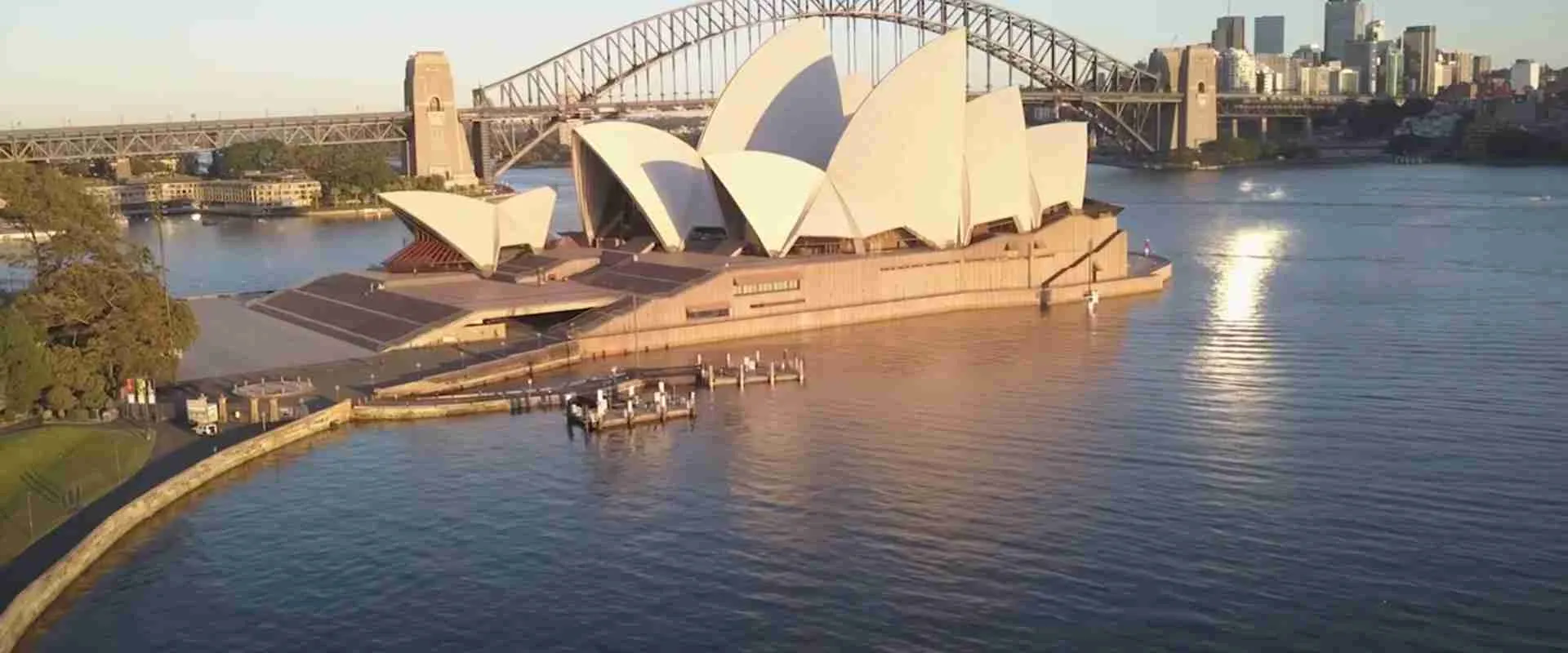
Best Photography Spots for Sydney Opera House: 15 Stunning Viewpoints Locals Love
The Sydney Opera House stands as one of the world’s most photographed buildings, its distinctive sail-shaped shells creating endless compositional opportunities against the stunning backdrop of Sydney Harbour. Since achieving UNESCO World Heritage status in 2007, this architectural masterpiece has challenged and inspired photographers to capture its unique beauty from countless perspectives.
Key Takeaways
- Golden hour timing (1 hour before sunset) creates the most stunning Opera House photography with warm, dramatic lighting
- Mrs. Macquarie’s Chair offers the classic shot featuring both Opera House and Harbour Bridge together
- Circular Quay ferry rides provide unique angles impossible to achieve from land-based locations
- Early morning visits (6-8 AM) ensure crowd-free shots and optimal harbor lighting conditions
- Milsons Point delivers night photography magic with illuminated Opera House reflections in the harbor
- Free locations outnumber paid spots 3:1 making stunning Opera House photography accessible to all budgets
While tourists typically settle for the standard Circular Quay shot, Sydney offers an extraordinary array of vantage points that reveal the Opera House’s architectural genius through different lighting conditions, seasonal changes, and harbor interactions. This comprehensive photography guide unveils 15 carefully selected locations where locals and professional photographers create their most compelling Opera House images.
Understanding Sydney Opera House Photography
Photographing the Sydney Opera House successfully requires understanding both its architectural significance and the dynamic harbor environment that defines its character. Designed by Danish architect Jørn Utzon, the building’s shell structures create dramatically different silhouettes depending on your viewing angle and the interplay of natural light.
Optimal Lighting Conditions
Sydney’s geographical position provides photographers with exceptional lighting opportunities throughout the year. The harbor’s east-west orientation means the Opera House catches both sunrise and sunset light depending on your chosen location.
Golden Hour Magic (4-6 PM): The most coveted time for Opera House photography, when warm afternoon light bathes the white shell structures, creating stunning contrast against the deep blue harbor waters.
Blue Hour Drama (30 minutes after sunset): Artificial illumination transforms the Opera House into a glowing beacon while retaining detail in the sky, perfect for night photography with architectural definition.
Early Morning Clarity (6-8 AM): Crisp morning light eliminates atmospheric haze while providing crowd-free shooting conditions and mirror-like harbor reflections.
Seasonal Photography Considerations
Each season brings distinct photographic opportunities and challenges for capturing the Opera House at its most compelling.
Summer (December-February): Extended daylight hours and warm weather attract crowds but offer longer photography windows. Expect hazy conditions during hot afternoons.
Autumn (March-May): Ideal photography season with clear skies, comfortable temperatures, and stunning golden hour light quality perfect for both color and black-and-white compositions.
Winter (June-August): Crystal-clear atmosphere provides sharp definition and dramatic sky conditions. Shorter days require precise timing for optimal light.
Spring (September-November): Blooming harbor gardens add foreground interest while pleasant weather conditions make extended photography sessions comfortable.
Extended multi-day tours – 5+ days
Featured Sydney Multi-Day Tour Packages
8 days
UltimateOz – Gap Year | Ultimate
- ✓ Comprehensive Sydney tour
- ✓ Expert local guides included
- ✓ All accommodation arranged
- ✓ Transportation provided

14 days
Sydney to Cairns exploring Byron, Kgari, Islands & Reef – 14 Day Boutique Tour
- ✓ Comprehensive Sydney tour
- ✓ Expert local guides included
- ✓ All accommodation arranged
- ✓ Transportation provided

15 days
Sydney to Cairns Adventure (31 destinations)
- ✓ Comprehensive Sydney tour
- ✓ Expert local guides included
- ✓ All accommodation arranged
- ✓ Transportation provided
10 days
Iconic Australia: Famous Cities & Red Centre Explorer
- ✓ Comprehensive Sydney tour
- ✓ Expert local guides included
- ✓ All accommodation arranged
- ✓ Transportation provided
Multi-day tour packages powered by TourRadar. Prices and availability subject to change.
Classic Photography Locations
These iconic viewpoints have defined Sydney Opera House photography for decades, offering compositions that capture the building’s relationship with both Sydney Harbour and the broader urban landscape.
1. Mrs. Macquarie’s Chair – The Ultimate Classic
Distance from Opera House: 1.2km southeast
Best Time: Sunset (year-round), especially autumn and winter
Parking: Metered street parking on Art Gallery Road
Walking Time: 20 minutes from Circular Quay
This sandstone promontory provides the most celebrated Opera House photograph: both architectural icons framed together against the Sydney skyline. Named after Governor Lachlan Macquarie’s wife, who enjoyed harbor views from this carved stone seat, the location offers multiple composition options.
Photography Tips:
- Arrive 1 hour before sunset for optimal light progression
- Use wide-angle lenses (14-24mm) to capture the full harbor scene
- Experiment with vertical compositions for dramatic sky emphasis
- Include the harbor’s edge vegetation for natural framing elements
Composition Options: Full harbor panorama, Opera House and bridge pairing, cityscape backdrop integration, and dramatic sky emphasis shots.
2. Royal Botanic Gardens – Fleet Steps
Distance from Opera House: 800m south
Best Time: Morning (8-10 AM) and late afternoon (4-6 PM)
Parking: Domain Car Park or street parking
Walking Time: 15 minutes from Circular Quay
The Fleet Steps provide an elevated perspective across Farm Cove, offering unobstructed Opera House views framed by harbor waters and city buildings. This location works exceptionally well for telephoto compression shots and reflection photography.
Unique Features:
- Elevated vantage point eliminates foreground distractions
- Clear sight lines to both Opera House shells and harbor bridge
- Garden pathway allows multiple angle exploration
- Seasonal flower displays add colorful foreground opportunities
3. Sydney Harbour Bridge Pedestrian Walkway
Distance from Opera House: 600m northwest
Best Time: Sunrise (6-8 AM) year-round
Parking: Circular Quay or The Rocks parking
Access: Free pedestrian walkway with multiple entry points
Walking across the Harbour Bridge provides continuously changing perspectives of the Opera House, from close-up architectural details to wide harbor context shots. The bridge’s elevation offers unique aerial-like perspectives impossible from ground level.
Shooting Strategy:
- Start from the southern end near The Rocks for gradual perspective changes
- Use bridge cables and structures as compositional framing elements
- Photograph through fence gaps with wide apertures for shallow depth of field
- Capture ferry and boat activity for dynamic harbor life inclusion
Hidden Gem Photography Spots
These lesser-known locations offer unique perspectives that distinguish your Opera House photographs from typical tourist imagery, revealing the building’s architectural complexity and harbor integration.
4. Milsons Point – North Sydney
Distance from Opera House: 1.1km northwest
Best Time: Night photography (7-9 PM)
Transport: Ferry to Milsons Point (5 minutes from Circular Quay)
This northern harbor vantage point excels for night photography, capturing illuminated Opera House shells reflecting in dark harbor waters. The location provides unique angular perspectives impossible from southern viewpoints.
Night Photography Advantages:
- Dramatic Opera House illumination against dark harbor waters
- Reduced crowd interference for unobstructed compositions
- Luna Park’s colorful lighting adds foreground interest
- Long exposure opportunities for smooth water effects
5. Hickson Road Reserve – The Rocks
Distance from Opera House: 400m west
Best Time: Mid-morning (10 AM-12 PM)
Parking: Limited street parking in The Rocks
This small waterfront park beneath the Harbour Bridge offers intimate Opera House perspectives without the bridge in frame. Perfect for focusing entirely on the building’s architectural details and harbor relationship.
Composition Strengths:
- Clean Opera House silhouette without competing elements
- Harbor foreground creates depth and scale context
- Ferry movement adds dynamic elements to static architecture
- Historical wharf structures provide foreground framing
6. Beulah Street, Kirribilli
Distance from Opera House: 1.3km north
Best Time: Evening twilight (6-8 PM)
Transport: Ferry to Milsons Point, then 8-minute walk
Important: Ensure you’re at Beulah Street, Kirribilli (not other Sydney Beulah Streets!)
This elevated residential street provides stunning Opera House views framed by harbor waters and distant city buildings. The location excels for both day and night photography with unobstructed sight lines.
Technical Advantages:
- Elevated position eliminates foreground obstacles
- Multiple shell structures visible in layered composition
- Residential street setting provides authentic local atmosphere
- Excellent for telephoto compression of harbor elements
Water-Based Photography Opportunities
Sydney Harbour’s extensive ferry network and water taxi services provide unique Opera House photography angles impossible to achieve from land-based locations. These mobile platforms offer dynamic perspectives as you move through different positions relative to the building.
7. Manly Ferry Route
Journey Time: 30 minutes each way
Cost: Standard Opal card ferry fare
Photography Window: 15 minutes of optimal Opera House views
The Manly ferry route provides the most comprehensive water-based Opera House photography experience, offering constantly changing perspectives as you travel to and from Manly Beach.
Shooting Strategy:
- Position yourself on the right side (starboard) when departing Circular Quay
- Use fast shutter speeds to compensate for ferry movement
- Capture the Opera House with other harbor ferries for scale
- Include passengers in foreground for human interest elements
8. Taronga Zoo Ferry
Journey Time: 12 minutes from Circular Quay
Best Views: Mid-harbor crossing, 5-8 minutes into journey
Unique Angle: Northwestern approach with city skyline backdrop
This shorter ferry route provides excellent Opera House photography opportunities while traveling to one of Sydney’s premier attractions. The northwestern approach offers unique perspectives often overlooked by photographers.
9. Water Taxi Charters
Cost: $150-300 per hour depending on boat size
Advantages: Custom positioning and unlimited shooting time
Best For: Professional shoots and special occasion photography
Water taxis provide ultimate flexibility for Opera House photography, allowing precise positioning and extended shooting time at optimal locations around the harbor.
Recommended Positions:
- Close harbor positions for architectural detail capture
- Mid-harbor for context shots with city skyline
- Eastern approaches for backlit shell photography
- Western positions for harbor bridge integration
Elevated Photography Locations
Height provides dramatic perspective shifts that reveal the Opera House’s integration with Sydney’s urban landscape and harbor geography. These elevated positions offer aerial-like perspectives without requiring expensive helicopter tours.
10. Cahill Walk Lookout
Height: 3 stories above street level
Access: Free elevator from Circular Quay Station
Best Time: Sunrise photography (6-8 AM)
This elevated pedestrian walkway runs alongside the Cahill Expressway, providing spectacular elevated views of both Opera House and Harbour Bridge simultaneously.
Photography Benefits:
- Aerial perspective reveals Opera House platform design
- Both major harbor icons in single compositions
- Train movement below adds dynamic urban elements
- Excellent for panoramic harbor photography
11. Bridge Pylon Lookout
Cost: $30 AUD for adults
Height: 87 meters above harbor level
Access: Stairs or elevator to observation deck
The southeastern pylon of Sydney Harbour Bridge houses a museum and lookout providing unparalleled Opera House views from significant height.
Photographic Advantages:
- True aerial perspective of Opera House shell arrangement
- Comprehensive harbor context impossible from ground level
- Protected shooting environment with glass barriers
- Museum provides historical context for architectural photography
12. Sydney Harbour Bridge Climb
Cost: $174-$388 AUD depending on time and package
Duration: 3.5 hours total experience
Photography Policy: Professional cameras provided by tour operator
The ultimate elevated Opera House photography experience, reaching the bridge’s apex 134 meters above the harbor for unmatched perspectives.
Experience Highlights:
- 360-degree harbor views including Opera House prominence
- Professional photography service included in cost
- Unique perspective unavailable through any other method
- Memorable experience combining adventure with photography
Unconventional Photography Angles
These creative locations offer unexpected Opera House perspectives that challenge conventional architectural photography approaches while revealing lesser-seen aspects of Utzon’s design.
13. Luna Park Ferris Wheel
Location: Milsons Point
Cost: Luna Park entry plus ride fees
Best Time: Late afternoon for warm lighting
Luna Park’s Ferris wheel provides slowly changing elevated perspectives of the Opera House, allowing extended photography time at various heights.
Creative Opportunities:
- Opera House framed by Ferris wheel structures
- Changing perspectives during 12-minute ride duration
- Colorful Luna Park elements as foreground contrast
- Family-friendly photography experience
14. Opera House Forecourt
Distance: 0m – directly at the building
Best Time: Early morning or late evening
Cost: Free access
Sometimes the most dramatic perspectives come from the closest positions. The Opera House forecourt allows intimate architectural detail photography impossible from distant viewpoints.
Detail Photography Focus:
- Shell tile patterns and construction joints
- Massive scale demonstration with human subjects
- Architectural detail abstracts and geometric studies
- Dramatic upward angles emphasizing monumental scale
15. McMahons Point Reserve
Distance from Opera House: 1.5km northwest
Transport: Ferry to McMahons Point
Best Time: Golden hour (4-6 PM)
This waterfront reserve on the harbor’s northern shore provides peaceful Opera House photography away from tourist crowds, with excellent harbor context and city skyline integration.
Peaceful Photography Benefits:
- Minimal tourist interference for patient composition work
- Harbor parkland provides natural foreground elements
- Multiple shooting positions along waterfront walkway
- Excellent for both wide-angle and telephoto approaches
Technical Photography Tips
Mastering Opera House photography requires understanding both the building’s architectural complexity and Sydney Harbour’s challenging lighting conditions. These technical strategies help you capture the building at its most compelling.
Camera Settings and Equipment
Recommended Focal Lengths:
- Wide-angle (14-24mm): Harbor context and architectural scale
- Standard (24-70mm): Versatile compositions and detail work
- Telephoto (70-200mm): Compression effects and distant viewpoints
- Ultra-telephoto (200mm+): Architectural abstracts and detail isolation
Essential Camera Settings:
- Aperture Priority Mode: Maintain depth of field control for architectural sharpness
- f/8-f/11: Optimal sharpness for architectural photography
- ISO 100-400: Minimize noise while maintaining image quality
- Graduated ND filters: Balance bright sky with darker harbor waters
Composition Strategies
Rule of Thirds Application: Position the Opera House at intersection points rather than center frame for dynamic compositions that guide viewer attention effectively.
Leading Lines: Use harbor edges, walkways, and bridge structures to direct attention toward the Opera House while creating depth in your compositions.
Framing Elements: Include trees, architectural elements, or bridge structures as natural frames that isolate the Opera House while providing context.
Scale Reference: Include people, boats, or other recognizable objects to demonstrate the Opera House’s impressive scale and provide human connection.
Lighting and Timing Mastery
Golden Hour Timing: Calculate sunset times and arrive 60-90 minutes early to capture the full lighting transition from harsh midday to warm evening glow.
Blue Hour Magic: Stay 30-45 minutes after sunset when artificial lights illuminate the Opera House while retaining sky detail and color.
Overcast Advantages: Don’t dismiss cloudy conditions—soft, even lighting eliminates harsh shadows and provides excellent detail in the Opera House’s white shell structures.
Reflection Photography: Calm harbor conditions create stunning reflections. Early morning typically offers the best water surface conditions for mirror-like effects.
Seasonal Photography Planning
Sydney’s seasonal changes dramatically affect Opera House photography conditions, lighting quality, and crowd levels. Strategic seasonal planning maximizes your photographic opportunities while minimizing common challenges.
Summer Photography (December-February)
Advantages: Extended daylight hours provide flexible shooting schedules and warm weather makes lengthy photography sessions comfortable.
Challenges: Peak tourist season creates crowded conditions at popular viewpoints. Atmospheric haze during hot afternoons can reduce image sharpness.
Best Strategies:
- Schedule shoots for early morning (6-8 AM) or late evening (7-9 PM)
- Use polarizing filters to cut through atmospheric haze
- Focus on water-based photography to escape crowd concentrations
- Take advantage of longer twilight periods for extended blue hour shooting
Autumn Photography (March-May)
Advantages: Ideal photography conditions with clear skies, comfortable temperatures, and reduced tourist crowds create perfect shooting environments.
Lighting Quality: Crisp autumn air provides exceptional clarity while golden hour light takes on enhanced warmth and color saturation.
Optimal Timing:
- Peak conditions typically occur in April and May
- Morning photography particularly rewarding with clear, still conditions
- Harbor reflections at their finest during calm autumn mornings
- Comfortable temperatures allow patient composition work
Winter Photography (June-August)
Advantages: Crystal-clear atmosphere provides maximum sharpness and detail while dramatic storm clouds add sky interest to compositions.
Timing Challenges: Shorter daylight hours require precise planning for optimal lighting conditions.
Winter Strategies:
- Focus on midday photography when light quality peaks
- Take advantage of dramatic storm clouds for compelling skies
- Lower tourist numbers provide better access to prime locations
- Clear conditions excellent for long-distance telephoto work
Spring Photography (September-November)
Garden Integration: Blooming harbor gardens provide colorful foreground elements that complement the Opera House’s white architecture.
Variable Conditions: Spring weather creates diverse photographic opportunities from clear days to dramatic storm systems.
Planning Recommendations:
- Royal Botanic Gardens particularly photogenic during spring blooms
- Variable weather requires flexible shooting schedules
- Pleasant temperatures ideal for exploring multiple locations in single sessions
Budget-Friendly Photography Strategies
Outstanding Opera House photography doesn’t require expensive equipment or paid locations. Sydney’s extensive public access and transportation network provides numerous cost-effective opportunities for compelling architectural photography.
Free Photography Locations
Cost: $0 – Completely Free Access:
- Mrs. Macquarie’s Chair and surrounding Royal Botanic Gardens
- Sydney Harbour Bridge pedestrian walkway
- Opera House forecourt and external walkways
- Hickson Road Reserve and The Rocks waterfront areas
- All harbor-side walkways from Circular Quay to Farm Cove
Low-Cost Transportation Photography
Ferry Photography (Standard Opal Card Fares):
- Manly ferry: Round trip approximately $15 AUD
- Taronga Zoo ferry: One way approximately $8 AUD
- Various harbor ferry routes providing different perspectives
- Sunday travel caps at $2.70 AUD for unlimited ferry access
Budget Equipment Recommendations:
- Smartphone Photography: Modern phones capture excellent Opera House images with HDR modes handling challenging lighting
- Basic DSLR/Mirrorless: Entry-level cameras with kit lenses provide professional-quality results
- Tripod Investment: Essential for low-light and long-exposure photography
- Polarizing Filter: Reduces reflections and enhances sky contrast
Professional Photography Considerations
Professional photographers working with the Sydney Opera House must navigate specific regulations, commercial permissions, and technical challenges unique to this UNESCO World Heritage site and active performance venue.
Commercial Photography Permits
Sydney Opera House Trust: Commercial photography on Opera House property requires advance permission and may involve fees depending on shoot scale and commercial use.
NSW National Parks and Wildlife Service: Some harbor viewpoints fall under park jurisdiction and may require permits for commercial work.
City of Sydney: Street photography and public space usage generally permitted for editorial and artistic purposes.
Technical Challenges for Professionals
Lighting Complexity: White shell structures against varying sky conditions require careful exposure management and potential HDR techniques.
Crowd Management: Popular viewpoints require early arrival and potential crowd-free shooting strategies for clean compositions.
Weather Contingency: Harbor conditions change rapidly—professional shoots require flexible scheduling and backup location strategies.
Model and Property Releases
Sydney Opera House: Generally, no property release required for editorial or artistic use, but commercial applications may need permission.
People in Photographs: Public spaces allow candid photography, but recognizable individuals in commercial work require model releases.
Instagram and Social Media Photography
The Sydney Opera House represents one of the most shared architectural subjects on social media platforms. Creating standout content requires moving beyond obvious compositions while understanding platform-specific requirements.
Instagram-Optimized Compositions
Square Format Considerations: Instagram’s native square format works well with Opera House photography when focusing on the building’s geometric shell structures.
Vertical Story Format: Tall compositions emphasizing the Opera House’s height work perfectly for Instagram Stories and Reels content.
Unique Angles: Stand out from millions of Opera House images by exploring unusual perspectives, detail shots, and creative framing techniques.
Hashtag Strategy
Location-Specific Tags: #SydneyOperaHouse #SydneyHarbour #CircularQuay #RoyalBotanicGardens
Photography Tags: #ArchitecturalPhotography #UNESCOWorldHeritage #AustraliaTravel #SydneyPhotography
Technical Tags: #GoldenHour #ReflectionPhotography #UrbanPhotography #TravelPhotography
Planning Your Opera House Photography Session
Successful Opera House photography requires strategic planning that considers timing, locations, equipment, and backup strategies for Sydney’s changeable harbor weather conditions.
Pre-Shoot Preparation Checklist
- Weather Research: Check detailed weather forecasts and harbor conditions
- Sunrise/Sunset Times: Calculate optimal lighting times for your chosen locations
- Transportation Planning: Confirm ferry schedules and parking availability
- Backup Locations: Identify alternative spots for weather contingencies
- Equipment Check: Ensure batteries, memory cards, and filters are prepared
Multi-Location Photography Itinerary
Full Day Photography Tour:
- 6:00-8:00 AM: Sunrise at Mrs. Macquarie’s Chair
- 8:30-10:00 AM: Royal Botanic Gardens walkthrough
- 10:30-12:00 PM: Harbour Bridge pedestrian walkway
- 2:00-3:30 PM: Ferry to Milsons Point for northern perspectives
- 4:00-6:30 PM: Golden hour at Hickson Road Reserve
- 7:00-8:30 PM: Blue hour night photography
Essential Photography Gear
Camera and Lenses:
- Wide-angle lens for harbor context shots
- Telephoto lens for architectural detail and compression
- Sturdy tripod for low-light and long-exposure work
Filters and Accessories:
- Polarizing filter for reflection control and sky enhancement
- Graduated neutral density filters for challenging lighting
- Lens cleaning supplies for harbor spray conditions
- Extra batteries and memory cards
Creating Your Opera House Photography Legacy
The Sydney Opera House offers endless photographic opportunities that reveal new perspectives with each visit. Whether you’re documenting this architectural masterpiece for the first time or returning to capture seasonal changes and different lighting conditions, strategic planning and creative vision transform simple tourist photos into compelling architectural narratives.
From the classic Mrs. Macquarie’s Chair panorama to intimate detail shots from the forecourt, each location provides unique insights into Jørn Utzon’s revolutionary design. The building’s relationship with Sydney Harbour creates dynamic compositions that change with tides, weather, and seasons—ensuring that no two photography sessions yield identical results.
Remember that the best Opera House photographs often come from patient observation and willingness to explore beyond the obvious viewpoints. Sydney’s extensive public access and excellent transportation network make it possible to discover personal favorite locations that reflect your individual photographic vision while contributing to the ongoing visual documentation of this UNESCO World Heritage masterpiece.
Take time to appreciate not just the photographic opportunities, but the architectural achievement these images document. The Sydney Opera House represents humanity’s capacity for creative vision made manifest in concrete and steel, set against one of the world’s most beautiful natural harbors. Your photographs become part of this building’s continuing story—a visual legacy that captures its timeless beauty for future generations to discover and appreciate.
Frequently Asked Questions
What’s the best time of day to photograph Sydney Opera House?
Golden hour (1 hour before sunset) provides the most stunning lighting, creating warm tones on the white shells. Early morning (6-8 AM) offers crowd-free conditions with excellent clarity, while blue hour (30 minutes after sunset) is perfect for dramatic night shots with architectural illumination.
Do I need expensive equipment for great Opera House photos?
No! Modern smartphones with HDR modes capture excellent Opera House images. A basic DSLR or mirrorless camera with kit lens, tripod, and polarizing filter provides professional-quality results. The location and timing matter more than expensive gear.
Where can I get the classic Opera House and Harbour Bridge shot together?
Mrs. Macquarie’s Chair offers the most celebrated view with both icons together. Fleet Steps in the Royal Botanic Gardens and Cahill Walk Lookout also provide excellent dual-icon compositions with different perspectives and elevations.
Are there free locations for Opera House photography?
Absolutely! Most of the best spots are free, including Mrs. Macquarie’s Chair, Royal Botanic Gardens, Harbour Bridge walkway, Opera House forecourt, and all harbor-side walkways. Only specialty viewpoints like Bridge Pylon Lookout charge admission.
Can I photograph the Opera House from inside during tours?
Yes, photography is encouraged during tours with designated photo stops throughout. However, videography is prohibited inside performance venues, and mobile phones must be silenced. Tour guides indicate appropriate times for photography.
What’s the best ferry route for Opera House photography?
The Manly ferry provides 30 minutes of changing perspectives and 15 minutes of optimal Opera House views. Taronga Zoo ferry offers excellent northwestern angles, while water taxis provide custom positioning for professional shoots.
When is the Opera House least crowded for photography?
Early morning (6-8 AM) offers the best crowd-free conditions, especially on weekdays. Late evening after 7 PM also sees fewer tourists. Winter months (June-August) have reduced visitor numbers while maintaining excellent photography conditions.
Do I need permits for Opera House photography?
Personal and editorial photography from public spaces requires no permits. Commercial photography on Opera House property needs advance permission. Street photography and artistic work in public areas is generally permitted without special permissions.
What weather conditions are best for Opera House photography?
Clear autumn days (March-May) provide optimal conditions with crisp air and warm light. Don’t dismiss overcast conditions—soft, even lighting eliminates harsh shadows and provides excellent detail in the white shell structures.
How can I avoid crowds at popular viewpoints like Mrs. Macquarie’s Chair?
Arrive for sunrise (6-7 AM) or visit during weekday mornings. Consider alternative locations like McMahons Point Reserve or Beulah Street, Kirribilli for similar views with fewer tourists. Evening photography after most day visitors have left also works well.