Best Peru Family Tours 2026: Complete Planning Guide
Key Takeaways
- Family tours in Peru range $1,200-3,500 per person for 7-10 day packages in 2026, with children’s discounts typically 20-30% off adult rates
- Peak family travel season runs June-August with optimal weather but higher costs; shoulder seasons (April-May, September-October) offer 15-25% savings with excellent conditions
- Multi-generational tours accommodating ages 6-75 provide flexible pacing with private guides, while specialized teen adventure tours focus on active experiences for ages 13-17
- Altitude acclimatization requires 2-3 days in Cusco before Machu Picchu, with child-friendly activities in Sacred Valley helping families adjust gradually to elevation changes
- Book family tours 4-6 months ahead for summer departures, 2-3 months for shoulder seasons to secure optimal dates and family-friendly accommodations near major attractions
- Top operators provide English-speaking guides with child engagement expertise, private transportation with car seats, family rooms in boutique hotels, and flexible meal options for picky eaters
- Contact us by filling out the trip planner form, and our partner’s expert travel advisors will work closely with you to create your tailor-made itinerary (Free Service)
Planning Your Peru Family Tours in 2026
Peru stands as one of the world’s most captivating family destinations, offering the perfect blend of ancient mysteries, outdoor adventures, and cultural immersion that engage travelers of all ages. From exploring the legendary citadel of Machu Picchu to navigating the Amazon rainforest canopy, Peru provides educational experiences that transform family vacations into lifelong memories and spark children’s curiosity about archaeology, biology, and diverse cultures.
The 2026 family travel landscape in Peru has evolved significantly, with tour operators developing specialized programs that balance archaeological exploration with age-appropriate activities, proper altitude acclimatization, and flexible pacing that accommodates different energy levels within family groups. Modern family tours recognize that successful multi-generational travel requires thoughtful itinerary design, comfortable accommodations with family configurations, engaging guides trained in child education, and backup plans for altitude sensitivity or changing weather conditions.
This comprehensive guide provides detailed information for planning exceptional Peru family tours in 2026, covering tour selection criteria, age-appropriate itinerary options, comprehensive cost breakdowns, booking strategies, and practical tips for managing everything from altitude challenges to picky eaters. Whether you’re traveling with young children exploring their first international destination, teenagers seeking adventure activities, or multi-generational groups spanning grandparents to grandchildren, Peru offers tour options designed for your family’s specific needs and interests.
Family tours in Peru typically range from 7 to 14 days, with most popular itineraries running 9-10 days to provide adequate time for altitude acclimatization, comprehensive site exploration, and some flexibility for rest days or optional activities. Tour prices for 2026 range $1,200-3,500 per adult depending on accommodation level, group size, and included activities, with children ages 6-12 receiving 20-30% discounts and teenagers ages 13-17 typically paying adult rates (check with tour operators for current pricing as rates may vary by season and availability).
The most successful family tours balance iconic highlights like Machu Picchu and the Sacred Valley with interactive experiences such as traditional weaving workshops, cooking classes, and wildlife observation that maintain children’s engagement throughout the journey. Top operators provide child-friendly transportation with proper car seats for younger travelers, accommodations with family room configurations, flexible meal arrangements accommodating dietary restrictions and preferences, and guides experienced in adapting historical narratives to captivate different age groups.
People Also Ask About Peru Family Tours 2026
What is the best age for children to visit Peru in 2026?
Children ages 8 and above handle Peru travel most comfortably, with the physical demands of archaeological sites, altitude challenges, and extended travel days being more manageable for this age group. Many families successfully travel with children as young as 6, particularly when choosing tours with flexible pacing, shorter daily activities, and lower-altitude portions like the Sacred Valley and Lima coastal areas. Teenagers ages 13-17 thrive on Peru’s adventure activities including moderate hiking, zip-lining, and river rafting that appeal to their desire for active experiences.
The primary consideration is altitude tolerance, as Cusco sits at 11,150 feet and Machu Picchu at 7,970 feet, requiring proper acclimatization strategies regardless of age. Well-designed family tours build in 2-3 days of gradual altitude adjustment, starting activities in lower-elevation Sacred Valley towns before ascending to Cusco and Machu Picchu. Children under 6 can visit Peru successfully, but families should select tours with extensive Sacred Valley time, avoid high-altitude overnight stays, and prepare for more frequent rest breaks and flexible schedules.
How much do Peru family tours cost in 2026?
Peru family tours for 2026 cost $1,200-3,500 per adult for 7-10 day packages, with pricing varying significantly based on accommodation level, group size (private vs. small group), and included activities. Budget family tours at $1,200-1,800 per adult feature 3-star hotels, shared transportation, group activities, and basic meal inclusions, while mid-range tours at $2,000-2,800 provide 4-star boutique hotels, private transportation, upgraded dining, and enhanced guide services. Luxury family tours at $3,000-3,500+ include 5-star properties, private guides throughout, premium experiences like exclusive Machu Picchu sunrise access, and comprehensive meal programs (check tour operators’ websites for current rates as pricing varies by season and group size).
Children ages 6-12 receive 20-30% discounts on adult tour rates, while teenagers 13-17 typically pay full adult pricing due to equal accommodation costs and activity participation. Additional costs beyond tour packages include international flights ($800-1,500 per person from US gateways), travel insurance ($150-250 per family), tips for guides and drivers ($150-300 total), and optional activities like hot springs visits or additional adventure experiences ($50-150 per person). Families should budget $200-400 per person for additional meals, snacks, souvenirs, and incidental expenses during free time in Lima, Cusco, and other destinations.
When is the best time for Peru family tours in 2026?
June through August represents peak family travel season for Peru in 2026, aligning with Northern Hemisphere summer vacations and offering the most reliable dry weather for Machu Picchu visits, Sacred Valley exploration, and outdoor activities. These months provide optimal conditions with daytime temperatures of 65-70°F in Cusco, minimal rainfall, and clear views of archaeological sites and mountain landscapes that make photography and hiking most enjoyable. However, peak season brings maximum crowds at major attractions, higher tour prices (15-25% premiums), and advance booking requirements of 4-6 months for preferred dates and accommodations.
Shoulder seasons in April-May and September-October offer exceptional value for family tours with 15-25% lower costs, reduced crowds at archaeological sites, and excellent weather conditions with only occasional rain showers. These months work particularly well for families with flexible school schedules or those seeking more intimate experiences at major attractions. December-February brings Peru’s wet season with afternoon rain showers and occasional site closures due to flooding, but this period offers the lowest prices (30-40% below peak season) and works for families prioritizing budget savings over guaranteed perfect weather.
Are Peru tours safe for families with children in 2026?
Peru ranks as a safe family destination with professional tourism infrastructure, experienced family tour operators, and well-developed support systems for travelers with children. Major tourist areas including Lima’s Miraflores district, Cusco’s historic center, the Sacred Valley, and Machu Picchu maintain strong security presence, regular police patrols, and tourism-specific safety protocols that protect family travelers. Reputable family tour operators provide comprehensive safety measures including private transportation with seat belts and car seats, vetted guides with first aid certification, emergency medical protocols, and 24-hour support hotlines for addressing any concerns during travel.
The primary health consideration involves altitude sickness prevention through proper acclimatization, adequate hydration, gradual activity pacing, and recognition of symptoms requiring medical attention. Family tours designed with altitude awareness start activities in lower-elevation areas, limit physical exertion during initial Cusco days, and provide flexible schedules allowing rest when needed. Standard travel precautions include drinking bottled water only, selecting restaurants in tourist areas with reliable food safety standards, applying sun protection at high altitudes, and maintaining supervision of children in crowded archaeological sites and markets.
Extended multi-day tours – 5+ days
Featured Peru Multi-Day Tour Packages
7 days
Inca Adventures – 7 Days (Lima, Paracas, Ica, Cusco, Machu Picchu & Rainbow Mountain) – With Domestic Flights
- ✓ Comprehensive Peru tour
- ✓ Expert local guides included
- ✓ All accommodation arranged
- ✓ Transportation provided
10 days
Peru Express – 10 Days (Lima – Cusco – Machu Picchu & Puno) With Domestic Flights
- ✓ Comprehensive Peru tour
- ✓ Expert local guides included
- ✓ All accommodation arranged
- ✓ Transportation provided
7 days
7 Day Cusco Travel Package: Cusco, Sacred Valley, Machu Picchu, Humantay Lake, and Rainbow Mountain.
- ✓ Comprehensive Peru tour
- ✓ Expert local guides included
- ✓ All accommodation arranged
- ✓ Transportation provided
8 days
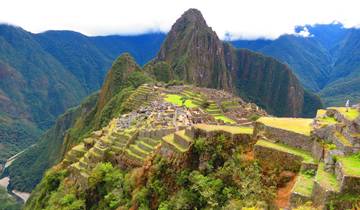
Southern Treasures – 8 Days
- ✓ Comprehensive Peru tour
- ✓ Expert local guides included
- ✓ All accommodation arranged
- ✓ Transportation provided
Multi-day tour packages powered by TourRadar. Prices and availability subject to change.
Essential Planning Information 2026
Current Costs and Pricing Breakdown for Family Tours
Understanding comprehensive costs for Peru family tours helps with realistic budget planning and prevents unexpected expenses during travel. Tour package prices represent the foundation of family travel costs, with 2026 rates ranging $1,200-3,500 per adult for standard 7-10 day itineraries covering Lima, Cusco, Sacred Valley, and Machu Picchu. Budget family tours at $1,200-1,800 per adult include 3-star accommodations, shared group transportation, basic breakfast inclusions, standard guided tours of major sites, and train tickets to Machu Picchu. Children ages 6-12 receive 20-30% discounts on adult rates, bringing their costs to $840-1,260 per child for budget tours.
Mid-range family tours priced $2,000-2,800 per adult provide significant comfort upgrades including boutique 4-star hotels with family room configurations, private transportation throughout the itinerary, upgraded dining with half-board meal plans (breakfast and lunch or dinner), enhanced guide services with child engagement expertise, and premium Machu Picchu train options like Vistadome carriages with panoramic windows. These tours typically include airport transfers, most entrance fees, and selected cultural experiences like weaving workshops or cooking classes that engage children while educating about Peruvian traditions.
Luxury family tours at $3,000-3,500+ per adult offer premium experiences including 5-star hotels and lodges in prime locations, completely private guides and transportation, comprehensive meal programs featuring Peru’s best restaurants, exclusive experiences like private Machu Picchu sunrise access before general opening, and enhanced amenities like spa treatments for parents and special activities for children. Luxury tours often include internal flights saving overland travel time, superior train services like Hiram Bingham luxury service, and additional destinations like Amazon rainforest lodges or Lake Titicaca floating islands (check luxury tour operators for current rates as pricing varies significantly by customization level).
Beyond tour package costs, families should budget for international flights averaging $800-1,500 per person from US gateways like Miami, Houston, or Los Angeles to Lima, with prices varying by departure city, booking timing, and travel dates. Travel insurance costs $150-250 per family for comprehensive coverage including medical emergencies, trip cancellation, and evacuation insurance important for high-altitude destinations. Tips for guides and drivers total $150-300 for a 10-day tour, with standard recommendations of $8-12 per person daily for guides and $5-8 daily for drivers.
Additional meal costs during free time in Lima and Cusco average $15-25 per person for casual restaurant lunches and $25-40 for dinners, with children’s portions typically 30-40% less expensive. Snacks, beverages, and incidental purchases add $10-15 daily per person. Souvenirs and shopping budgets vary widely by family preferences, with quality alpaca products ranging $30-150 per item and handcrafted goods from local artisans at $10-50 per piece. Optional activities beyond tour inclusions like hot springs visits ($8-15 per person), additional adventure activities ($50-150 per person), or upgraded Machu Picchu mountain hikes ($20-30 per person) allow customization based on family interests and energy levels.
Documentation Requirements and Entry Procedures
US citizens traveling to Peru in 2026 require passports valid for at least six months beyond travel dates, with no visa required for tourist stays up to 183 days. Tour operators recommend passport copies stored separately from originals and digital copies saved in cloud storage or email for emergency access. Children traveling with one parent or guardians need notarized letters of consent from the non-traveling parent authorizing international travel, though enforcement varies and many families travel without issues.
Upon arrival at Jorge Chávez International Airport in Lima, immigration officials issue a tourist card (Tarjeta Andina de Migración) allowing 183-day stays, with travelers required to present this card at departure. Lost tourist cards require replacement at immigration offices with small fees of $4-8 and potential processing delays. Some tour operators arrange meet-and-greet services at Lima airport, assisting families through immigration and customs processes, particularly valuable for first-time Peru travelers or those with young children managing luggage and tired from long flights.
Types of Peru Family Tours 2026
Classic Machu Picchu Family Tours
Classic Machu Picchu family tours represent the most popular option for first-time Peru family travelers, focusing on the country’s most iconic highlights with itineraries designed for comfortable pacing and broad age appeal. These 9-10 day tours cover Lima, Cusco, Sacred Valley, and Machu Picchu with time allocations allowing proper altitude acclimatization, comprehensive site exploration without exhausting children, and flexibility for rest periods when needed. Daily activities typically run 4-6 hours with breaks for snacks and rest, avoiding the intensive full-day schedules common in adult-only tours.
Itineraries begin with 2-3 days in Lima exploring coastal neighborhoods like Miraflores and Barranco, visiting interactive museums like the Larco Museum with extensive pre-Columbian artifacts displayed in child-friendly formats, and introducing Peruvian cuisine through cooking classes or market tours that engage children in hands-on food preparation. Flight to Cusco follows, with immediate transfer to Sacred Valley towns like Urubamba or Ollantaytambo sitting 2,000-3,000 feet lower than Cusco city for gentler altitude adjustment. Sacred Valley days include visits to Pisac Market where children enjoy bargaining practice and colorful textile displays, exploration of Ollantaytambo ruins with relatively easy climbing compared to other sites, and participation in traditional weaving or pottery workshops teaching ancient Andean techniques.
After 2-3 days in lower-elevation Sacred Valley, tours ascend to Cusco for city exploration including Plaza de Armas with street performers and local children feeding pigeons, Sacsayhuamán fortress with massive stones that fascinate young engineers, and San Pedro Market exposing families to local daily life. The tour culminates with the highlight Machu Picchu visit, reached via scenic train journey through the Urubamba Valley that captivates children with changing landscapes. Guided tours at Machu Picchu last 2-3 hours covering major sectors, followed by free exploration time allowing families to revisit favorite spots, take photos without crowds, or simply sit and absorb the remarkable mountain setting.
Classic family tours typically cost $1,800-2,500 per adult with children’s discounts bringing total family costs to $5,400-7,000 for a family of four (two adults, two children) in mid-range tour categories. These prices include all accommodations in family rooms, private transportation throughout the itinerary, entrance fees to all major sites, tourist-class train to Machu Picchu, most meals (typically breakfast daily plus 5-6 additional group meals), and professional guides at all archaeological sites.
Multi-Generational Extended Family Tours
Multi-generational tours accommodate extended families spanning grandparents to grandchildren, requiring itinerary designs that respect varied mobility levels, interests, and energy capacities while maintaining group cohesion. These 10-12 day tours provide optional activity structures where different family members can choose appropriate engagement levels, with some participating in moderate hikes while others enjoy shorter walks and cultural experiences. Private tour formats work best for extended families, allowing scheduling flexibility, customized meal times accommodating young children’s needs, and pacing adjustments when family members need rest.
Itineraries for multi-generational groups prioritize accessible archaeological sites with minimal climbing, comfortable transportation in private vans with ample space, accommodations in hotels offering varied room configurations including connecting rooms and suites, and diverse activity options letting family members self-select participation. Sacred Valley exploration includes visits to terraced agricultural sites like Moray with easy walking paths, hands-on experiences at textile cooperatives where grandparents can share reactions with grandchildren, and meals at hacienda-style restaurants offering private dining rooms for family groups.
Machu Picchu visits for extended families often split into smaller groups based on mobility and interests, with some members hiking to Sun Gate for panoramic views while others explore the main citadel at leisurely pace with strategic rest breaks. Guides experienced with multi-generational groups provide historical narratives that engage adults while incorporating legends and stories that capture children’s imaginations, creating shared educational experiences across age groups. Free time built into itineraries allows families to separate for individual interests, with some shopping in markets while others rest at hotels or explore independently.
Multi-generational private tours cost $2,500-3,500 per adult with final pricing depending on group size (costs decrease per person with larger groups) and accommodation selections. A 10-person extended family group (4 adults, 4 children, 2 seniors) typically spends $22,000-28,000 total for comprehensive 10-12 day tours including all transportation, accommodations, guides, major meals, and entrance fees.
Adventure-Focused Teen and Family Tours
Adventure-focused tours target active families with teenagers ages 13-17 seeking physical challenges, outdoor experiences, and adrenaline activities alongside cultural exploration. These 10-12 day tours incorporate moderate hiking, zip-lining, river rafting, mountain biking, and other activities that engage teenagers’ desires for adventure while maintaining the educational and cultural components that make Peru distinctive. Activity levels typically rate as moderate to challenging, requiring good physical fitness from all participants and comfort with multi-hour hiking and outdoor exposure.
Itineraries often substitute traditional Sacred Valley cultural tours with adventure activities like mountain biking through Andean landscapes connecting Incan sites, zip-lining across river valleys with Andes mountain backdrops, and white-water rafting on the Urubamba River with class II-III rapids appropriate for teenagers with basic river experience. The iconic Machu Picchu visit occurs via Inca Trail hiking (4-day classic trek or 2-day short trek) rather than train access, providing teenagers with the accomplishment of reaching the citadel through their own physical effort and camping experience connecting them to ancient pilgrimage routes.
Alternative adventure routes include jungle portions with Amazon lodge stays offering canopy walks, wildlife observation, night forest exploration, and indigenous community interactions that provide biological and anthropological education. Some tours incorporate Colca Canyon near Arequipa for condor observation and canyon trekking, providing geological and environmental education alongside physical challenge. Rock climbing instruction, rappelling experiences, and canyoning activities appeal to teenagers seeking technical skill development and memorable achievements.
Adventure teen tours cost $2,200-3,200 per person (teens typically pay adult rates) with specialized equipment, expert adventure guides, camping gear for treks, and enhanced safety protocols included. These tours maintain smaller group sizes of 8-12 people maximum, ensuring proper supervision and guide attention during technical activities. Parents should verify tour operators’ safety certifications, guide qualifications, emergency protocols, and equipment standards before booking adventure-focused tours.
Educational and Cultural Immersion Family Programs
Educational family tours prioritize deep cultural engagement, local community interaction, and hands-on learning experiences that transform Peru travel into educational adventures connecting children to history, anthropology, ecology, and global citizenship. These 10-14 day programs balance archaeological site visits with meaningful cultural exchange including homestays in rural communities, participation in traditional agricultural practices, weaving and craft instruction from master artisans, cooking classes featuring regional ingredients and techniques, and Spanish language basics helping families communicate with local people.
Itineraries incorporate educational frameworks appropriate for different age groups, with younger children engaging through storytelling, treasure hunt-style archaeological exploration, and artistic activities like reproducing Incan designs or creating traditional crafts. Older children and teenagers participate in more complex historical analysis, discussions of colonialism and indigenous rights, environmental conservation challenges, and development issues facing modern Peru. Guide-led discussions before and after site visits enhance learning by providing historical context, raising questions for observation, and facilitating family conversations about travel experiences.
Cultural immersion components include overnight homestays with Quechua families in Sacred Valley communities, participating in daily activities like animal care, cooking over traditional wood fires, and learning weaving techniques passed through generations. These experiences provide authentic cultural insight far beyond tourist interactions, with host families sharing their lives, challenges, and perspectives while practicing hospitality traditions deeply rooted in Andean culture. Language barriers create opportunities for non-verbal communication, shared laughter, and recognition of common human experiences connecting families across cultural differences.
Service learning options allow families to contribute to community projects like school improvements, agricultural terracing restoration, or reforestation efforts, teaching children about responsible tourism and giving back to communities they visit. Educational tours cost $2,000-2,800 per adult with cultural immersion components adding value through unique experiences not available in standard tourist itineraries. These tours appeal to families prioritizing meaningful cultural exchange, educational value, and broader perspectives on global diversity and development.
Top Family-Friendly Destinations in Peru 2026
Lima Family Activities and Neighborhoods
Lima serves as the entry point for Peru family tours, offering 2-3 days of coastal activities, museum visits, and culinary experiences that provide gentle introduction to Peruvian culture before heading to higher elevations. The Miraflores neighborhood provides family-friendly infrastructure with ocean-view parks, playgrounds, safe pedestrian areas, abundant restaurants with varied cuisine including familiar options for picky eaters, and the Larcomar shopping center built into coastal cliffs with ocean views and entertainment options.
The Larco Museum in Pueblo Libre presents Peru’s largest private collection of pre-Columbian art in accessible formats with English explanations, interactive displays, and storage galleries where children can see thousands of ceramics representing different cultures and time periods. The museum’s gardens provide outdoor space for children to explore between galleries, and the on-site restaurant offers high-quality Peruvian cuisine in family-friendly setting. Entrance costs $11 for adults, $5.50 for children with audio guides included.
Barranco neighborhood appeals to families seeking artistic atmosphere with street art tours showcasing vibrant murals, the Bridge of Sighs (Puente de los Suspiros) with romantic legends capturing children’s imaginations, and craft markets selling unique souvenirs. Bike tours along the coastal Malecón connect Miraflores to Barranco through oceanfront paths with designated bike lanes, rental shops providing child seats and kid-sized bikes, and scenic viewpoints perfect for family photos and rest breaks.
The Magic Water Circuit (Circuito Mágico del Agua) in Parque de la Reserva features 13 interactive fountains with evening light shows combining water, music, and color in displays that delight children of all ages. Interactive fountains allow children to run through water jets, creating playful experiences and cooling relief. Evening shows run Wednesday-Sunday with entrance fees of $1.50 for adults, $0.75 for children, representing exceptional value entertainment.
Sacred Valley Family Experiences
The Sacred Valley provides optimal base for family tours with lower elevation than Cusco (9,000-9,500 feet vs. 11,150 feet), comfortable year-round weather, abundant family-friendly hotels, and easy access to multiple archaeological sites and cultural activities within short driving distances. Towns like Urubamba and Ollantaytambo offer relaxed atmosphere, beautiful mountain settings, and local daily life experiences that show children contemporary Andean culture alongside ancient ruins.
Pisac Market operates Tuesday, Thursday, and Sunday with the largest Sunday market attracting vendors from throughout the region. Children enjoy the sensory experience of colorful textile displays, local food stalls selling fresh juice and traditional snacks, guinea pig vendors (children’s reactions to seeing guinea pigs as food creates memorable conversations), and bargaining interactions teaching negotiation skills and cultural exchange. The adjacent Pisac archaeological site features terraced mountainside ruins with moderate hiking suitable for active families and panoramic valley views rewarding the climb.
Ollantaytambo ruins offer excellent family exploration with stone streets in the lower town still used by local residents, creating unique experience of archaeological site as living community. The fortress ruins feature massive stone terraces that fascinate children while providing relatively easy climbing compared to Sacsayhuamán or other sites. The site’s water engineering systems including fountains still flowing with crystalline water demonstrate Incan technological sophistication in accessible format. Guides engage children by explaining how massive stones were transported and positioned without modern equipment, often incorporating legends about giants who helped build the site.
Traditional weaving demonstrations in Sacred Valley villages like Chinchero provide hands-on cultural experiences where children learn about natural dye production from local plants, spinning alpaca fiber into yarn using traditional drop spindles, and weaving techniques creating patterns with symbolic meanings. These workshops typically last 1-2 hours with active participation keeping children engaged while teaching appreciation for traditional craftsmanship and the labor involved in textiles sold throughout Peru.
Cusco Child-Friendly Attractions and Activities
Cusco requires careful altitude acclimatization for families, with activities in the first 24-48 hours limited to short walks, light exploration, and frequent rest breaks allowing bodies to adjust to 11,150 feet elevation. The historic Plaza de Armas provides central gathering point with beautiful colonial architecture, frequent cultural performances including traditional dances and music, street vendors selling roasted corn and warm beverages, and flocks of pigeons that children enjoy feeding (though washing hands afterward is essential).
Sacsayhuamán fortress sits just outside Cusco with massive stones weighing up to 200 tons fitted together with remarkable precision that amazes children and adults alike. The site’s scale creates natural playground for exploration with multiple levels to climb, tunnels to investigate, and vast open spaces for running and playing. Local guides engage children by demonstrating how the precisely fitted stones resist earthquake damage and explaining legends about the site’s construction. Families should visit in morning hours (8-10 AM) before afternoon heat and crowds, bringing sun protection, water, and snacks.
The Cusco Chocolate Museum offers interactive experiences teaching chocolate’s history from ancient Mayan civilizations to modern production, with hands-on workshops where families create their own chocolate bars selecting ingredients and flavors. These 90-minute workshops cost $25-30 per person with completed chocolate products to take home. The museum shop sells high-quality Peruvian chocolate products including drinking chocolate, cocoa nibs, and artisan bars perfect for gifts or personal enjoyment.
San Blas neighborhood features narrow colonial streets with artisan workshops, galleries showcasing contemporary Andean art, and relaxed cafés with excellent coffee and light meals. The neighborhood’s uphill location from Plaza de Armas creates quiet atmosphere away from main tourist crowds, with families enjoying exploration at own pace without feeling rushed by tour schedules. The San Blas viewpoint provides panoramic city views perfect for family photos and orientation understanding Cusco’s layout.
Machu Picchu Family Visit Strategies
Machu Picchu represents the highlight of Peru family tours, requiring advance planning for entrance tickets (book 2-4 months ahead for preferred dates), train reservations, and weather-appropriate gear including rain jackets, sun protection, comfortable walking shoes, and layers for temperature changes. The site’s layout allows flexible exploration with designated circuits ensuring one-way visitor flow while providing access to major structures, viewpoints, and photo opportunities during 2-4 hour visits.
Train journeys from Ollantaytambo or Poroy to Aguas Calientes take 90-120 minutes through dramatic Urubamba Valley scenery with changing landscapes from agricultural terraces to cloud forest vegetation. Tourist-class trains provide comfortable seats with panoramic windows, snack service, and restrooms appropriate for family travel. Vistadome trains offer enhanced experience with ceiling windows for broader views and included refreshments, costing $20-30 more per person than tourist class.
Bus transfers from Aguas Calientes to Machu Picchu entrance take 25-30 minutes navigating switchback mountain roads with dramatic valley views creating excitement and some nervousness for children. Buses depart every 10 minutes during peak morning hours (6-10 AM) with round-trip tickets costing $12 for adults, $7 for children. Some families choose to hike the steep trail from town to entrance in 60-90 minutes, though this is not recommended for young children or during altitude adjustment phase.
Guided tours at Machu Picchu last 2-3 hours covering the urban sector, agricultural terraces, Temple of the Sun, Intihuatana stone, and other major features with historical context and architectural explanation. Guides experienced with families incorporate legends, interactive questions, and strategic breaks maintaining children’s attention throughout the tour. Following guided portions, families enjoy free exploration time revisiting favorite spots, taking photos without tour group constraints, finding quiet corners for snacks and rest, or hiking to viewpoints like Sun Gate or Machu Picchu Mountain for families with energy and time.
Family Accommodation Strategies 2026
Selecting Family-Friendly Hotels in Major Destinations
Family-friendly accommodations provide essential foundation for successful Peru tours, requiring specific features including family room configurations with multiple beds or connecting rooms, safe neighborhoods with easy access to restaurants and attractions, on-site dining options for early breakfasts and late dinners, and staff familiar with family travelers’ needs. Most family tours include accommodations as part of package pricing, but understanding selection criteria helps when evaluating tour options or arranging independent portions.
In Lima, Miraflores neighborhood hotels offer optimal family locations with ocean-view parks within walking distance, abundant restaurant options including international cuisine, safe pedestrian areas for evening strolls, and proximity to major attractions. Mid-range family hotels cost $120-180 per night for family rooms or connected doubles, with breakfast included, WiFi throughout, and helpful concierge services arranging taxis, restaurant reservations, and activity bookings. Hotels like Casa Andina Premium Miraflores, JW Marriott Lima, and Hilton Lima Miraflores provide reliable international standards with family-friendly amenities.
Sacred Valley accommodations in Urubamba and Ollantaytambo combine lower altitude benefits with beautiful mountain settings and easy access to archaeological sites and activities. Boutique hotels offering $150-220 per night provide spacious family rooms, beautiful gardens where children can play safely, on-site restaurants serving child-friendly options alongside traditional cuisine, and often include cultural activities like weaving demonstrations or traditional music performances. Properties like Tambo del Inka in Urubamba, Sol y Luna in Sacred Valley, and El Albergue in Ollantaytambo receive consistent praise from family travelers for service, location, and value.
Cusco family hotels balance central location accessing Plaza de Armas and historic attractions with quiet neighborhood settings promoting rest and altitude adjustment. Colonial-style hotels built around internal courtyards provide charming atmosphere with protected spaces for children, while modern hotels offer more spacious rooms and contemporary amenities. Mid-range Cusco hotels cost $100-160 per night with family configurations, central heating essential for cold Andean nights, and coca tea service helping with altitude adjustment. Popular family properties include Hilton Garden Inn Cusco, Novotel Cusco, and Casa Andina Premium Cusco.
Aguas Calientes hotels accommodate families spending night before Machu Picchu visits, allowing early morning entrance without pre-dawn train departures from Ollantaytambo. Hotels range $80-150 per night with limited luxury options given the small town setting, but clean comfortable rooms with hot water and hearty breakfasts meet family needs. The town’s compact size means all hotels sit within 10-minute walk of train station and bus departure point, with riverside locations providing soothing water sounds for sleeping.
Luxury Family Lodges and Resorts
Luxury family accommodations provide enhanced experiences for families prioritizing comfort, service, and unique locations, with pricing starting $300-500 per night for family suites and villa configurations. These properties offer comprehensive on-site dining eliminating meal planning stress, private guides and transportation arranged through concierge services, spa facilities where parents can relax while children participate in supervised activities, and exceptional settings creating memorable experiences beyond standard hotels.
Explora Valle Sagrado provides all-inclusive luxury in the Sacred Valley with family-friendly approach including connecting rooms, flexible meal service, complimentary excursions led by expert guides, and beautiful mountain setting with outdoor fire pits and star-gazing opportunities. Rates start $600 per night per person including all meals, drinks, and activities, with children’s discounts available. The property’s remote location 45 minutes from main Sacred Valley towns creates peaceful retreat atmosphere while maintaining access to archaeological sites through daily excursion programs.
Inkaterra Machu Picchu Pueblo Hotel in Aguas Calientes offers luxury eco-lodge experience with individual casitas spread through cloud forest property, orchid garden with over 370 native species, spectacled bear rescue center, and exceptional dining featuring ingredients from on-site organic gardens. Family suites provide spacious accommodations with private terraces, and the property’s location at Machu Picchu’s base allows early morning site visits before crowds arrive. Rates start $400-500 per night with breakfast included.
Palacio del Inka in Cusco combines luxury with central Plaza de Armas location, offering family suites with colonial architecture and modern amenities, oxygen-enriched rooms helping with altitude adjustment, excellent restaurant serving international and Peruvian cuisine, and historical significance as former palace of Inca nobleman. The property provides reliable international standard service appealing to families seeking comfort while experiencing Cusco’s historic center. Rates range $250-350 per night for family configurations with breakfast included.
Sample 2026 Family Itineraries
Classic 10-Day Machu Picchu Family Tour Itinerary and Costs
This comprehensive 10-day itinerary provides optimal introduction to Peru for families with children ages 8+, balancing iconic highlights with comfortable pacing and proper altitude acclimatization. The itinerary follows proven route from coastal Lima through Sacred Valley gradual elevation gain before reaching Cusco and culminating at Machu Picchu, with strategic rest days and flexible activity options accommodating different energy levels within family groups.
Day 1 – Lima Arrival and Miraflores Exploration: Arrival at Jorge Chávez International Airport with private transfer to Miraflores hotel (30-45 minutes). Afternoon leisure time for jet lag recovery with options for light walking along Malecón boardwalk, visiting Kennedy Park and cat park (children enjoy the resident felines), or early dinner at family-friendly restaurant. Hotel check-in includes orientation meeting with tour guide covering itinerary overview, packing recommendations for upcoming destinations, and answering questions. Evening rest essential for next day’s activities.
Accommodation: Miraflores 4-star hotel, family room. Transportation: Private airport transfer. Meals: None included (breakfast at hotel). Total day cost: Included in tour package (accommodation, transfer covered).
Day 2 – Lima City Tour and Museums: Morning guided tour of Lima’s historic center including Plaza Mayor, Government Palace with changing of guards ceremony (children enjoy military precision and colorful uniforms), San Francisco Monastery with catacombs containing thousands of skulls and bones creating memorable but slightly macabre experience. Afternoon visit to Larco Museum with extensive pre-Columbian artifact collections displayed in engaging formats, beautiful gardens for outdoor break, and on-site restaurant for lunch. Return to Miraflores for evening leisure with optional walk to Larcomar shopping center or beach viewing sunset.
Meals: Hotel breakfast, museum restaurant lunch €25 per adult / €15 per child, casual dinner €30-40 per adult / €18-25 per child. Activities: Guided city tour and museum entrance included in package. Total day cost: €53-65 per adult, €33-40 per child (excluding accommodation included in package).
Day 3 – Flight to Cusco and Sacred Valley Transfer: Morning flight to Cusco (90 minutes) with immediate private transfer to Sacred Valley town of Urubamba or Ollantaytambo (90-120 minutes descending to lower elevation). Afternoon rest and gentle acclimatization activities like short walk through town, visiting small local market, or relaxing at hotel with mountain views. Light dinner at hotel or nearby restaurant with early bedtime supporting altitude adjustment.
Accommodation: Sacred Valley 4-star hotel, family room. Transportation: Domestic flight and private transfer included. Meals: Hotel breakfast, light lunch in Cusco €20-30 per adult / €12-18 per child, hotel dinner €35-45 per adult / €20-28 per child. Total day cost: €55-75 per adult, €32-46 per child (excluding accommodation and transportation in package).
Day 4 – Sacred Valley Archaeological Sites: Full-day exploration visiting Pisac Market (Sunday for largest market) with time for shopping traditional textiles, local snacks, and souvenir browsing. Guided tour of Pisac ruins with moderate climbing to upper terraces rewarded by panoramic valley views. Lunch at local restaurant featuring traditional buffet with various Peruvian dishes allowing families to sample multiple items. Afternoon visit to Ollantaytambo ruins with easier exploration through town streets and fortress terraces, followed by return to hotel for evening leisure.
Meals: Hotel breakfast, restaurant lunch €22-32 per adult / €14-20 per child, hotel dinner €35-45 per adult / €20-28 per child. Activities: Site entrance fees included. Total day cost: €57-77 per adult, €34-48 per child (excluding accommodation in package).
Day 5 – Traditional Weaving Workshop and Cultural Activities: Morning visit to traditional weaving community for hands-on workshop learning natural dye production, spinning techniques, and basic weaving patterns (2-3 hours with active participation engaging children). Opportunity to purchase authentic textiles directly from artisans with fair prices benefiting producers. Afternoon options include horseback riding through valley landscapes (€40-60 per person for 2 hours), mountain biking on valley trails (€35-50 per person including bike rental and guide), or relaxing at hotel with pool and garden time. Evening traditional music performance with dancer demonstration of regional styles.
Meals: Hotel breakfast, local restaurant lunch €20-28 per adult / €12-18 per child, hotel dinner €35-45 per adult / €20-28 per child, afternoon snacks €8-12 per person. Activities: Weaving workshop included, optional activities €35-60. Total day cost: €63-85 per adult, €40-58 per child base / €98-145 with optional adventure (excluding accommodation in package).
Day 6 – Transfer to Cusco and City Orientation: Morning transfer to Cusco (90 minutes ascending to 11,150 feet) with strategic stops for photos and coca tea breaks supporting altitude adjustment. Hotel check-in followed by rest period allowing bodies to adapt to higher elevation. Late afternoon light walking tour of Plaza de Armas and surrounding streets with gentle orientation to city layout, ATM locations, restaurant options, and pharmacy for any altitude medication needs. Early dinner at centrally-located restaurant with coca tea throughout day supporting acclimatization.
Accommodation: Cusco 4-star hotel, family room. Transportation: Private transfer included. Meals: Hotel breakfast, lunch in Cusco €22-32 per adult / €14-20 per child, dinner €35-45 per adult / €20-28 per child, coca tea and snacks €8-12 per person. Total day cost: €65-89 per adult, €42-60 per child (excluding accommodation and transfer in package).
Day 7 – Cusco Archaeological Sites and Markets: Morning visit to Sacsayhuamán fortress with massive stone construction amazing families, open spaces for children’s exploration, and panoramic city views perfect for photos. Continue to Q’enqo ceremonial site with underground chambers and Puca Pucara military outpost (brief visits maintaining children’s interest). Afternoon San Pedro Market exploration exposing families to local daily life, traditional foods, medicinal herb stalls, and juice vendors (supervise children closely in crowded market). Evening free time for independent restaurant selection or shopping in San Blas artisan neighborhood.
Meals: Hotel breakfast, restaurant lunch €20-30 per adult / €14-20 per child, family dinner €35-50 per adult / €22-32 per child, market snacks and juice €8-12 per person. Activities: Site entrance fees included in tourist ticket covered by package. Total day cost: €63-92 per adult, €44-64 per child (excluding accommodation in package).
Day 8 – Machu Picchu Excursion: Early train departure from Ollantaytambo station (private transfer from Cusco hotel 90 minutes) for scenic journey to Aguas Calientes (90 minutes). Bus transfer from town to Machu Picchu entrance (25 minutes, €12 per adult / €7 per child round-trip). Guided tour of citadel (2-3 hours) covering urban sector, agricultural terraces, temples, and viewpoints with explanations engaging all ages. Free exploration time after guided portion allowing families to revisit favorite areas, find quiet spots for snacks and rest, or complete photo opportunities. Lunch at Sanctuary Lodge restaurant near entrance (€35-55 per adult, €20-35 per child) or return to Aguas Calientes for more budget-friendly options. Afternoon train return to Ollantaytambo and private transfer to Cusco hotel arriving early evening.
Accommodation: Cusco hotel, same family room. Meals: Early hotel breakfast, lunch at site €35-55 per adult / €20-35 per child, light dinner in Cusco €25-35 per adult / €15-22 per child, snacks €10-15 per person. Transportation: Train tickets and transfers included in package. Activities: Machu Picchu entrance included, bus transfer €12 per adult / €7 per child. Total day cost: €82-115 per adult, €52-79 per child (excluding accommodation and train in package).
Day 9 – Cusco Free Day and Optional Activities: Flexible day for rest, independent exploration, or optional activities based on family interests and energy levels. Options include chocolate-making workshop at Museo del Cacao (€25-30 per person, 90 minutes), visiting Cusco Planetarium for astronomy presentation about Incan sky interpretation (€20 per adult, €10 per child), exploring San Blas galleries and cafés at own pace, or taking cooking class learning Peruvian dishes like ceviche and lomo saltado (€45-60 per person, 3 hours). Afternoon shopping for last-minute souvenirs and alpaca products. Evening farewell dinner at upscale restaurant celebrating successful family adventure.
Meals: Hotel breakfast, lunch €22-32 per adult / €14-20 per child, farewell dinner €50-75 per adult / €30-45 per child, snacks €8-12 per person. Activities: Optional workshop or tour €20-60 per person. Total day cost: €80-119 per adult, €52-77 per child base (excluding accommodation in package).
Day 10 – Return to Lima and Departure: Morning private transfer to Cusco airport for flight to Lima (90 minutes). Depending on international flight timing, options include Lima afternoon exploration or direct connection to international departure. Day room at Lima airport hotel available if extended wait between flights (€60-80 for 4-6 hour use). International departure concluding memorable Peru family adventure.
Meals: Hotel breakfast in Cusco, airport snacks and meals €15-25 per person. Transportation: Transfer and domestic flight included in package. Total day cost: €15-25 per person for meals only (accommodation and flights in package).
10-Day Total Estimated Costs: Tour package for family of four (2 adults, 2 children) costs approximately €6,800-8,400 at mid-range level including all accommodations in family rooms, private transportation throughout, domestic flights, train to Machu Picchu, all entrance fees, guided tours, airport transfers, and breakfast daily. Additional costs for remaining meals, snacks, optional activities, and incidentals total approximately €600-900 per adult, €400-650 per child over the 10 days, bringing total family expenditure to €8,800-11,400 for complete trip excluding international flights, travel insurance, tips, and souvenirs.
7-Day Budget-Conscious Family Itinerary
Budget-conscious families can experience Peru’s highlights in condensed 7-day format focusing on essential destinations while using cost-saving strategies including 3-star accommodations, some shared transportation, strategic meal choices, and limiting optional paid activities. This itinerary works well for families prioritizing experiences over amenities and comfortable with simpler lodging in clean, safe, centrally-located hotels.
The 7-day route covers Lima (1.5 days), Sacred Valley (2 days), Cusco (2 days), and Machu Picchu (1.5 days) with tighter scheduling and more active pacing than extended itineraries. Accommodation selections focus on convenient 3-star hotels with family rooms, reliable cleanliness, basic breakfast inclusions, and helpful staff, sacrificing luxury amenities like pools, spas, and extensive grounds. Transportation combines group transfers where feasible with private options for key segments like Sacred Valley touring where group timing proves limiting for family needs.
Cost-saving meal strategies include eating at local restaurants frequented by Peruvians rather than tourist-targeted establishments, purchasing snacks and breakfast items from supermarkets for in-room consumption, choosing set lunch menus (menú del día) offering 2-3 courses at €6-10 per person, and limiting expensive restaurant dinners to 1-2 special occasions. These strategies maintain food safety and quality while reducing meal costs by 30-40% compared to standard tourist restaurant dining.
Budget-conscious 7-day tours cost approximately €4,200-5,400 for family of four including all essential accommodations, transportation, entrance fees, and basic meal inclusions (breakfast daily plus 3-4 additional group meals). Additional costs for remaining meals, snacks, and incidentals total approximately €350-500 per adult, €250-350 per child, bringing total family cost to €5,400-7,000 for complete week. This represents 35-40% savings compared to mid-range 10-day tours while maintaining access to major highlights and memorable family experiences.
Booking and Reservation Strategies 2026
Tour Operator Selection and Comparison
Selecting appropriate tour operator represents critical decision impacting overall family Peru experience, requiring evaluation of multiple factors beyond price including operator experience with family groups, guide quality and training, safety protocols and insurance coverage, flexibility for itinerary modifications, and support services throughout travel. Reputable family tour operators demonstrate specialization through child-friendly itinerary design, guides trained in child engagement techniques, family-configured accommodations, and past client reviews specifically addressing family travel experiences.
Top-rated family tour operators for Peru include G Adventures Family offering small group tours with maximum 16 travelers and activity levels rated for children 5+, Intrepid Travel providing family-specific departures with local guides and cultural immersion focus, and REI Adventures combining outdoor activities with cultural exploration for active families. These operators cost $2,200-2,800 per adult for 9-10 day tours with children’s discounts of 20-30% and include accommodations, most transportation, many meals, guides, and entrance fees.
Private tour operators like Peru Family Travel, Adore Peru, and Kuoda Travel design custom itineraries for individual families with completely flexible schedules, personalized pacing, private guides throughout, and accommodation selections matching family preferences and budgets. Private tours cost $2,500-3,500+ per adult depending on customization level but provide maximum flexibility for adjusting plans based on altitude responses, weather conditions, or changing family interests during travel. Private options work particularly well for multi-generational groups with varied mobility levels or families with very young children requiring substantial flexibility.
When comparing tour operators, families should request detailed itineraries with daily schedules showing activity lengths and physical demands, accommodation lists allowing independent research on facilities and family amenities, guide credential information including language skills and child teaching experience, and comprehensive pricing breakdown showing exactly what’s included versus additional costs. Reviews on FamilyTravelForum, TripAdvisor family travel sections, and family travel blogs provide valuable insights into operators’ actual performance with families versus marketing claims.
Optimal Booking Timeline for 2026 Travel
Booking timeline significantly impacts availability for preferred travel dates, choice accommodation options, and sometimes pricing with early booking discounts offsetting potential last-minute deals. For summer peak season travel (June-August 2026), families should book tours 4-6 months ahead (February-April 2026) to secure optimal dates aligning with school vacations, preferred tour operators with limited family departure dates, and better accommodation availability in family room configurations increasingly difficult to find as departure approaches.
Shoulder season travel (April-May, September-October 2026) requires 2-3 month advance booking, balancing early commitment against weather uncertainty and last-minute deal possibilities. These periods offer more flexibility with accommodation availability and tour operator space while still benefiting from advance planning for Machu Picchu permits required regardless of season. Families should monitor flight prices independently as they don’t always correlate with tour booking timing, with international flights often showing best prices 2-4 months before departure for peak season, 1-2 months for shoulder periods.
Critical items requiring earliest booking include Machu Picchu entrance permits limited to 4,500 daily visitors with reservations opening 60 days before visit dates, Inca Trail permits for the limited 200 hiker daily allocation requiring 4-6 months advance for popular dates, and specific hotels in smaller towns like Aguas Calientes where family room inventory is limited. Tour operators handle these bookings as part of packages, but independent travelers must monitor opening dates and book immediately for high-demand periods.
Payment Schedules and Cancellation Policies
Tour payment schedules typically require deposits of 25-30% at booking with final payment due 45-60 days before departure, with specific timing varying by operator. Deposits secure tour space and initiate booking processes for accommodations, transportation, and permits, while final payments trigger vendor confirmments and non-refundable commitments. Families should understand that deposit refund policies vary significantly, with some operators offering full refunds for cancellations more than 90 days before departure while others retain 10-20% administrative fees regardless of timing.
Cancellation policies become progressively more restrictive as departure approaches, with typical structures showing 100% refund for cancellations 90+ days before departure (minus any administrative fees or non-refundable deposits), 50-75% refund for 60-89 days before departure, 25-50% refund for 30-59 days, and complete forfeiture for cancellations within 30 days of departure. These policies reflect operators’ commitments to hotels, transportation providers, and guides that cannot be cancelled without financial penalty close to travel dates.
Travel insurance with comprehensive coverage including medical emergencies, trip cancellation, trip interruption, and emergency evacuation proves essential for family travel given the many variables affecting travel with children including illnesses, injury, family emergencies, or documented altitude problems requiring trip termination. Quality travel insurance policies cost $150-250 per family for Peru trips, with premiums calculated as 4-6% of total trip cost. Policies should include Cancel For Any Reason (CFAR) upgrades allowing cancellation for reasons beyond standard covered events, costing an additional 40-50% of base premium but providing maximum flexibility for family circumstances.
Practical Family Travel Tips for Peru 2026
Altitude Management for Children and Families
Altitude sickness (acute mountain sickness or AMS) affects approximately 25-30% of travelers ascending rapidly to elevations above 8,000 feet, with children experiencing similar rates to adults and symptoms including headache, nausea, fatigue, dizziness, and sleep disturbance. The key prevention strategy involves gradual altitude gain with 2-3 days acclimatization before reaching maximum elevations, starting activities in lower Sacred Valley areas (9,000 feet) before ascending to Cusco (11,150 feet) and eventually Machu Picchu (7,970 feet but reached after days at higher altitude).
Families should maintain high hydration levels drinking 3-4 liters of water daily per adult and proportional amounts for children, as dehydration exacerbates altitude symptoms. Coca tea consumed throughout the day provides traditional remedy with mild stimulant effects helping combat fatigue and altitude-related discomfort. Carbohydrate-rich diets support better altitude adjustment compared to heavy protein or fatty foods that require more oxygen for digestion. Light activity during first 24-48 hours at new elevations proves more beneficial than complete rest, with gentle walks supporting acclimatization better than sedentary hotel time.
Altitude medication like acetazolamide (Diamox) receives recommendations from many doctors for travelers visiting high altitude destinations, with dosing typically starting 24 hours before altitude exposure and continuing 2-3 days at elevation. Parents should consult pediatricians about appropriate dosing for children and potential side effects including increased urination, tingling sensations, and carbonated beverage taste changes. Ibuprofen or acetaminophen treats altitude headaches effectively, with dosing following standard pain relief protocols.
Warning signs requiring immediate descent and medical evaluation include severe unrelenting headache not responding to medication, vomiting preventing fluid and food intake, altered mental status showing confusion or unusual behavior, loss of coordination affecting walking, extreme fatigue preventing normal activities, and breathing difficulty at rest. Descending even 1,000-2,000 feet rapidly improves severe symptoms, with Sacred Valley offering excellent “escape route” from Cusco if needed. Travel insurance should include emergency evacuation coverage and helicopter transport from remote areas if severe altitude problems develop.
Health and Safety Considerations for Family Travel
Food and water safety precautions prevent most travel-related illnesses affecting family trips, with strategies including drinking only bottled or filtered water, avoiding ice cubes in restaurants unless confirmed made from purified water, selecting restaurants with high tourist traffic indicating reliable safety standards, choosing cooked foods served hot, and avoiding raw fruits and vegetables unless peeled immediately before consumption. Major cities and tourist areas maintain excellent food safety standards in restaurants catering to international travelers, while rural areas and street food require more caution.
Comprehensive first aid kit for family travel should include standard items like bandages, antibiotic ointment, anti-diarrheal medication (loperamide), oral rehydration salts, pain relievers (acetaminophen and ibuprofen), antihistamines for allergic reactions, motion sickness medication for winding mountain roads and train journeys, prescription medications in original containers with documentation, and any child-specific medications like fever reducers or antibiotics prescribed by pediatricians for travel use. Altitude-specific additions include headache medication and prescribed altitude medication if recommended by physicians.
Sun protection becomes critical at high altitudes where UV radiation intensity increases by 8-10% per 1,000 feet of elevation gain, making Cusco at 11,150 feet particularly intense for sun exposure. Families should apply SPF 50+ sunscreen every 2-3 hours, wear wide-brimmed hats and sunglasses with UV protection, seek shade during peak sun hours (11 AM – 3 PM), and use lip balm with sun protection. Children burn particularly quickly at altitude, requiring vigilant reapplication and protective clothing including long-sleeve shirts and pants for extended outdoor exposure.
Emergency contact information should include tour operator 24-hour hotline, US Embassy in Lima (+ 51 1 618-2000), travel insurance emergency assistance number, and credit card company international collect numbers for lost card reporting. Most major tourist areas have reliable medical clinics treating foreign travelers with English-speaking doctors, with recommendations from tour operators or hotel concierges ensuring appropriate facility selection. Travel insurance cards with policy numbers and emergency contact should be carried by all family members, with copies stored separately from originals and digital copies saved in email or cloud storage.
Packing Strategies and Essential Items for Families
Layered clothing approach works best for Peru’s varied microclimates encountered during tours, with destinations ranging from coastal Lima at sea level to Cusco at 11,150 feet creating temperature variations of 30-40°F within single days. Essential clothing includes lightweight base layers wicking moisture away from skin, insulating mid-layers like fleece or down jackets for early mornings and evenings, waterproof outer shells protecting against rain and wind, comfortable walking shoes with ankle support for archaeological site exploration, and sandals or casual shoes for hotel and restaurant time.
Family-specific packing should include child-sized backpacks containing personal water bottles, snacks, small toys or activities for downtime, favorite comfort items helping with unfamiliar environments, and any special needs items like specific foods for very picky eaters. Portable entertainment like tablets loaded with movies or games, activity books, small toys, card games, and travel journals keep children occupied during long train rides, flight delays, or restaurant waits. Charging cables, adapters for Peru’s Type A and C outlets (US-style flat blades and European-style round pins), and backup batteries ensure devices remain functional.
Health and hygiene items include hand sanitizer used frequently throughout days, wet wipes for various cleaning needs, tissues or toilet paper packets for bathrooms with limited supplies, personal care items in travel sizes, any prescription medications with extra supply beyond trip duration, and children’s specific needs like diapers, formula, or special dietary items that may be difficult to source in Peru. Small plastic bags for motion sickness, dirty clothes, or soiled items prove invaluable for families dealing with various travel situations.
Managing Jet Lag and Travel Fatigue
Jet lag affects families traveling from North America to Peru with 1-2 hour time differences (less significant than trans-oceanic travel) and multi-segment flight itineraries causing arrival fatigue requiring recovery time. Strategies for minimizing jet lag impact include adjusting sleep schedules gradually 2-3 days before departure by shifting bedtimes 30-60 minutes daily toward destination time, maintaining hydration throughout flights, exposing families to sunlight after arrival to reset circadian rhythms, and scheduling light activity rather than intense touring for first 24 hours at destination.
Children typically adjust to new time zones within 1-2 days faster than adults, but may experience increased emotional sensitivity, appetite changes, and sleep disruption during adjustment period. Maintaining consistent bedtime routines from home including familiar comfort items, bedtime stories, and predictable sequences helps children feel secure during adjustment. Allowing some schedule flexibility for children needing earlier bedtimes or longer sleep periods supports faster adaptation than rigidly adhering to tour schedules.
Travel fatigue accumulates through itinerary from combinations of altitude effects, active touring schedules, dietary changes, and constant environmental novelty creating sensory overload. Building rest days into itineraries, alternating active days with lighter activity days, scheduling afternoon hotel returns allowing children (and adults) to rest or swim, and maintaining adequate sleep despite exciting new environments prevents fatigue from undermining enjoyment. Parents should watch for warning signs of excessive fatigue including increased irritability, accident-prone behavior, difficulty following instructions, or requests to stay at hotel indicating children need breaks regardless of planned activities.
Frequently Asked Questions About Peru Family Tours 2026
Can young children safely visit Machu Picchu?
Yes, young children can safely visit Machu Picchu with proper planning including gradual altitude acclimatization, appropriate pacing, hydration support, and realistic expectations about their interest and endurance levels. Children ages 6+ typically handle Machu Picchu well, while younger children (4-5) can visit successfully with prepared parents understanding that full 2-3 hour guided tours may exceed attention spans and flexibility for shorter visits, more frequent breaks, and potential early departures proves essential. The site’s relatively lower elevation (7,970 feet) compared to Cusco (11,150 feet) helps with altitude tolerance, though reaching Machu Picchu requires days at higher elevation making overall acclimatization process more important than site-specific altitude.
What vaccinations do children need for Peru travel?
Standard childhood vaccinations including MMR, DTaP, Polio, and annual flu shots provide baseline protection for Peru travel, with most pediatricians recommending Hepatitis A vaccination for international travel to developing countries and Typhoid vaccination for children over age 2 spending extended time in Peru. Yellow fever vaccination receives recommendations for families visiting Amazon rainforest regions but is not required for typical tourist itineraries covering Lima, Cusco, Sacred Valley, and Machu Picchu. Families should consult pediatricians or travel medicine specialists 4-6 weeks before departure for personalized recommendations based on specific itinerary, child’s age, and health history.
How do we handle picky eaters during Peru tours?
Peru’s tourism infrastructure accommodates picky eaters through international cuisine availability in tourist areas, hotels offering familiar breakfast options like eggs, toast, and cereal, and restaurants providing simple preparations of chicken, rice, and pasta that appeal to children’s preferences. Tour operators experienced with families can arrange advance notice to restaurants about dietary restrictions or preferences, pack snacks for children during day trips, and identify restaurants with extensive menus offering options beyond traditional Peruvian dishes. Parents should bring favorite snacks from home for emergency backup, introduce Peruvian foods gradually through small tastings rather than full meals, and maintain flexibility about meal expectations knowing that some food resistance during travel is normal and temporary.
What happens if someone gets sick during the tour?
Reputable tour operators provide 24-hour emergency support including assistance arranging medical care, transportation to clinics or hospitals, translation services, itinerary modifications to allow recovery time, and coordination with travel insurance providers for claims processing. Major tourist destinations have clinics specializing in treating foreign travelers with English-speaking doctors, modern facilities, and experience with common travel illnesses and altitude-related problems. Tour packages typically include basic medical care access, while more serious situations requiring hospitalization or trip interruption fall under travel insurance coverage that should be purchased before departure. Parents should immediately contact tour operators when family members show concerning symptoms rather than waiting for situations to worsen, allowing early intervention and support.
Are Peru family tours worth the cost?
Peru family tours provide exceptional value considering the comprehensive cultural education, adventure experiences, and quality family time that creates lasting memories and shared experiences strengthening family bonds. The combination of ancient archaeology, diverse ecosystems, living indigenous culture, and outdoor activities offers rare educational opportunities teaching children about world civilizations, cultural diversity, environmental conservation, and global citizenship in ways that textbooks cannot match. Tours eliminate logistical stress of independent travel planning, provide expert guides making historical sites engaging for children, and ensure age-appropriate pacing that independent travelers struggle to achieve. While costs range $5,000-11,000+ per family depending on tour length and luxury level, most families report that Peru travel represents one of their most valued family vacation investments creating impacts extending far beyond the two-week travel period.
How much tip money should we bring for Peru tours?
Tip budget for 10-day Peru family tours totals approximately $200-300 including guides ($8-12 per person daily for full-day guides), drivers ($5-8 per person daily for private drivers), hotel porters ($1-2 per bag), restaurant service (10% of bill for good service, often included as servicio in tourist restaurants), and any special assistance. Families should bring combination of US dollars (widely accepted for tips) and Peruvian soles for smaller amounts, with $1, $5, and $10 bills most useful denominations. Tour operators often provide tipping guideline documents at trip start outlining appropriate amounts for different service providers, with cultural norms expecting tips for good service as important income supplement for tourism workers earning modest base wages.
Can we do laundry during the tour?
Most mid-range and luxury hotels offer laundry services with next-day return at costs of $1-3 per item, allowing families to pack lighter and refresh clothing mid-trip. Budget hotels in tourist areas typically have laundry service arrangements with local providers collecting items in morning and returning evening. Self-service laundromats exist in major tourist cities like Cusco and Aguas Calientes charging $5-8 per load wash and dry, though time requirements for self-service may conflict with touring schedules. Family travelers should pack quick-dry fabrics that can be hand-washed in hotel sinks and dried overnight, bringing travel clothesline and clips for air-drying items like underwear and t-shirts between full laundry services.
What should we do if our child shows altitude sickness symptoms?
Mild altitude sickness symptoms including headache, slight nausea, and fatigue often improve with rest, hydration, pain relievers, and avoiding strenuous activity while continuing gradual acclimatization. If symptoms worsen or don’t improve within 24 hours, descending 1,000-2,000 feet provides rapid relief with Sacred Valley offering easy “escape route” from Cusco allowing symptom resolution before returning to higher elevation. Severe symptoms including persistent vomiting, severe headache not responding to medication, confusion, loss of coordination, or breathing difficulty require immediate descent and medical evaluation, with tour operators assisting in arranging emergency transportation and medical care. The key principle involves never ascending to sleep at higher elevation while experiencing worsening symptoms, with descent being the definitive treatment for altitude sickness.
Should teenagers have their own room during family tours?
Room configuration decisions depend on family preferences, teenager maturity levels, hotel availability, and budget considerations, with many families of teenagers choosing adjacent rooms or family suites with separate sleeping areas providing privacy while maintaining proximity. Teens typically appreciate their own space after full days of family togetherness, while parents value ability to have adult conversations and wind down after children sleep. Cost implications involve additional room charges versus family room configurations, with incremental costs typically $50-100 per night for separate teen room depending on hotel category. Tour operators can advise on accommodation options and work with hotels to arrange connecting rooms, adjoining rooms with internal doors, or nearby rooms on the same floor balancing independence with supervision needs.
How physically demanding are Peru family tours?
Well-designed family tours balance moderate activity with adequate rest, featuring daily walking of 2-4 miles at archaeological sites, altitude-adjusted pacing with frequent breaks, and optional activity structures allowing family members to choose participation levels. Physical demands vary by itinerary with classic tours requiring moderate fitness for stairs at ruins, walking on uneven surfaces, and managing altitude effects, while adventure tours involve more intensive hiking, longer activity days, and higher baseline fitness requirements. Families should honestly assess their activity levels and children’s endurance when selecting tours, with operators providing detailed activity descriptions and physical demand ratings helping families choose appropriately. Most families with children 8+ and reasonable activity levels handle standard Peru family tours comfortably, while very young children, seniors with mobility limitations, or families preferring minimal activity should choose specially designed lower-intensity itineraries.
Final Recommendations for 2026 Peru Family Travel
Peru offers extraordinary opportunities for family bonding through shared discovery of ancient civilizations, natural wonders, and living indigenous culture that engages travelers across all age groups. Successful family tours require thoughtful planning including appropriate tour operator selection, realistic itinerary design balancing highlights with adequate rest and flexibility, proper altitude acclimatization strategies, and advance booking securing optimal dates and accommodations. The investment in professional family tours provides comprehensive support eliminating logistical stress while ensuring age-appropriate pacing, expert guides engaging children effectively, and safety protocols managing the unique challenges of international family travel to high-altitude destinations.
The 2026 travel year offers excellent timing for Peru family adventures with mature tourism infrastructure, extensive family-specific tour offerings, improved facilities at major attractions, and growing recognition among tour operators of families as important market segment deserving specialized programming. Whether choosing classic Machu Picchu itineraries introducing families to Peru’s iconic highlights, adventure-focused programs engaging active teenagers, or cultural immersion experiences teaching global citizenship through authentic local interactions, Peru’s diversity accommodates virtually any family travel style and budget level.
Families who approach Peru travel with appropriate preparation, realistic expectations, flexibility for altitude and schedule adjustments, and enthusiasm for stepping outside comfort zones return home with transformative memories, closer family bonds, broadened perspectives on world cultures, and inspiration for continued exploration. The magical combination of ancient mysteries, mountain landscapes, warm local hospitality, and accessible adventure creates family experiences that resonate for years after return, often inspiring children’s lifelong interests in archaeology, cultural anthropology, conservation, or simply joy of travel and discovery.