
Best Paphos Tours 2026: Walking, Wine & Aphrodite’s Rock Excursions
Paphos stands as Cyprus’s cultural heartland where ancient mythology meets Mediterranean beauty, offering travelers extraordinary tour experiences from archaeological walking routes through UNESCO World Heritage sites to sunset wine tastings in Troodos Mountains vineyards and legendary visits to Aphrodite’s birthplace. This 2026 planning guide reveals how to select, book, and maximize the island’s most compelling guided experiences while navigating seasonal pricing, tour operator quality standards, and insider strategies for authentic local encounters that transform standard sightseeing into profound cultural immersion.
Key Takeaways
- Archaeological Walking Tours 2026: Self-guided exploration of Kato Paphos Archaeological Park costs €5 entry with 2-3 hours needed, while guided small-group walking tours range €35-50 per person including expert commentary on Roman mosaics, ancient theaters, and UNESCO heritage sites — free Cyprus Tourism Board walks operate Thursdays departing 9:15 AM requiring advance reservation
- Wine Tour Pricing 2026: Half-day Paphos region wine tours visiting three wineries cost €55-75 per person including tastings and transport, full-day Troodos Mountains wine experiences range €85-110 with lunch included, while premium multi-day wine packages reach €1,550 per person for five-day comprehensive Cyprus wine country immersion
- Aphrodite’s Rock Access 2026: The mythological birthplace of the goddess remains free to visit with bus 631 providing public transport from Paphos Harbour at €1.50 each way, taxi transfers costing €30-40 one-way, while organized half-day tours incorporating Aphrodite’s Rock with other coastal sites range €40-60 per person
- Best Value Tour Combinations 2026: Booking combined archaeological and coastal tours saves 20-30% versus separate excursions — full-day packages covering Tombs of the Kings (€3 entry), Paphos Archaeological Park (€5 entry), Kourion amphitheater, and Aphrodite’s Rock typically cost €65-85 per person with all admissions, guide, and transport included
- Seasonal Tour Strategy 2026: Book wine tours April-June or September-October for optimal vineyard conditions and smaller groups, reserve archaeological walking tours for early morning departures (8:00-9:00 AM) to avoid midday heat exceeding 35°C in summer, while sunset Aphrodite’s Rock tours operate May-September with departure times adjusted seasonally
- Advance Booking Requirements 2026: Small-group wine tours (6-8 participants maximum) require 7-14 days advance reservation during peak season, popular walking tour operators fill 3-5 days ahead, while same-day booking remains possible for larger bus tours and independent Aphrodite’s Rock visits throughout the year
People Also Ask About Paphos Tours 2026
How much do Paphos wine tours cost in 2026?
Half-day wine tours visiting two to three Paphos region wineries cost €55-75 per person in 2026, while full-day Troodos Mountains wine experiences range €85-110 per person. These prices include winery visits with guided tastings of 5-8 wines per location, expert commentary on Cypriot indigenous grape varieties like Xynisteri and Maratheftiko, round-trip transportation from Paphos hotels, and for full-day tours a traditional meze lunch with wine pairings. Premium boutique operators charge €95-120 for intimate small-group experiences limited to 6-8 participants, offering deeper winemaker interactions and visits to family-owned estates not accessible on standard tours. Multi-day comprehensive wine packages like the Tim Syrad Wine Tours five-day Cyprus wine country immersion cost €1,550 per person including four-star accommodation in Limassol, all meals with wine pairings, visits to renowned estates across PDO Krasochoria and PDO Laona Akama regions, and professional wine guide services. Budget-conscious travelers can organize independent winery visits at €10-15 per tasting without advance booking at most Cyprus wineries, though transportation and route planning become individual responsibilities.
What’s included in Paphos walking tours in 2026?
Guided walking tours of Paphos in 2026 include expert local guide commentary, designated UNESCO World Heritage site access, structured routes through Kato Paphos Archaeological Park and surrounding historical zones, and typically 2-4 hours of comprehensive exploration covering Roman mosaics, ancient theaters, Byzantine fortifications, and early Christian basilicas. Standard small-group tours (8-12 participants) priced €35-50 per person cover entrance fees to major sites including Paphos Archaeological Park (€5) and often Tombs of the Kings (€3), though participants should verify inclusions when booking as some operators quote prices excluding admissions. Premium private walking tours cost €120-180 for groups up to four people, offering personalized pacing, flexible itineraries adjusted to specific interests, and deeper archaeological insights from licensed guides with advanced degrees in classical studies or archaeology. The Cyprus Tourism Board operates free guided walking tours departing Thursdays at 9:15 AM requiring advance online reservation — these 2.5-3 hour experiences cover upper Paphos including the old market, Ayia Sofias Mosque, Khan of Imbrahim, and neoclassical architecture with no entrance fees to paid sites included. Self-guided walking is entirely free beyond site admission costs, with downloadable smartphone apps providing audio commentary in multiple languages and suggested routes connecting major archaeological zones within comfortable walking distance.
When is the best time to visit Aphrodite’s Rock in 2026?
The optimal time to visit Aphrodite’s Rock in 2026 is sunset hours between May and September when Mediterranean light creates dramatic coastal photography conditions, crowds diminish after tour buses depart by 6:00 PM, and temperatures moderate from daytime peaks exceeding 30°C. Sunrise visits offer equally spectacular lighting with virtually no crowds, though bus 631 service doesn’t operate early enough for public transport access requiring taxi or rental car. Seasonal considerations significantly impact the experience — summer months (June-August) bring warm swimming conditions for those attempting the local tradition of swimming around the rock three times for eternal beauty, but also intense midday heat and maximum tourist congestion with parking challenges at the small coastal lot. Spring (April-May) and autumn (September-October) provide ideal balance of pleasant weather (18-25°C), manageable crowds, and comfortable conditions for beach time combined with photography, while winter months (November-March) offer solitude and dramatic wave action against the rock formations though rougher seas discourage swimming and some organized tours reduce frequency. For photography enthusiasts, golden hour approximately one hour before sunset provides optimal conditions year-round, while overcast days create softer light preferred for certain compositional approaches. Organized sunset tours typically depart Paphos 2-3 hours before sunset allowing time for Kourion or other coastal stops before arriving at Petra tou Romiou for the main event.
Are Paphos tour guides worth the cost in 2026?
Professional tour guides in Paphos deliver substantial value in 2026 for travelers seeking deeper historical context, efficient site navigation, and access to information unavailable through self-guided exploration or smartphone apps. Licensed archaeological guides transform visits to sites like the Paphos Archaeological Park from casual observation of ancient mosaics into comprehensive understanding of Roman provincial life, Hellenistic artistic traditions, and the UNESCO designation criteria that protect these treasures — context that fundamentally enhances appreciation beyond what signage or audio guides provide. For wine tours, knowledgeable guides provide essential insights into Cyprus’s indigenous grape varieties, traditional sun-dried Commandaria sweet wine production methods dating to medieval times, and personal introductions to winemakers that independent visitors rarely access. The cost differential between self-guided and guided experiences — typically €30-45 additional per person for quality small-group tours — represents reasonable value considering time saved navigating unfamiliar routes, enhanced safety through local expertise particularly for mountain drives to Troodos wineries, and elimination of logistical planning stress. However, travelers with strong independent research skills, personal interest in detailed archaeological study through academic sources, or previous extensive Mediterranean travel experience may find self-guided exploration with quality guidebooks equally rewarding at significantly lower cost. The value proposition strengthens considerably for first-time Cyprus visitors, those with limited vacation time requiring efficient site coverage, families with children benefiting from engaging tour narratives, and wine enthusiasts seeking curated tasting experiences beyond what independent winery visits typically offer.
Extended multi-day tours – 5+ days
Featured Paphos Multi-Day Tour Packages

3 days
Paphos 3-Day Discovery Tour
- ✓ Comprehensive Paphos experience
- ✓ Expert local guides included
- ✓ All accommodation included
- ✓ Transportation provided
5 days
Paphos 5-Day Highlights Experience
- ✓ Comprehensive Paphos experience
- ✓ Expert local guides included
- ✓ All accommodation included
- ✓ Transportation provided

7 days
Paphos 7-Day Cultural Journey
- ✓ Comprehensive Paphos experience
- ✓ Expert local guides included
- ✓ All accommodation included
- ✓ Transportation provided
10 days
Paphos 10-Day Complete Adventure
- ✓ Comprehensive Paphos experience
- ✓ Expert local guides included
- ✓ All accommodation included
- ✓ Transportation provided
Multi-day tour packages powered by TourRadar. Prices and availability subject to change.
Introduction: Paphos Tours 2026 Planning Context
Paphos emerges as Cyprus’s most archaeologically significant destination where layers of civilization from Bronze Age kingdoms through Roman provincial capitals to Byzantine Christian centers converge along Mediterranean coastlines that witnessed Aphrodite’s mythological birth from sea foam. The city’s UNESCO World Heritage designation encompasses extraordinary concentrations of Greco-Roman archaeological treasures including exquisitely preserved floor mosaics rivaling anything discovered at Pompeii, underground tomb complexes carved from solid limestone bedrock, and coastal fortifications spanning millennia of strategic importance. This cultural density makes Paphos ideal territory for guided tour experiences that transform scattered historical sites into coherent narratives connecting ancient mythology, classical architecture, Byzantine religious heritage, and contemporary Cypriot culture.
For 2026 travelers, Paphos tour selection requires navigating a complex landscape of options ranging from free government-sponsored walking tours and budget public bus access to Aphrodite’s Rock through mid-range small-group archaeological expeditions to premium multi-day wine country packages costing thousands of euros. The tourism infrastructure has evolved considerably following Cyprus’s 2004 European Union accession, with professional tour operator standards, English-speaking guide certification requirements, and online booking platforms making advance research and reservation straightforward for international visitors. However, this proliferation of options creates decision complexity — determining which tours deliver authentic value versus tourist-focused superficiality, understanding seasonal pricing variations that can double costs between shoulder and peak periods, and identifying operators prioritizing small-group intimacy versus mass-market efficiency.
The geographical context shapes tour planning significantly. Paphos archaeological sites cluster within Kato Paphos (Lower Paphos) along the coastal harbor zone, creating walkable distances between major attractions like the Archaeological Park, Tombs of the Kings, and Paphos Castle that render guided transportation unnecessary for these core sites. However, regional destinations including Aphrodite’s Rock (15 kilometers southeast), Troodos Mountains wineries (45-60 kilometers northeast), Ancient Kourion (50 kilometers east), and Akamas Peninsula nature reserves (30 kilometers northwest) require organized tours or rental vehicles given limited public transportation beyond basic coastal routes. This creates natural tour category distinctions between urban walking experiences exploring concentrated archaeological zones versus half-day and full-day excursions reaching dispersed regional attractions.
Climate considerations fundamentally influence 2026 tour planning. Summer temperatures routinely exceed 35°C with archaeological sites offering minimal shade, making morning departures before 10:00 AM or late afternoon tours after 4:00 PM essential for comfortable exploration between June and September. The intense heat particularly impacts walking tours where 2-3 hours of continuous outdoor movement under Mediterranean sun tests even heat-acclimated travelers. Wine tours to mountain regions benefit from elevation-moderated temperatures but face seasonal variations in vineyard aesthetics — spring (April-May) brings flowering vines and green hillsides, summer harvest season (August-September) offers grape-tasting opportunities and winemaking demonstrations, while winter visits (December-February) reveal dormant vineyards and reduced winery operations though indoor tasting experiences continue year-round.
The guide quality spectrum significantly affects experience value. Licensed archaeological guides holding degrees in classical studies, archaeology, or ancient history provide scholarly depth impossible to replicate through independent research, while general tourism guides often deliver entertaining narratives with limited historical accuracy or archaeological precision. For wine tours, sommelier-certified guides or former winemakers offer technical expertise about viticulture and enology that casual wine enthusiasts cannot match, while general tour guides focus more on entertainment value and basic winery information. Distinguishing these expertise levels during booking requires careful review of operator credentials, guide qualifications explicitly stated in tour descriptions, and traveler reviews emphasizing knowledge depth versus superficial commentary.
Digital tools have transformed tour access and booking for 2026. Major platforms like GetYourGuide, Viator, and TripAdvisor aggregate hundreds of Paphos tour options with real-time availability, instant confirmation, flexible cancellation policies, and verified traveler reviews providing unprecedented transparency about operator quality. However, this convenience carries booking commission costs of 15-25% that direct operator reservations avoid, creating price advantages for travelers willing to research and contact tour companies independently. The Cyprus Tourism Board’s official websites and regional tourism portals provide comprehensive operator directories with contact information enabling direct booking comparisons.
Tour category specialization reflects diverse traveler interests. Archaeological walking tours attract history enthusiasts, cultural travelers, and cruise ship passengers with limited time seeking concentrated site exposure. Wine tours appeal to oenophiles, culinary travelers, and those seeking scenic mountain drives combined with alcohol-focused experiences unavailable through standard sightseeing. Boat excursions to Blue Lagoon and coastal caves serve beach-oriented vacationers, photography enthusiasts, and families with children prioritizing swimming and water activities over historical education. Adventure tours via 4×4 vehicles, ATVs, or mountain bikes target active travelers and those seeking Akamas Peninsula nature experiences beyond archaeological sites. Understanding personal priorities clarifies which tour categories align with individual vacation goals.
Pricing transparency requires attention to inclusion details. Budget tours advertising low headline prices frequently exclude entrance fees, meals, wine tastings, and gratuities that substantially increase total costs. Premium operators bundle comprehensive inclusions creating apparent higher prices that deliver superior value when all costs aggregate. Careful comparison of included versus excluded items, group size maximums affecting guide attention and vehicle comfort, tour duration accuracy reflecting actual time at attractions versus transit, and cancellation policy flexibility protecting against weather disruptions or personal emergencies separates quality operators from tourist-trap alternatives.
This guide examines Paphos’s premier tour categories in depth — archaeological walking routes through UNESCO heritage sites, wine country explorations spanning family estates to cooperative wineries, Aphrodite’s Rock excursions combining mythology with coastal beauty, and multi-site combinations maximizing regional exposure. Each section provides 2026-specific pricing verified through current operator research, seasonal timing recommendations optimizing weather and crowd conditions, operator selection criteria emphasizing quality indicators, and practical booking strategies balancing advance reservation security with flexible last-minute opportunities. The goal empowers informed decisions transforming generic tour consumption into curated experiences matching individual interests, budget parameters, and authentic cultural immersion priorities.
Archaeological Walking Tours in Paphos 2026
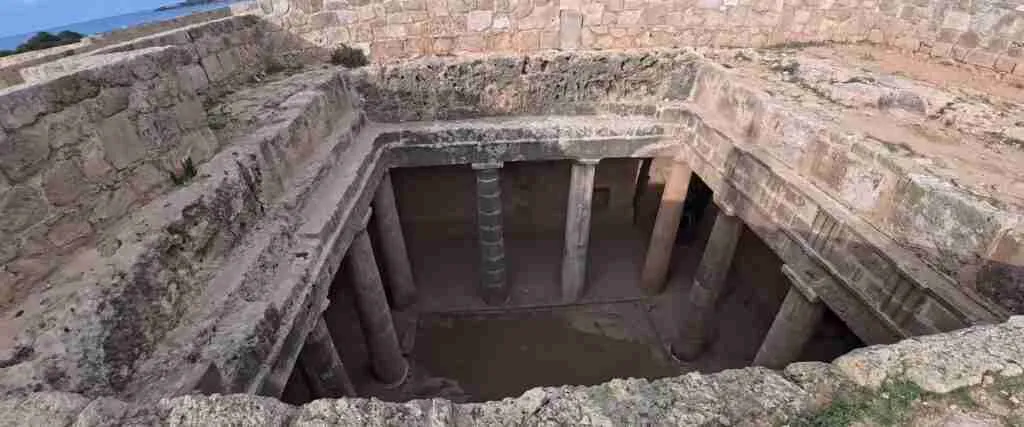
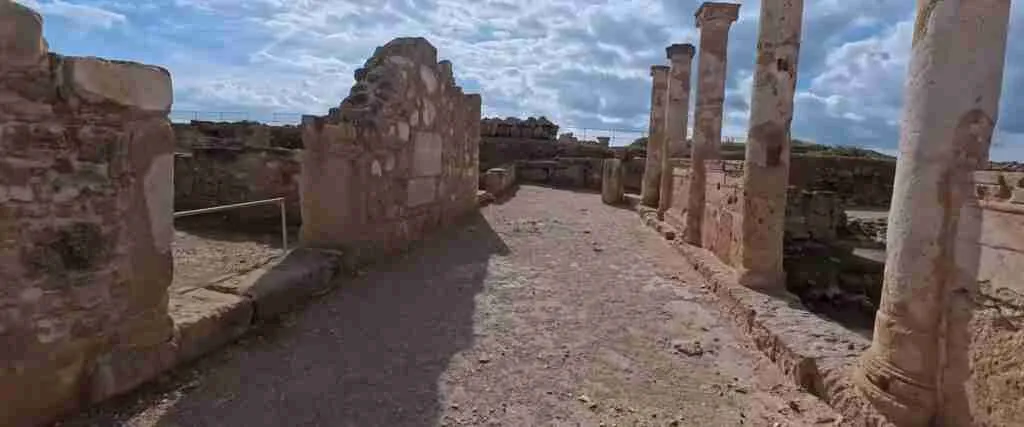
Paphos Archaeological Park walking tours represent the city’s quintessential guided experience, offering intimate exploration of the UNESCO World Heritage site complex where Roman civilization’s artistic and architectural achievements survive in extraordinary preservation states. The park encompasses roughly 80 hectares of interconnected archaeological zones including the Houses of Dionysus, Aion, Orpheus, and Theseus — aristocratic Roman villas featuring intricate mosaic floors depicting mythological scenes with artistic sophistication rivaling anything excavated from Pompeii or Herculaneum. These mosaics, created using thousands of tiny colored tesserae arranged in complex geometric and figurative patterns, provide visual narratives of classical mythology that guided tours decode through expert commentary connecting imagery to ancient literature, religious symbolism, and Roman cultural values.
Self-guided archaeological exploration costs €5 entrance to Paphos Archaeological Park in 2026, providing unlimited time to wander at personal pace through the ancient villa complexes, theater, agora, and fortress ruins. The park provides multilingual signage at major points of interest, and a smartphone app downloadable for free offers audio commentary in English, German, French, Russian, and Greek covering approximately 30 designated stops throughout the site. This independent approach suits travelers preferring solitary contemplation of archaeological remains without group tour scheduling constraints, those with deep personal knowledge of Roman history requiring minimal interpretive guidance, and budget-conscious visitors minimizing expenses. However, the vast majority of casual visitors find the site’s complexity overwhelming without expert interpretation — distinguishing between Hellenistic, Roman, and Byzantine construction periods, understanding the architectural significance of particular column arrangements, or recognizing the mythological narratives depicted in mosaic panels requires specialized knowledge rarely possessed by general tourists.
Guided walking tours transform this superficial observation into comprehensive cultural education. Small-group archaeological tours led by licensed guides cost €35-50 per person in 2026, typically including park entrance fees, 2.5-3 hours of structured exploration, and expert commentary from guides holding university degrees in classical archaeology, ancient history, or related fields. These tours follow carefully designed routes maximizing exposure to the park’s premier attractions while providing historical context impossible to glean from signage alone. A quality archaeological guide explains the social stratification visible in villa floor plans where elaborate mosaic decoration concentrated in reception rooms designed to impress visitors while utilitarian spaces received basic functional treatment, discusses the technical processes of mosaic creation including how artisans selected specific stone colors and cut tesserae to achieve desired visual effects, and connects individual mythological scenes to broader patterns in Roman religious practice and cultural identity.
Premium private walking tours cost €120-180 for groups up to four people, offering personalized itineraries adjusted to specific interests, flexible pacing accommodating photography needs or extended contemplation of particular features, and opportunities for detailed questions beyond what large group dynamics permit. These private experiences particularly benefit serious archaeology enthusiasts, academic travelers conducting research, and families with children requiring age-appropriate explanations and frequent breaks incompatible with standard group tour schedules. The per-person cost advantage emerges for couples or small friend groups — two people paying €90 each for private guidance versus €40 each for group tours represents reasonable premium for personalized attention and schedule flexibility.
The Cyprus Tourism Board operates free guided walking tours of upper Paphos (not the Archaeological Park) departing Thursdays at 9:15 AM from designated meeting points, requiring advance online reservation through the official Cyprus Tourism website. These government-sponsored 2.5-hour walks explore the less-touristed sections of Paphos including the old fruit market, Ottoman-era Ayia Sofias Mosque, Khan of Imbrahim caravanserai, former electricity power plant, Markideio municipal theater, and neoclassical architecture in town hall square. While these free tours don’t include the premier Roman archaeological sites requiring separate paid admission, they provide valuable cultural context about daily Cypriot life, Ottoman colonial legacy, British administration periods, and contemporary urban development patterns that paid archaeological tours largely ignore. The free tour model serves budget travelers, those seeking authentic local perspectives beyond tourist-zone archaeology, and visitors with multiple days in Paphos allowing combination of free walking experiences with separate paid Archaeological Park visits.
Tour timing significantly affects comfort and site conditions. Summer months (June-August) bring intense heat with midday temperatures exceeding 35°C and virtually no shade protection across the Archaeological Park’s exposed ancient ruins. Morning tours departing 8:00-9:00 AM capture optimal light for mosaic photography while avoiding peak heat, though travelers must arrange early hotel departures and forego leisurely breakfast schedules. Late afternoon tours beginning 4:00-5:00 PM avoid midday intensity but face fading light conditions that diminish mosaic visibility and photography quality as tours conclude near sunset. Spring (April-May) and autumn (September-October) provide ideal walking conditions with moderate temperatures (18-25°C), comfortable humidity levels, and extended daylight hours allowing flexible departure times without weather concerns. Winter months (November-March) offer solitude from reduced tourist crowds and pleasant cool temperatures, though occasional rain and shorter daylight hours (sunset by 5:30 PM) require morning departures ensuring adequate exploration time before darkness.
Crowd management influences experience quality substantially. High season (July-August) brings cruise ship day-trippers flooding the Archaeological Park between 10:00 AM and 4:00 PM, creating congestion at premier mosaic houses where groups of 30-40 people simultaneously attempt to view the same floor panels, overwhelming the intimate contemplative atmosphere these artworks deserve. Small-group tour operators limit participation to 8-12 people maximum, ensuring every participant hears guide commentary clearly, maintains proximity to mosaics for detailed observation, and moves efficiently between sites without waiting for larger groups to clear viewing areas. Shoulder season months (April-May, September-October) dramatically reduce crowds while maintaining excellent weather, creating optimal conditions for archaeological exploration without high-season congestion or guide attention dilution across unwieldy group sizes.
Beyond the Archaeological Park, comprehensive walking routes incorporate additional Paphos UNESCO sites including Tombs of the Kings, Agia Kyriaki Chrysopolitissa basilica with St. Paul’s Pillar, and Paphos Castle. Extended walking tours covering these dispersed locations typically run 4-5 hours, cost €55-75 per person including all entrance fees, and require moderate fitness levels given cumulative walking distances of 5-7 kilometers with minimal rest periods. These comprehensive packages suit first-time Paphos visitors with limited vacation days requiring efficient site coverage, cruise passengers with 6-8 hour port calls needing structured time management, and travelers preferring single consolidated tours over multiple separate excursions. However, the extended duration and brisk pacing often sacrifice depth for breadth — spending 30-40 minutes at each location provides surface-level exposure but prevents the contemplative appreciation that 90-120 minutes at a single extraordinary site like the Archaeological Park enables.
Photography considerations influence walking tour selection. Self-guided visits allow unlimited time positioning tripods, waiting for optimal natural light, and experimenting with different angles and compositions that group tour schedules cannot accommodate. However, photographing mosaic floors requires understanding technical challenges including glare from protective glass covers, proper white balance settings compensating for indoor museum lighting or outdoor sunlight, and compositional approaches that capture both overall pattern coherence and individual tesserae detail. Professional photography walking tours specifically designed for serious photographers cost €85-120 per person, departing at golden hour times for optimal light, limiting group sizes to 4-6 participants preventing photographic interference, and featuring guides with photographic expertise providing technical advice alongside archaeological context.
Accessibility varies across archaeological sites. The Archaeological Park’s open-air nature and uneven ancient paving creates challenges for wheelchair users or those with limited mobility, though designated accessible routes cover approximately 60% of major attractions with assistance. Tour operators should be contacted in advance to discuss specific mobility requirements and determine whether particular routes accommodate individual needs. Some premium operators offer customized accessible tours with vehicle transportation between sites minimizing walking distances, though these specialized services require significant advance booking and cost premiums of 40-60% over standard tours.
Booking strategies balance advance reservation security with flexible last-minute opportunities. Popular small-group operators with strong TripAdvisor ratings and limited daily tour slots fill 3-5 days ahead during high season, requiring advance online booking through operator websites or aggregator platforms. However, larger bus-based tours with 20-30 participant capacity typically accept same-day or next-day bookings even in peak periods, sacrificing intimate group dynamics for scheduling flexibility. Direct operator bookings avoid 15-20% platform commission fees, create opportunities for customization discussions, and sometimes yield modest discounts for cash payment or multi-tour packages. Platform bookings provide consolidated review access, instant confirmation, and cancellation flexibility through third-party customer service, valuable for travelers prioritizing convenience over marginal cost savings.
Paphos Wine Tours and Troodos Mountains Vineyards 2026
Cyprus wine culture spans 6,000 years from Bronze Age production through medieval Commandaria sweet wine that medieval European nobility prized to contemporary boutique wineries reviving indigenous grape varieties like Xynisteri, Maratheftiko, and Yiannoudi that phylloxera never destroyed given Cyprus’s geographical isolation. Paphos region and nearby Troodos Mountains concentrate the island’s premier wine estates, making guided wine tours essential experiences for understanding Cyprus’s viticulture renaissance combining ancient traditions with modern winemaking technology. These tours provide access to family-owned wineries rarely open to drop-in visitors, professional tastings led by sommeliers or winemakers explaining terroir influences and production methods, and scenic mountain drives through villages where grape cultivation remains economic foundations unchanged for centuries.
Half-day wine tours visiting two to three Paphos region wineries cost €55-75 per person in 2026 (check official operator websites for current rates as pricing updates seasonally), typically departing 9:00 AM or 2:00 PM and running 4-5 hours including round-trip hotel transportation, guided tastings of 5-8 wines per winery totaling 15-20 different wines, light refreshments or snacks accompanying tastings, and expert guide commentary about Cyprus wine history and indigenous varietals. These introductory experiences suit travelers with limited time, those testing wine tour interest before committing to full-day excursions, and visitors primarily focused on archaeological or beach activities seeking brief wine country exposure without sacrificing entire days. The half-day format concentrates on lower-elevation Paphos district wineries accessible within 30-40 minute drives from coastal hotels, visiting established producers like Tsangarides Winery with mountain overlook terraces, Vasilikon Winery known for Xynisteri white wines, and family operations like Fikardos where owners personally conduct tastings describing generational winemaking traditions.
Full-day Troodos Mountains wine tours cost €85-110 per person including lunch, visiting three to four wineries across higher-elevation appellations where temperature moderation from altitude creates optimal conditions for aromatic white wine production and elegant red wines avoiding Mediterranean heat stress. These comprehensive experiences depart 8:30-9:00 AM, conclude 5:00-6:00 PM, and incorporate scenic drives through mountain villages like Omodos with cobblestone squares and medieval monasteries, stops at Chrysoroyiatissa Monastery which operates its own winery continuing Byzantine monastic viticulture traditions, and traditional taverna meze lunches pairing local dishes with regional wines. The extended format allows leisurely tasting sessions without rushed transitions between wineries, opportunities for winery tours observing fermentation tanks and barrel aging cellars, and conversations with winemakers explaining technical decisions about harvest timing, fermentation temperatures, and oak versus stainless steel aging choices influencing final wine character.
Premium boutique wine tours limited to 6-8 participants cost €95-120 per person, offering intimate experiences with guaranteed guide attention, access to limited-production wines unavailable in standard tastings, and flexibility for extended time at particularly interesting wineries based on group interests. These small-group formats attract serious wine enthusiasts, professionals in wine industry sectors, and travelers prioritizing quality over quantity where tasting 12-15 carefully selected wines with comprehensive commentary surpasses rushing through 20+ wines with superficial descriptions. Boutique operators like Cyprus Taste Tours emphasize local food pairings beyond basic crackers and cheese, incorporating traditional Cypriot sweets like loukoumia, village bread with olive oil and herbs, and seasonal fruits that enhance wine flavor profiles while providing cultural context about Cypriot culinary traditions.
Multi-day comprehensive wine packages represent the premium tier of Cyprus wine tourism. Tim Syrad Wine Tours operates five-day programs priced at €1,550 per person in 2026 covering key grape-growing areas across PDO Krasochoria, PDO Laona Akama, PDO Vouni Panagias-Ampelitis appellations, and PGI regions around Limassol and Paphos. These immersive experiences include four nights four-star accommodation in Limassol with breakfast, three lunches and one dinner at carefully selected restaurants with wine pairings, visits to six renowned estates meeting owners and winemakers, professional wine guide services throughout, and ground transportation handling all logistics. The multi-day format allows deeper exploration of Cyprus wine regions than day trips permit, building knowledge progressively from introductory estate visits through technical winemaking discussions to blind tastings applying developed palate discrimination skills. However, the significant cost and time commitment suit dedicated wine enthusiasts rather than casual travelers seeking brief wine country exposure.
Independent winery visits without organized tours provide budget alternatives for travelers with rental cars and confidence navigating rural mountain roads. Most Cyprus wineries welcome walk-in visitors for tastings costing €10-15 per person without advance reservation, providing opportunities to design custom routes visiting personally preferred producers. However, this independence sacrifices expert guide commentary about regional viticulture, eliminates transportation concerns including designated driver requirements, and loses access to winery relationships that tour operators cultivate enabling behind-scenes access and winemaker interactions unavailable to casual drop-in visitors. The cost comparison favors independent visits for couples or small groups — two people paying €15 each for three winery tastings (€90 total) plus fuel costs saves substantially versus €140-160 for guided half-day tours, though the experiential quality difference often justifies guided tour premiums.
Seasonal timing significantly affects wine tour experiences. Harvest season (late August through September) provides unique opportunities to observe grape picking, crushing operations, and initial fermentation stages while tasting fresh grape must alongside finished wines from previous vintages, creating educational comparisons between raw materials and final products. Spring months (April-May) showcase flowering vineyards with vibrant green hillsides and moderate temperatures ideal for outdoor tastings on winery terraces, while autumn (October-November) brings colorful foliage and post-harvest tranquility when winemakers have more availability for extended conversations with visitors. Winter months (December-February) offer the lowest tourist crowds and potential pricing discounts but reveal dormant vineyards lacking visual appeal and occasional winery closures or reduced hours requiring advance confirmation of operations.
Wine knowledge prerequisites vary across tour types. Introductory half-day tours assume no prior wine expertise, providing basic education about grape varieties, fermentation processes, and tasting methodology accessible to complete beginners. Advanced tours marketed to wine enthusiasts expect familiarity with fundamental viticulture concepts, varietal characteristics, and tasting vocabulary enabling discussions about malolactic fermentation, phenolic ripeness, and oak regime impacts on wine structure. Honest self-assessment of knowledge levels during booking prevents frustration from tours either too elementary for experienced wine collectors or too technical for casual drinkers seeking pleasant social experiences rather than oenological education.
Transportation logistics affect wine tour value substantially. Troodos Mountains roads feature steep grades, sharp curves, and occasional narrow sections requiring confident driving skills that many international tourists lack, particularly when combined with unfamiliarity with left-side driving (Cyprus follows UK road conventions). Organized tours eliminate these navigation and driving stress factors while providing designated transportation avoiding drinking-and-driving concerns that independent winery visits create. The round-trip hotel pickup and drop-off included in most tour packages adds convenience value beyond the wine tasting components, particularly for travelers staying in scattered Paphos accommodation areas requiring private vehicle access to departure points.
Tasting room etiquette and cultural protocols enhance wine tour experiences. Cypriot winemakers often maintain more informal, personal approaches than formal French or Italian wine regions, encouraging casual conversation and questions rather than intimidating wine snobbery. However, basic courtesies including spitting wine into provided receptacles during multi-wine tastings to maintain palate clarity, purchasing at least one bottle per person when visiting smaller family wineries without tasting fees, and avoiding excessive cologne or perfume that interferes with wine aromatic assessment demonstrate respect for winemaking craft and local hospitality traditions. Quality tour operators provide these cultural briefings ensuring participants understand appropriate behavior and maximize mutual enjoyment between guests and hosts.
Booking considerations balance operator selection, pricing transparency, and cancellation flexibility. Direct winery bookings through estate websites occasionally offer lower per-person costs than multi-winery tour packages but require coordinating separate reservations at each location, arranging private transportation, and foregoing guide commentary connecting individual experiences into coherent regional understanding. Aggregator platforms like GetYourGuide and Viator provide consolidated review access and flexible cancellation policies but add 15-20% commission costs and sometimes feature generic bus tours lacking the intimate small-group atmosphere that enhances wine tasting. Specialist wine tour operators focusing exclusively on Cyprus wine experiences typically deliver superior value through winery relationships enabling exclusive access, guides with sommelier credentials or viticulture backgrounds, and small group sizes that high-volume operators cannot match at comparable prices.
Aphrodite’s Rock Tours and Coastal Excursions 2026
Petra tou Romiou — known globally as Aphrodite’s Rock — emerges from the Mediterranean Sea as Cyprus’s most photographed natural landmark, a dramatic sea stack formation where Greek mythology places the birth of Aphrodite, goddess of love and beauty, arising from sea foam. Located 15 kilometers southeast of central Paphos along the coastal highway to Limassol, this free-access site combines mythological significance with spectacular coastal scenery drawing hundreds of thousands of annual visitors seeking the legendary beauty blessings that local tradition promises to those swimming around the rock three times. Tour options range from basic public bus transportation costing €1.50 each way through organized half-day coastal excursions incorporating multiple sites to sunset photography tours timed for optimal Mediterranean light.
Independent visits via public transportation represent the budget-friendly approach to experiencing Aphrodite’s Rock. Bus 631 operates regular service between Paphos Harbour and Petra tou Romiou approximately every 1-2 hours (schedules vary seasonally, requiring verification at Paphos bus station or online at Cyprus public transport websites), with journey times of 25-30 minutes each direction. The €1.50 single fare (€3 round-trip) provides access to the site with unlimited stay duration, allowing travelers to spend 30 minutes or 3 hours based on personal preferences without group tour schedule constraints. However, the bus deposits passengers at a roadside stop requiring a short walk through an underpass tunnel reaching the beach area, and limited seating on return journeys during peak periods sometimes necessitates standing for the full return route — minor inconveniences that budget-conscious travelers readily tolerate for the significant cost savings versus organized tours.
Taxi transportation to Aphrodite’s Rock costs €30-40 one-way from central Paphos hotels (check current rates as pricing fluctuates), making round-trip costs of €60-80 for exclusive private vehicle access that accommodates flexible timing and eliminates bus schedule dependencies. Taxi value emerges for small groups — four people splitting €70 round-trip (€18 per person) approaches organized tour pricing while maintaining complete schedule autonomy and avoiding group tour waiting periods at fixed departure times. However, taxis create coordination complexity for return journeys from this remote coastal location lacking reliable taxi availability, requiring pre-arrangement of pickup times that sacrifice the spontaneity of extended stays if the setting captivates beyond anticipated durations. Some travelers negotiate with taxi drivers for multi-hour wait periods at slightly elevated total costs, maintaining private vehicle access throughout the visit.
Organized half-day tours incorporating Aphrodite’s Rock with additional coastal or archaeological sites cost €40-60 per person in 2026, typically running 4-5 hours with round-trip hotel transportation, English-speaking guide commentary, and photo stops at 2-4 locations. Standard itineraries combine Petra tou Romiou with the Tombs of the Kings (€3 entrance), Kourion archaeological site (€5 entrance), and Kolossi Castle (€3 entrance), creating efficient multi-site exposure for travelers with limited vacation days requiring maximum sightseeing density. The organized tour format particularly suits cruise ship passengers with 6-8 hour port calls needing structured time management, first-time Cyprus visitors lacking rental cars or confidence navigating rural roads, and those prioritizing convenience over cost optimization. However, these combination tours typically allocate only 30-40 minutes at Aphrodite’s Rock — adequate for photographs and beach access but insufficient for swimming, extended contemplation of the setting, or leisurely coastal walks that independent visits enable.
Sunset photography tours specifically designed for the dramatic lighting conditions when Mediterranean sun descends toward the western horizon cost €50-75 per person, departing Paphos approximately 2-3 hours before sunset depending on season. These specialized experiences cater to serious photography enthusiasts seeking optimal conditions for landscape imagery, including timing arrival to capture the golden hour illuminating the rock formation, positioning at premium viewpoints for compositional advantage, and remaining through blue hour twilight when residual atmospheric light creates ethereal color palettes. Tour operators catering to photographers typically limit group sizes to 4-6 participants preventing congestion at prime shooting locations and provide guides with photography expertise offering technical advice about exposure settings, compositional approaches, and optimal vantage points for different focal length lenses. However, sunset tours sacrifice daytime swimming opportunities and face weather dependence — overcast conditions diminish the spectacular light displays that justify premium pricing over standard daytime visits.
Full-day comprehensive coastal tours extending beyond Aphrodite’s Rock to encompass broader southwestern Cyprus coastline cost €65-85 per person, incorporating multiple beach stops, scenic coastal viewpoints, and sometimes wine region visits creating diverse experience combinations. These extended excursions suit travelers seeking varied activity types within single tour frameworks, families with children requiring swimming breaks beyond pure sightseeing, and those appreciating professional guides’ local knowledge about hidden coves, optimal swimming conditions, and seasonal considerations affecting beach access. The full-day commitment and higher pricing demand careful evaluation of included stops ensuring alignment with personal interests — tours heavily weighted toward beach time suit sun-and-swimming priorities while those balanced between archaeological sites and coastal scenery serve broader cultural tourism objectives.
The site itself features dual access points — a lower beach area reached via tunnel underpass where most visitors congregate for swimming and close-proximity rock photography, and an upper viewpoint platform along the main coastal highway providing elevated panoramic perspectives ideal for wide-angle landscape composition. Both locations are entirely free with no entrance fees, gating, or time restrictions, enabling 24-hour access though nighttime visits lack safety infrastructure and offer minimal visibility for photography or safe swimming. The beach area provides basic amenities including seasonal lifeguard services during summer months (June-September), outdoor shower facilities (€0.50), and a small refreshment pavilion selling drinks and snacks at typical tourist pricing. However, the site lacks changing rooms, lockers, or equipment rental, requiring advance preparation for swimming activities and secure vehicle storage for valuables during beach time.
Swimming around the rock — the activity that local mythology promises will bestow eternal beauty, love, and fertility — faces seasonal and skill-level constraints. Summer months (June-September) provide the calmest sea conditions with water temperatures reaching 25-27°C and moderate wave action that confident swimmers easily navigate. However, even in ideal summer conditions, the Mediterranean current patterns and rocky seafloor require above-average swimming ability, particularly for completing the traditional three circuits around the rock formation. Spring and autumn months bring cooler water (18-22°C) and increased wave volatility that only strong swimmers should attempt, while winter conditions (November-March) create rough seas that local authorities actively discourage swimming in through posted warning signs and lifeguard advisories. The mythological tradition attracts numerous visitors who overestimate their swimming capabilities relative to actual ocean conditions, creating occasional rescue situations that highlight the importance of honest self-assessment before entering the water.
Photography timing follows predictable patterns based on light quality and crowd density. Sunrise visits (requiring private transportation given no early bus service) offer spectacular eastern light illuminating the rock from advantageous angles with virtually zero tourist congestion — conditions that landscape photographers highly prize. Midday visits (10:00 AM – 3:00 PM) face harsh overhead sunlight creating strong shadows and washed-out colors that challenge quality photography, combined with maximum tourist crowds from organized tour buses creating human congestion in photographs and competition for premium viewpoints. Golden hour approximately one hour before sunset provides the most dramatic lighting conditions as warm-toned sunlight casts long shadows and illuminates the rock formation against darkening eastern skies, attracting substantial photographer presence but manageable crowds compared to midday chaos. Weather variability influences results significantly — partly cloudy conditions often create more dynamic skies than perfectly clear days, while overcast conditions provide soft even light preferred for certain compositional approaches despite lacking the spectacular color displays of golden hour clear-sky sunsets.
Cultural and mythological context enhances appreciation beyond mere scenic beauty. Quality tour guides explain the dual naming conventions — Petra tou Romiou references Byzantine warrior Digenis Akritas who legend credits with hurling massive rocks from Troodos Mountains to repel Saracen invaders, while Aphrodite’s Rock connects to classical mythology describing the goddess’s birth from sea foam created when Uranus’s severed genitals were cast into the ocean by his son Cronus. Understanding these layered narratives transforms the site from simple photo opportunity into window on Cyprus’s rich mythological heritage and the enduring human impulse to connect landscape features with divine or heroic events. Self-guided visitors miss this cultural depth unless they conduct advance research through guidebooks or academic sources, while guided tours provide immediate interpretive frameworks that deepen engagement with the setting.
Booking strategies prioritize flexibility given the site’s free public access and straightforward logistics. Last-minute decisions work well for independent bus or taxi visits — weather checking on the morning of visit ensures optimal conditions before committing to the journey. Organized tours benefit from advance booking during high season (July-August) when popular operators fill days ahead, though shoulder season (April-June, September-October) typically offers same-day availability even for small-group tours. The lack of admission fees eliminates advance ticket purchase requirements, and the open coastal setting without capacity restrictions means no risk of site closure from overcrowding unlike indoor museums with visitor caps. This accessibility makes Aphrodite’s Rock ideal for spontaneous itinerary adjustments based on weather forecasts, energy levels, or schedule disruptions affecting more rigidly planned activities.
Combination Tours: Archaeological Sites and Coastal Highlights 2026
Multi-site combination tours maximize regional exposure within single day frameworks, pairing Paphos’s premier archaeological attractions with coastal natural landmarks like Aphrodite’s Rock, creating comprehensive Cyprus introductions particularly valuable for cruise passengers and short-stay visitors. Full-day combination packages typically cost €65-85 per person including round-trip hotel transportation, English-speaking guide services, and organized itineraries visiting 4-6 distinct locations. Standard routes incorporate Paphos Archaeological Park (€5 entrance), Tombs of the Kings (€3 entrance), Aphrodite’s Rock (free), Kourion archaeological site (€5 entrance), and sometimes Kolossi Castle (€3 entrance) or coastal viewpoints, totaling €15-20 in combined admission fees that tour packages usually include in headline pricing though travelers should verify inclusions during booking to avoid unexpected additional costs.
The efficiency advantages of combination tours emerge clearly when calculating independent visit logistics. Reaching Kourion (50 kilometers east of Paphos) and Aphrodite’s Rock (15 kilometers southeast) by public transportation requires multiple bus transfers, consumes 3-4 hours in transit time beyond actual site visits, and faces irregular schedule limitations restricting departure and return timing flexibility. Rental car access solves transportation challenges but adds daily vehicle costs (€35-50), fuel expenses (€10-15 for a full-day circuit), parking fees at some sites, and navigation complexity following unfamiliar rural routes while managing left-side driving conventions that North American and continental European visitors find challenging. Against these independent visit costs and complications, organized tours at €65-85 per person for couples (€130-170 total) deliver reasonable value particularly when factoring guide commentary, stress-free logistics, and time efficiency that maximizes site exposure within constrained vacation schedules.
However, combination tour compromises deserve recognition. The multi-site format allocates limited time at each location — typically 45-60 minutes at major archaeological sites and 30-40 minutes at coastal stops like Aphrodite’s Rock. This brisk pacing enables broad geographical coverage but prevents deep engagement with individual locations that extended stays facilitate. Travelers fascinated by Roman mosaics find themselves pulled away from Paphos Archaeological Park while still discovering new details, while those captivated by Aphrodite’s Rock coastal setting must depart before fully experiencing the environment through extended beach time or multiple swimming circuits around the rock formation. The scheduling inflexibility inherent to group tours means early arrivals at less interesting stops cannot abbreviate time there to extend visits at personally preferred locations — the itinerary proceeds on fixed schedules regardless of individual enthusiasm distributions.
Small-group versus large-bus tour distinctions significantly impact experience quality. Premium small-group operators limiting participation to 8-12 people cost €75-95 per person, offering intimate atmospheres where every participant hears guide commentary clearly, moves efficiently between vehicles and sites without waiting for 30-person groups to assemble, and enjoys opportunities for personalized questions and interactions with guides. Large bus tours accommodating 25-40 participants cost €50-65 per person, delivering cost advantages through economy-of-scale operations but sacrificing guide accessibility, creating vehicle boarding/exiting delays that consume precious site time, and fostering impersonal group dynamics where individual traveler needs and interests get subsumed into majority preferences. The €20-30 per-person premium for small-group experiences represents worthwhile investment for most travelers valuing quality over marginal cost savings.
Lunch inclusion variations affect both pricing and scheduling. Tours quoting lower headline prices often exclude midday meals, providing 60-90 minute lunch breaks at coastal tavernas or Kourion village restaurants where participants purchase meals independently at €15-25 per person for typical meze platters or grilled fish dishes. This approach offers dining flexibility and variety choice but extends total tour duration by 30-45 minutes given individual ordering, service, and payment processes. All-inclusive tours incorporating set-menu taverna lunches cost €15-25 additional per person, streamlining the midday break with pre-arranged group meals served efficiently, though menu selections typically feature tourist-oriented standards rather than the authentic local specialties that independent restaurant research might uncover. Vegetarians, vegans, and those with dietary restrictions should communicate requirements during booking as standard tour lunches heavily emphasize grilled meats, fresh seafood, and dairy-rich meze preparations.
Seasonal timing recommendations mirror those for individual tour categories — spring (April-May) and autumn (September-October) provide optimal temperature conditions (20-27°C) for comfortable outdoor archaeological exploration combined with beach stops, minimal tourist congestion at major sites, and reliable weather stability. Summer months (June-August) demand early departures (7:00-8:00 AM) to complete archaeological site visits before midday heat exceeds 35°C, with afternoon segments focusing on coastal locations offering swimming opportunities for heat relief. Winter months (November-March) suit budget-conscious travelers accepting shorter daylight hours and occasional rain probabilities in exchange for dramatic pricing discounts (30-40% below peak season rates) and near-exclusive access to archaeological sites absent summer crowds.
Photography considerations within combination tour frameworks create frustrations for serious photographers. The fixed schedules provide minimal flexibility for waiting for optimal light conditions, repositioning for different angles, or capturing sites from multiple perspectives that quality landscape or architectural photography requires. Tour departures timed for operational efficiency rather than photographic opportunities often place groups at key locations during harsh midday light when shadows and contrast exceed camera dynamic range capabilities. Dedicated photography tours addressing these concerns cost €95-125 per person, featuring smaller group sizes (4-6 participants), departure times aligned with golden hour lighting, extended site allocations allowing proper compositional development, and guides offering technical photography advice alongside standard historical commentary. However, these specialized tours sacrifice geographical breadth for photographic depth, typically visiting 2-3 locations rather than the 5-6 sites that standard combination tours cover.
Accessibility varies significantly across combination tour itineraries. Kourion’s amphitheater features steep ancient stone stairs and uneven surfaces challenging for wheelchair users or those with limited mobility, while Aphrodite’s Rock beach access requires descending through an underpass tunnel with moderate inclines. Paphos Archaeological Park offers designated accessible routes covering approximately 60% of major attractions with assistance, though complete site coverage requires navigating rough ancient paving and occasional stairs. Tour operators should receive advance notification of mobility requirements enabling route adjustments or alternative site selections accommodating accessibility needs, though these customizations often necessitate private tour bookings at premium pricing rather than standard small-group departures following fixed itineraries.
Booking timing follows general tour reservation patterns — high season (July-August) demands 5-7 days advance booking for popular small-group operators with limited daily capacity, while shoulder seasons (April-June, September-October) typically accept bookings 2-3 days ahead without sellout concerns. Large bus tours maintain same-day or next-day availability even during peak periods given higher participant capacities, though quality operators with strong TripAdvisor ratings still fill ahead during July-August requiring at least 24-48 hours advance reservation. Platform versus direct booking tradeoffs remain consistent with other tour categories — aggregator sites like GetYourGuide and Viator provide review access and flexible cancellation but add 15-20% commission costs, while direct operator bookings save these fees and sometimes enable cash payment discounts or customization discussions unavailable through third-party platforms.
Specialized Adventure and Nature Tours 2026
Beyond standard archaeological walking tours and coastal excursions, Paphos offers specialized adventure experiences targeting active travelers seeking outdoor recreation combined with natural environment immersion. Akamas Peninsula National Park, located 30 kilometers northwest of Paphos, provides Cyprus’s premier wilderness area where rugged coastline, sea caves, gorge hiking, and protected turtle nesting beaches create diverse adventure tour possibilities. These specialized experiences attract demographics underserved by conventional cultural tourism — active couples, adventure-seeking solo travelers, families with older children, and those for whom Cyprus beach resorts and ancient ruins represent only partial vacation appeal.
4×4 jeep safaris to Akamas Peninsula cost €65-85 per person for full-day excursions departing 8:00-9:00 AM and concluding 5:00-6:00 PM. These off-road adventures utilize Land Rover Defenders or similar vehicles capable of navigating unpaved mountain tracks, rocky coastal paths, and seasonal stream crossings that standard rental cars cannot safely attempt. Typical itineraries include Avakas Gorge hiking (moderate difficulty, 45-60 minutes), Lara Bay turtle conservation station visits observing protected loggerhead and green sea turtle nesting sites, Blue Lagoon swimming stops featuring crystal-clear turquoise waters ideal for snorkeling, and sea cave explorations along dramatic coastal formations carved by millennia of wave action. The tour format appeals to nature enthusiasts, wildlife photography interests, and travelers seeking active outdoor engagement versus passive sightseeing — though the full-day commitment and rugged activity profile poorly suits very young children, elderly travelers with mobility limitations, or those prioritizing comfort over adventure.
Boat excursions to Blue Lagoon and Akamas coast cost €45-55 per person for half-day departures typically running 9:00 AM-1:00 PM or 2:00-6:00 PM. These marine-based tours depart from Paphos Harbour or Coral Bay, featuring purpose-built excursion vessels accommodating 25-60 passengers with covered seating areas, onboard toilet facilities, and swimming platforms facilitating easy water access. The routes follow Paphos coastline northwest toward Akamas Peninsula, stopping at multiple swimming locations including Blue Lagoon’s shallow protected waters popular with families, sea caves accessible only by boat offering unique geological formations and dramatic coastal perspectives, and sometimes Lara Bay turtle areas (seasonal access restrictions apply during peak nesting periods May-August). Most tours include open bar service offering unlimited soft drinks, beer, and wine throughout the voyage, though quality varies substantially — budget operators pour lowest-tier bulk wines while premium boats serve recognizable branded products worth the modest €10-15 per-person surcharge.
Diving and snorkeling experiences targeting underwater exploration cost €55-75 for introductory dives with full equipment and instruction, €35-45 for snorkel-only excursions to premier reef locations. Cyprus waters feature clear visibility (15-30 meters typical), moderate temperatures (18-27°C seasonally), and diverse Mediterranean marine life including octopi, moray eels, grouper, and occasional sea turtles. Paphos dive operators offer PADI certification courses, guided shore dives at accessible sites like Coral Bay reef, and boat-based excursions reaching offshore wrecks and deeper wall formations. The underwater archaeology dimension adds unique Cyprus diving appeal — several ancient shipwreck sites feature visible amphora scattered across seafloor from classical and Roman trading vessels, creating historical context absent from standard tropical reef diving. However, Cyprus diving lacks the massive fish schools, colorful soft corals, and whale shark encounters that Red Sea or Indo-Pacific destinations offer, positioning it as quality Mediterranean diving rather than world-class destination diving.
Mountain biking tours through Troodos foothills and coastal trails cost €60-80 per person for guided full-day excursions including bike rental, helmet and safety equipment, support vehicle carrying supplies, and experienced guide leading routes matched to group fitness levels. These cycling adventures particularly appeal to active travelers who find walking tour pacing too slow and jeep safari riding too passive, seeking cardiovascular challenge combined with landscape immersion that vehicle-based tours cannot replicate. Route options range from moderate coastal paths suitable for recreational cyclists through challenging mountain ascents demanding strong fitness and technical bike handling skills. The specialized nature of cycling tours creates smaller participant pools and less frequent departures — many operators require minimum group sizes (4-6 people) and operate scheduled tours only weekly during shoulder seasons, though private custom departures accommodate flexible scheduling at premium costs.
Rock climbing and canyoning experiences in Troodos Mountains gorges cost €85-110 per person for full-day guided technical activities including all specialized equipment (harnesses, ropes, helmets, wetsuits for water-based canyoning), professional instruction, and safety management. These adrenaline-oriented adventures target experienced outdoor enthusiasts familiar with similar activities in home locations, though beginners with strong fitness and no fear of heights can participate in entry-level routes under close instructor supervision. The activity intensity and inherent risk factors create strict age minimums (typically 14-16 years), fitness requirements that operators screen through pre-booking questionnaires, and comprehensive liability waivers addressing injury possibilities. Adventure tour participants should maintain realistic expectations about technical difficulty — Cyprus routes provide genuine outdoor challenge but lack the scale of Alps climbing or Dolomites via ferrata, positioning them as quality regional experiences rather than bucket-list destination activities.
Horseback riding through coastal trails and rural villages costs €50-70 for 2-3 hour guided rides accommodating all experience levels from first-time riders through advanced equestrians. Cyprus horses — a distinct breed descended from ancient stock — offer gentle temperaments suitable for nervous beginners while maintaining spirit that experienced riders appreciate. Routes traverse beach areas where galloping along surf becomes possible for confident riders, agricultural valleys showcasing traditional farming practices, and village outskirts where local interactions add cultural dimension to nature experiences. The horseback format particularly appeals to families with children aged 8+ who find walking tours boring and are too young for technical adventure activities, couples seeking romantic sunset beach rides, and animal enthusiasts for whom horse connection motivates vacation activity choices.
Seasonal considerations affect adventure tour availability and conditions significantly. Summer heat (June-August) makes strenuous hiking, mountain biking, and climbing uncomfortable during midday hours, pushing activity timing to early mornings or late afternoons with associated schedule constraints. However, summer provides optimal swimming and snorkeling conditions with warmest water temperatures, calmest seas for boat excursions, and longest daylight hours maximizing activity time. Spring (April-May) offers wildflower displays enhancing hiking aesthetics, moderate temperatures ideal for strenuous activities, and seasonal waterfalls in gorge systems that summer drought dries completely. Autumn (September-October) combines lingering warm water temperatures with diminished tourist crowds and pleasant hiking weather. Winter (November-March) brings occasional rain disrupting outdoor plans, cooler water deterring extended swimming, and rougher seas sometimes canceling boat departures, though dramatically reduced pricing (30-50% discounts) attracts budget-focused adventurers accepting weather gambles.
Safety protocols and insurance coverage deserve careful attention for adventure activities carrying inherent injury risks. Reputable operators maintain comprehensive liability insurance, employ guides with recognized safety certifications (wilderness first responder, rescue diver, climbing instructor credentials), and provide quality maintained equipment meeting European safety standards. However, participants bear responsibility for honest self-assessment of fitness levels and technical abilities — overestimating capabilities creates dangerous situations for individuals and entire groups. Activity-specific travel insurance covering adventure sports becomes essential as standard policies often exclude rock climbing, mountain biking, and similar activities from medical expense coverage. Reading policy fine print and purchasing appropriate adventure sports riders prevents claim denials following accidents requiring expensive medical evacuations or extended hospital treatment.
Booking strategies for adventure tours require longer advance planning than standard sightseeing given smaller participant pools and technical preparation requirements. Popular operators with strong safety reputations fill 7-14 days ahead during high season, while shoulder periods still require 3-5 days notice ensuring guide availability and minimum participant thresholds. Direct operator contact enables detailed ability discussions, equipment sizing arrangements, and specific route customization addressing individual group capabilities — conversations difficult or impossible through aggregator platform bookings. Adventure tour pricing typically excludes platform commissions given specialized nature and smaller participant volumes making third-party distribution economically unattractive, creating direct booking necessity regardless of preference for platform convenience.
Private Custom Tours and Luxury Experiences 2026
Private custom tours represent the premium tier of Paphos tourism, offering personalized itineraries designed around individual interests, exclusive guide attention, flexible timing accommodating personal preferences, and luxury vehicle transportation elevating comfort beyond standard tour minibuses. These bespoke experiences cost €300-500 for half-day private tours (4-5 hours) accommodating groups up to four people, and €500-800 for full-day excursions (8-10 hours), with pricing scaling based on group size, vehicle category, and specialized guide credentials. While substantially more expensive than small-group tours at €40-80 per person, private tours deliver value for specific demographics — affluent travelers accustomed to personalized service, families with young children requiring flexibility for nap schedules and feeding times, special interest groups seeking deep expertise in particular subjects, and those for whom privacy and exclusivity justify premium investments.
The customization flexibility distinguishes private tours from fixed-itinerary group departures. Interested primarily in Byzantine religious architecture? The guide designs routes emphasizing monastery frescoes and early Christian basilicas rather than Roman mosaics. Passionate about indigenous Cypriot wine varieties but indifferent to archaeological sites? The day focuses exclusively on boutique wineries producing Maratheftiko and Yiannoudi with no time wasted on ruins. Photography enthusiast requiring golden hour timing at specific locations? Departure schedules align with optimal light rather than operational convenience. This bespoke approach particularly benefits travelers with previous Cyprus visits who’ve completed standard tourist circuits and seek deeper explorations of niche interests that group tours’ broad-appeal programming cannot accommodate.
Vehicle quality varies from standard air-conditioned sedans and minivans through luxury Mercedes V-Class vans offering premium leather seating and enhanced comfort to exotic vehicles like convertible sports cars for couples seeking memorable transportation experiences as integral to the tour as destinations visited. The luxury vehicle premium typically adds €100-150 to base tour costs but delivers tangible comfort improvements on long-distance Troodos Mountains routes where standard vehicles’ basic suspension systems transmit every bump directly to passengers. For older travelers with back problems, pregnant women requiring additional comfort, or those simply accustomed to luxury transportation, the upgrade represents worthwhile investment preventing physical discomfort from detracting from cultural experiences.
Guide expertise levels significantly impact private tour value. Standard private tours utilize general tourism guides with broad Cyprus knowledge sufficient for mainstream archaeological and cultural interpretation. However, specialized guides holding advanced degrees in specific fields — classical archaeology PhDs, professional sommeliers, ornithologists, botanical experts, architectural historians — command premium rates (€150-250 additional per day) but transform tours into educational seminars rivaling university extension courses in intellectual depth. A classical archaeology specialist discussing Paphos mosaics provides scholarly analysis of artistic influences, dating methodologies, conservation techniques, and historical context that general guides cannot match. A sommelier-guided wine tour offers technical explanations of fermentation chemistry, barrel aging regimes, and blending decisions that transcend the basic varietal descriptions standard wine tours provide. Matching guide expertise to personal interest areas maximizes the educational value that justifies private tour premiums.
Multi-day private itineraries ranging 3-7 days cost €1,200-3,500 depending on daily programming intensity, accommodation category, and inclusions breadth. These extended private experiences suit destination weddings guests seeking comprehensive Cyprus exploration, milestone celebrations (anniversaries, significant birthdays) where vacation quality transcends cost concerns, and affluent travelers for whom personalized attention and luxury amenities define acceptable travel standards. Sample five-day luxury packages might include two days archaeological focus with private guide and entry to all major sites, one day wine country exploration visiting premium estates, one day coastal adventure with private yacht charter, one day mountain villages and monastery visits, with evenings featuring private dining experiences at Michelin-quality restaurants, accommodation at five-star properties, and ground transportation via chauffeur-driven luxury vehicles. While pricing reaches stratospheric levels for average travelers, the comprehensive logistics management, exclusive access to typically closed venues, and concierge-level service deliver value proportional to costs for target demographics.
Culinary-focused private tours combine cooking classes at family homes, market visits with chef guidance selecting ingredients, traditional taverna meals with wine pairings, and sometimes olive oil or halloumi cheese production experiences at working farms. These gastronomic explorations cost €350-500 per person for full-day programs, attracting food enthusiasts, culinary professionals seeking regional tradition understanding, and travelers for whom cuisine represents cultural gateway exceeding archaeological sites or museum visits in vacation appeal. The intimate nature of private cooking experiences — preparing meze in a village grandmother’s kitchen, participating in traditional bread baking, learning halloumi cheese stretching techniques from third-generation cheesemakers — creates human connections and authentic cultural insights that standard restaurant meals or commercial cooking schools cannot replicate.
Photography-oriented private tours cater to serious photographers seeking optimal conditions, technical expertise, and access to premier locations during ideal lighting windows. These specialized experiences cost €400-600 for full-day private guide services with professional photographer guides providing technical advice about camera settings, compositional approaches, and location-specific challenges while managing logistics enabling maximum shooting time during golden hours. The itineraries prioritize photographic results over sightseeing breadth — spending 90 minutes at Aphrodite’s Rock exploring different vantage points and waiting for cloud movements that create dynamic skies delivers superior photographic results compared to standard tours’ 30-minute photo stops. Private photography tours particularly benefit professionals building stock portfolios, serious amateurs developing skills, and those for whom quality imagery represents primary vacation objective rather than supplementary documentation.
Accessibility-focused private tours address mobility challenges through customized routes minimizing walking distances, vehicle selections featuring wheelchair lifts or enhanced entry accessibility, and guide training in disability awareness and assistance protocols. These specialized services cost premium rates (€450-650 per day) reflecting additional equipment requirements, guide specialization, and route planning complexity ensuring feasible access to maximum possible sites within mobility constraints. However, for wheelchair users, those with significant ambulatory difficulties, or travelers with visual impairments requiring descriptive guidance, the investment enables Paphos cultural access that standard tours cannot provide and independent travel would find prohibitively challenging.
Booking private tours requires substantial advance planning — 14-21 days minimum during high season for premium operators with limited guide rosters, and 7-10 days during shoulder periods. The detailed customization process involves multiple communication rounds clarifying interests, physical capabilities, budget parameters, and specific requests, creating higher booking friction than clicking “confirm” on platform-displayed group tours. However, this investment in pre-trip planning directly correlates with on-ground satisfaction — private tours designed around actual client interests rather than presumed generic preferences deliver personalized experiences justifying premium investments. Direct operator contact remains essential as few private tour specialists utilize aggregator platforms given high-touch service models incompatible with commission-based third-party distribution, creating necessity rather than option for direct booking regardless of personal preference for platform convenience.
Tour Operator Selection and Quality Assessment 2026
Distinguishing quality tour operators from tourist-trap alternatives requires systematic evaluation across multiple criteria as Cyprus’s tourism industry features wide quality dispersion from professional operations meeting international standards to opportunistic ventures prioritizing profit extraction over customer satisfaction. The proliferation of online booking platforms has democratized tour access but simultaneously complicated quality assessment — aggregator sites display hundreds of options with varying reliability, authenticity, and value propositions that casual review scanning cannot adequately differentiate.
Guide credentials provide the most reliable quality indicator. Licensed tour guides in Cyprus must complete formal training programs, pass government examinations demonstrating historical knowledge and language proficiency, and maintain current certification through periodic renewal requirements. However, enforcement varies and many operators employ unlicensed guides or drivers providing basic commentary without proper qualifications. Quality operators prominently advertise guide credentials on websites and booking materials — phrases like “licensed archaeological guide,” “certified sommelier,” “professional historian” signal legitimate expertise versus generic “experienced guide” descriptions that often mask minimal training. Requesting specific guide qualifications during booking conversations reveals operator transparency and knowledge standards; reluctance to provide credential details raises red flags suggesting substandard guide quality.
Vehicle standards significantly impact comfort and safety. Professional operators maintain modern fleet vehicles (typically 3-5 years old maximum), service them regularly according to manufacturer schedules, and equip them with premium air conditioning systems essential for Cyprus summer heat. Budget operators frequently utilize older vehicles (8-10+ years) with deferred maintenance, inadequate cooling capacity, and worn suspension systems that transmit every road imperfection directly to passengers. Physical inspection before tour departure enables quality assessment — clean interiors, functioning seatbelts for every position, operational air conditioning, and professional driver presentation indicate operational standards prioritizing customer experience. Conversely, dirty vehicles, mismatched seats suggesting replacement after damage, non-functional amenities, and unkempt drivers signal operations cutting corners likely to compromise other service aspects.
Group size maximums directly correlate with experience quality. Premium small-group operators cap participation at 6-8 people, ensuring every participant hears guide commentary without electronic amplification, enabling personalized questions and interactions, and maintaining efficient movement between vehicle and sites without extended waiting periods assembling groups. Standard mid-range tours accommodate 12-16 participants, sacrificing some intimacy for cost efficiency while maintaining manageable group dynamics. Large bus tours hosting 25-40+ people deliver rock-bottom pricing but create impersonal atmospheres where guide attention becomes impossible, boarding/exiting consumes significant time, and slowest participants dictate group pace. Tour descriptions should explicitly state maximum participant numbers; vague language like “small group” without specific caps often masks flexible sizing that operators adjust based on booking volume rather than quality commitments.
Pricing transparency separates honest operators from those utilizing bait-and-switch tactics. Quality tour descriptions explicitly itemize all inclusions (entrance fees, meals, wine tastings, equipment) and exclusions (gratuities, personal expenses, optional activities), enabling accurate cost comparisons across competing offerings. Suspect operators quote attractive headline prices then reveal substantial additional costs during booking or on tour day — €45 tours becoming €70+ after mandatory site admissions, equipment rentals, and lunch additions constitute deceptive marketing that honest operators avoid. Reading complete tour descriptions including fine print, comparing total all-in costs rather than headline figures, and requesting written confirmation of specific inclusions before finalizing bookings prevents these unpleasant surprises.
Cancellation policies reflect operator confidence and customer-service orientation. Flexible policies permitting free cancellation 24-48 hours before departure demonstrate operators’ faith in service quality and accommodation of travel uncertainties including weather, illness, or itinerary changes. Strict no-refund or high-percentage penalties (50%+) for cancellations more than 7 days ahead often signal operations with weak demand fearing revenue loss from customer flexibility. Reputable operators balance legitimate need to protect against last-minute cancellations with reasonable acknowledgment that travel plans sometimes change — typical professional standards allow free cancellation 2-3 days ahead with graduated penalties for shorter notice periods.
Online review analysis requires critical reading beyond simple star ratings. Recent reviews (within past 3-6 months) carry more weight than old feedback as operator quality fluctuates with guide changes, management transitions, and service standard evolution. Review volume matters — operators with hundreds of reviews provide statistically reliable performance samples while those with 5-10 reviews may reflect selective posting of positive feedback. Review content quality distinguishes meaningful assessments from generic praise — detailed commentary about specific guide knowledge, vehicle conditions, itinerary execution, and value delivery indicates authentic customer experiences while vague superlatives (“amazing tour!” “highly recommend!”) sometimes represent manipulated or incentivized reviews. Patterns across multiple reviews revealing consistent issues (frequent guide lateness, vehicle problems, deviation from advertised itineraries) expose systemic problems that operators cannot attribute to isolated incidents.
Industry affiliations and certifications provide additional quality signals. Membership in professional associations like Association of Cyprus Tourist Enterprises (ACTE) or World Federation of Tourist Guide Associations (WFTGA) demonstrates commitment to industry standards and accountability mechanisms that independent operators avoid. However, these affiliations should supplement rather than replace other quality assessments as membership requirements vary widely and some associations exercise minimal quality enforcement.
Communication responsiveness during booking process predicts operational reliability. Operators answering questions promptly, providing detailed information addressing specific concerns, and demonstrating genuine interest in matching tours to customer interests signal professional standards likely to extend throughout service delivery. Conversely, delayed responses to inquiries, generic copy-paste replies ignoring specific questions, or high-pressure sales tactics urging immediate booking without addressing customer concerns often foreshadow disappointing on-ground experiences.
Local versus international operator distinctions create tradeoffs worth considering. Local Cypriot operators often provide deeper cultural insights, stronger winery and community relationships enabling exclusive access, and authentic perspectives that international tour companies cannot match. However, they may lack sophisticated booking systems, multilingual customer service, or professional marketing materials that international brands deliver. International operators offer streamlined booking, reliable service consistency, and familiar brand reassurance but sometimes sacrifice local authenticity for standardized product delivery. Neither category universally outperforms the other — quality exists across both operator types requiring individual assessment rather than blanket preferences.
Booking Strategies and Practical Logistics 2026
Optimal tour booking timing balances advance reservation security against last-minute flexibility opportunities, with strategies varying by season, tour category, and traveler preferences. High season (July-August) demands earliest possible booking for premium small-group operators — quality wine tours, specialized archaeological walks, and adventure excursions with limited daily capacity fill 7-14 days ahead, sometimes extending to 3-4 weeks for particularly popular operators or peak-demand mid-August periods. However, this advance commitment creates inflexibility if weather forecasts deteriorate, travel fatigue sets in, or more appealing alternatives emerge during vacation. Shoulder seasons (April-June, September-October) reduce booking urgency with most quality operators accepting reservations 3-5 days ahead without sellout concerns, enabling weather-dependent planning where tour commitments wait until accurate 5-7 day forecasts confirm favorable conditions.
Platform booking versus direct operator contact creates distinct tradeoff patterns. Aggregator platforms like GetYourGuide, Viator, and TripAdvisor provide consolidated review access across hundreds of operators, instant confirmation systems operating 24/7 without time-zone complications, and flexible cancellation processing through centralized customer service departments speaking multiple languages. These conveniences justify 15-20% platform commission costs for travelers prioritizing streamlined booking over marginal savings and those uncomfortable with direct foreign operator communication. However, direct bookings often yield benefits including modest cash payment discounts (5-10%), opportunities for customization discussions about pace adjustments or interest-specific routing, immediate answers to detailed questions that platform message systems delay, and sometimes last-minute availability when platforms show sold-out status but operators retain unfilled capacity.
Multi-tour package discounts reward commitment to single operators across multiple excursions. Many quality companies offer 10-15% reductions when booking 3+ tours together, recognizing repeat customer value and encouraging consolidated spending rather than competitor distribution. These packages work well for extended Paphos stays (5-7+ days) where varied tour experiences suit different interests — combining archaeological walking, wine tasting, coastal excursion, and adventure activity creates comprehensive destination exposure while capturing financial savings. However, package commitments reduce flexibility to sample different operators, adjust plans based on initial tour experiences, or reallocate time if particular activity categories exceed or disappoint expectations. Evaluating operator quality through single tour bookings before committing to multi-tour packages protects against locking substantial vacation budgets with underwhelming providers.
Weather contingency planning becomes essential given Mediterranean climate variability and outdoor activity emphasis. Spring and autumn occasionally produce rainy periods disrupting hiking, beach tours, and outdoor archaeological exploration, while winter months bring more frequent precipitation and rougher seas canceling boat excursions. Quality operators maintain flexible rebooking policies allowing date changes without penalties when weather conditions deteriorate, though budget operators often enforce strict policies protecting revenue regardless of force majeure circumstances. Reviewing weather clauses in booking terms, purchasing tours through platforms offering free cancellation options, and maintaining schedule flexibility enabling alternative day selection all mitigate weather-related disappointments.
Same-day booking possibilities exist for certain tour categories even during high season. Large bus tours with 25-40 participant capacities rarely sell out completely, creating last-minute availability for spontaneous decisions based on weather forecasts, energy levels, or unexpected schedule gaps. Hotel concierges often maintain relationships with tour operators providing commission-based referrals that secure spaces when direct booking appears fully booked — though these arrangements typically carry markup costs (10-15%) above direct operator pricing. The same-day strategy works best for standard popular tours (general archaeological circuits, common coastal excursions) where multiple operators run similar itineraries creating substitute options if preferred choices fill. Specialized tours (wine experiences, adventure activities, small-group boutique offerings) rarely accommodate same-day requests requiring advance commitment trading spontaneity for experience quality.
Payment methods and security considerations affect booking platform selection. Major platforms accept credit cards with standard consumer protections against fraud and service non-delivery, while direct operator bookings sometimes prefer bank transfers lacking equivalent safeguards. The dispute resolution mechanisms platforms provide create insurance against undelivered services, significant itinerary deviations, or safety incidents that direct bookings force travelers to pursue through foreign consumer protection systems or abandonment of recourse entirely. However, reputable established operators with strong review histories present minimal payment risk making direct booking viable for most travelers willing to accept slightly elevated risk for cost savings and customization benefits.
Gratuity expectations and practices require cultural awareness preventing awkward situations and ensuring appropriate guide compensation. Cyprus tour industry norms suggest €5-10 per person for half-day tours and €10-15 per person for full-day excursions, with amounts scaling toward upper ranges for exceptional service or small group intimacy where guide attention concentrated on few participants. However, tipping remains discretionary rather than mandatory — poor service, significant itinerary deviations, or safety concerns justify reduced or withheld gratuities. The practice involves cash payment in euros directly to guides at tour conclusion, with drivers receiving approximately half of guide amounts when separate individuals perform these roles. Some operators note whether gratuities are included or excluded in tour pricing, though most leave this ambiguous maintaining traditional discretionary framework while hoping for customary amounts.
Hotel pickup logistics vary significantly across operators and accommodation types. Quality tour companies provide complimentary pickup from major hotels in central Paphos, Kato Paphos, and resort concentrations along coastal zones, with exact timing communicated 12-24 hours before tour via email or SMS confirmation messages. However, smaller hotels, apartment rentals, and accommodations in outlying areas sometimes fall outside standard pickup routes, requiring either designated central meeting points (commonly Paphos Harbour) or taxi transfers to pickup locations at participant expense. Clarifying pickup arrangements during booking prevents morning-of-tour confusion and ensures timely departures avoiding delays affecting entire group schedules.
Physical fitness requirements and accurate self-assessment prevent unpleasant surprises when tours prove more demanding than anticipated. “Moderate fitness” tour descriptions often assume ability to walk continuously for 2-3 hours on uneven surfaces, climb stairs equivalent to 4-5 story buildings, and tolerate heat exposure exceeding 30°C during summer months — capabilities many sedentary travelers overestimate. Adventure tours explicitly stating high fitness requirements mean serious cardiovascular conditioning, hiking experience on technical terrain, and comfort with height exposure or water immersion. Honest self-evaluation of personal capabilities, reading detailed tour descriptions including distance estimates and elevation changes, and contacting operators with specific fitness questions prevents situations where inability to complete advertised activities ruins tours for individuals and potentially entire groups.
Travel insurance coverage for tour activities deserves verification before booking. Standard travel insurance policies cover trip cancellation, medical emergencies, and evacuation but often exclude specific adventure activities from coverage — rock climbing, mountain biking, motorized water sports, and similar pursuits require specialized adventure sports riders that many travelers fail to purchase. Reading insurance policy fine print, identifying activity-specific exclusions, and adding appropriate coverage when planning adventure-focused vacations prevents claim denials following accidents requiring expensive medical treatment or evacuation. The relatively modest cost of adventure sports insurance riders (typically 15-30% premium over base policy costs) represents worthwhile protection given potential medical expenses that injuries in foreign countries generate.
Seasonal Variations and Optimal Timing 2026
Paphos tour experiences vary dramatically across seasons, with temperature extremes, precipitation patterns, tourist congestion levels, and pricing structures creating distinct tradeoffs for each planning period. Understanding these seasonal dynamics enables strategic timing that optimizes weather conditions, minimizes crowds, and potentially captures significant cost savings while accepting tradeoff limitations that every season presents.
High summer (July-August) brings peak tourist season characterized by intense heat with daily temperatures routinely exceeding 35°C, minimal precipitation, maximum tourist congestion at all major sites, and highest pricing across accommodation and tours. The weather reliability makes this period attractive for beach-focused vacations and guarantees sunny conditions for outdoor activities, while the long daylight hours (sunrise around 6:00 AM, sunset after 8:00 PM) provide extended activity windows. However, archaeological site touring becomes physically challenging during midday hours when exposed ancient ruins offer no shade protection and heat radiating from stone surfaces creates oven-like conditions. Tour operators respond with early departures (7:00-8:00 AM) completing archaeological components before 11:00 AM, shifting afternoon programming to coastal locations offering swimming relief, or scheduling entirely morning/late afternoon itineraries avoiding midday intensity. Wine tours benefit from mountain elevation moderating temperatures, though vineyard visits during peak heat still test heat tolerance. The tourist congestion particularly impacts Paphos Archaeological Park and Tombs of the Kings where cruise ship day-tripper groups create viewing bottlenecks at premier mosaic houses. Small-group tour value proposition strengthens during high season when crowd avoidance and efficient site navigation become premium services worth paying for. Pricing reaches annual peaks with tour costs 20-30% above shoulder season rates, while advance booking becomes essential with quality operators filling 1-2 weeks ahead.
Shoulder spring (April-May) provides arguably optimal conditions for comprehensive Paphos touring. Temperatures moderate to pleasant 20-27°C ranges ideal for outdoor activities, wildflowers blanket hillsides and archaeological sites creating photogenic landscapes, tourist crowds remain manageable though building toward summer peaks, and pricing sits 15-20% below high season levels while maintaining full tour operator scheduling. The weather reliability during this period typically exceeds 85-90% with occasional brief rain systems producing 2-3 day cloudy or rainy interruptions but majority sunny dry conditions perfect for archaeological exploration, wine country drives through green flowering landscapes, and coastal activities with comfortable water temperatures (19-22°C) for confident swimmers. Tour availability remains excellent with most operators running full spring schedules, advance booking requirements reducing to 3-5 days except for particularly popular boutique operators. Photography enthusiasts particularly value spring conditions when green hillsides and wildflower displays create colorful backdrops for landscape imagery, while archaeological sites bathed in soft spring light photograph more attractively than harsh summer glare. The moderate temperatures enable comfortable all-day touring without heat-related fatigue, making spring ideal for extensive multi-site combinations and active hiking or cycling tours. Drawbacks include occasional unpredictable weather requiring flexible planning, cooler water temperatures deterring extended swimming for those accustomed to tropical warmth, and slightly elevated pricing compared to autumn given spring’s reputation as optimal Mediterranean travel period.
Shoulder autumn (September-October) delivers conditions rivaling spring with several distinct advantages. Water temperatures reach annual maximums (25-27°C) following summer accumulation creating ideal swimming conditions, diminishing tourist crowds as families return to school schedules reduce congestion, and lingering summer weather reliability gradually transitions toward more variable autumn patterns. Early September essentially extends high summer conditions minus peak crowds and pricing, while October introduces increasing weather variability with occasional rain systems and cooling temperatures. Tour operators maintain full autumn schedules through October, with some scaling back frequencies in November as demand decreases. Pricing drops 15-25% below summer peaks creating value opportunities, while advance booking requirements relax with most quality operators accepting 2-3 day advance reservations without capacity concerns. Wine tours gain particular appeal during harvest season (late August through September) when vineyard visits coincide with grape picking operations, fermentation demonstrations, and fresh must tastings unavailable other periods. The grape-to-wine transformation creates educational opportunities that finished-product-only tours cannot match, while winemakers’ harvest excitement generates enthusiastic atmosphere enhancing visitor experiences. Drawbacks include increasing weather unpredictability as October progresses, occasional heat waves pushing temperatures back to uncomfortable summer levels, and seasonal transition uncertainty where booking requires accepting moderate weather risk balanced against excellent pricing and crowd advantages.
Winter (November-March) represents off-season characterized by cool temperatures (12-18°C), periodic rain systems producing 5-8 rainy days monthly, rougher seas occasionally canceling boat tours, and dramatically reduced tourist congestion with near-exclusive access to archaeological sites. The winter period creates polarized experience — pleasant sunny days with comfortable temperatures offer exceptional touring conditions with minimal crowds and bargain pricing (30-50% below summer rates), while rainy periods completely disrupt outdoor touring requiring indoor activity alternatives or acceptance of wet conditions. Tour operator schedules reduce during winter with some companies suspending operations entirely, while others maintain limited weekly departures requiring coordination with available dates rather than selecting preferred days. Adventure tours face particular constraints given water temperatures (16-19°C) deterring swimming, rough seas limiting boat excursions, and rain rendering outdoor activities unpleasant. However, archaeological walking tours and wine experiences continue year-round with winter offering advantages including intimate small groups (often private tours at group rates when few participants book), unhurried guide attention without summer schedule pressures, and authentic experiences minus tourist-season commercialization. The budget appeal cannot be overstated — winter tour packages, accommodation, and dining costs aggregate to 40-60% below summer equivalents, enabling luxury-tier experiences at mid-range summer budgets. Winter suits flexible travelers without rigid vacation schedules who can monitor weather forecasts and depart when forecast windows align, retirees avoiding summer crowds and heat, and budget-conscious visitors maximizing value while accepting weather gambles.
Specific monthly considerations provide additional planning granularity. March marks transition from winter toward spring with improving weather and wildflower emergence, though remaining cooler than April-May. June delivers excellent conditions resembling April-May but with warmer water and approaching summer crowds. September closely mirrors July-August weather minus peak congestion and pricing premiums. November begins winter patterns but retains autumn warmth early in month before cooling accelerates mid-month. These transition periods offer opportunities to capture advantages of adjoining seasons while minimizing their drawbacks, though increased weather variability compared to core high/shoulder/low season periods requires flexible planning.
Special events and cultural festivals influence optimal timing for culturally-oriented travelers. Cyprus wine festivals concentrated September-October celebrate grape harvest with public tastings, traditional music, and village celebrations providing authentic cultural experiences supplementing standard tourism offerings. Easter celebrations (date varies based on Orthodox calendar, typically April-May) feature elaborate religious processions, traditional foods, and community gatherings offering insights into Greek Orthodox traditions central to Cypriot cultural identity. Kataklysmos (Festival of the Flood) held 50 days after Orthodox Easter features coastal celebrations, water games, and cultural performances concentrated in Paphos and coastal cities. Planning tours coinciding with these festivals enhances cultural immersion but requires advance booking given increased accommodation demand and tour operator commitments to festival-related programming.
Family-Friendly and Accessible Tour Options 2026
Family travel with children creates specialized tour requirements balancing educational value with age-appropriate engagement levels, managing attention span limitations, providing activity variety preventing boredom, and accommodating child-specific needs like feeding schedules, bathroom breaks, and nap requirements that standard adult-oriented tours cannot address. Paphos offers family-specific tour options designed around these constraints, though identifying genuinely child-friendly experiences requires careful distinction from standard tours merely marketed as “suitable for families” without substantive adaptations.
Child-focused archaeological tours cost €40-55 per adult with 50% child reductions (ages 6-12) and often free admission for children under 6, running 2-3 hours compared to standard 3-4 hour adult tours acknowledging reduced child attention spans. These specialized experiences feature guides trained in age-appropriate education techniques who transform archaeological sites into interactive learning environments through storytelling approaches, treasure hunt games locating specific mosaic elements or architectural features, and hands-on activities like mosaic-making demonstrations using replica materials. The House of Dionysus mosaics depicting mythological scenes provide natural child engagement through visual narratives — guides explain stories of Dionysus and wine, Narcissus admiring his reflection, Pyramus and Thisbe’s tragic love, creating accessible mythology instruction that textbook learning cannot match. However, even child-focused tours have age minimums (typically 6-7 years) recognizing that very young children lack developmental readiness for structured archaeological content regardless of presentation quality. Parents with children under 6 often find self-guided Archaeological Park visits combined with playground breaks and beach time more successful than attempting formal tours.
Boat excursions to Blue Lagoon and sea caves represent ideal family activities combining education, adventure, and beach play within single experiences. These half-day tours (€45-55 adults, €25-35 children 6-12, often free under 6) provide swimming opportunities at multiple locations, onboard amenities like restrooms and snack service addressing practical child needs, and visual interest from coastal scenery and sea cave explorations that maintain child attention better than static archaeological sites. The boat format naturally limits misbehavior possibilities — children contained within vessel confines cannot wander off or disrupt other tour participants the way land-based tours permit. Most family-oriented boat operators provide life jackets in child sizes, maintain calm itinerary pacing without rushed transitions between stops, and feature crews accustomed to family dynamics including noise levels and activity requirements that adult-only tours minimize. However, seasickness potential creates concerns for susceptible children — boats encounter moderate wave action in open water between stops, and Mediterranean summer afternoon winds sometimes generate choppy conditions uncomfortable for those with motion sensitivity. Parents should carry seasickness medications, schedule morning departures typically offering calmer seas, and honestly assess child tolerance for boat motion based on previous watercraft experiences.
Adventure activities like 4×4 jeep safaris create excitement through off-road driving, wildlife spotting, and swimming stops that appeal to older children and teenagers who find walking tours boring. These full-day experiences cost €65-85 adults with 40-50% child discounts (ages 8-16), featuring Akamas Peninsula exploration including Avakas Gorge hiking, Lara Bay turtle conservation station visits, and Blue Lagoon swimming. The active outdoor nature prevents the fidgeting and complaining that passive sightseeing generates, while the jeep transportation itself provides entertainment value as vehicles navigate rocky terrain and river crossings creating mini-adventure experiences between main attractions. However, the full-day duration (8-10 hours), moderate physical requirements for gorge hiking, and rustic conditions (limited bathroom facilities, basic picnic lunches) test younger children’s adaptability and patience. Families should consider children’s previous camping or outdoor experience, realistic assessment of hiking abilities, and tolerance for basic amenities before booking these adventure-oriented tours.
Multi-generational family groups spanning grandparents through grandchildren create complex dynamics requiring tour selections accommodating varied mobility levels, diverse interest ranges, and disparate physical capabilities within single experiences. Private family tours cost €500-700 for full-day customized itineraries (up to 8 people), enabling pace adjustments for elderly grandparents, activity selections engaging teenagers, and flexibility for young children’s unpredictable needs. These bespoke experiences might combine brief Archaeological Park visits satisfying adult cultural interests with beach time for swimming children, taverna lunch breaks providing rest for elderly participants, and moderate hiking suitable for able-bodied family members while others enjoy scenic viewpoints accessible by vehicle. The private format prevents family dynamics from disrupting other tour participants — noisy children, slow-moving grandparents, and teenage complaints that group tours poorly tolerate become internal family matters rather than sources of inter-group friction. However, the substantial cost requires families weighing expense against value of shared experiences that accommodate everyone versus separate age-appropriate activities that fragment family time.
Accessibility for mobility-challenged travelers including wheelchair users, those with limited walking ability, and elderly participants with moderate physical limitations requires careful tour selection and often specialized operator services. Standard group tours typically feature uneven ancient paving at archaeological sites, stairs without ramp alternatives, and vehicle types (minibuses, coaches) with high entry steps challenging for those with mobility restrictions. Accessible tours cost premium rates (€450-650 per day for private customized experiences) featuring wheelchair-accessible vehicles with hydraulic lifts, routes prioritizing sites with developed accessibility infrastructure, guide training in disability awareness and assistance protocols, and pacing accommodating slower movement speeds. Paphos Archaeological Park provides paved pathways covering approximately 60% of major attractions including the most famous mosaic houses, though complete site access requires navigating areas with original ancient paving and occasional low curbs or steps. The Tombs of the Kings presents greater challenges given underground nature and rough stone surfaces, though surface-level viewing of several tombs remains possible with assistance. Aphrodite’s Rock beach access requires descending through underpass tunnel with moderate gradient that powered wheelchairs handle but manual chairs may struggle with depending on user strength and assistance availability. Quality accessible tour operators conduct pre-booking consultations assessing specific mobility situations, honestly communicating which attractions can and cannot be accessed, and designing routes maximizing cultural exposure within individual capability constraints. Travelers should provide detailed mobility information during booking including specific equipment used (wheelchair type, walker, cane), assistance requirements, and prior accessible travel experience enabling operators to accurately assess feasibility and design appropriate itineraries.
Solo family parent travel creates additional considerations given child supervision responsibilities that coupled parents share. Tours marketed specifically as “single parent friendly” remain rare, though some operators accommodate solo parents through family-friendly scheduling (avoiding very early departures or late returns), assistance with child supervision during activities (guides helping young children with life jackets or equipment while parent manages sibling), and sensitivity to solo parent fatigue managing children alone throughout extended tours. Private tours provide solo parents maximum control over pacing, break frequency, and activity selections matching their specific family dynamics, though cost premiums may stress single-income budgets already managing solo accommodation costs. Solo parents should communicate their situation during booking enabling operators to assess whether standard group formats suit their needs or whether customization becomes necessary, and inquire specifically about policies on adult-to-child supervision during activities like swimming where multiple children require simultaneous attention beyond single parent capacity.
Money-Saving Strategies and Budget Tour Alternatives 2026
Strategic planning transforms Paphos touring from expensive vacation line item into affordable cultural immersion accessible to budget-conscious travelers through public transportation utilization, free attraction prioritization, self-guided exploration, timing optimization capturing low-season discounts, and selective splurging concentrating limited budgets on highest-value experiences while avoiding unnecessary premium costs.
Public transportation provides dramatic savings compared to organized tours for destinations along established bus routes. The Paphos urban bus network operated by Osypa Ltd connects Kato Paphos harbor area with archaeological sites, residential neighborhoods, and Coral Bay beach zone with single journey fares of €1.50 and daily unlimited passes at €5. Bus 615 serves Tombs of the Kings and Archaeological Park with 15-20 minute frequency during daytime hours, eliminating €40-50 per person guided tour costs for travelers comfortable with self-guided site exploration using smartphone apps or guidebooks. Bus 631 reaches Aphrodite’s Rock with less frequent service (hourly approximately, verify current schedules) costing €1.50 each way versus €40-60 per person organized tour fees. The time investment increases substantially — journeys that organized tours complete in 25-30 minutes via direct highway routes consume 40-50 minutes on buses serving intermediate stops, while schedule constraints require timing visits around departure/return availability rather than personal preferences. However, budget travelers spending multiple days in Paphos easily accommodate these timing limitations while capturing 80-90% cost savings that fund extended stays or reallocate budget toward premium dining or accommodation quality improvements.
Free attractions eliminate entrance fees while delivering authentic cultural experiences. Aphrodite’s Rock requires zero admission charges providing legendary mythology connection and spectacular coastal scenery accessible to all budgets. St. Paul’s Pillar and Chrysopolitissa Basilica complex offers free entry to early Christian archaeological site where tradition places St. Paul’s flogging during his missionary journey to Cyprus. Paphos Harbour provides picturesque waterfront promenade, Byzantine fort exterior viewing (interior admission €2.50 offers minimal added value), and evening atmosphere with locals gathering at cafés creating authentic community observation opportunities. The upper Paphos old market area showcases traditional Cypriot commercial life, Ottoman-era architecture, and everyday local activities that tourist-zone archaeological sites cannot capture. Coastal walking paths connecting Kato Paphos with Coral Bay span approximately 12 kilometers of Mediterranean shoreline with beach access points, scenic cliff-top views, and opportunities for self-directed exploration without tour operator mediation. These free experiences enable multi-day Paphos visits on minimal budgets when combined with budget accommodation (€20-35 hostel beds or basic apartments) and self-catering meals purchased from supermarkets (€8-12 daily food costs) rather than restaurant dining.
Self-guided wine tours using rental cars enable winery visits at direct tasting costs (€10-15 per person per winery) without tour operator markups. Three winery visits (€30-45 per person) plus rental car daily rate (€35-50 split among 2-4 people) and fuel (€10-15) totals €50-80 per person versus €85-110 for organized full-day wine tours. This independent approach requires research identifying wineries accepting walk-in visitors without reservations, comfort driving mountain roads with sharp curves and steep grades, and designated driver acceptance of minimal wine consumption. The cost savings enable budget travelers accessing wine country experiences otherwise prohibitively expensive, while wine enthusiasts can design custom itineraries visiting personally preferred producers rather than accepting standardized tour selections. However, guide commentary absence means missing educational context about viticulture techniques, indigenous varieties, and regional wine history that organized tours provide — a tradeoff that wine novices seeking pure tasting experiences readily accept but serious oenophiles may regret.
Shoulder season timing (April-May, September-October) captures 15-25% tour pricing discounts compared to high summer rates while maintaining excellent weather and full operator scheduling. Budget travelers flexible about exact travel dates can further optimize by targeting early April or late October when pricing transitions from low winter rates toward higher spring levels or vice versa autumn to winter, sometimes finding residual low-season pricing before official shoulder season premiums activate. Booking platforms occasionally offer last-minute deals when operators face unfilled capacity on near-term departures — checking 2-3 days before potential tour dates sometimes reveals 20-30% discounts on standard pricing for tours that haven’t reached minimum participant thresholds and operators prefer discounting rather than canceling. However, this opportunistic approach only works for flexible travelers without rigid schedules and those comfortable with potential unavailability if preferred tours sell at full price before discount offers appear.
Combination admission tickets to multiple Paphos archaeological sites provide modest savings over individual entry purchases. A hypothetical combined ticket covering Archaeological Park (€5), Tombs of the Kings (€3), and Kato Paphos Castle (€3) totaling €11 individually might cost €9-10 as package, saving €1-2 per person while ensuring access to all major sites through single purchase transaction. These combination tickets when available typically require use within limited periods (24-48 hours) preventing purchase months before visit, and sometimes restrict site visit order creating logistical constraints for self-guided touring. However, the convenience value of single ticket purchase and guaranteed admission to all included sites often justifies purchasing even when nominal savings prove minimal. Travelers should inquire at first archaeological site visited about availability of combination tickets covering planned itineraries, as promotion of these offerings varies and some visitors remain unaware of options unless specifically requesting information.
Free walking tours operated by Cyprus Tourism Board provide government-subsidized cultural experiences requiring only advance online reservation through official Visit Cyprus website. These Thursday departures at 9:15 AM (verify current schedules as timing occasionally adjusts seasonally) explore upper Paphos including old market, Ottoman architecture, and municipal landmarks not typically emphasized in paid archaeological tours. The zero-cost enables budget travelers accessing guide-led interpretation without tour expense, though the upper Paphos focus means separately visiting and paying for premier Roman archaeological sites that tourists primarily seek. The free tour model works well as complement to self-guided Archaeological Park visit — attending the free Thursday morning tour for cultural context, then independently exploring the Archaeological Park afterward using knowledge gained from guide commentary about broader Cypriot history and cultural patterns. However, the fixed Thursday schedule creates constraints for travelers arriving mid-week or departing before Thursday occurrence during short Paphos stays.
Budget accommodation choices outside central tourist zones dramatically reduce nightly costs while maintaining tour accessibility through public transportation or brief taxi rides to tour departure points. Staying in Geroskipou (3 kilometers east of Kato Paphos) or Chloraka (4 kilometers north) often cuts accommodation costs 30-40% compared to beachfront Kato Paphos properties while adding only 10-15 minutes travel time to tour pickups. Budget travelers accept these marginal convenience sacrifices for savings enabling extended stays or redirecting funds toward quality dining and selective tour splurges on highest-value experiences. The calculation favors non-central accommodation particularly for active travelers spending days on tours departing from hotels rather than utilizing room amenities and immediate beach access that justify premium location pricing.
Group formation among fellow travelers encountered at hostels or through online forums creates private tour accessibility at small-group pricing. Four budget travelers combining resources for private tour (€300-400 total) pay €75-100 per person gaining complete itinerary control, flexible pacing, and guide exclusivity while avoiding large bus tour impersonality yet spending comparable amounts to mid-range small-group tours. This collaborative approach requires compatible personalities, aligned interest areas, and basic organization managing joint booking and payment, but delivers premium experiences at moderate costs for travelers willing to coordinate. Online traveler communities like Facebook’s “Paphos Visitors Group” or hostel bulletin boards facilitate these connections, though success varies based on hostel social atmosphere and individual initiative reaching out to potential tour partners.
Safety, Health, and Practical Considerations 2026
Tour participation safety encompasses vehicle transportation, activity-specific risks, health concerns from heat exposure and physical exertion, food safety during included meals, and emergency response capabilities when injuries or medical events occur during tours. Professional tour operators maintain comprehensive safety protocols, though individual participants bear responsibility for honest capability assessment, appropriate preparation, and informed risk acceptance inherent to certain activity types.
Vehicle safety standards in Cyprus tourism industry generally meet European Union regulations given membership obligations, though enforcement consistency varies and some budget operators utilize older vehicles with deferred maintenance. Passengers should verify seatbelt availability for every seating position before departure, refuse transportation in vehicles lacking this basic safety equipment, and observe driver behavior for concerning signs like excessive speed, distracted mobile phone use, or erratic lane discipline. Professional operators employ drivers holding commercial licenses requiring enhanced training and regular medical evaluations, maintain vehicles on manufacturer-recommended service schedules documented through inspection records, and carry comprehensive insurance covering passenger injuries from vehicle accidents. However, Cyprus road fatality rates exceed Western European averages reflecting challenging driving culture characterized by aggressive lane changes, casual speed limit enforcement, and rural road conditions with sharp curves lacking safety barriers. Travelers accustomed to Germanic or Scandinavian traffic safety standards should prepare mentally for Mediterranean driving norms including closer vehicle spacing, assertive merging, and occasional minor traffic violations that local culture tolerates.
Heat-related illness risks peak during summer months when temperatures exceed 35°C and archaeological site touring exposes participants to intense sun without shade protection for extended periods. Symptoms progress from heat exhaustion (heavy sweating, weakness, dizziness, nausea) through heat stroke (confusion, unconsciousness, potential fatality) when core body temperature exceeds safe limits. Prevention requires aggressive hydration consuming 500ml-1 liter water hourly during outdoor activity, electrolyte replacement through sports drinks or salty snacks, sun protection via wide-brim hats and high-SPF sunscreen, and realistic assessment of personal heat tolerance. Quality tour operators provide ample water supplies, schedule breaks in shaded areas, and maintain awareness of participant condition intervening when individuals show heat stress symptoms. However, individual responsibility predominates — drinking offered water rather than tough-it-out denial, admitting feeling unwell rather than hiding symptoms from embarrassment, and accepting that personal limits may require sitting out portions of tours in air-conditioned vehicles rather than jeopardizing health proving stamina. Elderly participants, those with cardiovascular conditions, and individuals taking medications affecting thermoregulation face elevated heat illness risks requiring extra caution and possibly medical consultation before booking summer archaeological tours.
Swimming safety at Aphrodite’s Rock, Blue Lagoon, and coastal tour stops requires honest self-assessment of ocean swimming abilities distinguishing pool competence from open water proficiency. Mediterranean currents, wave action, rocky underwater terrain, and deep water without shallow wading areas create challenges that strong pool swimmers sometimes underestimate. Life jacket availability on boat tours provides safety margin for nervous swimmers, though stigma associated with adult life jacket use sometimes prevents sensible safety precautions. Travelers should overcome ego concerns and utilize available safety equipment rather than overestimating abilities in unfamiliar ocean conditions. The mythological tradition encouraging swimming around Aphrodite’s Rock three times has generated numerous rescue situations when weak swimmers attempted circuits beyond their capabilities or exhausted themselves midway requiring assistance. Local authorities discourage this practice during rough sea conditions through posted warnings, though enforcement remains minimal and individuals must exercise personal judgment rather than depending on regulatory protection from poor decisions.
Food safety during tour-included meals at tavernas and restaurants generally meets acceptable standards given Cyprus EU membership and associated health code enforcement, though food-borne illness remains possible particularly from seafood dishes in summer heat when cold chain maintenance becomes critical. Travelers with sensitive digestive systems should exercise caution with raw or lightly cooked seafood, avoid mayonnaise-based salads during peak heat, and trust instincts about restaurant cleanliness when visible conditions suggest questionable hygiene. Most tour-related gastrointestinal distress stems from mild traveler’s diarrhea rather than severe food poisoning — uncomfortable but rarely requiring medical intervention beyond rest, hydration, and perhaps over-the-counter anti-diarrheal medication. Packing basic medical supplies including anti-diarrheal tablets, antihistamines for allergic reactions, pain relievers, and any prescription medications in original containers prevents minor health issues from derailing tour participation.
Emergency medical response capabilities vary significantly between Paphos urban areas with modern hospital facilities (Paphos General Hospital provides EU-standard emergency care) and remote locations like Akamas Peninsula where evacuation to medical facilities may require 45-60 minutes. Professional tour operators carry first aid kits meeting regulatory requirements and maintain emergency communication capabilities (mobile phones, satellite communication for true wilderness areas), though guide medical training levels range from basic first aid through wilderness first responder or emergency medical technician certification. Travelers should clarify guide medical qualifications for adventure tours where injury risks increase and evacuation complexity grows, with certified medical training becoming minimum acceptable standard for activities like rock climbing or remote hiking. Comprehensive travel insurance covering medical treatment, emergency evacuation, and repatriation remains essential as European Health Insurance Cards provide only basic public health system access without coverage for private facilities, medical evacuation costs, or repatriation to home countries following serious injury or illness.
Sun exposure damage accumulates throughout multi-day tours creating sunburn risks even for naturally darker-skinned individuals who burn less readily than fair-skinned northern Europeans. Daily high-SPF sunscreen application (SPF 30+ minimum, SPF 50+ preferred), reapplication every 2 hours and after swimming, and sun-protective clothing including wide-brim hats and long-sleeve lightweight shirts prevent painful burns that ruin subsequent vacation days. The Mediterranean sun intensity during summer months exceeds what many North American and northern European travelers experience in home locations, creating false security from previous sun exposure tolerance that doesn’t translate to Cyprus conditions. Travelers should err toward excessive rather than insufficient sun protection, accepting the minor inconvenience of carrying sunscreen and wearing protective clothing versus gambling on inadequate protection that leaves them burned and miserable for remaining vacation duration.
Insect concerns in Cyprus remain relatively minor compared to tropical destinations, though mosquitoes present nuisance and occasional disease transmission risks particularly near wetland areas and during evening hours. West Nile Virus represents the primary mosquito-borne disease concern in Cyprus, though infection rates remain low and serious complications rare. Tick populations in rural areas occasionally carry tick-borne encephalitis, though transmission risk stays minimal with basic precautions. Insect repellent containing DEET provides effective protection when applied to exposed skin, while evening outdoor dining at tour-included taverna meals sometimes exposes participants to mosquito activity as dusk progresses. Allergic individuals should carry antihistamine medications and epinephrine auto-injectors (EpiPens) if prescribed, as severe allergic reactions to insect stings require immediate treatment that may precede availability of professional medical care in remote locations.
Dehydration risk extends beyond heat illness into general health concerns affecting tour enjoyment and energy levels. Travelers often underestimate fluid requirements in warm climates, assuming thirst accurately signals hydration needs when reality requires proactive water consumption before thirst develops. Dark-colored urine indicates dehydration requiring aggressive fluid intake, while clear to light-yellow urine signals adequate hydration. Alcohol consumption during wine tours or evening activities creates additional dehydration given alcohol’s diuretic effects, requiring intentional water consumption between alcoholic beverages maintaining fluid balance. Coffee and tea provide some hydration despite caffeine’s mild diuretic properties, but plain water remains optimal hydration source that tour participants should prioritize throughout activity-filled days.
Personal safety from theft or scam targeting tourists remains relatively low concern in Paphos compared to major European tourism centers like Barcelona or Rome, though basic precautions prevent opportunistic crime. Leaving valuables in hotel safes rather than carrying to archaeological sites eliminates theft risk from distraction or inattention during tours, while maintaining awareness of personal belongings during tour vehicle stops prevents items left behind at lunch restaurants or bathroom breaks. Photography equipment theft occurs occasionally at crowded tourist sites when expensive cameras left unattended during group viewings attract thieves, arguing for maintaining constant equipment contact or utilizing security straps preventing grab-and-run theft. Credit card skimming at restaurants and ATMs remains possible though less common than many European destinations, justifying basic precautions like using ATMs at bank branches during business hours rather than isolated street machines and monitoring accounts for unauthorized charges following Cyprus travel.
Frequently Asked Questions About Paphos Tours 2026
How far in advance should I book Paphos tours in 2026?
Book premium small-group tours 7-14 days ahead during high season (July-August), while shoulder seasons (April-June, September-October) accept 3-5 day advance reservations without capacity concerns. Large bus tours accommodate same-day or next-day bookings even during peak periods, though quality operators with strong reviews still fill ahead requiring 24-48 hours minimum notice. Specialized experiences like wine tours, private customized itineraries, and adventure activities demand longer planning windows — wine country boutique operators often require 10-14 days notice during harvest season, private tours need 14-21 days for itinerary design consultations, and adventure operators running weekly schedules rather than daily departures may require coordinating specific dates 2-3 weeks ahead. Budget travelers seeking last-minute discounts can monitor platforms 2-3 days before potential tour dates watching for operators offering 20-30% reductions on unfilled capacity, though this opportunistic approach only works for those with schedule flexibility accepting that preferred tours may sell at full price without discount opportunities emerging.
Can I visit Aphrodite’s Rock independently without a tour in 2026?
Aphrodite’s Rock requires zero admission charges and imposes no access restrictions, making independent visits entirely feasible via public bus 631 from Paphos Harbour (€1.50 each way, approximately hourly service), taxi (€30-40 one-way, €60-80 round-trip), or rental car with free parking at the coastal viewpoint. The site features two distinct viewing areas — lower beach level reached via tunnel underpass offering swimming access and close-proximity rock photography, and upper highway viewpoint platform providing elevated panoramic perspectives ideal for landscape composition. Independent visits enable unlimited stay duration, flexible timing around preferred lighting conditions, and dramatic cost savings compared to €40-60 per person organized tour fees. However, self-guided approaches sacrifice contextual understanding of mythological significance, historical naming conventions, and cultural traditions that quality tour guides explain transforming scenic photo opportunity into deeper engagement with Cyprus heritage. The trade-off favors independent visits for budget-conscious travelers, confident navigators comfortable with minimal infrastructure, and those prioritizing spontaneity over educational content, while guided tours serve first-time visitors seeking cultural context, those without rental cars or public transport confidence, and cruise passengers with limited time requiring structured logistics.
Are Paphos wine tours worth the cost for non-wine experts in 2026?
Wine tours deliver value for casual drinkers and non-experts through scenic Troodos Mountains drives, traditional village exposure, authentic taverna lunch experiences, and introduction to Cypriot indigenous grape varieties and winemaking heritage that Cyprus cultural identity encompasses. The €85-110 full-day tour investment includes transportation eliminating rental car and designated driver requirements, professional guide commentary connecting wine culture to broader Cypriot history, access to family wineries rarely open to drop-in visitors, and structured tastings introducing indigenous varieties like Xynisteri and Maratheftiko unavailable in most international markets. However, non-enthusiasts should honestly assess whether this cost and full-day commitment exceeds personal interest levels — travelers indifferent to wine appreciation who primarily seek pleasant social experiences may find equivalent enjoyment from €40-50 general sightseeing tours incorporating brief winery stops without the intensive tasting focus. The value proposition strengthens for travelers combining wine tour curiosity with mountain scenery appreciation, culinary tourism interest in traditional Cypriot food pairings, and desire for small-group intimate experiences away from archaeological site tourist crowds. Budget-conscious non-experts can test wine tour interest through half-day experiences (€55-75) before committing to full-day programming, or organize independent winery visits at €10-15 per tasting determining whether the format justifies organized tour premiums.
What should I wear for Paphos archaeological walking tours in 2026?
Comfortable broken-in walking shoes with non-slip soles, breathable cotton or technical synthetic clothing in light colors, wide-brim sun hat providing face and neck protection, and high-SPF sunscreen (30+ minimum, 50+ preferred) represent essential archaeological tour attire. The ancient sites feature uneven stone paving, occasional stairs, and surfaces polished smooth by millennia of foot traffic becoming slippery when wet, requiring proper footwear preventing ankle injuries or falls — fashion sandals, flip-flops, and heeled shoes create injury risks that athletic shoes or hiking boots eliminate. Summer temperatures exceeding 35°C demand loose-fitting clothing allowing air circulation and light colors reflecting rather than absorbing solar radiation, while synthetic quick-dry fabrics offer advantages over cotton for sweat management. Shoulders and knees should be covered when visiting active religious sites like Byzantine churches and monasteries included in some comprehensive tours, requiring modest clothing beyond beach-appropriate shorts and tank tops. Layering proves valuable for spring and autumn tours when morning starts in cool 15-18°C temperatures warming to 25-27°C by midday, allowing removal of light jackets or sweaters as conditions change. Bringing reusable water bottle (1-liter minimum capacity) enables constant hydration without depending entirely on tour-provided water, while small daypack carries sunscreen, hat, light jacket, and personal items without hand-carrying burden throughout multi-hour walking.
Do Paphos tours accommodate dietary restrictions in 2026?
Quality tour operators accommodate common dietary restrictions including vegetarian, vegan, gluten-free, and religious food requirements (halal, kosher) when notified during booking, though communication remains essential as default tour meals heavily emphasize grilled meats, fresh seafood, and dairy-rich meze preparations. Tours including set-menu taverna lunches can arrange meat-free options substituting grilled halloumi, vegetable moussaka, and expanded salad selections for standard lamb or fish mains, while vegan adaptations require more substantial modifications eliminating dairy and eggs from traditional recipes. Gluten-free travelers face greater challenges given bread’s centrality in Cypriot cuisine and wheat flour usage in many traditional preparations, though grilled meats, fresh vegetables, and rice-based dishes provide safe alternatives when properly communicated. Severe food allergies requiring complete ingredient avoidance (nuts, shellfish, specific fruits) demand particular attention and detailed operator discussions verifying kitchen capabilities to prevent cross-contamination — some traditional tavernas lack sophisticated allergen management protocols making guarantee of completely safe meals impossible regardless of good intentions. Travelers with serious dietary restrictions should consider providing advance written documentation in Greek detailing specific requirements, bringing supplementary safe snacks ensuring adequate nutrition if restaurant options prove limited, and accepting that full culinary participation in traditional Cypriot food experiences may require compromise or alternative meal arrangements.
Can I take Paphos tours if I don’t speak English in 2026?
English remains the dominant tour guide language in Cyprus tourism industry given British colonial history and international tourism focus, though German, Russian, and French guides operate for specific nationality tour groups particularly during peak season when demand justifies multilingual offerings. Tour platforms like GetYourGuide and Viator filter by language preferences showing available options in requested languages, though selection narrows substantially for languages beyond English and German. Russian-speaking guides serve significant Russian tourist populations visiting Cyprus, while French options remain limited requiring advance booking and sometimes private tour arrangements at premium costs. Chinese, Japanese, and other Asian languages rarely appear in standard tour offerings, though private tours can arrange specialist guides at significant premiums reflecting limited guide availability. Self-guided exploration with translation apps and multilingual guidebooks provides alternatives for non-English speakers, enabling archaeological park visits and attraction access without language dependency, though missing guide commentary that enhances experience value. Tour operators should receive advance language requirement notification during booking enabling appropriate guide assignment or realistic discussion of whether language-matched tours operate during intended travel dates, preventing disappointment from assumed English-language participation that proves unfeasible on arrival.
How physically demanding are Paphos walking tours in 2026?
Standard archaeological walking tours involve 2-3 hours continuous movement covering 4-6 kilometers total distance across uneven ancient paving and occasional stairs equivalent to 3-4 story buildings, requiring moderate fitness tolerating extended standing, walking, and sun exposure without frequent rest periods. The terrain challenges differ from distance — ancient stone surfaces polished by millennia of foot traffic create slip hazards particularly when wet, while gaps between pavers and occasional broken sections require attention preventing twisted ankles. Summer heat amplifies physical demands with temperatures exceeding 35°C testing cardiovascular systems and creating fatigue that wouldn’t occur during equivalent walking in temperate climates. Tours rated “easy” or “suitable for all fitness levels” still assume ability to walk continuously for 30-40 minutes between rest stops, stand listening to guide commentary for 10-15 minutes without seating, and tolerate heat exposure that sedentary air-conditioned lifestyles don’t condition for. Elderly participants, those with joint problems or cardiovascular conditions, and travelers significantly overweight relative to height should honestly assess capabilities against these requirements, potentially choosing abbreviated tours, private experiences allowing custom pacing, or focusing on highly accessible sites like Archaeological Park’s main mosaic houses that require minimal walking. “Moderate” difficulty tours extend to 4-5 hours and 7-10 kilometers involving more stairs, steeper terrain, and longer continuous walking segments, while “challenging” ratings indicate serious physical demands unsuitable for average fitness levels requiring training preparation.
What photography equipment should I bring on Paphos tours in 2026?
DSLR or mirrorless camera with versatile zoom lens (24-70mm or 24-105mm) covers most archaeological and landscape photography needs without frequent lens changes, while wide-angle lens (16-35mm) enhances architectural interior shots in churches and Byzantine structures with limited shooting space. Smartphone cameras produce excellent results for casual photography though lacking manual control and optical zoom capabilities that advanced photographers require. Tripods theoretically improve image sharpness through stability but create practical challenges — archaeological sites often restrict tripod use to protect ancient surfaces from leg damage and prevent visitor obstruction in crowded areas, while group tours move too quickly for tripod setup time. Monopods provide stability compromise that sites typically permit, offering some vibration reduction without tripod bulk or restrictions. Polarizing filter reduces glare from mosaic protective glass and enhances Mediterranean sky saturation, while extra batteries and memory cards prevent running out of power or storage during intensive shooting days. Lightweight camera bag or photography vest distributes equipment weight comfortably during extended walking, though avoiding excessive gear that becomes burden rather than benefit — selecting one versatile lens rather than carrying complete lens collection balances capability against portability. Serious photographers should research whether specific sites permit professional equipment or impose amateur-only restrictions, as some locations charge commercial photography fees or require advance permits for tripod use or professional-grade cameras.
Are Paphos tours suitable for solo travelers in 2026?
Small-group tours naturally accommodate solo travelers through shared social environments, per-person pricing without single supplements, and opportunities for casual interaction with fellow participants from diverse international backgrounds. The group format provides built-in social structure that independent solo travel sometimes lacks, creating natural conversation opportunities during vehicle transportation, meal breaks, and shared experiences at archaeological sites or wineries. However, tour group dynamics vary unpredictably — sometimes producing enjoyable camaraderie with interesting fellow travelers, other times feeling awkward when couples dominate group composition and solo individuals lack natural social partners. Solo travelers seeking guaranteed companionship should recognize tours provide possibilities rather than guarantees of social connection, with actual outcomes depending on particular group composition and individual social initiative. Private tours eliminate group dynamic uncertainties but sacrifice social opportunities and cost substantially more without other participants sharing expenses — solo travelers paying full private tour rates (€300-500 half-day, €500-800 full-day) may find better value from small-group experiences unless specifically valuing solitude and customization. Join-in tours marketed specifically to solo travelers remain rare in Paphos, though some adventure operators offer designated solo-friendly departures during peak season when demand justifies dedicated programming. Safety concerns for solo travelers remain minimal given Cyprus’s low crime rates and professional tour operator standards, though basic precautions like informing hotel staff of tour plans and maintaining awareness of personal belongings during group stops prevent the occasional opportunistic theft targeting distracted tourists.
Can I customize standard tour itineraries in 2026?
Standard small-group tours follow fixed itineraries without customization flexibility given the need to accommodate multiple participants with varying interests within single structured programs — requesting route changes, extended time at preferred stops, or elimination of sites personal interests don’t encompass typically receives polite refusal from operators managing group consensus rather than individual preferences. However, private tours exist specifically for customization enabling complete itinerary control, pace adjustments, interest-based routing, and flexible scheduling aligned with personal priorities rather than operator template programming. The private tour premium (€300-800 depending on duration and group size) purchases this flexibility transforming tour from participation in predetermined experience into collaborative design process with guide expertise shaping routes around client specifications. Some operators offer semi-private options where small groups (2-4 people) from single booking receive modified itineraries incorporating specific requests while maintaining small-group pricing advantages, creating middle-ground between completely rigid standard tours and expensive fully private customization. Travelers should communicate any strong preferences during standard tour booking — while major itinerary changes prove impossible, minor accommodations like extra time photographing particular mosaics, briefer stops at less interesting sites, or adjustments to lunch restaurant selection sometimes receive favorable consideration when requests align with guide judgment and other participants don’t object. However, expectations should remain realistic about customization possibilities within group tour frameworks designed for operational efficiency and broad appeal rather than individual optimization.