
Best Naples Tours 2026: Complete Guide to Experiences & Excursions
This comprehensive guide examines specific tour options across all major categories, providing detailed information on pricing, duration, inclusions, booking strategies, and what to expect from each experience type. The goal is enabling informed decisions based on interests, budget, time constraints, and desired depth of exploration for your 2026 Naples visit.
Key Takeaways: Naples Tours 2026
- UNESCO Historic Center tours cost €25-45 and provide expert-led exploration of Naples’ ancient streets, churches, and hidden courtyards with 2-3 hour guided experiences
- Pompeii and Vesuvius combination tours range €65-95 for full-day experiences departing Naples at 8:30-9:00 AM, including transportation, guides, and site entries
- Authentic Neapolitan food tours cost €60-85 for 3-4 hour experiences sampling pizza, sfogliatelle, espresso, and street food across Historic Center neighborhoods
- Underground Naples (Napoli Sotterranea) tours cost €12-15 for 90-minute explorations of Greek-Roman aqueducts, WWII shelters, and ancient theater ruins beneath the city
- Amalfi Coast day trips from Naples cost €75-120 for 9-10 hour excursions visiting Positano, Amalfi, and Ravello with coastal road transportation and free time
- Advanced booking 2-4 weeks ahead secures best availability for popular tours in summer 2026, while shoulder season (April-May, September-October) offers smaller groups and better value
Introduction: Discovering Naples Through Expert-Led Tours in 2026
Naples’ UNESCO World Heritage Historic Center reveals 2,500 years of Mediterranean civilization through winding ancient streets, baroque churches, underground archaeological sites, and vibrant local culture. Tours provide essential context for understanding this layered city, where Greek-Roman foundations support medieval palaces that blend into Spanish baroque facades and modern street life continues centuries-old traditions.
The 2026 touring landscape in Naples centers on several distinct experience categories: Historic Center walking tours explore the surface-level complexity of Naples’ ancient neighborhoods; underground tours descend into Greek aqueducts and Roman theaters beneath modern streets; food tours combine culinary education with cultural immersion; archaeological excursions visit Pompeii, Herculaneum, and Vesuvius; and coastal day trips explore the Amalfi Coast and islands. Each category serves different interests while contributing to comprehensive understanding of Naples and its surrounding UNESCO sites.
Tour booking in 2026 follows seasonal patterns with peak demand during summer months (June-August) requiring advance reservations 3-4 weeks ahead, while shoulder seasons (April-May, September-October) offer more flexibility with 1-2 week booking windows. Small-group tours limit participants to 6-15 people and command premium pricing €10-20 above standard group rates, while private tours start at €150-300 for 2-4 participants. Morning departures (8:30-10:00 AM) dominate archaeological and coastal excursions to maximize daylight and avoid afternoon heat, while Historic Center and food tours operate throughout the day with multiple departure times.
People Also Ask About Naples Tours 2026
What are the best tours in Naples in 2026?
The best Naples tours in 2026 include Historic Center walking tours (€25-45 for 2-3 hours) exploring UNESCO streets and hidden courtyards with local experts, Underground Naples tours (€12-15 for 90 minutes) descending into Greek-Roman archaeological sites beneath modern streets, authentic food tours (€60-85 for 3-4 hours) sampling pizza and sfogliatelle across traditional neighborhoods, Pompeii day trips (€65-95 including transportation and guide) exploring the ancient Roman city, and Amalfi Coast excursions (€75-120 for full-day experiences) visiting Positano and coastal villages.
Historic Center tours provide essential orientation to Naples’ complex urban fabric, underground experiences reveal hidden archaeological layers, food tours combine cultural education with culinary immersion, and day trips extend exploration to surrounding UNESCO sites. Small-group options (6-15 participants) offer more intimate experiences at premium pricing €10-20 above standard rates, while private tours provide customized itineraries starting €150-300 for 2-4 people. Check official operator websites for current 2026 rates and availability as pricing may vary seasonally.
How much do Pompeii tours from Naples cost in 2026?
Pompeii tours from Naples cost €65-95 for standard full-day group experiences in 2026. This pricing includes round-trip transportation from central Naples meeting points, English-speaking archaeological guides, Pompeii entrance tickets (€18 standalone value), and 2-3 hours of guided exploration through the ancient city’s streets, homes, forums, and temples.
Combination tours visiting both Pompeii and Mount Vesuvius cost €85-120, adding volcano crater access and approximately 1 hour at the summit to the Pompeii experience. Small-group Pompeii tours (maximum 15 participants) cost €95-130, providing more personalized attention and better sight lines during explanations. Private Pompeii tours for 2-4 people start at €280-400, offering flexible timing and customized focus areas based on archaeological interests.
Half-day Pompeii tours without Naples transportation cost €45-65 for those already staying near the archaeological site in Pompei town. Tours depart Naples between 8:00-9:30 AM to avoid afternoon heat and crowds, returning to the city by 4:00-5:00 PM. Summer months (June-August) require advance booking 3-4 weeks ahead due to high demand, while spring and fall departures (April-May, September-October) offer more last-minute availability.
Are food tours in Naples worth it in 2026?
Naples food tours prove exceptionally worthwhile in 2026 because they combine authentic culinary experiences with cultural context and neighborhood exploration that independent visitors struggle to replicate. Tours costing €60-85 for 3-4 hour experiences provide access to family-run establishments, hidden street food vendors, traditional pastry shops, and local markets that casual tourists typically miss, while expert guides explain the historical and social significance of Neapolitan food traditions.
The value proposition extends beyond food sampling to include navigating Naples’ complex Historic Center neighborhoods, understanding the distinction between tourist-oriented establishments and authentic local spots, learning proper pizza and sfogliatelle evaluation criteria, and gaining insider knowledge about the best times to visit specific vendors. Guides often facilitate interactions with shop owners, bakers, and pizzaiolos (pizza makers) that provide cultural insights beyond the eating experience.
A typical €70-80 food tour includes 6-8 tastings across multiple neighborhoods: Margherita pizza at a traditional pizzeria (€5-8 standalone value), sfogliatella riccia and frolla at historic pastry shops (€3-5 each), espresso at neighborhood bars (€1-1.50), street food like cuoppo fritto or arancini (€3-5), local cheese and salumi samples (€8-12 market value), and concluding with babà or other traditional desserts (€3-4). The total standalone food value reaches €30-45, meaning you’re paying €25-40 for expert guidance, neighborhood access, and cultural education—a worthwhile investment for first-time visitors or food enthusiasts seeking authentic experiences.
Do I need to book Naples tours in advance for 2026?
Advanced booking requirements for Naples tours in 2026 vary significantly by season, tour type, and group size. Summer months (June-August) require 2-4 weeks advance booking for popular experiences like Pompeii day trips, Amalfi Coast excursions, small-group Historic Center tours, and specialty underground explorations. These high-demand periods see tours selling out completely, particularly for preferred morning departure times and weekend dates.
Shoulder season travel (April-May, September-October) allows more flexibility with 7-14 days advance booking sufficient for most tour types, while winter months (November-March excluding Christmas/New Year) offer last-minute booking opportunities 2-5 days before travel dates. Underground Naples tours maintain year-round popularity and benefit from 1-2 week advance reservations regardless of season due to limited group sizes (20-25 participants per tour).
Small-group tours (6-15 participants) and private experiences warrant booking 3-4 weeks ahead throughout the year because operators run fewer departures and capacity fills quickly. Standard group tours (20-30 participants) provide more availability and accept bookings closer to travel dates. Food tours occupying middle ground between these categories work best with 2-3 week advance reservations during peak season, 1-2 weeks during shoulder periods.
Specific high-demand dates requiring maximum advance booking (4-6 weeks) include Easter week, May 1st celebrations, August 15th (Ferragosto), and Christmas/New Year period. Italian school holiday weeks in late December through early January also see elevated demand from domestic tourists. Booking platforms show real-time availability and many operators offer free cancellation up to 24-48 hours before tour dates, reducing risk from advance commitments.
Extended multi-day tours – 5+ days
Featured Naples Multi-Day Tour Packages
3 days
Naples 3-Day Discovery Tour
- ✓ Comprehensive Naples experience
- ✓ Expert local guides included
- ✓ All accommodation included
- ✓ Transportation provided
5 days
Naples 5-Day Highlights Experience
- ✓ Comprehensive Naples experience
- ✓ Expert local guides included
- ✓ All accommodation included
- ✓ Transportation provided
7 days
Naples 7-Day Cultural Journey
- ✓ Comprehensive Naples experience
- ✓ Expert local guides included
- ✓ All accommodation included
- ✓ Transportation provided
10 days
Naples 10-Day Complete Adventure
- ✓ Comprehensive Naples experience
- ✓ Expert local guides included
- ✓ All accommodation included
- ✓ Transportation provided
Multi-day tour packages powered by TourRadar. Prices and availability subject to change.
Essential Planning Information for 2026 Naples Tours
Understanding Naples Tour Categories and Pricing in 2026
Naples tour market in 2026 divides into six primary categories, each serving distinct traveler interests and offering different value propositions. Historic Center walking tours cost €25-45 and focus on Naples’ UNESCO World Heritage neighborhoods, exploring ancient streets, baroque churches, vibrant markets, and hidden courtyards across 2-3 hour experiences. These tours provide essential orientation for first-time visitors and reveal the layered complexity of Naples’ urban fabric through expert local guides.
Underground archaeological tours cost €12-15 for 90-minute explorations of Napoli Sotterranea (Underground Naples), descending 40 meters below street level into Greek-Roman aqueduct systems, WWII air raid shelters, and ancient theater ruins. Check official underground tour websites for current 2026 rates and availability as pricing may vary. These experiences complement surface-level Historic Center tours by revealing hidden archaeological layers that shaped modern Naples’ development and provide dramatic contrast between ancient and contemporary city life.
Food and culinary tours range €60-85 for 3-4 hour experiences combining neighborhood exploration with authentic Neapolitan food culture. These tours visit traditional pizzerias, historic pastry shops, street food vendors, and local markets while guides explain the historical evolution of Naples’ distinctive cuisine and its connections to Spanish, French, and Greek culinary traditions. The experiences include 6-8 substantial tastings representing main categories of Neapolitan food: pizza, street food, pastries, coffee, cheese, and desserts.
Pompeii and archaeological day trips cost €65-95 for full-day experiences departing Naples and visiting the UNESCO World Heritage ancient Roman city buried by Mount Vesuvius in 79 AD. Pricing includes round-trip transportation, entrance tickets (€18 standalone value), and 2-3 hours of guided exploration through Pompeii’s excavated streets, villas, forums, theaters, and temples. Combination tours adding Mount Vesuvius crater visits cost €85-120, incorporating volcano summit access and approximately 1 hour at the 1,281-meter crater rim.
Amalfi Coast day trips from Naples range €75-120 for 9-10 hour excursions visiting coastal villages like Positano, Amalfi, and Ravello. Tours follow the dramatic coastal road (SS163) with stops for photographs, exploration time in each village (1-2 hours per location), and optional boat excursions. Transportation occurs via air-conditioned coaches or smaller minivans for reduced group sizes, with pickup/drop-off at central Naples meeting points.
Specialized and combination tours cost €85-150 depending on scope and duration. These include multi-site archaeological combinations (Pompeii + Herculaneum €85-110, Pompeii + Vesuvius + Herculaneum €120-150), full-day Naples experiences combining Historic Center, underground, and food elements (€95-130), and island excursions to Capri (€85-120) or Ischia (€75-95) including ferry transportation and island tours.
Tour Duration and Daily Scheduling in 2026
Tour duration planning for 2026 Naples visits balances experience depth against time constraints and physical stamina requirements. Historic Center walking tours operate in 2-3 hour windows with multiple daily departures at 9:30 AM, 11:00 AM, 2:30 PM, and 4:00 PM. Morning slots (9:30-11:00 AM) offer cooler temperatures and fewer pedestrians, while afternoon options (2:30-4:00 PM) work better for travelers arriving on morning trains or those combining multiple experiences in single days.
Underground Naples tours run 90-minute experiences with departures every 2 hours from 10:00 AM through 6:00 PM. The subterranean environment maintains consistent 15-18°C (59-64°F) temperatures regardless of surface conditions, making underground tours excellent hot afternoon alternatives during summer months. Tours require moderate physical fitness for descending steep staircases and navigating narrow passages, with some sections requiring ducking or sideways movement through ancient aqueduct tunnels.
Food tours occupy 3-4 hour blocks typically departing 10:00 AM for morning market experiences or 5:00 PM for evening tastings. Morning tours emphasize fresh market visits, breakfast pastries, and pizza lunch components, while evening versions focus on aperitivo culture, dinner-hour street food, and after-dinner desserts. The substantial sampling quantities mean food tours function as complete meals, eliminating need for separate breakfast or dinner on tour days.
Full-day Pompeii excursions depart Naples 8:00-9:00 AM and return 4:00-5:00 PM, consuming approximately 8-9 hours including 45-minute each-way transportation, 2.5-3 hours at Pompeii archaeological site, and lunch breaks. Combination Pompeii + Vesuvius tours extend to 9-10 hours (8:00 AM – 5:30 PM departure/return) incorporating additional 2 hours for volcano ascent and crater exploration. Summer scheduling prioritizes early departures to maximize morning coolness and avoid afternoon heat intensity reaching 32-35°C (90-95°F) at exposed archaeological sites.
Amalfi Coast excursions require full-day commitments of 9-10 hours departing Naples 8:00-8:30 AM and returning 5:30-6:30 PM. The extended duration reflects 90-minute transportation to first coastal destination, multiple village stops with exploration time, lunch breaks, photograph opportunities, and return journey traffic considerations. Coastal tours prove physically easier than archaeological excursions due to less walking on uneven ancient surfaces and more time spent in transportation or leisurely village exploration.
Combination and specialized tours range 6-12 hours depending on components included. Naples comprehensive day tours combining Historic Center, underground, and food elements occupy 6-7 hours (9:00 AM – 3:30 PM), while ambitious archaeological combinations like Pompeii + Herculaneum + Vesuvius extend to 11-12 hours (7:30 AM – 6:30 PM). Island excursions (Capri, Ischia) require 8-9 hours accounting for ferry schedules, island transportation, and exploration time before mandatory return ferries.
Historic Center and Underground Tours 2026
UNESCO Historic Center Walking Tours
Naples Historic Center walking tours explore the UNESCO World Heritage Site encompassing 1,700 hectares of ancient neighborhoods where continuous urban development spans 2,500 years from Greek Neapolis through Roman Neapolis, medieval Angevin capital, Spanish baroque transformation, and modern metropolitan center. Tours costing €25-45 for 2-3 hours navigate the dense urban fabric of Spaccanapoli (the ancient east-west decumanus), Via dei Tribunali (the parallel decumanus major), and connecting narrow vicos (alleys) where every building layer reveals different historical periods.
Standard group tours (15-20 participants) cost €25-35 and follow established routes visiting major landmarks including Naples Cathedral (Duomo di San Gennaro) with its archaeological crypt and Byzantine baptistery, San Gregorio Armeno street famous for artisan nativity scene workshops, Piazza San Domenico Maggiore surrounded by noble palaces, and Chiesa del Gesù Nuovo with its distinctive diamond-point façade. Guides provide historical context explaining Greek street planning, Roman urban infrastructure, medieval religious institutions, Spanish urban planning interventions, and modern preservation challenges.
Small-group Historic Center tours (6-12 participants) cost €35-45 and offer deeper exploration of hidden courtyards, private palace entryways, lesser-known churches, and neighborhood details impossible to appreciate in larger groups. These premium experiences include access to select palazzo courtyards normally closed to casual visitors, detailed architectural analysis of building façades revealing construction period clues, and extended time in specific locations allowing photography and questions. The reduced group size enables navigation of narrow passages and small church interiors where larger groups create congestion.
Thematic Historic Center tours focus on specific aspects of Neapolitan history and culture. Baroque art tours (€35-45 for 2.5 hours) concentrate on churches like Santa Chiara, San Lorenzo Maggiore, and Santa Maria delle Anime del Purgatorio containing masterpieces by Caravaggio-influenced Neapolitan painters, sculptors like Giuseppe Sanmartino, and baroque decorative arts. Underground connections tours (€40-50 for 3 hours) combine surface Historic Center exploration with descents into private basements revealing Greek tuff stone quarries, Roman cisterns, and medieval storage chambers beneath modern buildings.
Religious heritage tours (€30-40 for 2.5 hours) examine Naples’ complex religious traditions including the cult of San Gennaro (patron saint miracle blood liquefaction), underground Christian catacombs, baroque ex-voto chapel traditions, and popular religious festivals. These specialized tours appeal to visitors interested in the intersection of Catholic orthodoxy, local folk religion, and Mediterranean spiritual traditions that characterize Neapolitan religious culture.
Night Historic Center tours (€35-45 for 2-2.5 hours) departing 7:00-8:00 PM experience Naples’ transformation after sunset when narrow streets fill with local evening passeggiata (evening stroll), pizzerias reach peak operation, and illuminated baroque churches create dramatic architectural views. The later timing avoids daytime heat, crowds, and commercial activity, revealing neighborhood residential character and evening social traditions. Summer months make night tours particularly appealing when temperatures drop from daytime 32-34°C to comfortable evening 24-26°C.
Underground Naples Archaeological Tours
Underground Naples (Napoli Sotterranea) tours descend 40 meters below Via dei Tribunali into a subterranean archaeological complex spanning 2,400 years of excavation, use, and adaptation. Tours costing €12-15 for 90-minute experiences explore Greek-era tuff stone quarries that became Roman aqueduct systems, medieval wine cellars, Renaissance cisterns, and WWII civilian air raid shelters. The experience provides dramatic perspective on Naples’ vertical layering where modern street level stands several meters above ancient ground surfaces buried by centuries of construction debris, volcanic deposits, and urban development.
Standard tours accommodate 20-25 participants per departure with English-language tours departing 10:00 AM, 12:00 PM, 2:00 PM, 4:00 PM, and 6:00 PM daily. The underground environment maintains constant 15-18°C (59-64°F) temperatures regardless of surface conditions, making these tours excellent hot afternoon alternatives during summer months when surface touring becomes uncomfortable in 32-35°C heat. Tours begin with descent via narrow staircases into the aqueduct system where guides explain Greek quarrying techniques extracting yellow tuff building stone (the characteristic material of Neapolitan architecture) and subsequent Roman conversion to water cisterns.
The aqueduct section features chambers excavated by Greek colonists in 4th-3rd centuries BC, later adapted by Romans who engineered sophisticated water distribution networks serving ancient Neapolis. Narrow passages require single-file movement and some sections demand ducking or sideways navigation through constricted tunnels. Guides illuminate ancient chisel marks, explain hydraulic engineering systems, and demonstrate acoustic properties of underground chambers. The aqueduct remained functional until 1885 when cholera epidemic prompted closure and construction of modern water systems.
WWII shelter sections reveal adaptation of ancient spaces for civilian protection during Allied bombing campaigns of 1940-1944. The underground tunnels accommodated thousands of Neapolitans during air raids, with visible remains of sleeping platforms, storage areas, and ventilation systems. Historical photographs and guide narratives convey civilian experiences during Naples’ traumatic war years and subsequent liberation. This historical layer adds 20th-century human drama to ancient archaeological contexts.
Ancient theater ruins accessed through underground passages reveal sections of Roman theater dating to 1st century AD, later buried by medieval and Renaissance construction. The visible orchestra, stage foundations, and carved stone seating demonstrate Roman entertainment architecture adapted to Greek theatrical traditions. The theater’s underground position beneath modern buildings illustrates Naples’ vertical archaeological complexity where ancient structures exist as foundations for successive construction layers.
Private underground tours (€150-200 for 2-4 people) offer extended exploration including restricted areas not accessible during standard tours, detailed archaeological explanations, flexible pacing for photography, and connections to alternative underground sites like Greek-Roman catacombs, ancient Roman roads, and private palazzo basements containing archaeological remains. These specialized experiences appeal to archaeology enthusiasts, professional photographers, and visitors wanting deeper understanding of Naples’ underground heritage.
Physical requirements for underground tours include ability to descend approximately 120 stair steps, navigate uneven ancient surfaces, move through passages as narrow as 60-70 cm width, and tolerate confined underground spaces for extended periods. The tours prove unsuitable for visitors with claustrophobia, severe mobility limitations, or significant cardiovascular conditions. Comfortable walking shoes with good traction are essential due to sometimes slippery ancient stone surfaces. Some tour sections involve complete darkness except for guide flashlights, creating atmospheric experiences but requiring comfort with temporary loss of visual reference.
Combined Surface and Underground Experiences
Combined tours integrating Historic Center walking explorations with underground archaeological experiences cost €40-55 for 3.5-4 hour comprehensive experiences. These combination formats provide complete perspective on Naples’ vertical layering, contrasting surface baroque architecture and vibrant street life with silent subterranean archaeological spaces preserving ancient Greek-Roman urban infrastructure. The juxtaposition demonstrates continuity of urban occupation where modern Neapolitan life proceeds directly above ancient foundations, water systems, and residential structures.
Typical combined tour structures begin with 90-minute Historic Center walking sections establishing surface-level orientation to major landmarks, street patterns, and architectural periods before descending underground for 90-minute archaeological exploration. This sequence provides historical context making underground discoveries more meaningful by connecting subterranean archaeological layers to visible surface architecture. Guides explain relationships between ancient quarries and building stone visible in medieval palaces, Roman aqueduct routes and modern street alignments, and Greek urban planning principles still governing contemporary neighborhood organization.
Alternative sequencing begins underground to establish ancient foundations before ascending to explore how successive periods built upon Greek-Roman infrastructure. This bottom-up approach emphasizes archaeological stratigraphy and vertical accumulation of urban layers. The pedagogical choice between top-down (surface first) and bottom-up (underground first) approaches depends on guide philosophy and group interests, with both sequences effectively demonstrating Naples’ extraordinary temporal depth.
Small-group combined tours (6-10 participants) cost €50-65 and include extended time at specific locations, access to additional underground sites like San Lorenzo Maggiore archaeological excavations beneath the church or Santa Chiara cloister underground levels, and flexible pacing allowing detailed examination of architectural features, photography opportunities, and comprehensive question-answering. These premium experiences work particularly well for archaeology students, architecture professionals, and history enthusiasts seeking expert-level content beyond standard tourist information.
Food and Culinary Tours 2026
Traditional Neapolitan Food Tours
Authentic Neapolitan food tours costing €60-85 for 3-4 hour experiences combine culinary sampling with cultural education and neighborhood exploration, providing access to family-run establishments, traditional markets, hidden street food vendors, and historic pastry shops that casual tourists typically miss. Tours led by local food experts or professional chefs explain the historical evolution of distinctive Neapolitan cuisine shaped by Greek, Roman, medieval monastic, Spanish, and French influences across centuries of Mediterranean cultural exchange.
Morning food tours departing 10:00 AM emphasize market visits and breakfast traditions. The typical morning route begins at Pignasecca Market or Porta Nolana fish market where guides explain seasonal ingredient selection, traditional shopping practices, and relationships between vendors and regular customers. Market stops include fresh mozzarella di bufala tasting from Caserta province producers (€4-5 standalone value), sampling local cheeses like provolone del Monaco and caciocavallo (€5-6 value), and examining Mediterranean seafood varieties with explanations of traditional preparation methods.
Traditional pastry shop visits constitute tour highlights, sampling Naples’ iconic sfogliatella in both riccia (flaky, multi-layered shell) and frolla (smooth shortcrust) versions from century-old establishments. Guides explain the pastry’s 18th-century monastic origins, evolution into popular street food, and quality evaluation criteria based on shell crispness, ricotta filling texture, and citrus zest balance. Historic shops like Attanasio, Scaturchio, or Mary also offer zeppole di San Giuseppe (St. Joseph’s Day pastries), pastiera napoletana (Easter wheat pie), and babà rum cakes with detailed explanations of religious and seasonal traditions associated with each specialty.
Pizza tastings occur at traditional pizzerias where guides explain the distinction between authentic Neapolitan pizza (Associazione Verace Pizza Napoletana certified) and tourist-oriented versions. Tours visit establishments using wood-fired ovens, San Marzano tomatoes, buffalo mozzarella, and proper Caputo flour while explaining pizza’s evolution from 18th-century poor people’s food to UNESCO Intangible Cultural Heritage designation in 2017. Tastings typically include classic Margherita and Marinara versions with analysis of crust characteristics, leopard-spotting (charred bubbles), and proper mozzarella distribution.
Street food stops showcase Naples’ rich tradition of affordable, portable eating including cuoppo fritto (paper cone of mixed fried seafood and vegetables €4-5 standalone), arancini (fried rice balls €2-3), panzarotti (fried dough pockets €3-4), and various frittura (fried items) that constitute complete meals for budget-conscious Neapolitans. Guides provide historical context about street food’s role in urban working-class culture and explain proper eating techniques and traditional accompaniments.
Coffee culture segments visit neighborhood bars (cafés) for espresso tastings with instruction on proper Neapolitan coffee drinking practices including the tradition of paying for a suspended coffee (caffè sospeso) allowing less fortunate individuals to receive free drinks. Guides explain Naples’ historical role in introducing coffee to Italy through Spanish colonial trade networks and the city’s maintenance of distinctive coffee traditions including very dark roasting, small serving sizes, and ritualized social consumption patterns.
Evening food tours departing 5:00-6:00 PM focus on aperitivo culture, dinner-hour traditions, and after-dinner desserts. These later experiences capture Naples’ evening transformation when streets fill with local passeggiata, restaurants reach peak operation, and social eating practices dominate neighborhood life. Evening tours visit wine bars for regional wine tastings (Campania DOC wines from Aglianico, Falanghina, Fiano grapes), sample taralli (savory crackers) and other aperitivo snacks, and conclude with gelato or traditional desserts.
Tours include approximately 6-8 substantial tastings representing all major categories of Neapolitan food: pizza, street food, pastries, coffee, cheese/salumi, and desserts. The total standalone food value reaches €30-45, meaning participants pay €15-40 additional for expert guidance, neighborhood access, cultural education, and vendor relationships that independent tourists cannot easily replicate. The substantial sampling quantities mean food tours function as complete meals, eliminating need for separate breakfast or dinner planning on tour days.
Specialized Culinary Experiences
Pizza-making classes combined with food tours cost €85-110 for 4-5 hour experiences including hands-on instruction in traditional Neapolitan pizza preparation techniques. Classes conducted in professional pizzeria kitchens or dedicated cooking schools teach proper dough hydration, kneading techniques, rising protocols, sauce preparation, topping balance, and wood-fired oven baking fundamentals. Participants create their own pizzas under pizzaiolo supervision, learning skills transferable to home cooking while understanding why authentic Neapolitan pizza differs from international versions.
Market-to-table cooking classes cost €95-120 for 5-6 hour experiences beginning with guided market shopping for seasonal ingredients followed by hands-on preparation of complete Neapolitan meals. Typical menus include antipasti (appetizers) like parmigiana di melanzane (eggplant parmesan) or insalata di mare (seafood salad), first courses like pasta alla Genovese (onion-based meat sauce) or spaghetti alle vongole (clams), and desserts like zeppole or pastiera. Classes emphasize seasonal ingredient selection, traditional preparation methods, and philosophical approaches to Neapolitan home cooking emphasizing simplicity, quality ingredients, and historical techniques.
Wine and food pairing tours cost €70-90 for 3-4 hour experiences combining regional Campania wine education with traditional food pairings. Tours visit enoteca (wine bars), historic wine cellars, and restaurants specializing in Campania viticulture, sampling wines from Vesuvius DOC, Greco di Tufo, Fiano di Avellino, Taurasi, and other regional appellations while learning proper pairing principles with Neapolitan cuisine. These specialized experiences appeal to wine enthusiasts and visitors interested in understanding Campania’s ancient viticultural traditions dating to Greek colonization.
Limoncello production tours visit family operations in nearby Sorrento Peninsula where guides explain the traditional process of macerating Sorrento lemon peels (sfusato sorrentino variety) in pure alcohol, sugar syrup addition, aging protocols, and proper serving techniques for this iconic Campania digestivo. Tours include tastings of various limoncello styles, cream versions, and related citrus liqueurs while explaining the product’s evolution from private family tradition to commercial success and protected designation status.
Pompeii and Archaeological Tours 2026
Pompeii Day Trip Tours from Naples
Pompeii day trip tours from Naples cost €65-95 for full-day experiences visiting the UNESCO World Heritage ancient Roman city buried by Mount Vesuvius eruption in 79 AD. Check official tour operator websites for current 2026 rates and availability as pricing may vary seasonally. Standard group tours (20-30 participants) depart central Naples meeting points 8:00-9:00 AM, include round-trip transportation via air-conditioned coaches, English-speaking archaeological guides, Pompeii entrance tickets (€18 standalone value), and 2.5-3 hours of guided exploration through the ancient city’s excavated areas.
The 45-minute journey from Naples to Pompeii archaeological site follows the coastal A3 motorway with guides providing historical context about Vesuvius, the 79 AD eruption sequence, Pompeii’s rediscovery in 18th century, and ongoing excavation progress. Upon arrival, tours enter through Porta Marina gate accessing the Forum (ancient city center), Basilica (law courts and commercial exchange), Temple of Apollo, Temple of Jupiter, and main civic structures demonstrating Roman urban planning and religious architecture.
Residential area visits explore remarkably preserved Roman houses including House of the Faun (largest private dwelling covering 3,000 square meters with famous Alexander mosaic), House of the Vettii (merchant family home with vivid frescoes and garden reconstruction), and House of the Tragic Poet (featuring famous Cave Canem “beware of dog” mosaic). Guides explain Roman domestic architecture, fresco techniques, social class differences evident in house sizes and decorations, and daily life details preserved by volcanic burial.
Commercial district exploration includes visits to ancient bakeries with intact grinding mills and ovens, thermopolia (fast food establishments) with built-in cooking counters, fullonica (laundry facilities) demonstrating ancient textile processing, and various shops revealing Roman commercial practices. The preservation quality allows detailed reconstruction of Roman economic life, business operations, and urban services that supported 11,000-15,000 residents.
Entertainment venues include the Large Theater (5,000 seat capacity Greek-style theater), Odeon (smaller covered theater for musical performances), and Amphitheater (20,000 capacity arena for gladiatorial games—oldest surviving Roman amphitheater dated 70 BC). These structures demonstrate Roman entertainment architecture and the central role of public spectacles in ancient urban life. Guides explain gladiatorial combat practices, theatrical traditions, and social functions of public entertainment in Roman society.
Tours include 30-45 minute lunch breaks at Pompeii site facilities or nearby restaurants, providing rest time and refreshment opportunities. The substantial walking distance (4-6 kilometers across excavated areas on uneven ancient stone surfaces) and summer heat intensity (32-35°C in exposed archaeological site) make lunch breaks essential for maintaining group energy and engagement during afternoon sections.
Small-group Pompeii tours (maximum 15 participants) cost €85-110 and offer advantages including better sight lines during explanations, ability to access smaller structures where larger groups create congestion, more interaction time with guides for questions and detailed discussions, and flexible pacing allowing extended time at areas of particular interest. Premium tours often include skip-the-line entrance avoiding 30-60 minute entrance queues during peak summer hours.
Private Pompeii tours for 2-4 people cost €280-400 and provide completely customized experiences based on archaeological interests. Private tour advantages include flexible timing (departure and return adjusted to preferences), customized focus areas (emphasis on domestic architecture, frescoes, commercial districts, or specific historical periods), extended site time (up to 4-5 hours possible), and expert archaeological guides providing graduate-level content about current research, excavation techniques, and scholarly debates about Pompeii interpretation.
Pompeii and Mount Vesuvius Combination Tours
Combination tours visiting both Pompeii archaeological site and Mount Vesuvius crater cost €85-120 for full-day experiences departing Naples 8:00 AM and returning approximately 5:30-6:00 PM. These extended itineraries add volcano crater access and summit exploration to the standard Pompeii tour format, providing complete perspective on the geological force that destroyed ancient cities while creating exceptional archaeological preservation through volcanic burial.
Typical sequencing visits Pompeii first (2.5-3 hours including site exploration and lunch) followed by afternoon ascent to Vesuvius crater, though some operators reverse this order based on crowd management strategies. The 30-minute drive from Pompeii to Vesuvius National Park entrance follows roads through modern towns built on ancient lava flows, with guides explaining volcanic geology, eruption patterns, and ongoing monitoring systems tracking current volcanic activity.
Vesuvius crater access involves 20-30 minute uphill walk from parking area (1,000 meters elevation) to crater rim (1,281 meters) on maintained but steep paths gaining approximately 280 meters elevation. The volcanic trail surface consists of loose volcanic ash and rock, requiring proper footwear with good traction and ankle support. Physical fitness requirements exceed Pompeii ground-level walking due to elevation gain, exposed sunny conditions, and altitude effects at nearly 1,300 meters.
Crater rim walks circle approximately half the summit circumference (1 kilometer) with views into the 300-meter-deep crater, across Bay of Naples to Capri and Sorrento Peninsula, and southeast to Mount Etna on clear days. Volcanic guides explain Vesuvius’ geological structure, historical eruption record spanning Roman times through most recent 1944 eruption, current dormant but active status, and evacuation plans for surrounding population of 600,000+ people living within red zone danger area.
The volcano visit includes approximately 1.5 hours total time (30 minutes ascent, 30 minutes crater rim exploration, 30 minutes descent) before returning to vehicles and beginning return journey to Naples. Summer afternoon timing means experiencing Vesuvius during hottest periods (2:00-4:00 PM) when temperatures reach 30-34°C at exposed high-elevation site with no shade. Winter and shoulder season travel provides more comfortable volcano conditions but potential for cloud cover obscuring crater views and Bay of Naples vistas.
Three-site combination tours adding Herculaneum to Pompeii and Vesuvius cost €120-150 for 11-12 hour extended experiences departing Naples 7:30 AM and returning approximately 6:30 PM. These ambitious itineraries visit Herculaneum first (90 minutes – smaller but better preserved ancient town), Vesuvius second (90 minutes for crater visit), and Pompeii last (2 hours – abbreviated exploration of main highlights). The compressed timing at each site provides overview perspective rather than detailed exploration, working best for visitors wanting complete archaeological and geological context during single-day excursions.
Herculaneum Archaeological Tours
Herculaneum day trips from Naples cost €55-75 for half-day experiences visiting the smaller but exceptionally well-preserved ancient Roman town buried by Vesuvius eruption along with Pompeii. Tours departing 9:00 AM or 2:00 PM include round-trip transportation, entrance tickets (€13 standalone value), and 2-hour guided explorations of excavated residential and commercial areas demonstrating higher preservation quality than Pompeii due to different volcanic burial mechanisms.
Herculaneum’s preservation advantages stem from pyroclastic flow burial (superheated volcanic gases and rock) that carbonized wooden structures, sealed buildings air-tight, and prevented looting that affected Pompeii. The result preserves intact second stories, wooden furniture, food remains, papyrus scrolls, and organic materials normally destroyed in archaeological contexts. This exceptional preservation allows detailed reconstruction of Roman daily life including furniture arrangements, food storage systems, apartment layouts, and construction techniques.
Tour highlights include House of the Deer (luxury villa with garden statues and sea views), House of Neptune and Amphitrite (middle-class home with stunning mosaic decorations), Samnite House (architectural blend of Italic and Hellenistic styles), and residential blocks demonstrating multi-story apartment buildings (insulae) housing urban working classes. The smaller site size (4.5 hectares excavated versus 44 hectares at Pompeii) and fewer visitors create more intimate experiences with better preservation details visible.
Commercial area visits explore thermopolium (ancient snack bar) with intact serving counter and food storage jars, bakery preserving wooden bread oven components, various shops revealing Roman retail practices, and public baths with complete heating systems and decorated chambers. The preservation quality exceeds Pompeii’s commercial districts, providing clearer understanding of ancient business operations and urban services.
Waterfront boat chambers discovered in 1980s contain skeletal remains of approximately 300 people who sought refuge during eruption, providing poignant human dimension to archaeological evidence. These chambers reveal final moments of ancient Herculaneum residents and demonstrate the sudden catastrophic nature of volcanic destruction. Guides handle this sensitive material respectfully while explaining archaeological research about victims’ health, diet, social class, and final hours.
Combined Herculaneum and Pompeii tours cost €85-110 for full-day experiences visiting both archaeological sites with 2 hours at each location. This combination format allows direct comparison of preservation quality, urban planning differences (Herculaneum as wealthy resort town versus Pompeii as commercial center), and archaeological methodologies at each site. The combination works well for archaeology enthusiasts, students, and visitors wanting comprehensive understanding of Vesuvius-buried Roman civilization.
Amalfi Coast Day Trips from Naples 2026
Standard Amalfi Coast Excursions
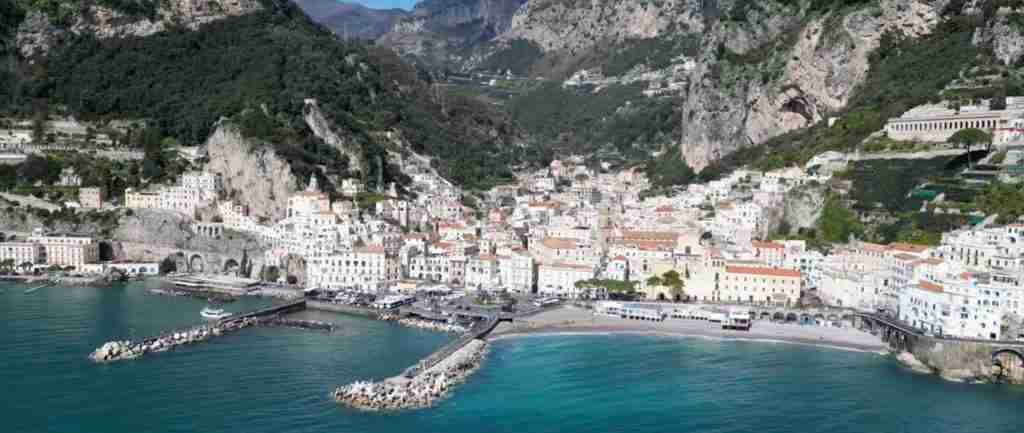
Amalfi Coast day trips from Naples cost €75-120 for 9-10 hour excursions departing 8:00-8:30 AM and returning 5:30-6:30 PM. These full-day experiences explore the UNESCO World Heritage Amalfi Coast, visiting dramatic coastal villages like Positano, Amalfi, and Ravello while traveling the spectacular SS163 coastal road carved into limestone cliffs 100-300 meters above the Mediterranean. Transportation occurs via air-conditioned coaches or smaller minivans (12-20 passengers) for more intimate experiences and easier navigation of narrow coastal roads.
The 90-minute journey from Naples to Sorrento Peninsula follows A3 motorway before descending to coastal road at Vico Equense. Guides provide orientation about Amalfi Coast geography, UNESCO designation criteria, historical role as medieval maritime republic, and current tourism economy supporting approximately 30,000 permanent residents across coastal municipalities. The serpentine SS163 coastal road features 1,000+ curves, dramatic cliff-side perspectives, and frequent photograph stops at panoramic viewpoints.
Positano visits (60-90 minutes free time) allow exploration of the vertical village cascading down steep slopes from highway elevation to harbor beach. Narrow pedestrian lanes descend through residential neighborhoods lined with boutiques, ceramics shops, linen stores, and cafés serving lemon granita. The iconic Church of Santa Maria Assunta with its colorful majolica-tiled dome dominates the beachfront piazza. Guides suggest optimal photography angles, explain Positano’s 1960s transformation from fishing village to luxury destination, and provide shopping recommendations for local specialties.
Amalfi town visits (75-90 minutes) focus on the historic center dominated by Arab-Norman cathedral (Sant’Andrea) with its distinctive striped façade and bronze doors. Free time allows cathedral interior visits (€3 entry), exploration of medieval paper mills demonstrating traditional paper-making using 13th-century techniques, and wandering harbor areas lined with restaurants and gelato shops. Guides explain Amalfi’s medieval maritime republic status (one of four Italian maritime powers with Venice, Genoa, Pisa) and historical role in Mediterranean trade networks.
Ravello visits (60-75 minutes) ascend 365 meters above sea level to explore the refined hillside town famous for gardens and music festivals. Main attractions include Villa Rufolo (€8 entry) with 13th-century Arab-influenced gardens overlooking coast, and Villa Cimbrone (€8 entry) featuring the Terrace of Infinity viewpoint suspended above sheer cliffs. Ravello represents the quieter, more cultivated aspect of Amalfi Coast contrasting with busy coastal villages, attracting visitors seeking panoramic views and historic villa architecture.
Lunch breaks (60-90 minutes) occur at designated coastal restaurants where tour groups receive set menus or free time for independent dining at personal expense. Typical options include seafood-focused coastal cuisine, pasta with lemon or seafood sauces, grilled fish, and lemon-based desserts. Guides provide restaurant recommendations across various price ranges (€15-25 casual cafés, €25-40 full restaurants, €40-60 fine dining options) based on group preferences and dietary requirements.
Return journeys follow the same coastal road with late afternoon light creating different photographic opportunities and guides continuing commentary about coastal village life, seasonal tourism patterns, and cultural traditions. The substantial transportation time (3 hours total round-trip) balances against the dramatic scenic qualities of coastal road travel and the geographic necessity of covering approximately 120 kilometers round-trip distance between Naples and Amalfi Coast destinations.
Premium and Specialized Coastal Tours
Small-group Amalfi Coast tours (maximum 12 participants) cost €95-140 for enhanced experiences including longer free time in each village, additional stops at smaller coastal locations like Praiano or Furore fjord, optional boat excursions, and more flexible itineraries adjusting to group interests. Premium tours use Mercedes minivans for more comfortable seating and easier navigation of coastal roads compared to standard coaches, reducing total travel time and allowing stops at locations inaccessible to larger vehicles.
Private Amalfi Coast tours for 2-6 people cost €450-750 (total group price, not per person) for completely customized itineraries. Private tour advantages include flexible departure times, customized village selection, extended or abbreviated stops based on real-time preferences, meal choices at preferred restaurants, optional detours to ceramic factories or lemon grove visits, and expert drivers providing personalized commentary. Private formats work exceptionally well for photographers wanting optimal lighting conditions, families with specific interests or pacing needs, and luxury travelers seeking exclusive experiences.
Amalfi Coast boat tours from Naples cost €90-140 for full-day maritime experiences exploring coastal villages from sea level. Boats depart Naples harbor 9:00 AM, reach Positano via 90-minute crossing, and proceed to Amalfi with coastal swimming stops, lunch breaks at waterfront restaurants, and different perspectives on cliff-side village architecture. Boat tours avoid coastal road traffic, provide swimming opportunities in Mediterranean coves, and create more relaxed atmospheres compared to road-based transportation. Return ferry departures from Amalfi (5:00-5:30 PM) arrive Naples by 7:00 PM.
Combination Amalfi Coast and Pompeii tours cost €120-160 for ambitious 12-13 hour experiences departing Naples 7:30 AM and returning approximately 7:30 PM. These combined itineraries visit Pompeii first (2-2.5 hours abbreviated tour), proceed to Amalfi Coast for abbreviated village visits (45-60 minutes each at Positano and Amalfi), and return to Naples via coastal road. The compressed timing provides overview perspectives rather than detailed exploration, working best for single-day visitors wanting maximum UNESCO site exposure during limited Naples stays.
Sunset Amalfi Coast tours departing Naples 1:00-2:00 PM cost €85-120 for afternoon/evening experiences emphasizing late-day coastal light. These later departures visit fewer villages (typically Positano and Amalfi only) but extend free time and schedule activities around sunset viewing from optimal locations like Positano beach or Ravello villa terraces. Evening return journeys (7:30-8:30 PM arrival Naples) create long day commitments but reward participants with dramatic sunset photography and golden hour lighting impossible during standard morning departure tours.
Island and Coastal Excursions 2026
Capri Day Trips from Naples
Capri day trips from Naples cost €85-120 for 8-9 hour excursions departing 8:00-9:00 AM and returning 5:00-6:00 PM. Tours include round-trip ferry transportation (45-60 minutes each way depending on ferry type), island transportation via local buses or private minibuses, guided tours of main attractions, and free time for independent exploration. The dramatic island setting 5 kilometers off Sorrento Peninsula features limestone cliffs rising 300-589 meters above sea level, Blue Grotto sea cave, Roman villa ruins, and the sophisticated village of Capri town.
Ferry departures from Naples Beverello port to Capri Marina Grande occur hourly with hydrofoils (aliscafi) completing crossings in 45-50 minutes and slower traghetti (ferries) requiring 70-80 minutes. Tour pricing includes ferry tickets (€20-24 each way standalone value), eliminating need for separate ticket purchasing and navigation of Naples port logistics. Guides accompany groups on ferries, providing orientation about island geography, history as Roman imperial retreat, 19th-century rediscovery by European aristocracy, and contemporary tourism economy.
Marina Grande arrival features funicular ascent to Capri town (€2 ticket included in tour) or alternative bus transportation climbing dramatic switchbacks up cliff faces. Capri town exploration includes free time (60-90 minutes) wandering the sophisticated Piazzetta (central square), designer boutiques, narrow lanes, and Gardens of Augustus viewpoint overlooking Faraglioni rock formations and Marina Piccola bay below. Guides provide orientation about main attractions, shopping districts, and café culture before allowing independent exploration.
Blue Grotto visits (optional €18 additional cost not included in base tour price) require favorable sea conditions allowing small rowboat access through 1.3-meter-high entrance opening. The magnificent sea cave features intense blue water luminescence created by sunlight entering through underwater opening and reflecting through seawater. Blue Grotto visits add 60-90 minutes to itineraries including bus transportation to Anacapri, small boat transfers, potential queuing time (30-60 minutes in summer peak hours), and actual cave visit duration (5-10 minutes). Sea conditions frequently prevent Blue Grotto access during windy or rough water periods, particularly common October through March.
Villa Jovis visits (€4 entry) explore Emperor Tiberius’ imperial palace ruins spread across 7,000 square meters at 334-meter elevation with spectacular views across Gulf of Naples to Vesuvius and Sorrento Peninsula. The archaeological site preserves residential quarters, bath complexes, cistern systems, and cliff-edge sections where Roman historical accounts claim Tiberius disposed of perceived enemies. Guides explain Roman imperial architecture, Tiberius’ controversial reign, and archaeological research revealing palace organization and luxury features.
Anacapri visits focus on the quieter settlement at island’s higher elevation, featuring Villa San Michele (€10 entry) – Swedish physician Axel Munthe’s early 20th-century villa now museum with spectacular gardens and Bay of Naples viewpoint. Optional Monte Solaro chairlift (€12 round-trip) ascends to island’s highest point (589 meters) for 360-degree panoramic views extending to Amalfi Coast, Gulf of Salerno, and distant Calabrian mountains on clear days.
Lunch breaks (60-90 minutes) provide opportunities for independent dining across price ranges from casual cafés (€15-25 for pizza or panini) to fine dining establishments (€40-80 for seafood or island specialties). Guides provide restaurant recommendations, explain typical Capri dishes like caprese salad (originated on island using local tomatoes and mozzarella), and suggest budget-friendly alternatives to tourist-oriented establishments.
Ischia and Procida Island Tours
Ischia day trips from Naples cost €75-95 for 8-9 hour excursions visiting the largest island in Bay of Naples (46 square kilometers). Ferries depart Naples Beverello port with 60-90 minute crossings depending on vessel type and destination port (Ischia Porto or Casamicciola Terme). The volcanic island features thermal springs, mountain scenery dominated by 789-meter Monte Epomeo, medieval Aragonese Castle, and less developed tourism infrastructure compared to Capri.
Island tours emphasize thermal spa culture with visits to public thermal parks like Negombo (€35 entry) or Poseidon Gardens (€35 entry) offering multiple thermal pools at varying temperatures, Mediterranean gardens, beach access, and spa facilities. These thermal experiences occupy 2-3 hours of total island time, providing relaxation-focused alternatives to intensive sightseeing programs. Guides explain volcanic thermal activity, ancient Roman thermal bathing traditions, and modern therapeutic uses of mineral-rich thermal waters.
Aragonese Castle visits (€10 entry) explore the impressive medieval fortress connected to Ischia Ponte by 220-meter causeway. The castle complex preserves multiple historical layers including Greek-era foundations, medieval fortifications, baroque churches, and residential quarters supporting 1,800 people during pirate threat periods. Dramatic cliff-top setting 113 meters above sea level provides panoramic views across Bay of Naples and surrounding island coastline.
Island tour bus routes circle Ischia’s 34-kilometer coastal road, stopping at scenic viewpoints, fishing villages like Sant’Angelo, and beach areas. The volcanic terrain creates diverse landscapes from pine forests on northern slopes to dramatic rock formations along western coasts and productive vineyards producing DOC white wines from local grape varieties. Guides explain island geology, agricultural traditions, and fishing culture maintaining authentic character despite tourism development.
Procida day trips cost €65-80 for visits to the smallest inhabited island (3.7 square kilometers) preserving authentic fishing village character and featuring colorful waterfront architecture, quiet beaches, and relaxed atmosphere avoiding mass tourism. Ferries complete 35-40 minute crossings from Naples to Procida Marina Grande. The island served as filming location for multiple Italian films including “Il Postino” (The Postman), with tours visiting recognizable locations and explaining Procida’s role in Italian cinema.
Combined Procida and Ischia tours cost €85-110 for full-day experiences visiting both islands with abbreviated time at each location. Ferries connect Procida and Ischia in 15-20 minutes, allowing efficient inter-island transfers. Combined itineraries provide overview perspectives across both destinations, working well for visitors wanting comprehensive Bay of Naples island exposure during limited time frames. The contrast between Procida’s intimate fishing village character and Ischia’s larger tourism infrastructure and thermal spa culture illustrates diversity within Bay of Naples island geography.
Specialized and Combination Tours 2026
Photography Tours and Workshops
Photography-focused Naples tours cost €80-120 for 4-5 hour experiences led by professional photographers providing technical instruction, composition guidance, and access to optimal shooting locations across Historic Center, waterfront areas, and elevated viewpoints. Small groups (4-8 participants) allow individualized attention to skill levels from enthusiastic amateurs to advanced practitioners seeking local expertise and insider access.
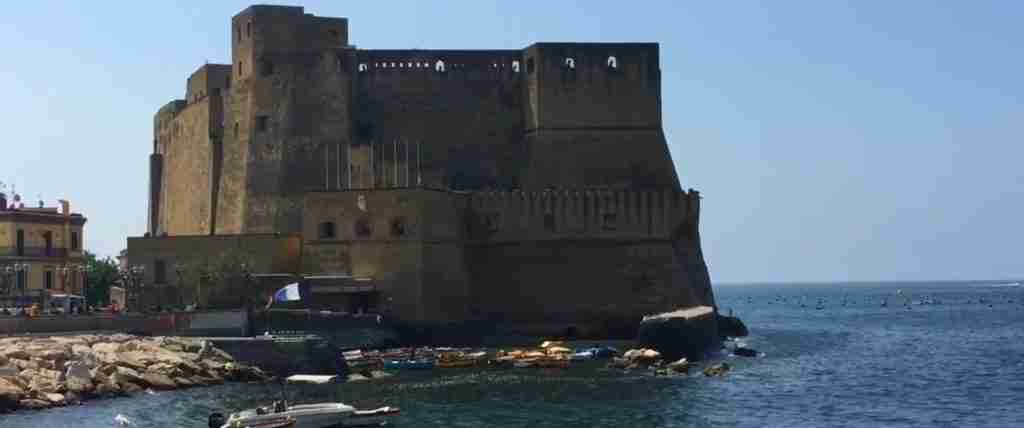
Morning photography tours (6:30-11:00 AM) emphasize golden hour light illuminating historic architecture, market activities at peak operation, and street life photography opportunities. Routes target locations like Via San Gregorio Armeno (artisan workshops), Spaccanapoli perspectives from elevated positions, waterfront Castel dell’Ovo with Vesuvius backdrop, and neighborhood markets capturing authentic daily life. Professional guides explain technical settings for challenging lighting situations (narrow street shadows, high-contrast baroque interiors), composition principles emphasizing Naples’ layered architecture, and cultural sensitivity protocols for street photography respecting local residents.
Sunset photography workshops (4:00-8:00 PM) position participants at optimal viewpoints for golden hour and blue hour coastal photography. Locations include Certosa di San Martino elevated terraces overlooking city and bay, Posillipo hill viewpoints, Castel Sant’Elmo ramparts, and waterfront positions capturing Vesuvius silhouettes. Technical instruction covers long exposure techniques for evening urban scenes, HDR approaches for high dynamic range coastal sunsets, and post-processing workflows for maximizing image quality.
Underground photography tours cost €70-95 for specialized experiences focusing on challenging subterranean lighting conditions, ancient architecture detail photography, and dramatic chamber compositions. Tours provide extended access times (2-3 hours) in Underground Naples and other archaeological sites, allowing tripod use, multiple exposure bracketing, and patience for optimal compositions impossible during standard tour group time constraints. Professional photographer guides demonstrate artificial light painting techniques, proper settings for low-light ancient stone textures, and atmospheric approaches emphasizing underground architecture’s mysterious qualities.
Multi-day photography workshops (€450-750 for 3-day programs) combine classroom instruction, field shoots across Naples and surrounding regions (Pompeii, Amalfi Coast, Vesuvius), portfolio reviews, and post-processing sessions. These intensive programs appeal to serious amateur and professional photographers seeking comprehensive documentation of Campania region photography opportunities, expert local guidance, and peer learning experiences with like-minded enthusiasts.
Private and Custom Tour Experiences
Private Naples day tours cost €300-500 for 6-8 hour completely customized experiences for 2-6 participants. Private formats provide maximum flexibility in itinerary design, pacing, focus areas, meal choices, and timing adjustments based on real-time interests and circumstances. Expert guides with backgrounds in archaeology, art history, architecture, or culinary arts provide graduate-level content and intellectual engagement beyond standard tourist information.
Custom itinerary possibilities include combinations of any tour elements: Historic Center walking segments focusing on specific architectural periods or artistic movements, underground archaeological explorations with extended access to restricted areas, food experiences customized to dietary requirements or culinary interests, private palace visits arranged through guide connections, and museum tours timed to avoid crowds with priority access.
Private driver services with luxury vehicles (Mercedes sedans or vans) cost €400-600 for full-day excursions to Pompeii, Amalfi Coast, or combined destinations. These transportation-focused services emphasize comfort, efficiency, and flexibility with English-speaking drivers providing basic orientation while clients explore independently or with separately arranged local guides at destinations. The approach works well for families, luxury travelers, or business visitors requiring predictable scheduling, comfort prioritization, and freedom from group tour constraints.
Academic specialty tours led by university professors or specialized researchers cost €500-800 for full-day experiences focusing on specific topics like Greek-Roman urban planning, baroque art history, medieval religious architecture, Renaissance humanism, or modern conservation techniques. These ultra-specialized experiences appeal to students, academics, architecture professionals, and intellectually curious visitors seeking expert-level content and access to locations, archives, or restricted sites unavailable to general tourists.
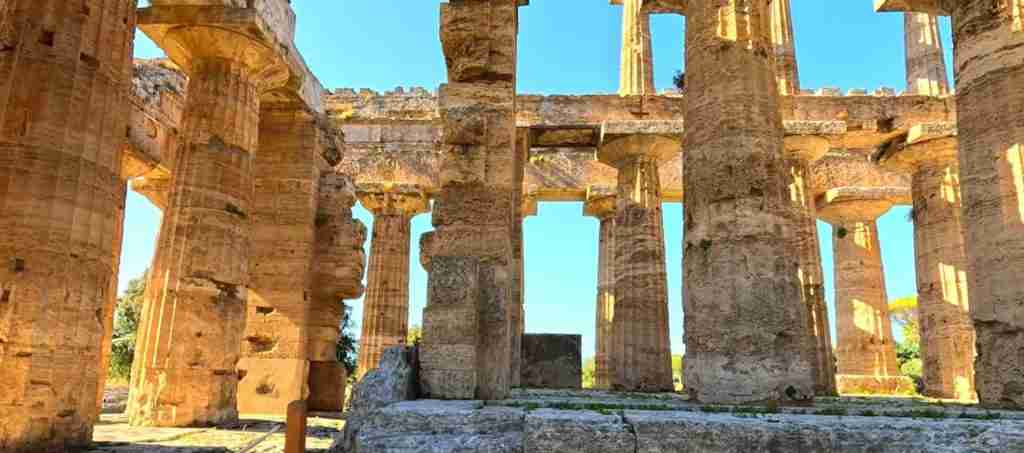
Multi-day comprehensive tours combining Naples with surrounding UNESCO sites (Pompeii, Herculaneum, Paestum, Royal Palace Caserta) cost €1,200-2,000 for 3-4 day private programs. These extended experiences provide complete archaeological and historical coverage of Campania UNESCO Heritage sites with expert guides, luxury transportation, carefully selected accommodation, and optimized routing minimizing redundant travel while maximizing site time quality.
Booking Strategies and Practical Planning 2026
Advance Booking Timelines and Availability
Summer season tour booking (June-August) requires 3-4 weeks advance reservations for optimal availability across all tour categories. Peak season demand fills small-group tours, specialty experiences, and preferred departure times well ahead of travel dates, particularly for weekends and Italian national holidays. Popular tours like Pompeii excursions, Amalfi Coast day trips, and food experiences sell out completely during July-August peak weeks, leaving only less desirable time slots or sold-out status for last-minute bookers.
Shoulder season travel (April-May, September-October) provides more booking flexibility with 10-14 days advance reservations sufficient for securing desired tours and times. These transitional periods balance good weather conditions, reduced crowds, and availability while avoiding summer heat intensity and peak pricing. Shoulder seasons represent optimal value propositions with high-season tour quality at slightly reduced prices (€5-15 lower than July-August rates) and better guide-to-participant ratios due to smaller overall group sizes.
Winter season (November-March excluding Christmas/New Year) allows last-minute booking 3-7 days before travel dates for most tour categories. Reduced demand means wider availability, but weather variability affects certain tour types, particularly Amalfi Coast excursions facing rough sea conditions and Vesuvius ascents encountering cloud cover or precipitation. Underground tours, museum-focused experiences, and Historic Center walking tours maintain year-round appeal with weather-independent operations.
Specific high-demand periods requiring maximum advance booking (4-6 weeks) include Easter week (March/April dates varying annually), May 1st Labor Day celebrations, August 15th Ferragosto national holiday, and Christmas/New Year period (December 20-January 6). These traditional Italian holiday periods see elevated domestic tourism alongside international visitors, creating exceptional demand across all tour categories and accommodation types.
Small-group and private tours warrant longer advance booking regardless of season due to limited departure frequencies and capacity constraints. Small-group tours (6-15 participants) typically run 1-2 daily departures versus standard group tours operating 3-5 times daily, meaning fewer total availability slots. Private tours require coordinating specialized guides, vehicles, and potential special access arrangements, benefiting from 3-4 week planning windows allowing proper preparation.
Booking Platforms and Payment Methods
Major international booking platforms including GetYourGuide, Viator, TripAdvisor Experiences, and Civitatis provide Naples tour aggregation with English-language interfaces, secure payment processing, customer reviews, and booking confirmations. These platforms charge operators 20-30% commissions, sometimes resulting in slightly higher consumer prices (€5-10 premium) compared to direct operator bookings, but provide consumer protections including standardized cancellation policies, dispute resolution, and consolidated booking management.
Direct operator bookings through tour company websites often provide best pricing and direct communication with guides regarding special requests, dietary requirements, mobility concerns, or itinerary customization. Major Naples tour operators include Mondo Guide (comprehensive tour offerings), Naples and Beyond (cultural and food focus), and local operators specializing in specific tour types. Direct booking eliminates platform commissions and establishes direct relationships facilitating pre-tour questions and post-tour follow-up.
Payment methods vary by platform and operator with most accepting international credit cards (Visa, Mastercard, American Express), PayPal, and some European-specific payment systems. Full payment typically occurs at booking time rather than pay-on-arrival models, securing capacity and enabling operators to manage group sizes and guide assignments. This advance payment requirement means travelers should book tours only after confirming Naples visit dates and avoiding speculative bookings for uncertain travel plans.
Dynamic pricing affects some tour categories with costs varying by booking timing (early booking discounts €5-10 off), season (summer premiums €5-15 above winter rates), and demand levels (surge pricing during holidays or special events adding €10-20 to base rates). Booking platforms display current pricing with some showing price trends indicating whether costs are rising, stable, or declining for specific dates and experiences.
Cancellation Policies and Weather Considerations
Standard tour cancellation policies allow free cancellation 24-48 hours before departure time with full refund, while cancellations within this window incur 50-100% penalties depending on operator policies and tour type. Private and small-group tours often require 72-hour cancellation windows due to dedicated guide and vehicle arrangements. Booking platforms typically display exact cancellation deadlines during purchase process with automated reminder emails approaching cut-off times.
Weather-dependent tours including Amalfi Coast excursions, Vesuvius crater ascents, and boat trips to islands or Blue Grotto may face cancellation by operators due to unsafe conditions. These force majeure cancellations result in full refunds or rebooking options but can disrupt travel plans when weather deteriorates unexpectedly. Summer months (June-September) provide most reliable weather conditions with cancellation rates below 5%, while winter months (November-March) see 15-25% cancellation rates for coastal and mountain tours due to Mediterranean winter storms.
Blue Grotto access depends specifically on calm sea conditions allowing rowboat entry through low entrance opening. Rough water or high swells prevent access approximately 40-50% of days November through March, declining to 10-15% impossibility during summer months. Tours including Blue Grotto as optional component rather than primary focus reduce disappointment from weather-related closures, with alternative itinerary elements providing value even without cave access.
Extreme weather provisions address rare circumstances like heavy rainfall flooding Historic Center narrow streets, volcanic activity alerts affecting Vesuvius access, or exceptional heat waves exceeding safe operating conditions for strenuous tours. These unusual situations trigger operator-initiated cancellations with full refunds and rebooking assistance. Heat wave protocols during 35°C+ summer days may include schedule modifications with earlier departure times, extended rest breaks, increased water provisions, and shortened itinerary durations prioritizing participant safety.
Tour Value Analysis and Budget Planning 2026
Comparing Independent Versus Guided Tour Costs
Independent versus guided tour cost comparisons reveal complex value calculations balancing direct expense savings against time efficiency, access quality, educational content, and stress reduction. Pompeii independent visit costs include round-trip Circumvesuviana train from Naples (€5.60), site entry ticket (€18), optional audio guide (€8), and 3-4 hours self-directed exploration time totaling €31.60 in direct costs. Comparable guided tour costing €65-75 includes transportation, guide expertise, skip-the-line access, and contextualized interpretation adding €33-43 premium for professional service.
The guided tour premium value proposition includes expert archaeological interpretation transforming ancient ruins from confusing stone remains into comprehensible Roman urban life, efficient routing maximizing limited site time through strategic sequence planning, answers to spontaneous questions emerging during exploration, and social experience of small group learning. Independent visitors report spending 30-45 minutes reading guidebooks and maps attempting orientation before productive site exploration begins, while guided groups receive immediate context and strategic positioning at key structures.
Historic Center independent exploration incurs essentially zero direct costs beyond potential café stops and museum entries, making this category highly favorable for budget-conscious travelers with adequate navigation skills and historical knowledge. Guided walking tours costing €25-45 provide value through hidden courtyard access, insider neighborhood knowledge, optimal routing through confusing ancient street patterns, and cultural explanations impossible to glean from building exteriors alone. The decision balances free exploration versus paid expertise based on individual historical knowledge, navigation confidence, and desire for cultural depth.
Amalfi Coast independent visits require complex logistics including Sorrento Circumvesuviana train (€3.80), SITA bus to Positano (€2.50) then to Amalfi (€2), additional bus to Ravello (€2.50), return transportation (€8.80), totaling €19.60 in direct transport costs plus 6-8 hours door-to-door travel time navigating multiple transportation modes with potential language barriers, schedule uncertainties, and route-finding challenges. Guided tours at €75-120 add €55-100 premium for direct pickup/drop-off, expert commentary, photograph stops, optimized village sequencing, and elimination of navigation stress.
Food tours present strong value propositions with €60-85 costs including €30-45 in actual food value (6-8 substantial tastings), €15-20 in hidden location access and vendor relationships, and €10-20 in cultural education and neighborhood guidance. Independent food exploration attempting similar sampling across traditional establishments would cost €35-50 for equivalent food quantities but lack cultural context, optimal vendor identification, and insider access to family-run establishments welcoming tour guide introductions.
Multi-Day Budget Planning with Tours
Three-day Naples budget planning incorporating optimal tour selection balances major highlights with budget constraints across different spending levels. Budget traveler approach (€150-200 daily average) dedicates one day to free/low-cost Historic Center self-exploration with Underground Naples tour (€12-15), second day to Circumvesuviana independent Pompeii visit (€32 including transport and entry), and third day to budget-friendly food exploration sampling street vendors and markets with minimal tour costs.
Sample budget 3-day breakdown: Day 1 includes Historic Center self-walking plus Underground Naples tour €15, street food lunch €8-12, budget dinner €15-20, metro/public transport €5, gelato/snacks €5-8, total €48-60 per person. Day 2 covers independent Pompeii train transport €5.60, site entry €18, packed lunch €10-15, water/snacks €5-8, dinner €15-25, total €53.60-71.60. Day 3 allows Historic Center continued exploration with market food purchases €15-20, sfogliatella and coffee €6-8, budget pizzeria dinner €12-18, transport €3-5, total €36-51. Three-day budget tour total: €137.60-182.60 (excluding accommodation).
Mid-range traveler approach (€250-350 daily average) incorporates one professional guided tour daily: Day 1 includes Historic Center guided walking tour €35, traditional trattoria lunch €20-30, Underground Naples €15, moderate restaurant dinner €30-40, metro €5, snacks €8-12. Day 2 features full Pompeii guided tour €75, lunch €15-20, evening food tour €70, gelato €5-8. Day 3 adds Amalfi Coast excursion €90, lunch included in tour, light dinner €20-30, evening drinks €15-20.
Sample mid-range 3-day breakdown: Day 1 total €113-137, Day 2 total €165-178, Day 3 total €125-140, three-day mid-range tour total €403-455 (excluding accommodation). This mid-range approach provides professional expertise daily, eliminates navigation stress, and includes major UNESCO sites while maintaining reasonable overall costs relative to destination quality.
Luxury traveler approach (€500-800+ daily average) emphasizes small-group and private experiences: Day 1 includes private Historic Center tour €150 (2 people split cost), Michelin-starred lunch €80-120, private Underground exploration €100 per person, fine dining dinner €60-90. Day 2 features private Pompeii tour with driver €200 per person (2 people minimum), gourmet lunch €50-75, evening wine pairing experience €90-120. Day 3 adds private Amalfi Coast driver €300 per person (2 people), coastal lunch €60-80, sunset boat return €45 additional.
Sample luxury 3-day breakdown: Day 1 total €365-485, Day 2 total €340-395, Day 3 total €405-425, three-day luxury tour total €1,110-1,305 per person (excluding accommodation). Luxury approaches prioritize time efficiency, private access, expert guides, culinary excellence, and elimination of all tourist crowds and logistical concerns.
Tour Safety, Accessibility, and Participant Requirements 2026
Physical Fitness and Mobility Requirements
Tour physical requirements vary significantly by experience type with accurate self-assessment preventing booking unsuitable experiences. Historic Center walking tours require moderate fitness for 2-3 hours walking on ancient cobblestone surfaces, navigating frequent stairs in hilly neighborhoods, and standing during guide explanations. Comfortable walking shoes with ankle support and proper traction are essential due to smooth worn stone surfaces becoming slippery when wet. Tours involve minimal elevation gain (50-80 meters) but frequent small staircases and uneven footing requiring attention and balance.
Underground Naples tours demand ability to descend approximately 120 stairs, navigate tight passages requiring sideways movement or ducking, walk on uneven ancient stone surfaces in dim lighting conditions, and manage potential claustrophobia in confined underground chambers. Physical requirements exceed surface walking tours due to stair descent/ascent, restricted spaces, and need for agility in tight passages. Tours prove unsuitable for visitors using wheelchairs, walkers, or having significant mobility limitations, breathing difficulties, or claustrophobia issues.
Pompeii tours require above-average fitness for 4-6 kilometers walking across expansive archaeological site on uneven ancient stone surfaces exposed to full sun during summer months. The combination of distance, uneven footing, summer heat (32-35°C), and lack of shade creates strenuous conditions particularly for older adults, those with cardiovascular concerns, or individuals unaccustomed to extended walking. Proper preparation includes high-quality walking shoes, sun protection (hat, sunscreen, sunglasses), minimum 1.5 liters water carried throughout tour, and realistic assessment of heat tolerance and walking capacity.
Vesuvius crater tours present most demanding physical requirements with 20-30 minute uphill hike gaining 280 meters elevation on steep loose volcanic surface at 1,000+ meters altitude. Physical challenges include cardiovascular stress from sustained uphill effort, breathing difficulty from altitude and exertion, ankle stability requirements on loose volcanic rock, sun exposure without shade, and return descent controlling momentum on steep loose surface. Tours prove inappropriate for visitors with significant cardiac or respiratory conditions, poor joint stability, or low general fitness levels. Summit temperatures run 5-8°C cooler than sea level but full sun exposure and wind create variable conditions.
Amalfi Coast tours involve moderate physical requirements dominated by 3-4 hours sitting in transportation with 1-2 hours leisurely village walking. Physical challenges center on coach motion sickness potential from serpentine coastal road curves, extended sitting periods, and village exploration on hilly streets and numerous staircases. Tours accommodate most fitness levels but prove challenging for individuals experiencing motion sickness, severe mobility limitations preventing stair navigation, or inability to tolerate 3+ hours continuous coach travel.
Accessibility Accommodations and Special Needs
Wheelchair accessibility varies dramatically by tour type with Naples’ ancient infrastructure presenting significant challenges. Historic Center walking tours prove largely inaccessible to wheelchair users due to cobblestone surfaces, frequent staircases, narrow passages, and building entryways with steps. Some operators offer modified accessible tours using alternative routes following paved streets and visiting ground-floor accessible sites, but these abbreviated experiences omit major attractions requiring stair access like church interiors, palace courtyards, and elevated viewpoints.
Underground Naples tours remain completely inaccessible to wheelchair users and those with significant mobility limitations due to stairs, narrow passages, uneven surfaces, and confined spaces fundamental to the underground experience. No viable accessibility modifications exist for these inherently inaccessible archaeological structures. Alternative surface-level historical tours provide partial compensation but cannot replicate underground archaeological perspectives.
Pompeii accessibility presents mixed conditions with approximately 30% of archaeological park accessible via paved paths suitable for wheelchairs and mobility devices. Main Forum area, several large public buildings, and select residential blocks offer wheelchair access, but significant site portions including second-story structures, narrow ancient streets, and many houses remain inaccessible. Pompeii archaeological park provides free wheelchair loans at entrance, designated accessible routes marked on maps, and accessible bathroom facilities, but visitors should anticipate limited site coverage compared to fully ambulatory experiences.
Private accessible tours with specialized vehicles, trained accessible tourism guides, and customized itineraries focusing on accessible locations cost €400-600 for full-day experiences accommodating wheelchair users and those with significant mobility limitations. These specialized services require advance booking (2-3 weeks minimum) allowing proper vehicle arrangement and itinerary customization, but provide genuine accessible alternatives for travelers requiring mobility accommodations.
Hearing and vision impairments receive variable accommodation across tour operators. Some companies provide written materials supplementing oral presentations, while private tours allow use of personal sign language interpreters or assistive listening devices. Visual impairment accommodations prove more challenging due to tours’ inherently visual nature, though tactile elements of ancient architecture and detailed verbal descriptions provide partial accessibility. Visitors with hearing or vision impairments should contact operators directly before booking to discuss specific accommodation needs and determine suitability.
Seasonal Considerations and Optimal Tour Timing 2026
Spring Season Tours (March-May 2026)
Spring touring in Naples provides optimal conditions balancing comfortable weather, moderate crowds, and high tour quality across all categories. March temperatures (11-17°C) prove cool but manageable for walking tours, while April-May (14-22°C) reaches ideal conditions for extended outdoor exploration without summer heat intensity. Spring rainfall occurs approximately 7-9 days monthly (March highest, May lowest), requiring flexible planning and weather-appropriate clothing but rarely disrupting full days.
Easter period (April 2026) creates peak spring demand with advance booking essential 4-6 weeks ahead. Italian and international visitors fill Naples during Holy Week and Easter weekend, with some tours selling out completely and prices rising €10-20 above standard spring rates. Post-Easter April and early May represent sweet spots combining excellent weather, manageable crowds, and standard pricing before summer season transitions begin.
Spring advantages include wildflower blooms at Vesuvius and surrounding hills, comfortable temperatures for strenuous Vesuvius ascents (20-25°C at summit versus summer 28-32°C), reduced Pompeii heat stress allowing longer site exploration, and pleasant Amalfi Coast conditions for village walking without oppressive summer temperatures. Spring disadvantages include occasional cool/rainy days unsuitable for some outdoor tours, earlier sunset times (6:30-8:00 PM spring versus 8:30 PM summer) limiting evening tour options, and potential Blue Grotto closure from rough spring seas.
Optimal spring tour selection emphasizes outdoor experiences benefiting from moderate temperatures: Pompeii full-day excursions, Vesuvius crater hikes, Amalfi Coast village exploration, and extended Historic Center walking tours. Spring conditions make ambitious combination tours (Pompeii + Vesuvius + Herculaneum) more manageable than summer heat would allow. Food tours and underground experiences maintain year-round quality but lose some competitive advantage during spring when outdoor alternatives excel.
Summer Season Tours (June-August 2026)
Summer represents peak Naples tourism season with maximum demand, highest prices, largest crowds, and most intense heat creating mixed touring conditions. June maintains relative balance with growing but manageable crowds, warm but not extreme temperatures (20-30°C), and full tour schedule operation, making early summer optimal for visitors requiring summer travel dates. July-August bring challenging conditions including intense heat (25-35°C daily maximums), overcrowded major sites, fully booked tours, and premium pricing across all categories.
Summer advantages include guaranteed tour operation with maximum departure frequencies, longest daylight hours (sunrise 5:30 AM, sunset 8:30 PM) enabling early morning and evening tour options, minimal weather cancellation risk for coastal and outdoor tours, reliable Blue Grotto access (90% operating days), calm Mediterranean conditions for boat tours, and vibrant evening street life during Historic Center night walks. Festivals and outdoor events peak during summer months adding cultural programming beyond standard tour offerings.
Summer disadvantages center on extreme heat affecting outdoor touring comfort and safety. Pompeii temperatures reach 32-35°C at exposed archaeological site with minimal shade, requiring early morning departures (8:00 AM), extensive water consumption (2+ liters), high-SPF sunscreen, and realistic physical limitations recognition. Vesuvius ascents become potentially dangerous during hottest hours (2:00-5:00 PM) with heat stress and dehydration risks. Historic Center narrow streets trap heat creating oppressive conditions during afternoon hours (1:00-4:00 PM).
Crowd intensity at major sites peaks during July-August with Pompeii admitting 3,000-4,000 daily visitors versus 1,000-1,500 during shoulder seasons. Dense crowds reduce guide visibility, extend queuing times, diminish photography quality, and create rushed experiences at popular structures where groups compete for space and attention. Small-group tours provide some crowd mitigation through strategic timing and alternative site access, but cannot eliminate summer mass tourism effects entirely.
Optimal summer tour strategies prioritize early morning departures (8:00-9:00 AM) before peak heat, underground and indoor experiences during hot afternoon hours (1:00-4:00 PM), and evening/night tours (7:00-10:00 PM) leveraging long daylight and cooler temperatures. Underground Naples tours, museum visits, evening food tours, and night Historic Center walks excel during summer while Pompeii, Vesuvius, and Amalfi Coast excursions require careful scheduling and realistic heat tolerance assessment.
Fall Season Tours (September-October 2026)
Fall shoulder season represents optimal touring period combining summer’s reliable weather with spring’s moderate crowds and temperatures. September maintains summer-like conditions (20-28°C) with gradually declining tourist numbers as international visitors decrease and Italian school terms resume. October brings authentic shoulder season characteristics with comfortable temperatures (15-23°C), significantly reduced crowds, standard pricing, and excellent tour availability.
Fall advantages mirror spring benefits while adding summer weather reliability. September maintains 85% of summer tour departure frequencies with virtually no weather cancellations, while October transitions toward slightly reduced schedules with occasional cancellations from rough seas or rain. Fall represents sweet spot for value-focused travelers seeking high-season experience quality at shoulder-season pricing (€5-15 below summer rates) with improved guide-to-participant ratios from smaller overall tourist volumes.
Pompeii fall touring proves exceptional with comfortable temperatures eliminating heat stress, moderate crowds allowing leisurely exploration, optimal photography light with lower sun angles, and full site accessibility without weather closures. Vesuvius conditions remain excellent through September and acceptable through October, with potential October cloud cover reducing vista quality but improving temperature comfort during ascents. Amalfi Coast experiences show minor decline from summer perfection but maintain excellent conditions with warm seas for swimming, reliable coastal road access, and dramatic autumn light.
Fall disadvantages include gradually declining weather predictability, particularly late October when Mediterranean autumn storms begin affecting coastal areas and outdoor tours. Shorter daylight hours (sunset 6:30 PM September, 5:30 PM October) limit evening tour options and create earlier photography golden hours requiring schedule adjustments. Some tour operators reduce departure frequencies in October with fewer daily options for popular experiences.
Planning Your 2026 Naples Tour Experience
Selecting Optimal Tour Combinations
Strategic tour combination planning maximizes Naples visit value by balancing major highlights, diverse experiences, budget constraints, and time availability across typical 3-7 day visit windows. Three-day minimum stay allows one Historic Center focused day, one Pompeii/Vesuvius archaeological day, and one coastal/island experience, covering essential UNESCO highlights while maintaining reasonable daily pacing.
Sample 3-day optimal tour combination for first-time visitors: Day 1 combines morning Historic Center walking tour (€35, 2.5 hours) with afternoon Underground Naples (€15, 90 minutes), providing complete surface and subterranean historical orientation. Day 2 features full-day Pompeii guided tour (€75, 8-9 hours) covering major archaeological highlights with expert interpretation. Day 3 adds Amalfi Coast excursion (€90, 9-10 hours) for coastal UNESCO site exploration and Mediterranean landscape appreciation. Total touring cost €215 plus accommodation, meals, and local transportation.
Five-day extended stay enables deeper exploration with multiple specialized experiences: Day 1 includes Historic Center walking tour plus Underground Naples (combined €50). Day 2 features food tour (€70, 3-4 hours) followed by evening free exploration. Day 3 covers Pompeii and Vesuvius combination tour (€95, 9-10 hours). Day 4 adds Amalfi Coast excursion (€90). Day 5 incorporates Herculaneum half-day tour (€65, 4-5 hours) plus afternoon photography tour or free time. Total touring cost €370 providing comprehensive regional coverage.
Seven-day comprehensive visit allows complete UNESCO heritage coverage plus specialized interests: Days 1-5 follow extended tour framework above, Day 6 adds island excursion to Capri (€95) or Ischia thermal experience (€85), Day 7 incorporates remaining specialized interest (cooking class €110, wine tour €85, Royal Palace Caserta day trip €75, or multiple shorter Historic Center themed tours €35 each). Total touring cost €540-575 providing exhaustive regional exploration.
Budget-conscious tour combinations emphasize high-value experiences and self-guided elements: Underground Naples (€15) plus comprehensive self-guided Historic Center exploration (free), independent Pompeii visit with audio guide (€32), budget-friendly food tour or self-directed market exploration with street food sampling (€0-70), and free or low-cost activities like Lungomare waterfront walk, free church visits, neighborhood exploration, and sunset viewpoint visits. Total touring cost €47-117 for core experiences with remaining budget allocated to accommodation, meals, and spontaneous opportunities.
Pre-Departure Preparation and Booking Timeline
Optimal booking timeline begins 6-8 weeks before Naples departure for summer travel, 4-6 weeks for shoulder seasons, and 2-4 weeks for winter visits. This staggered approach balances advance planning benefits (better availability, lower prices, comprehensive selection) against flexibility needs (weather uncertainty, travel plan changes, spontaneous opportunities). Initial booking phase (6-8 weeks out) should secure highest-demand tours including small-group experiences, specialized tours, and summer peak-period departures.
Research phase activities include reading this comprehensive tour guide, reviewing operator websites for specific tour details, checking independent review platforms for operator quality assessment, comparing pricing across booking platforms and direct operator channels, and consulting weather pattern information for seasonal planning. Comprehensive research investment (3-5 hours) yields substantially better tour selection, budget optimization, and realistic expectation formation compared to rushed last-minute booking.
Decision framework for tour selection weighs multiple factors: primary interests (history/archaeology, food/culture, photography, nature/coast), physical fitness realistic assessment, budget constraints and value priorities, time availability and desired daily pacing, travel companion needs (children, elderly, accessibility requirements), and seasonal timing implications. Honest self-assessment prevents booking inappropriate experiences while identifying optimal matches between interests and available tour options.
Practical preparation includes confirming hotel addresses for tour pickup coordination, understanding Naples public transportation for reaching meeting points, purchasing appropriate clothing and footwear (comfortable walking shoes essential), preparing day pack with water capacity, sun protection, phone charging, snacks, weather-appropriate layers, and reviewing tour-specific preparation requirements (fasting before food tours, camera equipment for photography experiences, swim gear for coastal/island tours).
Maximizing Tour Investment Value
Value maximization strategies ensure optimal return on substantial tour investment ranging from hundreds to thousands of euros across multi-day Naples visits. Pre-tour preparation amplifies experience value: reviewing destination history, studying site maps, watching documentary content, and reading archaeological/architectural background transforms tours from passive entertainment to active learning experiences where guide expertise builds upon established knowledge foundation rather than introducing all material from zero.
Active participation during tours through question-asking, note-taking, photography with purpose (capturing specific architectural details rather than random snapshots), and engagement with guide expertise extracts maximum educational value. Professional guides appreciate intellectually curious participants and often provide extended explanations, recommend additional resources, and share insider perspectives beyond standard tour script when encountering engaged learners.
Post-tour follow-up extends value beyond immediate experience: reviewing photographs with captions documenting learning, researching topics sparked by tour discoveries, reading recommended books or articles, sharing experiences through travel blogs or social media generating knowledge consolidation through teaching, and maintaining guide contacts for future questions or return visit planning. These post-tour activities transform ephemeral experiences into lasting knowledge and memorable travel narratives.
Strategic tour timing optimizes daily value: morning departures for heat-sensitive activities, afternoon underground or indoor tours during peak heat, evening experiences leveraging social atmosphere and cooler temperatures. Multiple short tours prove less fatiguing than single marathon experiences, while strategic free days between guided tours prevent information overload and allow independent exploration reinforcing learned material.
Relationship building with guides yields dividends beyond single tour experiences: establishing rapport enables asking sensitive questions, receiving personalized recommendations for restaurants, shops, or other activities, potential off-menu access to restricted sites through guide connections, and building knowledge networks for future travel planning or deeper regional understanding. Guides represent invaluable local resources whose expertise extends far beyond specific tour content.
Frequently Asked Questions About Naples Tours 2026
Are Naples tours safe for solo travelers in 2026?
Naples tours prove completely safe for solo travelers with professional operators maintaining high safety standards and group formats providing built-in social contexts. Solo participants commonly join group tours without safety concerns, with guides providing meeting point coordination, group cohesion during exploration, and local expertise navigating any situational challenges. Historic Center tours keep groups together in well-trafficked tourist areas during daylight hours, while underground experiences occur in controlled archaeological sites. Pompeii, Amalfi Coast, and island excursions involve transportation in professional vehicles with reputable operators. Female solo travelers report no significant safety concerns on organized tours, though standard urban awareness applies during independent exploration between tour activities. Solo tour participation offers advantages including meeting fellow travelers, shared experiences with like-minded individuals, and guide protection from unwanted attention or scam attempts targeting independent tourists.
What language are Naples tours conducted in for 2026?
English-language tours operate daily across all major tour categories with native or fluent English-speaking guides providing complete experiences for anglophone visitors. Tour listings specify language explicitly with “English tour” designation ensuring appropriate booking. Many operators also offer tours in Italian, Spanish, French, German, and occasionally other languages, with multilingual tours accommodating diverse groups through bilingual guides providing parallel explanations. Private tours accommodate any language request given adequate advance notice allowing guide arrangement, with most operators accessing guides speaking English, Italian, Spanish, French, German, Portuguese, Russian, Japanese, Chinese, and other major languages. Standard group tours maintain single-language format avoiding bilingual presentations that extend duration and reduce content depth, while private options enable customized language solutions.
Can children participate in Naples tours in 2026?
Children participate in most Naples tours with age appropriateness varying by tour type and child’s interests, attention span, and physical capabilities. Historic Center walking tours accept children of all ages but prove most engaging for ages 10+ who appreciate historical and architectural content, while younger children (4-9) may find 2-3 hour walking tours challenging without specific child-focused content. Underground tours have minimum age recommendations (typically 6-8 years) due to stairs, confined spaces, and dim lighting potentially frightening young children. Pompeii tours engage history-interested children ages 8+ but require realistic assessment of child’s ability to walk 4-6 kilometers on uneven surfaces in potential heat. Food tours appeal to adventurous eaters ages 10+ but may challenge picky eaters or those unwilling to try traditional Neapolitan specialties. Family-specific tours with child-friendly pacing, interactive elements, and age-appropriate content cost €50-75 and provide optimal solutions for families with children under 12.
Do Naples tours include meals and what are dining options?
Tour meal inclusions vary by experience type and duration. Half-day tours (2-4 hours) typically exclude meals, while full-day excursions (8-10 hours) include lunch breaks with varied arrangements: some tours include set-menu meals at designated restaurants (value €15-20), others provide time and location recommendations for independent dining at personal expense, and some offer optional meal packages adding €20-30 to base tour costs. Food tours include 6-8 substantial tastings constituting complete meals, eliminating need for separate lunch or dinner planning. Tour descriptions specify meal arrangements explicitly with “lunch included,” “lunch stop provided,” or “meals at own expense” clarification. Dietary restrictions (vegetarian, vegan, gluten-free, allergies) receive accommodation on most tours when communicated during booking, with guides arranging appropriate alternatives at restaurants or adjusting food tour sampling selections. Bringing supplemental snacks proves wise for long tours, particularly with children, for energy maintenance between scheduled meal breaks.
What happens if weather cancels my Naples tour in 2026?
Weather cancellations initiated by tour operators due to unsafe conditions result in full refunds or rebooking to alternative dates without penalties. Operators monitor weather forecasts and make cancellation decisions 12-24 hours before departure, notifying participants via email or phone with rebooking options. Weather-vulnerable tours include Amalfi Coast excursions during heavy rain or high winds making coastal roads dangerous, Vesuvius ascents during heavy fog, storms, or high winds creating unsafe crater access, Blue Grotto visits during rough seas preventing rowboat entry, and boat trips to islands during adverse sea conditions. Historic Center walking tours, Underground Naples experiences, museum visits, and food tours operate in virtually all weather conditions given their largely covered or indoor nature. Participant-initiated cancellations due to unfavorable but safe weather (rain during Amalfi Coast tours, clouds at Vesuvius) follow standard cancellation policies with potential penalties unless tour proves impossible to conduct. Travel insurance covering weather-related disruptions provides protection against non-refundable tour costs when personal circumstances prevent participation despite operator proceeding with scheduled departures.
Are Naples tours wheelchair accessible in 2026?
Wheelchair accessibility varies dramatically by tour type with Naples’ ancient infrastructure presenting significant accessibility challenges. Historic Center tours prove largely inaccessible due to cobblestone streets, frequent stairs, narrow passages, and building entry steps, though some operators offer modified accessible routes visiting ground-level sites via paved streets (contact operators directly for details). Underground Naples remains completely inaccessible due to stairs, narrow passages, and uneven surfaces fundamental to the experience. Pompeii offers approximately 30% wheelchair-accessible areas including main Forum, select public buildings, and marked accessible paths, with free wheelchair loans at entrance and designated accessible routes, but significant site portions remain inaccessible. Amalfi Coast tours accommodate wheelchair users through adapted vehicles and village exploration limited to paved accessible areas, though steep village streets limit exploration scope. Private accessible tours with specialized vehicles and trained guides cost €400-600 for full-day experiences, providing genuine accessible alternatives through customized itineraries focusing on accessible locations and attractions. Visitors with mobility needs should contact operators directly before booking to discuss specific requirements and determine realistic accessibility for desired experiences.
How far in advance should I book popular Naples tours for summer 2026?
Summer season tours (June-August 2026) require 3-4 weeks advance booking for optimal availability, particularly for weekends and Italian holiday periods including August 15th Ferragosto. Popular experiences like Pompeii day trips, Amalfi Coast excursions, small-group Historic Center tours, and food experiences sell out completely during July-August peak weeks, especially for preferred morning departure times. Small-group tours (6-15 participants) and private experiences warrant maximum advance booking (4-6 weeks) due to limited daily departures and capacity constraints. Standard group tours (20-30 participants) maintain more availability with adequate selection possible 2-3 weeks before travel dates. Last-minute summer booking (1 week or less) risks finding only undesirable time slots, sold-out status for premium experiences, or resort to less reputable operators with available capacity due to quality issues rather than demand timing. Shoulder season travel (April-May, September-October) allows 10-14 days advance booking for most tours, while winter permits 3-7 days advance reservations for adequate selection.
What should I bring on a full-day Naples tour in 2026?
Full-day tour preparation includes comfortable broken-in walking shoes with good traction and ankle support (essential for ancient cobblestones and archaeological sites), weather-appropriate clothing in layers (temperatures vary between morning/evening and indoor/outdoor spaces), sun protection including high-SPF sunscreen, wide-brim hat, and sunglasses (critical for exposed archaeological sites and coastal tours), minimum 1.5-2 liters water capacity (more for summer tours, though some operators provide water), small day pack or bag for belongings without impeding movement, phone with charged battery and portable charger for photography and navigation, tour confirmation documents (digital or printed), photo identification matching booking name, appropriate currency for optional expenses (small bills for tips, extra snacks, optional entries), any required medications, and tour-specific items like swimwear for island excursions or camera equipment for photography tours. Summer touring additions include cooling towel or bandana, extra sunscreen for reapplication, increased water capacity (2-3 liters), and electrolyte supplements for heat stress prevention. Avoid bringing large backpacks, excessive valuables, or items requiring constant attention that detract from tour engagement. Most tours accommodate small to medium day packs while discouraging large backpacks creating congestion in tight spaces or requiring security screening at archaeological sites.
Can I customize or combine different Naples tour options in 2026?
Tour customization possibilities vary by booking format with standard group tours following fixed itineraries without modification, small-group tours offering minor flexibility for timing adjustments or optional elements, and private tours providing complete customization across all aspects. Private tour arrangements (€300-800 depending on scope) enable combining multiple standard tour elements into customized itineraries, adjusting activity duration and sequence, incorporating special requests like specific restaurant visits or shopping stops, timing tours around optimal photography lighting, and focusing content on particular interests (archaeology, architecture, food, art). Common custom combinations include Historic Center walking plus Underground Naples in single morning, Pompeii and Herculaneum archaeological comparison, Amalfi Coast with specific village emphasis, and food tours tailored to dietary preferences or culinary interests. Operators accommodate reasonable customization requests within logistical constraints including guide availability, site operating hours, transportation timing, and minimum/maximum group sizes. Advance communication during booking process (2-4 weeks before travel) allows proper customization planning and ensures feasible arrangements rather than impossible last-minute requests. Customization costs add €50-200 to standard tour base prices depending on complexity, specialized guide requirements, and additional coordination necessities.
Are Naples tour guides knowledgeable and professional in 2026?
Professional Naples tour guides maintain high knowledge standards and expertise levels across archaeological, historical, architectural, and culinary specializations. Licensed guides complete extensive training programs and examinations covering Campania regional history, archaeological methodology, architectural styles, art history, and local culture, with specializations in specific periods (Greek-Roman, medieval, baroque) or topics (archaeology, art, food). The best guides combine formal education (many hold advanced degrees in archaeology, art history, or related fields) with years of practical experience, continuing education about current research and excavation discoveries, and genuine passion for subjects reflected in engaging presentations. Tour operator reputation directly correlates with guide quality, with established companies maintaining high standards through selective hiring, ongoing training, and performance monitoring. Guest reviews on platforms like TripAdvisor, Google, and GetYourGuide provide reliable indicators of guide quality, with consistent 4.5+ star ratings suggesting reliable expertise and presentation skills. Private tours and small-group experiences often provide access to most expert guides who prefer deeper engagement with smaller groups over repetitive large-group presentations, resulting in graduate-level content and intellectual stimulation for seriously interested learners.