Choosing the right trail for Machu Picchu is important. The ancient Incan citadel has many trails for different adventures. Each path offers its own challenges and stunning views of Peru.
There are famous trails like the Inca Trail, the tough Salkantay Trek, and the Lares Trek. Knowing what each trail offers helps you pick the best one for you. It depends on your fitness, how much time you have, and what you like to do.
Our expert guide will show you the different trails. We’ll share key details to make your Machu Picchu trip unforgettable. It will be a journey through history and beautiful Andean landscapes.
Key Takeaways
- Multiple trail options exist for reaching Machu Picchu
- Trail selection depends on fitness level and personal preferences
- Each route offers unique landscapes and cultural experiences
- Advance planning and permit acquisition are crucial
- Physical preparation is key to enjoying the trek
- Contact us for a comfortable and personalized itinerary (Free Service)
Understanding Machu Picchu Trail Options Overview
Exploring Machu Picchu means navigating its complex trail system. The ancient Incan citadel has many access routes. These routes need careful planning and respect for preservation.
The Significance of Choosing the Right Trail
Choosing the right trail to Machu Picchu is key for a great visit. Each trail offers different views and challenges. They show the site’s rich history and culture.
- Preserve archaeological integrity
- Match personal fitness levels
- Maximize historical understanding
- Minimize environmental impact
Brief History of Machu Picchu Access Routes
Long ago, Machu Picchu’s trails were for the Incas. They connected remote mountains. Now, these trails are managed for tourists, balancing visits with conservation.
Current Trail System and Regulations
New rules have changed how we visit Machu Picchu. In 2022, Peru introduced five one-way trails. This helps reduce crowds and protect the site.
| Circuit | Duration | Key Features |
|---|---|---|
| Circuit 1 | 2.5 hours | Upper archaeological zone |
| Circuit 2 | 3 hours | Lower agricultural terraces |
| Circuit 3 | 2 hours | Central plaza exploration |
“Preserving Machu Picchu is not just about restricting access, but about creating meaningful, sustainable experiences for travelers.” – Peruvian Cultural Heritage Foundation
Now, only 5600 people in the high season and 4500 in the low season can enter daily. There are rules for each trail. Planning ahead is crucial for a visit to this amazing site.


Which trail to Machu Picchu is best?
Choosing the best Machu Picchu trail is a big decision. It depends on what you like, how fit you are, and what you want to see. Each path takes you through stunning Peruvian views, offering different adventures and challenges.
Our comparison highlights three main trails to explore this UNESCO World Heritage Site:
- Classic Inca Trail: The most traditional route
- 4 days of hiking
- Requires advance permit booking
- Limited to 500 daily permits
- Salkantay Trek: The scenic alternative
- 5 days of diverse landscapes
- No permit restrictions
- Reaches heights of 15,090 feet
- Lares Trek: Cultural immersion route
- 2-3 days of shorter hiking
- Fewer crowds
- Engagement with local Andean communities
The best Machu Picchu trail depends on several key factors:
- Physical fitness level
- Available travel time
- Desired scenic experiences
- Cultural interaction preferences
“Not all who wander are lost, specially on the trails to Machu Picchu” – Adapted Traveler’s Wisdom
Travelers should think about their abilities and interests when picking a trail. The right path can turn a simple walk into an amazing journey through one of the world’s most incredible ancient sites.
The Classic Inca Trail Experience
Start an epic journey through the heart of the Inca world. The Classic Inca Trail is a unique adventure that links you with Peru’s rich history. It’s a chance to walk on paths that have seen centuries of human life.
Duration and Distance Details
The Classic Inca Trail covers 46 kilometers (28.6 miles) over four days. Each day brings new challenges and stunning views:
- Day 1: 14 kilometers (8.7 miles) – About 6 hours of hiking
- Day 2: 16 kilometers (10 miles) – The toughest day, lasting around 10 hours
- Day 3: 10 kilometers (6.2 miles) – A 5-hour trek
- Day 4: 6 kilometers (3.7 miles) – The last 2-3 hours to Machu Picchu
Key Archaeological Sites Along the Way
The Inca Trail is a treasure trove of ancient wonders. You’ll see incredible sites that show the Inca’s engineering and culture:
- Phuyupatamarca: An amazing site high in the mountains
- Intipata: A terraced complex with great agricultural and ceremonial value
- Wiñaywayna: A site with intricate stone structures
Permit Requirements and Booking Process
Planning your Inca Trail trip needs careful planning. The trail has strict rules to keep it safe:
- Daily limit of 500 participants (including guides and porters)
- Mandatory guided tours
- Permits often sell out months in advance
- Recommended booking at least 6 months before your trip
Pro tip: Book early and be flexible with your travel dates to secure your Inca Trail permit.
The Inca Trail is a unique mix of nature and history. It’s a must-do for history buffs and adventure seekers.
Salkantay Trek: The Scenic Alternative
The Salkantay Trek is a top choice for those looking for a tough and less crowded hike. It spans 46 miles (74 kilometers) through stunning Peruvian landscapes. This trek takes you through different ecosystems, perfect for seasoned hikers.
On this trek, you’ll see amazing landscapes, from snowy mountains to green cloud forests. The highest point, Salkantay Pass, is at 4,630 meters (15,190 feet). It’s a tough climb but offers incredible views.
“The Salkantay Trek is not just a path, but a transformative journey through the heart of the Andes.” – Peruvian Trekking Association
- Total distance: 46 miles (74 kilometers)
- Typical duration: 4-5 days
- Maximum elevation: 4,630 meters (15,190 feet)
- No permit requirements
- Less crowded compared to classic Inca Trail
The Salkantay Trek stands out because it’s flexible and easy to book. Unlike the Inca Trail, which requires permits months in advance, you can book this trek with short notice. You’ll walk on dirt paths, rocky areas, and mountain passes, giving you a real Andean wilderness feel.
Travelers on a budget will love the Salkantay Trek. It’s up to 66% cheaper than the Inca Trail. This makes it a great choice for those wanting a big mountain adventure without spending a lot.
Lares Trek: Cultural Immersion Route
The Lares Trek lets travelers dive into Andean culture in the Peruvian highlands. It’s a unique journey that shows the real life of mountain communities. This trek is different from the usual paths, offering a true look at local traditions.
This 33-kilometer trek is a deep dive into culture, unlike any other hike. It takes adventurers through stunning landscapes and remote villages. Here, they see a cultural world that few tourists get to see.
Traditional Andean Villages
The trek goes through villages where old traditions still thrive. Here’s what travelers can see:
- Indigenous communities keeping ancient ways alive
- Small farms in mountain valleys
- Families still using old farming and weaving methods
Local Weaving Communities
The trek is close to amazing weaving communities. Here’s what travelers will see:
- Textiles made with old techniques
- Alpaca wool clothes made by hand
- Generations of natural dyeing
Altitude Considerations
Hiking at high altitudes needs careful planning. The Lares Trek goes up to 4,800 meters. Trekkers should:
- Acclimatize in Cusco for at least two days
- Drink lots of water
- Use strategies to prevent altitude sickness
The Lares Trek is open all year and has no daily limits. It’s a rich cultural experience that’s less crowded than other trails.
Physical Preparation and Fitness Requirements
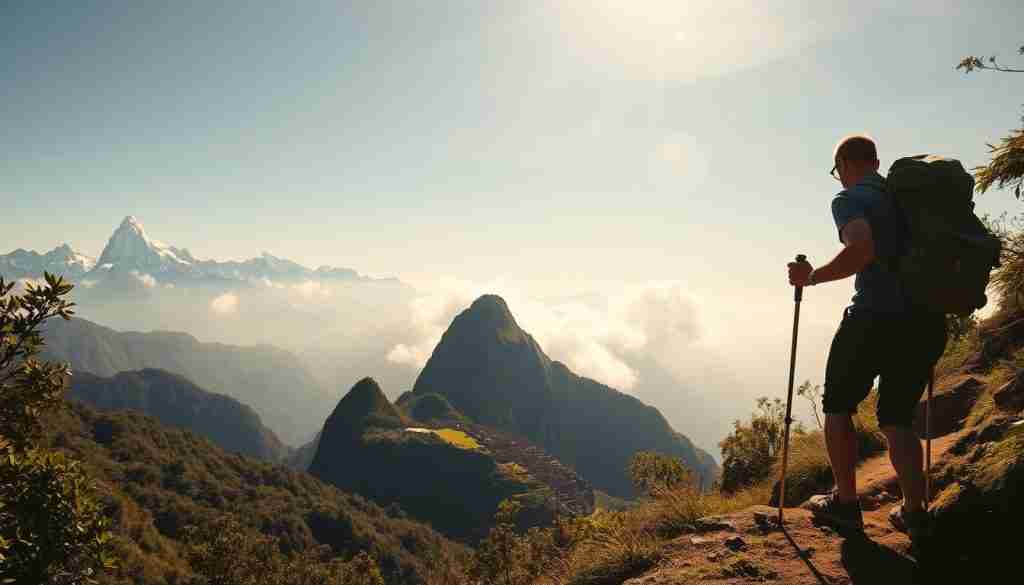
Getting ready for a Machu Picchu trek means working hard on your physical shape. It’s key to be fit for the tough Andean trails and high altitudes. Each trail has its own demands, so getting ready is a big part of your journey.
Your fitness plan should start months before you go. Here’s what experts suggest:
- Start training 3-6 months in advance
- Focus on cardiovascular endurance
- Incorporate strength training
- Practice hiking with elevation changes
Each trail has its own set of challenges. The Classic Inca Trail goes up to 13,828 feet. The Salkantay Trek reaches 15,190 feet. You need to get in shape for each trail to have a safe and fun trip.
| Training Period | Recommended Activities | Frequency |
|---|---|---|
| First Month | Walking, light hiking | 3 times per week |
| Second Month | Stair training, longer hikes | Every other day |
| Final Month | Elevation training, extended hikes | Intensive preparation |
Altitude acclimatization is very important for your Machu Picchu trek. Regular exercise helps your heart and lungs work better at high altitudes. Try swimming, cycling, or dancing to boost your fitness.
Always listen to your body, drink plenty of water, and take rest days. With the right prep, your trek will be an amazing adventure.
Best Seasons for Different Trails
Planning a Machu Picchu hiking adventure needs careful thought about the seasons. Each season offers a unique experience that can change your trek.
Knowing when to go is key for a memorable trip to Peru. The area has two main seasons. These seasons affect the trails and your hike.
Dry Season: Peak Hiking Conditions
The dry season, from April to October, is the best time for Machu Picchu hikes. You can expect:
- Stable weather
- Temperatures between 17 to 19°C during the day
- Clear skies and little rain
Seasonal Weather Patterns
| Season | Months | Temperature Range | Rainfall |
|---|---|---|---|
| Dry Season | April – October | 17-19°C | Minimal |
| Wet Season | November – March | 19-21°C | High precipitation |
Crowd Levels and Considerations
June to August is the busiest time, due to summer vacations in the North. These months have perfect weather but more people.
“The best time to trek is in April, May, September, and October,” says Maria Rodriguez, an experienced guide.
If you want fewer people, try the off-peak months. They have fewer crowds but still good weather.
- Best months for the Inca Trail: April through October
- Recommended stay in Cusco region: Four to five nights
- Ideal daily visit times to Machu Picchu: Before 10 AM or after 2 PM
Trail Circuits and Access Points

Exploring Machu Picchu’s trails needs careful planning. There are multiple hiking access points across three main circuits. Each offers a unique view of the ancient Inca city.
The trail system helps manage visitors and protect the site. You can choose from three main circuits:
- Circuit 1 (Panoramic Circuit): Offers expansive views with four exploration options
- Circuit 2 (Classic Circuit): Most popular route with comprehensive site coverage
- Circuit 3 (Royalty Circuit): Advanced exploration with specialized routes
Circuit details and accessibility vary significantly depending on season and visitor requirements.
| Circuit | Duration | Key Features | Seasonal Availability |
|---|---|---|---|
| Circuit 1 | 2.5 hours | Panoramic views | Year-round |
| Circuit 2 | 2.5 hours | Classic site exploration | Year-round |
| Circuit 3 | 3.5 hours | Advanced routes including Huayna Picchu | Seasonal variations |
Visitors must buy tickets 1-3 months in advance. Tickets are available from 6 a.m. to 3 p.m. Some routes, like Huayna Picchu, need extra permits and only 200 people can go each day.
Essential Equipment and Packing Guidelines
Getting the right gear for Machu Picchu can make your trip amazing. Choosing the right equipment means you’ll be comfortable, safe, and have fun in the Andes.
Required Gear List for Your Trek
Packing smart is key for your Machu Picchu adventure. Here’s a list of must-haves to help you pack right:
- Backpack: 30-36 liter daypack
- Hiking boots with excellent ankle support
- Trekking poles (lightweight, around 350 grams per pair)
- Hydration system or water bottles
- First aid kit with altitude sickness medication
Weather-Appropriate Clothing Strategies
Layering is the secret to staying comfortable. Your Machu Picchu gear should be versatile, fitting the mountain’s changing weather.
| Clothing Item | Recommended Quantity |
|---|---|
| Base layers | 2 tops, 1 bottom |
| Trekking shirts | 4-7 shirts |
| Trekking pants | 2 pairs + 1 shorts |
| Hiking socks | 5-6 pairs with 4-5 sock liners |
Safety Equipment Essentials
Keep yourself safe with important safety gear for high-altitude treks. Choose items that protect you in tough mountain conditions:
- High-quality sunglasses (minimum 80% light reduction)
- Compact rain gear (hard-shell jacket and poncho)
- Thermal gloves (inner and outer pairs)
- Emergency communication device
- Headlamp with extra batteries
Remember, your gear should be light. Try to keep your personal items under 10 kilograms. Brands like The North Face, Osprey, and Patagonia offer great gear that’s both durable and light.
Conclusion
Choosing the right Machu Picchu trail is a big decision. Each trail gives a different view of the ancient Incan world. You can pick from the famous Inca Trail, the Lares Trek, or the Salkantay route.
Your choice depends on your fitness, how much time you have, and what you want to see. The Classic Inca Trail is 26.7 miles long and takes four days. It’s a moderate hike. The Salkantay Trek is longer, at 46.59 miles, and is for those who love adventure and mountains.
When picking a trail, think about practical things too. There are only so many spots available each day. The high altitude and changing seasons also matter. Booking early, 8 to 10 months ahead, helps you get the trail you want.
There’s no single “best” trail for everyone. The right one depends on your travel goals, fitness, and sense of adventure. By looking at each trail’s special features, you can make a trip to Peru’s historic sites unforgettable.

FAQ
What is the most challenging Machu Picchu trail?
The Salkantay Trek is the toughest, with steep climbs and varied landscapes. It goes from snowy peaks to lush forests. You need to be very fit and have hiking experience, reaching heights of 4,600 meters.
How far in advance should I book my Machu Picchu trail permit?
Book the Inca Trail 6-12 months early. Only 500 people, including guides, can hike it daily. Permits sell out fast, mainly in June to August.
What fitness level is required for Machu Picchu trails?
Each trail has its own fitness level. The Inca Trail needs moderate fitness. The Salkantay Trek is harder. Beginners might like the Lares Trek, which is easier and offers cultural experiences.
Start training with cardio and get used to high altitudes before you go.
When is the best time to hike to Machu Picchu?
May to September has the best weather and views. But, it’s also the busiest time. April and October are better for fewer people and good weather.
Do I need a guide for Machu Picchu trails?
Yes, you must have a licensed guide on most trails. They keep you safe, share history, and protect the environment. The Inca Trail requires a guide, but others might not.
What essential equipment should I pack?
Bring sturdy boots, layers, a waterproof jacket, and a sleeping bag. Don’t forget a headlamp, water filter, and sun protection for high altitudes. Pack altitude sickness meds, a comfy backpack, and clothes that dry fast.
How difficult is altitude sickness on Machu Picchu trails?
Altitude sickness is a big worry, with heights between 3,000-4,600 meters. The Lares Trek and Salkantay Trek are the toughest. Spend 2-3 days in Cusco to acclimatize, drink lots of water, avoid alcohol, and use altitude sickness prevention.
Are there age restrictions for Machu Picchu trails?
There’s no strict age limit, but most trails suggest 12-65 years old. The Inca Trail and Salkantay Trek are for experienced hikers, 16-55 years old. Tours often have age and fitness guidelines.
What’s the difference between trail circuits at Machu Picchu?
Machu Picchu has several circuits with different routes and experiences. Circuit 1 covers the upper sites, Circuit 2 the terraces, and Circuit 3 the whole site. Each offers a unique view and requires different fitness levels.
How much does a Machu Picchu trail typically cost?
Prices vary from $500 to $1,500, depending on the trail, length, and services. The Inca Trail is the priciest due to permits. The Lares Trek is more affordable and focuses on culture. Costs usually include guides, meals, and transport.