
Best Limassol Tours 2026: Wine, Walking Routes & Kourion Day Trips
Limassol positions itself as Cyprus’s premier base for exploring ancient archaeological sites, mountain vineyards, and Mediterranean coastal paths. This comprehensive 2026 guide covers the destination’s most rewarding tour experiences, from Commandaria wine tastings in Troodos villages to self-paced promenade walks and day trips to the clifftop ruins of Kourion. Practical details on pricing, booking strategies, and seasonal timing help travelers plan excursions that match their interests and schedules.
Key Takeaways for Limassol Tours 2026
- Wine Tour Investment: Half-day Troodos wine tours cost €60-90 per person including transportation, winery visits, tastings, and traditional meze lunch. Full-day experiences range €85-120 with three winery stops and village exploration.
- Kourion Access: Independent visits cost €5 (admission only) while guided day tours including Kourion, Kolossi Castle, and wine tasting range €75-95 per person with transportation from Limassol.
- Free Walking Options: The 3-kilometer Molos Promenade offers palm-lined coastal paths, sculpture parks, and Mediterranean views at no cost. Self-guided old town routes cover 2.6 kilometers of medieval streets.
- Guided Walking Tours: Professional old town walking tours with local architect guides cost €35-55 per person for 2-3.5 hour experiences including Limassol Castle entrance and historical commentary.
- September Wine Festival: The annual Limassol Wine Festival (September 26-October 4, 2026) provides nine evenings of tastings from major Cypriot wineries for €5 entrance, featuring Commandaria, indigenous varietals, and traditional music.
- Booking Timeline: Reserve wine tours 3-7 days ahead during spring and autumn. Summer months (July-August) require 10-14 days advance booking for small-group experiences due to cruise ship passenger demand.
People Also Ask About Limassol Tours 2026
What is the Best Wine Tour from Limassol in 2026?
The Cyprus Taste Tours half-day Troodos wine experience ranks as the top-rated option, departing Limassol mid-morning for boutique wineries in the Commandaria appellation villages. Tours visit 2-3 award-winning family estates, include guided tastings of indigenous Xynisteri whites and Maratheftiko reds, feature traditional meze lunch in Omodos village, and provide round-trip transportation for €75-90 per person. Small group sizes (maximum 6-7 participants) allow personal interaction with winemakers and flexible pacing through vineyard landscapes.
How Much Does a Kourion Day Trip Cost in 2026?
Independent travelers pay €5 for Kourion archaeological site admission plus €6-12 round-trip bus fare from Limassol (routes 16 and 16B). Organized day tours combining Kourion with Kolossi Castle, Aphrodite’s Rock, and wine tasting cost €75-95 per person including transportation, admission fees, and guide commentary. Half-day shore excursions tailored for cruise passengers range €85-110 with guaranteed return timing. The site opens 8:30 AM-7:30 PM (summer) and 8:30 AM-5:00 PM (winter).
Which Walking Routes in Limassol Are Free in 2026?
The Molos Promenade provides 3 kilometers of free palm-lined coastal walking from the Old Port to Limassol Marina, featuring sculpture installations, playgrounds, and Mediterranean views. The self-guided old town route covers 2.6 kilometers through medieval streets, starting at Limassol Castle (€5 admission) and passing the Grand Mosque, Agia Napa Cathedral, and Saripolou Square. Both routes offer flat, paved surfaces suitable for all fitness levels and operate 24 hours with enhanced lighting after dark.
When Should I Book Limassol Tours in 2026?
Book wine tours and guided experiences 3-7 days ahead during April-May and September-October shoulder seasons. Summer months (June-August) require 10-14 days advance reservation due to cruise ship passenger volume overwhelming small-group capacity. The Limassol Wine Festival (September 26-October 4) tickets sell on-site without advance purchase. Walking tours with specific local guides (architects, historians) need 5-10 days notice year-round. Kourion independent visits need no advance booking.
Extended multi-day tours – 5+ days
Featured Limassol Multi-Day Tour Packages
3 days
Limassol 3-Day Discovery Tour
- ✓ Comprehensive Limassol experience
- ✓ Expert local guides included
- ✓ All accommodation included
- ✓ Transportation provided
5 days
Limassol 5-Day Highlights Experience
- ✓ Comprehensive Limassol experience
- ✓ Expert local guides included
- ✓ All accommodation included
- ✓ Transportation provided

7 days
Limassol 7-Day Cultural Journey
- ✓ Comprehensive Limassol experience
- ✓ Expert local guides included
- ✓ All accommodation included
- ✓ Transportation provided
10 days
Limassol 10-Day Complete Adventure
- ✓ Comprehensive Limassol experience
- ✓ Expert local guides included
- ✓ All accommodation included
- ✓ Transportation provided
Multi-day tour packages powered by TourRadar. Prices and availability subject to change.
Introduction: Limassol’s Tour Landscape in 2026
Limassol functions as Cyprus’s second-largest city and the island’s tourism infrastructure hub, positioned between coastal resort zones and mountain vineyard regions. The destination’s geographic advantages create diverse tour possibilities within compact distances: clifftop Greco-Roman ruins 20 minutes west, Commandaria wine villages 40 minutes north in Troodos foothills, and pedestrian-friendly waterfront paths connecting medieval quarters to modern marinas. This proximity allows travelers to experience archaeological heritage, vinicultural traditions, and urban Mediterranean culture without extensive transit times or multi-night relocations.
The 2026 tour market reflects post-pandemic shifts toward small-group experiences, sustainability-focused operators, and hybrid options combining guided segments with independent exploration time. Wine tour providers emphasize boutique family estates over mass-production facilities, walking tour guides offer architectural and social history perspectives beyond generic site facts, and day trip operators incorporate village stops that support local economies beyond major monuments. Technology integration remains limited compared to European capitals—most operators use WhatsApp coordination rather than sophisticated booking platforms, and audio guide availability at sites varies inconsistently.
Tour selection depends on mobility levels, group dynamics, and interest depth. Wine enthusiasts seeking production knowledge and terroir discussions benefit from full-day experiences visiting three distinct appellations with extended winery conversations. Travelers prioritizing efficiency appreciate half-day combinations (Kourion plus castle) that maximize landmark coverage within compact timeframes. Independent walkers comfortable navigating unfamiliar environments save considerably through self-guided routes using downloaded maps and site research, while those valuing contextual storytelling find professional guides transform observations into memorable learning experiences.
Seasonal timing significantly impacts tour quality and pricing. April through May and September through October provide optimal conditions: moderate temperatures (20-26°C) suit walking and outdoor site exploration, vineyard landscapes show spring bloom or autumn harvest activity, cruise ship volume remains manageable allowing smaller group sizes, and shoulder-season pricing runs 15-20% below summer peaks. Summer months (July-August) challenge outdoor activities with temperatures regularly exceeding 35°C by midday, making early morning starts (7:00-8:00 AM) essential for archaeological site visits. Winter months (December-February) offer fewer tour departures, cooler temperatures (15-18°C) requiring light jackets, and occasional rain disrupting outdoor wine tastings, though cultural sites remain accessible and uncrowded.
Transportation infrastructure shapes tour logistics. Limassol lacks metro or comprehensive public transit, making rental cars practical for independent travelers visiting multiple sites. Bus routes 16 and 16B serve Kourion reliably (departures every 30-60 minutes) but require understanding Cypriot bus culture—schedules posted as guidelines rather than guarantees, payment cash-only, and route maps available only in Greek at many stops. Organized tours solve these friction points through included transportation but introduce fixed schedules, group dynamics, and intermediary costs. Taxis operate on negotiated flat rates for archaeological sites (€30-40 one-way to Kourion from city center) rather than metered fares, requiring agreed pricing before departure.
Troodos Wine Tours 2026: Commandaria and Indigenous Varietals
Limassol’s positioning at the southern edge of the Troodos Mountains provides access to Cyprus’s premier wine regions within 40-60 minute drives. The Commandaria Protected Designation of Origin encompasses 14 villages at 500-900 meter elevations where ancient sweet wine traditions continue using indigenous Mavro and Xynisteri grapes. Modern boutique wineries have transformed the landscape since 2010, establishing tasting rooms in restored stone buildings and cultivating international recognition for dry table wines alongside traditional Commandaria production.
Half-Day Wine Tour Structure and Pricing 2026
Standard half-day wine tours depart Limassol 9:00-10:00 AM and return 2:00-3:00 PM, covering approximately 100 kilometers through scenic mountain roads. Tours visit 2-3 family-owned wineries, allocate 45-60 minutes per estate for facility tours and tastings, include traditional meze lunch at village tavernas, and provide English-speaking guide commentary on viticultural history and current production methods. Pricing ranges €60-90 per person depending on winery selection, lunch elaborateness, and group size. Small group experiences (maximum 6-8 participants) cost €75-90, while larger coach tours accommodating 16-20 people drop to €60-70 per person. All reputable operators include round-trip hotel transportation, tasting fees, and lunch in base pricing.
Cyprus Taste Tours operates the highest-rated half-day option at €75-85 per person, limiting groups to 6-7 participants for personalized winery interactions. Tours visit award-winning boutique estates such as Lambouri Winery and Tsiakkas Winery, include 6-8 wine tastings per location covering indigenous varietals (Xynisteri, Maratheftiko, Yiannoudi) and international blends, feature meze lunches with 8-12 traditional dishes at family tavernas in Omodos village, and incorporate village walking time for monastery visits and artisan shop browsing. The small group format allows flexible pacing—lingering longer at preferred wineries, adjusting tasting selections based on participant preferences, and accommodating special requests like meeting winemakers or viewing barrel aging facilities.
Full-Day Wine Tours: Extended Troodos Exploration 2026
Full-day wine tours extend half-day formats by adding third winery visits, additional village stops, and landscape appreciation time. Departures begin 8:30-9:00 AM with 5:00-6:00 PM returns, covering 150-180 kilometers through multiple elevation zones. Pricing ranges €85-120 per person depending on winery prestige, lunch venue, and included experiences beyond basic tastings. Tim Syrad Wine Tours offers the most comprehensive five-day program at €1,550 per person (four nights accommodation included) visiting renowned estates across all major Cyprus appellations with owner meetings and in-depth terroir discussions.
Standard full-day tours follow this structure: morning departure to first winery (45-minute drive), extended facility tour including barrel cellars and vineyard walks (60-75 minutes), tasting flight of 5-7 wines with production method explanations, mid-morning transfer to second estate in different microclimate zone, comparative tasting highlighting terroir differences, traditional village lunch (90 minutes) at location like Omodos or Lania with time for monastery visits or artisan shopping, afternoon visit to third winery focusing on different style (perhaps Commandaria specialist if morning focused on dry wines), final tasting session, and return drive to Limassol with guide commentary on landscape features and cultural history.
Winery selection significantly impacts experience quality. Established estates like KEO and Etko offer professional tasting rooms, multilingual staff, and consistent wine quality but lack personal connection and production access. Boutique family operations like Vlassides, Zambartas, and Tsiakkas provide intimate experiences where winemakers personally conduct tastings, explain production philosophies, and welcome questions about everything from harvest timing to oak barrel sourcing. The trade-off involves less polished facilities (rustic tasting rooms rather than designer spaces) and limited language options (English and Greek only, no Asian language speakers).
Indigenous Grape Varieties: What to Taste in 2026
Cyprus’s wine renaissance focuses on indigenous varietals that differentiate local production from international competition. Xynisteri dominates white wine production, thriving in hot, dry conditions at 600-1,000 meter elevations and producing citrus-driven wines with mineral undertones when grown on limestone soils. Modern winemaking techniques have elevated Xynisteri from bulk production to premium bottlings, with best examples showing grapefruit, white flowers, and chalky minerality. Tasting notes emphasize freshness and food-pairing versatility with seafood and halloumi-based dishes.
Maratheftiko represents the indigenous red grape receiving greatest international attention. This rare variety (one of few wine grapes with only female flowers, requiring cross-pollination) produces medium-bodied reds with cherry, plum, and spice characteristics. Winemakers compare Maratheftiko to Pinot Noir for elegance and to Syrah for complexity, though the grape maintains distinct Cypriot identity. Production remains limited due to cultivation challenges, making tastings valuable opportunities to experience wines unavailable in international markets. Prices for estate-bottled Maratheftiko range €15-30 per bottle at wineries.
Commandaria stands as Cyprus’s most historically significant wine—a sweet, concentrated style made from sun-dried grapes that traces production methods back 5,000 years. Modern Commandaria uses Mavro and Xynisteri grapes from designated PDO villages, requires minimum aging in oak vessels, and achieves alcohol levels of 15-20% through natural concentration. Tasting characteristics include raisin, fig, caramel, and nutmeg notes with viscous texture and long finish. Commandaria serves as dessert wine or digestif rather than table accompaniment. Quality examples cost €12-25 per 500ml bottle, with aged vintages reaching €40-60.
Village Stops: Omodos, Lania, and Koilani 2026
Wine tour itineraries incorporate traditional mountain villages as lunch venues and cultural context stops. Omodos ranks as the most-visited destination, positioned at 810 meters elevation with cobblestone streets radiating from the 17th-century Monastery of the Holy Cross. The monastery houses religious artifacts including fragments purported to be from the True Cross (hence the name) and operates a small museum displaying ecclesiastical art and historical documents. Surrounding village streets feature lace shops (traditional lefkaritika handwork), artisan workshops producing halloumi and carob products, and tavernas serving village-style meze lunches (€15-22 per person for traditional spread).
Lania positions itself as an artist village where restored stone houses function as studios and galleries for painters, sculptors, and ceramicists. The village retains agricultural character despite tourism development, with narrow lanes lined with potted geraniums and locals maintaining small vineyard plots. Several tavernas offer elevated dining compared to typical tourist venues, focusing on organic ingredients and creative preparations of traditional recipes. Wine tour stops in Lania typically allow 30-45 minutes for village exploration before or after lunch.
Koilani specializes in Commandaria production, with several small family estates maintaining traditional sun-drying methods in open-air drying beds visible from village roads. The Commandaria Museum (€3 admission) provides historical context on production evolution from ancient times through British colonial period to modern appellations. Village tasting rooms offer Commandaria comparisons from different producers, allowing visitors to understand quality variations and aging potential. Most tours incorporate Koilani as afternoon stops for post-lunch Commandaria tastings rather than morning visits.
Limassol Wine Festival: September 2026 Alternative
The Limassol Wine Festival transforms Municipal Gardens into nine-evening celebration of Cypriot wine culture from September 26-October 4, 2026. Admission costs €5 for adults and €3 for teenagers (ages 13-17), with children under 12 entering free. Operating hours run 7:00 PM-11:59 PM nightly, with wine tasting available 7:30 PM-10:00 PM from participating winery pavilions. Major producers including KEO, LOEL, ETKO, and SODAP set up tasting stations offering unlimited sampling (purchased wine glass required—approximately €2-3) alongside smaller boutique operations showcasing limited production wines.
Festival format differs significantly from winery tours. Visitors purchase entrance ticket, obtain wine glass, and circulate freely among pavilions sampling wines at their own pace without guided commentary or production facility access. Food stalls throughout the gardens serve souvlakia, halloumi dishes, loukoumades (honey dumplings), and other Cypriot specialties at €5-12 per item. Live traditional music performances and folk dancing demonstrations occur nightly on multiple stages. The atmosphere emphasizes social celebration over educational wine appreciation, with local families picnicking on lawns while groups of friends move between tasting stations.
Strategic festival attendance involves arriving 7:00-7:30 PM for crowd avoidance (peak density occurs 8:30-10:00 PM), focusing tastings on smaller boutique producers whose wines lack wide distribution, and combining wine sampling with food rather than treating it as drinking event. The 20% discount vouchers included with entrance tickets apply to wine bottle purchases (excluding Commandaria) from ETKO, KEO, LOEL, and SODAP pavilions. Serious wine enthusiasts find festival valuable for discovery purposes—identifying producers worth visiting for full winery tours—rather than as substitute for guided experiences with winemaker interactions and production insights.
Kourion Archaeological Site Day Trips 2026
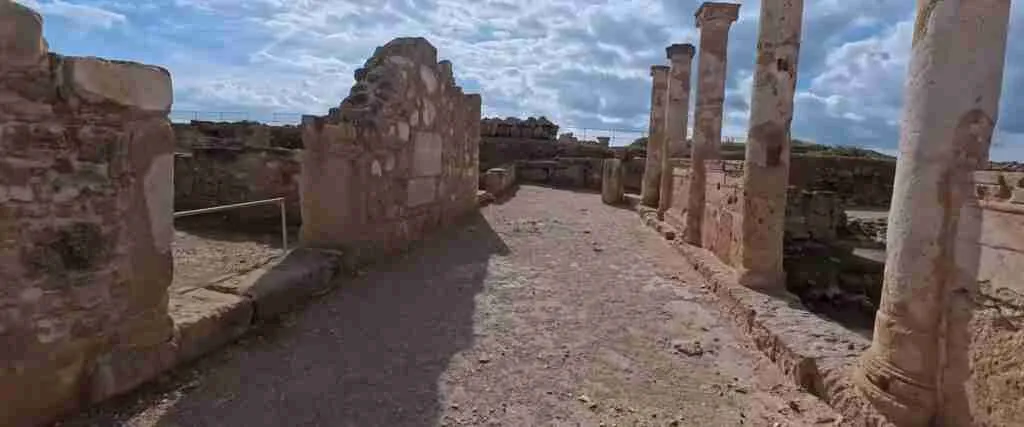
Kourion stands as one of Cyprus’s most impressive ancient cities, positioned on dramatic cliffs 70 meters above the Mediterranean Sea 19 kilometers west of Limassol. The archaeological site preserves extensive Greco-Roman remains including a 2,000-seat theater still used for summer performances, elaborate floor mosaics in wealthy villas, Roman bath complexes, and early Christian basilica foundations. UNESCO recognition (as part of broader Cyprus heritage portfolio) and spectacular coastal setting combine to make Kourion the island’s most photographed archaeological destination.
Independent Visit Logistics and Costs 2026
Admission to Kourion Archaeological Park costs €5 per adult (check official site as pricing may vary), with reduced rates for seniors and students. Children under 18 enter free. The Department of Antiquities offers multi-site passes covering all island monuments: €9 for one-day access, €17 for three days, and €25 for seven days. These passes prove economical for travelers visiting multiple archaeological sites during Cyprus stays. Kourion operates daily with seasonal hours—8:30 AM-7:30 PM from April 16 through September 15, and 8:30 AM-5:00 PM from September 16 through April 15. The site closes Christmas Day, New Year’s Day, and Greek Orthodox Easter Sunday.
Public transportation reaches Kourion via bus routes 16 and 16B departing from Limassol’s main bus station near the Old Port. Buses run approximately every 30-60 minutes (more frequent in summer, reduced winter service) with journey times of 25-35 minutes depending on traffic. Fare costs €1.50 one-way, payable in cash to driver. The bus stops along the main coastal highway approximately 500 meters from the archaeological site entrance, requiring uphill walk on shoulder-less road. Return buses toward Limassol operate on similar frequency, though travelers should verify last departure times to avoid being stranded (typically 7:00-8:00 PM summer, 5:00-6:00 PM winter).
Rental car access provides greatest flexibility. Drive west from Limassol on the A1 highway toward Paphos, following brown archaeological site signs after 15-18 minutes. Free parking adjacent to ticket office accommodates 40-50 vehicles. The journey allows stop combinations—Kolossi Castle sits 10 kilometers before Kourion, and Kourion Beach lies 2 kilometers past the archaeological site for post-exploration swimming. Taxi negotiated fares run €30-40 one-way from Limassol city center to Kourion, or €60-70 for round-trip with 90-120 minutes waiting time included.
Site Exploration: Key Monuments and Visit Duration 2026
Complete Kourion exploration requires 2-3 hours for visitors maintaining moderate walking pace and reading informational plaques. The site sprawls across clifftop terrain with uneven paths, stone steps, and minimal shade, demanding comfortable walking shoes and sun protection. Water fountains exist near entrance but not throughout the site—bring sufficient hydration especially during summer months when temperatures exceed 35°C by midday.
The Greco-Roman Theater dominates the site both physically and photographically. Constructed in 2nd century BC and enlarged during Roman period to accommodate 3,500 spectators (modern safety restrictions limit capacity to 2,000), the theater underwent 20th-century restoration enabling contemporary use. Shakespeare plays, classical Greek dramas, and musical performances occur during June-August summer season (check Cyprus tourism calendar for 2026 schedule). The orchestra circle preserves original limestone paving, while upper tier seating offers commanding Mediterranean views. Photography enthusiasts find optimal lighting conditions early morning (7:00-9:00 AM) or late afternoon (5:00-7:00 PM summer) when sun angle enhances stone textures without harsh shadows.
The House of Eustolios ranks as Kourion’s mosaic highlight. This 5th-century AD villa complex features remarkably preserved floor mosaics including geometric patterns, bird motifs, and the famous inscription welcoming visitors to “enter in good fortune.” Connected bath complex demonstrates Roman engineering with hypocaust heating system (visible beneath raised floor sections) and multiple bathing chambers. Protective roofing installed over mosaics allows detailed viewing without weather damage risk. Information panels explain room functions and social context of Roman bathing culture, though content remains basic compared to major Mediterranean archaeological sites.
Additional structures worth thorough exploration include the Nymphaeum (monumental fountain dedicated to water nymphs with Corinthian columns and carved niches), House of the Gladiators (featuring mosaic panels depicting combat scenes), Early Christian Basilica (showing evolution from pagan to Christian worship spaces through architectural changes), and the Achilles House (another wealthy villa with mythological mosaic themes). The Roman Agora (marketplace) presents primarily foundation remains requiring imagination to visualize original commercial activity, though interpretive signage helps contextualize scattered column drums and pavement fragments.
Guided Kourion Day Tours: Combination Itineraries 2026
Organized day tours combine Kourion with complementary sites creating comprehensive half-day or full-day experiences. Standard half-day tours (4-5 hours) cost €75-95 per person and include hotel pickup, Kourion admission and guided exploration, Kolossi Castle visit, and return to Limassol. Full-day tours (7-8 hours) extend itineraries with Aphrodite’s Rock photo stop, Omodos village lunch, wine tasting, and occasionally Curium Beach swimming time, priced at €95-125 per person including lunch and wine tasting fees.
Typical half-day tour structure: 8:30-9:00 AM hotel pickup in air-conditioned minibus or coach, 20-minute orientation drive to Kolossi Castle with guide providing historical context on Crusader period and Cyprus’s medieval kingdoms, 30-40 minute guided Kolossi exploration including tower climb for countryside views, 15-minute transfer to Kourion Archaeological Park, 90-120 minute guided site tour focusing on theater, House of Eustolios, and Nymphaeum with historical explanations and photo opportunities, optional 15-minute stop at Kourion Beach overlook for cliff views and photos, return to Limassol with 1:00-1:30 PM drop-off at hotels or central meeting point.
The guided format’s value lies in expert commentary transforming stone remains into comprehensible narratives about ancient daily life, architectural innovations, and historical events. Quality guides explain gladiator mosaic symbolism, Roman bathing social hierarchies, theater acoustic engineering, and earthquake evidence visible in collapsed structures. The structured timeline prevents dawdling (common problem for independent visitors uncertain which structures merit attention) while ensuring adequate time at primary monuments. Transportation eliminates bus schedule concerns and parking search frustrations, particularly valuable for travelers without rental cars.
Kolossi Castle: Crusader Heritage Stop 2026
Tours combining Kourion with Kolossi Castle create logical pairing given 10-kilometer proximity and contrasting time periods. Kolossi Castle served as Crusader stronghold controlled by Knights of St. John from 13th-15th centuries, functioning as military headquarters and administrative center for sugar cane and wine production estates. The three-story keep stands remarkably intact with original exterior walls, Gothic windows, and decorative stonework. Admission costs €3 per adult.
Castle exploration takes 30-45 minutes. Visitors climb stone spiral staircase accessing three levels: ground floor storage chambers with massive stone vaults, first floor residential quarters with fireplace and Gothic window seats, and roof terrace offering 360-degree countryside views. Informational plaques (English and Greek) explain castle’s role in Commandaria wine production—the name derives from Kolossi’s administration of wine estates in surrounding villages. Medieval frescoes survive in ground floor chapel space, though most decorative elements eroded over centuries of abandonment.
The castle’s compact size and clear labeling suit independent visits—guided commentary adds historical depth but isn’t essential for basic comprehension. Photography benefits from morning visits when eastern light illuminates Gothic architectural details. Surrounding grounds include remains of sugar cane mill infrastructure, though these features lack interpretive signage and blend into general agricultural landscape. Most visitors spend 20-30 minutes inside the keep and 10-15 minutes exploring exteriors and viewpoints.
Kourion Beach: Post-Archaeology Swimming Option 2026
Kourion Beach (also called Curium Beach) lies 2 kilometers from the archaeological site along the same coastal highway. This pebble and coarse sand beach stretches 1 kilometer beneath the dramatic cliffs supporting the ancient city ruins. Beach facilities include sunbed and umbrella rentals (€5-7 per set), seasonal lifeguard service (June-September), snack bar serving basic meals and drinks, changing rooms, and parking (free). The beach attracts local families, cruise ship passengers from organized tours, and paragliders using the cliffs as launch point for coastal flights.
Swimming conditions vary seasonally. Summer months (June-September) provide warm water temperatures (24-27°C), calm seas suitable for families, and full facility operation. Spring and autumn see cooler water (18-22°C) and occasional afternoon wind creating choppy conditions. Winter swimming appeals mainly to locals accustomed to cold water. The pebble beach requires water shoes for comfortable entry, and undertow during rough conditions creates hazards for weak swimmers. Lifeguards post warning flags but beach remains officially open even in marginal conditions.
Combining archaeological site visits with beach time works best during summer months when heat makes mid-day site exploration uncomfortable. Tour groups typically allocate 45-60 minutes for beach breaks, sufficient for swimming and beachfront taverna refreshments. Independent travelers can extend stays as desired. Saint Ermogenis Tavern, Chris Blue Beach, and O Sotiris Sas Fish Tavern operate as primary dining options, serving fresh seafood, traditional meze, and Cypriot grilled meats at €15-28 per person for full meals including drinks.
Molos Promenade and Coastal Walking Routes 2026
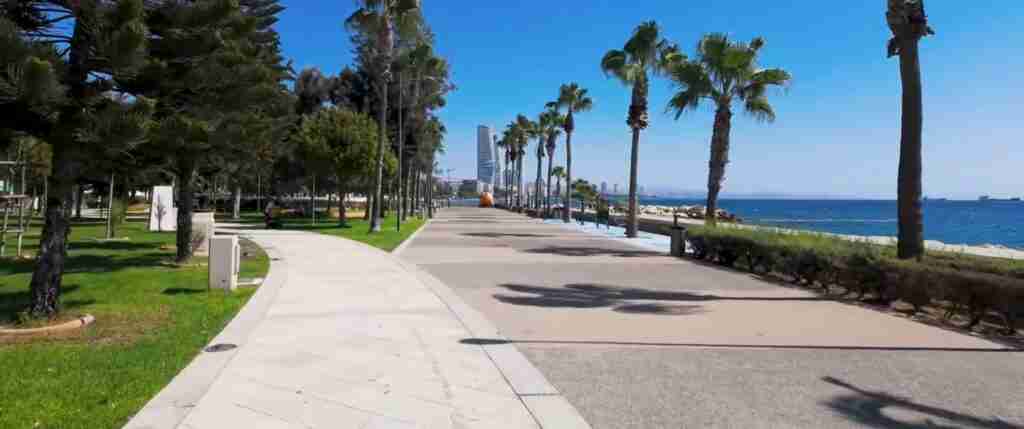
Limassol’s Molos Promenade functions as the city’s premier free attraction—a 3-kilometer palm-lined coastal path connecting the historic Old Port with the modern Limassol Marina. Opened in phases between 2012-2016 through municipal investment transforming narrow coastal road into expansive pedestrian park, Molos attracts locals and visitors for morning runs, afternoon family outings, evening strolls, and cycling sessions. The promenade exemplifies successful urban waterfront redevelopment, creating activated public space that enhanced surrounding property values while maintaining free public access.
Promenade Route and Features 2026
The complete promenade walk from Old Port to Marina covers approximately 3 kilometers of flat, paved paths suitable for strollers, wheelchairs, and all fitness levels. Walking time averages 35-45 minutes at leisurely pace with photo stops, or 20-25 minutes for fitness-focused striders. The route divides into distinct zones: eastern section near Old Port features traditional fishing boat moorings, casual tavernas, and views of historic castle; central section showcases modern sculpture installations by Cypriot and Greek artists, playground complexes with climbing structures and water features, outdoor fitness equipment, skateboard park, and manicured lawn areas with palm tree groves; western section approaching Marina becomes progressively upscale with designer cafes, juice bars, and lounge seating overlooking yacht berths.
Sculpture installations provide visual interest beyond generic waterfront park aesthetics. Notable pieces include abstract metal works reflecting Mediterranean light patterns, figurative bronze statues depicting historical themes, and interactive installations inviting visitor engagement. Informational plaques identify artists and explain conceptual frameworks, though many plaques show weathering damage affecting readability. Photography enthusiasts find sculptures useful foreground elements for Mediterranean seascape compositions, particularly during golden hour lighting (6:30-8:00 PM summer, 4:30-6:00 PM winter).
Multiple piers extend into the sea at regular intervals, occupied by fishermen casting lines and swimmers using ladder access for open water entry. Benches line the entire promenade at 50-meter spacing, providing rest stops and people-watching positions. Public restrooms exist at four locations along the route (near Old Port, mid-section near playground, near Marina), maintained to reasonable cleanliness standards though toilet paper availability varies. Water fountains function reliably for bottle refills during hot weather.
Optimal Visit Times and Activity Options 2026
Molos operates 24 hours with enhanced evening illumination creating safe after-dark environment popular with couples and families escaping daytime heat. Morning hours (6:00-9:00 AM) attract fitness enthusiasts—joggers, speed-walkers, and cycling commuters—creating energetic atmosphere with minimal crowds. Mid-day periods (11:00 AM-3:00 PM) see reduced activity due to intense sun and heat, particularly summer months when direct sunlight eliminates shade options along the waterfront path. Late afternoon through evening (5:00-10:00 PM) brings peak crowds as locals finish work, families head to playgrounds, and visitors enjoy sunset views and dinner at promenade cafes.
Cycling the promenade requires attention to pedestrian volume. Dedicated bike lanes run parallel to walking paths throughout most sections, though lanes narrow in crowded zones near Marina and Old Port. Bicycle rental shops operate near both promenade ends, charging €8-12 per hour or €25-35 for full-day rentals (hybrid city bikes). Cycling the complete route takes 15-20 minutes at moderate pace, making the promenade practical connector between Old Town attractions and Marina dining options rather than extended cycling destination.
Photography opportunities center on sunset compositions with palm trees, sculptures, and fishing boats creating foreground interest against Mediterranean horizon. Best viewpoints include the eastern pier near Old Port (capturing castle in background), central section sculptures (artistic elements against sea), and Marina approach (luxury yachts and modern architecture). Sunrise photography works less effectively due to eastern sea orientation creating backlit conditions, though early morning light provides flattering illumination for architectural details and fewer people obstructing frame compositions.
Cafes, Facilities, and Practical Information 2026
Cafe density increases along the promenade from sparse traditional options near Old Port to concentrated upscale establishments approaching Marina. Budget-conscious visitors find value in eastern section cafes serving Greek coffee at €2-3, frappe at €3-4, and simple sandwiches at €4-6. Mid-section kiosks offer pre-packaged snacks, ice cream, and soft drinks at standard tourist pricing. Western Marina-adjacent cafes charge premium rates (cappuccino €4-5, fresh juices €6-8, light meals €12-18) but provide designer interiors, comfortable seating, and extensive beverage menus.
Playground complexes cater to different age groups. The main playground near central section features modern equipment including climbing structures, swings, slides, and water play features operational during warm months. Shaded seating surrounds playgrounds allowing parent supervision while remaining comfortable. Skateboard park attracts local teenagers and provides spectator entertainment for casual visitors interested in urban sports culture.
Accessibility features include level surfaces throughout, curb cuts at all street crossings, accessible restrooms at major facility points, and adequate pathway width (minimum 3 meters) preventing crowding even during busy periods. The promenade lacks formal visitor information centers, though Marina information desk provides maps and recommendations during business hours (9:00 AM-6:00 PM). Signage exists in Greek and English for major landmarks and facilities, though directional wayfinding could improve—first-time visitors occasionally struggle locating specific amenity locations.
Extending the Walk: Old Port to Marina Route 2026
Walkers seeking longer routes extend promenade exploration by continuing past Marina into Dasoudi Beach area (additional 2.5 kilometers) or combining coastal path with Old Town loop (adding 2-3 kilometers of medieval street exploration). The complete circuit from Old Town through promenade to Marina and return through city streets totals approximately 7-8 kilometers, requiring 90-120 minutes at moderate pace with brief stops.
Old Port starting point offers historical context before beginning promenade walk. The renovated port area preserves working fishing boat operations alongside converted warehouse spaces housing restaurants, cafes, and occasional art exhibitions. Early morning visits (6:00-8:00 AM) show fishermen unloading catches and repairing nets, providing authentic maritime atmosphere absent from manicured promenade sections. Tavernas surrounding Old Port serve fresh seafood at more reasonable pricing than Marina establishments—grilled fish plates €15-22, seafood meze €18-25, traditional octopus dishes €14-18.
Limassol Marina represents the promenade’s western terminus and striking contrast to Old Port’s traditional character. Opened 2014 as Cyprus’s first integrated yacht marina and residential development, the complex accommodates 650 boats including superyachts up to 115 meters. Waterfront promenade continues through Marina with designer boutiques, jewelry shops, and upscale restaurants charging premium prices (mains €22-38, cocktails €12-16). The Marina functions as social scene for Cyprus’s international business community and seasonal visitors, particularly visible during evening hours when yacht parties and restaurant terraces create Mediterranean lifestyle atmosphere. Non-wealthy visitors often feel out-of-place among conspicuous consumption displays, though public access remains unrestricted and window shopping costs nothing.
Old Town Walking Tours 2026: Medieval Streets and Castle
Limassol’s Old Town comprises the historic core between the castle and promenade, characterized by narrow pedestrian streets, medieval and Ottoman-era architecture, traditional workshops, and emerging cafe culture. Unlike Cyprus’s Paphos or Nicosia old towns which maintain clearer historical coherence, Limassol’s historic quarter shows mixed development patterns—restored mansions beside modern concrete insertions, trendy coffee shops next to elderly craftsmen’s workshops. This authentic urban complexity creates genuine neighborhood atmosphere missing from over-curated heritage zones but requires interpretive guidance to appreciate layers of history embedded in streetscapes.
Self-Guided Old Town Route 2026
The standard self-guided walking route covers 2.6 kilometers in approximately 60-90 minutes including brief stops at major landmarks. Start at Limassol Castle (Lemessos Medieval Castle) in the heart of the Old Town. The castle serves as the neighborhood’s orientation point and primary historical monument, housing the Cyprus Medieval Museum. Admission costs €5 per adult. The fortress dates to Byzantine period (10th century) with major reconstruction during Lusignan rule (14th century) when Cyprus functioned as Crusader kingdom. Local legend claims Richard the Lionheart married Berengaria of Navarre in the castle chapel during his 1191 Cyprus campaign, though historical evidence remains inconclusive.
Castle exploration takes 30-45 minutes. Three floors contain museum displays of medieval armor, ceramics, coins, religious artifacts, and carved stone architectural elements salvaged from destroyed churches. Displays lack interactive technology or dramatic presentation found in major European castle museums, relying on traditional glass cases and text labels. The rooftop terrace provides 360-degree views across Old Town roofscapes toward sea and mountains. Castle surroundings include paved square with cafe seating and occasional cultural events—summer concerts, Christmas market, craft fairs.
From castle square, walk south on Agiou Andreou street toward the Old Port, passing through the Municipal Market area. The covered market built during British colonial period (1917) functions as working food market selling fresh produce, spices, nuts, dried fruits, and Cypriot specialty products. Market hours run 6:00 AM-2:00 PM Monday-Saturday (closed Sunday), with peak activity 8:00-11:00 AM when locals shop for daily ingredients. Visitors find market useful for souvenir shopping—halloumi cheese, olive products, traditional sweets—at local prices substantially lower than tourist shops.
Continue to Agia Napa Cathedral, the Old Town’s primary Orthodox church constructed 1903 on site of medieval monastery. The cathedral combines Byzantine architectural elements with neo-Gothic details, creating eclectic style characteristic of late Ottoman period church construction. Interior features extensive icon decoration and elaborate chandeliers, though restricted visiting hours (typically mornings only, closed during services) limit access. Adjacent square provides shaded seating and cafe options.
Walk west through narrow streets toward Saripolou Square, the Old Town’s cafe and nightlife hub. The square and surrounding pedestrian lanes concentrate Limassol’s alternative culture—independent coffee roasters, craft beer bars, small galleries, vintage shops. Afternoon hours find square relatively quiet with students working on laptops, while evening transforms atmosphere with live music, outdoor dining, and social gatherings. Saripolou represents Old Town’s successful adaptive reuse, converting declining commercial district into vibrant neighborhood attracting creative businesses and young professionals.
The final route segment follows pedestrianized Agiou Andreou street back toward castle, passing restored colonial-era buildings, traditional workshops (cobblers, tailors, metalworkers maintaining small operations), and emerging boutiques and restaurants. Independence Street (running parallel one block north) serves as main shopping thoroughfare with chain stores and tourist-oriented businesses. The self-guided route provides satisfactory overview of Old Town’s geography and primary landmarks, though historical context remains limited without guide interpretation explaining building styles, cultural transitions, and neighborhood evolution.
Guided Walking Tours: Architectural and Historical Perspectives 2026
Professional guided walking tours transform Old Town exploration from geographical orientation into educational experience, providing architectural analysis, historical context, and local knowledge unavailable through independent wandering. Tours typically cost €35-55 per person for 2-3.5 hour experiences including castle entrance. Small group private tours with local architect guides command premium pricing (€45-60 per person, minimum 4 participants) but deliver specialized architectural commentary explaining construction techniques, style evolution, and restoration challenges.
The Limassol Old Town Walking Tour with Local Architect stands as highest-rated option, led by Limassol-born architect providing professional perspective on built environment. Tours explore beyond standard tourist route, accessing courtyard spaces, examining construction details invisible to casual observers, and explaining renovation projects transforming abandoned buildings into contemporary uses while preserving historical character. The architect guide discusses challenges facing historic preservation in Cyprus—limited protection regulations, development pressure, material deterioration in Mediterranean climate, and balancing modernization with heritage conservation.
Standard guided tours follow this structure: meeting at castle square, 45-minute castle tour with historical overview of medieval Cyprus and Lusignan dynasty rule, walking tour through Old Town streets with stops at Agia Napa Cathedral (exterior only if service in progress), Grand Mosque (Cyprus’s multicultural heritage discussion), Municipal Market (traditional commerce explanation), restored mansions showing Ottoman and colonial architectural features, Saripolou Square (neighborhood revitalization discussion), and return to castle area. Guides provide context on Cyprus’s complex history—Byzantine, Crusader, Venetian, Ottoman, and British periods—explaining how each ruling power left architectural imprints visible in contemporary streetscapes.
The guided format’s value increases proportionally to group size and guide quality. Excellent guides transform mundane-appearing buildings into fascinating historical narratives, pointing out decorative details, explaining social hierarchies reflected in architectural styles, and connecting physical spaces to historical events. Mediocre guides merely recite Wikipedia-level facts while walking standard routes. Reviews and recommendations prove essential for identifying quality operators. Independent travelers comfortable with historical research and architectural observation may find guided tours unnecessary expenditure, while those less confident navigating unfamiliar environments or seeking deeper interpretive content benefit substantially from professional leadership.
Additional Old Town Points of Interest 2026
The Municipal Museum of Folk Art occupies restored traditional house near the Old Port, displaying Cypriot costume, textiles, woodcarving, pottery, and agricultural implements. Admission costs €2. The museum provides context on rural life and traditional crafts, though limited English labeling reduces accessibility for non-Greek speakers. Operating hours remain inconsistent (officially Tuesday-Friday 8:30 AM-3:00 PM, but frequently closed for unstated reasons), making it unreliable attraction for time-limited visitors.
The Grand Mosque (Cami Kebir) represents Ottoman-period Islamic heritage, though the building began as Catholic cathedral during Lusignan rule before conversion following Ottoman conquest (1570). The mosque remains active for Muslim worship, with restricted visitor access outside prayer times. Appropriate dress (covered shoulders and knees, headscarves for women) required for entry. The structure demonstrates architectural layering—Gothic elements surviving beneath Ottoman modifications—illustrating Cyprus’s cultural complexity.
Lanitis Carob Mill Museum occupies renovated industrial building on Old Port, documenting Cyprus’s once-prominent carob export industry. Admission €3. Displays explain carob processing, international trade, and industrial heritage. The museum represents quality conversion of industrial archaeology into cultural attraction, though limited opening hours (weekends only, May-October) restrict accessibility. Adjacent cafe occupies waterfront location serving coffee and light meals in atmospheric converted warehouse space.
Combination Tours 2026: Maximizing Day Trip Efficiency
Combination tours bundle multiple attractions into single-day itineraries, creating comprehensive Cyprus experiences while eliminating independent transportation logistics. These packages appeal to travelers prioritizing efficiency over flexibility, cruise ship passengers with limited shore time, and visitors without rental cars. Pricing ranges €85-140 per person depending on inclusions and group size.
Popular Combination Tour Formats 2026
The Kourion-Kolossi-Omodos-Wine Tasting combination represents the most common full-day format (7-8 hours), priced €95-125 per person. Itinerary includes: morning hotel pickup, Kolossi Castle guided tour (30 minutes), Kourion Archaeological Site guided exploration (90 minutes), optional Kourion Beach stop for swimming/photos (30 minutes), transfer to Troodos foothills, traditional meze lunch in Omodos village (90 minutes including village walk and monastery visit), winery visit for tour and tasting (60 minutes), return to Limassol with afternoon drop-off. All entrance fees, lunch, and wine tasting included in pricing.
This combination succeeds because components complement rather than compete—archaeological heritage (Kourion, Kolossi) provides historical foundation, mountain village (Omodos) delivers cultural context, and wine tasting offers sensory experience. The full-day duration allows adequate time at each location without feeling rushed, though schedule remains structured with limited flexibility for extending stays at preferred sites.
The Troodos Mountains-Villages-Waterfalls-Wine Tour represents alternative combination emphasizing natural landscapes and traditional culture over archaeology. Pricing runs €90-120 per person for 7-8 hour experiences including: mountain road drive with scenic viewpoints, Caledonia Waterfalls walk (45-60 minutes moderate hike through forest to 12-meter cascade), traditional village stops in Platres or Kakopetria for coffee/refreshments, monastery visit (Kykkos or Trooditissa depending on route), winery tour and tasting, mountain village lunch, return to Limassol. This format appeals to travelers having already visited Kourion independently or seeking nature-focused experiences contrasting with coastal resort environments.
Half-Day Shore Excursions for Cruise Passengers 2026
Cruise ship calls at Limassol port create dedicated shore excursion market operating under time constraints (typically 4-5 hours maximum from docking to departure). Shore excursions prioritize guaranteed return timing and operate rain-or-shine with no cancellations. Pricing runs €85-110 per person reflecting time pressures and specialized logistics.
Standard half-day cruise shore excursion format: immediate port pickup upon passenger disembarkation (no hotel collection delays), express transfer to Kourion Archaeological Site (25 minutes), guided site tour focusing on theater and House of Eustolios (60-75 minutes), brief photo stop at Kolossi Castle exterior (15 minutes, no interior tour due to time constraints), return drive through wine villages with guide commentary, guaranteed port return 30 minutes before ship departure. Some operators include quick wine shop stop for purchase opportunities (no formal tasting due to time limits). Despite compressed timeline, shore excursions provide satisfactory Kourion experience for passengers lacking time for independent visits.
Private Tour Flexibility vs Group Tour Economics 2026
Private tours offer customized itineraries and flexible pacing but cost substantially more than group options. Private full-day tours range €250-400 total (not per person) for 2-4 participants plus €40-60 per additional person, including vehicle, driver/guide, and fuel. Groups of 5-6 find private tour economics comparable to joining organized group tours when divided per-person, with substantial flexibility benefits. Couples and solo travelers face steep per-person costs making group tours more practical unless budgets accommodate premium pricing.
Private tour advantages include: customized departure times (early starts for archaeological sites before heat and crowds), flexible time allocation (linger at preferred locations, skip sites of less interest), personalized guide attention (asking unlimited questions, deep-diving into specific interests), restaurant selection for lunch (choosing venues matching taste and budget preferences rather than group tour defaults), and spontaneous itinerary adjustments (adding unexpected stops, rerouting based on weather or traffic). These benefits prove most valuable for photographers seeking specific lighting conditions, specialized interest visitors (architecture enthusiasts, wine collectors, Byzantine history scholars), and travelers with mobility limitations requiring accessible venues and comfortable pacing.
Booking Strategies and Tour Operator Selection 2026
Limassol’s tourism market operates through mix of international booking platforms (GetYourGuide, Viator), local operator websites, and direct communication channels (WhatsApp, email). Understanding booking ecosystem helps secure best pricing and suitable tour selection.
Advance Booking Timeline 2026
Wine tours and small group experiences require advance booking during peak seasons. Book 3-7 days ahead during April-May and September-October shoulder seasons when demand moderates and operators maintain availability. Summer months (June-August) see capacity constraints as cruise ship passenger volume overwhelms small-group tour capacity—book 10-14 days ahead securing preferred dates and avoiding sold-out disappointments. Winter months (December-February) offer same-day booking possibility as demand drops significantly, though tour departures decrease to 2-3 weekly rather than daily operations.
Walking tours with specific local guides (architects, historians) benefit from 5-10 days advance notice year-round, as these specialists maintain other employment and arrange tours around primary work schedules. Generic walking tours using rotating guides remain bookable 1-3 days ahead. Kourion independent visits require no advance booking—purchase admission tickets on-site. Archaeological sites maintain consistent opening hours without capacity restrictions or advance ticket requirements.
Platform Booking vs Direct Contact 2026
International booking platforms (GetYourGuide, Viator, TripAdvisor Experiences) provide secure payment processing, customer service support, and cancellation protection but charge operators 20-30% commission. Operators sometimes pass these commissions to customers through higher platform pricing compared to direct bookings, though pricing discrepancies aren’t universal. Platform bookings suit travelers prioritizing transaction security and familiar interfaces over minor savings.
Direct operator contact via WhatsApp or email eliminates platform commissions, potentially securing 10-15% discounts, but sacrifices payment protection and formal dispute resolution. Reputable operators accept bank transfers or cash payment on tour day, though this requires trust and leaves customers vulnerable if operators fail to deliver promised services. Direct booking works well for established operators with substantial positive reviews and clear cancellation policies stated upfront. Unknown operators demanding advance payment through unprotected channels raise red flags justifying platform booking despite higher costs.
Identifying Quality Operators 2026
Tour quality varies substantially between operators despite similar pricing and itineraries. Review analysis helps identify consistently reliable operators versus those generating mixed feedback. Look for review patterns indicating:
Guide knowledge and engagement—excellent tours consistently mention guides by name, describing detailed explanations and enthusiastic presentation. Mediocre tours feature generic comments about “nice guide” without specifics, suggesting competent but unmemorable experiences.
Small group commitment—operators claiming “small groups” but running tours with 20+ participants generate negative reviews about impersonal experiences and difficulty hearing guide commentary. Verify actual group size limits, recognizing 6-8 participants as genuine small group, while 12-16 represents standard group tour.
Time allocation—rushed tours attempting excessive itineraries generate complaints about insufficient site time and feeling hurried. Quality operators allocate realistic durations allowing proper exploration and photo opportunities without constant schedule pressure.
Food quality—wine tour lunch quality significantly impacts overall satisfaction. Operators using tourist-trap restaurants with mediocre buffets earn criticism, while those selecting authentic village tavernas with home-style cooking receive praise.
Vehicle condition and driver competence—older vehicles lacking air conditioning or drivers exhibiting aggressive/unsafe behavior appear frequently in negative reviews. Professional operators maintain modern fleet and employ experienced drivers trained in customer service.
Group Composition Considerations 2026
Tour group demographics affect experience quality, particularly for small group wine tours where social dynamics influence enjoyment. Mixed-age international groups create interesting cultural exchange but may struggle with language comprehension if guide speaks unclear English. Groups dominated by cruise ship passengers often maintain rushed pace dictated by ship departure deadlines. Tours marketed to specific demographics (couples, solo travelers, senior travelers) typically generate more cohesive group dynamics and appropriate pacing.
Seasonal Considerations for Limassol Tours 2026
Cyprus’s Mediterranean climate creates distinct seasonal patterns affecting tour experiences, site conditions, and practical comfort. Understanding seasonal variations helps optimize tour selection and timing.
Spring Season: April-May 2026
Spring represents optimal touring conditions—daytime temperatures range 20-26°C providing comfortable outdoor exploration without heat stress, wildflowers bloom across Troodos Mountain landscapes creating photogenic scenery, archaeological sites remain uncrowded before summer tourist influx, and hotel/tour pricing sits 15-20% below summer peaks. Occasional spring rain (2-4 days monthly) rarely disrupts outdoor activities but keeps landscapes green and dust suppressed. Wine tours visit vineyards during spring growth phase showing new shoots and developing canopy, though harvest activity won’t occur until August-September.
Practical advantages include: easy restaurant reservations without advance planning, negotiable private tour pricing due to moderate demand, and reliable tour departures without last-minute cancellations (common during slow winter months). Photography benefits from spring lighting conditions—clear skies with moderate sun angle creating well-balanced exposures without harsh summer shadows. Pack light jacket for evening cool-downs (temperatures drop to 12-15°C) and rain shell for possible showers.
Summer Season: June-August 2026
Summer brings challenging conditions requiring strategic planning—daytime temperatures regularly exceed 35°C making mid-day outdoor activities uncomfortable, archaeological sites offer minimal shade causing heat exhaustion risk, and cruise ship passenger volume overwhelms small group tour capacity. Tour operators adjust schedules with earlier start times (7:00-8:00 AM) avoiding peak heat, but this requires commitment to early wake-ups conflicting with vacation relaxation rhythms.
Wine tours during summer visit vineyards approaching harvest readiness, with grape clusters visible on vines (though still developing sugar content), and some early-harvest operations beginning by late August. Wineries remain fully staffed accommodating peak tourist season, ensuring consistent tasting room operations without restricted hours common during winter. The Limassol Wine Festival (late September) technically falls outside summer but capitalizes on warm evening weather for outdoor tasting environment.
Heat management strategies essential for summer tours include: booking earliest available departure times, wearing lightweight sun-protective clothing and wide-brim hats, carrying 2+ liters water per person, using high-SPF sunscreen reapplied hourly, taking frequent shade breaks, and recognizing heat exhaustion symptoms (excessive fatigue, nausea, dizziness). Archaeological sites like Kourion become genuinely dangerous during summer mid-day hours for unprepared visitors, particularly elderly travelers and young children less resilient to heat stress.
Autumn Season: September-October 2026
Autumn equals spring for touring conditions, with temperatures moderating to 22-28°C in September and 18-24°C in October. Sea temperatures remain warm (24-26°C September, 22-24°C October) enabling comfortable swimming at Kourion Beach following archaeological visits. Wine tours during autumn feature harvest activity at many estates (September particularly), with grape picking visible in vineyards, fermentation tanks active in production facilities, and winemakers accessible for conversation despite busy schedules. This period offers wine tour participants most authentic production experience—seeing, smelling, and understanding winemaking as active process rather than historical explanation.
The Limassol Wine Festival (September 26-October 4, 2026) functions as autumn’s signature event, drawing both international visitors and local wine enthusiasts. Festival attendance combines effectively with winery tours earlier in week, allowing festival wine discovery to inform subsequent in-depth winery visits. October pricing drops as summer tourist season concludes, creating value opportunities for travelers with flexible schedules.
Winter Season: November-February 2026
Winter represents low season with significantly reduced tour operations—many wine tour operators limit departures to weekends only or minimum participant requirements (4-6 people), archaeological sites see minimal crowds but face occasional rain closures or muddy conditions, and cooler temperatures (12-18°C) require layered clothing uncommon in typical Cyprus vacation packing. Troodos Mountain wine villages experience occasional snow at higher elevations, blocking roads temporarily and creating hazardous driving conditions for rental cars lacking winter equipment.
Benefits include: lowest annual pricing (20-30% below summer), private-tour-level attention during group tours with minimal participants, authentic local atmosphere at restaurants and wineries without tourist crowds, and flexible last-minute booking. Photography enthusiasts appreciate winter lighting conditions and dramatic weather (storm clouds, rain-cleared atmosphere) creating moody landscape compositions impossible during consistent summer sunshine. Winter touring suits travelers prioritizing cultural immersion and budget optimization over beach weather and guaranteed sunshine.
Alternative Limassol Excursions 2026
Beyond standard wine-archaeology-walking tour categories, Limassol offers specialized excursions catering to niche interests and different activity preferences.
Akrotiri Peninsula Adventures 2026
The Akrotiri Peninsula (British Sovereign Base Area) provides off-road experiences, nature trails, and historical sites within unique political geography—British-administered territory operating under UK law despite physical location in Cyprus. Buggy tours (€90-120 per person for 3-4 hours) explore Salt Lake ecosystems, turtle nesting beaches (seasonal May-August), abandoned monastery ruins, and motocross tracks. The tours emphasize adventure recreation over cultural education, appealing to families with teenagers and active travelers seeking physical engagement beyond passive sightseeing.
Catamaran Sailing and Coastal Cruises 2026
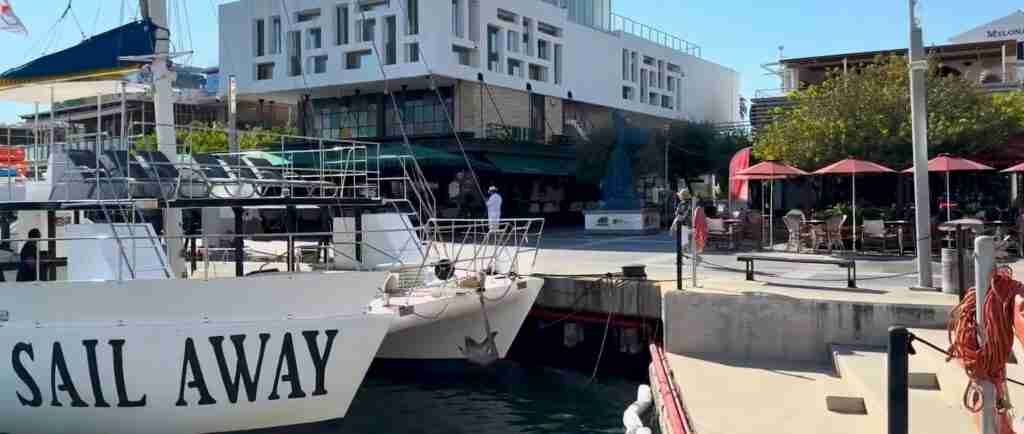
Sailing excursions from Limassol Marina or Old Port range from sunset cocktail cruises (3 hours, €50-70 per person) to full-day sailing adventures with swimming stops (€85-120 per person including lunch). Catamaran formats provide stable platforms suitable for families and non-sailors, with shaded seating areas, bathroom facilities, and swim platforms. Routes typically cruise west toward Aphrodite’s Rock and Governor’s Beach or east toward Lady’s Mile Beach. These water-based tours offer complementary perspective to land-based cultural experiences, providing relaxation and Mediterranean immersion without historical education focus.
Troodos Mountain Hiking 2026
Guided hiking tours in Troodos Mountains combine nature exploration with moderate physical activity. Popular routes include Caledonia Waterfalls Trail (2.5-hour guided hike through pine forest to 12-meter waterfall, €45-60 per person including transportation from Limassol) and Artemis Trail (7-kilometer loop around Mount Olympus summit at 1,950 meters elevation, €55-75 per person). These tours suit active travelers comfortable with 2-3 hours walking on mountain trails, seeking cooler temperatures and natural scenery contrasting with coastal environments. Summer heat makes mountain hiking more comfortable than coastal archaeological sites, creating strategic pairing—beach mornings, mountain afternoon hikes.
Practical Tour Logistics 2026
Understanding operational details prevents tour day frustrations and ensures smooth experiences.
Hotel Pickup Procedures 2026
Most organized tours include hotel pickup throughout Limassol tourist zone (coastal strip from Lady’s Mile to Amathus). Operators request accommodation names during booking and provide pickup time windows (typically 30-minute ranges like “8:30-9:00 AM”). Guests wait in hotel lobbies or at main entrances—drivers rarely call room phones or send advance notifications. Delayed pickups occur occasionally due to traffic or multiple hotel stops; wait full 30-minute window before calling emergency contact number provided in booking confirmation.
Accommodations outside standard tourist zone (mountain villages, western suburbs) may incur pickup surcharges (€10-20) or require meeting at central collection point. Clarify pickup coverage during booking to avoid confusion or additional charges. Cruise ship passengers booking shore excursions meet at port gate rather than ship interior due to security procedures—verify exact meeting location in booking confirmation.
What to Bring on Tours 2026
Essential items for day tours include: sun protection (high-SPF sunscreen, wide-brim hat, sunglasses), comfortable closed-toe walking shoes (sneakers or hiking boots—not sandals), 2+ liters water per person beyond what operators provide, light jacket for air-conditioned vehicles and mountain temperature drops, camera with charged batteries, small backpack distributing weight evenly, and modest clothing for church/monastery visits (covered shoulders and knees).
Wine tours specifically require: small notebook for tasting notes if interested in wine education, willingness to spit during tastings (drinking all samples impairs judgment and creates intoxication), and designated driver if driving independently rather than joining organized tour. Archaeological site visits benefit from: small flashlight for dark interior spaces at Kourion villas, binoculars for viewing architectural details, and printed site maps or downloaded apps for self-guided exploration.
Payment Methods and Tipping 2026
Tour operators accept payment via credit card through booking platforms, bank transfer for direct bookings, or cash on tour day. Cash payment typically uses euro currency (Cyprus’s official currency), though some operators accept British pounds or US dollars at posted exchange rates. Credit card payment includes operator convenience while cash payment sometimes secures small discounts (5-10%) due to eliminated transaction fees.
Tipping practices follow European norms rather than American expectations. Tour guides and drivers appreciate tips for excellent service but don’t rely on gratuities as income supplement—base pay covers living wages. Appropriate tipping ranges €5-10 per person for half-day tours and €10-15 per person for full-day experiences where guides exceeded expectations. Mediocre service warrants no tip. Group tip collection by tour members creates awkward dynamics—tip individually and directly if satisfied with service.
Cancellation Policies and Weather Contingencies 2026
Standard cancellation policies allow full refunds for cancellations 24-48 hours before tour departure, reducing to 50% refunds 12-24 hours before, and no refund for same-day cancellations or no-shows. Platform bookings typically offer more generous cancellation terms (free cancellation up to 24 hours) due to platform policies, while direct operator bookings enforce stricter terms. Read cancellation policies carefully during booking to understand financial exposure if plans change.
Weather rarely cancels Cyprus tours—rain occurs infrequently and most tours continue in light rain with covered vehicles protecting during transportation. Severe weather (heavy rain, strong winds, rare winter snow blocking mountain roads) may prompt tour cancellations with full refunds or rescheduling options. Extreme heat never cancels tours despite causing discomfort—operators adjust start times and build frequent breaks into itineraries but maintain operations unless participants request termination.
Tour Operator Recommendations 2026
Based on consistent review patterns and operational reliability, these operators demonstrate quality service across different tour categories.
Cyprus Taste Tours
Cyprus Taste Tours specializes in small-group food and wine experiences (maximum 6-7 participants) with enthusiastic local guides. Their Troodos wine tours (€75-90 per person) visit boutique family wineries, include substantial meze lunches at authentic village tavernas, and maintain flexible pacing allowing personal winemaker interactions. The company emphasizes Cyprus culinary traditions alongside wine education, incorporating stops at halloumi producers, carob mills, and traditional sweet shops. Reviews consistently praise guide knowledge, unhurried atmosphere, and food quality.
Limassol Old Town Walking Tour with Local Architect
Led by Limassol-born architect John, this specialized walking tour (€45-60 per person for 2.5-3 hours) provides architectural and urban planning perspectives unavailable through generic historical tours. The guide discusses construction techniques, restoration challenges, and neighborhood evolution through professional architect lens. Tours explore beyond tourist routes, accessing courtyard spaces and examining building details casual visitors overlook. This option suits architecture enthusiasts, urban planning professionals, and intellectually curious travelers seeking depth over breadth.
Standard Organized Day Tours
Multiple operators run similar Kourion-Kolossi-Omodos-Wine combinations at comparable pricing (€95-120 full-day). Quality varies between operators, so review research proves essential. Positive indicators include: specific winery names listed in itinerary (rather than generic “local winery”), lunch venue specified (rather than “traditional taverna”), small group guarantees (maximum 12-16 rather than vague “small group”), and detailed cancellation policies. Generic descriptions, lowest-price positioning, and vague itineraries suggest corner-cutting affecting experience quality.
Frequently Asked Questions About Limassol Tours 2026
Do I Need to Book Tours in Advance or Can I Arrange on Arrival in Limassol?
Tour advance booking depends on travel timing and group size preferences. Small group wine tours (6-8 participants maximum) require 3-7 days advance booking during April-May and September-October shoulder seasons, extending to 10-14 days during summer months (June-August) when cruise ship passenger demand fills capacity quickly. Large group tours (16-20 participants) maintain availability for next-day booking year-round except peak summer weeks. Walking tours with specific local guides need 5-10 days notice to secure preferred guides rather than rotating staff. Independent Kourion visits require no advance arrangements—purchase admission on-site during daily operating hours. Winter months (December-February) often allow same-day booking as demand drops significantly, though tour departure frequency decreases to weekend-only operations for many operators.
Are Limassol Tours Suitable for Young Children?
Tour suitability for children varies by format and child temperament. Archaeological site visits work well for children ages 8+ interested in history, less successfully for younger children lacking attention spans for ruined structures and guide explanations. Kourion’s clifftop theater provides visual drama capturing children’s imagination, while villa mosaics and bath ruins require interpretive context beyond most young children’s comprehension. Combining Kourion with beach time (nearby Kourion Beach) creates family-friendly balance. Wine tours explicitly target adult participants—wineries discourage children due to alcohol focus, though some family-operated estates welcome families visiting production facilities. The Molos Promenade proves ideal for families with children of any age—playgrounds, flat walking paths, open spaces for running, and no admission costs. Walking tours through Old Town work for children comfortable walking 2-3 kilometers and interested in exploration, while structured guided tours with continuous historical commentary bore most children under 12.
Can I Visit Kourion, Kolossi Castle, and Omodos Independently Without Joining Tour?
Independent visits to all three locations prove feasible though require rental car for efficient routing. Kourion sits 19 kilometers west of Limassol along coastal A1 highway with clear archaeological site signage and free on-site parking. Admission costs €5 per adult. Kolossi Castle lies 10 kilometers from Limassol slightly inland from coastal highway, requiring minor detour but remaining easily accessible. Admission costs €3. Omodos village positions 42 kilometers north of Limassol in Troodos foothills via B8 mountain road requiring 50-60 minutes driving time with numerous switchbacks and elevation gain—not recommended for nervous drivers unfamiliar with mountain roads. The complete circuit (Limassol-Kolossi-Kourion-Omodos-return) covers approximately 120 kilometers and takes 4-5 hours including site visits, lunch, and driving time. Rental car costs €30-45 daily for compact manual transmission vehicle. Public bus connections between these sites operate infrequently or not at all, making bus-based independent visits impractical. Independent visits save money versus organized tours (€40-50 total costs versus €95-120 tour pricing) but require navigation confidence, time flexibility, and acceptance of responsibility for logistics rather than letting operators handle details.
What Makes Cyprus Wine Tours Different from European Wine Regions Like Tuscany or Bordeaux?
Cyprus wine tours emphasize indigenous grape varieties and ancient winemaking heritage rather than international reputation or grand château architecture. Xynisteri, Maratheftiko, and Commandaria represent grapes and wine styles unavailable elsewhere, creating unique tasting experiences impossible to replicate in established European regions. Cypriot wineries remain family-operated boutique estates rather than corporate enterprises, enabling personal winemaker interactions and production facility access standard tours in famous regions rarely provide. The island’s 5,000-year winemaking history predates most European regions, though modern quality revolution only began 1990s-2000s, making Cyprus wine scene feel simultaneously ancient and pioneering. Pricing proves significantly lower than established regions—€75-90 half-day tours including transportation, multiple winery visits, and substantial lunch versus €150-200 comparable experiences in Tuscany or Bordeaux. The trade-off involves less sophisticated tasting room facilities, limited international wine recognition, and English-only language options rather than multilingual guides. Cyprus tours suit adventurous wine enthusiasts seeking discovery experiences over prestige-brand name-dropping.
Is August Too Hot for Outdoor Tours in Limassol?
August represents Cyprus’s hottest month with daytime temperatures regularly exceeding 35°C and frequently reaching 38-40°C during heat waves. These conditions make mid-day archaeological site visits genuinely uncomfortable and potentially dangerous for heat-sensitive individuals. Tours scheduled during August must begin early (7:00-8:00 AM departures) to complete outdoor portions before peak heat, require increased hydration (3+ liters water per person), and build frequent shade breaks into itineraries. Kourion Archaeological Site offers minimal shade—ancient structures lack roofs and surrounding landscape provides sparse tree cover. Visitors face full sun exposure throughout 2-hour site exploration. Elderly travelers, young children, and individuals with cardiovascular conditions should reconsider August archaeological tours or accept significant discomfort. Wine tours prove more manageable as mountain elevations (600-1,000 meters) reduce temperatures 5-8°C below coastal readings, wineries provide air-conditioned tasting rooms, and vineyard walks occur in morning when conditions remain tolerable. The Molos Promenade becomes practical only during early morning hours (6:00-9:00 AM) or evening (7:00-10:00 PM) when temperatures moderate below 30°C. Many travelers find shoulder seasons (April-May, September-October) provide superior touring conditions combining comfortable temperatures with similar activities and lower pricing.
Do Wine Tours Accommodate Non-Drinkers or Designated Drivers?
Wine tours welcome non-drinking participants though core experience centers on wine tasting making tours less valuable for those avoiding alcohol entirely. Wineries provide water, soft drinks, and occasionally grape juice as alternatives for non-drinkers, drivers, pregnant women, or individuals with alcohol restrictions. Non-drinkers still enjoy production facility tours, vineyard landscape appreciation, village exploration, and traditional lunch—wine tasting represents perhaps 40% of total tour time with remaining 60% offering cultural and scenic value regardless of alcohol consumption. Designated driver roles prove unnecessary on organized tours as professional drivers handle all transportation, though independent travelers visiting wineries with rental cars must designate sober driver or risk legal consequences (Cyprus enforces strict 0.05% blood alcohol limits with substantial fines and potential imprisonment for violations).
Can I Combine Walking the Molos Promenade with Old Town Exploration in Single Morning?
Combining both areas in one morning proves entirely feasible—the Molos Promenade eastern terminus sits immediately adjacent to Old Town’s southern edge near Limassol Castle. A comprehensive morning walk covering both areas takes 2.5-3.5 hours: start at Limassol Marina (western promenade terminus), walk 3-kilometer coastal path east to Old Port (45-60 minutes at moderate pace with photo stops), continue into Old Town for castle visit and medieval street exploration (90-120 minutes including €5 castle admission and museum tour), exit Old Town back to coastal promenade for coffee at waterfront cafe. This route covers approximately 6-7 kilometers total (Molos Promenade 3km + Old Town walking 2-3km + connecting distances) on predominantly flat paved surfaces. Optimal timing involves 7:00-8:00 AM start during summer months completing route before mid-day heat, or 9:00-10:00 AM start during cooler seasons. The route requires no advance booking or payments beyond €5 castle admission.
Are Private Tours Worth the Extra Cost Compared to Group Tours?
Private tour value depends on group size and priority ranking. Couples and solo travelers face steep per-person costs (€250-400 total divided by 1-2 people) making private tours expensive compared to €75-120 group tour pricing. Groups of 4-6 find private tour economics approaching group tour costs on per-person basis (€250-400 ÷ 4-6 = €40-65 per person) with substantial flexibility benefits justifying modest premium. Private tours deliver maximum value for: photographers requiring specific lighting conditions and flexible timing, specialized interest visitors (serious wine collectors, Byzantine scholars, architecture professionals) needing in-depth discussions beyond general tourist content, travelers with mobility limitations requiring accessible venues and comfortable pacing, and multi-generational family groups with children where private format allows age-appropriate commentary and activity level adjustments. Standard tourists prioritizing efficiency and basic site coverage find group tours deliver satisfactory experiences without private tour premium.
What Happens If I Get Too Hot or Tired During Archaeological Site Visit?
Archaeological sites lack air-conditioned rest areas or extensive shade facilities—ancient structures remain roofless exposures to elements. Kourion provides minimal covered areas near entrance ticket office and scattered stone wall shadows offering temporary relief but no genuine cooling. Visitors experiencing heat exhaustion symptoms (excessive fatigue, nausea, dizziness, headache) should immediately move to available shade, drink water, and rest until symptoms subside. Severe cases warrant returning to vehicle or calling taxi for immediate departure—remaining at exposed site while unwell risks serious medical emergency. Independent visitors control their own departure timing, while group tour participants should inform guides of distress prompting group accommodation or individual taxi arrangements. Prevention strategies prove more effective than remediation: schedule early morning visits (site opens 8:30 AM), wear sun-protective clothing and wide-brim hats, apply and reapply sunscreen, carry and consume adequate water (minimum 2 liters per person), and honestly assess personal heat tolerance before committing to August visits. Elderly individuals and young children face elevated heat exhaustion risk requiring extra precautions.
Should I Book Limassol Wine Festival Evening or Separate Winery Tour?
The Limassol Wine Festival and guided winery tours serve different purposes warranting both experiences if schedule allows. The festival (€5 admission, September 26-October 4, 2026, 7:00 PM-11:59 PM nightly) provides social celebration atmosphere with unlimited tasting from major producers, traditional music, Cypriot food stalls, and local crowd energy. Festival format emphasizes quantity of wines sampled and festive environment over educational depth—no production facility tours, limited winemaker interaction, and brief sampling from pavilion stations rather than guided tastings. Guided winery tours (€75-90 half-day) deliver production education, intimate tasting sessions with explanations of winemaking philosophies, access to small boutique estates not participating in festival, traditional village exploration, and substantial lunch. Optimal strategy combines both: attend festival early in visit for wine discovery identifying preferred producers, then book winery tour focusing on estates whose wines impressed at festival tastings. Budget-conscious travelers choosing only one should select winery tours for comprehensive experience versus festival’s superficial sampling, unless traveling during festival dates when timing makes festival natural choice.