Best Inca Trail Tours 2026: Ultimate Trekking Guide
The Inca Trail to Machu Picchu represents one of the world’s most spectacular trekking experiences, combining archaeological wonders with breathtaking Andean landscapes along an ancient stone pathway built by the Inca civilization. This 26-mile route follows the same path Inca nobles traveled to reach the sacred citadel, passing through cloud forests, alpine tundra, and subtropical vegetation zones while visiting remarkable ruins that rival Machu Picchu itself in historical significance. The journey’s culmination at sunrise viewing Machu Picchu from the Sun Gate creates an unforgettable moment that justifies the challenging four-day trek through Peru’s stunning mountain terrain.
Key Takeaways
- Permit Booking Essential: Secure Inca Trail permits 5-7 months ahead as only 500 trekking permits are issued daily (200 for tourists, 300 for guides and porters) and popular dates sell out within hours of release
- Tour Costs: Classic 4-day Inca Trail tours cost $550-900 per person with budget operators, $900-1,400 with mid-range companies, and $1,400-2,200+ for luxury services including upgraded camping equipment and gourmet meals
- Physical Requirements: Moderate to challenging fitness level required for 26-mile trek with 13,828-foot maximum elevation at Dead Woman’s Pass, requiring 2-3 months of training including cardio and hill climbing
- Best Timing: May-September dry season offers optimal trekking conditions with trail closed entire February for maintenance, with June-August providing most reliable weather but maximum crowds and highest permit demand
- Alternative Routes: Salkantay Trek ($250-400, 5 days), Lares Trek ($350-550, 4 days), and Short Inca Trail ($180-280, 2 days) provide excellent alternatives when Classic Trail permits are unavailable or for different difficulty preferences
- Operator Selection: Choose licensed operators with excellent porter treatment, quality equipment, experienced guides, small group sizes (8-16 people), and positive recent reviews on TripAdvisor, Google, and specialized trekking forums
- Contact us by filling out the trip planner form, our partner’s expert travel advisors will work closely with you to create your tailor-made itinerary (Free Service)
Introduction
Planning your 2026 Inca Trail trek requires strategic preparation around Peru’s strict permit system that limits daily trekkers to preserve the trail’s fragile archaeological and environmental resources. The Peruvian government’s booking process opens approximately 6-7 months in advance with permits for popular May-August dates often selling out within hours, emphasizing the importance of early planning and flexible travel dates. Selecting the right tour operator significantly impacts your experience through the quality of guides, camping equipment, meals, and porter treatment, making careful research essential for a successful trek.
This comprehensive guide provides US travelers with everything needed to plan the perfect Inca Trail experience in 2026. From operator comparisons and route options to fitness preparation and packing strategies, you’ll find expert advice for creating an extraordinary journey through the Sacred Valley to Machu Picchu. Alternative treks like the Salkantay and Lares routes offer excellent options when Classic Trail permits are unavailable or when you prefer different scenery and challenge levels, ensuring every traveler can experience the magic of trekking to Machu Picchu through Peru’s spectacular mountain landscapes.
People Also Ask About Inca Trail Tours 2026
How much does an Inca Trail tour cost in 2026?
Classic 4-day Inca Trail tours cost $550-900 with budget operators, $900-1,400 with mid-range companies, and $1,400-2,200+ for luxury services. Prices include permits, camping equipment, meals, guides, and porters. Higher-priced tours offer better equipment, smaller groups, upgraded meals, and superior porter treatment. Book 5-7 months ahead when permit booking opens to secure preferred dates and compare operator offerings.
How difficult is the Inca Trail?
The Inca Trail presents moderate to challenging difficulty with 26 miles over 4 days, reaching maximum elevation of 13,828 feet at Dead Woman’s Pass on Day 2. The trek requires reasonable fitness for 6-8 hours daily hiking with steep ascents and descents on uneven stone steps. Train 2-3 months before departure with regular cardio, hill climbing, and acclimatize in Cusco 2-3 days before starting the trek.
When should I book my Inca Trail permit for 2026?
Book Inca Trail permits 5-7 months ahead when the booking window opens. May-August permits sell out within hours to days of release, requiring immediate booking when your preferred dates become available. Choose 3-4 flexible dates to increase chances of securing permits. Tour operators handle permit booking, requiring your passport information 6-7 months before trek dates.
What is the best month to hike the Inca Trail?
May, June, and September offer the best Inca Trail conditions balancing good weather with manageable crowds. July-August provide the most reliable weather but see maximum crowds and highest permit demand. April and October shoulder seasons offer good value with fewer trekkers and acceptable weather. The trail closes entirely in February for annual maintenance. Avoid November-March wet season when daily rain makes trekking uncomfortable.
Extended multi-day tours – 5+ days
Featured Machu Picchu Multi-Day Tour Packages
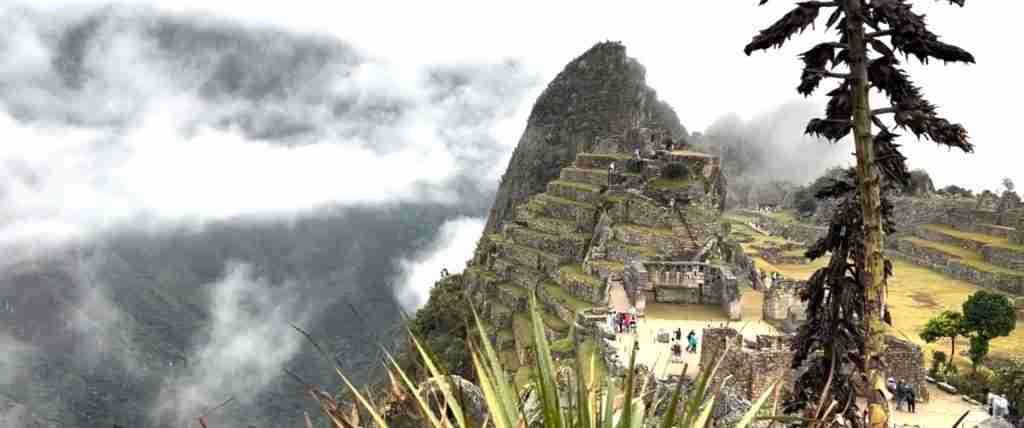
3 days
Machu Picchu 3-Day Discovery Tour
- ✓ Comprehensive Machu Picchu experience
- ✓ Expert local guides included
- ✓ All accommodation included
- ✓ Transportation provided

5 days
Machu Picchu 5-Day Highlights Experience
- ✓ Comprehensive Machu Picchu experience
- ✓ Expert local guides included
- ✓ All accommodation included
- ✓ Transportation provided
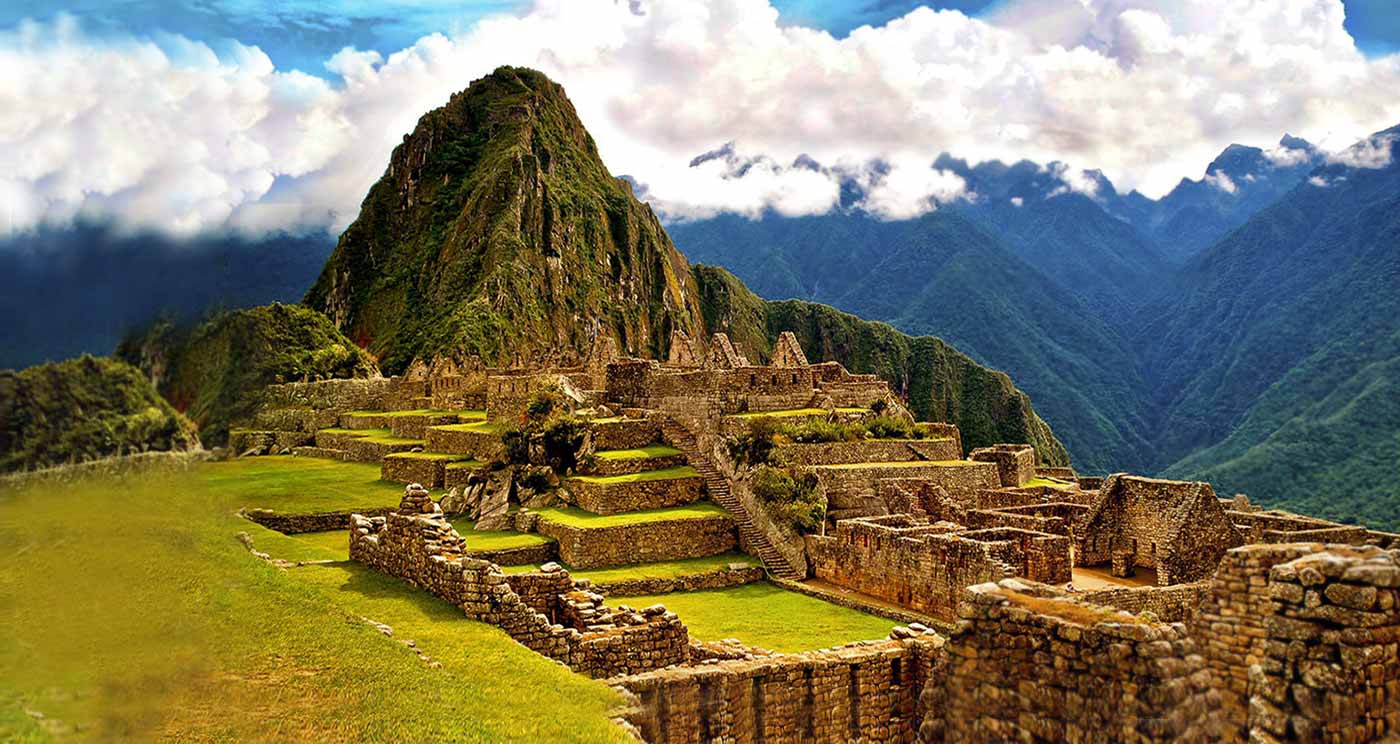
7 days
Machu Picchu 7-Day Cultural Journey
- ✓ Comprehensive Machu Picchu experience
- ✓ Expert local guides included
- ✓ All accommodation included
- ✓ Transportation provided
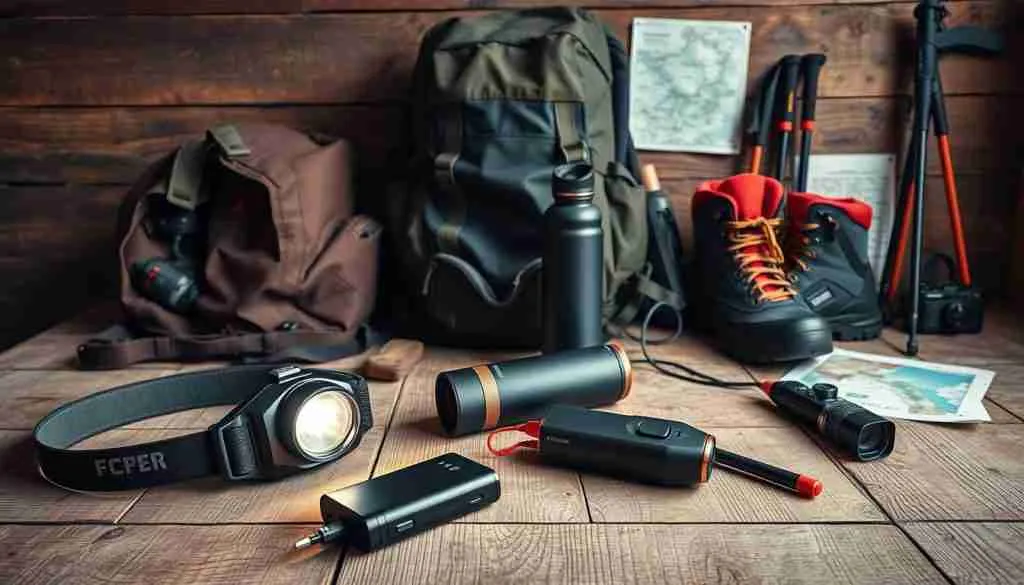
10 days
Machu Picchu 10-Day Complete Adventure
- ✓ Comprehensive Machu Picchu experience
- ✓ Expert local guides included
- ✓ All accommodation included
- ✓ Transportation provided
Multi-day tour packages powered by TourRadar. Prices and availability subject to change.
Understanding the Inca Trail
The Classic Route
The Classic Inca Trail covers 26 miles over four days and three nights, starting at Kilometer 82 (Piscacucho) at 8,924 feet elevation and ending at Machu Picchu (7,970 feet) after crossing mountain passes above 13,000 feet. Day one involves a relatively gentle 7-mile warm-up hike gaining 2,625 feet elevation to camp near Wayllabamba (10,827 feet). Day two challenges trekkers with the steep climb to Dead Woman’s Pass (13,828 feet), the trail’s highest point, before descending to Pacaymayo camp, covering 7 miles with 3,280 feet elevation gain and 1,970 feet descent.
Day three traverses the trail’s most archaeologically rich section with visits to Runkurakay ruins (12,467 feet), Sayacmarca ruins (11,811 feet), Phuyupatamarca ruins (12,073 feet), and Wiñay Wayna ruins (8,858 feet), while covering 10 miles with mixed terrain including stone staircases and relatively flat sections through cloud forest. The final day begins at 3:30-4:00 AM for the hike to Intipunku (Sun Gate) timed to arrive for sunrise views over Machu Picchu around 6:00-6:30 AM, followed by descent into the citadel for guided tours before afternoon trains back to Cusco.
Archaeological Highlights
The Inca Trail passes numerous archaeological sites that demonstrate the route’s importance in the Inca road network and showcase architectural achievements rivaling Machu Picchu. Llactapata ruins on day one feature residential and agricultural terraces overlooking the Urubamba Valley. Runkurakay’s circular structure on day three served as a tambo (way station) for travelers, while Sayacmarca’s complex of plazas, canals, and structures perches on a rocky promontory with defensive advantages and spectacular views.
Phuyupatamarca (Town Above the Clouds) represents one of the trail’s most impressive ruins with ceremonial baths, residential buildings, and agricultural terraces connected by stone pathways. The site’s location provides 360-degree mountain views that demonstrate how Inca builders integrated structures with landscape. Wiñay Wayna near the trail’s end features extensive agricultural terraces, a temple complex, and residential areas that likely housed site administrators and religious personnel serving nearby Machu Picchu.
Permit System and Regulations
The Peruvian government limits Inca Trail access to 500 people daily including 200 tourists, 300 guides and porters to preserve the trail’s archaeological and environmental integrity. Permits sell through authorized tour operators only with no independent trekking allowed. Each permit links to specific passport information requiring exact matches between booking details and travel documents, with no name changes permitted after purchase except in extraordinary circumstances with documentation and fees.
Permits go on sale approximately 6-7 months before trek dates with exact release timing varying by season. High season permits (May-August) sell extremely quickly, often within hours for popular dates. Shoulder season and low season permits remain available longer but still require advance booking 3-5 months ahead. The trail closes entirely during February for maintenance with no exceptions, requiring travelers to avoid this month when planning Peru visits centered on Inca Trail trekking.
Choosing the Right Tour Operator
Operator Categories and Pricing
Budget operators ($550-900) provide basic services meeting government requirements with standard camping equipment, simple meals, and larger group sizes (14-16 people). These companies offer the most affordable Inca Trail access but may cut corners on porter treatment, equipment quality, and guide experience. Mid-range operators ($900-1,400) balance quality and value with better equipment including thicker sleeping mats, more comfortable tents, superior meals featuring fresh ingredients, and smaller groups (10-12 people) allowing more personalized attention.
Luxury operators ($1,400-2,200+) provide premium experiences with top-quality camping gear including large tents with cots, gourmet meals prepared by professional chefs, hot showers at camps, small groups (6-8 people), and the most experienced guides. These companies also demonstrate best practices in porter treatment with proper equipment, fair wages above minimum requirements, and strict weight limits protecting porter health. The price premium ensures ethical operations and superior comfort throughout the challenging trek.
Operator Evaluation Criteria
Research operators thoroughly by reading recent reviews on TripAdvisor, Google, and specialized trekking forums focusing on specific aspects like guide knowledge and friendliness, food quality and variety, camping equipment condition, group size and dynamics, porter treatment, and overall value. Look for consistent positive feedback across multiple platforms with recent reviews (within 6-12 months) providing most relevant information about current operations quality.
Verify operators hold necessary licenses from Peru’s Ministry of Culture and Tourism with current certifications visible on websites. Check operator memberships in industry organizations like ATTA (Adventure Travel Trade Association) or INCA (International Porter Protection Group) that promote ethical trekking practices. Ask operators directly about porter policies including maximum carrying weights (55 pounds for porters, 15 pounds for assistant porters), equipment provision (tents, sleeping bags, proper footwear), and compensation above legal minimums.
Recommended Tour Operators
Several operators consistently receive excellent reviews for quality, ethics, and value. G Adventures offers mid-range tours ($900-1,100) with small groups, experienced guides, and strong sustainable tourism practices including fair porter treatment and environmental protection. Intrepid Travel provides similar quality ($950-1,200) with focus on cultural immersion and responsible tourism. Both companies maintain high standards while keeping prices reasonable for travelers seeking quality without luxury pricing.
Alpaca Expeditions, Peru Treks, and Sam Travel Peru represent top Peruvian companies offering mid-range to premium services ($900-1,600) with excellent porter treatment recognized by industry watchdogs. These operators employ long-term staff, maintain quality equipment, and provide personalized service that enhances trekking experiences. Luxury options include Mountain Lodges of Peru ($2,000-2,500) offering the only fixed lodge accommodation on an alternative Inca Trail route, and Explora ($2,500+) providing all-inclusive luxury experiences with exceptional guides and services.
Group vs. Private Tours
Group tours (standard offering) join 8-16 trekkers with shared guides and camping facilities, creating social experiences where you meet fellow travelers from around the world. Groups follow fixed departure dates with limited flexibility but offer the most affordable pricing. The social dynamics work well for solo travelers seeking companions and for those who enjoy communal experiences around campfires and during challenging trail sections.
Private tours cost 30-60% more than group tours but provide flexibility in departure dates, pace, and itinerary modifications within permit regulations. Private groups (2-8 people) receive dedicated guides and support staff, allowing customization of meals, camping locations within permitted areas, and rest break frequency. This option suits families, friend groups, or couples preferring intimate experiences without group dynamics, and travelers with specific needs like dietary restrictions requiring specialized meal preparation.
Alternative Trekking Routes
Short Inca Trail (2 Days)
The Short Inca Trail provides authentic Inca Trail experience in two days for travelers with limited time or preferring easier trekking. Starting at Kilometer 104, the route covers 7 miles to Machu Picchu including visits to Wiñay Wayna ruins and arrival at Sun Gate for classic citadel views. Day one involves 4-5 hours hiking with 2,625 feet elevation gain before camping near Machu Picchu. Day two includes early morning site visit before afternoon train back to Cusco.
Tours cost $180-280 per person including permits (also limited and requiring advance booking), meals, camping equipment, and guides. This option works well for travelers combining Machu Picchu with other Peru destinations who can’t spare four days for the Classic Trail, families with children who might struggle with longer treks, and those testing fitness levels before committing to longer trekking adventures. The Short Trail requires permits subject to same advance booking requirements as the Classic Trail though availability is generally better.
Salkantay Trek (5 Days)
The Salkantay Trek offers spectacular mountain scenery along an alternative route to Machu Picchu without permit restrictions or the crowds affecting the Classic Trail. The 5-day, 46-mile trek reaches 15,213 feet at Salkantay Pass below the impressive Salkantay Peak (20,574 feet), passing through diverse ecosystems from high alpine terrain to cloud forest and subtropical jungle. The route’s dramatic landscapes rival the Inca Trail with different character emphasizing natural beauty over archaeological sites.
Tours cost $250-400 with budget operators and $400-650 for better quality services including upgraded accommodation in mountain lodges rather than camping. The Salkantay Trek requires strong fitness for longer daily distances (10-14 miles) and higher maximum elevation than the Inca Trail. This route provides excellent backup option when Inca Trail permits are unavailable and appeals to trekkers prioritizing natural landscapes over archaeological sites. The trek concludes with train rides to Aguas Calientes for Machu Picchu visits on the final day.
Lares Trek (4 Days)
The Lares Trek emphasizes cultural immersion through visits to remote Quechua communities where traditional lifestyles continue largely unchanged from Inca times. The 4-day, 21-mile route passes through high mountain valleys (maximum elevation 15,748 feet at Pachacutec Pass) with opportunities to visit weaving villages, observe traditional agriculture, and interact with local families. The trek combines moderate challenge with authentic cultural experiences unavailable on more touristed routes.
Tours cost $350-550 including all camping equipment, meals, guides, and Machu Picchu entrance. Some operators offer homestay options where trekkers spend nights with local families instead of camping, deepening cultural connections and supporting community economies directly. The Lares Trek suits travelers interested in cultural tourism alongside trekking, those seeking alternatives when Inca Trail permits are unavailable, and groups preferring less crowded trails with strong local community interactions.
Quarry Trail (4 Days)
The Quarry Trail follows an alternative Inca route passing ancient quarry sites where stones were cut for Inca construction projects. This less-traveled path covers 16 miles over four days with maximum elevation of 14,600 feet, featuring visits to Cachicata quarries where massive stone blocks still rest on hillsides abandoned when the Spanish conquest ended Inca building programs. The route provides unique archaeological insights into Inca engineering and construction techniques while avoiding Classic Trail crowds.
Tours cost $800-1,200 reflecting limited permit availability and smaller group sizes. The Quarry Trail offers similar difficulty to the Classic Trail with less impressive ruins but more exclusive experience. This option appeals to travelers who’ve previously completed the Classic Trail and want new perspectives on Inca civilization, history enthusiasts interested in Inca engineering, and those seeking alternatives during peak season when other routes become crowded.
Booking and Planning Your Trek
Permit Booking Strategy
Start planning 7-8 months before desired trek dates to ensure permit availability when booking opens. Contact 3-5 tour operators 8 months ahead requesting quotes and permit checking for your preferred dates. Provide flexible date options (3-4 possible start dates) increasing chances of securing permits during high season. Once operators confirm permit availability, book immediately as delays of even hours can result in sold-out dates during peak season May-August.
Submit exact passport information to operators as permits require precise name matches between booking and travel documents. Double-check spelling, passport numbers, birth dates, and expiration dates before submission. Passport changes after permit booking (due to expiration, renewal, loss) create complications requiring legal documentation and fees with no guarantees of successful permit transfers. Plan passport renewals well before booking Inca Trail treks to avoid these problems.
When to Trek
Dry season (May-September) offers optimal trekking conditions with minimal rain and clear mountain views. May and September provide excellent balance between good weather and manageable crowds with slightly lower permit demand than peak June-August months. June and July deliver the most reliable weather with sunshine probability above 90% but see maximum crowds at ruins and popular camps, potentially reducing the wilderness experience some trekkers seek.
April and October shoulder seasons offer good value with decent weather (70-80% sunshine probability), fewer crowds, and easier permit booking 2-3 months ahead rather than 6-7 months. Temperatures are cooler and rain more frequent but manageable with proper gear. November through March wet season brings daily rain making trekking uncomfortable with muddy trails, poor visibility, and cold conditions at high passes. The trail closes entirely in February for maintenance with no trekking permitted.
Physical Preparation
Begin training 2-3 months before your trek with regular cardio exercise (running, cycling, swimming) 4-5 times weekly for 30-60 minutes building endurance for 6-8 hours daily hiking. Incorporate hill or stair climbing 2-3 times weekly training legs for sustained ascents and descents on uneven terrain. Weekend hikes with loaded backpacks (15-20 pounds) prepare your body for trekking conditions while breaking in hiking boots preventing blisters during the trek.
Altitude training helps if you live near mountains or have access to altitude training facilities, though most trekkers acclimate successfully by spending 2-3 days in Cusco (11,150 feet) before starting the trek. Maintain consistent training through departure date rather than cramming intense exercise into the final month. Arriving in good fitness significantly enhances your trekking enjoyment and allows you to appreciate archaeological sites and landscapes rather than simply surviving the physical challenge.
Acclimatization Requirements
Spend minimum 2-3 days in Cusco before starting the Inca Trail allowing your body to adjust to high elevation and reducing altitude sickness risk. Use this time for gentle activities like city walking tours, Sacred Valley day trips, and museum visits rather than intense exercise. Drink 3-4 liters of water daily, eat light meals avoiding heavy or greasy foods, and limit alcohol consumption during acclimatization period.
Coca tea available at hotels and restaurants helps alleviate mild altitude symptoms through natural stimulant effects. Consider discussing altitude sickness medication (acetazolamide/Diamox) with your doctor before departure, particularly if you’ve experienced altitude problems previously. Most people adjust within 48-72 hours and feel comfortable starting the trek. The trail’s gradual day-one ascent provides continued acclimatization before day two’s challenging climb to Dead Woman’s Pass.


What to Pack for the Inca Trail
Essential Clothing
Pack layering clothing adaptable to temperatures ranging from 25°F at high passes during early mornings to 70°F in valleys during afternoons. Base layer includes synthetic or merino wool long underwear (top and bottom) wicking moisture while providing insulation. Mid-layer consists of fleece jacket or synthetic insulated jacket worn over base layers for warmth during cool morning starts and evening camps. Outer layer waterproof, breathable rain jacket and pants protect against rain and wind at high elevations.
Bring 2-3 quick-dry trekking shirts alternating between hiking days, avoiding cotton which stays wet and causes chilling. Two pairs of trekking pants or zip-off convertible pants provide versatility for changing weather conditions. Pack warm hat and gloves for cold mornings at high camps, sun hat with brim for daytime sun protection, and buff or neck gaiter serving multiple purposes including sun protection, warmth, and dust filtering. Include extra socks (3-4 pairs) ensuring dry options daily preventing blisters.
Footwear
Sturdy, waterproof hiking boots with ankle support and aggressive tread handle the Inca Trail’s uneven stone steps, steep ascents, and potentially muddy conditions. Break in boots completely before the trek, wearing them on 5-10 training hikes preventing blisters during the actual trek. Boots should fit comfortably with thick hiking socks allowing toes to move freely while providing ankle support preventing rolls on uneven terrain.
Bring lightweight camp shoes (sandals or athletic shoes) for evening relaxation at camps giving feet relief from heavy boots. Gaiters prevent dirt, stones, and moisture from entering boots on dusty or wet trail sections. Quality hiking socks with cushioning and moisture-wicking properties reduce blister risk significantly, making them worth the investment over standard athletic socks.
Sleeping and Camping Gear
Tour operators provide tents and sleeping mats as part of standard packages. Bring a sleeping bag rated to 10-15°F accounting for cold nights at high-elevation camps. Sleeping bag liners add warmth (5-10°F) while keeping sleeping bags clean, extending their useful life. Inflatable pillows improve sleep comfort significantly over using bundled clothing as makeshift pillows, helping you rest better for next day’s hiking.
Headlamps with fresh batteries provide hands-free lighting for pre-dawn wake-ups, nighttime bathroom trips, and reading in tents. Bring extra batteries or rechargeable batteries with solar chargers or portable power banks. Earplugs help block snoring tentmates and early morning camp sounds allowing better sleep. Sleeping bag stuff sacks protect bags from moisture in duffel bags carried by porters.
Daypack and Personal Items
Carry a 20-30 liter daypack during daily hikes containing water (2-3 liters in bladder or bottles), snacks, rain gear, warm layers, sun protection, camera, first aid kit, and personal items. Pack contents in waterproof bags or dry sacks protecting valuables and clothing from rain. Adjust daypack straps properly distributing weight evenly across shoulders and hips preventing strain during long hiking days.
Bring trekking poles reducing knee strain on steep descents and providing stability on uneven surfaces. Poles significantly reduce fatigue and injury risk, making them highly recommended for all trekkers regardless of fitness level. Collapsible poles pack easily when not in use and adjust to varying terrain requirements. Many operators provide or rent poles, though bringing your own ensures proper fit and familiarity.
Sun Protection and First Aid
High-altitude sun is intense requiring SPF 50+ sunscreen applied generously and frequently. Bring enough sunscreen for the entire trek (4-5 ounces minimum) as it’s unavailable along the trail. Lip balm with SPF protection prevents painful chapped lips from sun exposure and cold wind at high passes. Sunglasses with UV protection shield eyes from intense glare reflecting off rocks and potential snow at high elevations.
Pack personal first aid kit including blister treatment (moleskin, blister bandages), pain relievers (ibuprofen, acetaminophen), electrolyte tablets or powder, anti-diarrheal medication, altitude sickness medication if prescribed, and any personal prescription medications with extra doses. Operators carry comprehensive first aid kits and guides have wilderness first aid training, but personal supplies provide immediate treatment for minor issues. Include antibiotic ointment, bandages, and tweezers for basic wound care.
Optional but Recommended Items
Camera or smartphone with protective case captures memories of spectacular landscapes and archaeological sites. Bring extra batteries or portable chargers as electricity is unavailable at camps. Binoculars enhance wildlife viewing and allow detailed observation of distant mountains and archaeological features. Book or e-reader provides evening entertainment at camps after dinner, though many trekkers prefer socializing with group members.
Cash (200-400 soles) covers tips for guides and porters, snack purchases at checkpoints, and beer or soft drinks available at some camps. Porters and guides depend on tips as significant income supplements, with recommended amounts of 50-80 soles per trekker for porters and 80-120 soles for guides for the four-day trek. Wet wipes or biodegradable soap maintain basic hygiene when showers are unavailable. Small towel or pack towel dries after washing at camps.
Day-by-Day Trek Experience
Day 1: Piscacucho to Wayllabamba
The trek begins with early morning pickup from Cusco hotels (5-6 AM) for the 3-hour drive to Kilometer 82 (Piscacucho) where porters organize gear while trekkers have breakfast and receive final briefings. After permit checks at the entrance control, hiking begins around 9-10 AM following relatively flat terrain along the Urubamba River through agricultural valleys where local farmers cultivate corn and quinoa on traditional terraces. The gradual ascent covers 7 miles gaining 2,625 feet elevation to Wayllabamba camp (10,827 feet).
Highlights include Llactapata ruins overlooking the valley, opportunities to observe Andean birds and occasional glimpses of snow-capped peaks in the distance. The moderate first day allows continued acclimatization while warming up legs for subsequent challenging sections. Arrival at camp around 3-4 PM provides time to rest, socialize with group members, and enjoy dinner prepared by camp chefs. Sleeping at 10,827 feet can challenge some trekkers not fully acclimatized, making proper hydration essential throughout the day and evening.
Day 2: Wayllabamba to Pacaymayo
Day two presents the trek’s greatest challenge with a steep 3,280-foot climb from Wayllabamba to Dead Woman’s Pass (Warmiwañusca, 13,828 feet), the trail’s highest point. The ascent begins early (6-7 AM breakfast, 7-8 AM departure) with 4-5 hours of sustained uphill hiking through increasingly sparse vegetation as you approach the tree line and enter alpine tundra. The climb tests cardiovascular fitness and requires frequent rest breaks, though porters cheerfully pass trekkers carrying much heavier loads.
Reaching Dead Woman’s Pass around midday brings tremendous satisfaction and spectacular 360-degree mountain views rewarding the morning’s effort. After photos and snacks, the descent to Pacaymayo camp (12,467 feet) covers 1,970 feet over 2-3 hours on steep stone steps requiring concentration and careful footing. Trekking poles prove invaluable during this descent protecting knees from repetitive impact. Total hiking time is 6-7 hours covering approximately 7 miles. Evening at camp includes group celebration of completing the trek’s hardest day.
Day 3: Pacaymayo to Wiñay Wayna
The third day offers the trek’s most interesting archaeology with visits to multiple significant ruins along a 10-mile route through diverse terrain. The day begins with a 1-2 hour climb to Runkurakay ruins (12,795 feet) where guides explain the circular structure’s function as a tambo (way station). Continuing upward reaches the second pass (12,992 feet) before descending to Sayacmarca ruins (11,811 feet) perched dramatically on a rocky promontory with stone channels and ceremonial areas demonstrating Inca engineering sophistication.
The trail continues through cloud forest on relatively flat sections passing through an Inca tunnel carved through solid rock before climbing to Phuyupatamarca ruins (12,073 feet), the day’s archaeological highlight with ceremonial baths and panoramic mountain views. The final section descends more than 3,000 feet on stone staircases called “Gringo Killer” for their challenging impact on knees and thighs. Arrival at Wiñay Wayna camp (8,858 feet) around 3-4 PM allows time to visit the nearby spectacular ruins featuring extensive agricultural terraces and temple structures. This long day (7-8 hours hiking) rewards effort with incredible archaeological and natural beauty.
Day 4: Wiñay Wayna to Machu Picchu
The final day begins extremely early (3:30-4:00 AM wake-up) for the 1.5-hour hike to Intipunku (Sun Gate) timed to arrive for sunrise views over Machu Picchu. Trekkers wait at the checkpoint near camp from 4:30-5:30 AM until rangers open the gate, then rush along the trail using headlamps to reach the Sun Gate before first light illuminates the citadel below. The atmosphere is electric with anticipation as trekkers complete their four-day journey with this spectacular first view of their destination.
After sunrise photos and celebration at Sun Gate, the final 45-minute descent to Machu Picchu allows entry to the archaeological site around 7:00-7:30 AM before the first train visitors arrive from Aguas Calientes. Guides provide 2-2.5 hour tours explaining the citadel’s history, architecture, and functions before giving trekkers free time for personal exploration and photos. Afternoon trains (2:30-4:30 PM) return groups to Cusco via Aguas Calientes and Ollantaytambo, arriving back around 7-9 PM. Most trekkers are exhausted but exhilarated from completing this bucket-list adventure.
Porter Treatment and Ethical Trekking
Porter Welfare Standards
Peruvian law regulates porter treatment on the Inca Trail limiting loads to 55 pounds for porters and 15 pounds for assistant porters (often younger men starting their careers). These limits include personal gear meaning porters carry approximately 45 pounds of group equipment (tents, food, cooking gear) plus their own belongings. Responsible operators strictly enforce weight limits using scales at trail start, protecting porter health while less ethical companies ignore regulations causing injury and suffering.
Quality operators provide porters with proper equipment including warm sleeping bags, waterproof tents, and appropriate clothing for cold high-altitude camping. They also ensure adequate food provision allowing porters to eat well during treks, fair wages above legal minimums (80-120 soles daily for porters, 100-150 soles for cooks, with tips additional), and life insurance covering work-related injuries. These practices reflect operator values and directly impact trek quality as well-treated porters perform better and create positive group dynamics.
Choosing Ethical Operators
Research operators’ porter policies before booking by checking websites for explicit statements about weight limits, equipment provision, wages, and insurance. Look for membership in International Porter Protection Group (IPPG) or similar organizations promoting porter welfare. Read reviews specifically mentioning porter treatment, looking for comments about porter morale, equipment quality, and whether porters seemed healthy and fairly treated throughout treks.
Ask operators directly about their porter policies including maximum loads carried, equipment provided, daily wages paid, and insurance coverage. Ethical operators answer these questions openly and proudly, viewing porter welfare as essential to quality operations. Avoid operators unable or unwilling to provide clear answers about porter treatment regardless of their lower pricing, as these cost savings come at porters’ expense through exploitation.
Tipping Guidelines
Tips represent significant income for guides and porters, with recommended amounts of 80-120 soles ($22-33) per trekker for guides, 50-80 soles ($14-22) for cooks, and 40-60 soles ($11-16) for porters. Larger groups distribute tips over more people while smaller groups tip proportionally more per person. Collect tips as a group typically on the final evening at Wiñay Wayna camp, presenting them in ceremony where group members thank support staff for their work.
Bring cash in small bills (10, 20, 50 sole notes) as credit cards aren’t accepted for tips. Some trekkers give extra to porters who provided exceptional service, though avoid creating competition among staff by maintaining relative equality in tip amounts. Personal items like clothing, gear, or snacks also make appreciated gifts though cash tips remain most useful allowing porters to purchase what they need most for their families.

Health and Safety Considerations
Altitude Sickness Prevention
Altitude sickness (acute mountain sickness) causes headaches, nausea, dizziness, and fatigue when ascending too quickly to high elevations. Prevent problems by spending 2-3 days in Cusco before starting the trek, drinking 3-4 liters of water daily, eating light meals avoiding heavy or greasy foods, and ascending gradually allowing your body to adjust. The Inca Trail’s gradual first day provides continued acclimatization before day two’s climb to 13,828 feet.
Coca tea available at meals helps alleviate mild symptoms through natural stimulant effects. More severe symptoms require descent to lower elevation with guides trained to recognize serious altitude sickness and make appropriate decisions about evacuation if needed. Discuss altitude sickness medication (acetazolamide/Diamox) with your doctor before departure if you’ve experienced altitude problems previously or have concerns about adjustment. Most trekkers acclimatize successfully following proper preparation protocols.
Common Trek Ailments
Blisters rank as the most common trek problem, prevented through proper footwear broken in completely before departure, quality hiking socks, and immediate treatment of hot spots with moleskin or blister bandages before full blisters develop. Remove boots during lunch breaks allowing feet to dry and recover. Change socks daily or when they become damp from sweat, keeping feet as dry as possible reduces blister risk significantly.
Digestive issues affect some trekkers due to unfamiliar foods, different water sources, or general trek stress. Operators provide purified water for drinking and cooking, though bring water purification tablets as backup. Pack anti-diarrheal medication for quick treatment if problems develop. Wash hands frequently before eating and after using toilets. Muscle soreness and joint pain are common given the trek’s physical demands, treated with rest, stretching, and over-the-counter pain relievers. Trekking poles significantly reduce knee and joint strain during long descents.
Environmental Conditions
Weather changes rapidly in the mountains with sun, rain, wind, and cold occurring within single days. Layer clothing allowing quick adaptation to changing conditions. Morning starts at high camps (10,000-12,000 feet) can reach 25-30°F requiring warm layers, gloves, and hats, while midday valley hiking reaches 65-70°F comfortable in light shirts. Afternoon rain showers are common even during dry season, making waterproof rain gear essential every day.
Sun intensity at high altitude causes sunburn quickly without proper protection. Apply SPF 50+ sunscreen every 2-3 hours including on cloudy days when UV rays penetrate clouds. Wear sun hats, sunglasses, and consider long-sleeve shirts for maximum protection. High-altitude sun damages skin and eyes significantly faster than sea-level exposure. Proper sun protection prevents painful burns that make subsequent trek days miserable.
Emergency Procedures
Guides carry first aid kits, satellite phones or radios for emergency communication, and receive wilderness first aid training preparing them to handle medical situations. Evacuation procedures exist for serious injuries or illnesses, with helicopter rescue available in extreme emergencies though weather conditions don’t always permit immediate response. Travel insurance with emergency medical evacuation coverage is essential for international trekking, providing peace of mind and financial protection.
Operators have established protocols for various emergencies including altitude sickness, injuries, and weather events. Trust guides’ judgment regarding safety decisions including trek continuation versus evacuation in case of illness or injury. Their experience and training prepare them to make appropriate choices prioritizing trekker safety over trek completion. Most treks proceed without incidents when trekkers follow safety guidelines, stay within abilities, and communicate openly with guides about any concerns.
Frequently Asked Questions
Can I hike the Inca Trail without a guide?
No, independent hiking on the Inca Trail is prohibited by Peruvian law. All trekkers must join organized tours with licensed guides and obtain permits through authorized operators. This regulation protects the trail’s archaeological and environmental resources while ensuring trekker safety through experienced guide supervision. The requirement also supports local employment in guiding and porter positions, creating economic benefits for Cusco region communities.
What if I can’t get Inca Trail permits for my dates?
Alternative treks provide excellent options when Classic Trail permits are unavailable including Salkantay Trek (5 days, no permits required, $250-650), Lares Trek (4 days, cultural focus, $350-550), Short Inca Trail (2 days, limited permits, $180-280), and Quarry Trail (4 days, limited availability, $800-1,200). These routes offer spectacular scenery and different experiences while ending at Machu Picchu. Contact operators early with flexible dates to maximize chances of securing permits for your preferred trek.
How fit do I need to be for the Inca Trail?
Moderate fitness allows successful completion with proper training and acclimatization. Expect 6-8 hours daily hiking including steep ascents and descents on uneven stone steps. Train 2-3 months before departure with regular cardio (running, cycling, swimming) 4-5 times weekly, hill or stair climbing 2-3 times weekly, and weekend hikes with loaded backpacks. Arrive in good fitness rather than attempting the trek without preparation as inadequate fitness significantly reduces enjoyment and increases injury risk.
What meals are provided on the trek?
Operators provide all meals from first lunch through final breakfast including substantial breakfasts (eggs, pancakes, oatmeal, fruit, bread, hot drinks), trail lunches (sandwiches, fruits, snacks, cookies), and multi-course dinners (soup, main course with meat and vegetables, dessert). Vegetarian, vegan, and other dietary restrictions are accommodated with advance notice. Meal quality varies by operator with luxury companies offering gourmet preparations while budget operators provide simpler but adequate nutrition. Bring supplemental snacks (energy bars, trail mix, chocolate) for personal preferences and additional energy.
Are there bathrooms along the trail?
Basic toilet facilities exist at camps and several points along the trail though conditions vary from simple pit toilets to slightly better maintained facilities at major ruins. Operators set up portable toilet tents at camps for client use, significantly improving comfort and hygiene compared to public facilities. Bring toilet paper, hand sanitizer, and wet wipes for personal hygiene. Understand that wilderness trekking involves basic facilities quite different from modern bathrooms, requiring adaptability and sense of humor.
Can I charge devices during the trek?
No electrical outlets exist at camps along the Inca Trail. Bring fully charged devices and portable power banks (20,000+ mAh capacity) for recharging cameras, phones, and other electronics. Some luxury operators provide solar charging stations at camps though these are exceptions rather than standard offerings. Conserve battery power by using airplane mode on phones, turning off devices when not in use, and limiting photo and video capture. Consider bringing extra camera batteries fully charged before the trek.
What is the cancellation policy for Inca Trail tours?
Permit cancellation policies allow refunds up to 30 days before trek dates minus administrative fees (typically $50-100). Cancellations within 30 days receive no refunds as operators cannot resell permits on short notice and have already paid government fees. Tour operators’ cancellation policies vary though most follow similar timelines with partial refunds decreasing closer to departure dates. Purchase travel insurance covering cancellations for illness, family emergencies, or other unforeseen circumstances preventing trek participation.
Should I tip porters individually or as a group?
Collect tips as a group and present them collectively on the final evening at Wiñay Wayna camp. The group designates a representative to thank support staff during a brief ceremony where tips are distributed to guides, cooks, and porters. This approach maintains equality among staff, prevents individual solicitation, and creates a meaningful group bonding moment. Operators typically facilitate this ceremony ensuring appropriate protocol and fair distribution among all support staff.
Can children do the Inca Trail?
Children age 8-12 can complete the Inca Trail if they’re physically fit, properly acclimatized, and mentally prepared for four days of challenging hiking and basic camping. Families should honestly assess their children’s capabilities as the trek involves sustained uphill climbing, long days, and high-altitude sleeping. The Short Inca Trail (2 days) provides a better introduction for younger children or those uncertain about completing the full trek. Discuss family trekking with operators as some companies specialize in family adventures with appropriate pacing and support.
What happens if weather prevents completing the trek?
The Inca Trail remains open during heavy rain though extreme weather like landslides or dangerous conditions can force closure. In rare cases where weather prevents trek completion, operators arrange alternative transport to Machu Picchu ensuring you still visit the citadel. No refunds are provided for weather-related interruptions as these are beyond operator control, emphasizing the importance of travel insurance covering trip interruptions. The trail’s dry season (May-September) minimizes weather-related problems with May, June, and September offering optimal conditions.