
Best Galapagos Islands Tours 2026: Complete Guide to Tours & Excursions
Galapagos Islands tours operate under strict national park regulations designed to protect fragile ecosystems while providing access to extraordinary wildlife and landscapes. Unlike typical tourist destinations where independent exploration dominates, Galapagos requires certified naturalist guides for nearly all visitor sites beyond town areas and designated beaches. This guided tour structure ensures environmental protection, educational quality, and controlled visitor impact across the archipelago.
Key Takeaways
- Full-day boat tours to uninhabited islands cost $130-180 per person in 2026, including naturalist guide, snorkel equipment, lunch, and all park permits
- Advance booking 3-7 days ahead secures spots on popular tours to Bartolomé, Seymour Norte, and Santa Fe during peak seasons (June-August, December-January)
- Certified diving tours cost $180-240 for two-tank dives, while snorkeling-only tours range $80-120 for half-day experiences at premier sites
- Multi-day tours combining multiple islands and activities provide comprehensive experiences at 10-15% discounts compared to booking individual daily excursions
- All Galapagos tours require certified naturalist guides as mandated by national park regulations, ensuring educational quality and environmental protection
- Small group sizes (10-16 passengers) maintain intimate wildlife experiences while spreading costs across sufficient participants for reasonable pricing
Introduction: Understanding Galapagos Tours
Tours range from half-day snorkeling excursions departing town docks to multi-day expeditions visiting remote uninhabited islands and specialized diving sites. Day tours provide the most flexibility for land-based travelers, allowing custom itinerary creation by selecting different tours across multiple days. This approach offers cruise-like access to diverse sites while maintaining the freedom, cost savings, and flexibility of hotel-based travel.
Understanding tour categories, pricing structures, booking strategies, and seasonal considerations enables travelers to select optimal experiences matching their interests, budgets, physical capabilities, and available time. Strategic tour selection transforms Galapagos visits from simple sightseeing into immersive educational journeys revealing the evolutionary processes and ecological relationships that make the islands globally significant.
People Also Ask About Galapagos Tours 2026
How much do Galapagos tours cost in 2026?
Full-day boat tours to uninhabited islands cost $130-180 per person including guide, equipment, lunch, and permits. Check tour operator websites for current official rates as pricing varies by destination and season. Half-day tours run $60-90, while specialized diving tours cost $180-240 for two-tank dives. Multi-day tour packages range $400-800 for 3-4 day comprehensive experiences. Budget-conscious travelers booking multiple tours secure package discounts of 10-15%, while last-minute bookings sometimes offer reduced rates for filling remaining spots on scheduled departures.
Do you need to book Galapagos tours in advance for 2026?
Advance booking 3-7 days ahead secures spots on popular tours during peak seasons (June-August, December-January). Popular destinations including Bartolomé, Seymour Norte, and diving at Gordon Rocks fill to capacity 5-7 days before departure during peak periods. Shoulder seasons (March-May, September-November) allow booking 1-3 days ahead with good availability. Low season (February) permits same-day or next-day booking for most tours. Specialized tours like scuba diving or private charters require longer advance planning regardless of season.
What is included in Galapagos tour prices?
Tour prices include certified naturalist guide services, boat transportation, snorkel equipment and wetsuits, lunch and beverages, national park permits for visitor sites, and safety equipment including life jackets. Tours departing from Santa Cruz, San Cristóbal, or Isabela pick up passengers at town docks, eliminating additional transportation costs. Equipment quality varies by operator, with premium companies providing newer gear, better-maintained boats, and more experienced guides. Budget operators meet minimum safety and quality standards while charging lower rates through simpler equipment and larger group sizes.
Can you explore Galapagos independently without tours?
Independent exploration works for town areas, designated public beaches, and a few sites including Tortuga Bay on Santa Cruz and Playa Mann on San Cristóbal. However, national park regulations require certified guides for all visitor sites beyond these limited areas, making guided tours essential for comprehensive wildlife viewing and island exploration. The guided tour requirement protects sensitive ecosystems from uncontrolled visitor impact while ensuring educational quality and safety. Land-based travel using day tours provides independent flexibility while meeting guide requirements through organized excursions.
Extended multi-day tours – 5+ days
Featured Galapagos Islands Multi-Day Tour Packages

10 days
10 Days Galapagos Island Hopping | Daily Small-Group Tours
- ✓ Comprehensive Galapagos Islands tour
- ✓ Expert local guides included
- ✓ All accommodation arranged
- ✓ Transportation provided
6 days
6 Day Galapagos Island Hopping Tour (Santa Cruz & Isabela)
- ✓ Comprehensive Galapagos Islands tour
- ✓ Expert local guides included
- ✓ All accommodation arranged
- ✓ Transportation provided
9 days
Galapagos Outdoors: 3 Unforgettable Islands in 9 Days
- ✓ Comprehensive Galapagos Islands tour
- ✓ Expert local guides included
- ✓ All accommodation arranged
- ✓ Transportation provided
4 days
4-Day Galapagos Island Hopping
- ✓ Booking needs min. 2 travelers
Multi-day tour packages powered by TourRadar. Prices and availability subject to change.
Tour Categories and Types
Full-Day Boat Tours to Uninhabited Islands
Full-day boat tours represent the core Galapagos experience, departing from Santa Cruz, San Cristóbal, or Isabela to visit nearby uninhabited islands and visitor sites. These comprehensive excursions run 8-10 hours including boat travel, guided walks, snorkeling sessions, and wildlife observation at pristine locations accessible only by boat.
Tours depart town docks 7:30-8:30 AM, traveling 1-3 hours to reach destinations. Boats accommodate 10-16 passengers with certified naturalist guides providing expertise throughout the day. Itineraries include 2-3 landing sites for guided walks through breeding colonies, volcanic landscapes, and endemic vegetation zones. Snorkeling sessions at each site provide underwater wildlife encounters with sea turtles, rays, sharks, sea lions, and tropical fish.
Onboard amenities include shaded deck areas, restroom facilities, fresh water rinse stations for gear, and meal service. Lunch consists of boxed meals or buffet spreads featuring local specialties, fresh fruits, sandwiches, and beverages. Guides brief passengers on safety procedures, wildlife viewing protocols, and specific site characteristics before each landing.
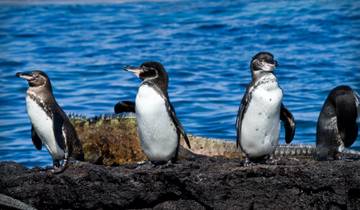
Popular full-day destinations from Santa Cruz include Bartolomé (volcanic landscapes and penguin viewing), Seymour Norte (magnificent frigatebirds and blue-footed boobies), Plazas (land iguanas and sea lion colonies), and Santa Fe (endemic land iguanas and excellent snorkeling). San Cristóbal tours visit Española (albatross colonies April-December), San Cristóbal highlands, and León Dormido (Kicker Rock). Isabela tours explore Tintoreras islets, volcanic tunnels, and western coastline sites.
Full-day tours cost $130-180 per person in 2026. Check operator websites for current official rates as pricing varies by destination distance, group size, and included amenities. More remote destinations requiring longer boat travel cost toward the upper pricing range, while closer sites offer lower rates. Premium operators with newer boats, smaller groups, and enhanced amenities charge $160-180, while standard operators meeting quality requirements cost $130-150.
Half-Day Tours and Short Excursions
Half-day tours provide condensed experiences visiting nearby sites within 2-4 hours of town bases. These abbreviated excursions suit travelers with limited time, tight budgets, or preferences for shorter boat rides and less intensive schedules. Morning departures (7:00-8:00 AM) return by noon, while afternoon options (2:00-3:00 PM) finish by 6:00-7:00 PM.
Half-day itineraries focus on single landing sites or snorkeling locations accessible within 30-60 minutes of departure docks. Tours include guided walks or snorkeling sessions but not both, concentrating on specific activities rather than comprehensive multi-site experiences. The abbreviated format suits families with young children, older travelers preferring less demanding schedules, or visitors combining multiple activities across single days.
Popular half-day options from Santa Cruz include Las Grietas canyon (swimming and snorkeling), Tortuga Bay and nearby snorkeling sites, and bay tours visiting local islets. San Cristóbal offers Isla Lobos (sea lions and blue-footed boobies), La Galapaguera tortoise center, and Playa Ochoa. Isabela half-day tours visit Las Tintoreras (sharks, sea lions, marine iguanas), Concha y Perla lagoon, and wetland flamingo areas.
Half-day tours cost $60-90 per person, providing economical options for budget travelers or those preferring multiple shorter excursions over fewer full-day experiences. The lower pricing reflects reduced boat time, simpler meals (snacks rather than full lunches), and abbreviated guide services.
Specialized Diving Tours
Scuba diving tours cater to certified divers seeking underwater encounters with hammerhead sharks, whale sharks (seasonal), manta rays, and the archipelago’s extraordinary marine biodiversity. Galapagos ranks among the world’s premier diving destinations, with challenging conditions including strong currents, cold water (60-75°F depending on season), and significant surge requiring advanced skills and experience.
Diving tours operate from Santa Cruz, San Cristóbal, and Isabela with certified dive masters leading groups of 4-8 divers per guide. Two-tank morning dives depart 7:00-8:00 AM, visiting sites 30-90 minutes from port. Surface intervals between dives include equipment changes, snacks, and rest periods aboard dive boats equipped with compressors, oxygen, and emergency equipment.
Premier dive sites include Gordon Rocks near Santa Cruz (hammerhead shark schools), Kicker Rock off San Cristóbal (sharks, rays, sea turtles), and Los Túneles near Isabela (seahorses, turtles, white-tip reef sharks in lava formations). These sites require advanced certification due to strong currents and depth profiles. Easier sites accommodate less experienced divers with calmer conditions and shallower profiles.
Diving tours cost $180-240 for two-tank boat dives in 2026, including equipment rental, dive master guide, boat transportation, snacks, and marine park fees. Check operator websites for current rates. Equipment rental (BCD, regulator, wetsuit, fins, mask) comes included in prices, with divers bringing only personal items like computers and cameras. Full equipment purchases or upgrades cost extra for divers preferring specific gear configurations.
Divers present certification cards and log books proving recent experience and qualification levels. Operators require check dives for divers without recent logged dives or those new to Galapagos conditions. The challenging environment necessitates honest skill assessment and conservative dive planning to ensure safety in powerful currents and variable visibility conditions.
Snorkeling-Only Tours
Snorkeling tours serve non-divers seeking underwater wildlife encounters without scuba certification requirements. These excursions focus exclusively on surface snorkeling at premier sites, providing extensive water time without the limitations of scuba equipment, depth restrictions, or certification needs.
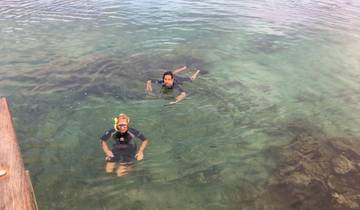
Half-day snorkeling tours depart 7:00-8:00 AM or 2:00-3:00 PM, visiting 1-2 sites within 30-60 minutes of port. Tours include quality snorkel equipment (mask, snorkel, fins), wetsuits for thermal protection, and guide supervision maintaining safety while identifying wildlife. Water entry uses beach landings or boat entries from swim platforms, with guides remaining in water with groups throughout sessions.
Premier snorkeling destinations include Los Túneles near Isabela (seahorses, sea turtles, rays, white-tip sharks in crystal-clear volcanic tunnels), Kicker Rock off San Cristóbal (sharks, rays, tropical fish along vertical rock walls), and various sites around Santa Cruz including Punta Estrada, Pinzón Island, and Santa Fe. Surface snorkeling at these locations rivals many diving experiences for wildlife encounters and visual drama.
Snorkeling tours cost $80-120 for half-day experiences, providing exceptional value for non-divers seeking marine wildlife encounters. Full-day snorkeling tours to more remote locations cost $140-180, combining extended boat travel with snorkeling at multiple sites and beach explorations.
Highland and Land-Based Tours
Land-based tours explore volcanic highlands, giant tortoise reserves, lava tunnels, and agricultural zones on Santa Cruz, San Cristóbal, and Isabela. These excursions provide terrestrial wildlife viewing and geological education complementing marine-focused boat tours.
Santa Cruz highland tours visit El Chato Tortoise Reserve (wild giant tortoises in natural habitat), Los Gemelos volcanic craters, and lava tunnels suitable for exploration. Tours depart Puerto Ayora 8:00-9:00 AM, traveling 45-60 minutes into highlands reaching elevation zones with different vegetation, climate, and wildlife than coastal areas. Half-day tours return by 1:00-2:00 PM, while full-day options add multiple sites and extended exploration time.
San Cristóbal highland tours include El Junco Lagoon (freshwater crater lake with migratory birds), La Galapaguera tortoise breeding center, and beach visits to Playa Ochoa or Puerto Chino. Isabela highland tours focus on Sierra Negra Volcano (second-largest volcanic crater in the world) and Volcán Chico (sulfur fumaroles and dramatic lava landscapes), requiring 6-8 hours for the complete hiking experience.
Highland tours cost $50-80 for half-day experiences including transportation, guide services, and entrance fees to private reserves. Full-day volcano hikes on Isabela cost $80-100, reflecting the extended time, challenging terrain, and specialized guiding required for volcano exploration. These land-based options provide variety in itineraries focused on snorkeling and boat tours, adding terrestrial wildlife and geological diversity to comprehensive Galapagos experiences.
Multi-Day Tour Packages
Multi-day packages combine accommodation, meals, guided tours, and inter-island transportation into comprehensive 3-7 day experiences. These packaged programs provide logistical simplicity and cost savings of 10-15% compared to booking individual components separately.
Three-day packages cover single islands with daily tours, four-day programs add second islands with ferry transfers, and five-seven day packages encompass all three main islands with extensive tour programming. Packages include accommodation (budget to upscale options depending on package tier), all breakfasts and lunches, guided tours daily, ferry transfers between islands, and airport transfers.
Budget multi-day packages cost $400-600 for 3-4 days using basic accommodations, standard tours, and larger group sizes. Mid-range packages run $700-1,200 for 4-5 days with comfortable hotels, premium tours, and enhanced services. Upscale packages reach $1,500-2,500 for 5-7 days featuring boutique accommodations, private tours, and luxury experiences throughout.
Multi-day packages work best for travelers preferring simplified logistics, guaranteed tour access, and comprehensive itineraries planned by experienced operators. The package approach eliminates daily decision-making and booking coordination while ensuring balanced experiences across islands and activity types. However, packages reduce flexibility for spontaneous changes, weather-dependent decisions, and individual pace preferences that independent day-by-day booking provides.
Tour Operators and Booking Options
Tour Operator Categories
Galapagos tour operators range from budget companies offering basic services at lowest prices to premium operators providing enhanced experiences through superior equipment, smaller groups, and experienced guides. Understanding operator categories helps match services to expectations and budgets.
Budget operators maintain legal operation standards, certified guides, and adequate safety equipment while minimizing costs through older boats, larger groups (14-16 passengers), basic meal service, and standard snorkel equipment. These operators serve price-conscious travelers prioritizing access over amenities, delivering required experiences at lowest available rates.
Standard operators represent the middle market with well-maintained boats, quality equipment, experienced guides, and proper amenities. Group sizes average 10-14 passengers, providing reasonable intimacy while spreading costs. Boats feature comfortable seating, shaded areas, clean restrooms, and adequate storage. These operators balance value and quality for mainstream travelers seeking reliable experiences without budget compromises or luxury premiums.
Premium operators emphasize smaller groups (6-10 passengers), newer faster boats, superior equipment, highly experienced guides, and enhanced meal service. The elevated pricing reflects investments in equipment quality, guide expertise, and guest comfort. Photography-focused tours through premium operators provide optimal positioning, patient guides, and timing considerations maximizing image opportunities.
Direct Booking vs. Hotel Coordination
Book tours directly through operator offices in Puerto Ayora, Puerto Baquerizo Moreno, or Puerto Villamil by visiting waterfront locations, reviewing options, and confirming availability. Direct booking eliminates commission markups while allowing face-to-face interaction with operators for questions and special requests.
Hotel coordination services book tours through reception desks, earning small commissions (5-10% of tour prices) for referrals. This convenience suits travelers preferring simplified booking without independent operator shopping. Hotels maintain relationships with reliable operators, reducing risks of quality issues while providing local expertise in operator selection.
Online advance booking through operator websites or tour aggregator platforms secures spots before arrival, particularly valuable during peak seasons when popular tours sell out. However, online booking reduces flexibility for weather-dependent changes and limits ability to assess operator quality through in-person facility inspection and staff interaction.
Spontaneous same-day or next-day booking works during shoulder and low seasons, allowing last-minute decisions based on weather conditions and personal energy levels. This approach maximizes flexibility but risks limited availability on preferred tours and potential premium pricing for filling last-minute spots.
Group Tours vs. Private Charters
Group tours with 10-16 passengers provide social atmospheres, cost efficiency, and guaranteed departures once minimum passenger counts meet thresholds. Shared experiences create opportunities to meet travelers from various countries, form temporary friendships, and share wildlife encounter excitement. The predictable scheduling and fixed pricing make group tours suitable for solo travelers, couples, and small families comfortable with shared experiences.
Private charters accommodate 2-8 passengers with customized itineraries, flexible timing, and personalized guide attention. Families, photographers, and travelers with specific interests benefit from private charters allowing schedule adjustments, extended time at productive sites, and specialized guiding addressing particular questions or knowledge areas.
Private charter costs range $800-1,200 per day for full boat rental including guide, crew, fuel, equipment, and meals. Dividing costs among 4-6 passengers creates per-person rates of $135-300, competitive with premium group tours while providing exclusive access and flexibility. Solo travelers or couples find private charters expensive unless willing to pay premium rates for guaranteed privacy and personalized experiences.
Seasonal Considerations and Timing
Peak Season Tours (June-August, December-January)
Peak seasons bring highest demand, requiring advance booking 5-7 days before desired tour dates. Popular destinations including Bartolomé, Seymour Norte, and diving at Gordon Rocks fill to capacity quickly, necessitating early planning for guaranteed access. Spontaneous booking becomes challenging with limited last-minute availability except on less popular routes or with budget operators maintaining larger fleets.
Wildlife viewing during peak seasons offers specific advantages: June-August features blue-footed booby breeding displays, albatross nesting on Española, and calm seas with excellent underwater visibility. December-January brings green sea turtle nesting, warm water temperatures optimal for extended snorkeling, and baby sea lion activity on beaches.
Weather conditions during June-August provide cooler air temperatures (70-75°F), sunny skies, and calm morning seas ideal for boat travel and photography. December-January delivers warmer air (80-85°F), water temperatures reaching 75-78°F for comfortable snorkeling, and occasional afternoon showers quickly passing.
Peak season tour prices remain at standard published rates without seasonal discounts, reflecting strong demand and full capacity operations. Tour operators maintain full schedules with multiple daily departures across all routes.
Shoulder Season Opportunities (March-May, September-November)
Shoulder seasons provide optimal value combinations of good weather, reduced crowds, and easier booking windows. Tours accept reservations 1-3 days in advance with reliable availability across most destinations. Last-minute booking works well, allowing weather-dependent decisions and spontaneous itinerary adjustments.
Wildlife remains abundant year-round with different species breeding across various seasons. March-May features marine iguana nesting, giant tortoise mating, and transitional weather bringing interesting cloud formations and dramatic lighting. September-November offers sea lion pupping, penguin activity, and clear skies with excellent visibility for photography and snorkeling.
Some tour operators offer 10-15% discounts during shoulder periods, particularly for last-minute bookings filling remaining spots on scheduled departures. These tactical discounts provide savings opportunities for flexible travelers willing to book 1-2 days before tours rather than weeks in advance.
Low Season Realities (February)
February represents the low season with warmest temperatures, highest rainfall, and roughest seas. Tour availability increases dramatically with same-day or next-day booking possible for nearly all destinations. Operators sometimes discount rates 15-20% to attract travelers during the slowest month.
Weather challenges include afternoon thunderstorms, rough seas creating challenging boat conditions, and high humidity. However, February offers the warmest water temperatures (78-80°F), most comfortable snorkeling without wetsuits, and minimal crowds at all sites. Wildlife viewing remains excellent with migratory bird arrivals, marine iguana breeding, and sea turtle nesting.
Boat tours may cancel due to weather conditions 2-3 times more frequently than other months, requiring schedule flexibility and backup plan accommodation for postponed excursions. Travelers with tight flight connections risk itinerary disruptions, making February better suited for flexible schedules with buffer days absorbing potential weather delays.
Specialized Tour Experiences
Photography Tours
Photography-focused tours cater to serious photographers seeking optimal conditions for wildlife, landscape, and underwater images. These specialized excursions emphasize lighting conditions, positioning opportunities, and patient timing allowing perfect shot capture.
Photography tours use smaller group sizes (6-10 passengers) reducing competition for prime positions and allowing guides to position boats optimally for sun angles and wildlife approaches. Guides understand photographic needs including backlighting avoidance, golden hour timing, and behavior anticipation for action shots.
Underwater photography tours provide extended snorkeling sessions at sites with clear water, abundant wildlife, and interesting geological features. Guides identify photo-worthy subjects including sea turtles, rays, sharks, and colorful fish while maintaining respectful distances preventing wildlife disturbance.
Photography tour costs reach $180-220 per person for full-day experiences with premium operators, small groups, and specialized guiding. The investment proves worthwhile for photographers prioritizing image quality over simple wildlife viewing, delivering opportunities unavailable on standard tours with larger groups and faster pacing.
Birding Tours
Birding tours target ornithologists and bird enthusiasts seeking comprehensive species observation across the archipelago’s 56 resident and migratory bird species. Specialized guides maintain expert knowledge of bird behavior, nesting seasons, feeding patterns, and identification characteristics.
Tours time visits to islands and visitor sites matching specific bird species’ breeding and feeding schedules. Española during April-December provides waved albatross viewing, while Seymour Norte offers year-round magnificent frigatebird and blue-footed booby colonies. Genovesa Island (accessible only via cruise) ranks as the premier birding destination with red-footed boobies, storm petrels, and multiple endemic species.
Birding tours operate through both day tours from inhabited islands and specialized week-long cruise itineraries visiting remote bird colonies. Day tour adaptations emphasize bird-focused itineraries, extended observation periods, and guides with ornithological expertise rather than general naturalist backgrounds.
Family-Friendly Tours
Family tours adapt standard itineraries for children through age-appropriate content, flexible pacing, and safety considerations accommodating young travelers. Operators specializing in family experiences understand children’s attention spans, energy levels, and educational approaches engaging different ages.
Family-appropriate destinations include calm snorkeling sites with easy beach entries, walks on flat terrain with minimal distance requirements, and sites featuring charismatic wildlife (sea lions, tortoises, penguins) capturing children’s attention. Guides present information through interactive methods, questions, and hands-on learning rather than lengthy lectures.
Recommended minimum ages vary by activity: easy walks and beach time work for all ages, snorkeling suits children 6+ comfortable swimming, and full-day boat tours match children 8+ capable of extended periods without distractions and entertainment. Private charters provide optimal family experiences through customized pacing, flexible break scheduling, and personalized guide attention addressing children’s questions and interests.
Kayaking and Active Tours
Kayaking tours combine paddling with snorkeling and beach exploration, providing active experiences along island coastlines. These tours suit fit travelers seeking physical activity beyond walking and snorkeling, engaging muscles through 2-3 hours of moderate paddling across 4-6 hours total excursion time.
Popular kayaking routes include Santa Cruz coastal areas, Isabela’s Tintoreras channels, and San Cristóbal’s protected bays. Single or tandem kayaks accommodate various skill levels, with guides providing basic paddling instruction before departure. Routes follow coastlines with landing sites for breaks, snorkeling sessions, and wildlife observation.
Kayaking tours cost $60-90 for half-day experiences including equipment, guide, snorkel gear, and snacks. The active nature creates memorable experiences for travelers seeking more than passive boat touring and walking, while maintaining accessibility for average fitness levels rather than requiring expert paddling skills.
Money-Saving Tour Strategies 2026
Multi-Day Package Discounts
Book multi-day tour packages receiving 10-15% discounts compared to individual daily tour bookings. Three-day packages cost $400-500 versus $450-540 booking three separate daily tours, saving $50-100 through volume discounts. Operators offer these package rates guaranteeing multiple days of business, benefiting travelers through lower per-day costs.
Combine multiple tours through single operators receiving 5-10% discounts for booking 3+ excursions. Operators provide package pricing for travelers committing to multiple days, applied to total booking amounts. This strategy works for independent travelers preferring day-by-day flexibility while capturing multi-tour savings.
Shoulder and Low Season Pricing
Travel during shoulder seasons (March-May, September-November) accessing occasional promotional pricing 5-10% below peak rates. Operators offering these discounts advertise through reception desks at hotels, local tourism offices, or directly at waterfront booking offices. Last-minute bookings 1-2 days before departures sometimes receive 10-15% discounts for filling remaining spots on scheduled tours.
February low season sees the deepest discounts reaching 15-20% below peak pricing as operators stimulate demand during the slowest month. The reduced rates offset weather risks and rougher conditions, appealing to budget travelers accepting potential itinerary disruptions for significant savings.
Group Formation and Cost Sharing
Form groups with other travelers met at hotels, hostels, or booking offices sharing private charter costs among 4-6 participants. Private boat charter daily rates of $800-1,200 divide to $135-200 per person among six travelers, competitive with premium group tour pricing while providing private charter benefits.
Share taxi costs to highland sites splitting per-vehicle rates among multiple passengers. Highland tours booked independently cost $15-25 per taxi to reach trailheads, dropping to $4-8 per person when sharing with 3-4 others. Combine transportation sharing with independent hiking at free trail sites for budget-friendly land-based exploration.
Free and Low-Cost Alternatives
Explore accessible beaches and trails independently without guide requirements, including Tortuga Bay on Santa Cruz (free 2.5km trail to pristine beach), Las Grietas swimming canyon ($5 water taxi), Playa Mann on San Cristóbal (free urban beach with sea lions), and Puerto Villamil beaches on Isabela (free 6km beach walking past flamingo lagoons).
Snorkel independently at public beaches using personal or rental gear ($15-25 daily) rather than guided snorkel tours ($80-120). Locations including Concha y Perla on Isabela, La Lobería near San Cristóbal, and Punta Estrada on Santa Cruz provide quality snorkeling without tour requirements. Wildlife encounters at these accessible sites rival many paid tour destinations while eliminating guide costs.
Tour Safety and Preparation
Physical Requirements and Fitness Levels
Most Galapagos tours accommodate average fitness levels without requiring exceptional conditioning or athletic ability. Walking tours cover 1-3 kilometers on uneven lava rock terrain, requiring sturdy shoes and sure footing. Moderate fitness suffices for standard tours, while volcano hikes on Isabela demand higher conditioning for 16-kilometer round trips with significant elevation gain.
Snorkeling requires basic swimming ability and comfort in open water conditions. Currents at some sites challenge weak swimmers, with guides providing flotation devices for less confident participants. Wetsuits provide buoyancy assistance while maintaining thermal comfort in cool waters.
Boat travel involves boarding from docks via gangplanks and navigating between decks during rough conditions. Mobility limitations require disclosure when booking to ensure operators provide appropriate assistance and assess whether specific tours suit individual capabilities.
Motion Sickness Management
Ocean crossings in open speedboats create motion sickness risks, particularly during rough conditions and longer crossings. Passengers prone to seasickness take medication 30-60 minutes before departure, available at island pharmacies for $8-12 per package. Natural remedies including ginger tablets provide alternatives for travelers preferring non-pharmaceutical options.
Boat positioning affects motion severity, with middle sections providing the steadiest rides and rear positions near engines experiencing maximum movement. Request forward or middle seating when booking if concerned about motion sickness. Focus on horizon rather than near objects, maintain good ventilation, and eat light meals before departures reducing nausea likelihood.
Sun Protection and Heat Management
Galapagos’ equatorial location creates intense sun exposure requiring aggressive protection strategies. Apply broad-spectrum sunscreen (SPF 50+) before tours, reapplying every 90-120 minutes during water activities. Reef-safe formulations without oxybenzone or octinoxate protect coral ecosystems while providing human sun protection.
Wear wide-brimmed hats, UV-protective sunglasses, and long-sleeve rash guards during extended sun exposure. Light-colored loose clothing reflects heat while protecting skin from direct sun. Hydrate continuously throughout tours, drinking 2-3 liters of water daily in hot conditions to prevent dehydration and heat stress.
Wildlife Interaction Guidelines
National park regulations require maintaining 2-meter minimum distances from all wildlife, preventing disturbance to natural behaviors while ensuring human safety. Guides enforce these rules strictly, positioning groups appropriately and intervening when visitors inadvertently crowd animals.
Never feed wildlife or leave food scraps accessible to animals. Human food disrupts natural diets and creates dependency behaviors harmful to wildlife health and ecosystem balance. Flash photography prohibition protects bird nesting success, as flashes disturb sensitive species and potentially cause nest abandonment.
Remain on designated trails at all visitor sites, preventing habitat damage from off-trail wandering. Trail restrictions concentrate visitor impact in specified areas while protecting vast unvisited zones maintaining pristine conditions for wildlife and ecosystems.
Planning Your 2026 Tour Program
Comprehensive Tour Budget
Budget travelers allocate $200-350 for tours across 5-7 day trips, selecting 2-3 full-day tours ($260-450) and filling remaining days with free beach access, independent snorkeling ($15-25 daily gear rental), and self-guided trail walking. This minimalist approach provides core experiences while managing costs through selective paid tour participation.
Mid-range travelers budget $500-900 for 5-7 day tours, including 3-4 full-day boat tours ($390-720) and 1-2 half-day or specialized excursions ($80-180). This balanced program provides comprehensive coverage of major sites without daily tour fatigue, mixing intensive guided experiences with independent exploration days.
Upscale travelers allocate $1,000-1,800 for tours across 7-10 days, participating in daily guided excursions through full-day tours ($910-1,440 for 7-8 tours), specialized activities ($180-360 for diving or photography tours), and occasional private charters ($800-1,200). This intensive approach maximizes guided access while maintaining high service standards through premium operators.
Itinerary Planning and Tour Selection
Create balanced itineraries mixing boat tours, land-based excursions, snorkeling activities, and independent exploration. Consecutive boat tour days create fatigue through intensive sun exposure, early departures, and physical demands. Alternate boat tours with highland visits, beach days, or town exploration maintaining energy levels across multi-day trips.
Prioritize iconic sites matching personal interests: photographers emphasize Bartolomé and Seymour Norte for dramatic landscapes and bird colonies; snorkelers prioritize Los Túneles and Kicker Rock; wildlife enthusiasts target Española for albatross and diverse species concentrations. Research specific site characteristics matching tours to interests rather than randomly selecting based on availability or lowest prices.
Front-load important tours early in trips creating buffer time for weather cancellations or rescheduling needs. Placing priority tours on final days risks missing experiences due to weather disruptions or other complications preventing completion. Early scheduling allows reschedule opportunities while maintaining itinerary flexibility.
Booking Timeline and Coordination
Research tour options 4-6 weeks before travel by reading operator reviews, comparing itineraries, and understanding different destination characteristics. This advance research allows informed decisions when booking tours upon arrival or in advance during peak seasons.
Book essential tours 1-2 weeks before travel during peak seasons, particularly for popular destinations likely selling out. Use operator websites or hotel coordination services reserving spots while maintaining some unbooked days for spontaneous weather-dependent decisions and energy level management.
Finalize remaining tour bookings 2-3 days before each tour date after assessing weather forecasts, personal energy levels, and recommendations from completed tours. This flexible approach captures advance booking security for priority experiences while maintaining spontaneity for secondary choices.
2026 Tour Updates and Current Information
Tour Operator Landscape
Galapagos maintains approximately 200-250 licensed tour operators across the three main islands providing day tour services. This competitive market ensures availability across price ranges and quality levels, with operators regulated through national park permitting maintaining minimum standards for guides, boats, and safety equipment.
Several operators upgraded their fleets in 2024-2025 with newer boats featuring improved passenger comfort, better safety equipment, and enhanced environmental compliance. These modernization efforts continue industry-wide trends improving service quality while maintaining the small-scale character preventing mass tourism impacts.
Guide certification programs expanded training requirements in 2024, adding enhanced natural history education, interpretation skills, and customer service standards. These improvements raise overall guide quality benefiting visitors through better educational experiences and more engaging interpretation of the islands’ natural wonders.
Pricing Trends and Expectations
Tour prices in 2026 remain consistent with 2024-2025 levels, with modest increases of 3-5% reflecting inflation and operational cost adjustments. No major price restructuring occurred, maintaining accessibility across budget categories while ensuring operators maintain sustainable business models.
Fuel costs influence pricing given the boat-dependent nature of Galapagos tourism. Stable fuel prices in 2024-2025 prevented major tour price increases, with expectations of continued price stability through 2026 barring significant global fuel market disruptions.
New Tour Offerings and Innovations
Several operators introduced specialized photography tours in 2024-2025, responding to growing demand from serious amateur and professional photographers. These tours emphasize optimal lighting, positioning, and timing for exceptional image capture, commanding premium pricing while delivering distinctive experiences for photography enthusiasts.
Extended multi-day packages combining land-based touring with 2-3 day cruise segments gained popularity in 2025, creating hybrid experiences accessing both cruise-exclusive sites and land-based flexibility. These combination programs cost $1,500-3,000 for 5-7 days, providing comprehensive coverage through mixed approaches.
Sustainable tourism initiatives increased across operators, incorporating enhanced environmental education, waste reduction programs, and conservation contribution components into tour experiences. These efforts align with UNESCO World Heritage values while deepening visitor understanding of conservation challenges and ongoing protection efforts.
FAQ: Galapagos Tours 2026
Are Galapagos tours worth the cost?
Galapagos tours provide exceptional value through close wildlife encounters impossible elsewhere on Earth, world-class snorkeling in pristine waters, volcanic landscapes, and expert naturalist guide education about evolution and ecology. The guided tour structure ensures quality experiences while protecting fragile ecosystems. For visitors prioritizing unique wildlife experiences and natural history education, tour costs prove worthwhile investments in life-enriching travel experiences unavailable at alternative destinations.
How many tours should you do in Galapagos?
Plan 2-4 full-day boat tours across 5-7 day trips, providing comprehensive island coverage without daily tour fatigue. Add 1-2 half-day or specialized tours (diving, highland visits) for variety and depth. This approach balances guided access to prime sites with independent exploration days maintaining energy levels and trip enjoyment. Travelers with longer stays (8-10+ days) add more tours while maintaining rest days preventing burnout from intensive daily programming.
Can you do Galapagos without tours?
Limited independent exploration works for town areas and designated public beaches, but comprehensive Galapagos experiences require guided tours to access prime wildlife viewing sites. National park regulations mandate certified guides at most visitor locations, making tours essential rather than optional for thorough island exploration. However, land-based travel using day tours provides more flexibility and lower costs than cruises while meeting guide requirements through organized excursions.
What is the best tour from Santa Cruz?
Bartolomé Island ranks as the most popular day tour from Santa Cruz, featuring iconic volcanic landscapes, Pinnacle Rock formations, penguin viewing, and excellent snorkeling. The full-day tour costs $140-180 and provides diverse experiences combining geology, wildlife, and underwater encounters. Seymour Norte offers another excellent option emphasizing bird colonies (frigatebirds, blue-footed boobies) and sea lion interactions at slightly lower costs ($130-160).
Do Galapagos tours fill up quickly?
Popular tours during peak seasons (June-August, December-January) fill 5-7 days before departure dates, requiring advance booking for guaranteed spots. Shoulder seasons (March-May, September-November) maintain better availability with 1-3 day advance booking sufficing. Low season (February) rarely sells out, allowing same-day or next-day booking for most tours. Specialized tours including diving and private charters require longer lead times regardless of season.
Are Galapagos tour guides mandatory?
National park regulations require certified naturalist guides at all visitor sites beyond town areas and designated public beaches. This guide requirement protects ecosystems from uncontrolled visitor impact while ensuring educational quality and safety. Guides possess extensive natural history knowledge, enforce park rules preventing wildlife disturbance, and provide interpretation making visits educational experiences rather than simple sightseeing. The guided structure proves essential to Galapagos’ conservation success while enhancing visitor experiences through expert guidance.
What is included in typical Galapagos tour prices?
Standard tour prices include certified guide services, boat transportation, snorkel equipment and wetsuits, lunch and beverages on full-day tours, national park visitor site permits, and safety equipment including life jackets. Tours pick up passengers at town docks eliminating additional transportation costs. Diving tours include equipment rental, while some specialized tours may charge extra for optional add-ons like underwater cameras or premium gear upgrades.
Can you book Galapagos tours last minute?
Last-minute booking (same-day or next-day) works during shoulder and low seasons when tour availability exceeds demand. Peak season last-minute booking becomes challenging with popular tours selling out days in advance. Budget operators with larger fleets maintain better last-minute availability than smaller premium companies. However, last-minute booking limits selection to whatever remains available rather than optimal itinerary creation matching personal interests to appropriate destinations.
What is the best month for Galapagos tours?
April-May and September-November provide optimal combinations of good weather, reduced crowds, and excellent wildlife viewing across diverse species. These shoulder season months offer easier tour booking, occasional pricing discounts, and comfortable temperatures for both land exploration and water activities. Wildlife remains abundant year-round with different species breeding across various seasons, ensuring excellent viewing regardless of travel timing.
Are private Galapagos tours available?
Private boat charters accommodate groups of 2-8 passengers with customized itineraries, flexible timing, and personalized guide attention. Daily charter costs range $800-1,200 depending on boat size, destination distance, and included amenities. Private charters work best for families, photographers requiring specific timing, and travelers with specialized interests benefiting from personalized guiding. However, costs significantly exceed standard group tours unless multiple passengers share charter expenses.