Best Day Trips from Stockholm 2026: Palaces, Viking Sites & Islands
Stockholm’s central location makes it an ideal base for exploring some of Sweden’s most fascinating destinations, from UNESCO World Heritage palaces and ancient Viking settlements to pristine archipelago islands and historic university cities. Within one to two hours from the capital, travelers can experience royal residences, medieval towns, and natural landscapes that reveal different aspects of Swedish history and culture, all easily accessible as comfortable day trips in 2026.
Key Takeaways for Day Trips 2026
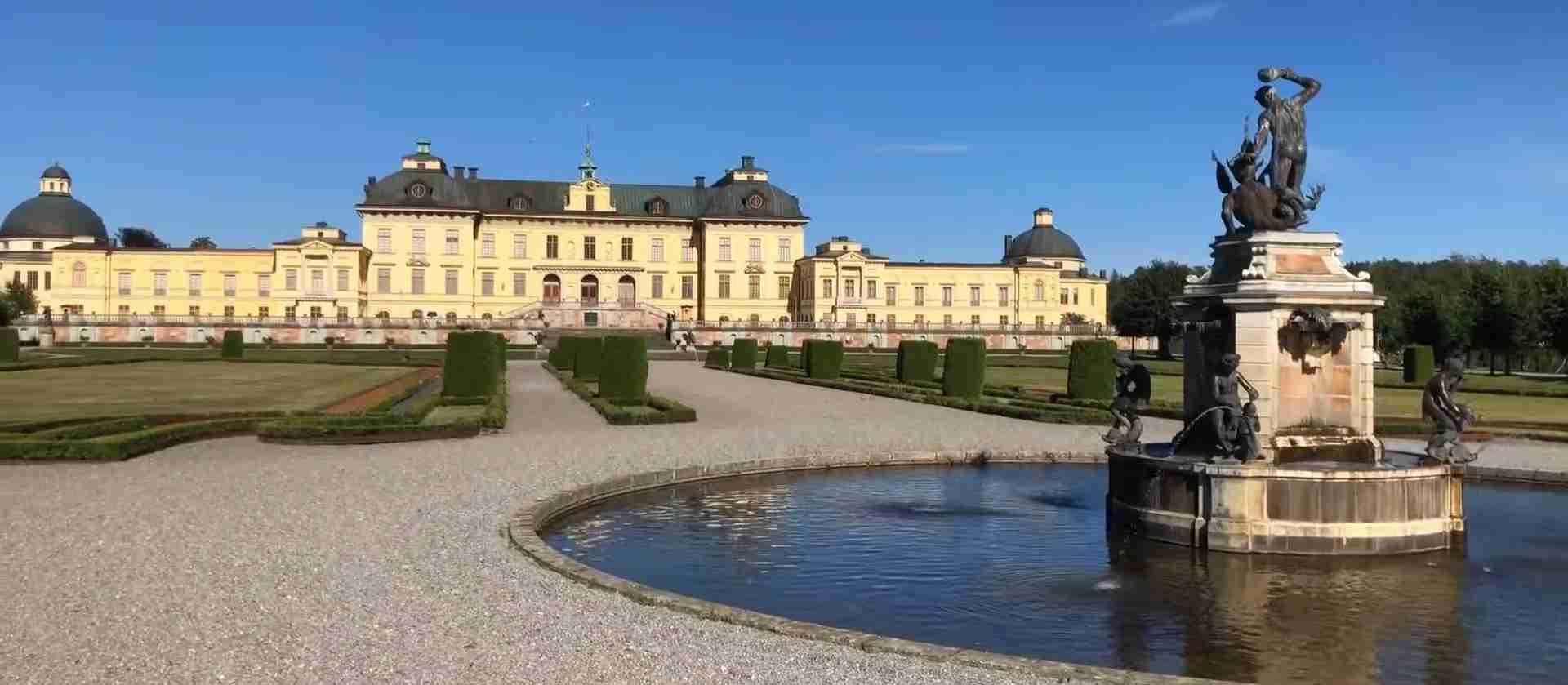
- Drottningholm Palace Accessibility 2026: Sweden’s royal residence stands just 11 kilometers from Stockholm, reachable via scenic 50-minute boat rides or 25-minute bus journeys, offering baroque architecture, Chinese Pavilion, and UNESCO-listed gardens that rival Versailles in grandeur and cultural significance.
- Viking History at Birka 2026: The 7.5-hour guided boat excursion to Birka Viking City combines Lake Mälaren cruising with access to Sweden’s oldest trading settlement, featuring 3,000 burial mounds, reconstructed Viking village, and archaeological museum that brings 8th-century Nordic life into vivid focus.
- Stockholm Archipelago Exploration 2026: With 30,000 islands accessible via public ferries, the archipelago offers diverse day trip options from Vaxholm’s fortress history to Grinda’s nature trails and Sandhamn’s outer archipelago beaches, all connected by reliable Waxholmsbolaget ferry services throughout 2026.
- Uppsala Cultural Richness 2026: Sweden’s fourth-largest city provides 40-minute train connections from Stockholm, delivering medieval cathedral majesty, Viking burial mounds at Gamla Uppsala, Linnaeus botanical gardens, and vibrant university atmosphere within compact walkable distances perfect for day visitors.
- Budget-Conscious Planning 2026: Day trip costs range from affordable Uppsala train tickets starting at 80 SEK to comprehensive Birka experiences around 600-800 SEK including transportation, with strategic timing, lunch planning, and public transport use significantly reducing overall expenses for 2026 travelers.
- Seasonal Timing Strategies 2026: May through September offers optimal day trip conditions with extended daylight, operating ferry schedules, and palace grounds in full bloom, while shoulder seasons provide fewer crowds and lower accommodation pressure for multi-destination Stockholm visits throughout 2026.
People Also Ask About Stockholm Day Trips 2026
How much do Stockholm day trips cost in 2026?
Day trip costs in 2026 vary significantly based on destination and transportation choices, ranging from budget-friendly options under 200 SEK to comprehensive experiences approaching 1,000 SEK per person. Uppsala represents the most economical choice with train tickets starting at 80 SEK each way and minimal on-site costs if visiting free attractions like the cathedral and university buildings. Archipelago day trips using public ferries cost 150-300 SEK return for inner islands like Vaxholm, while outer destinations like Sandhamn require 250-450 SEK ferry tickets. Drottningholm Palace entrance costs around 150 SEK for adults, plus 50-80 SEK for public bus transportation or 200-250 SEK for the scenic boat option. Birka Viking City represents the most expensive single-destination day trip at approximately 600-800 SEK, but includes round-trip boat transportation, museum admission, and guided tours. Adding meals increases daily costs by 150-400 SEK depending on dining choices, while bringing packed lunches significantly reduces expenses. Strategic planning combining free attractions, public transportation, and affordable meal options can keep total day trip costs under 300-400 SEK, while premium experiences with guided tours, boat excursions, and restaurant meals may reach 800-1,200 SEK per person for comprehensive full-day adventures in 2026.
Which Stockholm day trip is best for families with children in 2026?
Drottningholm Palace offers the most family-friendly day trip combination in 2026, providing boat transportation that entertains children during the journey, extensive palace grounds for running and exploring, and the exotic Chinese Pavilion that captures young imaginations. The palace offers special children’s activities including treasure hunts and guided tours designed for younger visitors, while the gardens provide space for picnicking and playing between cultural explorations. The boat ride itself becomes an adventure, with children enjoying the scenic Lake Mälaren journey and potential wildlife sightings. For families seeking nature-focused experiences, archipelago islands like Grinda offer beaches for swimming, forest trails for hiking, and open spaces perfect for active children who need room to move. The islands’ relaxed atmosphere and outdoor activities suit families better than museum-heavy destinations. Birka works well for older children interested in Vikings, with the reconstructed village, hands-on archaeological demonstrations, and burial mounds providing tangible history that engages young minds more effectively than abstract museum exhibits. Uppsala combines educational value with manageable distances, allowing families to explore the cathedral, visit Gamla Uppsala’s Viking mounds, and enjoy parks without excessive walking that exhausts small children. The key to successful family day trips in 2026 involves choosing destinations with activity variety, transportation that children find interesting, and flexibility to adjust itineraries based on energy levels and interests rather than rigid schedules.
Can you visit multiple day trip destinations from Stockholm in 2026?
Combining multiple day trip destinations in one day proves challenging due to transportation logistics, operating hours, and the distances involved, though certain pairings work for ambitious travelers in 2026. Uppsala and Sigtuna can combine in a single long day, with morning Uppsala cathedral and university visits followed by afternoon Sigtuna exploration, connected via bus services that link the two cities. The combined journey requires early departure and late return to Stockholm, but both destinations’ compact sizes make thorough visits possible within 8-10 hours total. Drottningholm Palace and nearby attractions like Birka theoretically share Lake Mälaren locations, but Birka’s full-day boat schedule makes combination impractical. Archipelago island hopping using Waxholmsbolaget ferries allows visiting multiple islands in one day, with careful schedule coordination enabling stops at Vaxholm, then Grinda or another intermediate destination before returning to Stockholm. However, meaningful exploration requires time on each island, making two islands maximum for comfortable day trip experiences. Most travelers find single-destination day trips more satisfying than rushed multi-stop itineraries, allowing thorough exploration, relaxed meals, and flexibility for unexpected discoveries. Stockholm’s concentrated day trip options mean visitors staying several days can comfortably experience different destinations on separate days rather than cramming multiple sites into exhausting marathon excursions. For 2026 planning, choosing one primary destination per day trip, with possible brief stops at intermediate points along transportation routes, provides better balance between efficiency and genuine destination engagement.
What’s the best season for Stockholm day trips in 2026?
May through September represents optimal Stockholm day trip season in 2026, combining comfortable weather, maximum operating hours, and full transportation schedules across all destinations. Summer months June through August offer longest daylight for sightseeing, warmest temperatures for archipelago swimming and outdoor palace ground exploration, and peak ferry frequencies serving all archipelago destinations. However, summer also brings highest visitor numbers and potential accommodation challenges for multi-day Stockholm stays. Late spring (May) and early autumn (September) provide excellent shoulder season alternatives with fewer crowds, lower prices, and still-pleasant weather conditions suitable for most outdoor activities. May brings spring flowers blooming in palace gardens and the excitement of nature awakening after winter, while September offers autumn colors and harvest season atmosphere without summer’s peak tourism pressure. Winter day trips (December-February) remain possible but face challenges including limited ferry schedules serving only major archipelago islands, reduced palace operating hours, early darkness limiting afternoon activities, and cold weather making outdoor exploration less comfortable. Some destinations like Birka close entirely during winter months, while others offer abbreviated hours and limited services. Christmas season provides unique opportunities to experience Swedish holiday traditions through market visits and seasonal decorations, particularly in Uppsala and Stockholm itself. For 2026 planning, June through August maximizes options and convenience despite crowds, while May and September offer sweet spots balancing good conditions with fewer visitors and better value, making them ideal for travelers prioritizing comfort over peak summer atmosphere.
Extended multi-day tours – 5+ days
Featured Stockholm Multi-Day Tour Packages
3 days
Stockholm 3-Day Discovery Tour
- ✓ Comprehensive Stockholm experience
- ✓ Expert local guides included
- ✓ All accommodation included
- ✓ Transportation provided

5 days
Stockholm 5-Day Highlights Experience
- ✓ Comprehensive Stockholm experience
- ✓ Expert local guides included
- ✓ All accommodation included
- ✓ Transportation provided
7 days
Stockholm 7-Day Cultural Journey
- ✓ Comprehensive Stockholm experience
- ✓ Expert local guides included
- ✓ All accommodation included
- ✓ Transportation provided

10 days
Stockholm 10-Day Complete Adventure
- ✓ Comprehensive Stockholm experience
- ✓ Expert local guides included
- ✓ All accommodation included
- ✓ Transportation provided
Multi-day tour packages powered by TourRadar. Prices and availability subject to change.
Introduction: Day Trip Planning for 2026
Stockholm’s geographic position and excellent transportation infrastructure enable diverse day trip experiences that complement the capital city’s urban attractions. The surrounding region encompasses UNESCO World Heritage sites, medieval settlements, royal palaces, and natural landscapes accessible within one to two hours from central Stockholm. These destinations provide context for understanding Swedish history, culture, and natural environment beyond what the city alone reveals, making day trips essential components of comprehensive Stockholm visits in 2026.
Transportation options for 2026 day trips include frequent trains, public buses, specialized tour boats, and public ferry networks that connect Stockholm to surrounding attractions with reliability and comfort. The Swedish transportation system’s punctuality, cleanliness, and efficiency make independent travel straightforward even for visitors unfamiliar with Swedish language or local geography. Most day trip destinations offer concentrated attractions within walkable areas, eliminating the need for rental cars and allowing visitors to maximize time at destinations rather than driving.
Planning considerations for 2026 include seasonal variations in operating hours and weather conditions, advance booking requirements for popular attractions, and strategic timing to avoid crowds while ensuring full service availability. This guide provides comprehensive information for planning and executing successful Stockholm day trips throughout 2026, including specific costs, transportation details, and recommended itineraries for different interests and travel styles.
Drottningholm Palace: Royal Residence Day Trip 2026
Palace Overview and UNESCO Status
Drottningholm Palace stands as Sweden’s best-preserved royal palace from the 17th century, serving as the current residence of the Swedish royal family while remaining open to public visits year-round. UNESCO designated the palace and its grounds as a World Heritage Site in 1991, recognizing its exceptional example of Northern European royal residence architecture and landscape design. The palace combines French baroque influence with Swedish adaptations, creating distinctive Nordic interpretation of continental European grandeur that influenced Scandinavian architecture for generations.
Construction began in 1662 under architect Nicodemus Tessin the Elder, commissioned by Queen Hedvig Eleonora following the destruction of the original palace by fire. The palace evolved through subsequent centuries as royal residents added structures and modified grounds, creating layered architectural history visible throughout the complex. The Chinese Pavilion, completed in 1769 as a birthday gift for Queen Lovisa Ulrika, exemplifies 18th-century European fascination with Asian aesthetics and represents Sweden’s finest example of chinoiserie architecture.
The palace’s continued use as royal residence adds living context to historical significance, with the Swedish royal family occupying the southern wing while the remaining palace and extensive grounds remain accessible to visitors. This combination of active residence and public museum creates unique atmosphere where historical splendor meets contemporary royal life, distinguishing Drottningholm from purely historical palace museums throughout Europe.
Getting to Drottningholm in 2026
Public transportation provides two distinct routes to Drottningholm Palace in 2026, each offering different experiences and timing. The scenic boat option operated by Strömma departs from Klara Mälarstrand near Stockholm City Hall, providing approximately one-hour cruises across Lake Mälaren that transform transportation into sightseeing experience. Boats operate May through September with multiple daily departures, costing around 200-250 SEK round-trip (check stromma.com for current official rates as pricing may vary). The journey passes through Stockholm’s western waterways, offering perspectives on the city’s island geography and lakeside architecture unavailable from land-based transportation.
The faster land route uses Stockholm’s public transport system, combining metro and bus for approximately 45-minute total journey time. Take the T-bana (metro) green line to Brommaplan station, then transfer to bus 301, 323, or 176 to Drottningholm. Regular SL public transport tickets cover this journey, costing around 50-80 SEK depending on ticket type and zones. Buses run frequently throughout the day, approximately every 10-20 minutes during peak hours, making this option flexible and economical for budget-conscious travelers.
Return journey options include reversing either route or combining boat one direction with bus return, allowing travelers to experience both transportation methods while managing time and budget constraints. The bus provides faster return to Stockholm for travelers with evening plans, while the boat return extends the day trip with additional scenic cruising. Travel time for complete round-trip excursions including palace visit ranges from 5-7 hours depending on transportation choices and time spent on-site.
Exploring the Palace Grounds 2026
Palace admission in 2026 provides access to the State Apartments, showcasing 17th through 19th-century royal interiors preserved with original furnishings, artwork, and decorative elements. Guided tours included with admission explain the palace’s history, architectural significance, and stories of royal residents who shaped Swedish history from these elegant rooms. The apartments demonstrate evolution of royal taste through baroque, rococo, and neoclassical periods, with each room revealing different aesthetic movements and royal personalities.
The Chinese Pavilion requires separate admission beyond the main palace ticket, offering exotic architecture and interiors that transported European royalty to imagined Oriental fantasies. The pavilion’s delicate decoration, lacquered surfaces, and Asian-inspired furnishings represent 18th-century European chinoiserie at its finest, making it essential viewing for visitors interested in decorative arts and cross-cultural artistic exchange. The pavilion’s compact size allows thorough exploration in 30-45 minutes.
Palace grounds extend across vast baroque gardens, English landscape parks, and natural forests free to explore without admission tickets. The formal French gardens closest to the palace feature geometric layouts, sculpted hedges, and fountains that demonstrate 17th-century landscape architecture principles. Walking paths wind through wooded areas toward Lake Mälaren’s shoreline, providing peaceful natural settings that contrast with the palace’s formal grandeur. Visitors commonly spend 3-4 hours experiencing the palace, Chinese Pavilion, and grounds, though enthusiasts can easily fill entire days exploring the extensive property.
Sample Drottningholm Itinerary 2026
Depart Stockholm at 10:00 AM via boat from Klara Mälarstrand, enjoying the scenic one-hour cruise while guides provide commentary about Stockholm’s waterways and approaching palace. Arrive Drottningholm around 11:00 AM, immediately joining scheduled palace tour of State Apartments that runs continuously throughout the day. The guided tour requires approximately 45-60 minutes, providing essential historical context and architectural explanations that enhance understanding of subsequent independent explorations.
After the main palace tour, visit the Chinese Pavilion located short walk through palace grounds, allocating 45 minutes for viewing the exotic interiors and surrounding gardens. Return to main palace area for lunch at the palace café or packed lunch in the gardens, spending 12:30-1:30 PM relaxing and absorbing the setting. The café offers sandwiches, pastries, and beverages in pleasant garden-view setting, while numerous benches and lawns invite picnicking with self-provided meals.
Afternoon exploration focuses on palace grounds, walking through formal baroque gardens toward English landscape park and lakeside areas, discovering hidden architectural features, sculptures, and viewpoints that reveal the property’s full scope. Allocate 2-3 hours for grounds exploration, adjusting based on personal interests and weather conditions. Depart Drottningholm around 4:00-5:00 PM, either via return boat cruise arriving Stockholm around 6:00 PM or bus connection reaching city center by 5:30 PM. Total day costs: transportation 200-300 SEK, palace admission approximately 150 SEK, Chinese Pavilion 100 SEK, lunch 100-150 SEK. Total day cost: 550-700 SEK per person.
Birka Viking City: UNESCO Heritage Day Trip 2026
Viking Age History and Archaeological Significance
Birka represents Sweden’s first town, established around 750-760 AD on Björkö island in Lake Mälaren, serving as crucial Viking Age trading center connecting Scandinavia with Byzantine and Islamic worlds. For approximately 200 years until abandonment around 975 AD, Birka functioned as international marketplace where Scandinavian furs, amber, and slaves exchanged for Eastern silver, fine textiles, and luxury goods that flowed through complex medieval trade networks. The settlement’s strategic location on major waterways enabled control of trade routes while its island position provided defensive advantages.
Archaeological excavations beginning in the 1870s uncovered extensive burial grounds containing approximately 3,000 graves surrounding the former settlement, making Birka one of Scandinavia’s most important Viking Age research sites. The graves reveal Viking social structure, religious practices, trade connections, and daily life through preserved artifacts including weapons, jewelry, textiles, and imported luxury goods. UNESCO World Heritage designation in 1993 recognized Birka’s exceptional archaeological value and well-preserved cultural landscape that documents Viking Age urbanization and commercial networks.
Modern Birka combines archaeological remains with reconstructed buildings and museum exhibits that interpret Viking Age life for contemporary visitors. The site’s remote island location preserves authentic atmosphere unavailable at urban archaeological sites, while ongoing research continues revealing new information about Viking commerce, social organization, and cultural practices that shaped medieval Scandinavian development.
Birka Boat Tour Details 2026
Strömma operates full-day boat excursions to Birka from May through September 2026, departing Stockholm’s Klara Mälarstrand at approximately 10:00 AM and returning around 5:30-6:00 PM. The comprehensive tour includes round-trip boat transportation, Birka Museum admission, and guided walking tours of the archaeological burial grounds and settlement remains. Tickets cost approximately 600-800 SEK for adults in 2026 (check stromma.com for current rates), representing excellent value considering transportation distance, included admissions, and guided interpretation.
The outbound journey requires about two hours, crossing Lake Mälaren through scenic archipelago waters while onboard guides provide Swedish and English commentary about Viking history, Birka’s significance, and the surrounding landscape. The boats feature café service offering sandwiches, pastries, coffee, and beverages for purchase, though bringing packed snacks reduces costs. Upper deck seating provides best views during good weather, while enclosed lower decks ensure comfort during rain or wind.
Island time allocation provides 3-3.5 hours for exploring Birka’s archaeological sites, museum, reconstructed Viking settlement, and natural landscapes. This timing allows thorough engagement with the site without rushing, including participating in guided archaeological tours, museum visits, and personal exploration of burial mounds and scenic island locations. The return boat journey retraces the morning route, often with different guide commentary focusing on questions and topics raised during island exploration.
On-Site Birka Experience 2026
Upon arrival at Birka, visitors first encounter the reconstructed Viking settlement featuring period-accurate buildings constructed using traditional techniques and materials. The settlement includes longhouses, workshops, and storage buildings that demonstrate Viking Age construction methods, living conditions, and daily activities. During summer months, costumed interpreters demonstrate traditional crafts including textile weaving, metalworking, and boat building, providing interactive educational experiences that bring Viking culture alive beyond static museum displays.
The Birka Museum presents archaeological finds excavated from the site, including jewelry, weapons, tools, imported goods, and skeletal remains that reveal Viking Age life through physical evidence. Museum exhibits explain Birka’s commercial importance, social organization, religious practices during Christianity’s arrival, and eventual abandonment whose causes remain partially mysterious. The museum’s compact size allows thorough exploration in 45-60 minutes, with English language labels and multimedia displays accommodating international visitors.
Guided walking tours lead groups across the burial mound fields, explaining different burial types, social status indicators visible in grave construction, and archaeological methods used to interpret remains without disturbing UNESCO-protected sites. The tours walk directly among the burial mounds, creating visceral connection to Viking Age individuals whose graves dot the landscape. The island’s natural beauty, with forests, meadows, and Lake Mälaren views, creates contemplative atmosphere appropriate for reflecting on the ancient lives commemorated through the extensive necropolis. Restaurant Särimner on-site offers Viking-inspired lunch menus, though prices exceed typical restaurant costs due to the remote island location, making packed lunches attractive alternatives for budget-conscious visitors.
Birka Day Trip Itinerary 2026
Arrive Klara Mälarstrand by 9:30 AM, boarding the Birka boat at 10:00 AM departure time. The two-hour outbound cruise passes through Lake Mälaren’s inner archipelago, with commentary explaining Viking Age waterways and trade routes that made Birka strategically important. Arrive Birka around noon, immediately joining the included guided tour of burial grounds that departs shortly after boat arrival. The 60-minute walking tour covers key archaeological sites while explaining Viking burial customs and Birka’s historical significance.
After the guided tour, visit Birka Museum independently, allocating 45-60 minutes for exhibits that contextualize the burial grounds and settlement remains through preserved artifacts and interpretive displays. Exit the museum around 2:00 PM, either purchasing lunch at Restaurant Särimner or finding scenic location for packed lunch amid the island’s natural settings. Lunch break provides 45-60 minutes for eating and relaxing before afternoon explorations.
Afternoon hours allow personal exploration of the reconstructed Viking settlement, watching craft demonstrations, and walking independently through burial mound areas beyond the morning tour’s scope. The island’s trails lead to Ansgar’s Chapel, a 19th-century church commemorating early Christian missionary activity at Birka, and various viewpoints overlooking Lake Mälaren. Reboard the boat around 3:30-4:00 PM for return journey to Stockholm, arriving Klara Mälarstrand approximately 5:30-6:00 PM. Total day costs: boat tour with admissions 600-800 SEK, lunch 150-300 SEK or packed lunch. Total day cost: 750-1,100 SEK per person.
Stockholm Archipelago Islands: Nature Day Trips 2026
Archipelago Overview and Ferry System
Stockholm Archipelago extends from the city center eastward into the Baltic Sea, encompassing approximately 30,000 islands ranging from bare rock skerries to substantial landmasses with permanent settlements. The archipelago’s unique geography creates diverse environments including sheltered inner waters with forested islands, transition zones with mixed characteristics, and outer archipelago featuring exposed rocky islands with maritime character. This variation allows different archipelago experiences based on desired atmosphere, accessibility, and activities.
Waxholmsbolaget operates comprehensive public ferry network serving the archipelago year-round, with expanded summer schedules (May-September) reaching smaller destinations that receive reduced winter service. Ferries depart from Stockholm terminals at Strandvägen and Stavsnäs, with journey times ranging from 30 minutes to three hours depending on destination. Standard single tickets cost approximately 150-300 SEK return for inner archipelago islands like Vaxholm and Grinda, while outer destinations including Sandhamn require 250-450 SEK tickets (check waxholmsbolaget.se for current rates). Multi-day passes available for travelers planning extensive island hopping, though single-destination day trips usually make passes unnecessary.
Alternative transportation includes Strömma’s Cinderella boats offering scheduled service with reservations to major islands, and SL public transport ferry line 83 connecting central Stockholm to Vaxholm using standard SL tickets. Each option balances cost, scheduling flexibility, and convenience differently, with Waxholmsbolaget providing most comprehensive network despite requiring separate ticketing from Stockholm’s integrated transport system.
Vaxholm: Fortress Island 2026
Vaxholm represents the archipelago’s gateway island, located one hour from Stockholm via Waxholmsbolaget ferry or SL ferry line 83. The island’s compact town features wooden architecture, specialty shops, waterfront restaurants, and relaxed atmosphere that exemplifies Swedish summer island culture. Vaxholm Fortress, the island’s main attraction, dominates the harbor with 16th-century fortifications designed to defend Stockholm from naval attacks through the archipelago’s narrow channels.
The fortress museum explores Swedish coastal defense history through exhibits on military architecture, naval warfare, and the fortress’s evolution across different conflicts and technological eras. Admission costs approximately 100 SEK, with guided tours providing deeper context about the fortress’s strategic importance and daily life for soldiers stationed in isolated archipelago positions. The fortress grounds offer excellent Stockholm archipelago views from the ramparts, making the visit worthwhile even for visitors less interested in military history.
Vaxholm town provides pleasant wandering through boutiques, art galleries, and cafés that cater to summer visitors and yacht owners cruising the archipelago. Waterfront restaurants serve fresh seafood and traditional Swedish summer dishes, though prices reflect the island’s popularity and upscale character. Several small beaches and swimming spots around the island allow cooling off during warm weather, while forest trails on the island’s edges provide escapes from the town’s commercial center.
Grinda: Nature and Recreation 2026
Grinda offers more nature-focused archipelago experience compared to Vaxholm’s town atmosphere, featuring extensive forests, rocky shorelines, and limited commercial development that preserves natural character. The island provides excellent hiking across well-marked trails that traverse different landscapes from dense woods to open meadows to coastal rocks, with routes suitable for various fitness levels and time constraints. Swimming beaches dot the coastline, with both sheltered bays for families and more exposed rocky shores for experienced swimmers.
Grinda Wärdshus operates the island’s main restaurant and accommodation facilities, offering lunch and dinner in historic buildings that have served island visitors since the 1900s. The restaurant emphasizes archipelago ingredients including fresh fish, seasonal vegetables, and traditional Swedish preparations that connect diners to the island’s maritime culture. Overnight stays in cottages or hostel accommodations extend visits beyond day trips for travelers seeking multi-day archipelago immersion, though reservations book months ahead for peak summer periods.
The island’s peaceful atmosphere attracts families with children who appreciate safe swimming, space for playing, and nature education opportunities less available in urban Stockholm. Artists and writers historically gravitated to Grinda’s tranquil setting, and the island maintains creative atmosphere through occasional cultural events and visiting artists’ workshops. Ferry service frequency allows flexible scheduling, with multiple daily departures enabling visitors to adjust time on-island based on weather and interests.
Sandhamn: Outer Archipelago 2026
Sandhamn represents the outer archipelago’s maritime character, located approximately 50 kilometers from Stockholm with ferry journey times around 2.5-3 hours each direction. The island’s historic role as pilot station and trading post created permanent settlement with distinctive wooden architecture, narrow lanes, and nautical culture that differs markedly from inner archipelago islands. Summer sailing regattas and yacht club activities generate lively atmosphere contrasting with other islands’ quieter character.
The island’s main village clusters around the harbor, featuring boutiques, restaurants, bakeries, and the historic Sandhamn Inn providing dining and accommodations. Sandy beaches on the island’s southeastern shore give Sandhamn its name (literally “Sand Harbor”), offering Baltic Sea swimming with finer sand than typical rocky archipelago shores. These beaches attract families and sunbathers during peak summer, creating seasonal population swells that transform the winter community of 100 year-round residents into summer gatherings of thousands.
Day trip timing to Sandhamn requires early morning departure to maximize island time before afternoon return ferries, with the long journey distances limiting on-island hours compared to closer destinations. The trip rewards travelers seeking authentic outer archipelago experience, with the ferry journey itself providing extensive archipelago viewing as the boat threads through progressively more exposed waters approaching the Baltic Sea’s open expanses.
Archipelago Day Trip Sample Itinerary 2026
For Vaxholm day trip, depart Stockholm’s Strandvägen terminal at 9:00-10:00 AM via Waxholmsbolaget ferry or SL ferry line 83, arriving Vaxholm after one-hour scenic journey. Walk directly to Vaxholm Fortress, allocating 1.5-2 hours for museum visit and grounds exploration. Return to Vaxholm town for lunch at waterfront restaurant or packed lunch in harbourside park, spending 12:30-1:30 PM. Afternoon hours allow town exploration, shopping, and potential swimming if weather permits, with 2-3 hours for relaxed wandering before return ferry departure around 4:00-5:00 PM, arriving Stockholm by 6:00 PM. Transportation 150-200 SEK, fortress admission 100 SEK, lunch 150-250 SEK. Total day cost: 400-550 SEK per person.
Grinda day trip follows similar morning ferry departure, arriving the island around 11:00 AM after 1.5-hour journey. Choose hiking trail based on available time and energy, with the main island circuit requiring 2-3 hours for complete loop including stops for photography and swimming. Pack lunch for forest or beach picnicking, or dine at Grinda Wärdshus for more substantial meal. Afternoon swimming and relaxation before 4:00-5:00 PM return ferry, arriving Stockholm around 6:30 PM. Transportation 200-250 SEK, potential restaurant meal 200-300 SEK or packed lunch. Total day cost: 400-550 SEK per person.
Sandhamn requires earlier 8:00-9:00 AM departure to accommodate longer journey times, arriving the island around 11:00-11:30 AM. Immediate beach walk or village exploration before lunch, then afternoon swimming, hiking, or village wandering depending on preferences. Return ferry typically departs 3:00-4:00 PM, arriving Stockholm around 6:00-7:00 PM after scenic outer archipelago passage. Transportation 300-450 SEK, lunch 150-300 SEK. Total day cost: 450-750 SEK per person.
Uppsala: Cathedral City Day Trip 2026
Uppsala Historical Significance
Uppsala ranks as Sweden’s fourth-largest city and historic center of Swedish Christianity, education, and royal power predating Stockholm’s emergence as national capital. The city’s cathedral, completed in 1435, represents Scandinavia’s largest medieval church and served as Sweden’s ecclesiastical center for centuries. Uppsala University, founded in 1477 as Scandinavia’s first university, created intellectual culture that shaped Swedish scholarship, science, and arts across subsequent centuries. The combination of religious authority, academic prestige, and political importance made Uppsala crucial to Swedish medieval and early modern history.
Gamla Uppsala, located five kilometers north of modern Uppsala city center, preserves pre-Christian Swedish culture through massive burial mounds dating to the 6th century. These royal graves represent pagan Swedish kingship and religious practices before Christianity’s arrival, creating tangible connections to Norse mythology and Viking Age society that preceded Uppsala’s Christian cathedral culture. The juxtaposition of pagan burial mounds and Christian cathedral within single day trip reveals Sweden’s cultural transformation from Norse paganism to European Christianity.
Contemporary Uppsala maintains vibrant student atmosphere from its 40,000-strong university population, creating youthful energy that contrasts with medieval historical sites. This combination of ancient heritage and modern academic life makes Uppsala distinctly different from museum-like preservation sites, showing living city that honors history while continuing evolution as Swedish educational and cultural center.
Transportation to Uppsala 2026
Frequent trains connect Stockholm Central Station to Uppsala Central Station throughout the day, with departures approximately every 20-30 minutes and journey times around 40 minutes. SJ and Mälartåg operate these routes with modern, comfortable trains offering WiFi, power outlets, and ample luggage space. Ticket prices start around 80 SEK for standard class when booked in advance, with walk-up fares reaching 120-150 SEK during peak hours. First departures leave Stockholm around 5:00-6:00 AM, with last returns around 11:00 PM-midnight, allowing flexible day trip timing.
Bus services provide slower, less expensive alternatives, with FlixBus and other operators offering tickets from 70-100 SEK for approximately 70-minute journeys. Buses depart from Stockholm’s Cityterminalen, requiring travelers to reach this hub via public transport if not staying centrally. The bus option works for budget-conscious travelers willing to sacrifice time for modest savings, though trains’ convenience and frequency make them superior choices for most day trippers.
Uppsala’s compact city center places major attractions within walking distance of the central station, eliminating local transportation needs. The train station sits approximately 10-minute walk from Uppsala Cathedral and surrounding historic district, with clear signage and pedestrian-friendly routes making navigation straightforward. City buses serve Gamla Uppsala for visitors wanting to explore the ancient burial mounds without the 5-kilometer walk from city center.
Must-See Uppsala Attractions 2026
Uppsala Cathedral dominates the city skyline with twin Gothic spires reaching 118.7 meters, making it Scandinavia’s tallest church and most impressive medieval religious building. The cathedral houses tombs of numerous Swedish historical figures including King Gustav Vasa who led Sweden’s Protestant Reformation, scientist Carl Linnaeus who revolutionized biological taxonomy, and various bishops and nobles who shaped Swedish history. The cathedral’s Treasury Museum displays medieval textiles, religious artifacts, and historical objects that explain Swedish ecclesiastical history and artistic development. Cathedral admission remains free, with treasury requiring separate modest entrance fee. Guided tours provide historical context and architectural explanation beyond self-guided visits.
Uppsala University’s main building, Carolina Rediviva library, and Gustavianum museum offer glimpses into Swedish academic history and scientific achievements. Gustavianum features an anatomical theater dating to the 1660s, preserved as one of Europe’s oldest surviving examples, alongside exhibitions on university history, archaeological collections, and scientific instruments. The museum charges approximately 50-80 SEK admission. Carl Linnaeus’s botanical garden, adjacent to the cathedral, displays plant collections organized according to his taxonomic system, creating living monument to his scientific legacy. The garden offers peaceful respite from city exploration while demonstrating historical scientific methods.
Gamla Uppsala, accessible via city bus 2 or 110, preserves Sweden’s pagan past through three massive royal burial mounds and adjacent museum explaining pre-Christian Swedish culture. The mounds dominate the landscape, artificial hills built to commemorate 6th-century kings whose graves contained elaborate ship burials and wealth befitting their status. The museum interprets archaeological finds, explains Norse mythology, and contextualizes the transition from pagan to Christian Sweden. The site’s open-air nature allows free mound viewing, with museum admission costing around 80-100 SEK. A 12th-century church adjacent to the mounds marks Christianity’s eventual triumph while acknowledging the pagan heritage it replaced.
Uppsala Sample Day Trip Itinerary 2026
Depart Stockholm Central Station on 8:30 AM train, arriving Uppsala Central Station at 9:10 AM. Walk 10 minutes to Uppsala Cathedral, arriving around 9:30 AM for opening time. Spend 60-90 minutes exploring cathedral interior, tombs, and treasury museum, learning about Swedish religious and political history through the building’s architecture and contents. Exit cathedral around 11:00 AM, walking through the adjacent historic district toward Uppsala Castle and botanical gardens.
Visit Linnaeus’s botanical garden for 45-60 minutes, enjoying the peaceful plant collections and learning about his scientific work through garden organization and interpretive signage. The garden visit provides mid-morning break from intensive cathedral exploration while offering different perspective on Uppsala’s intellectual heritage. Exit garden around noon, choosing lunch at city center cafés or restaurants that serve traditional Swedish dagens rätt lunch specials for 100-150 SEK, significantly cheaper than dinner pricing.
After lunch, visit Gustavianum museum for 60-90 minutes, exploring the anatomical theater and university history exhibits that explain Uppsala’s role in European scientific development. Alternatively, skip the museum and take city bus 2 or 110 to Gamla Uppsala, spending afternoon exploring burial mounds and museum that reveal Sweden’s pre-Christian past. This option requires 2-3 hours including bus travel, mound walking, and museum visit. Return to Uppsala city center by 3:00-4:00 PM, allowing final hour for coffee break, souvenir shopping, or additional sightseeing before catching return train around 5:00-6:00 PM, arriving Stockholm by 6:00-7:00 PM. Transportation 160-240 SEK round-trip train, cathedral treasury 50 SEK, Gustavianum or Gamla Uppsala museum 80-100 SEK, lunch 100-150 SEK, coffee/fika 60-80 SEK. Total day cost: 450-620 SEK per person.
Sigtuna: Medieval Town Day Trip 2026
Sweden’s Oldest Town
Sigtuna claims status as Sweden’s oldest existing town, founded around 980 AD during the late Viking Age as political and commercial center predating both Stockholm and Uppsala in urban development. The town’s medieval street plan remains largely intact, with narrow lanes following routes established over 1,000 years ago creating authentic historical atmosphere rare in Swedish urban contexts. Ruins of medieval churches dot the compact town center, preserving walls and foundations from churches that served medieval community before consolidation into the current functioning parish church.
The town’s well-preserved wooden architecture dates primarily from 18th and 19th centuries, though some buildings incorporate medieval foundations and construction techniques that connect contemporary structures to original settlement. This architectural continuity creates visual coherence where visitors walking medieval lanes pass buildings that, while not original, maintain scale, materials, and character consistent with the town’s ancient origins. Sigtuna’s small size and limited modern development preserve historical atmosphere more completely than larger Swedish cities where medieval cores exist amid contemporary development.
Contemporary Sigtuna functions as affluent Stockholm suburb and tourist destination, with boutiques, cafés, and cultural venues occupying historic buildings along the pedestrianized main street. The combination of authentic medieval heritage and contemporary commercial activity creates living historical town rather than preserved museum piece, showing how Swedish communities maintain connections to ancient pasts while adapting to modern needs and lifestyles.
Sigtuna Access and Attractions 2026
Reaching Sigtuna requires combining commuter train and bus, with journey times totaling approximately 60-75 minutes from Stockholm. Take SL commuter train to Märsta station, then bus 570, 575, or 579 for the final segment to Sigtuna centrum. Regular SL public transport tickets cover the complete journey, making Sigtuna among the most economical day trips at standard SL pricing around 50-80 SEK each way. Buses run frequently throughout the day, with coordination between train arrivals and bus departures minimizing connection waits.
Sigtuna Museum forms the town’s primary indoor attraction, presenting local archaeological finds, Viking Age artifacts, and exhibits explaining the town’s millennium of history. The museum occupies 18th-century building in the historic core, with displays covering everything from rune stones and medieval coins to 20th-century town development. Admission costs approximately 80-100 SEK, with combination tickets including the nearby Lundströmska garden museum available. The compact museum requires 45-60 minutes for thorough exploration.
The town’s medieval church ruins—St. Olof, St. Per, and St. Lars—remain accessible outdoors without admission fees, allowing visitors to walk among the preserved walls and foundations while imagining medieval Sigtuna’s religious landscape. Sigtuna Church, the functioning parish church dating to the 1200s, welcomes visitors interested in medieval ecclesiastical architecture and preserved church interiors. The entire historic district measures less than one kilometer across, making all attractions reachable via short walks through picturesque lanes lined with colorful wooden buildings.
Combining Sigtuna with Uppsala 2026
Ambitious travelers can combine Sigtuna and Uppsala in single long day trip, with bus connections linking the two towns in approximately 40-50 minutes. This pairing works best starting early in Uppsala for cathedral and university sights, then transferring to Sigtuna for afternoon exploration before returning to Stockholm. The combination requires careful timing and willingness to see both destinations somewhat quickly rather than leisurely exploring either location, making it suitable for travelers with limited Stockholm days but strong interest in Swedish historical towns.
Alternative sequencing begins in Sigtuna, capitalizing on the town’s small size to complete exploration by early afternoon before continuing to Uppsala for cathedral visit and evening return to Stockholm. This approach front-loads the day with Sigtuna’s compact attractions while leaving more time for Uppsala’s greater complexity and larger number of sites. The strategy works particularly well for travelers who prefer morning sightseeing when energy levels peak, reserving afternoon and evening for Uppsala’s grander attractions that remain impressive even as fatigue sets in.
Solo Sigtuna day trips provide more relaxed pacing, allowing thorough museum visits, extended lunch breaks, and unhurried wandering through the medieval streets without schedule pressure. The town’s small size means even leisurely visitors can see everything in 3-4 hours, making half-day excursions viable for travelers seeking short escapes from Stockholm. Combining Sigtuna with other nearby attractions like Skokloster Castle creates alternative full-day itineraries for visitors wanting varied experiences beyond Stockholm’s most popular day trip destinations.
Planning Your Stockholm Day Trips 2026
Seasonal Considerations
Summer months (June-August) provide optimal conditions for Stockholm day trips with maximum ferry schedules, extended attraction hours, warmest weather for outdoor exploration, and longest daylight for sightseeing. Palace gardens bloom spectacularly, archipelago swimming becomes comfortable, and outdoor cafés open throughout destinations, creating ideal circumstances for enjoyable day trip experiences. However, summer also brings peak tourist numbers, potential crowding at popular sites like Drottningholm, and higher accommodation pressure affecting multi-day Stockholm stays.
Shoulder seasons (May and September) offer excellent alternatives with milder crowds, similar weather conditions, and substantial transportation and attraction availability. May brings spring flowers and the excitement of nature awakening after winter, while September provides autumn colors and harvest atmosphere without summer’s intense visitor numbers. Both months typically offer good weather for outdoor activities while avoiding peak season challenges, making them strategic choices for travelers prioritizing comfort over maximum service availability.
Winter day trips (November-March) face limitations including reduced ferry schedules serving only major archipelago islands, shorter daylight hours restricting afternoon activities, cold weather making extended outdoor exploration uncomfortable, and some attractions operating abbreviated hours or closing entirely. Christmas season provides unique opportunities through holiday markets and seasonal traditions, particularly in Uppsala and Stockholm itself. Winter travelers should research specific attraction schedules and transportation availability before planning trips, as many seasonal operations cease during cold months.
Budget Planning Strategies 2026
Day trip costs vary dramatically based on destination choices, transportation selections, and dining decisions, with strategic planning significantly impacting overall expenses. Uppsala represents most economical option with train tickets under 200 SEK round-trip and primarily free attractions including the cathedral, making complete days possible under 300-400 SEK per person. Archipelago trips using public ferries and packed lunches similarly minimize costs, while guided boat tours to Birka or Drottningholm increase expenses but provide value through included services and expert interpretation.
Lunch represents controllable expense where choices significantly affect daily budgets. Restaurant meals typically cost 150-300 SEK per person, while packed lunches purchased from supermarkets reduce meal expenses to 50-100 SEK. Swedish dagens rätt lunch specials at restaurants provide middle ground, offering complete hot meals for 100-150 SEK compared to á la carte dinner pricing. Fika costs remain modest even in tourist areas, making coffee breaks economical pleasure that shouldn’t require budget compromise.
Transportation costs benefit from advance booking for some services, particularly trains to Uppsala and Sigtuna where early reservations sometimes access lower fares. SL public transport cards covering Stockholm also extend to some day trip destinations via integrated ticketing, making cards potentially worthwhile for travelers planning multiple trips. Guided tours bundle transportation, admissions, and interpretation into single prices that, while appearing expensive initially, often provide value compared to independently arranging equivalent services.
Booking and Advance Planning 2026
Drottningholm Palace and Uppsala attractions generally don’t require advance booking for general admission, with tickets available on-site except during rare special events or extremely peak summer days. However, Birka boat tours during July-August sell out weeks in advance, making early booking essential for peak season travel. Archipelago ferries operate on walk-up basis without reservations, though popular weekend departures during summer sometimes fill, leaving later passengers standing or waiting for subsequent boats.
Accommodation booking becomes crucial for travelers planning multi-destination Stockholm visits during summer months when the city’s hotels fill completely during peak weeks. Day trip planning should coordinate with Stockholm accommodation availability, potentially using day trip destinations for shoulder season visits when Stockholm hotels charge lower rates and book less solidly. This strategy allows experiencing Stockholm itself during optimal conditions while exploring surroundings during slightly less ideal but still pleasant periods.
Weather contingency planning helps manage the inevitable variability of Swedish summer weather, where rain can disrupt outdoor-focused plans. Building schedule flexibility allows moving archipelago trips to better weather days while shifting indoor-focused destinations like Uppsala museums to rainy periods. Multiple day trip options provide backup plans when primary choices face weather, transportation, or booking challenges, ensuring productive days despite complications.
Frequently Asked Questions About Stockholm Day Trips 2026
Do I need to speak Swedish for Stockholm day trips in 2026?
English proficiency throughout Sweden and tourist infrastructure makes Swedish language unnecessary for successful day trips, though learning basic Swedish phrases improves interactions and demonstrates cultural respect. Transportation systems provide English signage, announcements, and ticket machines, while tourist attractions employ English-speaking staff and offer English-language materials, guided tours, and exhibits. Restaurant menus typically appear in English at tourist-frequented establishments, and service staff speak sufficient English for ordering and payment. Swedes generally speak excellent English, particularly in Stockholm region and tourist destinations, making communication straightforward for English speakers. However, learning “tack” (thank you), “hej” (hello), and “förlåt” (excuse me/sorry) helps create positive interactions. Some local buses and regional transportation may have Swedish-only announcements, though smartphone apps and translation tools easily bridge these gaps. Overall, monolingual English speakers face minimal practical difficulties exploring Stockholm’s day trip destinations, though language learning enhances cultural understanding and personal satisfaction beyond mere functional communication needs.
Are Stockholm day trips suitable for travelers with mobility limitations in 2026?
Accessibility varies significantly between day trip destinations, with modern transportation generally accommodating mobility challenges better than historical sites and natural areas. Swedish trains and ferries provide wheelchair accessibility, designated seating, and assistance services, making transportation itself manageable for most mobility levels. Drottningholm Palace offers wheelchair access to ground floor rooms and portions of gardens, though some areas include stairs and uneven surfaces that challenge mobility-impaired visitors. Uppsala Cathedral provides full wheelchair access to main sanctuary and most areas, while university museums vary in accessibility based on building ages and layouts. Birka presents significant challenges due to the island’s natural terrain, burial mound walking tours crossing uneven ground, and limited paving throughout archaeological areas. Archipelago islands vary dramatically, with some offering paved areas and accessible facilities while others feature only natural trails and rocky shores. Travelers with mobility concerns should research specific destinations’ accessibility before planning trips, contacting attractions directly for detailed information about accessible routes, facilities, and any available assistance programs. SL and other transport providers offer detailed accessibility information on websites and apps, helping travelers make informed decisions about feasible destinations.
Can children enjoy Stockholm day trips or are they too adult-focused in 2026?
Many Stockholm day trips work excellently for families with children when approached with appropriate expectations and activity planning. Drottningholm combines boat rides children enjoy, palace grounds for running and exploring, and the exotic Chinese Pavilion that captures young imaginations better than typical historical houses. The palace offers special children’s programming including treasure hunts and kid-focused guided tours during summer months. Archipelago islands like Grinda provide swimming, hiking, and nature exploration that keeps active children engaged, while Vaxholm fortress appeals to kids interested in castles and military history. Birka works well for older children fascinated by Vikings, with reconstructed village and burial mounds providing tangible history beyond abstract museum exhibits. Uppsala Cathedral’s imposing architecture and famous tombs interest some children while boring others, making age and individual temperament significant factors. The city’s parks and ice cream shops provide breaks when cultural sites overwhelm young patience. Successful family day trips balance structured attractions with free time for playing, include child-appealing activities like boat rides or swimming, and maintain realistic expectations about children’s attention spans for historical content. Packing snacks, games, and entertainment for transportation time prevents restlessness during journeys, while building schedule flexibility allows adapting plans based on children’s energy levels and interests rather than forcing predetermined itineraries regardless of mood.
How do Stockholm day trip costs compare to staying in Stockholm itself in 2026?
Day trip expenses typically add 300-800 SEK per person daily beyond staying in Stockholm, with costs varying based on destination choices and spending patterns. Transportation represents the most significant added expense, ranging from 100-200 SEK for nearby destinations like Uppsala to 600-800 SEK for comprehensive guided tours like Birka. These costs exceed Stockholm’s internal transportation expenses using SL cards that provide unlimited city travel for fixed daily rates around 80-120 SEK. Attraction admission costs remain comparable between Stockholm city sites and day trip destinations, both typically charging 100-200 SEK per major museum or historic site. Dining expenses mirror Stockholm prices at destination restaurants, though bringing packed lunches from Stockholm supermarkets reduces day trip meal costs significantly. The additional day trip expenses generally justify themselves through accessing attractions impossible to experience within Stockholm itself, from UNESCO World Heritage palaces to Viking archaeological sites to pristine natural archipelago environments. Budget-conscious travelers might limit day trips to one or two during Stockholm stays, maximizing city sightseeing while sampling surrounding regions rather than daily excursions that inflate overall trip costs substantially. The value equation balances the genuine cultural and natural diversity day trips provide against the undeniable expense of leaving Stockholm’s integrated and economical urban transportation system.
Should I book guided tours or travel independently for Stockholm day trips in 2026?
The choice between guided tours and independent travel depends on personal preferences, budget constraints, and specific destinations, with each approach offering distinct advantages. Guided tours to Birka provide comprehensive experiences including transportation, admissions, and expert interpretation in single packages that simplify logistics while ensuring thorough understanding of complex historical sites. The guides’ knowledge adds significant value for destinations where context transforms archaeological remains from confusing rubble into meaningful historical evidence. Independent travel to Uppsala and Sigtuna offers flexibility to adjust timing, skip uninteresting attractions, and explore personal interests without group schedules dictating pace. The cost savings from independent travel can be substantial, particularly when using public transportation and visiting free attractions, potentially halving total day trip expenses. Drottningholm works well either way, with independent visitors easily navigating transportation while accessing the same palace tours and grounds as organized groups. Archipelago exploration benefits from independent travel’s flexibility, allowing weather-responsive scheduling and multi-island combinations impossible with fixed tour itineraries. First-time visitors to complex sites might prefer guided tours for orientation and education, while experienced travelers comfortable with uncertainty often enjoy independent exploration’s freedom and spontaneity. Many travelers combine approaches, booking guided tours for destinations like Birka where expertise adds value while exploring simpler destinations like Uppsala independently, creating balanced itineraries that optimize both learning and flexibility across different day trip experiences.
What should I pack for Stockholm day trips in 2026?
Essential day trip packing includes layers accommodating Sweden’s variable weather, with temperatures fluctuating throughout days and conditions changing rapidly even during summer. Waterproof jacket or umbrella protects against sudden rain showers common in Swedish maritime climate, while sweater or fleece provides warmth during morning and evening ferry rides across open water. Comfortable walking shoes become crucial for destinations involving significant walking across palace grounds, medieval towns, or archipelago trails, with waterproof capability useful for wet grass or unexpected rain. Sun protection including sunscreen, sunglasses, and hat prevents overexposure during long summer days when northern latitude creates intense midday sun. Reusable water bottle reduces costs and environmental impact while ensuring hydration during active exploration. Day pack or backpack carries layers, packed lunch if bringing food, camera equipment, and purchases made during trips. Swedish power adapters for phone charging though most venues offer USB charging opportunities. Cash in small denominations for occasional vendors not accepting cards, though Sweden’s highly cashless society makes cards primary payment method. Bathing suit and towel for archipelago trips during summer months, with quick-dry options ideal for limited pack space. Medication, basic first aid supplies, and any personal necessities ensure comfort regardless of minor injuries or health issues. Smartphone with transportation apps, maps, and translation tools downloaded for offline use provides navigation support even without data connections.
How do I handle language barriers at day trip destinations in 2026?
Language barriers rarely present significant problems at Stockholm day trip destinations, where English proficiency remains high and tourist infrastructure accommodates international visitors. Major attractions provide English-language signage, exhibit labels, guided tours, and audio guides that explain sites without requiring Swedish comprehension. Transportation systems display routes, schedules, and announcements in English alongside Swedish, while ticket machines and apps offer English language options. Restaurant menus typically appear in English at tourist-frequented establishments, and servers speak sufficient English for standard interactions. Google Translate app’s camera feature instantly translates Swedish text through smartphone cameras, handling any Swedish-only signage or menus encountered. Learning basic Swedish phrases improves interactions and demonstrates cultural respect despite limited practical necessity, with “tack” (thank you), “hej” (hello), “ursäkta” (excuse me), and “pratar du engelska?” (do you speak English?) covering most situations. Swedes appreciate visitors attempting Swedish even when conversations inevitably switch to English after initial pleasantries. Non-verbal communication through gestures, pointing, and visual aids bridges remaining gaps, while Swedes’ helpful nature means locals often proactively assist confused tourists regardless of shared language. The combination of widespread English competency, comprehensive tourist infrastructure, smartphone translation tools, and Swedish hospitality makes language barriers among the least significant challenges facing day trip visitors to Stockholm region in 2026.