Best Day Trips from Seattle 2026: Complete Guide
Seattle’s greatest treasures extend far beyond the city limits. Within a two-hour radius, you’ll discover glacier-capped volcanic peaks, Bavarian villages tucked into mountain valleys, ancient rainforests meeting rugged Pacific coastlines, and island communities accessible only by ferry. This guide delivers verified pricing, practical logistics, and insider strategies for exploring the Pacific Northwest’s most spectacular destinations on day trips from Seattle in 2026.
Key Takeaways
- Budget-Friendly Natural Wonders 2026: Snoqualmie Falls costs nothing beyond gas (30 miles from Seattle), while self-guided Bainbridge Island exploration requires only the $11 round-trip ferry fare per adult, making natural beauty accessible at under $15 per person daily.
- National Park Access Costs 2026: Mount Rainier and Olympic National Park each charge $30-35 per vehicle (7-day validity), while guided small-group tours from Seattle range $150-275 per person including transportation, park entry, and naturalist guides—eliminating rental car expenses and navigation stress.
- Cultural Day Trips 2026: Leavenworth’s Bavarian village atmosphere, Woodinville’s wine country (130+ tasting rooms), and Victoria BC’s British Columbia charm each offer distinct cultural immersion within 2.5-3 hours of Seattle, with guided tour costs ranging $140-195 for Leavenworth and $175-220 for cross-border Victoria experiences.
- Transportation Strategy 2026: Washington State Ferries connect Seattle to Bainbridge Island ($11 round-trip walk-on), San Juan Islands (schedules vary), and provide Olympic Peninsula access, while rental cars cost $45-85 daily for mountain destinations like Mount Rainier, Snoqualmie Pass, and North Cascades requiring highway driving.
People Also Ask About Seattle Day Trips 2026
What is the best day trip from Seattle in 2026?
Mount Rainier National Park ranks as the premier Seattle day trip in 2026, combining accessibility (2.5 hours from Seattle), spectacular scenery (14,410-foot glacier-clad volcano), and diverse experiences from wildflower meadows at Paradise to waterfall hikes at Narada Falls. The park charges $30-35 per vehicle for 7-day access, or guided small-group tours from Seattle cost $150-275 per person including transportation, park entry, and expert guides. Mount Rainier delivers Pacific Northwest grandeur unmatched by any destination within day-trip range of Seattle.
How much does a day trip from Seattle cost in 2026?
Budget day trips from Seattle cost $15-45 per person including ferry fares and minimal expenses (Bainbridge Island, Snoqualmie Falls, Woodinville wine country with designated driver). Mid-range day trips with guided tours cost $150-195 per person for destinations like Leavenworth, Mount Rainier, or Olympic National Park, including transportation, park entrance fees, and professional guides. Premium experiences with all-inclusive services, smaller group sizes, and gourmet meals range $225-310 per person for destinations like Olympic National Park’s Hoh Rainforest or multi-stop Cascade Mountains tours.
Can you visit Mount Rainier from Seattle without a car in 2026?
Yes, multiple operators run daily guided tours from downtown Seattle to Mount Rainier National Park in 2026, with hotel pickup included in the $150-275 per person tour cost. These small-group tours (typically 10-22 passengers) include round-trip transportation in comfortable minibuses, park entrance fees, and naturalist guides who handle all driving and logistics. Independent travelers can also use the seasonal Mount Rainier shuttle service from Seattle for budget access, though guided tours provide superior value through included expertise and optimized itineraries maximizing limited daylight hours.
What are the closest day trips to Seattle in 2026?
Snoqualmie Falls (30 miles east, 45 minutes), Woodinville wine country (30 minutes northeast), Bainbridge Island (35-minute ferry), and Tacoma’s Museum District (35 miles south, 40-50 minutes) represent Seattle’s closest day trip destinations in 2026. Snoqualmie Falls offers free access to the 268-foot waterfall viewpoints, Woodinville provides 130+ wine tasting rooms ($10-25 per tasting), Bainbridge Island requires only the $11 round-trip ferry fare, and Tacoma features the Museum of Glass and Point Defiance Park accessible via I-5 or Sounder commuter rail.
Extended multi-day tours – 5+ days
Featured Seattle Multi-Day Tour Packages
3 days
Seattle 3-Day Discovery Tour
- ✓ Comprehensive Seattle experience
- ✓ Expert local guides included
- ✓ All accommodation included
- ✓ Transportation provided
5 days
Seattle 5-Day Highlights Experience
- ✓ Comprehensive Seattle experience
- ✓ Expert local guides included
- ✓ All accommodation included
- ✓ Transportation provided
7 days
Seattle 7-Day Cultural Journey
- ✓ Comprehensive Seattle experience
- ✓ Expert local guides included
- ✓ All accommodation included
- ✓ Transportation provided
10 days
Seattle 10-Day Complete Adventure
- ✓ Comprehensive Seattle experience
- ✓ Expert local guides included
- ✓ All accommodation included
- ✓ Transportation provided
Multi-day tour packages powered by TourRadar. Prices and availability subject to change.
Introduction: Seattle’s Day Trip Geography in 2026
Seattle occupies the strategic center of the Pacific Northwest’s most diverse day trip ecosystem. Puget Sound stretches west toward the Olympic Peninsula’s temperate rainforests and rugged coastlines. The Cascade Range rises east of the city, crowned by Mount Rainier’s 14,410-foot volcanic peak and punctuated by alpine lakes, waterfall-carved valleys, and mountain passes connecting Seattle to eastern Washington’s drier climate. North and south, island archipelagos and urban cultural centers create additional exploration options within two to three hours’ travel.
This geographic diversity delivers practical advantages for 2026 visitors. Weather patterns shift dramatically across short distances—when Seattle’s maritime climate brings drizzle, the Cascade rain shadow often produces sunshine in Leavenworth or North Bend. Transportation infrastructure accommodates varied preferences: Washington State Ferries provide car-free island access, Interstate 90 and Highway 2 reach mountain destinations via well-maintained highways, and guided tour operators handle logistics for travelers preferring expert navigation. Day trip planning in 2026 benefits from multiple transportation modes, distinct seasonal attractions, and destinations ranging from free natural wonders to premium cultural experiences.
The following sections detail specific destinations organized by geographic region and experience type, with verified 2026 pricing, seasonal considerations, and practical logistics for each location. Whether seeking glacier hiking, wine tasting, Bavarian villages, or rainforest exploration, Seattle’s day trip options deliver Pacific Northwest experiences impossible to replicate elsewhere in North America.
Mount Rainier National Park Day Trips 2026
Mount Rainier National Park stands 54 miles southeast of Seattle, reachable in 2.5 hours via Interstate 5 south to Highway 7 or State Route 706. The park’s 236,000 acres encompass old-growth forests, subalpine wildflower meadows, 25 named glaciers, and the iconic volcano visible from Seattle on clear days. Paradise, located at 5,400 feet elevation on the mountain’s south slope, serves as the primary destination for Seattle day-trippers, offering the Henry M. Jackson Visitor Center, accessible hiking trails, and unobstructed views of the summit glaciers.
Park entrance fees cost $30-35 per vehicle for 7-day validity in 2026. The Nisqually entrance remains open year-round, providing winter access to Paradise when snow conditions permit (tire chains required November through May). Summer visitors (July-September) encounter wildflower displays peaking in late July and early August, when avalanche lilies, lupine, and Indian paintbrush carpet the meadows around Paradise. Fall (September-October) brings golden larches and reduced crowds, while winter transforms Paradise into a snowshoeing and cross-country skiing destination receiving average annual snowfall of 643 inches.
Self-driving visitors should depart Seattle by 7:00 AM to secure Paradise parking during summer peak season (weekends and holidays fill by 10:00 AM). The drive follows I-5 south to exit 127 (Eatonville), then Highway 7 through Elbe to the Nisqually entrance. Inside the park, the road climbs through Longmire (historic museum and National Park Inn) and Christine Falls (photogenic bridge-framed cascade) before reaching Paradise approximately 90 minutes from the entrance gate.
Guided tour options eliminate parking concerns and rental car expenses while adding expert interpretation. Small-group tours departing Seattle range $150-275 per person, including hotel pickup, round-trip transportation, park entrance fees, and naturalist guides. Tours typically visit Christine Falls, Narada Falls (considered Mount Rainier’s most spectacular waterfall at 168 feet), Paradise visitor center and meadows, and Reflection Lakes when road conditions permit. Premium tours ($240-275) include organic lunch, breakfast pastries, and group sizes limited to 10 participants or fewer. Budget-oriented tours ($150-175) accommodate 14-22 passengers with cafe lunch available for purchase inside the park.
Mount Rainier Hiking Options 2026
Paradise area trails range from the paved 0.7-mile Nisqually Vista Loop (wheelchair accessible, glacier views) to the strenuous 5.5-mile Skyline Trail loop climbing 1,700 feet through wildflower meadows to Panorama Point. The Skyline Trail ranks among Washington’s most popular alpine hikes, delivering glacier vistas, marmot sightings, and perspective on Mount Rainier’s volcanic scale. Trail conditions vary seasonally: snow covers high-elevation routes through mid-July, peak wildflowers occur late July through mid-August, and autumn foliage colors golden larches in late September.
Wonderland Trail segments near Paradise offer shorter hiking options including the Alta Vista Trail (1.6 miles round trip, 500-foot elevation gain, meadow views) and the trails to Myrtle Falls (0.5 miles, gentle grade, waterfall photography). Rangers lead free guided nature walks from Paradise during summer months, typically departing 2:00 PM daily with 1-2 hour durations covering glaciology, wildflower ecology, or volcanic geology topics.
Mount Rainier Winter Access 2026
Paradise transforms into Washington’s premier winter recreation destination November through April, receiving an average 53 feet of snow annually. The road to Paradise typically remains open weekends and holidays through winter (weather permitting), though tire chains are mandatory regardless of vehicle type or tire configuration. Snowshoeing replaces summer hiking as the primary activity, with ranger-guided snowshoe walks available weekends January through March (free snowshoe loan, reservations recommended).
Winter day trips from Seattle encounter additional challenges including unpredictable road closures, limited food service (Paradise Inn and visitor center cafe closed November-May, only Longmire’s National Park Inn remains open), and reduced daylight requiring earlier departures. Guided winter tours from Seattle ($175-240) provide expertise navigating chain requirements, snowshoe equipment, and flexible itineraries adapting to weather conditions. Winter tours visit Longmire Museum, Wonderland Trail snowshoe routes through old-growth forest, and Paradise when road conditions permit.
Olympic National Park Day Trips 2026
Olympic National Park protects 922,000 acres across Washington’s Olympic Peninsula, encompassing temperate rainforests, alpine meadows, and 73 miles of Pacific coastline. Day trips from Seattle access the park’s northeastern section via ferry and highway (2.5-3 hours total travel time) or southwestern areas through longer highway routes (3-3.5 hours). Hurricane Ridge, Lake Crescent, and Marymere Falls comprise the standard day trip itinerary from Seattle, while Hoh Rainforest and Ruby Beach require overnight stays due to 4-hour one-way drive times.
Park entrance fees cost $30 per vehicle for 7-day access. The primary day trip route departs Seattle via Washington State Ferry to Bainbridge Island ($11 round-trip walk-on passengers, $15.60 each way vehicle and driver), then Highway 305 north to Highway 3, crossing Hood Canal Floating Bridge to reach Highway 101 encircling the Olympic Peninsula. From Port Angeles (2 hours from Seattle ferry terminal), Hurricane Ridge Road climbs 17 miles to the 5,242-foot visitor center offering panoramic views of Olympic Mountains glaciers and the Strait of Juan de Fuca.
Self-guided Olympic National Park day trips require careful timing. The Bainbridge ferry departs Seattle hourly during peak hours (check current schedules for 2026), with 35-minute crossing times. Hurricane Ridge Road typically opens late May and closes with first significant snowfall (October-November). Summer weekends experience parking challenges at Hurricane Ridge, with the lot filling 11:00 AM-3:00 PM. Lake Crescent, located 20 miles west of Port Angeles on Highway 101, provides alternative stops including the historic Lake Crescent Lodge and Marymere Falls trail (2 miles round trip through old-growth forest to 90-foot waterfall).
Guided Olympic National Park tours from Seattle cost $189-310 per person, including ferry passage, park entrance, transportation, and expert guides. Full-day tours (12-13 hours) typically visit Hurricane Ridge for alpine views, Lake Crescent for lakeside scenery and old-growth forest, Marymere Falls hike, and coastal viewpoints along the Strait of Juan de Fuca when weather permits. Premium all-inclusive tours ($265-310) provide breakfast pastries, organic lunch, snacks throughout the day, and group sizes limited to 10 participants. Mid-range tours ($189-240) accommodate slightly larger groups with lunch available for purchase at Lake Crescent Lodge or from packed provisions.
Olympic National Park Ecosystem Diversity 2026
Olympic National Park’s UNESCO World Heritage designation stems from its exceptional ecological diversity compressing multiple ecosystems within compact geography. Hurricane Ridge represents the alpine/subalpine zone, where wildflower meadows bloom July-August and black-tailed deer graze openly. Lake Crescent occupies the transitional zone between lowland and mountain forests, its 624-foot depth and glacial origin creating remarkably clear water. The Hoh Rainforest, while too distant for standard Seattle day trips, exemplifies the park’s temperate rainforest ecosystem receiving 140+ inches annual precipitation and supporting Sitka spruce and western hemlock reaching 300+ feet height.
Day trip itineraries sample two or three ecosystems depending on route selection and weather conditions. Hurricane Ridge delivers mountain vistas and alpine wildflowers accessible via paved road and short trails from the visitor center. Lake Crescent provides forested hiking and pristine lake scenery. Coastal access points like Salt Creek Recreation Area offer tide pool exploration, driftwood-strewn beaches, and Olympic Coast National Marine Sanctuary wildlife viewing (seals, otters, migrating gray whales March-May).
Olympic National Park Seasonal Considerations 2026
Summer (June-September) provides optimal Olympic National Park day trip conditions with Hurricane Ridge Road fully open, extended daylight hours (sunset after 9:00 PM in June), and dry weather increasing visibility for mountain and strait views. Wildflowers peak at Hurricane Ridge mid-July through early August. Fall (September-October) brings reduced crowds, autumn colors in deciduous understory vegetation, and Roosevelt elk rutting season (bugling audible in river valleys). Winter access remains limited to lower elevations around Lake Crescent and coastal areas, as Hurricane Ridge Road closes with snowfall.
Spring (April-May) represents the transitional season when Hurricane Ridge Road begins reopening (typically late May, weather dependent) and rhododendrons bloom throughout the park’s mid-elevation forests. Gray whale migration passes offshore March through May, with shore-based viewing possible from coastal viewpoints. Rain probability remains high spring through early summer, with June typically marking the transition to drier conditions.
Leavenworth Bavarian Village Day Trips 2026
Leavenworth occupies a mountain valley 118 miles northeast of Seattle in the Central Cascades, accessible in 2.5 hours via Interstate 90 east to Cle Elum, then Highway 97 north. The town transformed itself during the 1960s from declining logging community into Bavarian-themed tourist destination, with building facades, festivals, and commerce embracing Central European alpine aesthetics. Downtown Leavenworth concentrates shops, restaurants, tasting rooms, and galleries within six walkable blocks, making it an efficient day trip destination requiring minimal driving once arrived.
Guided tours from Seattle cost $140-195 per person, including round-trip transportation, route narration through Cascade Mountain scenery, and 2.5-3 hours free time in Leavenworth for independent exploration, dining, and shopping. Tours typically stop at Deception Falls (short waterfall hike on Stevens Pass Highway) or Index area viewpoints during the outbound or return journey. Some operators include wine tasting stops at Cascade foothills wineries. Premium private tours accommodate custom itineraries with pricing scaled to group size.
Self-driving visitors should expect heavy weekend traffic through Stevens Pass (Highway 2) during winter ski season (December-March) and summer high season (July-August). The drive east from Seattle follows I-5 north to Everett, then Highway 2 east through Gold Bar, Index, and Stevens Pass before descending into Leavenworth. Stevens Pass Ski Resort (60 miles from Seattle) provides winter recreation opportunities on the same route. Summer visitors encounter smoother traffic flow, though afternoon return trips on Sundays can experience delays.
Leavenworth Seasonal Attractions 2026
Leavenworth’s festival calendar drives seasonal appeal and crowd levels. Maifest (May) celebrates spring with traditional Bavarian music and maypole dancing. Summer weekends feature live polka bands in outdoor venues. Oktoberfest (late September-early October) ranks as Washington’s largest autumn festival, drawing peak crowds and requiring advance restaurant reservations. Christmas Lighting Festival transforms the town November-February with elaborate illuminated displays switched on during ceremonial lighting ceremonies (first three weekends in December, plus New Year’s Eve).
Winter sports access adds appeal December-March, with Stevens Pass Ski Resort 35 miles west of Leavenworth offering downhill skiing and snowboarding. Leavenworth itself provides Nordic skiing, snowshoeing, and tubing operations. Summer activities include Wenatchee River white-water rafting (Class III rapids, commercial outfitters operate May-September), hiking in Alpine Lakes Wilderness, and wine tasting at 15+ tasting rooms concentrated in downtown Leavenworth.
Leavenworth Dining and Shopping 2026
German cuisine dominates Leavenworth dining options, with establishments serving schnitzel, bratwurst, spaetzle, and pretzels alongside German beer selections. Restaurant prices range $15-30 per entree, with popular venues including München Haus (outdoor beer garden, sausages $8-12), Andreas Keller (traditional sit-down German restaurant), and Visconti’s (Italian alternative). Weekend lunch rushes (noon-2:00 PM) create wait times; early arrival or off-peak dining (2:30-4:30 PM) avoids queues.
Shopping emphasizes European imports, local artisan crafts, wine tasting, and specialty foods. The Nutcracker Museum houses 7,000+ nutcrackers in historic downtown building (admission charged). Christmas stores operate year-round. Wine tasting rooms charge $10-25 per flight, typically featuring Washington wines from Columbia Valley and other regions rather than local Leavenworth production (the town has no wineries, only tasting rooms representing producers from elsewhere in the state).
Snoqualmie Falls and Snoqualmie Pass Day Trips 2026
Snoqualmie Falls drops 268 feet over a basalt cliff 30 miles east of Seattle, making it Washington’s most accessible major waterfall and the closest significant natural attraction to the city. The falls park provides free access year-round, with upper viewing platform, gift shop, and observation trails requiring no entrance fees. The 0.7-mile trail to the lower viewpoint descends through forest to the base of the falls (steep return climb, uneven terrain).
Self-driving visitors reach Snoqualmie Falls in 35-45 minutes via Interstate 90 east to exit 27, then north 2 miles on State Route 202. Parking fills quickly summer weekends (arrive before 10:00 AM for guaranteed spaces). The Salish Lodge overlooks the falls from the cliff edge, operating a restaurant with views (expensive, reservations recommended). Snoqualmie Tribe owns the falls site and has interpretive signage explaining cultural significance.
Snoqualmie Pass, 20 miles further east on I-90, extends the day trip into the Central Cascades at 3,022-foot elevation. Summit at Snoqualmie ski resort operates winter (December-April) for downhill skiing and snowboarding. Summer hiking accesses Alpine Lakes Wilderness trails including Snow Lake (6 miles round trip, 1,800-foot elevation gain, Washington’s most popular alpine lake hike) and Granite Mountain (8 miles round trip, 3,800-foot gain, panoramic Cascade views). Keechelus Lake and other I-90 corridor reservoirs provide summer swimming, kayaking, and paddleboarding.
Combining Snoqualmie Falls with Other Destinations 2026
Snoqualmie Falls pairs naturally with multiple day trip extensions. North Bend, 5 miles east of the falls, serves as the real-world filming location for “Twin Peaks” television series, with Twede’s Cafe (featured in the show) still operating. Rattlesnake Ledge trail (4 miles round trip, 1,160-foot elevation gain) departs from Rattlesnake Lake near North Bend, delivering views over the lake toward Mount Si.
Woodinville wine country lies 20 miles northwest of Snoqualmie Falls, creating possible combination itineraries visiting waterfalls and wine tasting in a single day trip. The route connects via State Route 202 west through Redmond to Woodinville (30-minute drive from Snoqualmie Falls). This combination works best with designated driver or hired transportation, as Woodinville’s 130+ tasting rooms encourage sampling beyond single-driver limits.
Bainbridge Island Day Trips 2026
Bainbridge Island floats in Puget Sound 35 minutes west of Seattle via Washington State Ferry, offering small-town atmosphere, galleries, gardens, and waterfront dining within walking distance of the ferry terminal. The island spans 28 square miles with 53-mile coastline, though the compact downtown Winslow district (ferry landing zone) concentrates most visitor attractions within 10-minute walking radius.
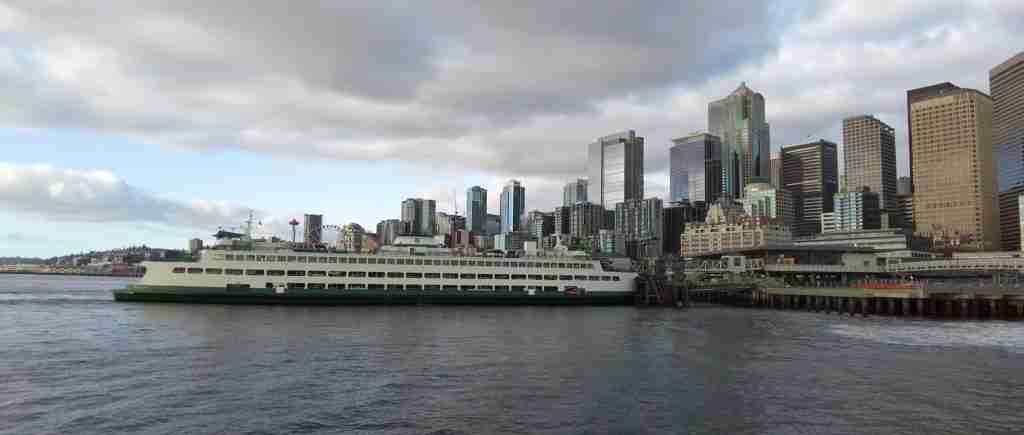
Ferry costs remain budget-friendly: $11 round-trip for adult walk-on passengers (free for children under 19), with ferries departing Seattle’s Pier 52 roughly every hour. Vehicle passage costs $15.60 each way for car and driver, unnecessary for visitors staying in Winslow area. The ferry crossing provides Seattle skyline views and occasional orca, seal, or porpoise sightings. Arrive 15-20 minutes before departure for vehicle travel; walk-on passengers board 10 minutes prior to sailing.
Winslow shopping and dining includes boutiques, bookstores, galleries, and cafes along Winslow Way. Bainbridge Island Museum of Art (admission free) showcases regional artists in modern facility opened 2013. Bloedel Reserve, 3 miles from ferry terminal, protects 150 acres of gardens, meadows, and forest (admission $20 adults, advance reservations required, limited daily capacity). Fort Ward Park on south island provides beach access, forest trails, and Puget Sound views (free entry, vehicle required from ferry terminal).
Bainbridge Island Seasonal Activities 2026
Summer brings optimal conditions for beach exploration, outdoor dining, and garden visits. Bloedel Reserve gardens peak late spring through summer (rhododendrons May, roses June-July, Japanese garden year-round appeal). Fall delivers quieter atmosphere with harvest festivals and autumn colors in deciduous plantings. Winter offers storm-watching from beaches and indoor gallery browsing, though some businesses reduce hours November-March.
Island cycling appeals to active visitors, with bike rentals available near ferry terminal ($30-45 per day). The 3-mile ride to Bloedel Reserve follows low-traffic residential roads. More ambitious cyclists can tackle the island’s perimeter (roughly 30 miles via various route combinations, hilly terrain, dedicated bike lanes on main roads).
San Juan Islands Day Trips 2026
The San Juan archipelago extends northwest of Seattle in the Strait of Georgia, with ferry-accessible islands including San Juan Island (Friday Harbor), Orcas Island (Eastsound), and Lopez Island. Day trips from Seattle face logistical challenges due to ferry schedules and travel times: Anacortes ferry terminal (primary San Juan Islands gateway) sits 85 miles north of Seattle (1.5-hour drive), then ferry crossings add 60-80 minutes to reach individual islands. Total one-way travel time approaches 3 hours, making same-day return trips rushed.
Guided day tours from Seattle to the San Juan Islands typically target San Juan Island’s Friday Harbor, visiting Whale Museum, waterfront galleries, and coastal viewpoints with wildlife watching opportunities. Tours cost $175-235 per person including round-trip transportation, ferry passage, and Friday Harbor exploration time (typically 3-4 hours on island). Summer tours (June-September) coincide with peak orca whale viewing season, though guaranteed whale sightings cannot be promised on day trips without dedicated boat excursions.
Self-guided San Juan Islands day trips work better as two-day excursions allowing overnight stays and reducing travel pressure. However, determined day-trippers can execute Friday Harbor visits by departing Seattle 6:00-7:00 AM, reaching Anacortes for 8:30-9:00 AM ferry (reservations strongly recommended summer weekends), arriving Friday Harbor 10:00-10:30 AM, departing Friday Harbor 4:00-5:00 PM, and returning Seattle 8:00-9:00 PM. This schedule allows 5-6 hours on San Juan Island but requires precise ferry timing and creates long day.
San Juan Islands Alternative: Whidbey Island 2026
Whidbey Island provides more practical day trip alternative to San Juan Islands, accessible via 30-minute Mukilteo-Clinton ferry or road through Deception Pass Bridge (1.5 hours north of Seattle). The island stretches 37 miles with distinct communities including Langley (boutiques, galleries, waterfront dining) and Coupeville (historic wharf district, second-oldest town in Washington State).
Ferry costs Mukilteo-Clinton route: $8.65 round-trip adult walk-on passengers, $20.50 each way vehicle and driver. Deception Pass State Park, at the island’s north end, features dramatic bridge views, forest hiking, and rocky shoreline exploration (parking fee $10). Ebey’s Landing National Historical Reserve preserves 19th-century farmsteads and provides coastal bluff hiking with Olympic Mountains views. Day trip itineraries typically visit Langley or Coupeville (choose one to minimize driving), with 3-4 hours allowing shopping, dining, and waterfront strolling.
Woodinville Wine Country Day Trips 2026
Woodinville lies 30 minutes northeast of Seattle via Interstate 405, hosting 130+ tasting rooms representing Washington wineries concentrated in compact industrial-turned-tourist district. The town produces no grapes locally (Columbia Valley, 150 miles east, supplies fruit) but houses production facilities, aging cellars, and tasting rooms for brands ranging from boutique artisans to major labels.
Tasting fees range $10-25 per flight (typically 4-5 wines), often waived with bottle purchase. Major venues include Chateau Ste. Michelle (Washington’s oldest winery, extensive grounds, frequent concerts), Columbia Winery, and DeLille Cellars. The Warehouse District concentrates 80+ tasting rooms within walking distance, allowing efficient multi-winery exploration. Tasting room hours typically span 11:00 AM-6:00 PM daily, with some venues requiring reservations weekends.
Transportation options for wine tasting day trips include designated driver in personal vehicle (free parking throughout Woodinville), hired car service, or guided tours. Guided wine tours from Seattle cost $125-175 per person for small-group experiences visiting 3-4 wineries over 5-6 hours. Tours include transportation, tasting fees at selected wineries, and water/snacks between stops. Self-guided visitors should plan 2-3 tasting rooms maximum to maintain quality experience without over-consumption.
Woodinville Beyond Wine 2026
Craft breweries complement wine tasting, with establishments like Triplehorn Brewing and Black Raven Brewing operating tasting rooms near wine venues. Distilleries including Woodinville Whiskey Co. and Batch 206 Distillery offer spirits sampling (separate from wine tasting fees). Farm-to-table dining has grown alongside wine industry, with restaurants like Barking Frog, Italianette, and Wedgewood Broiler sourcing local ingredients.
The Sammamish River Trail, paved multi-use path extending through Woodinville, accommodates walking and cycling between wine venues for active visitors. Electric bike rentals provide alternative wine country transportation avoiding impaired driving concerns (several rental companies operate May-September).
Victoria BC Day Trips 2026
Victoria, British Columbia sits 110 miles northwest of Seattle on Vancouver Island’s southern tip, accessible via high-speed ferry (Clipper Vacations) or Washington State Ferry combinations. Victoria day trips deliver British Columbia’s capital city atmosphere with Parliament Buildings, Inner Harbour, Butchart Gardens, and afternoon tea at Fairmont Empress Hotel within walking distance of ferry terminals.
Clipper Vacations operates high-speed passenger-only ferry service Seattle to Victoria Inner Harbour (2 hours 45 minutes crossing), departing Seattle mornings with same-day return options. Fares range $175-220 round-trip per adult depending on season and booking timing. The direct service lands passengers in downtown Victoria, eliminating vehicle rental need. Alternative routes using Washington State Ferries from Anacortes plus BC Ferries from Sidney to Victoria require vehicle and add complexity.
Victoria day trip itineraries typically include Parliament Buildings tour (free guided tours available), Royal BC Museum ($25 Canadian per adult, comprehensive natural and human history), Inner Harbour stroll, and Chinatown. Butchart Gardens (13 miles from downtown, taxi or bus access required, admission $39 Canadian adults March-October) showcases 55 acres of themed gardens best experienced spring through early fall when flowering peaks. Afternoon tea service at Fairmont Empress Hotel costs $85-115 Canadian per person with advance reservations essential.
Victoria BC Practical Considerations 2026
Passport or enhanced driver’s license required for US citizens crossing into Canada. Canadian currency useful though credit cards widely accepted (currency conversion fees apply). Victoria operates on Pacific Time Zone (same as Seattle). Daylight hours favor summer visits (sunset after 9:00 PM June-July) while winter days end around 4:30 PM December-January.
Return ferry departure times constrain Victoria exploration hours. Clipper return ferries typically depart Victoria 5:00-6:00 PM, requiring Victoria arrival around 11:00 AM-noon and providing 5-6 hours in the city. This timing allows Parliament tour, museum visit OR Butchart Gardens, Inner Harbour exploration, and dining but necessitates prioritizing attractions rather than attempting comprehensive coverage.
Tacoma Day Trips 2026
Tacoma sits 35 miles south of Seattle via Interstate 5, reachable in 40-50 minutes without traffic (evening rush hour can extend to 90 minutes). The city’s Museum District concentrates attractions within walking distance of downtown, led by Museum of Glass (admission $20 adults) featuring Dale Chihuly works and live glassblowing demonstrations. Chihuly Bridge of Glass connects the museum to Union Station and downtown, displaying permanent glass installations.
Point Defiance Park, 5 miles from downtown Tacoma, encompasses 760 acres of beaches, forest trails, gardens, and Point Defiance Zoo & Aquarium (admission $22 adults). The park provides free access to walking trails, Owen Beach, and Five Mile Drive scenic loop. Fort Nisqually Living History Museum operates within the park demonstrating Hudson’s Bay Company fur trading post life (admission $10 adults).
Sounder commuter rail connects Seattle and Tacoma on weekdays (limited weekend service), with 59-minute travel time and $6.50 one-way adult fares. Trains serve both Tacoma Dome Station (near museums) and Tacoma Station (downtown). Service operates primarily for commuters with limited midday frequency; verify current 2026 schedules before relying on train access. Driving provides more flexibility for Point Defiance Park access, though downtown museums work well via public transit.
Tacoma Waterfront and Dining 2026
Tacoma’s waterfront development transformed formerly industrial areas into restaurants, parks, and public spaces. Ruston Way waterfront trail extends 2 miles along Commencement Bay with beach access, seafood restaurants, and Mount Rainier views on clear days. Point Ruston development added restaurants and shops at the trail’s north end.
Tacoma’s restaurant scene emphasizes Pacific Northwest seafood and diverse international cuisines. Indochine Asian Dining Lounge, Pacific Grill, and Dirty Oscar’s Annex rank among established favorites. Craft breweries include Peaks & Pints, 7 Seas Brewing, and Wingman Brewers. Day trip dining typically occurs in Stadium District near museums or along Ruston Way waterfront.
North Cascades Highway Day Trips 2026
State Route 20 (North Cascades Highway) traverses Washington’s North Cascades from Interstate 5 to eastern Washington, passing through North Cascades National Park with dramatic mountain scenery, alpine lakes, and glacier views. The highway closes seasonally (typically November-April) due to snow accumulation at Washington Pass and Rainy Pass. Day trips from Seattle target the western section accessible from Burlington/Sedro-Woolley (75 miles north of Seattle).
Self-driving visitors should allocate full day for North Cascades Highway exploration, with popular stops including Diablo Lake Overlook (turquoise glacial lake, pullout viewpoints), Washington Pass Overlook (5,477-foot elevation, Liberty Bell Mountain views), and Cascade Pass trailhead (7.4-mile round trip hike, 3,600-foot elevation gain to alpine pass). The drive from Seattle to Washington Pass covers approximately 150 miles (3+ hours) one-way, making same-day return trips possible but rushed.
Guided North Cascades tours operate seasonally (typically June-September when highway fully open), with small-group experiences costing $195-265 per person including Seattle hotel pickup, transportation, and multiple scenic stops. Tours maximize limited day trip time by handling driving logistics and selecting optimal viewpoints based on weather and crowd conditions. No entrance fees apply to North Cascades Highway corridor (fees only required for backcountry camping permits).
North Cascades National Park Activities 2026
Short hikes from highway pullouts include Thunder Knob Trail (3.6 miles round trip, views over Diablo Lake), Gorge Creek Falls (0.2-mile accessible boardwalk to waterfall viewpoint), and Blue Lake Trail (4.4 miles round trip, alpine lake). Longer trails require earlier starts and stronger fitness, including Cascade Pass (7.4 miles round trip, spectacular but strenuous), Sahale Arm (12 miles round trip from Cascade Pass trailhead, experienced hikers only), and Maple Pass Loop (7.2 miles, 2,000-foot elevation gain).
Visitor centers provide maps, current conditions, and ranger information at Newhalem (western approach) and Winthrop (eastern approach). Newhalem offers walks to Ladder Creek Falls (illuminated evening viewing summer months) and Gorge Powerhouse tours operated by Seattle City Light (hydroelectric education). Ross Lake and Diablo Lake boat tours operate summer months, though these require advance planning beyond typical day trip schedules.
Day Trip Transportation Strategies 2026
Transportation decisions significantly impact day trip experiences and costs. Rental cars provide maximum flexibility for mountain destinations (Mount Rainier, Snoqualmie Pass, Leavenworth, North Cascades) where road access determines itinerary. Rental costs range $45-85 daily for economy or mid-size vehicles during peak season, plus gasoline ($40-60 for typical Seattle-to-Mount Rainier-to-Seattle round trip at 2026 fuel prices).
Washington State Ferries serve island destinations (Bainbridge, San Juan Islands, Whidbey Island) and Olympic Peninsula access routes. Walk-on ferry passage costs less than vehicle passage and eliminates parking concerns on smaller islands. The Seattle-Bainbridge route ($11 round-trip adult walk-on) provides least expensive day trip transportation to Olympic Peninsula when combined with public transit or tour pickups in Port Angeles.
Guided tour operators absorb transportation complexity while adding expert interpretation and logistics handling. Small-group tour costs ($140-310 per person depending on destination and inclusions) often compete favorably with rental car plus gas plus parking when comparing per-person expenses for two travelers. Solo travelers or groups of three-plus may find rental cars more economical for mountain destinations, while walk-on ferry passage remains cheapest for Bainbridge Island exploration.
Public Transportation Day Trip Options 2026
Sound Transit Link light rail connects Seattle-Tacoma International Airport to downtown Seattle but provides limited day trip utility (no mountain or island service). Sounder commuter rail operates Seattle-Tacoma route on weekdays with restricted midday frequency. Community Transit and other regional bus systems serve Snoqualmie Falls and Woodinville with limitations on schedules and route coverage.
The most practical public transit day trip from Seattle uses Bainbridge Island ferry walk-on passage, requiring no additional transit connections. Other destinations necessitate rental cars or guided tours for efficient day trip execution. Specialty shuttles serve Mount Rainier seasonally (To the Mountain Shuttle operates mid-June through early October with limited departure times), though these work better for multi-day visits than same-day round trips.
Seasonal Day Trip Planning 2026
Pacific Northwest seasonal weather patterns create distinct day trip opportunities and challenges throughout 2026. Summer (June-September) delivers optimal conditions for mountain destinations, with Hurricane Ridge and Paradise at Mount Rainier fully accessible, extended daylight hours (sunset after 9:00 PM in June), and minimal precipitation. Wildflowers peak late July through early August at alpine elevations. Summer weekends generate highest visitation and parking challenges at popular destinations.
Fall (September-November) brings reduced crowds, autumn foliage colors, and variable weather. Early fall (September-mid-October) maintains good mountain access with golden larches coloring at high elevations late September. Late fall sees increased precipitation and early snow closures at Hurricane Ridge and North Cascades Highway (typically late October-November). Wine country and lower-elevation destinations (Bainbridge Island, Leavenworth, Tacoma) function year-round without weather-related closures.
Winter (December-March) transforms mountain destinations into snow-recreation areas while limiting access and requiring tire chains or four-wheel drive. Paradise at Mount Rainier receives exceptional snowfall for snowshoeing and skiing. Leavenworth’s Christmas Lighting Festival draws peak winter crowds November-February. Shorter daylight hours (sunset around 4:30 PM in December) constrain winter day trip schedules, favoring closer destinations (Snoqualmie Falls, Woodinville, Bainbridge Island) over distant parks requiring mountain driving.
Spring (April-May) represents shoulder season with unpredictable weather mixing rain, occasional snow at elevation, and increasing sunshine as June approaches. Mountain roads begin reopening late May (Hurricane Ridge, North Cascades Highway), though Paradise at Mount Rainier maintains access year-round when snow plowing keeps pace with accumulation. Spring wildflowers include rhododendrons at lower elevations (May) and tulip fields in Skagit Valley north of Seattle (April).
Weather Contingency Planning 2026
Pacific Northwest weather volatility requires flexible day trip planning. Mountain destinations experience rapidly changing conditions—clear morning Seattle weather doesn’t guarantee clear Paradise or Hurricane Ridge conditions. Checking National Park Service websites, Washington Department of Transportation road reports, and mountain pass cameras before departure prevents wasted travel to closed or inaccessible destinations.
Alternative destination planning improves day trip success rates. If Mount Rainier weather looks questionable, Leavenworth or Woodinville provide rain-friendly options. If ferry delays affect Olympic National Park timing, Bainbridge Island offers condensed substitute itinerary. Multiple contingency options reduce disappointment when weather or circumstances require plan adjustments.
Day Trip Costs and Budget Planning 2026
Budget day trips from Seattle minimize expenses through self-guided exploration of free or low-cost destinations. Snoqualmie Falls costs nothing beyond transportation (free parking, no entrance fees). Bainbridge Island requires only the $11 round-trip ferry fare for walk-on passengers, with free museum admission and moderate dining costs ($15-25 per meal). Woodinville wine tasting allows designated driver exploration for tasting fees only ($10-25 per person per venue), though group sizes of two require one abstaining from samples.
Mid-range day trips using guided tours cost $140-195 per person for Leavenworth, $150-275 for Mount Rainier, and $189-275 for Olympic National Park. These prices include round-trip transportation, park entrance fees where applicable, and expert guides handling logistics. Food remains separate expense unless specified in tour inclusions (some premium tours provide meals). Self-guided alternatives reduce costs for travelers comfortable with navigation and early departures securing parking, though rental car expenses ($45-85 daily plus fuel) partially offset guided tour costs.
Premium day trip experiences offering smaller group sizes, gourmet meals, and enhanced services range $240-310 per person. All-inclusive Olympic National Park tours at the upper price range include breakfast, lunch, snacks, smaller passenger numbers (10 or fewer), and specialized guides with naturalist expertise. These represent best value for travelers prioritizing comfort, interpretation quality, and hassle-free logistics over budget minimization.
Hidden Costs and Planning Considerations 2026
Parking fees at some destinations add costs beyond entrance fees: Bloedel Reserve on Bainbridge Island requires advance timed-entry reservations ($20 adults), Deception Pass State Park charges $10 Discover Pass for vehicle parking. Meals constitute significant day trip expenses, with restaurant dining adding $30-60 per person for breakfast and lunch combined. Packing picnic lunches reduces food costs while maintaining schedule flexibility.
Photography equipment, hiking gear, and seasonal clothing enhance experiences but require investment or rental. Snowshoe rentals at Mount Rainier cost $6 per day through ranger programs (equipment loans included in some guided winter tours). Proper footwear prevents injuries on hiking trails—trail running shoes or light hiking boots suffice for most day trip routes, while mountaineering boots remain unnecessary except specialized alpine objectives.
Family-Friendly Day Trip Considerations 2026
Family day trips from Seattle balance child interests, activity levels, and parent logistics. Snoqualmie Falls works well for families with young children—short walking distance from parking to viewpoints, dramatic natural feature holding children’s attention, and minimal physical demands. The lower trail to falls base challenges toddlers but rewards school-age children with adventure feeling while remaining safely accessible.
Bainbridge Island ferry crossing entertains children through boat ride novelty, Seattle skyline views, and possible marine wildlife sightings. Winslow downtown provides ice cream shops, toy stores, and waterfront park. Shorter day trip duration (2-4 hours total) suits younger children’s attention spans. Woodinville wine tasting excludes children from tasting room experiences, making it poor family destination unless combined with non-wine activities (Redhook Brewery’s family-friendly beer garden, nearby parks).
Mount Rainier and Olympic National Park accommodate families through scaled hiking options. Paradise area at Mount Rainier offers paved Nisqually Vista Loop suitable for strollers and wheelchairs alongside more challenging trails for older children. Olympic National Park’s Hurricane Ridge visitor center provides indoor exhibits during weather breaks, while Lake Crescent swimming attracts children during summer months. Both parks feature Junior Ranger programs (free activity booklets, badge rewards for completed activities) engaging children 5-12 years old.
Guided Tours with Children 2026
Tour operator age policies vary—some restrict participants to 10+ years while others welcome younger children with parental supervision. Longer tour durations (10-13 hours for Olympic National Park or Mount Rainier) challenge young children’s endurance; 6-8 hour Leavenworth tours provide more manageable timeframes. Private tour options accommodate family schedules and children’s needs more flexibly than fixed-schedule group tours, though at premium pricing.
Rest stops, bathroom availability, and food access matter more for family day trips than adult-only travel. Guided tours incorporate regular breaks and meal stops. Self-guided trips benefit from planning restroom locations (visitor centers, roadside rest areas, restaurant stops) at 90-minute intervals for children’s comfort.
Accessibility Considerations 2026
Wheelchair accessibility varies significantly across Seattle day trip destinations. Snoqualmie Falls upper viewpoint features paved, level access from parking area to overlook (accessible parking spaces available). The lower trail to falls base includes steep grades and stairs—inaccessible for wheelchairs. Mount Rainier’s Nisqually Vista Loop at Paradise provides paved, accessible trail with glacier views (0.7 miles, some grades but manageable for manual wheelchair users with assistance).
Washington State Ferries accommodate wheelchair users with elevator access, accessible restrooms, and priority boarding. Bainbridge Island’s downtown Winslow district features level sidewalks and accessible businesses. Museum of Glass in Tacoma, Museum of Flight near Seattle, and other institutional attractions maintain ADA accessibility standards. Natural destinations including beaches, forest trails, and mountain viewpoints present more variable accessibility—contact park offices or tour operators for specific route assessments before trip planning.
Guided tour companies increasingly offer accessible van options accommodating wheelchair users, though these require advance booking and confirmation. Standard tour vans involve step-up entry incompatible with wheelchairs. Communicating accessibility needs during booking ensures appropriate vehicle assignment and itinerary modifications maximizing experience quality for mobility-limited travelers.
Solo Traveler Day Trip Strategies 2026
Solo travelers face cost considerations when comparing self-guided versus guided day trip options. Rental cars optimized for groups become expensive when divided by one person—a $70 daily rental plus $50 fuel totals $120 for single traveler versus $30 per person for four-person group. Guided tours charge per-person pricing that doesn’t penalize solo participation (though some operators impose single-traveler supplements for guaranteed departures).
Ferry-based day trips work efficiently for solo travelers: Bainbridge Island ferry costs $11 round-trip regardless of group size, and island exploration suits independent wandering. Tacoma’s public transit access via Sounder commuter rail provides another solo-friendly option avoiding rental car expense. Woodinville wine tasting presents challenges for solo travelers who must abstain from sampling if driving (designated driver requirement), though rideshare services from Seattle cost $40-60 each way mitigating this limitation.
Safety considerations remain minimal for solo Seattle-area day trips. Popular destinations maintain good visitor traffic during daylight hours. Cell phone coverage works reliably in most areas except wilderness backcountry. Informing someone of itinerary and expected return time follows standard solo travel precautions. Wildlife encounters (primarily black bears in mountain parks) require same awareness whether solo or grouped—make noise on trails, maintain distance from animals, secure food properly.
Photography-Focused Day Trips 2026
Landscape photography drives many Seattle day trip choices. Mount Rainier delivers iconic Pacific Northwest imagery: Reflection Lakes mirroring the peak, Paradise wildflower meadows framing glaciers, Narada Falls cascading through old-growth forest. Golden hour lighting (first and last daylight hours) presents scheduling challenges for day trips requiring 2.5-hour approach drives—summer’s late sunsets (after 9:00 PM June-July) favor evening light at Paradise for visitors staying until park closure or later.
Olympic National Park provides diverse photographic subjects within single day trip: Hurricane Ridge alpine vistas, Lake Crescent’s impossibly clear water, moss-draped rainforest trees, and driftwood-strewn Pacific beaches. Coastal locations benefit from overcast conditions creating even lighting for detail photography, while mountains demand clear weather for effective distant views.
Snoqualmie Falls photography works best early morning (before 9:00 AM) when low visitor numbers allow clean shots without crowd elements. The upper viewpoint faces east, receiving direct morning light illuminating the falls. Leavenworth’s Bavarian architecture photographs well any time of day, with Christmas lighting season (November-February) offering unique after-dark opportunities requiring tripod for long exposures.
Equipment and Technical Considerations 2026
Wide-angle lenses (16-35mm full-frame equivalent) capture mountain landscapes and waterfall scenes effectively. Telephoto lenses (70-200mm+) compress distant peaks and isolate wildlife. Polarizing filters reduce water reflections and enhance sky contrast. Neutral density filters enable long-exposure waterfall photography during daylight hours. Most destinations permit tripod use on trails and viewpoints (exception: crowded areas where tripods obstruct traffic).
Weather protection becomes essential Pacific Northwest photography consideration. Rain covers, lens cloths, and weather-sealed camera bodies guard against moisture damage during typical conditions. Sunrise and sunset photography extends day trip hours beyond standard itineraries—self-guided trips accommodate flexible timing better than group tours with fixed schedules.
Frequently Asked Questions About Seattle Day Trips 2026
How early should I leave Seattle for day trips to Mount Rainier in 2026?
Depart Seattle by 7:00 AM for summer weekend Mount Rainier visits to secure Paradise parking before 10:00 AM lot capacity. Weekday visits allow slightly later departures (7:30-8:00 AM) while maintaining comfortable arrival timing. Winter trips can depart 8:00-9:00 AM as Paradise receives fewer visitors and snow conditions limit parking lot size. The drive requires 2.5 hours from downtown Seattle to Paradise under normal traffic conditions, with additional time needed for Nisqually entrance gate processing during peak summer season.
Which Seattle day trip destinations work without a car in 2026?
Bainbridge Island via Washington State Ferry walk-on passage ($11 round-trip) works perfectly without cars—ferry terminal opens directly into downtown Winslow district with shops, restaurants, and galleries within 10-minute walking radius. Tacoma via Sounder commuter rail provides weekday car-free access to Museum District attractions and downtown waterfront. Victoria BC via Clipper Vacations high-speed ferry lands passengers in downtown Victoria Inner Harbour within walking distance of Parliament Buildings and major attractions. All other major day trip destinations (Mount Rainier, Olympic National Park, Leavenworth, North Cascades) either require rental cars or guided tour participation for practical access from Seattle.
What are the best winter day trips from Seattle in 2026?
Leavenworth Christmas Lighting Festival (November-February) ranks as Seattle’s premier winter day trip, combining snowy mountain scenery with illuminated Bavarian village atmosphere and winter activities including potential sleigh rides. Mount Rainier’s Paradise transforms into snowshoeing destination receiving 643 inches annual snowfall, accessible winter weekends and holidays (tire chains mandatory). Woodinville wine tasting operates year-round independent of weather, providing indoor activity during Seattle’s wet winter months. Bainbridge Island, Tacoma Museum District, and Snoqualmie Falls function in winter though outdoor activities become less appealing during frequent rain—indoor attractions and shorter day trip durations suit winter conditions better than extensive outdoor exploration.
How much does guided tour cost versus self-driving for Mount Rainier day trips in 2026?
Guided Mount Rainier tours cost $150-275 per person including Seattle hotel pickup, round-trip transportation, park entrance fee, and expert guides. Self-driving costs include rental car ($45-85 daily), gasoline ($40-60 round-trip at 2026 fuel prices), and park entrance fee ($30-35 per vehicle). For solo travelers, guided tours cost less ($150-275 versus $115-175+ self-driving). For couples, costs approximate parity ($300-550 guided tour for two versus $115-175 self-driving). For groups of three or four, self-driving becomes more economical ($29-44 per person versus $150-275 guided tour per person). Guided tours add value through expert interpretation, optimized routing, and eliminated navigation stress regardless of price comparison—travelers prioritizing education and convenience over budget minimization often prefer guided experiences even when marginally more expensive.
Can I visit Olympic National Park and Mount Rainier in one day from Seattle in 2026?
No, attempting both parks in a single day creates logistically impossible itinerary and delivers unsatisfying rushed experience. Olympic National Park lies 2.5-3 hours northwest from Seattle (including ferry crossing), while Mount Rainier sits 2.5 hours southeast—opposite directions requiring 5-6 hours combined driving without accounting for actual park exploration time. Each park deserves full day minimum for meaningful visits including hiking, viewpoints, and visitor centers. Travelers with limited Seattle time should choose one park per day trip or allocate two separate days visiting each park individually. Combined multi-day itineraries can visit both parks across 3-4 day periods, but same-day coverage remains infeasible.
What day trips from Seattle are best for families with young children in 2026?
Snoqualmie Falls (30 miles from Seattle, 45-minute drive) works exceptionally well for families with young children—dramatic 268-foot waterfall visible from free upper viewpoint requiring minimal walking from parking, with optional lower trail (steeper, stairs) for adventurous older children. Bainbridge Island ferry crossing entertains through boat ride novelty and marine wildlife possibilities, with Winslow’s compact downtown providing ice cream shops, waterfront park, and manageable 2-4 hour total excursion length. Point Defiance Zoo & Aquarium in Tacoma (35 miles south, 40-50 minutes) offers traditional zoo experience with Pacific Northwest focus and beach access within same 760-acre park. Longer mountain park visits (Mount Rainier, Olympic National Park) work for families with school-age children capable of sustained car rides and moderate hiking, though tour durations of 10-13 hours challenge young children’s endurance—private tours accommodate family schedules better than fixed-schedule group experiences.
When is the best time to see wildflowers on Seattle day trips in 2026?
Alpine wildflower peak timing at Mount Rainier’s Paradise and Olympic National Park’s Hurricane Ridge occurs late July through early August, when snowmelt exposes meadows and avalanche lilies, lupine, paintbrush, and phlox bloom en masse. Spring wildflowers including rhododendrons bloom at lower elevations throughout Pacific Northwest parks during May, while Skagit Valley tulip fields (60 miles north of Seattle) peak in April. Wildflower timing varies 1-2 weeks annually depending on winter snowpack and spring temperatures—National Park Service websites post current bloom reports as season progresses. Heavy snow years delay peak blooms into mid-August, while light snow years accelerate timing to mid-July. Optimal wildflower day trips require flexible scheduling responding to current year conditions rather than fixed calendar dates.
Are there day trips from Seattle suitable for wine tasting in 2026?
Woodinville wine country (30 minutes northeast of Seattle) concentrates 130+ tasting rooms within compact area easily explored in half-day or full-day visits. Tasting fees range $10-25 per flight, often waived with bottle purchases. The Warehouse District allows walking between 80+ venues, while spread-out wineries require driving (designated driver mandatory). Yakima Valley and Walla Walla wine regions produce Washington’s finest wines but require overnight trips from Seattle (3-4 hours one-way travel times). Day trip wine tasting from Seattle realistically targets Woodinville exclusively, though some Leavenworth day trip tours incorporate Cascade foothills winery stops en route. Transportation options include self-driving with designated driver, hired car services, or guided small-group wine tours ($125-175 per person) visiting 3-4 selected wineries with transportation and tasting fees included.
What is the most scenic drive from Seattle for a day trip in 2026?
North Cascades Highway (State Route 20) from Interstate 5 east through North Cascades National Park to Washington Pass delivers Washington’s most spectacular scenic driving, passing turquoise Diablo Lake, granite peaks, waterfalls, and alpine meadows. The drive covers approximately 150 miles one-way (3+ hours from Seattle to Washington Pass), requiring full day for meaningful exploration with stops at Diablo Lake Overlook, Washington Pass Overlook, and waterfall viewpoints. Highway closes seasonally November-April due to snow at high passes. Alternative scenic drives include Paradise Road at Mount Rainier (climbing from Longmire through old-growth forest to Paradise meadows), Stevens Pass Highway (US-2 to Leavenworth through Cascade Mountain scenery), and Chuckanut Drive (State Route 11 from Burlington to Bellingham with cliff-top views over Samish Bay)—though Chuckanut’s 20-mile length makes it better suited as en route scenic connector than destination drive.
How do I avoid crowds on Seattle day trips in 2026?
Weekday visits reduce crowds substantially at all destinations—Mount Rainier’s Paradise parking fills 10:00 AM weekends but often has spaces available through 1:00 PM on Tuesdays-Thursdays. Shoulder seasons (May-June, September-October) deliver lower visitation than peak summer (July-August) while maintaining good weather and access. Early morning departures secure parking and trail solitude before midday crowds arrive—reaching Mount Rainier by 9:00 AM, Olympic National Park’s Hurricane Ridge by 10:00 AM, or Snoqualmie Falls before 9:00 AM guarantees better experience than midday arrivals. Off-peak destinations including Tacoma Museum District, Woodinville wine tasting midweek, and Bainbridge Island November-March avoid crowds inherently through lower visitor interest. National Park fee-free days (8 days annually) actually increase crowds—avoid these dates for better experiences despite free entrance.