
Best Day Trips from San Miguel de Allende 2026: Colonial Towns & Natural Wonders
Key Takeaways:
- Guanajuato offers the most spectacular day trip from San Miguel de Allende with UNESCO World Heritage colonial architecture, silver mining history, and dramatic hillside views just 90 minutes away by bus
- Day trip costs range $30-80 per person depending on destination and transportation choice, with organized tours ($45-75) providing convenience while independent travel ($20-35) offers budget flexibility
- Book transportation and tours 2-4 weeks ahead during high season (November-April 2026) as popular routes like Guanajuato and Querétaro sell out quickly on weekends
- The Cañada de la Virgen archaeological site requires advance reservations limited to 60 visitors daily, making it essential to book at least one week ahead through authorized tour operators
- Combine multiple destinations strategically: pair Dolores Hidalgo with Atotonilco for a full day of cultural immersion, or visit thermal baths after exploring Querétaro’s historic center
- Early departures (7:30-8:30 AM) maximize your day trip experience, allowing 6-8 hours at destinations before comfortable evening returns to San Miguel de Allende
Planning Your San Miguel de Allende Day Trips in 2026
San Miguel de Allende’s UNESCO World Heritage designation makes it a perfect base for exploring central Mexico’s colonial corridor, with dozens of extraordinary destinations within 1-3 hours by car or bus. The region’s concentration of baroque architecture, pre-Hispanic archaeological sites, natural thermal springs, and traditional artisan communities creates endless day trip possibilities that complement your San Miguel experience.
The 2026 season brings enhanced transportation infrastructure with new express bus routes connecting San Miguel to Guanajuato (90 minutes, $8-12 each way) and Querétaro (60 minutes, $6-10 each way). The Centro-Bajío highway improvements reduce travel times by 15-20 minutes compared to previous years, making previously marginal destinations like the Pozos ghost town now comfortably accessible for day trips.
Transportation choices significantly impact your day trip experience and budget. Public buses depart hourly from San Miguel’s Central de Autobuses terminal, offering economical access to major destinations with comfortable primera clase service. Private tour operators provide door-to-door convenience with bilingual guides and fixed itineraries, eliminating navigation stress but limiting spontaneity. Car rentals start at $35-50 daily and grant maximum flexibility for combining multiple stops or exploring remote locations.
Weather patterns favor different destinations across 2026’s seasons. The dry season (November-April) offers ideal conditions for all day trips with clear skies and comfortable 18-25°C temperatures. The rainy season (May-October) concentrates afternoon showers between 2-5 PM, making morning-focused itineraries optimal. Winter months (December-February) bring occasional cold fronts that drop highland temperatures to 5-10°C, requiring layers for archaeological sites and mountain destinations.
Budget planning requires understanding the full cost structure beyond transportation. Entry fees for UNESCO sites like Guanajuato’s museums run $3-8 per attraction. Lunch in colonial towns costs $12-25 per person for quality local restaurants. Guided tours at archaeological sites add $15-30. Hot springs admission ranges $8-18 depending on facility quality. A complete day trip budget including all elements runs $50-120 per person depending on destination and transportation choice.
People Also Ask About San Miguel de Allende Day Trips 2026
What is the best day trip from San Miguel de Allende in 2026?
Guanajuato stands as the best overall day trip from San Miguel de Allende in 2026, combining UNESCO World Heritage colonial architecture, fascinating silver mining history, and dramatic hillside topography in a compact walkable center. The city offers exceptional value with free walking tours, affordable museum passes ($8 covering 5 major sites), and excellent local restaurants serving regional specialties like enchiladas mineras for $8-12. The 90-minute bus journey ($8-12 each way) provides comfortable access with departures every hour from San Miguel’s main terminal.
Guanajuato’s unique underground tunnel network, originally built for mining drainage, creates a surreal driving experience that alone justifies the visit. The Alhóndiga de Granaditas museum chronicles Mexico’s independence movement with powerful exhibits in the building where the revolution’s first major battle occurred. Diego Rivera’s birthplace museum showcases the artist’s early environment and family history. The mummy museum, while macabre, represents one of Mexico’s most famous curiosities with naturally preserved bodies from the 19th century.
The hillside funicular ($5 round trip) transports visitors to El Pípila monument for panoramic city views that photographers cherish during golden hour. Callejón del Beso (Alley of the Kiss) represents one of Mexico’s most photographed streets where balconies nearly touch across the narrow passage. Teatro Juárez hosts performances ranging from symphony concerts to contemporary dance in one of Latin America’s most beautiful Belle Époque theaters.
How much does a day trip from San Miguel de Allende cost in 2026?
Independent day trips from San Miguel de Allende cost $30-80 per person in 2026 depending on destination and choices. Bus transportation to Guanajuato costs $8-12 each way on primera clase service, with second-class buses at $5-8 offering budget alternatives. Querétaro buses run $6-10 each way. Dolores Hidalgo transportation costs $4-7 each way on the shorter route. Check Primera Plus and ETN websites for current official rates as pricing may vary by season and service class.
Meal costs in day trip destinations range significantly by restaurant choice. Market fondas (simple eateries) serve complete lunches for $5-10 including main dish, rice, beans, tortillas and drink. Mid-range restaurants charge $12-25 for quality regional cuisine with table service. Upscale dining in Guanajuato or Querétaro runs $25-45 per person for multi-course meals with wine.
Entry fees accumulate quickly when visiting multiple attractions. Guanajuato’s Museum Pass costs $8 and covers five major museums, representing excellent value versus individual tickets at $3-5 each. Archaeological sites like Cañada de la Virgen charge $5-8 for entry. Hot springs admission ranges $8-18 depending on facility amenities. Church visits remain free throughout Mexico’s colonial towns, providing budget-friendly cultural experiences.
Organized day tours from San Miguel de Allende cost $45-75 per person including round-trip transportation, bilingual guide, and some entrance fees. Premium tours to Guanajuato with lunch and museum entries run $85-120. Private tours for 2-6 people cost $200-350 total, offering personalized itineraries and flexible timing that justifies the premium for small groups or families.
Do you need advance bookings for San Miguel de Allende day trips in 2026?
Advance bookings prove essential for several popular San Miguel day trips in 2026. Cañada de la Virgen archaeological site limits visitors to 60 people daily across three time slots, requiring reservations at least 7-10 days ahead through authorized operators. Weekend slots sell out 2-3 weeks in advance during high season. The site’s strict preservation protocols prevent walk-up access, making advance booking mandatory rather than optional.
Organized day tours to Guanajuato, Querétaro, and combination itineraries fill quickly during peak months (December-April, July-August). Book 2-4 weeks ahead for weekend departures and 1-2 weeks for weekday tours. Major operators like Callejon Tours and San Miguel Tours offer online booking with instant confirmation and flexible cancellation policies up to 48 hours before departure.
Public bus transportation rarely requires advance purchase except during major holidays (Christmas week, Easter week, Mexican Independence Day weekend). Buses run hourly on major routes with ample capacity for walk-up passengers. Purchase tickets at the Central de Autobuses terminal 30-60 minutes before departure for seat selection. Online booking through ETN and Primera Plus websites adds convenience without significant cost premium.
Restaurant reservations benefit visitors to Guanajuato’s and Querétaro’s popular establishments. Book lunch reservations for 1-2 PM at renowned restaurants like Casa Valadez in Guanajuato or Tikua Sur Cocina in Querétaro 2-3 days ahead during weekends. Weekday lunch typically accommodates walk-ins without significant waits. Hot springs facilities accept walk-ins with adequate capacity except during Mexican national holidays when advance booking proves wise.
What is the closest UNESCO World Heritage site to San Miguel de Allende in 2026?
Atotonilco Sanctuary stands as the closest UNESCO World Heritage site to San Miguel de Allende, located just 14 kilometers (15-20 minute drive) north of the city center. This baroque masterpiece earned UNESCO recognition jointly with San Miguel de Allende in 2008 for its extraordinary fresco cycle covering interior walls and ceilings with religious imagery painted between 1740-1775. The sanctuary functions as an active pilgrimage site where thousands gather during Holy Week for traditional ceremonies.
Local buses depart hourly from San Miguel’s main plaza to Atotonilco, costing $2-3 each way with 25-minute journey times. Taxis charge $12-18 one way or $25-35 for round trip with waiting time. Many visitors combine Atotonilco with Dolores Hidalgo for a full day exploring Mexico’s independence heritage, as Atotonilco provided the Virgin of Guadalupe banner that Miguel Hidalgo carried when launching the independence movement in 1810.
The sanctuary interior creates overwhelming visual impact with densely packed frescoes depicting biblical scenes, saints, martyrs, and religious allegories in vibrant reds, blues, and golds. Padre Luis Felipe Neri de Alfaro designed and executed most paintings without formal artistic training, working for 30 years to complete this monument to popular baroque faith. The naive style and folk art qualities distinguish Atotonilco from European-influenced baroque churches found elsewhere in Mexico.
Visitors spend 45-90 minutes exploring the sanctuary depending on interest in religious art and architecture. Entry remains free with voluntary donations supporting conservation. Photography restrictions apply inside the sanctuary to protect frescoes from flash damage. The adjacent museum (entry $3) provides historical context about the site’s construction and religious significance. Plan visits for morning or late afternoon when tour bus crowds diminish and natural light enhances the fresco colors.
Extended multi-day tours – 5+ days
Featured San Miguel De Allende Multi-Day Tour Packages

3 days
San Miguel De Allende 3-Day Discovery Tour
- ✓ Comprehensive San Miguel De Allende experience
- ✓ Expert local guides included
- ✓ All accommodation included
- ✓ Transportation provided

5 days
San Miguel De Allende 5-Day Highlights Experience
- ✓ Comprehensive San Miguel De Allende experience
- ✓ Expert local guides included
- ✓ All accommodation included
- ✓ Transportation provided
7 days
San Miguel De Allende 7-Day Cultural Journey
- ✓ Comprehensive San Miguel De Allende experience
- ✓ Expert local guides included
- ✓ All accommodation included
- ✓ Transportation provided
10 days
San Miguel De Allende 10-Day Complete Adventure
- ✓ Comprehensive San Miguel De Allende experience
- ✓ Expert local guides included
- ✓ All accommodation included
- ✓ Transportation provided
Multi-day tour packages powered by TourRadar. Prices and availability subject to change.
Essential Planning Information 2026
Current Costs and Pricing Breakdown for 2026 Day Trips
Transportation costs from San Miguel de Allende in 2026 follow consistent pricing across major bus operators. First-class buses to Guanajuato cost $8-12 each way depending on service level, with ETN and Primera Plus offering premium amenities like WiFi and extra legroom at the higher end. Querétaro routes run $6-10 each way with hourly departures throughout the day. Dolores Hidalgo connections cost $4-7 each way on the 45-minute route. Check current official rates at bus terminal windows or company websites as pricing varies by season and service class.
Car rental provides flexibility for multi-stop itineraries with daily rates starting at $35-50 for compact vehicles through major agencies. Add $15-25 daily for comprehensive insurance coverage that protects against Mexico’s road conditions. Fuel costs approximately $1.20-1.40 per liter ($4.50-5.30 per gallon) in 2026, with day trip destinations consuming $15-30 in gasoline depending on distance and routing choices.
Organized tour pricing reflects comprehensive service including transportation, guide, and partial entrance fees. Standard Guanajuato day tours cost $45-65 per person for 8-hour experiences. Querétaro tours run $40-55 per person. Combination tours visiting multiple destinations cost $65-85. Premium experiences with gourmet lunch inclusions and smaller group sizes range $85-120 per person. Private tours for 2-6 participants cost $200-350 total, offering personalized itineraries worth considering for families or small groups.
Attraction entry fees accumulate across the day depending on interests. Guanajuato’s museum pass costs $8 covering five major museums versus $3-5 each for individual tickets. Teatro Juárez tours cost $5. Diego Rivera museum charges $4. The mummy museum costs $7. Querétaro’s museums run $3-6 each with combination tickets available. Archaeological sites like Cañada de la Virgen charge $5-8 entry plus mandatory guide fees of $15-30 per group.
Dining budgets vary dramatically by choice. Market fondas serve complete lunches for $5-10 with generous portions of regional specialties. Mid-range restaurants with table service charge $12-25 per person for quality meals. Upscale dining experiences in Guanajuato or Querétaro run $25-45 per person. Street food options like tacos, gorditas, and tamales cost $1-3 per item, perfect for budget travelers or snacking between attractions.
Transportation Options and Schedules for 2026
First-class bus service dominates public transportation between San Miguel de Allende and major day trip destinations. ETN operates modern coaches with WiFi, power outlets, and reclining seats to Guanajuato every hour from 7:00 AM to 8:00 PM. Primera Plus provides similar service to Querétaro with departures every 45-60 minutes throughout the day. Flecha Amarilla serves Dolores Hidalgo with hourly connections from 6:30 AM to 7:30 PM.
Departure timing significantly impacts day trip quality. The 7:30-8:30 AM buses arrive at destinations by 9:00-10:00 AM, providing full days before museums close and crowds peak. Return buses from Guanajuato run until 8:00 PM, allowing dinner before heading back. Querétaro return service continues until 9:00 PM. Weekend schedules match weekday frequency on major routes, though holiday periods see additional departures and fuller buses.
The Central de Autobuses terminal in San Miguel de Allende serves all intercity bus routes, located 2 kilometers southwest of the historic center. Taxis from the jardín cost $4-6 to the terminal. Local buses run every 15-20 minutes for $0.75 per ride. Arrive 30-45 minutes before departure for ticket purchase and seat selection. Primera clase service requires specific seat assignments while segunda clase operates first-come seating.
Private transportation offers maximum flexibility for custom itineraries. Car rental agencies in San Miguel include Hertz, Budget, and National with offices near the jardín and at the bus terminal. Reserve vehicles online 1-2 weeks ahead for best rates and availability. Mexican highways require toll payment (cuotas) with Guanajuato route costing $6-10 in tolls each direction. Free alternative routes (libre) exist but add 30-45 minutes to journey times.
Taxi services provide door-to-door convenience for group travel. Negotiate day trip rates before departure, with Guanajuato round trips costing $80-120 depending on waiting time and vehicle type. Querétaro trips run $70-100. Dolores Hidalgo combinations cost $60-80. Uber operates in San Miguel de Allende but availability decreases in smaller destinations, making return transportation less reliable than taxis.
Best Colonial Town Day Trips 2026
Guanajuato Day Trip 2026: UNESCO Mining Capital
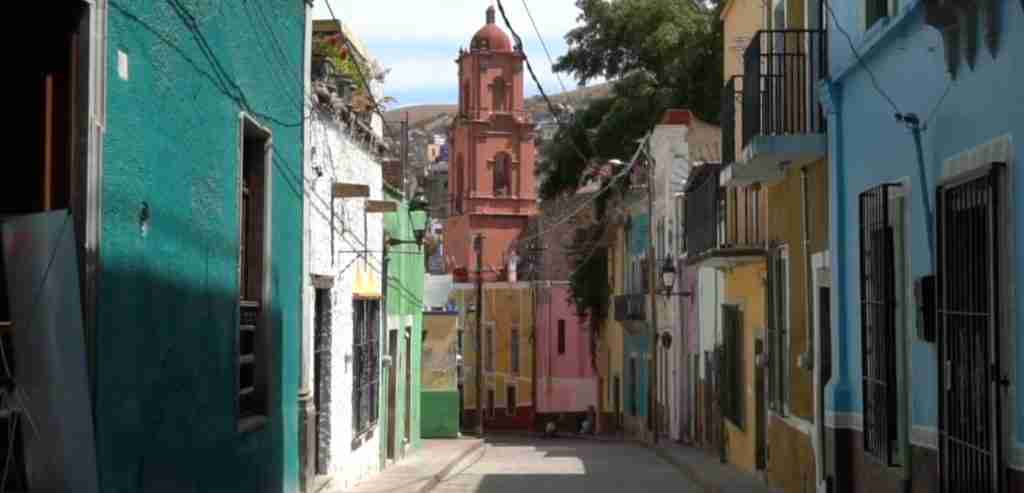
Guanajuato represents Mexico’s most spectacular colonial city with UNESCO World Heritage designation recognizing the silver mining wealth that financed baroque architecture cascading down steep hillsides in a narrow valley. The city’s unique underground street system, originally built as mining tunnels and flood channels, creates a surreal urban experience where major thoroughfares run beneath surface streets. Plan 7-8 hours for comprehensive exploration including museums, historic monuments, and panoramic viewpoints.
The journey from San Miguel de Allende takes 90 minutes by first-class bus through scenic Bajío countryside. Departures run hourly from 7:00 AM to 8:00 PM with return service until late evening. The $8-12 each way fare (check Primera Plus for current official rates) provides comfortable coaches with restrooms and air conditioning. Arrive at Guanajuato’s Central de Autobuses and take local buses ($0.75) or taxis ($4-6) to the historic center.
Morning exploration begins at Jardín de la Unión, the tree-shaded plaza fronting Teatro Juárez where cafe tables fill with locals enjoying coffee and pan dulce. The Alhóndiga de Granaditas museum occupies the granary where independence forces achieved their first major victory in 1810. The $4 entry fee grants access to exhibits chronicling regional history from pre-Hispanic times through the revolutionary period. The building’s four corners still display hooks where Spanish officials hung the severed heads of independence leaders as warnings, creating powerful emotional impact.
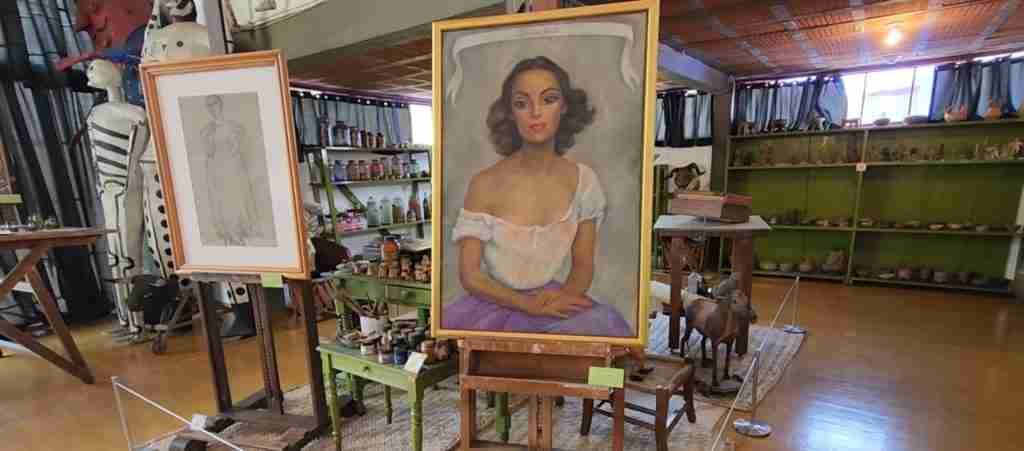
Diego Rivera’s birthplace museum ($4 entry) preserves the artist’s family home with period furnishings and early artworks. The collection spans Rivera’s evolution from provincial student to muralist icon with photographs, sketches, and personal belongings providing intimate glimpses into his formative years. The restored 19th-century architecture showcases typical middle-class Guanajuato domestic spaces.
The underground tunnel system deserves dedicated exploration time. Subterránea Miguel Hidalgo carries vehicle traffic through former mining galleries and river channels, creating unique urban infrastructure. Pedestrian access points along the route allow walking sections of the tunnels, experiencing the cool darkness that contrasts dramatically with the bright colonial streetscapes above. The tunnel lighting creates atmospheric photography opportunities.
Lunch options range from market fondas serving miners’ traditional enchiladas mineras ($8-12 including drink) to upscale restaurants like Casa Valadez overlooking Jardín de la Unión ($18-30 per person). The local specialty, guacamayas (tortas filled with chicharrón in salsa), costs $4-6 from street vendors. Budget 90 minutes for leisurely lunch and plaza people-watching.
Afternoon priorities include the funicular ($5 round trip) ascending to El Pípila monument for panoramic city views. The statue honors the independence hero who burned down the Alhóndiga gates, enabling revolutionary forces to capture the granary. The viewpoint provides 360-degree vistas of colored houses climbing hillsides, church domes punctuating the skyline, and valley geography defining the city’s development. Golden hour (5:00-6:30 PM in winter, 6:30-8:00 PM in summer) creates ideal photography conditions.
The Museo de las Momias (Mummy Museum) presents naturally mummified bodies exhumed from the local cemetery when families stopped paying burial fees. The $7 entry grants access to displays of remarkably preserved corpses from the 1850s-1950s, ranging from infants to elderly adults. The macabre collection ranks among Mexico’s most famous curiosities, attracting both scientific interest and popular fascination. Sensitive visitors may prefer skipping this attraction.
Teatro Juárez tours ($5) showcase the lavish Belle Époque interior where bronze statues, marble columns, and plush seating create one of Latin America’s most beautiful performance spaces. The theater hosts concerts and performances year-round with schedules posted at the box office. Callejón del Beso (Alley of the Kiss) attracts tourists to its narrow passage where legend claims couples kissing from opposing balconies receive good fortune.
Return buses to San Miguel de Allende depart hourly until 8:00 PM from the Central de Autobuses, located 2 kilometers from the historic center. Taxis cost $4-6 or local buses run for $0.75. Plan departure by 6:00-7:00 PM for comfortable evening return to San Miguel, arriving by 8:00-9:00 PM.
Querétaro Day Trip 2026: UNESCO Colonial Heritage
Querétaro earned UNESCO World Heritage status for its remarkably preserved colonial center where baroque churches, aristocratic mansions, and the extraordinary aqueduct demonstrate 18th-century New Spain’s architectural ambitions. The city played pivotal roles in Mexican independence and Emperor Maximilian’s downfall, creating layers of historical significance that complement architectural beauty. The compact historic center allows comfortable exploration in 6-7 hours.
Buses from San Miguel de Allende reach Querétaro in 60 minutes with departures every 45-60 minutes throughout the day. First-class service costs $6-10 each way (check ETN for current official rates). The Central de Autobuses sits 3 kilometers from the historic center with frequent local buses ($0.75) or taxis ($5-8) providing connections. Early departure by 8:00 AM maximizes the day before afternoon heat peaks.
The Querétaro Aqueduct dominates the cityscape with 74 arches reaching 28 meters high across 1.3 kilometers. Built 1726-1738 to supply fresh water from mountain springs, the structure represents colonial engineering achievement comparable to Roman precedents. Walk beneath the arches appreciating the scale and craftsmanship of hand-cut stone blocks fitted without mortar. Sunrise and sunset light creates dramatic shadows across the arches, making these prime photography times.
Plaza de Armas centers colonial life with baroque Templo de San Francisco facing manicured gardens where locals gather for weekend concerts and festivals. The adjacent Regional Museum ($4 entry) occupies the former convent with exhibits spanning pre-Hispanic artifacts, colonial religious art, and independence era documents. The building’s cloister features ornate fountain and tile work representative of Querétaro’s wealth during the silver boom.
Teatro de la República witnessed Emperor Maximilian’s trial in 1867 after French intervention collapsed, leading to his execution at Cerro de las Campanas. The restored interior ($3 entry for tours) preserves the courtroom where the trial unfolded, creating powerful historical resonance. The building also hosted the Mexican Constitutional Convention in 1917 that produced the current national constitution, cementing Querétaro’s significance in shaping modern Mexico.
Lunch options include traditional restaurants around Plaza de Armas serving Querétaro specialties like enchiladas queretanas ($10-15). Tikua Sur Cocina offers contemporary Mexican cuisine ($18-30 per person) in a beautiful courtyard setting. Market fondas near Mercado La Cruz serve economical complete lunches for $6-10. Budget 60-90 minutes for meal and digestive stroll through colonial streets.
Museo de Arte de Querétaro ($4 entry) displays colonial paintings, sculpture, and decorative arts in a converted Augustinian monastery. The baroque cloister courtyard ranks among Mexico’s most photographed religious architecture with ornate fountain, arched galleries, and sculpted details. Temporary exhibitions feature contemporary artists working in diverse media.
Casa de la Corregidora preserves the home where independence conspirator Josefa Ortiz de Domínguez warned revolutionaries of Spanish discovery in 1810, enabling the movement to proceed despite government knowledge. The building now houses state government offices with limited public access, though the exterior facade demonstrates typical aristocratic colonial architecture. The adjacent Jardín Corregidora provides shaded plaza space for rest.
Shopping opportunities include handicraft markets along Andador 5 de Mayo where artisans sell opals (Querétaro produces Mexico’s finest examples), blown glass, pottery, and textiles. Bargaining is expected with prices starting 30-50% above what vendors accept. The historic center’s pedestrian zones create pleasant strolling through colonial streetscapes without vehicle traffic concerns.
Return buses to San Miguel de Allende operate until 9:00 PM from the Central de Autobuses. Plan departure by 6:00-7:00 PM for evening return, arriving San Miguel by 7:00-8:00 PM. Weekend evening departures fill quickly, so purchase return tickets in the morning or early afternoon for guaranteed seating.
Dolores Hidalgo Day Trip 2026: Birthplace of Independence
Dolores Hidalgo claims Mexico’s most significant independence heritage as the town where Father Miguel Hidalgo issued the Grito de Dolores (Cry of Dolores) launching the independence movement on September 16, 1810. Beyond historical importance, the town produces Mexico’s finest Talavera pottery with dozens of workshops creating colorful ceramics using traditional techniques. The compact historic center allows thorough exploration in 4-5 hours, making it ideal for half-day trips or combination with nearby Atotonilco.
Buses from San Miguel de Allende reach Dolores Hidalgo in 45 minutes with hourly departures from 6:30 AM to 7:30 PM. Second-class buses cost $4-7 each way on the comfortable route through agricultural landscapes. The bus terminal sits three blocks from the main plaza, allowing easy walking access to all major attractions. Tuesday and Sunday market days bring extra activity and cultural immersion opportunities.
Parroquia de Nuestra Señora de Dolores dominates the plaza where Father Hidalgo rang the church bells at dawn on September 16, 1810, summoning parishioners to hear his call for independence from Spain. The baroque facade features twin towers and ornate stone carving representing 18th-century provincial church architecture. The interior preserves the font where Hidalgo baptized community members during his tenure as parish priest. Entry remains free with photography permitted.
Museo Casa de Hidalgo ($3 entry) occupies the priest’s former residence with period furnishings, independence movement artifacts, and exhibits chronicling Hidalgo’s life from scholarly priest to revolutionary leader to execution. The building’s colonial architecture demonstrates comfortable middle-class domestic spaces of the era. The museum provides essential context for understanding how Dolores Hidalgo’s remote location enabled revolutionary organizing away from Spanish surveillance.
The Museo de la Independencia ($3 entry) expands on independence themes with dioramas, weapons, uniforms, and documents from the 1810-1821 struggle. The collection includes original copies of independence proclamations, period firearms, and portraits of key figures. Interactive exhibits engage children with independence history, making the museum family-friendly.
Talavera pottery workshops line streets radiating from the plaza with showrooms displaying everything from traditional colonial patterns to contemporary designs. Prices range from $5-10 for small tiles and cups to $200-500 for large decorative platters and urns. The workshops welcome visitors to observe artisans painting intricate designs freehand onto glazed surfaces. Quality varies significantly, so compare multiple shops before purchasing. Shipping services handle fragile items for international buyers.
Ice cream shops surrounding the plaza offer exotic flavors including avocado, mole, tequila, chicharrón, and corn that tourists photograph more than consume. The $1-2 scoops provide fun cultural experiences and social media content. Traditional fruit flavors like mamey, guanábana, and zapote represent safer choices for conservative palates.
Lunch options include restaurants around the plaza serving regional specialties like enchiladas, pozole, and carnitas for $8-15 per person. The covered market offers fondas with complete lunches for $5-10. Street vendors sell freshly made gorditas, tamales, and tacos for $1-3 per item. Budget 60 minutes for leisurely lunch and plaza observation.
Combination itineraries pair Dolores Hidalgo with Atotonilco Sanctuary (20 minutes away) for full-day cultural immersion exploring independence heritage and baroque religious art. Taxis between the towns cost $8-12 one way. Alternatively, return to San Miguel by early afternoon and enjoy remainder of the day at your hotel or exploring San Miguel’s attractions. Return buses operate until 7:30 PM with final departures providing flexibility for extended stays.
Natural Attractions Day Trips 2026
Cañada de la Virgen Archaeological Site 2026
Cañada de la Virgen represents central Mexico’s most significant pre-Hispanic ceremonial center with pyramid complexes aligned to solar and lunar cycles demonstrating sophisticated astronomical knowledge. The site remained unknown to archaeology until the 1990s, with controlled excavation and visitor access beginning only in 2011. The remote desert location preserves exceptional authenticity with visitor numbers capped at 60 daily to protect fragile structures and desert ecosystem. The site requires guided tours booked through authorized operators.
Access requires joining organized tours from San Miguel de Allende costing $45-65 per person including round-trip transportation, bilingual guide, and site entry. Tours depart Tuesday-Sunday at 9:00 AM and 11:00 AM (closed Mondays) with 3-4 hour duration including 90-minute site visit. Book at least 7-10 days ahead during high season as the 60-person daily limit fills quickly. Weekend slots sell out 2-3 weeks in advance. Contact authorized operators like Coyote Canyon Adventures or Tosma Tours for reservations.
The 14-kilometer drive from San Miguel follows unpaved roads through dramatic desert landscapes of cacti, mesquite, and erosion-sculpted hills. The access restriction prevents independent visits, as the unmarked dirt roads and private land crossings require guide knowledge. The drive takes 45-60 minutes depending on recent weather conditions affecting road quality.
The ceremonial center features three pyramid complexes aligned with precision to solar equinoxes and lunar cycles. The main pyramid (House of the Longest Night) aligns to winter solstice sunrise when the sun illuminates the chamber entrance for exactly three minutes. The astronomical precision demonstrates advanced mathematical and observational capabilities of the Otomí people who built the structures between 540-1050 CE. The site’s name (Canada of the Virgin) references a nearby canyon where Virgin Mary apparition legends arose during colonial times.
Guided tours explain the site’s astronomical alignments, construction techniques, and cultural significance while managing visitor impact on fragile structures. Photography is permitted with restrictions on climbing or touching pyramids. The desert setting provides spectacular views across the valley toward distant mountains, creating powerful landscape photography opportunities. Wear sturdy closed-toe shoes for walking across uneven terrain and rocky paths.
The experience differs dramatically from Mexico’s famous archaeological sites like Teotihuacan or Chichen Itzá through its intimate scale, pristine preservation, and limited visitor numbers. The absence of vendors, restaurants, and tourist infrastructure maintains authenticity that mass-tourism sites sacrifice. The 90-minute site visit provides ample time for exploration without feeling rushed.
Weather considerations matter significantly for desert comfort. Summer temperatures (May-October) reach 30-35°C by midday, making morning tours essential. Winter months (November-March) bring pleasant 18-25°C days with occasional cold fronts dropping temperatures to 5-10°C. Carry water, sun protection, and layers regardless of season. The exposed desert offers no shade during site visits.
Combination itineraries pair Cañada de la Virgen with visits to nearby hot springs like La Gruta or Escondido Place, creating full days balancing archaeological interest with relaxation. Some tour operators offer these combinations for $75-95 per person. Alternatively, return to San Miguel by early afternoon and explore the city’s afternoon activities or rest before evening dining.
Hot Springs & Thermal Baths Day Trips 2026
The San Miguel de Allende region features numerous natural hot springs where volcanic activity heats groundwater to therapeutic temperatures between 35-42°C (95-108°F). These thermal waters contain minerals like calcium, magnesium, and sulfur that locals believe offer health benefits for skin, joints, and circulation. The developed hot springs range from rustic community pools to luxurious spa resorts with restaurants, massage services, and beautifully landscaped grounds.
La Gruta Hot Springs sits 10 kilometers north of San Miguel offering the most dramatic natural setting with thermal waters flowing into cave grottos and outdoor pools surrounded by gardens. Entry costs $15-18 per person with full-day access to pools, changing facilities, and grounds. The underground grotto features naturally heated waters at 38-40°C flowing from rock walls in a candle-lit cave atmosphere. The outdoor pools provide various temperature options from warm soaking pools to cooler swimming areas. Weekday visits avoid weekend crowds when Mexican families fill the facilities.
Taxis from San Miguel to La Gruta cost $15-25 round trip with waiting time, or arrange pickup at specific times. Local buses run infrequently, making taxis more practical for day visits. Plan 3-4 hours at the facility allowing time for soaking, swimming, and lunch at the on-site restaurant ($12-20 per person for Mexican cuisine). Bring swimsuit, towel, and waterproof sandals. Lockers available for valuables. The facility provides basic changing rooms and showers.
Escondido Place offers upscale hot springs experience 20 minutes from San Miguel with admission at $20-25 per person. The beautifully maintained grounds feature multiple temperature-controlled pools, ranging from 35°C soaking tubs to 42°C therapeutic pools. The modern facilities include clean changing rooms, hot showers, and towel service. The on-site restaurant serves breakfast, lunch, and snacks ($15-30 per person). The manicured gardens and comfortable lounge areas create resort atmosphere without resort prices.
Taboada Hot Springs provides family-friendly atmosphere with large pools, water slides, and play areas attracting Mexican families on weekends. Entry costs $12-15 per person with full-day access. The thermal pools maintain 36-38°C temperature year-round. The casual atmosphere and economical pricing make Taboada popular with budget travelers and families with children. Food vendors sell snacks, drinks, and simple meals for $5-12. Weekday visits offer quieter experience than packed weekend conditions.
Montecillo Thermal Waters features natural hot springs in rustic mountain setting 30 minutes from San Miguel. The community-operated facility charges $8-10 entry with basic pools and minimal amenities. The authentic local atmosphere appeals to travelers seeking genuine experiences over polished resort environments. Bring all supplies as the facility lacks restaurants or shops. The mountain views and peaceful setting compensate for basic infrastructure.
Health considerations include staying hydrated while soaking in hot water, limiting initial sessions to 15-20 minutes before acclimating to the heat, and avoiding thermal baths if pregnant or with heart conditions. The mineral content can dry skin, so rinse with fresh water after soaking. The warm waters relax muscles and reduce stress, creating excellent recovery after days of walking and sightseating.
Combination itineraries pair hot springs with nearby attractions like Atotonilco Sanctuary (15 minutes from La Gruta) or Dolores Hidalgo (30 minutes from northern springs). Visit cultural sites in the morning when fresh, then soak away the afternoon at thermal baths before returning to San Miguel for dinner. This rhythm balances educational experiences with relaxation, creating well-rounded day trips.
Cultural & Artisan Day Trips 2026
The San Miguel de Allende region preserves traditional artisan techniques including Talavera pottery, blown glass, metalwork, and textile weaving that represent intangible cultural heritage passed through generations. Day trips to artisan communities provide opportunities to observe craftspeople practicing centuries-old techniques, purchase quality handmade goods directly from makers, and understand the cultural significance of traditional crafts in contemporary Mexican society.
Dolores Hidalgo dominates Talavera pottery production with over 200 workshops creating hand-painted ceramics using traditional colonial patterns and contemporary designs. The workshops welcome visitors to observe artisans painting freehand onto glazed surfaces with steady precision developed over years of practice. Prices range from $5-10 for tiles and cups to $500+ for large decorative pieces. Quality varies significantly between workshops, with finest examples displaying precise brushwork, vibrant colors, and even glazing. Compare multiple shops before purchasing to understand quality differences and fair pricing.
Pozos ghost town preserves colonial mining heritage in dramatic desert setting 60 kilometers northeast of San Miguel. The abandoned mining town peaked in the 1890s with 50,000 residents before ore depletion triggered collapse. Today, perhaps 2,000 people inhabit ruins where baroque church facades crumble beside occupied homes. Artisan galleries and studios occupy restored colonial buildings where painters, sculptors, and jewelry makers create contemporary art amid historical atmosphere. The 90-minute drive requires private transportation as public buses serve the route infrequently. Car rental or taxi (approximately $60-80 round trip) provides practical access.
The town hosts cultural festivals featuring music, food, and art installations that transform ruins into performance spaces. The haunting beauty of decaying colonial architecture attracts photographers and artists seeking dramatic compositions. Several restaurants serve lunch ($10-18 per person) in converted colonial buildings. Plan 3-4 hours exploring ruins, visiting galleries, and absorbing the unique atmosphere of prosperity’s ghost.
Traditional textile weaving continues in small communities surrounding San Miguel where Otomí and Nahua artisans create rebozos (shawls), tablecloths, and decorative textiles using backstrap looms and natural dyes. The town of Tenancingo (90 minutes away) specializes in rebozo production with workshops demonstrating the complex process from cotton preparation through final weaving. Quality rebozos cost $100-500 depending on thread count, dye complexity, and weaving intricacy. The finest examples take months to complete and represent significant textile artistry.
San Miguel’s Saturday organic market (Tianguis Orgánico) brings regional artisans, farmers, and food producers together in rotating location announced on social media. The market operates 9:00 AM – 2:00 PM with stalls selling organic produce, artisan cheese, handmade pasta, pottery, textiles, and prepared foods. The community atmosphere and quality products create enjoyable Saturday morning activity before afternoon day trips or relaxation.
Metalwork traditions include copper work in Santa Clara del Cobre (2.5 hours away) and tin work in San Miguel itself. Santa Clara artisans hammer copper into decorative and functional pieces using techniques dating to pre-Hispanic times. The town’s workshops welcome visitors to observe the hammering process creating bowls, lamps, and sculpture. Annual copper fair in August brings the finest artisans together for exhibition and sales.
Transportation Options for 2026 Day Trips
Public bus service provides economical access to major day trip destinations from San Miguel de Allende’s Central de Autobuses terminal. First-class operators like ETN and Primera Plus offer comfortable coaches with air conditioning, restrooms, WiFi, and reclining seats on major routes. Second-class buses serve smaller destinations with basic amenities at lower prices. Purchase tickets at terminal windows or online through company websites for guaranteed seating.
Guanajuato buses depart hourly 7:00 AM – 8:00 PM with 90-minute journey time costing $8-12 each way depending on service class (check Primera Plus for current official rates). Querétaro service runs every 45-60 minutes throughout the day with 60-minute travel time at $6-10 each way. Dolores Hidalgo connections operate hourly 6:30 AM – 7:30 PM for 45 minutes at $4-7 each way. Weekend schedules match weekday frequency on popular routes.
The Central de Autobuses sits 2 kilometers southwest of San Miguel’s historic center requiring taxi ($4-6) or local bus ($0.75) connections. Arrive 30-45 minutes before departure for ticket purchase and seat selection. Primera clase service assigns specific seats while segunda clase operates first-come seating. Luggage storage under the bus accommodates day packs and shopping bags. Restrooms in the terminal charge $0.50 usage fee.
Car rental grants maximum flexibility for multi-stop itineraries and remote destinations. Major agencies including Hertz, Budget, and National maintain offices near the jardín and at the bus terminal. Compact vehicles rent for $35-50 daily with automatic transmission and air conditioning. Add $15-25 daily for comprehensive insurance coverage protecting against Mexico’s road conditions and potential damage. Reserve vehicles online 1-2 weeks ahead for best rates and guaranteed availability during peak seasons.
Mexican highways operate toll roads (cuotas) alongside free routes (libre). The Guanajuato cuota costs $6-10 each direction saving 30 minutes versus the libre road. Querétaro tolls run $4-8 each way. Free routes add 30-60 minutes to journey times but pass through smaller towns providing cultural glimpses and taco stand opportunities. Gasoline costs $1.20-1.40 per liter ($4.50-5.30 per gallon) with day trips consuming $15-30 fuel depending on distance.
GPS navigation apps like Google Maps and Waze function reliably in central Mexico with cell service covering major highways. Download offline maps before departure as backup for areas with weak signals. Highway signage clearly marks exits and directions in Spanish. Traffic enforcement focuses on speeding and seat belt violations with fines collected immediately. Maintain speed limits and buckle up to avoid complications.
Taxi services offer door-to-door convenience for group travel. Negotiate rates before departure with typical pricing: Guanajuato round trip $80-120, Querétaro $70-100, Dolores Hidalgo $60-80, archaeological sites $90-120. Prices vary by waiting time, vehicle type, and negotiation. Agree on pickup time for return journey or arrange flexible contact for when you’re ready to leave. Taxis accommodate 4-5 passengers comfortably, making group costs competitive with tour prices when split among participants.
Uber operates in San Miguel de Allende with good availability for local trips. Service extends to some day trip destinations but availability for return journeys remains uncertain in smaller towns. Use Uber for San Miguel to bus terminal connections but rely on taxis or pre-arranged pickup for return transportation from day trip destinations. The app’s payment system eliminates negotiation but surge pricing affects costs during high demand.
Organized tour operators provide comprehensive packages including transportation, guide, and partial entrance fees. Standard group tours (8-15 participants) cost $45-75 per person depending on destination and inclusions. Private tours for 2-6 people run $200-350 total with personalized itineraries and flexible timing. Tour benefits include guide expertise, hassle-free logistics, and cultural context enhancing understanding. The structured schedules limit spontaneity but guarantee efficient use of limited time.
Bicycle day trips appeal to athletic travelers with good cycling infrastructure connecting San Miguel to nearby towns. The Dolores Hidalgo route covers 45 kilometers through rolling agricultural landscapes. Atotonilco sits just 14 kilometers north on paved roads with light traffic. Rent quality touring bikes in San Miguel for $20-30 daily. Carry water, snacks, spare tube, pump, and tools. Start early to avoid afternoon heat and return before dark. The physical challenge rewards cyclists with intimate landscape engagement impossible from vehicles.
Budget Planning for 2026 Day Trips
Budget day trips from San Miguel de Allende cost $30-50 per person using public transportation, visiting free or low-cost attractions, and choosing economical dining options. The Atotonilco Sanctuary day trip represents the most affordable option with $2-3 local bus each way, free church entry, and simple lunch costing $6-10. Total day cost: $10-16 per person. Dolores Hidalgo trips run slightly higher with $4-7 bus fare each way, $6 museum entries, and market lunch for $8-12. Total: $26-38 per person.
Mid-range day trips cost $60-100 per person combining public transportation with quality dining and paid attractions. A Guanajuato visit using first-class buses ($8-12 each way), museum pass ($8), quality lunch ($18-25), funicular ($5), and incidental costs reaches $60-80 per person. Querétaro trips with similar choices cost $55-75. Add hot springs admission ($12-20) for relaxation-focused days totaling $70-90 with transportation and meals.
Premium experiences cost $100-150+ per person with organized tours, upscale dining, and multiple paid attractions. Private Cañada de la Virgen tours with hot springs combination run $95-120. Guanajuato tours with gourmet lunch, wine tasting, and comprehensive museum visits reach $110-140. Car rental day trips with fuel, tolls, parking, and quality dining cost $80-120 per person when traveling solo, dropping to $40-60 per person when costs split among four people.
Money-saving strategies include traveling weekdays when some attractions offer discounts, purchasing museum combination tickets versus individual entries, eating lunch at market fondas instead of restaurants, carrying water and snacks to avoid overpriced tourist area vendors, and combining free attractions like churches and plazas with one or two paid museums. Weekend travel to Guanajuato or Querétaro saves versus organized tours while providing similar experiences at 40-50% lower costs.
Group travel significantly reduces per-person costs for taxis and car rentals. A Querétaro taxi round trip costs $70-100 total or $17-25 per person split four ways versus $12-20 per person for round-trip bus tickets. Car rental at $50 daily plus $30 fuel and tolls totals $80 or $20 per person for four people versus $30-40 per person for organized tours. Groups of 3-5 people find private transportation competitive with public options while gaining flexibility and comfort.
Free and low-cost activities include walking colonial historic centers, visiting churches and public plazas, photographing architectural landmarks, attending free Sunday concerts in Querétaro, exploring markets, and people-watching from plaza benches. These activities provide cultural immersion without entry fees, creating authentic experiences that rival paid attractions for engagement and enjoyment.
Advance booking saves money on popular tours and attractions. Cañada de la Virgen tours booked directly through operators cost $45-55 versus $65-75 through hotel concierges. Bus tickets purchased online occasionally offer small discounts versus walk-up terminal prices. Hotel package deals bundling accommodation with tours provide 10-15% savings versus booking components separately.
Sample 2026 Day Trip Itineraries
Guanajuato Complete Day 2026
7:30 AM: Depart San Miguel de Allende on Primera Plus bus to Guanajuato ($8-12, 90 minutes). Check official rates before departure as pricing varies by service class.
9:00 AM: Arrive Guanajuato Central de Autobuses. Take taxi ($4-6) or local bus ($0.75) to historic center. Drop bags at luggage storage near Jardín de la Unión if needed ($2-3 for day).
9:30 AM: Explore Jardín de la Unión and surrounding streets. Visit Teatro Juárez exterior (tours start at 10 AM). Purchase museum pass ($8) at tourist office covering five major museums.
10:30 AM: Tour Alhóndiga de Granaditas museum using museum pass. Spend 60-75 minutes exploring independence exhibits and building architecture.
12:00 PM: Walk through underground tunnel system experiencing unique urban infrastructure. Photograph tunnel interiors and explore pedestrian sections.
1:00 PM: Lunch at market fonda ($8-12) or mid-range restaurant ($18-25) near Jardín de la Unión. Budget 90 minutes for meal and plaza rest.
2:30 PM: Visit Diego Rivera birthplace museum using museum pass. Spend 45-60 minutes with exhibits and building exploration.
3:30 PM: Take funicular ($5 round trip) to El Pípila monument for panoramic views. Spend 45 minutes enjoying vistas and photographing cityscape.
4:30 PM: Walk to Mummy Museum ($7 entry) or choose alternative museum from pass. Spend 60 minutes with final attraction.
5:30 PM: Return to Jardín de la Unión for coffee or ice cream ($3-6). Final shopping and plaza time before departure.
6:30 PM: Taxi or bus to Central de Autobuses for return departure.
7:00 PM: Board bus to San Miguel de Allende (final departures 8:00 PM allow flexible timing).
8:30 PM: Arrive San Miguel de Allende.
Day Cost Summary: Bus transportation $16-24 round trip, museum pass $8, funicular $5, mummy museum $7, luggage storage $3, lunch $18-25, coffee/snacks $5-8, local transport $6-12. Total day cost: $68-92 per person (excluding accommodation).
Querétaro & Hot Springs Combination 2026
8:00 AM: Depart San Miguel de Allende on ETN bus to Querétaro ($6-10, 60 minutes). Verify current official rates before travel.
9:00 AM: Arrive Querétaro. Taxi to historic center ($5-8). Start at the Aqueduct for morning photography with favorable lighting.
10:00 AM: Walk to Plaza de Armas and Templo de San Francisco. Visit Regional Museum ($4 entry) spending 60 minutes with exhibits.
11:30 AM: Explore Teatro de la República ($3 entry) and surrounding historic streets. Photography and architectural appreciation.
12:30 PM: Lunch at restaurant near Plaza de Armas ($18-25) or market fonda ($10-15). Budget 75 minutes for meal.
1:45 PM: Taxi from Querétaro to Escondido Place hot springs (20 minutes, $15-20). Arrange pickup time with driver or schedule return taxi.
2:15 PM: Arrive hot springs. Entry $20-25 provides full afternoon access to pools and facilities.
2:30 PM – 5:30 PM: Enjoy thermal pools, gardens, and relaxation. Snack or beverage at on-site cafe ($8-15) if desired.
5:30 PM: Return taxi to Querétaro bus terminal ($15-20). Alternative: pre-arranged taxi direct to San Miguel ($40-60) saves bus transfer but costs more.
6:30 PM: Board bus to San Miguel de Allende.
7:30 PM: Arrive San Miguel.
Day Cost Summary: Bus transportation $12-20 round trip, museums $7, lunch $18-25, taxis $35-48, hot springs entry $20-25, snacks $8-15. Total day cost: $100-140 per person (excluding accommodation).
Dolores Hidalgo & Atotonilco Cultural Circuit 2026
8:30 AM: Depart San Miguel de Allende on bus to Dolores Hidalgo ($4-7, 45 minutes).
9:15 AM: Arrive Dolores Hidalgo. Walk to main plaza (3 blocks from terminal).
9:30 AM: Visit Parroquia de Nuestra Señora de Dolores. Free entry allows exploration of independence site.
10:15 AM: Tour Museo Casa de Hidalgo ($3 entry). Spend 45 minutes with exhibits and historic building.
11:15 AM: Visit Talavera pottery workshops. Compare quality and prices at 3-4 different shops. Budget for purchases based on interest ($20-200).
12:30 PM: Lunch at plaza restaurant ($12-18) or market fonda ($8-12). Try exotic ice cream flavors ($2) for cultural experience.
1:45 PM: Take taxi to Atotonilco Sanctuary (20 minutes, $8-12). Alternative: return to San Miguel and take local bus to Atotonilco ($2-3).
2:15 PM: Arrive Atotonilco. Visit sanctuary (free entry) spending 60-75 minutes with fresco-covered interior. Visit adjacent museum ($3 entry) if time permits.
3:30 PM: Return to San Miguel de Allende by taxi from Atotonilco ($12-18) or local bus ($2-3).
4:15 PM: Arrive San Miguel for late afternoon rest or additional city exploration.
Day Cost Summary: Bus to Dolores $4-7, museums $6, lunch $12-18, ice cream $2, pottery purchases $20-200 (optional), taxi Dolores-Atotonilco $8-12, taxi Atotonilco-San Miguel $12-18. Total day cost: $44-63 per person excluding pottery purchases (excluding accommodation).
Booking Strategies for 2026 Season
High season timing (November-April 2026) requires advance planning for popular day trips and tours. Book Cañada de la Virgen archaeological site 7-10 days ahead for weekday visits, 2-3 weeks for weekends. The strict 60-person daily limit creates genuine scarcity rather than artificial urgency. Contact authorized operators directly for best availability and pricing rather than third-party booking sites that add markup.
Organized day tours to Guanajuato and Querétaro fill quickly during peak months. Reserve 2-4 weeks ahead for weekend departures, 1-2 weeks for weekdays. Tour operators like Callejon Tours and San Miguel Tours offer online booking with instant confirmation. Read recent reviews on TripAdvisor and Google to assess current service quality, as operators change over time.
Public bus transportation rarely requires advance purchase except during major Mexican holidays (Christmas week, Easter week, Independence Day weekend mid-September). Buy tickets 30-60 minutes before departure at the Central de Autobuses terminal for seat selection. Online booking through ETN and Primera Plus websites adds minimal convenience for modest premium but guarantees specific seats on popular routes.
Car rental reservations 1-2 weeks ahead ensure availability and best rates during high season. Major agencies offer similar pricing with differences emerging in insurance coverage details and vehicle condition. Compare total cost including mandatory insurance rather than focusing on daily rate alone. Inspect vehicles carefully before departure documenting existing damage to avoid disputes on return.
Restaurant reservations benefit visits to Guanajuato’s and Querétaro’s renowned establishments. Book lunch reservations for 1-2 PM at Casa Valadez (Guanajuato) or Tikua Sur Cocina (Querétaro) 2-3 days ahead for weekend visits. Weekday lunch accommodates walk-ins in most restaurants except during Mexican national holidays when domestic tourism peaks.
Hot springs facilities accept walk-ins with adequate capacity except during Mexican three-day holiday weekends when advance booking proves wise. La Gruta and Escondido Place handle phone reservations for guaranteed entry though not required for most visits. Weekday visits to any facility avoid weekend family crowds regardless of reservation status.
Flexible timing provides significant advantages for popular destinations. Tuesday-Thursday visits to Guanajuato encounter fewer tourists and lower prices for some services versus packed weekend conditions. Early morning departures (7:30-8:30 AM) arrive at destinations before tour bus crowds and provide full days before museums close. Late afternoon returns avoid rush hour traffic on highways returning to San Miguel.
Cancellation policies vary by provider with reputable operators offering full refunds for cancellations 48-72 hours before departure. Weather rarely forces cancellations in central Mexico’s stable climate, but personal circumstances change. Read cancellation terms before booking to understand financial risk of plan changes. Credit card travel insurance may cover some cancellation scenarios worth investigating before purchasing trip insurance separately.
Frequently Asked Questions
Can you do day trips from San Miguel de Allende without a car?
Public buses provide excellent access to major day trip destinations from San Miguel de Allende without requiring car rental. First-class buses reach Guanajuato hourly in 90 minutes for $8-12 each way. Querétaro buses depart every hour with 60-minute travel time at $6-10 each way. Dolores Hidalgo connections run hourly for 45 minutes at $4-7 each way. The comfortable coaches feature air conditioning, restrooms, and WiFi making travel pleasant without driving stress. Organized tours offer another car-free option including transportation, guide, and entrance fees for $45-75 per person depending on destination.
How far is Guanajuato from San Miguel de Allende?
Guanajuato sits 85 kilometers (53 miles) northwest of San Miguel de Allende with 90-minute travel time by bus or car. The route follows Highway 110 through agricultural Bajío landscapes with scenic mountain views. First-class buses depart hourly from San Miguel’s Central de Autobuses providing comfortable access without navigation concerns. The drive requires toll road payments of $6-10 each direction on the cuota highway or 30-45 additional minutes on the free libre route through smaller towns.
Is Querétaro worth visiting from San Miguel de Allende?
Querétaro absolutely merits day trip consideration with UNESCO World Heritage colonial architecture, the spectacular 18th-century aqueduct, significant independence history, and excellent museums all within a walkable historic center. The 60-minute bus journey from San Miguel makes Querétaro among the most accessible major destinations. The city offers less touristy atmosphere than Guanajuato with quality restaurants, shopping, and cultural attractions at good value. Combination itineraries pairing Querétaro’s morning exploration with afternoon hot springs visits create perfectly balanced days mixing culture and relaxation.
What should I wear for day trips from San Miguel de Allende?
Comfortable walking shoes prove essential for day trips exploring colonial towns with cobblestone streets and archaeological sites with uneven terrain. Dress in layers allowing adjustment to temperature changes between morning coolness and afternoon warmth. November-March high season brings 18-25°C daytime temperatures requiring light jacket or sweater for morning. April-October rainy season needs compact umbrella or light rain jacket for afternoon showers. Sun protection including hat, sunglasses, and SPF 30+ sunscreen prevents burns at 1,800-2,100 meter elevations with intense UV exposure. Modest clothing respects church visit protocols requiring covered shoulders and knees.
Are day trips from San Miguel de Allende safe?
Central Mexico day trips from San Miguel de Allende present minimal safety concerns with Guanajuato, Querétaro, and Dolores Hidalgo maintaining low crime rates in tourist areas and historic centers. Exercise normal urban precautions including awareness of surroundings, securing valuables in inside pockets or bags, and avoiding isolated areas after dark. Highway travel on major routes connecting these cities proceeds safely during daylight hours with good road conditions and regular police presence. First-class bus companies maintain excellent safety records with professional drivers and well-maintained vehicles. Tourist police patrol major attractions in Guanajuato and Querétaro providing assistance and security presence.
What time do buses run between San Miguel de Allende and other cities?
Buses to Guanajuato from San Miguel de Allende operate 7:00 AM – 8:00 PM with hourly departures throughout the day. Return service runs until 8:00 PM allowing flexible timing for day visits. Querétaro buses depart every 45-60 minutes from early morning until 9:00 PM with similar return schedules. Dolores Hidalgo service runs 6:30 AM – 7:30 PM in both directions. Weekend schedules match weekday frequency on these popular routes. Holiday periods see additional departures and fuller buses requiring earlier arrival for seat selection.
Can you visit multiple destinations in one day from San Miguel de Allende?
Combination day trips work well for nearby destinations with compatible timing. The Dolores Hidalgo-Atotonilco pairing represents ideal multi-stop itinerary with 45 minutes between towns allowing morning in Dolores visiting independence sites and pottery workshops followed by afternoon at Atotonilco’s baroque sanctuary. Querétaro morning exploration combines effectively with afternoon hot springs visits. Ambitious travelers manage Guanajuato morning with brief Dolores Hidalgo stop on return, though this rushed schedule sacrifices depth for breadth. Private transportation or organized tours facilitate multi-stop itineraries better than public buses requiring backtracking and schedule coordination.
How much Spanish do I need for day trips from San Miguel de Allende?
Basic Spanish phrases improve day trip experiences though English fluency remains limited outside organized tours and upscale establishments. Learn essential phrases including greetings (buenos días, buenas tardes), gratitude (gracias, de nada), requests (por favor, la cuenta por favor), and numbers for pricing negotiations. Bus terminal staff in major cities typically include English speakers, while museum exhibits often provide English translations. Restaurant menus in tourist areas feature English versions. Translation apps like Google Translate function offline with downloaded language packs enabling communication when language barriers arise. Mexicans appreciate visitors attempting Spanish regardless of proficiency level, creating positive interactions even with limited vocabulary.
What’s the best day trip from San Miguel de Allende for photography?
Guanajuato offers exceptional photography opportunities with colorful colonial architecture cascading down hillsides, unique underground tunnel system, dramatic plaza compositions, and panoramic viewpoints from El Pípila monument. The funicular provides elevated perspectives capturing the city’s topography and architectural density. Early morning light (8:00-10:00 AM) and golden hour (5:00-7:00 PM depending on season) create ideal conditions for architectural photography. The Cañada de la Virgen archaeological site provides spectacular desert landscapes and ancient pyramid compositions though access restrictions limit photography timing to tour schedules. Both destinations reward photographers with professional-quality subjects and compositions impossible to achieve in more ordinary locations.
Are there English-speaking tour guides for day trips from San Miguel de Allende?
Organized day tours from San Miguel de Allende provide bilingual guides speaking English and Spanish fluently. Tour operators like Callejon Tours, San Miguel Tours, and Coyote Canyon Adventures employ certified guides with extensive historical and cultural knowledge. Private guide services arrange custom itineraries with English-speaking guides for $150-250 daily plus transportation and entrance fees. Independent travel to destinations like Guanajuato and Querétaro encounters primarily Spanish-speaking guides at museums and attractions, though major sites increasingly offer English audio guides or written materials. The Cañada de la Virgen archaeological site requires guided visits with bilingual options available through authorized operators.