
Best Day Trips from San Francisco 2026: Complete Guide
San Francisco’s prime Bay Area location creates the perfect base camp for exploring Northern California’s most spectacular destinations. Within a two-hour radius, you’ll discover ancient coastal redwoods, world-renowned wine valleys, dramatic Pacific coastlines, and one of America’s most iconic national parks. Whether you’re planning wine tastings in Napa, hiking among giant sequoias in Yosemite, or exploring charming waterfront villages, these day trips transform a San Francisco visit into a comprehensive Northern California experience.
Key Takeaways
- Budget Planning 2026: Expect $85-240 per person for guided day trips including transportation and some admissions, with independent travel options starting around $10-30 for ferry rides and public transport access to nearby destinations like Sausalito and Oakland.
- Yosemite Access 2026: Full-day Yosemite tours from San Francisco include five hours in the park with visits to Half Dome, El Capitan, and giant sequoia groves. Non-US residents aged 16 and older now pay an additional $100 national park entry fee starting January 2026.
- Wine Country Experiences 2026: Combined Muir Woods and wine country tours visit three boutique wineries in Napa and Sonoma valleys with all tasting fees included, providing exceptional value for wine enthusiasts seeking diverse California terroirs in a single day.
- Coastal Exploration 2026: Monterey and Carmel day trips along Highway 1 feature the famous 17-Mile Drive through Pebble Beach, two hours of free time at Cannery Row, and exploration of Carmel’s artistic village atmosphere with its white-sand beach.
- Ferry Adventures 2026: Golden Gate Ferry and Blue & Gold Fleet provide scenic water transportation to Sausalito, Tiburon, Oakland, and Vallejo, with round-trip fares ranging $10-28 depending on destination and offering spectacular bay views en route.
- Best Timing 2026: Spring visits from April through June deliver waterfalls at peak flow in Yosemite, optimal wine country weather, and comfortable coastal temperatures, while fall wine harvest season from September through October creates the most authentic vineyard experience despite higher prices.
People Also Ask About San Francisco Day Trips 2026
What is the best day trip from San Francisco in 2026?
Yosemite National Park stands as the most spectacular day trip from San Francisco, offering granite cliffs rising 3,000 feet, North America’s tallest waterfall, and ancient giant sequoia groves within a UNESCO World Heritage Site. Tours departing at 6 AM provide five hours inside the park, allowing visits to Half Dome viewpoints, Bridalveil Falls, El Capitan Meadow, and sequoia walks before returning to San Francisco by 9 PM. The 14-hour journey covers 180 miles each way through California’s Central Valley and Sierra Nevada foothills, making it an intensive but transformative experience that justifies its $239 tour price.
How much does a San Francisco day trip cost in 2026?
Day trip costs range from $28 for a round-trip Sausalito ferry to $240 for comprehensive Yosemite tours with giant sequoia visits. Muir Woods and wine country combination tours cost $85-130 per person with all wine tastings included, while Monterey and Carmel coastal tours run $118-140. Independent travelers can reduce costs significantly using public ferries to Sausalito, taking BART to Oakland and Berkeley for $7-10 round-trip, or driving rental cars to nearby destinations. Non-US residents visiting Yosemite in 2026 pay an additional $100 national park entry fee beyond tour costs.
Can you visit Napa Valley as a day trip from San Francisco in 2026?
Napa Valley makes an excellent day trip from San Francisco, located just 50 miles north with organized tours departing around 8 AM and returning by 6 PM. Most tours combine Napa with neighboring Sonoma Valley and Muir Woods National Monument, visiting three boutique wineries with all tasting fees included in the $110-145 tour price. The best tours provide expert wine education, visits to family-owned estates, and lunch time in historic Sonoma Plaza. Driving independently allows flexibility to visit specific wineries but eliminates the ability to taste wines, making guided tours the preferred option for wine-focused visitors.
Is Yosemite worth visiting on a day trip from San Francisco in 2026?
Yosemite absolutely justifies a day trip from San Francisco despite the 14-hour commitment, as five hours inside the park provides sufficient time to experience its most iconic landmarks. Early departure at 6 AM means reaching the park before 11 AM crowds, with guided tours maximizing efficiency by visiting Half Dome viewpoints, Yosemite Falls, El Capitan, Bridalveil Falls, and ancient sequoia groves in strategic sequence. The experience becomes even more valuable when you consider the alternative of organizing independent transportation, parking reservations, and navigation through the 1,200-square-mile park. Spring visitors from April through June witness waterfalls at maximum flow, while summer and fall offer warm weather and accessible high-country trails.
Extended multi-day tours – 5+ days
Featured San Francisco Multi-Day Tour Packages

4 days
Sip, See & Explore: 4 Days in San Francisco & Napa Valley
- ✓ Booking needs min. 2 travelers

4 days
Golden Gate Days and Pacific Nights: A San Francisco Weekend
- ✓ Booking needs min. 2 travelers
7 days
Western National Parks 7 Day Explorer Camping
- ✓ Comprehensive San Francisco tour
- ✓ Expert local guides included
- ✓ All accommodation arranged
- ✓ Transportation provided

7 days
San Francisco Discovery Tour
- ✓ Comprehensive San Francisco tour
- ✓ Expert local guides included
- ✓ All accommodation arranged
- ✓ Transportation provided
Multi-day tour packages powered by TourRadar. Prices and availability subject to change.
Introduction
San Francisco occupies one of California’s most strategically advantageous positions for exploration. To the north, Marin County’s coastal mountains shelter ancient redwood forests and world-class wine regions. Eastward across the bay, Berkeley and Oakland offer distinct cultural experiences accessible by ferry and rapid transit. South along the Pacific Coast, Highway 1 winds through dramatic scenery toward Monterey and Carmel. East through the Central Valley, the Sierra Nevada mountains rise to reveal Yosemite National Park’s granite monuments.
The 2026 travel season brings enhanced infrastructure and updated pricing across Northern California’s most popular day trip destinations. Yosemite’s new non-resident entry fee of $100 per person for international visitors represents the most significant change, while wine country tours maintain competitive pricing with all tasting fees included. Ferry services continue expanding schedules to Sausalito, Oakland, and Vallejo, offering affordable water transportation with spectacular bay views.
This comprehensive guide examines ten outstanding day trips from San Francisco, each offering distinct experiences ranging from natural wonders to cultural attractions. We provide verified 2026 pricing, transportation logistics, time requirements, and strategic planning advice to help you select and execute the perfect excursions for your visit. Whether you’re seeking outdoor adventure, wine education, coastal scenery, or urban exploration, these day trips deliver the complete Northern California experience beyond San Francisco’s city limits.
Yosemite National Park Day Trips 2026
Yosemite National Park stands 180 miles east of San Francisco in the Sierra Nevada mountains, protecting 1,200 square miles of granite cliffs, giant sequoia groves, and cascading waterfalls within a UNESCO World Heritage Site. The park’s Yosemite Valley concentrates the most iconic landmarks into a seven-mile-long glacially carved canyon with sheer walls rising 3,000 feet. Day trips from San Francisco require early departure at 5:30-6:30 AM and return around 9 PM, totaling 14-15 hours with approximately five hours inside the park.
Yosemite Tour Options and Pricing 2026
Comprehensive Yosemite day tours cost $239 per person from San Francisco, including round-trip luxury coach transportation, park entrance fees for US residents, and expert guide commentary throughout the journey. Tours depart from downtown San Francisco hotels and Fisherman’s Wharf between 5:30-6:30 AM, crossing the Bay Bridge and traveling through California’s agricultural Central Valley before climbing into the Sierra Nevada foothills. The route passes through historic Gold Rush towns like Groveland, where tours typically stop for breakfast supplies and restroom breaks.
Small-group tours limited to 13 passengers offer more personalized experiences with easier boarding and disembarking at viewpoints, though larger 50-passenger coaches provide lower per-person costs. All reputable tour operators include stops at major viewpoints along Yosemite Valley Loop, visits to both lower and upper waterfall areas when accessible, and at least one giant sequoia grove hike. Tours provide three to five hours of park time depending on traffic conditions and season.
Starting January 1, 2026, all non-US residents aged 16 and older must pay an additional $100 per person national park entry fee collected by tour operators. This fee applies beyond the standard tour price and represents a new administrative policy affecting Yosemite and other major US national parks. Non-residents can alternatively purchase a $250 annual pass covering this surcharge at all affected parks, with the pass also covering fees for up to three additional adults in the passholder’s group.
What You’ll Experience at Yosemite in One Day
Tour itineraries follow a strategic sequence maximizing iconic landmarks within limited time. Upon entering Yosemite Valley, the first stop occurs at Tunnel View, the park’s most photographed overlook providing panoramic views of El Capitan’s 3,000-foot granite face on the left, Bridalveil Fall cascading 620 feet on the right, and Half Dome rising in the distance. This viewpoint offers perfect orientation to Yosemite Valley’s scale and geology.
Tours proceed to Bridalveil Fall for a short walk to the waterfall’s base, where mist creates rainbows on sunny days. The half-mile round-trip trail takes 20 minutes and remains accessible for most fitness levels. Next, buses drive through Yosemite Valley along Northside Drive, stopping at El Capitan Meadow for views of the world’s largest exposed granite monolith. Rock climbers often appear as tiny dots on El Capitan’s face during spring through fall climbing season.
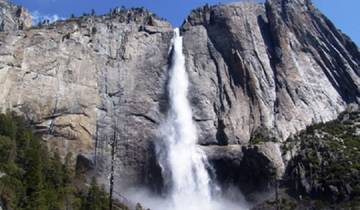
Yosemite Falls, North America’s tallest waterfall with a total drop of 2,425 feet, provides the next highlight. From April through June, snowmelt creates thunderous cascades visible and audible from Valley viewpoints. By August and September, falls often reduce to trickles or dry completely, making spring visits dramatically superior for waterfall photography. The Lower Yosemite Fall trail offers an easy one-mile loop bringing visitors to the waterfall’s base.
Giant sequoia groves represent the afternoon highlight, with most tours visiting either Tuolumne Grove or Mariposa Grove depending on road conditions and season. These ancient trees, reaching heights exceeding 250 feet and ages over 2,000 years, create cathedral-like forest atmospheres. The Tuolumne Grove trail descends steeply for one mile to reach the sequoias, requiring a challenging uphill return that takes 30-45 minutes.
Tours allocate 60-90 minutes of free time in Yosemite Valley Village, where visitors can explore the Ansel Adams Gallery, visit the Yosemite Museum and Indian Village, purchase lunch at Degnan’s Deli or Curry Village, or walk additional valley trails. The Valley Visitor Center provides exhibits explaining Yosemite’s geology, natural history, and human heritage.
Best Time to Visit Yosemite from San Francisco 2026
April through June represents the optimal window for Yosemite day trips, combining peak waterfall flow with moderate temperatures and accessible roads. Snowmelt transforms waterfalls into powerful cascades, with Yosemite Falls, Bridalveil Fall, and dozens of seasonal falls creating the park’s most dramatic scenery. May temperatures range 50-70 degrees Fahrenheit in the valley, requiring light jackets for morning and evening but remaining comfortable for midday hiking.
Summer visits from July through September guarantee warm weather and full road access but face maximum crowds and reduced waterfall flow. Parking lots fill by 9 AM on weekends, making organized tours advantageous for avoiding parking challenges. Temperatures reach 85-95 degrees in the valley, though higher elevations remain cooler. Waterfalls slow to trickles by August, significantly diminishing the park’s visual drama compared to spring conditions.
Fall visits from September through early November provide moderate crowds, comfortable temperatures, and spectacular autumn foliage in black oak groves and along the Merced River. However, waterfalls remain minimal and high-elevation roads begin closing by October as winter storms arrive. Winter trips from December through March require chains or four-wheel drive, with Tioga Road closed and limited tour availability.
Planning Your Yosemite Day Trip 2026
Book tours at least two weeks in advance during peak season from April through October, as small-group tours sell out quickly. Departure times between 5:30-6:30 AM require early wake-up calls, but reaching the park before mid-morning crowds proves essential for efficient sightseeing. Tours provide rest stops every 90-120 minutes during the drive, with meal breaks in Gold Rush towns or the Central Valley.
Pack layers for variable temperatures, as San Francisco’s cool coastal climate transitions to warmer Central Valley conditions before reaching Yosemite’s mountain environment. Bring sunscreen, hat, sunglasses, comfortable walking shoes, and water bottles. Tours provide some water but recommend bringing additional hydration. Breakfast and lunch are not included in tour prices, requiring stops at cafes during morning breaks or bringing packed food.
Photography enthusiasts should bring cameras with wide-angle lenses for capturing Yosemite Valley’s expansive vistas. Polarizing filters reduce glare from granite faces and enhance waterfall mist. Tripods prove challenging to carry during active touring but help capture low-light conditions in sequoia groves. Early morning departure means reaching key viewpoints in optimal morning light.
Physical requirements remain moderate for most tours, with the giant sequoia grove hike presenting the most challenging element. The Tuolumne Grove descent and ascent total 400 feet of elevation change over two miles, taking fit hikers 60-75 minutes including time among the trees. Those unable to complete the hike can remain at the grove entrance or substitute other valley walks. All other stops involve short walks of 15-30 minutes on paved or maintained trails.
Muir Woods and Wine Country Combination Tours 2026
Muir Woods National Monument preserves the Bay Area’s last remaining old-growth coastal redwood forest just 12 miles north of San Francisco across the Golden Gate Bridge. Combining Muir Woods with Napa and Sonoma wine country visits creates Northern California’s most popular day trip, offering both natural splendor and world-class wine tasting in 10-12 hours. These combination tours provide exceptional value by visiting locations requiring separate transportation and parking reservations when visited independently.
Muir Woods and Wine Country Tour Pricing 2026
Full-day Muir Woods and wine country tours cost $110-145 per person depending on group size and wine inclusions, with all tasting fees at three wineries included in the tour price. Tours depart San Francisco between 8-9 AM and return by 6-7 PM, providing 60-90 minutes at Muir Woods followed by three winery visits with guided tastings. Small-group tours limited to 14 passengers cost $135-145, while standard coach tours accommodating 24-30 passengers run $110-125.
The tour price includes round-trip transportation in air-conditioned vehicles, Golden Gate Bridge crossing, Muir Woods entrance fee of $15 per adult, wine tasting fees at three wineries, and expert guide commentary throughout. Lunch is not included but tours allocate 60-90 minutes in Sonoma Plaza or Yosemite’s town squares where numerous restaurants offer meals ranging $18-35 per person. Some premium tours offer optional gourmet lunch upgrades for an additional $25-35.
Independent visits to Muir Woods require advance parking reservations at $9 per vehicle plus $15 per adult entrance, with parking often selling out weeks ahead during peak season. Adding wine country transportation via rental car prevents wine tasting, while hired drivers or wine tour shuttles cost $150-300 per person, making organized combination tours the most economical option for this itinerary.
Muir Woods Experience
Tours begin with the scenic drive across the Golden Gate Bridge, offering photo opportunities of San Francisco’s skyline, Alcatraz Island, and the bridge’s art deco towers. The route climbs through Marin Headlands with panoramic bay views before descending into the coastal canyon sheltering Muir Woods. The forest’s cathedral-like atmosphere emerges immediately upon entering, with coastal redwoods (Sequoia sempervirens) towering 250-280 feet overhead.
These ancient trees, some exceeding 1,000 years old, thrive in the cool, foggy microclimate of coastal canyons. Their reddish-brown bark contains tannins providing natural fire resistance, while shallow but extensive root systems provide stability in the soft soil. The tallest tree in Muir Woods reaches 258 feet, visible along the main trail through Cathedral Grove. The trees’ massive trunks measure 12-15 feet in diameter, creating the sense of walking through a natural cathedral.
Boardwalk trails extending two miles through the monument remain accessible for all fitness levels, following Redwood Creek through the densest groves. The Cathedral Grove and Bohemian Grove sections showcase the largest and oldest trees. Ferns carpet the forest floor, thriving in the 80-90 percent humidity maintained by coastal fog. Interpretive signs explain redwood ecology, Native American heritage, and the forest’s preservation history.
Visitors spend 60-90 minutes at Muir Woods, sufficient for walking the main loops and exploring gift shop exhibits. Morning visits between 9-10 AM precede the midday crowds that fill parking areas by 11 AM. The forest remains cool year-round, with temperatures 10-15 degrees cooler than San Francisco, requiring light jackets even in summer.
Napa and Sonoma Wine Country Experiences 2026
After Muir Woods, tours travel north through Marin County into Sonoma and Napa Valleys, California’s premier wine regions producing internationally renowned Cabernet Sauvignon, Chardonnay, Pinot Noir, and Zinfandel. Tours visit three carefully selected boutique wineries, typically including one in Sonoma Valley and two in Napa Valley, representing diverse terroirs and winemaking styles.
Sonoma Valley wineries emphasize family-owned estates with intimate tasting rooms and vineyard views. Tastings include four to six wines selected to demonstrate the winery’s range, from crisp Sauvignon Blancs and elegant Pinot Noirs to robust Cabernet Sauvignons and sweet dessert wines. Wine educators explain terroir concepts, varietal characteristics, and food pairing principles. Many wineries offer vineyard tours demonstrating sustainable farming practices and explaining how soil composition, sun exposure, and microclimate influence wine character.
Lunch breaks occur in historic Sonoma Plaza, an eight-acre park surrounded by restaurants, wine bars, and specialty food shops. The plaza offers casual options like Girl & the Fig for French-inspired cuisine, El Dorado Kitchen for farm-to-table California cooking, and Sunflower Caffé for affordable sandwiches and salads. Visitors typically have 60-90 minutes to eat, explore shops, and photograph the historic mission-style architecture.
Napa Valley winery visits showcase the region’s reputation for premium wines and architectural diversity. Estates range from historic stone cellars built in the 1880s to contemporary structures featuring modern art collections. Tasting experiences become increasingly educational as the day progresses, with guides explaining aging processes, barrel selection, and blending techniques. Many wineries provide terrace seating with views across valley vineyards to the Mayacamas Mountains.
Tour guides select wineries based on availability, season, and group preferences, with rotation among 15-20 partner estates ensuring variety for repeat visitors. Common partnerships include Jacuzzi Family Vineyards and Viansa Winery in Sonoma, and Castello di Amorosa, V. Sattui, or Grgich Hills Estate in Napa. Each winery visit lasts 45-60 minutes including the tasting, facility tour, and shopping time.
Best Season for Wine Country Tours 2026
Spring visits from April through June provide optimal weather with temperatures ranging 65-80 degrees, blooming mustard plants creating yellow carpets between vine rows, and lighter crowds before summer peak season. Wineries operate on normal schedules with full tasting room staff and unhurried service. May and June bring the growing season’s first vigor, with vines producing new leaves and small grape clusters.
Summer months from July through September deliver warm weather guaranteed for outdoor tasting experiences, though temperatures exceeding 90 degrees can make midday uncomfortable. August represents peak tourist season with maximum crowds at popular wineries and higher accommodation prices for those extending stays. However, summer’s long daylight hours mean tours return to San Francisco with sunset views of the Golden Gate Bridge.
Fall harvest season from September through October creates the wine country’s most authentic atmosphere, with grape-picking crews working through vineyards and crushing operations visible at many wineries. The process from vine to barrel unfolds in real-time, providing unique educational opportunities. However, this peak season brings maximum winery crowds and tours may encounter harvest traffic on vineyard roads.
Winter visits from November through March offer discounted tour prices and minimal crowds, though rainy weather occurs frequently and some smaller wineries reduce operating hours. January and February represent the quietest months with opportunities for extended conversations with winemakers and tasting room staff. The bare vines reveal valley topography clearly, and occasional snow dusts the surrounding mountains.
Monterey and Carmel Coastal Adventures 2026
The Monterey Peninsula stretches 120 miles south of San Francisco along Highway 1, combining dramatic Pacific coastline with historic Cannery Row, the world-famous Monterey Bay Aquarium, the legendary 17-Mile Drive through Pebble Beach, and the artistic village of Carmel-by-the-Sea. Day trips require 11-12 hours with departure around 7:30 AM and return by 7 PM, allocating two hours in Monterey, 45 minutes on 17-Mile Drive, and 60 minutes in Carmel.
Monterey and Carmel Tour Costs 2026
Full-day Monterey and Carmel tours from San Francisco cost $118-140 per person including round-trip luxury coach transportation, 17-Mile Drive entrance fee, and expert guide commentary. Tours depart from downtown San Francisco hotels and Fisherman’s Wharf, traveling south along the scenic Pacific coastline. The tour price does not include Monterey Bay Aquarium admission of $65 for adults, meals, or shopping expenses. Small-group tours limited to 14 passengers cost $135-140, while standard coaches accommodating 24-30 passengers run $118-125.
Visitors planning aquarium visits should purchase timed-entry tickets online at least one week in advance during peak season, as the facility limits capacity and often sells out by early morning for same-day entry. The aquarium visit requires 90-120 minutes for viewing major exhibits including the two-story kelp forest, open sea tank with sharks and sea turtles, and interactive touch pools. Those skipping the aquarium can explore Cannery Row’s shops and restaurants, walk the Monterey Bay Coastal Recreation Trail to Lovers Point, or visit the historic Custom House and Pacific House museums.
Highway 1 Scenic Drive
The journey south from San Francisco follows Highway 1 along the Pacific coastline, passing through Pacifica, Half Moon Bay, and Santa Cruz before reaching Monterey. Tours typically stop at a scenic overlook in Pacifica or Half Moon Bay for photographs of the dramatic coastal cliffs and Pacific surf. The route continues past artichoke farms in Castroville, known as the Artichoke Center of the World, where roadside stands sell fresh produce.
Santa Cruz appears briefly as Highway 1 curves around Monterey Bay’s northern shore, with views of the historic Beach Boardwalk and its 1924 wooden roller coaster. The route then follows the bay’s eastern shore through agricultural flatlands before climbing coastal hills into Monterey. The entire drive from San Francisco to Monterey takes 2.5-3 hours with minimal stops, covering 120 miles of California’s most scenic highway.
Monterey Exploration
Tours allocate two hours of free time in Monterey, sufficient for either aquarium visits or Cannery Row exploration. Cannery Row, immortalized in John Steinbeck’s 1945 novel, once housed sardine canning factories that processed 200,000 tons of sardines annually. The sardine industry collapsed in the 1950s due to overfishing, and abandoned canneries transformed into restaurants, galleries, shops, and wine tasting rooms during the 1970s.
Today’s Cannery Row stretches along a half-mile waterfront, offering restaurants ranging from casual Bubba Gump Shrimp Company to upscale Chart House with bay-view dining. Old Fisherman’s Wharf extends into Monterey Harbor, featuring seafood restaurants, sea lion viewing platforms, and whale watching tour departures. The Monterey Bay Coastal Recreation Trail, an 18-mile paved path, connects Cannery Row to Lovers Point in Pacific Grove, providing easy walking with constant ocean views and frequent sea otter sightings in kelp beds.
The Monterey Bay Aquarium showcases 35,000 marine creatures representing 550 species in habitats ranging from rocky shores to open ocean. The three-story Kelp Forest exhibit replicates the giant kelp forests growing just offshore, where leopard sharks, wolf eels, and schools of sardines swim through swaying kelp fronds. The Open Sea exhibit features a 90-foot-long acrylic window revealing hammerhead sharks, ocean sunfish, sea turtles, and yellowfin tuna in a million-gallon tank simulating open Pacific conditions.
17-Mile Drive Through Pebble Beach
After Monterey, tours enter the famous 17-Mile Drive, a private toll road winding along the Monterey Peninsula’s rocky coastline through Del Monte Forest. The drive passes multi-million dollar estates, five championship golf courses including Pebble Beach Golf Links, and dramatic ocean viewpoints. The $12 per vehicle entry fee is included in tour prices.
Key stops include Bird Rock and Seal Rock, offshore formations where harbor seals haul out and California sea lions bark territorial disputes. The rocky outcrops also host breeding colonies of Brandt’s cormorants and Western gulls. The Lone Cypress, California’s most photographed tree, clings to a granite outcrop where it has survived Pacific storms for over 250 years. Tour buses stop at designated viewpoints for 10-15 minute photography breaks.
Pebble Beach Golf Links appears along the route, with the iconic 18th hole finishing along Carmel Bay’s rocky shoreline. The course hosts the annual AT&T Pebble Beach Pro-Am and has staged five U.S. Open Championships. Golfers paying $575-675 per round share fairways with black-tailed deer grazing between luxury estates. The Lodge at Pebble Beach overlooks the 18th green, offering upscale dining and shopping for those with extended time.
Carmel-by-the-Sea Village Time
The final stop arrives at Carmel-by-the-Sea, a one-square-mile village incorporating fewer than 4,000 residents but hosting over 100 art galleries and numerous boutiques. Former mayors include Clint Eastwood, who served from 1986-1988 and famously ended restrictions on ice cream sales and high-heel shoes that characterized the village’s quirky municipal code. Ocean Avenue forms the main commercial street, descending from Highway 1 to Carmel Beach.
Tours provide 60-75 minutes in Carmel, sufficient for strolling Ocean Avenue’s European-style shops, visiting galleries featuring works from Carmel Art Association members, and walking to Carmel Beach. The beach extends a mile along Carmel Bay with soft white sand backed by Monterey cypress trees. Sunset views rank among California’s finest, though day trips arrive in afternoon rather than evening. The beach permits dogs off-leash, creating scenes of golden retrievers bounding through surf.
Carmel Mission Basilica, California’s second-oldest mission founded in 1771, stands just south of the village center. The restored mission features a Moorish bell tower, museum exhibits on California mission history, and gardens with native plants. Admission costs $10 for adults. Those skipping the mission can explore Carmel’s residential neighborhoods where fairy-tale cottages hide behind hedges on unnamed streets without addresses or streetlights, reflecting the village’s resistance to conventional urban development.
Sausalito and Tiburon Ferry Excursions 2026
Sausalito and Tiburon offer the Bay Area’s most accessible day trips, reached by scenic 30-minute ferry rides from San Francisco’s Ferry Building or Pier 41. These charming waterfront communities provide Mediterranean-style villages, bay-view dining, gallery browsing, and Golden Gate Bridge perspectives impossible from San Francisco itself. Round-trip ferry costs of $14-28 make these trips affordable alternatives to longer excursions.
Sausalito Ferry Options and Costs 2026
Two ferry companies serve Sausalito from San Francisco. Golden Gate Ferry departs from the Ferry Building at the foot of Market Street, running multiple daily departures from 7 AM to 8 PM on weekdays with reduced weekend schedules. One-way fares cost $14 for adults ages 19-64, with seniors 65 and older and youth ages 5-18 paying $7. Children under 5 ride free. Round-trip costs total $28 for adults. The ferry accepts Clipper cards offering slightly reduced fares at $9.25 one-way.
Blue & Gold Fleet operates from Pier 41 near Fisherman’s Wharf, providing an alternative departure point convenient for those staying in North Beach or the Wharf area. One-way fares cost slightly higher at approximately $15-16 for adults. The Pier 41 location offers the advantage of passing closer to Alcatraz Island during the crossing, providing excellent photo opportunities of the famous prison.
Ferry crossings take 30 minutes, departing hourly during midday periods and more frequently during morning and evening commute times. The open-air upper decks provide spectacular views of San Francisco’s skyline, Alcatraz Island, Angel Island, and the Golden Gate Bridge. Morning departures heading to Sausalito pass directly under the bridge’s north tower, while return trips in late afternoon often feature sunset light illuminating San Francisco’s downtown towers.
Exploring Sausalito
Sausalito spreads along Richardson Bay’s protected shoreline at the Golden Gate Bridge’s north end, occupying steep hillsides rising from the waterfront. The town’s Mediterranean climate, often 10-15 degrees warmer and sunnier than San Francisco just four miles across the bay, creates a distinctly relaxed atmosphere. Main commercial activity concentrates along Bridgeway Boulevard, the waterfront street extending a mile from the ferry terminal.
Galleries, boutiques, and restaurants line Bridgeway’s bayside, with many establishments occupying former shipyard buildings and World War II-era structures. During the war, Marinship Corporation employed 20,000 workers building Liberty ships and tankers at the Sausalito waterfront, transforming the sleepy village into a major industrial center. After the war’s end, the shipyards closed and artists began converting industrial spaces into studios and galleries, establishing Sausalito’s artistic character.
Dining options range from casual cafes to upscale restaurants with bay-view terraces. Scoma’s of Sausalito specializes in fresh seafood with outdoor seating overlooking the harbor where sea lions haul out on floating docks. Salito’s Crab House & Prime Rib occupies a prime waterfront location serving Dungeness crab, local oysters, and aged steaks. More casual options include Fish for excellent fish tacos, Hamburgers for gourmet burgers, and numerous cafes offering coffee and pastries.
The Bay Model Visitor Center, operated by the U.S. Army Corps of Engineers, houses a 1.5-acre hydraulic model of San Francisco Bay and the Sacramento-San Joaquin River Delta. The working model demonstrates tidal flows, currents, and proposed engineering projects. Admission is free and the facility appeals particularly to those interested in Bay Area geography and hydrology.
Sausalito’s houseboat community floats in Richardson Bay north of downtown, where 400 houseboats create a unique waterfront neighborhood. The houseboats range from rustic wooden structures to architect-designed floating homes with multiple stories and gardens. While houseboats themselves are private residences, the public can walk Bridgeway’s northern extension viewing the community from shore. Occasional open house tours allow interior visits by appointment.
Richardson Bay Hillside Stairways
Sausalito’s steep hillsides hide numerous public stairways connecting Bridgeway to residential neighborhoods perched 200-400 feet above the bay. These staircases, often lined with gardens and offering spectacular views, provide free entertainment for energetic visitors. The Princess Street stairs climb 150 steps in multiple flights, emerging at Bulkley Avenue with panoramic views across Richardson Bay to San Francisco.
The Excelsior Lane stairs ascend even higher, totaling over 200 steps before reaching Prospect Avenue. The climb takes 15-20 minutes with multiple landing platforms for rest and photography. Views encompass the entire San Francisco skyline, the Golden Gate Bridge’s south tower and cables, Alcatraz Island, and Angel Island State Park. The descent takes 10 minutes, though steep grades require caution.
Most visitors spend 3-4 hours in Sausalito, including ferry time, lunch, shopping, and hillside exploration. Those seeking longer stays can continue to Muir Woods via the Muir Woods Shuttle operating weekends from the Sausalito ferry terminal, though this adds 90 minutes each way plus Muir Woods exploration time.
Tiburon Ferry Access 2026
Tiburon occupies a peninsula jutting into San Francisco Bay four miles north of Sausalito, accessible via Golden Gate Ferry from San Francisco’s Ferry Building. Ferries run multiple daily departures with one-way fares matching Sausalito service at $14 for adults. The 35-minute crossing passes closer to Angel Island than the Sausalito route, often revealing deer grazing on the island’s hillsides.
Tiburon’s compact downtown centers on Main Street, a three-block waterfront corridor lined with restaurants, antique shops, and clothing boutiques. The town maintains a quieter, more residential character than Sausalito with fewer tourists and locals comprising a larger share of restaurant customers. Sam’s Anchor Cafe, a Tiburon institution since 1920, extends a large deck over the water where diners consume fish and chips while watching sailboats navigate the channel between Tiburon and Angel Island.
The Railroad & Ferry Depot Museum occupies Tiburon’s 1884 train station, displaying artifacts from the town’s role as the terminus for the San Francisco and North Pacific Railroad. Exhibits explain how ferries once connected the railroad to San Francisco before the Golden Gate Bridge opened in 1937. The museum opens Thursday through Sunday with free admission.
Angel Island State Park ferries depart from Tiburon’s dock, providing the shortest crossing to California’s largest bay island. The island offers 13 miles of hiking and biking trails, historic immigration station tours, and 360-degree bay views from 788-foot Mount Livermore. Angel Island day trips require separate planning but combine well with Tiburon visits for those seeking outdoor activity.
Berkeley and Oakland Urban Explorations 2026
Berkeley and Oakland across the East Bay offer distinct urban experiences accessible via BART rapid transit or San Francisco Bay Ferry. Berkeley brings University of California’s flagship campus, the legendary Telegraph Avenue counterculture, and the Gourmet Ghetto’s culinary innovations. Oakland counters with vibrant arts districts, Jack London Square’s waterfront, and Lake Merritt’s urban oasis. Both cities provide affordable day trips with round-trip transportation costing $7-10 via BART or $9-10 via ferry.
Berkeley Access and Attractions 2026
BART’s Richmond line connects San Francisco’s Embarcadero, Montgomery, Powell, and Civic Center stations to Downtown Berkeley station in 25 minutes. Trains run every 12-15 minutes during midday and every 6-8 minutes during morning and evening commutes. One-way fares from San Francisco to Berkeley cost $4.70 using Clipper cards or $5 for paper tickets. Round-trip costs total $10.
Downtown Berkeley station emerges at Shattuck Avenue and Center Street, placing visitors at the heart of the city’s commercial district. University of California Berkeley’s iconic Sather Gate stands four blocks east, marking the entrance to a 1,200-acre campus enrolling 45,000 students. The campus offers free walking tours departing from the Visitor Services Center on weekdays, covering landmarks including Sather Tower (the Campanile), Doe Memorial Library, and the Greek Theatre.
The Campanile rises 307 feet as Berkeley’s most recognizable landmark, with observation decks at 200 feet offering panoramic views across San Francisco Bay to the Golden Gate Bridge and Mount Tamalpais. Elevator rides cost $4 for adults and operate Monday through Saturday with Sunday closures. The carillon’s 61 bells play concerts weekdays at noon and 6 PM.
Telegraph Avenue extends south from Sather Gate, lined with independent bookstores, record shops, cafes, and street vendors selling handmade crafts. Remnants of 1960s counterculture persist in aging hippie-style shops, though gentrification has replaced many with mainstream retailers. Amoeba Music occupies a full block with California’s largest independent record store, stocking new and used vinyl, CDs, and music memorabilia.
Berkeley’s Gourmet Ghetto
The Gourmet Ghetto centers on Shattuck Avenue north of University Avenue, where Alice Waters opened Chez Panisse in 1971 and launched California cuisine’s farm-to-table revolution. The restaurant operates two services: the downstairs restaurant serving prix-fixe menus at $100-150 per person requiring reservations weeks ahead, and the upstairs cafe offering a la carte dining at $25-45 per entree with easier availability.
Cheese Board Pizza Collective, a worker-owned cooperative operating since 1971, serves a single daily pizza variety chosen by staff vote each morning. The thin-crust pizzas featuring seasonal vegetables, herbs, and premium cheeses draw lines extending down the block during lunch and dinner hours. Prices start at $3 per slice. The adjacent cheese shop stocks 300 artisanal cheeses with knowledgeable staff offering samples and pairing advice.
Peet’s Coffee & Tea original location occupies its founding site at Vine and Walnut streets, where Alfred Peet established the business in 1966. Peet pioneered dark-roasted coffee in America, training the future Starbucks founders before they launched their Seattle operation. The shop serves coffee drinks, sells whole beans, and maintains historical photographs documenting Berkeley’s coffee culture.
Other Gourmet Ghetto highlights include Acme Bread Company for artisan baguettes and pain levain, Gregoire for sophisticated takeout including potato puffs with sweet potato filling, and Virginia Bakery for French pastries. The neighborhood extends roughly six blocks along Shattuck Avenue from University to Virginia Street.
Oakland Ferry and Jack London Square 2026
San Francisco Bay Ferry operates service from San Francisco’s Ferry Building to Oakland’s Jack London Square, departing hourly during midday and more frequently during commute periods. One-way fares cost $4.70 with total round-trip expenses of $9.40. The 25-minute crossing travels under the Bay Bridge’s eastern span with excellent views of Treasure Island and Yerba Buena Island.
Jack London Square occupies Oakland’s central waterfront, named for the author who spent his youth on Oakland’s docks before gaining fame with The Call of the Wild and White Fang. The square combines restaurants, entertainment venues, a farmers market on Sundays, and the preserved Heinold’s First and Last Chance Saloon where London studied as a teenager. The historic bar, tilted at an angle from settling foundations after the 1906 earthquake, maintains its original appearance with gas lamps and maritime artifacts.
The USS Potomac, Franklin D. Roosevelt’s presidential yacht, docks permanently at Jack London Square offering tours Thursday through Sunday. The floating museum showcases the ship’s art deco interior, communications equipment, and the wheelchair elevator installed for Roosevelt’s use. Admission costs $15 for adults.
Oakland’s Chinatown, the second-largest on the West Coast, spreads 12 blocks along Webster Street and 8th Street one mile from Jack London Square. BART’s Lake Merritt station provides closest access. The neighborhood offers dim sum restaurants, Vietnamese pho shops, herbal medicine stores, and produce markets with prices lower than San Francisco’s Chinatown. Weekend visits provide the most active atmosphere with families shopping and restaurants at capacity.
Lake Merritt, a 155-acre tidal lagoon three miles northeast of Jack London Square, creates an urban park surrounded by a 3.4-mile walking and jogging path. The lake hosts resident populations of geese, ducks, and great blue herons, with designated wildlife refuges on several islands. Paddle boat and kayak rentals operate from the boathouse during summer weekends at $20-25 per hour.
Half Moon Bay and Pacifica Coastal Drives 2026
Half Moon Bay and Pacifica provide the closest Pacific coastal destinations to San Francisco, located 25-30 miles south along Highway 1. These working fishing communities offer dramatic cliff-top trails, sandy beaches, fresh seafood restaurants, and working harbors without requiring full-day commitments. Round-trip drives take 90-120 minutes with three to four hours exploring the coast.
Reaching Half Moon Bay 2026
Highway 1 exits San Francisco through Daly City and Pacifica, immediately delivering ocean views from cliff-top roadway segments. The route passes Sharp Park Golf Course where Pacific waves crash against the 18th green during high tide, creating one of California’s most dramatic golf holes. Pacifica’s pier extends into the surf at Linda Mar Beach, attracting surfers year-round despite cold water temperatures requiring wetsuits.
Devil’s Slide, a notorious cliff-hugging section prone to landslides, was replaced in 2013 with a 4,200-foot tunnel eliminating the most dangerous segment. The old highway became a 1.3-mile paved trail along cliff tops 400 feet above the Pacific, now serving as the Devil’s Slide Trail for walking and cycling. The trail provides spectacular ocean views, gray whale watching during migration seasons from December through May, and access to wildflower-covered coastal bluffs.
Half Moon Bay appears 15 miles south of Pacifica, marked by Pillar Point Harbor where commercial fishing boats unload daily catches of Dungeness crab, salmon, and rock cod. The harbor hosts Barbara’s Fish Trap and Sam’s Chowder House, both specializing in fresh local seafood. Barbara’s offers casual dining with crab sandwiches, fish and chips, and clam chowder starting at $15-22 per entree. Sam’s provides more upscale preparations at $28-42 per dish with bay-view seating.
Half Moon Bay Beaches and Activities
Half Moon Bay State Beach extends four miles along the coast with three distinct beach areas: Francis Beach offering the widest sand and easiest access, Venice Beach providing more secluded atmosphere, and Dunes Beach featuring coastal dune habitat. All beaches permit dogs on leash and charge $10 parking fees at attended lots or accept state park annual passes.
The beaches serve primarily walking and beachcombing rather than swimming, as cold water temperatures of 52-58 degrees year-round and strong currents make swimming dangerous. Surfers equipped with full wetsuits utilize Mavericks, a legendary big-wave break located one mile offshore from Pillar Point. Mavericks produces waves exceeding 60 feet during major winter swells, attracting the world’s elite big-wave surfers to invitation-only competitions.
Half Moon Bay’s historic downtown centers on Main Street two miles inland from the beaches, offering antique shops, art galleries, bookstores, and cafes in restored Victorian-era buildings. The monthly Art & Wine Walk on the second Saturday features gallery openings and street musicians. Cunha’s Country Store, operating since 1900, stocks ranch supplies, work boots, and old-fashioned candy alongside modern groceries.
Purisima Creek Redwoods Preserve protects 4,711 acres of coastal redwood forest in the Santa Cruz Mountains east of Half Moon Bay. The Purisima Creek Trail descends 1,600 feet over 4.5 miles through redwood groves to the creek’s confluence with the Pacific. The hike requires moderate fitness with the return climb taking 90-120 minutes. Trailhead parking is free and the preserve operates sunrise to sunset daily.
Pacifica Coastal Trails
Pacifica’s cliff-top bluffs host multiple trails providing ocean views, tide pool access, and connections to sandy beaches. The Pacifica Pier extends 1,140 feet into the Pacific at the foot of Crespi Drive, allowing anglers to fish for perch, jacksmelt, and occasional salmon without fishing licenses required on public piers. The pier operates 24 hours with free access and provides restrooms and fish cleaning stations.
Mori Point rises 200 feet north of the pier, protecting 110 acres of coastal bluffs and grasslands as part of Golden Gate National Recreation Area. A 2.5-mile trail loop climbs to the summit providing panoramic views from San Francisco’s skyline to Half Moon Bay’s coast. The preserve harbors the endangered San Francisco garter snake and mission blue butterfly. Parking is free at the Bradford Way trailhead.
Rockaway Beach stretches along Pacifica’s central coast, offering a mile of sand backed by restaurants and motels. Nick’s Restaurant, a Pacifica institution since 1927, occupies a cliff-top location serving prime rib, fresh fish, and pasta while waves crash against rocks below the dining room windows. Brunch offerings on weekends include eggs Benedict, omelets, and pancakes at $15-22 per plate.
Santa Cruz Beach Boardwalk and Coastal Towns 2026
Santa Cruz spreads 75 miles south of San Francisco along Monterey Bay’s northern shore, combining a classic beach boardwalk with University of California’s surf-oriented campus and a counterculture downtown. The 2.5-hour drive via Highway 1 or the faster Highway 17 through the Santa Cruz Mountains delivers a full day mixing beach recreation, amusement rides, redwood forests, and coastal scenery.
Santa Cruz Beach Boardwalk
The Santa Cruz Beach Boardwalk ranks as California’s oldest surviving seaside amusement park, operating continuously since 1907 on a half-mile beachfront. The boardwalk’s two National Historic Landmarks, the 1924 Giant Dipper wooden roller coaster and the 1911 Looff Carousel, anchor 34 rides ranging from gentle kiddie attractions to modern thrill machines. Admission to the boardwalk is free with rides requiring either individual tickets at $5-9 each or unlimited-ride wristbands at $45-55 per person depending on height and day of week.
The Giant Dipper reaches speeds of 55 mph while climbing and diving through 2,640 feet of track supported by a Douglas fir timber structure. The coaster maintains its original Prior & Church design from 1924, making it one of America’s ten oldest wooden roller coasters still operating. Rides last 110 seconds and deliver classic clickety-clack nostalgia rather than modern smoothness.
The Charles I.D. Looff Carousel features 73 hand-carved horses, two chariots, and a 1894 Ruth & Sohn band organ playing mechanical music. Looff’s workshop in Coney Island crafted the carousel before shipping it to Santa Cruz by railroad. The hand-carved animals display remarkable detail in their glass eyes, horsehair tails, and gilded decorations. Rides cost $3 and include opportunities to grab the brass ring on outer horses.
Modern attractions include the double-shot Logger’s Revenge tower ride, the Hurricane spinning coaster, and the Sky Glider gondola ride providing aerial views along the beach. The boardwalk operates weekends year-round plus daily during summer from Memorial Day through Labor Day. Parking costs $20-30 in adjacent beach lots with free parking available in residential areas several blocks from the beach requiring 10-15 minute walks.
Santa Cruz Wharf and Natural Bridges
Santa Cruz Municipal Wharf extends 2,745 feet into Monterey Bay, ranking as the longest pier on the West Coast south of San Francisco. The wharf hosts restaurants including Stagnaro Brothers serving fresh fish and calamari since 1937, gift shops, and boat charter operations offering whale watching, fishing trips, and harbor cruises. Sea lions haul out on pilings beneath the wharf, barking territorial disputes audible from the pier deck.
Whale watching season runs December through April when Pacific gray whales migrate between Alaska and Baja California breeding lagoons. Tours departing from the wharf cost $55-75 per person for two-hour excursions providing 90-95 percent success rates for sightings during peak migration in January and February. Humpback whales and blue whales feed in Monterey Bay during summer months from June through October, creating a second whale watching season.
Natural Bridges State Beach occupies Santa Cruz’s western edge where Highway 1 curves inland toward Davenport. The park protects tide pools, monarch butterfly groves, and a sea arch carved through coastal mudstone by wave erosion. The beach’s namesake natural bridges collapsed in storms during the 1980s leaving a single arch. Parking costs $10 per vehicle with beach access, tide pool exploration, and the Monarch Butterfly Grove all included.
Monarch butterflies cluster by the thousands in eucalyptus groves from October through February, creating orange masses on tree branches. Peak numbers occur in November and December when docent-led tours interpret butterfly biology and migration patterns. The butterflies travel from summer habitats throughout western North America to winter in coastal California and Mexico groves.
UC Santa Cruz and Redwood Forests
University of California Santa Cruz occupies 2,000 acres in forested hills above the city, with most buildings scattered through redwood groves rather than concentrated on traditional quadrangles. The campus entrance on High Street leads to the base of campus, from which campus shuttles climb to residential colleges and academic buildings. Visitor parking costs $10 for all-day permits.
Campus highlights include the Arboretum featuring collections of Australian plants, South African proteas, and New Zealand natives across 135 acres. Admission is free with the grounds open daily sunrise to sunset. The Campus Natural Reserve protects 410 acres of old-growth redwood forest accessible via hiking trails including the 1.5-mile loop through Moore Creek watershed.
Henry Cowell Redwoods State Park adjoins the university’s north boundary, preserving 4,650 acres of ancient redwood forests, chaparral-covered slopes, and the San Lorenzo River corridor. The Redwood Grove Trail provides an easy 0.8-mile loop through old-growth redwoods including trees exceeding 1,500 years old. Parking costs $10 per vehicle at the park’s main entrance on Highway 9 south of Felton.
Napa Valley Without Tours 2026
Independent Napa Valley visits appeal to those wanting extended winery time, specific estate visits, or scheduling flexibility beyond organized tour itineraries. The 50-mile drive from San Francisco via Highway 101 and Highway 121 takes 90 minutes, arriving in southern Napa Valley wine country. Rental cars provide necessary mobility as wineries spread across 30 miles of valley floor and mountain slopes.
Driving to Napa Valley
Highway 101 crosses the Golden Gate Bridge heading north through Marin County into Sonoma County. The Napa Valley turnoff appears at Highway 121 near Novato, where signs direct traffic east through rolling ranch land into Carneros wine region. Highway 121 becomes Highway 12 briefly before connecting to Highway 29, Napa Valley’s main north-south artery.
Highway 29 runs 30 miles from Napa city through Yountville, Oakville, Rutherford, St. Helena, and Calistoga, passing hundreds of wineries. The parallel Silverado Trail on the valley’s eastern side offers less traffic with equally impressive wineries and better views of the Vaca Mountains. Cross-valley roads connect Highway 29 and Silverado Trail every few miles, allowing circular routes visiting both sides.
Parking at most wineries is free though some premium estates charge tasting fees of $40-75 per person applied toward wine purchases exceeding specific dollar thresholds. Reservations have become standard at mid-tier and premium wineries, with walk-in availability limited to weekday mornings at larger operations. Weekend visits particularly require advance booking at least one week ahead during peak season from May through October.
Selecting Wineries for Independent Visits
Napa Valley contains over 400 wineries ranging from historic estates dating to the 1880s to modern operations founded in the 2000s. First-time visitors should select three to four wineries maximum, allowing 60-90 minutes per visit including tasting, facility tours, and vineyard walks. Attempting more than four wineries creates palate fatigue and reduces appreciation for later tastings.
Large production wineries offering walk-in tastings include Robert Mondavi Winery featuring architectural tours and art exhibits, Beringer Vineyards operating from an 1876 Rhine House, and V. Sattui Winery combining tastings with deli provisions for picnic lunches. These operations accommodate groups, provide educational materials, and maintain extensive tasting menus showcasing multiple wine varieties.
Mid-sized family wineries requiring reservations deliver more personalized experiences with estate vineyard tours, barrel room visits, and conversations with winemakers or vineyard managers. Examples include Grgich Hills Estate known for Chardonnay and Zinfandel, Frog’s Leap promoting organic farming, and Stag’s Leap Wine Cellars famous for Cabernet Sauvignon that won the 1976 Judgment of Paris tasting.
Small boutique producers often specialize in single vineyard designations, limited production runs, or specific varietals. These operations typically require reservations with tasting fees of $50-100 per person and minimum purchase requirements. The intimate experiences include seated tastings paired with cheeses or small bites, vineyard tours explaining terroir concepts, and direct access to winemakers discussing philosophy and techniques.
Napa Valley Towns and Dining
Napa city at the valley’s southern end offers the largest restaurant selection from casual eateries to Michelin-starred establishments. The Oxbow Public Market houses artisan food vendors including Hog Island Oyster Company for fresh oysters, Ca’Momi Enoteca for Italian wines and pizzas, and Three Twins Ice Cream. The market operates daily from 9 AM to 7 PM providing lunch options and specialty foods.
Yountville, a village seven miles north of Napa city, concentrates the valley’s highest concentration of fine dining within a one-mile stretch. Thomas Keller’s The French Laundry ranks among America’s most celebrated restaurants, though reservations require booking two months ahead at 10 AM on specific dates. Bouchon Bistro, also by Thomas Keller, offers more accessible French cuisine at $35-55 per entree with reservations available one month ahead.
St. Helena occupies the valley’s geographic center 17 miles north of Napa city, offering Main Street shopping, wine-focused restaurants, and the Culinary Institute of America’s Greystone campus. The CIA operates a teaching restaurant serving lunch and dinner Wednesday through Sunday at $38-52 per entree, showcasing techniques learned by students training for professional chef careers.
Calistoga at the valley’s northern end combines wine culture with natural hot springs and spas. The town’s main street hosts wine tasting rooms, casual restaurants, and spa facilities offering mud baths, mineral soaks, and massage treatments utilizing geothermal waters heated by underground volcanic activity. Indian Springs Resort operates a historic spa with mud baths at $95-125 per treatment.
Silicon Valley Technology Tours 2026
Silicon Valley spreads 40 miles south of San Francisco through San Mateo and Santa Clara counties, encompassing the global technology industry’s most influential companies. While most tech campuses restrict public access, several locations offer visitor centers, museums, and campus tours revealing innovation’s history and future. The drive from San Francisco via Highway 101 takes 45-60 minutes reaching Palo Alto and Mountain View.
Computer History Museum
The Computer History Museum in Mountain View chronicles computing evolution from 2,000-year-old abacuses to artificial intelligence and quantum computers. The museum’s Revolution exhibit displays over 1,000 artifacts including the Cray-1 supercomputer, Apple I computer, ENIAC vacuum tubes, and Google’s first server rack built from Lego blocks. Interactive exhibits demonstrate how transistors work, allow programming early computers using punch cards, and explain internet packet routing.
The museum operates Wednesday through Sunday from 10 AM to 5 PM with admission costing $20 for adults. Guided tours departing at 1 PM daily require no reservations and provide expert commentary on key exhibits. The self-guided visit requires 90-120 minutes to view major galleries. A cafe serves sandwiches and salads for lunch.
Apple Park Visitor Center
Apple Park Visitor Center in Cupertino provides the only public access to Apple’s massive campus, though the visitor center sits outside the main ring building’s security perimeter. The center features an augmented reality experience allowing visitors to view detailed 3D models of Apple Park’s architecture using iPads, a retail store selling Apple-branded merchandise unavailable elsewhere, and a rooftop terrace offering distant views of the main campus building.
The visitor center opens daily from 10 AM to 7 PM with free admission. The AR experience takes 15-20 minutes and demonstrates iPad capabilities while explaining sustainable building features like the campus’s solar array and natural ventilation systems. The retail store sells coffee table books about Apple’s design philosophy, exclusive iPhone cases, and apparel items with Apple Park branding.
Stanford University Campus
Stanford University in Palo Alto provides the educational foundation from which Silicon Valley emerged, with alumni including Google founders Larry Page and Sergey Brin, Yahoo founders Jerry Yang and David Filo, and Instagram founder Kevin Systrom. The 8,180-acre campus features Spanish Colonial Revival architecture, palm-lined avenues, and several public museums and gardens.
The Cantor Arts Center houses 38,000 artworks including the world’s largest collection of Rodin sculptures displayed in indoor galleries and outdoor gardens. Admission is free with the museum open Wednesday through Sunday from 11 AM to 5 PM. The Papua New Guinea sculpture garden features over 100 objects from Oceanic cultures. Parking costs $6 for three hours in designated visitor lots.
Stanford Memorial Church, completed in 1903, displays extensive mosaics, stained glass windows, and architectural details reflecting both Romanesque and Byzantine influences. The church allows self-guided visits daily from 8 AM to 5 PM with free admission. The Main Quad surrounding the church creates Stanford’s historic core with sandstone arcades connecting classroom buildings built in the 1880s and 1890s.
The Dish, a 150-foot radio telescope on Stanford’s foothills, provides a 3.5-mile loop trail popular with joggers, dog walkers, and hikers. The trail gains 600 feet of elevation while offering views across San Francisco Bay to the Peninsula cities. Access is free though parking requires Stanford permits or paid lots costing $8 for four hours.
Planning Your San Francisco Day Trips 2026
Selecting appropriate day trips depends on interests, mobility levels, time availability, and budget constraints. This section provides strategic planning frameworks for maximizing enjoyment while avoiding common pitfalls that diminish day trip experiences.
Matching Trips to Available Time 2026
Half-day trips requiring four to six hours total time suit those with limited schedules or wanting to explore San Francisco neighborhoods in afternoons. Sausalito ferry excursions, Oakland ferry visits, and BART trips to Berkeley all complete within this timeframe. These shorter trips work well for cruise ship passengers with partial days in port or business travelers attending morning meetings before afternoon recreation.
Three-quarter-day trips spanning six to eight hours accommodate destinations like Muir Woods, Napa Valley independent visits, Half Moon Bay coastal drives, and Santa Cruz Beach Boardwalk. These allow morning departures around 8-9 AM with returns by 4-5 PM, leaving evenings free for San Francisco dining or entertainment. The reduced time commitment prevents fatigue while delivering substantial experiences beyond the city.
Full-day trips requiring 10-15 hours suit major destinations like Yosemite National Park, Monterey and Carmel coastal tours, and comprehensive wine country experiences combining multiple regions. These demand early morning departures between 5:30-7:30 AM and accept returns after dark around 8-10 PM. The extended commitment justifies itself for once-in-a-lifetime experiences like Yosemite’s granite monuments or comprehensive wine education visiting diverse terroirs.
Budget Considerations for Day Trips 2026
Transportation costs represent the primary variable in day trip budgets, ranging from $10 round-trip BART fares to $240 comprehensive Yosemite tours. Ferry trips to Sausalito and Oakland cost $10-28 round-trip, while organized bus tours including wine country visits, Monterey excursions, and Yosemite trips run $85-240 per person. Rental cars for independent Napa Valley, Half Moon Bay, or Santa Cruz visits cost $60-90 daily plus $30-50 for gasoline.
Admission fees add to base transportation costs. Muir Woods charges $15 per adult, Monterey Bay Aquarium costs $65, Yosemite National Park entrance runs $35 per vehicle for seven-day access or is included in tour prices, and Santa Cruz Beach Boardwalk unlimited-ride wristbands cost $45-55. Most organized tours include entrance fees in quoted prices, while independent visits require budgeting these separately.
Meal expenses vary by destination and dining choices. Wine country restaurants charge $25-45 per entree at casual establishments and $50-85 at upscale venues. Monterey’s Cannery Row offers options from $15 fast-casual to $40 sit-down seafood restaurants. Berkeley’s Gourmet Ghetto provides $12-18 takeout options alongside $35-60 full-service restaurants. Most day trippers budget $25-50 per person for lunch including beverages.
Wine tasting fees become significant expenses for independent Napa Valley visits, running $40-75 per person per winery. Visiting three wineries costs $120-225 before wine purchases, though many wineries apply tasting fees toward bottles bought exceeding $75-100 minimum purchases. Organized wine country tours include all tasting fees, making the $110-145 tour cost competitive with independent visit expenses once meals and tastings total.
Seasonal Timing for Optimal Experiences 2026
Spring from April through June delivers optimal conditions for most Northern California day trips. Yosemite waterfalls peak in May with Yosemite Falls flowing 2,425 feet in thunderous cascades, wine country temperatures remain comfortable at 65-80 degrees, coastal wildflowers bloom along bluffs and headlands, and crowds stay moderate compared to summer peak season. Spring weather proves less predictable with occasional rain through April, requiring flexible backup plans.
Summer months from July through September guarantee warm weather and full operational schedules but bring maximum crowds and reduced natural spectacles. Yosemite waterfalls diminish to trickles by August, popular wineries require reservations weeks ahead, beaches fill with Bay Area residents, and temperatures in Napa Valley exceed 90 degrees on many afternoons. However, summer’s reliable sunshine suits those prioritizing weather certainty over optimal natural conditions.
Fall from September through November creates wine country’s harvest season with grape picking visible in vineyards and crushing operations demonstrating winemaking processes. Coastal temperatures moderate from summer peaks while remaining warmer than winter, monarch butterflies arrive at Natural Bridges State Beach in October and November, and crowds diminish after Labor Day. Fall also delivers changing foliage colors in deciduous forests, though California’s colors prove subtle compared to Eastern states.
Winter from December through March offers discounted tour prices, minimal crowds at popular destinations, and opportunities for extended conversations with staff at wineries and attractions. However, weather proves unpredictable with rain occurring 8-12 days monthly, Yosemite roads require chains creating access challenges, and some attractions reduce operating hours. Winter suits budget-conscious travelers accepting weather variability in exchange for 20-30 percent lower costs compared to summer peak season.
Transportation Logistics and Parking 2026
Organized bus tours eliminate parking challenges, navigation concerns, and drinking-and-driving risks for wine country visits. Tours depart from centralized San Francisco locations near Union Square and Fisherman’s Wharf, providing hotel pickup for many properties. Return drop-offs occur at departure points, allowing easy connections to hotels via walking, public transit, or ride-sharing services. Tour buses include restrooms, air conditioning, and Wi-Fi on most vehicles.
Ferry transportation to Sausalito, Oakland, and other bay destinations offers scenic alternatives to driving, with vessels providing open-air upper decks for photography and climate-controlled indoor seating. Ferries operate on published schedules requiring attention to last departure times, typically 7-8 PM from outlying destinations. Missing the last ferry necessitates ride-sharing services costing $30-60 back to San Francisco or arranging alternative lodging.
BART rapid transit serves Berkeley, Oakland, and East Bay destinations with trains running every 6-15 minutes depending on time and day. The system operates Monday through Friday from 5 AM to midnight, Saturday from 6 AM to midnight, and Sunday from 8 AM to 9 PM. Late-night extensions occur for special events. Stations provide elevators and escalators for mobility-impaired access, though some older stations present challenging transfers.
Rental cars provide maximum flexibility for independent visits to Napa Valley, Half Moon Bay, Santa Cruz, and Silicon Valley destinations. However, parking proves challenging at popular Napa wineries on weekends, Muir Woods requires advance parking reservations sold out weeks ahead, and San Francisco street parking near rental car return locations often costs $3-5 per hour. Factor 30-45 minutes for rental car pickup and return when calculating day trip timing.
Combining Multiple Destinations
Several day trip combinations work within reasonable timeframes for ambitious travelers. Sausalito ferry rides combine naturally with Muir Woods shuttle buses operating weekends from the Sausalito ferry terminal, creating a redwoods-and-waterfront day requiring 6-8 hours total. Berkeley BART visits pair with Oakland ferry returns, allowing exploration of both East Bay cities while utilizing different transportation modes for variety.
Monterey and Carmel tours sometimes include brief Santa Cruz stops when traveling along Highway 1, though adding beach boardwalk time extends already long days to 13-14 hours. More realistic approaches visit Santa Cruz as a separate destination, allowing three to four hours at the boardwalk and beach without the rushed feeling created by squeezing multiple coastal towns into single itineraries.
Napa and Sonoma wine regions naturally combine in single day trips, with organized tours visiting one Sonoma winery and two Napa estates. Independent drivers can create similar itineraries by starting in southern Sonoma, having lunch in Sonoma Plaza, then visiting two Napa wineries during afternoon. This geographic progression moves efficiently northward without backtracking, though requires strict discipline limiting winery visits to three total.
Frequently Asked Questions About San Francisco Day Trips 2026
Do I need a car for San Francisco day trips in 2026?
You do not need a car for most popular San Francisco day trips, as organized tours, ferries, and BART rapid transit reach major destinations. Sausalito, Tiburon, Oakland, and Berkeley access via ferry or BART costs $10-28 round-trip without driving hassles. Yosemite, Muir Woods with wine country, and Monterey-Carmel all offer comprehensive bus tours for $85-240 per person including transportation, admissions, and guide services. Cars become necessary only for independent Napa Valley winery visits requiring mobility between estates, Half Moon Bay and Santa Cruz coastal drives where you want scheduling flexibility, or Silicon Valley tech campus visits spread across 40 miles. If you do rent a car, note that Muir Woods requires advance parking reservations and popular Napa wineries fill their lots on weekends.
What is the easiest day trip from San Francisco in 2026?
Sausalito via Golden Gate Ferry represents San Francisco’s easiest day trip, requiring only a $28 round-trip ferry ticket and three to four hours total time. Ferries depart hourly from the Ferry Building, cross the bay in 30 scenic minutes passing under the Golden Gate Bridge, and deposit visitors in Sausalito’s compact waterfront village where all attractions lie within walking distance. No reservations, advance planning, or navigation are required. You simply purchase tickets at the ferry terminal, board the boat, enjoy bay views during the crossing, explore Sausalito’s galleries and restaurants for 90-120 minutes, and catch a return ferry to San Francisco. The entire experience costs less than lunch in many San Francisco restaurants while delivering world-class scenery and a complete change of atmosphere.
How far in advance should I book San Francisco day trips for 2026?
Book popular day trips two to four weeks in advance during peak season from May through October, with Yosemite tours and small-group wine country experiences selling out first. Small-group tours limited to 13-14 passengers often fill three weeks ahead for weekends and two weeks for weekdays. Standard bus tours with 30-50 passenger capacity maintain better availability but still benefit from advance booking guaranteeing preferred dates. Ferry services to Sausalito and Oakland require no reservations as boats operate on published schedules with sufficient capacity for walk-up passengers except during special events. Independent winery visits in Napa Valley need reservations at most mid-tier and premium estates, with weekends requiring one to two weeks notice and weekdays accepting 3-5 day advance bookings. If you’re visiting during shoulder season from March through April or November, one week advance booking typically suffices for all day trip options.
Can I visit Yosemite in winter from San Francisco in 2026?
You can visit Yosemite in winter from San Francisco, though snow conditions require either organized tours equipped with vehicles meeting chain requirements or personal vehicles carrying chains and drivers experienced in snow driving. Yosemite Valley remains open year-round with winter transforming the park into a quieter, more contemplative experience featuring snow-dusted granite cliffs, frozen waterfalls creating massive ice columns, and opportunities to see wildlife like coyotes and bobcats more easily against white backgrounds. However, Tioga Road and Glacier Point Road close from November through May, eliminating access to high-elevation areas and the backcountry. Most tour companies reduce Yosemite offerings during winter or suspend operations entirely from December through March due to challenging driving conditions and reduced customer demand. If you do visit in winter, bring warm layers as valley temperatures drop to 30-40 degrees during the day and below freezing at night, with snowfall possible from December through March.
Are San Francisco day trips suitable for families with young children in 2026?
San Francisco day trips accommodate families with young children though trip selection matters significantly. Santa Cruz Beach Boardwalk delivers the most child-friendly experience with 34 amusement rides including gentle options for toddlers, a beach for sand play, and familiar activities maintaining attention spans. Sausalito ferry rides provide 30-minute boat trips young children find exciting, short walking distances from the terminal to restaurants and shops, and bay views with sea lions and sailboats. Muir Woods offers easy boardwalk trails through giant trees creating natural wonder without difficult hiking. However, Yosemite day trips challenge families with children under 8 due to 14-hour commitments, limited park time that doesn’t justify the long drive for short attention spans, and early 5:30 AM departures. Wine country tours naturally target adults and most tour companies set minimum age requirements of 8-12 years, though some family-friendly wineries welcome children in outdoor areas. For families with children under 6, prioritize half-day trips like Sausalito, Oakland’s Children’s Fairyland at Lake Merritt, and Santa Cruz rather than ambitious full-day excursions.
What should I wear on San Francisco day trips in 2026?
Layer clothing for San Francisco day trips as temperatures vary dramatically between coastal, inland, and mountain microclimates throughout any single excursion. Start with a base layer of comfortable walking clothes, add a warm mid-layer like a fleece or sweater, and bring a wind-resistant outer jacket. San Francisco mornings start cool at 50-55 degrees even in summer, while Napa Valley and Yosemite reach 80-95 degrees by afternoon, creating 30-40 degree temperature swings within single days. Coastal destinations like Monterey, Half Moon Bay, and Sausalito remain 10-15 degrees cooler than San Francisco with frequent fog and wind making warm layers essential even on sunny days. Muir Woods stays cool and damp year-round in the redwood forest’s shade. Wear comfortable walking shoes with good traction as most trips involve 1-3 miles of total walking on varied surfaces from paved paths to uneven trails. Bring sun protection including hats, sunglasses, and sunscreen for Yosemite, wine country, and coastal cliff-top walks where shade proves limited. Pack these items in a small backpack allowing hands-free carrying during wine tastings and trail walks.
Do day trips from San Francisco include lunch in 2026?
Most day trips from San Francisco do not include lunch in the base tour price, instead allocating 60-90 minutes at destinations with restaurant access for travelers to purchase their own meals. Wine country tours stop in Sonoma Plaza or Yosemite where dining options range from $15 casual cafes to $35 sit-down restaurants. Monterey tours provide free time at Cannery Row or Fisherman’s Wharf offering similar price ranges. Yosemite tours stop in Gold Rush towns during morning drives where travelers can purchase breakfast items, then provide free time in Yosemite Valley where Degnan’s Deli and Curry Village serve $12-18 sandwiches and prepared foods. Some premium wine country tours offer optional gourmet lunch upgrades for an additional $25-35 per person, typically featuring multi-course meals at winery restaurants paired with estate wines. Budget-conscious travelers should pack lunches for destinations like Muir Woods, Yosemite, and coastal parks where food options prove limited or prices elevated. Bringing sandwiches, snacks, and water bottles reduces meal costs to $5-10 per person while providing flexibility to eat during scenic stops rather than rushing to restaurants during limited free time.
Can I visit multiple wine regions in one day from San Francisco in 2026?
You can visit both Napa Valley and Sonoma Valley in a single day from San Francisco, as these neighboring wine regions sit just 10-20 miles apart and most organized wine country tours include estates from both areas. The most efficient approach visits one Sonoma winery in the morning when the valley’s cooler microclimate remains comfortable, has lunch in historic Sonoma Plaza, then proceeds to two Napa Valley wineries during the afternoon. This geographic progression moves logically northward without backtracking and showcases the distinct terroir differences between regions, with Sonoma producing elegant Pinot Noirs and Chardonnays from cooler coastal influences while Napa specializes in robust Cabernet Sauvignons from warmer valley floor vineyards. However, attempting to add more distant regions like Russian River Valley, Dry Creek Valley, or Carneros stretches the day beyond reasonable limits for quality wine education. Three wineries total represents the maximum for maintaining palate freshness and genuine appreciation, as visiting four or more creates sensory fatigue where all wines begin tasting similar. Those seeking deeper exploration of multiple regions should plan separate day trips or overnight stays allowing morning and afternoon tasting sessions across two days.
Are San Francisco day trips wheelchair accessible in 2026?
San Francisco day trip accessibility varies significantly by destination and transportation mode. Golden Gate Ferry and Blue & Gold Fleet vessels serving Sausalito and Oakland provide wheelchair-accessible boarding via level gangways at most terminals, elevators to upper decks, and accessible restrooms onboard. Sausalito’s waterfront Bridgeway Boulevard offers level sidewalks and accessible restaurants, though hillside stairways naturally exclude wheelchair users. BART trains to Berkeley and Oakland include elevators at all stations, level boarding from platforms, and designated wheelchair spaces on every train. Berkeley’s campus includes paved paths though some areas present steep grades, while Telegraph Avenue maintains level sidewalks with curb cuts. Organized bus tours offering wheelchair accessibility must be requested at booking time as standard coaches feature stairs for boarding and narrow aisles between seats. Companies operating accessible vehicles use wheelchair lifts and secure tie-down systems but maintain limited availability requiring advance reservations. Muir Woods provides accessible boardwalk trails through the first half-mile of forest with level surfaces and gentle grades, while Yosemite Valley offers paved paths to Lower Yosemite Fall viewpoint and accessible shuttle buses between major sites. Contact tour operators directly about specific accessibility needs as vehicle availability, boarding assistance, and itinerary modifications often require advance coordination beyond standard booking procedures.
What are the best day trips from San Francisco for photography in 2026?
Yosemite National Park delivers the most spectacular photography opportunities among San Francisco day trips, with granite monoliths rising 3,000 feet, waterfalls cascading hundreds of feet, and ancient giant sequoias creating scale and drama impossible to capture elsewhere. Early morning May visits provide peak waterfall flow with Yosemite Falls, Bridalveil Fall, and dozens of seasonal cascades creating the park’s most photogenic conditions, while morning light illuminates Half Dome and El Capitan’s granite faces. Bring wide-angle lenses for capturing valley vistas from Tunnel View and telephoto lenses for isolating details like climbers on El Capitan or wildlife in meadows. The 17-Mile Drive through Pebble Beach offers stunning coastal compositions with the Lone Cypress, Bird Rock’s sea lion colonies, and mansion-studded shorelines, though midday harsh light challenges photographers more than morning or evening golden hours available during longer Monterey stays. Muir Woods’ cathedral-like redwood groves require high ISO settings or tripods for low-light forest interiors, with misty morning conditions creating ethereal atmosphere. Golden Gate Bridge views from Sausalito’s waterfront and hillside stairways provide classic San Francisco skyline compositions with ferry crossings delivering unique on-water perspectives. Serious photographers should prioritize Yosemite for once-in-a-lifetime images while treating other destinations as practice opportunities developing compositional skills in less dramatic but still rewarding environments.