Best Day Trips from Dubrovnik 2026: Top Excursions
Dubrovnik’s strategic position on Croatia’s southern coast makes it the perfect base for exploring three countries and some of the Adriatic’s most spectacular destinations. From medieval Montenegrin fjords to Bosnian waterfalls and pristine Croatian islands, the best day trips from Dubrovnik in 2026 reveal cultural treasures and natural wonders impossible to see within the city walls alone.
Key Takeaways
- Montenegro’s Bay of Kotor day trips showcase UNESCO-listed medieval towns accessible within 2-3 hours from Dubrovnik
- Mostar’s iconic Old Bridge and Kravice Waterfalls create Bosnia’s most popular full-day excursion at $50-75 per person in 2026
- Elaphiti Islands offer three distinct Mediterranean experiences with public ferries departing Gruž Harbor for €4.91 one-way in summer
- Lokrum Island provides the quickest escape from Dubrovnik crowds with 10-minute ferries and €30 combined tickets
- Cross-border trips require valid passports and multi-entry Schengen visas for non-EU visitors returning to Croatia
- Early morning departures maximize time at destinations and minimize border crossing delays during 2026 peak season
People Also Ask About Dubrovnik Day Trips 2026
What is the best day trip from Dubrovnik in 2026?
Montenegro’s Bay of Kotor stands as the most popular day trip from Dubrovnik in 2026, combining UNESCO World Heritage status with dramatic fjord scenery and three distinct destinations. Full-day tours visit the baroque village of Perast, medieval Kotor with its Venetian fortifications, and the coastal resort of Budva. The journey takes 2-3 hours each way with scenic coastal views throughout. Tours operate year-round with increased frequency during summer 2026, offering both small-group experiences in air-conditioned minivans and private options for families. The combination of cultural depth, natural beauty, and ease of border crossing makes Montenegro consistently Dubrovnik’s highest-rated excursion according to 2026 visitor reviews.
How much do day trips from Dubrovnik cost in 2026?
Day trip costs from Dubrovnik in 2026 range from €10 for independent island ferry tickets to $75 for premium organized tours. Budget-friendly options include Elaphiti Islands public ferries at €4.91 one-way and Lokrum Island at €30 including entrance. Mid-range organized tours to Mostar and Kravice Waterfalls cost $50-75 per person with most site entries included. Montenegro full-day excursions fall in similar price ranges for group tours, while private experiences run $300-450 per vehicle. These 2026 prices reflect post-pandemic tour industry stabilization and include transportation, professional guides, and basic amenities. Additional costs like optional boat rides (€10 at Our Lady of the Rocks) or meals remain separate unless specifically mentioned in tour descriptions.
Can you visit Montenegro from Dubrovnik in one day in 2026?
Montenegro remains entirely accessible as a Dubrovnik day trip in 2026 despite requiring international border crossings. The Croatian-Montenegrin border lies just 45 minutes south of Dubrovnik, and most tours allocate 10-12 hours total with 4-5 hours in Montenegro itself. Typical 2026 itineraries include 1 hour in Perast, 2-3 hours exploring Kotor’s Old Town and fortress walls, and 30-45 minutes in Budva before returning to Dubrovnik by early evening. EU passport holders cross borders quickly using ID cards, while non-EU visitors need passports and multi-entry Schengen visas to re-enter Croatia. Border crossing times vary from 15 minutes in shoulder season to 60-90 minutes during July-August 2026 peak periods. Tours departing 7:00-7:30 AM return by 6:00-7:00 PM, making same-day visits completely feasible throughout 2026.
Are Elaphiti Islands worth visiting from Dubrovnik in 2026?
The Elaphiti Islands deliver exceptional value as Dubrovnik day trips in 2026, offering three distinct Mediterranean islands within 1-hour ferry rides at budget-friendly prices. Lopud’s car-free promenades and Šunj sandy beach attract families, Šipan provides authentic village atmosphere with quiet coves, and Koločep appeals to snorkelers with Blue Cave and Green Cave underwater formations. Public ferries operate year-round from Gruž Harbor for €4.91 one-way in high season, making independent island-hopping affordable compared to organized tours. The islands see fewer crowds than Dubrovnik’s Old Town, feature excellent swimming conditions from May through October 2026, and allow flexible timing when using public transport. Visitors prioritizing beach relaxation, nature walks, and escape from tourist density find Elaphiti Islands among Dubrovnik’s most rewarding day trips throughout 2026.
Extended multi-day tours – 5+ days
Featured Dubrovnik Multi-Day Tour Packages
5 days
5-day Dubrovnik to Split, Classic Plus, 18-35s
- ✓ Comprehensive Dubrovnik tour
- ✓ Expert local guides included
- ✓ All accommodation arranged
- ✓ Transportation provided
7 days
Explore Croatia
- ✓ Comprehensive Dubrovnik tour
- ✓ Expert local guides included
- ✓ All accommodation arranged
- ✓ Transportation provided
4 days
4-day Split to Dubrovnik, Premier Plus boat, 30-49s
- ✓ Comprehensive Dubrovnik tour
- ✓ Expert local guides included
- ✓ All accommodation arranged
- ✓ Transportation provided

7 days
Dubrovnik and Split, Private Tour
- ✓ Comprehensive Dubrovnik tour
- ✓ Expert local guides included
- ✓ All accommodation arranged
- ✓ Transportation provided
Multi-day tour packages powered by TourRadar. Prices and availability subject to change.
Introduction
Dubrovnik occupies one of Croatia’s most geographically advantageous positions, where the southern Dalmatian coast meets Bosnia and Herzegovina to the north and Montenegro’s dramatic Adriatic shoreline to the south. This strategic location transforms the historic walled city into a gateway for exploring three countries, four UNESCO World Heritage Sites, and landscapes ranging from Mediterranean islands to Balkan mountains—all accessible within day-trip distance throughout 2026.
The city’s proximity to international borders creates unusual opportunities for multi-country experiences. Within 90 minutes of Dubrovnik’s city gates, travelers cross into Bosnia to witness Ottoman architecture in Mostar or Montenegro to explore Europe’s southernmost fjord. These cross-border excursions reveal cultural and historical narratives distinct from Croatia’s Venetian-influenced coastal heritage, offering perspective on the region’s complex past while showcasing its natural diversity.
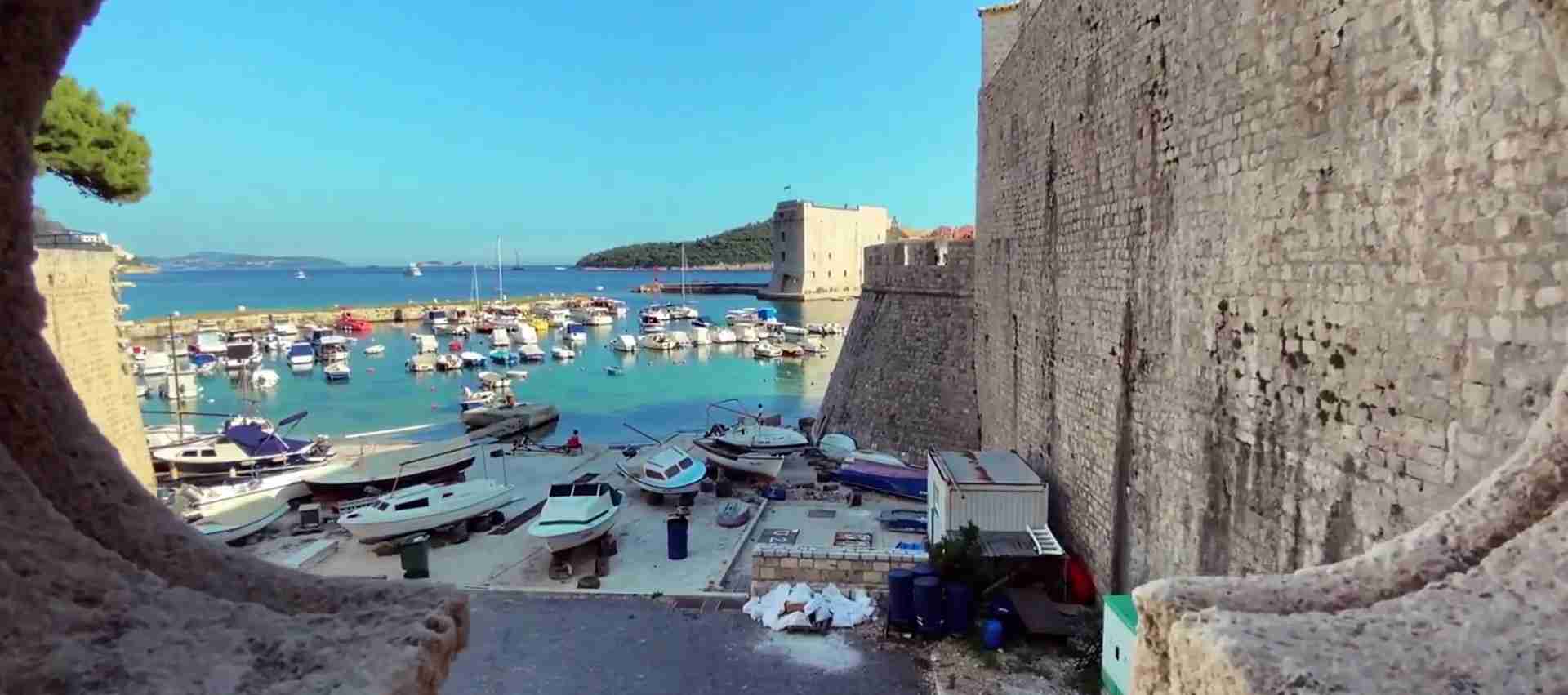
Croatian islands provide alternatives for visitors seeking nature-focused escapes without passport formalities. The Elaphiti archipelago lies just offshore, with three inhabited islands featuring pine forests, hidden coves, and car-free villages that preserve Mediterranean island traditions. Lokrum Island offers the quickest retreat from city crowds, positioned a mere 600 meters from Dubrovnik’s Old Harbor with protected nature reserve status guaranteeing limited development.
Planning day trips from Dubrovnik in 2026 requires understanding seasonal patterns, border crossing logistics, and realistic time allocations. Summer months bring peak tourism with corresponding ferry frequencies and tour departures, but also longer border queues and crowded attractions. Shoulder seasons (April-May and September-October 2026) balance pleasant weather with reduced crowds and faster border processing. Winter operations curtail many services, particularly island ferries and some organized tours, though Montenegro and Mostar remain accessible year-round.
Transportation options span public ferries, organized group tours, and private excursions, each suited to different travel styles and budgets. Public ferries to islands offer maximum flexibility and minimum cost but require advance schedule research and independent navigation. Organized tours provide convenience with professional guides and guaranteed time management but follow fixed itineraries. Private tours allow customization and flexible pacing at premium prices.
This guide examines Dubrovnik’s best day trip destinations for 2026, providing verified pricing, practical logistics, and strategic planning advice. Each destination section stands complete with all necessary details for independent planning, while comparative analysis helps identify the best match for individual preferences, budgets, and available time.
Montenegro Day Trip 2026: Bay of Kotor and Beyond
Montenegro’s Bay of Kotor emerges as Dubrovnik’s most popular international day trip in 2026, combining UNESCO World Heritage recognition with dramatic natural scenery along Europe’s southernmost fjord. The full-day excursion crosses into Montenegro after a scenic 45-minute drive along Croatia’s southern coast, then winds through the serpentine bay roads past medieval villages, Orthodox monasteries, and Venetian fortifications. Tours typically visit three destinations—Perast, Kotor, and Budva—allowing 4-5 hours in Montenegro before returning to Dubrovnik by early evening.
The journey begins with views across the Adriatic from Croatia’s Konavle region before reaching the Debeli Brijeg border crossing. Border processing requires valid passports for all nationalities, with EU citizens alternatively using national ID cards. Non-EU visitors must hold multi-entry Schengen visas to re-enter Croatia after visiting Montenegro, which remains outside the European Union as of 2026. Processing times vary from 15 minutes during off-peak periods to 60-90 minutes during July-August peak season, with early morning departures experiencing shorter queues than midday crossings.
Perast serves as the first stop, a baroque village of stone palaces and church towers frozen in 17th-century grandeur. The compact settlement squeezes between mountain cliffs and bay waters, creating one of the Adriatic’s most photographed settings. Most tours allocate 45-60 minutes for Perast exploration, sufficient time for waterfront strolls and viewing the famous Our Lady of the Rocks island church visible offshore. Optional boat rides to the island cost €10 and require 25-30 minutes round-trip, allowing visitors to tour the interior of this man-made island sanctuary built atop a rocky reef.
Kotor forms the excursion’s centerpiece, offering 2-3 hours to explore Montenegro’s best-preserved medieval town. The UNESCO-listed Old Town features Venetian architecture within intact defensive walls, narrow marble streets, and Cathedral of Saint Tryphon dating to 1166. Free time allows climbing the fortress walls above town (1,350 steps to San Giovanni fortress with panoramic bay views) or wandering the atmospheric squares and alleys. Local guides typically provide 30-minute orientation walks before releasing groups for independent exploration. Kotor’s compact size permits thorough coverage within allocated time, though fortress climbing requires good fitness and consumes 60-90 minutes of the available period.
Budva represents the coastal resort contrast, with Venetian Old Town walls surrounding beaches and marina development. Most tours allow 30-60 minutes in Budva, primarily for Old Town walks and coastal views rather than beach time. The stop provides perspective on Montenegro’s tourism development beyond heritage preservation, showing how former Yugoslav republics balance historic conservation with modern resort infrastructure.
Return journeys typically include ferry crossings from Budva or Kotor, reducing drive time while offering waterborne perspectives of the bay. Tours arrive back in Dubrovnik between 6:00-7:30 PM depending on border queues and departure times. Full-day Montenegro excursions operate year-round with daily departures in peak season and 3-4 weekly services during winter 2026.
Currency considerations matter for Montenegro visits, as the country uses euros despite non-EU status. Croatian kuna remains Croatia’s currency through most of 2026, requiring currency awareness when purchasing meals or souvenirs. Most restaurants and shops in tourist areas accept cards, but carrying small euro denominations proves useful for market purchases or optional activities.
Mostar and Kravice Waterfalls 2026: Bosnia Day Trip
Bosnia and Herzegovina’s most iconic destination, Mostar, combines 16th-century Ottoman heritage with modern war history in a full-day excursion costing $50-75 per person in 2026. The journey north from Dubrovnik crosses two international borders and transitions from Mediterranean coast to Balkan interior, revealing landscape and cultural shifts impossible to experience within Croatia alone. Tours typically include three main stops—Kravice Waterfalls, the historic village of Počitelj, and Mostar itself—with 10-12 hour total duration returning to Dubrovnik by evening.
The 135-kilometer drive from Dubrovnik to Mostar requires crossing Croatian-Bosnian borders twice, as the Neum corridor grants Bosnia a 20-kilometer Adriatic coastline that interrupts Croatia’s southern Dalmatia region. Both border crossings require valid passports, with non-EU visitors needing multi-entry Schengen visas to re-enter Croatia after Bosnia. Processing typically takes 20-40 minutes total across both crossings during 2026, though summer peak periods can extend this to 60 minutes. Tours handle border logistics while guides provide historical context about Yugoslavia’s dissolution and the 1990s Balkan conflicts.
Kravice Waterfalls appear first on most itineraries, showcasing Bosnia’s natural attractions before the cultural immersion in Mostar. The 25-meter-high tufa cascades spread 120 meters wide through forest surroundings, creating natural swimming pools at their base. Tours allocate 60-90 minutes at Kravice, sufficient time for swimming (May-September), photography, and riverside walks. The €10 entrance fee covers site access, changing facilities, and walking paths. Spring months (April-May) display the most dramatic water volume, while summer (June-August 2026) offers warmest swimming temperatures but reduced flow. Small cafés and souvenir stands operate near the entrance, with simple refreshments available.
Počitelj provides a brief cultural interlude, this medieval hilltop village preserving Ottoman architecture within defensive walls. The compact site requires only 20-30 minutes for exploration, featuring a 16th-century mosque, stone houses, and fortress ruins commanding valley views. Artists display paintings and crafts in restored buildings, reflecting Počitelj’s designation as a national monument of Bosnia and Herzegovina.
Mostar dominates the day trip experience, with 2.5-3 hours allocated for this city that symbolizes both cultural fusion and wartime division. The UNESCO-listed Stari Most (Old Bridge) forms the visual and symbolic centerpiece, its 24-meter-high arch spanning the emerald Neretva River since reconstruction completed in 2004. The original 1566 Ottoman bridge was destroyed during 1993 fighting, and its meticulous reconstruction using original techniques and materials earned UNESCO recognition in 2005.
Old Town exploration reveals architectural layers spanning Ottoman, Austro-Hungarian, and Yugoslav periods. The cobblestone Kujundžiluk bazaar street features traditional craft workshops, copper artisans, and carpet sellers maintaining centuries-old commercial traditions. Tour groups typically receive 30-minute guided walks covering key landmarks before dispersing for independent time. Essential sites include the Koski Mehmed Pasha Mosque (1618) with minaret offering bridge views, the historic Turkish House museum displaying traditional Bosnian interiors, and the War Photo Exhibition documenting 1990s siege damage.
Lunch opportunities abound in Mostar, with traditional Bosnian cuisine offered at budget-friendly prices compared to Croatian coastal restaurants. Ćevapi (grilled meat sausages) cost approximately €4-6, while full meals rarely exceed €10-15. Local guides recommend specific restaurants away from the immediate bridge area where tourist-focused establishments charge premium prices. Bosnian coffee and baklava represent cultural experiences beyond mere refreshment, prepared using traditional methods distinct from Western coffee service.
The famous bridge divers perform their traditional jumps from Stari Most throughout summer 2026, typically during midday when tourist crowds peak. Local youths have been diving from the bridge for centuries, and the practice continues as both cultural tradition and tourist spectacle. Witnessing a dive requires fortunate timing, as performances occur irregularly rather than on fixed schedules.
Photography enthusiasts find Mostar exceptionally photogenic, from the classic bridge perspectives to narrow alley compositions and riverside vantage points. Morning light (before 10:00 AM) and late afternoon (after 4:00 PM) provide optimal conditions, though most tours arrive midday when harsh overhead sun challenges photography. The surrounding hillsides offer elevated views of the bridge and Old Town, though reaching these viewpoints requires climbing beyond typical tour itineraries.
Return journeys to Dubrovnik typically depart Mostar by 3:00-4:00 PM, allowing arrival back at accommodations by 7:00-8:00 PM after border crossings. The long drive makes this day trip more demanding than island excursions, suitable for travelers prioritizing cultural and historical depth over beach relaxation.
Elaphiti Islands Day Trip 2026: Mediterranean Island Hopping
The Elaphiti archipelago provides Dubrovnik’s most accessible island escape in 2026, with three inhabited islands—Koločep, Lopud, and Šipan—reachable via public ferries departing Gruž Harbor for €4.91 one-way during high season (late May through September). This island group sits just 7-12 kilometers northwest of Dubrovnik, offering pine-forested landscapes, car-free villages, sandy coves, and Mediterranean tranquility without international border formalities or lengthy boat journeys.
Public ferry service operates year-round on Jadrolinija line 807, with seasonal frequency variations affecting day trip planning. Summer 2026 (May 29-September 27) sees 4-6 daily departures from Dubrovnik, while off-season reduces to 2-3 sailings. Ferries stop at all three main islands in sequence—Koločep (30 minutes), Lopud (50 minutes), and Šipan’s Suđurađ port (1 hour 15 minutes)—allowing both direct travel to specific islands and progressive island hopping. Return tickets cost approximately €9.82 in high season, with children aged 3-12 traveling at reduced rates of €1.59-2.26 depending on destination.
Lopud emerges as the most popular Elaphiti destination, combining easy access with excellent beach facilities and car-free charm. The island’s 1.4-kilometer length allows complete exploration on foot, with the main settlement’s waterfront promenade lined with Renaissance churches, Franciscan monastery ruins, and stone captain’s houses reflecting maritime wealth. The primary attraction remains Šunj Beach on the island’s southern shore, reached via 20-minute walking paths through olive groves and pine forests. This rare Adriatic sandy beach (most Croatian coasts are pebbly) features gradual depth increases ideal for families, beach bars providing refreshments, and kayak rentals for exploring nearby coves. Public ferries allow 2-4 hours on Lopud depending on chosen departure and return times, sufficient for beach visits, village walks, and lunch at waterfront restaurants.
Šipan represents the largest Elaphiti island with two port settlements—Suđurađ and Šipanska Luka—connected by 5-kilometer roads through agricultural interior. The island attracts visitors seeking quieter experiences, authentic village atmosphere, and swimming in secluded bays rather than organized beaches. Suđurađ port features a 16th-century Skočibuha Castle and several historic churches, while inland areas preserve olive groves and vineyards supplying local restaurants. Ferry schedules limit Šipan day trips to single-island focus, as continuing to other Elaphiti destinations after Šipan creates timing challenges for same-day Dubrovnik returns. Travelers selecting Šipan typically spend 4-6 hours exploring both port areas and cycling or walking between settlements.
Koločep provides the quickest island escape, just 30 minutes from Gruž Harbor, making it suitable for half-day trips or late-afternoon departures. The island’s primary attractions include Blue Cave and Green Cave on the northern coast, accessible via swimming or kayaking from Donje Čelo village. These sea caves feature natural light effects created by underwater openings, with the Blue Cave displaying azure illumination and Green Cave showing emerald hues. Koločep lacks the extensive beach facilities of Lopud but offers shaded pine forest walks, quiet swimming coves, and stone-house villages preserving traditional architecture. The compact size allows complete circuit walks in 2-3 hours, suitable for visitors combining island visits with morning or afternoon Dubrovnik activities.
Multi-island day trips using public ferries require careful schedule coordination, as ferry frequencies limit realistic three-island coverage in single days. The most practical two-island combination visits Koločep first (30-minute outbound, 1-2 hours on island) then continues to Lopud (20-minute inter-island journey, 2-3 hours on island) before returning directly to Dubrovnik. Three-island attempts compress time unrealistically given current 2026 ferry schedules. Organized boat tours solve this limitation by operating independent of public ferry timetables.
Full-day Elaphiti cruise tours cost approximately £43-54 ($54-68) per person in 2026, including all three islands with lunch, unlimited drinks, and swimming stops at multiple locations. These organized cruises typically depart Gruž or Old Harbor at 9:00-10:00 AM, visit all three islands with beach time at each, serve onboard lunch (choice of fish, meat, or vegetarian options), and return by 5:00-6:00 PM. The galleon-style boats appeal to families and groups wanting comprehensive island experiences without ferry schedule constraints.
Private boat charters provide maximum flexibility for groups, costing $300-450 per boat (accommodating 6-10 passengers) with customizable itineraries including swim stops, cave visits, and timing adjusted to group preferences. These private options suit families with young children, photographers seeking optimal lighting conditions, or travelers wanting extended time at specific locations.
Practical considerations for Elaphiti visits include limited restaurant availability on smaller islands (Koločep particularly), absence of ATMs on all islands requiring cash preparation in Dubrovnik, and lack of formal beaches on Koločep and Šipan compared to Lopud’s facilities. Swimming gear, reef shoes for rocky entries, and sun protection prove essential for all islands. Ferry capacity limitations during July-August 2026 mandate arriving at Gruž Harbor 45-60 minutes before desired departure to secure tickets and boarding, as sailings can fill completely during peak season.
Lokrum Island 2026: Dubrovnik’s Nearest Nature Escape
Lokrum Island stands 600 meters offshore from Dubrovnik’s Old Harbor, providing the quickest retreat from city crowds with combined ferry and entrance tickets at €30 per adult in 2026. This small protected nature reserve island offers pine forest walks, swimming coves, botanical gardens, and historic monastery ruins accessible via 10-15 minute boat rides operating every 30 minutes during peak season. The uninhabited island permits day visits only, with all visitors required to depart on official ferries before sunset, preserving the reserve’s natural character while allowing comfortable half-day excursions.
Ferry service operates from Dubrovnik’s Old Harbor (near Pile Gate) with seasonal schedules varying significantly throughout 2026. April through October sees frequent departures beginning 9:00 AM and continuing until late afternoon, with return services running until 6:00-7:00 PM depending on sunset times. Peak summer months (June-August) feature 30-minute intervals between boats, while shoulder season (April-May, September-October) extends to hourly departures. Winter months (November-March) suspend most regular services, with limited weekend-only operations weather permitting. Exact 2026 timetables appear on lokrum.hr and posted boards at the Old Harbor ticket office near Luža square.
The €30 adult ticket combines round-trip ferry transport and Lokrum Nature Reserve entrance, creating an all-inclusive package for complete island access. Student tickets cost €10 with valid identification, while children aged 7-18 pay €5. Children under 7 enter free but still require ferry tickets. These prices remain fixed through 2026 regardless of season, though occasional promotional discounts appear during shoulder season periods. Tickets purchase occurs exclusively at the Old Harbor office or occasionally at the island’s ranger station, with no advance online booking available. Cash and card payments both accepted, though carrying euros proves useful for island refreshment purchases.
Island attractions center on the Benedictine monastery complex, occupied by monks from 1023 until Napoleon’s forces dissolved the monastery in 1798. The restored cloisters house exhibition spaces detailing island history and the monastery’s role in regional education and culture. Adjacent botanical gardens feature exotic plants introduced by Austro-Hungarian Archduke Maximilian who purchased the island in 1859, creating formal gardens around his summer residence. Mediterranean and subtropical species thrive in Lokrum’s microclimate, including palms, agaves, and eucalyptus alongside native Aleppo pines and holm oaks.
The “Dead Sea” lake provides unique swimming opportunities, this small saltwater pool connected to the Adriatic via underground channels creating calm, sheltered bathing conditions regardless of offshore sea states. The shallow depth (1-3 meters) and absence of waves make it family-friendly, though water temperatures remain slightly cooler than open sea due to shade from surrounding cliffs. Rocky swimming coves around the island’s perimeter offer alternatives for visitors preferring natural sea access, with designated swimming areas marked on island maps provided at entry points.
Fort Royal crowns Lokrum’s highest point at 96 meters elevation, reached via marked paths climbing through pine forests from the monastery area. The French-built fort dates to early 19th century and now serves primarily as viewpoint platform, offering 360-degree panoramas encompassing Dubrovnik’s Old Town, Adriatic horizons, and neighboring islands. The 20-minute climb rewards with photography opportunities superior to city-bound vantage points, particularly for capturing Dubrovnik walls with island context. Sunset visits prove especially photogenic, though visitors must watch return ferry times to avoid missing final departures.
Free-roaming peacocks constitute Lokrum’s signature wildlife, descendants of birds introduced during Archduke Maximilian’s residence. These semi-tame birds wander monastery grounds and forest paths, creating unexpected tropical atmosphere in Mediterranean setting. The peacock population fluctuates around 50-80 birds, with peak display behavior (males fanning tail feathers) occurring during spring breeding season (April-May 2026).
Game of Thrones filming locations attract series fans, as Lokrum’s monastery and gardens represented Qarth sequences in Season 2. Replica Iron Throne installed near the monastery allows visitor photos, while location markers identify specific filming spots. The connection draws dedicated fans but doesn’t overwhelm the island’s primarily naturalistic character.
Visitor services remain minimal by design to preserve reserve status. A single café operates near the monastery serving drinks, ice cream, and simple snacks at prices higher than mainland Dubrovnik but expected for island locations. No full-service restaurants exist, making Lokrum unsuitable for meal-focused visits. Toilet facilities concentrate near ferry landing and monastery areas, with limited availability elsewhere. Shaded picnic areas permit bringing food from Dubrovnik, popular with families managing meal costs.
Time allocation for Lokrum visits typically ranges 2-4 hours depending on desired activities. Quick visits covering monastery, Dead Sea swim, and brief forest walk require minimum 2 hours. Comprehensive exploration including Fort Royal climb, botanical garden circuits, and extended swimming easily fills 4-5 hours. The last return ferry represents the hard departure constraint, as island rangers enforce departure on official boats with no overnight stays permitted. Missing the final ferry creates significant complications requiring private water taxi arrangements at substantial cost.
Practical preparation for Lokrum includes swimming gear (the Dead Sea lake and coves reward swim time), comfortable walking shoes (forest paths include roots and uneven surfaces), sun protection (limited shade outside forests), and sufficient water (café prices discourage relying on island purchases). The compact size (approximately 800 meters by 300 meters) permits complete coverage on foot, with marked paths preventing navigation difficulties.
Split Day Trip 2026: Second City Excursion
Split lies 230 kilometers north of Dubrovnik along the Dalmatian coast, creating Croatia’s longest popular day trip with 3-hour drives each direction bookending 3-4 hours in the country’s second-largest city. The full-day excursion targets travelers seeking additional UNESCO World Heritage exposure beyond Dubrovnik’s walls, as Split’s Diocletian’s Palace represents Roman imperial architecture unmatched elsewhere in Croatia. The extended travel time makes this demanding compared to shorter Montenegro or island trips, suitable for visitors prioritizing historical depth and urban Croatian culture over nature experiences or beach time.
The coastal drive follows the Adriatic highway through Dalmatian countryside, passing through the Neretva Delta agricultural region, coastal towns including Ploče and Makarska, and the Biokovo mountain range providing dramatic backdrop. Tours typically include brief photo stops at scenic overlooks, particularly the Makarska Riviera section where mountains meet sea. The journey itself reveals Croatian coastal diversity beyond Dubrovnik’s concentrated tourist zone.
Diocletian’s Palace dominates Split’s historic core, this 30,000-square-meter Roman complex constructed 305 AD as retirement residence for Emperor Diocletian. Unlike typical archaeological sites, the palace evolved into living city quarter with 3,000 current residents occupying former imperial chambers, temples, and garrison buildings. The UNESCO-listed complex includes cathedral (converted from Diocletian’s mausoleum), basement halls displaying original Roman architecture, and Peristyle square where imperial ceremonies once occurred. Guided walking tours typically cover key palace sections in 60-90 minutes before releasing groups for independent exploration.
The Riva promenade stretches along Split’s waterfront, lined with palm trees, outdoor cafés, and views across the harbor to surrounding islands. This pedestrian boulevard serves as Split’s social center, contrasting with the palace’s ancient atmosphere through thoroughly modern Croatian café culture. Free time usually includes Riva strolls, shopping in local boutiques, or sampling Dalmatian specialties at lunch establishments ranging from budget bakeries to upscale seafood restaurants.
Tour logistics for Split day trips include 6:00-7:00 AM departures from Dubrovnik to maximize time in Split, with returns typically arriving 7:00-8:00 PM. The long days suit morning-alert travelers better than those preferring leisurely starts. Professional guides provide historical context during drives and conduct Split orientation walks, though substantial time remains for independent exploration. Prices vary by operator but generally align with Montenegro day trip costs given similar duration and service levels.
Split’s scale and complexity exceed what day trips can comprehensively cover, creating “taster” experiences rather than thorough city immersion. Visitors particularly interested in Roman history, Dalmatian culture, or Croatian urban life beyond tourist zones might consider overnight stays instead, as evening atmosphere and expanded exploration time reveal aspects impossible within day trip constraints. However, for travelers based in Dubrovnik with limited overall Croatia time, the day trip provides valuable exposure to Split’s distinct character and UNESCO heritage supplementing Dubrovnik’s medieval Venetian focus.
Planning Your 2026 Dubrovnik Day Trips: Practical Strategies
Successful day trip planning from Dubrovnik in 2026 balances destination selection with logistics, seasonal timing, and realistic schedule assessments. The following strategies address common planning challenges while maximizing value and experience quality across different travel styles and constraints.
Choosing Between Destinations Based on Interests and Time
Interest-based selection narrows overwhelming options to best personal matches. Cultural and historical focus aligns with Montenegro (Bay of Kotor UNESCO sites, Venetian architecture) or Mostar (Ottoman heritage, war history). Nature and beach priorities favor Elaphiti Islands (swimming, hiking, Mediterranean landscapes) or Lokrum (botanical gardens, forest walks). Photography enthusiasts find Montenegro’s fjord scenery and Mostar’s iconic bridge most rewarding, while families with children benefit from Lopud’s sandy beach and Lokrum’s peacocks creating child-friendly engagement.
Available time dramatically impacts suitable destinations. Half-day availability (4-5 hours total) limits choices to Lokrum or single Elaphiti island visits using public ferries. Full days (8-10 hours) accommodate all options, though Montenegro and Mostar require accepting 4-5 hours of total travel time. Multi-day Dubrovnik stays allow combining trip types—perhaps Montenegro one day, Elaphiti Islands another—creating varied experiences without daily early departures.
Seasonal Timing and Weather Considerations for 2026
April-May 2026 delivers optimal conditions for most day trips, with pleasant temperatures (18-24°C), reduced crowds at all destinations, and full operational schedules beginning late April. Kravice Waterfalls display maximum flow, wildflowers bloom across islands, and border crossings process quickly compared to summer congestion. However, sea temperatures remain cool (16-18°C) limiting swimming appeal, and occasional April rain affects outdoor plans.
June-August peak season guarantees warmest weather (25-32°C) and sea temperatures (22-26°C) ideal for swimming, but brings maximum crowds, longer border queues (especially Montenegro), and higher prices for private tours. Island ferries run most frequently, allowing flexible timing, while organized tours operate daily with maximum departure options. Early morning starts (7:00 AM or earlier) partially mitigate crowd issues by reaching destinations before midday tourist peaks.
September-October shoulder season replicates spring advantages with warm lingering temperatures (20-26°C in September declining to 15-20°C in October) and reduced crowds as school terms resume. Sea temperatures remain swimmable through September (20-22°C) before cooling in October (18-20°C). This period suits all destination types, particularly Montenegro and islands where summer heat can prove excessive for walking tours.
November-March off-season severely limits options, as island ferry schedules reduce dramatically (Lokrum suspends entirely, Elaphiti reduces to minimal service) and some organized tours cease operations. Montenegro and Mostar remain accessible with winter tour offerings, benefiting from completely uncrowded conditions but facing potential weather disruptions and reduced daylight hours limiting exploration time.
Border Crossing Documentation and Procedures 2026
International trips to Montenegro and Bosnia require proper documentation verification before booking tours or attempting independent travel. EU citizens traveling with national ID cards satisfy requirements for both countries, while non-EU visitors need valid passports with six months remaining validity beyond travel dates. The critical consideration involves Schengen visa status for non-EU travelers: entering Bosnia or Montenegro from Croatia (Schengen member) then returning to Croatia requires multi-entry Schengen visas, as each Croatia re-entry consumes a visa entry. Single-entry Schengen visas prevent return to Croatia after visiting non-Schengen Bosnia or Montenegro, stranding travelers outside the EU zone.
Border crossing procedures standardize across both Croatian-Montenegrin and Croatian-Bosnian frontiers, with separate lines for EU and non-EU passports. Officers stamp passports (except EU ID card holders in some cases) and may ask basic questions about visit purpose and duration. Keeping documentation readily accessible speeds processing, particularly when traveling in tour groups where guides collect passports for batch processing. Tour operators handle logistics but cannot overcome visa deficiencies discovered at borders.
Tour Selection: Group vs Private vs Independent
Group tours priced $50-75 provide maximum value for single travelers and couples prioritizing cost efficiency. Small-group experiences (8-16 passengers) in minivans offer superior comfort and flexibility compared to large coaches while maintaining affordable pricing. Group dynamics create social atmosphere appealing to solo travelers and facilitate shared costs for inevitable tour elements. However, fixed schedules eliminate flexibility, and group pacing suits average fitness levels potentially frustrating very active or mobility-limited travelers.
Private tours costing $300-450 per vehicle suit families, small friend groups (4-6 people), and travelers valuing customization over budget. The per-person cost approaches group rates when vehicles fill completely, making private options financially reasonable for four passengers or more. Benefits include flexible departure times, customizable itinerary adjustments during tours, and elimination of time wasted collecting dispersed hotel pickups. Photography-focused travelers particularly benefit from stopping for optimal light conditions rather than adhering to rigid schedules.
Independent travel using public transportation (ferries to islands, rental cars to Montenegro or Bosnia) minimizes costs and maximizes flexibility but demands advance research, navigation confidence, and acceptance of logistics complexity. Elaphiti Islands particularly suit independent approaches given frequent ferry services and small island sizes preventing navigation difficulties. International destinations require rental car insurance covering cross-border travel (standard policies often exclude Bosnia and Montenegro) and comfort driving unfamiliar routes with different road standards.
Budget Optimization Strategies for 2026
The Dubrovnik Card offers potential savings for travelers combining day trips with city attractions. The 3-day card (€50) and 7-day card (€60) include Dubrovnik city walls admission, public bus transport, and discounts on some island ferries and organized tours. The 7-day option particularly suits week-long stays mixing day trips with city exploration, as bus access to Gruž ferry terminal and discount programs offset significant portions of card cost.
Direct ferry bookings for Elaphiti visits cost €9.82 round-trip compared to €50-70 for organized cruises, creating substantial savings when beach time and swimming outweigh guided content value. Packing lunches eliminates island restaurant expenses while public ferries lack meal services anyway. However, organized cruises include unlimited drinks and substantial lunches potentially justifying higher costs for food-focused travelers or those uncomfortable with picnic-style dining.
Shoulder season travel (April-May, September-October 2026) delivers price advantages as some tour operators reduce rates 10-15% compared to peak summer pricing. Border crossing times shorten significantly, and destination restaurants offer better value outside July-August tourist maximums. Booking tours directly through local Dubrovnik operators rather than international platforms sometimes provides lower pricing, though this requires advance research and email communication rather than instant online confirmation convenience.
Combining Day Trips: Multi-Destination Planning 2026
Strategic combinations maximize Dubrovnik region experiences when multiple days permit diverse excursions. The ideal week-long itinerary alternates day trip types—international cultural (Montenegro or Mostar), island nature (Elaphiti), quick nature escape (Lokrum)—with rest days exploring Dubrovnik itself. This rhythm prevents exhaustion from consecutive early departures while exposing travelers to destination diversity impossible within single-trip choices.
Pairing Montenegro and Mostar trips on different days reveals Balkan cultural range, as Orthodox-influenced Montenegro and Muslim-heritage Bosnia represent distinct civilizational threads within small geographic areas. However, both require full-day commitments with early starts and evening returns, making consecutive scheduling inadvisable without intermediate rest days. Spacing these trips 2-3 days apart with intervening Dubrovnik exploration or Lokrum half-days maintains energy levels while processing each destination’s complexity.
Island and beach days appropriately follow intensive cultural trips, as Elaphiti swimming and walking demands differ from guided monument tours requiring sustained attention. A Montenegro day trip followed next day by Lopud beach time creates satisfying variety, with physical activity styles and mental engagement levels contrasting completely. Similarly, Lokrum half-days successfully fill afternoons after morning Dubrovnik Old Town walks, preventing wasted time while maintaining relaxed pacing.
Geographic logic suggests combining similar-direction destinations when multiple trips share travel routes. However, Dubrovnik’s day trips radiate different directions—Montenegro south, Mostar northeast, Elaphiti Islands northwest—preventing meaningful route overlap. Instead, thematic pairing (two cultural trips, two nature trips) creates conceptual rather than geographic efficiency, allowing mindset consistency across related experiences.
Transportation and Logistics 2026: Getting to Day Trip Departure Points
Dubrovnik day trip departures utilize three primary locations depending on destination: Gruž Harbor for island ferries, Old Harbor for Lokrum boats, and hotel pickups for organized tours. Understanding these departure points and access methods prevents missed connections and wasted morning time during 2026 visits.
Gruž Harbor lies 3 kilometers northwest of Old Town, accessible via public bus lines 1a, 1b, and 3 from Pile Gate or other city stops. Buses run every 10-15 minutes during daytime, costing approximately €1.50 per ride or free with Dubrovnik Pass. The journey takes 15-20 minutes depending on traffic and route variations. Elaphiti ferry terminal sits at the harbor’s northwestern end, marked with Jadrolinija signage and departure boards displaying schedules. Arriving 45-60 minutes before desired summer sailings ensures ticket purchase and boarding, as capacity limits can fill boats during peak season.
Old Harbor serves Lokrum ferries exclusively, located inside Dubrovnik’s eastern walls near Ploče Gate. Walking from Pile Gate through Old Town requires 10-15 minutes via Stradun main street, while external walking routes around city walls take slightly longer but avoid Old Town crowds. Lokrum ticket offices operate near the harbor with departure boards showing ferry times, allowing ticket purchase 15-30 minutes before sailing without the extended advance time needed for Gruž ferries.
Organized tour pickups occur directly at Dubrovnik accommodations within defined zones, typically covering Old Town vicinity, Lapad peninsula, and Babin Kuk area. Exact pickup times and locations arrive via email 24 hours before tour dates, with 5-10 minute pickup windows requiring punctuality. Old Town hotels receive pickup assignments at Pile Gate or nearby streets due to pedestrian restrictions, while suburban accommodations get doorstep pickup. Tours unable to provide accommodation pickup specify central meeting points, usually Pile Gate or cable car station, with detailed location instructions and guide contact numbers for navigation assistance.
Frequently Asked Questions About Dubrovnik Day Trips 2026
Do I need a tour guide for Dubrovnik day trips or can I visit independently?
Independent travel succeeds for Elaphiti Islands and Lokrum using public ferries and self-navigation, as islands’ compact sizes, English signage, and established tourist infrastructure eliminate serious confusion risks. Ferry schedules appear clearly at ticket offices, while island maps at landing points identify key attractions and swimming spots. Montenegro and Bosnia theoretically permit independent visits with rental cars, but border crossing complexities, unfamiliar road conditions, and language barriers create substantial challenges outweighing the flexibility benefits for most travelers. Tour guides provide historical context and handle logistics that independent visitors must research extensively beforehand. First-time Balkans visitors particularly benefit from guided experiences explaining regional history impossible to grasp from monuments alone.
What should I bring for day trips from Dubrovnik in 2026?
Essential items for all day trips include valid passport (Montenegro and Bosnia) or ID (islands), sun protection (hat, sunglasses, SPF 30+ sunscreen), refillable water bottle, and comfortable walking shoes suitable for cobblestones and uneven paths. Swimming gear (suit, towel, reef shoes for rocky entries) applies to island and Lokrum visits. Cash in both euros and Croatian kuna proves useful, as credit card acceptance varies especially in smaller Bosnian and Montenegrin establishments. Cameras or smartphones with charged batteries capture experiences, while small daypacks carry personal items more conveniently than large bags. Seasickness-prone travelers should bring medication for boat trips despite generally calm Adriatic conditions. Light rain jackets serve spring and fall visits when weather proves less predictable than summer months.
Are day trips from Dubrovnik suitable for travelers with mobility limitations?
Mobility requirements vary significantly by destination, with some trips accommodating wheelchairs or limited walking ability while others demand substantial physical fitness. Lokrum Island features mostly level forest paths suitable for walkers with moderate fitness, though accessing Fort Royal viewpoint requires climbing. Elaphiti Islands vary, with Lopud offering flat waterfront promenades and accessible beaches while Koločep and Šipan include hillier terrain. Montenegro tours involve extensive walking on cobblestones in Kotor and climbing opportunities at fortress walls, though viewing from ground level remains possible. Mostar similarly requires Old Town cobblestone navigation and bridge stairs, challenging for wheelchairs or severe mobility restrictions. Tour operators can sometimes arrange accessible alternatives or modified itineraries when contacted before booking, allowing realistic assessment of individual capabilities against destination requirements. Medical conditions affecting heat tolerance warrant special consideration for summer day trips, as air-conditioned vehicle time breaks up but doesn’t eliminate outdoor walking exposure to Mediterranean temperatures regularly exceeding 30°C in July-August 2026.
Can I visit multiple countries in one day from Dubrovnik?
Combined Montenegro-Bosnia day trips exist as organized tour options, visiting both countries in single 12-14 hour excursions starting early morning and returning late evening. These ambitious itineraries typically include Montenegrin coast highlights (Kotor, Perast) combined with Bosnian destinations (Trebinje Old Town, Hercegovacka Gracanica monastery). The packed schedules allow brief stops at each location rather than thorough exploration, trading depth for geographic coverage. Passport holders with multi-entry Schengen visas can undertake these trips, as returning to Croatia from two non-Schengen countries still requires just re-entry capability. However, the extended duration and surface-level site visits suit travelers prioritizing country-count maximization over destination understanding. Standard single-country day trips provide superior depth for most visitor interests, saving combined adventures for travelers with specific bucket-list goals involving visiting multiple nations in limited time.
How far in advance should I book day trips for summer 2026?
Summer day trip booking timelines (June-August 2026) depend on tour type and group size. Small-group tours (8-16 passengers) often fill 7-14 days before departure during peak season, particularly for popular Montenegro and Mostar itineraries. Booking 2-3 weeks ahead guarantees space and often permits free cancellation until 24-48 hours before departure. Private tours accommodate last-minute reservations more flexibly given dedicated vehicle allocation, though premium operators fill favorite guides weeks ahead. Public ferries to Elaphiti Islands and Lokrum never require advance booking—tickets purchase on departure day at harbor ticket offices—but early arrival (45-60 minutes before sailing for Gruž ferries) proves essential during July-August capacity peaks. Shoulder season (April-May, September-October) and off-season allow week-ahead booking or even day-before arrangements for most tours, as demand remains well below summer levels.
What happens if weather forces day trip cancellation in 2026?
Weather cancellations primarily affect boat-based trips (Elaphiti Islands, Lokrum) during adverse sea conditions featuring high winds or rough water. Organized tour operators and ferry companies cancel sailings for safety when conditions exceed limits, typically notifying booked passengers via email or phone 2-4 hours before scheduled departures. Most tour companies offer full refunds or alternative date rescheduling for weather cancellations, as safety-based decisions beyond operator control don’t constitute service failures. Public ferries similarly refund or exchange tickets when sailings cancel. Montenegro and Mostar land-based tours rarely cancel for weather alone unless extreme conditions (heavy snow, flooding) make roads impassable, events unusual except during winter months when day trip demand already declines substantially. Travel insurance covering trip interruptions provides backup protection though proves unnecessary for most weather scenarios given operator refund policies. Monitoring weather forecasts 48 hours before planned trips allows proactive rescheduling when conditions appear unfavorable.
Are there age restrictions for Dubrovnik day trips?
Formal age restrictions remain minimal for most day trips, though practical considerations affect young children and elderly travelers. Island ferries and Lokrum boats accept all ages without specific limits, making these family-friendly options for visitors traveling with infants or toddlers. Montenegro and Mostar full-day tours generally welcome children but note that 10-12 hour durations with extensive walking challenge young attention spans and energy levels. Tour operators sometimes recommend minimum ages (typically 4-5 years) for Bosnia trips due to uncomfortable border crossing delays during peak season. However, these represent guidance rather than absolute rules, with parental judgment determining child suitability. Private tours offer flexibility for families with young children, allowing schedule adjustments and bathroom breaks impossible with fixed group itineraries. Senior travelers face no upper age restrictions provided mobility and fitness match destination requirements detailed in earlier sections. Tour companies accommodate most accessibility needs when notified during booking, though some locations’ inherent characteristics (Kotor fortress stairs, Mostar cobblestones) create unavoidable physical demands.
Can I combine cruise port stops with day trips from Dubrovnik?
Cruise passengers docking in Dubrovnik for single-day port calls face tight timeframes challenging standard day trip participation. Most cruises allow 8-10 hours ashore from morning arrival to evening departure, but ship boarding deadlines (typically 30-60 minutes before sailing) create risk if day trips encounter delays. Shore excursions specifically designed for cruise schedules exist through both cruise lines and independent operators, guaranteeing return before departure while visiting key destinations. These modified tours compress Montenegro visits into 6-7 hour windows or focus on closer destinations like Elaphiti Islands requiring less travel time. Independent day trips marketed to overnight visitors rarely accommodate cruise timing constraints, as border crossings and distance factors can’t reliably compress into port call windows. Cruise passengers should seek cruise-specific tour options rather than attempting standard day trips, preventing missed ship departures if unexpected delays occur. Lokrum Island particularly suits cruise visitors given 15-minute proximity and flexible timing, allowing 2-3 hour visits fitting easily within port schedules while providing nature escape from Dubrovnik crowds.
What currency should I bring for different day trip destinations?
Currency requirements vary by destination country, with Croatia, Montenegro, and Bosnia each using different official currencies as of most of 2026. Croatia operates with Croatian kuna through expected euro adoption later in 2026, though exact transition timing remains subject to official announcements. Montenegro uses euros despite non-EU status, creating easy currency planning for those already carrying euros. Bosnia and Herzegovina’s official currency is the convertible mark (BAM), though euros gain wide acceptance in tourist areas like Mostar with exchange rates posted at shops and restaurants. Tour operators typically inform passengers about currency needs during booking confirmations, noting where euros suffice and where local currency proves necessary. ATMs appear in all destinations but charge foreign transaction fees making pre-trip currency exchange more economical for budget-conscious travelers. Credit cards work at most establishments in tourist zones across all three countries, though carrying cash for market purchases, tips, and small vendors remains advisable. Island day trips require minimal cash as Elaphiti public ferries accept cards at ticket offices and Lokrum combined tickets similarly permit card payment, with only island café purchases requiring currency.
How do day trip costs compare to staying overnight at destinations?
Day trip convenience costs typically exceed independent overnight visit expenses when comparing total outlay, but time value considerations complicate pure financial analysis. A $60 Montenegro day trip from Dubrovnik includes transportation, guide services, and structured itinerary covering three destinations in 10-12 hours. Independent overnight visitors face accommodation costs ($50-100 for budget-midrange Montenegro hotels), self-planned transportation (rental car $40-60 daily plus fuel, or bus tickets $15-25), and meal expenses across longer visits. The break-even point arrives around 2-night stays when hotel costs accumulate while transportation gets amortized across multiple days. However, day trips preserve Dubrovnik accommodation continuity eliminating packing/unpacking overhead and checkout complications. Travelers splitting limited Croatia time between multiple bases (Split, Dubrovnik, etc.) often find day trips more efficient than adding overnight stops requiring luggage transport and accommodation research. Conversely, visitors focusing single-destination depth rather than breadth coverage gain substantial value from overnight stays at Montenegro or Mostar, accessing evening atmosphere and deeper exploration impossible within day trip timeframes. Financial optimization depends on individual travel styles and priorities beyond pure cost arithmetic.