
Best Beaches in Sicily: Complete Coastal Guide
This comprehensive guide explores Sicily’s finest coastal destinations, from famous beaches attracting international visitors to hidden gems known primarily to local Sicilians. Understanding the character, accessibility, and unique features of each beach enables travelers to craft perfect coastal experiences matching their specific desires—whether seeking family-friendly facilities, pristine nature, dramatic photography settings, or romantic seclusion.
Key Takeaways
- Sicily’s 1,500 kilometers of coastline encompasses extraordinary diversity—from the dramatic white cliffs of Scala dei Turchi to the volcanic black sands of Etna’s eastern shores, creating Mediterranean beach experiences unlike anywhere else
- The northwestern coast around San Vito lo Capo and Scopello delivers Sicily’s most stunning turquoise waters and pristine white sand beaches, rivaling Caribbean destinations while maintaining authentic Sicilian character
- Eastern Sicily’s beaches combine proximity to UNESCO World Heritage sites with unique volcanic landscapes, allowing travelers to merge cultural exploration with Mediterranean beach relaxation in single-day itineraries
- The Aeolian Islands offer Sicily’s most exclusive beach experiences, with hidden coves accessible only by boat, therapeutic hot springs emerging from volcanic shores, and crystalline waters ideal for snorkeling and diving
- Southern Sicily’s beaches provide the island’s most undeveloped and peaceful coastal experiences, with vast golden sand stretches often nearly deserted even during summer months
- Understanding Sicily’s coastal geography and beach characteristics enables strategic planning matching specific preferences—whether seeking family-friendly shallow waters, dramatic scenery for photography, or secluded coves for romantic escapes
Introduction: Sicily’s Mediterranean Coastal Treasures
Sicily’s beaches represent one of the Mediterranean’s most extraordinary coastal treasures, combining dramatic natural beauty with remarkable diversity across the island’s 1,500-kilometer shoreline. The largest Mediterranean island offers every conceivable beach experience—from Caribbean-style white sand and turquoise water coves in the northwest to dramatic black volcanic shores along Mount Etna’s slopes, from organized beach clubs with full amenities to wild, pristine coastlines accessible only by foot or boat.
The island’s geological complexity creates this extraordinary coastal variety. Ancient Greek and Roman settlements chose strategic harbor locations that remain beautiful beaches today. Medieval watchtowers crown rocky promontories separating hidden coves. Volcanic activity shaped unique black sand beaches and created thermal hot springs emerging directly into the sea. Limestone erosion carved spectacular white cliffs and sea caves. This geological and historical richness produces beaches that offer far more than simple sun and sand—each stretch of Sicilian coast tells stories of natural forces and human history spanning millennia.
People Also Ask About Sicily Beaches
What is the most beautiful beach in Sicily?
San Vito lo Capo in northwestern Sicily consistently ranks as the island’s most beautiful beach, combining powdery white sand, turquoise waters of exceptional clarity, and dramatic mountain backdrop creating Caribbean-style beauty with authentic Sicilian atmosphere. The 3-kilometer crescent bay offers shallow waters ideal for families, while the historic tonnara (tuna processing facility) adds cultural interest to pure beach pleasure.
Scala dei Turchi near Agrigento presents an entirely different beauty definition—brilliant white limestone cliffs eroded into smooth, wave-like formations contrasting dramatically with blue Mediterranean waters. The rock formations create natural terraces and pools, offering unique swimming experiences and spectacular photography opportunities. Sunset views from Scala dei Turchi’s white cliffs create unforgettable Mediterranean moments.
Isola Bella near Taormina combines natural beauty with extraordinary setting—a tiny island connected to mainland by narrow sandbar, surrounded by crystalline waters and framed by Taormina’s clifftop medieval town. The protected nature reserve status preserves pristine conditions, while cable car access from Taormina creates convenient connection between UNESCO World Heritage culture and Mediterranean beach paradise.
Does Sicily have white sand beaches?
Northwestern Sicily offers multiple pristine white sand beaches rivaling the Mediterranean’s finest coastal destinations. San Vito lo Capo’s 3-kilometer crescent beach features brilliant white sand contrasting dramatically with turquoise waters, creating Caribbean-style beauty. Mondello Beach near Palermo provides white sand, shallow waters, and Liberty-style architecture, functioning as the capital city’s traditional beach resort. Scopello’s Guidaloca Beach delivers intimate white sand coves surrounded by dramatic coastal scenery and historic tonnara ruins.
The Egadi Islands off western Sicily coast—particularly Favignana and Marettimo—feature spectacular white sand coves accessible primarily by boat, offering secluded beach experiences with exceptional water clarity. Cala Rossa and Cala Azzurra on Favignana exemplify the Mediterranean’s finest white sand beauty, with shallow turquoise waters and rocky formations creating natural swimming pools.
Eastern and southern Sicily offer predominantly golden sand beaches rather than white, though exceptions exist. The diversity allows travelers to experience both classic Mediterranean golden shores and tropical-style white sand paradises within single Sicily beach journey.
Which side of Sicily has better beaches?
Northwestern Sicily delivers the island’s most dramatic beach beauty, with San Vito lo Capo, Scopello, and Castellammare del Golfo offering extraordinary turquoise waters, white sand, and spectacular coastal scenery. The Zingaro Nature Reserve protects pristine coves accessible only by hiking, preserving unspoiled Mediterranean coastal environments increasingly rare elsewhere. This region attracts travelers prioritizing natural beauty and photography over convenience.
Eastern Sicily beaches combine volcanic landscapes with cultural proximity, allowing single-day itineraries merging UNESCO sites (Taormina, Catania, Syracuse) with beach relaxation. Isola Bella, Giardini Naxos, and Fontane Bianche offer excellent facilities, easy access, and unique volcanic characteristics. Black sand beaches near Catania provide extraordinary swimming experiences unlike typical Mediterranean shores.
Southern Sicily presents the island’s most peaceful beach experiences, with vast golden sand stretches remaining remarkably undeveloped. Beaches near Pozzallo, Sampieri, and Marina di Ragusa offer family-friendly shallow waters and authentic Sicilian beach town atmosphere without overwhelming tourism development. These areas suit travelers seeking tranquility over dramatic scenery.
Are Sicily beaches rocky or sandy?
Sicily’s beaches span the complete spectrum from fine white sand through golden Mediterranean sand to unique black volcanic sand, with rocky coastlines creating dramatic coves and pebble beaches adding character to specific locations. The island’s geological complexity produces this extraordinary diversity—volcanic origins in eastern regions create black sand shores, limestone formations in western areas produce white sand and rocky coves, while ancient river deposits created golden sand beaches along southern coasts.
Northwestern beaches (San Vito lo Capo, Mondello, Scopello) feature predominantly fine white sand with occasional rocky headlands separating beach sections. Northeastern coast around Taormina mixes small pebbles with sand, with Isola Bella’s beach combining sand and smooth stones. Eastern volcanic coast presents black sand beaches near Catania, unique swimming experiences prized by geology enthusiasts and photographers.
Southern Sicily offers primarily golden sand beaches with gradual water entry and minimal rocks, ideal for families with young children. Western and northwestern coasts feature more varied conditions—sandy beaches interspersed with rocky coves, limestone platforms, and pebble shores creating diverse swimming and snorkeling opportunities. This variety allows travelers to experience multiple beach types during single Sicily visit.
Extended multi-day tours – 5+ days
Featured Sicily Multi-Day Tour Packages
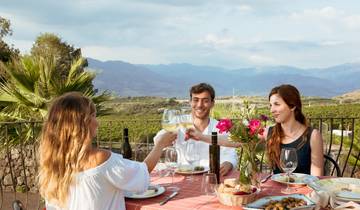
8 days
8 days Small Group Sicily Food & Wine Tour (max 8 Guests)
- ✓ Comprehensive Sicily tour
- ✓ Expert local guides included
- ✓ All accommodation arranged
- ✓ Transportation provided
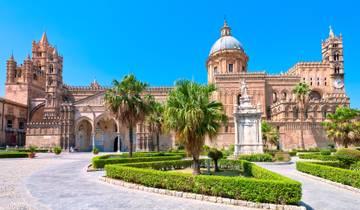
10 days
New Tour of Sicily from Palermo 10 Days
- ✓ Comprehensive Sicily tour
- ✓ Expert local guides included
- ✓ All accommodation arranged
- ✓ Transportation provided
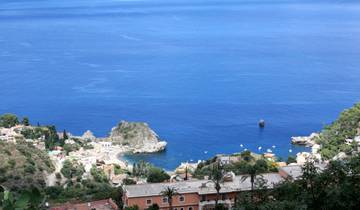
8 days
Splendor of Sicily 8 Days Tour – from Catania
- ✓ Comprehensive Sicily tour
- ✓ Expert local guides included
- ✓ All accommodation arranged
- ✓ Transportation provided
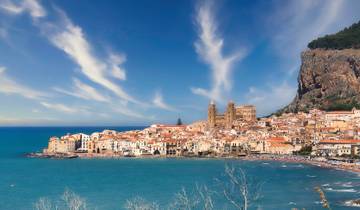
10 days
Journey of Charming Sicily – 10 Days
- ✓ Comprehensive Sicily tour
- ✓ Expert local guides included
- ✓ All accommodation arranged
- ✓ Transportation provided
Multi-day tour packages powered by TourRadar. Prices and availability subject to change.
Northwestern Sicily: Premier Beach Destinations
San Vito lo Capo: Sicily’s Caribbean Paradise
San Vito lo Capo’s magnificent 3-kilometer crescent beach represents northwestern Sicily’s crown jewel, combining powdery white sand, shallow turquoise waters, and dramatic Monte Monaco mountain backdrop creating Mediterranean beauty rivaling tropical destinations. The beach slopes gently into crystalline waters, maintaining shallow depth for 40-50 meters offshore, making this perfect destination for families with children and swimmers of all abilities.
The town’s compact historic center preserves traditional Sicilian fishing village atmosphere despite beach popularity, with narrow streets, whitewashed buildings, and excellent seafood restaurants creating authentic cultural experience complementing beach pleasure. The annual Cous Cous Fest each September celebrates the town’s North African culinary heritage, transforming the beach into open-air festival venue blending food, music, and Mediterranean culture.
Water clarity at San Vito lo Capo reaches exceptional levels, with visibility often extending 15-20 meters underwater, creating ideal conditions for snorkeling along rocky areas flanking the main beach. The western end near the old tonnara offers interesting underwater exploration among rocks hosting colorful Mediterranean marine life. Early morning visits before crowds arrive provide the most peaceful experience and best photography light on the white sand and turquoise water.
Beach facilities include umbrella and sunbed rentals concentrated in central sections, while free beach access exists at both ends of the crescent. The promenade backing the beach offers cafes, gelaterias, and beach supply shops. Parking areas behind the town require 10-15 minute walks to beach, with limited spots filling early during July-August peak season. Spring and autumn visits find San Vito lo Capo remarkably peaceful while maintaining excellent swimming conditions.
Scopello and Tonnara Beach: Historic Coastal Beauty
Scopello’s Tonnara Beach presents one of Sicily’s most photographed coastal scenes, combining turquoise cove waters with historic tuna processing facility ruins and dramatic sea stacks creating timeless Mediterranean composition. The small pebble beach descends quickly into deep, crystal-clear waters ideal for swimming and snorkeling, though less suitable for young children due to depth and stone surface.
The tonnara buildings perch dramatically on rocks overlooking the cove, their crumbling walls and rusty machinery creating atmospheric reminder of Sicily’s centuries-old tuna fishing industry. The facility operated from Arabic period through mid-20th century, with annual mattanza (tuna catch) ritual continuing until 1984. Today the complex functions as private property with limited access, though the beach and swimming areas remain public.
Two massive sea stacks (faraglioni) rise from waters immediately offshore, creating natural swimming landmarks and snorkeling destinations. Underwater exploration around the rocks reveals diverse marine life, with groupers, damselfish, and occasional octopus inhabiting the rocky habitat. Water clarity typically exceeds 15 meters visibility, making this among Sicily’s finest snorkeling locations accessible directly from shore.
The nearby Guidaloca Beach offers alternative with white sand rather than pebbles, situated in protected cove 2 kilometers from Scopello village. This beach provides family-friendly shallow waters and easier entry than rocky Tonnara beach, though lacking the historic atmosphere and dramatic scenery. Small beach bar serves refreshments, and umbrella rentals available during summer season.
Zingaro Nature Reserve Beaches: Pristine Coastal Paradise
The Zingaro Nature Reserve protects 7 kilometers of Sicily’s most pristine coastline, with seven major coves offering crystal-clear waters, pebble beaches, and complete absence of development creating rare Mediterranean wilderness experience. The reserve’s beaches remain accessible only by foot along coastal hiking trail or by private boat, preserving natural conditions increasingly scarce along developed Mediterranean coasts.
Cala Tonnarella dell’Uzzo, the reserve’s largest and most famous beach, features smooth white pebbles sloping into turquoise waters of exceptional clarity. The cove’s protected position creates calm swimming conditions even when nearby open waters show waves. Snorkeling reveals healthy Posidonia seagrass meadows hosting diverse marine ecosystem. The beach’s position 1 kilometer from northern reserve entrance makes it most easily accessible cove for day visitors.
Cala Marinella, situated 3 kilometers along the trail from the northern entrance, offers more intimate setting with smaller pebble beach surrounded by dramatic cliffs. The increased hiking distance results in fewer visitors, creating peaceful atmosphere rare on Sicilian beaches during summer months. Waters here reach remarkable clarity, with underwater visibility often exceeding 20 meters, revealing every detail of the rocky seabed and swimming fish.
Reaching Zingaro beaches requires either hiking the coastal trail (well-maintained but challenging in summer heat, requiring 30-90 minutes depending on chosen cove) or hiring private boat from San Vito lo Capo or Scopello. No facilities exist within the reserve—visitors must carry water, food, and beach equipment. This absence of development preserves the extraordinary natural beauty but requires preparation and self-sufficiency for comfortable beach days.
Eastern Sicily: Volcanic Shores and Cultural Beaches
Isola Bella, Taormina: Nature Reserve Island Beach
Isola Bella combines natural beauty, protected status, and convenient access from Taormina’s UNESCO World Heritage town, creating one of Sicily’s most memorable beach experiences. The tiny island connects to mainland via narrow gravel sandbar exposed during calm seas, allowing visitors to walk directly to the nature reserve during low water periods. High seas submerge the connection, transforming Isola Bella into true island accessible only by swimming or small boat.
The beach itself mixes pebbles and coarse sand, with clear waters offering excellent snorkeling around the island’s rocky perimeter. Protected reserve status maintains pristine underwater conditions, with healthy fish populations and interesting rock formations. The beach area remains relatively small, creating crowded conditions during July-August peak season, though early morning visits or shoulder season days find the setting more peaceful.
Cable car service from Taormina town descends 200 meters to beach level in four minutes, providing effortless access while offering spectacular aerial views of the coastline and Mount Etna. The alternative walking path consists of 300+ steep steps, manageable but strenuous in Mediterranean summer heat. Beach facilities include umbrella and sunbed rentals, beach bar, and changing facilities. The combination of cable car access and proximity to Taormina makes Isola Bella ideal for travelers basing themselves in the historic town while seeking beach experiences.
Swimming around Isola Bella reveals caves, rocky overhangs, and varied marine life. The island’s eastern side offers calmer waters and better snorkeling conditions than the open beach on the western side. Strong swimmers can explore the entire island perimeter, approximately 300 meters, discovering hidden swimming spots and snorkeling areas. Underwater caves on the northern side create interesting exploration opportunities for experienced swimmers, though currents can strengthen in these areas requiring caution.
Giardini Naxos: Family-Friendly Resort Beach
Giardini Naxos spreads along a wide bay immediately below Taormina, offering 5 kilometers of beaches combining golden sand, organized facilities, and convenient access creating family-friendly Mediterranean resort atmosphere. The ancient Greek settlement founded here in 734 BCE, making this Sicily’s oldest Greek colony, adds historical significance to beach pleasure. Archaeological remains scattered throughout the town remind visitors of the site’s 2,700-year heritage.
The main beach features gentle water entry and gradual depth increase ideal for children and less confident swimmers. Organized beach sections with umbrellas, sunbeds, and facilities dominate the central areas, while free beach access exists at northern and southern ends of the bay. Beach bars and restaurants line the promenade, offering seafood lunches, aperitivo options, and gelato breaks throughout beach days.
Water quality maintains good standards, with Blue Flag certification awarded to several beach sections recognizing environmental quality and safety. Swimming conditions remain calm most days due to the bay’s protected orientation, with Mount Etna visible to the north providing dramatic backdrop for beach photography. The combination of shallow waters, facilities, and nearby Taormina cultural attractions makes Giardini Naxos excellent choice for families balancing beach time with UNESCO site exploration.
The northern section of Giardini Naxos beach offers slightly pebbly surface and clearer waters compared to sandy central areas, attracting snorkelers and swimmers prioritizing water quality over sand comfort. The promontory separating Giardini Naxos from neighboring Recanati creates interesting underwater terrain for exploration, with rocky habitat hosting diverse marine life. Evening beach visits capture spectacular sunsets over the bay, with changing light creating beautiful photography opportunities.
Black Sand Volcanic Beaches near Catania
The coastline north of Catania features unique black volcanic sand beaches created by Mount Etna’s millennia of eruptions, offering swimming experiences distinctly different from typical Mediterranean golden or white sand shores. These beaches combine geological fascination with practical swimming appeal, creating memorable coastal destinations for travelers interested in volcanology alongside traditional beach relaxation.
San Giovanni li Cuti in Catania’s northern suburbs provides easily accessible black sand beach with dramatic volcanic rock formations creating natural barriers and pools. The black sand absorbs solar heat intensely, becoming quite hot by midday during summer months, requiring beach shoes for comfortable walking. Waters here tend toward cooler temperatures compared to sandy beaches further south, refreshing during hot days but potentially bracing during spring and autumn shoulder seasons.
Praiola di Stazzo, situated further north near Acireale, offers more pristine black sand environment with less development than urban Catania beaches. The beach nestles below dramatic cliffs formed by ancient lava flows, creating sheltered cove with calm swimming conditions. Rock formations both onshore and underwater create interesting snorkeling opportunities, with volcanic geology producing unique underwater landscapes unlike limestone or sandy coasts.
The black volcanic sand creates striking visual contrast with turquoise waters and green vegetation on surrounding cliffs, providing exceptional photography opportunities. The beaches’ relative novelty (compared to ubiquitous golden sand Mediterranean beaches) attracts geology enthusiasts and travelers seeking unique coastal experiences. Swimming in volcanic black sand waters while viewing Mount Etna smoking in the background creates quintessentially Sicilian coastal moment unavailable elsewhere in Italy.
Southern Sicily: Golden Sands and Peaceful Shores
Fontane Bianche: Azure Waters and White Sand
Fontane Bianche, located 15 kilometers south of Syracuse, delivers one of southeastern Sicily’s finest beach experiences with brilliant white sand, remarkably clear azure waters, and well-developed facilities creating popular resort destination for Sicilian families and international visitors. The name “white fountains” references freshwater springs emerging near the beach, historically providing drinking water for local fishermen.
The main beach stretches approximately 1.5 kilometers, divided into organized sections with umbrella and sunbed rentals and free public access areas. Waters remain shallow for considerable distance offshore, creating ideal conditions for children and less confident swimmers. Water quality consistently receives excellent ratings, with clarity allowing visibility of the sandy bottom even in deeper areas. The protected bay position minimizes wave action, creating calm swimming conditions most days throughout summer season.
Beach facilities include numerous bars, restaurants, and pizzerias along the promenade, providing dining options from casual snacks to full seafood meals. Watersports rentals offer kayaks, paddleboards, and pedal boats for family water activities. The beach’s proximity to Syracuse allows easy combination of UNESCO World Heritage cultural exploration in morning with afternoon beach relaxation, creating balanced travel days merging history and coastal pleasure.
Rocky areas at both ends of the main beach create interesting snorkeling zones, with healthy Posidonia meadows hosting diverse Mediterranean marine life. The northern end offers slightly more secluded atmosphere with mix of sand and smooth rocks, attracting visitors seeking quieter setting than busy central beach sections. Parking areas behind the beach fill early during July-August peak season, with arrival before 9 AM recommended for securing convenient spots.
Sampieri Beach: Undeveloped Golden Coast
Sampieri, a small fishing village on Sicily’s southeastern coast, offers one of the island’s most extensive undeveloped beaches with 2 kilometers of golden sand remaining remarkably free from large-scale tourism development. The beach atmosphere maintains authentic Sicilian character, with local families forming majority of visitors even during summer months. The ruined Fornace Penna, a historic brick factory standing at the beach’s western end, creates distinctive landmark and popular photography subject.
Golden sand slopes gently into clear waters, creating family-friendly swimming conditions similar to Fontane Bianche but with significantly fewer visitors and less commercialization. The beach remains almost entirely free access, with just a few small sections offering umbrella and sunbed rentals. This lack of organization appeals to travelers seeking natural beach experiences and preferring to bring their own beach equipment rather than rent facilities.
The village itself preserves traditional Sicilian fishing community character, with small seafood restaurants, family-run hotels, and minimal development. Morning visits to the small harbor reveal local fishing boats returning with catches, with simple restaurants preparing the day’s fish for lunch service. This authentic atmosphere provides cultural immersion alongside beach pleasure, creating more meaningful Sicilian coastal experience than generic resort destinations.
Waters at Sampieri maintain excellent clarity and cleanliness, regularly earning Blue Flag environmental certification. Swimming conditions remain generally calm, though the open coast position creates more wave action than protected bays during windy periods. The lack of organized facilities and tourist infrastructure means visitors should bring adequate sun protection, water, and snacks for extended beach days, as beachfront services remain limited compared to developed resort areas.
Marina di Ragusa: Family Beach Resort
Marina di Ragusa functions as the beach extension of Ragusa’s baroque UNESCO World Heritage city, offering 2+ kilometers of golden sand beaches with organized facilities creating classic Sicilian beach resort atmosphere. The town maintains more authentic character than purpose-built tourist resorts, with local Sicilian families forming substantial portion of summer visitors alongside international tourists discovering the area through its proximity to baroque heritage sites.
The main beach features gentle gradient into calm waters, ideal for families with children. Organized beach sections with umbrellas, sunbeds, and facilities occupy much of the central area, while free public beach access exists at both ends and along less developed stretches. Beach bars and restaurants line the promenade, offering casual dining, drinks, and snacks throughout long summer days. The walkable town center behind the beach provides shopping, gelaterias, and evening passeggiata (stroll) atmosphere.
Water quality remains consistently good, with clear visibility and clean conditions maintained through regular monitoring and Blue Flag certification for several beach sections. The protected orientation creates generally calm swimming conditions, though occasional southern winds can bring stronger waves providing entertainment for body surfers and creating more challenging conditions for young children. The beach’s wide format accommodates crowds comfortably even during August peak season, never reaching the claustrophobic density of some northern Italian resort beaches.
The town’s position between Ragusa and Modica (two baroque UNESCO cities) and proximity to Pozzallo (ferry port to Malta) makes Marina di Ragusa strategic base for travelers combining beach relaxation with cultural exploration and potential Malta day trips. Many visitors divide time between baroque town exploration in cooler morning hours and beach relaxation during hot afternoons, creating balanced itineraries maximizing southeastern Sicily’s diverse attractions.
Western Sicily and Egadi Islands: Remote Coastal Gems
Scala dei Turchi: Dramatic White Cliffs
Scala dei Turchi ranks among the Mediterranean’s most extraordinary coastal formations, combining brilliant white limestone cliffs eroded into smooth, wave-like steps descending into turquoise waters creating unforgettable natural sculpture. Located between Realmonte and Porto Empedocle near Agrigento, this geological wonder attracts photographers, geology enthusiasts, and beach lovers seeking unique Mediterranean coastal experiences.
The white marl and limestone cliff face has been shaped by wind, rain, and sea over millennia into natural terraces resembling giant stairways. Visitors can climb the smooth formations (requiring care as surfaces become slippery when wet) to access natural platforms offering spectacular sea views and perfect photography vantage points. Sunset visits create particularly magical atmosphere as golden light transforms the white rock into warm amber hues contrasting with deepening blue waters.
The small beach at Scala dei Turchi’s base features mixed white pebbles and sand, with clear waters ideal for swimming and snorkeling. The rocky formations both above and below water create interesting exploration opportunities, though the small beach area becomes crowded during peak summer months. Most visitors come primarily for the geological spectacle and photography rather than extended beach time, creating higher turnover than typical beaches.
The name “Scala dei Turchi” (Turkish Stairs) references historical raids by North African and Turkish pirates who allegedly used this accessible coast for landing parties. The smooth rock formations provided easy climbing for raiders approaching from sea, though the name’s historical accuracy remains debated among scholars. Today the primary invasion consists of tourists armed with cameras rather than swords, though the dramatic setting remains equally captivating.
Favignana Island Beaches: Turquoise Coves
Favignana, largest of the Egadi Islands off western Sicily, offers some of the Mediterranean’s most stunning beach experiences with numerous coves featuring turquoise waters of almost unreal clarity, white sand, and dramatic rocky formations. The island’s butterfly shape creates protected coves on all sides, ensuring calm swimming conditions regardless of wind direction, with each cove offering distinct character and beauty.
Cala Rossa (Red Cove) presents Favignana’s most famous beach, combining brilliant white sand with turquoise waters surrounded by rusty-red rock formations creating exceptional color contrasts. The small cove fills during high summer season, though spectacular water clarity and unique setting justify the crowds. Strong swimmers can explore adjacent smaller coves accessible only by swimming around rocky promontories, discovering increasingly secluded swimming spots.
Cala Azzurra (Blue Cove) on the island’s southern coast offers larger beach area with white sand and shallow turquoise waters extending far offshore, creating ideal family swimming conditions. The cove remains relatively undeveloped with minimal facilities, requiring visitors to bring supplies for beach days. Rocky sides of the cove provide snorkeling opportunities with diverse Mediterranean marine life inhabiting the underwater rock formations.
Multiple smaller coves around Favignana’s perimeter offer alternatives to the main beaches, accessible by bicycle (popular island transportation), scooter rental, or boat tours circumnavigating the island. Many visitors prefer hiring small private boats or joining shared boat tours to discover hidden coves inaccessible or difficult to reach by land, creating adventurous beach-hopping experiences showcasing the island’s coastal diversity. The combination of cycling quiet coastal roads between major coves and relaxing in crystal-clear waters creates perfect Mediterranean island day.
San Lorenzo Beach, Noto: Baroque and Beach Combination
San Lorenzo beach, situated 10 kilometers from Noto’s baroque UNESCO World Heritage center, provides convenient coastal escape for visitors exploring southeastern Sicily’s cultural treasures. The golden sand beach stretches several kilometers with organized sections offering facilities and free beach areas maintaining natural character. Waters remain shallow with gradual deepening, creating family-friendly swimming conditions throughout the beach’s length.
The beach settlement maintains low-key character with small seafood restaurants, family-run hotels, and minimal large-scale development preserving relaxed Sicilian atmosphere. Many Noto visitors base themselves here, enjoying morning beach time before inland afternoon excursions to baroque towns during hottest hours, then returning for evening sea swims and beachfront aperitivo. This pattern creates balanced itineraries combining cultural exploration with beach relaxation.
Calamosche beach, part of Vendicari Nature Reserve 20 kilometers south, offers pristine alternative with protected crescent cove featuring golden sand and crystal-clear waters. The beach requires 15-minute walk from parking area through reserve, limiting crowds and preserving natural conditions. The effort rewards visitors with one of southeastern Sicily’s most beautiful swimming spots, combining perfect swimming conditions with unspoiled natural setting.
Nature reserve beaches at Vendicari, including Calamosche, Marianelli, and Vendicari itself, attract visitors seeking pristine natural environments over organized facilities. The reserve protects important wetlands and coastal habitats, with flamingos, herons, and other birdlife visible from beaches during migration seasons. Swimming here combines beach pleasure with nature observation, creating more meaningful coastal experiences than purely recreational beach visits.
Island Beaches: Aeolian Treasures
Pollara Beach, Salina: Volcanic Cove Paradise
Pollara beach on Salina island occupies a collapsed volcanic crater creating a dramatic semicircular cove with red and black volcanic rock cliffs surrounding a pebble beach and crystal-clear waters. The extraordinary setting gained international fame as filming location for “Il Postino” (The Postman), though the beach’s natural beauty far exceeds its cinematic reputation. The crater’s protective walls create sheltered swimming conditions even when surrounding waters show whitecaps.
The beach features predominantly pebbles rather than sand, with smooth volcanic stones creating firm surface for walking. Waters deepen relatively quickly from shore, creating excellent swimming conditions for confident swimmers while requiring supervision for children. Snorkeling around the rocky crater walls reveals interesting volcanic formations underwater, with marine life abundant in the rocky habitat. The western orientation creates spectacular sunset viewing, with the sun descending directly into the sea framed by the crater walls.
Access to Pollara requires descending steep pathway from the village, approximately 15 minutes walking with considerable elevation change. This access difficulty limits crowds and maintains the cove’s peaceful character. No facilities exist at the beach itself—visitors must carry all supplies. The nearby village offers a few restaurants and bars, though planning ahead for beach day supplies remains advisable. The combination of dramatic setting, excellent swimming, and limited development creates one of the Aeolian Islands’ most memorable beach experiences.
Stromboli Black Sand Beaches: Volcanic Swimming
Stromboli’s beaches combine black volcanic sand with the unique experience of swimming within view of Europe’s most consistently active volcano, creating coastal experiences found nowhere else in the Mediterranean. The island’s volcanic nature ensures all beaches feature black sand, with the characteristic heat absorption creating intensely hot surfaces requiring beach shoes during midday hours. The geological drama adds extraordinary dimension to swimming and beach relaxation.
Ficogrande beach near Stromboli village offers most accessible swimming, with black sand stretching several hundred meters and facilities including beach bars and equipment rentals. The beach faces northeast, providing morning sun and afternoon shade from the volcano’s bulk. Swimming here allows constant awareness of volcanic activity, with regular nighttime explosions visible from beach during darkness creating surreal experience of beach relaxation punctuated by natural pyrotechnics.
Piscità beach on the island’s opposite side provides more remote setting with finer black sand and clearer waters. The isolated position requires boat access or challenging overland hike, rewarding the effort with virtually deserted swimming conditions and pristine volcanic coastal environment. The beach faces the open Tyrrhenian Sea, creating larger waves than protected Ficogrande but offering spectacular horizons and ultimate seclusion.
Night swimming on Stromboli creates unforgettable experiences, with bioluminescent plankton creating glowing water movement and volcanic explosions illuminating the night sky. The combination of natural light shows above and below water produces magical moments unique to this extraordinary island. Safety considerations require respect for volcanic activity patterns and sea conditions, though normal summer conditions allow safe swimming experiences unlike anywhere else in Europe.
Beach Planning and Selection Strategy
Matching Beaches to Travel Priorities
Successful Sicily beach experiences require matching coastal choices to specific travel priorities and preferences. Families with young children benefit from beaches offering shallow waters, organized facilities, and nearby amenities—Marina di Ragusa, Giardini Naxos, and Fontane Bianche excel in these categories. The combination of gentle water entry, available services, and family-friendly atmospheres creates stress-free beach days allowing parents to relax while children play safely.
Photography enthusiasts and travelers prioritizing dramatic scenery should focus on Scala dei Turchi, Isola Bella, the Zingaro Reserve coves, and Pollara on Salina. These locations offer extraordinary visual compositions, unique geological features, and lighting conditions creating memorable images impossible at standard resort beaches. Early morning and late afternoon visits capture optimal light while avoiding midday crowds, essential strategy for serious photography work.
Romantic travelers and couples seeking seclusion find ideal experiences at smaller Zingaro Reserve coves, Favignana’s remote beaches accessible by boat, and Pollara’s dramatic crater beach. The combination of natural beauty, limited development, and relative isolation creates intimate settings for couples preferring peaceful beaches over busy social scenes. Willingness to hike or boat to access these locations rewards with memorable experiences unavailable at easily accessible beaches.
Cultural travelers balancing beach time with UNESCO site exploration benefit from beaches with convenient access to heritage locations—Isola Bella near Taormina, San Lorenzo beach near Noto, Mondello near Palermo, and Giardini Naxos below Taormina. These locations allow morning cultural exploration during cooler hours followed by afternoon beach relaxation, creating balanced itineraries maximizing Sicily’s dual appeal of history and coastal beauty.
Seasonal Considerations and Timing
Sicily’s beach season extends longer than most Mediterranean destinations due to the island’s southern latitude and North African climate influences. Swimming becomes comfortable from May through October, with June-September offering consistently warm waters and reliable sunshine. July-August peak season brings warmest water temperatures but also largest crowds and highest accommodation prices, particularly at popular beaches like San Vito lo Capo, Isola Bella, and Cala Rossa on Favignana.
Shoulder seasons (May-June and September-October) provide optimal balance of weather quality, water temperature, and manageable crowds. May offers wildflowers blooming along coastal areas, particularly beautiful in the Zingaro Reserve and around Favignana. September maintains warm water temperatures from summer heating while crowds diminish significantly after Italian summer holidays end mid-August. These months suit travelers prioritizing beach quality over guaranteed sunshine, though occasional cloudy days occur more frequently than July-August.
October swimming remains possible with water temperatures staying comfortable into late month, though weather becomes less predictable and beach facilities begin closing at seasonal locations. Hardy swimmers extend the season into November at protected bays, though this requires accepting cooler water and minimal services. March-April prove too cool for most swimmers, though beach walks and coastal photography benefit from spring light and absence of summer heat haze.
Daily timing strategies enhance beach experiences significantly. Arriving before 9 AM at popular beaches secures good free beach space or optimal umbrella positions in organized sections before crowds form. Mid-morning through mid-afternoon represents peak crowding, while late afternoon after 4 PM finds beaches emptying as visitors return to accommodations or seek shade. Sunset beach visits, particularly at western-facing locations like Pollara or San Vito lo Capo, create beautiful experiences with softer light and peaceful atmosphere.
Frequently Asked Questions
Can you swim in Sicily’s beaches year-round?
Sicily’s swimming season effectively runs May through October for comfortable conditions, with June-September offering consistently warm waters ranging from 22-26°C. Hardy swimmers extend the season into November, though water temperatures drop to 19-20°C requiring tolerance for cooler conditions. Winter swimming (December-March) remains possible at protected bays during sunny calm days but requires significant cold-water tolerance, with temperatures falling to 14-16°C. Local Sicilians swim year-round at beaches near Catania and Palermo, though tourists typically prefer May-October period for beach activities.
Do Sicilian beaches have facilities like umbrellas and changing rooms?
Popular Sicilian beaches offer organized sections with umbrella and sunbed rentals, changing facilities, and beach bars, while maintaining free access public areas without services. San Vito lo Capo, Mondello, Giardini Naxos, and Marina di Ragusa feature extensive organized beach sections with full facilities. More remote locations like Zingaro Reserve coves, Pollara on Salina, and smaller bays around Favignana have minimal or no facilities, requiring visitors to bring their own beach equipment and supplies. Most beaches fall between these extremes, offering some facility sections alongside free beach areas giving visitors choice between convenience and natural experience.
Are Sicily beaches suitable for snorkeling?
Sicily offers excellent snorkeling at numerous locations, particularly rocky coastlines and areas with healthy Posidonia seagrass meadows. Isola Bella near Taormina, the Zingaro Reserve coves, Scopello’s Tonnara beach, and rocky areas at Fontane Bianche provide exceptional visibility and diverse marine life. The Egadi Islands (Favignana, Marettimo) offer some of the Mediterranean’s finest snorkeling with remarkable water clarity and abundant fish populations. Black sand volcanic beaches near Catania create interesting underwater geology for exploration. Sandy beaches with gradual gradients like San Vito lo Capo offer limited snorkeling interest except around rocky areas flanking main beaches. Bringing personal snorkeling equipment recommended, as rental availability varies significantly by beach location.
Which Sicilian beaches are wheelchair accessible?
Wheelchair accessibility varies dramatically across Sicily beaches, with organized resort beaches like Mondello near Palermo, portions of Giardini Naxos, and Marina di Ragusa offering improved access including boardwalks and accessible changing facilities. San Vito lo Capo provides some accessible beach sections with specialized equipment for disabled swimming. Remote beaches, pebble shores, and locations requiring hiking or stairs (Zingaro Reserve, Pollara, Isola Bella) present significant accessibility challenges. Travelers with mobility limitations should research specific beach facilities in advance and contact local tourism offices for current accessibility information, as conditions improve gradually but inconsistently across the island.
Can you reach good beaches without a car in Sicily?
Eastern Sicily beaches including Isola Bella (cable car from Taormina), Giardini Naxos (bus from Taormina or Catania), and Fontane Bianche (bus from Syracuse) offer good public transport access. San Vito lo Capo receives bus service from Palermo and Trapani, though infrequent scheduling limits flexibility. Mondello near Palermo connects easily via city bus service. Western and southern remote beaches including Zingaro Reserve, Scopello, Scala dei Turchi, and smaller coves generally require private transport. Island beaches on Aeolian and Egadi Islands rely on ferry access to islands followed by local buses, scooter rentals, or boat tours. Car rental provides significantly greater beach access flexibility, though determined travelers using public transport can reach numerous excellent swimming locations throughout Sicily.
Do Sicilian beaches get crowded?
Crowd levels vary dramatically by beach, season, and timing. San Vito lo Capo, Mondello, Isola Bella, and Cala Rossa on Favignana experience significant crowding during July-August, particularly weekends and Italian holidays. Southern beaches like Sampieri and less famous stretches of Marina di Ragusa maintain surprisingly peaceful atmosphere even during peak season. Zingaro Reserve coves accessible only by hiking remain relatively uncrowded due to access effort. Arriving before 9 AM at popular beaches or visiting during shoulder seasons (May-June, September-October) dramatically reduces crowd issues while maintaining excellent swimming conditions. Weekdays prove less busy than weekends throughout the season.
What should I bring for a Sicily beach day?
Essential beach items include high-SPF sunscreen (Mediterranean summer sun intensity requires 30+ SPF, reapplied frequently), beach umbrella or shade tent for beaches lacking rental facilities, plenty of drinking water (Mediterranean heat and sun create serious dehydration risk), snorkeling equipment for rocky beaches, beach shoes for volcanic black sand and pebble beaches, and waterproof bag protecting phones and valuables. Many Sicilian beaches lack nearby shops or facilities, making self-sufficiency important particularly at remote locations. Beach towels, reading materials, and snacks complete typical beach day requirements. For hiking-access beaches like Zingaro Reserve coves, lightweight backpack for carrying supplies proves essential.
Are there nude beaches in Sicily?
Official nude beaches remain rare in Sicily due to cultural conservatism, though discreet naturism occurs at certain remote coves and less-frequented beach areas. Some areas within the Zingaro Reserve and isolated coves around the Egadi Islands see occasional naturist use, though this remains informal rather than officially designated. Capo Bianco near Eraclea Minoa has reputation for tolerating naturism in specific sections. Overall, Sicily maintains relatively conservative beach culture compared to other Mediterranean destinations, with topless sunbathing generally accepted at cosmopolitan beaches while full nudity remains uncommon and culturally sensitive outside very remote locations.
How do I find secluded beaches in Sicily?
Discovering secluded Sicilian beaches requires research, flexibility, and often physical effort. The Zingaro Nature Reserve coves accessed via coastal hiking trail provide guaranteed seclusion proportional to hiking distance from entrances. Boat tours around Favignana, Marettimo, and other Egadi Islands reach hidden coves inaccessible by land. Driving coastal roads and investigating unsigned beach access points reveals local secrets, though respect for private property remains essential. Google Earth satellite imagery helps identify undeveloped coastal areas worth exploring. Local advice from accommodation hosts often provides best guidance to nearby quiet beaches. Accepting that true seclusion requires either hiking, boating, or exploring less famous coastal areas rather than expecting to find empty parking at famous beaches adjusts expectations appropriately.
What beaches are near UNESCO sites in Sicily?
Isola Bella sits directly below Taormina’s UNESCO heritage town, offering immediate beach access via cable car. Fontane Bianche and San Lorenzo beaches provide convenient coastal options for Syracuse visitors, 15-20 minutes drive from UNESCO Ortygia island. Mondello Beach serves as Palermo’s traditional beach escape, 30 minutes from the Arab-Norman UNESCO sites. Giardini Naxos spreads below Taormina, combining beach resort with easy access to Greek theater and medieval town. Beaches near Agrigento including Scala dei Turchi and San Leone connect conveniently with Valley of the Temples visits. This proximity allows travelers to balance UNESCO cultural exploration with Mediterranean beach relaxation, creating comprehensive Sicily experiences merging history and natural beauty.