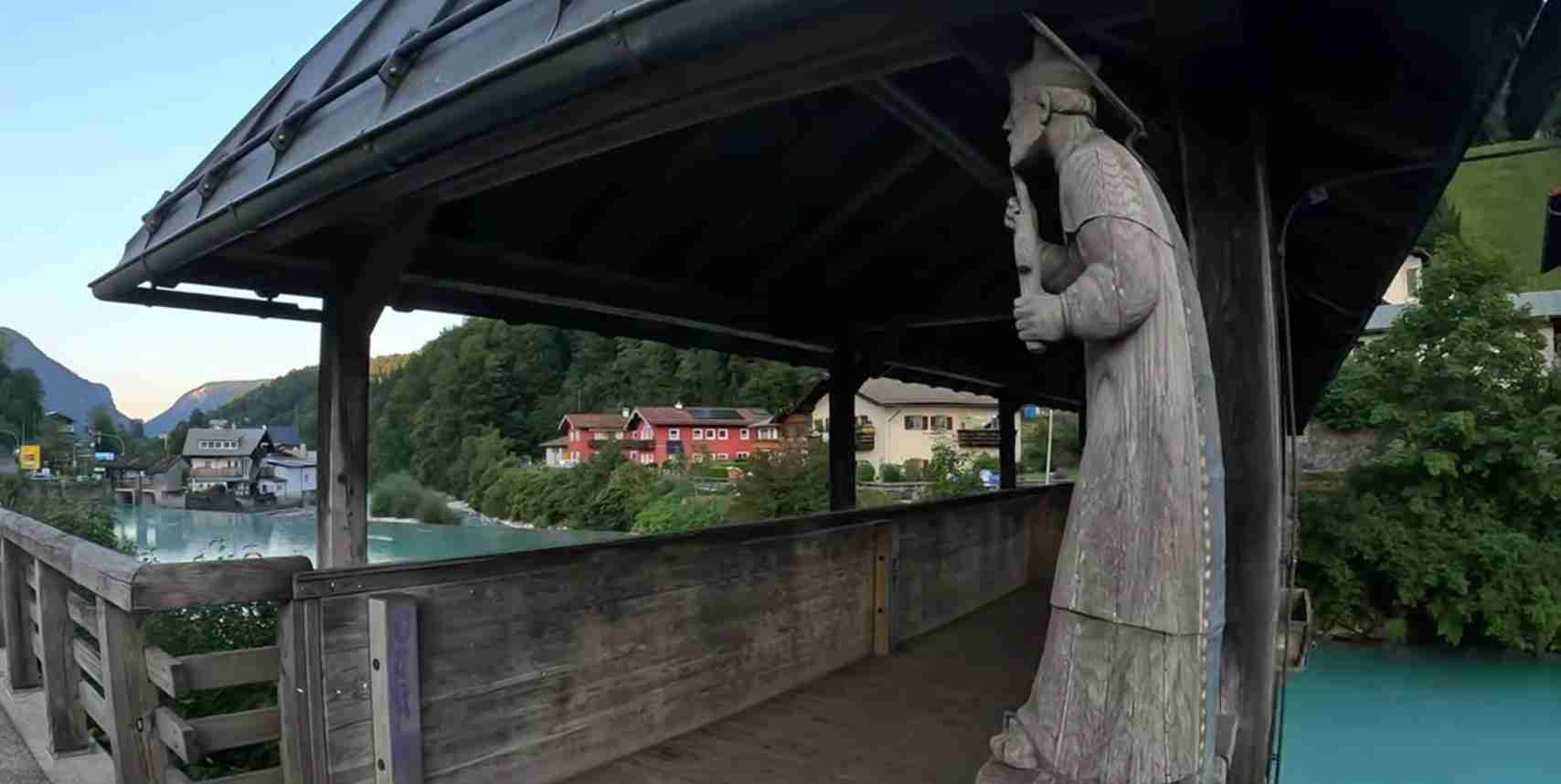
Berchtesgaden Day Trip from Munich 2026: Complete Planning Guide
Key Takeaways
- Berchtesgaden day trips from Munich cost €80-140 for organized tours in 2026, or €50-85 for independent visits using Bayern-Ticket train passes and local attractions
- The journey from Munich takes 2-2.5 hours by car or 2.5-3 hours by train, making Berchtesgaden accessible for full-day excursions departing 7:30-8:30 AM and returning 5:00-7:00 PM
- Prime attractions include Eagle’s Nest mountaintop retreat, Königssee emerald lake with electric boat cruises, Berchtesgaden salt mines with underground slides, and Obersalzberg documentation center covering World War II history
- Peak season (June-September 2026) brings 5,000-8,000 daily visitors requiring advance bookings for parking, Eagle’s Nest bus tickets, and popular attractions to avoid sold-out situations
- Combination tickets pairing 2-3 attractions save €15-25 versus individual bookings while organized tours eliminate parking stress and coordinate complex mountain access logistics
- Optimal weather windows occur June and September with 60-65% clear day probability, comfortable temperatures, and reduced crowds versus July-August peak season congestion
Introduction: Planning Your Berchtesgaden Day Trip from Munich in 2026
Berchtesgaden represents Bavaria’s crown jewel for Alpine beauty combined with profound historical significance, creating day trip opportunities unmatched elsewhere in southern Germany. Nestled in Germany’s southeastern corner where Bavaria meets Austria’s Salzburg region, this compact mountain town provides access to stunning natural landscapes, World War II memorial sites, and centuries-old cultural traditions. The concentration of world-class attractions within 10 kilometers creates efficient day trip itineraries maximizing limited time while minimizing transit between sites.
The region’s appeal extends beyond single-attraction focus, offering diverse experiences for varied interests. History enthusiasts gravitate toward Eagle’s Nest and Obersalzberg documentation center exploring Nazi period architecture and post-war memorial culture. Nature lovers prioritize Königssee lake cruises through pristine Alpine waterways and Watzmann mountain vistas from valley viewpoints. Adventure seekers choose salt mine tours descending into illuminated underground chambers via traditional wooden slides. Families balance multiple shorter attractions creating variety that sustains children’s engagement throughout long day trips.
Planning 2026 visits requires understanding seasonal access limitations, crowd management strategies, and the value proposition of organized tours versus independent exploration. Some attractions like Eagle’s Nest operate only May through October due to snow conditions, while Königssee boat services reduce frequency during shoulder season months. Peak summer crowds test patience at ticket offices and attraction entry points, making advance planning and strategic timing essential for smooth experiences. Whether joining organized tours or exploring independently, proper preparation transforms potentially stressful logistics into seamless alpine adventures.
Munich’s proximity to Berchtesgaden (150 kilometers, 2-2.5 hours driving) positions the destination perfectly for day trips, though the journey’s length requires early departures and late returns to maximize on-site time. Tour operators coordinate complex mountain access logistics including Eagle’s Nest special bus reservations and parking management at multiple venues. Independent travelers gain flexibility in timing and attraction selection but must research transportation connections, parking reservation systems, and attraction operating hours to optimize their limited day trip window.
People Also Ask About Berchtesgaden Day Trips from Munich 2026
How much does a Berchtesgaden day trip from Munich cost in 2026?
Organized Berchtesgaden tours from Munich cost €80-140 in 2026 depending on group size, transportation method, and included attractions. Check tour operator websites for current official rates as pricing varies by season and demand. Standard full-day coach tours cost €80-95 and include round-trip transportation, professional guide commentary, and coordination of mountain access logistics (though individual attraction admissions are typically separate). Small group tours in minivans cost €120-140 and offer more personalized experiences with flexible itineraries, hotel pickup service, and smaller participant numbers (8-12 versus 40-50 on coaches).
Independent visit costs break down as follows: Munich to Berchtesgaden train tickets using Bayern-Ticket passes cost €28-48 depending on group size (€28 for one person, €36 for two, €40 for three, €44 for four, €48 for five traveling together). Driving from Munich requires approximately 25 liters of fuel costing €40-50 round trip, plus parking fees of €6-10 at various attraction sites. Individual attraction admissions add significantly: Eagle’s Nest mountain bus costs €29.60, Königssee boat cruises cost €19.50-26.50 depending on route, salt mine entry costs €22, and Obersalzberg documentation center costs €6.
Total day trip budgets for independent visits range €70-120 per person visiting 2-3 attractions plus transportation and meals. Organized tours offering similar attraction access cost €95-140 but eliminate parking stress, provide expert historical commentary, and coordinate timing to minimize waits at popular sites. The value proposition shifts based on group size, with families of 3-5 saving €30-60 using Bayern-Ticket independent travel, while solo travelers find organized tours competitive or better value than independent coordination.
When is the best time to visit Berchtesgaden from Munich in 2026?
June and September 2026 offer optimal conditions for Berchtesgaden day trips with favorable weather (60-65% clear day probability), moderate crowds, and full attraction operating schedules. June brings comfortable temperatures of 20-25°C in the valley, spring wildflowers in alpine meadows, and longer daylight hours (sunset 9:00-9:15 PM) extending evening exploration options. September delivers spectacular fall foliage transforming hillsides into gold and crimson tapestries, stable weather patterns following summer storm season, and significantly reduced crowds as European school holidays end.
Peak summer months (July-August) bring maximum crowds with 5,000-8,000 daily visitors converging on Königssee, Eagle’s Nest, and salt mine attractions. Popular sites like Königssee boat dock and Eagle’s Nest bus station experience 1-2 hour waits during midday peak hours (11:00 AM-2:00 PM), while parking lots fill by 9:30-10:00 AM requiring overflow areas or circling for spaces. Weather remains warm (25-30°C valley temperatures) but brings afternoon thunderstorm risk of 45-50%, particularly impacting Eagle’s Nest mountain access and outdoor activities.
Shoulder season (May, October) presents weather trade-offs with 50-55% clear day probability and cooler temperatures (12-18°C) requiring warm layers. Eagle’s Nest operates limited hours in early May and late October with potential service cancellations due to late/early snow on the mountain road. Königssee boat services reduce departure frequency from every 15-20 minutes (summer) to every 30-45 minutes (shoulder season), extending total cruise times. However, dramatic crowd reductions and peaceful mountain experiences reward visitors accepting weather uncertainty.
Weekday visits outperform weekends by reducing crowds 40-50% across all attractions. Tuesday through Thursday represents the optimal window with minimal weekend overflow and before-weekend surge effects. Monday crowds include residual weekend visitors extending holidays, while Friday sees early weekend arrivals from nearby German and Austrian cities. German school holiday periods (varying by state but typically overlapping July-August) intensify crowds beyond normal summer levels, making June or September strategic choices for travelers with flexible scheduling.
Do you need advance bookings for Berchtesgaden day trips from Munich in 2026?
Yes, advance planning significantly improves Berchtesgaden day trip experiences in 2026, particularly during peak season (June-September). Organized tours require booking 2-4 weeks ahead for summer departures, with popular operators and optimal departure times selling out 4-6 weeks before travel dates. Last-minute availability exists for shoulder season (May, October) with 3-7 day booking windows, though weather uncertainty in these months makes earlier planning advisable for trip insurance purposes.
Independent visitors booking parking at popular sites need advance reservations during peak season. Königssee parking lots implement mandatory reservation systems on summer weekends and holidays through the Berchtesgaden tourism website (berchtesgaden.de), with spaces selling out by 8:00-9:00 AM for arrivals after 10:00 AM. Eagle’s Nest access via Obersalzberg documentation center parking requires similar reservations preventing on-site parking refusals. The online reservation systems open bookings 30 days in advance, with high-demand dates filling within hours of becoming available.
Individual attraction reservations vary by site. Eagle’s Nest mountain bus tickets sell first-come, first-served without advance booking options, though early arrival (before 10:00 AM) secures positions on buses avoiding midday waits. Königssee electric boats run continuously without reservations but experience 1-2 hour waits during 11:00 AM-2:00 PM peak windows. Salt mine tours operate on timed entry with advance online booking recommended for English-language departures, which sell out 1-2 weeks ahead during summer. Obersalzberg documentation center accepts walk-in visitors though guided bunker tours require advance reservation through the center’s website.
What’s the best Berchtesgaden day trip itinerary from Munich in 2026?
The optimal itinerary balances 2-3 major attractions within the realistic 8-10 hour window between Munich departure and return. Classic combinations include Eagle’s Nest plus Königssee boat cruise (historical and natural focus), salt mine plus Königssee (adventure and scenery), or Eagle’s Nest plus Obersalzberg documentation center (comprehensive World War II education). Attempting four attractions creates rushed experiences with insufficient time at each site, while single-attraction focus underutilizes the journey investment from Munich.
Morning priority goes to Eagle’s Nest when included in itineraries, as early arrival (9:00-10:00 AM at Obersalzberg) secures mountain bus positions before midday crowds. The 2-3 hour Eagle’s Nest visit (including bus transit, summit exploration, and return) completes by 12:00-1:00 PM, positioning visitors for afternoon Königssee cruises or salt mine tours. This sequence capitalizes on morning weather clarity for mountain views while afternoon activities provide backup options if clouds obscure Eagle’s Nest panoramas.
Königssee-focused itineraries prioritize early boat departures (9:00-10:00 AM) to St. Bartholomä chapel, avoiding midday crowds at the iconic red-domed pilgrimage site. The 90-minute round-trip cruise (35 minutes each way plus 20-30 minutes at St. Bartholomä) allows afternoon options for short hikes to Malerwinkel viewpoint, Obersee continuation boat ride, or Berchtesgaden town exploration. Königssee morning priority works particularly well for photographers seeking optimal light on the lake’s mirror-like surface before afternoon wind disturbs water clarity.
Flexible itineraries accommodate weather variability by having primary and backup plans. If morning clouds obscure Eagle’s Nest views, pivot to salt mine tours or documentation center visits saving mountain access for potential afternoon clearing. Königssee boat service suspends during high winds or thunderstorms, making indoor alternatives like salt mines or museums essential backup options. Organized tours coordinate these pivots automatically, while independent travelers benefit from researching multiple attraction operating hours and admission procedures before departure from Munich.
Extended multi-day tours – 5+ days
Featured Berchtesgaden Multi-Day Tour Packages
5 days
5 Days in Salzburg: History, Mountains, and City Highlights
- ✓ Comprehensive Berchtesgaden tour
- ✓ Expert local guides included
- ✓ All accommodation arranged
- ✓ Transportation provided
7 days
Prague and Munich in a week
- ✓ Comprehensive Berchtesgaden tour
- ✓ Expert local guides included
- ✓ All accommodation arranged
- ✓ Transportation provided
7 days
Lake Constance-Königssee Cycle Route: Munich – Salzburg with Luggage Transfer
- ✓ Comprehensive Berchtesgaden tour
- ✓ Expert local guides included
- ✓ All accommodation arranged
- ✓ Transportation provided
5 days
SalzAlpenSteig I incl. Luggage Transfer 5 Days
- ✓ Comprehensive Berchtesgaden tour
- ✓ Expert local guides included
- ✓ All accommodation arranged
- ✓ Transportation provided
Multi-day tour packages powered by TourRadar. Prices and availability subject to change.
Essential Planning Information 2026
Understanding Berchtesgaden Geography and Access
Berchtesgaden sits in a unique geographical position nearly surrounded by Austrian territory, with Germany’s border creating a narrow corridor connecting the town to the rest of Bavaria. This positioning means some routes from Munich traverse briefly through Austria (requiring valid passports for non-EU citizens) though primary roads remain within German territory. The compact valley floor concentrates most attractions within 10 kilometers, minimizing driving between sites while dramatic mountain walls rising 2,000+ meters create spectacular backdrops.
Major attractions cluster in three geographical zones. The northern zone includes Obersalzberg documentation center and Eagle’s Nest access point, situated 3 kilometers above Berchtesgaden town at 1,000 meters elevation. The central zone encompasses Berchtesgaden town center with shops, restaurants, and tourist services at 500-600 meters elevation. The southern zone features Königssee lake at 603 meters elevation, located 5 kilometers south of town center, and salt mines entrance 2 kilometers northwest of Königssee. This distribution creates logical touring circuits minimizing backtracking while maintaining efficient movement between attraction categories.
Parking infrastructure varies significantly by site. Obersalzberg documentation center offers 300+ spaces with mandatory online reservation during peak season, located 200 meters downhill from the main complex with shuttle bus service to entry. Königssee parking provides 1,500 spaces in multiple lots along Königsseestraße, also requiring peak-season reservations through the same Berchtesgaden tourism website portal. Salt mine parking accommodates 400 vehicles on first-come, first-served basis (no reservations) though fills by 10:00-11:00 AM summer days. Berchtesgaden town center features metered street parking and two municipal parking garages charging €1.50-2.50 per hour.
Current Costs and Pricing Breakdown for 2026
Transportation costs from Munich vary significantly between driving and train options. Driving requires approximately 25 liters of fuel costing €40-50 round trip based on €1.60-2.00 per liter pricing, plus tolls if using Austrian routes (€11.50 digital vignette for 10-day minimum purchase). Bayern-Ticket train passes cost €28 for one person, with additional travelers adding €8 each up to five total (€36 for two, €40 for three, €44 for four, €48 for five people). The Bayern-Ticket covers all regional trains plus local buses in Berchtesgaden, providing comprehensive transportation value for groups.
Attraction admission fees require strategic budgeting as costs accumulate quickly across multiple sites. Eagle’s Nest mountain bus costs €29.60 including elevator access to the summit building. Check the official Kehlsteinhaus website for current rates as pricing may vary. Königssee electric boat cruises to St. Bartholomä cost €19.50 round trip, with extended cruises to Obersee costing €26.50 for the complete lake circuit. Salt mine admission costs €22 for adults including the 1-hour guided tour through underground chambers. Obersalzberg documentation center charges €6 for self-guided access or €15 for guided tours including bunker system visits.
Parking fees add €6-10 to daily budgets depending on duration and location. Obersalzberg documentation center charges €6 for all-day parking with advance online reservation. Königssee lots cost €8 for full-day access during peak season, €6 during shoulder season. Salt mine parking remains free though donation boxes encourage €2-3 contributions toward facility maintenance. Berchtesgaden town center parking garages charge €1.50-2.50 per hour with €12-15 daily maximums for extended stays.
Meal costs vary by dining venue selection. Quick bakery lunches cost €6-10 for sandwiches and beverages, casual restaurants charge €12-18 for daily specials and traditional dishes, while sit-down gasthaus meals with full service run €18-28 per person. Mountain restaurants at Eagle’s Nest and Königssee St. Bartholomä chapel charge premium prices (€20-35 for main courses) reflecting remote locations and limited competition. Budget-conscious visitors pack picnic lunches from Munich supermarkets (€8-12 for complete meals) saving €15-25 per person while enabling flexible outdoor dining at scenic locations.
Best Time to Visit Berchtesgaden from Munich in 2026
Seasonal Analysis for 2026 Planning
May 2026 launches the tourist season with wildflower blooms transforming alpine meadows, comfortable temperatures of 15-22°C in valleys, and minimal crowds following winter closure periods. Eagle’s Nest begins operations mid-May (typically around May 15-20) once snow clears from the mountain access road, while Königssee boats increase service frequency from winter minimums to shoulder season schedules. Rain probability sits at 40-45% with occasional late-season snow above 1,500 meters requiring flexible scheduling and waterproof gear. Tourism infrastructure ramps up gradually with some seasonal restaurants and services opening mid-month rather than May 1.
June represents the sweet spot between shoulder season accessibility and peak season crowding. Weather stabilizes with 60-65% clear day probability, comfortable valley temperatures of 20-25°C, and extended daylight hours (sunrise 5:15 AM, sunset 9:00 PM) maximizing exploration time. Alpine flowers peak in late June creating spectacular meadow displays, while higher elevation snow melts expose mountain trails for hiking. Crowds remain manageable compared to July-August peaks, with advance booking windows shortening to 1-2 weeks for most attractions versus summer’s 4-6 week requirements. Water temperatures in Königssee reach 15-18°C, still quite cold but tolerable for brave swimmers at designated beach areas.
July and August constitute peak season with maximum 25,000-30,000 weekly visitors creating substantial pressure on infrastructure and attractions. Valley temperatures reach 25-30°C with mountain summits providing cooler respites at 18-22°C. Afternoon thunderstorm probability peaks at 45-50% with electrical activity typically beginning 2:00-3:00 PM, making morning activities strategically important. Parking lots fill by 9:00-10:00 AM requiring overflow areas or circling for spaces. Eagle’s Nest, Königssee boats, and salt mines experience maximum capacity conditions with 1-2 hour waits during midday peaks (11:00 AM-2:00 PM). Despite crowding challenges, warm weather enables full outdoor activity access including swimming, extended hiking, and comfortable summit exploration.
September delivers post-summer excellence with stable weather (60% clear day probability), spectacular fall foliage beginning mid-month, and dramatically reduced crowds as European school vacations end. Valley temperatures drop to comfortable 18-24°C daytime highs with 8-12°C morning temperatures requiring layers. Mountain summits cool to 12-18°C necessitating warm jackets even during sunny afternoons. Tourism pressure decreases 40-50% from August peaks, restoring peaceful mountain experiences and reducing wait times to 15-30 minutes even during midday hours. Advance booking windows extend to 1-2 weeks for tours and accommodations, while attraction tickets become available with shorter notice.
October presents shoulder season conditions with increasing weather uncertainty (50% precipitation probability) and cooler temperatures (12-18°C valleys, 5-12°C summits). Eagle’s Nest reduces operating hours with last bus departures at 2:00-3:00 PM versus summer’s 4:00 PM cutoff, and faces periodic service cancellations when early snow or ice affects the mountain road. Königssee boat schedules reduce to hourly departures rather than continuous summer service. Fall colors peak in early October creating spectacular photography opportunities, though leaf drop accelerates by mid-month. Crowds thin to minimal levels with tour availability on 3-5 day notice, though many operators reduce October departure frequency or discontinue service for the final weeks before winter.
Weather Patterns and Crowd Predictions for 2026
Alpine weather creates localized microclimates requiring multi-elevation preparation. Valley floor temperatures at Berchtesgaden (500m) run 8-10°C warmer than Königssee (603m) and 12-15°C warmer than Eagle’s Nest summit (1,834m). A comfortable 25°C valley day translates to 15-17°C at Königssee and 10-13°C at Eagle’s Nest, meaning layered clothing proves essential even during summer heat. Wind exposure intensifies perceived cold at exposed mountain locations, adding 3-5°C wind chill effect to actual temperature readings.
Daily weather patterns show clear mornings (8:00-11:00 AM) with cloud formation beginning around midday, particularly during summer months. Mountain peaks visible 100+ kilometers on exceptional clarity mornings become obscured by afternoon cloud buildup, though not necessarily producing precipitation. Thunderstorm development follows predictable summer patterns with cumulus clouds building noon-1:00 PM, electrical activity beginning 2:00-3:00 PM, and storm dissipation 5:00-6:00 PM. Morning-weighted itineraries prioritizing weather-dependent activities like Eagle’s Nest and Königssee boat cruises before 1:00 PM maximize clear condition windows.
Precipitation varies dramatically by season with May-June bringing 40-45% rain probability, July-August increasing to 50-55%, September moderating to 40%, and October rising to 55-60%. However, Alpine precipitation tends toward brief intense storms rather than all-day drizzle, meaning waterproof layers and flexible timing allow most activities to proceed despite some wet weather. Snow above 1,500 meters occurs regularly in May and October, occasionally in September, and rarely in June-August except during unusual cold fronts. Eagle’s Nest bus service suspends during active thunderstorms but typically resumes 30-90 minutes after storm passage.
Crowd patterns peak Saturday-Sunday with 50-70% higher visitor numbers than weekdays. German and Austrian visitors from nearby cities join international tourists on weekends, creating bottlenecks at ticket offices, parking lots, and attraction entries. Tuesday-Thursday represents optimal weekday timing with 35-45% lower visitor volumes than Monday or Friday. Morning crowds (9:00-11:00 AM) concentrate at Eagle’s Nest and popular Königssee boat departures, while afternoon distribution spreads across more attractions as some visitors depart and others arrive. Late afternoon (3:00-5:00 PM) offers peaceful experiences at less time-sensitive attractions like Obersalzberg documentation center and Berchtesgaden town exploration.
Transportation Guide 2026
Organized Tour Transportation Options
Full-day tours from Munich operate via comfortable coaches accommodating 40-50 passengers with climate control, reclining seats, onboard restrooms, and WiFi service during the 2-hour journey. Standard departure points include Munich Hauptbahnhof main entrance, major city center hotels, or dedicated tour company offices near Karlsplatz/Marienplatz. Tours coordinate 7:30-8:30 AM departures arriving Berchtesgaden 9:30-10:30 AM to secure early attraction access before peak crowds. Return journeys depart Berchtesgaden 5:00-6:00 PM, arriving Munich 7:00-8:00 PM accounting for evening traffic through southern suburbs.
The Munich to Berchtesgaden route follows the A8 Autobahn southeast toward Salzburg, exiting at Bad Reichenhall for the final scenic approach through mountain valleys. Coaches stop for 10-15 minute rest breaks at highway service areas approximately 90 minutes into the journey, providing restroom access and snack purchase opportunities. Professional drivers navigate efficiently while guides provide historical commentary about Bavaria, the Berchtesgaden region, and preview upcoming attractions during transit time.
Small group tours limit capacity to 8-12 participants using minivans or luxury Mercedes Sprinter vehicles. Enhanced services include hotel pickup throughout Munich city center, eliminating meeting point navigation stress for participants. Flexible itineraries enable photo stops at scenic viewpoints, additional attraction visits beyond standard coach tour inclusions, and timing adjustments based on group preferences and weather conditions. The intimate group size facilitates better guide interaction, personalized attention to questions, and faster movement through attractions without managing large coach groups.
Combination tours package Berchtesgaden with nearby Salzburg (Austria) for two-country day trips. These extended itineraries depart Munich at 7:00-7:30 AM and return 8:00-9:00 PM, splitting time between Berchtesgaden’s natural attractions and Salzburg’s baroque architecture and Sound of Music locations. The geographic proximity (Salzburg sits 20 kilometers from Berchtesgaden) enables efficient routing, though combined itineraries necessarily reduce time at each destination compared to Berchtesgaden-only focus.
Independent Transportation Planning
Regional train connections from Munich Hauptbahnhof to Berchtesgaden Hauptbahnhof depart hourly using Bayern-Ticket passes valid on all regional trains. The route requires one transfer at Freilassing station (near Austrian border) with total journey time 2.5-3 hours depending on connection timing. Optimal morning departures at 6:00-7:00 AM arrive Berchtesgaden 8:30-9:30 AM, positioning travelers for early attraction access. Return trains depart Berchtesgaden 5:00-7:00 PM arriving Munich 7:30-10:00 PM, with later departures enabling extended evening exploration.
Bayern-Ticket economics strongly favor groups over solo travelers. The base ticket costs €28 for one person, with each additional traveler adding only €8 (€36 for two, €40 for three, €44 for four, €48 for five maximum). A couple saves €20 versus individual tickets, while a family of four saves €68-92 compared to standard fares. The ticket includes unlimited regional train travel throughout Bavaria plus local buses in Berchtesgaden, providing exceptional value for multi-person groups willing to coordinate schedules.
From Berchtesgaden train station, local buses connect to major attractions. Bus 841 serves Königssee (15 minutes, €2.80 single fare), bus 838 reaches Obersalzberg documentation center and Eagle’s Nest access (15 minutes, €2.80 single), and bus 840 serves salt mine entrance (10 minutes, €2.20 single). Buses coordinate with incoming trains during peak season, operating every 20-30 minutes throughout the day. Bayern-Ticket holders ride these local buses free, eliminating additional fare costs and simplifying logistics for train travelers.
Driving from Munich follows the A8 Autobahn 150 kilometers to the Berchtesgaden exit, with 2-2.5 hour travel time under normal conditions. Weekend and holiday traffic extends drive times to 2.5-3 hours, particularly during summer months when recreational traffic to Bavarian lakes and mountains peaks. The final approach from the autobahn winds through scenic mountain valleys on well-maintained roads, though curves and gradients require attentive driving. Navigation apps like Google Maps or Waze provide reliable routing and real-time traffic updates, though mountain areas occasionally experience GPS signal degradation in deep valleys.
Rental car options from Munich airport or city center provide flexibility for families or groups wanting door-to-door control. Compact cars cost €40-60 per day, mid-size vehicles €60-80, and minivans €100-140 for groups of 6-8 people. Fuel costs (€40-50 round trip) add to rental fees, though total costs remain competitive with multiple train tickets for groups of 3+. Rental agreements require checking coverage for Austria transit if using routes passing briefly through Austrian territory near Salzburg.
Sample 2026 Itineraries
Classic Eagle’s Nest and Königssee Day Trip
7:30 AM: Depart Munich by organized tour coach or independent train from Hauptbahnhof. Coach tours provide onboard historical commentary about Bavaria and the Berchtesgaden region during the 2-hour journey. Independent train travelers use transit time to read guidebooks, enjoy countryside views, or rest before the active day ahead. Bayern-Ticket holders show tickets to conductors checking fares during the journey.
9:30-10:00 AM: Arrive Berchtesgaden area and proceed to Obersalzberg for Eagle’s Nest access. Organized tours park at the documentation center lot using pre-arranged reservations, while independent drivers with advance parking bookings scan QR codes at entry gates. Train travelers board local bus 838 from Berchtesgaden Hauptbahnhof (covered by Bayern-Ticket), enjoying the 15-minute climb through mountain scenery to Obersalzberg. All visitors converge at the ticket office for Eagle’s Nest mountain bus access (€29.60 round trip).
10:00-10:30 AM: Board special mountain bus for the dramatic 15-minute ascent to Eagle’s Nest tunnel entrance. The narrow road features five tunnels blasted through solid rock and 27 hairpin turns providing vertiginous views down the mountainside. Guides or audio commentary explain construction history, detailing how 3,000 workers spent 13 months building the route using primitive 1930s equipment and massive quantities of dynamite. Photography opportunities abound during the ascent, though motion from moving bus challenges sharp image capture.
10:30 AM-1:00 PM: Explore Eagle’s Nest summit building, surrounding mountain trails, and panoramic viewing areas. Begin with the famous brass-lined elevator ride ascending 124 meters through solid rock, emerging into the restored historical building at 1,834 meters elevation. The main hall features the massive marble fireplace gifted by Mussolini, interpretive displays about the site’s Nazi origins, and multiple viewing windows showcasing Alpine panoramas. Walk the ridge trails extending from the building for different perspective angles, identifying distant peaks across Germany, Austria, and Switzerland on clear days.
Lunch at the Eagle’s Nest summit restaurant provides traditional Bavarian cuisine with unprecedented views. Main courses €18-28 include regional specialties like roast pork, schnitzel, Bavarian sausages, and local trout. Lighter options of soups and salads cost €8-12. Window seating offers optimal mountain vistas though all tables provide spectacular backgrounds. The outdoor terrace operates during favorable weather, enabling alfresco dining at nearly 2,000 meters elevation with crisp mountain air and soaring eagles occasionally visible overhead.
1:00-1:30 PM: Descend via special bus returning to Obersalzberg base. Buses depart every 25-30 minutes providing flexibility for visitors to control their summit duration based on personal interests and weather conditions. The descent offers different lighting perspectives of the mountain road with afternoon sun illuminating features shadowed during morning ascent. Brief exploration of Obersalzberg grounds provides orientation to the former Nazi complex layout, with outdoor interpretive panels explaining building locations and historical context.
2:00 PM: Transit to Königssee (5 kilometers, 10-15 minutes by car or bus). Independent travelers board local bus 841 from Obersalzberg or Berchtesgaden center to Königssee boat dock. Parking requires using the reserved spaces booked through the Berchtesgaden tourism website, with confirmation QR codes scanned at lot entrances. The approach road descends through forests offering glimpses of the emerald lake before arriving at the bustling waterfront area with boat docks, restaurants, and tourist facilities.
2:00-4:00 PM: Königssee electric boat cruise to St. Bartholomä chapel and return. Purchase tickets (€19.50 round trip) at the waterfront ticket office, boarding the silent electric boats designed to minimize noise pollution in the pristine mountain environment. The 35-minute outbound cruise passes towering limestone cliffs rising 1,500 meters directly from the water, with boat captains demonstrating the famous Echowand trumpet echo approximately halfway to St. Bartholomä. The traditional alpine horn echo resounds off the vertical rock face, creating ethereal natural acoustics.
St. Bartholomä chapel provides 20-30 minutes for photography of the iconic red-domed pilgrimage church against mountain backdrops, short walks along the shoreline, or refreshments at the chapel restaurant (€15-25 for snacks and beverages). The setting delivers quintessential Bavarian Alpine scenery with the baroque chapel architecture contrasting against raw mountain wilderness. Return boat cruises depart every 20-30 minutes, with the final departure from St. Bartholomä typically at 5:00-5:30 PM during peak season.
4:30 PM: Optional brief Berchtesgaden town exploration for visitors with energy and interest. The historic town center features traditional Bavarian architecture, mountain sports equipment shops, souvenir stores, and cafes serving afternoon coffee and cake. The parish church displays baroque interior decorations, while the pedestrian zone offers browsing opportunities for woodcarvings, crystals, and local specialties. Most independent travelers preparing for train departures use this time for restroom breaks, snack purchases, or relaxation before the journey back to Munich.
5:00-5:30 PM: Depart Berchtesgaden area. Organized tours board coaches for the 2-hour Munich return. Independent train travelers walk to Berchtesgaden Hauptbahnhof (10 minutes from town center) for evening departures between 5:00-7:00 PM. The return journey provides reflection time about the day’s experiences while watching the mountain landscape recede as trains or coaches head north toward Munich.
7:00-8:00 PM: Arrive Munich, concluding the comprehensive Berchtesgaden day trip. Evening hours allow for dinner at Munich restaurants, processing the day’s photographs, or rest at accommodations preparing for following day activities.
Daily Cost Breakdown: Eagle’s Nest bus €29.60, Königssee boat €19.50, lunch at Eagle’s Nest €20-35, snacks and beverages €8-12, transportation (organized tour €80-95 or independent Bayern-Ticket €28-48 depending on group size). Total day cost: €138-172 per person for organized tours, or €105-145 per person for independent visits (excluding accommodation).
Salt Mine Adventure and Königssee Nature Focus
7:30 AM: Early departure from Munich by car or first available Bayern-Ticket train (6:00 AM departure arriving Berchtesgaden 8:30 AM). The early start enables first-entry positioning at the salt mine before crowds accumulate. Driving requires 2-2.5 hours, arriving at salt mine parking by 9:30-10:00 AM. Train travelers transit from Berchtesgaden Hauptbahnhof to salt mine entrance via local bus 840 (10 minutes, covered by Bayern-Ticket).
10:00 AM-12:00 PM: Berchtesgaden salt mine underground tour experience. Purchase admission (€22 adults) at the modern entrance building, receiving white salt miner coveralls to protect clothing during the adventure. The guided tour descends 400 meters into illuminated underground chambers, featuring two wooden slides (the longest measures 34 meters) transporting visitors between levels in traditional miner fashion. Children particularly enjoy the slides, squealing with delight during the rapid descents.
Underground highlights include the mirror lake with boat crossing, illuminated salt cathedral chamber, and multimedia presentations about salt mining history dating to 1517. The temperature maintains constant 12°C requiring the provided coveralls for warmth during the 1-hour underground portion. English-language tours depart at scheduled times (typically 10:00 AM, 11:30 AM, 1:00 PM, 2:30 PM in summer), with advance online booking recommended to guarantee preferred departure slots.
Exit through the salt mine shop showcasing various salt products, bath salts, sole beverages, and salt-based cosmetics. The panoramic terrace above the entrance building offers mountain views and facilities for snacks before continuing the day’s adventures. The salt mine experience provides unique adventure combining education, entertainment, and physical activity appealing to families and adventure-seekers.
12:30-1:30 PM: Lunch at Berchtesgaden town restaurants or picnic at Königssee waterfront. Town restaurants serve traditional Bavarian dishes (€12-18 for daily specials, €18-25 for full meals) including hearty mountain fare like goulash soup, roast pork, and apple strudel. Budget-conscious visitors purchase bakery sandwiches (€6-10) or bring packed lunches from Munich, enjoying outdoor dining at Königssee beach areas with spectacular lake views as backdrop.
2:00-5:00 PM: Extended Königssee exploration with boat cruise options and shoreline activities. Standard boat cruises to St. Bartholomä (€19.50) provide the classic experience, while adventurous visitors extend to Obersee (€26.50 total) for the complete lake circuit reaching the southern wilderness areas. The Obersee extension adds 45 minutes to total cruise time, accessing pristine mountain scenery with the dramatic Röthbach waterfall cascading 400 meters from high cliffs.
Alternative land-based activities include the Malerwinkel (Painter’s Corner) shoreline walk, a 20-minute path from the main boat dock offering postcard-perfect lake views without boat cruise costs. This gentle trail suits families with young children or budget travelers prioritizing scenery over boat rides. The viewpoint features interpretive panels explaining Königssee’s glacial formation and protected national park status prohibiting motorized boats to preserve pristine water quality.
Late afternoon timing (3:00-5:00 PM) at Königssee provides softer light ideal for photography, reduced crowds versus midday peaks, and peaceful shoreline experiences as day-trippers begin departing. Designated swimming areas allow brave visitors to test the frigid alpine water (15-18°C even in summer), while beach areas provide relaxation spots for contemplating the mountain panoramas.
5:30 PM: Begin return journey to Munich. Drivers navigate back through mountain valleys to the A8 Autobahn, while train travelers board from Berchtesgaden Hauptbahnhof for evening departures. The combination of salt mine adventure and Königssee natural beauty delivers varied experiences balancing activity, education, and scenic appreciation within the day trip timeframe.
8:00 PM: Arrive Munich after full day immersed in Berchtesgaden’s adventure and natural attractions.
Daily Cost Breakdown: Salt mine admission €22, Königssee boat cruise €19.50-26.50 (depending on route), lunch €12-25, snacks and beverages €8-12, transportation (driving fuel and parking €50-60 or Bayern-Ticket €28-48). Total day cost: €112-154 per person for independent visits (excluding accommodation).
Booking and Reservations 2026
Tour Operator Selection and Booking Process
Major tour operators serving Munich to Berchtesgaden routes include Gray Line Munich, Radius Tours, Mike’s Bike Tours, GetYourGuide partnerships, and Viator marketplace listings. Research operator reviews focusing on guide expertise (particularly World War II historical knowledge), punctuality managing complex multi-attraction timing, and flexibility handling weather-related disruptions or attraction closures. Review platforms like TripAdvisor, Google Reviews, and GetYourGuide ratings provide authentic feedback from recent participants identifying consistently excellent operators versus those with service inconsistencies.
Booking windows for peak season (July-August) require 3-4 week advance reservations to secure preferred dates and departure times. Early morning departures (7:30-8:00 AM) sell out first due to advantages for weather windows and crowd avoidance, while mid-morning departures (9:00-9:30 AM) remain available closer to travel dates. Shoulder season booking (May-June, September-October) shortens to 1-2 weeks ahead, with occasional last-minute availability offering discounted rates within 72 hours of departure for flexible travelers.
Online booking systems provide instant confirmation via email with mobile-compatible tickets, eliminating paper voucher requirements. Payment processing accepts major credit cards (Visa, Mastercard, American Express) with secure encryption, while some European operators offer SEPA bank transfer or PayPal options. Cancellation policies typically allow full refunds for cancellations 48-72 hours before departure, partial refunds (50-75%) for 24-48 hour notice, and minimal or no refunds for same-day cancellations. Travel insurance covering trip interruption costs €12-20 for single-day coverage, protecting against illness, flight delays, or family emergencies requiring trip abandonment.
Confirmation emails include critical logistics details: precise meeting point location with GPS coordinates and landmark descriptions (particularly important in busy Munich Hauptbahnhof where multiple operators congregate), departure time with recommended early arrival (typically 15 minutes before), emergency contact numbers for day-of-trip communication, and what-to-bring lists (comfortable shoes, weather layers, water bottles, cameras, passports for potential Austrian border crossings). Read confirmations thoroughly to avoid meeting point confusion that could cause missing departures.
Independent Booking Coordination
Independent travelers coordinate multiple booking components: transportation (train tickets or rental car), parking reservations at Königssee and Obersalzberg, attraction pre-bookings where available, and contingency planning for weather disruptions. Begin with Deutsche Bahn website (bahn.de) or DB Navigator mobile app for train ticket purchases, booking Bayern-Ticket passes valid for travel date. Digital tickets load directly to smartphones eliminating printing requirements and reducing lost-ticket risks.
Parking reservations require advance planning during peak season. The Berchtesgaden tourism website (berchtesgaden.de) operates centralized reservation systems for both Königssee and Obersalzberg lots. Create user accounts before slots open (30 days in advance for peak dates) to streamline booking when spaces release. The system allows 10-minute holds before releasing unpurchased reservations back to availability, creating time pressure during high-demand date bookings. Confirmation emails include QR codes for parking gate access, stored in smartphones or printed as backups.
Attraction pre-bookings vary by site. Salt mine tours benefit from advance reservation through the official Salzbergwerk Berchtesgaden website, guaranteeing English-language departure times (typically 10:00 AM, 11:30 AM, 1:00 PM, 2:30 PM in summer). Eagle’s Nest mountain buses sell tickets at Obersalzberg without advance reservations, operating first-come, first-served though early arrival (before 10:00 AM) secures positions avoiding midday waits. Königssee boats run continuously without reservations, though 1-2 hour midday waits occur during peak summer hours.
Obersalzberg documentation center guided tours (€15 including bunker access) require advance booking through the documentation center website for timed entries, though self-guided admission (€6) accepts walk-in visitors. English-language bunker tours operate limited schedules (typically 11:00 AM and 2:00 PM daily in summer) with 20-person capacity limits necessitating advance reservation for guaranteed access.
Money-Saving Strategies 2026
Budget Optimization Techniques
Bayern-Ticket group passes deliver the single largest savings opportunity for train travelers. The ticket costs €28 for one person but adds only €8 per additional traveler up to five total, creating dramatic value improvements for couples and families. Two people save €20 (€36 total versus €56 for individual tickets), three people save €44 (€40 versus €84), four people save €68 (€44 versus €112), and five people save €92 (€48 versus €140). Groups of 3+ find independent train travel more economical than organized tours while maintaining scheduling flexibility.
Packed lunch strategies eliminate €15-30 restaurant meal costs per person, with Munich supermarkets and bakeries providing excellent picnic supplies. Comprehensive picnic provisions including sandwiches, fruit, beverages, and snacks cost €8-12 per person, saving €10-20 versus budget restaurant meals or €25-40 versus mountain restaurant dining. Designated picnic areas at Königssee waterfront, Eagle’s Nest ridge trails, and Berchtesgaden town parks offer scenic outdoor dining without facility costs. This approach particularly benefits families where meal costs multiply by 3-5 people, saving €60-150 total versus restaurant dining throughout the day.
Attraction prioritization allows budget allocation to highest-value experiences. Eagle’s Nest (€29.60) and Königssee cruise (€19.50) deliver exceptional scenery and unique experiences justifying premium prices, while Obersalzberg documentation center (€6) provides outstanding historical education at budget-friendly rates. Salt mine tours (€22) offer good value for adventure-seekers but can be skipped by visitors prioritizing natural scenery over underground attractions, saving admission costs for budget-constrained travelers.
Shoulder season visits in May, June, September, or October reduce accommodation costs by 30-40% versus July-August peaks if extending the trip overnight. Munich hotel rates drop from €150-200 (summer) to €90-130 (shoulder season) for mid-range properties, while Berchtesgaden area accommodations decrease from €120-180 to €75-110 for comparable quality. Day trip budgets remain similar year-round as attraction prices and transportation costs show minimal seasonal variation, but overnight extensions capture substantial accommodation savings during off-peak periods.
Advanced Booking Benefits and Discount Opportunities
Early booking discounts reward planning ahead with 10-15% savings for tours reserved 6+ weeks before departure. A €95 standard tour drops to €81-86 with early bird pricing, representing €9-14 savings per person or €36-56 for family of four bookings. Major operators publish early booking windows clearly on websites, with discount codes applied automatically or requiring manual entry during checkout. Monitor operator websites or subscribe to email newsletters announcing promotional periods offering enhanced discounts.
Combination tickets bundling multiple attractions save €5-15 versus individual bookings. The Berchtesgaden Gästekarte (visitor card) provided by area accommodations includes public bus transportation and discounts on various attractions, though requires overnight stays to qualify. Eagle’s Nest and documentation center combination tickets cost €33-35 (versus €35.60 separately), while some operators offer packages combining Königssee boats with salt mine entry at reduced total costs.
Last-minute deals occasionally materialize for flexible travelers able to depart on short notice. Tour operators with unsold capacity within 72 hours of departure sometimes discount 15-25% to fill seats, though availability proves unpredictable. This strategy works only for travelers with completely flexible schedules and backup plans if preferred dates show no discounts. Monitor tour operator websites, GetYourGuide “last-minute” categories, and Viator deals sections for potential savings opportunities.
Group discounts benefit private tour bookings for families or friend groups. Private tour costs of €600-800 for 6-8 people translate to €75-133 per person, competitive with standard coach tours while delivering private vehicle comfort, customized timing, and personalized guide attention. Private tours eliminate fixed departure schedules, allowing flexible start times and attraction sequences based on group preferences and weather forecasts optimizing the experience.
Planning Your 2026 Visit
What to Bring and Physical Preparation
Layered clothing systems account for elevation changes and variable mountain weather. Start with moisture-wicking base layers, add insulating mid-layers (fleece or light down jackets), and finish with waterproof outer shells protecting against rain and wind. Temperature differences of 8-15°C between valley floor and mountain summits require adaptable clothing enabling additions or removals based on current location. Summer visits need lighter layers with waterproof rain jackets, while shoulder season (May, October) demands winter-weight jackets and gloves for summit conditions.
Comfortable walking shoes with good traction handle mixed surfaces including paved walkways, gravel paths, boat docks, and occasional rocky sections. Low-top hiking shoes or supportive athletic shoes provide adequate grip and support without the bulk of full hiking boots. Avoid fashion footwear or sandals lacking traction, particularly at Königssee shoreline areas where wet rocks create slippery conditions. Waterproof or quick-dry shoes benefit travelers visiting during rainy periods or walking shoreline trails.
Sun protection intensifies at alpine elevations with UV radiation 15-20% stronger than sea level. Apply SPF 30+ sunscreen to all exposed skin even during cloudy conditions, as UV penetrates cloud cover effectively at elevation. Sunglasses with UV400 protection prevent eye strain and long-term UV damage, while wide-brimmed hats provide facial and neck shading. The combination of altitude, reflective water surfaces at Königssee, and extended outdoor exposure demands diligent sun protection to prevent painful burns and premature skin aging.
Water bottles (1-2 liters capacity) enable hydration throughout the active day, with refill opportunities at restaurant facilities and public fountains in Berchtesgaden town. Mountain air’s lower humidity increases fluid requirements even during moderate activity levels, making consistent hydration essential for maintaining energy and preventing altitude headaches. Reusable bottles reduce plastic waste while saving €2-4 per bottle versus purchasing drinks at mountain restaurants where prices reflect remote locations.
Photography Equipment and Techniques
Wide-angle lenses (16-35mm) excel for capturing Königssee lake panoramas, mountain valley landscapes, and architectural interiors at documentation center and Eagle’s Nest building. Standard zoom lenses (24-70mm) provide versatility for general tourist photography without carrying multiple lens options. Telephoto lenses (70-200mm) compress distant mountain peaks for dramatic landscape compositions and enable wildlife photography of eagles or alpine birds without disturbing natural behaviors.
Smartphone cameras produce excellent results for casual photography, with modern computational photography matching entry-level cameras for standard tourist snapshots. Optimize phone photography by cleaning lenses before shooting, using HDR mode for high-contrast mountain scenes, and enabling grid overlays for composition alignment. The convenience of always-available phone cameras often produces better results than dedicated cameras left in bags due to carrying inconvenience.
Polarizing filters reduce glare from Königssee water surface and enhance sky saturation, creating more dramatic landscape images. Lightweight travel tripods enable long exposure photography of waterfalls and low-light interior shots, though must be carried throughout the day including boat rides and bus transfers. Consider compact mini-tripods offering adequate stability for smartphone photography without full-size tripod bulk.
Optimal lighting occurs during morning hours (8:00-11:00 AM) with clear directional sunlight illuminating mountain features, and late afternoon (4:00-6:00 PM) when golden hour light creates warm tones. Midday harsh overhead lighting produces flat images with strong shadows, making morning and evening photography sessions preferable for quality results. Overcast conditions provide soft diffused light ideal for forest photography and architectural detail shots, though reducing dramatic mountain panorama impact.
Safety Considerations and Emergency Protocols
Mountain weather changes rapidly requiring vigilance for deteriorating conditions. Thunderstorms develop with minimal warning during summer afternoons, bringing lightning risk to exposed mountain terrain. Seek shelter in buildings or vehicles during electrical activity, avoiding isolated trees, metal objects, and open ridge positions. Eagle’s Nest bus service suspends during active storms, with resumption typically 30-90 minutes after weather clearing though severe storms may force longer closures.
Emergency services in Germany respond via 112 universal emergency number, dispatching mountain rescue, medical services, or police as situations require. English-speaking operators provide assistance coordinating appropriate emergency response. Travel insurance covering medical evacuation and emergency treatment costs €15-25 for single-day coverage, protecting against expensive mountain rescue operations (€500-2,000+) or medical treatments for accidents or sudden illness.
Altitude effects remain minimal at Berchtesgaden elevations (Eagle’s Nest summit at 1,834 meters) though individuals with heart conditions, respiratory issues, or pregnancy should consult medical professionals before undertaking mountain visits. Mild symptoms like slight breathlessness during exertion or elevated heart rate represent normal altitude responses, typically resolving within 30 minutes as bodies adjust. Severe headaches, nausea, or dizziness warrant descent to lower elevations and medical evaluation if symptoms persist.
2026 Updates and Current Information
Operational Changes for 2026 Season
Digital parking reservation systems expand to mandatory implementation at both Königssee and Obersalzberg lots throughout the entire May-October season in 2026. Previous years required reservations only on peak weekends, but chronic overcrowding forces daily reservation requirements preventing parking chaos. The online system through berchtesgaden.de opens bookings 30 days in advance, with high-demand dates (weekends, German holidays) filling within hours of availability release. Independent drivers must adjust expectations from previous spontaneous arrival patterns to mandatory advance planning.
Königssee boat fleet undergoes partial electrification upgrades during winter 2025-2026, with several new boats entering service by summer 2026. The enhanced vessels maintain the silent electric operation characterizing Königssee’s environmental protection standards while offering improved passenger comfort and larger window sizes for better scenery viewing. Service frequency increases slightly during peak hours (boats every 15 minutes versus previous 20 minutes) reducing wait times during busy summer periods.
Obersalzberg documentation center completes exhibit modernization adding multimedia installations and expanded English-language interpretation. The permanent exhibition maintains its core narrative about Nazi transformation of the mountain area but incorporates new sections about resistance movements, local population experiences, and contemporary memorial culture. Interactive touchscreens replace some static displays, while smartphone app integration enables visitors to access additional content through personal devices rather than dedicated audio guide equipment.
Environmental Sustainability Initiatives
The Berchtesgaden National Park surrounding Königssee implements enhanced visitor management protocols protecting sensitive alpine ecosystems. Designated trails funnel hikers onto reinforced paths reducing erosion and vegetation damage, while restricted zones limit access to nesting areas during bird breeding seasons (May-July). Information panels educate visitors about alpine ecology and proper outdoor ethics including pack-in/pack-out waste principles and maintaining 30-meter distances from wildlife.
Electric bus services expand between Berchtesgaden town and major attractions, complementing existing electric boat operations on Königssee. The zero-emission vehicles reduce noise and air pollution while supporting the region’s sustainable tourism positioning. Free bus service for accommodation guests (those possessing Berchtesgaden Gästekarte visitor cards) encourages public transit over private vehicle use, reducing parking demand and traffic congestion on narrow mountain roads.
Plastic reduction initiatives eliminate single-use plastic bottles from attraction facilities, installing water refill stations encouraging reusable bottle use. Restaurants increasingly adopt compostable packaging for takeaway items, while shops promote reusable shopping bags over plastic alternatives. These sustainability measures align with Berchtesgaden’s status as alpine environmental protection exemplar, balancing tourism access with ecological preservation.
Frequently Asked Questions
Is Berchtesgaden worth visiting as a day trip from Munich in 2026?
Yes, Berchtesgaden delivers exceptional value combining stunning natural scenery with significant historical sites within realistic day trip timeframes from Munich. The 2-2.5 hour journey each way creates 5-6 hours on-site, sufficient for visiting 2-3 major attractions while avoiding the rushed feeling that diminishes enjoyment. The concentration of diverse experiences—mountain summits, pristine lakes, underground adventures, World War II history—within compact geography maximizes variety without excessive transit time between locations.
The natural beauty alone justifies the journey for outdoor enthusiasts and photography lovers. Königssee’s emerald waters surrounded by 1,800-meter limestone cliffs create scenery rivaling Switzerland or Austria at lower costs and with easier access. Eagle’s Nest summit panoramas span three countries with views extending 100+ kilometers on clear days. The protected national park environment preserves wilderness character increasingly rare in accessible European locations.
Historical significance adds depth beyond pure scenic appreciation. Eagle’s Nest and Obersalzberg documentation center provide tangible connections to World War II history impossible to grasp through books or films. The transformation from Nazi power center to democratic memorial demonstrates Germany’s commitment to historical accountability and education. Combining natural splendor with historical gravity creates contemplative experiences provoking reflection on nature’s permanence contrasted against human political upheaval.
Can you visit Berchtesgaden independently without a tour in 2026?
Yes, independent Berchtesgaden visits are entirely feasible using public transportation or personal vehicles combined with advance planning and research. Bayern-Ticket train passes provide economical transportation for groups, while local buses connect Berchtesgaden Hauptbahnhof to all major attractions. Success requires coordinating multiple components including parking reservations, attraction operating hours, and weather contingency plans, but offers flexibility in timing and attraction selection impossible with fixed tour itineraries.
Transportation logistics involve Munich to Berchtesgaden regional trains (2.5-3 hours with Freilassing transfer), local buses to attractions (buses 838, 840, 841 serving Obersalzberg, salt mines, and Königssee), and coordination of schedules maximizing on-site time. Digital tools including Deutsche Bahn mobile app, Google Maps transit planning, and Berchtesgaden tourism website provide real-time information about connections and service status. Early morning departures (6:00-7:00 AM from Munich) position independent travelers for first-arrival status at attractions avoiding crowds.
Cost comparisons show independent visits saving €20-50 per person versus organized tours for solo travelers using Bayern-Ticket, with savings increasing to €40-80 per person for groups of 2-5 sharing transportation costs. However, organized tours provide historical commentary worth €15-25 in educational value, eliminate parking and navigation stress, and coordinate complex multi-attraction timing efficiently. Independent travelers trade time investment in planning for cost savings and flexibility, while organized tours trade higher prices for convenience and expert guidance.
What’s the difference between Berchtesgaden and Eagle’s Nest?
Berchtesgaden refers to the town and surrounding region, while Eagle’s Nest (Kehlsteinhaus) represents one specific historical building atop Kehlstein mountain within the larger Berchtesgaden area. Berchtesgaden town sits at 500-600 meters elevation in a mountain valley, offering shops, restaurants, accommodations, and tourist services as the regional center. The broader Berchtesgaden region encompasses approximately 100 square kilometers including Königssee lake, salt mines, Obersalzberg documentation center, national park wilderness, and numerous smaller attractions.
Eagle’s Nest occupies a dramatic mountaintop position at 1,834 meters, built as Hitler’s 50th birthday gift for diplomatic entertaining and propaganda showcasing. Access requires special buses from Obersalzberg documentation center (3 kilometers from Berchtesgaden town), as private vehicles cannot navigate the narrow mountain road. The building operates only May-October due to snow closure, while Berchtesgaden town and many regional attractions remain accessible year-round.
Visitor confusion often arises because both names appear in tour titles and marketing materials. “Berchtesgaden day trip” typically indicates tours visiting multiple area attractions potentially including Eagle’s Nest, while “Eagle’s Nest tour” focuses specifically on the mountaintop building though often incorporating other Berchtesgaden area stops. Clarify tour descriptions carefully to understand which attractions are included versus which require additional admission or separate visits.
How much time do you need in Berchtesgaden in 2026?
A minimum day trip of 8-10 hours (including Munich round-trip transit) allows visiting 2-3 major attractions without excessive rushing. This duration supports combinations like Eagle’s Nest plus Königssee cruise, salt mine plus Königssee, or Eagle’s Nest plus documentation center with town exploration. Each major attraction requires 1.5-3 hours including access time, exploration, and return transit, making two substantial attractions plus one minor site the practical maximum for single-day visits.
Ideal visit duration extends to overnight stays enabling more comprehensive exploration across two days. This approach allows thorough Eagle’s Nest and documentation center visits on day one (4-5 hours total), followed by extended Königssee activities on day two including boat cruises, shoreline hikes, and potential Obersee wilderness extension. Overnight visitors access early morning and late afternoon periods when day-trippers absent, enjoying peaceful mountain experiences and optimal photography light unavailable to rushed day visitors.
Rushed minimum visits of 4-5 hours on-site (within longer day trip windows) allow single-attraction focus like Eagle’s Nest only or Königssee cruise only. This abbreviated schedule works for travelers with limited time but reduces Berchtesgaden to checkbox tourism rather than meaningful engagement. The extraordinary setting and concentration of world-class attractions argues for investing sufficient time to appreciate depth rather than surface-level encounters with remarkable places.
Is Berchtesgaden suitable for children and families in 2026?
Yes, Berchtesgaden welcomes families with children offering diverse attractions appealing to various age groups. Salt mine wooden slides thrill children 4-10 years old, Königssee boat rides fascinate all ages with dramatic scenery and trumpet echo demonstrations, while Eagle’s Nest brass elevator excites adventure-seeking kids. The variety enables parents to customize itineraries matching children’s interests, energy levels, and attention spans rather than forcing extended historical site visits on restless youngsters.
Physical requirements remain manageable for average-fitness families. Most major attractions feature level walkways, elevators, or minimal stair climbing suitable for children 6+ years walking independently. Strollers prove impractical for boat docks and mountain terrain, making baby carriers essential for children under 4-5 years. The full day trip duration (9-11 hours including transit) challenges younger children’s stamina, arguing for overnight stays breaking activities across multiple days or focusing single-day visits on 1-2 child-friendly attractions avoiding overscheduling.
Age appropriateness for historical content varies by maturity and parental comfort discussing Nazi history. Eagle’s Nest and documentation center require age-appropriate context about World War II and Hitler’s role, typically suitable for children 10+ with parental explanation. Younger children (under 10) appreciate Eagle’s Nest mountain scenery and adventure aspects without necessarily engaging historical significance. Parents should preview exhibit content and plan explanations matching children’s developmental readiness for complex historical topics involving genocide and totalitarianism.
What language options are available for Berchtesgaden tours from Munich in 2026?
English-language tours dominate among Munich operators targeting international visitors, with professional guides fluent in English and knowledgeable about Anglo-American World War II perspectives. Major operators like Gray Line, Radius Tours, and Mike’s Bike Tours conduct tours exclusively in English, providing commentary Americans, British, Australians, and other English speakers understand without translation barriers. Guides typically answer questions about D-Day connections, American occupation period, and Allied decision-making familiar to English-speaking audiences.
German-language tours serve domestic visitors from Bavaria and other German regions, plus German-speaking travelers from Austria, Switzerland, and international locations. These tours often provide deeper historical detail about domestic German experiences during Nazi period, post-war denazification processes, and contemporary memorial culture from German perspectives. Pricing matches English-language tours, with the same booking procedures and departure logistics differing only in commentary language.
Multilingual tours exist through some international operators serving diverse European markets. Guides alternate between languages (typically English, German, Italian, Spanish) based on participant composition, though this approach dilutes depth in any single language as commentary repeats in multiple tongues. Verify language offerings during booking to ensure preferred language receives adequate attention rather than abbreviated translations.
Audio guides at Obersalzberg documentation center support 12+ languages including English, German, French, Italian, Spanish, Chinese, Japanese, and Korean. The smartphone-based system launching in 2026 eliminates dedicated device rentals, allowing visitors to download apps before arrival and use personal devices with headphones. Königssee boats and Eagle’s Nest building provide minimal interpretation, making pre-visit research or organized tour commentary essential for non-German speakers seeking historical context.
What happens if weather affects your Berchtesgaden tour in 2026?
Tour operators implement contingency protocols when weather prevents planned activities, substituting alternative attractions or modifying itineraries based on conditions. Standard responses include replacing Eagle’s Nest (closed during thunderstorms) with extended documentation center visits or salt mine tours, substituting Königssee boats (suspended during high winds) with Berchtesgaden town exploration or alternative lake visits. Operators monitor weather forecasts and mountain service communications making real-time adjustments maximizing visitor experiences despite meteorological challenges.
Partial refunds or rebooking options apply when major itinerary changes occur. Most operators offer 50-75% refunds if weather forces complete tour cancellations before Munich departure, or alternative date rebooking without penalty for cancellations made 24+ hours before departure. Read specific operator policies during booking, as terms vary from generous full-refund positions to restrictive approaches requiring travel insurance coverage for weather-related disruptions.
Independent travelers gain flexibility managing weather impacts through self-directed itinerary adjustments. If morning clouds obscure mountain views, pivot to indoor attractions like salt mines or documentation center, saving weather-dependent activities for potential afternoon clearing. The Bayern-Ticket’s unlimited local bus access enables spontaneous changes between attractions without additional transportation costs. Parking reservations may restrict vehicle-based flexibility, though unused reservations sometimes transfer to alternative dates by contacting the Berchtesgaden tourism office explaining weather-forced changes.
Can you swim in Königssee in 2026?
Yes, swimming is permitted at designated beach areas along Königssee’s northern shore near the boat dock and parking areas. However, water temperatures remain cold year-round due to the lake’s alpine location and depth (up to 190 meters), with summer peak temperatures reaching only 15-18°C even during July-August heat. Most visitors find these temperatures uncomfortably cold for extended swimming, though brief dips on hot days provide refreshing coolness.
Swimming safety requires awareness of lake conditions and personal cold-water tolerance. The pristine water quality makes swimming safe from contamination perspectives, with regular monitoring confirming excellent standards. However, cold temperatures create increased drowning risk through shock response and reduced muscle function, making supervised swimming near shorelines advisable over venturing into deeper areas. Life preservers and supervision prove essential for children attempting swimming in the frigid water.
Practical swimming logistics include limited changing facilities and lack of lifeguard supervision at most beach areas. Small bathhouses near the boat dock provide changing rooms for €1-2 fees, while most areas lack formal facilities requiring creative changing solutions or wearing swimwear under clothing. The beach areas feature pebbly shores rather than sand, with gradual depth increases allowing safe wading even for non-swimmers appreciating the alpine setting without full immersion.
What’s the best photography spot in Berchtesgaden in 2026?
Malerwinkel (Painter’s Corner) viewpoint at Königssee delivers the most iconic Berchtesgaden photograph with the emerald lake, St. Bartholomä red chapel, and Watzmann mountain forming the classic composition. The 20-minute shoreline walk from the main boat dock provides direct access without boat cruise requirements, enabling quick photography stops for visitors with limited time. Morning light (8:00-10:00 AM) illuminates the chapel and mountains optimally, while afternoon light creates harsh shadows reducing image quality.
Eagle’s Nest ridge trails offer spectacular alpine panoramas spanning three countries with views extending 100+ kilometers on clear days. Walk 5-10 minutes beyond the summit building to access less-crowded viewpoints providing foreground interest (wildflowers, rock formations) balancing distant mountain peaks. The elevated position creates dramatic perspective showing the vertical drop to Berchtesgaden valley 1,300 meters below, emphasizing the site’s commanding position above the landscape.
Königssee boat dock early morning provides mirror-like water reflections before wind disturbs surface calm. Arrive at first boat departures (8:00-9:00 AM) to capture glassy water doubling mountain reflections, creating symmetrical compositions impossible during midday choppy conditions. The boat dock vantage point includes colorful electric boats as foreground elements contrasting against raw mountain wilderness, adding human scale to vast natural landscapes.
Obersalzberg viewpoint above the documentation center shows the valley panorama with Berchtesgaden town, Watzmann mountain, and distant Austrian peaks. The overlook provides context about Nazi leaders’ attraction to this particular mountain setting, with interpretive panels explaining specific building locations within the former complex. Late afternoon golden hour light (5:00-7:00 PM during summer) bathes the valley in warm tones creating atmospheric landscape images with hazy mountain layers receding into the distance.