
Benagil Cave Guide: How to Visit Algarve’s Famous Sea Cave
Portugal’s Benagil Cave stands as one of the Algarve coast’s most photographed natural wonders, a magnificent sea cave carved by Atlantic waves into golden limestone cliffs. The cave’s dramatic dome ceiling features a circular skylight opening that floods the interior chamber with natural light, illuminating the small golden beach nestled within towering rock walls. Access to this coastal marvel requires careful planning, as current maritime regulations permit entry only through licensed boat tours and guided kayak excursions, with strict prohibitions on swimming access and beach landings designed to protect both visitors and the fragile cave environment.
Key Takeaways: Essential Information About Benagil Cave
- Access Restrictions: Since August 2024, entry to Benagil Cave requires a licensed boat tour or guided kayak excursion. Swimming into the cave is prohibited, landing on the interior beach is forbidden for all visitors and tour operators, and unguided kayak or stand-up paddleboard access is banned under maritime safety regulations enforced by Portugal’s National Maritime Authority.
- Tour Options and Pricing: Boat tours departing from Portimão, Albufeira, Carvoeiro, or Lagos range €30-45 per person for standard excursions lasting two to three hours. Guided kayak tours cost approximately €35-50 per person, while stand-up paddleboard tours range €40-55. Smaller speedboat tours enter the cave more easily than large catamarans, providing closer access to the skylight opening and rock formations.
- Optimal Visiting Times: Early morning departures between 8 AM and 10 AM offer calmer seas, softer lighting, and significantly fewer crowds. The skylight creates optimal lighting conditions from 10 AM through 4 PM, with peak illumination occurring around midday when direct sunlight streams through the opening. May through June and September through October provide ideal weather conditions with moderate temperatures and manageable visitor numbers.
- Geographic Context: Benagil Cave sits 200 meters east of Benagil Beach in the small fishing village of Benagil, positioned along the central Algarve coast between Portimão and Albufeira. The cave resides within the Parque Natural Marinho do Recife do Algarve protected marine area, subject to environmental conservation regulations and maritime safety protocols that limit vessel numbers and visit duration.
- Alternative Viewing Options: The Seven Hanging Valleys Trail provides clifftop access to viewpoints directly above the cave’s skylight opening, offering aerial perspectives of the interior chamber at no cost. Free parking near Benagil Beach places visitors within five minutes’ walk of the clifftop trail access point, though fencing prevents close approach to the opening for safety reasons.
- Practical Considerations: Tours operate year-round but face frequent cancellations during winter months when Atlantic swells create dangerous entry conditions. Advance booking proves essential during peak season from June through September, as popular tour slots fill weeks ahead. Small boat tours accommodate 12-18 passengers and navigate narrow cave entrances more effectively than larger vessels carrying 40-60 people.
People Also Ask About Benagil Cave
Can you still visit Benagil Cave?
Benagil Cave remains fully accessible through licensed tour operators despite regulatory changes implemented in August 2024. Visitors enter the cave aboard small speedboats, guided kayak excursions, or stand-up paddleboard tours operated by certified companies complying with National Maritime Authority safety protocols. The cave accepts up to three motorized vessels simultaneously, each permitted two-minute interior visits, while guided non-motorized watercraft receive eight-minute access windows. Swimming into the cave carries fines reaching €2,500 for individuals, with operator violations resulting in penalties between €300 and €216,000 under Portugal’s Framework Law on Environmental Administrative Offences.
How much does a Benagil Cave tour cost?
Standard boat tours exploring Benagil Cave and surrounding coastal formations cost €30-45 per person (check official booking platforms for current rates as pricing varies seasonally). Two-hour speedboat excursions from Portimão typically charge €35-40, while longer three-hour tours departing from Albufeira incorporating dolphin watching run €40-50. Guided kayak tours range €35-50 per person for two-hour coastal explorations, with premium small-group experiences limited to six participants commanding €45-55. Stand-up paddleboard tours cost €40-55 per person for 90-minute excursions. Prices increase during July and August peak season, while shoulder season rates from April through May and September through October offer better value.
What is the best time to visit Benagil Cave for photography?
Early morning tours departing between 8 AM and 10 AM capture soft, diffused lighting as sunlight begins filtering through the cave’s skylight opening, creating ethereal atmospheric conditions favored by photographers. The skylight produces dramatic lighting effects from 10 AM through 4 PM when direct sunlight penetrates the circular opening, with peak illumination occurring between 11:30 AM and 2 PM when the sun sits directly overhead. Morning departures encounter calmer Atlantic conditions and significantly lighter boat traffic, allowing more time for composition and multiple angle captures before crowds arrive. September through October and May through early June provide ideal seasonal conditions with warm temperatures, stable weather patterns, and manageable visitor numbers compared to July-August peak season.
Why is swimming to Benagil Cave now prohibited?
Portuguese maritime authorities banned swimming access to Benagil Cave in August 2024 following multiple safety incidents involving swimmers, unguided kayakers, and stand-up paddleboarders navigating strong Atlantic currents and heavy vessel traffic. The 200-meter swim from Benagil Beach traverses unpredictable currents, submerged rocks, and busy boat routes where commercial tour operators maneuver multiple vessels simultaneously. Environmental concerns regarding the cave’s fragile limestone formations and interior beach erosion from excessive foot traffic contributed to access restrictions, as did rockfall risks from the unstable ceiling surrounding the skylight opening. The regulations fall under the Parque Natural Marinho do Recife do Algarve conservation framework, protecting marine ecosystems while ensuring visitor safety through certified guide requirements and vessel capacity limits.
Extended multi-day tours – 5+ days
Featured Algarve Multi-Day Tour Packages
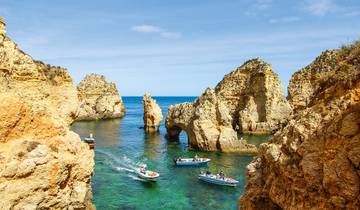
4 days
Algarve Discovery Tour
- ✓ Booking needs min. 2 travelers

8 days
Walking in Portugal – Remote Coastal Trails
- ✓ Comprehensive Algarve tour
- ✓ Expert local guides included
- ✓ All accommodation arranged
- ✓ Transportation provided
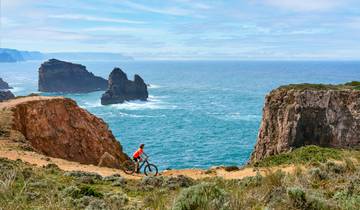
7 days
Costa Vicentina: Natural Park self-guided bike tour
- ✓ Comprehensive Algarve tour
- ✓ Expert local guides included
- ✓ All accommodation arranged
- ✓ Transportation provided
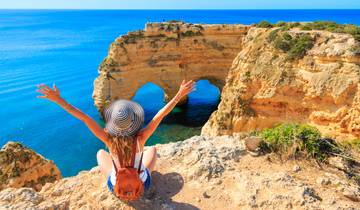
7 days
Algarve – a holiday full of wine
- ✓ Comprehensive Algarve tour
- ✓ Expert local guides included
- ✓ All accommodation arranged
- ✓ Transportation provided
Multi-day tour packages powered by TourRadar. Prices and availability subject to change.
Introduction: Portugal’s Iconic Sea Cave
The Algarve coastline stretches 200 kilometers along Portugal’s southern shores, where Atlantic waves have carved golden limestone cliffs into spectacular formations over millions of years. Among thousands of sea caves, grottos, and natural arches dotting this dramatic coast, Benagil Cave has emerged as the region’s most recognizable landmark. Known locally as Algar de Benagil, this massive marine cavern sits just offshore from the tiny fishing village of Benagil, positioned roughly midway between the tourist centers of Portimão and Albufeira.
What distinguishes Benagil Cave from countless other Algarve sea formations is its extraordinary dome ceiling punctured by a perfectly circular skylight opening approximately 17 meters wide. This natural oculus creates a cathedral-like chamber where sunlight pours through the opening, illuminating the cave’s layered limestone walls and the small golden beach nestled within. Two arched entrances at sea level frame views of the Atlantic, while the skylight above reveals blue sky or starlight depending on the time of visit. The interior chamber measures roughly 20 meters wide by 25 meters deep, with ceiling height reaching 20 meters at the dome’s apex.
Geological evidence indicates the cave formed through sustained wave action over approximately two million years. Atlantic swells repeatedly pounded limestone deposits from the Miocene epoch, gradually exploiting natural weaknesses in the rock structure. The distinctive dome shape resulted from differential erosion where softer limestone layers eroded faster than harder bands, creating the rounded ceiling profile. The skylight opening formed when wave pressure finally breached the thin rock layer separating the cave roof from the clifftop surface above.
Benagil Cave achieved international fame through social media platforms showcasing photographs of the illuminated interior chamber. Microsoft featured the cave in Windows desktop wallpaper collections, while travel publications consistently rank it among Europe’s most beautiful natural sites. This visibility drove dramatic increases in visitor numbers, particularly from 2015 through 2023, when unrestricted access allowed swimmers, private kayakers, and commercial tours to converge simultaneously within the confined space.
Rising safety incidents and environmental concerns prompted Portuguese maritime authorities to implement comprehensive access regulations in August 2024. These restrictions transformed how visitors experience Benagil Cave while aiming to preserve the formation for future generations. Understanding current rules, selecting appropriate tour operators, and timing visits strategically ensures rewarding experiences of this natural wonder while respecting conservation protocols designed to protect both people and the fragile limestone environment.
Understanding Current Access Regulations
The National Maritime Authority published Edital 019/2024 on July 30, 2024, establishing comprehensive maritime regulations for the Benagil Cave area effective August 13, 2024. These rules coordinate input from Lagoa Municipality, the Algarve Regional Coordination and Development Commission, the Institute for Nature Conservation and Forests, and Algarve tourism organizations. The 15-page Portuguese-language document defines specific operational parameters for commercial tour operators, safety protocols for guided excursions, and prohibited activities carrying substantial financial penalties.
Swimming into Benagil Cave is explicitly banned regardless of swimmer experience level, flotation device usage, or sea conditions. This prohibition extends to all water-based access without certified guide supervision, including attempts from Benagil Beach, neighboring Marinha Beach, or nearby Carvalho Beach. The Polícia Marítima actively patrols the cave area enforcing these restrictions, with individual violators facing fines reaching €2,500. Strong Atlantic currents, submerged rock hazards, and constant vessel traffic created documented safety incidents that motivated the swimming ban.
Landing on the interior beach within Benagil Cave is forbidden for all visitors and tour companies without exception. Previous practices allowed swimmers and kayakers to disembark onto the small sandy beach, creating overcrowding problems during peak hours and accelerating erosion of the delicate sand deposit. Tour boats now remain waterborne throughout cave visits, with passengers viewing the interior from aboard vessels. Guided kayak and stand-up paddleboard tours similarly prohibit beach landings, maintaining water-based positions throughout the allocated visit window.
Unguided kayak and stand-up paddleboard access to the designated Benagil Cave protection zone is prohibited. Rental companies at Benagil Beach and surrounding beaches cannot rent watercraft for independent cave exploration. Guided kayak and SUP tours require one certified guide for every six participant watercraft, with guides equipped with first aid kits, communication devices, and safety gear. This ratio ensures adequate supervision in the confined cave environment and along the approach route from designated launch beaches.
Vessel capacity limits restrict the number of boats inside Benagil Cave at any moment. Three motorized vessels under 12 meters length may enter simultaneously, with each permitted a maximum two-minute interior visit. This rotation system prevents congestion within the confined chamber while allowing tour operators to maintain schedule efficiency. Non-motorized watercraft including guided kayaks and paddleboards receive eight-minute visit allocations, providing more time for photography and cave appreciation compared to speedboat tours.
All maritime activities within the Benagil protection zone are prohibited from sunset to sunrise. This nighttime closure reduces environmental impact during periods when marine life actively feeds and rests within the cave ecosystem. The restriction also eliminates safety risks associated with navigating cave entrances in darkness, when visual assessment of wave conditions and entrance clearances becomes impossible.
Life jacket requirements apply to all visitors aboard watercraft in the Benagil area regardless of swimming ability or water conditions. Helmets are mandatory for anyone entering zones near the clifftop skylight opening where rockfall presents documented hazards. These safety equipment mandates apply to commercial tour operators and guided excursions, with compliance verified during regular Polícia Marítima inspections.
Enforcement mechanisms include substantial financial penalties designed to ensure regulatory compliance. Tour operators violating access rules face fines between €300 and €216,000 under the Framework Law on Environmental Administrative Offences, with penalty amounts scaled to violation severity and environmental impact. Individual visitors attempting prohibited activities including swimming, unauthorized kayaking, or beach landings face fines up to €2,500. The Polícia Marítima conducts regular patrols during peak season months, with officers authorized to issue citations and halt illegal activities.
The regulations underwent review in May 2025 when Andre Gomes, president of Algarve Tourism, confirmed the access restrictions would continue with only minor adjustments. Proposed modifications included reviewing vessel capacity limits based on observed congestion patterns and potentially reducing individual fine amounts while maintaining operator penalties. The fundamental prohibitions on swimming, beach landings, and unguided access remain permanent features of Benagil Cave management.
Boat Tour Options and Departure Points
Boat tours represent the most popular and straightforward method for visiting Benagil Cave, accommodating visitors of all ages and physical abilities while requiring no special equipment or water experience. Multiple departure points along the Algarve coast serve different geographic areas, with tour duration and coastal scenery varying significantly based on embarkation location. Understanding the distinctions between departure points, vessel types, and tour itineraries helps visitors select options matching their priorities and accommodation locations.
Portimão Departures
Portimão sits 17 kilometers west of Benagil, making it the closest major town to the cave. Boat tours departing from Cais Vasco da Gama marina travel approximately 30 minutes along dramatic limestone cliffs featuring multiple sea caves, natural arches, and hidden beaches accessible only from water. The coastal route passes Senhora da Rocha Beach, Praia Nova, and Marinha Beach before reaching Benagil Cave, providing extensive opportunities for coastal photography and marine wildlife observation.
Standard Portimão tours last approximately two hours, including 30 minutes each direction for coastal transit and up to two minutes inside Benagil Cave depending on vessel traffic. Tours typically explore 10-15 additional sea caves along the route, with multilingual guides providing geological explanations and historical context about the Algarve coast. Speedboat tours from Portimão accommodate 12-18 passengers in rigid-hull inflatable boats capable of accessing narrow cave entrances that larger vessels cannot navigate.
Pricing for Portimão departures ranges €35-42 per adult for standard two-hour excursions. Premium small-group tours limited to 10 passengers cost €45-50, while longer three-hour tours incorporating additional coastal exploration run €48-55. Morning departures between 9 AM and 11 AM typically offer calmer sea conditions than afternoon slots, with reduced likelihood of cancellation due to weather.
Albufeira Departures
Albufeira serves as the Algarve’s largest beach resort town, positioned 30 kilometers east of Benagil Cave. Tours from Albufeira Marina traverse a longer coastal route requiring 45-50 minutes to reach the cave, passing landmarks including Galé Beach, Salgados Beach, and Armação de Pêra. The extended journey explores more diverse coastal formations and typically includes dolphin watching segments where operators scan for resident bottlenose dolphin pods frequenting offshore waters.
Albufeira boat tours generally last 2.5 to 3 hours, with the additional time allocated to both longer transit distances and expanded itineraries. Dolphin-watching combinations prove particularly popular from this departure point, as the route crosses known dolphin feeding areas where sighting success rates reach 80-85% during summer months. Cave exploration remains the primary focus, with tours entering Benagil Cave plus 6-10 additional grottos along the route.
Tour pricing from Albufeira ranges €38-50 per person for standard excursions, with dolphin-watching combinations costing €42-55. The broader selection of tour operators in Albufeira creates competitive pricing, though departure point distance from Benagil means less time exploring caves compared to Portimão-based tours. Albufeira tours suit visitors staying in the town’s extensive hotel infrastructure who prefer avoiding additional car travel to closer departure points.
Carvoeiro and Armação de Pêra Departures
Carvoeiro sits just 5 kilometers west of Benagil, offering the shortest travel distance to the cave from any departure point. Tours from Carvoeiro Beach or nearby harbors reach Benagil Cave in 10-15 minutes, maximizing time for cave exploration and coastal photography. The proximity allows Carvoeiro operators to offer shorter one-hour tours focusing exclusively on the immediate Benagil area, ideal for visitors with limited schedules or those specifically interested in the cave without extended coastal cruising.
Armação de Pêra, positioned 6 kilometers east of Benagil, provides similar proximity advantages. Tours departing from Armação de Pêra Beach access the cave in approximately 15 minutes, with most operators offering 90-minute excursions that balance cave access with exploration of nearby Praia da Marinha formations. The smaller scale of both Carvoeiro and Armação de Pêra creates more intimate tour experiences compared to larger operations based in Portimão and Albufeira.
Pricing from these closer departure points ranges €30-40 for one-hour tours, with 90-minute extended excursions costing €35-45. The shorter travel distances mean lower fuel costs for operators, often reflected in slightly reduced pricing compared to Portimão or Albufeira departures. Both locations offer limited parking near beaches, with earlier arrival times essential during peak season to secure spaces.
Lagos Departures
Lagos sits 40 kilometers west of Benagil at the opposite end of the central Algarve coast. Tours from Lagos Marina constitute the longest approach route, requiring 60-75 minutes to reach Benagil Cave. The extended journey explores the entire Ponta da Piedade area near Lagos, famous for its golden cliffs, dramatic rock formations, and crystal-clear waters, before continuing east past multiple beaches and cave systems.
Lagos-based tours typically last 3-4 hours to justify the extended travel time, with itineraries designed as comprehensive coastal surveys rather than cave-focused excursions. Many Lagos operators combine Benagil visits with full-day catamaran cruises featuring onboard lunch, swimming stops at secluded beaches, and extensive dolphin-watching segments. These all-day adventures appeal to visitors staying in Lagos who want thorough Algarve coast exploration in a single excursion.
Pricing for Lagos tours ranges €45-65 for standard three-hour excursions, with full-day catamaran experiences costing €75-95 including meals and extended programming. The higher costs reflect longer operating times and more comprehensive itineraries. Lagos tours suit travelers prioritizing thorough coastal exploration over efficient cave access, particularly those based in the western Algarve without plans to travel east toward Benagil.
Vessel Type Considerations
Small speedboats and rigid-hull inflatable boats offer distinct advantages for Benagil Cave visits. These vessels typically accommodate 12-18 passengers in open seating arrangements, providing unrestricted views and photography angles. Their compact size and maneuverability allow navigation through narrow cave entrances that exclude larger vessels, with pilots able to position boats for optimal interior viewing angles. Speedboats travel faster than large catamarans, reducing transit time and increasing time available for cave exploration.
Large catamarans carrying 40-60 passengers provide more comfortable conditions with enclosed seating areas, onboard restrooms, and bar facilities. The stable twin-hull design reduces rolling motion in moderate swells, benefiting passengers prone to seasickness. However, these larger vessels cannot enter Benagil Cave when water levels or entrance clearances restrict access, instead viewing the cave from offshore positions. Catamaran tours work well for visitors prioritizing comfort over intimate cave access, particularly on longer full-day excursions.
Zodiac-style boats represent a middle ground, accommodating 20-30 passengers in semi-rigid hull designs. These vessels offer more weather protection than open speedboats while maintaining sufficient maneuverability for cave entry in most conditions. Zodiac tours appeal to families with young children or passengers concerned about exposure to sun and spray during longer coastal journeys.
Guided Kayak and Stand-Up Paddleboard Tours
Guided kayak excursions provide more active and immersive cave experiences compared to boat tours, with participants paddling along the limestone coast while guides navigate routes, provide safety oversight, and share information about coastal geology and marine ecology. Current regulations mandate certified guide supervision for all kayak and stand-up paddleboard access to Benagil Cave, with independent rental and self-guided exploration prohibited within the designated protection zone.
Kayak Tour Structure and Requirements
Guided kayak tours typically accommodate 6-12 participants plus one or two guides, maintaining the legally mandated ratio of one guide kayak for every six participant kayaks. Tours depart from designated beaches including Praia de Benagil, Carvalho Beach, or Marinha Beach, with participants receiving basic paddling instruction before launching. Most operators provide 15-20 minutes of shore-based orientation covering paddling technique, safety protocols, and cave approach procedures.
Standard kayak tours last approximately two hours from beach launch to return, with 60-75 minutes spent actively paddling along the coast. The route typically covers 2-3 kilometers total distance, with paddling intensity suited to beginner and intermediate skill levels. No prior kayaking experience is required, though basic swimming ability and reasonable fitness help participants maintain comfortable paddling throughout the tour. All participants wear mandatory life jackets, with wetsuits provided or recommended depending on water temperature and season.
Tour itineraries include Benagil Cave plus several additional grottos and formations along the coastal route. Guides lead groups into cave entrances when conditions permit, with participants paddling in single file under guide direction. Inside Benagil Cave, kayakers remain seated in boats throughout the eight-minute visit allocation, with guides positioning the group for optimal skylight views and photography opportunities. Beach landing within the cave remains prohibited, maintaining the same restrictions applied to boat tours.
Physical Requirements and Difficulty Assessment
Kayaking to Benagil Cave requires moderate physical effort suitable for most adults and teenagers with basic fitness levels. Participants must be able to comfortably sit in a kayak for up to 90 minutes, maintain paddling rhythm for extended periods, and execute basic steering maneuvers under guide direction. The route encounters light to moderate swells typical of Atlantic coastal conditions, with wave heights generally remaining under one meter during summer months when most tours operate.
Age restrictions vary by operator but commonly set minimum ages at 8-12 years for children paddling their own kayaks. Some operators offer tandem kayaks accommodating adult-child pairs for younger participants aged 5-7 years. Maximum weight limits typically reach 110-120 kilograms per person, constrained by kayak design and stability parameters. Pregnant women, individuals with back problems, and those with recent injuries should consult operators about participation advisability.
Weather conditions significantly impact tour difficulty and cancellation likelihood. Wind speeds exceeding 15-20 kilometers per hour create choppy conditions challenging for novice paddlers, often triggering tour cancellations. Atlantic swells larger than 1.5 meters make cave entrance dangerous regardless of paddler skill, with operators refusing access even when tours proceed along the coast. October through March brings more frequent cancellations due to winter storm patterns and colder water temperatures reducing safe operating windows.
Stand-Up Paddleboard Tours
Stand-up paddleboard tours follow similar routes and regulations as kayak excursions but require higher balance skills and core strength. Participants stand on large surfboard-like boards while using single-blade paddles to propel themselves along the coast. The standing position provides elevated viewing angles for coastal scenery and cave interiors, though maintaining balance in moderate swells challenges participants without prior SUP experience.
SUP tours typically limit group sizes to 6-8 participants to ensure adequate guide oversight for the more technically demanding activity. Tours last 90 minutes to two hours, with slightly shorter paddling durations compared to kayak excursions due to the greater physical demands of standing paddleboard use. Participants receive extended shore-based instruction covering proper stance, paddle technique, and methods for remounting boards after inevitable falls into the water.
Age minimums for SUP tours generally start at 12-14 years, with participants under 16 often requiring demonstrated swimming proficiency before being accepted. The higher center of gravity makes SUP more susceptible to wind and wave conditions, with cancellation thresholds typically more conservative than kayak tour limits. Prior SUP experience, while not mandatory, significantly enhances tour enjoyment and reduces physical fatigue.
Pricing and Booking Considerations
Guided kayak tours cost €35-50 per person for standard two-hour excursions, with premium small-group tours limited to six participants commanding €45-55. Some operators include complimentary 4K photo packages, with guides capturing images throughout the tour using waterproof cameras or drones. These photo-inclusive tours typically cost €5-8 more than standard offerings but eliminate concerns about protecting personal cameras during the wet paddling environment.
Stand-up paddleboard tours range €40-55 per person for 90-minute to two-hour excursions. The higher pricing reflects smaller group sizes, more intensive guide supervision requirements, and specialized equipment costs. Combination tours offering kayak and SUP options within the same departure allow participants to switch between modes if initial equipment choice proves unsuitable.
Advance booking proves essential during peak season from June through September, as kayak and SUP tours often sell out 1-2 weeks ahead for popular morning time slots. Cancellation policies typically allow full refunds for weather-related cancellations determined by operators, with customer-initiated cancellations requiring 24-48 hours notice for refund eligibility. Many operators maintain waitlists for sold-out departures, sometimes accommodating additional participants when conditions permit expansion beyond standard group sizes.
Viewing Benagil Cave from the Clifftop
The Seven Hanging Valleys Trail provides land-based access to clifftop viewpoints directly above Benagil Cave’s skylight opening, offering aerial perspectives of the interior chamber without requiring water-based tours or guide fees. This 12-kilometer coastal hiking route connects Praia da Marinha to Vale Centeanes Beach, passing above numerous sea caves, grottos, and geological formations along one of the Algarve’s most scenic cliff sections.
Trail Access and Cave Viewpoint
The Benagil Cave viewpoint sits approximately 1.5 kilometers west along the trail from the Benagil Beach trailhead. Hikers departing from the free parking area near Benagil Beach follow clearly marked coastal paths west along 60-meter limestone cliffs, with the cave viewpoint reached in 15-20 minutes of moderate walking. The trail maintains relatively level grades along the clifftop, though several sections traverse loose limestone surfaces requiring careful footing.
Safety fencing surrounds the skylight opening to prevent accidents along unstable cliff edges. Visitors can approach within 2-3 meters of the opening, close enough to peer through the circular aperture into the illuminated chamber below. The vertical perspective differs dramatically from water-based views, revealing the full dome structure, the two sea-level entrances, and the small interior beach. Boats and kayaks appear as small objects far below, providing scale reference for the cave’s impressive dimensions.
The viewpoint area accommodates 10-15 people comfortably, with informal waiting systems developing during peak midday hours when multiple groups converge. Morning visits between 8 AM and 10 AM encounter lighter foot traffic, while sunset approaches around 7 PM-8 PM in summer months create dramatic lighting conditions as the sun’s angle creates long shadows across the cave interior.
Full Trail Experience
Hiking the complete Seven Hanging Valleys Trail from Praia da Marinha to Vale Centeanes Beach requires 3-4 hours at moderate pace, covering 12 kilometers of clifftop terrain with elevation changes totaling approximately 200 meters. The trail name references seven distinct valleys carved by seasonal streams flowing to the sea, each creating dramatic V-shaped ravines cutting through the limestone cliffs.
The route passes numerous additional viewpoints showcasing the Algarve’s spectacular coastal geology. Rock arches, sea stacks, and hidden beaches appear at regular intervals, with the Praia da Marinha section particularly celebrated for its golden cliffs and crystalline waters. The trail reaches maximum coastal exposure between Benagil and Carvoeiro, where cliffs rise 80-90 meters above the Atlantic with few barriers between path and cliff edge.
Trail infrastructure includes basic waymarking with periodic directional posts, though GPS navigation or trail maps help maintain route awareness in sections where paths fork inland around private property. No facilities exist along the clifftop route, with water, food, and restrooms only available at beach access points bookending trail sections. Summer temperatures frequently exceed 30°C, making early morning or late afternoon hiking significantly more comfortable than midday attempts.
Photography Considerations
The clifftop viewpoint presents both opportunities and limitations for photographers. The elevated position captures the cave’s full architectural structure and skylight opening in single frames impossible from water level. Wide-angle lenses in the 16-24mm range suit the geometric composition, while longer focal lengths isolate boat traffic or capture detail within the illuminated interior chamber.
Lighting conditions vary dramatically throughout the day. Morning light from 8 AM to 11 AM creates soft illumination within the cave while reducing harsh shadows across the limestone cliffs. Midday sun from 11:30 AM to 2 PM produces peak interior lighting as direct sunlight streams through the skylight, though exterior cliff surfaces appear overexposed in the intense light. Late afternoon from 4 PM onward brings warm golden tones across the cliffs while interior cave lighting gradually diminishes.
The fencing around the viewpoint constrains composition angles, though sufficient gaps exist for through-fence shooting with cameras or smartphones. Windy conditions common along the exposed clifftop create camera stability challenges, with tripod use recommended for optimal sharpness. The perspective looking straight down into the cave creates parallax distortion requiring perspective correction in post-processing for architectural photography.
Optimal Timing for Benagil Cave Visits
Successful Benagil Cave experiences depend heavily on timing factors including time of day, season, weather patterns, and tide conditions. Understanding how these variables affect lighting quality, crowd levels, sea conditions, and tour availability helps visitors schedule visits maximizing enjoyment while minimizing frustration from cancellations or overcrowding.
Daily Timing and Light Quality
Early morning departures between 8 AM and 10 AM offer multiple advantages for cave visits. Atlantic waters typically exhibit calmest conditions during morning hours before afternoon sea breezes develop, reducing boat motion and minimizing cancellation risk. Tour operators schedule morning departures with confidence in stable sea states, while afternoon slots face higher cancellation rates as swells build throughout the day. Fewer boats operate during morning hours, resulting in shorter wait times for cave entry and more relaxed experiences within the confined interior space.
Morning light produces soft, diffused illumination within the cave as the sun angle remains relatively low. The skylight filters gentle light into the chamber, creating subtle gradations across the limestone walls and reducing harsh shadows. This lighting quality suits photography emphasizing the cave’s architectural features and subtle color variations in the rock strata. Crowds remain manageable during morning hours, with tour boat traffic building gradually rather than converging simultaneously.
Midday visits between 11:30 AM and 2 PM maximize the dramatic skylight effect as the sun reaches positions nearly directly overhead. Direct sunlight streams through the circular opening, creating a powerful beam illuminating the interior beach and producing the intense golden glow featured in famous Benagil photographs. The turquoise water color appears most vivid under direct sunlight, while the contrast between illuminated areas and surrounding shadows reaches maximum drama. This optimal lighting window attracts the heaviest boat traffic and longest wait times for cave entry, particularly during summer peak season.
Afternoon tours from 3 PM through 6 PM encounter variable conditions as sea breezes strengthen and Atlantic swells build from morning lows. Tour operators maintain more conservative cancellation thresholds for afternoon departures, with increased likelihood of trips being called off due to deteriorating sea states. Afternoon light angles create less dramatic cave interior lighting compared to midday conditions, though the longer shadows across exterior cliffs produce attractive coastal scenery during the transit portions of tours.
Sunset tours occasionally offered during summer months provide unique atmospheric conditions as the low-angle sun creates warm golden tones across the limestone cliffs. Interior cave lighting remains subdued during sunset hours, but the dramatic exterior cliff scenery compensates for reduced skylight effects. Sunset tours appeal particularly to photographers seeking coastal landscapes rather than cave-specific imagery.
Seasonal Considerations
May through June represents an ideal visiting window combining warm weather, stable sea conditions, and moderate visitor numbers. Daily temperatures range 20-28°C, providing comfortable conditions for boat tours and kayaking without the intense heat characteristic of peak summer. Atlantic water temperatures reach 18-20°C by late May, eliminating the wetsuit requirements necessary during cooler months. Tour operators run full schedules with reliable daily departures, while advance booking requirements remain reasonable at 3-7 days for most tour types.
July and August constitute peak season with maximum visitor numbers, highest prices, and most crowded conditions. Daily temperatures regularly exceed 30°C, creating hot conditions aboard uncovered speedboats and challenging kayak excursions during midday hours. The cave experiences heaviest traffic with boats cycling through on tight schedules and minimal time allocated per group. Advance booking windows extend to 2-3 weeks for popular morning slots, with many tour dates selling out completely. The reliable weather and calm seas offset crowding concerns for visitors prioritizing guaranteed tour operation over intimate experiences.
September through October offers conditions comparable to May-June, with warm temperatures, stable weather, and significantly lighter crowds as summer vacation periods end. Water temperatures remain comfortable at 18-20°C through late September, gradually cooling into October. Tour availability remains excellent with full operator schedules, while advance booking requirements relax to 2-5 days for most tours. Many visitors consider September the single best month for Benagil visits, balancing excellent conditions with post-peak-season tranquility.
November through April presents challenging conditions for Benagil Cave access. Atlantic storm systems bring frequent periods of high winds, large swells, and reduced visibility, significantly increasing tour cancellation rates. Water temperatures drop to 15-17°C, requiring full wetsuits for kayak excursions. Many kayak operators suspend operations entirely from December through February, while boat tours maintain reduced schedules with frequent weather-related cancellations. Winter visitors should maintain flexible schedules allowing multiple potential tour dates to accommodate weather-driven cancellations.
Tide and Weather Impacts
Benagil Cave remains accessible across all tide conditions, unlike many Algarve sea caves that only permit entry during specific tide windows. The cave’s large size and tall entrance openings allow boat and kayak access during both high and low tide periods. However, tide levels affect the cave’s internal appearance and photography characteristics. High tide raises water levels within the chamber, bringing boats and kayaks closer to the skylight opening and improving upward viewing angles. Low tide exposes more of the interior beach, providing better context for the cave’s scale and geological features.
Atlantic swell conditions represent the primary limiting factor for tour operations. Swells exceeding 1.5 meters create dangerous conditions at the cave entrances where waves focus through narrow openings. Tour operators monitor swell forecasts through specialized maritime weather services, typically canceling departures when forecasts exceed operational safety thresholds. Swell conditions change throughout the day, with morning periods generally offering calmer seas before afternoon wind-driven swells develop.
Wind speed directly impacts both sea conditions and tour operational decisions. Sustained winds above 20 kilometers per hour create choppy surface conditions challenging for kayakers and potentially dangerous for tour boats navigating narrow cave entrances. Wind patterns in the Algarve typically feature light morning conditions with increasing afternoon breezes, reinforcing the advantages of early morning tour scheduling.
The Benagil Village and Beach Context
Benagil village remains a small, authentic fishing community despite the international fame of its namesake cave. Unlike large resort towns like Albufeira or Lagos, Benagil maintains traditional character with fewer than 500 permanent residents, limited commercial infrastructure, and daily life still centered around fishing traditions rather than tourism. Understanding the village context helps visitors set appropriate expectations and respect local community norms while accessing cave tours.
Village Infrastructure and Character
The village consists of a single main road running roughly 400 meters from the cliff-edge parking area to the inland N125 highway, with perpendicular side streets housing residential properties. Commercial establishments include approximately 6-8 restaurants and cafes, 2-3 small shops, and several tour operator offices concentrated near the beach access road. No hotels exist within Benagil proper, with visitor accommodations located in neighboring towns like Carvoeiro, Lagoa, or Armação de Pêra.
Restaurant options focus on traditional Portuguese seafood preparations featuring local catch from Benagil’s active fishing fleet. Grilled sardines, octopus preparations, cataplana seafood stews, and fresh fish dominate menus, with pricing moderate compared to resort town establishments. Most restaurants maintain outdoor terrace seating overlooking the coast, with lunch service typically extending from noon through 3 PM and dinner from 7 PM through 10 PM. English menus are generally available, though Portuguese remains the primary language for local residents.
The village maintains working fishing harbor character, with traditional colorful boats pulled onto the beach and fishing nets hanging for repair along the shoreline. Local fishermen continue daily operations launching before dawn and returning with catches around midmorning, a rhythm that predates tourism by centuries. Visitors encounter authentic coastal community atmosphere quite different from purpose-built resort environments, though this authenticity comes with limited tourist amenities.
Benagil Beach Characteristics
Praia de Benagil occupies a narrow crescent approximately 100 meters wide, nestled between 40-meter limestone cliffs on both sides. The beach consists of medium-grain golden sand with areas of small pebbles and rock outcroppings near the cliff bases. Beach width varies with tide, expanding to 30-40 meters during low tide and narrowing to 15-20 meters at high tide.
Beach facilities include seasonal lifeguard coverage from June through September, basic restroom facilities near the access road, and several beachfront restaurants with outdoor seating extending onto the sand. No beach chair or umbrella rental services operate on the beach itself, though adjacent restaurants provide seating for patrons. The compact beach size limits sunbathing space, particularly during peak summer when beach capacity fills by late morning.
Tour operator facilities concentrate along the beach access road and waterfront. Boat tour booking offices, kayak rental shops, and SUP tour operations occupy ground-floor spaces in buildings fronting the beach. Multiple operators share beach launch areas, with boat traffic and guided kayak departures creating active waterfront scenes throughout operating hours. The beach serves primarily as tour departure infrastructure rather than traditional swimming and sunbathing destination.
Parking and Access
Free public parking occupies a large unpaved area at the clifftop above Benagil Beach, accessed from the village’s main road. The parking area accommodates approximately 200 vehicles in unmarked spaces across several connected lots, with peak summer demand often filling capacity by 10 AM. No parking fees apply, though early arrival becomes essential during July and August to secure spaces. The parking area offers no shade, with temperatures inside parked vehicles often exceeding 40°C during summer afternoons.
Beach access from the parking area follows a paved pedestrian path descending approximately 40 meters elevation over 200 meters distance. The path includes several switchback sections and periodic rest areas, with the descent requiring 5-7 minutes for most visitors. The return climb takes 8-12 minutes and presents moderate cardiovascular challenge, particularly during hot weather. Limited mobility accessibility remains poor, with no ramps or accessibility features beyond basic paving.
The clifftop parking area also serves as the trailhead for the Seven Hanging Valleys Trail westward toward Carvoeiro and eastward toward Armação de Pêra. Clear signage marks trail directions, with the cave viewpoint accessible via westward route. The parking location provides strategic access to both water-based tours launching from the beach below and clifftop hiking options.
Combining Benagil with Broader Algarve Exploration
Benagil Cave represents one highlight within the broader central Algarve coastal region, an area rich with beaches, cliff formations, and historic towns. Strategic trip planning combines cave visits with nearby attractions, creating comprehensive experiences that justify travel to this coastal area while avoiding over-reliance on the cave as an isolated destination.
Praia da Marinha and Surrounding Beaches
Praia da Marinha sits 2.5 kilometers east of Benagil, consistently ranked among Portugal’s most beautiful beaches for its golden cliffs, turquoise waters, and dramatic rock formations. Two massive natural arches frame the beach, with limestone stacks rising from shallow waters creating iconic photographic compositions. The beach features full facilities including parking, restrooms, seasonal lifeguards, and a beach bar, operating with more developed infrastructure than Benagil Beach.
Access requires descent down wooden staircases carved into the cliff face, with approximately 200 steps from parking to sand. The beach accommodates moderate visitor numbers while maintaining less crowded conditions than major resort beaches. Swimming conditions prove excellent in the protected cove, with clear waters and gentle gradients suitable for families. Rock formations at both ends of the beach create natural snorkeling areas where small fish and crustaceans inhabit shallow reef structures.
Carvalho Beach, positioned midway between Benagil and Praia da Marinha, offers intimate charm accessed through a natural tunnel carved through the cliff. The tiny 20-meter-wide beach sits within a protected cove surrounded by towering cliffs, creating a hidden-gem atmosphere. Limited capacity means the beach fills quickly during summer, with morning arrival recommended for securing space.
Carvoeiro Village
Carvoeiro sits 5 kilometers west of Benagil, functioning as a small resort town with extensive accommodation options, restaurant diversity, and tourist infrastructure. The town centers on a curved beach nestled within a natural amphitheater of cliffs, with a compact pedestrian village area extending inland. Carvoeiro offers substantially more accommodation, dining, and shopping options than Benagil while maintaining relatively small-town character compared to larger Algarve resorts.
The Algar Seco coastal formations immediately east of Carvoeiro present dramatic limestone sculptures where erosion created natural tunnels, viewing platforms, and geological formations. Paved pathways allow easy exploration of these formations, with minimal physical demands and excellent sunset viewing positions. The area remains free to access, functioning as Carvoeiro’s primary natural attraction beyond beach areas.
Carvoeiro’s restaurant scene spans approximately 40 establishments ranging from traditional Portuguese seafood to international cuisine, with pricing moderate relative to larger resort towns. The pedestrian village center concentrates restaurants, shops, and evening activity within a 300-meter radius, creating walkable evening atmosphere without automobile dependence.
Lagoa and Silves Historic Towns
Lagoa town sits 8 kilometers inland from Benagil, functioning as the region’s administrative center and historic agricultural community. The town maintains authentic Portuguese character with daily markets, traditional shops, and limited tourist development. The Nossa Senhora da Luz church anchors the town center, with baroque architectural elements and religious significance attracting architecture enthusiasts. Lagoa’s wine production legacy continues in surrounding countryside, with several wineries offering tastings and tours of regional wine varieties including the sweet Moscatel de Setúbal.
Silves, positioned 20 kilometers northeast of Benagil, ranks among the Algarve’s most historically significant towns as the former Moorish capital during medieval Islamic period. The imposing red sandstone castle dominates the town skyline, with battlements and interior courtyards open for exploration. The Gothic cathedral, converted from a mosque following Christian reconquest, exhibits architectural elements spanning multiple periods. Silves functions as a daytrip destination combining cultural history with hilltop views across surrounding orange groves and countryside.
Multi-Day Itinerary Integration
The central Algarve coastal region supports multi-day itineraries balancing natural coastal attractions, cultural sites, and resort relaxation. A three-day sample itinerary might include: Day 1 focused on Benagil Cave tours (morning boat tour, afternoon clifftop trail hiking, evening in Carvoeiro), Day 2 exploring Praia da Marinha and nearby beaches with snorkeling, concluding with Silves castle visit, and Day 3 devoted to Algar Seco formations and coastal walks around Carvoeiro area.
Accommodation bases in Carvoeiro, Lagoa, or Armação de Pêra provide central positioning for accessing Benagil and surrounding attractions without excessive driving. Lagos and Albufeira serve as alternative bases with more extensive accommodation options and nightlife, though requiring longer drives to Benagil area attractions. Portimão functions well for visitors prioritizing urban amenities and shopping while maintaining reasonable access to coastal natural sites.
Photography Strategies and Equipment
Photographing Benagil Cave presents distinct technical challenges whether shooting from water-based tours or clifftop viewpoints. Understanding the dramatic lighting contrasts, confined shooting spaces, and equipment protection requirements helps photographers achieve successful images while protecting gear in challenging marine environments.
Lighting Challenges and Solutions
The cave interior exhibits extreme dynamic range with the skylight creating intense highlights while surrounding rock walls remain in deep shadow. This contrast range exceeds most camera sensors’ capability to capture in single exposures, requiring exposure bracketing or graduated neutral density filters for balanced results. Photographers shooting handheld from boats face additional complications from vessel motion limiting long exposures or multiple exposure sequences.
Modern cameras’ HDR modes provide practical solutions for managing contrast, automatically capturing multiple exposures and combining them for extended dynamic range. This approach works effectively from relatively stable boat positions during the brief cave interior visits. Manual exposure bracketing offers more control, though the two-minute visit limit within the cave constrains time for multiple capture sequences.
The optimal exposure strategy exposes for the interior rock formations while accepting moderate highlight clipping in the skylight opening, as the opening itself contains little visual information beyond bright sky. This approach preserves wall texture, limestone stratification patterns, and the golden beach within exposure range while sacrificing some detail in the least interesting compositional element. Modern cameras’ highlight recovery capabilities often retrieve skylight detail during post-processing despite apparent clipping in preview images.
Focal Length Considerations
Wide-angle lenses in the 14-24mm range suit water-level cave photography, capturing the full interior architecture including dome ceiling, beach, and both entrance arches in single frames. The dramatic perspective distortion inherent in ultra-wide lenses enhances the cave’s imposing scale, though careful composition prevents excessive distortion making images appear unnatural. Many iconic Benagil photographs employ 16-18mm focal lengths, producing the expansive feeling characteristic of successful cave imagery.
Standard zoom lenses in the 24-70mm range provide versatility for both wide establishing shots and moderate telephoto compositions isolating specific formations or lighting effects. From boat positions, 50-70mm focal lengths frame the skylight opening with surrounding dome structure, eliminating extraneous elements that dilute compositional impact. These moderate focal lengths also suit photography during boat transits along the coast, capturing cliff formations and additional sea caves encountered during tours.
Telephoto lenses exceeding 100mm prove less useful for cave interior photography given confined spaces and the need to capture expansive compositions. However, telephoto reach benefits clifftop photographers shooting down into the cave from viewpoint positions, allowing isolation of boats within the chamber or detail captures of skylight structure. The 70-200mm range provides sufficient reach for most clifftop applications while maintaining manageable size and weight for hiking access.
Equipment Protection and Practical Concerns
Boat tours subject cameras to constant salt spray, particularly aboard open speedboats traveling at significant speeds along exposed coastline. Salt residue damages electronic contacts, corrodes metal components, and degrades optical coatings, requiring diligent protective measures and post-tour cleaning. Waterproof camera bags, ziplock storage bags, or dedicated waterproof housings protect gear during transit portions of tours, with cameras only exposed during actual photography.
Lens changes aboard moving boats risk salt water contamination of camera sensors and interior mechanisms. Single zoom lenses eliminate lens changing needs, though photographers prioritizing image quality may accept changing risks for prime lens advantages. If lens changes prove necessary, executing them below deck or within protective spaces minimizes contamination risk, with body cap and rear lens cap replacements performed as quickly as possible.
Kayak tours present heightened equipment risks given likely capsizing and immersion scenarios. Truly waterproof cameras like GoPro models provide insurance against total loss, though image quality compromises relative to larger sensor cameras. Waterproof housings for mirrorless or compact cameras balance protection with quality, allowing serious photography while preventing catastrophic equipment loss. Many guided kayak tours include professional photography services, with guides capturing images throughout the tour using properly protected equipment, potentially eliminating personal camera risk.
Smartphone Photography Considerations
Modern smartphone cameras produce surprisingly capable Benagil imagery, particularly recent iPhone Pro models and high-end Android devices with computational photography features. The always-available nature, inherent water resistance in many models, and automatic HDR processing simplify cave photography while producing social media-ready images without post-processing. Wide-angle smartphone lenses suit cave interiors effectively, though telephoto capabilities remain limited for clifftop photography.
Waterproof phone cases provide additional protection during boat tours, eliminating concerns about spray damage or accidental drops into water. These cases typically allow touchscreen operation and don’t significantly degrade image quality, making them practical accessories for water-based photography. The compact nature and lack of exposed electronic controls make smartphones more practical than cameras in high-risk environments like kayak tours.
Smartphone limitations include reduced low-light performance compared to larger sensor cameras, less control over exposure parameters, and limited zoom capabilities beyond wide-angle focal lengths. However, for many visitors, smartphone convenience and automatic processing produces more usable results than manual camera operation would yield, particularly for those without photography expertise or appropriate protective equipment.
Safety Considerations and Risk Management
While Benagil Cave tours operate with generally excellent safety records, understanding potential risks and appropriate risk mitigation strategies helps visitors make informed decisions about participation and prepare appropriately for marine environment challenges.
Sea Conditions and Weather Risks
Atlantic coastal conditions change rapidly, with morning calm potentially deteriorating into afternoon conditions unsuitable for cave access within hours. This variability means tours booked for afternoon departures face significantly higher cancellation rates than morning slots. Weather forecast monitoring before scheduled tours helps visitors anticipate likely outcomes, though final operational decisions rest with tour operators who assess real-time conditions beyond forecast capabilities.
Large Atlantic swells create dangerous conditions at narrow cave entrances where waves focus and amplify through confined openings. Wave conditions safe for coastal cruising may prove treacherous at cave entrances, with tour operators frequently aborting cave entry portions of tours while completing coastal exploration segments. No refunds typically apply when tours proceed but skip cave entry due to conditions, as tours include broader coastal content beyond Benagil exclusively.
Strong winds create particular hazards for kayak and SUP tours, with offshore winds potentially pushing inexperienced paddlers away from shore faster than they can paddle back. Most operators maintain conservative wind speed cancellation thresholds, typically declining to operate when sustained winds exceed 20 kilometers per hour. This conservative approach prioritizes participant safety over tour completion rates, though it increases scheduling frustration for visitors with limited availability.
Physical Safety Aboard Tours
Boat tour participants face minimal physical risks beyond minor seasickness and sun exposure. Life jackets remain mandatory throughout tours regardless of swimming ability, with modern inflatable designs providing unobtrusive security. The primary injury risk involves slipping on wet surfaces when boarding or disembarking vessels, with stable three-point contact and crew assistance minimizing incidents. Parents with young children should maintain constant supervision, as open boat designs offer limited barriers preventing falls into water.
Kayak tours present elevated physical demands and associated injury risks compared to passive boat experiences. Upper body strain affects participants unaccustomed to sustained paddling, with shoulder and back soreness common following two-hour excursions. Proper paddling technique instruction during pre-launch briefings reduces strain, though fitness limitations ultimately determine individual tolerance. Participants should honestly assess physical capabilities before booking kayak tours, potentially selecting boat alternatives when endurance concerns exist.
Capsizing represents realistic kayak tour risk despite guide supervision and basic instruction. Atlantic swells and confined cave entrances create challenging conditions for novice paddlers, with occasional capsizes occurring on most multi-participant tours. Modern life jackets ensure capsized paddlers float safely while guides execute rescue procedures, though the experience proves stressful for many participants. Comfortable swimming ability and reasonable comfort in water environments represent important prerequisites for kayak tour consideration.
Sun Exposure and Hydration
Unshaded exposure aboard open boats creates severe sunburn risk, with reflection off water surfaces intensifying UV exposure beyond land-based levels. High SPF waterproof sunscreen applied before departure and reapplied throughout tours provides essential protection, particularly for face, neck, shoulders, and arms where clothing coverage proves minimal. Wide-brimmed hats offer additional face and neck protection, though securing them against wind requires chin straps or similar retention systems.
Dehydration develops rapidly during summer tours when air temperatures exceed 30°C and reflected heat from water surfaces adds thermal load. Tour operators rarely provide adequate water supplies, making personal water bottles essential equipment. One liter minimum water capacity per person represents prudent planning for two-hour tours, with increased quantities appropriate for longer excursions or particularly hot conditions. Alcohol consumption before or during tours accelerates dehydration and impairs judgment, creating unnecessary safety complications.
Environmental Conservation and Responsible Tourism
The regulatory framework restricting Benagil Cave access reflects broader environmental conservation priorities protecting the Algarve’s coastal ecosystems. Understanding the environmental rationale behind access rules and practicing responsible tourism behaviors helps preserve this natural wonder for future generations while supporting sustainable tourism models.
Geological and Ecological Sensitivity
Benagil Cave’s limestone structure represents ongoing geological processes spanning millions of years, with erosion continuing to reshape the formation at rates measured in millimeters annually. The dramatic skylight opening results from cave ceiling collapse, a process that continues as wave action, weathering, and structural stresses gradually weaken surrounding rock. Safety fencing around the clifftop opening prevents human falls while also protecting unstable rock from vibrations and pressure that might accelerate collapse processes.
The interior beach consists of fine sand deposits accumulated through millennia of wave action washing sediment through the cave entrances. This delicate sand layer erodes rapidly under foot traffic, with previous unlimited access creating visible degradation within months. The prohibition on beach landings aims to preserve sand deposits while protecting small invertebrate populations inhabiting the sand and adjacent rock pools. These microecosystems support juvenile fish, crustaceans, and mollusks forming essential links in coastal food chains.
Marine algae and specialized lichen species colonize the cave’s interior walls in zones where spray and filtered sunlight create suitable growing conditions. These primitive plant communities establish extremely slowly in the mineral-poor limestone environment, with established colonies potentially centuries old. Human contact dislodges these fragile organisms, while pollutants from sunscreen and other chemicals carried on swimmers’ skin inhibit regrowth. Water-based viewing without physical contact protects these specialized ecosystems from degradation.
Parque Natural Marinho Protection Framework
Benagil Cave falls within the Parque Natural Marinho do Recife do Algarve, Portugal’s first marine protected area established to conserve coastal and marine ecosystems along this ecologically significant coastline. The park encompasses limestone reef systems, sea cave networks, and adjacent offshore waters supporting diverse marine life including protected species. Management priorities balance tourism access with ecosystem conservation, using regulations like the Benagil access rules to achieve sustainable coexistence.
The reef systems surrounding the cave provide critical habitat for commercially important fish species including sea bream, sea bass, and octopus that support local fishing economies. Juvenile fish use shallow cave systems as nursery areas where they grow protected from larger predators, making caves essential to fish population sustainability. Excessive human disturbance during critical spawning and juvenile development periods reduces reproductive success, potentially impacting fish stocks beyond park boundaries.
Marine mammal species including bottlenose dolphins and harbor porpoises frequent the waters around Benagil, with dolphins often accompanying tour boats and kayaks. While these encounters delight visitors, excessive vessel traffic and close approaches stress marine mammals, disrupting feeding behavior and social interactions. Tour operators following ethical wildlife viewing protocols maintain appropriate distances and avoid pursuit behaviors that alter natural dolphin activity patterns.
Responsible Visitor Behaviors
Adherence to established regulations represents the most fundamental responsible behavior, with swimming bans, beach landing prohibitions, and guided access requirements protecting both visitors and environment. These rules exist for sound safety and conservation reasons rather than arbitrary restrictions, with violations carrying financial penalties precisely because they create documented harm. Respecting guide instructions, remaining in designated areas, and accepting access limitations demonstrates commitment to conservation principles.
Waste management requires particular attention in marine environments where debris poses severe threats to wildlife. All trash including food wrappers, plastic bottles, and cigarette butts must be retained and disposed in proper receptacles ashore. Marine animals mistake floating plastic for food with often fatal consequences, while submerged debris damages fragile reef structures. Tour participants should carry small bags for trash retention, as boats often lack adequate waste containers during excursions.
Sunscreen and personal care product selection significantly impacts marine water quality given the hundreds of tour participants entering the water daily through swimming and spray exposure. Reef-safe sunscreen formulations eliminate oxybenzone and octinoxate chemicals known to damage marine organisms and coral species. While Benagil’s rocky limestone environment lacks the coral sensitivity of tropical reefs, marine algae and fish populations still suffer reduced growth and reproduction when exposed to conventional sunscreen chemicals.
Photography should occur from appropriate distances without physical contact with cave walls, marine life, or geological features. Temptation to steady oneself or reach for support against cave walls damages delicate organisms while depositing skin oils that accelerate erosion. Flash photography should be used sparingly if at all, as intense light pulses stress fish and invertebrates adapted to cave’s dimmer natural lighting conditions.
Practical Planning and Booking Strategies
Successful Benagil Cave visits require advance planning addressing accommodation selection, tour booking timing, equipment preparation, and contingency planning for weather-driven schedule changes. Strategic planning maximizes the likelihood of excellent experiences while minimizing frustration from sold-out tours or adverse conditions.
Accommodation Selection and Geographic Positioning
Carvoeiro provides optimal accommodation positioning for Benagil-focused trips, sitting just 5 kilometers from the cave with extensive hotel, apartment, and villa options across all budget ranges. The town’s compact size and pedestrian center create pleasant evening atmosphere without requiring vehicle use after returning from day activities. Beach access, coastal trails, and the Algar Seco formations provide alternative activities when weather prevents cave tours, reducing reliance on single attraction availability.
Lagoa town offers authentic Portuguese atmosphere with more affordable accommodation than coastal resort areas, positioned 8 kilometers inland from Benagil with easy access via well-maintained roads. The town provides full services including supermarkets, pharmacies, and restaurants serving local rather than tourist clientele. Visitors prioritizing cultural immersion and budget consciousness over beachfront positioning find excellent value in Lagoa accommodations.
Portimão serves visitors wanting larger town amenities including diverse restaurant scenes, shopping districts, and nightlife options while maintaining reasonable access to Benagil. The 17-kilometer drive takes approximately 20 minutes, making morning tour departures practical without excessive early rising. Portimão’s extensive accommodation options span international hotel chains, local guesthouses, and apartment rentals, with competitive pricing reflecting higher supply relative to smaller coastal villages.
Albufeira functions as the Algarve’s tourism capital with maximum accommodation variety, though the 30-kilometer distance from Benagil makes it less optimal for cave-focused visits. The town suits visitors planning broad Algarve exploration where Benagil represents one element among diverse attractions. Albufeira’s resort infrastructure, extensive beach options, and entertainment districts appeal to families and groups seeking conventional beach vacation experiences supplemented by cave excursions.
Tour Booking Timing and Platforms
Peak season booking requires 2-3 weeks advance reservation for popular morning tour slots, with many operators reaching capacity for prime departure times throughout July and August. Visitors with fixed travel dates should book tours immediately after confirming accommodation, accepting the risk of weather cancellations over the certainty of sold-out availability. Flexible travelers can wait until 3-5 days before desired tour dates during shoulder seasons, allowing better weather forecast assessment before committing to specific days.
Online booking platforms including GetYourGuide, Viator, and TripAdvisor aggregate multiple tour operators with user reviews, pricing comparisons, and consolidated booking processes. These platforms typically include flexible cancellation policies allowing changes up to 24 hours before departure, though specific terms vary by operator. Platform fees add modest costs compared to direct operator booking, offset by consolidated payment processing and customer protection policies.
Direct operator booking through company websites or in-person at beach offices sometimes offers slight price advantages while establishing direct communication channels for schedule changes and special requests. Small independent operators may lack sophisticated online booking infrastructure, requiring direct contact through phone calls or visits to beach offices. This approach suits Spanish or Portuguese speakers comfortable with less formal booking processes but proves challenging for international visitors expecting English-language online systems.
Equipment and Preparation Checklist
Essential items for boat tours include high SPF waterproof sunscreen, wide-brimmed hat with secure retention, sunglasses with retaining strap, light jacket or windbreaker for spray protection, one liter water bottle per person, waterproof phone case or bag, and motion sickness medication if susceptible. Footwear should provide secure grip on wet surfaces while tolerating salt water exposure, with closed-toe water shoes or secured sandals preferable to flip-flops. Excess valuables should remain in accommodation, as boats lack secure storage and salt water damages electronics and jewelry.
Kayak tour participants require all boat tour items plus swimsuit worn under clothing, towel for post-tour use, complete change of clothes, and heightened water bottle quantities given greater physical exertion. Contact lenses prove problematic if capsizing occurs, with prescription swimming goggles or acceptance of temporary vision loss representing better options. Waterproof action cameras or smartphone housings rated for submersion protect photography equipment during inevitable water exposure.
The clifftop trail requires sturdy walking shoes with good tread for loose limestone surfaces, hiking poles for stability on uneven terrain, additional water quantities for longer exposure without facilities, trail map or GPS device for navigation, and sun protection identical to boat tours. Binoculars enhance wildlife viewing and allow detailed cave observation from clifftop viewpoints.
Weather Contingency Planning
Atlantic weather variability requires flexible scheduling accepting high likelihood of weather-driven tour cancellations, particularly during shoulder and winter seasons. Visitors should plan 3-4 day stays in the Benagil area rather than single-night visits, providing multiple weather windows for successful tour completion. This approach requires accepting that cave visits may occur on different days than originally planned, necessitating accommodation of at least 2-3 nights to cover contingencies.
Alternative activities for weather cancellation days include exploring Silves historic sites, visiting Portimão’s shopping districts and museums, touring inland villages including Lagoa and Ferragudo, or utilizing accommodation facilities including pools and spas. The Benagil region offers sufficient diversity that weather delays rarely require remaining idle, though expectations should shift from natural coastal attractions to cultural and urban alternatives.
Travel insurance covering activity cancellations provides financial protection when weather prevents tour completion and refund policies exclude weather cancellations. Standard policies rarely cover adventure activities, requiring specialized sports and adventure coverage additions. Policy details require careful review, as coverage often excludes operator-declared cancellations while only protecting against injuries preventing personal participation.
Frequently Asked Questions About Benagil Cave
Can I walk into Benagil Cave from the beach?
Benagil Cave sits 200 meters offshore from Benagil Beach with no land access connecting the beach to the cave’s interior. The cave occupies an isolated position within limestone cliffs accessible only from water, requiring boat or kayak transport to reach entrance openings. Swimming the 200-meter distance is prohibited under current regulations, with fines reaching €2,500 for violations. The only legal access methods involve licensed boat tours or guided kayak excursions operated by certified tour companies complying with National Maritime Authority protocols.
How long can you stay inside Benagil Cave?
Current regulations limit motorized vessel visits to two minutes inside the cave interior, allowing brief viewing and photography while maintaining traffic flow through the confined space. Guided kayak and stand-up paddleboard tours receive eight-minute allocations, providing more time for appreciation and detailed observation compared to boat visits. These time limits balance visitor access against cave capacity constraints, as simultaneous presence of multiple groups creates unsafe crowding within the chamber. Tour operators rotate groups through the cave on coordinated schedules, with wait times outside the entrance common during peak midday hours when traffic reaches maximum density.
Is Benagil Cave worth visiting despite the new restrictions?
Benagil Cave remains one of Portugal’s most spectacular natural formations despite access limitations implemented in August 2024. The skylight opening, dramatic dome ceiling, and cathedral-like interior create genuinely impressive experiences even from water-based viewing positions without beach access. Tour quality depends primarily on visitor expectations, with those understanding current restrictions and appreciating the cave’s architectural grandeur finding visits highly rewarding. Disappointment typically affects visitors expecting unlimited beach access and extended interior time based on pre-2024 conditions no longer available.
What happens if weather cancels my booked tour?
Tour operators typically offer rescheduling to alternative dates when weather conditions force cancellations, with most companies maintaining flexible policies allowing date changes throughout the visitor’s stay in the region. Full refunds apply when rescheduling proves impossible due to departure dates, though processing times vary by operator and booking platform. Weather cancellation policies differ from customer-initiated cancellations, with weather cancellations receiving full consideration while customer changes require 24-48 hours advance notice for refund eligibility. Booking through platforms like GetYourGuide often provides more consumer-friendly cancellation protection compared to direct operator booking, though platform fees increase initial costs.
Can you visit Benagil Cave in winter?
Benagil Cave tours operate year-round, though winter months from November through March experience significantly higher cancellation rates due to Atlantic storm systems bringing large swells and strong winds. Successful winter visits require flexible scheduling allowing 4-5 day stays to accommodate multiple weather windows. Water temperatures drop to 15-17°C during winter, requiring full wetsuits for kayak tours and creating less comfortable boat tour conditions. Many kayak operators suspend operations entirely from December through February, while boat tour companies maintain reduced schedules with frequent weather-related cancellations. Visitors prioritizing guaranteed cave access should plan summer or shoulder season trips rather than accepting winter’s weather uncertainties.
Are children allowed on Benagil Cave tours?
Boat tours welcome children of all ages, with infants and toddlers accepted when parents accept responsibility for supervision and safety. Life jackets in various sizes accommodate children down to approximately 15 kilograms body weight, with smaller children held by parents throughout tours. Kayak tours typically set minimum ages at 8-12 years for children paddling independent kayaks, with tandem kayak options allowing younger children aged 5-7 years to accompany adults. Stand-up paddleboard tours generally require participants aged 12-14 years minimum due to balance demands and increased difficulty compared to kayaking. Family tour selection should consider children’s swimming ability, comfort in water environments, and tolerance for extended time aboard moving vessels.
Do I need to book tours in advance or can I walk up?
Advance booking proves essential during peak season from June through September when popular morning tours sell out 1-3 weeks ahead. Walk-up availability exists during shoulder seasons from April through May and September through October, though morning slots typically fill even during these periods. Same-day walk-up booking occasionally succeeds during winter months when reduced visitor numbers and higher cancellation rates create spare capacity. The risk of traveling to Benagil without confirmed bookings includes wasting limited vacation time unable to access the cave, making advance reservation the prudent approach for most visitors. Tour booking websites provide real-time availability visibility, eliminating uncertainty about walk-up prospects.
What is the best weather for visiting Benagil Cave?
Calm sea conditions with light winds below 15 kilometers per hour and Atlantic swells under one meter height create optimal touring conditions. Clear skies maximize the dramatic skylight effect as direct sunlight streams through the cave opening, though light cloud cover produces softer, more even interior lighting suited to photography. Morning conditions typically feature calmer seas before afternoon breezes develop, with sunrise periods around 7-8 AM offering the most reliable weather windows. September and early October provide the most consistent favorable conditions combining warm temperatures, stable weather patterns, and calmer post-summer seas while avoiding peak-season crowds.
Can people with mobility limitations visit Benagil Cave?
Boat tours accommodate mobility-limited visitors better than kayak alternatives, as boarding procedures involve crew assistance and minimal physical demands once aboard. However, vessel boarding requires navigating narrow gangways or stepping from docks onto moving boats, presenting obstacles for wheelchair users or those with significant walking limitations. Beach access from Benagil parking requires descending 200 meters of paved path with switchbacks and elevation drop, creating barriers for mobility-limited visitors. Some operators provide boarding assistance and accommodate walkers or canes, though capabilities vary significantly between companies. Prospective visitors should contact operators directly discussing specific limitations and available accommodations before booking. The clifftop viewing option eliminates water-based access challenges but requires 1.5-kilometer trail walk along uneven limestone paths unsuitable for wheelchairs.
How far is Benagil Cave from major cities in Portugal?
Benagil sits approximately 270 kilometers south of Lisbon, requiring 2.5-3 hours driving via A2 and N125 highways. Faro Airport, serving the Algarve region, lies 55 kilometers east of Benagil with 45-50 minute drive times. Lagos sits 40 kilometers west requiring 40-45 minutes, while Albufeira lies 30 kilometers east with 30-35 minute travel times. Portimão provides closest major town access at 17 kilometers with 20-minute drive times. No direct public transportation serves Benagil village, requiring rental cars or taxi services for access from accommodation bases in surrounding towns. Organized tours from major towns typically include transportation, eliminating independent travel requirements for tour participants.